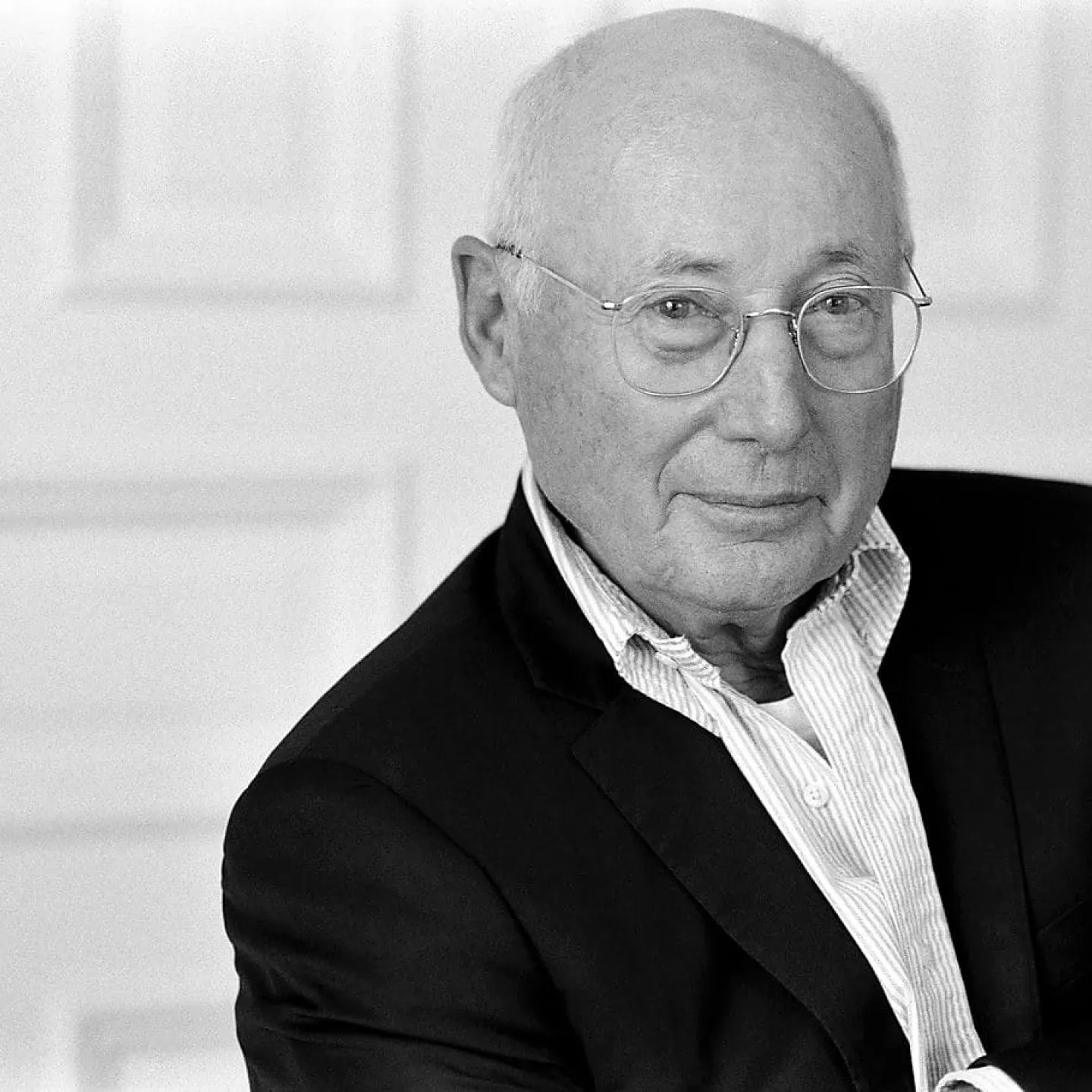
Campus Gespräche 2026: Ist die Welt noch in Ordnung?
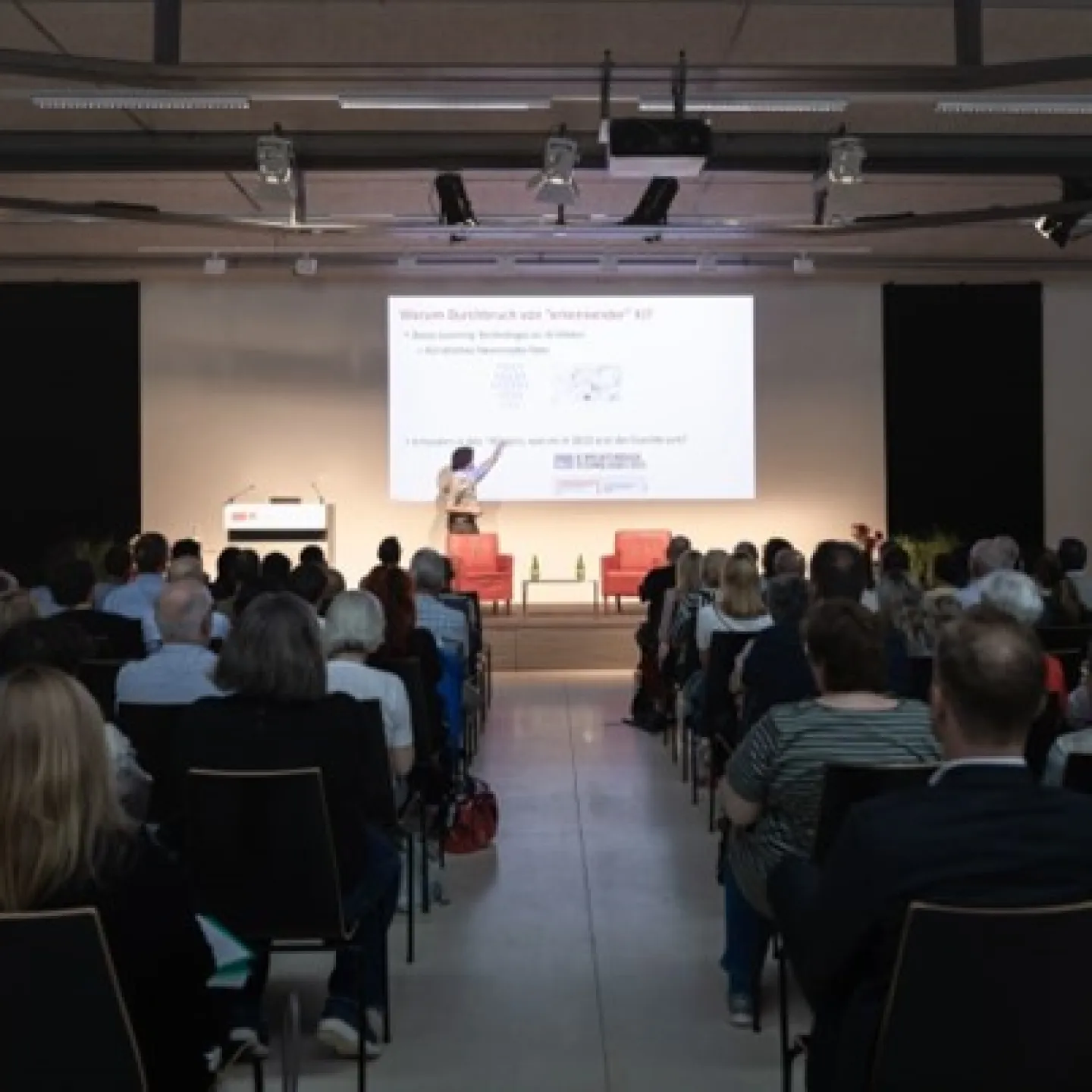
Die Campus Gespräche an der Universität Liechtenstein bieten eine Plattform für den offenen Austausch zu den drängendsten Fragen unserer Zeit. 2026 widmet sich die Reihe dem hochaktuellen und tiefgreifenden Thema «Weltordnung im Wandel» unter zentralen Leitfrage: «Ist die Welt noch in Ordnung?». Die Veranstaltungsreihe wird diesen komplexen Wandel mit hochkarätigen Experten aus verschiedenen Perspektiven beleuchten.
Nach den Impulsreferaten folgt eine moderierte Diskussion, bei der auch das Publikum aktiv in den Dialog eingebunden wird. Ziel ist es, unterschiedliche Perspektiven sichtbar zu machen und zum gemeinsamen Nachdenken anzuregen.
Die Veranstaltungsreihe wird durch die Peter Marxer Lecture Foundation ermöglicht. Der Eintritt ist kostenlos.
Die nächsten Campus Gespräche
Bisherige Campusgespräche 2026
Die Campus Gespräche stehen unter dem Motto "Weltordnung im Wandel".
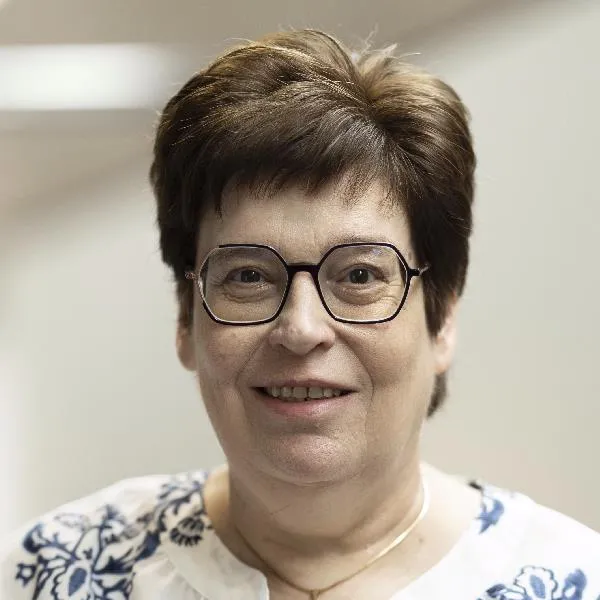
Dr. Johannes Herburger and Dr. Luis Hilti: One Liechtenstein for 100,000
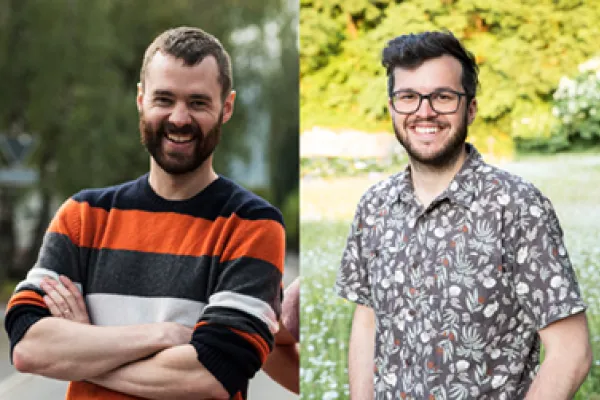
Liechtenstein is one of the few countries where more people work than live. More than half of the workforce commutes daily. Time and again, voices are raised calling for a liberalisation of immigration policy to enable these workers and their families to settle. This raises complex questions concerning spatial and housing policy, as conventional development strategies reach their long-term limits. What is needed are new guiding principles and sustainable concepts for an urban future and its interaction with the Alpine region.
Prof. Dr. Herfried Münkler
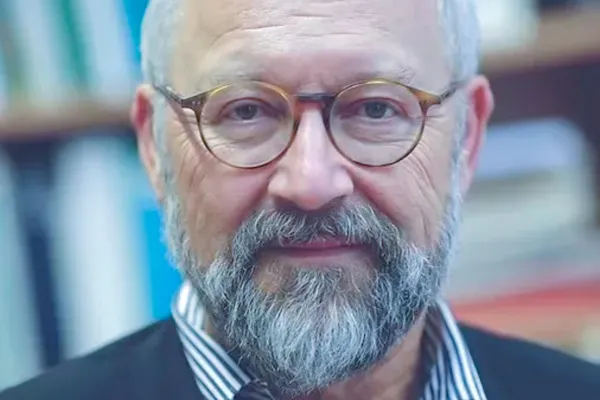
Prof. Dr. Herfried Münkler analyses the geopolitical upheavals following the end of the previous world order and outlines a possible new system of regional spheres of influence dominated by five major powers. In doing so, he highlights both risks and opportunities for Europe and raises the question of how small states such as Liechtenstein can act within this new order. Münkler is one of the most distinguished political scientists in the German-speaking world and, with his analysis, provides a well-founded outlook on the power relations of the twenty-first century.
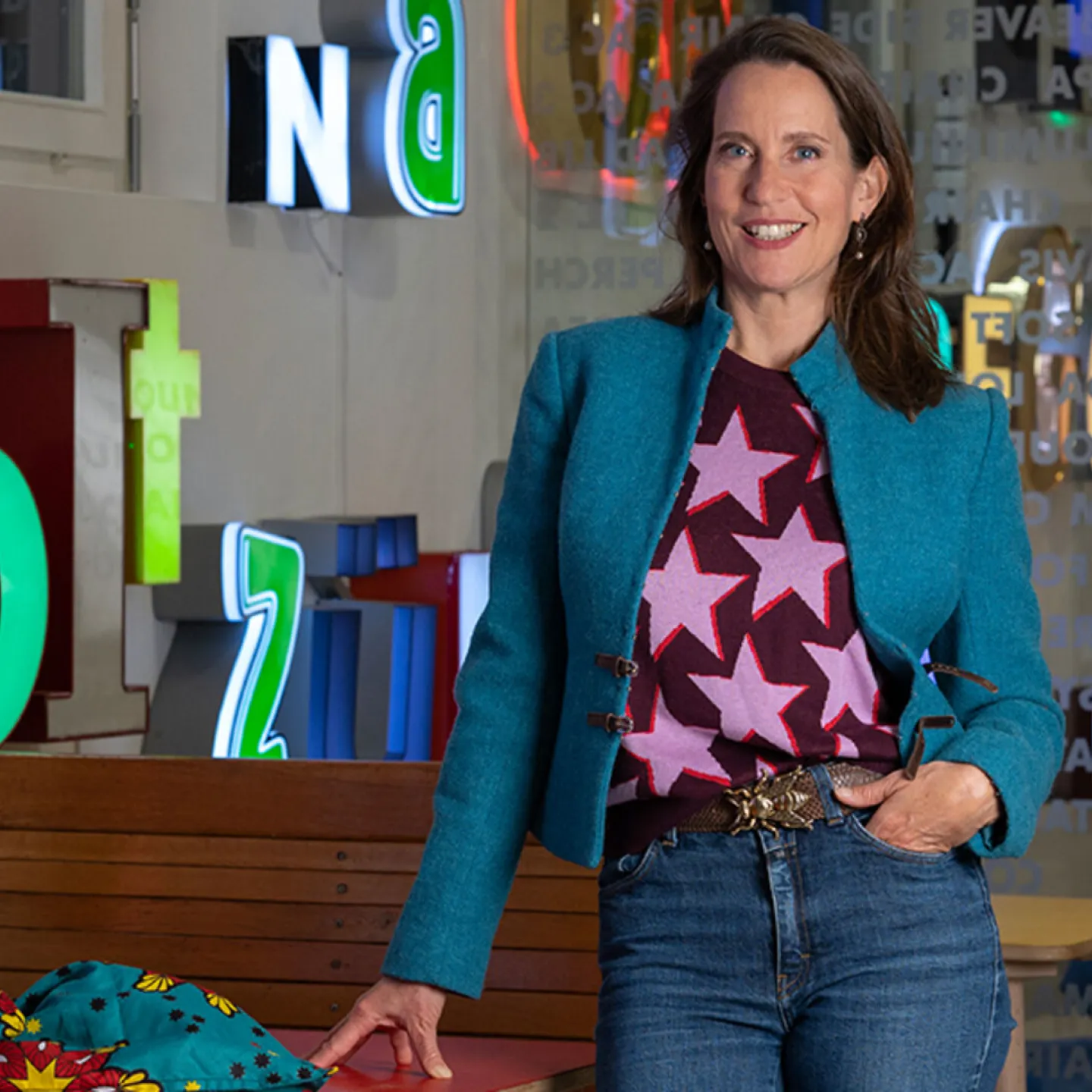
Bettina Walch: "We Must Become Richer … in Biodiversity."

“Biodiversity is the foundation of our lives,” says Bettina Walch, pointing to the many benefits of nature such as clean drinking water, fertile soils and recreational spaces. Despite its importance, biodiversity is coming under increasing pressure due to the growing demand for energy: already, one third of all species and half of all habitats are considered endangered. Walch is convinced: “We are all part of the solution, even small contributions can help to preserve natural diversity.”
Stefan Aust: "Time Travel and Future. Learning from History?"
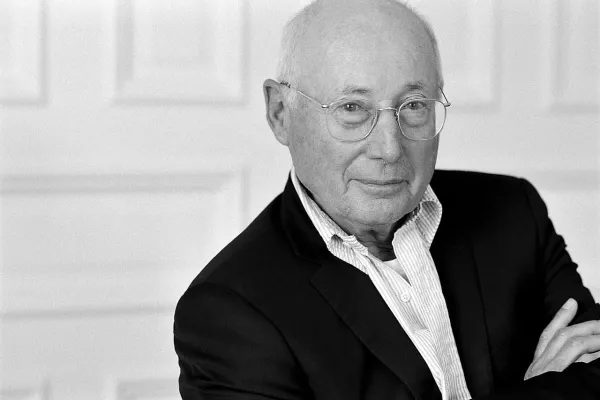
Stefan Aust is one of the most influential journalists in post-war German history. In his autobiography Zeitreise, he looks back on a life at the centre of media and political events. Aust not only recounts stages such as Panorama, Spiegel TV and his time as editor-in-chief of Der Spiegel, but also provides insights into his investigations into historical turning points. The book combines journalistic contemporary history with compelling reportage and demonstrates how closely Aust remained in touch with political developments over decades.