Self-Leadership & Mindfulness: Keys to Sustainable Leadership Development
Self-Leadership & Mindfulness: Keys to Sustainable Leadership Development

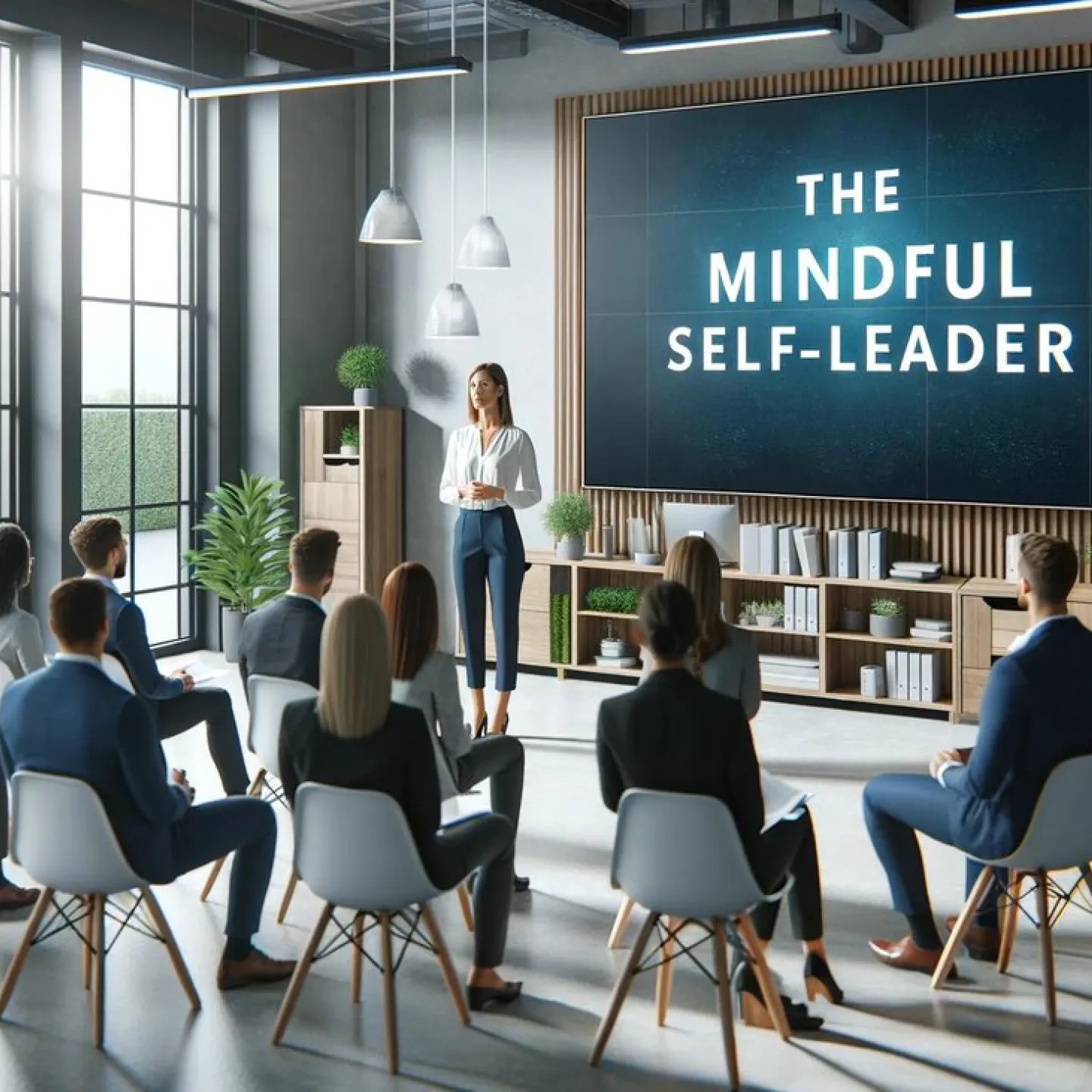
Imagine steering a company through the turbulent waters of digitalization while employee demands grow by the day. In this fast-paced world, traditional leadership techniques are no longer sufficient. What if a leader’s true strength lies not only in their acquired "leadership skills" but in the art of leading themselves and practicing mindfulness?
A recent systematic literature review by Julia Tenschert, Prof. Dr. Marco Furtner (Liechtenstein Business School), and Prof. Dr. Mike Peters (University of Innsbruck) demonstrates how self-leadership and mindfulness can make leaders not only more resilient but also more effective.
New Approaches to Leadership Development
The link between leadership competence and organizational performance is clear but multifaceted. Employee engagement and motivation are crucial to building agile teams, and they strongly depend on leaders’ ability to create a supportive environment. A current systematic review shows that self-leadership and mindfulness are essential components often missing from Leadership Development Programs (LDPs).
Focus on Self-Leadership and Mindfulness
The analysis of 52 studies reveals that traditional LDPs often fall short in strengthening leaders’ social and emotional competencies. An approach combining self-leadership and mindfulness promises a more holistic development by helping leaders better manage psychological demands and increase their resilience. Ultimately, this promotes an innovative and resilient corporate culture.
Training programs integrating self-leadership and mindfulness show significant improvements in resilience, job performance, and leadership satisfaction. Self-leadership is linked to higher team performance and trust among leaders. Mindfulness strongly correlates with stress reduction, improved self-regulation, and high emotional intelligence—all of which enhance leadership skills and organizational outcomes.
Future Perspectives and Research Needs
The review highlights that integrating self-leadership and mindfulness training into LDPs offers wide-ranging benefits for organizations: these approaches boost self-responsibility, motivation, teamwork, and conflict resolution while fostering an empathetic and inclusive leadership culture.
However, further research is needed on adapting and scaling these training programs across various organizational contexts. Special attention should be paid to cultural and individual differences. Future studies should also explore the effectiveness of such programs in digital and global teams to evaluate their impact in virtual work environments.
The review has been accepted for publication in the journal Management Review Quarterly (https://doi.org/10.1007/s11301-024-00448-7).