
International Office

Internationality, for us, means sensitivity, tolerance and understanding; learning languages and discovering cultures; growing both personally and professionally.
The International Office informs, advises and supports students, staff and faculty on all matters related to international affairs. We assist with choosing suitable programmes and guide applicants through the application process. In addition, we provide support for international students and guests of the university.
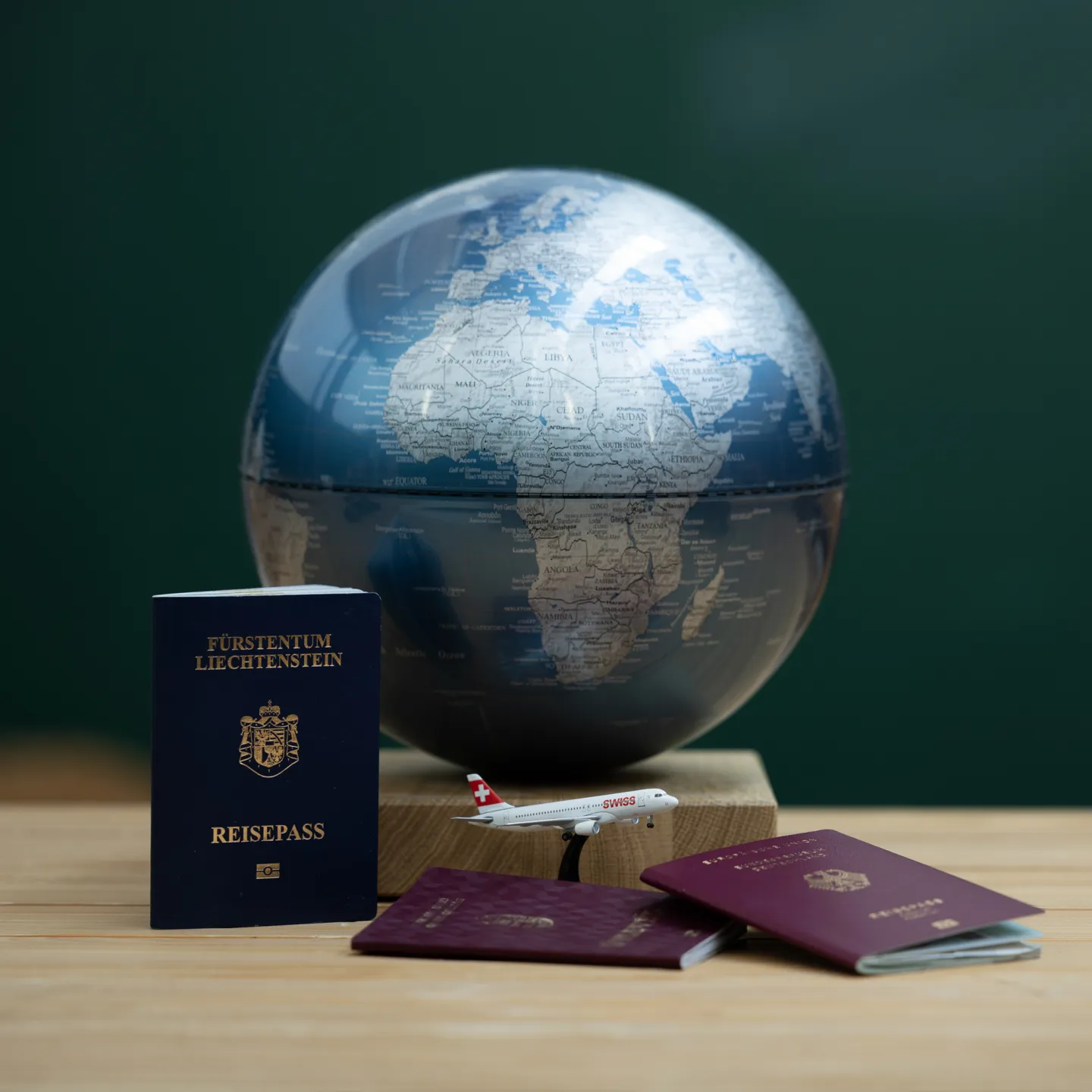
Who We Are
We need your consent
To view this YouTube video, you must accept data processing under the category “Third-party marketing”. Further details on data processing can be found here.
International Mobility







News







Riga is a diverse city with a lot to offer. There are plenty of meeting places, cafés and parks. The cultural scene is rich and exciting – especially in contrast to our village-like everyday life. The course content differed from that at the University of Liechtenstein. In addition to the studio, we had classes in drawing and painting, as well as outdoor furniture and regional landscape. All of the courses were manageable, and we completed them with final lectures and presentations of our work."

My semester at the University of Liechtenstein was a great and enriching experience. The fact that the university is small contributed to its personal atmosphere and the close interaction with university staff. The architecture degree programme was enriched by a wide range of content, and in the studio we had access to excellent technical equipment to develop outstanding projects."