
Erasmus+
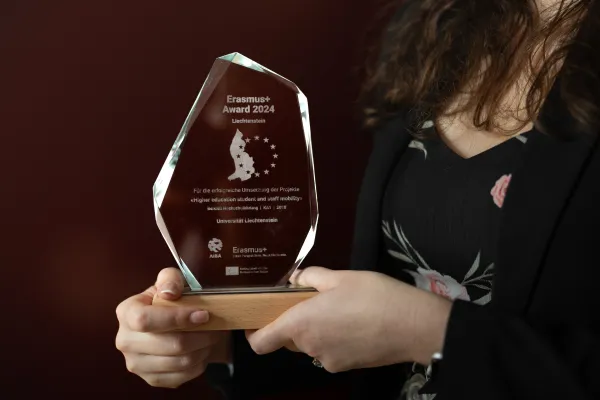
The new Erasmus+ programme generation was launched in 2021 and will run until 2027. But what are the key focus areas of this programme generation?
Key Focus Areas
Erasmus+ Digital
This strand focuses on promoting digital skills among students and doctoral candidates. It supports new virtual and blended mobility formats and advances the digitalisation of programme administration – under the umbrella of “Erasmus without Paper”. This includes digital learning agreements and recognition processes, as well as tools such as the Inter-Institutional Manager and nomination systems. In the coming years, the European Student Card is also expected to become the standard.
Erasmus+ Green
As part of the European Green Deal, Erasmus+ promotes sustainable travel options and supports cooperation and projects related to environmental topics. The aim is to raise awareness for sustainability, protect the environment and combat climate change.
Erasmus+ Social Inclusion
This area places a strong emphasis on equal opportunities. It supports underrepresented groups such as socially disadvantaged individuals, persons with special needs, first-generation university students, and working students by offering new mobility opportunities.
Erasmus+ Participation in Democratic Life
Erasmus+ fosters European identity and supports active engagement of citizens and civil society in democratic processes. The programme aims to spark interest in the European Union and enhance understanding of how it works.
Erasmus Charter
By holding the ECHE for 2021–2027, the university commits to meeting the quality standards and obligations of the Erasmus+ programme. The core principles of the current programme generation include:
- Transparency
- Inclusion
- Anti-discrimination strategies
- Sustainability (Green Erasmus)
- Digitalisation (Erasmus Without Paper)
- Automatic mutual recognition
Green Travel

Erasmus+ aims to raise awareness among scholarship holders and institutions about climate change, environmental protection and especially the ecological footprint generated by mobility. To support this, the programme offers a top-up and the option to count up to 6 travel days when using sustainable modes of transport. Travel allowances for all types of mobility are increased when environmentally friendly travel is chosen.
Inclusion
The current Erasmus+ programm phase aims to promote equal opportunities, inclusion, diversity and fairness across all areas. In the future, there will be a stronger focus on supporting people with disabilities and individuals who belong to the group of “fewer opportunities”.
This group includes students with disabilities or fewer opportunities, students with children, students from non-academic family backgrounds and working students.