Sustainable Taxation – Kasem Zotkaj’s Research Sheds Light on a Timely Topic
Sustainable Taxation – Kasem Zotkaj’s Research Sheds Light on a Timely Topic

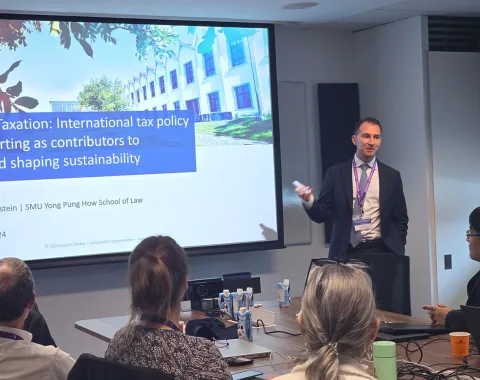

The connection between sustainability and taxation is gaining increasing attention in research and policy-making. This is not just about designing tax systems that are fairer and more environmentally friendly, but also about understanding how taxation can contribute to achieving global sustainability goals.
In his latest publication, featured in the ABDC A-ranked eJournal of Tax Research, Kasem Zotkaj, PhD candidate at the Liechtenstein Business Law School, explores these pressing issues. His research helps clarify the concept of sustainable taxation and examines its role in fostering sustainable development.
The concept of sustainable taxation is still relatively new and lacks a precise definition. According to Kasem Zotkaj’s analysis, it carries the risk of being influenced by moral subjectivity, which poses challenges for both taxpayers and policymakers. To address this, he conducted a conceptual analysis to identify the fundamental characteristics of sustainable taxation. His findings show that sustainable taxation goes beyond merely generating revenue. It must also promote behavioral changes and contribute to aligning ecological, social, and economic goals.
A key focus of the research is the interaction between tax policy and the United Nations Sustainable Development Goals (SDGs). This interaction can be divided into two dimensions:
Indirect Support: Tax policy can support the SDGs by promoting domestic resource mobilization. This means that effective tax systems can provide more funding for education, healthcare, or infrastructure - essential components of sustainable development.
Direct Support: A direct connection exists when tax laws are designed to go beyond revenue collection and explicitly pursue regulatory objectives. Examples include environmental taxes aimed at reducing carbon emissions or tax incentives for sustainable investments.
These two dimensions align with the core objectives of taxation: revenue generation and behavioral regulation. Zotkaj’s analysis provides a deeper understanding of these interactions and evaluates how tax policy can effectively contribute to sustainability.
Sustainable taxation is a topic that affects everybody — whether as taxpayers, policymakers, or researchers. Kasem Zotkaj’s work underscores the importance of clearly defining this concept and using it as a tool for sustainability. His research is a valuable contribution to the ongoing debate about the role of tax policy in a changing world.