17th Liechtenstein Foundation Law Conference: «Legal Challenges in Foundation Structures»
17th Liechtenstein Foundation Law Conference: «Legal Challenges in Foundation Structures»
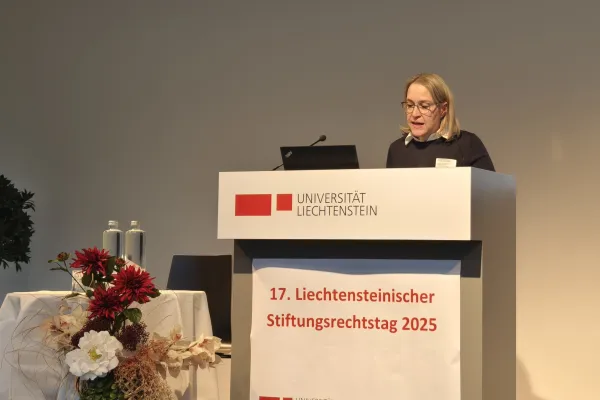
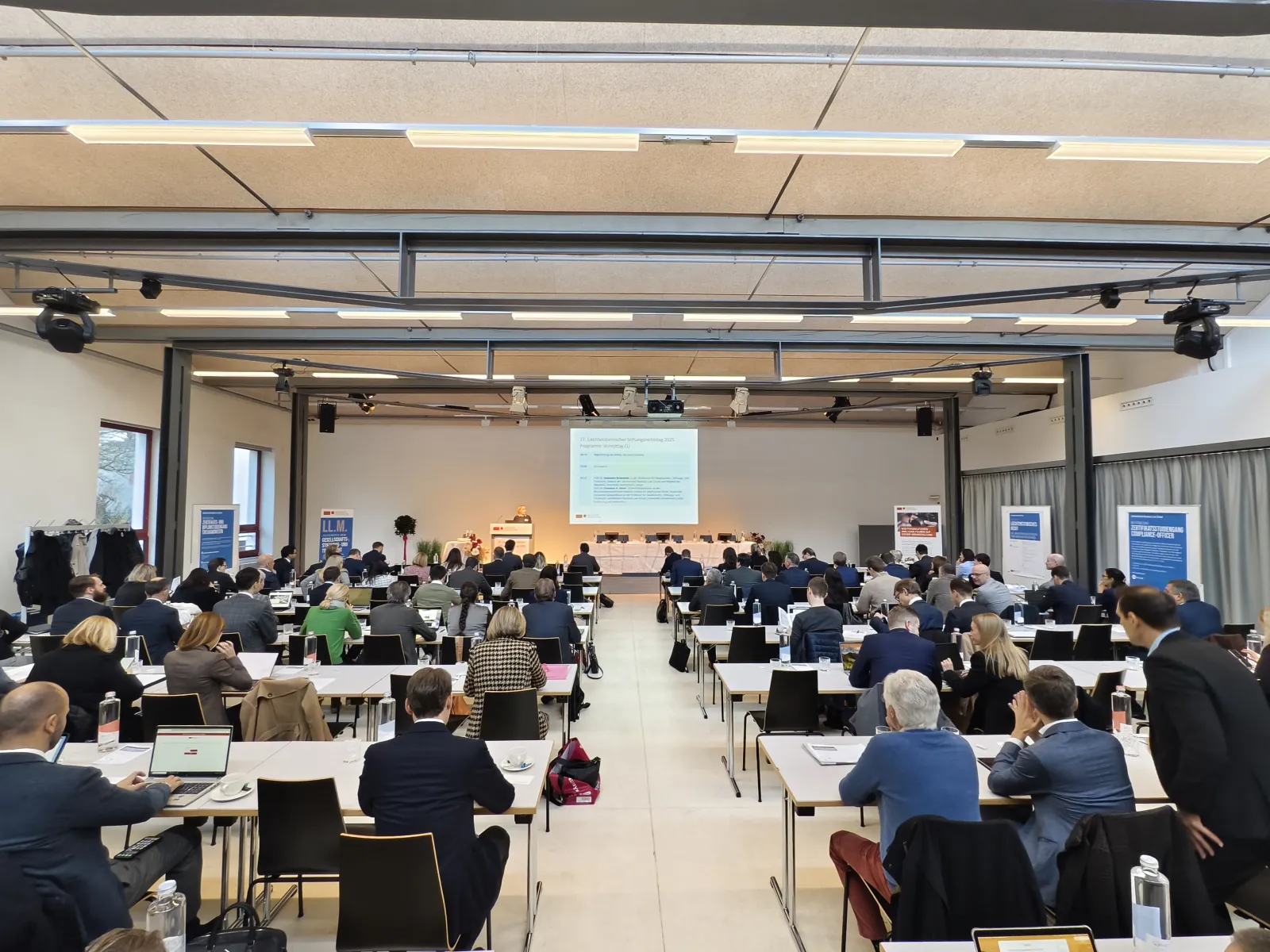
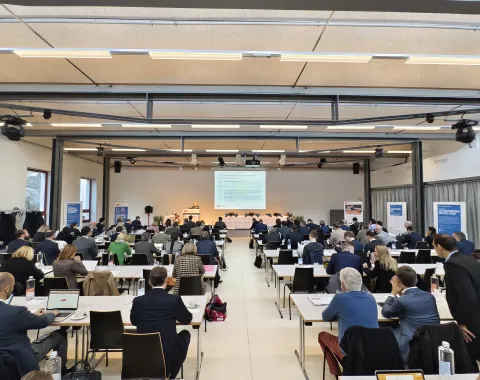
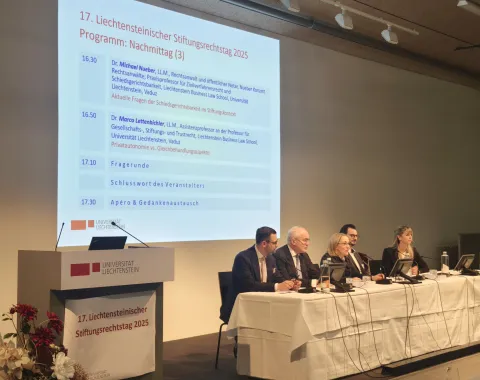
On 2 December 2025, the Professorship of Company, Foundation and Trust Law hosted the 17th Liechtenstein Foundation Law Conference and welcomed around 120 participants to the Auditorium of the University of Liechtenstein. This year, recognised experts from Liechtenstein and abroad examined current legal challenges in foundation structures.
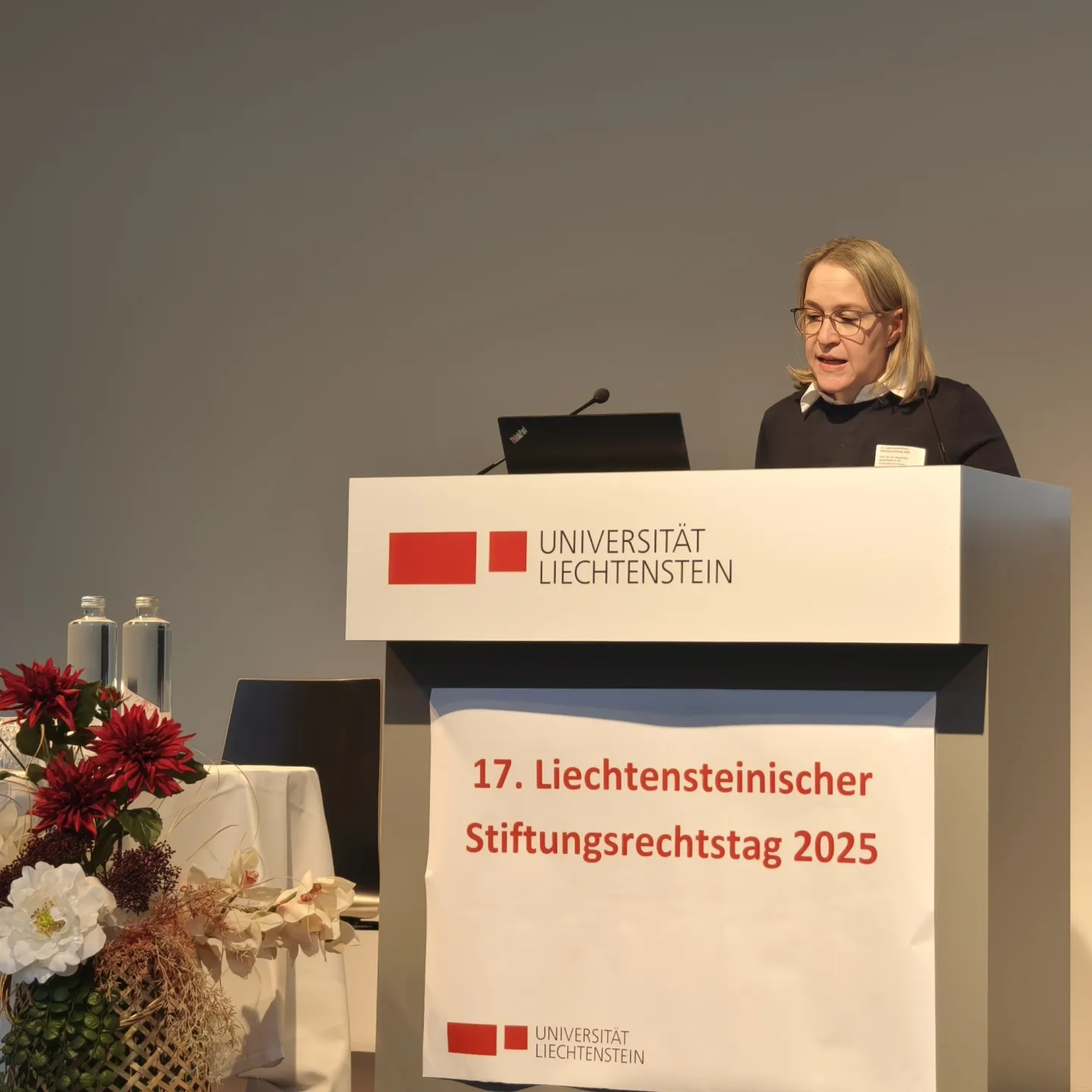
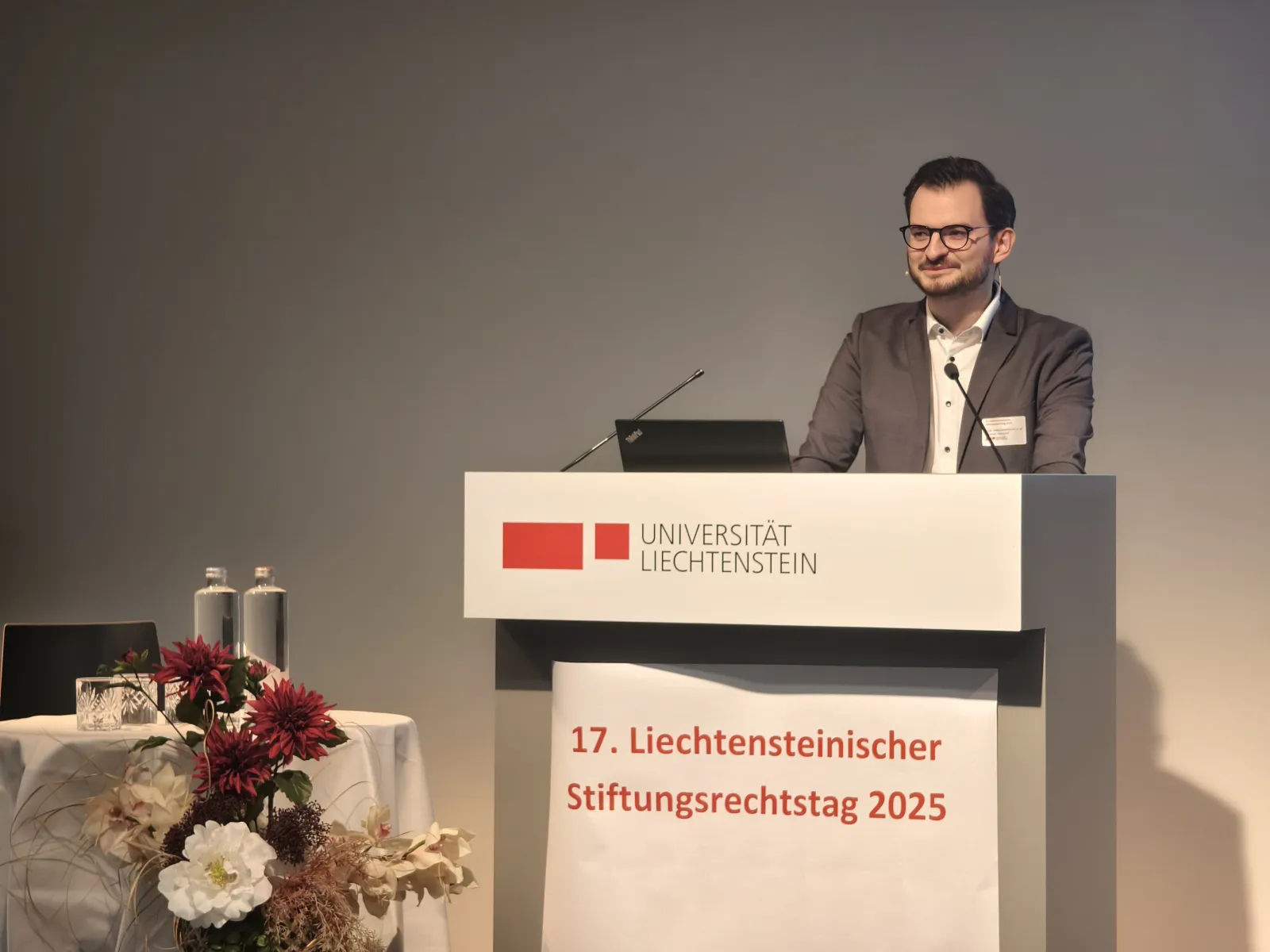
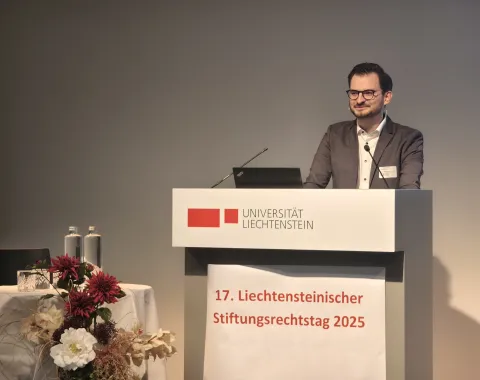
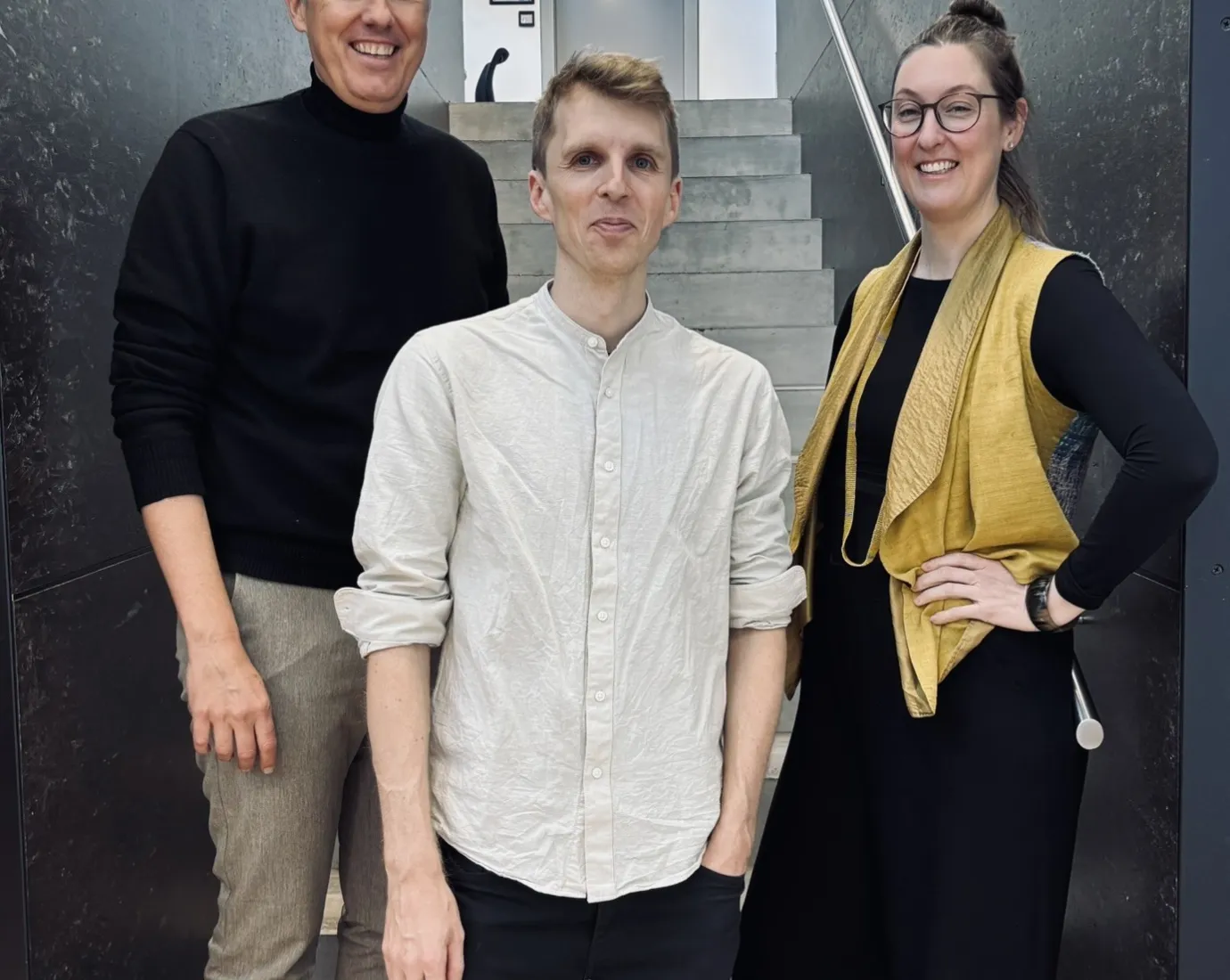
The conference programme was moderated by Prof. Dr. Alexandra Butterstein, LL.M. and Prof. Dr. Francesco A. Schurr, who emphasised the importance of this event in their opening addresses. Dialogue between academia and practice is more important than ever, particularly in light of the forthcoming revisions to foundation law and trust law. Each year, the Foundation Law Conference provides an excellent platform for constructive exchange and brings together representatives from various sectors in order to prepare Liechtenstein foundation law for future socio political developments in the competitive landscape of legal systems.
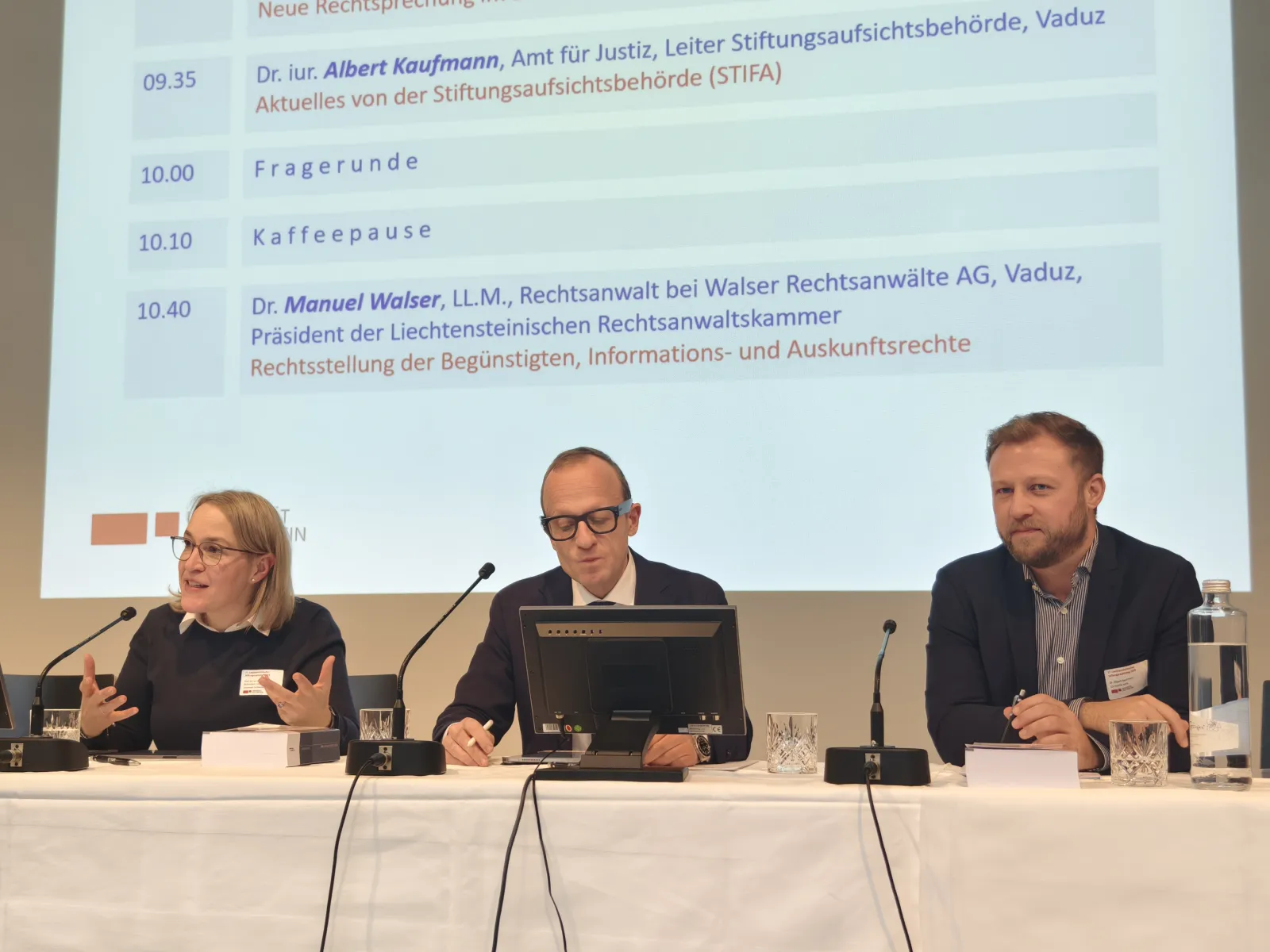
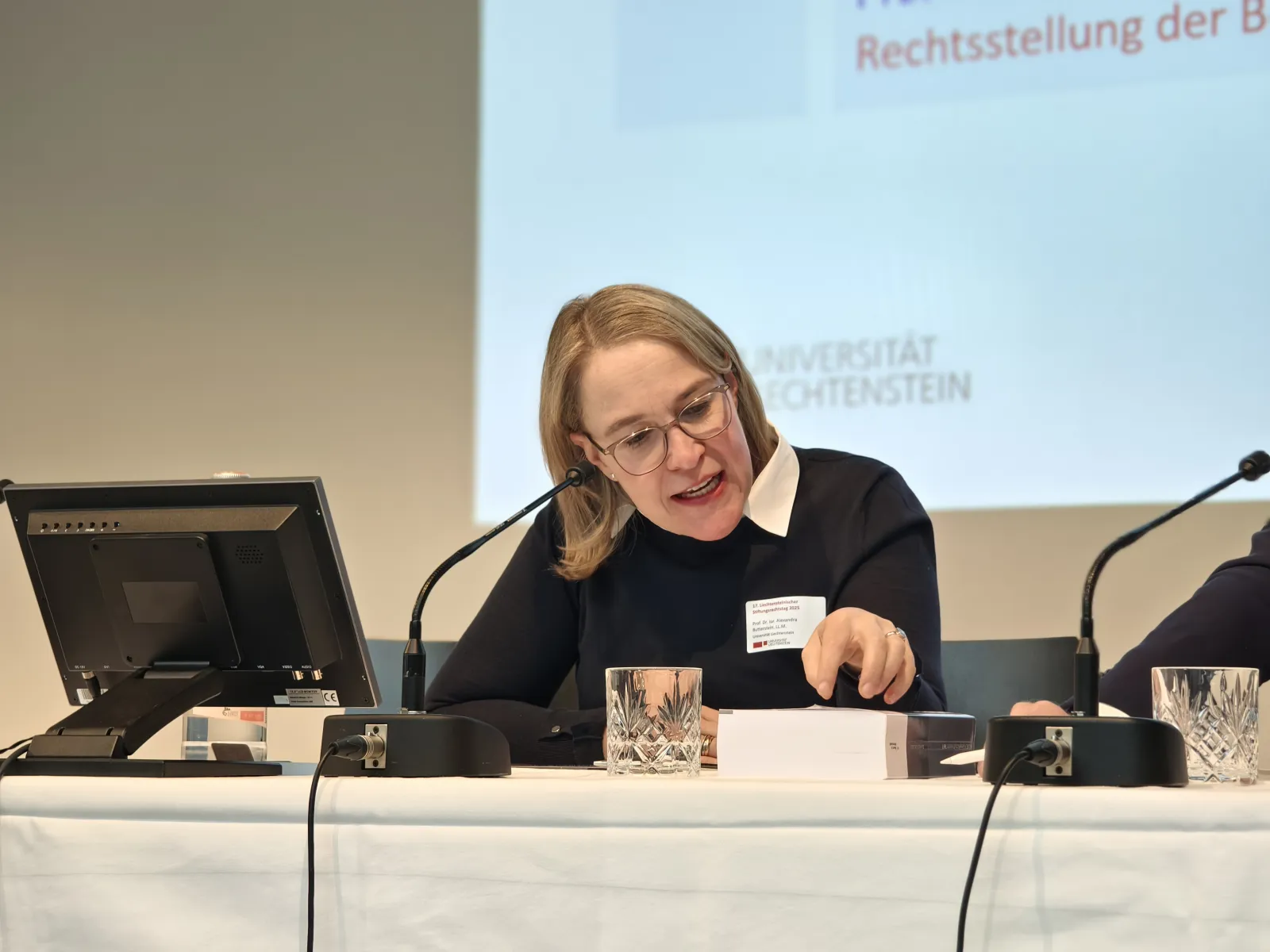
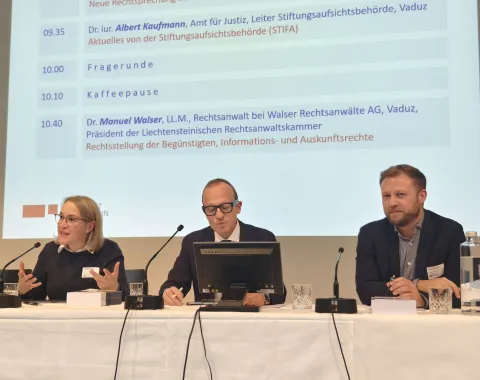
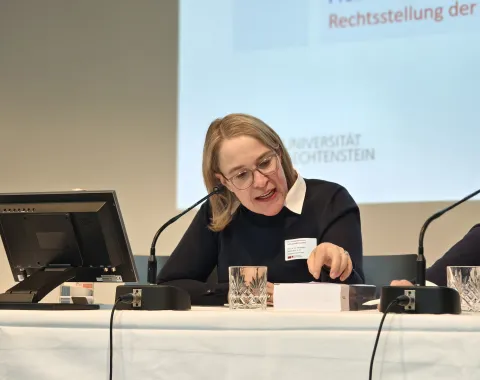
In keeping with established tradition, the Foundation Law Conference opened with a review of recent case law. Prof. Dr. Alexandra Butterstein, LL.M. discussed the most relevant judgments of the past year, which primarily addressed the tension between beneficiaries’ rights to information and the foundation’s interests in confidentiality. Dr. Albert Kaufmann then presented current developments from the perspective of the Foundation Supervisory Authority. In particular, the planned reforms of foundation law and trust law and their current legislative status were discussed. This was followed by an examination of relevant case law involving proceedings with the participation of STIFA.
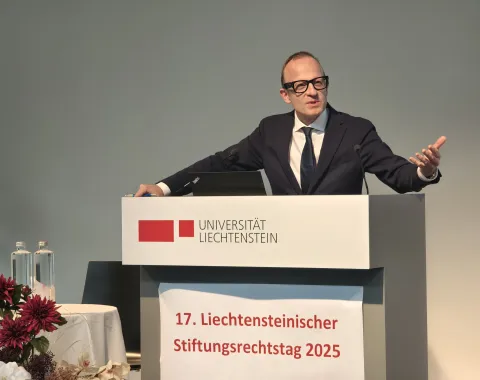
Addressing current challenges in foundation organisation, Dr. Manuel Walser, LL.M., President of the Liechtenstein Bar Association, spoke about the legal position of beneficiaries of private interest foundations and their rights to information and disclosure. Univ. Prof. Dr. Johannes Zollner, Professor at the Institute of Corporate Law and International Business Law at Karl Franzens University Graz, examined the possibilities for amending beneficiary regulations. He focused in particular on the question of whether such amendments are equivalent to a change in the foundation purpose and therefore permissible only under more restrictive conditions. Building on these remarks, Prof. Dr. Francesco A. Schurr presented on the advantages and disadvantages, composition and competences of a supervisory body. When properly designed, such a body constitutes an effective instrument for sound Foundation Governance. From a comparative law perspective, Dr. Johannes Gasser, LL.M., Attorney at Law and Notary at Gasser Partner Rechtsanwälte, presented the practically significant “Anti Bartlett Clauses” and considered whether they are permissible under Liechtenstein foundation law or may even be introduced retrospectively for existing foundations. The subsequent panel discussion addressed whether and to what extent freedom of organisation in foundation structures represents a locational advantage for Liechtenstein.
Following the networking lunch, the traditional philanthropy segment of the Foundation Law Conference took place. As in previous years, this segment was organised in cooperation with the Association of Liechtenstein Charitable Foundations and Trusts (VLGST) and was opened with welcome remarks by its President, Dr. Thomas Zwiefelhofer. Dr. Theresa Gehringer reported on experiences relating to generational diversity within foundation boards and presented considerations for potential renewal and greater diversity. Prof. Dr. Marc Gottschald then presented, among other topics, the Philanthropy Report published by his Center for Philanthropy. This report represents the first comprehensive assessment of the sector in Liechtenstein and provides, for the first time, a systematic and scientifically grounded overview of the charitable foundation and association sector. The subsequent panel, chaired by Prof. Dr. Alexandra Butterstein, LL.M. and Prof. Dr. Francesco A. Schurr, discussed current challenges as well as new strategies and trends in philanthropy.
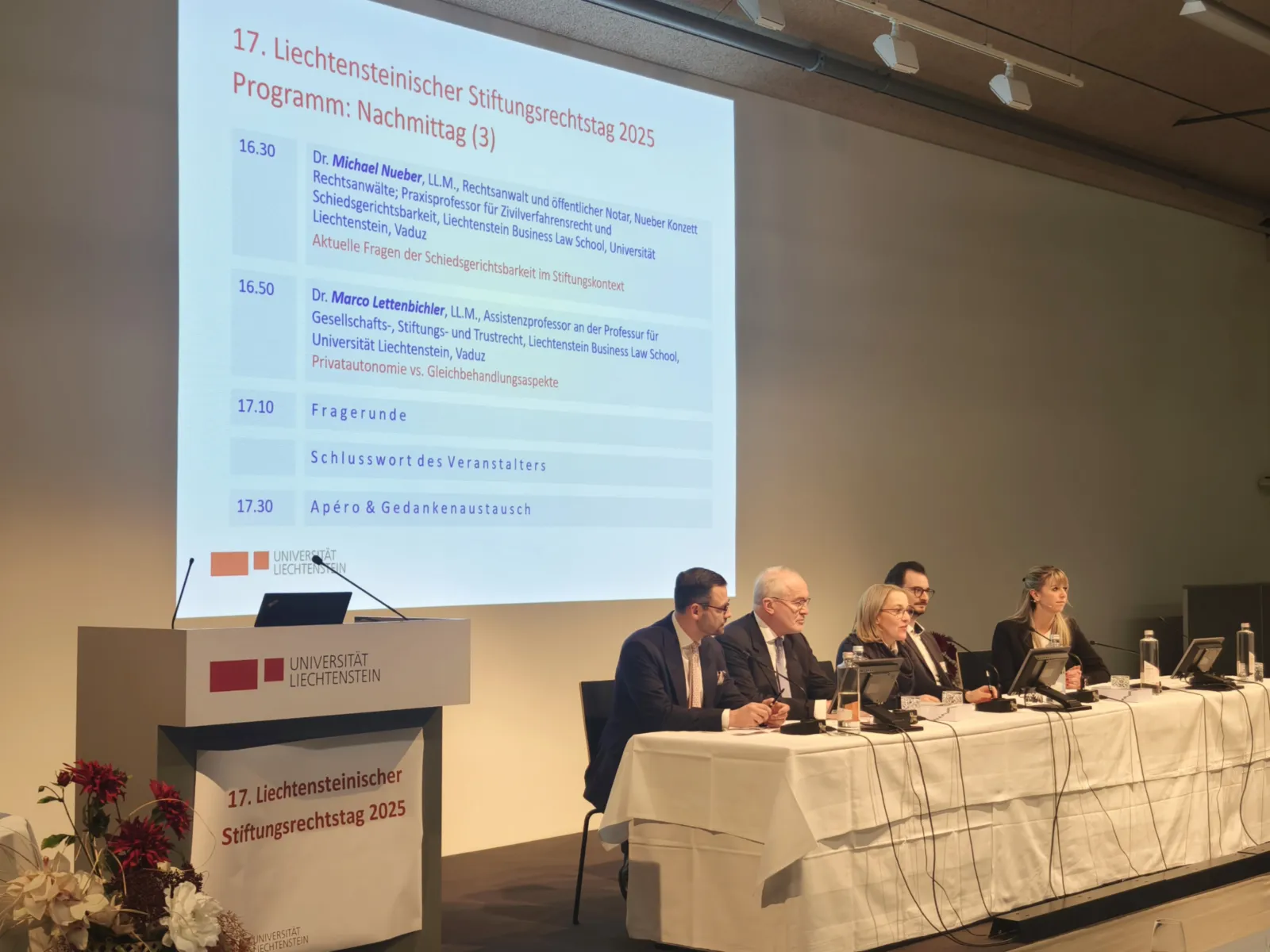
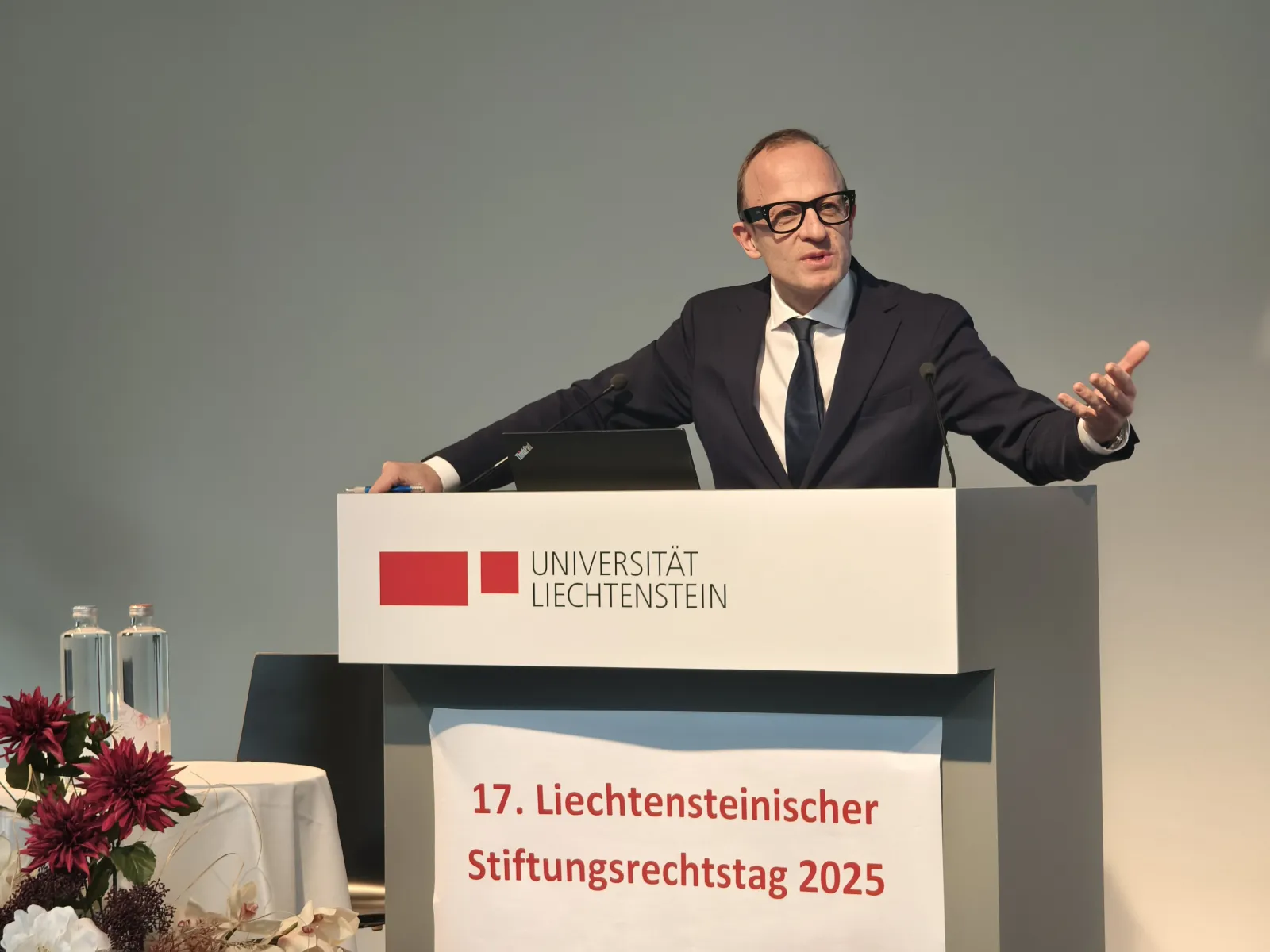
In the final thematic block on areas of tension and limits of private autonomy in foundation law, Hon. Prof. Dr. Georg Schima, M.B.L. HSG, LL.M. (Vaduz), Attorney at Law at conclusio schima lawyers, first examined possible solutions to prevent abusive, nominee and sham foundation structures. Dr. Vanessa Glaser, Attorney at Law and Partner at Glaser and Kleinsorge, then addressed the obligation to preserve capital in foundations from a comparative law perspective and discussed potential implications for Liechtenstein foundations. Current issues relating to arbitration in the foundation context were examined by Dr. Michael Nueber, LL.M., Attorney at Law and Public Notary at Nueber Konzett Rechtsanwälte. Finally, Dr. Marco Lettenbichler, LL.M., Assistant Professor, discussed whether and to what extent the founder’s freedom is restricted by recent case law of the European Court of Human Rights and the Austrian Supreme Court concerning protection against discrimination and the principle of equal treatment.
After a concluding round of questions, the 17th Liechtenstein Foundation Law Conference came to a close with a joint apéritif and exchange of ideas. Overall, the engaging and informative day demonstrated that the foundation landscape is undergoing constant change, while Liechtenstein foundation law remains sufficiently flexible to effectively address the challenges ahead.
Review of the 17th Liechtenstein Foundation Law Conference (Video)