

Skip to Main Content

Erasmus+ Days

Erasmus+ Days

School or Professorship:
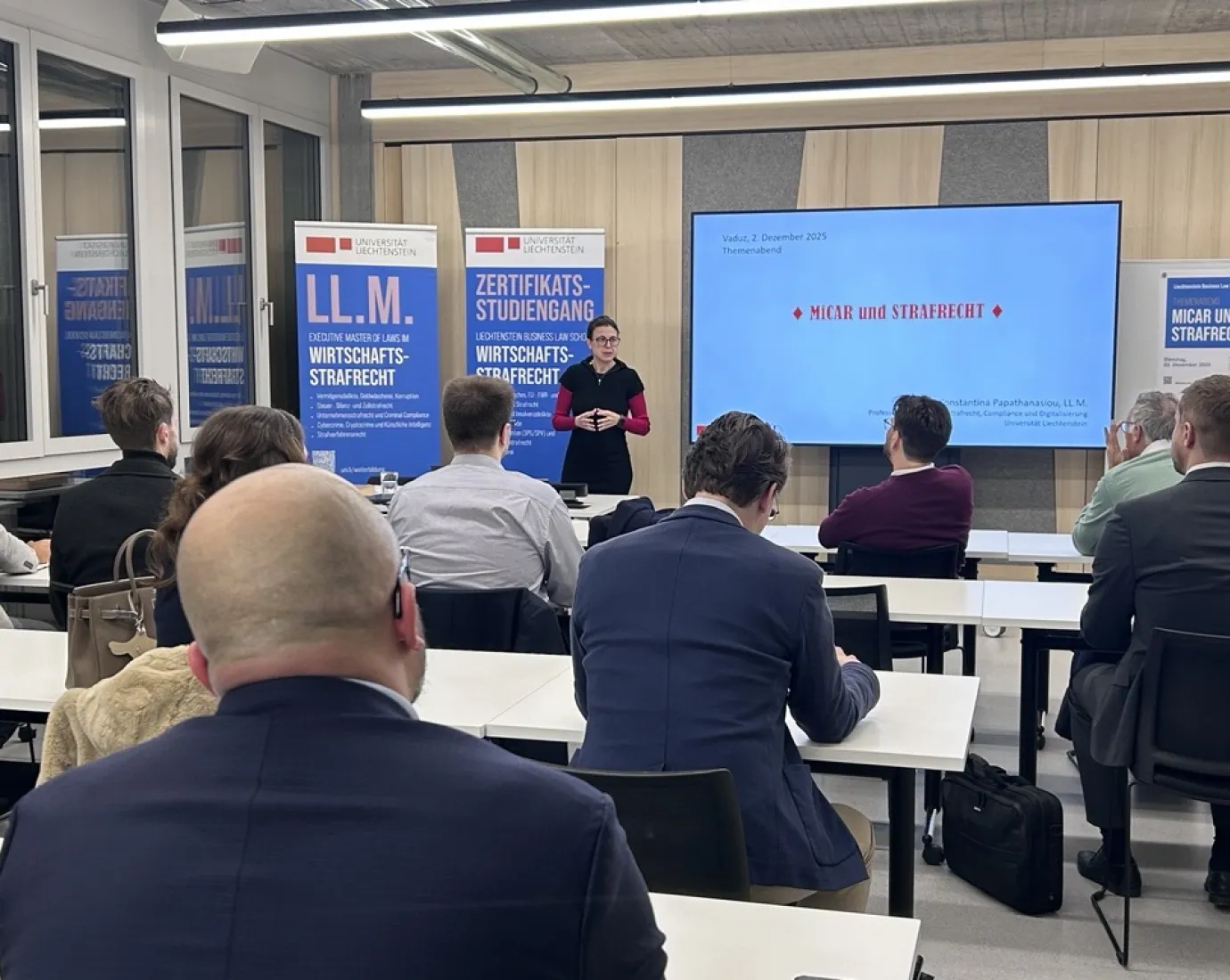
Im Rahmen der jährlichen Erasmus+ Days zur Würdigung des Programms Erasmus+ findet am Donnerstag, 16. Oktober, eine Veranstaltung mit Vorträgen und Präsentationen zu Erasmus+ Projekten von Liechtensteiner Projektträgern in der Aula am Standort Ebaholz der Universität Liechtenstein statt.

Programm
17.00 Uhr: Begrüssung durch Vertreter der Universität Liechtenstein und der Agentur für Internationale Bildungsangelegenheiten (AIBA)

17.15 Uhr: Kurzpräsentation aktueller Erasmus+ Projekte von Liechtensteiner Projektträgern

18.00 Uhr: Eröffnung Posterausstellung zu den vorgestellten Projekten und Apéro mit der Möglichkeit, mit den Projektträgern in Kontakt zu treten

Bei unserer Veranstaltung wird Foto- und Videomaterial für die nachfolgende Berichterstattung erstellt. Das Bildmaterial kann dabei auf der Website der uni.li, der AIBA, den Sozialen Medien (wie Instagram, LinkedIn) oder in Printmedien veröffentlicht werden. Möchten Sie nicht auf den Bildmaterialien zu sehen sein, bitten wir Sie dies dem Fotografen vor oder während der Veranstaltung mitzuteilen.
Vielen Dank.
16 Oct
Fees

keine
Registration Deadline:
16.10.2025
Language
German

Lindau Nobel Laureate Meeting 2024

Lindau Nobel Laureate Meeting 2024

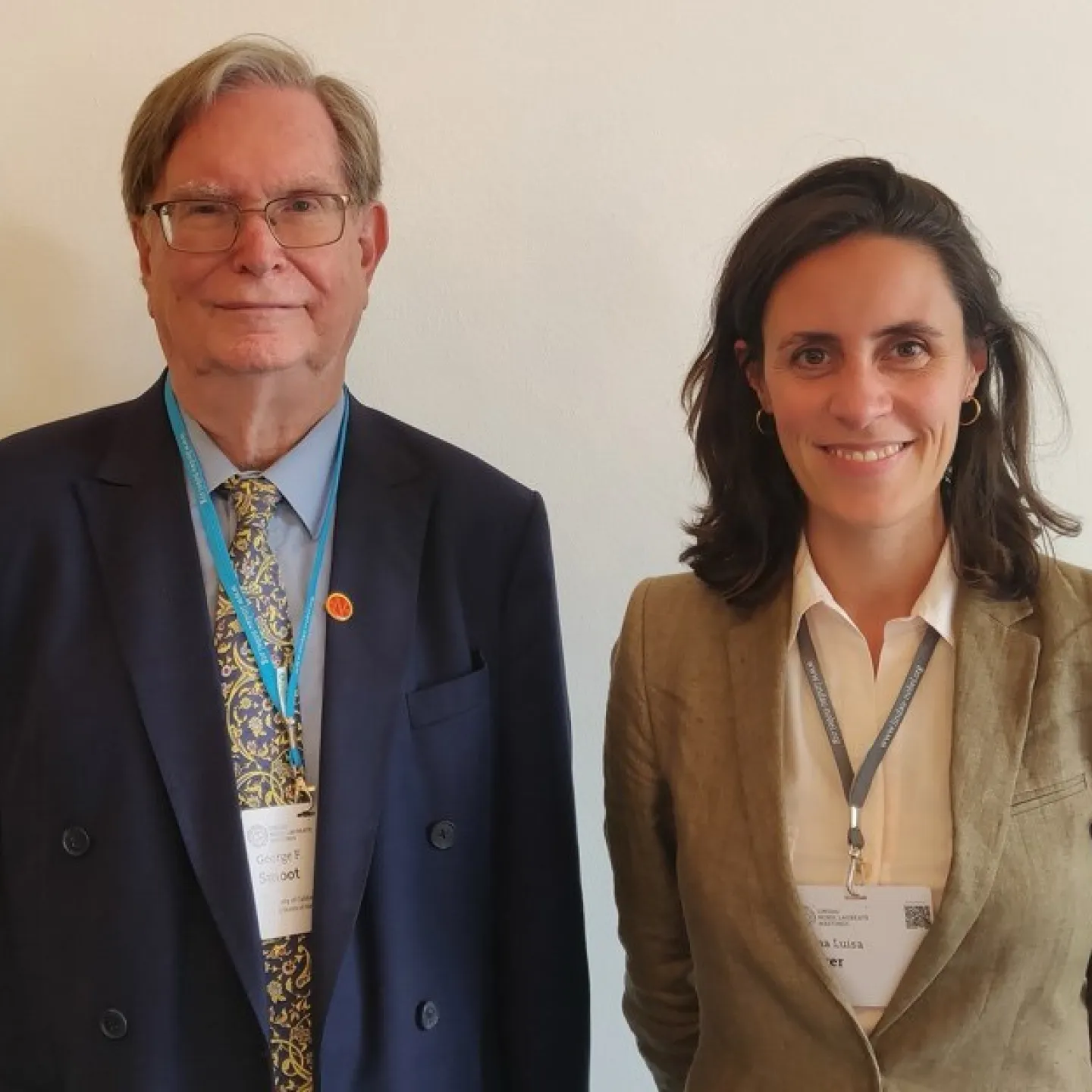
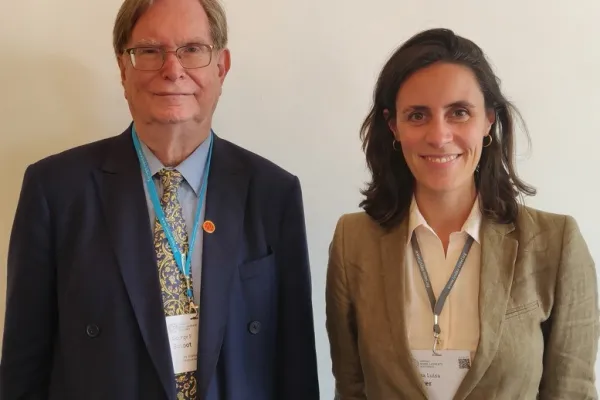
Zwei Personen stehen nebeneinander und lächeln in die Kamera. Beide tragen Namensschilder und sind formell gekleidet.

From June 30 to July 5, 2024, more than 30 Nobel Laureates and around 600 young scientists gathered in Lindau for the 73rd Lindau Nobel Laureate Meeting, which this year was dedicated to the field of physics.


The annual meeting rotates between the disciplines of physics, chemistry, medicine, and economics, as well as interdisciplinary themes. It offers a platform for networking and features a diverse program designed to encourage interaction and exchange among young scientists and Nobel Laureates.


Florina Marxer successfully passed an international selection process and had the great honor of participating in the meeting with support from the University of Liechtenstein. She is a doctoral student at ETH Zurich, where she researches how proteins self-organize into functional larger structures during cell division within the field of biophysics. According to Florina Marxer, the exchange with students and Nobel Laureates at the Lindau Meeting was inspiring and will shape her both as a scientist and as an individual.


At the conclusion of this year's meeting, attending Nobel Laureates signed a declaration warning against the use of nuclear weapons. The first such “Mainau Declaration” was initiated in 1955 by German Nobel Laureates Otto Hahn and Max Born, also warning against nuclear arms. This year’s declaration marks only the third Mainau Declaration in the history of the meeting—truly a historic moment.


Zwei Personen stehen nebeneinander und lächeln in die Kamera. Beide tragen Namensschilder und sind formell gekleidet.

Young Talents at the University of Liechtenstein

Young Talents at the University of Liechtenstein

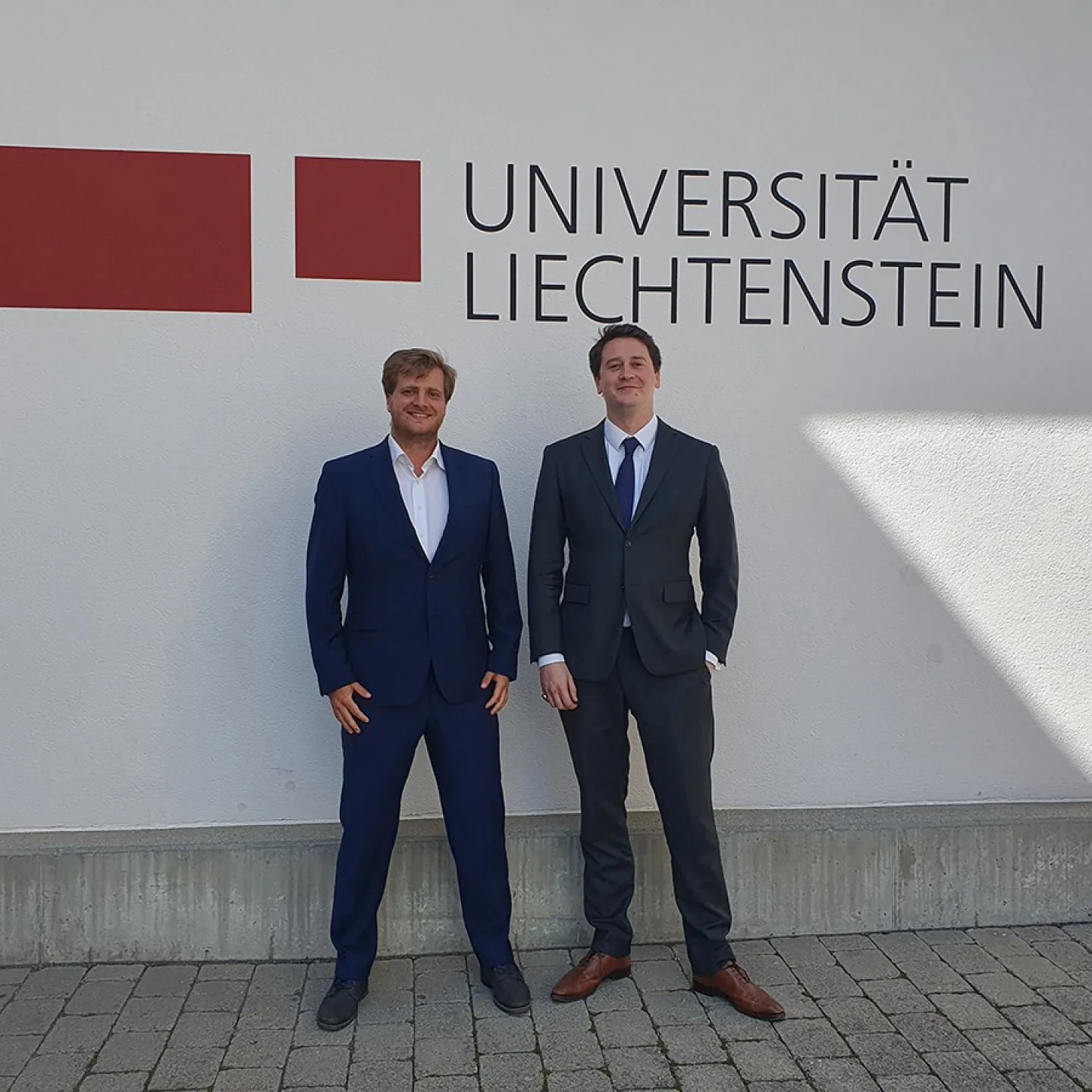
Zwei Personen in Anzügen stehen vor einer Wand mit dem Logo der Universität Liechtenstein.

Young Talents is a program for the promotion of young researchers. Young researchers at the University of Liechtenstein at doctoral level (following a preliminary study) can submit small research proposals to the University of Liechtenstein Research Fund.


Excellent candidates are supported by this grant in the implementation of their own research projects and in the development of an independent research profile. The candidates selected this year for the FFF Young Talents Grant are Theo Ravet-Brown and Marius Gramlich. Here are their research projects:


Leadership group dynamics in virtual reality: The role of follower interactions on charismatic leadership effectiveness in 2D and 3D virtual meetings


Charismatic leadership, a powerful form of leadership, is evolving with technology. Traditionally studied in face-to-face settings, recent research reveals that the impact of different communication media on charismatic leadership is profound. Findings suggest that the way charismatic leadership is perceived can significantly change with the medium used for interaction. This opens up questions on how these changes affect a leader’s ability to influence and motivate followers. Current studies involve using controlled environments to simulate real-life interactions, such as one-on-one meetings with supervisors, but today's workplace often features complex, multi-party digital meetings. This shift has prompted new research focused on understanding how follower behavior and group dynamics influence perceptions of charismatic leadership in these settings. 


The Young Talent applicant, Theo Ravet-Brown, proposed a pioneering experiment, where a leader and followers engage in tasks requiring close cooperation, while their interactions – eye contact, gestures, facial expressions, and voice modulation – are meticulously analyzed. This study not only uses cutting-edge biometric tools but also integrates virtual reality (VR) to deepen our understanding of nonverbal cues in digital communications.


Scheduled for late 2024, this research aims to publish its findings in prestigious journals, potentially reshaping how leadership training is conducted, especially in digital contexts. The University of Liechtenstein LBS is at the forefront of this initiative, addressing the growing demand for advanced leadership skills that align with the realities of the digital age, including virtual collaboration and management. This project supports LBS's goal to become a high-profile center for leadership excellence, providing concrete, actionable guidance to today's and tomorrow's leaders.


What are the drivers of liquidity on crypto markets


Studying the factors that drive liquidity in crypto markets is of paramount importance in today's financial landscape. Liquidity, the ease with which an asset can be bought or sold at low costs without significantly impacting its price, plays a crucial role in the efficiency and stability of financial markets.


In the context of crypto assets, understanding liquidity dynamics is particularly relevant due to the unique characteristics of digital assets and their markets.


Marius Gramlich will focus on lead-lag relationships, connectedness, and spillover effects of high-frequent intraday liquidity on centralized crypto exchanges. This project aims to provide valuable insights into market dynamics, risk management for trading crypto assets and crypto market microstructure.


Scheduled for late 2024, this research aims to publish its findings in prestigious journals and is a perfect fit for the strategic research focus of the University of Liechtenstein and for Liechtenstein’s economy promoting innovation for digital assets.


Zwei Personen in Anzügen stehen vor einer Wand mit dem Logo der Universität Liechtenstein.

Dr. Tanja Kirn Speaks at the European Commission

Dr. Tanja Kirn Speaks at the European Commission

Buntes Scherenschnittbild von Menschen in verschiedenen Lebenssituationen: Erwachsene, Kinder, Radfahrer und Personen mit Kinderwagen, die Vielfalt und Wandel moderner Familienstrukturen symbolisieren.

Dr. Tanja Kirn, Ass-Prof., presented at the European Commission (DG EMPL) research seminar, the Social Situation Monitor (SSM), results on the social security of cohabiting couples in various European countries. In this context, she also analysed the degree of solidarity within the Swiss AHV system.


The issue of social security for cohabiting couples is becoming increasingly important as family structures change. The relative number of marriages has fallen by around 50% since 1969 and marriages have become more fragile. On the other hand, the number of cohabiting couples and children born in non-marital cohabiting couples increases.


Women are particularly affected by this change. They perform a large proportion of unpaid care work, which is often accompanied by a reduction or abandonment of employment. As a lower income from employment results in a lower pension income, women are exposed to a higher risk of poverty in old age. This risk increases for non-married women, as important social security equalisation regulations (such as splitting of retirement assets, and survivors' pensions) are linked to the couple's marital status. On the other hand, AHV pensions are not capped at 150% for cohabiting couples, which in turn leads to comparatively higher pension income. Overall, the solidarity within the AHV is significantly stronger for married couples than for cohabiting couples.


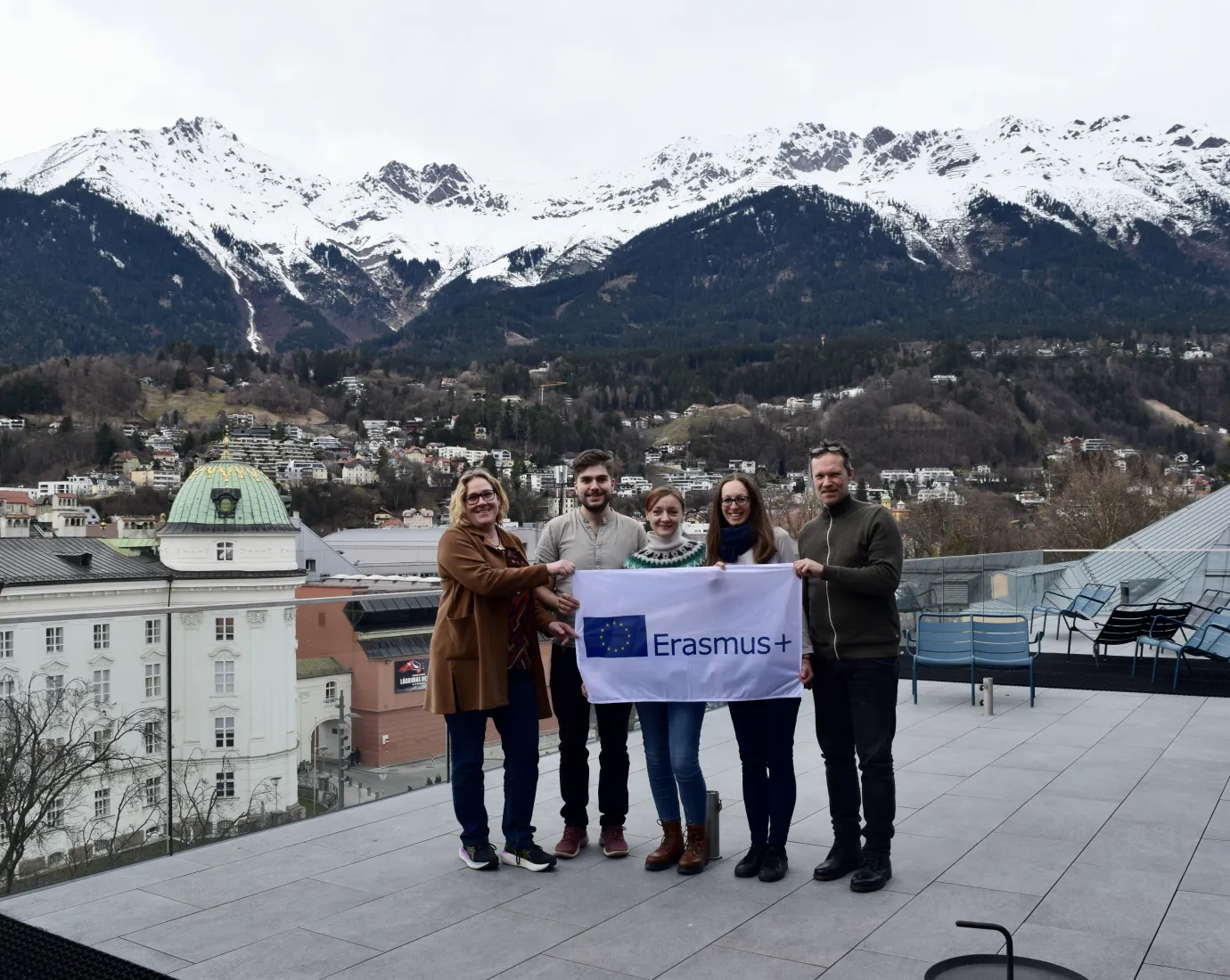
The results presented were obtained as part of the Erasmus+ project ecoMOD – capacity building in environmental and economic policy modelling and data analysis (Project: 2023-1-LI01-KA220-HED-000157594).


Buntes Scherenschnittbild von Menschen in verschiedenen Lebenssituationen: Erwachsene, Kinder, Radfahrer und Personen mit Kinderwagen, die Vielfalt und Wandel moderner Familienstrukturen symbolisieren.

Funded Projects in the Young Talent Program 2025

Funded Projects in the Young Talent Program 2025

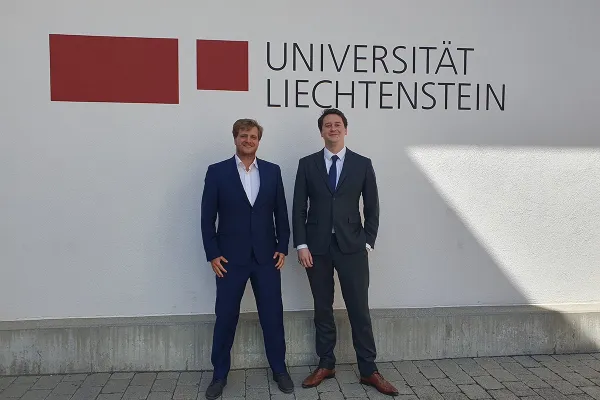
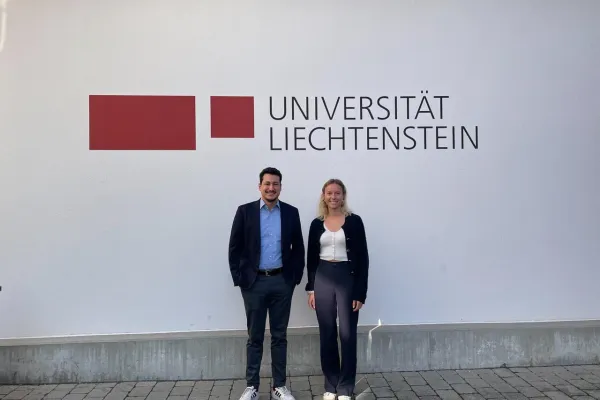
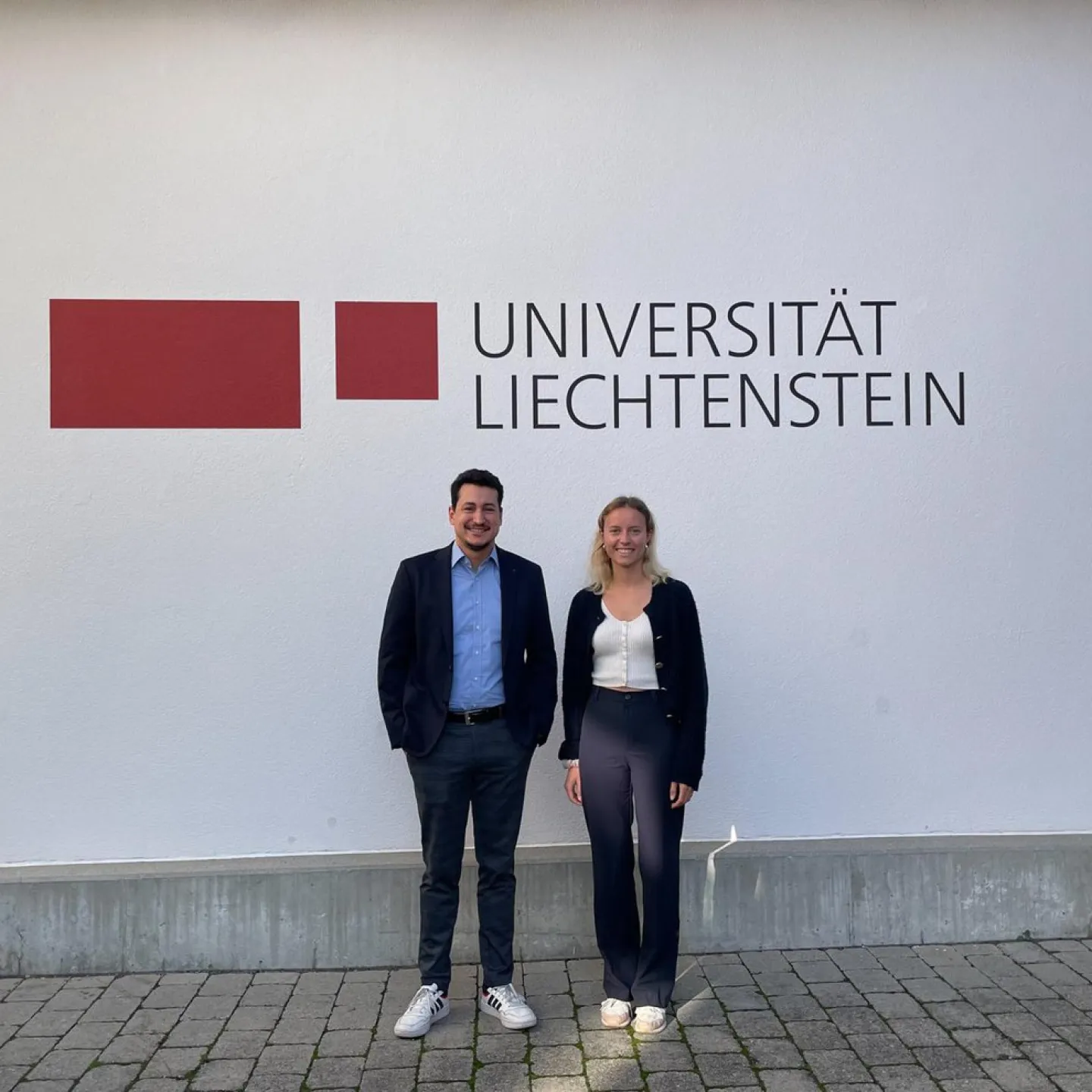
Zwei Personen stehen vor einer Wand mit dem Logo der Universität Liechtenstein. Sie lächeln in die Kamera.

Young Talents is a program for the promotion of young researchers. Young researchers at the University of Liechtenstein at doctoral level (following a preliminary study) can submit small research proposals to the University of Liechtenstein Research Fund.


The promotion of young talent focuses on young academics and supports the social and societal responsibility of the University of Liechtenstein. All doctoral students employed as staff members who have successfully completed the preliminary study and are not completing their doctorate within the within the funding period are eligible. Excellent candidates are supported by this grant in the implementation of their own research projects and in the development of an independent research profile.


The candidates selected for the FFF Young Talents Grant in 2025 are Livia Herle and Lukas Salcher. Here are their research projects:


Crooked Wood – Livia Herle


Around 41% of the Principality of Liechtenstein is covered by forest. Three quarters of this forest is defined as protection forest due to an average slope gradient of 40% or more. Nevertheless, it is one of the most important sources of raw materials. However, around 70% of the wood harvested annually in Liechtenstein is used directly for energy, which drastically shortens the carbon storage cycle of wood. In addition, forest structures are changing due to climate change. Forecasts for Liechtenstein's forests indicate that spruce will disappear in 2070, particularly at low altitudes, and will only be able to survive in the higher regions. In contrast, hardwood species will increase, leading to a mixed forest. Therefore, research will focus on the potential of poor quality hardwood. A general aim is to extend the life of a log before it is used as an energy source. An analysis of the local occurrence of hardwood species and their quality will serve as a tool to translate this knowledge into constructive solutions. In addition, a comparison of different construction systems that can work with short logs of solid hardwood and that offer opportunities for resource efficiency and deconstructability will serve as a starting point for further research into truss structure systems. This construction system has been used massively historically, but also offers potential for future uses as it provides opportunities for the remaining hardwoods. Thus, the various parts of the system involved are being investigated for their structural role and properties to find potential in the existing but unused hardwood. A cataloging of poor quality hardwood, such as crooked, too short, too thick or twisted, redefines the available material. The goal can be formulated as a representation of possibilities within the structural system of timber-frame construction and to show new potential through the use of hardwood.


Lost in Translation: How Predictability Turns Into Performance –Lukas Salcher


Modern portfolio theory provides for a two-stage asset allocation process. However, the accurate prediction of returns and their effective utilization remains a challenge. This difficulty stems from a tenuous link between predictive accuracy and economic value, a topic of debate among researchers. While some researchers question whether returns are predictable at all, others aim to improve forecasting methods, including by adopting techniques from the field of machine learning. Our study addresses the problem of how predictability can be systematically harnessed for better economic outcomes, exploring different investment strategies and assets. By linking the predictability of returns directly to portfolio performance, we challenge the established focus on statistical mass. Our results suggest that even low predictability, strategically applied, can bring significant performance benefits.


Zwei Personen stehen vor einer Wand mit dem Logo der Universität Liechtenstein. Sie lächeln in die Kamera.
Subscribe to Research Management