Criminal Law History Conference “Feuerbach 250” in Jena – Reflections and Impulses
Criminal Law History Conference “Feuerbach 250” in Jena – Reflections and Impulses

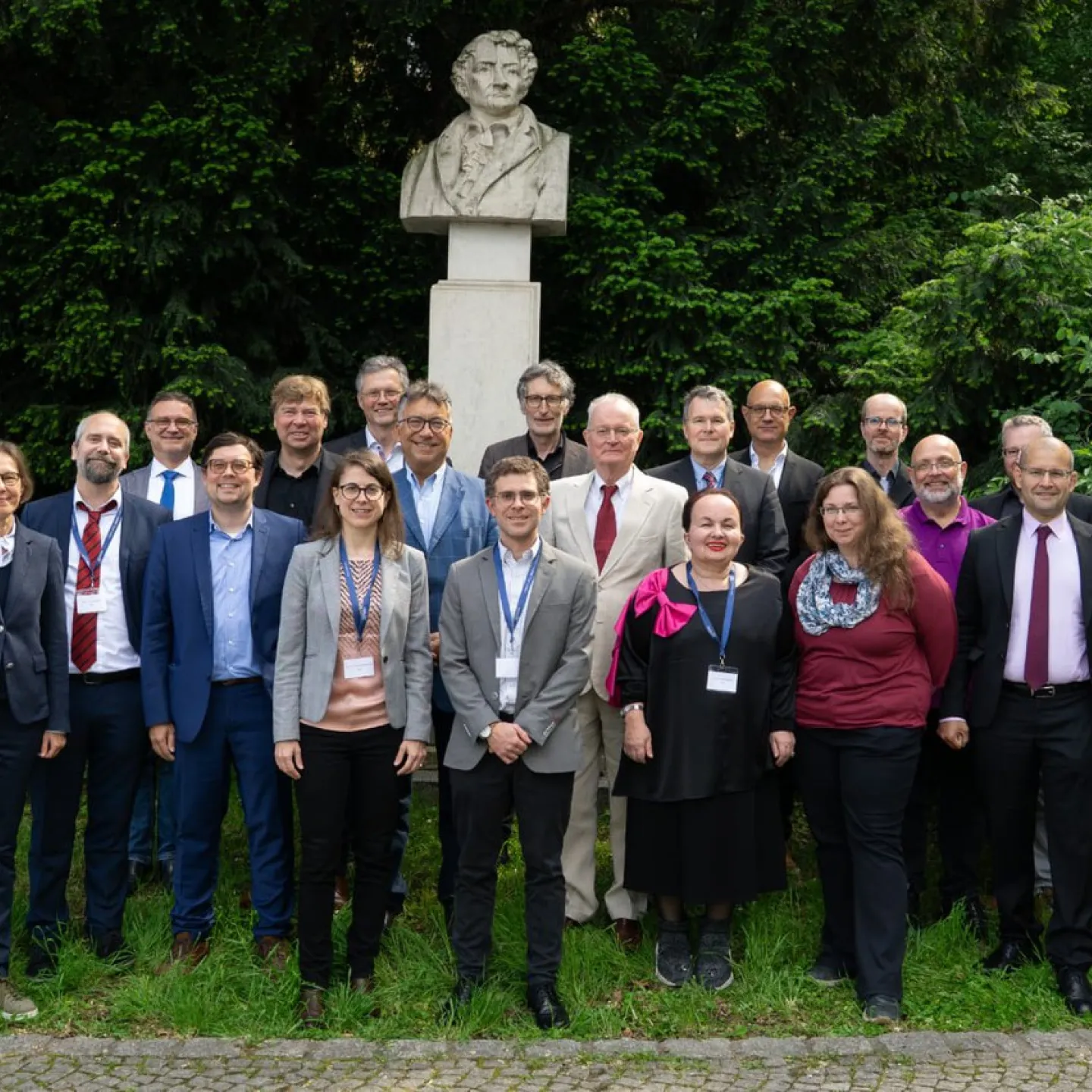
Foundational legal disciplines are not only intellectually stimulating, but also essential for a comprehensive and in-depth understanding of current law. This was clearly demonstrated by the criminal law history conference “Feuerbach 250 – Theory and Dogmatics, Criminology and Criminal Policy, History and Reception”.
The conference took place from 19 to 21 May 2025 at Friedrich Schiller University Jena, commemorating the 250th birthday of Paul Johann Anselm von Feuerbach (1775–1833). Feuerbach, the author of the Bavarian Penal Code of 1813, was born in Hainichen near Jena, studied philosophy and law at the University of Jena, and briefly held a professorship there. As a founder of modern German criminal law theory, he fundamentally shaped the conception of the rule-of-law-based criminal justice system. His famous maxim “Nullum crimen, nulla poena sine lege” became a globally cited legal postulate and, as Gustav Radbruch put it, marked a “turning point” in the history of criminal law.
A quarter-century after the last Feuerbach conference in Jena, the Faculty of Law once again dedicated itself to his legacy and influence—this time through a wide-ranging, interdisciplinary analysis. The event was organised by Prof. Dr. Anette Grünewald, Prof. Dr. Florian Knauer, Prof. Dr. Adrian Schmidt-Recla, and Prof. Dr. Dr. h.c. Edward Schramm.
Feuerbach and the Greek Penal Code
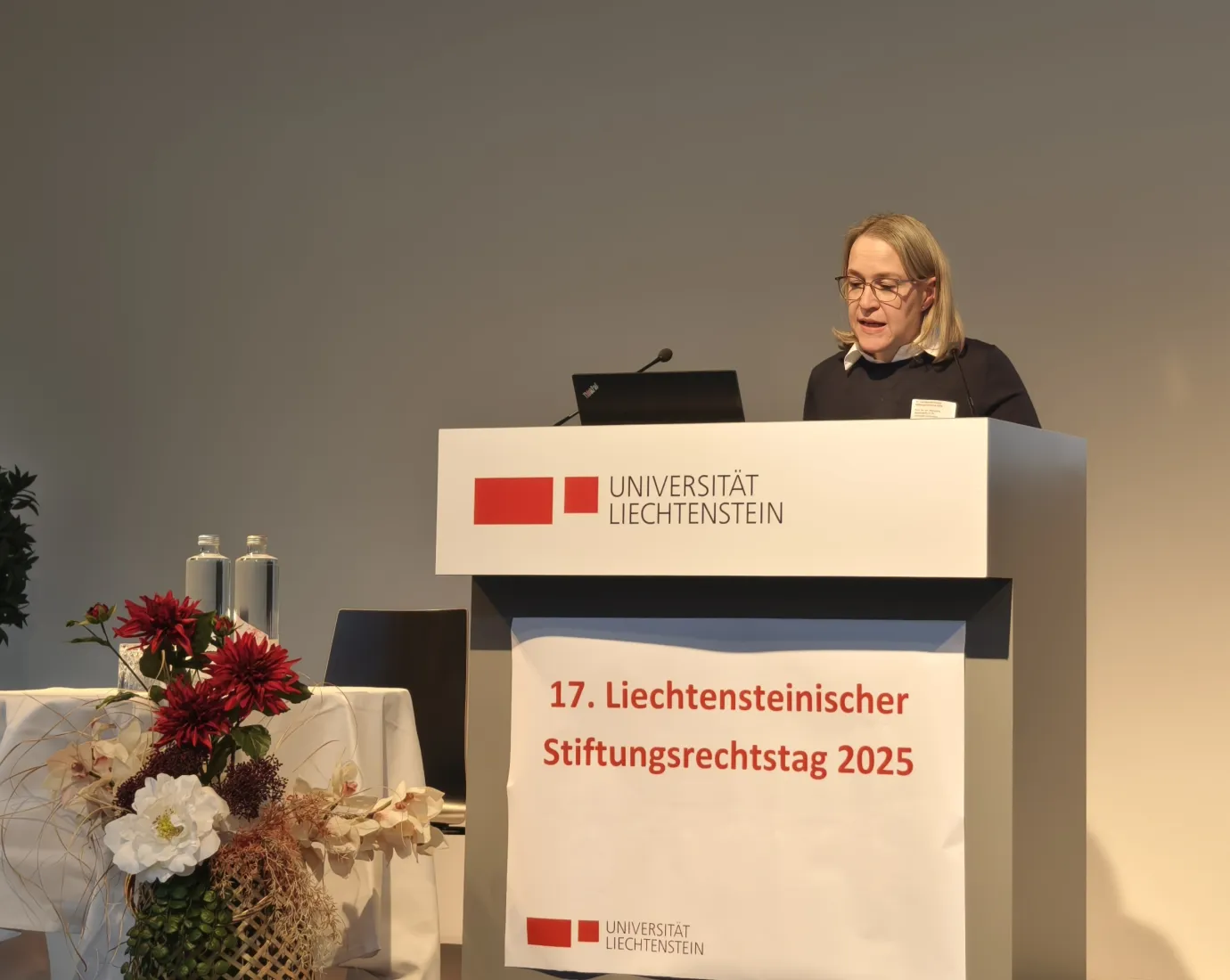
As part of the conference, Prof. Dr. Konstantina Papathanasiou delivered a lecture on the topic “Feuerbach and the Greek Penal Code”—a research area she has been pursuing intensively for the past three years. She has co-organised conferences on the topic, and corresponding conference volumes are currently in preparation.
The first Greek penal code was drafted in 1833 by the Bavarian jurist Georg Ludwig von Maurer, who served as a member of the Regency Council under King Otto, the youngest son of King Ludwig I of Bavaria. Although the French Code pénal of 1810 and Feuerbach’s Bavarian Penal Code of 1813—including the drafts of 1822, 1827, and 1831, along with corresponding rescripts and annotations—played a central role in Maurer’s work, he deliberately refrained from a mere adoption of these texts. Instead, he sought to create an independent body of law tailored to the needs of Greece.
Prof. Papathanasiou concluded her lecture with the following words: “Maurer’s Penal Code remained in force until 1950—outlasting all other contemporary penal codes by far. In this sense, the Greek Penal Code of 1834—using Maurer’s own words—can be regarded as the most comprehensive, most lenient, and longest-standing among historical criminal codes. In conclusion: The era of liberal criminal law did not begin with the Bavarian Penal Code of 1813, but with the Greek Penal Code of 1834.”
Prof. Papathanasiou also emphasized the importance of historical legal scholarship for the Principality of Liechtenstein. While the Liechtenstein Penal Code is largely based on the Austrian model, it has also developed its own distinctive features and deviations. Against this backdrop, she aims to raise the visibility of Liechtenstein’s national criminal law identity within academic discourse. A dedicated commentary on the Liechtenstein Penal Code is planned to mark its 40th anniversary in June 2027.