30 Years of EEA Membership: University of Liechtenstein Hosts Interdisciplinary Evening Event
30 Years of EEA Membership: University of Liechtenstein Hosts Interdisciplinary Evening Event
On the occasion of the 30th anniversary of the Principality of Liechtenstein's EEA membership, a discussion event was held at the University of Liechtenstein on July 1, 2025 on the topic of “In the field of tension between integration and sovereignty” from an administrative science perspective. Around 80 guests, including numerous representatives of the Liechtenstein national administration, took part.
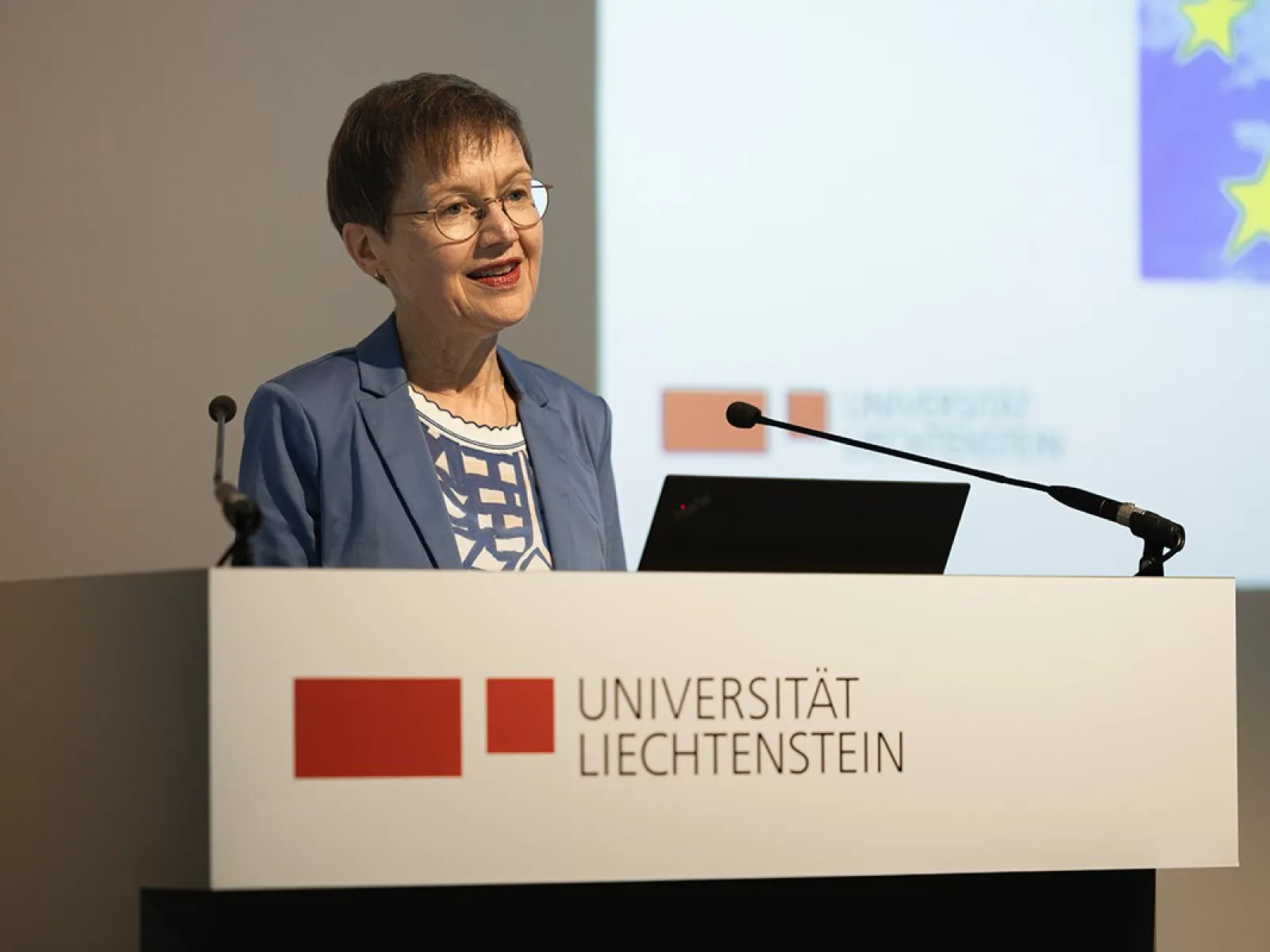
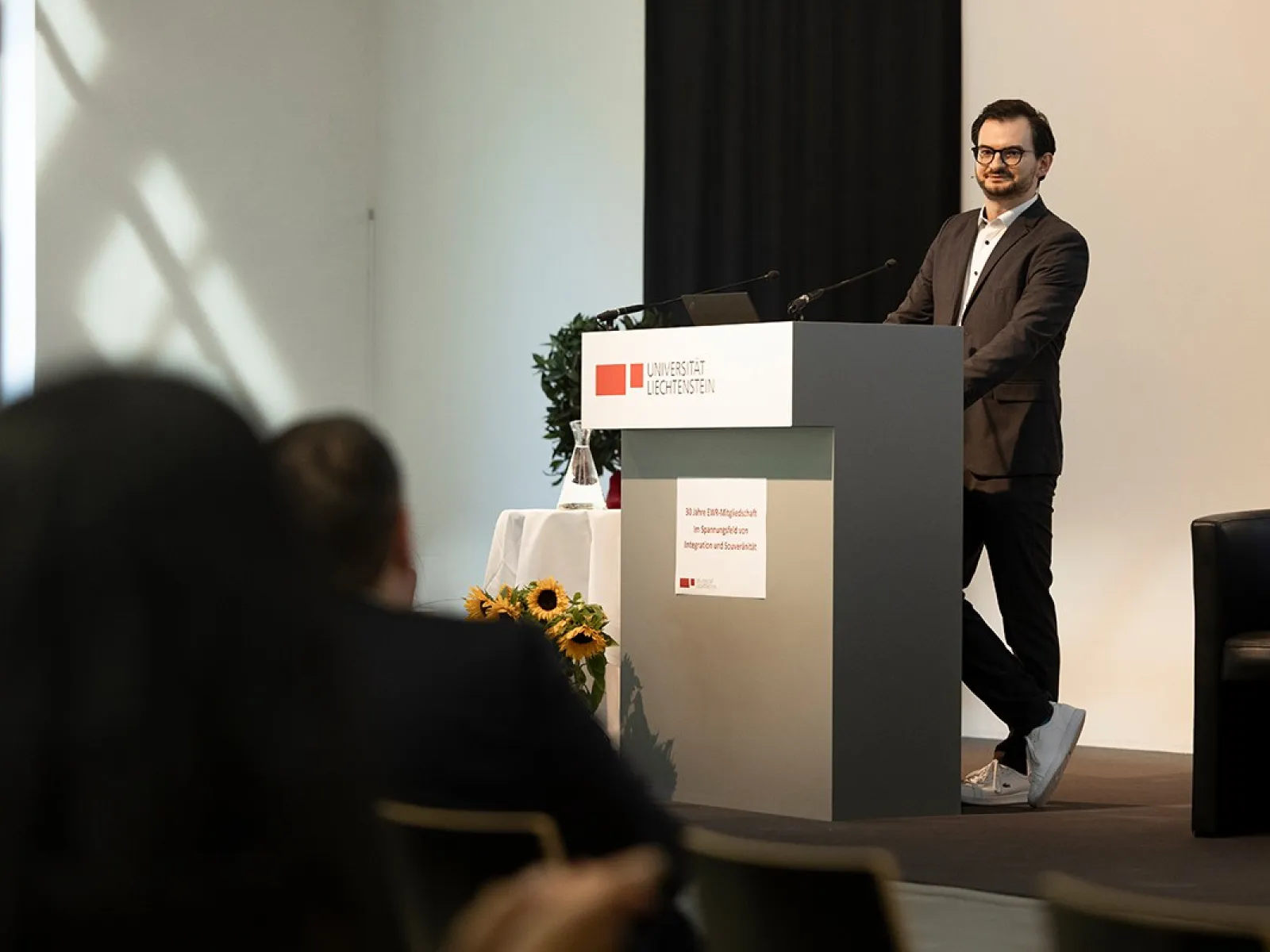
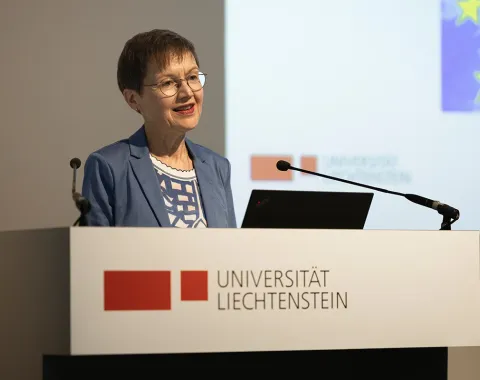
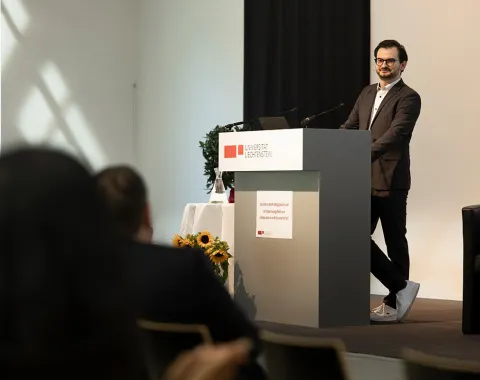
Marco Lettenbichler, Assistant Professor at the Chair of Company, Foundation and Trust Law at the University of Liechtenstein, hosted the evening and the panel discussion. Head of Government Brigitte Haas opened the event with introductory words of welcome, highlighting in particular the importance of EEA membership for the Liechtenstein economy.
Lecture and discussion
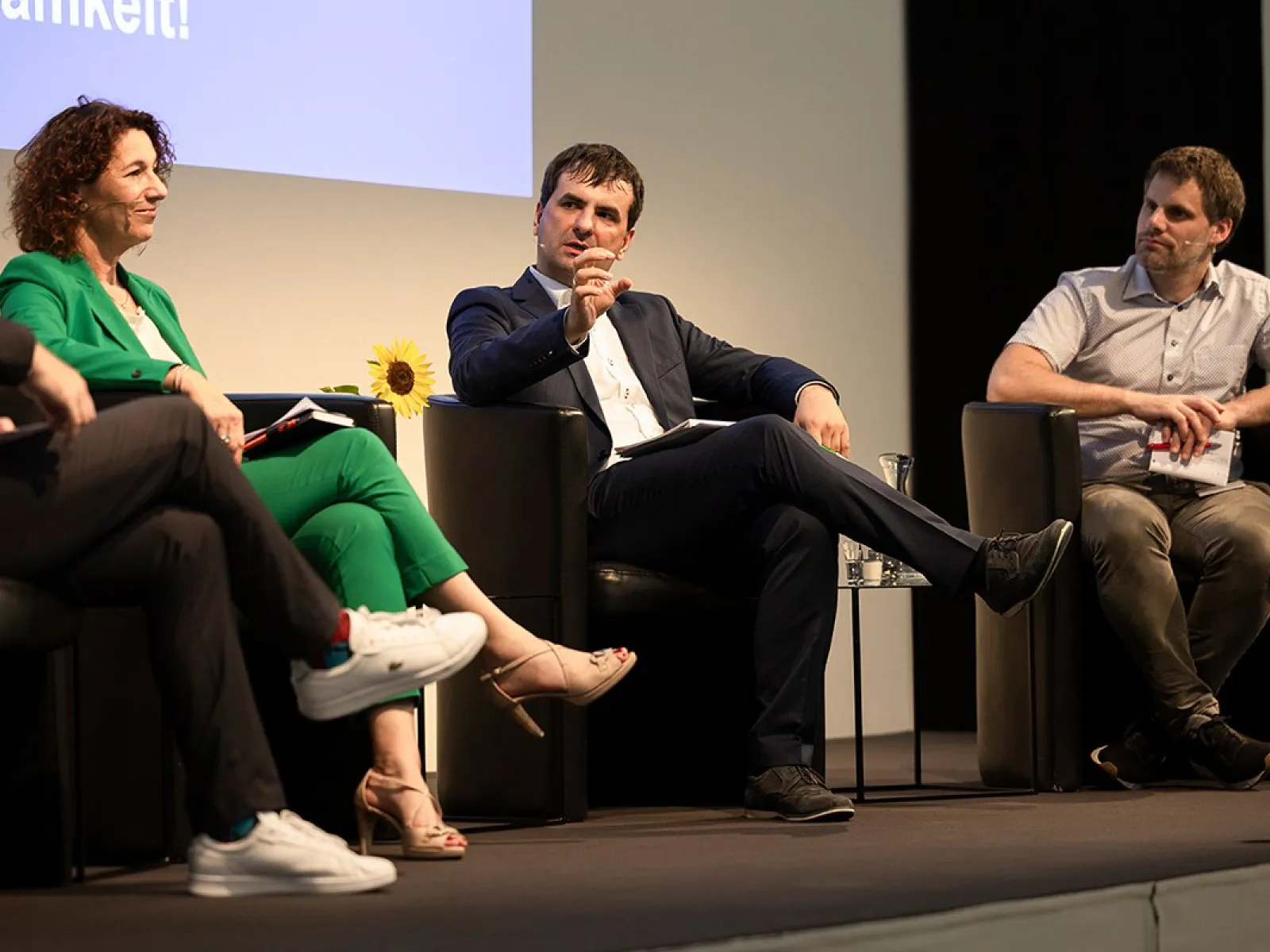
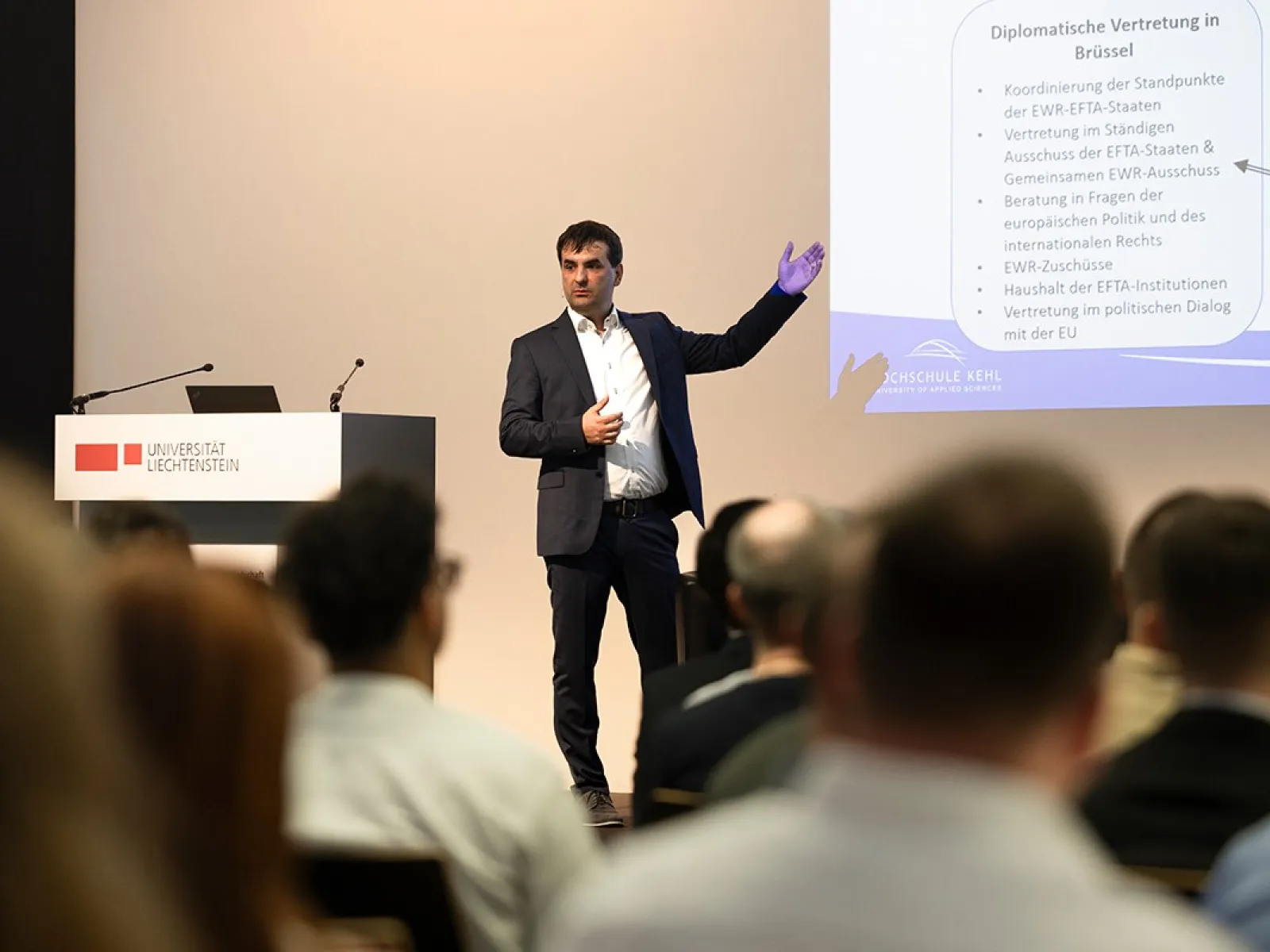
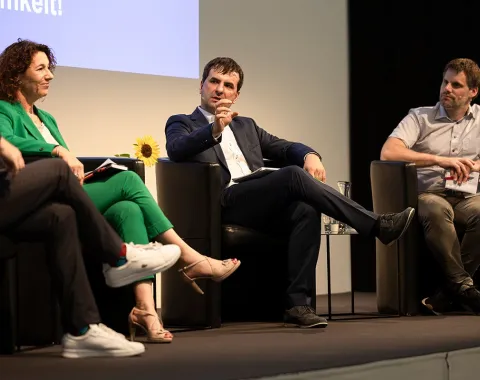
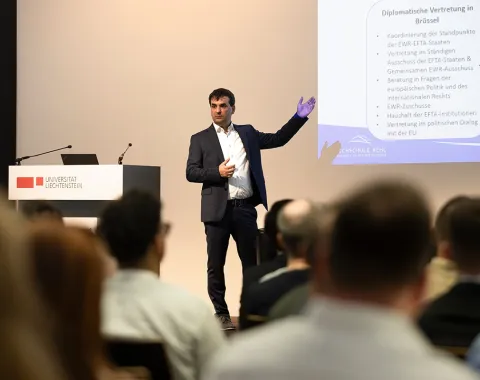
The evening focused on a lecture by Jörg Röber, Professor of Administrative Management at Kehl University of Applied Sciences, on the topic of “30 years of Liechtenstein's EEA membership: opportunities and challenges of international and regional integration from an administrative perspective”. He addressed the issue of administrative capacity and underlined the efficient organization of Liechtenstein's national administration in terms of EEA membership. Jörg Röber, Andrea Entner-Koch, Head of the EEA Office, and Christian Frommelt, Rector of the University of Liechtenstein, then discussed the development and future of the EEA in Liechtenstein.
Liechtenstein and the EEA
Andrea Entner-Koch gave the audience fascinating insights into her daily work with EEA legislation. Among other things, she showed how Liechtenstein can influence the development of EEA law through its participation in EU and EFTA committees. Christian Frommelt emphasized, among other things, that Liechtenstein cannot be described as an EEA model pupil. Rather, Liechtenstein acts very strategically. By implementing EEA law correctly and on time, Liechtenstein gains the trust of the EFTA institutions and the EU. In turn, Liechtenstein uses this trust to negotiate selective exemptions from the implementation of EEA law. As a result, Liechtenstein has a high transposition rate, but by far the most exemptions of all EEA states.
Direct democracy and EEA legislation
In the final round, the panel discussed the role of direct democratic elements in EEA legislation. Formally, direct democracy has not been restricted by EEA membership, as a referendum can be held both against the incorporation of an EU legal act into the EEA Agreement and against the implementation of an EEA law into a national law. To date, however, no referendum has ever been held against the incorporation of an EU legal act into the EEA Agreement. In the opinion of the panel, this also underlines the high level of political and public support for the EEA - a fact that facilitates the administration of EEA membership.
The concluding reception provided an opportunity for exchange and networking.