A diverse anniversary programme in honour of Liechtenstein’s first modern architect, Ernst Sommerlad (1895 to 1977)
A diverse anniversary programme in honour of Liechtenstein’s first modern architect, Ernst Sommerlad (1895 to 1977)
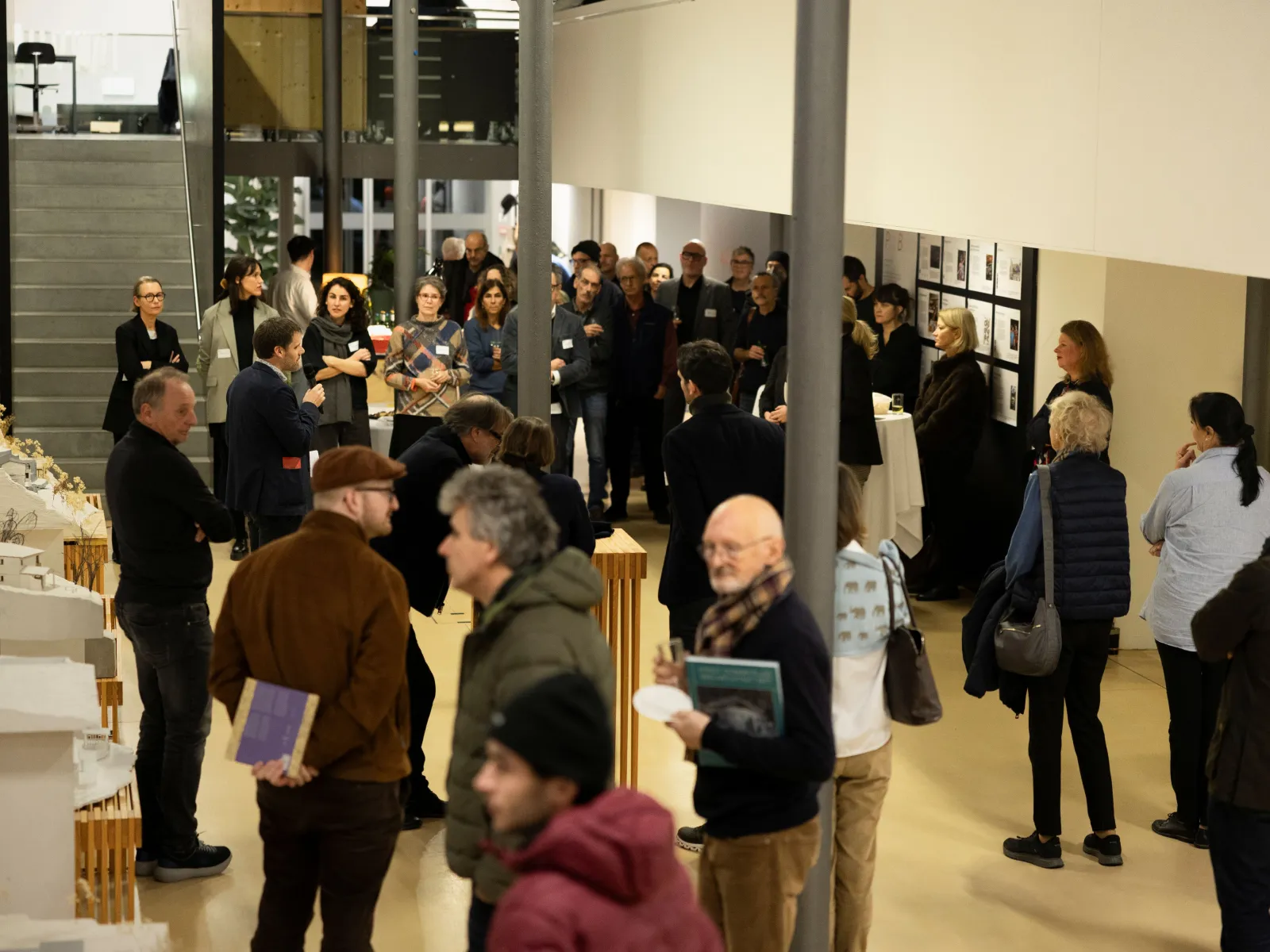
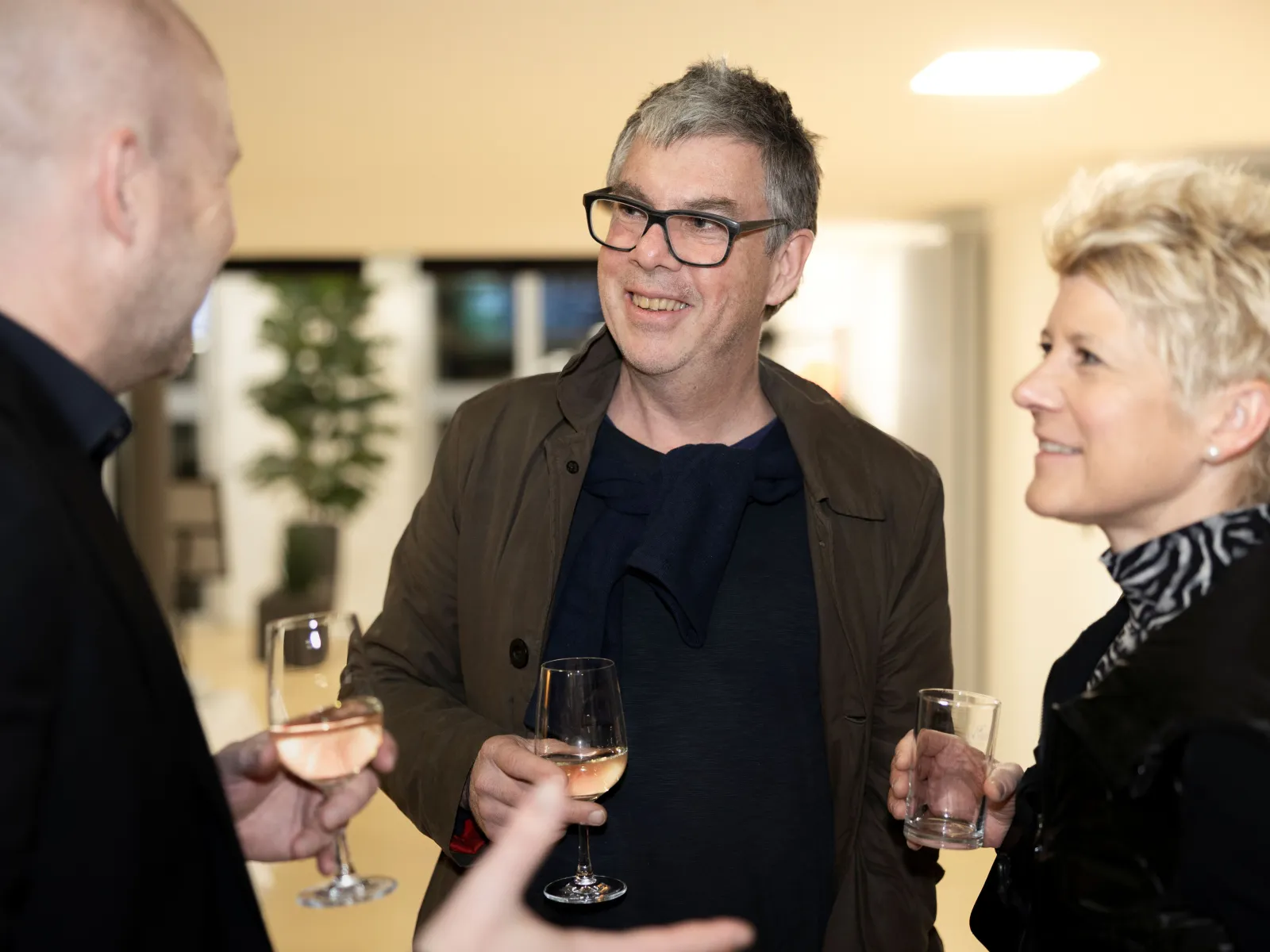
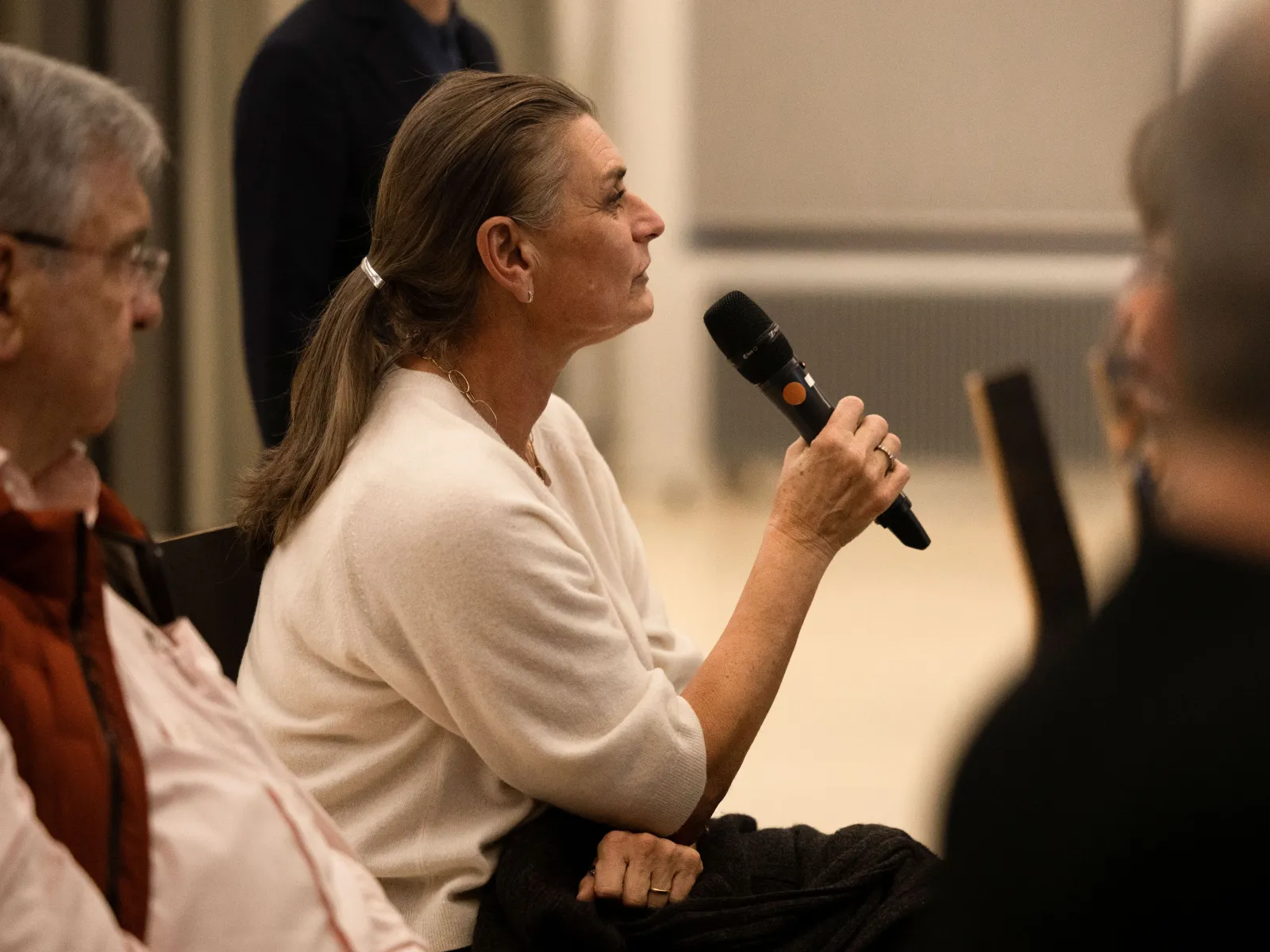
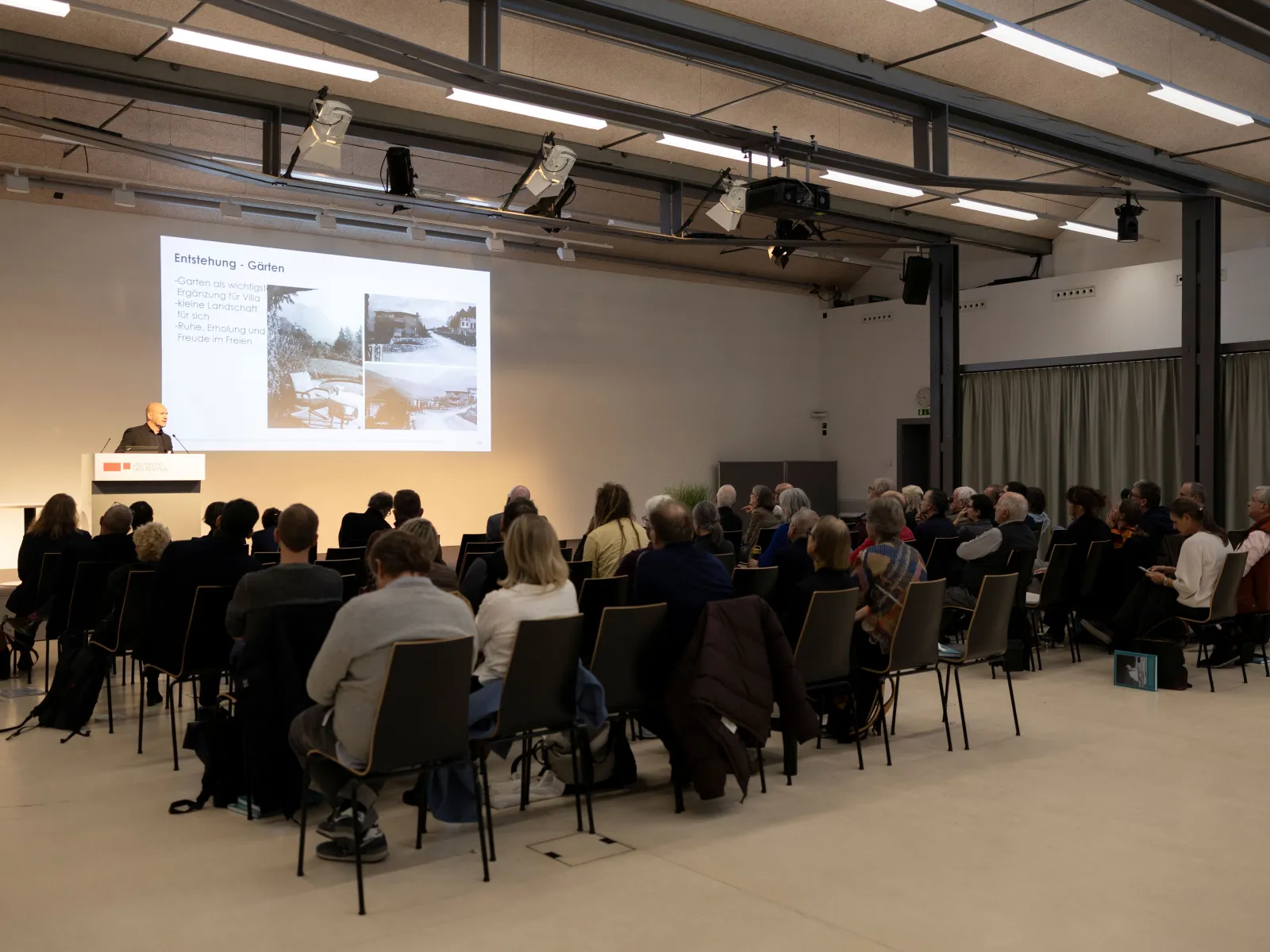
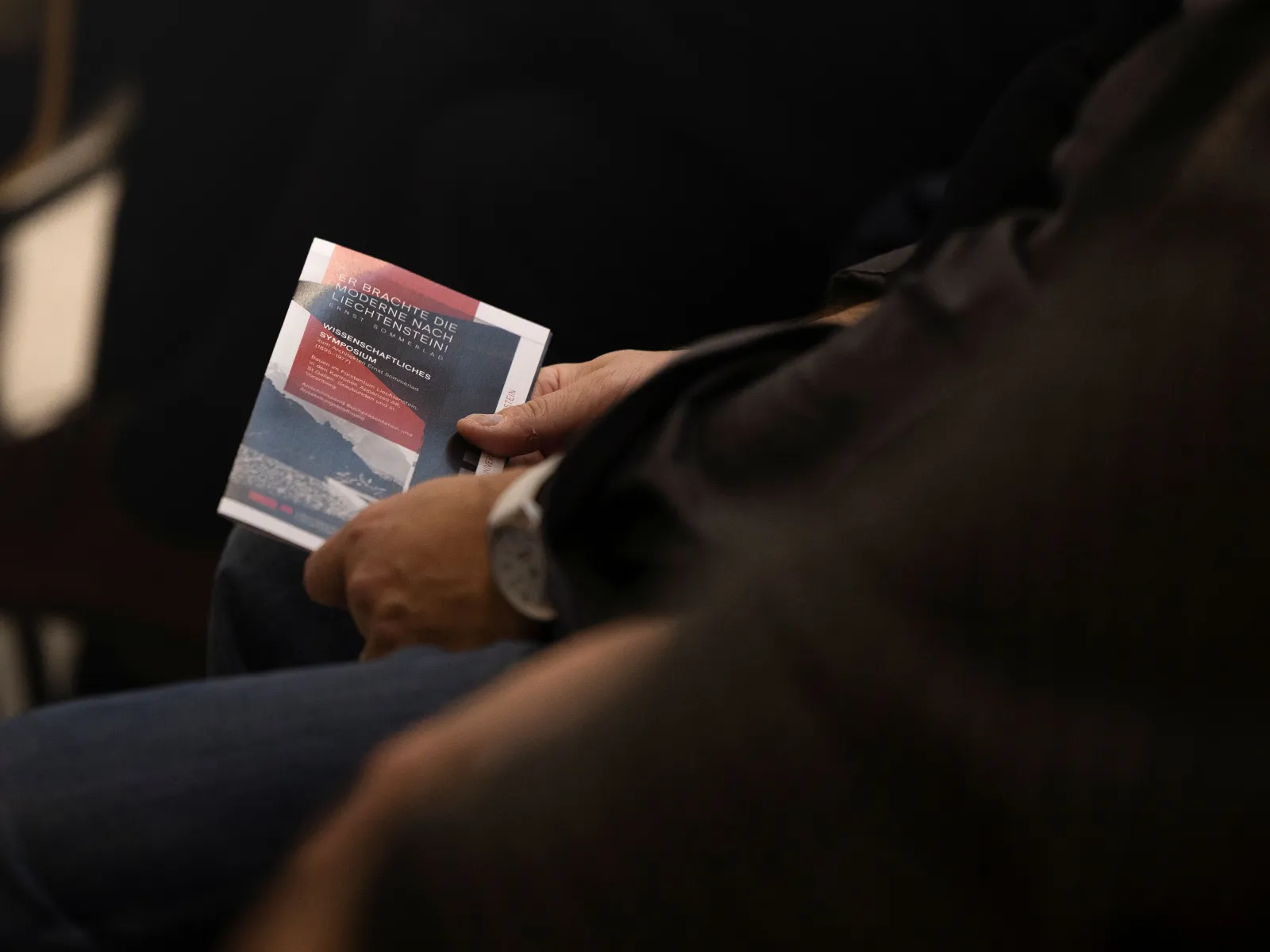
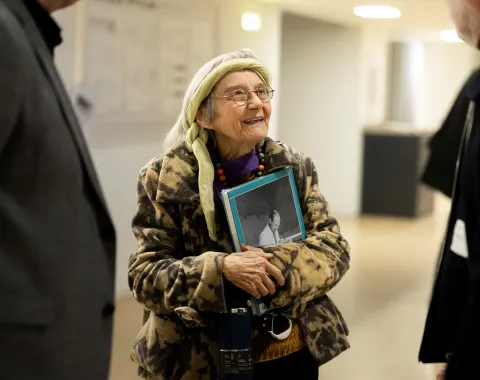
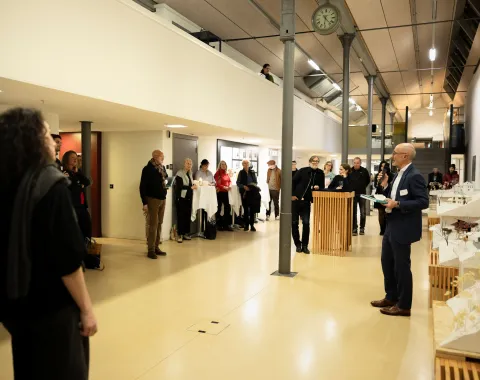
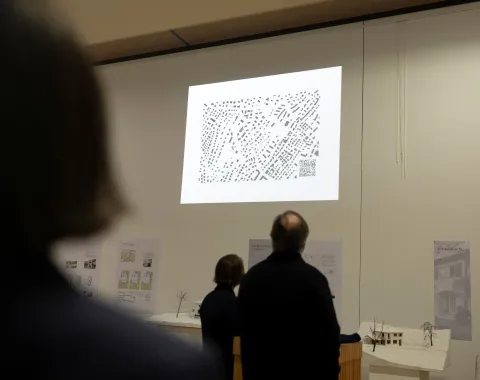
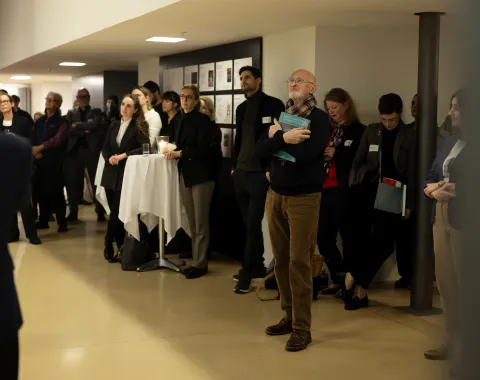
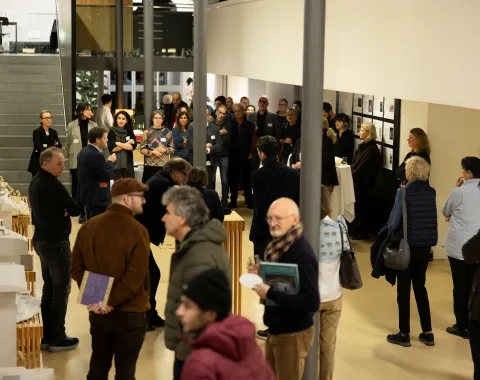
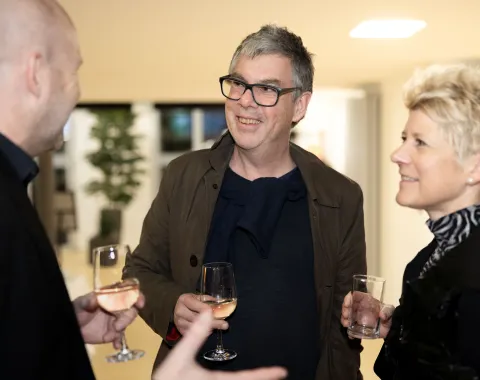
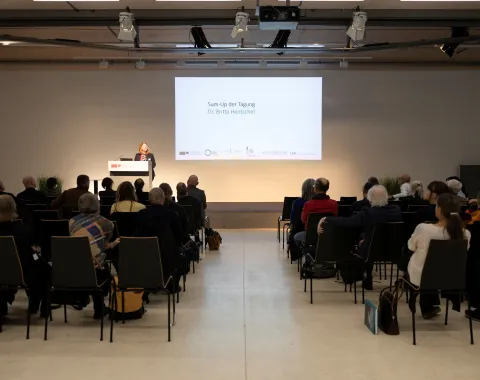
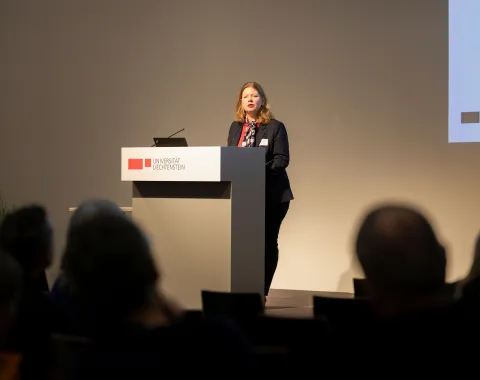
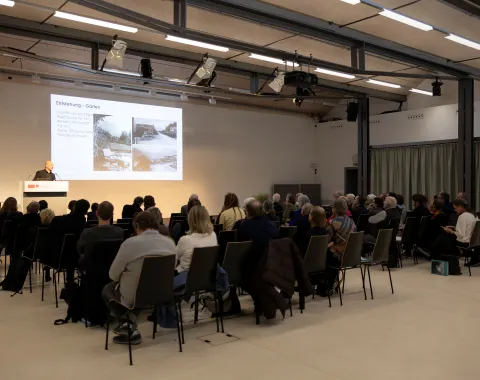
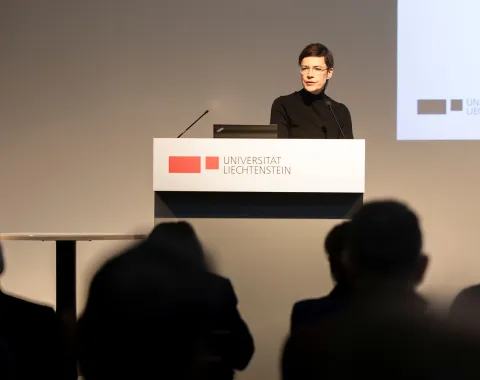
On 27 November 2025, the campus of the University of Liechtenstein was dedicated entirely to Ernst Sommerlad. Marking the architect’s 130th birthday, the auditorium filled with experts, interested members of the public and homeowners, all keen to trace the legacy of a man who placed Liechtenstein on the map of modern architecture at an early stage. Sommerlad was the first academically trained architect to settle in the Principality. With more than 200 buildings in Liechtenstein as well as in St Gallen, Appenzell Ausserrhoden, Graubünden and Vorarlberg, he shaped whole landscapes and settlements.
Anyone who speaks about Sommerlad today also speaks about an extraordinary pioneering achievement. When the 29 year old architect arrived in Liechtenstein in 1924 and opened his office in Schaan, modern building was virtually unknown here. Even so, he found support among local craftspeople, realised his first projects, and later shifted his main field of activity to Vaduz. There, he also designed the Ebenholz villa quarter, in the immediate vicinity of today’s University.
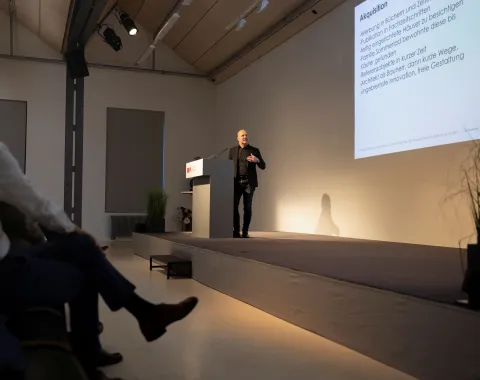
Academic symposium
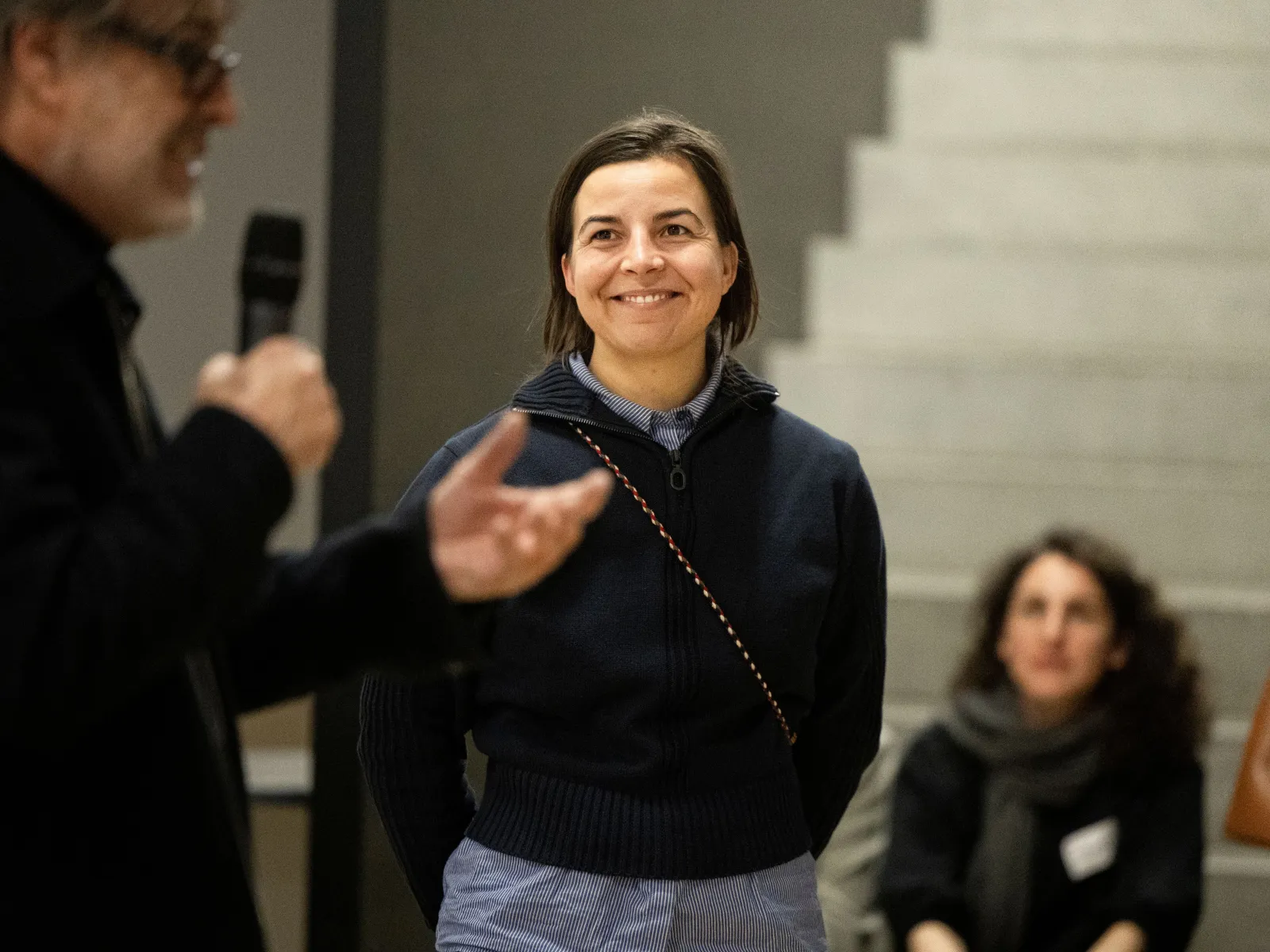
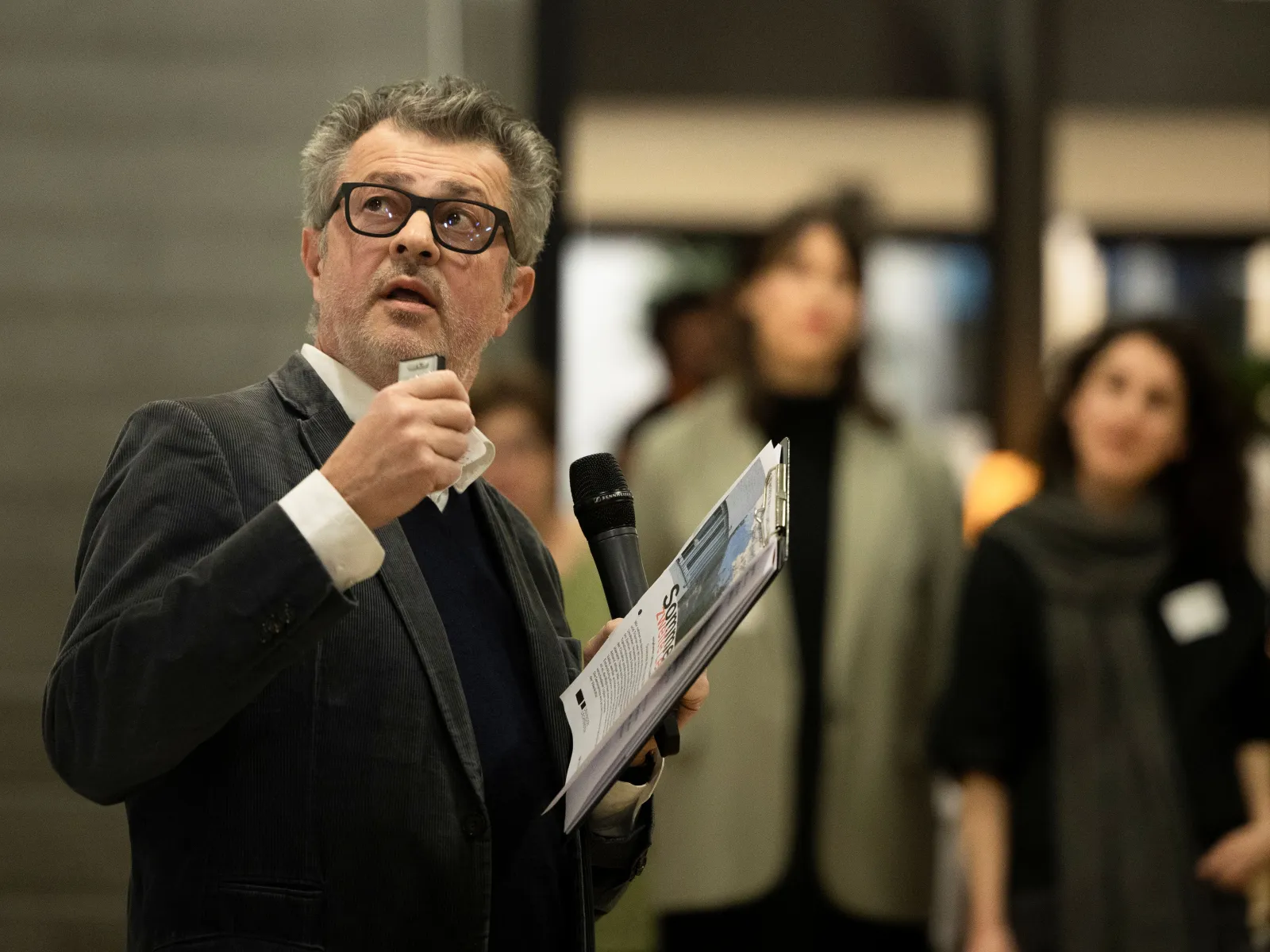
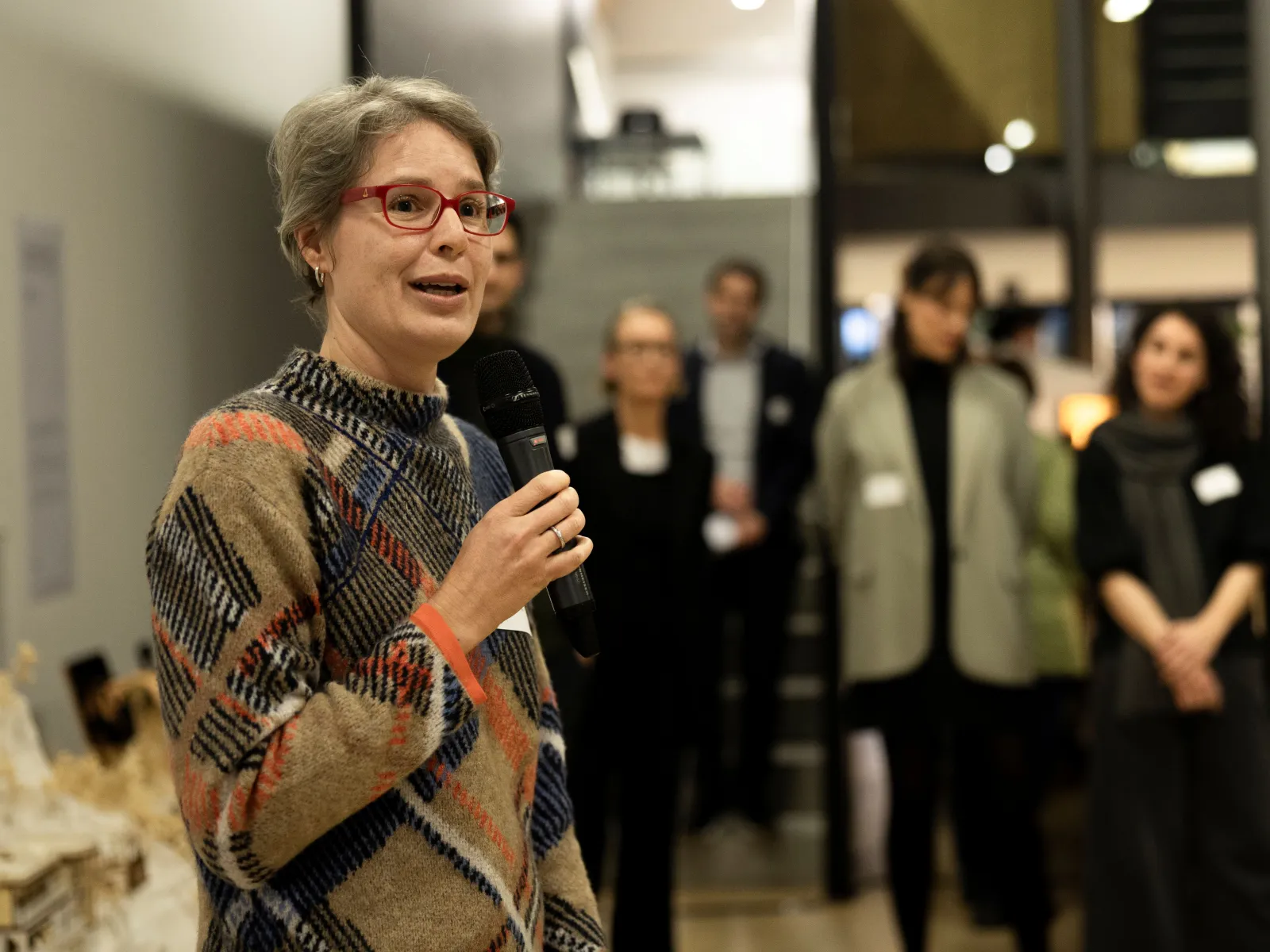
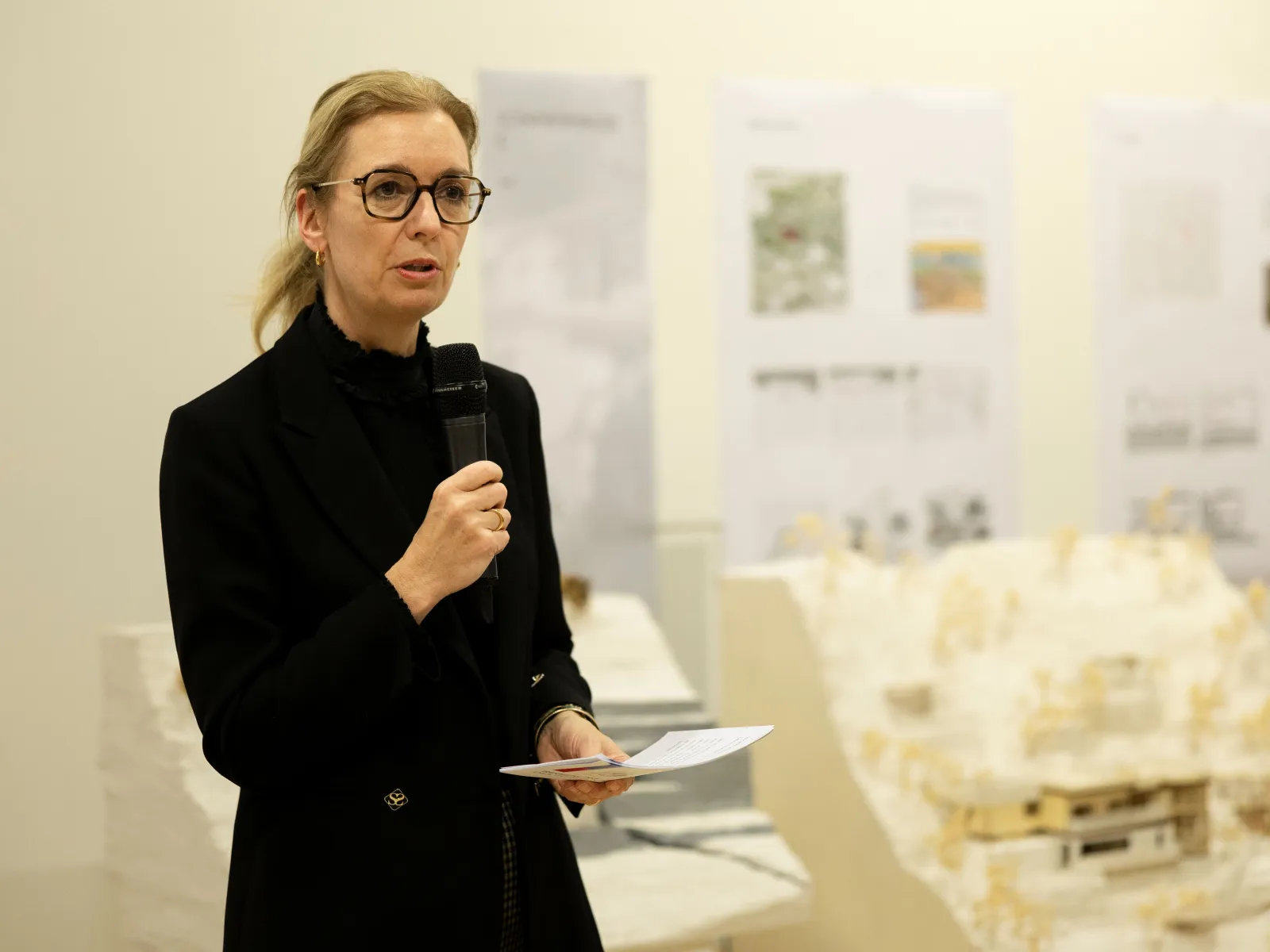
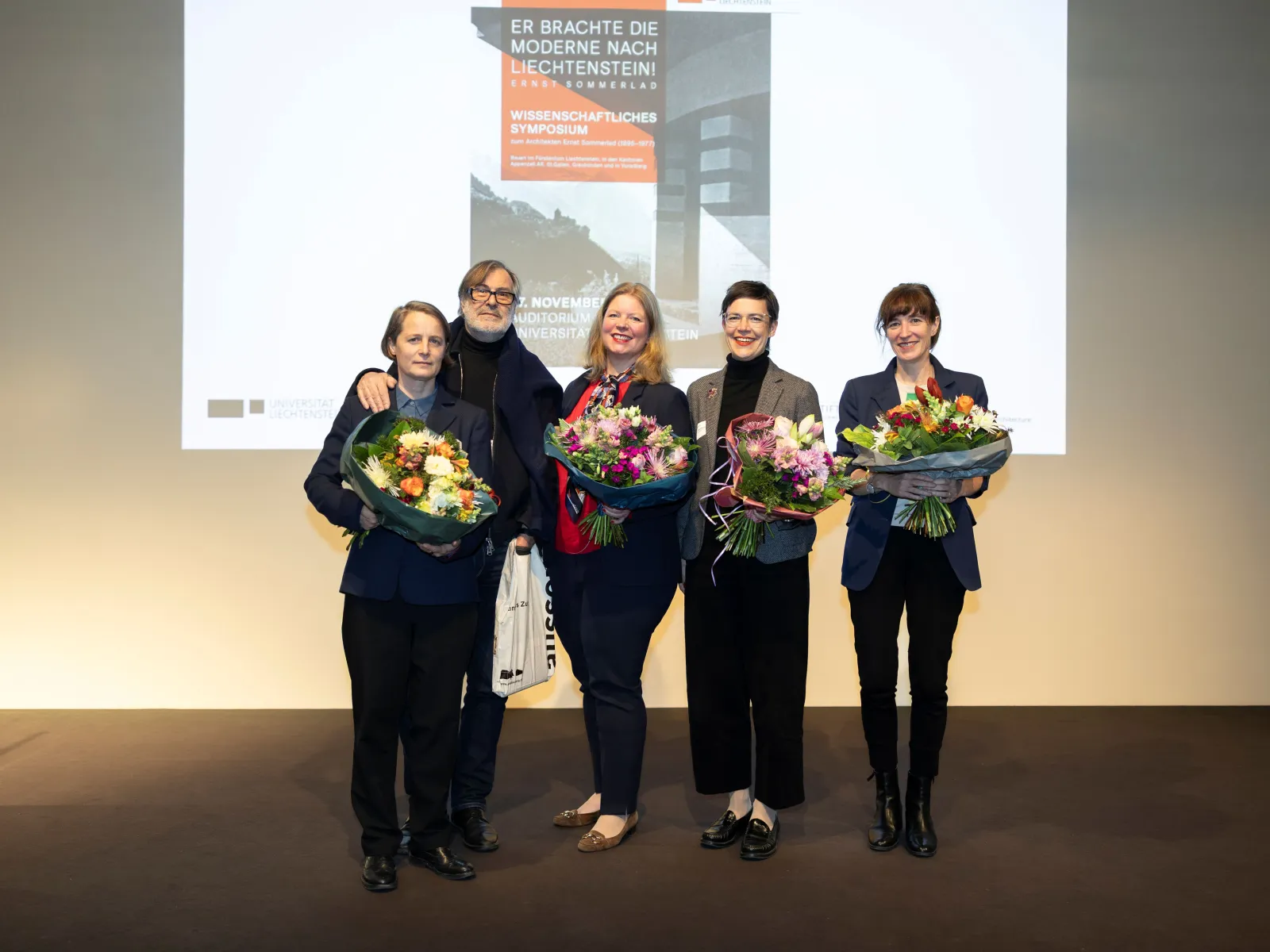
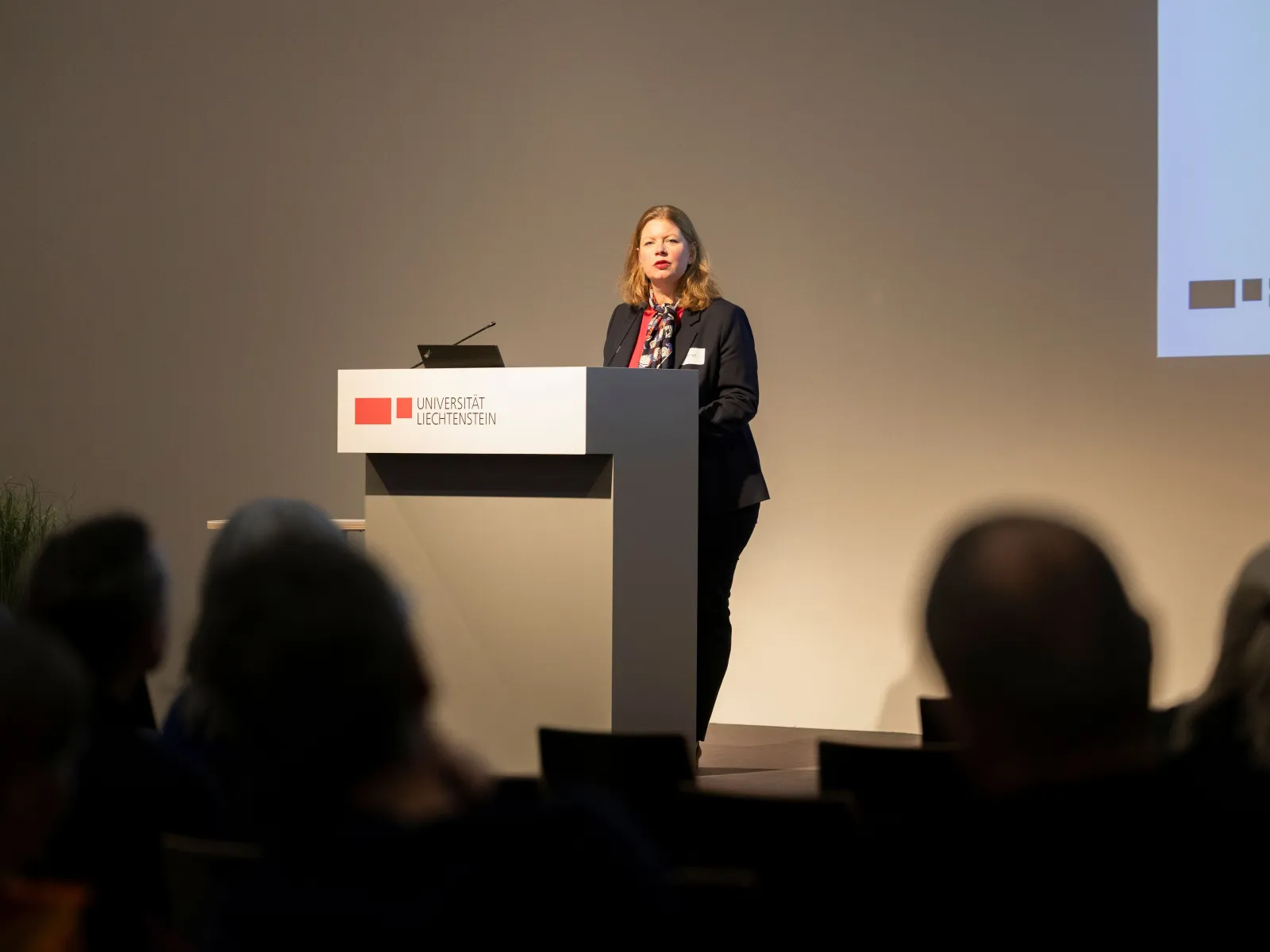
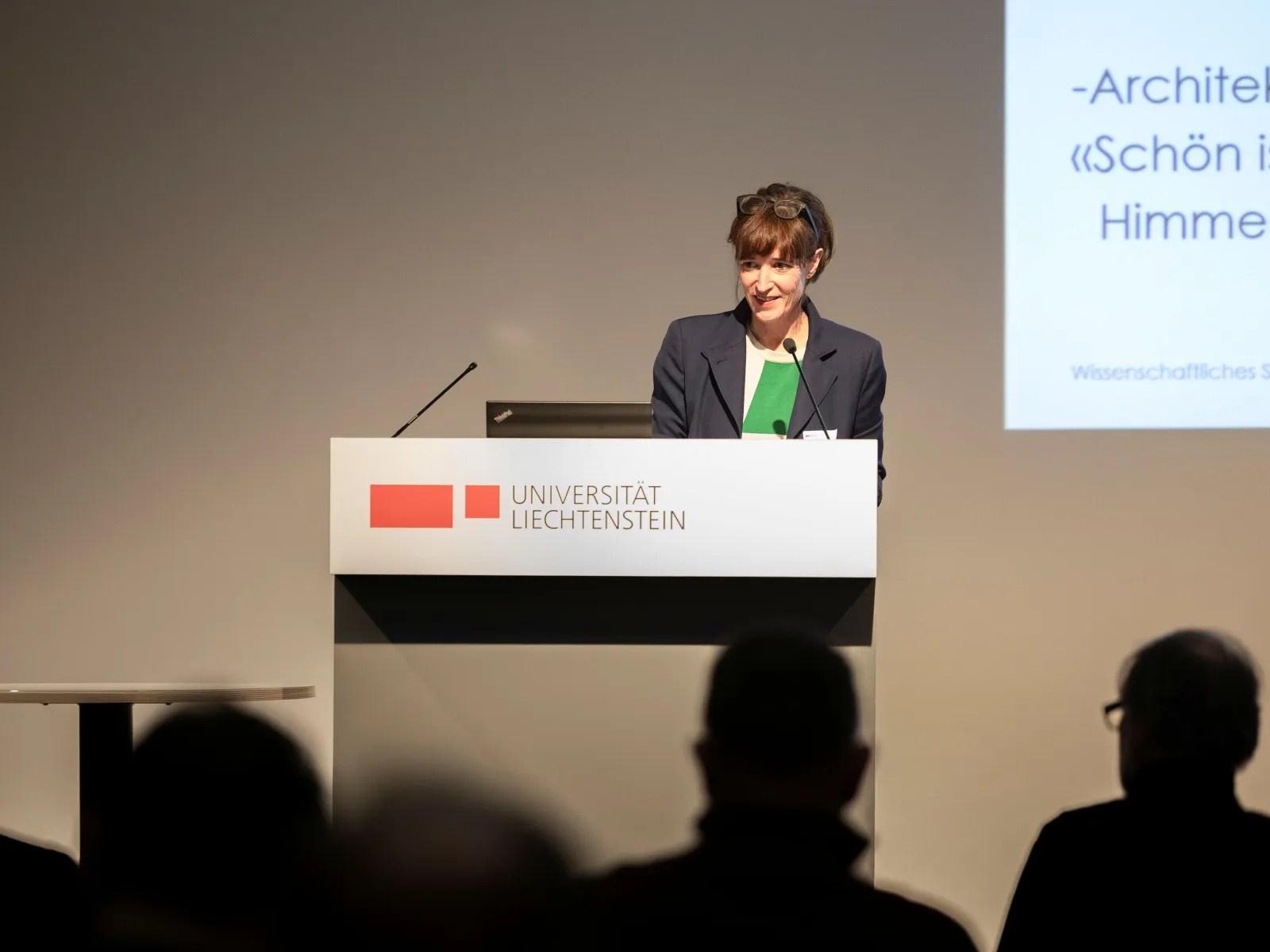
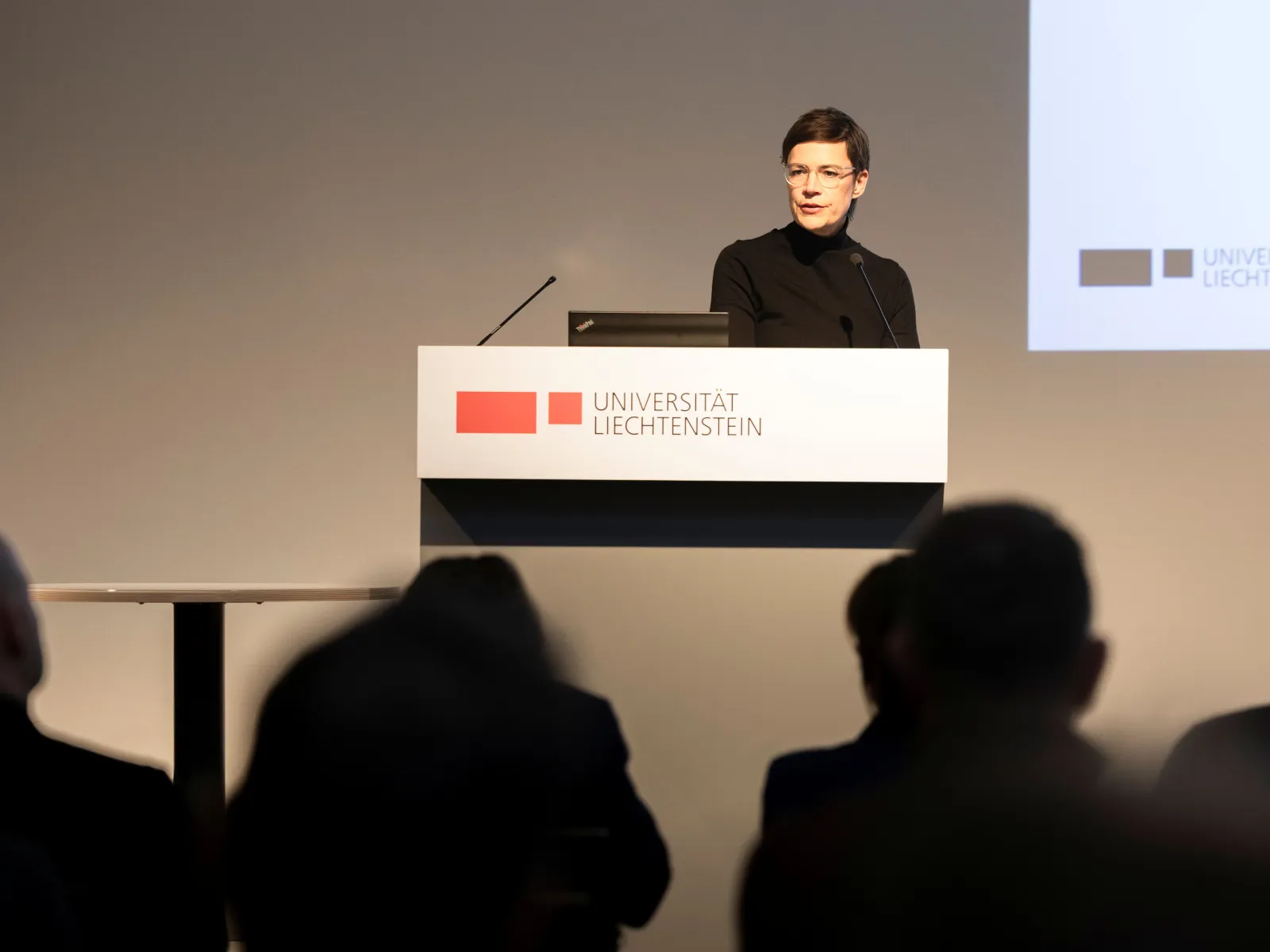
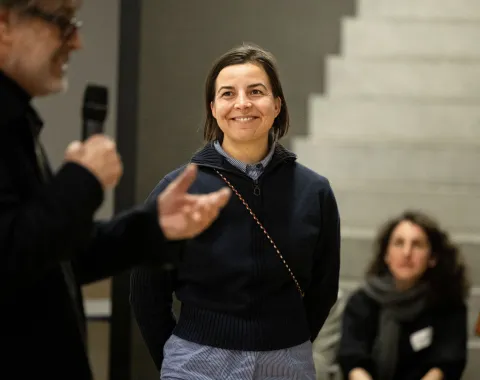
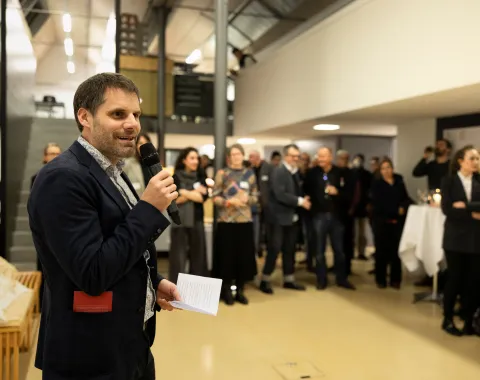
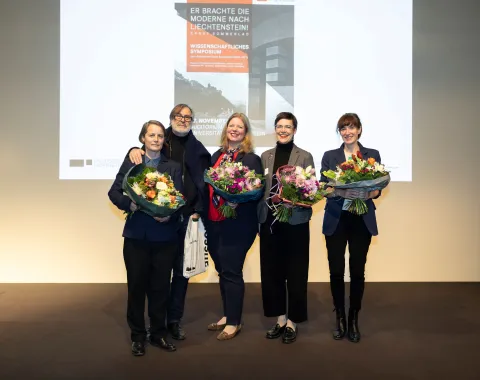
The day began with welcomes and an introduction to the topic and the collaboration. The symposium was conceived and curated by Dr Britta Hentschel (University of Liechtenstein, LSA, Built Heritage and Upcycling Unit) and Prof. Dr Katrin Albrecht (OST University of Applied Sciences of Eastern Switzerland), who set the framework for a multi layered engagement with Sommerlad’s work.
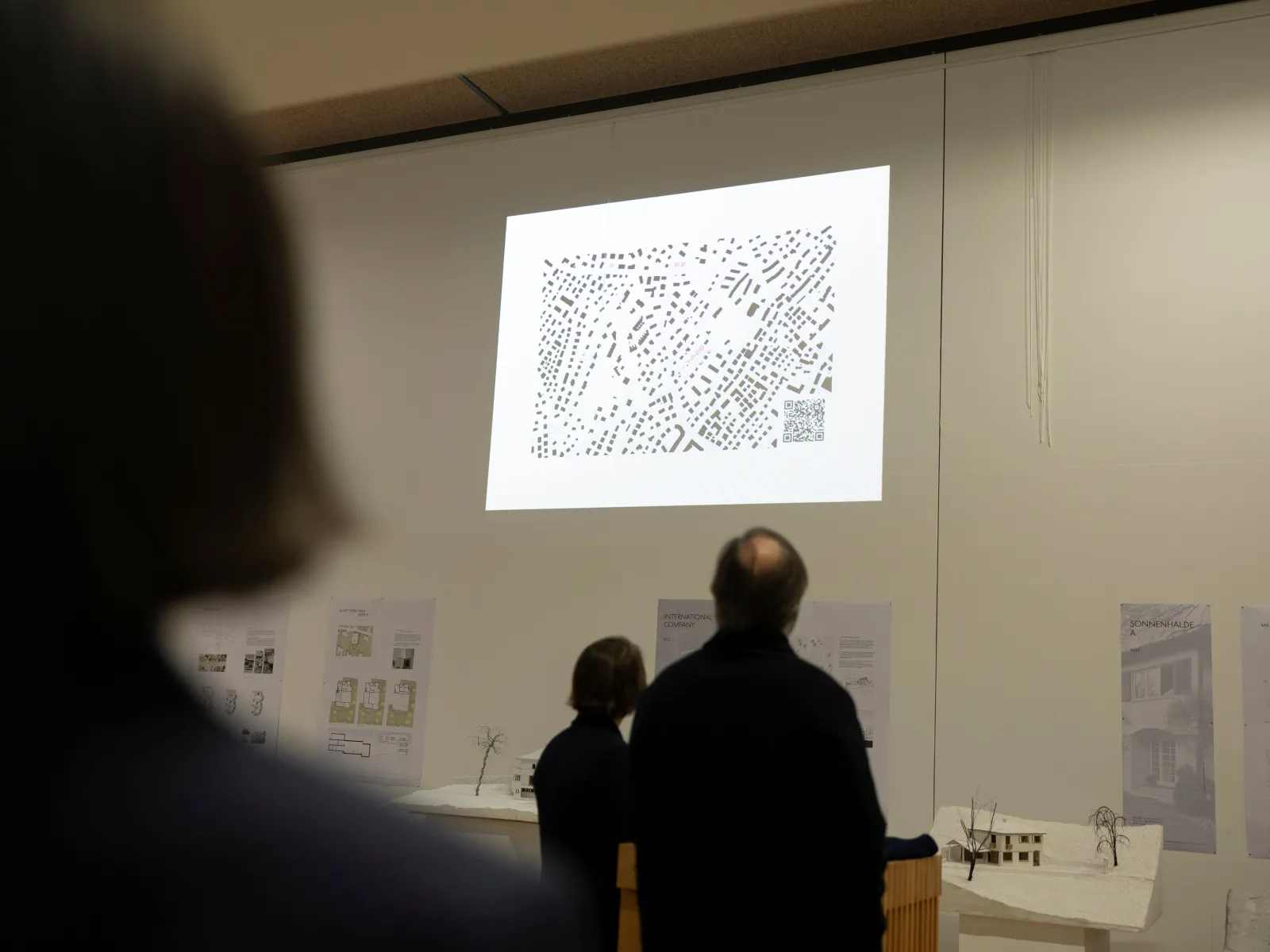
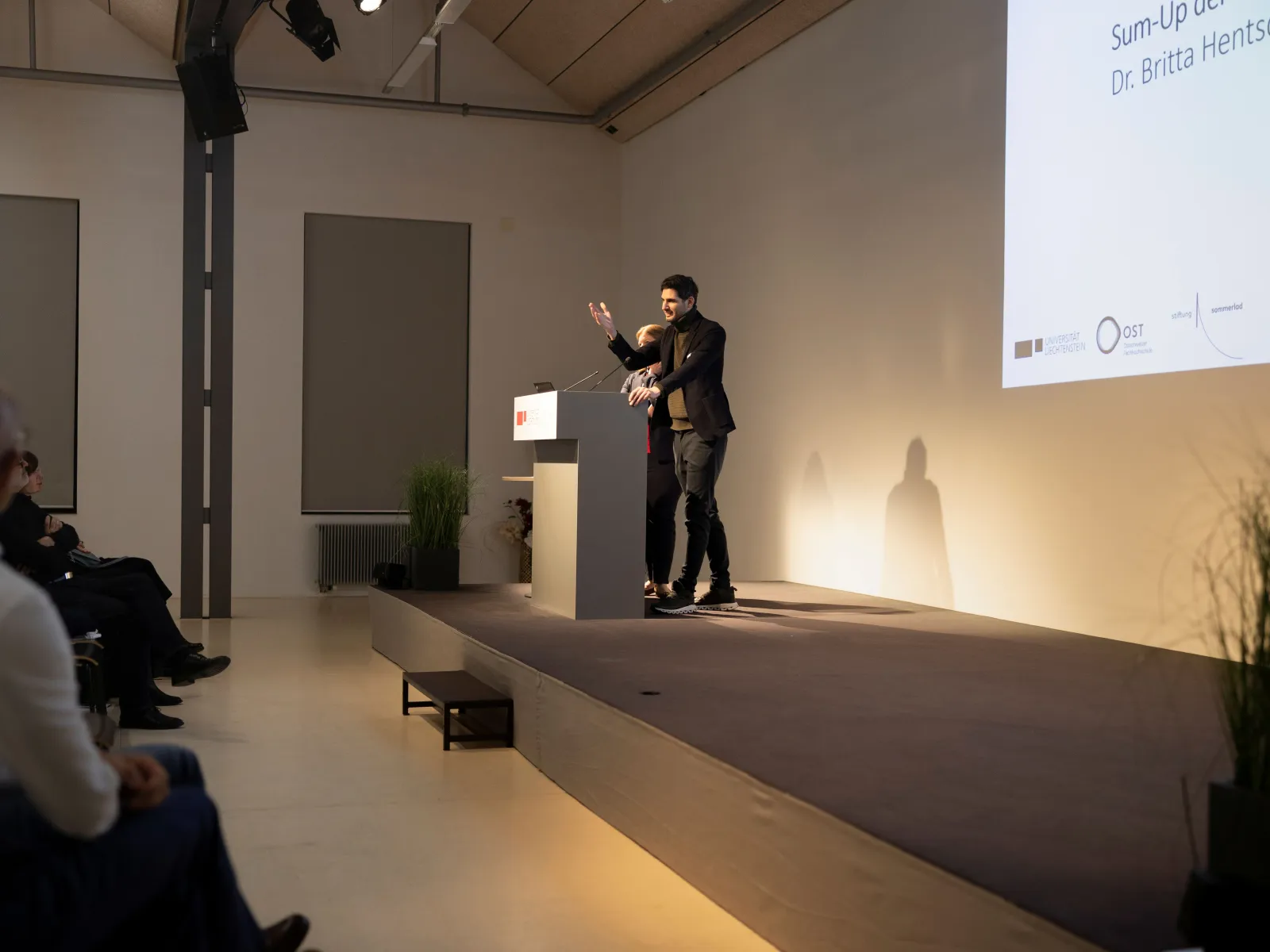
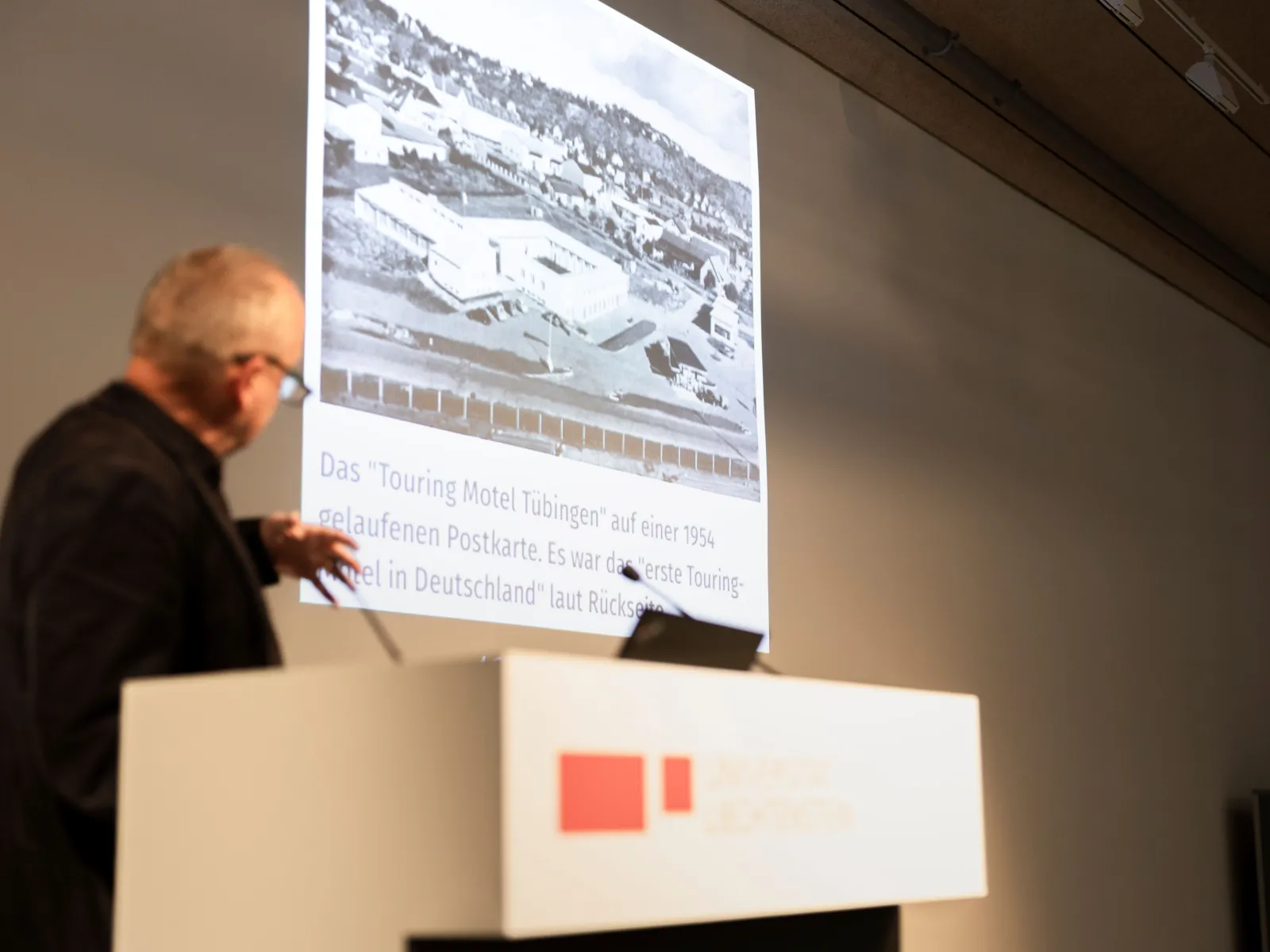
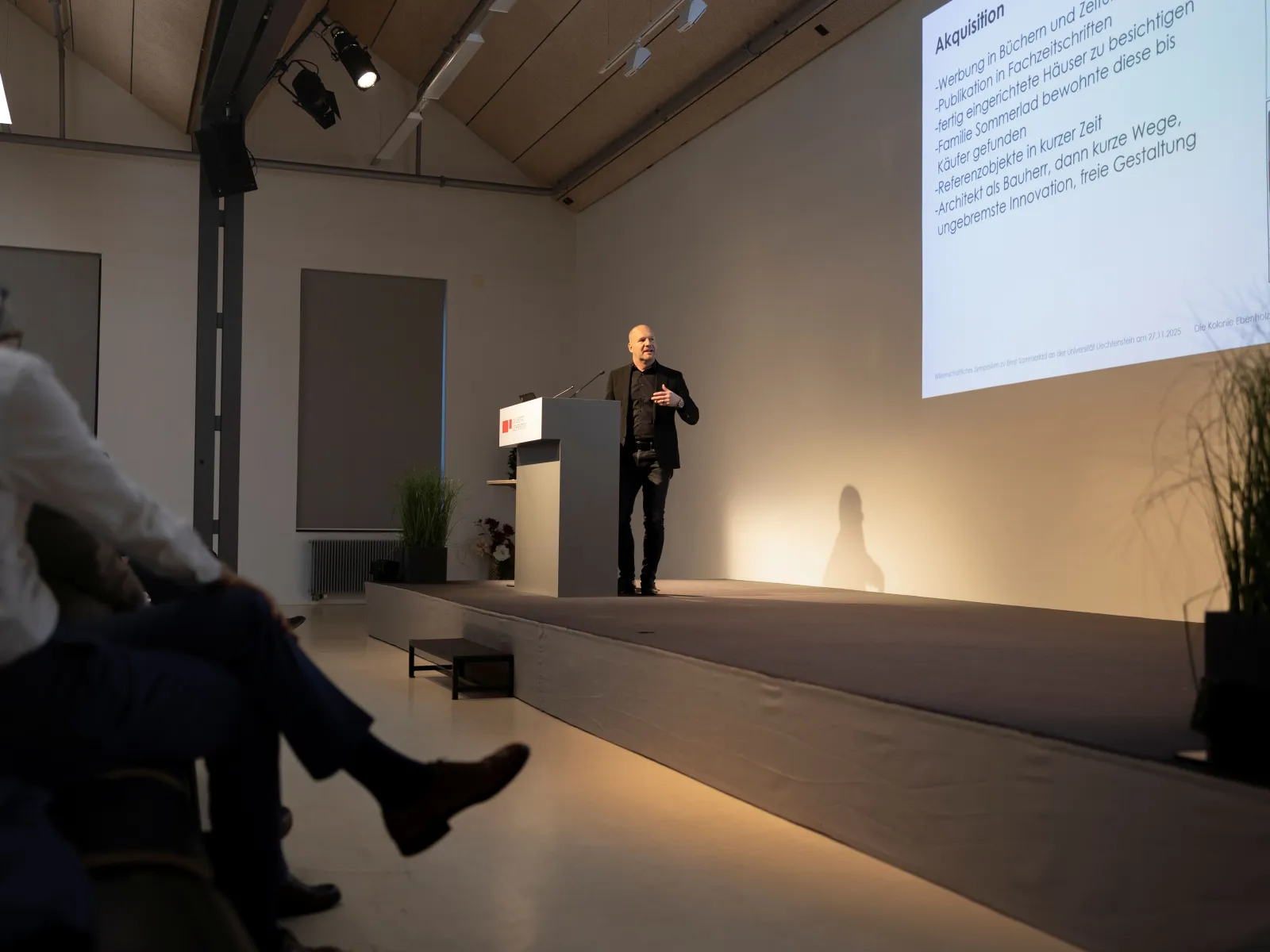
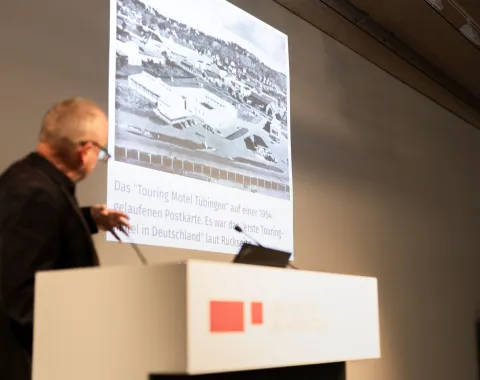
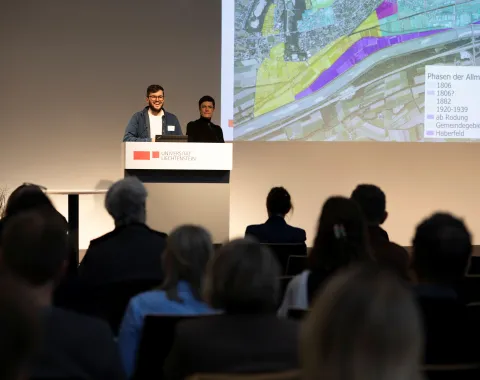
Under the title “Sommerlad, the border crosser”, the morning focused on the historical and social context in which Sommerlad worked. The contributions traced how he moved between different regions and encountered very diverse cultural and architectural conditions, and at times significant obstacles. This made clear which currents, expectations and opportunities shaped his practice. Rather than listing individual buildings, the emphasis lay on how Sommerlad acted as a mediator between places, traditions and the spirit of modernity, and how he developed his own architectural position rooted in the Alpine region.
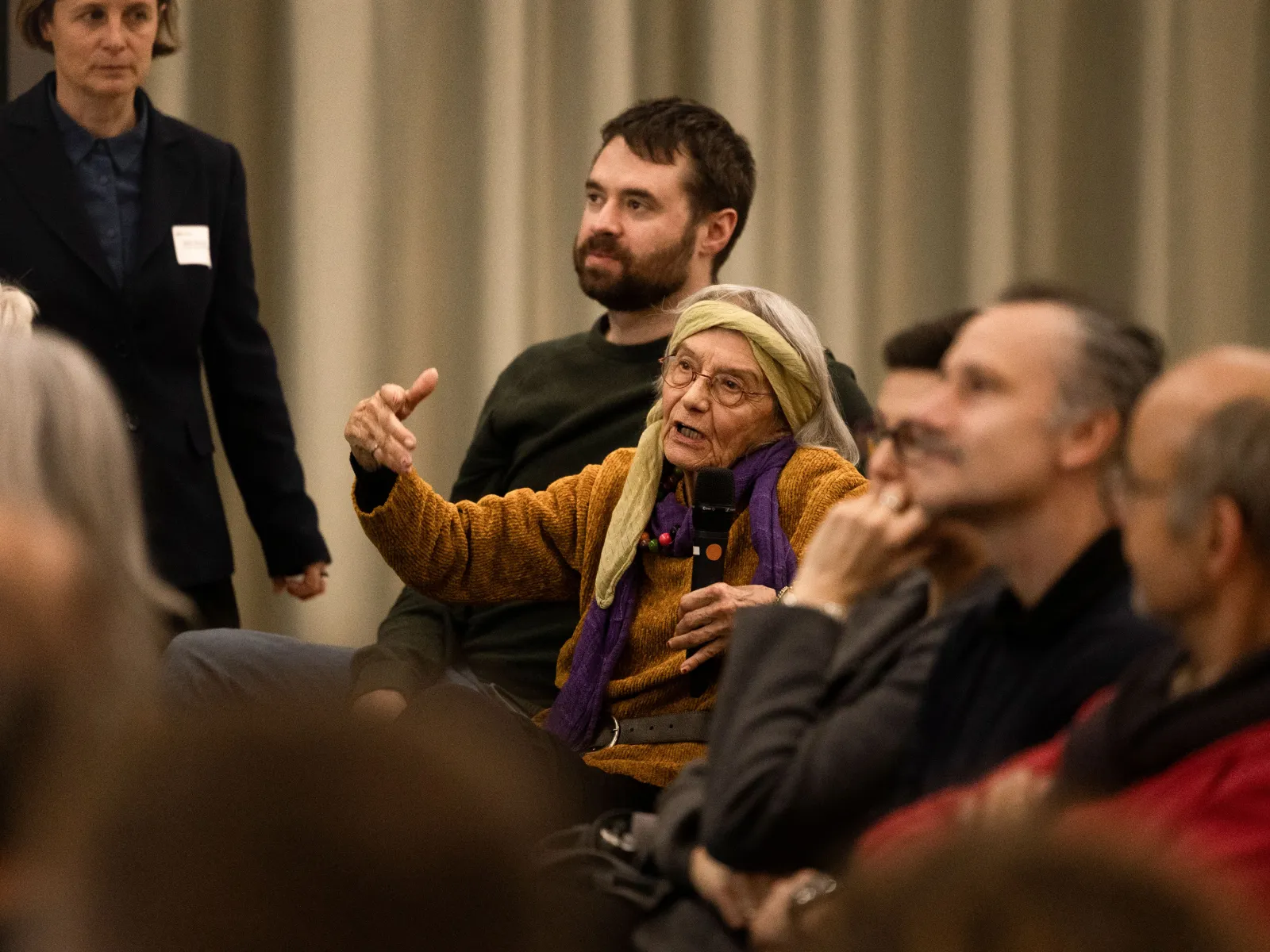
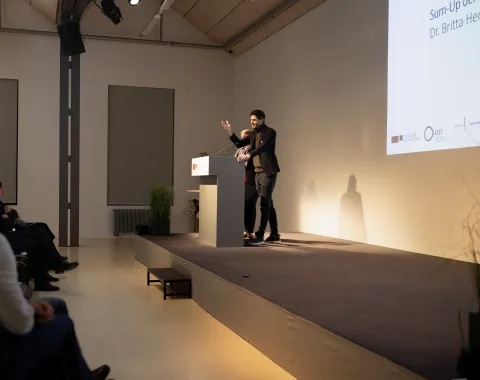
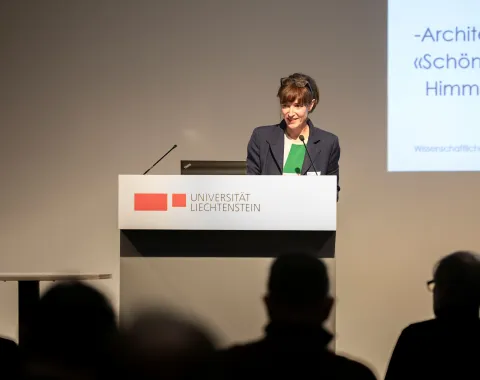
In the afternoon, the perspective widened further, with a focus on preserving and continuing to develop Sommerlad’s buildings. From different professional angles, speakers showed how his works can be read today as part of a building culture that understood borders more as connections than as divides. The discussion sharpened the image of an architect who did not operate as an isolated figure, but as someone who worked, negotiated and translated with great openness. This adaptability emerged as one of his defining qualities, both in dealing with clients and contexts and in the lasting character of his buildings, many of which have remained remarkably flexible to this day. All the more regrettable, therefore, is the fact that almost half of Sommerlad’s roughly 120 buildings in Liechtenstein have already fallen victim to increased pressure for plot exploitation and profit.
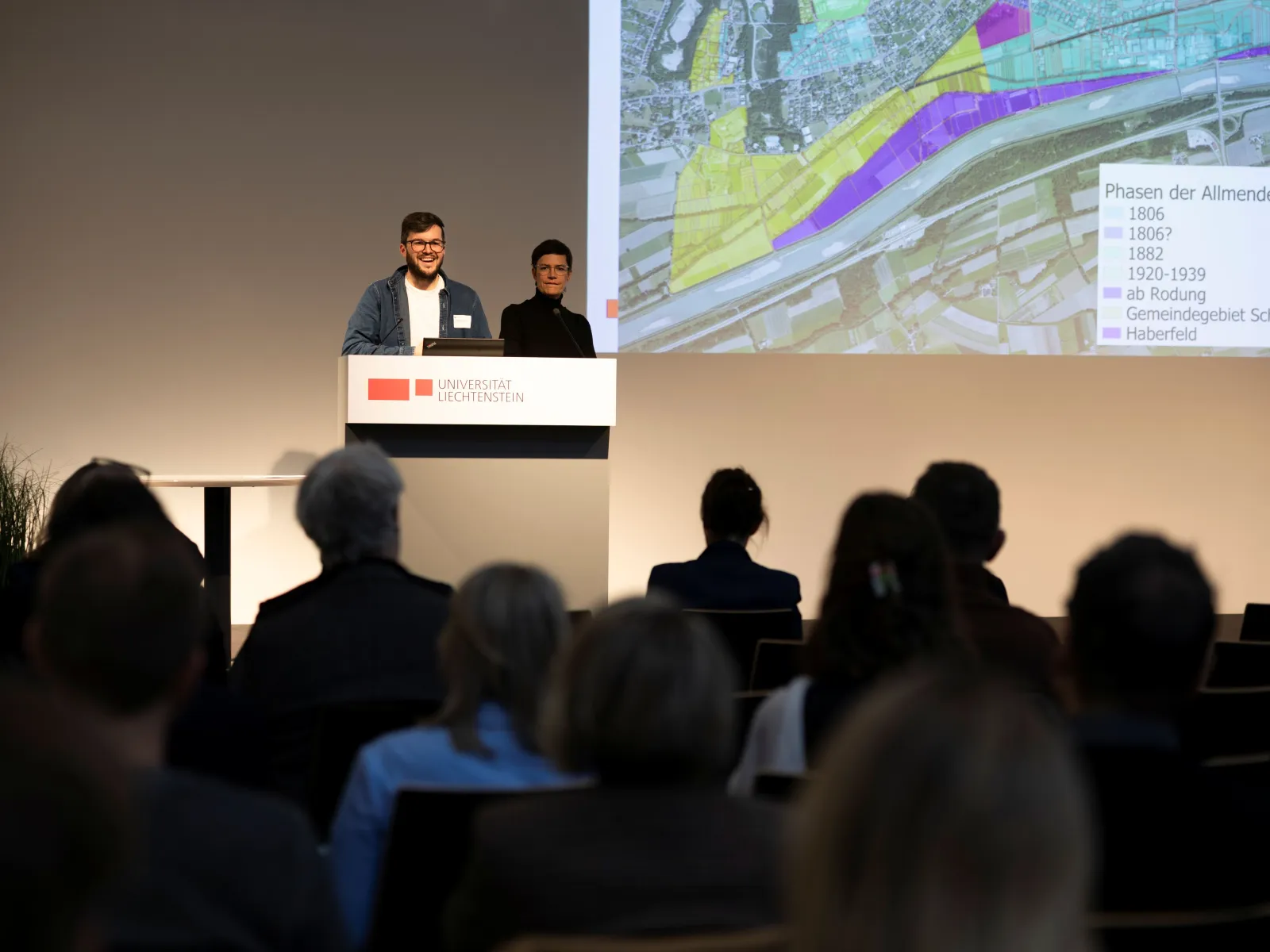
Sommerlad’s own skilful use of the new possibilities offered by the Persons and Companies Act (PGR) from 1926 was also highlighted from a constitutional law perspective, and the land policy he initiated in the country was analysed in terms of its social and spatial impact.
Exhibition opening and book presentation
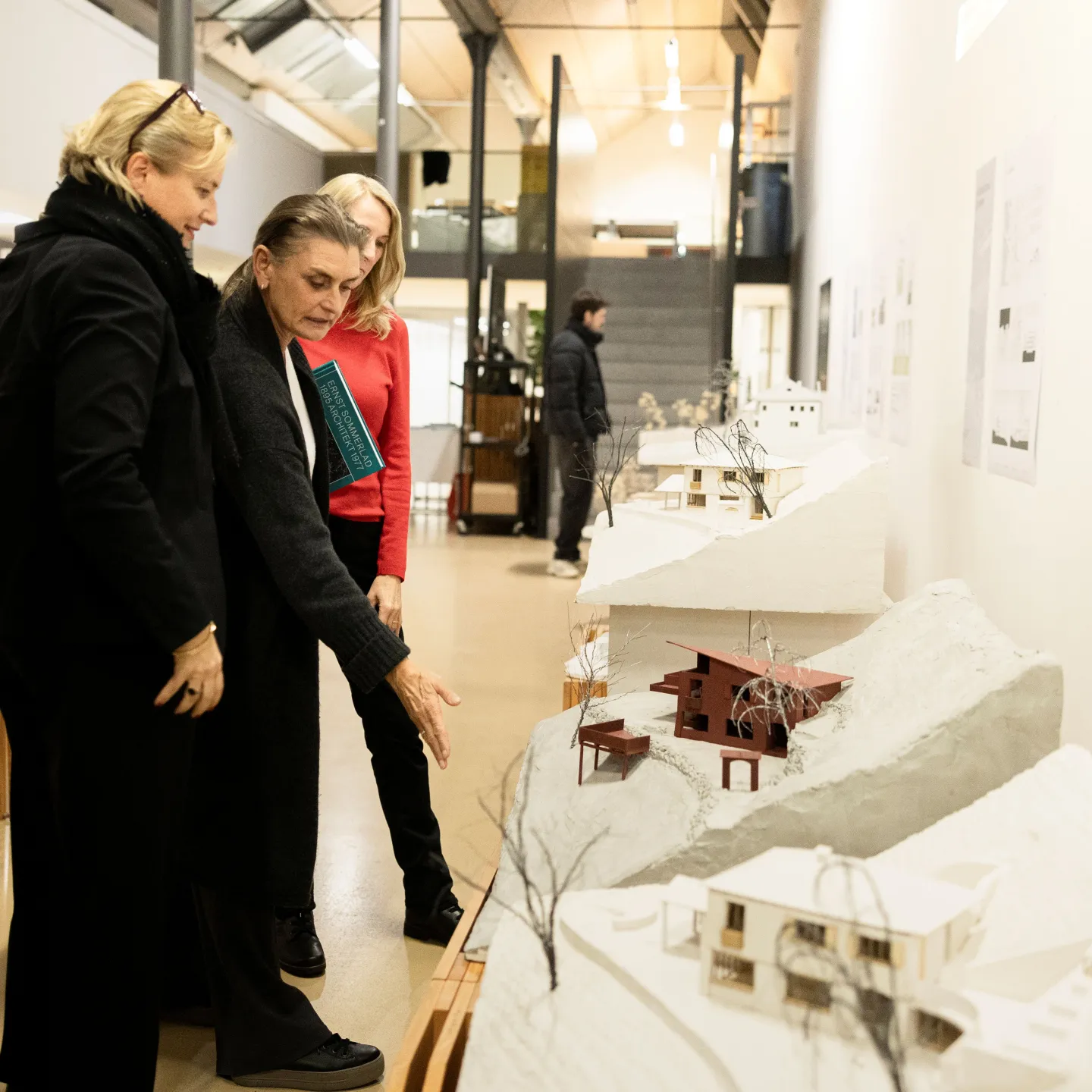
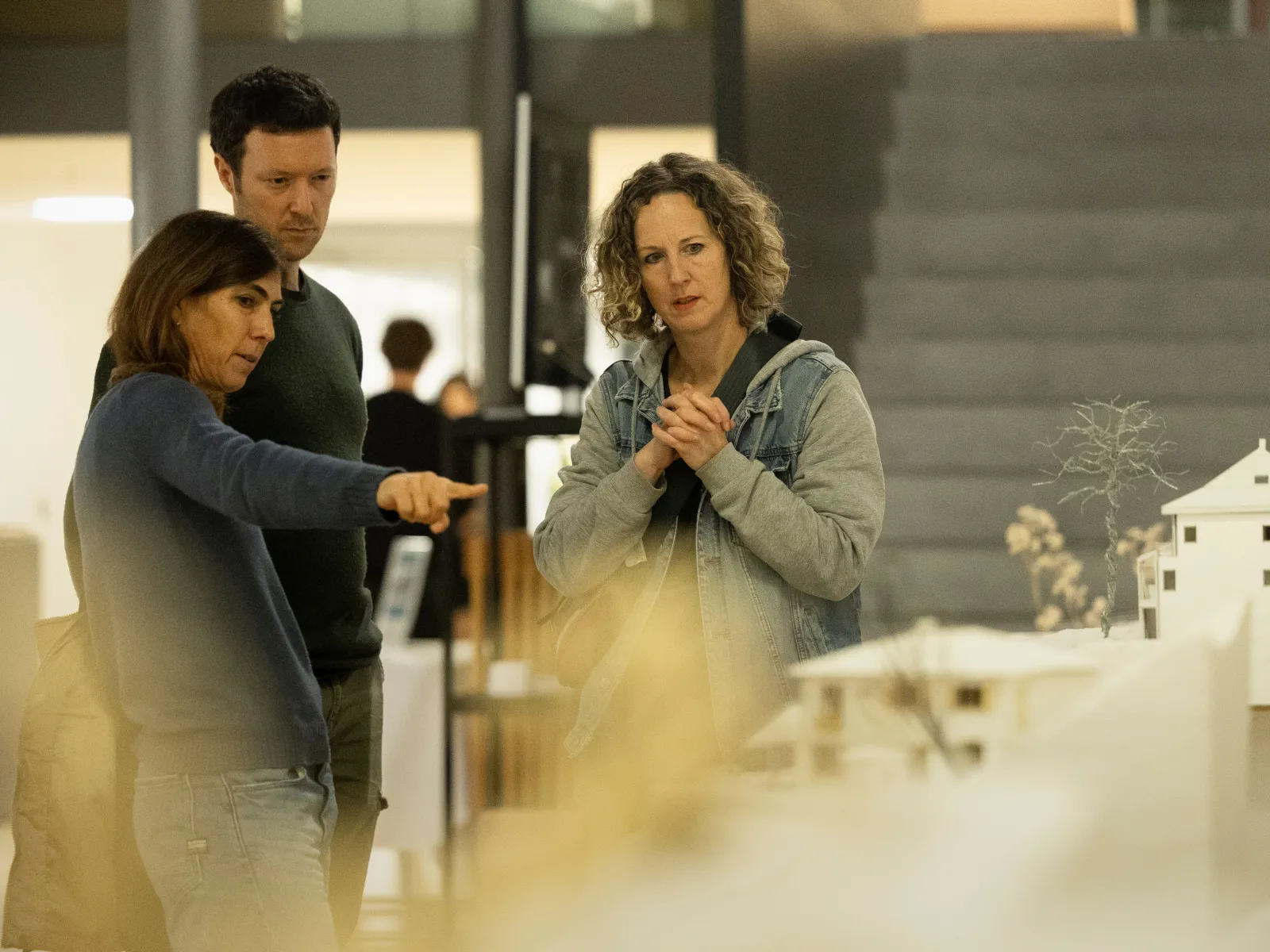
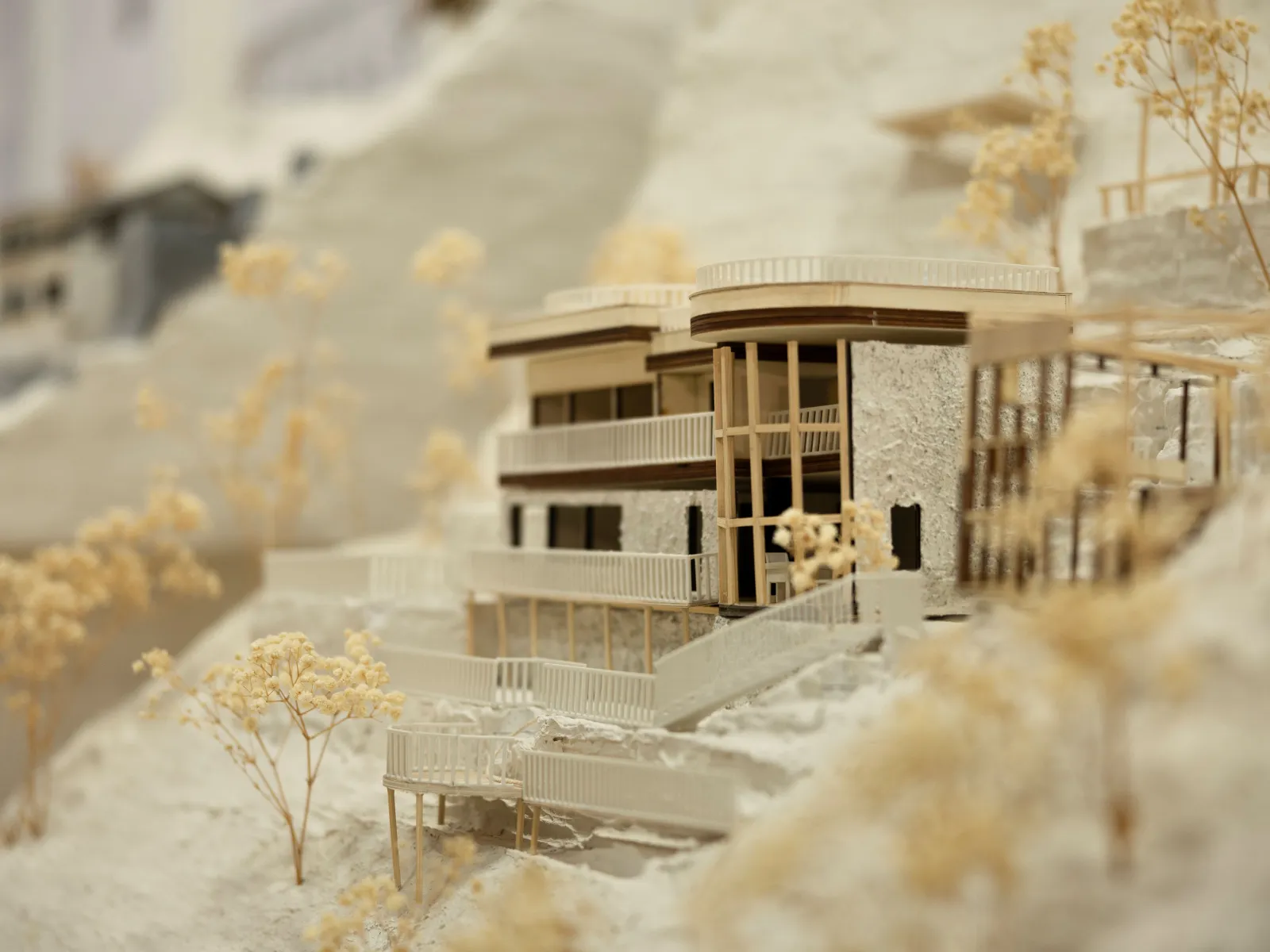
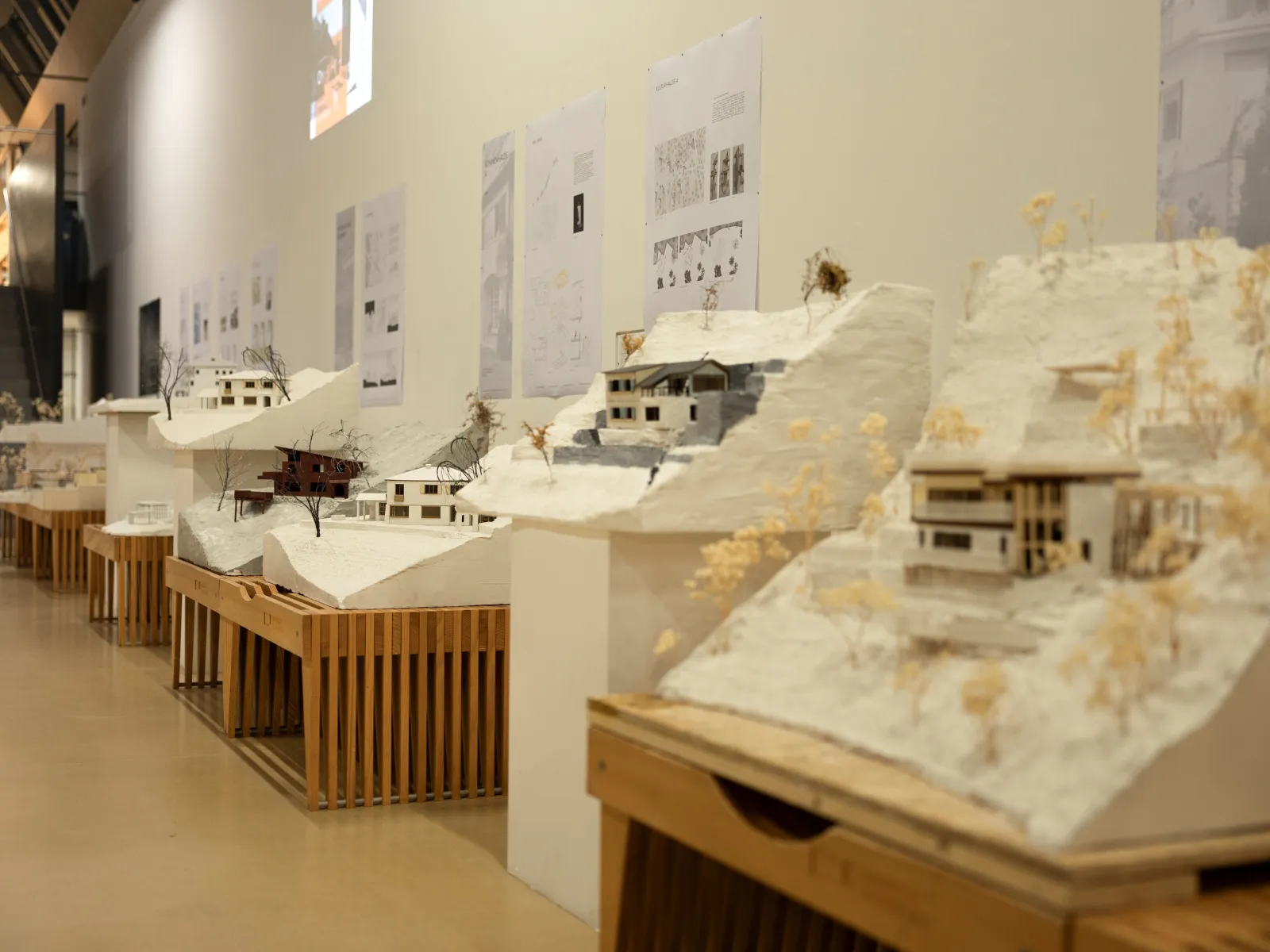
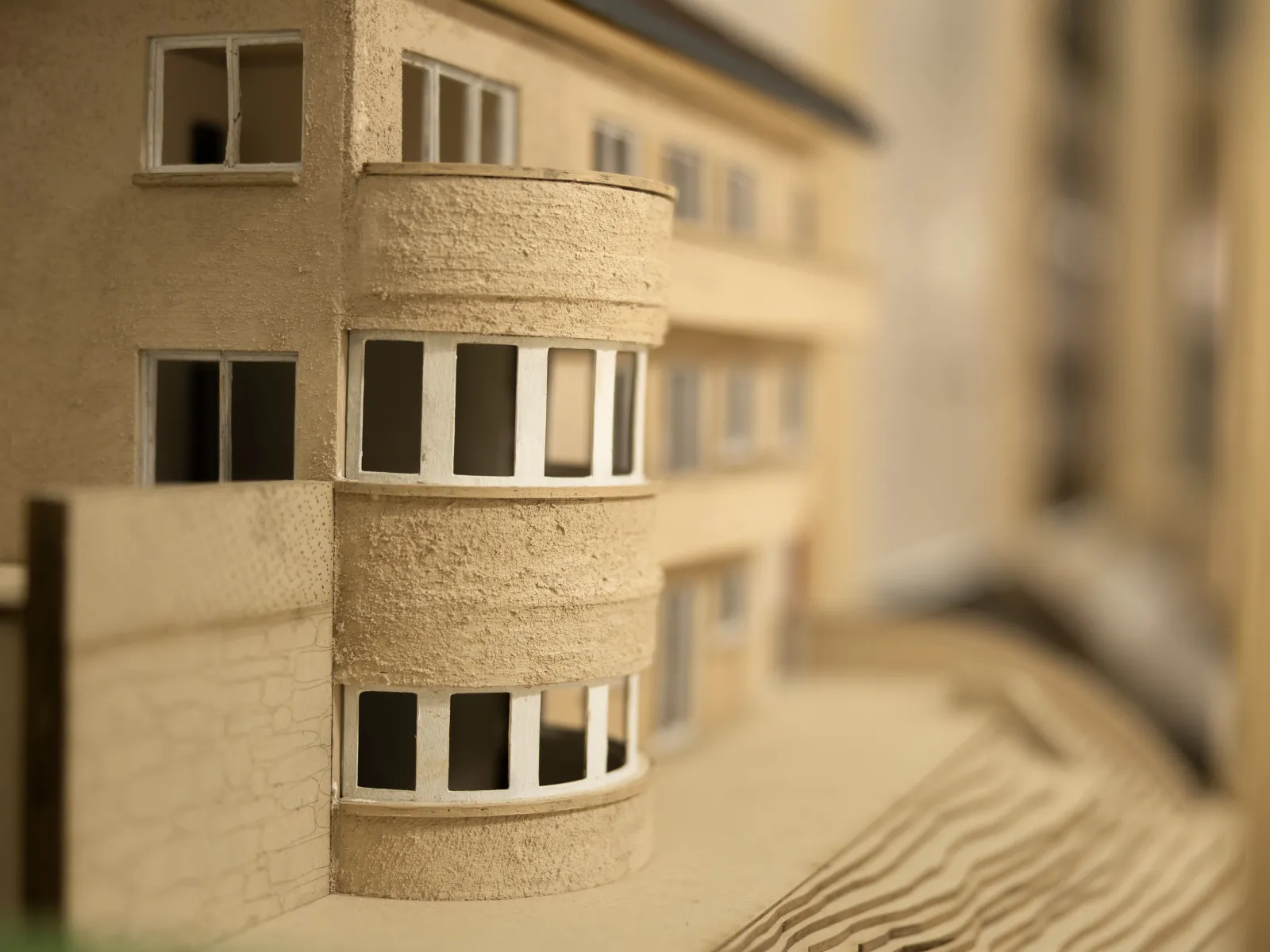
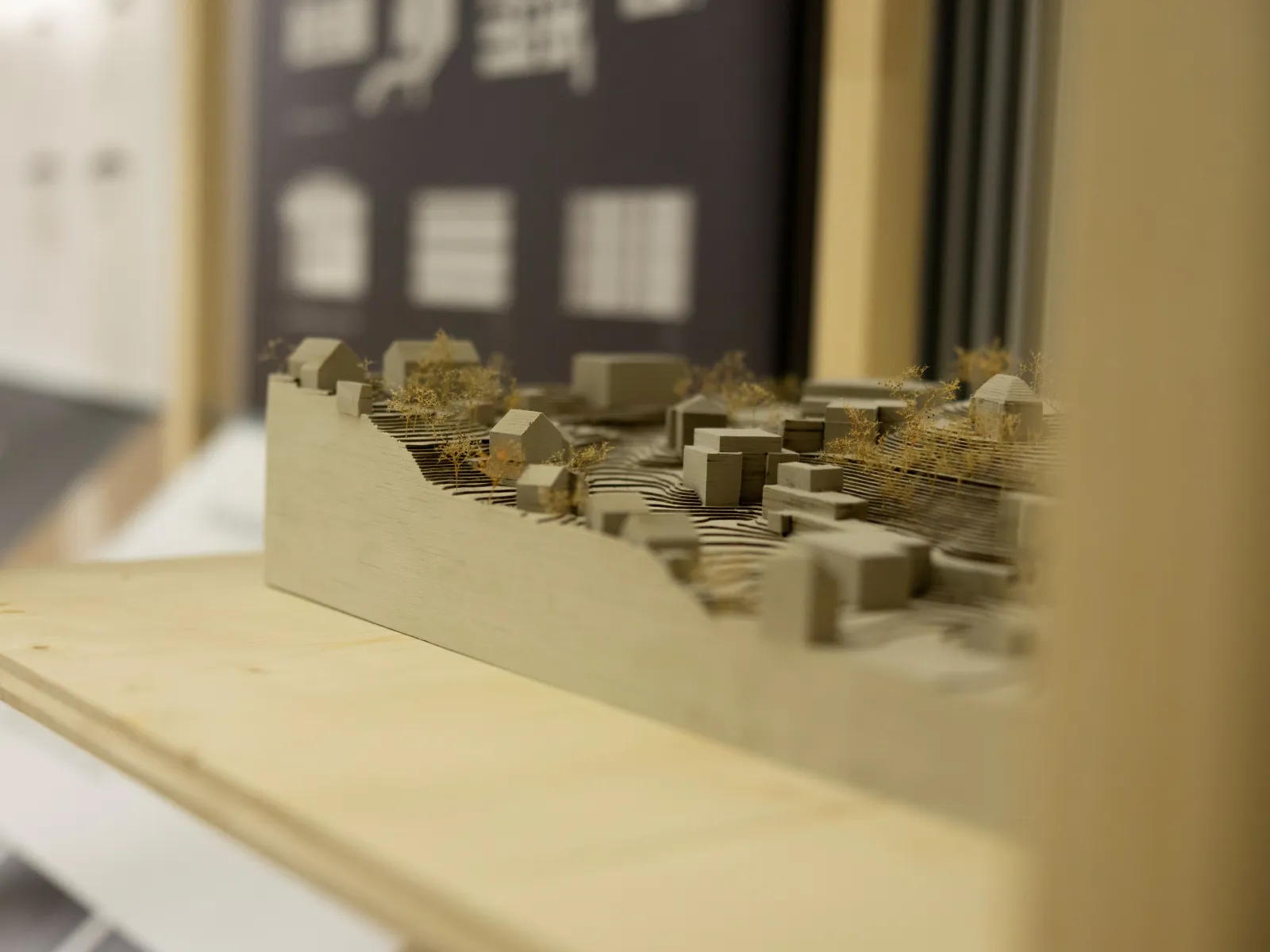
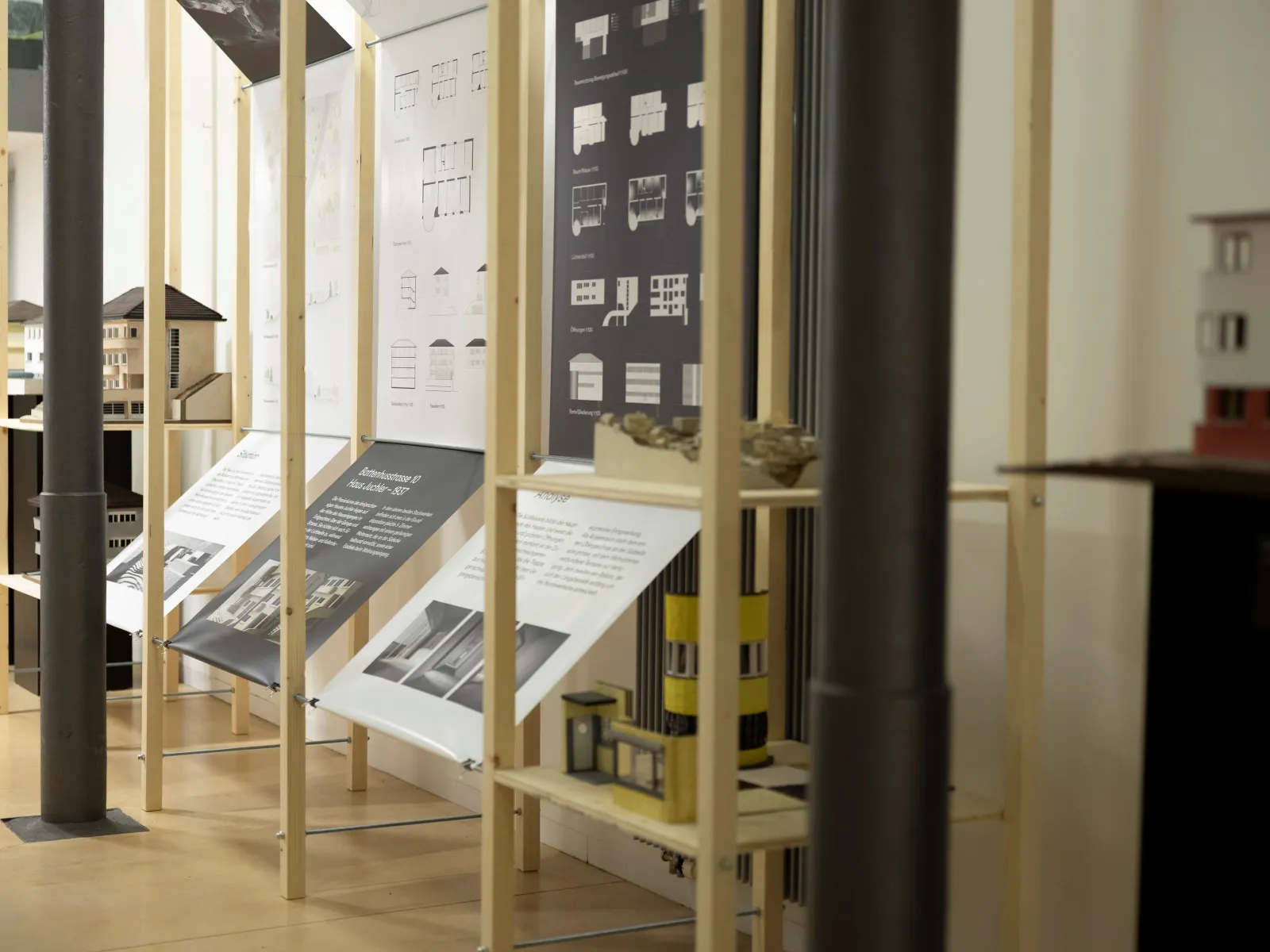
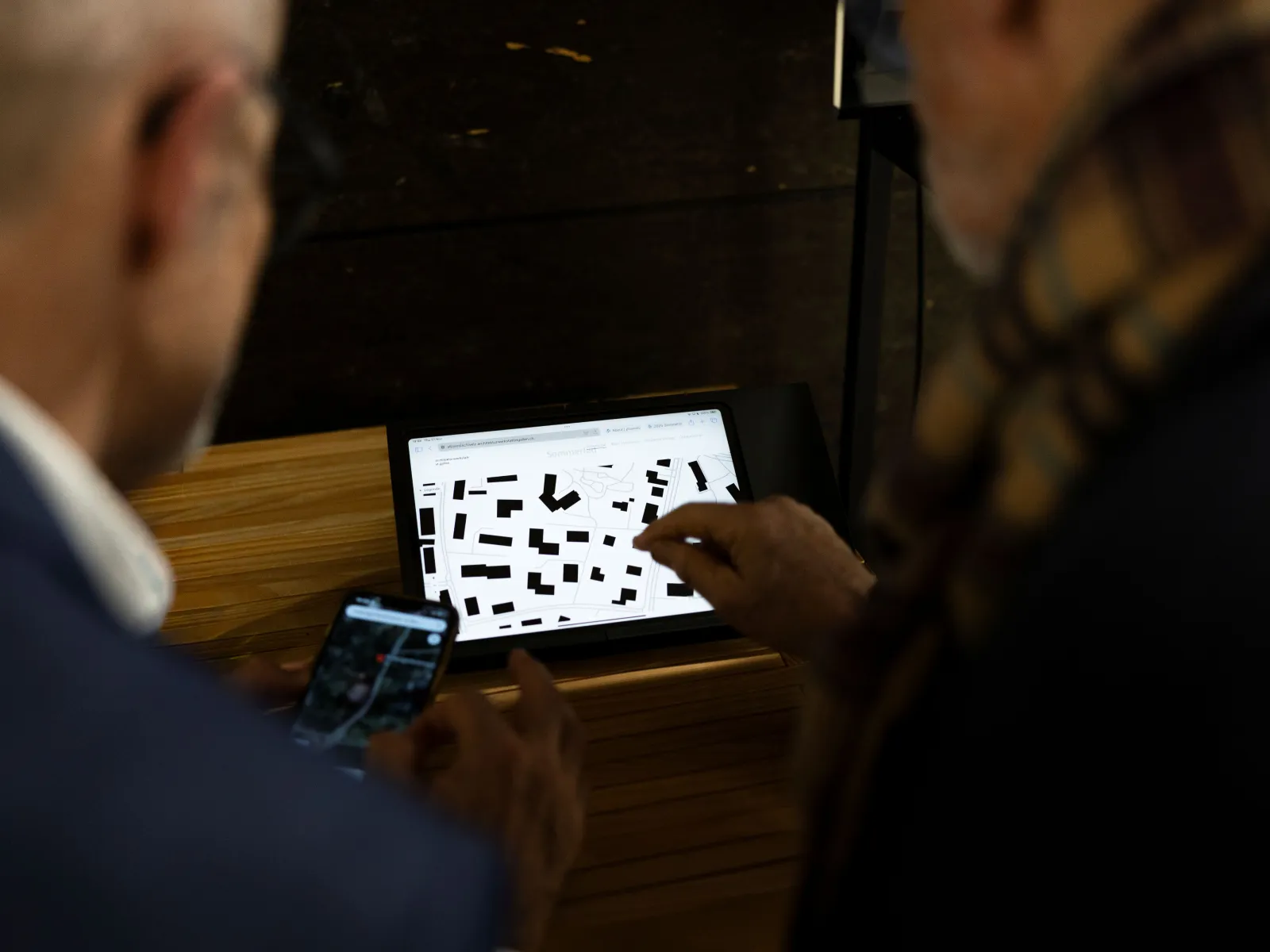
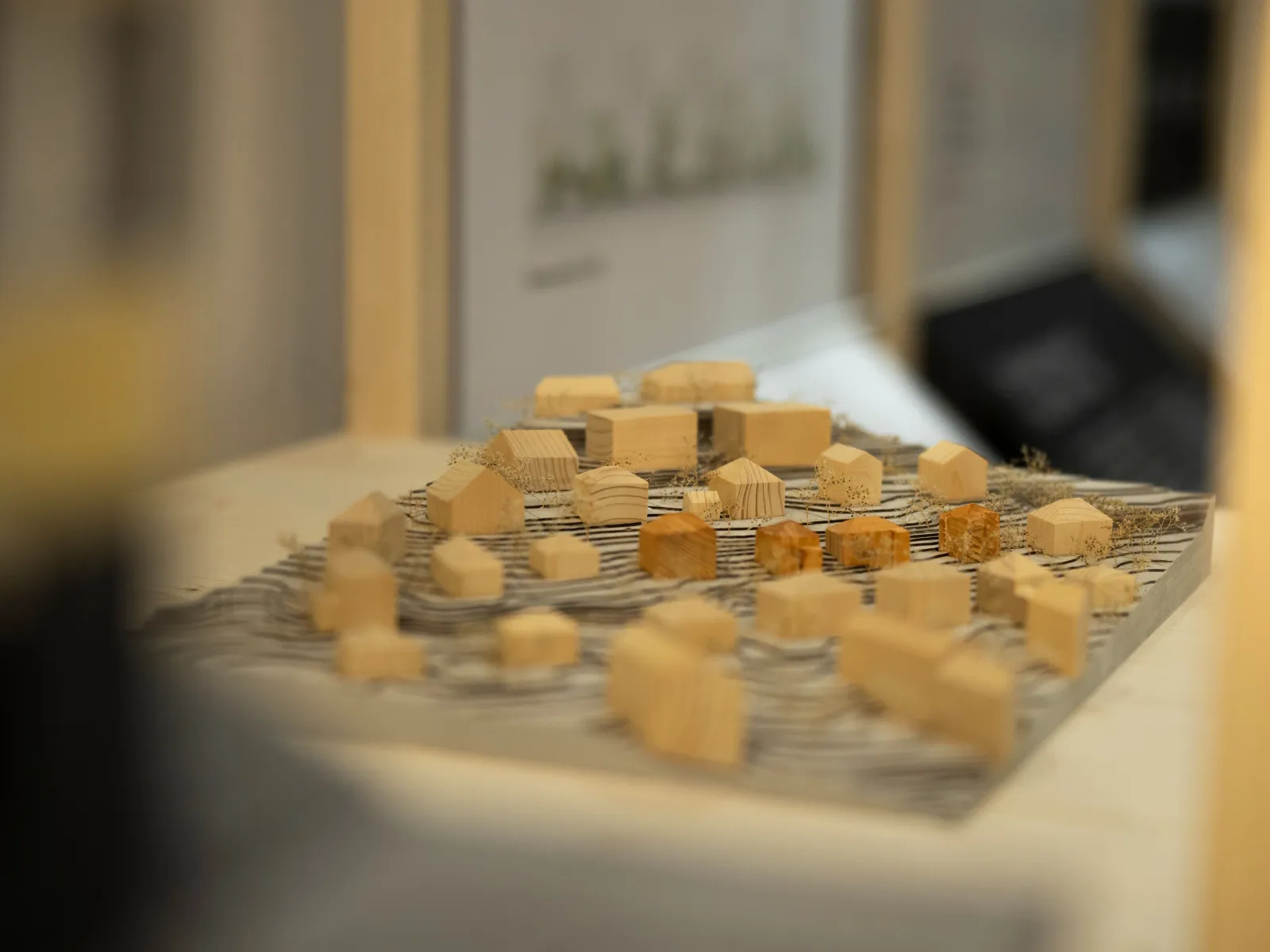
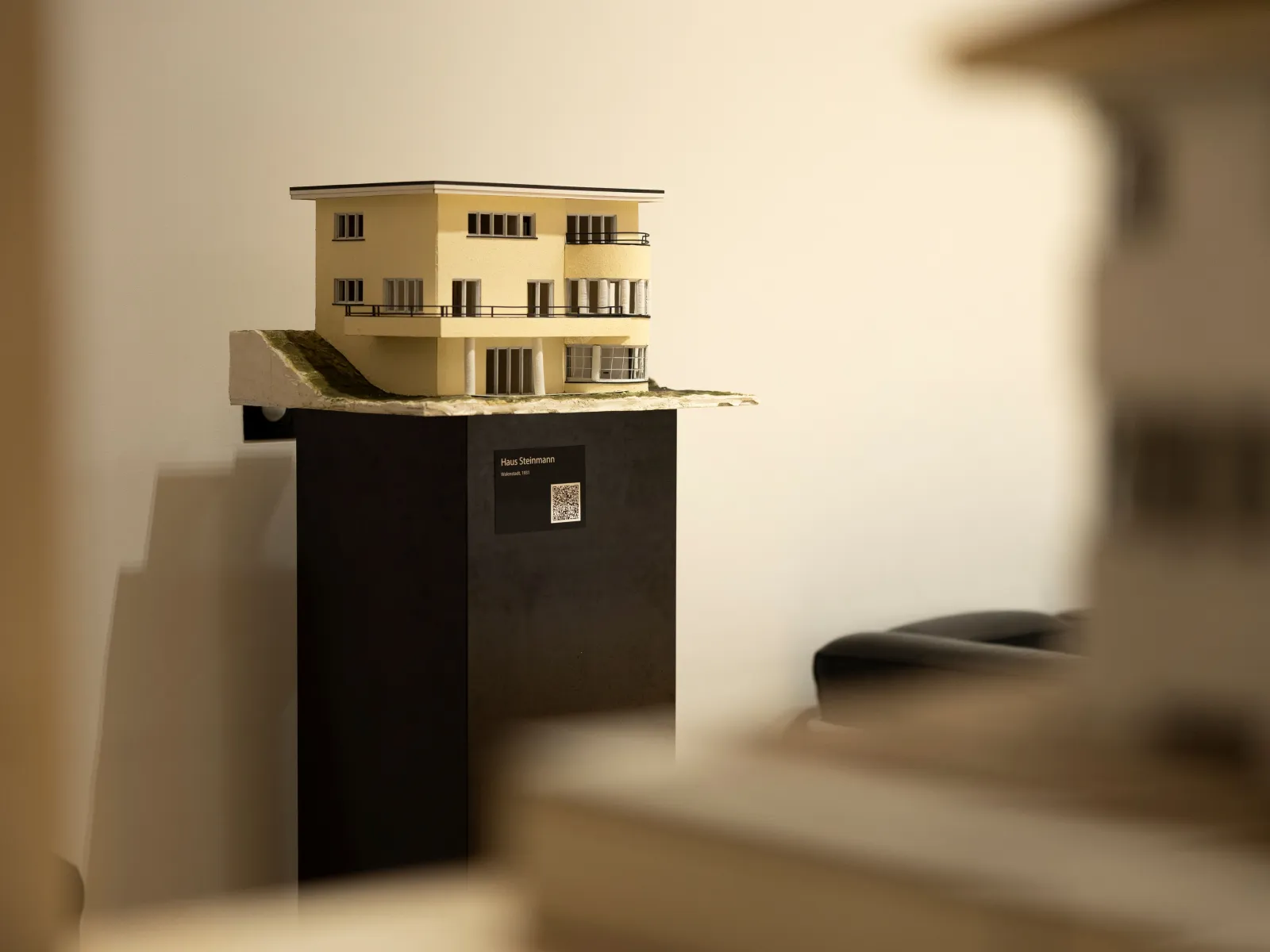
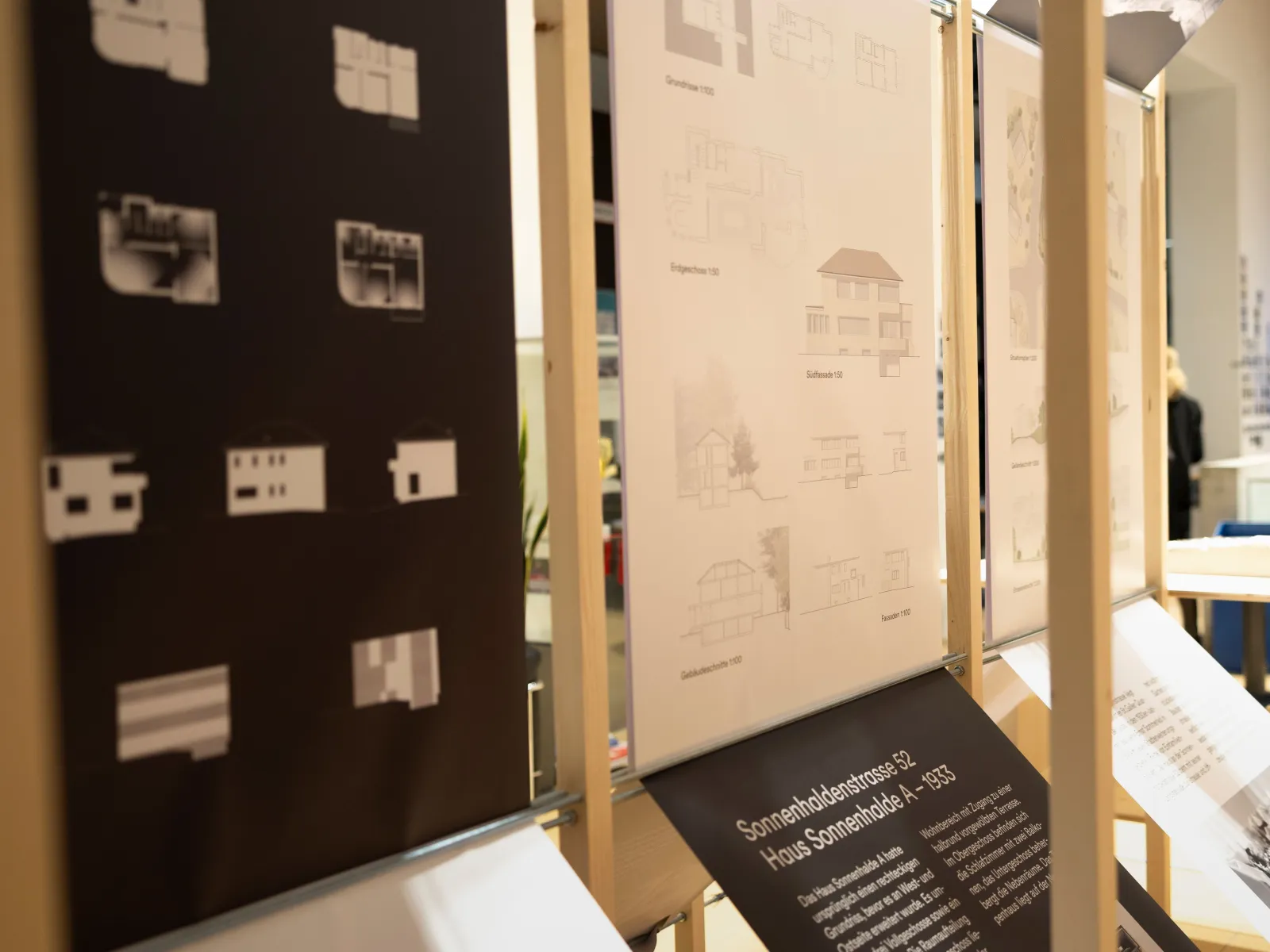
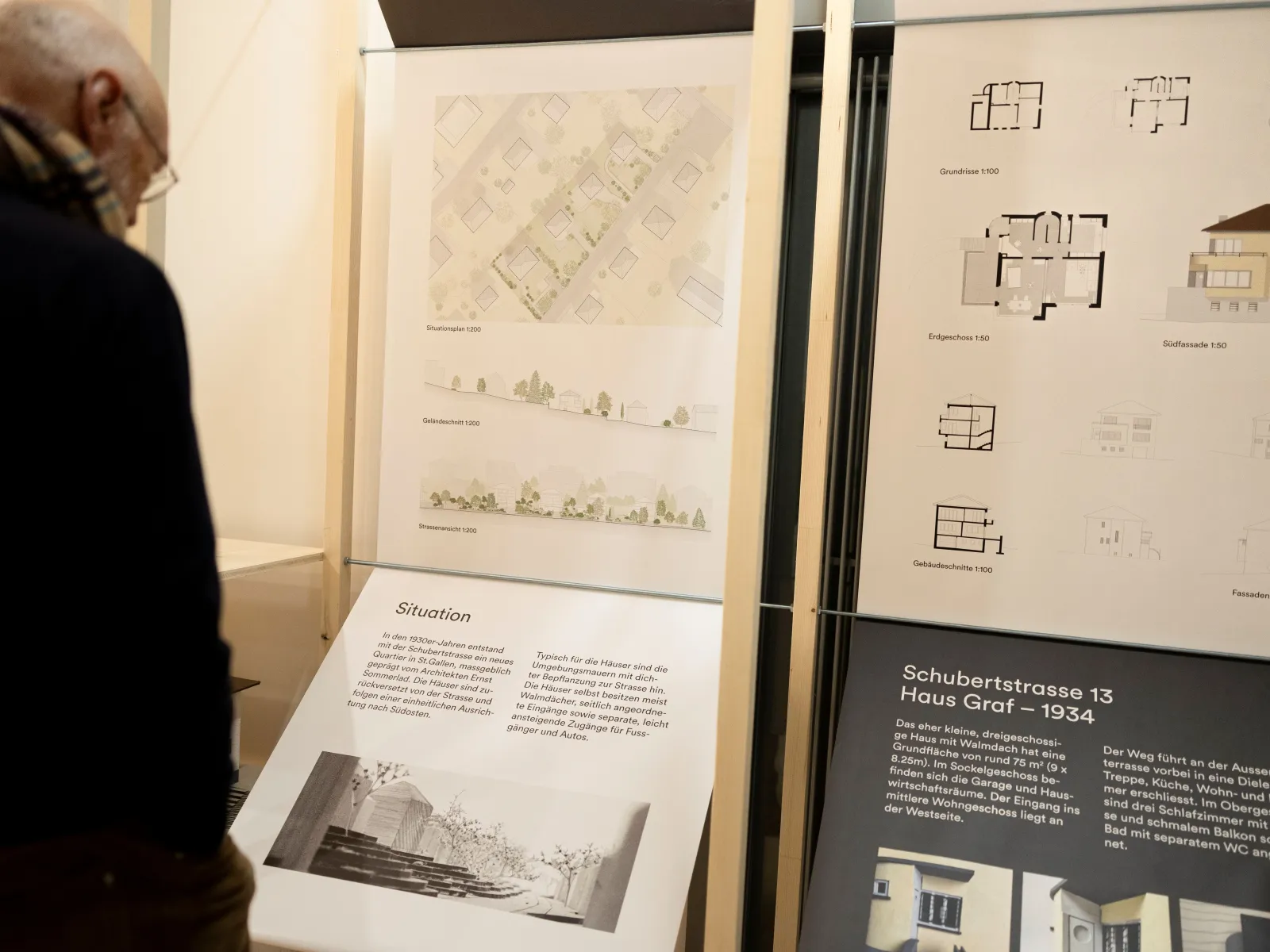
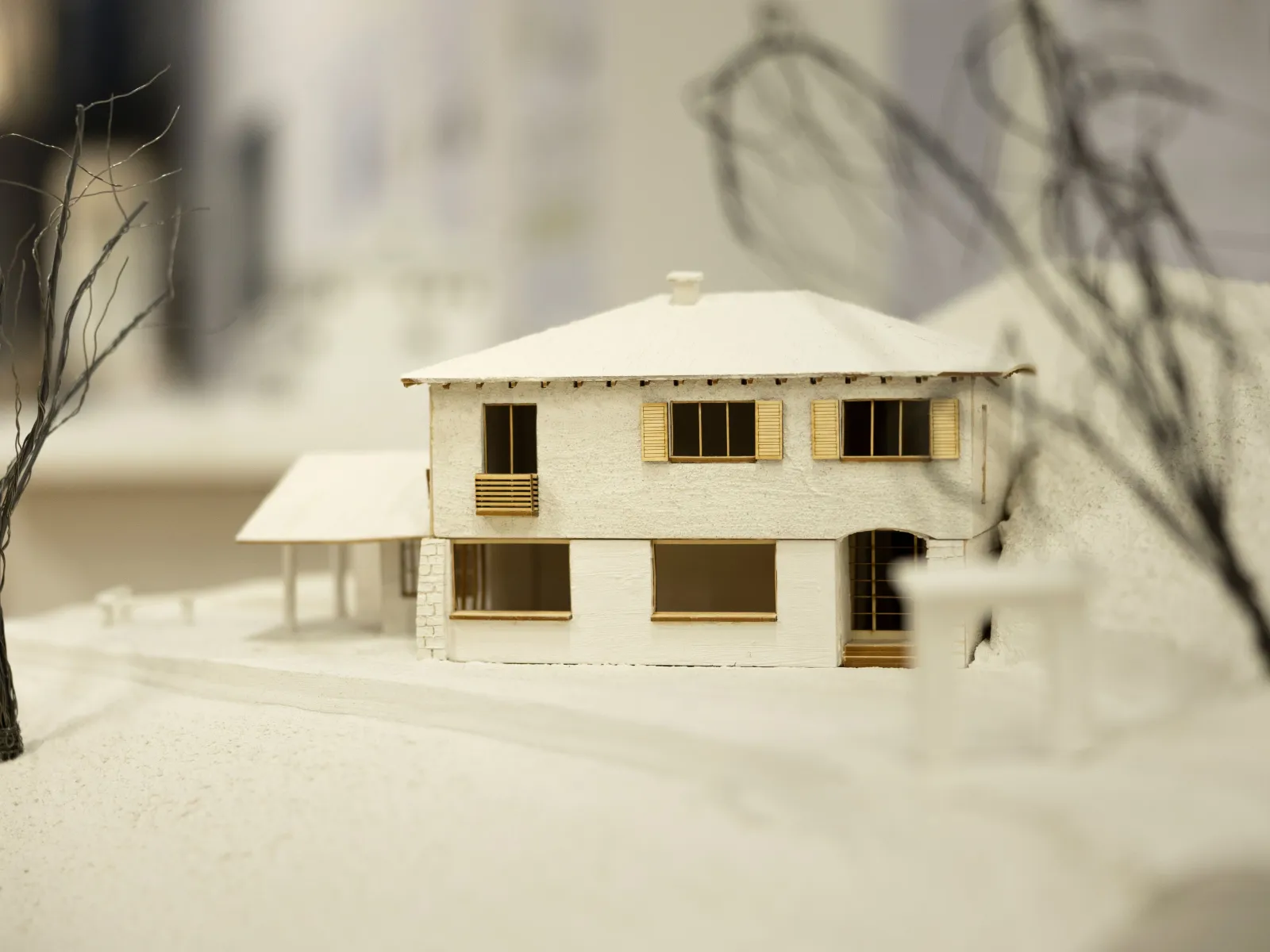
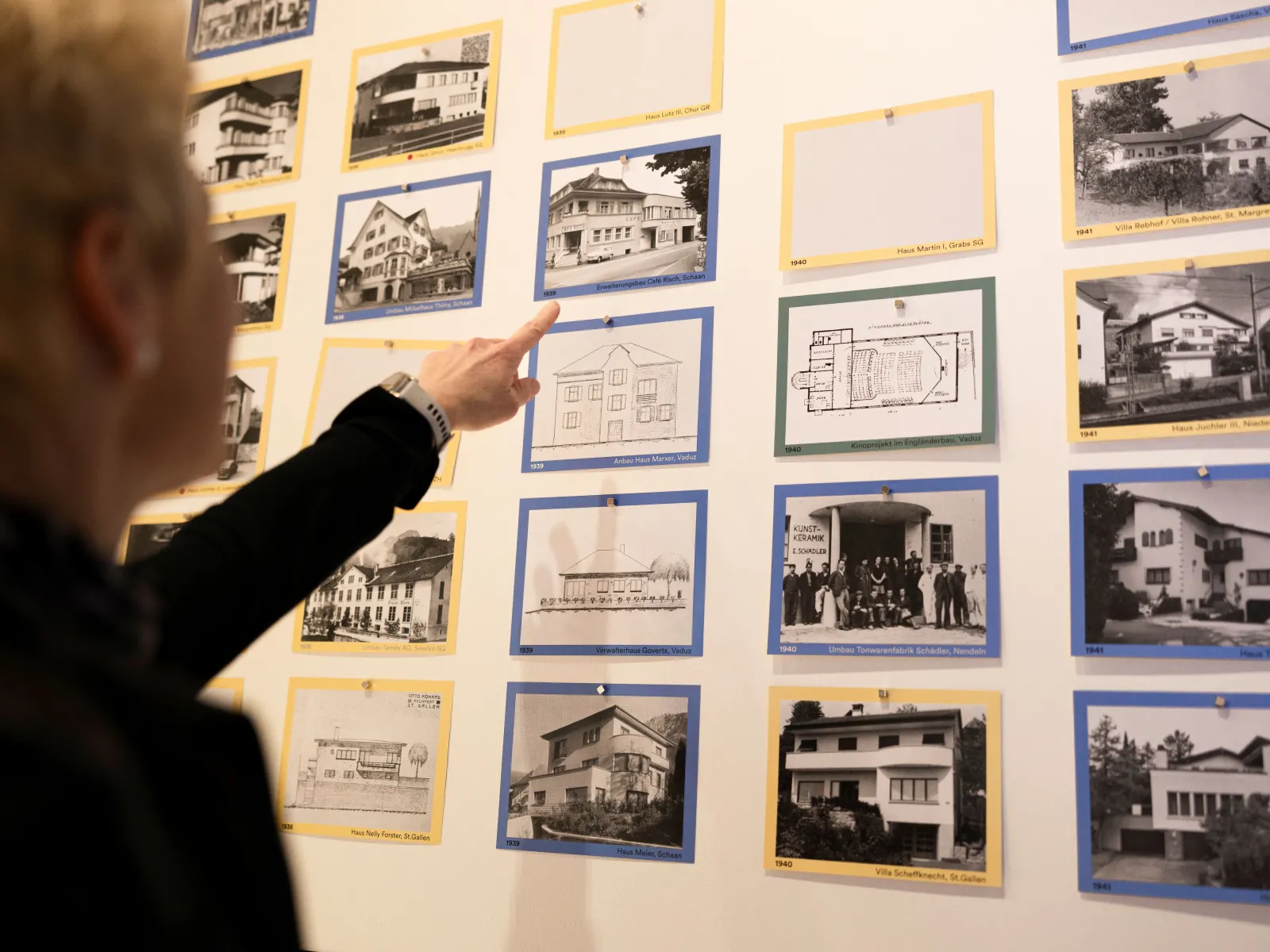
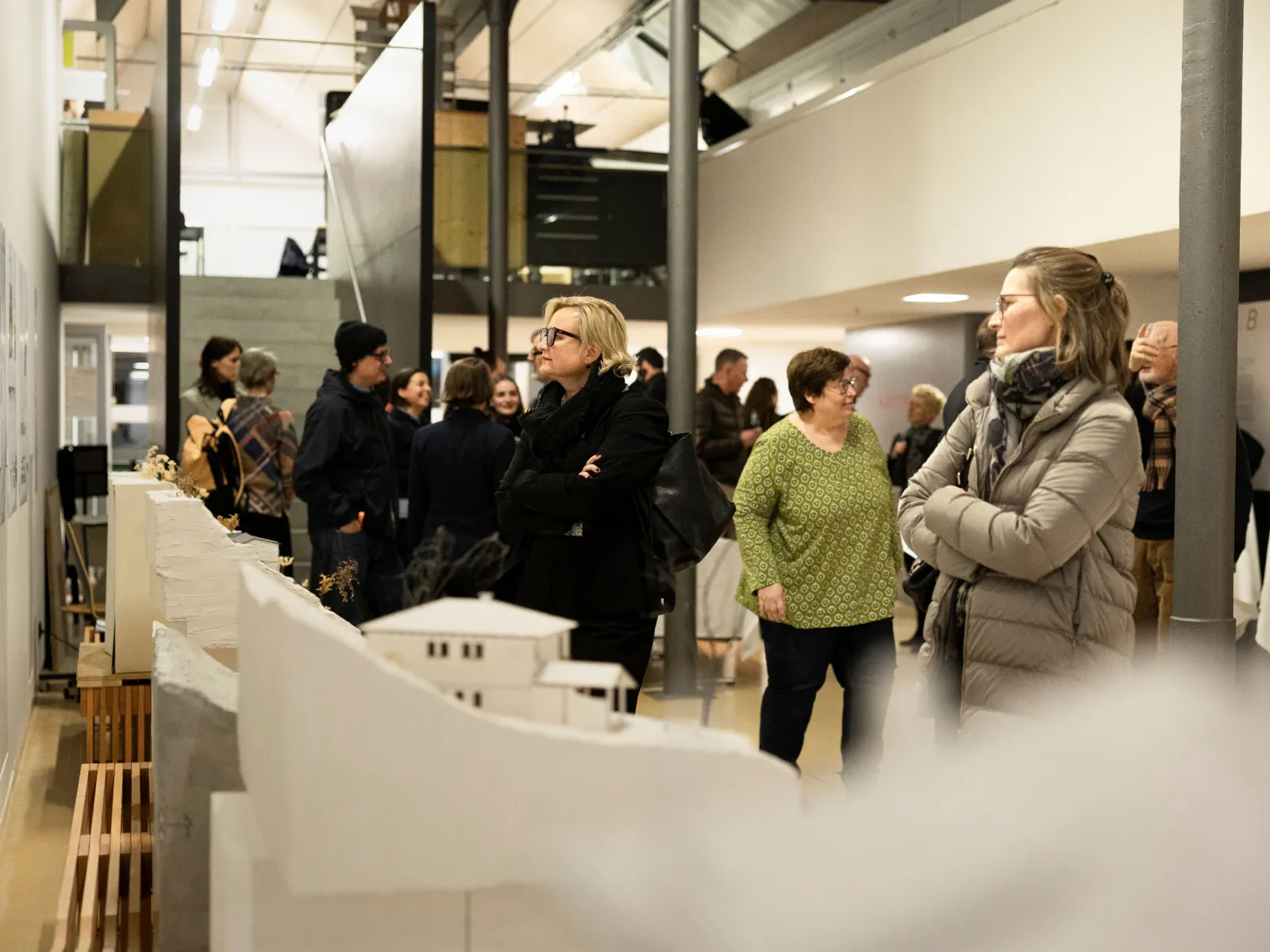
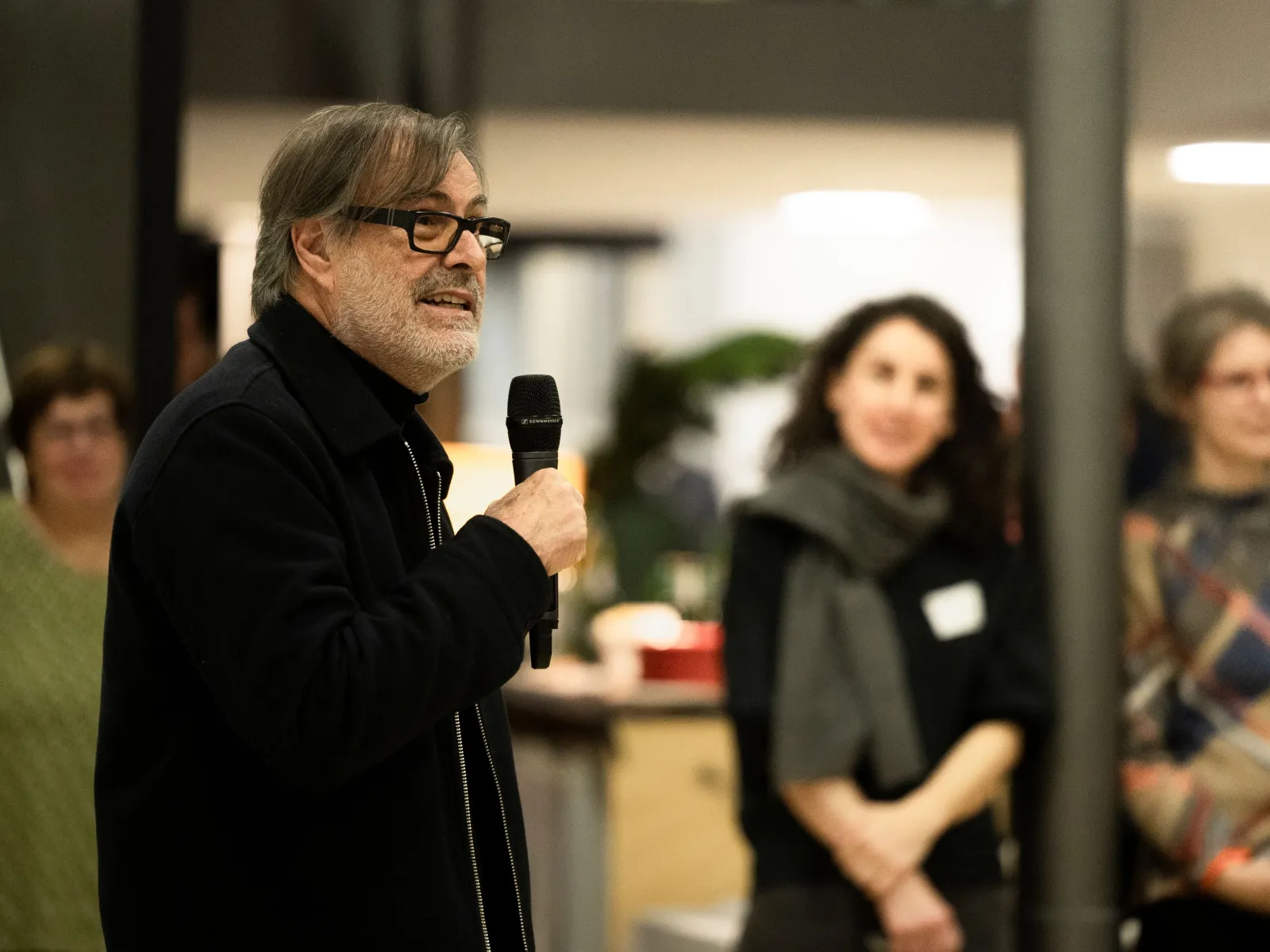
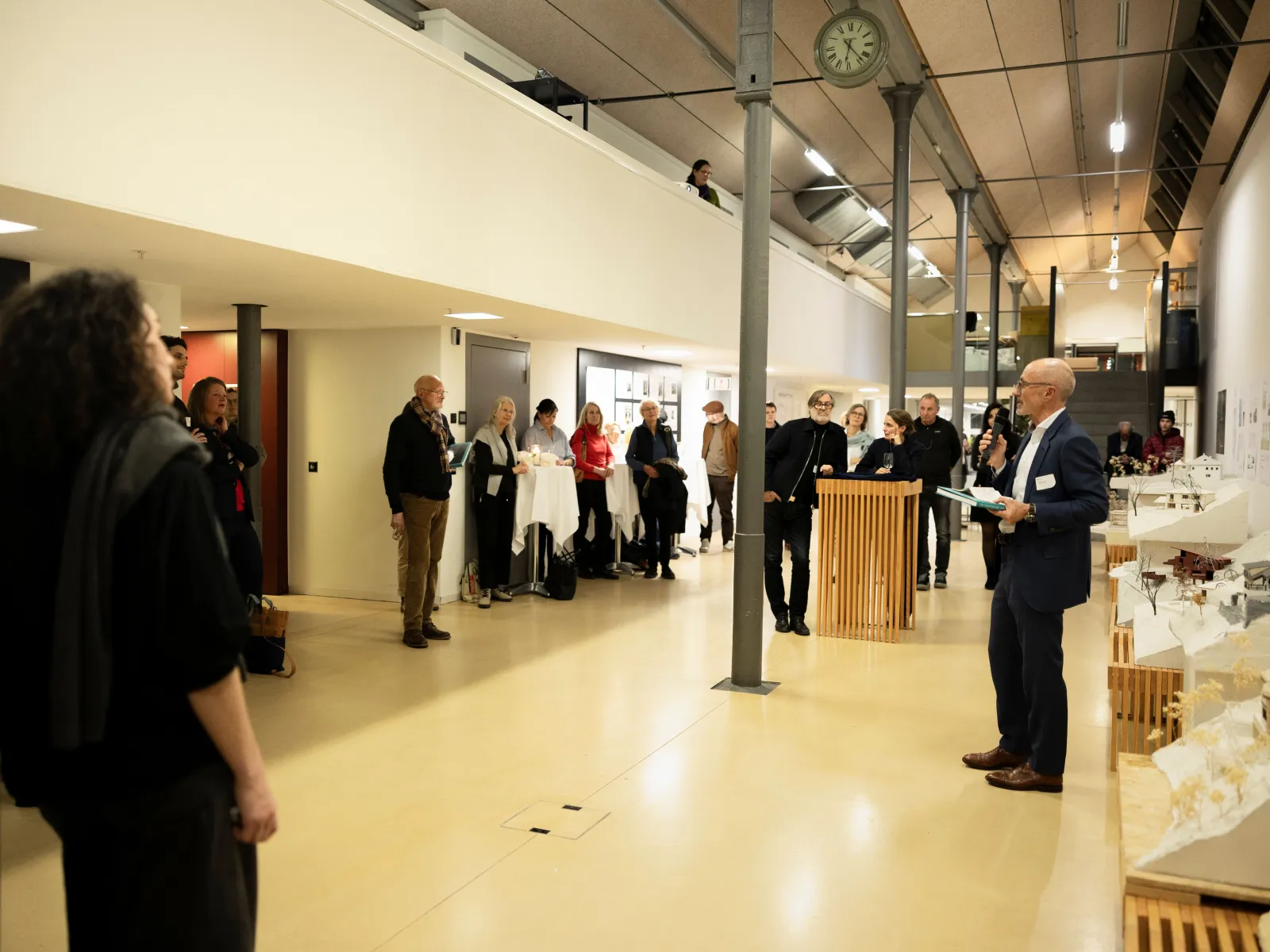
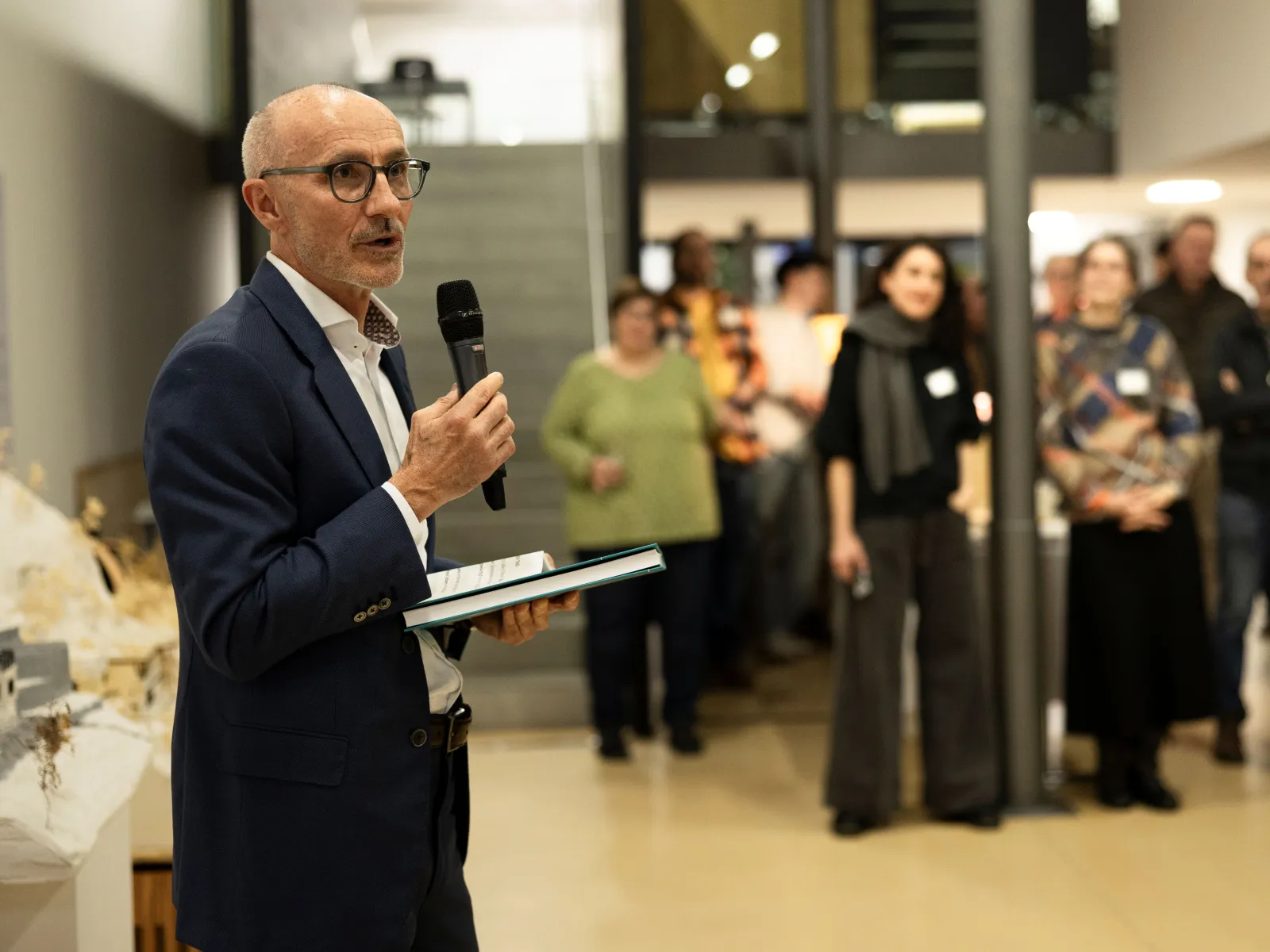
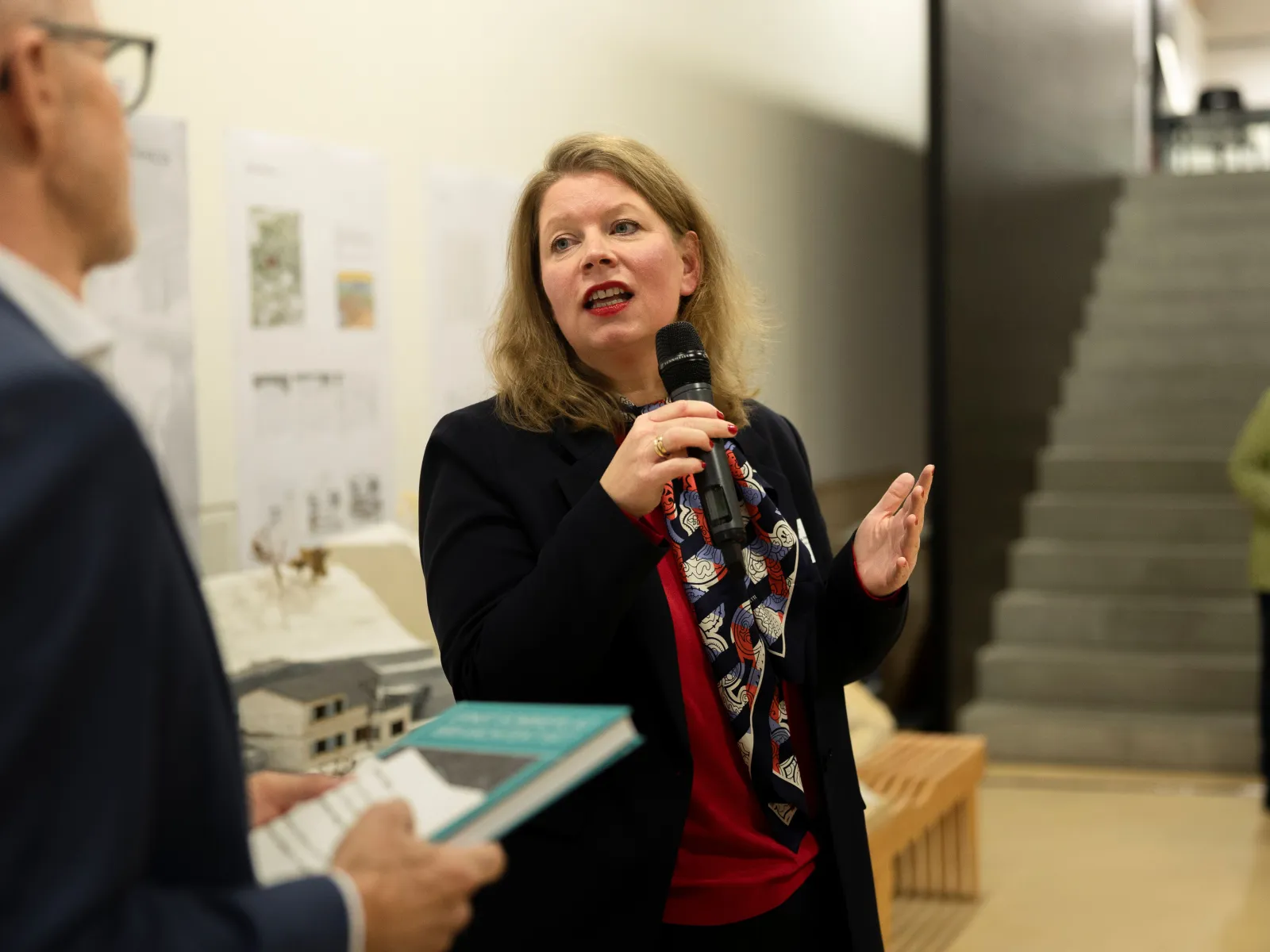
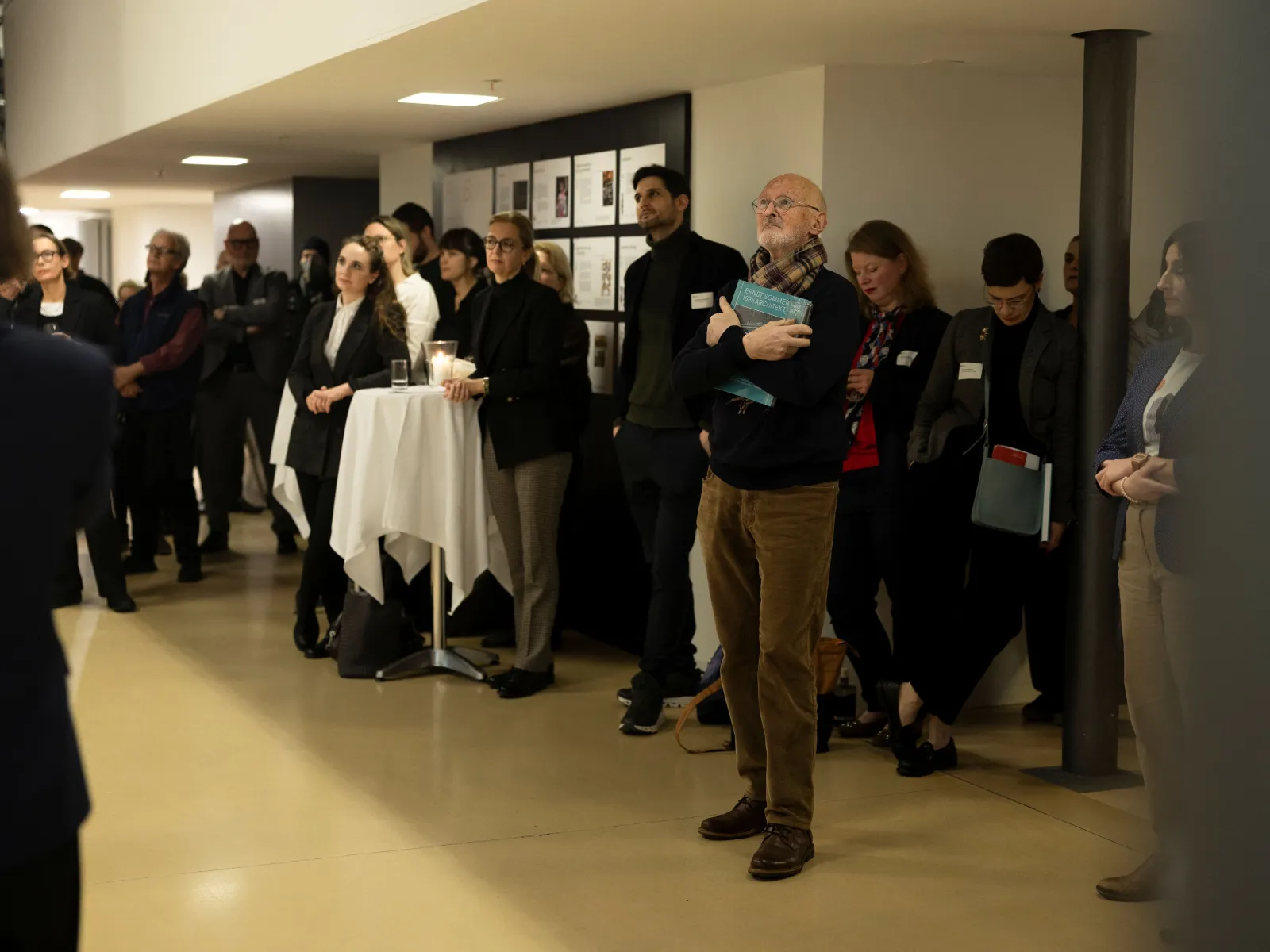
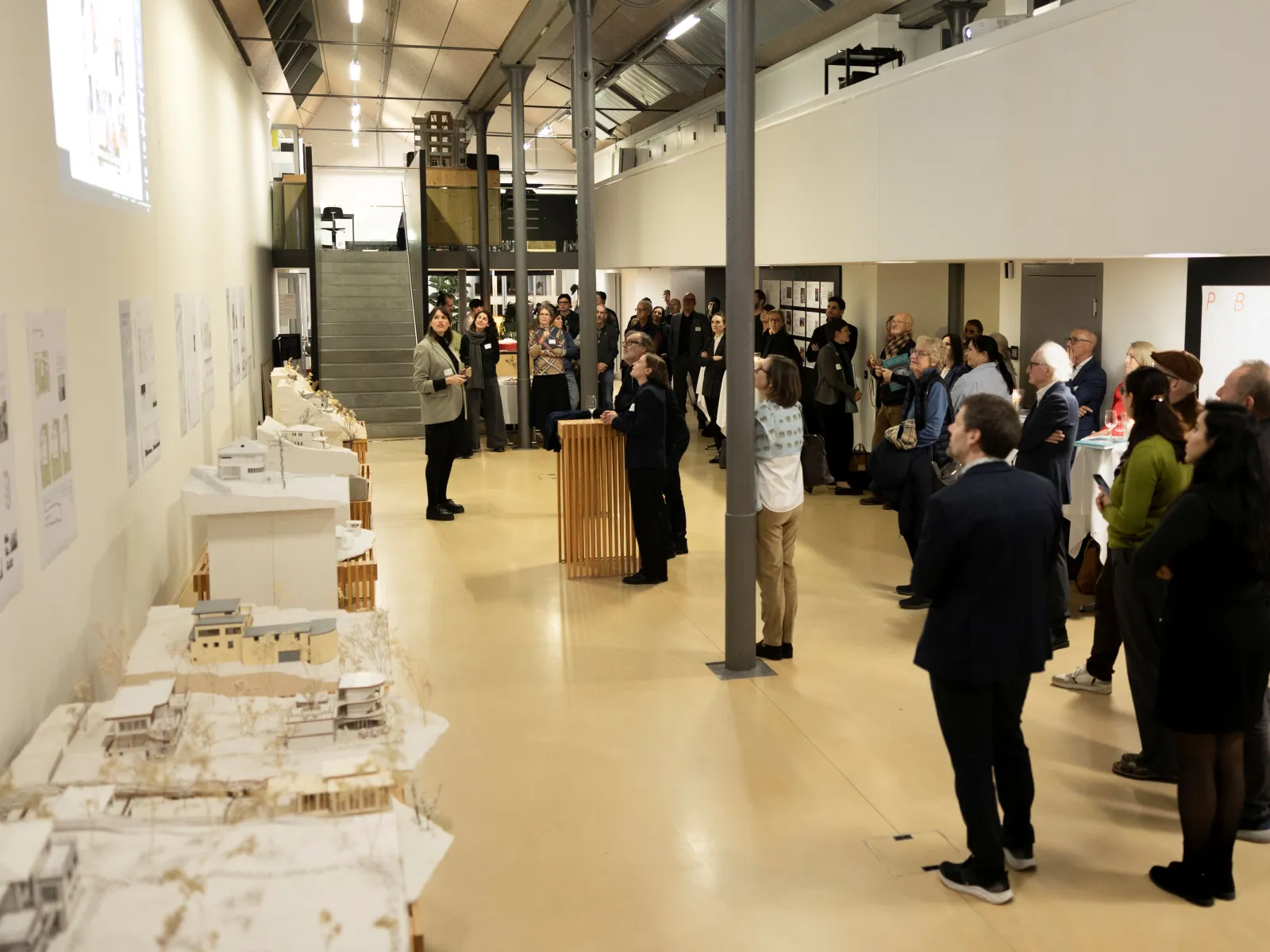
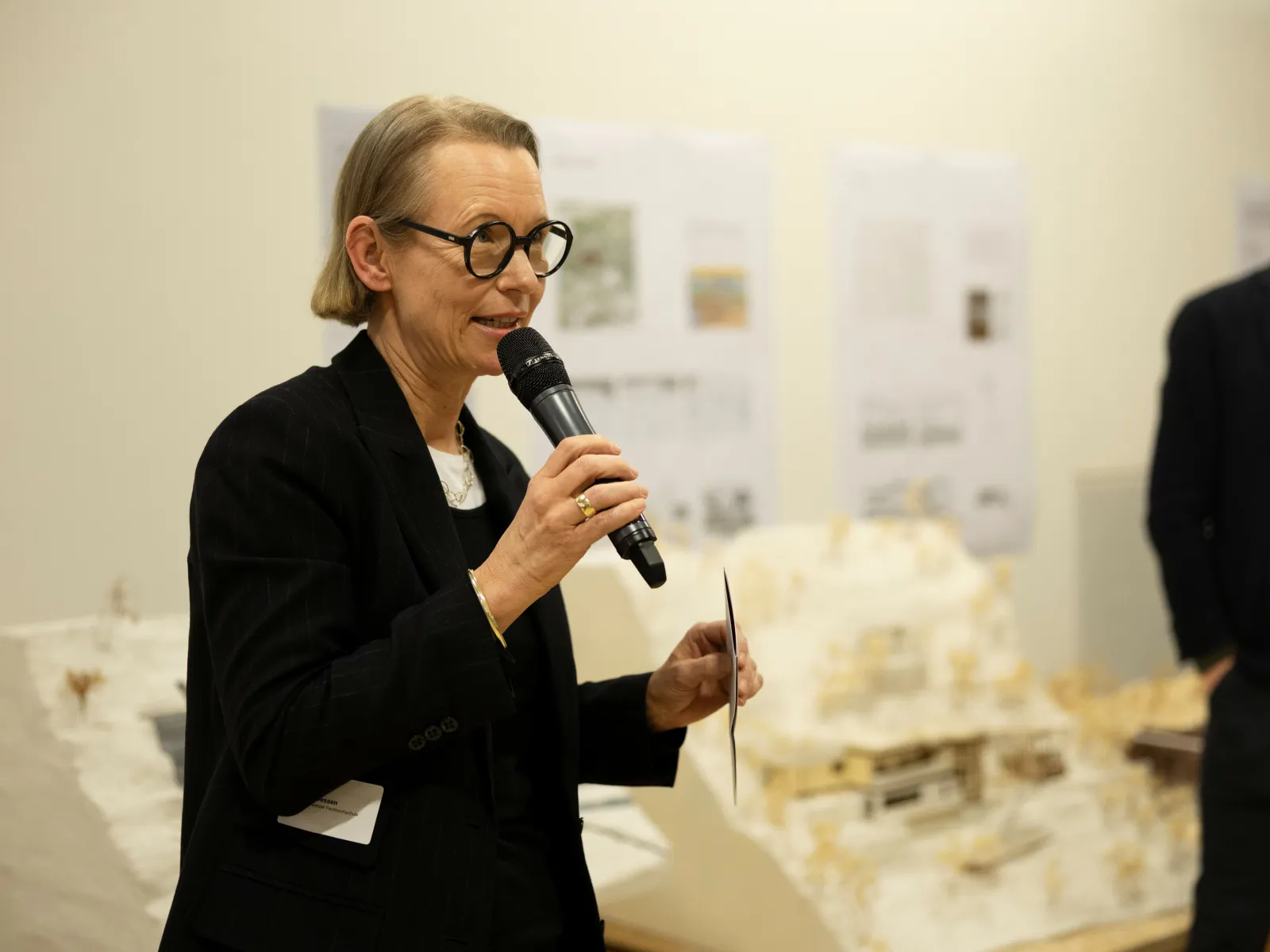
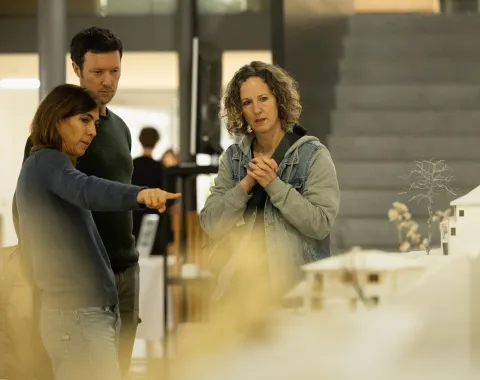
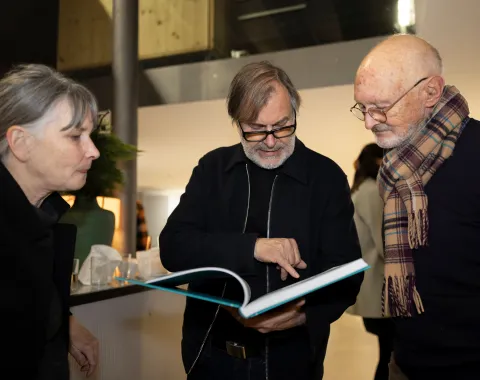
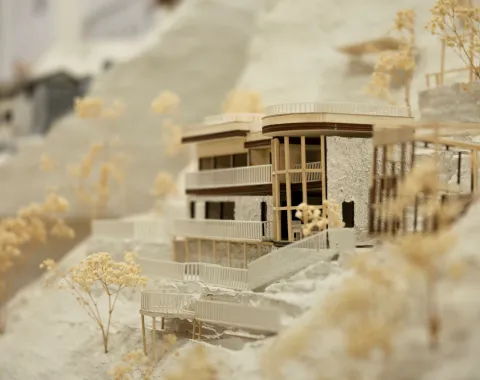
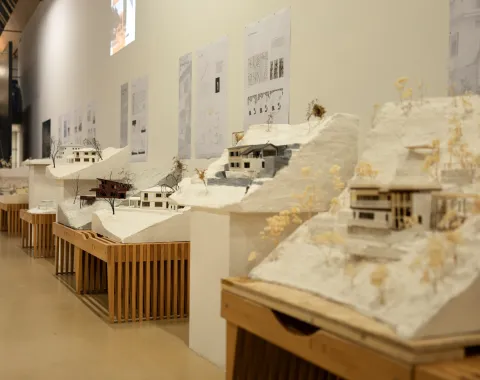
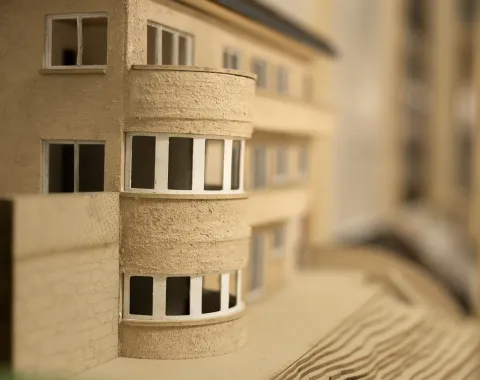
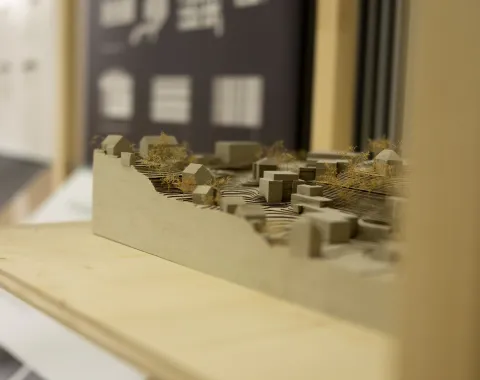
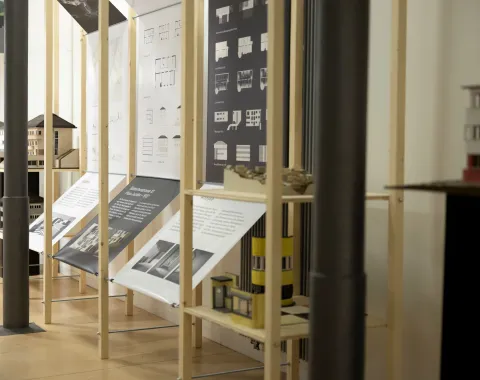
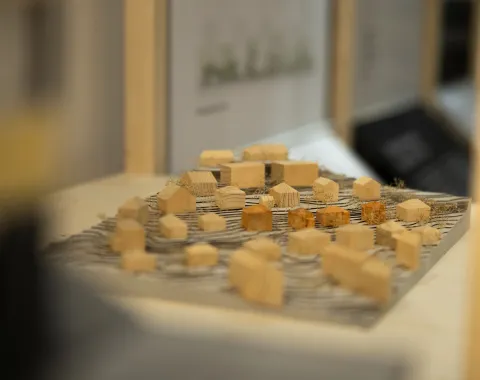
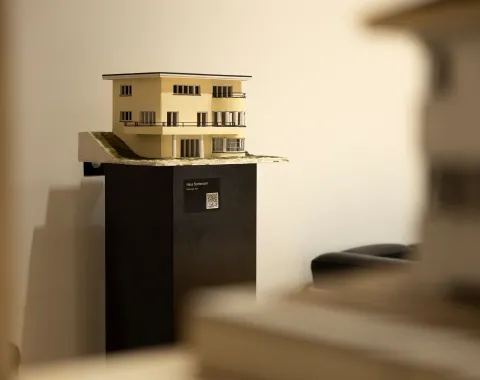
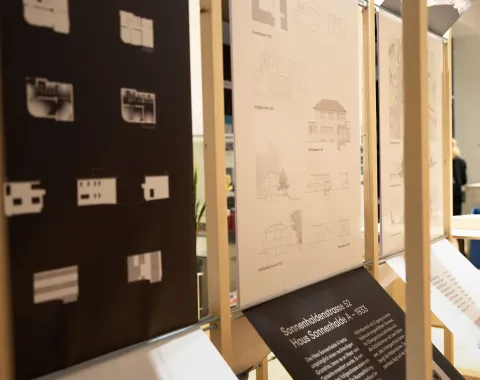
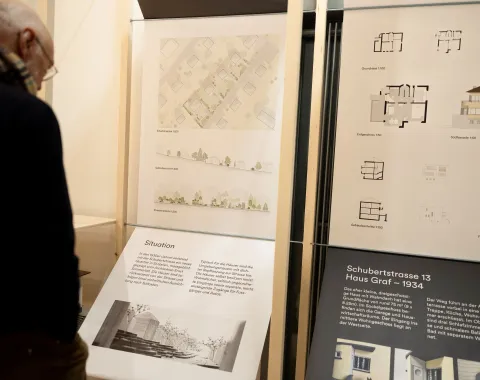
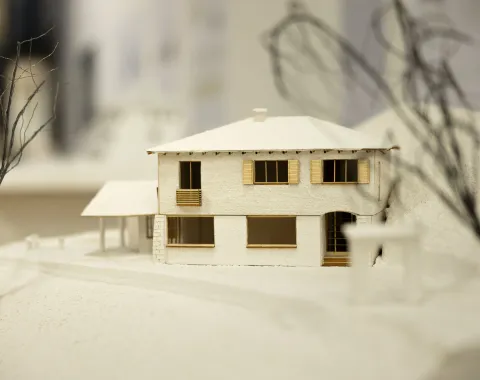
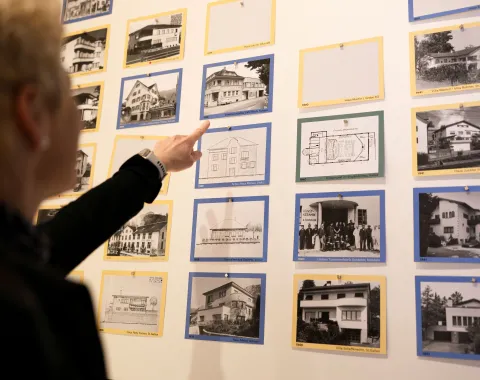
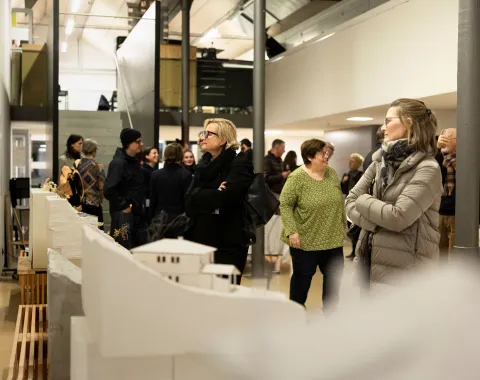
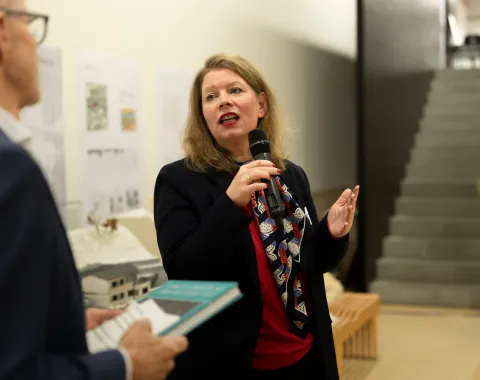
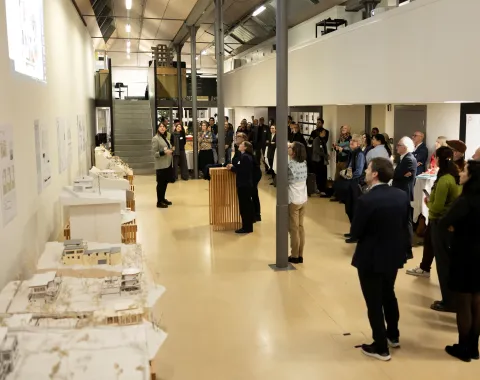
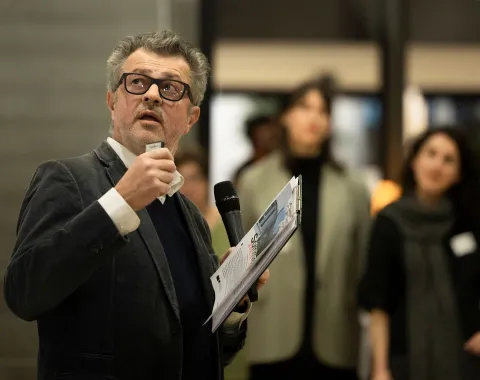
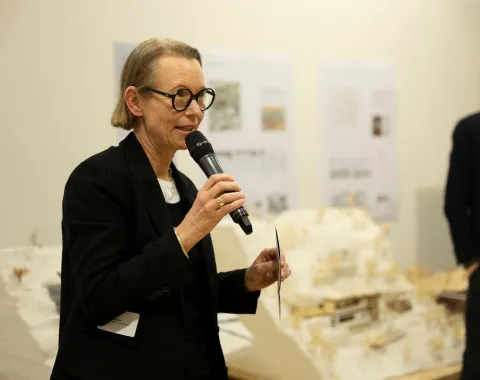
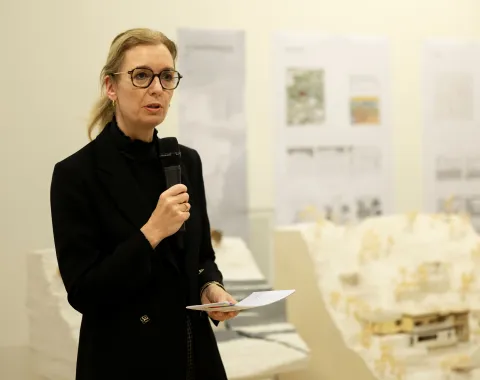
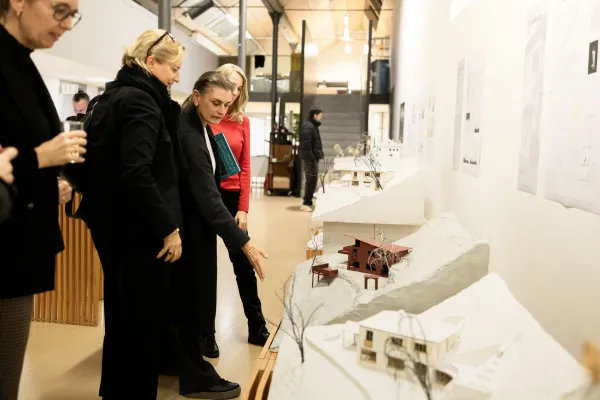
After the academic part, the late afternoon moved into the book presentation and the opening of the accompanying exhibition. Deputy Prime Minister and Minister of Culture Sabine Monauni opened the exhibition, underlining Ernst Sommerlad’s importance for the cultural memory and building culture of the country. The vernissage gave visible form for a wider public to what had previously been discussed in lectures and debates.
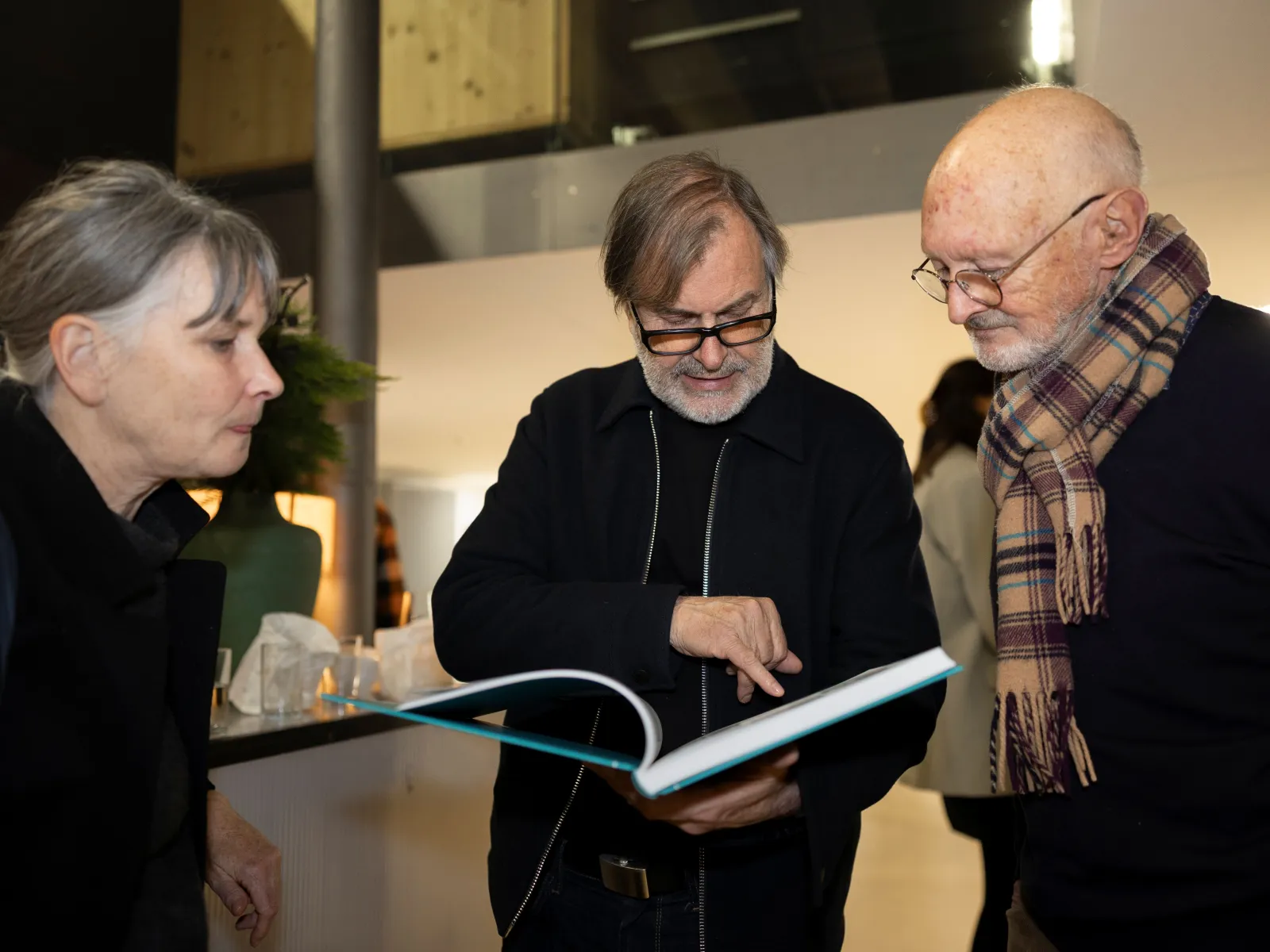
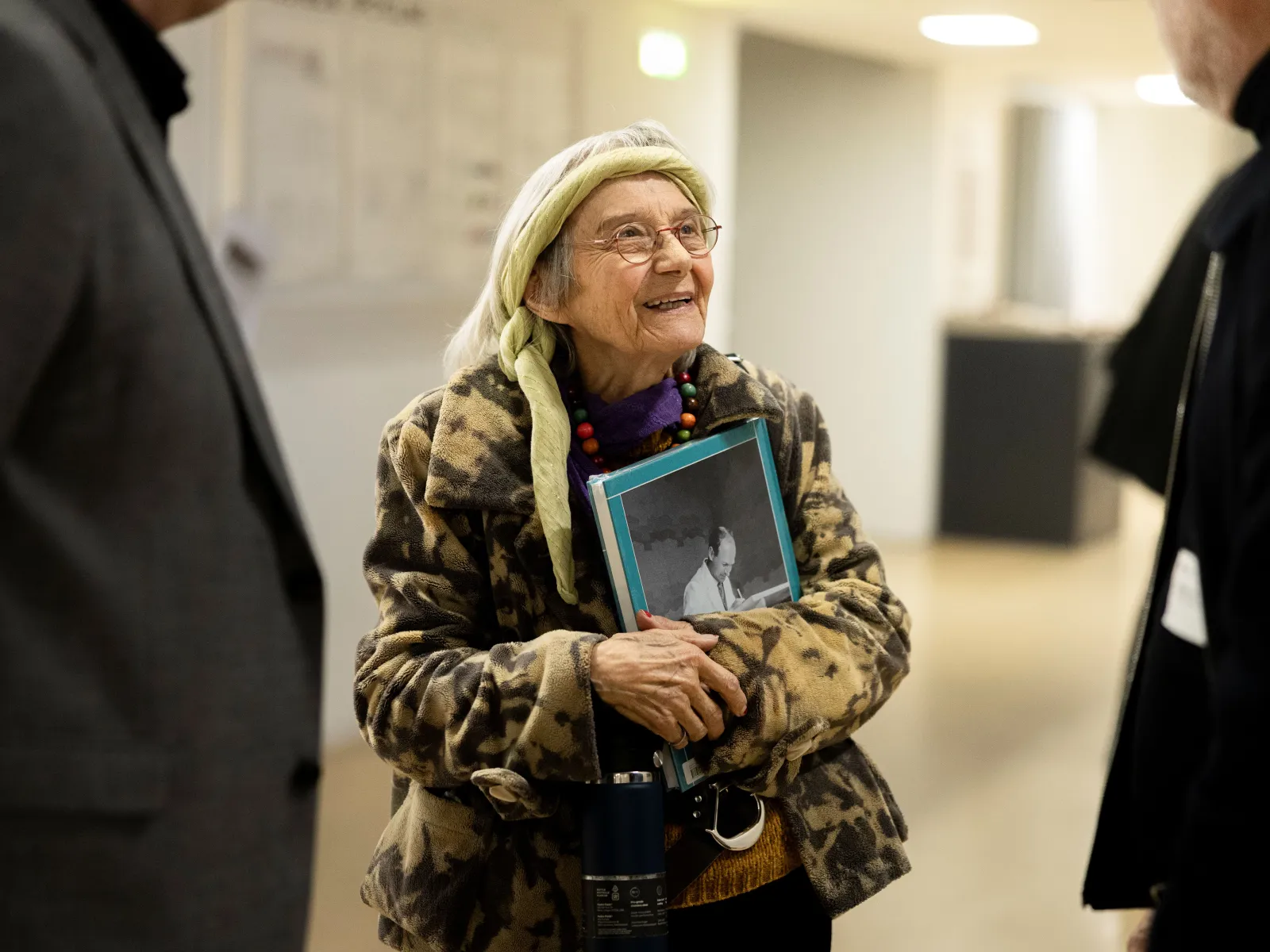
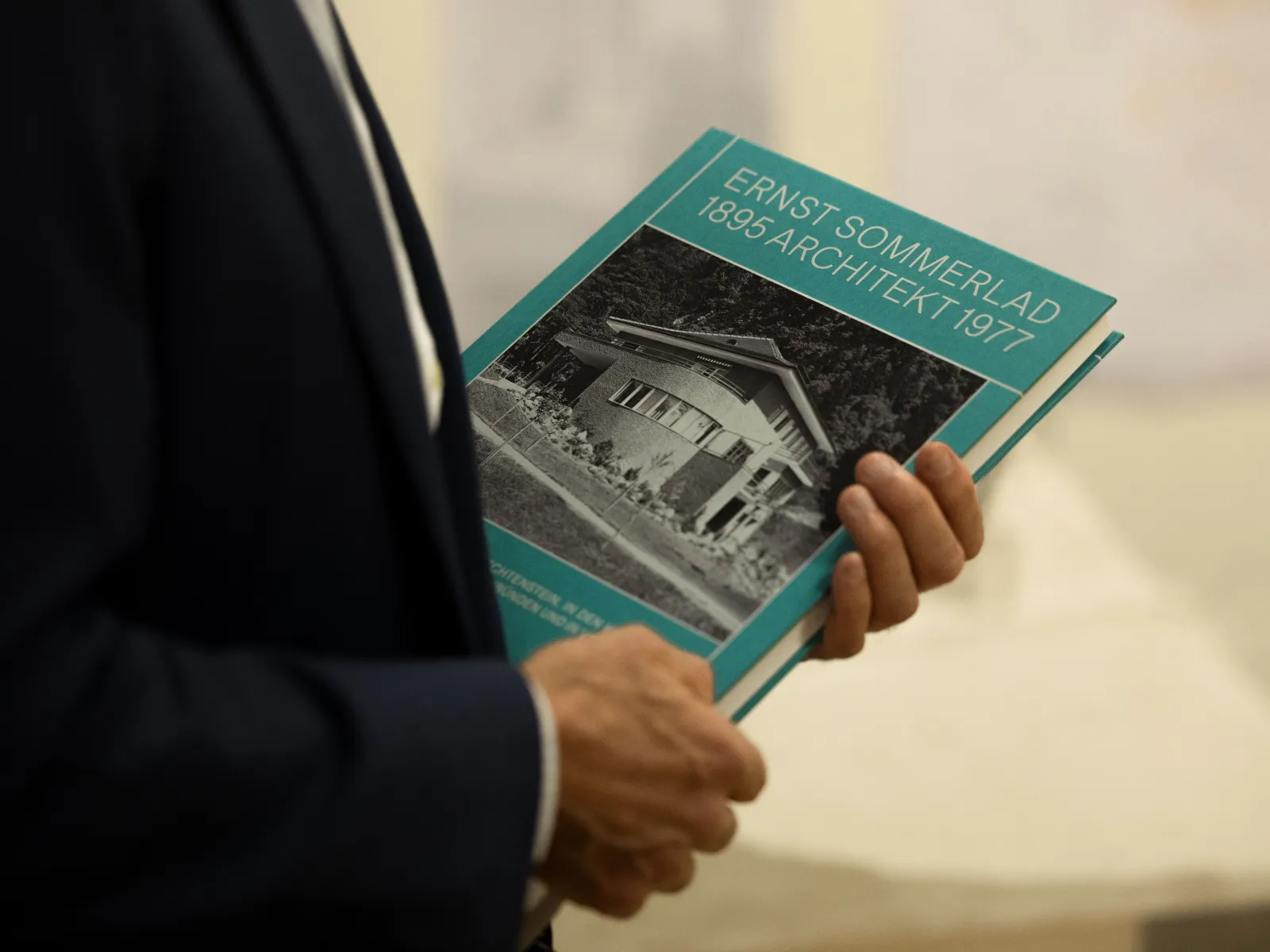
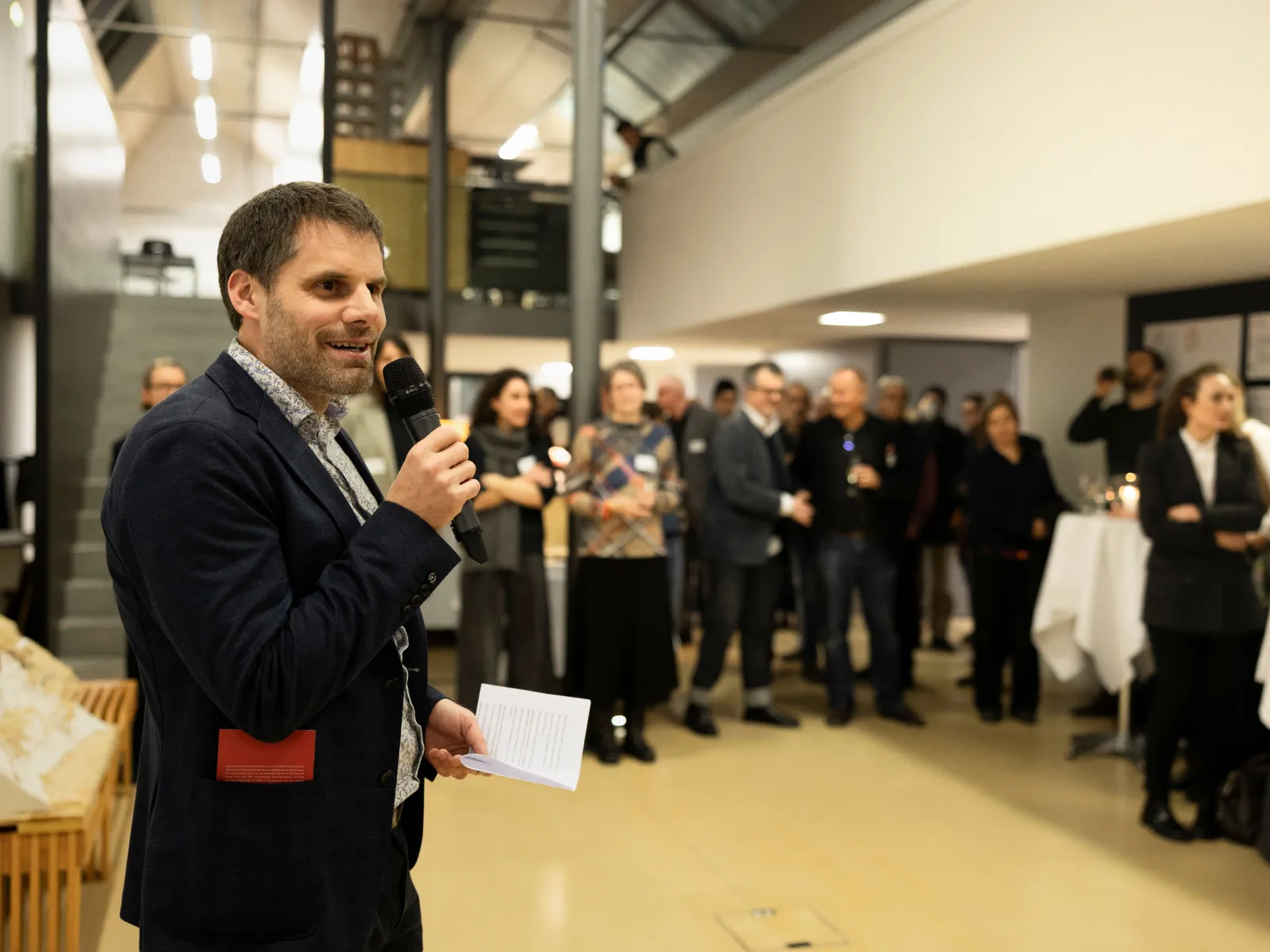
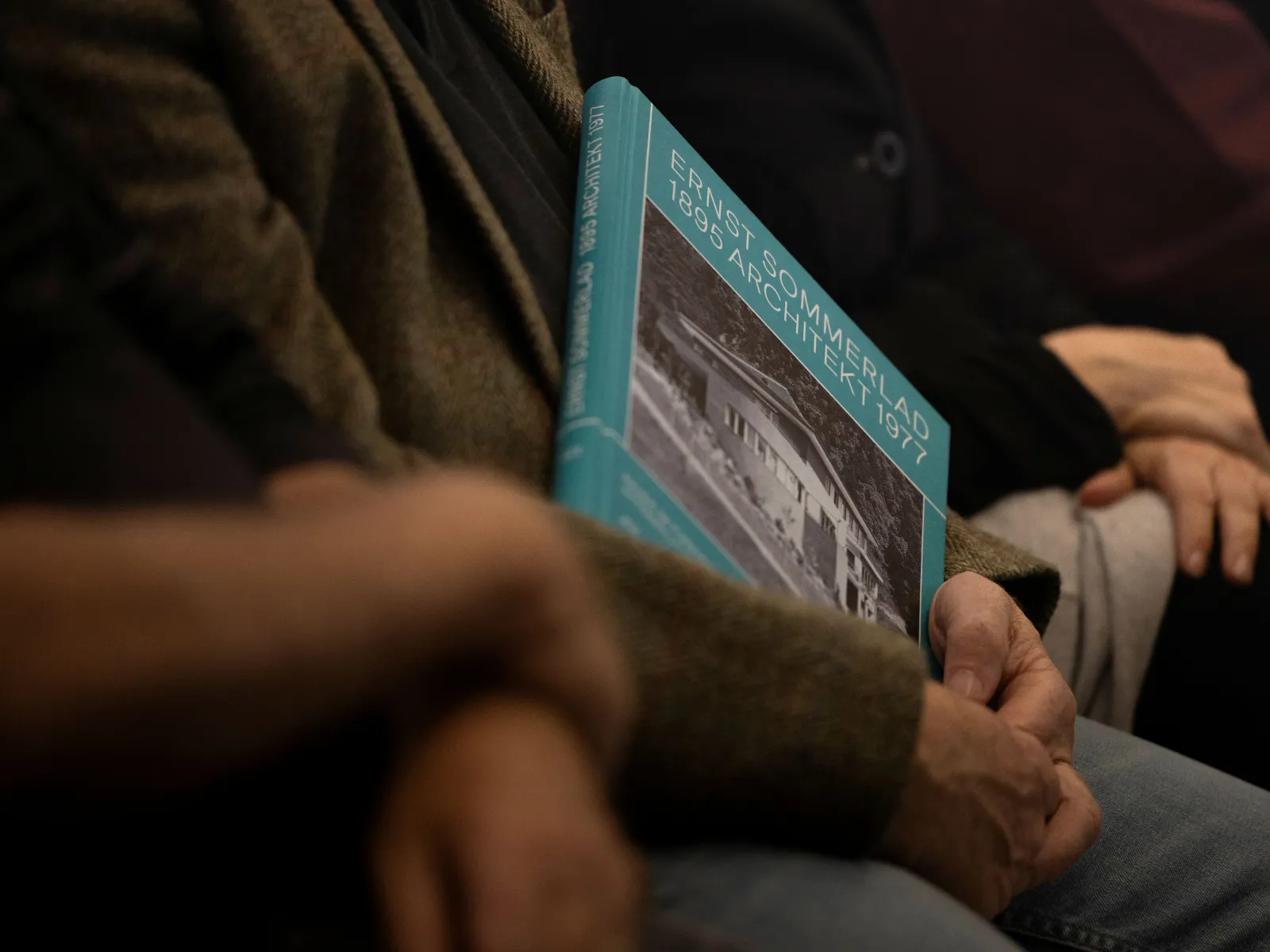
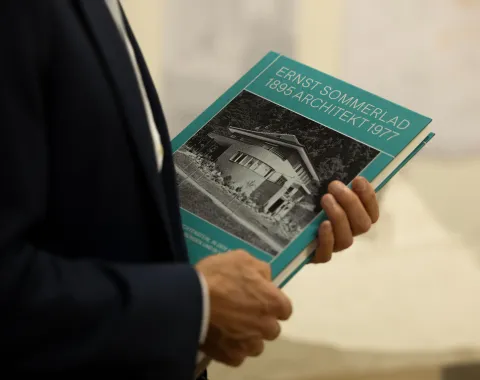
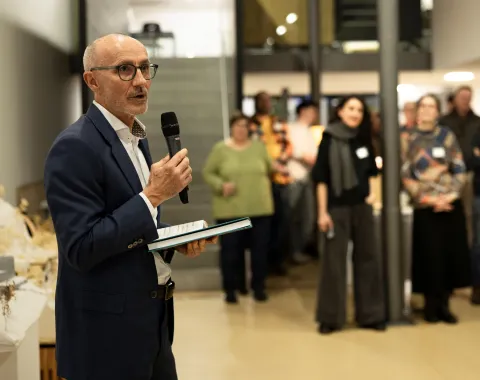
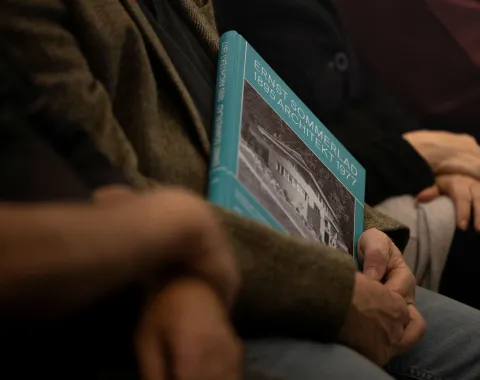
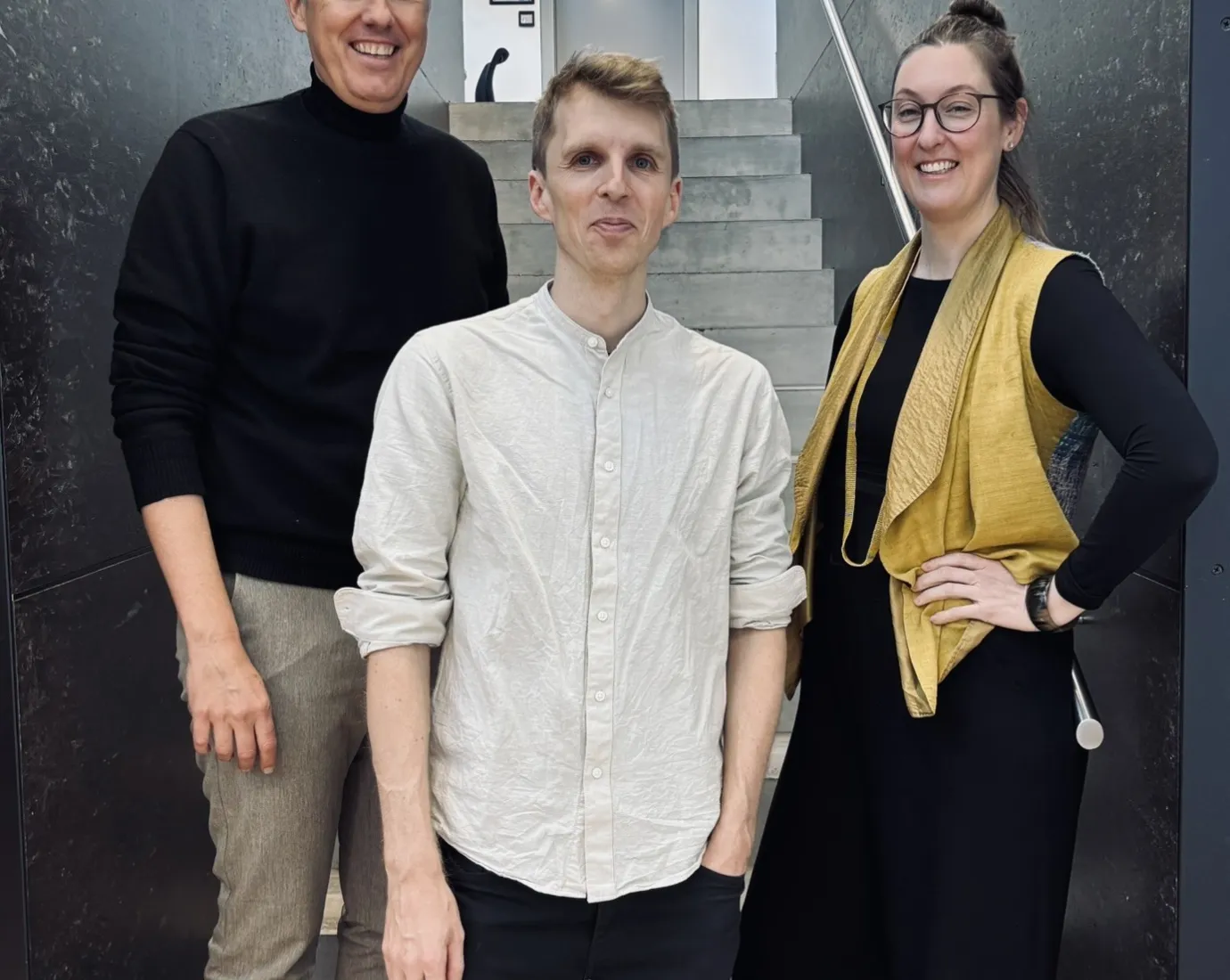
The day concluded with the presentation of the new monograph “Ernst Sommerlad Architect 1895 to 1977”. Dr Frank Zindel, Ernst Sommerlad’s grandson and Chair of the Sommerlad Foundation, introduced the publication and in doing so created a personal link to the occasion. The book has been published by Park Books and brings together the results of the engagement with Sommerlad’s extensive work across the entire Alpine region, including a catalogue of works.
On 28 and 29 November 2025, following guided tours in St Gallen, further tours in the Principality visited Ernst Sommerlad’s buildings, rounding off the diverse anniversary programme on site.
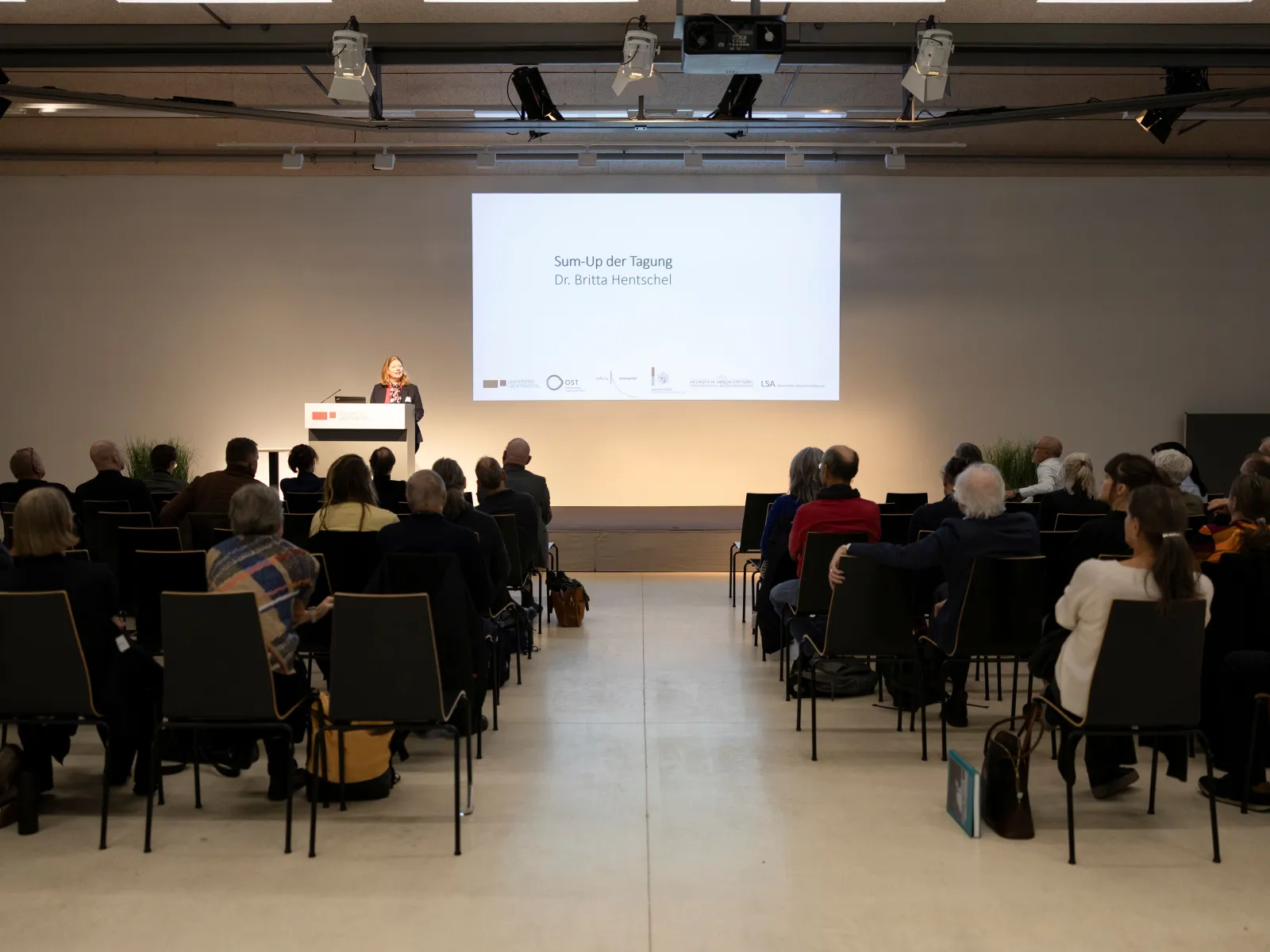
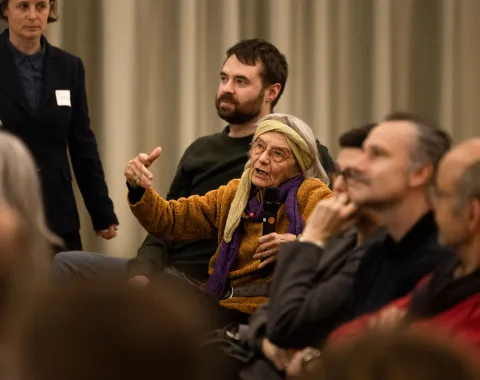
In summary, the day offered far more than a survey of works. It showed how wide Sommerlad’s intellectual and geographical reach truly was. The different approaches to his person and his buildings, political, legal, architectural historical and heritage based, brought out the essence of modernity that underpins his oeuvre. It also became clear how formative Sommerlad was for Liechtenstein and the wider region. The fact that the University itself stands in the midst of an area shaped by his buildings gave this insight a particularly immediate resonance.
More information at www.uni.li/sommerlad