Walz 4.0: A Research Project for the Future of Craft
Walz 4.0: A Research Project for the Future of Craft

The research project Walz 4.0 at the University of Liechtenstein is developing new models of collaboration between the crafts and higher education. Its starting point is the observation that the construction industry in the Alpenrhein–Lake Constance–High Rhine region is facing several challenges: a shortage of skilled workers, increasing demands for sustainability, and the loss of artisanal experiential knowledge. At the same time, new technologies and planning tools are emerging whose potential within the craft sector has not yet been fully realised.
Walz 4.0 examines how traditional craft knowledge and modern university teaching can mutually reinforce one another. At its core lies the question of how planning, material understanding and hands-on craftsmanship can once again be more closely interlinked. The project draws on open, distributed and practice-oriented learning formats that foster exchange across professional boundaries and explore new approaches to knowledge transfer. Its aim is to shape research and training processes in ways that contribute to a resilient, climate-friendly and future-oriented building culture.
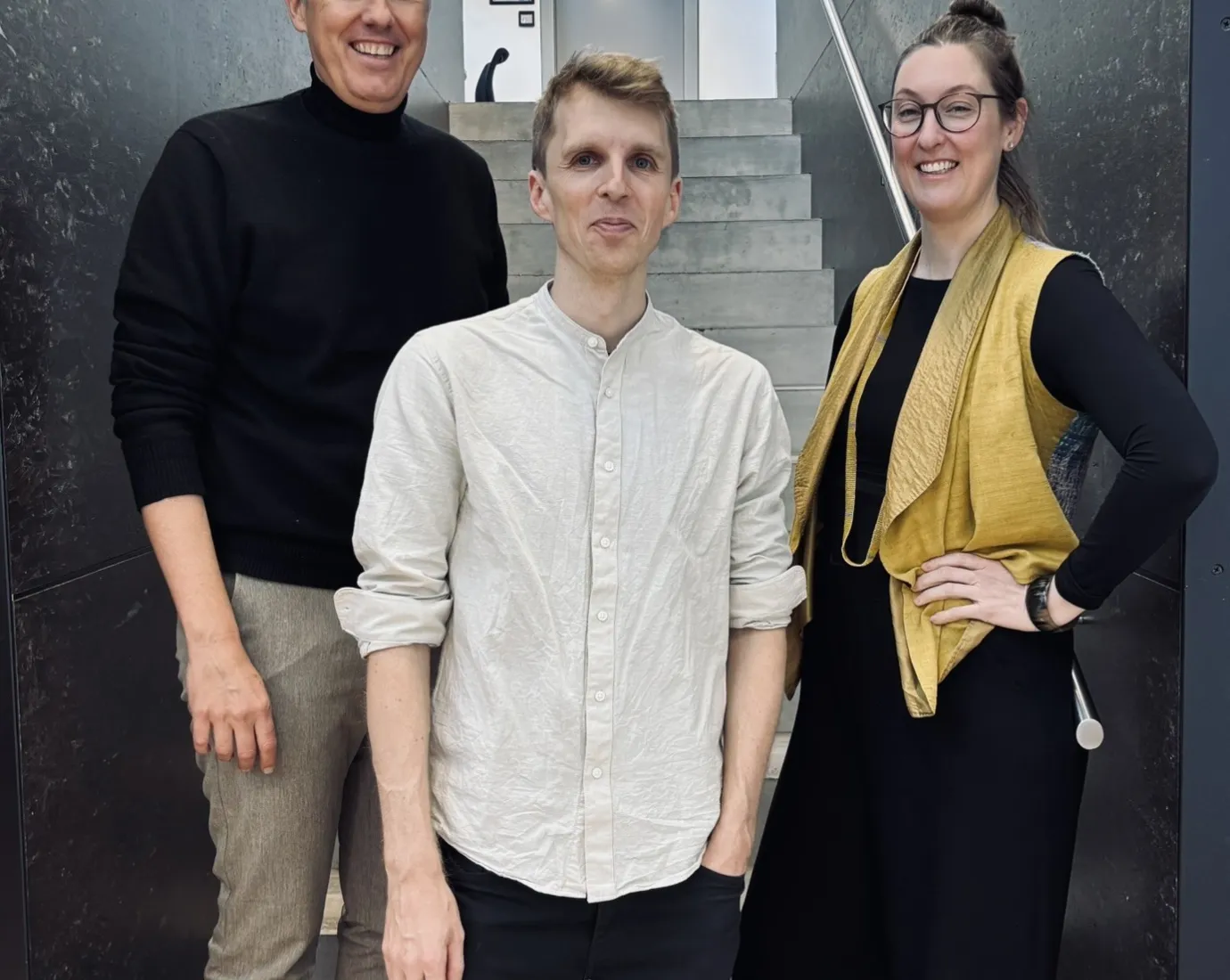
The project is led by Dr Wolfgang Schwarzmann, architect and postdoc at the Liechtenstein School of Architecture in the Craft & Structure Unit.
First Workshop: “1 Problem – 1000 Solutions”
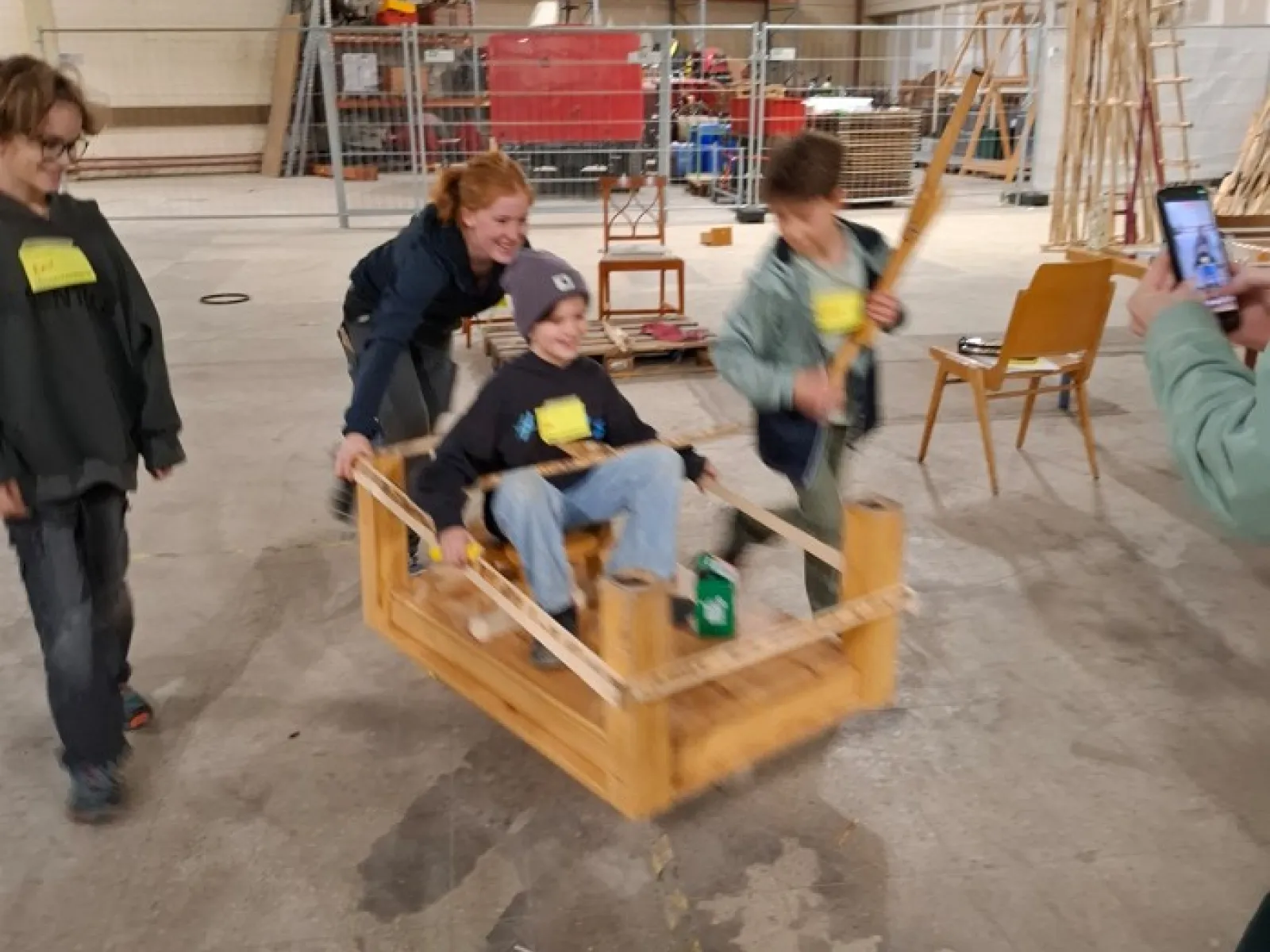
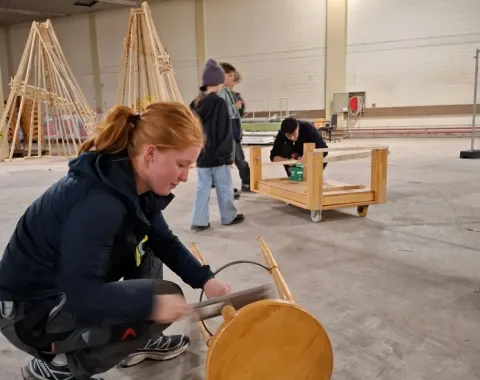
As a kick-off for the practical formats, the workshop “1 Problem – 1000 Solutions” took place on 7 November 2025 at the Designforum Dornbirn. Participants included architecture students from the University of Liechtenstein, carpentry apprentices, and young people aged between 10 and 16.
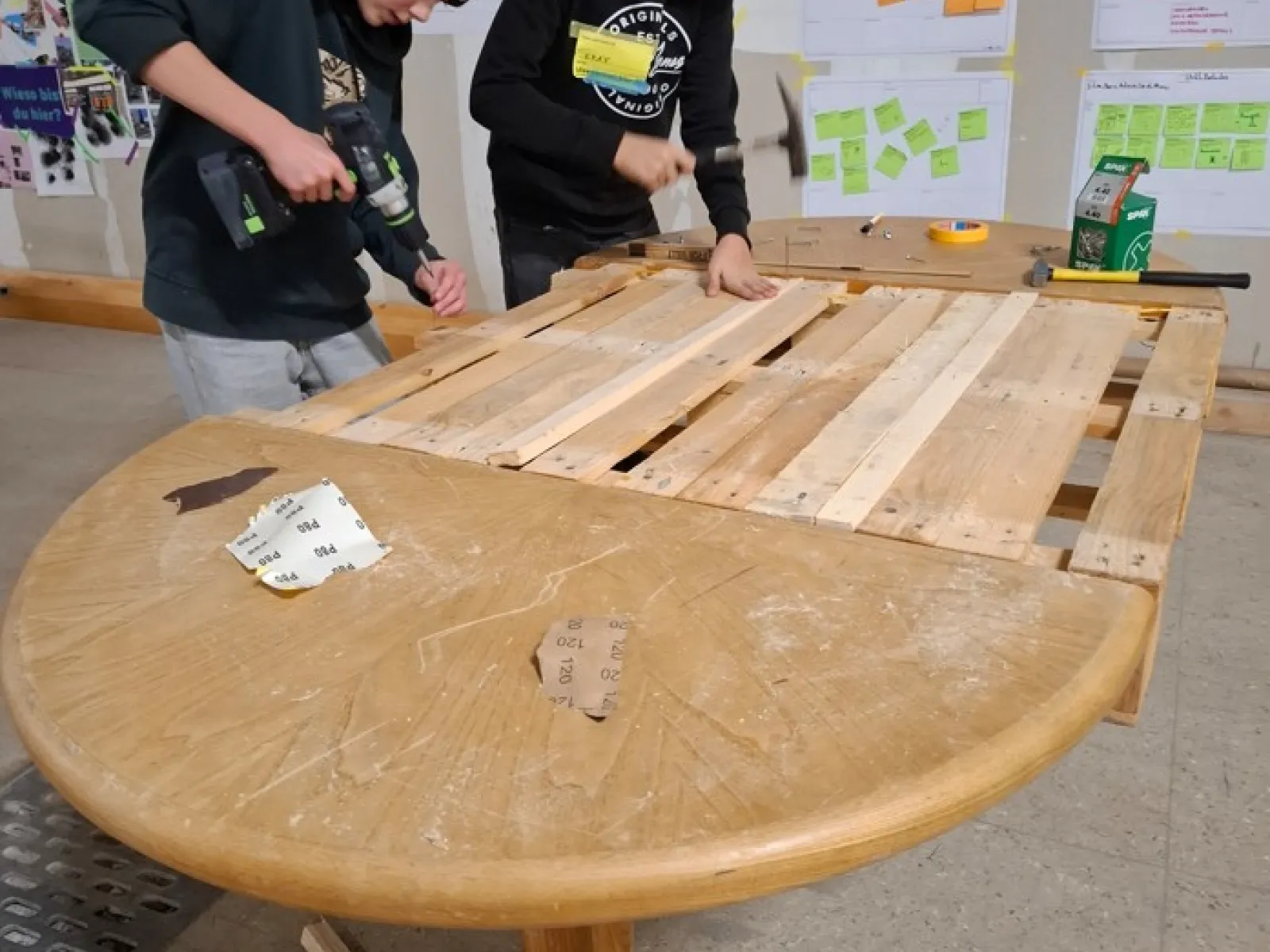
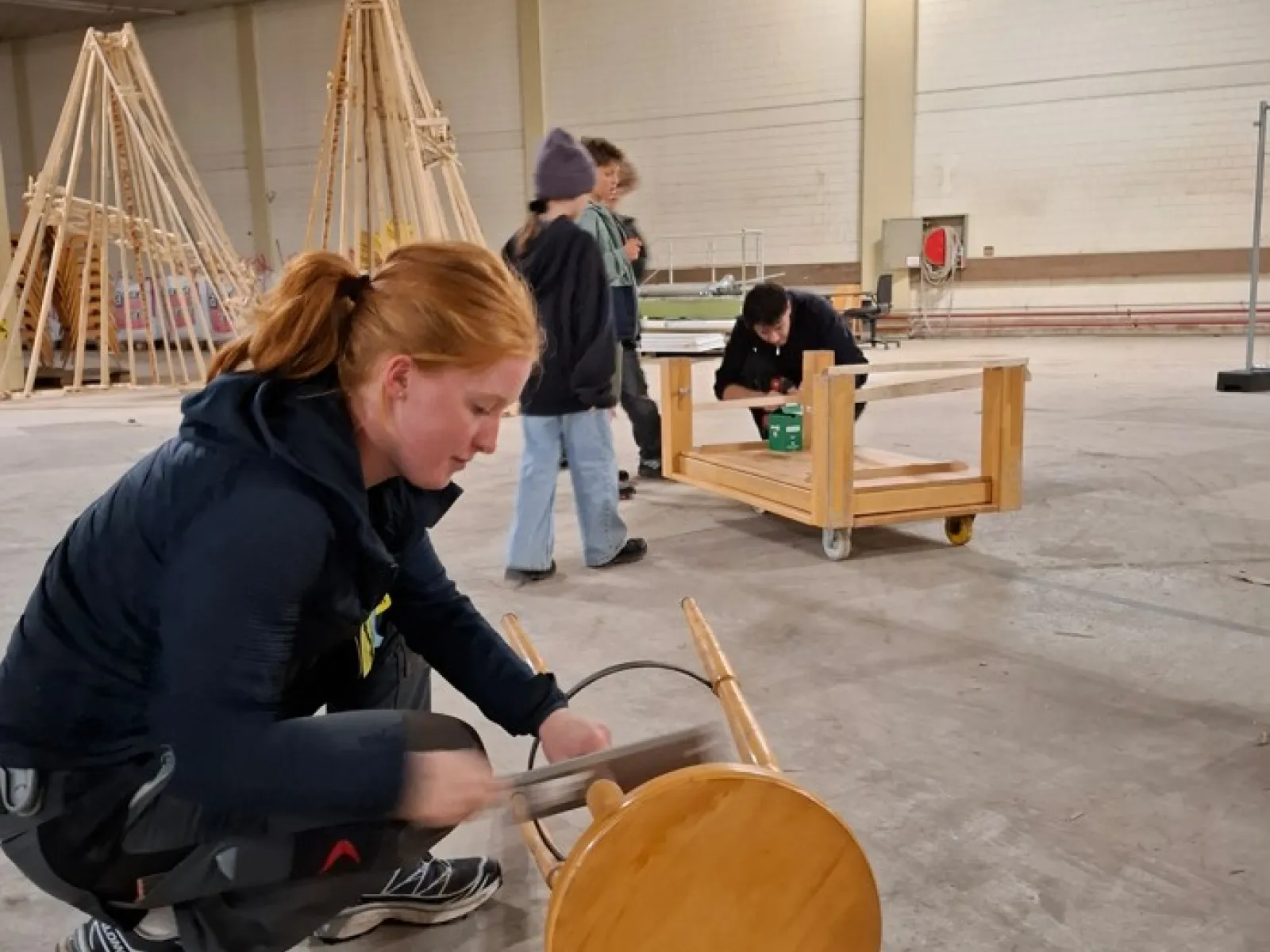
The workshop aimed to bring together diverse perspectives on design and craft practice. In mixed teams, participants developed solution approaches to simple repair and improvement tasks, implementing them in small models. The open learning environment enabled direct exchange, collaborative experimentation, and learning from one another across professional roles and age groups.
The workshop marked the beginning of a series of further formats in which Walz 4.0 will explore new pathways for career orientation, skills development and collaboration between planning and craft.