

UniBall "50 Jahre Architektur"
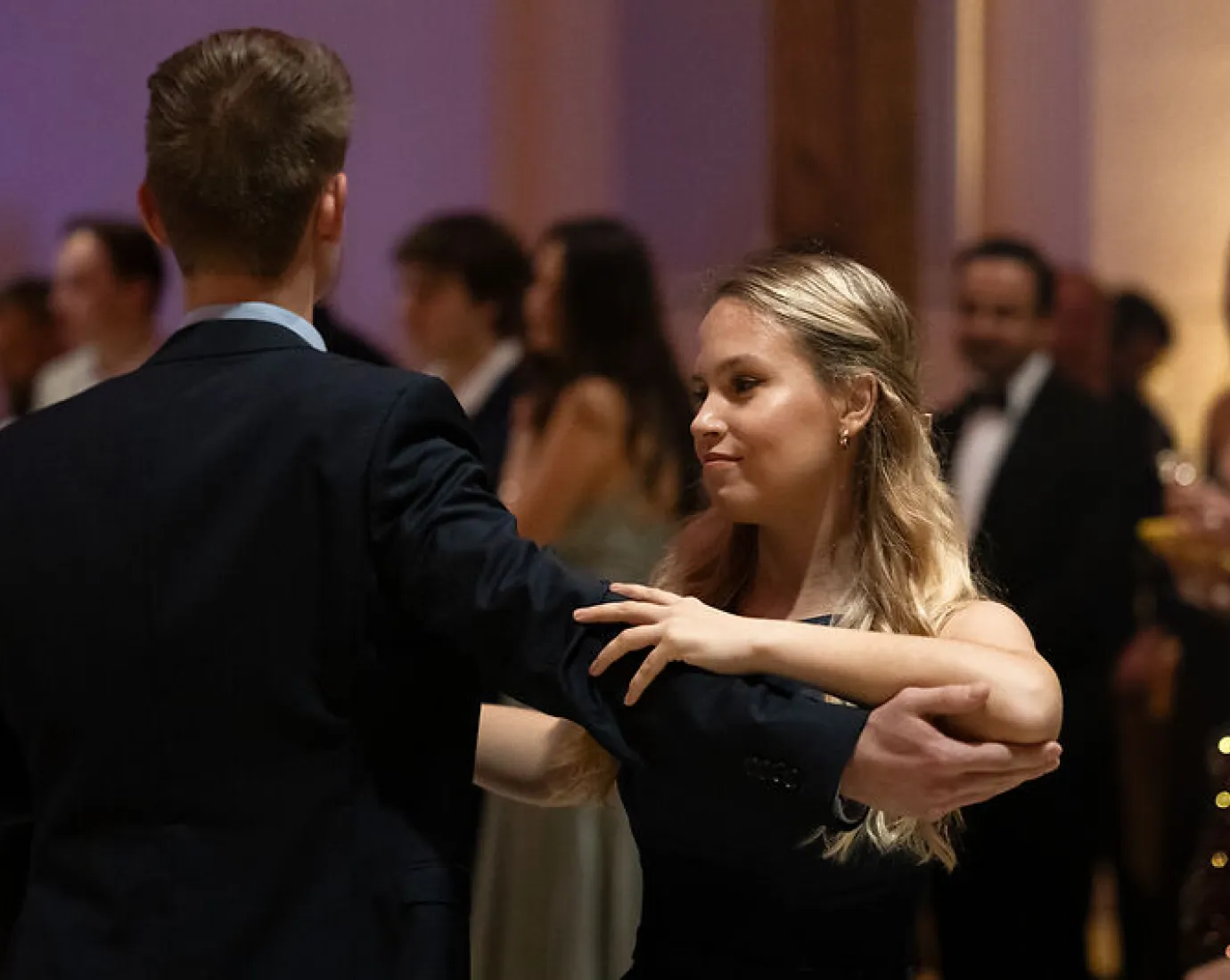
UniBall "50 Jahre Architektur"
School or Professorship:
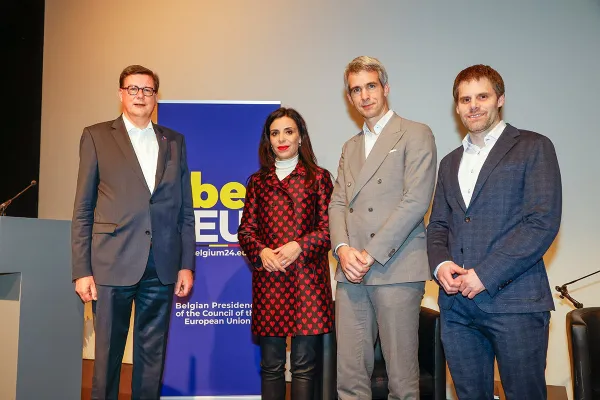
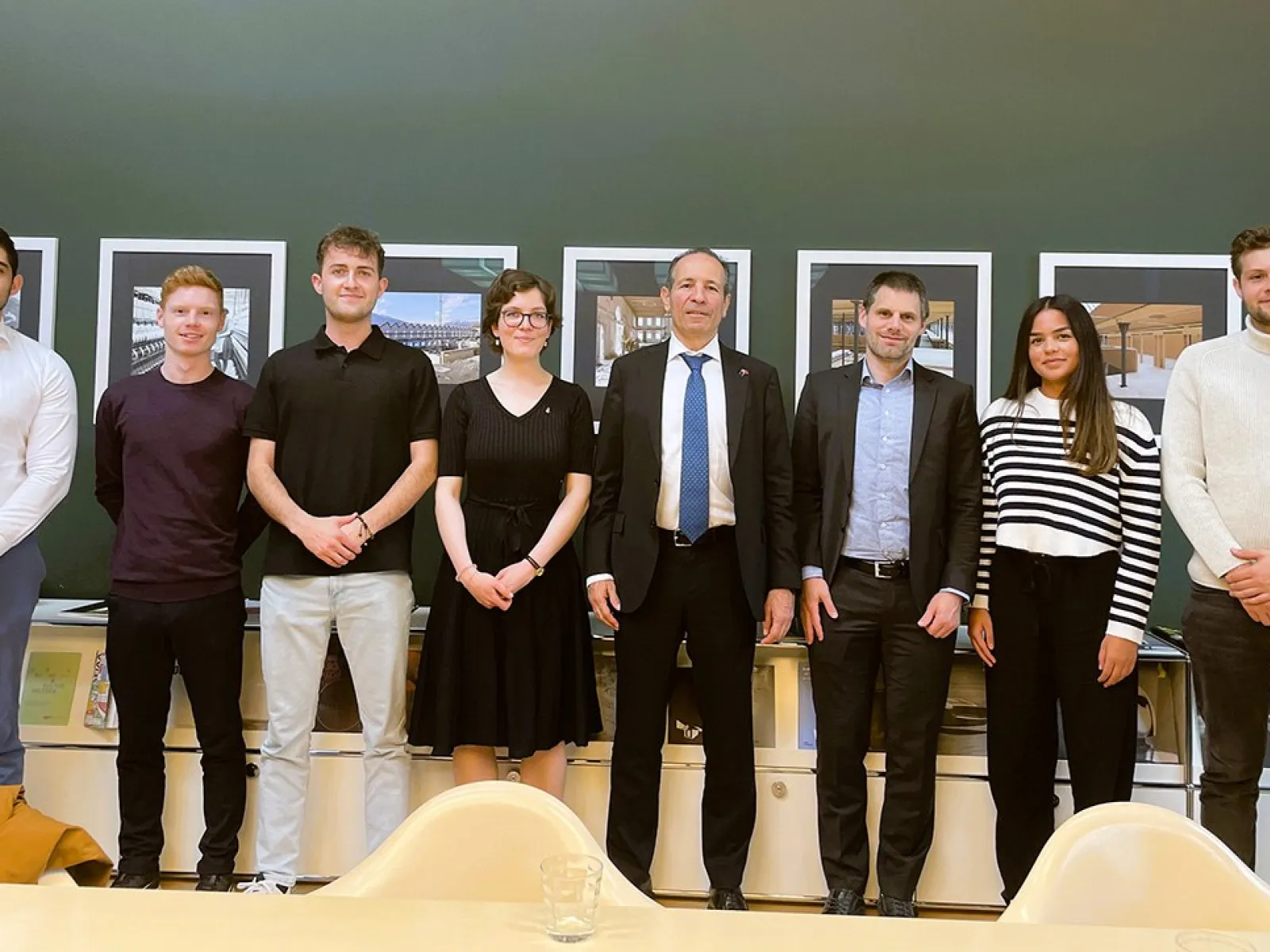
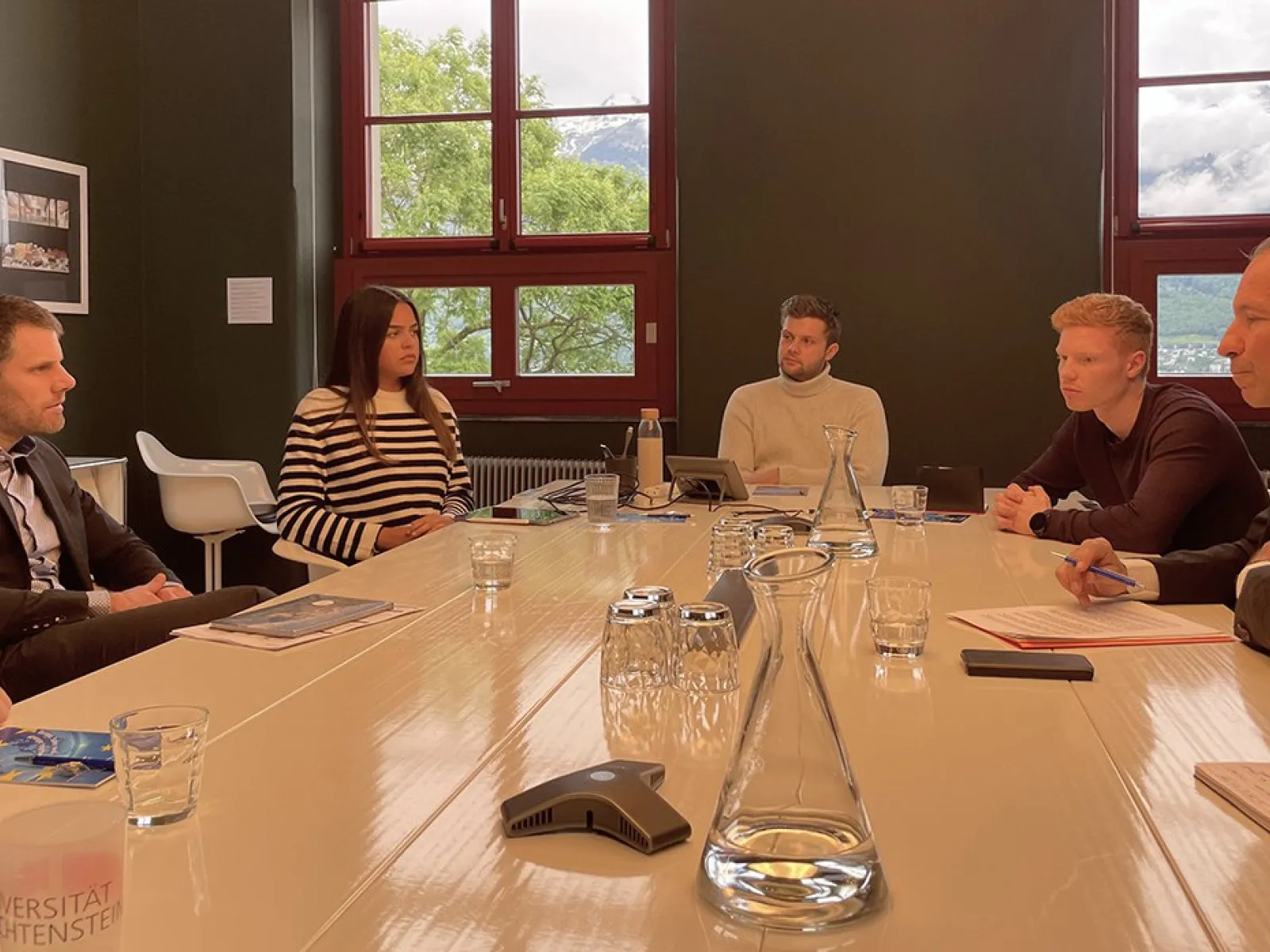
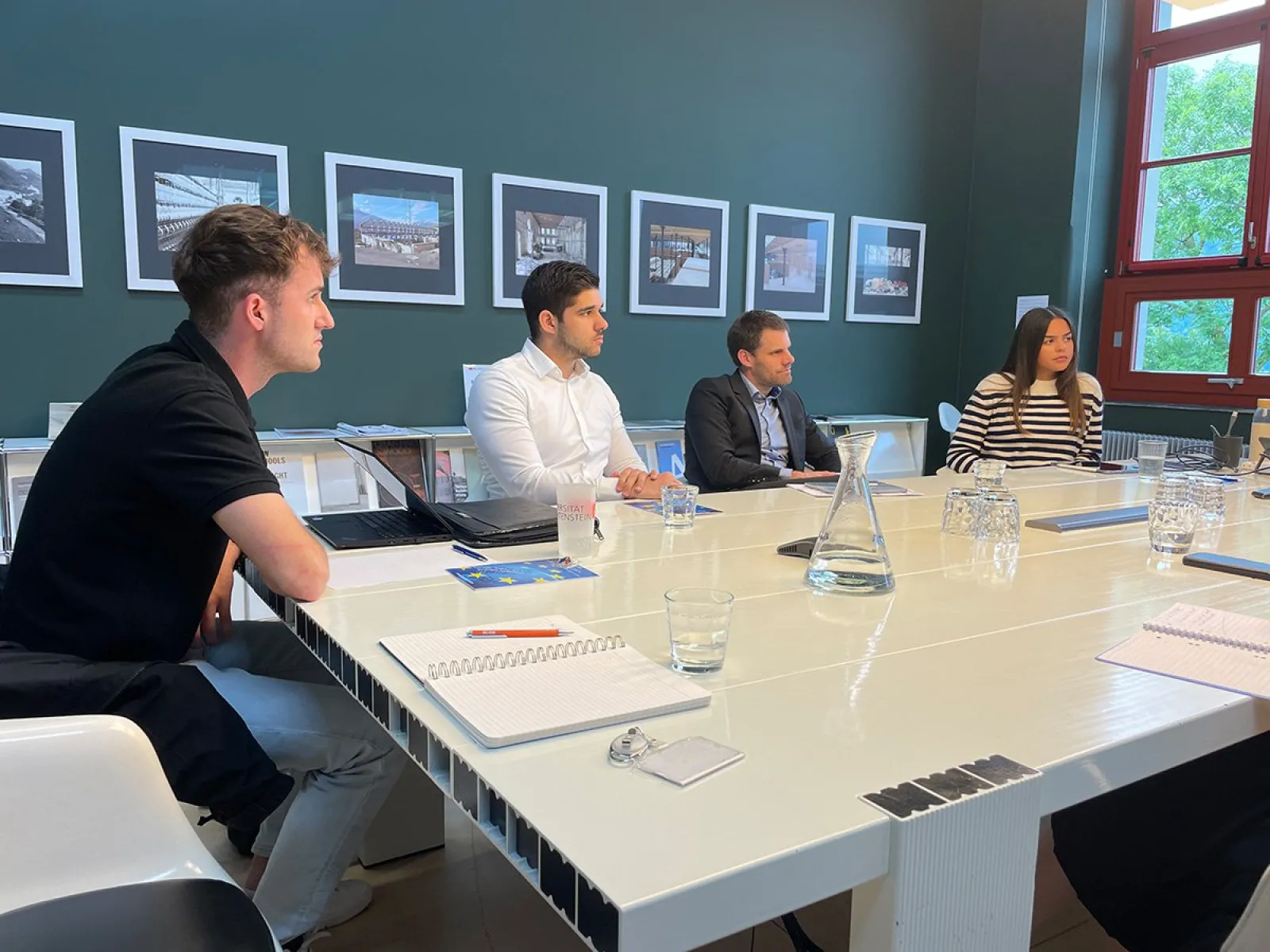
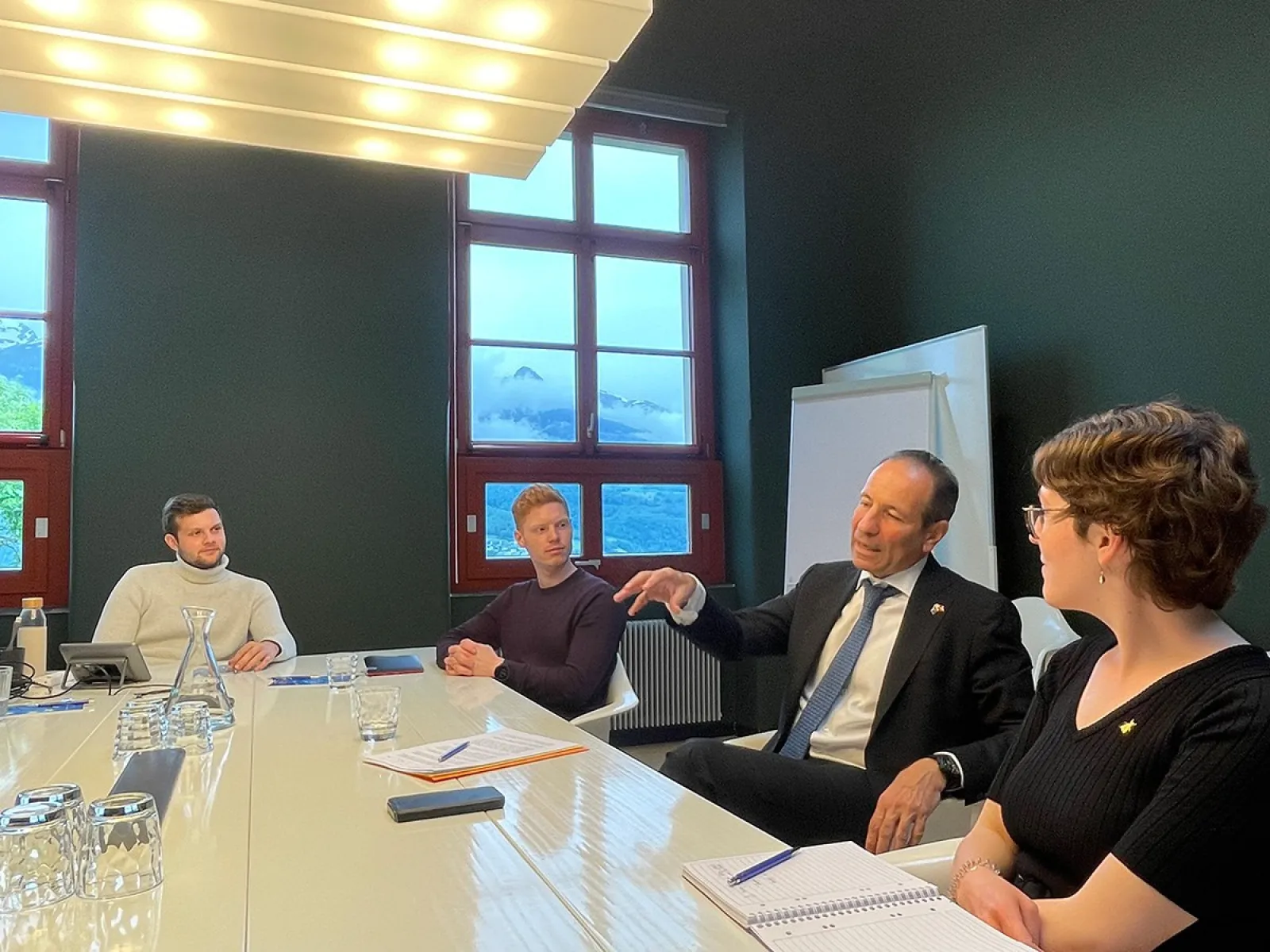
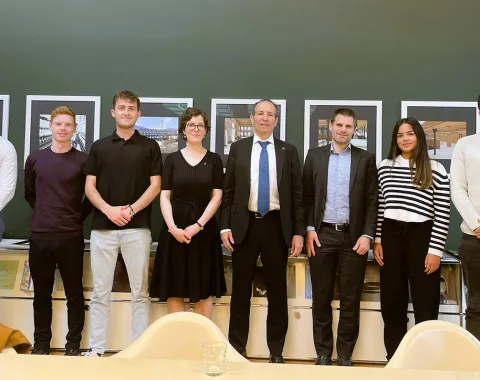
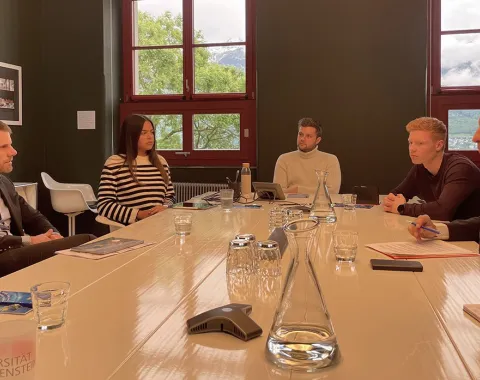
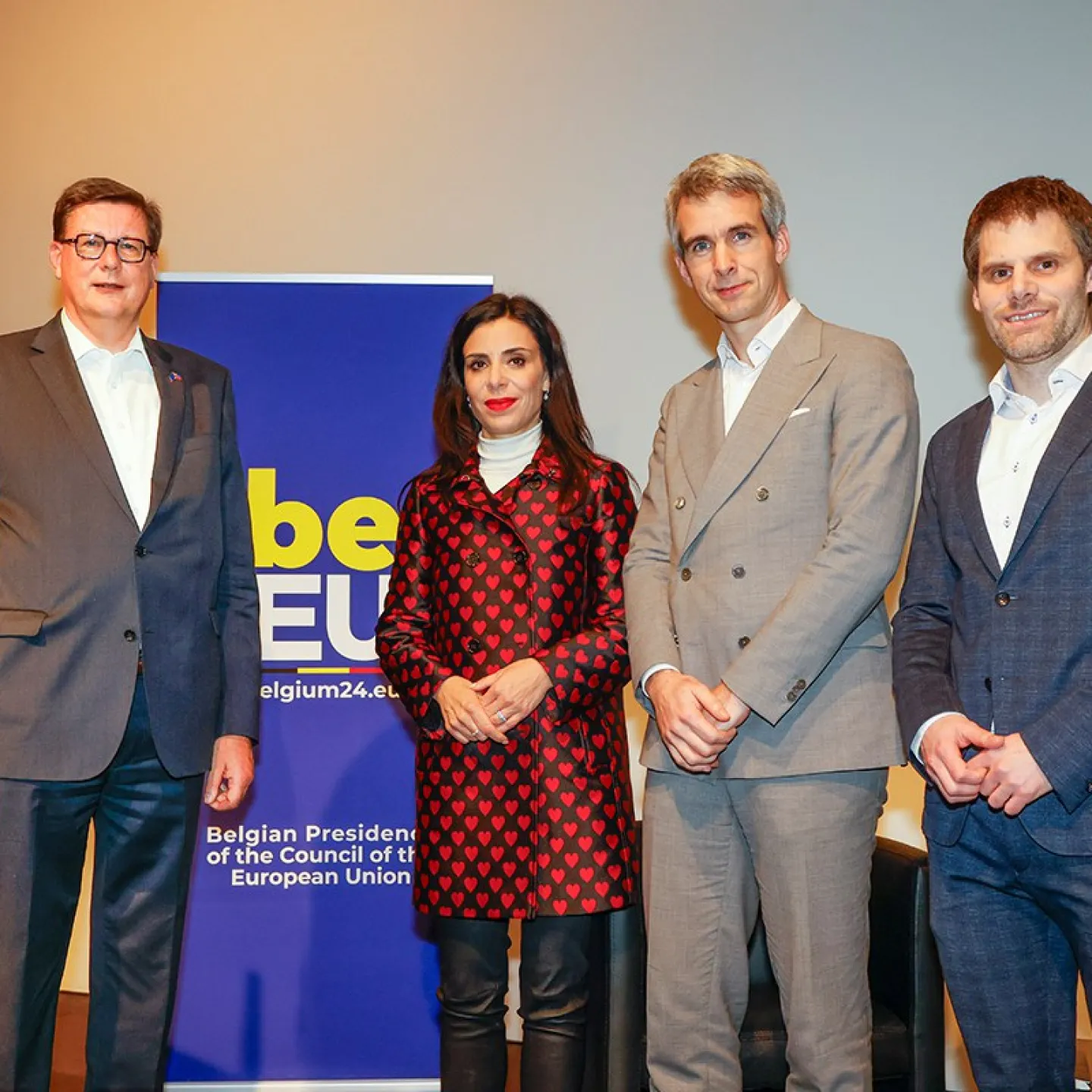
The Ambassador of the Kingdom of Belgium, H.E. Pascal Heyman, hosted a discussion on the future of Europe at the University of Liechtenstein on Monday, February 19.
Belgium's Presidency of the Council of the European Union from January 1 to June 30, 2024, under the motto «Protect.Strengthen.Look Ahead», was the reason for the event. Although Liechtenstein is not a member of the EU, as a European country it relies on good cooperation with the EU as its most important partner.
In her welcoming address, Foreign Minister Dominique Hasler was therefore all the more pleased that this important discussion on the future of Europe was being held in Liechtenstein and emphasized that «a strong Europe is in the country's own best interests. The current crises, especially in our immediate neighborhood, have shown us that peace is not something we can take for granted, but something we have to work for every day.»
Afterwards, H.E. Pascal Heyman, Prof. Jonathan Holslag, Professor of International Politics at the Vrije Universiteit Brussel, and Dr. Christian Frommelt, Rector of the University of Liechtenstein, discussed important European issues: What values does the European Union stand for? Have the European countries allowed themselves to become dependent on the major global players – the USA and China?
Jonathan Holslag explained: «Get used to structural stagnation - it's the new normal.» Nevertheless, he still sees opportunities and potential in Europe: the strength of the countries is to think and act freely, the creativity in Europe is limitless. Especially when it comes to creating something fundamentally new, Europeans are still far ahead of everyone else.
After the panel discussion, there was an opportunity to exchange ideas over traditional Belgian fries and beer.
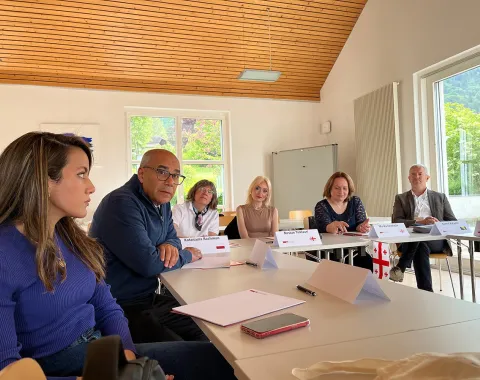
The European Union's Erasmus+ International Credit Mobility scholarship program enables students to spend time at partner universities outside of Europe.
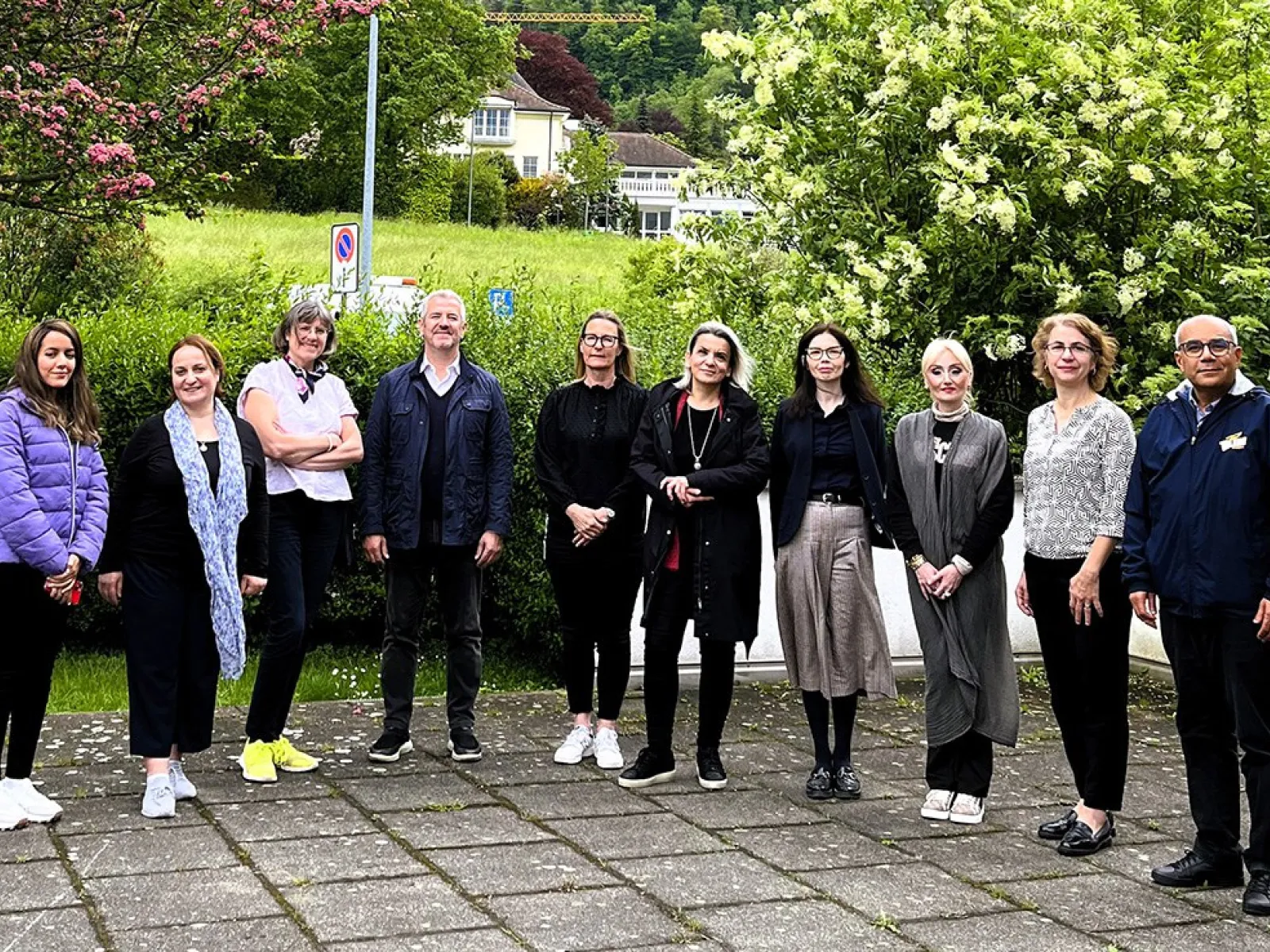
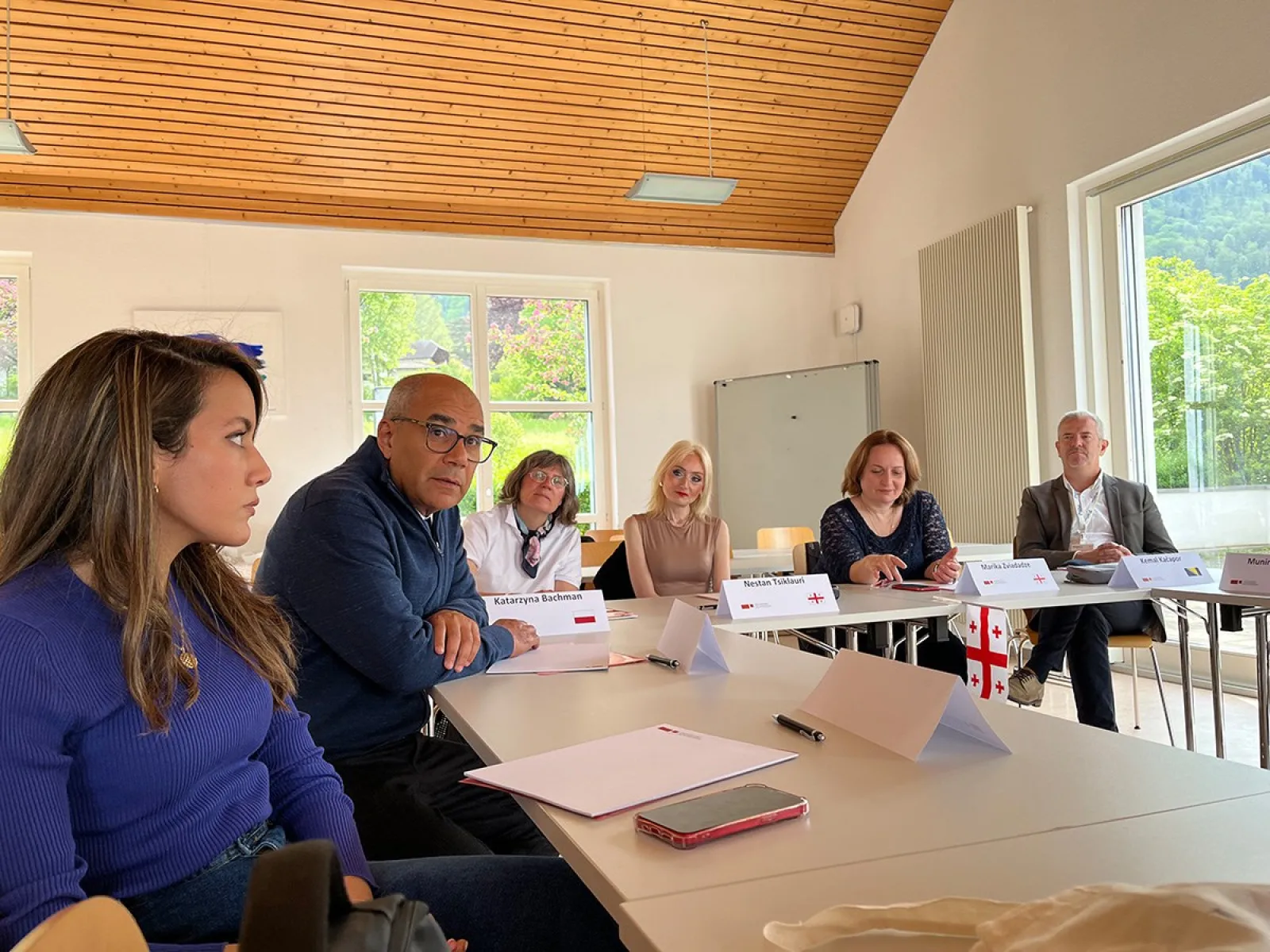
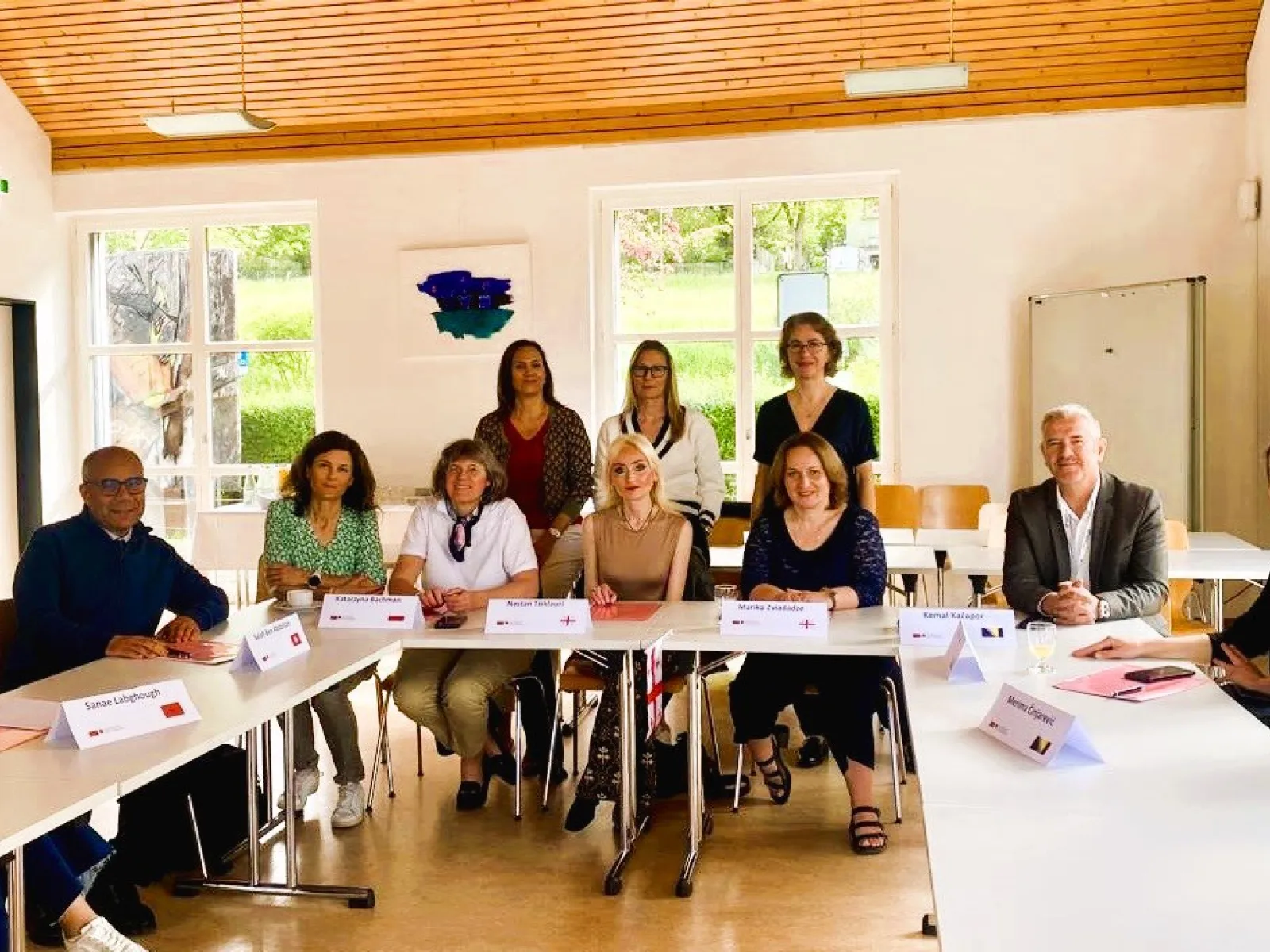
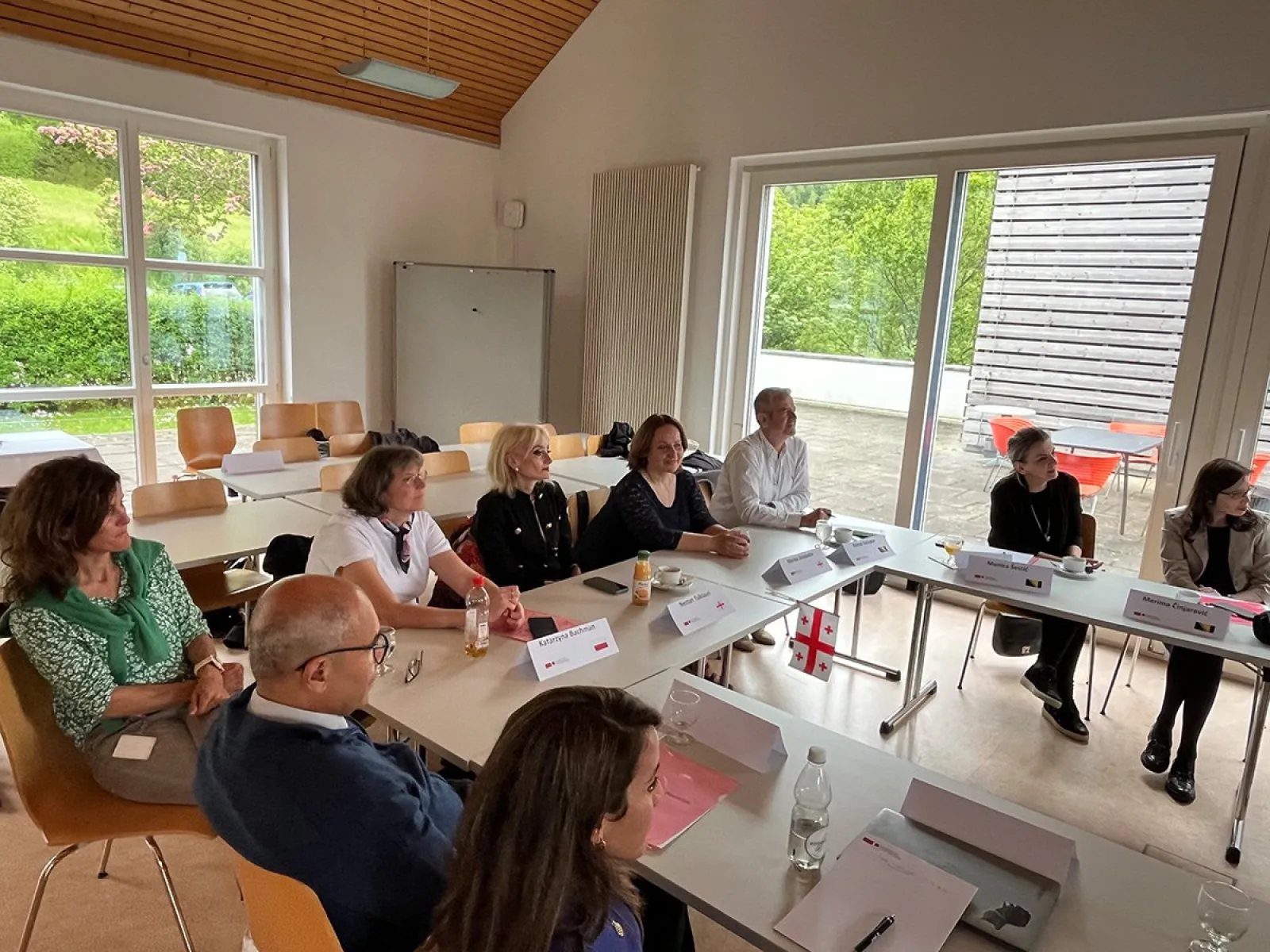
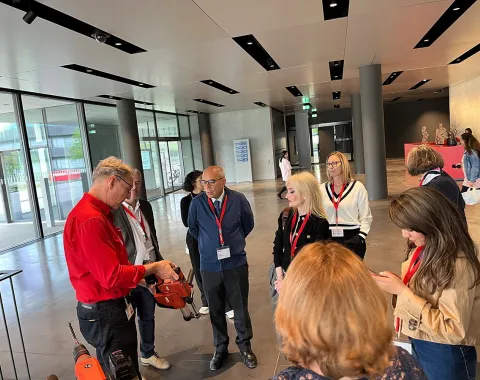
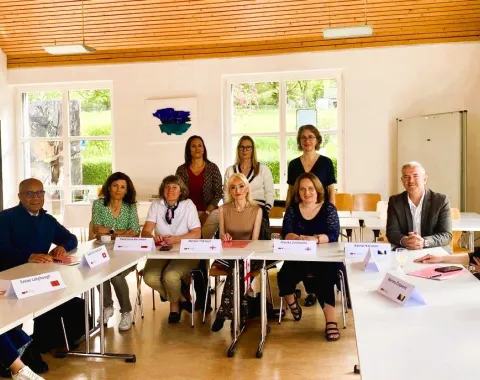
On this occasion, eight professors and staff from universities in Tunisia, Morocco, Georgia, Bosnia and Poland visited for a few days to get to know the campus, the students, the country and the region.
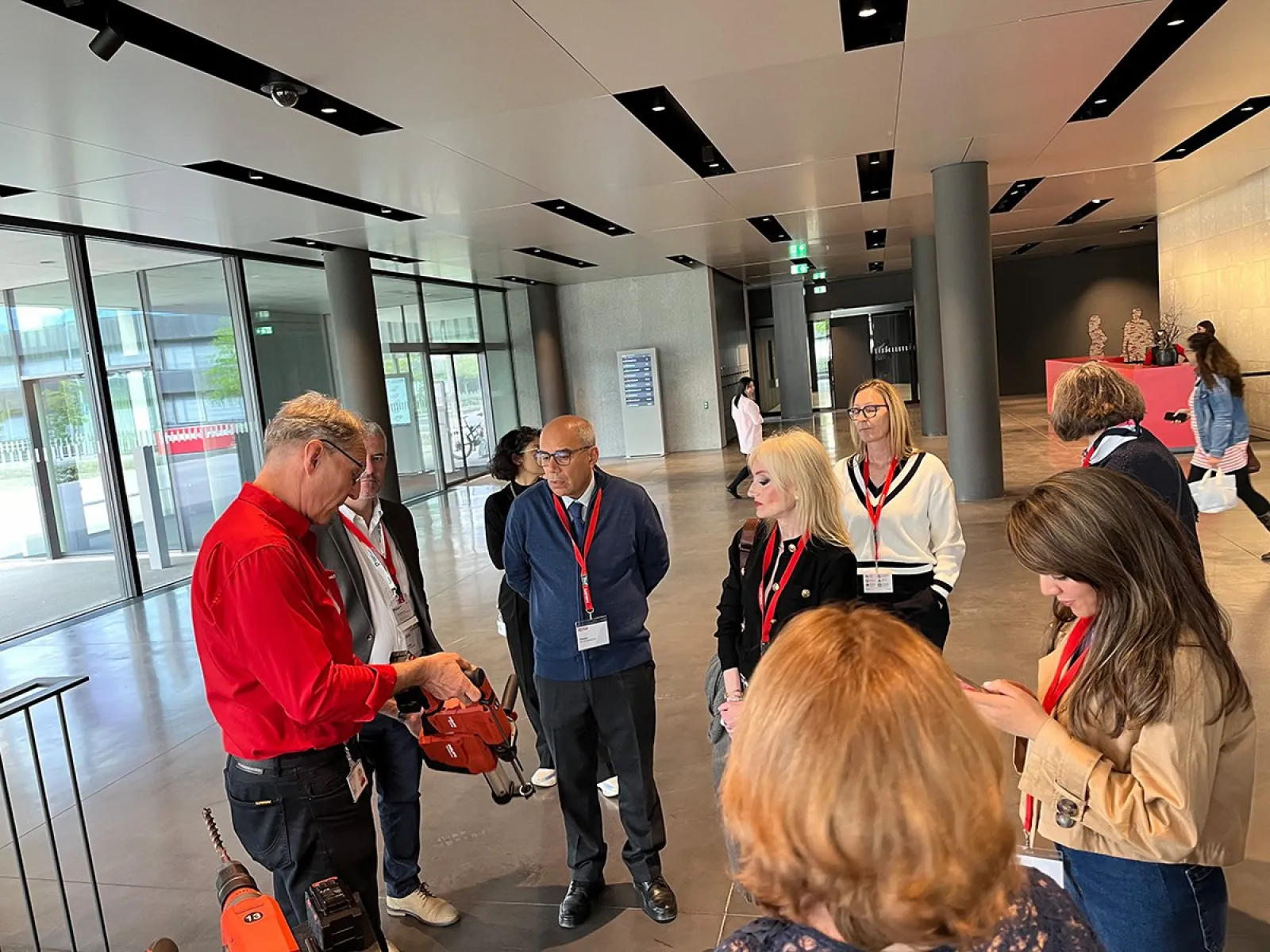
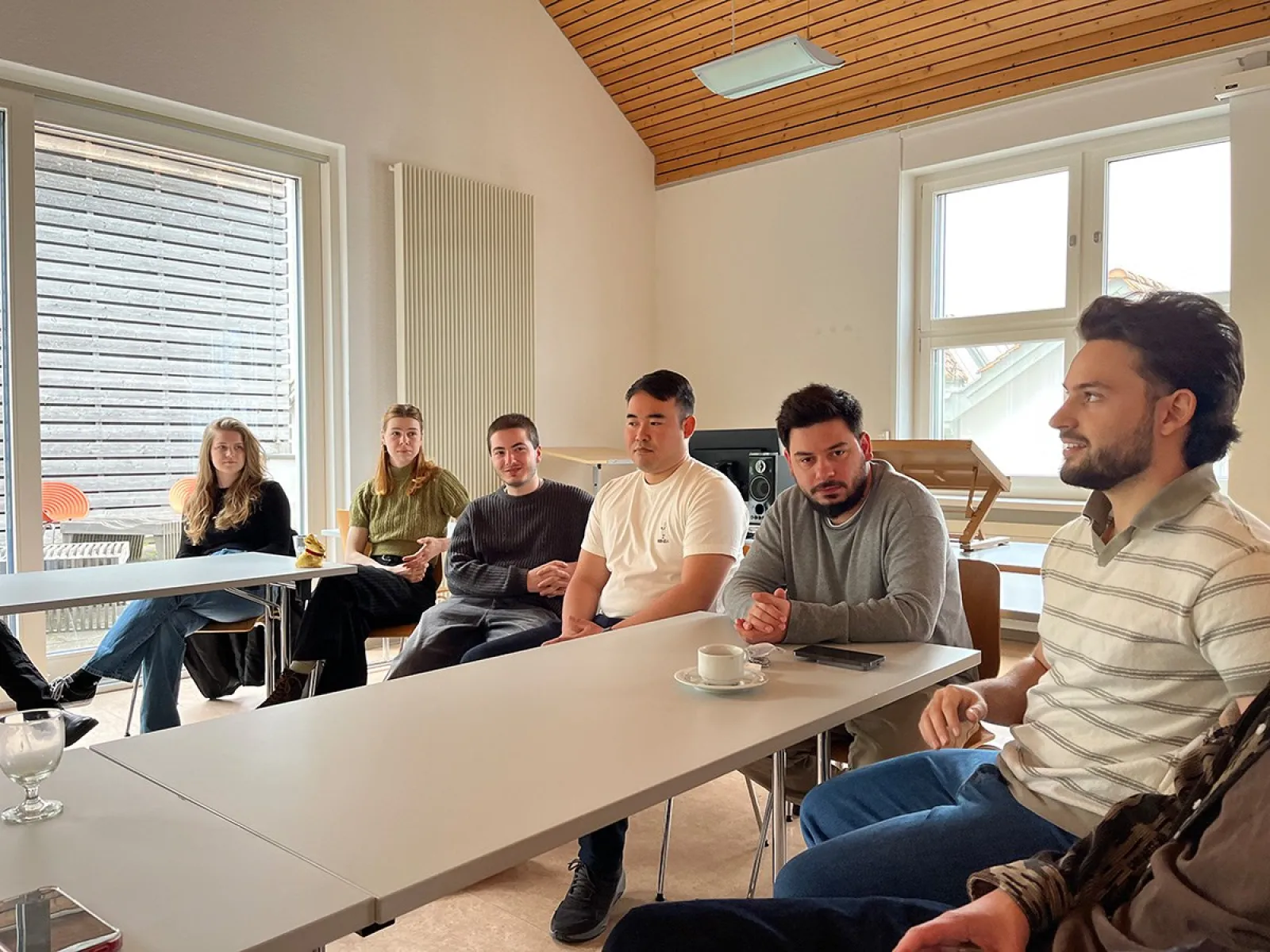
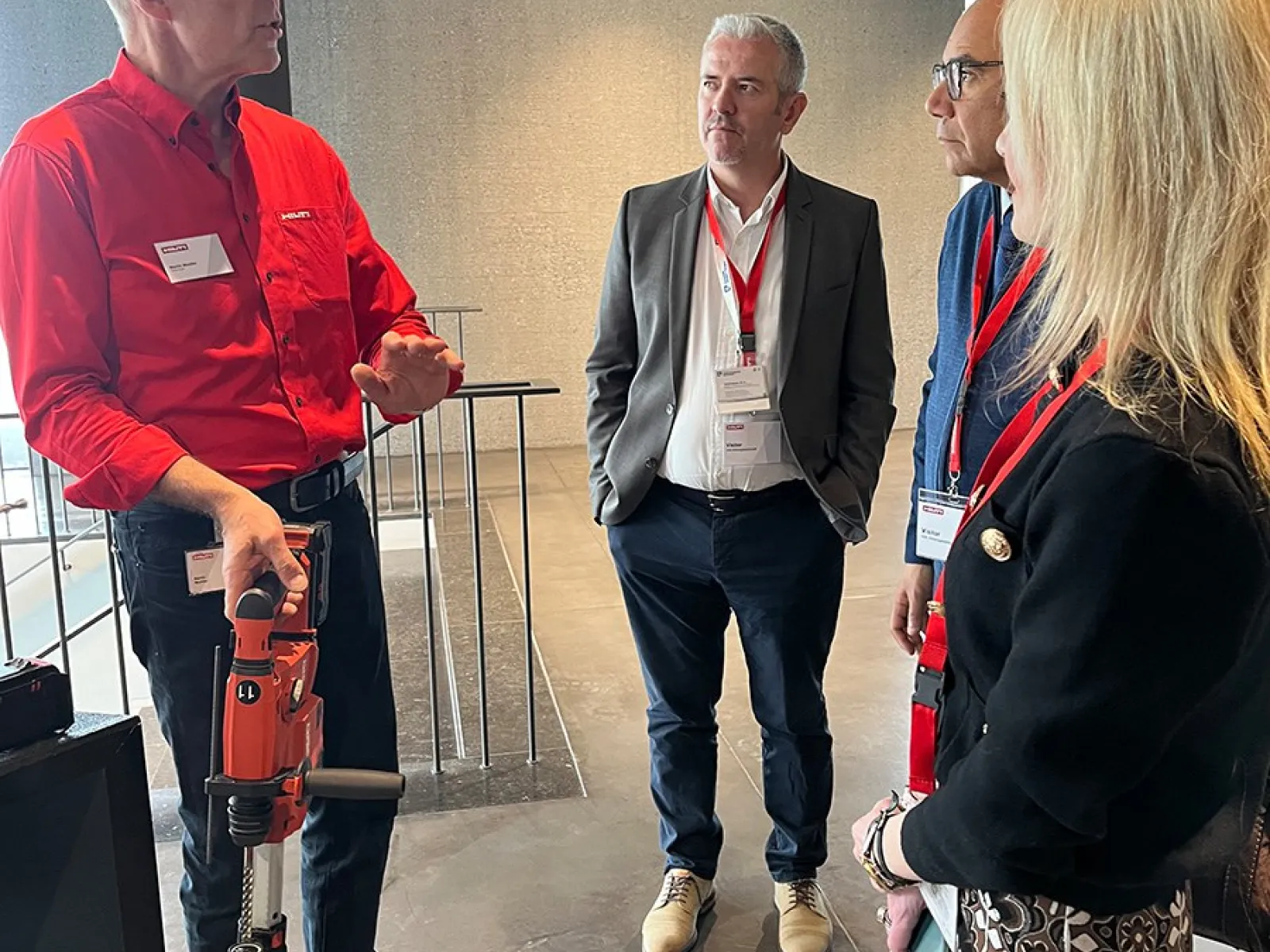
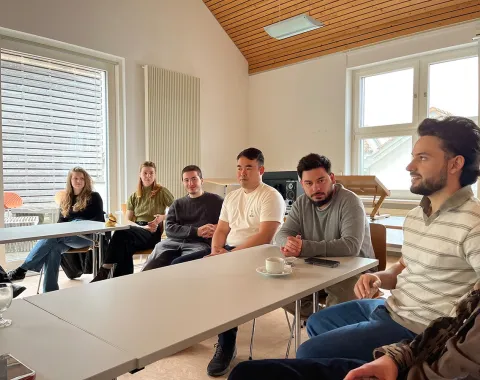
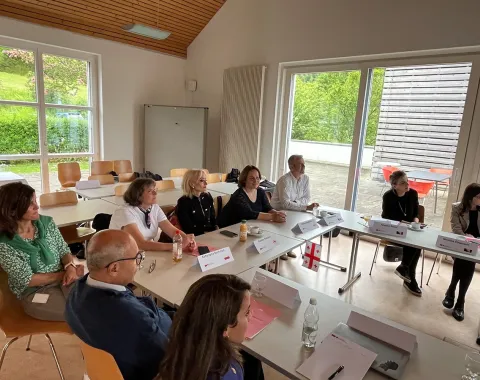
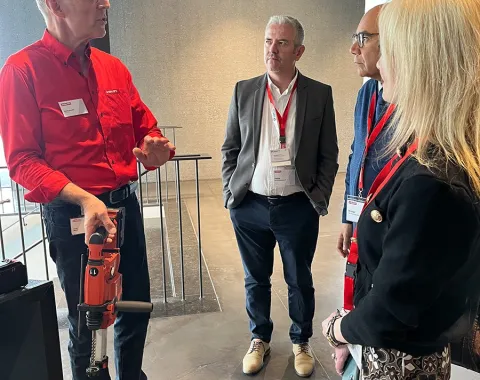
After a welcome by Rector Dr. Christian Frommelt, a visit to Hilti AG was on the agenda, and incoming students met the group of guests for a roundtable to talk about their life and studies in Liechtenstein. The topic of inclusion of students during their studies was discussed in depth and rounded off with a visit to the HPZ in Schaan. The visitors were very impressed by the professionalism of the support provided throughout the entire life cycle.
In addition, some staff and professors from the Schools (Architecture, Business) and Student Services gave the visitors an insight into their areas of work (job shadowing). The week was characterized by inspiring encounters and interesting conversations.
Petros Mavromichalis, EU Ambassador for Switzerland and Liechtenstein based in Bern, visited the Principality and the University as part of Europe Day.
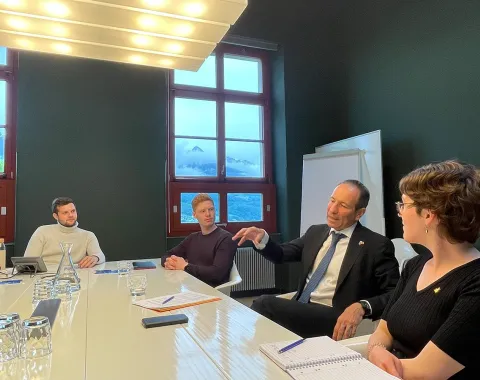
European policy and topics of interest to Liechtenstein were discussed with Rector Dr. Christian Frommelt and students of the BSc Business Administration and MSc Finance courses. Following the roundtable, the ambassador hosted a reception for institutions from Liechtenstein in the Vaduz Town Hall.
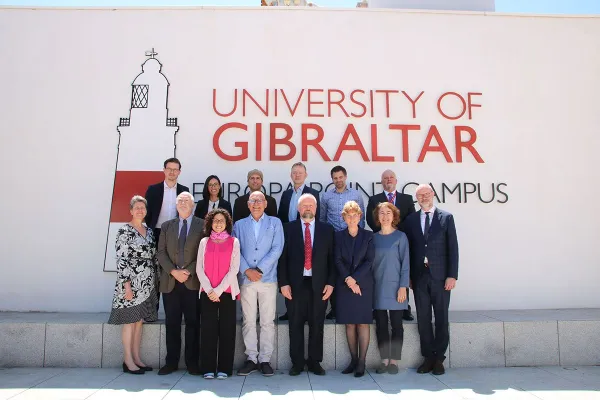
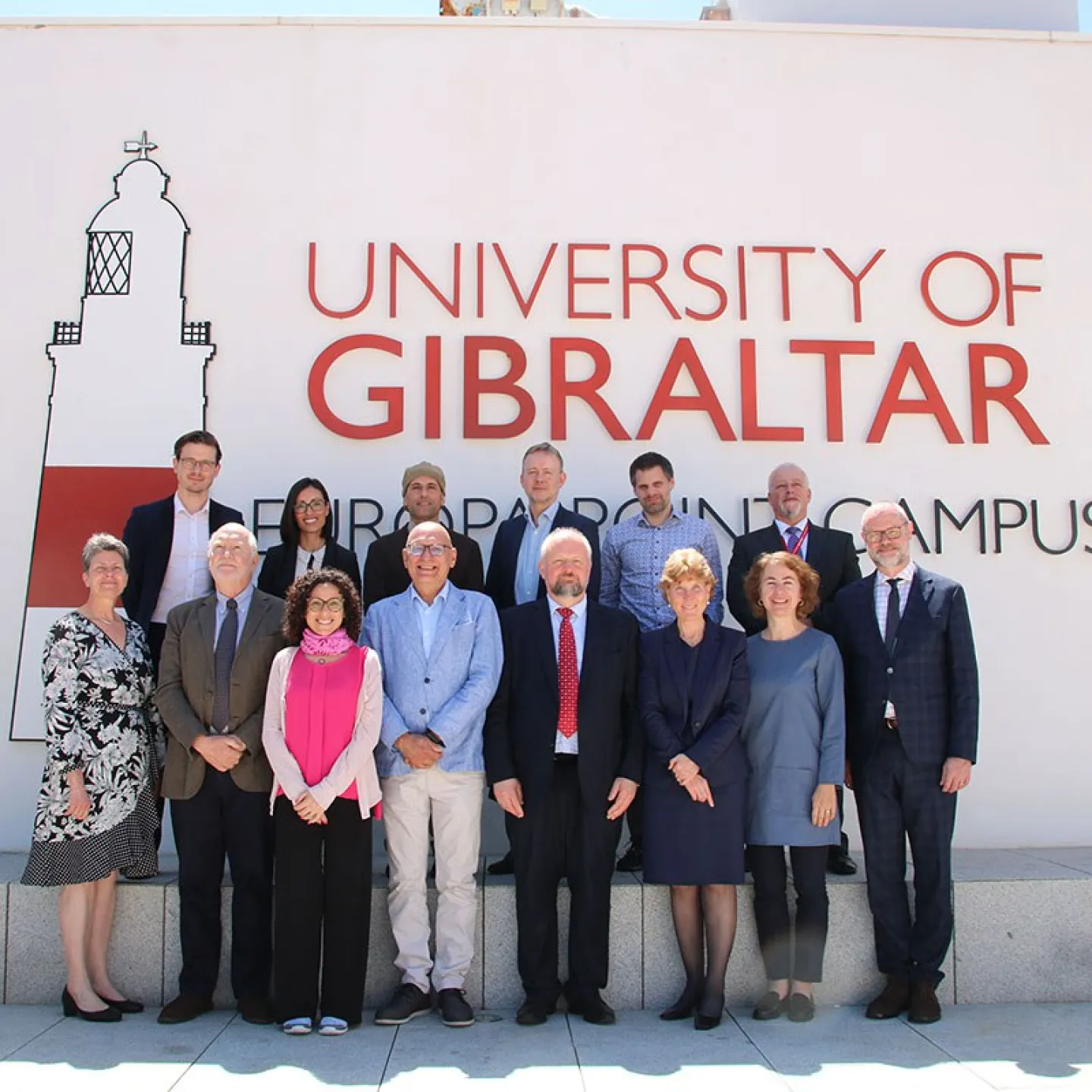
The rectors of the "Network of Universities of Small Countries and Territories" (NUSCT) met for the sixth time since the network was founded.
The rectors of the "Network of Universities of Small Countries and Territories" (NUSCT) met for the sixth time since the network was founded. The network already has a total of 12 members, with Åland University joining for the first time. Rectors and staff from Andorra, Gibraltar, San Marino, Iceland, Liechtenstein, the Faroe Islands and Malta were represented at the conference, which was organized by the University of Gibraltar.
One of the aims of the network is to create synergies through exchange and to form joint working groups on various topics. After the welcome and introduction by Vice-Rector Catherine Bachleda, there was intensive discussion about common guidelines for the use of A.I. in teaching, and an international seminar is also being planned on the Faroe Islands on the topic of "Making History in Small Countries and Territories: Universities, Historians and Societies". The benefits of European alliances for NUCST members were also discussed, as well as joint and double degrees. Not all member states are part of the EU, so not all of them benefit from the Erasmus+ program and its opportunities. This makes the network all the more important, as most universities in small states and small territories are confronted with similar issues.
It was an excellently organized visit which, despite its brevity, left enough time for the network members to exchange ideas, but also to get to know "The Rock".
The following universities are members of the NUSCT network:
• Háskólinn á Akureyri (University of Akureyri/Island)
• Högskolan på Åland (Åland University of Applied Sciences)
• Universitat d’Andorra (University of Andorra)
• Fróðskaparsetur Føroya (University of the Faroe Islands)
• University of Gibraltar
• Ilisimatusarfik (University of Greenland)
• Universität Liechtenstein (University of Liechtenstein)
• L-Università ta’ Malta (University of Malta)
• Univerzitet Mediteran (Mediterranean University)
• Univerzitet Crne Gore (University of Montenegro)
• Πανεπιστήμιο Λευκωσίασ (University of Nicosia)
• Università degli Studi della Repubblica di San Marino (University of the Republic of San Marino)
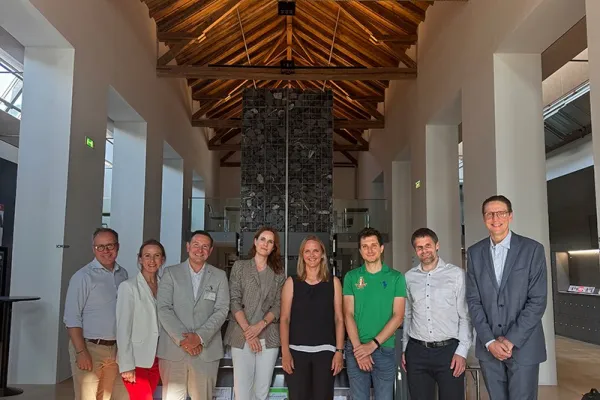
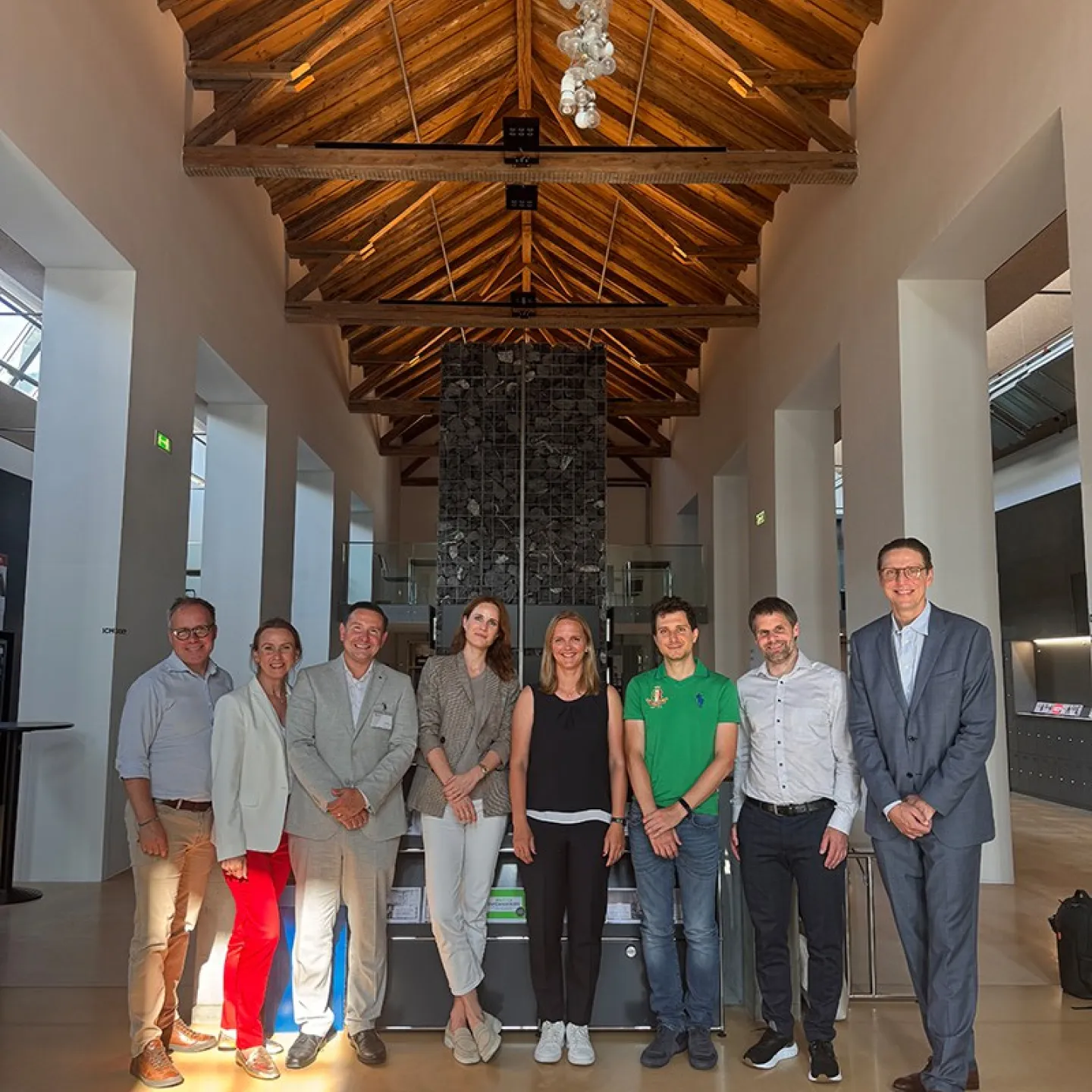
Last week, staff from the Estonian Ministry of Foreign Affairs, the Estonian Consulate for Switzerland, and the Estonian Chamber of Commerce in Switzerland visited the University of Liechtenstein.
Following a visit to Hilti AG, the members of the Estonian delegation met with Rector Dr. Christian Frommelt at the University of Liechtenstein for a discussion.
Topics included, among others, the parallels between the microstates of Liechtenstein and Estonia, as well as an exchange on digitalization and cybersecurity. The guests were accompanied by Hans Märtson, Head of CX Impact & Business Process Excellence at Hilti Group.
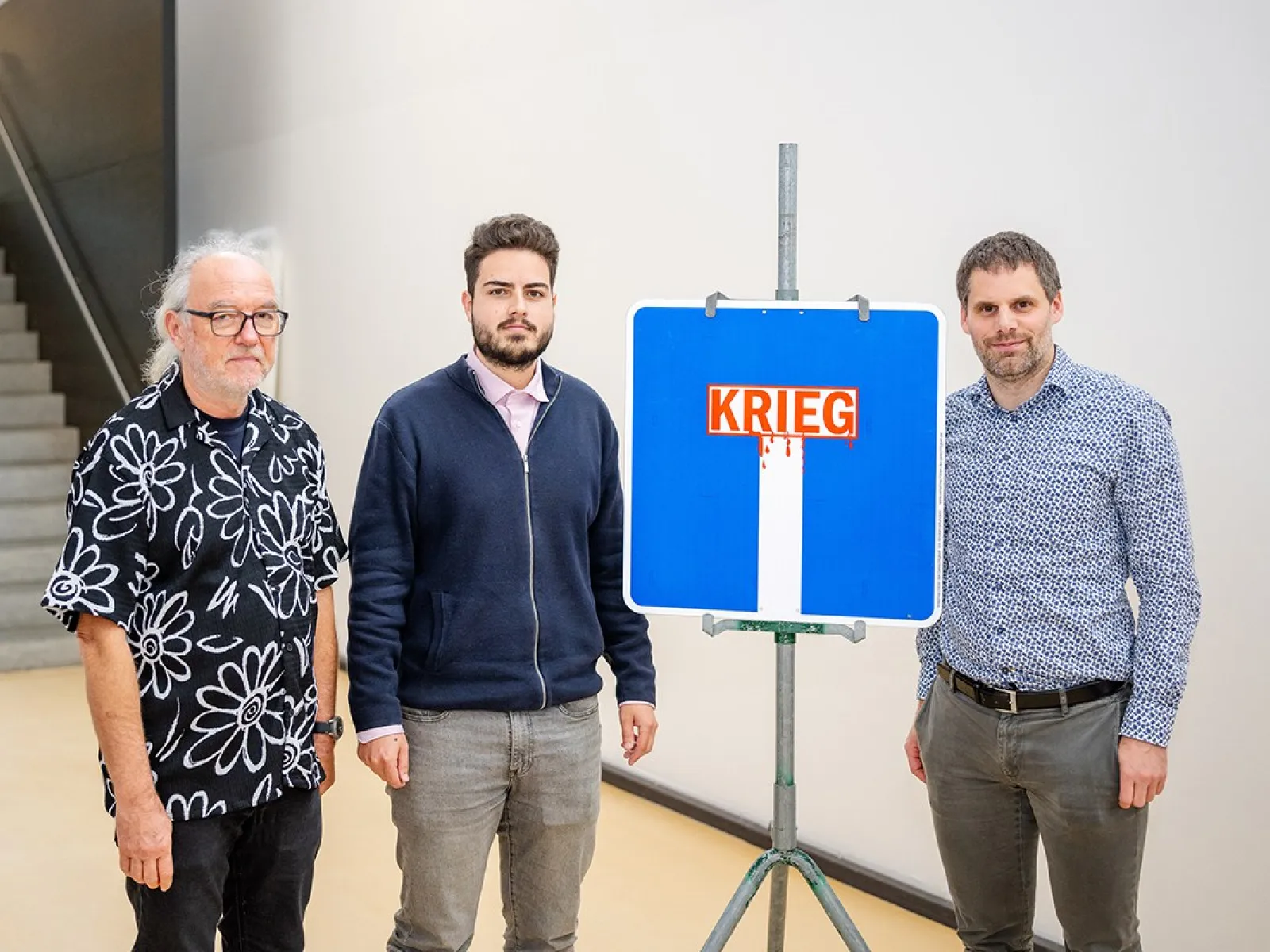
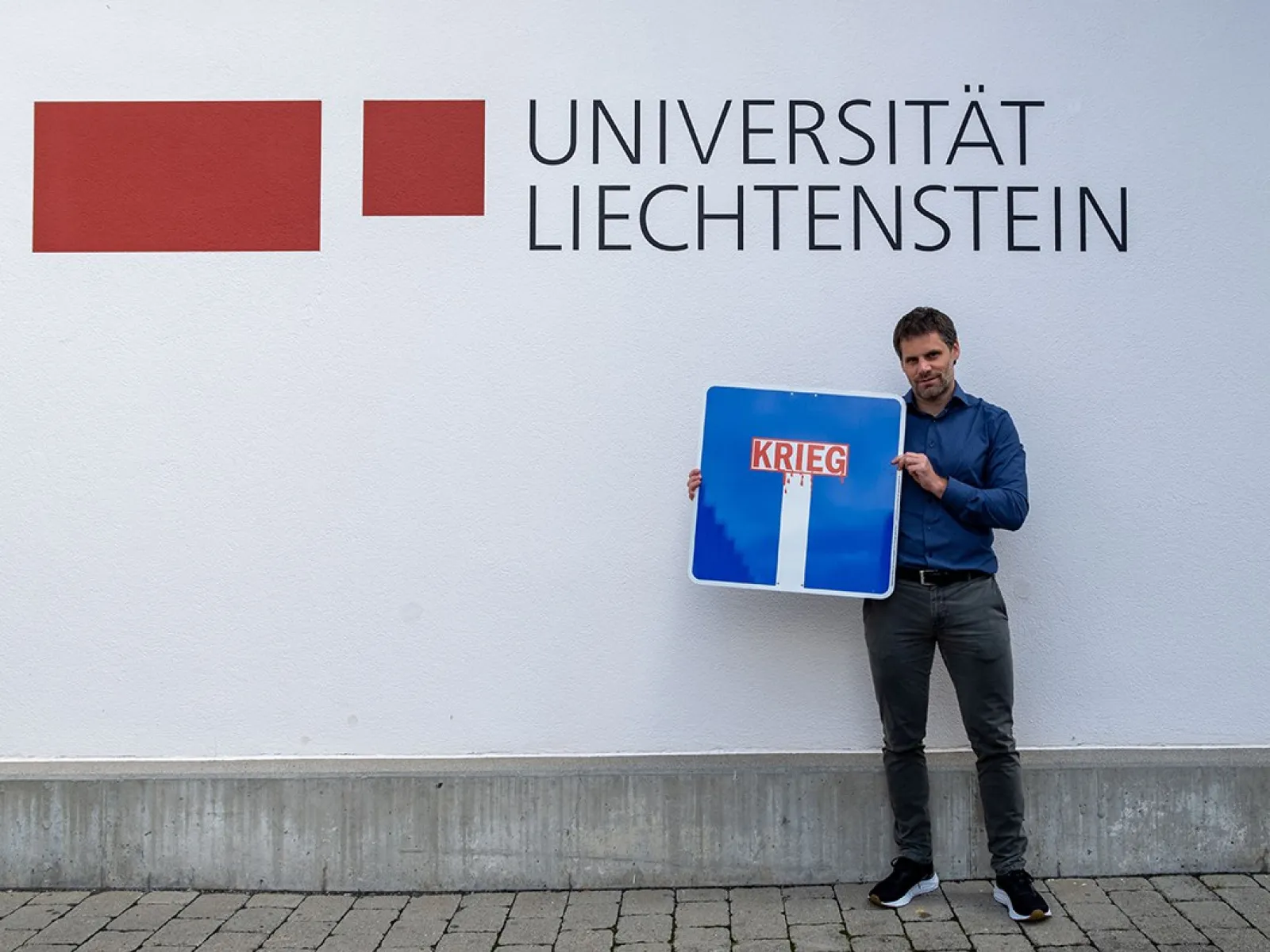
As part of the initiative "Traffic Signs of Justice", the University of Liechtenstein hosted a series of lectures and a standing lunch on Wednesday, 16 October 2024.
In collaboration with Benjamin Kuchelmair, an alumnus of the University of Liechtenstein, the sign “War is a dead end” was acquired, officially unveiled, and inaugurated. Kuchelmair explained: “Just like in road traffic, some paths inevitably lead to a dead end with no way forward. Let us seize the opportunity together to make a U-turn and decisively take the path of peace through cooperation, rather than remaining alone in a dead end.”
Dr. Christian Frommelt, Rector of the University, examined the topic of war from a political science perspective: “The 'Democratic Peace' – the insight that democracies do not go to war with one another – is regarded as the only empirical law in the otherwise unpredictable realm of international relations. It is therefore crucial to protect democracies and support institutions that promote democracy.”
The designs for the "Traffic Signs of Justice" were created by artist Johannes Volkmann together with children and youth from nine different countries. The signs were produced in large numbers to be featured in artistic projects across Europe. They are intended to highlight the values of our open and free society.
Initiated by Gaudenz Ambühl, the “Liechtenstein Concept” was developed to enable broad involvement of all interested initiatives and institutions throughout the country. The goal is to establish the “Traffic Signs of Justice” as permanent installations in public places such as town halls, schools, businesses, or churches across Liechtenstein, embedding them sustainably in the public consciousness. The sign “War is a dead end” will have a permanent location on the campus of the University of Liechtenstein.
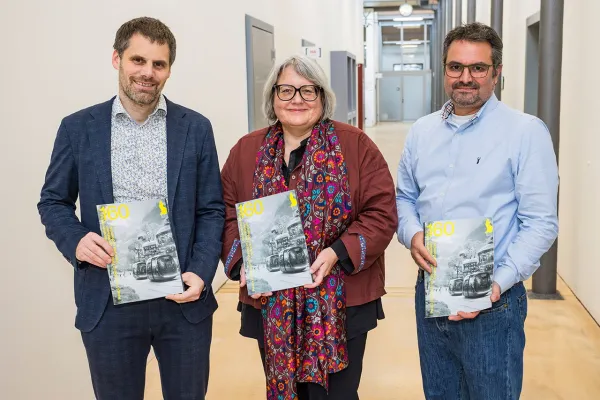
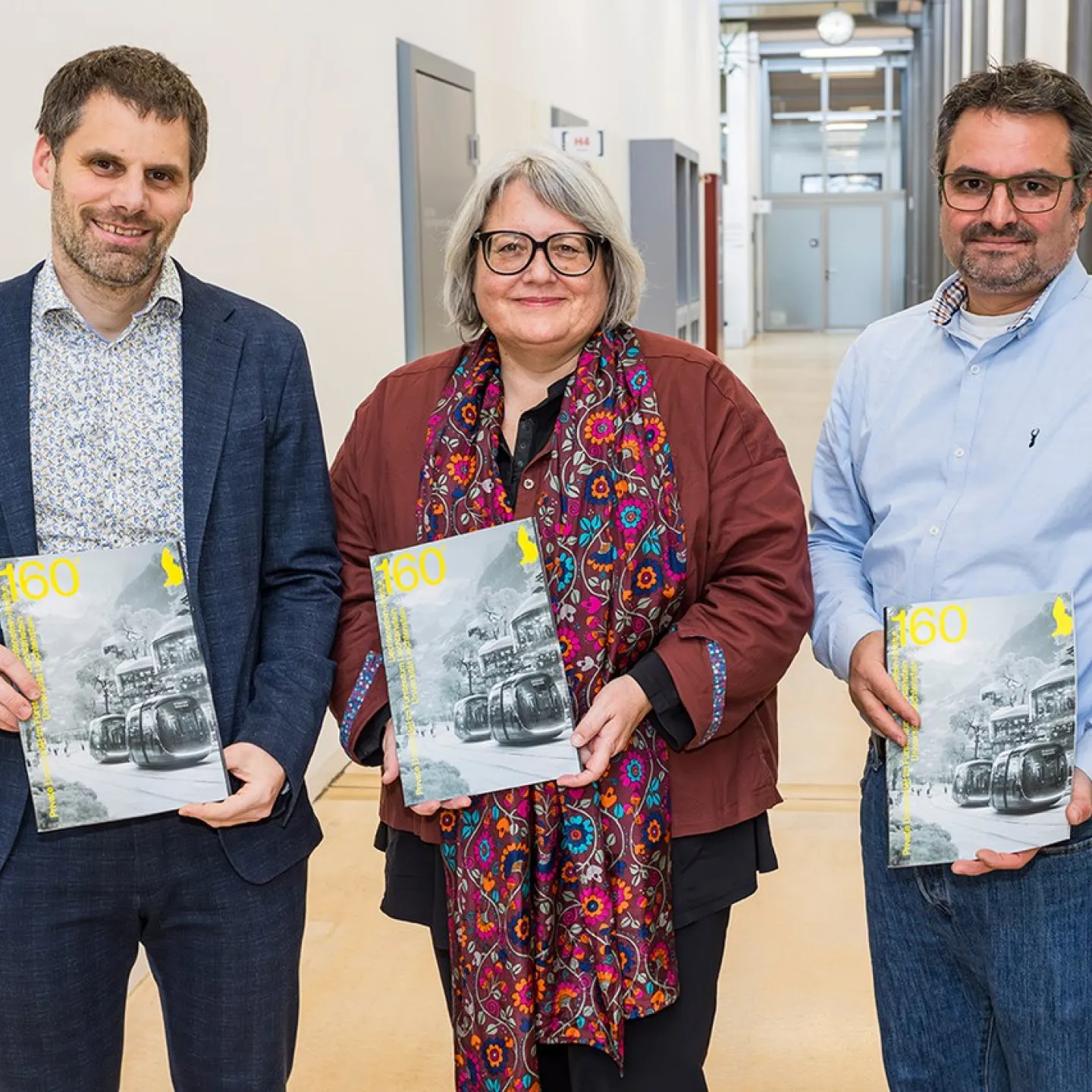
The three institutions of higher education in Liechtenstein – the Liechtenstein Institute, the Private University in the Principality of Liechtenstein (UFL), and the University of Liechtenstein – have published the fifth joint edition of their research magazine 160², showcasing the diversity of their research and academic activities.
This current edition focuses on Artificial Intelligence (AI), a technology that is increasingly shaping many aspects of our lives. AI is one of the most exciting yet controversial topics of our time. This dual nature is reflected in this year’s issue, which features articles on the use of AI in medicine, law, economics, and architecture. The contributions explore not only the opportunities but also the challenges associated with AI – for instance, its regulation.
Most articles are closely linked to the ongoing research conducted at the three institutions. They highlight the significant relevance of academic research to Liechtenstein’s economy and society, while also demonstrating the innovative spirit and strong international ties of the country's academic landscape. The featured projects span a wide range of disciplines, from medical research to economics and architecture, and from political science and history to law. The breadth of topics is remarkable – and clearly presented in the magazine, which is distributed to every household in Liechtenstein.
“The magazine offers an accessible overview of the important scientific work we carry out daily and with great enthusiasm. Liechtenstein can be proud of its researchers: the quality of our work meets international standards,” said Prof. Dr. Thomas Meier, Director of the Liechtenstein Institute.
Dr. Barbara Gant, Rector of the Private University in the Principality of Liechtenstein, added: “This year’s research magazine bridges the gap between global research and local needs. It is a vivid testimony to how science in Liechtenstein not only seeks answers to urgent contemporary questions, but also offers concrete impulses for the country and its society.”
Dr. Christian Frommelt, Rector of the University of Liechtenstein, emphasized: “The magazine strengthens the collaboration between the participating institutions and their staff, while raising the profile of Liechtenstein as a location for science and research both nationally and internationally. Most importantly, the fifth edition once again offers many exciting and informative articles – making it an engaging and enlightening read for a broad audience.”