Skip to Main Content
MILSA

A Mentoring Programme for International Students
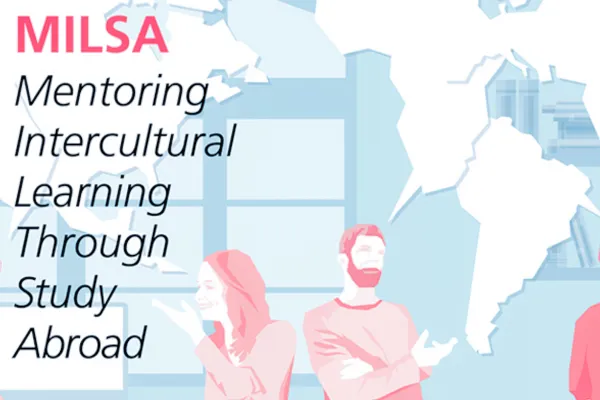
Grafische Darstellung des MILSA-Programms zur Förderung interkultureller Lernerfahrungen durch Auslandsaufenthalte für Studierende.

Are you about to go abroad for an exchange semester? Or have you just arrived in Liechtenstein to begin your exchange at the University of Liechtenstein?

Are you interested in intercultural learning and communication? Then take part in the MILSA Programme and gain valuable mentoring experience that will help you make the most of your study abroad, in or outside of Liechtenstein, through improved intercultural learning and communication skills.
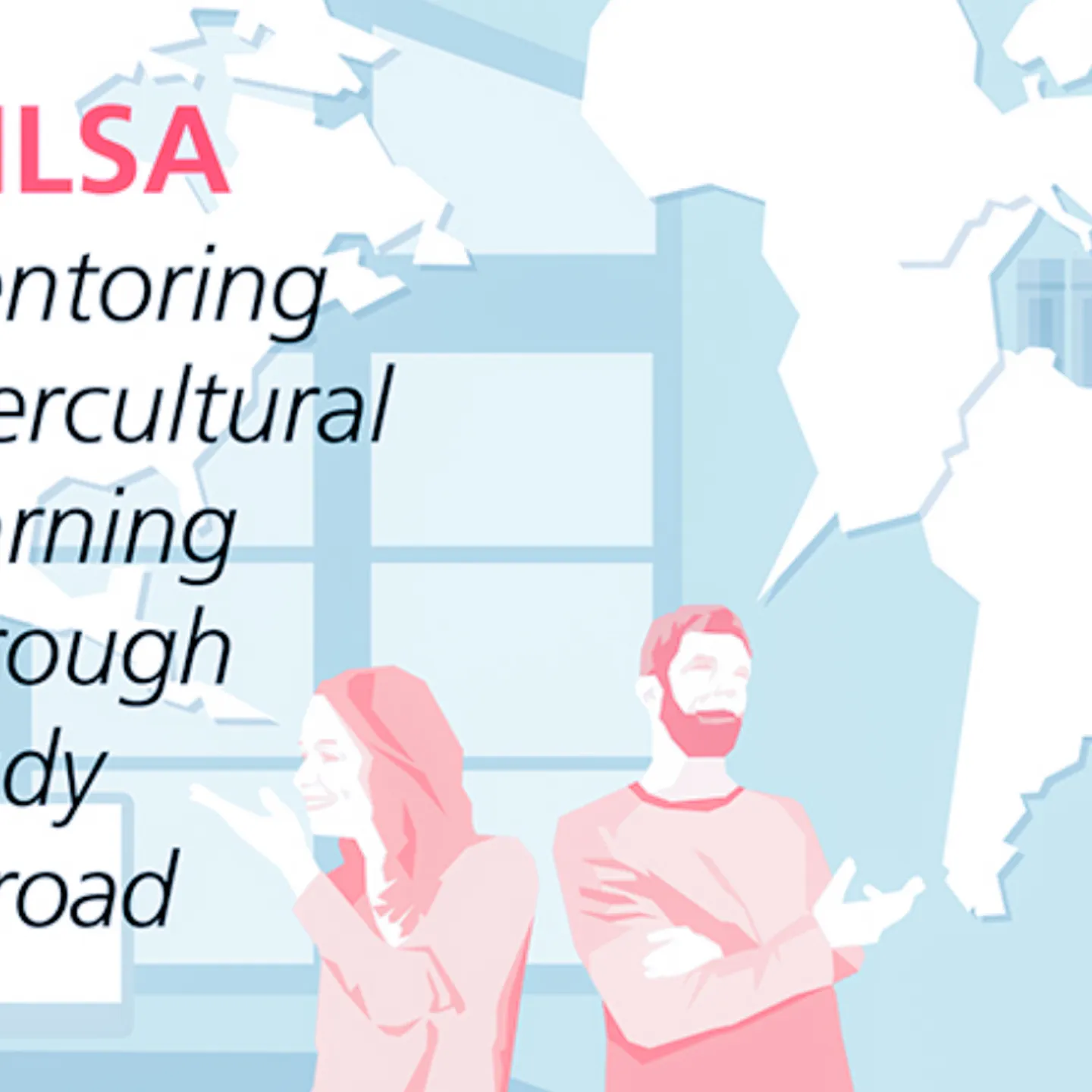
Grafische Darstellung des MILSA-Programms zur Förderung interkultureller Lernerfahrungen durch Auslandsaufenthalte für Studierende.

It is often assumed that students return from a study abroad experience with new intercultural competences and a more open-minded attitude. While this is true for many, some return with negative experiences or even reinforced prejudices. To prevent such unintended effects, the MILSA Programme supports exchange students during their stay. A mentoring system helps them critically reflect on the host country's culture as well as their own behaviour in an intercultural context.

MILSA was developed by the University of Bern and the University of Technology Sydney to promote intercultural learning at the higher education level. The programme helps students develop a reflective, open and constructive attitude towards the culture and society of their host country during their semester abroad.
MILSA Interdisciplinary Elective Module

The MILSA Programme includes pre- and post-departure workshops, a peer assignment, writing a blog, and a Teams interview with your mentor from the International Office.

By joining a MILSA group, you can connect with peers who are also going abroad and share your experiences. Reflecting on your time abroad, writing blog posts and exchanging international experiences during the workshops will significantly enhance your intercultural awareness and skills over the course of the programme (approx. 10 months).

Participation in the MILSA Programme counts as an interdisciplinary elective module worth 3 ECTS credits.

Programme Structure

The programme is divided into three parts. Participants are expected to take part in all activities of the mentoring programme.

In this learning unit, we will explore intercultural learning—its meaning, relevance and challenges. Through theoretical input, exercises and group work, we will examine what it means to be an intercultural learner and how to prepare for a stay abroad. Concepts such as “interculturality”, “culture” and other related and equally complex terms will be discussed. We will also talk about the expectations you have for your time abroad. You will have the opportunity to connect with other students from the University of Liechtenstein, and we will provide information about the activities planned during your stay and your responsibilities towards your fellow students.

During your study abroad, you will stay in contact with your mentor in Liechtenstein. We will communicate via email and through a shared online platform on Moodle. The platform, a blog and other communication tools enable us to stay in touch. Your mentor will send tasks to the groups and hold at least one conversation with you via Teams. Your task is to communicate both with all participants and with your mentor.

This learning unit will give you the opportunity to exchange experiences with the other participants. We will reflect on your time abroad and your return home, and look at how your study abroad experience can be an advantage for your future career. At the end of the programme, you will be asked to complete a questionnaire.

Drei Studentinnen der Universität Liechtenstein beobachten gemeinsam den Sonnenuntergang an einem ruhigen Seeufer.

 The programme supports students in the following areas:


  • Learning how to talk about their study abroad experience in future job interviews
  • Acquiring learning strategies and skills for positive academic experiences at the host university
  • Reflecting on their role and experiences, and developing self-awareness and a self-critical mindset
  • Learning to formulate expectations and deal with (inter)cultural situations and social realities
  • Learning to deal with stereotypes and prejudices
  • Adapting to a new social and cultural environment.
Drei Studentinnen der Universität Liechtenstein beobachten gemeinsam den Sonnenuntergang an einem ruhigen Seeufer.

Participants are required to attend the sessions held before departure and after their return to Liechtenstein, and to stay in regular contact with their mentor. In addition, participants are asked to submit several short written assignments during their time abroad and to take part in a Teams interview.

Students who have taken part in the programme receive an official certificate of participation from the University of Liechtenstein. The certificate outlines the intercultural communication skills, learning progress and competences acquired during the study abroad period and through participation in the programme.

The mentoring programme offers students the opportunity to develop and enhance their intercultural learning and communication skills.

The MILSA Programme does not offer a peer mentoring system with students from the host university; it does not provide practical support in finding accommodation or selecting courses at the host university.