Italy – Rome
Italy – Rome
Finding My Place in the Italian Lifestyle
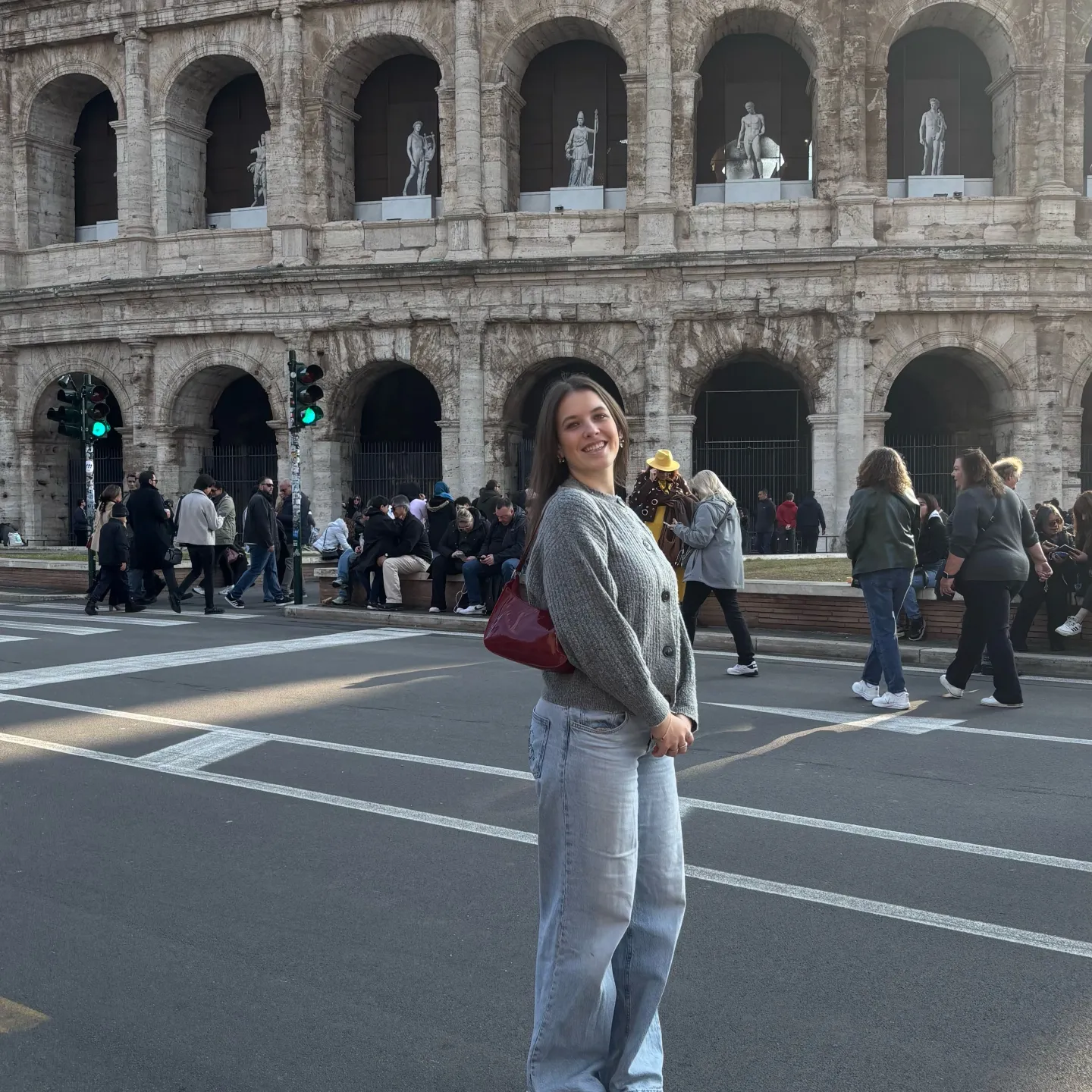
When I first arrived in Italy for my semester abroad, two everyday habits felt especially unfamiliar to me: the very late dinner culture and the general lack of punctuality. Both are such normal parts of Italian life, yet they felt completely foreign to me at the beginning. Coming from Austria and studying in Liechtenstein, I was used to eating dinner around 7 p.m. and to people showing up on time for everything. In Italy, however, everything seemed shifted later, slower, more relaxed. At first, this unfamiliar rhythm made me feel stressed and unsure of how to adapt.
The late dinner was one of the first cultural practices that really stood out to me. In the first weeks, I found it strange and even a bit annoying that restaurants were still empty at 19:30, while Italians were only getting ready to go out much later. My whole routine felt disrupted. I wasn’t used to waiting so long to eat after a long day, and I often felt a bit impatient. But slowly, almost without realizing it, I started to adjust. I began eating later, going out later, and eventually, it stopped feeling strange. Today, the late dinner has become completely natural for me almost like a part of my own rhythm.
The second thing that felt unfamiliar was the relaxed attitude toward punctuality. In Italy, being ten, fifteen, or even twenty minutes late doesn’t seem to bother anyone. At first, this made me uncomfortable. I am normally a very punctual person, and when I arrived early to class or to meetings, only to see people show up much later, it stressed me. I wasn’t sure if I was doing something wrong or if I had misunderstood the time. It took me a while to understand that lateness here isn’t considered disrespectful, it’s simply part of the culture.
Over time, I began to internalize this new mindset. I stopped checking the clock so anxiously. I gave myself more room to breathe. And strangely enough, as soon as I stopped worrying about punctuality, I felt much more relaxed in general. The Italian lifestyle taught me something I had never experienced before: a true work-life balance. Life here moves slower, and because of that, people seem more present, more connected, and less stressed. Accepting this rhythm gave me a new perspective on what it means to live well.
There wasn’t one specific moment when everything suddenly became familiar. Instead, it was a gradual transition, a process of small realizations adding up. One day I noticed I wasn’t hungry at 7 p.m. anymore. Another day I noticed I didn’t feel stressed when someone arrived late. And eventually, I realized I had adapted far more than I thought I would.
This experience also connected deeply with my personal growth. I’ve always thought of myself as impatient, someone who wants things to happen quickly and according to plan. But living in Italy has shown me that I am capable of much more patience than I believed. I learned to slow down, to accept uncertainty, and to let go of habits that I assumed were “normal.” The unfamiliar didn’t just become familiar it reshaped my understanding of myself.
Another part of this transition was the people I met. Early in my stay, I became close with two girls who have now become like family to me. We spend almost every day together, we laugh constantly, and we even took a four-day trip together. They made Italy feel like home. Through them, I learned that feeling familiar in a foreign country often comes from relationships, not routines. Their support, warmth, and closeness played a huge role in transforming my experience and in making the unfamiliar feel safe and comfortable.
Looking back, I see how these cultural differences have shaped my intercultural learning. What felt strange or frustrating in the beginning gradually became meaningful. I learned that unfamiliarity isn’t something to resist; it’s something to grow into. The slow dinners, the flexible sense of time, the relaxed rhythm of life, all of these taught me to be more open, more adaptable, and more patient. They changed not only how I understand Italian culture, but also how I understand myself.
In the end, the unfamiliar didn’t just become familiar. It became something I appreciate, something I will miss, and something that has changed me for the better.