Housing and Society (Urbanism, Architecture and Society)
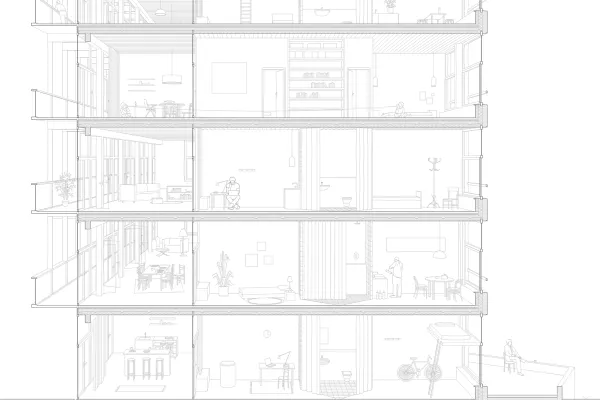
The Housing and Society Unit is concerned with the complex interplay between architecture and the conditions of its production, use, management and maintenance. The making of architecture and space in its various forms is embedded in social structures and practices. We are an interdisciplinary team committed to a critical research paradigm. Through layered research approaches, design experiments and participatory methods, we seek to foster the societal acceptance of change and humane development, combining evidence with a sense of engagement and pleasure.
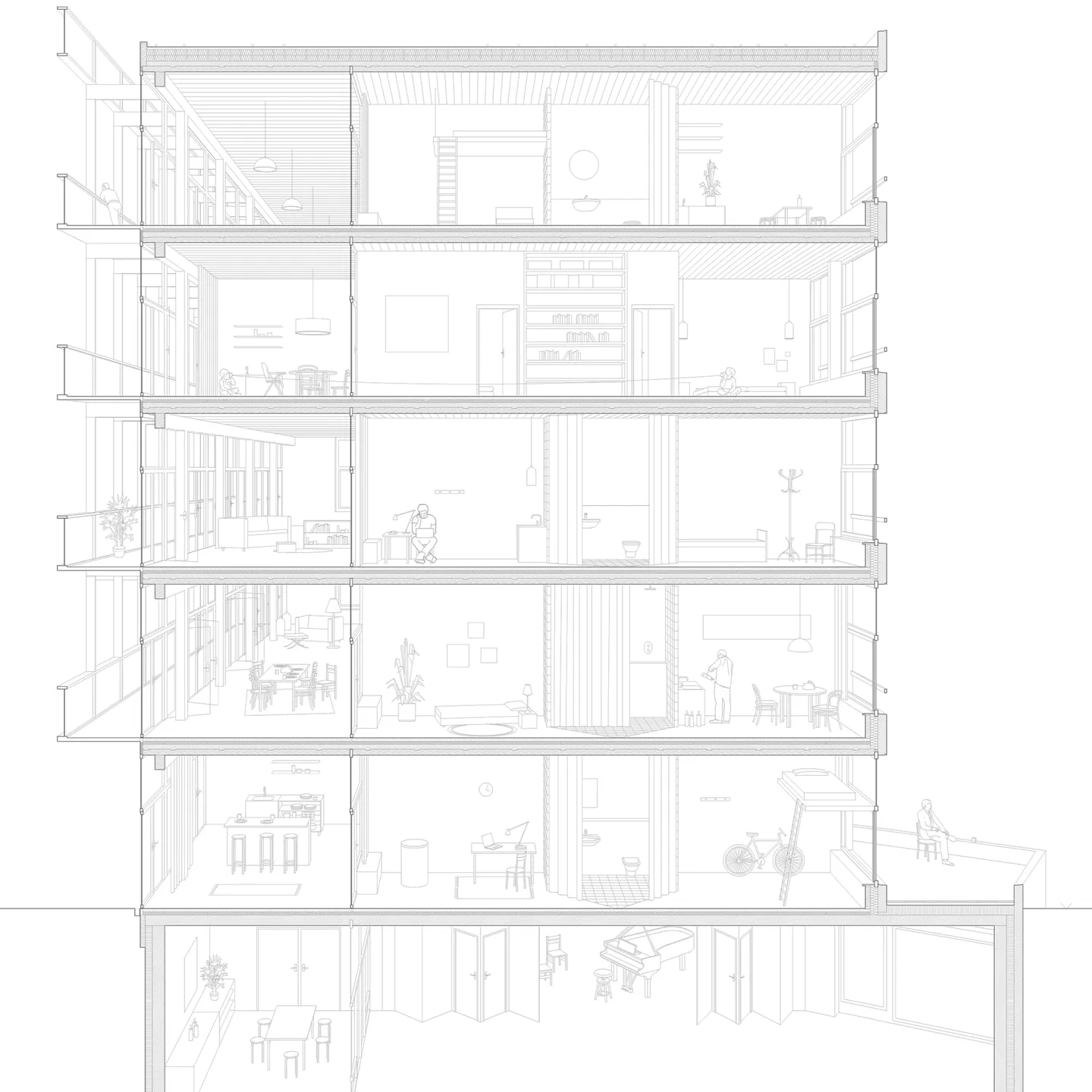
NB: The “Urbanism, Architecture and Society” Unit will be headed by Reem Almannai starting in the summer semester 2026 and will be renamed “Housing and Society” as of September 2026.
News
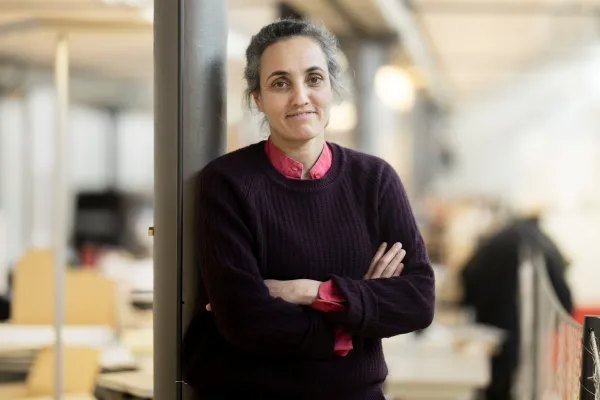
Since 1 December 2025, Reem Almannai has been Associate Professor of Architecture and Society at the Liechtenstein School of Architecture. In her teaching and research, she places a particular emphasis on housing, society and the common good.
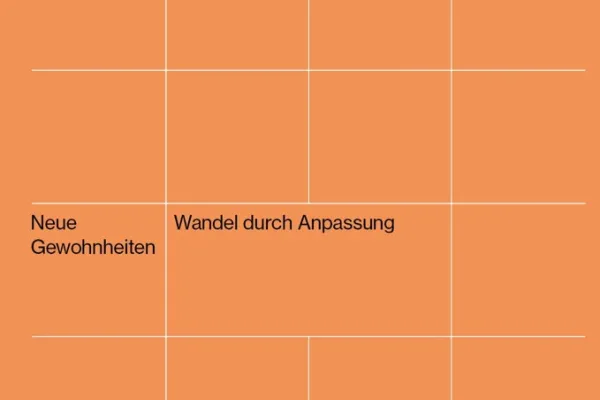
Reem Almannai and Florian Fischer served as guest editors of the journal "Die Architekt", No. 05/2025, entitled "New Habits, Change through Adaptation".
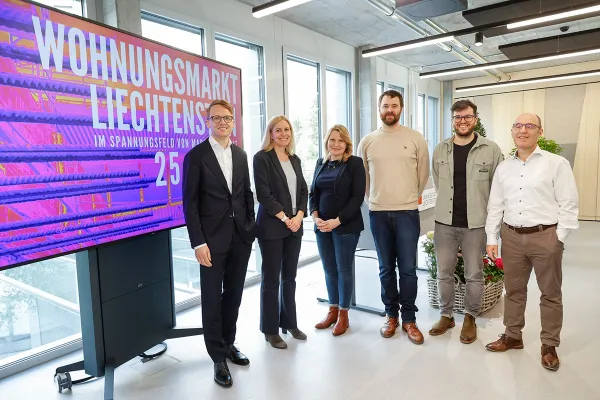
On 25 April 2024, a panel discussion on the housing market in Liechtenstein took place. The event was a cooperation between the University of Liechtenstein and the Stiftung Zukunft.li.
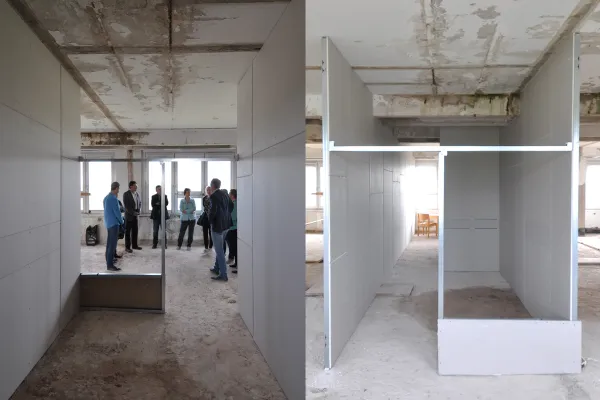
The housing question, as well as questions concerning other forms of construction related to public services and essential infrastructure, raise fundamental issues of social distribution. In particular, and with regard to the existing building stock, they provide a point of departure for the search for appropriate architectural interventions, as well as for programmatic, typological and social innovations. Ultimately, they also address the transformation of Western societies that currently live and operate beyond planetary boundaries, with a specific focus on Liechtenstein and the Alpine Rhine Valley border region.
Conversely, the Global South, in its pursuit of the right to humane development, has not yet exhausted the resources to which it is entitled. These different contexts can be understood as interrelated fields of inquiry that function as analytical lenses for emerging sustainable modes of living and building. In this sense, they enable processes of mutual learning from both failures and solutions across different regions and societal conditions.