Rethinking Mobility in the Rhine Valley: Symposium at the University of Liechtenstein
Rethinking Mobility in the Rhine Valley: Symposium at the University of Liechtenstein
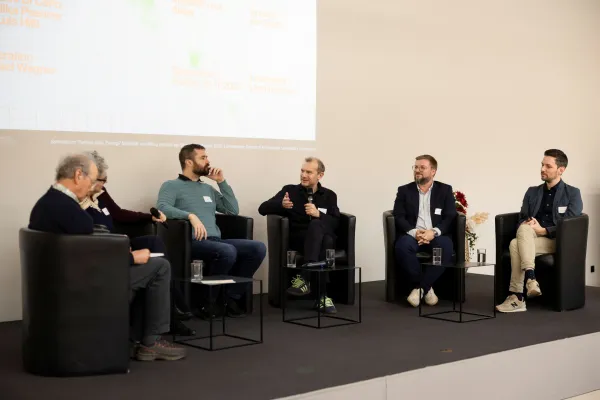
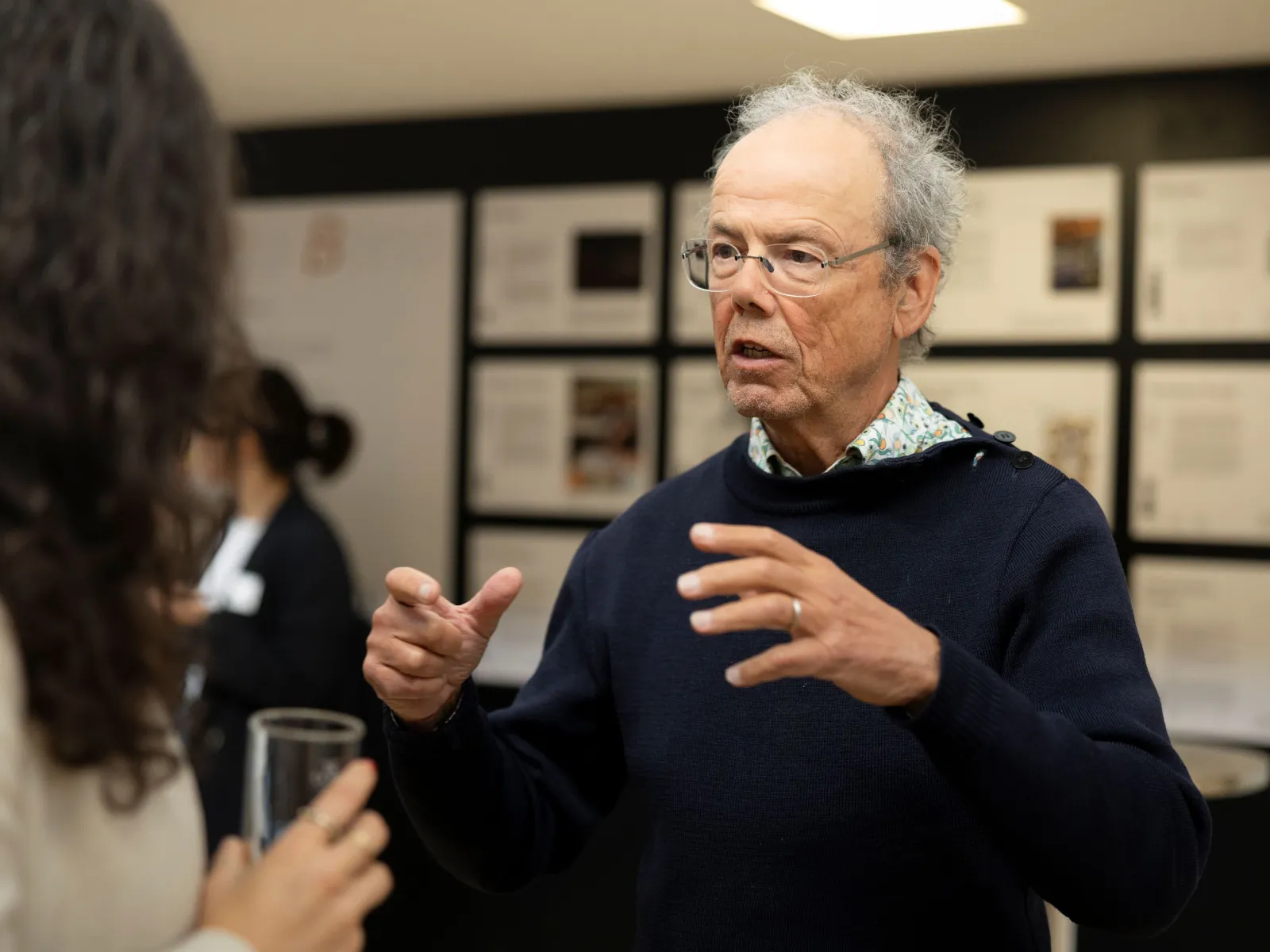
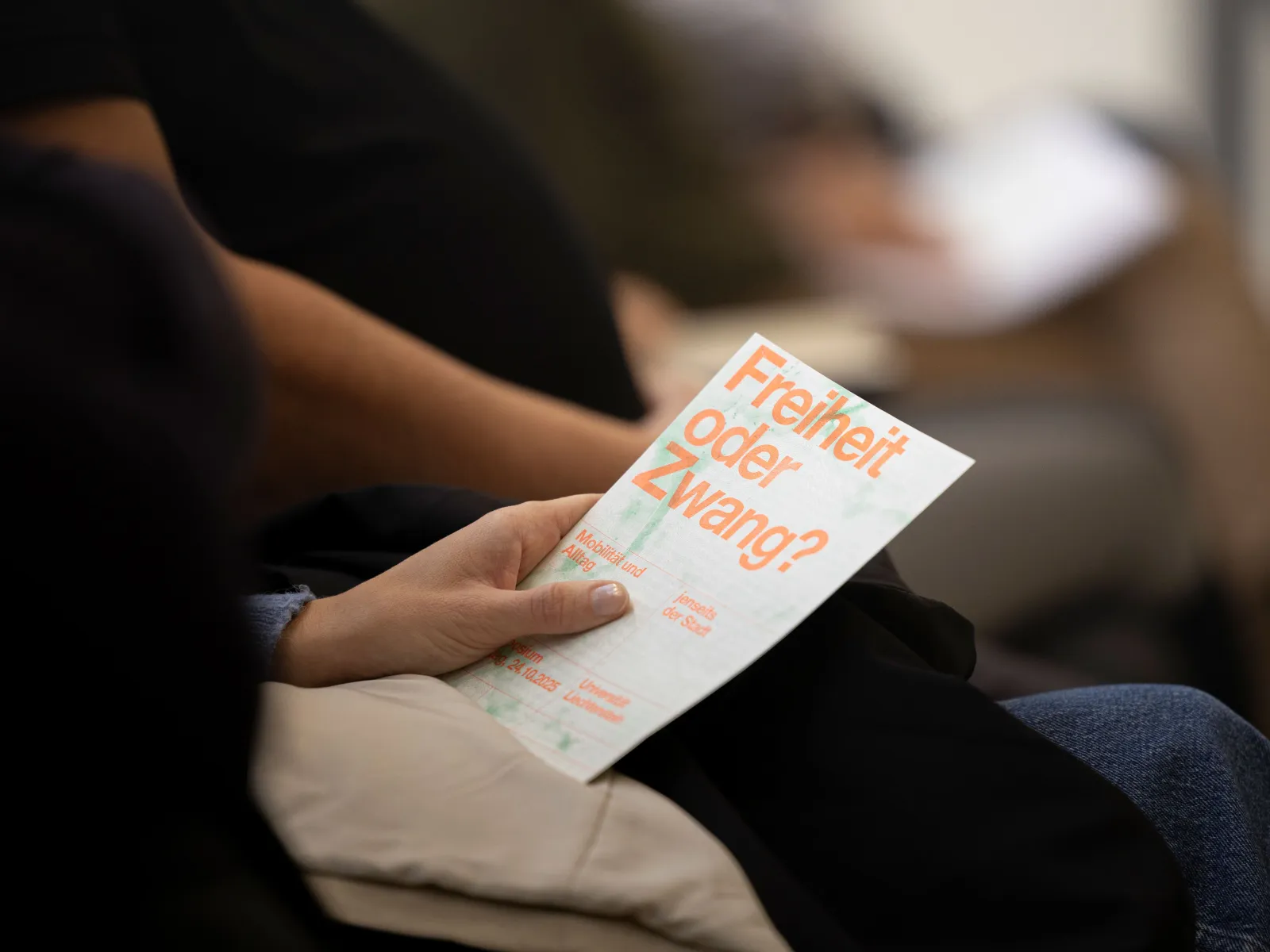
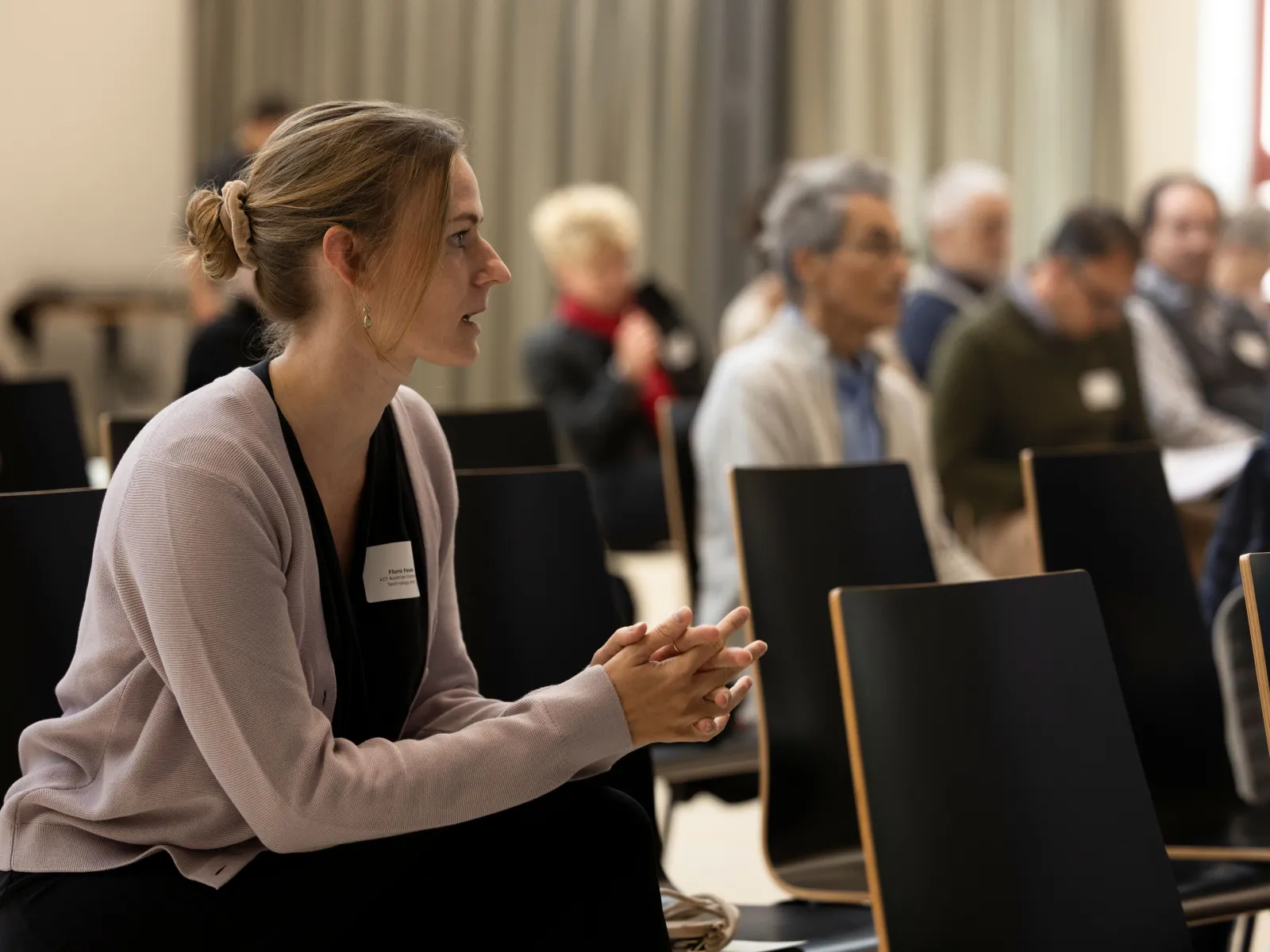
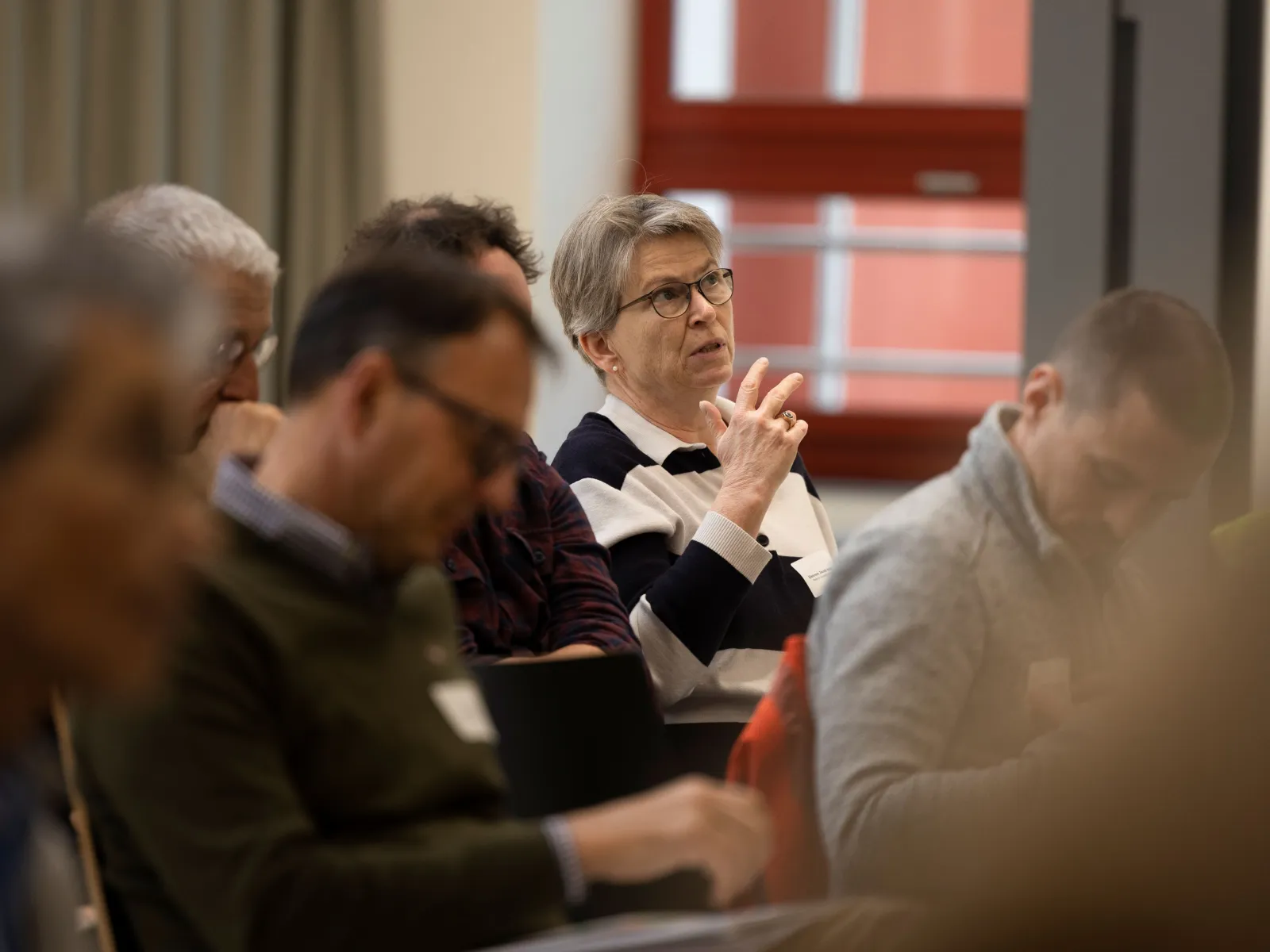
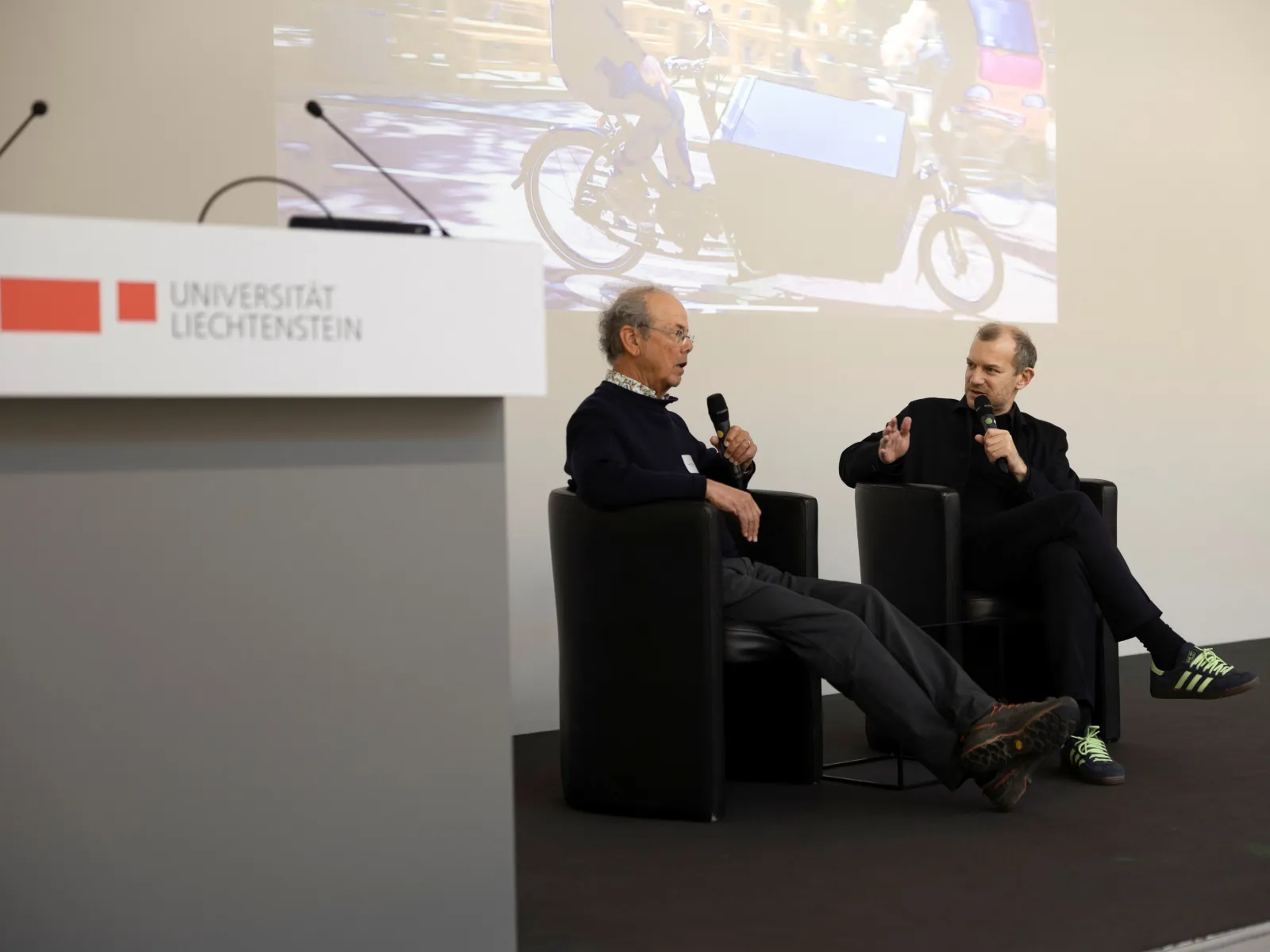
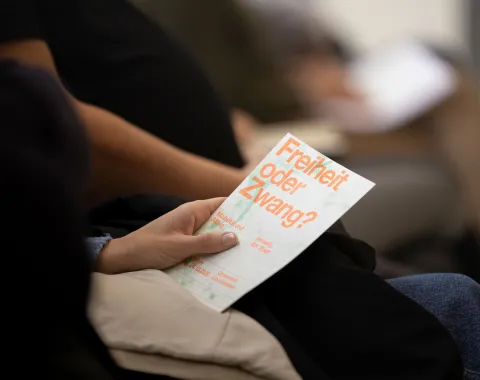
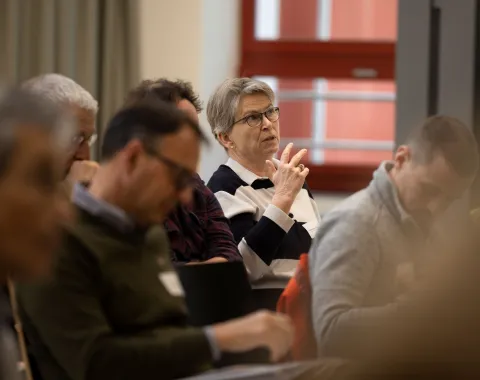
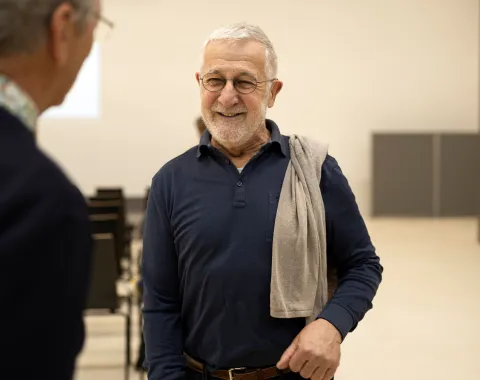
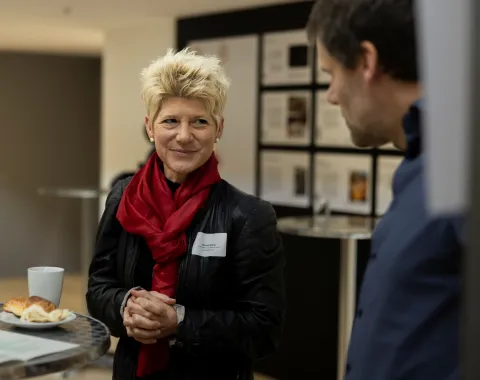
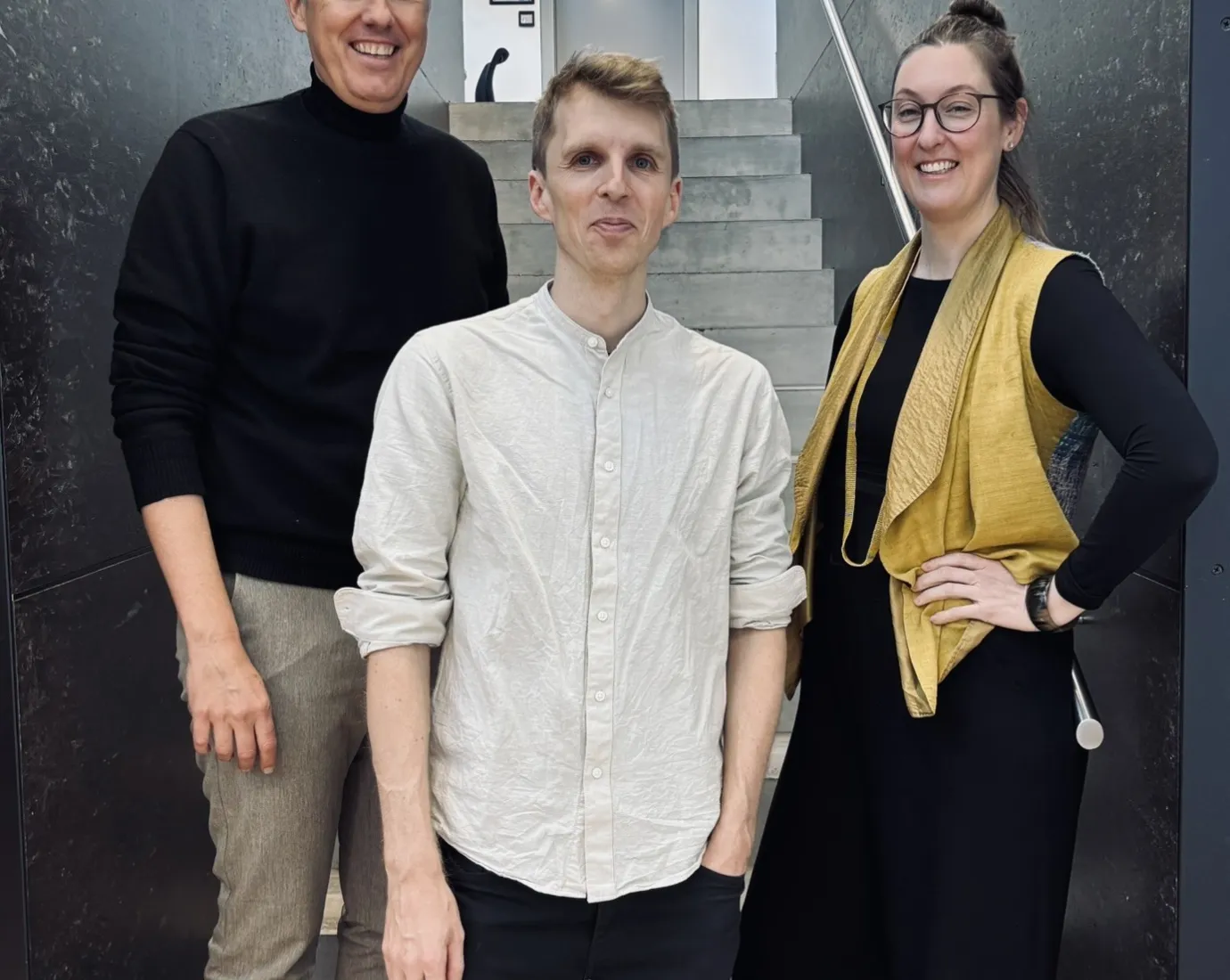
On Friday, 24 October 2025, the symposium «Freedom or Obligation? Mobility and Everyday Life Beyond the City» took place at the University of Liechtenstein. Around 30 experts from academia, planning and industry participated in the full-day event held in the university’s auditorium.
Focus on the X-Minute City
At the heart of the symposium was the question of how the concept of the so-called X-Minute City – also known as the city of short distances – can be transferred to regions with low to medium settlement density, such as the Rhine Valley. In the run-up to the event, regional media had already highlighted the country’s strong orientation towards motorised private transport and the associated spatial-planning challenges.
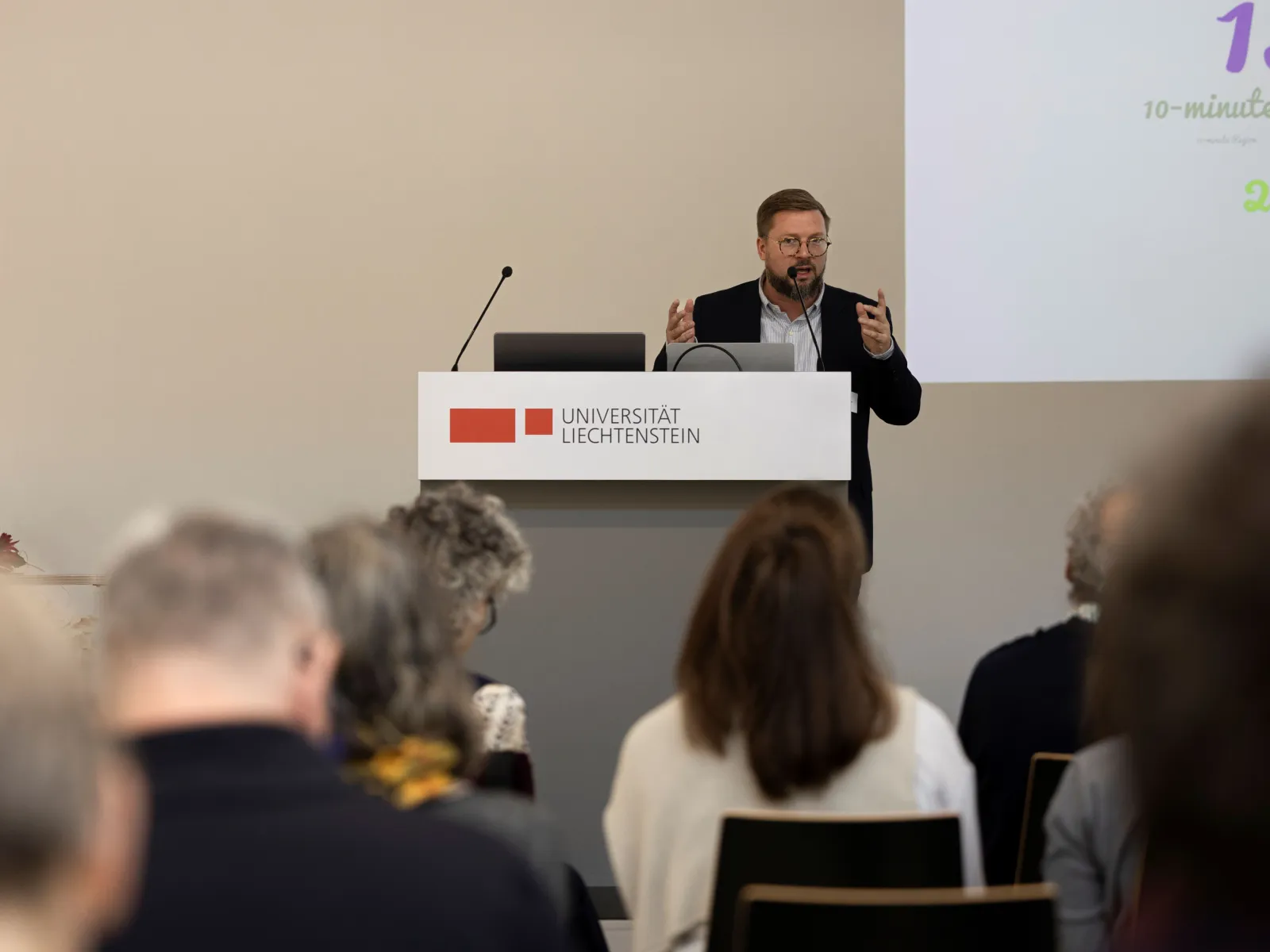
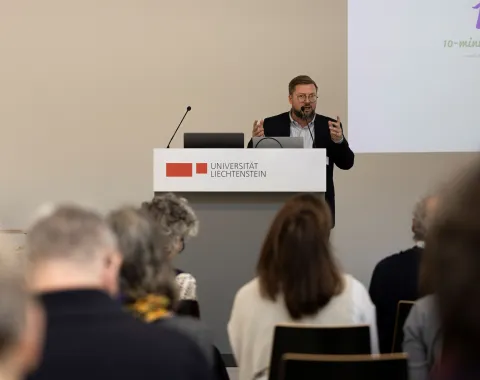
Michael Wagner, Professor of Architecture and Urban Design at the Liechtenstein School of Architecture, opened the symposium with an introduction to issues surrounding mobility, spatial planning and quality of life in the Rhine Valley.
Keynote by Kees Christiaanse
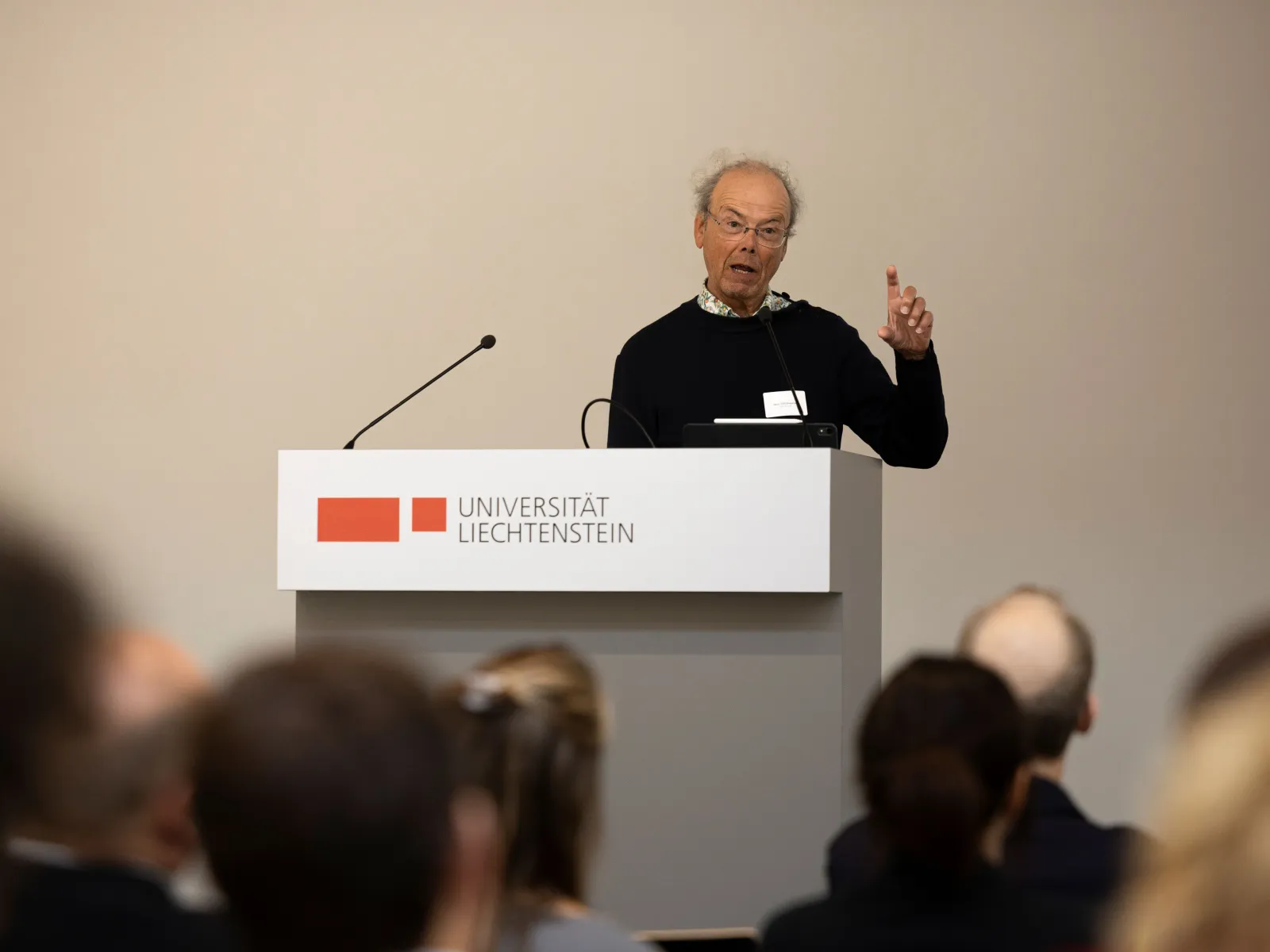
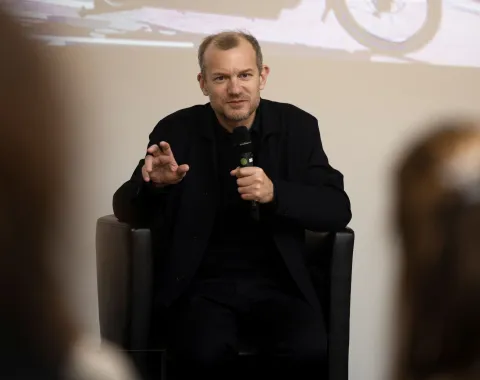
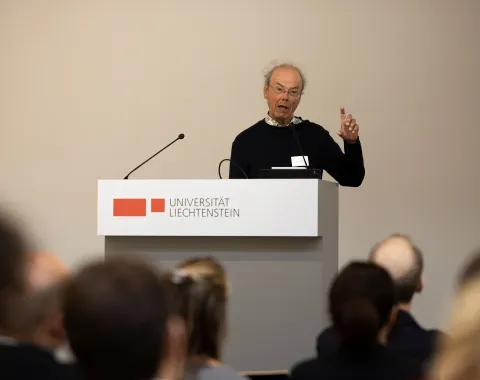
A highlight of the event was the keynote by Kees Christiaanse, Professor Emeritus of Architecture and Urban Design at ETH Zurich. In his lecture, he illustrated the interrelations between urban development and mobility and discussed strategies for future-oriented urban and peri-urban environments in which shorter distances, mixed uses and a reduction in car dependency play a central role.
Expert Contributions from Research and Practice
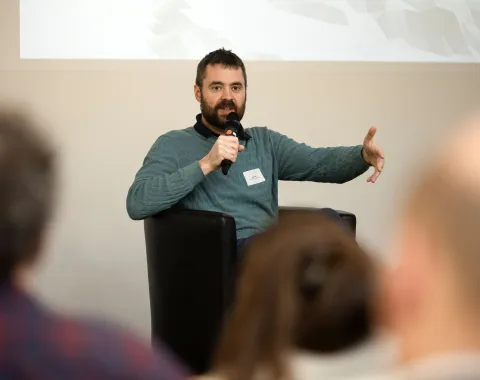
Throughout the day, speakers from research and practice presented different perspectives on the X-Minute City and its applicability to less densely populated areas.
Benjamin Buettner (TU Munich) outlined the current discourse landscape on the X-Minute City and showed how the concept is being adopted and further developed in various international contexts.
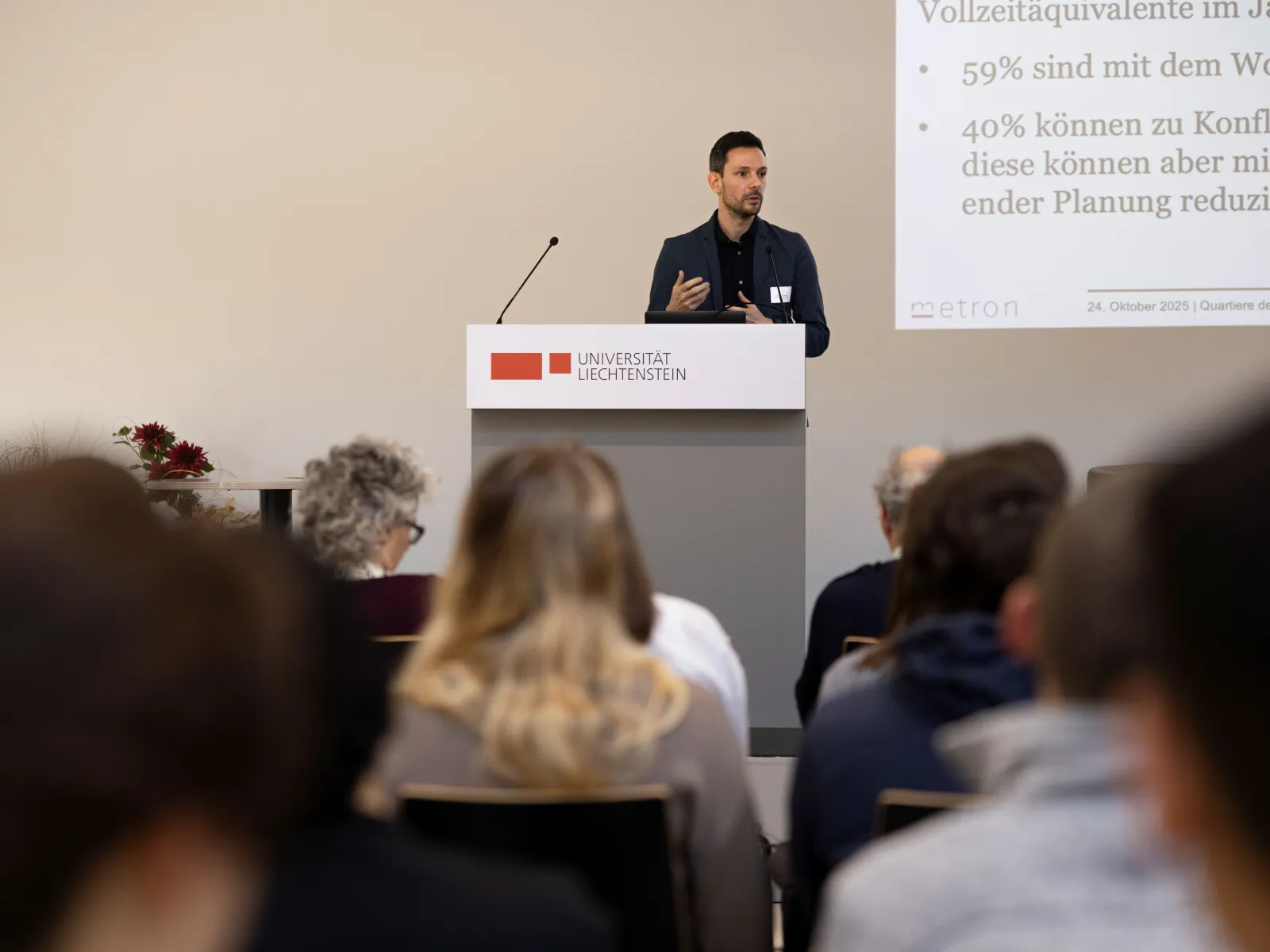
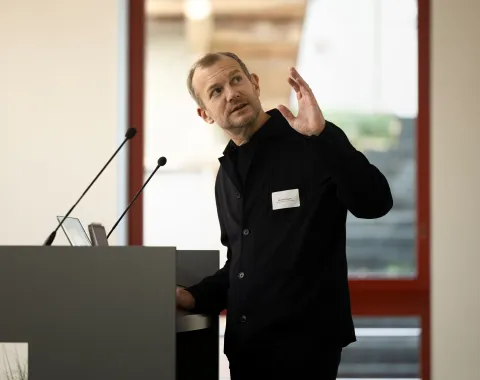
Giovanni Di Carlo (Metron Spatial Development AG) explained, using concrete projects, how “neighbourhoods of short distances” can be planned and implemented.
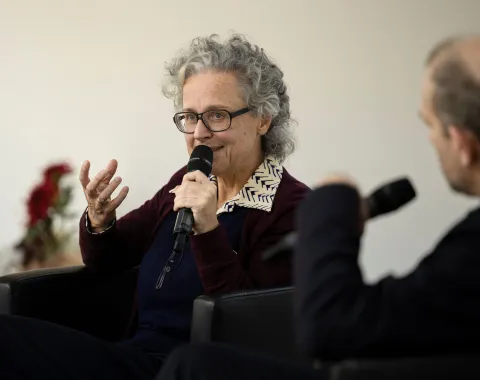
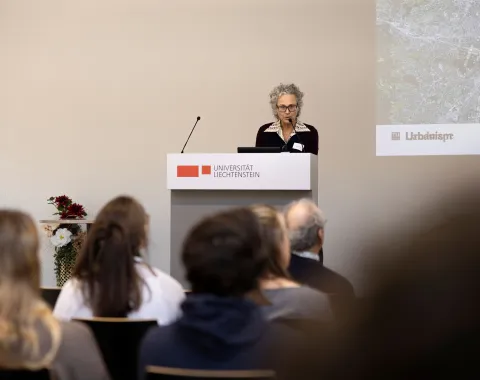
Angelika Psenner (TU Vienna) presented approaches for reorganising urban fringe areas and densifying existing structures under the title “EMC2 – The Evolutive Meshed Compact City”.
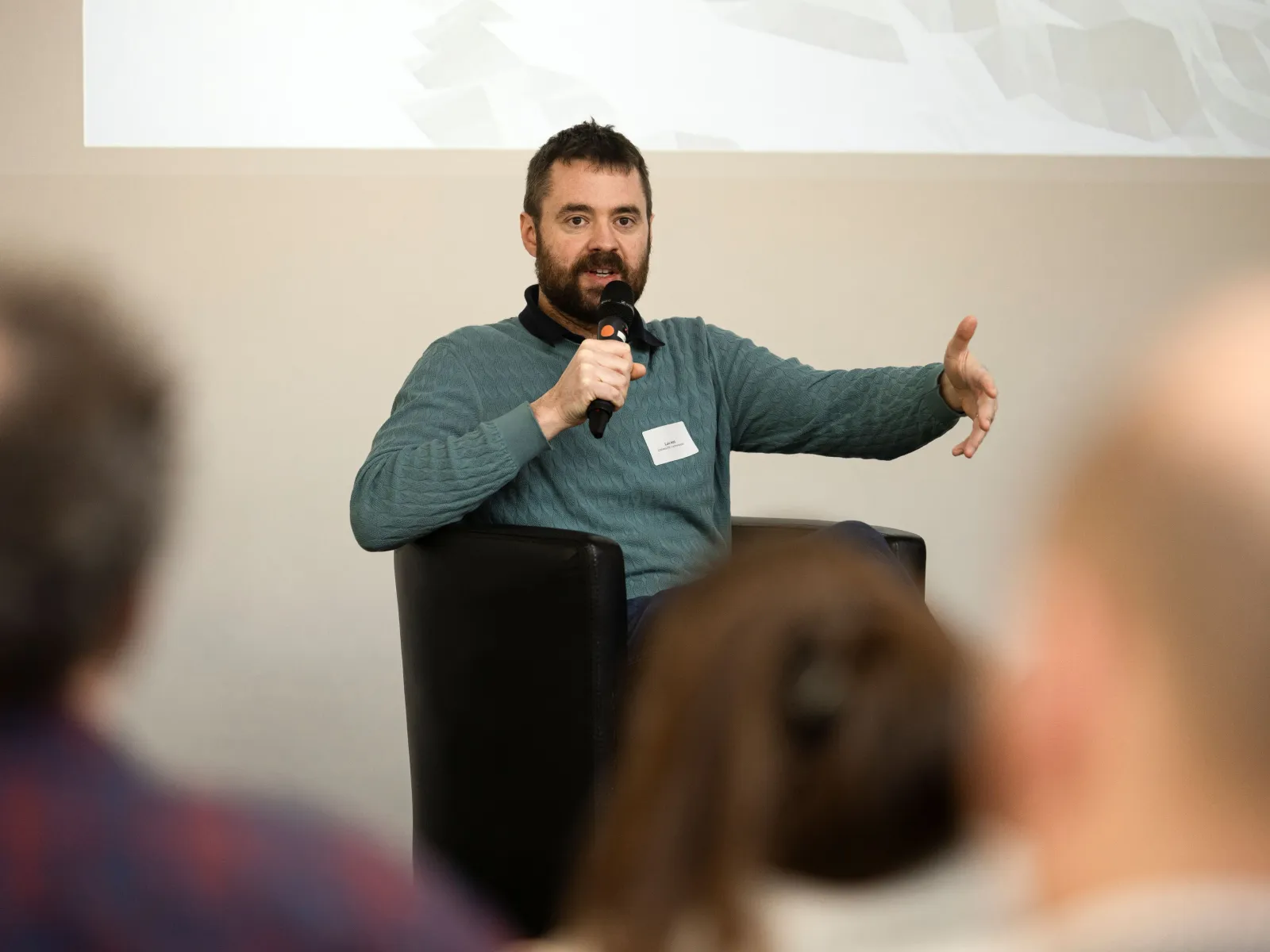
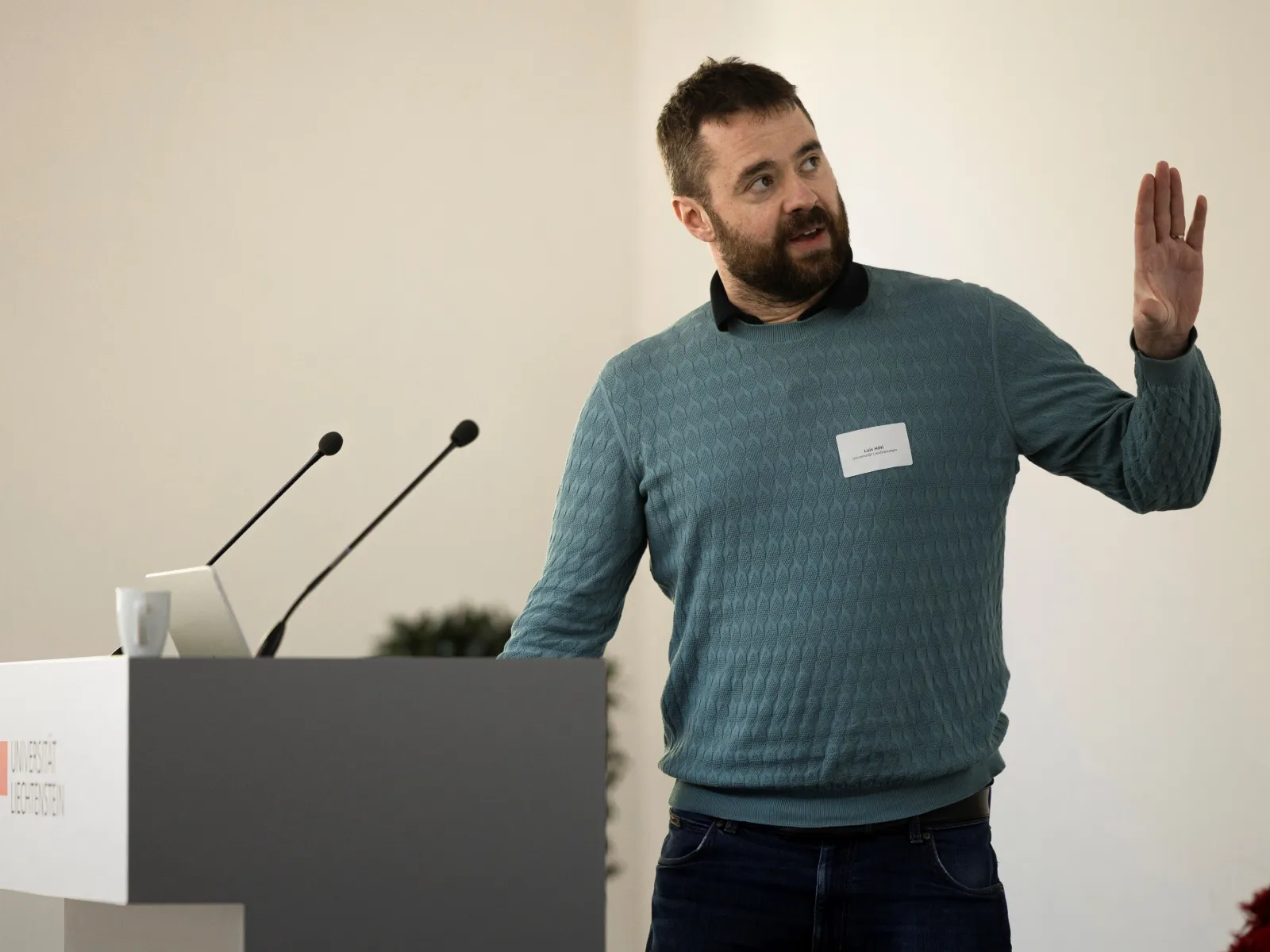
Luis Hilti (University of Liechtenstein) introduced the vitality analysis in the Rhine Valley and demonstrated how the provision and accessibility of everyday functions are mapped in order to analyse car dependency in the Rhine Valley in a differentiated manner.
Panel Discussion and Outlook
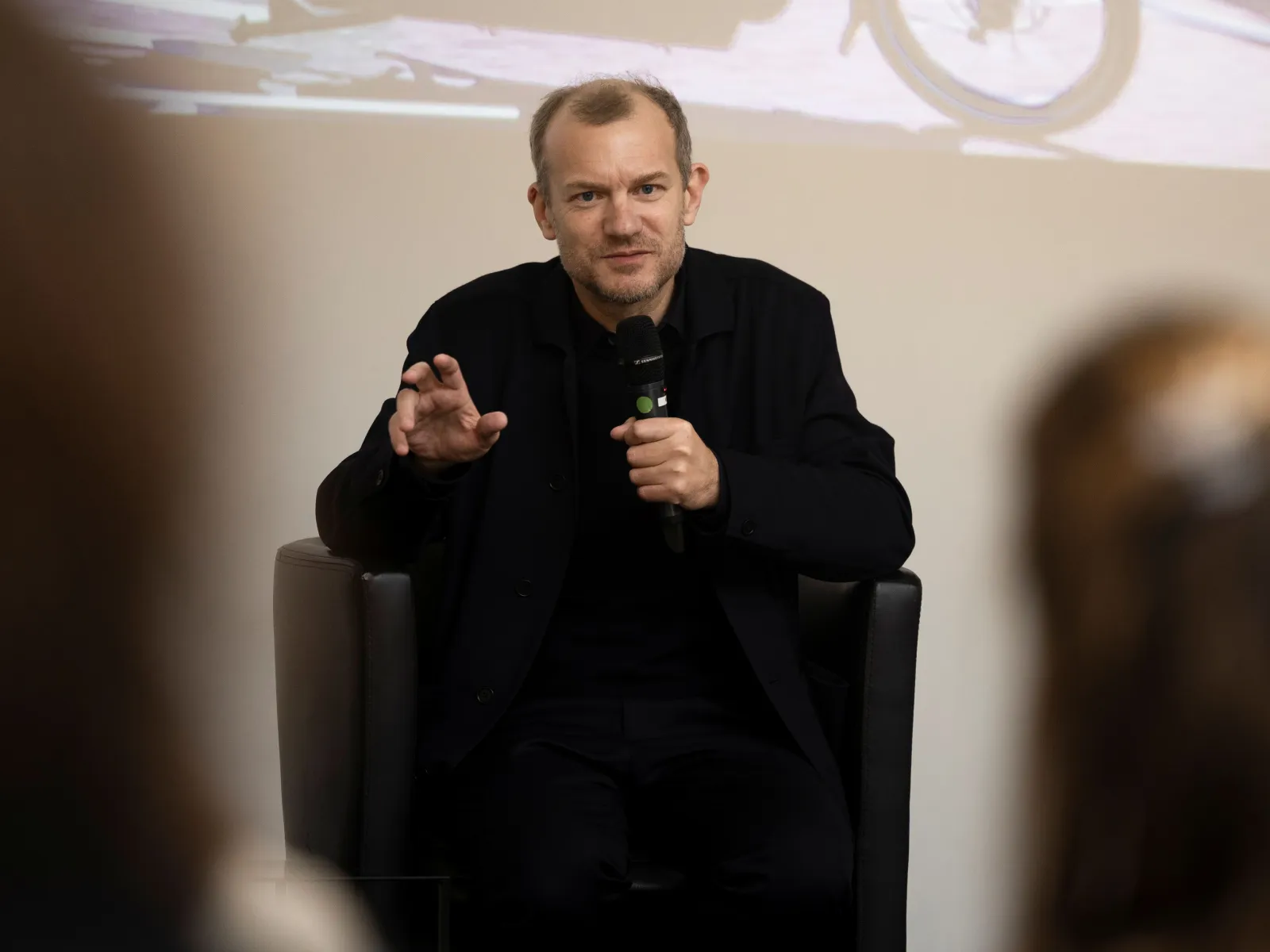
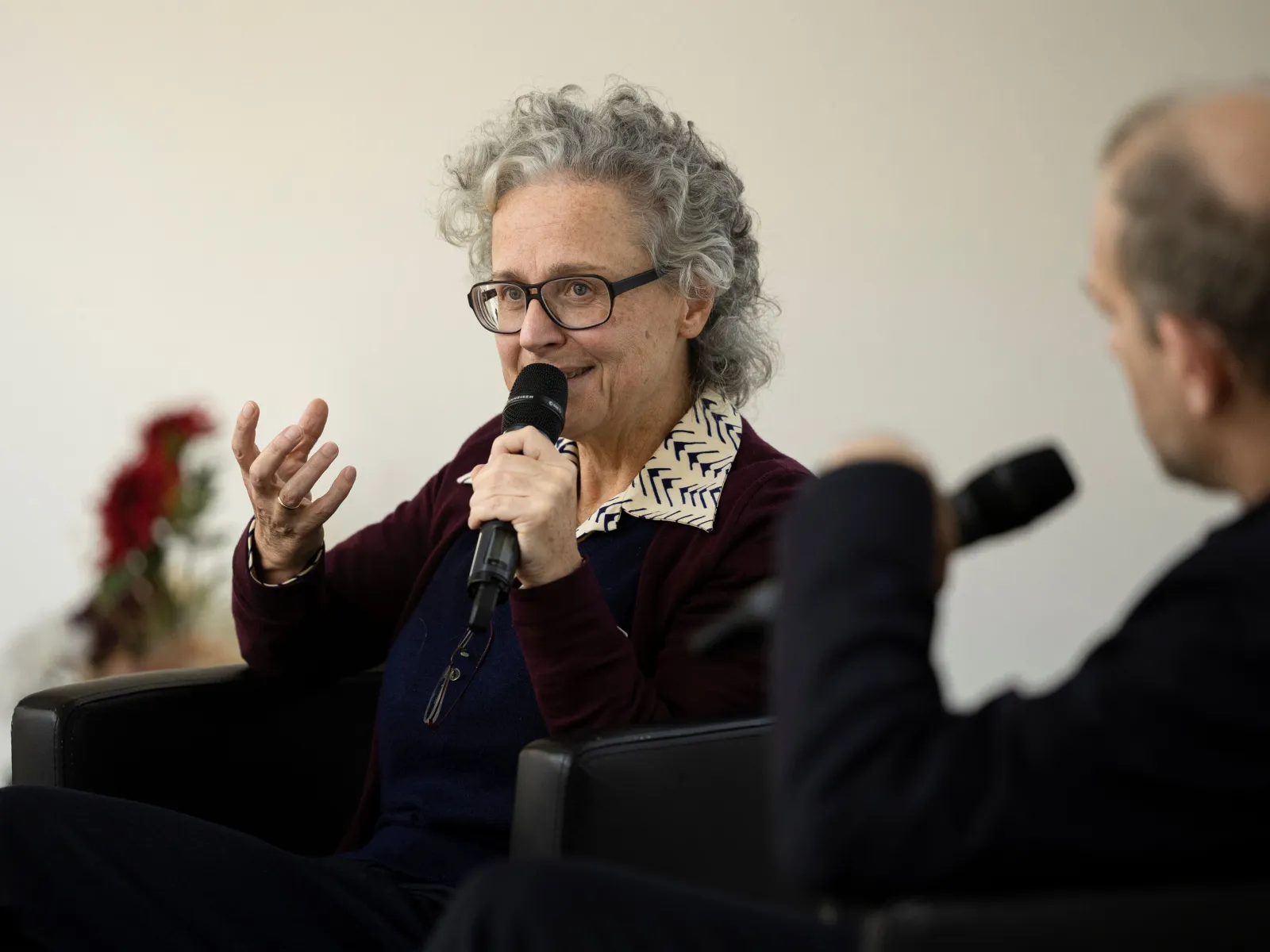
In a concluding panel discussion, Buettner, Christiaanse, Di Carlo, Psenner and Hilti – moderated by Michael Wagner – discussed planning and political implications arising from the approaches presented. Central topics included questions of fairer mobility, the role of spatial planning in reducing motorised private transport, and the creation of liveable neighbourhoods in the context of low to medium settlement densities.
The symposium made clear that the academic perspective on the currently highly car-oriented settlement structure in the Rhine Valley can make an important contribution to the public debate. The findings of the FFF-funded vitality analysis project will provide further foundations for discussions and decisions in spatial and transport policy in the Rhine Valley in the coming years.
The event took place as part of the FFF research project “Vitality Analysis in the Rhine Valley – The X-Minute City in the Context of Low to Medium Settlement Density”.
More information on the research project and on the Urban Design & Spatial Development Unit.
Am Freitag, 24. Oktober 2025, fand an der Universität Liechtenstein das Symposium «Freiheit oder Zwang? Mobilität und Alltag jenseits der Stadt» statt. Rund 30 Fachgäste aus Wissenschaft, Planung und Wirtschaft nahmen im Auditorium der Universität an der ganztägigen Veranstaltung teil.
X-Minuten-Stadt im Fokus
Im Mittelpunkt stand die Frage, wie sich das Konzept der sogenannten X-Minuten-Stadt – auch bekannt als Stadt der kurzen Wege – auf Regionen mit geringer bis mittlerer Siedlungsdichte wie das Rheintal übertragen lässt. Bereits im Vorfeld war in der regionalen Presse die starke Ausrichtung des Landes auf den motorisierten Individualverkehr und die damit verbundenen raumplanerischen Herausforderungen thematisiert worden.
Michael Wagner, Professor für Architektur und Städtebau an der Liechtenstein School of Architecture, eröffnete das Symposium mit einer Einführung in Fragestellungen rund um Mobilität, Raumplanung und Lebensqualität im Rheintal.
Keynote von Kees Christiaanse
Ein Höhepunkt der Veranstaltung war die Keynote von Kees Christiaanse, emeritierter Professor für Architektur und Städtebau an der ETH Zürich. In seinem Vortrag zeigte er Zusammenhänge zwischen Stadtentwicklung und Mobilität auf und diskutierte Strategien für zukunftsfähige urbane und periurbane Räume, in denen kürzere Wege, Mischnutzungen und eine Reduktion der Autoabhängigkeit eine zentrale Rolle spielen.
Fachbeiträge aus Forschung und Praxis
Im weiteren Verlauf des Tages stellten Referentinnen und Referenten aus Forschung und Praxis unterschiedliche Perspektiven auf die X-Minuten-Stadt und ihre Übertragbarkeit auf weniger dicht besiedelte Räume vor. Benjamin Büttner (TU München) zeichnete die aktuelle Diskurslandschaft zur X-Minuten-Stadt nach und zeigte, wie das Konzept in verschiedenen internationalen Kontexten aufgenommen und weiterentwickelt wird. Giovanni Di Carlo (Metron Raumentwicklung AG) erläuterte anhand konkreter Projekte, wie «Quartiere der kurzen Wege» geplant und umgesetzt werden können. Angelika Psenner (TU Wien) präsentierte unter dem Titel «EMC2 – The Evolutive Meshed Compact City» Ansätze zur Reorganisation von Stadtrandlagen und zur Verdichtung bestehender Strukturen. Luis Hilti (Universität Liechtenstein) führte in die Vitalitätsanalyse im Rheintal ein und stellte vor, wie Angebot und Erreichbarkeit alltäglicher Funktionen kartiert werden, um die Abhängigkeit vom Auto im Rheintal differenziert zu analysieren.
Podiumsgespräch und Ausblick
In einem abschliessenden Podiumsgespräch diskutierten Büttner, Christiaanse, Di Carlo, Psenner und Hilti unter Moderation von Michael Wagner über planerische und politische Konsequenzen aus den präsentierten Ansätzen. Im Vordergrund standen Fragen nach gerechterer Mobilität, der Rolle der Raumplanung bei der Reduktion des motorisierten Individualverkehrs und der Gestaltung lebenswerter Quartiere im Kontext geringer bis mittlerer Siedlungsdichten.
Das Symposium machte deutlich, dass die wissenschaftliche Perspektive auf die derzeit stark autoorientierte Siedlungsstruktur im Rheintal einen wichtigen Beitrag zur öffentlichen Debatte leisten kann. Die Ergebnisse des FFF-Förderprojekts zur Vitalitätsanalyse sollen in den kommenden Jahren weitere Grundlagen für Diskussionen und Entscheidungen in Raum- und Verkehrspolitik im Rheintal liefern.
Die Veranstaltung fand im Rahmen des FFF-Forschungsprojekts «Vitalitätsanalyse im Rheintal – Die X-Minuten-Stadt im Kontext geringer bis mittlerer Siedlungsdichte» statt.
Mehr Infos zum Forschungsprojekt und zur Fachgruppe Städtebau & Raumentwicklung