Urban Design and Spatial Development
The Urban Design and Spatial Development unit explores and teaches sustainable strategies for the development of neighbourhoods, public spaces, settlements, and landscapes. The focus lies on climate-positive design, climate adaptation, biodiversity, and the inclusive and equitable distribution of space. Together with landscape architecture, transport planning, and social space planning, transdisciplinary and holistic concepts are developed for resilient urban and rural structures. We understand design as a key element in the spatial discourse.
News
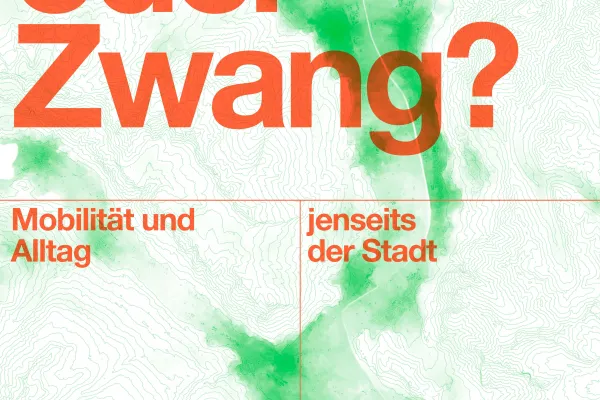
Symposium "Freedom or Obligation? Mobility and Everyday Life Beyond the City", October 24, 2025. With guests from TU Vienna, TU Munich and ETH Zurich. Organised by Michael Wagner and Luis Hilti.
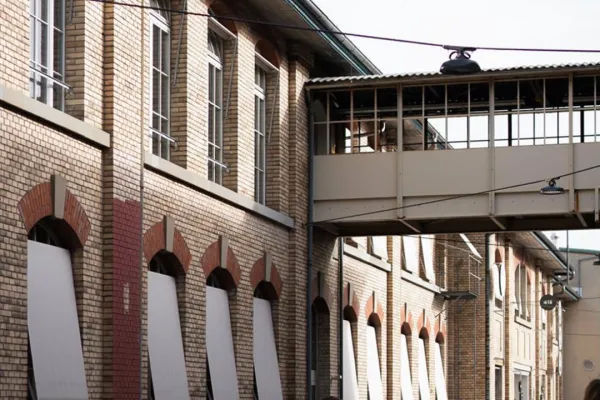
On 14 November 2025, students from the Master’s degree programme in Architecture undertook a specialist excursion to Zurich. They were accompanied by the lecturers Dr Britta Hentschel and Dr Gyler Mydyti. The excursion formed part of the two elective courses Built Heritage and Urban Design.
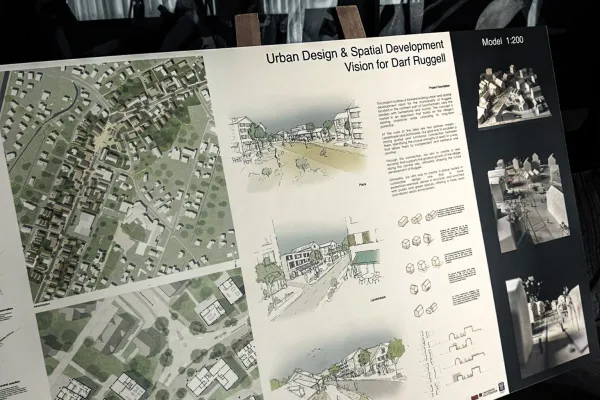
The Georgian exchange students Vakhtang Shaishmelashvili and Mariami Mikeltadze developed an innovative concept for Ruggell’s Dorfstrasse in the «‹Darf› Ruggell» design studio at the University of Liechtenstein, which received an award in Georgia at the International Architectural Awards 2025.
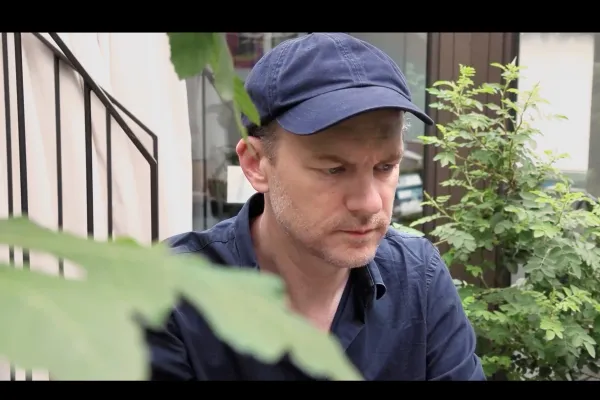
On 12 August 2025, Michael Wagner, Professor of Architecture and Urban Design at the University of Liechtenstein, shared insights on Tele Z aktuell about strategies to make urban spaces resilient and liveable despite rising summer heat.
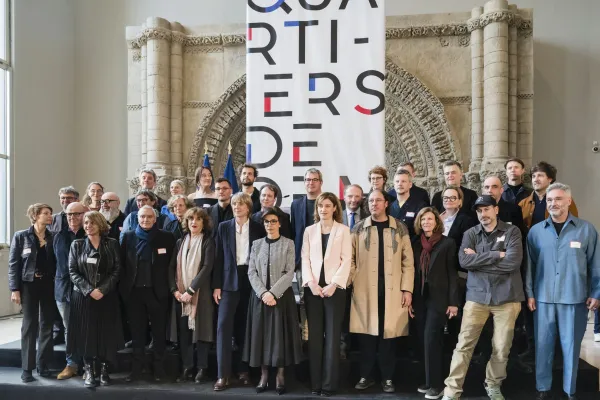
Architect and lecturer at the University of Liechtenstein is part of the international future-oriented project ‘Quartiers de demain’ of the French government.
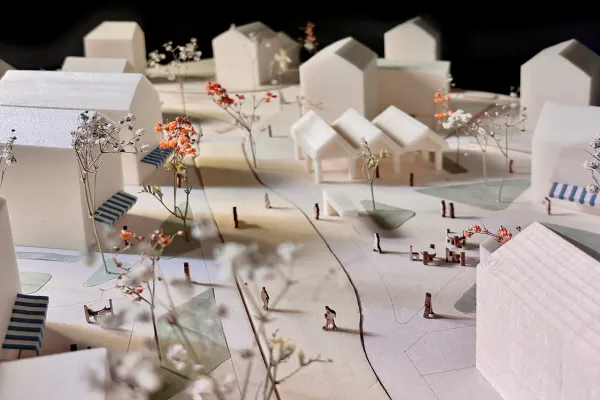
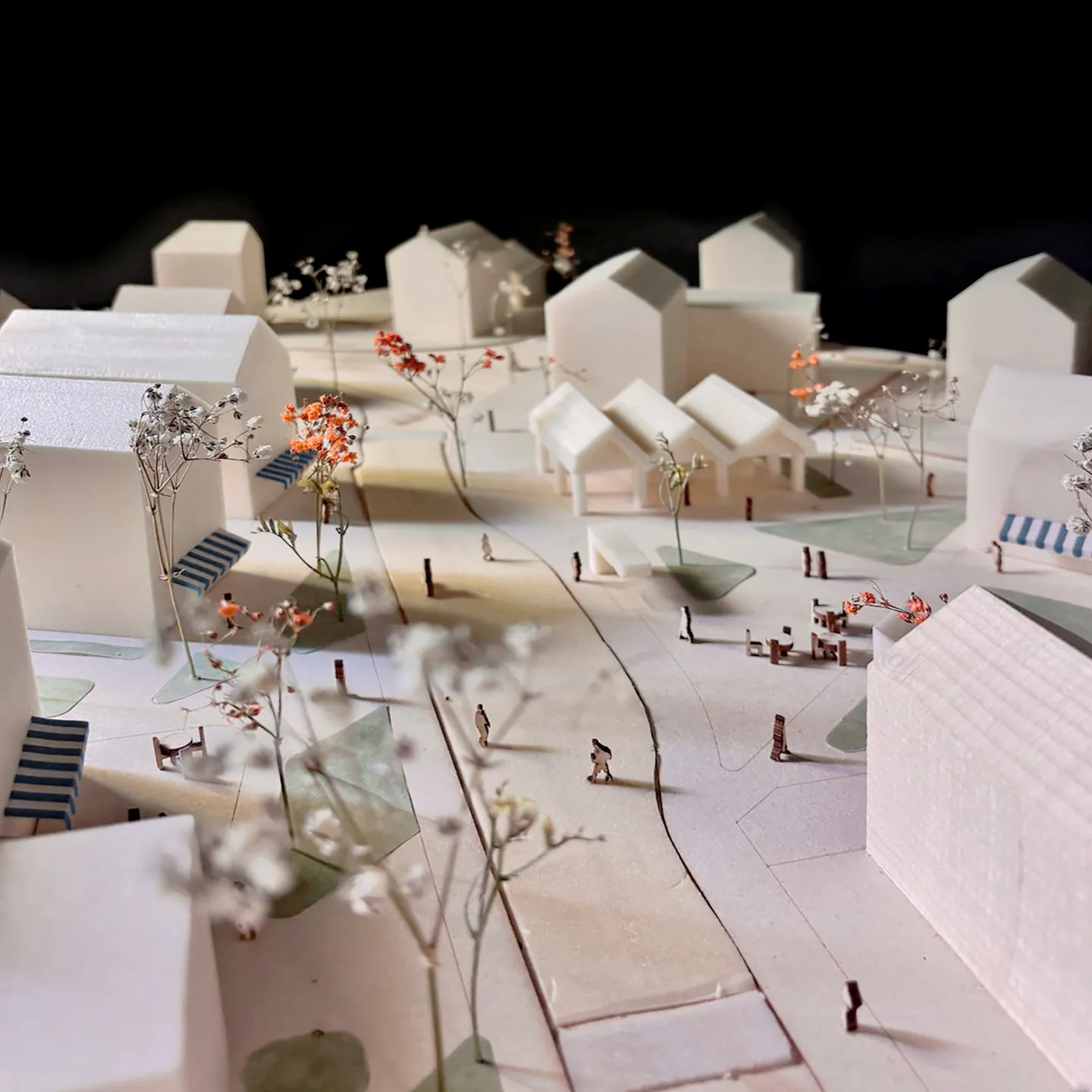
Presentation and Exhibition of the Transfer Project ‹Darf› Ruggell, Advanced Studio Urban Design and Spatial Development, 3 July 2025, Ruggell Community Hall, Lecturers: Michael Wagner, Oscar Buson
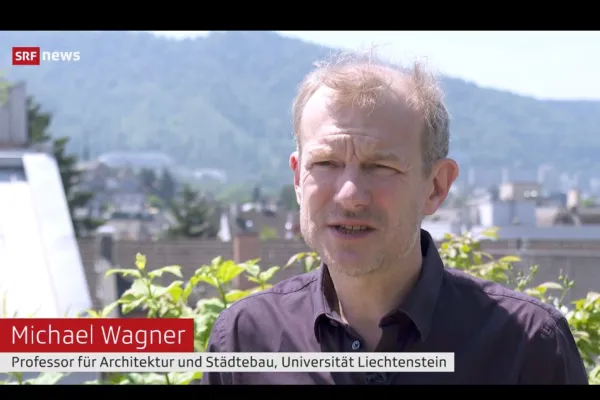
Prof Michael Wagner appeared on the SRF programme 10vor10 on 24 June 2025. In the segment on heat mitigation in cities, he spoke about the importance of climate-resilient urban development.
The July issue of BAUMEISTER 07/24 includes an extensive interview with Michael Wagner about our work as urban designers and academics.
Transfer Projects
We see ourselves as a regional platform for the exchange between research and practice concerning issues in urban planning and spatial development.
By transferring our academic research into practice, we aim to contribute to social, ecological, economic and spatial innovation in Liechtenstein and its surroundings.
Through personal contacts in academia and research, we have timely and efficient access to a network of relationships, which we also share for projects with partners from practice, politics and society.
Synergy of Research and Teaching
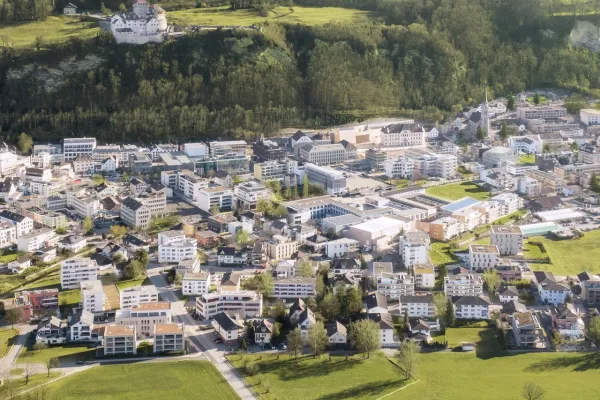
We provide students with spatial knowledge and design skills that go beyond the scale of individual buildings. Alongside teaching sound fundamentals, we are committed to developing contemporary methods and tools that can be applied in design.
The content of our research projects as well as experiences from planning practice are actively integrated into teaching. Where possible, students’ work can also contribute to our research. Insights gained from the synergy of research and teaching are intended to help initiate and manage complex developments in urban spaces in a forward-looking manner in practice.
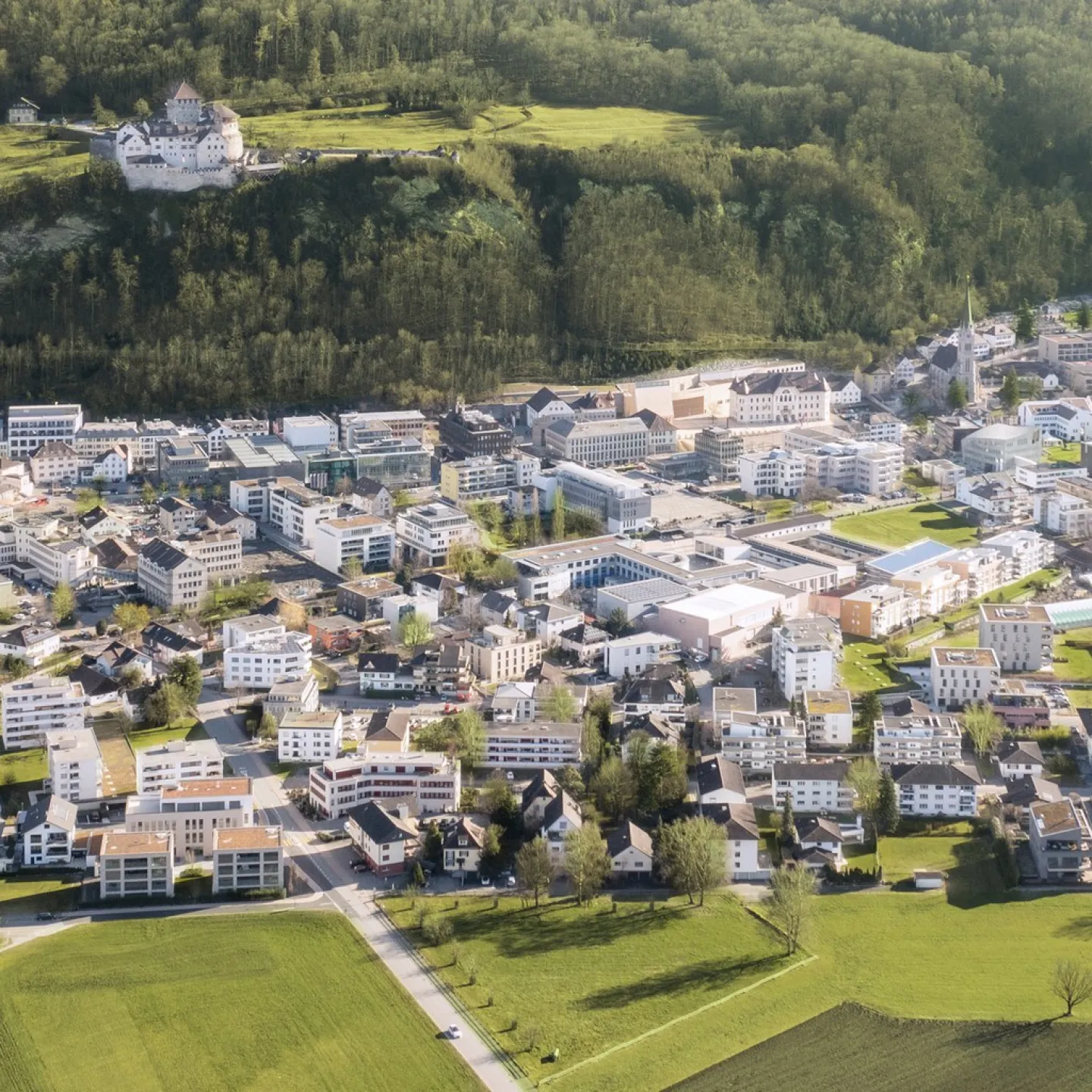
Climate-Positive Design
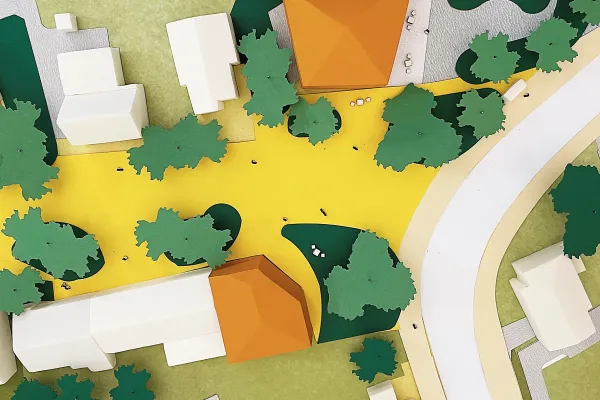
We develop planning and design approaches at the urban and regional scale that go beyond climate neutrality. The aim is to bind or avoid more greenhouse gases over the entire life cycle than are emitted. To achieve this, we use regenerative, CO₂-binding materials and vegetation, energy-efficient structures, and measures that promote biodiversity and climate adaptation. In this way, we create built and designed spaces that actively contribute to a positive climate balance going beyond climate neutrality.
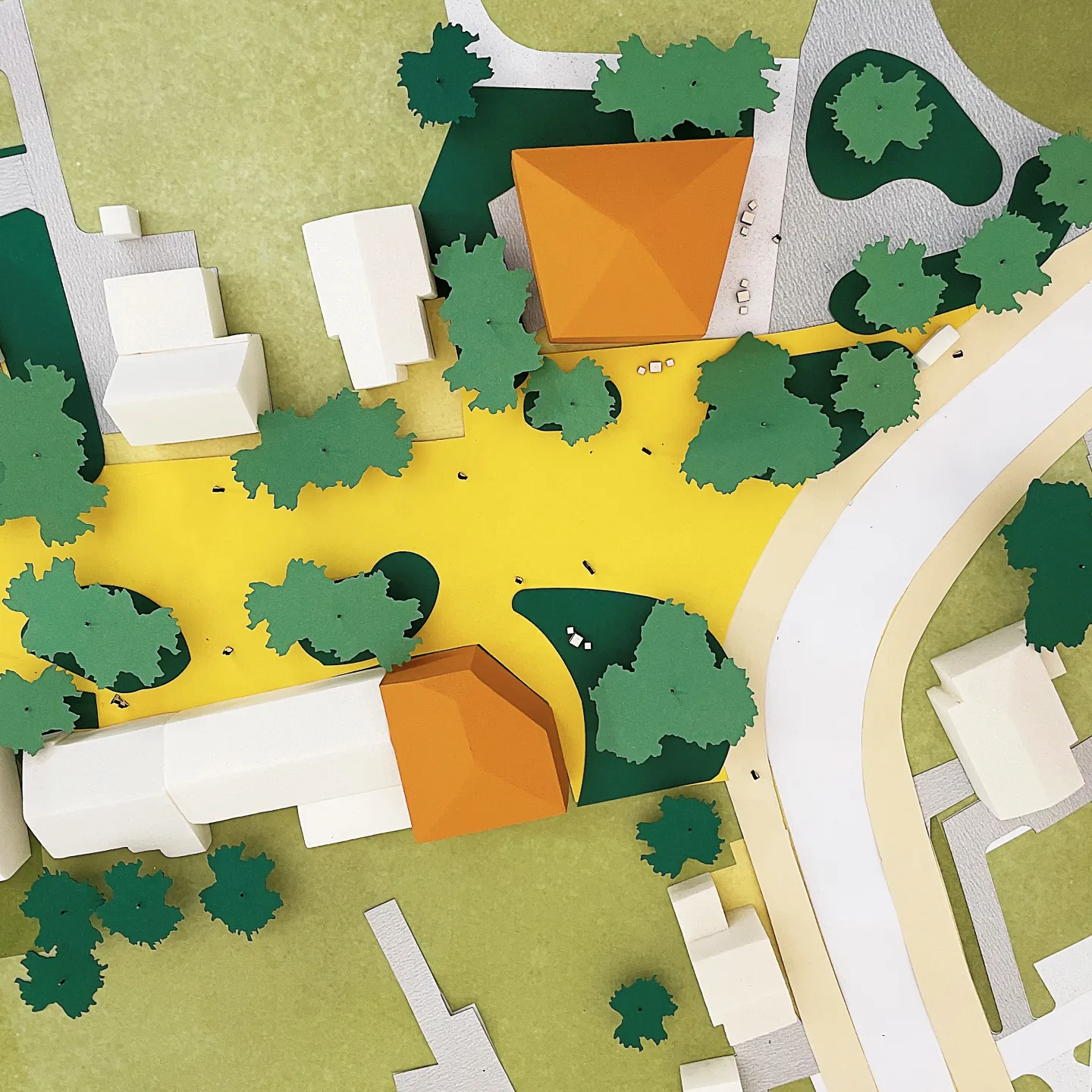
Post-Fossil Neighbourhoods
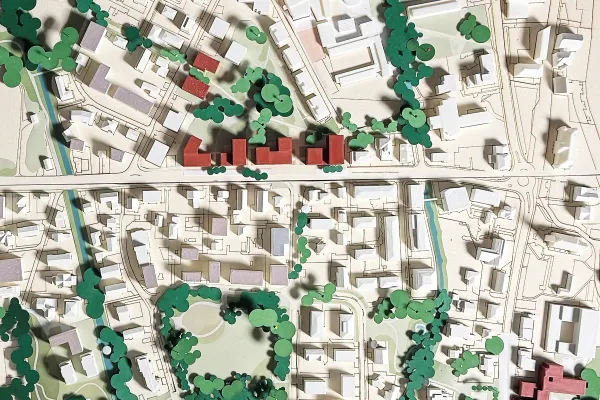
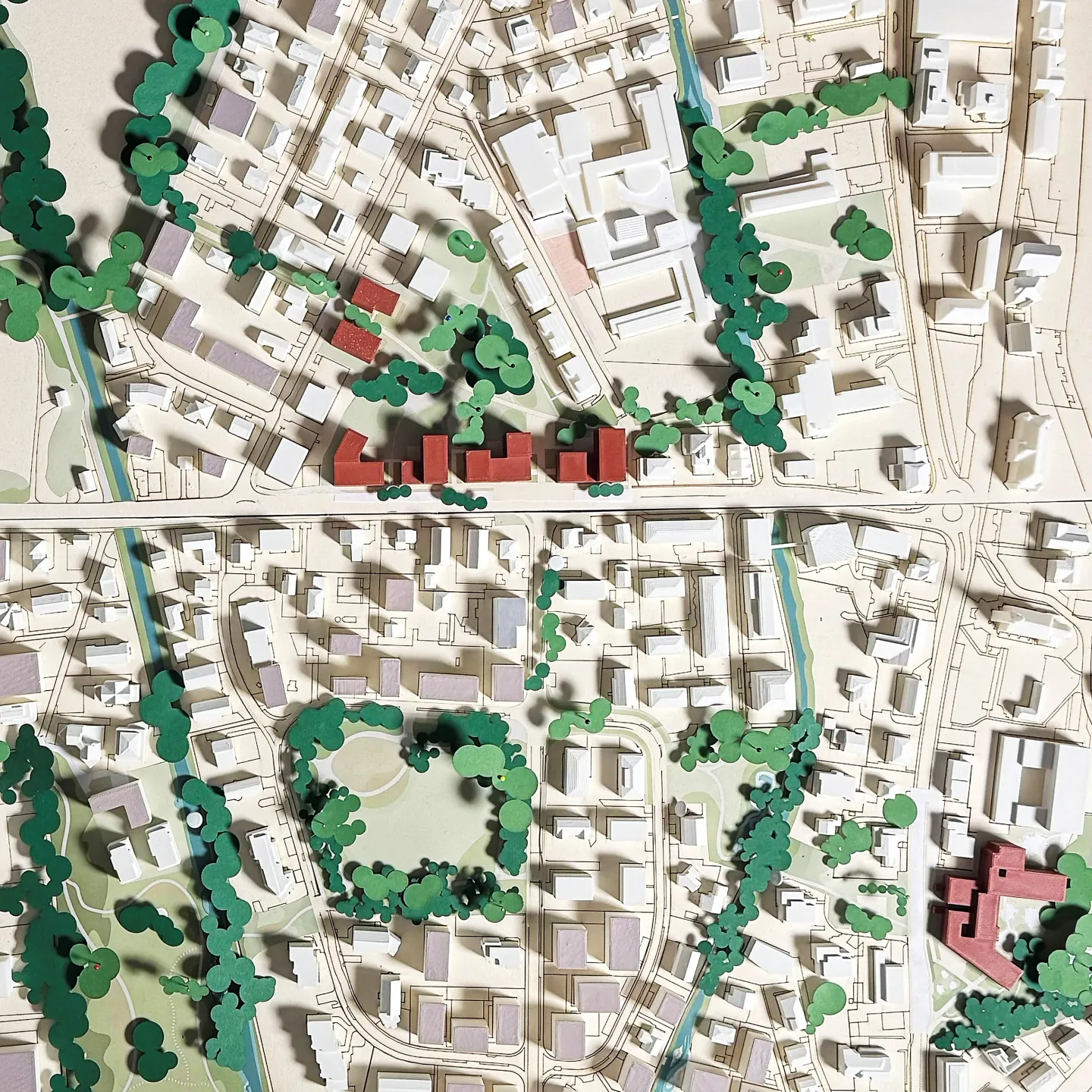
Building on existing neighbourhoods, this design studio series invites students to develop ideas for a climate-friendly and liveable future. We focus on inward densification, more environmentally friendly mobility, careful continuation of the built fabric, and the preservation of existing buildings. In this way, we create development strategies that keep housing affordable, enhance quality of life, and demonstrate how neighbourhoods can navigate the transition to a post-fossil society.
Visions of Deep Local Change
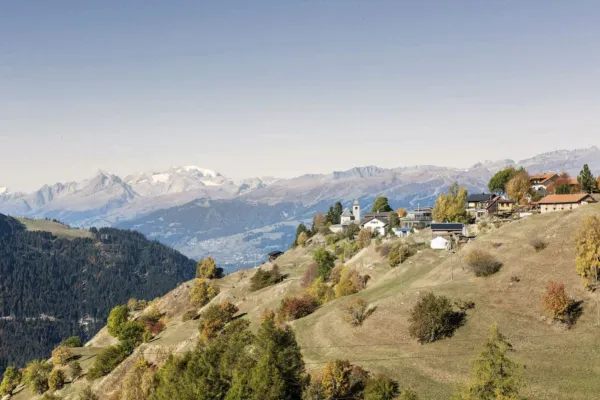
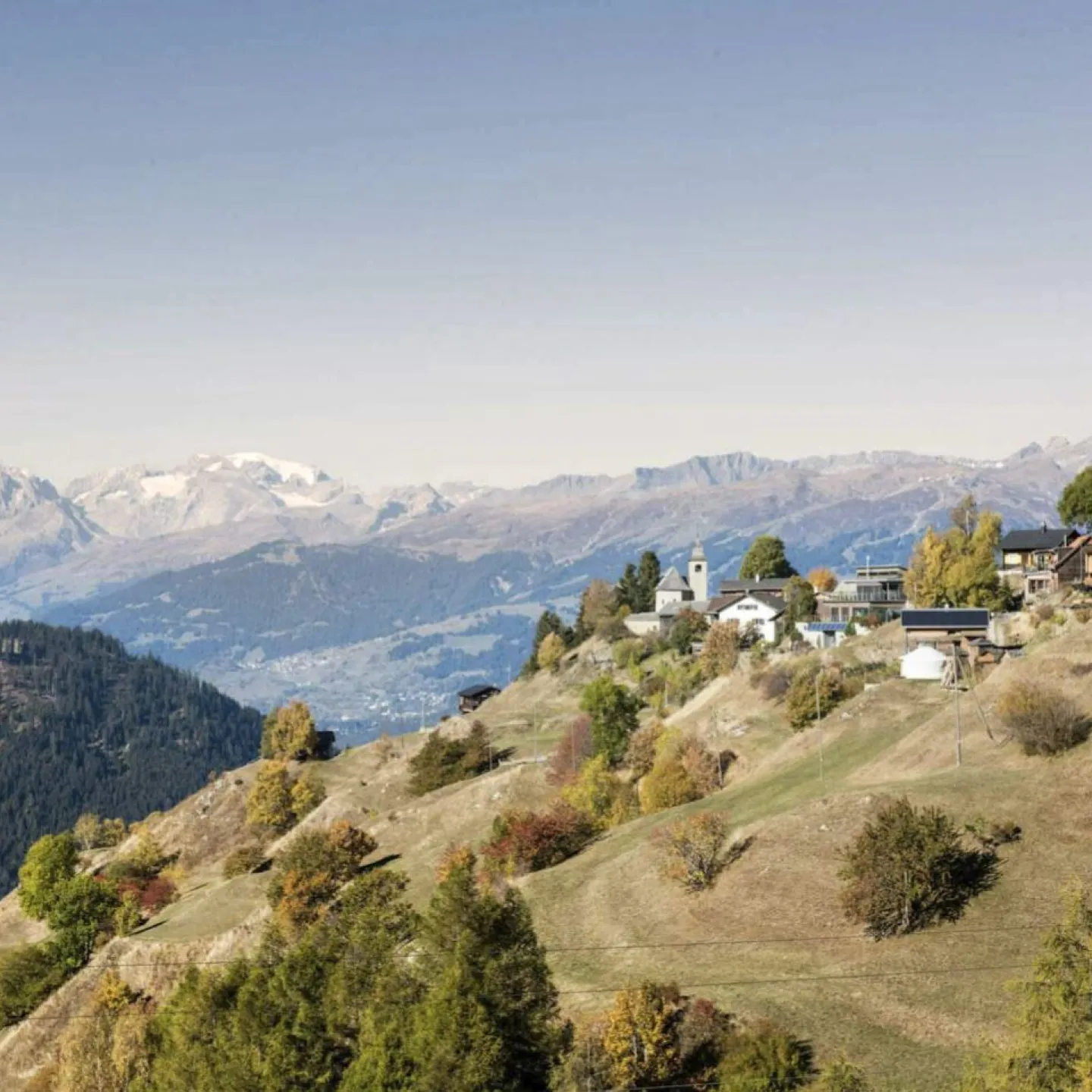
In this design studio series, we work with students to create visions for villages, towns, and regions shaped by their specific local potentials. We examine the social, cultural, ecological, and economic conditions on site and develop ideas for how these places can evolve sustainably and resiliently. The result is concepts that build on a place’s strengths, initiate change, and contribute in the long term to creating liveable environments.
Research Projects
Our research focuses on various thematic priorities: inner urban development with a focus on high architectural quality, city and mobility, adaptation of settlement structures to climate change, impacts of planning and construction activities on energy consumption and biodiversity, spatial dimensions of social justice and the continuous advancement of instruments and tools in urban and spatial development.