Skip to Main Content

Congratulations on Successfully Completing the Apprenticeship

Congratulations on Successfully Completing the Apprenticeship

Eine junge Frau steht selbstbewusst mit verschränkten Armen in einem modernen Flur. Sie trägt ein schwarzes Oberteil und einen grünen Rock.

Sina Vogt has successfully completed her three-year commercial apprenticeship at the university and now holds the professional title Kauffrau FZ (Qualified Commercial Employee).


The graduation ceremony took place in a festive setting at the BZB in Buchs, where around 150 apprentices received their diplomas. About 30% of the graduates come from the Principality of Liechtenstein; this year, 50 graduates received their certificates of competence from Minister Dominique Hasler.


We are delighted with Sina's achievement and congratulate her wholeheartedly. Following her apprenticeship, Sina will continue her education by attending the vocational baccalaureate school (BMS).


Eine junge Frau steht selbstbewusst mit verschränkten Armen in einem modernen Flur. Sie trägt ein schwarzes Oberteil und einen grünen Rock.

Successful Architecture Summer Festival and Alumni Reunion 2024

Successful Architecture Summer Festival and Alumni Reunion 2024

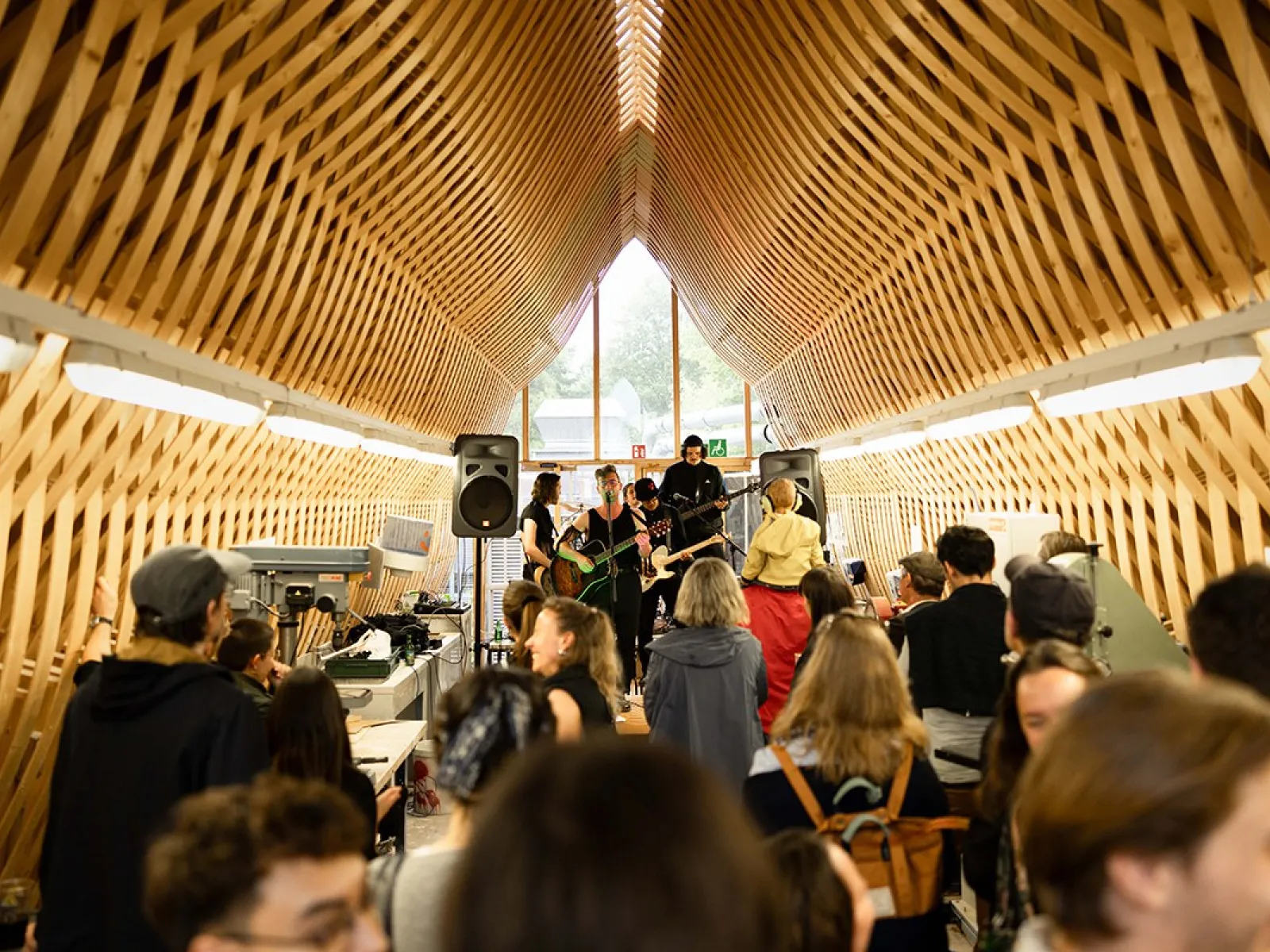
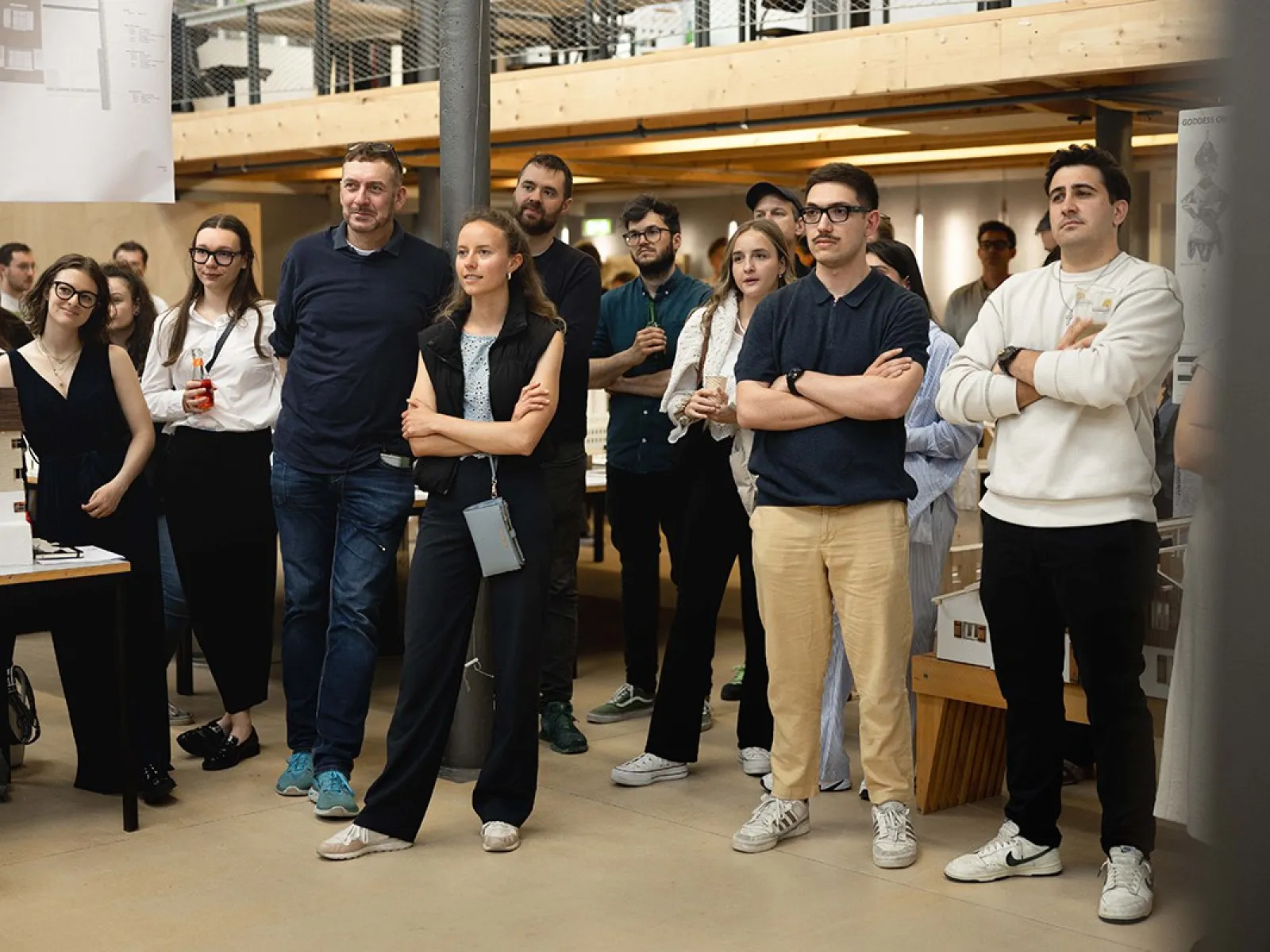
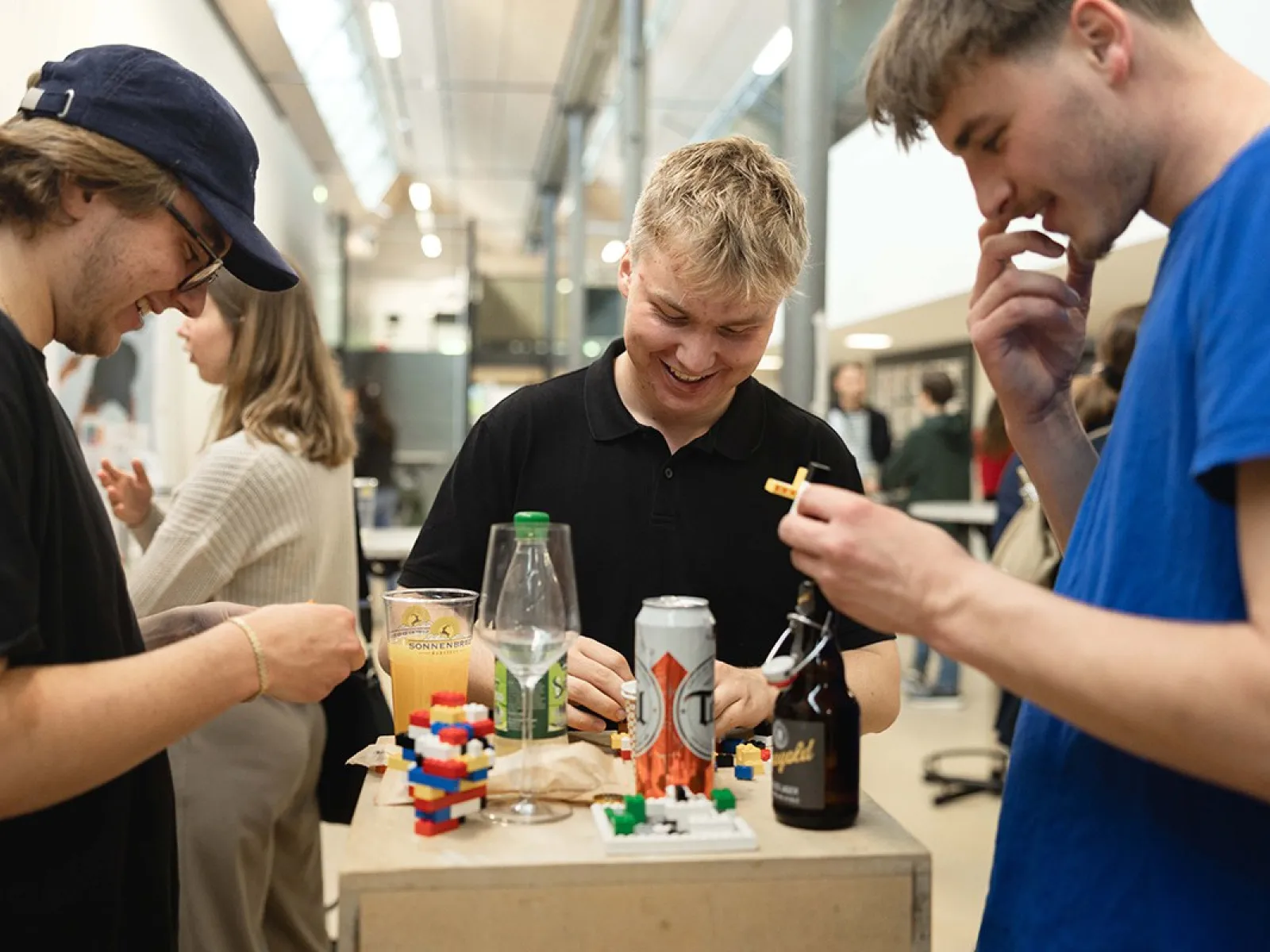
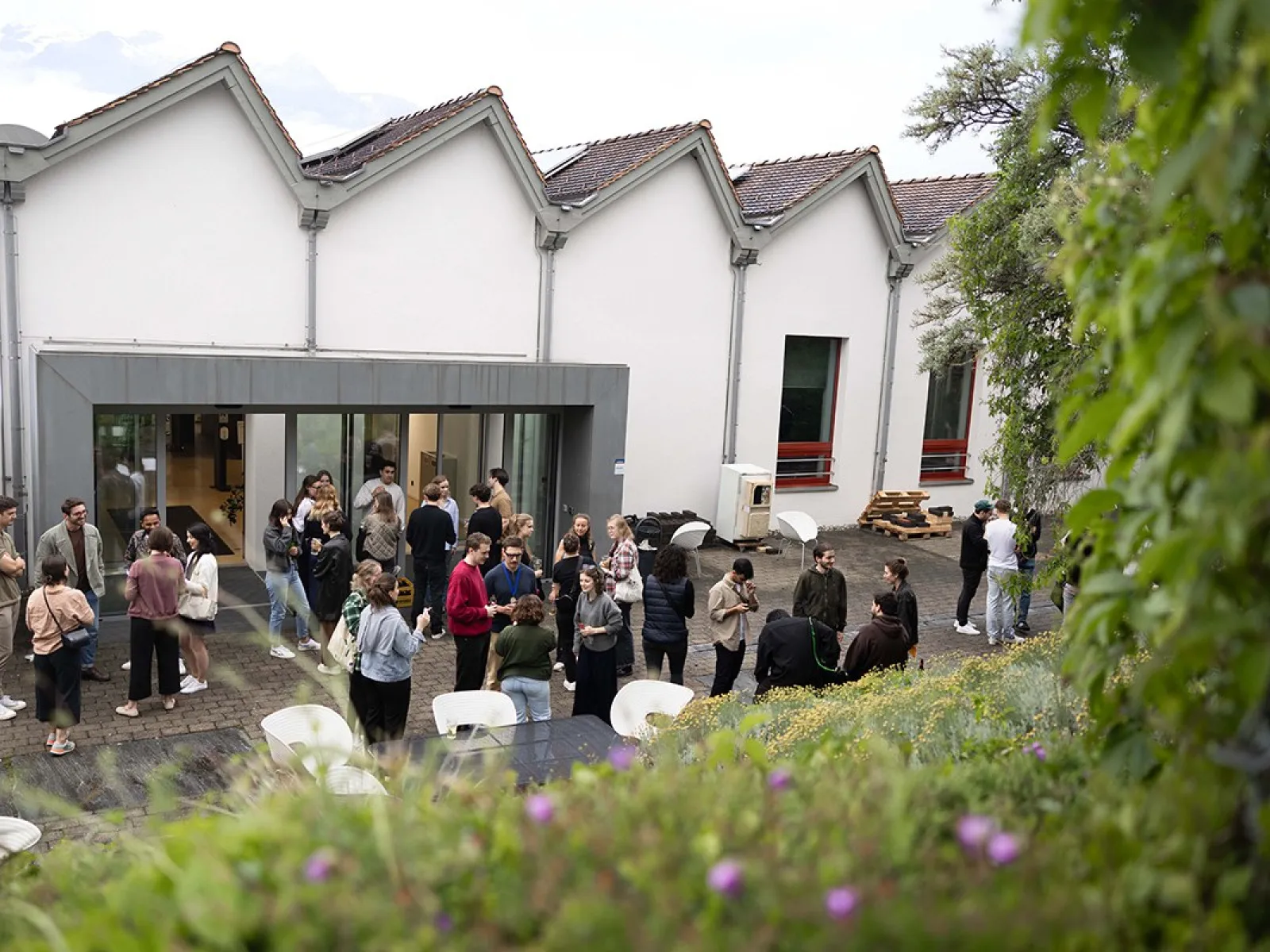
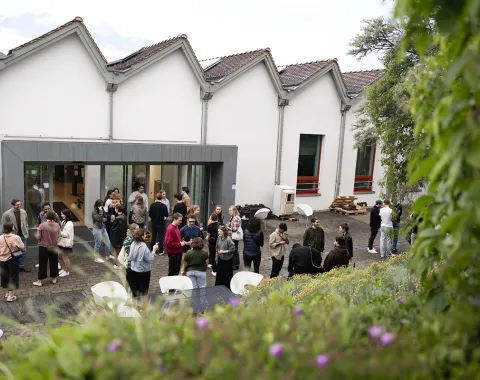
On May 29, 2024, the Liechtenstein School of Architecture was transformed into a lively center of celebration and reunion. This year's Architecture Summer Festival, combined with the Alumni Reunion and the opening of the summer exhibition, attracted around 150 enthusiastic visitors.


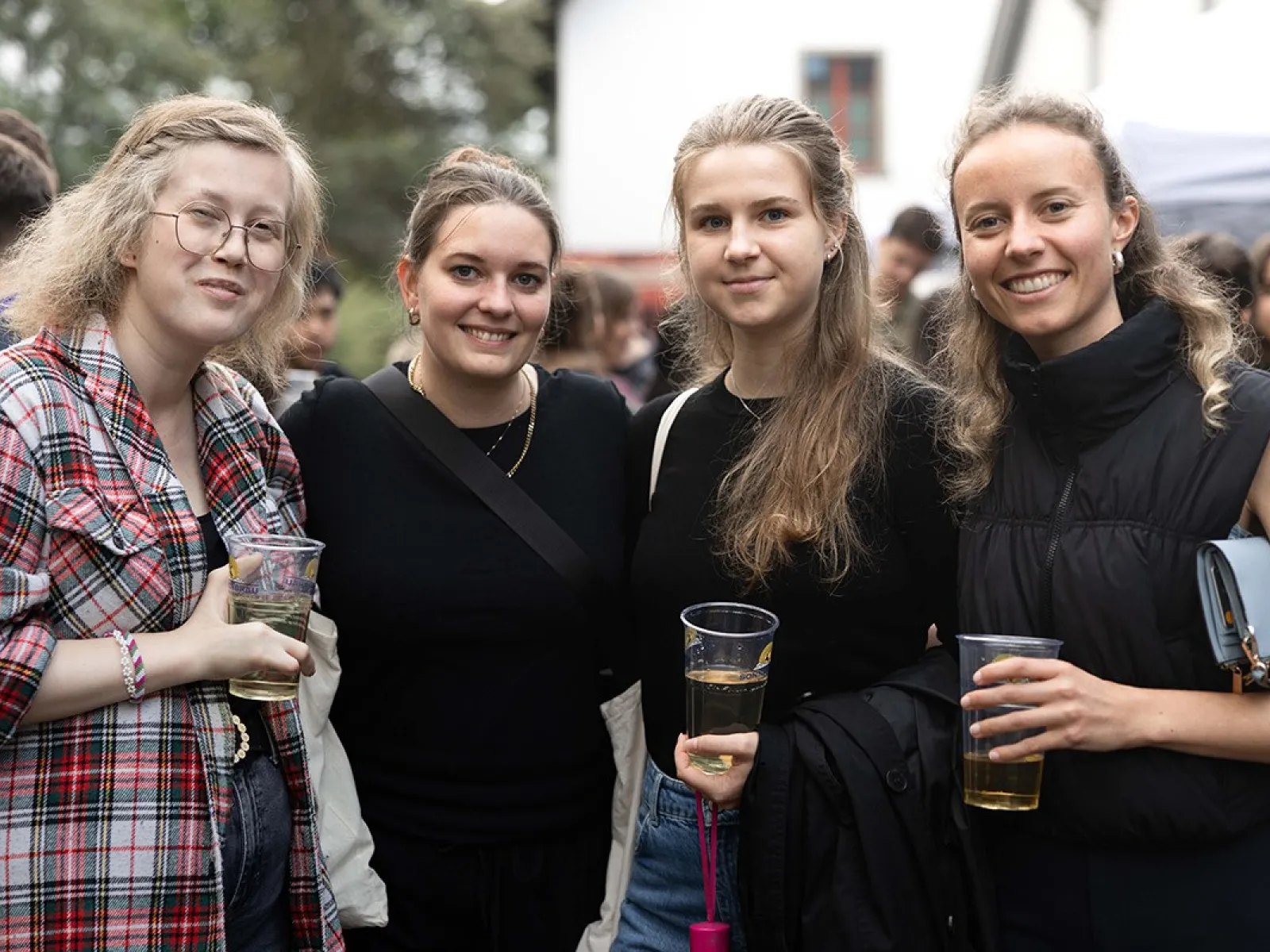
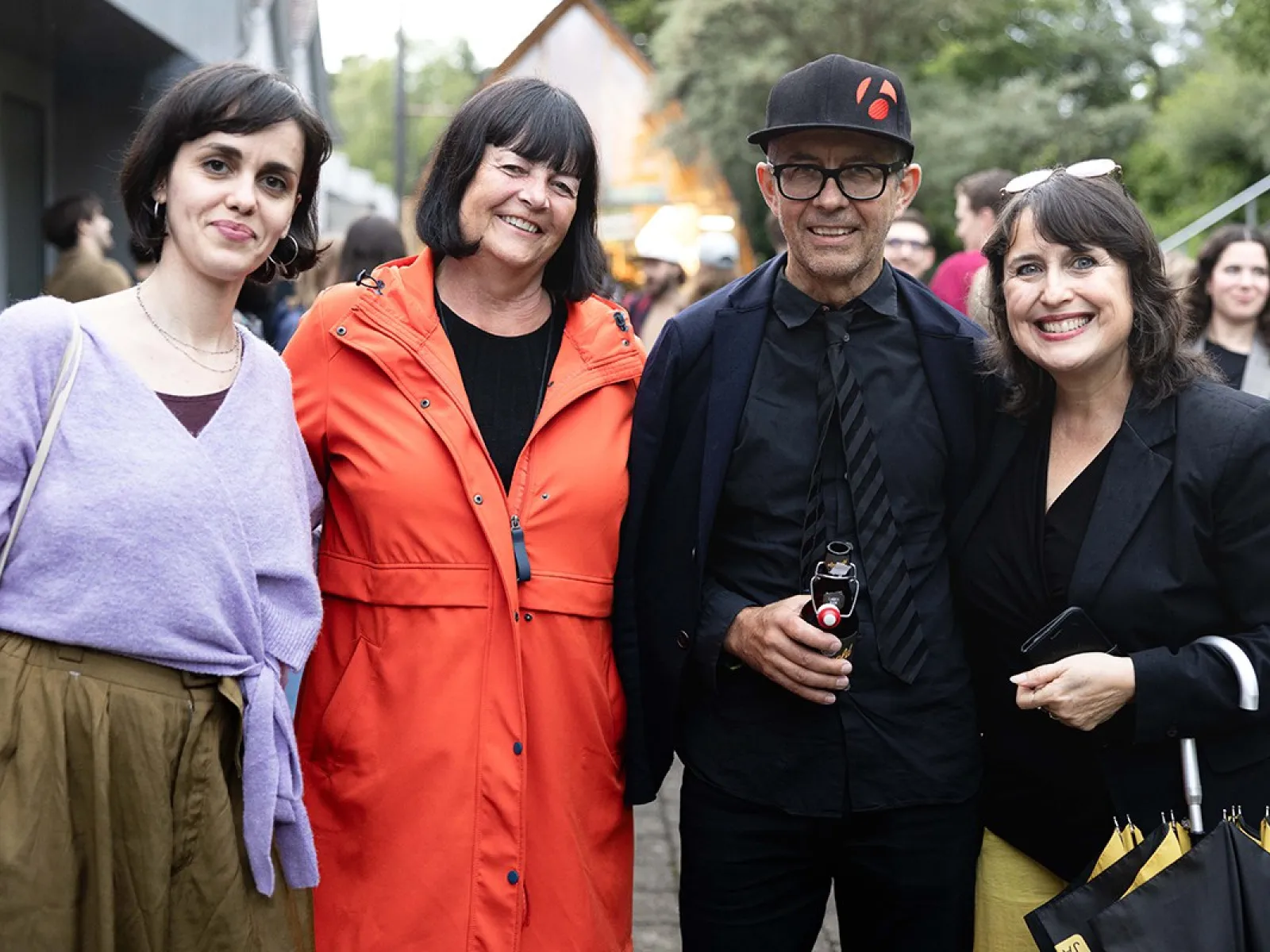
Beside employees and students of the university, over 40 alumnae and alumni of the University of Liechtenstein also attended. In addition to interested people from the region, graduates from countries such as Bulgaria and Germany also traveled to meet former fellow students and lecturers, sometimes with their entire families.


Awards for students of Architecture


Master's student Mustafa Karaaslan was awarded the ARCC King Medal. Bachelor student Valérie Winkelmann received the prize for outstanding commitment to the LSA.


From UniLi for UniLi


While the team from the student office «Spinnerei» supplied the visitors with drinks at the bar, the BBQ was provided by an alumnus of the University of Liechtenstein. And the musical accompaniment of the evening was also characterized by members of the «UniLi family»: The band «Betonleiter» with Prof. Urs Meister, the alumni Simon Egger and Loris Vogt as well as the bachelor’s student Noah Laternser created a vibrant atmosphere with their self-written songs in the architecture workshop.


Active campus life


The Architecture Summer Festival has been one of the fixed events of Campus Life for several years. And in combination with the Student for a Day for prospective students, the RIBA accreditation and the summer party for employees, the day became a special highlight for the University of Liechtenstein this academic year.


Link to all photos:


https://www.uni.li/de/universitaet/netzwerke/alumni/alumni-reunion/architektur-alumni-reunion-sommerfest-architecture-alumni-reunion-summer-party


Children's University: A Journey of Discovery into the Realm of Rules

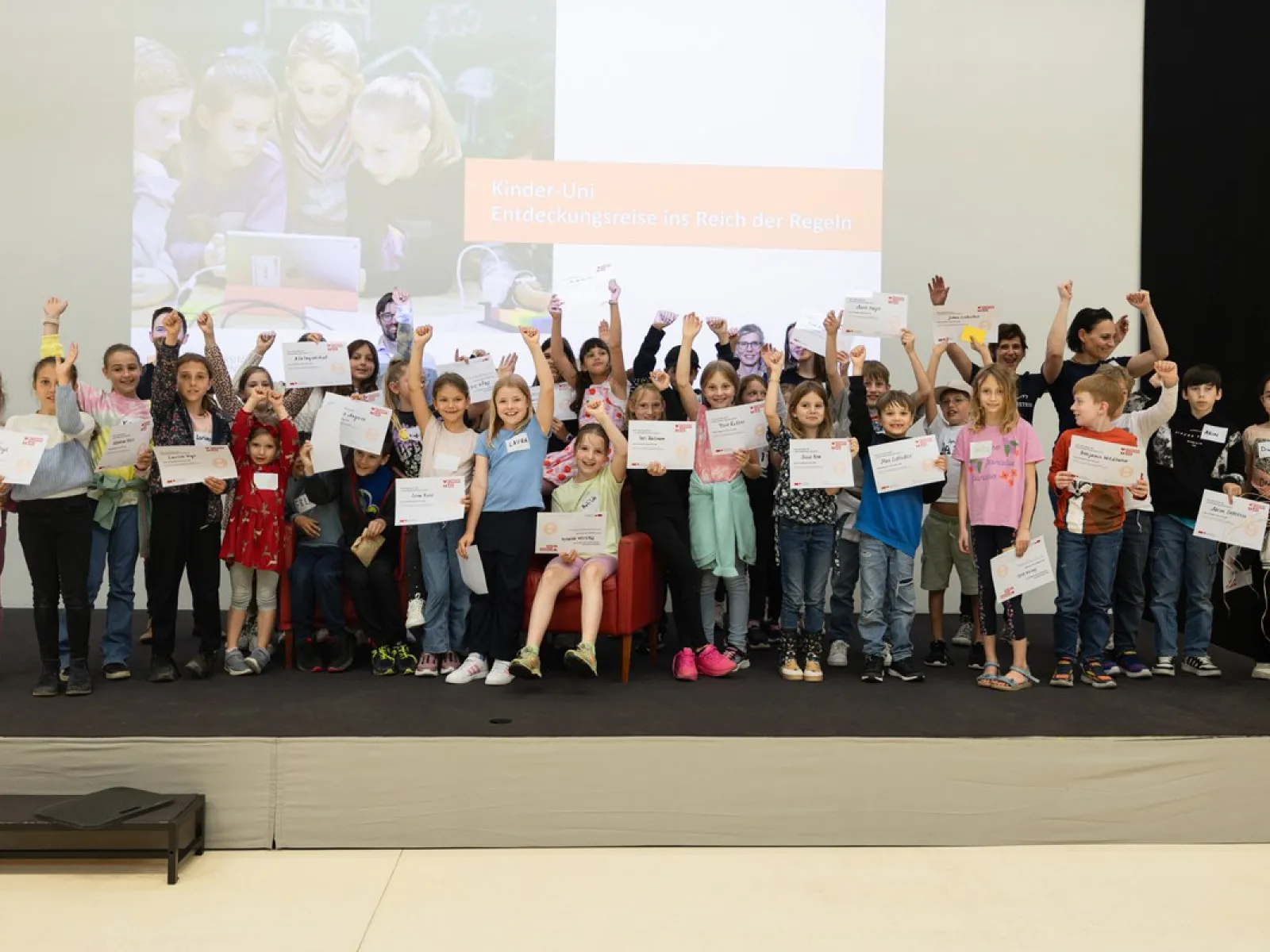
Children's University: A Journey of Discovery into the Realm of Rules

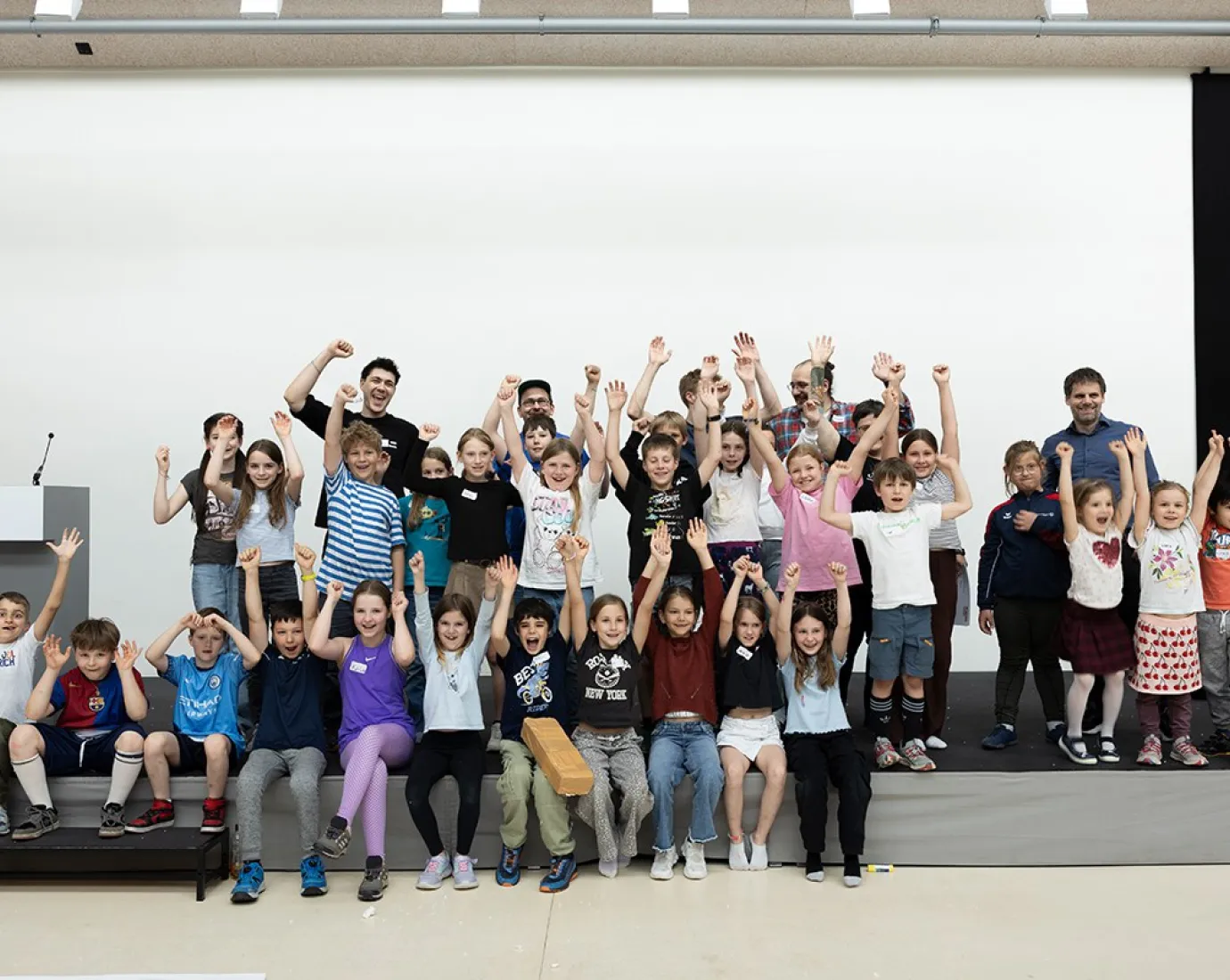
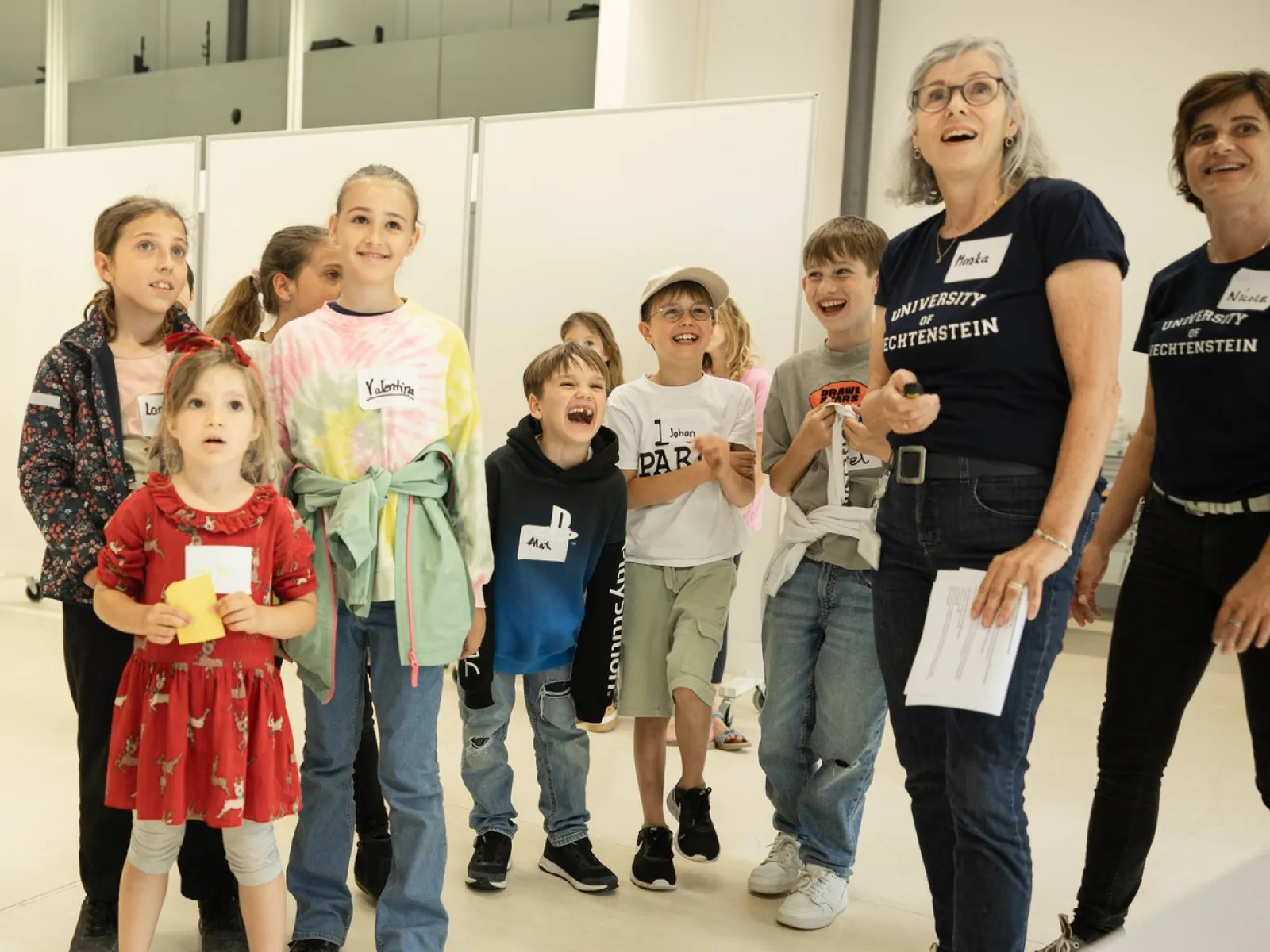
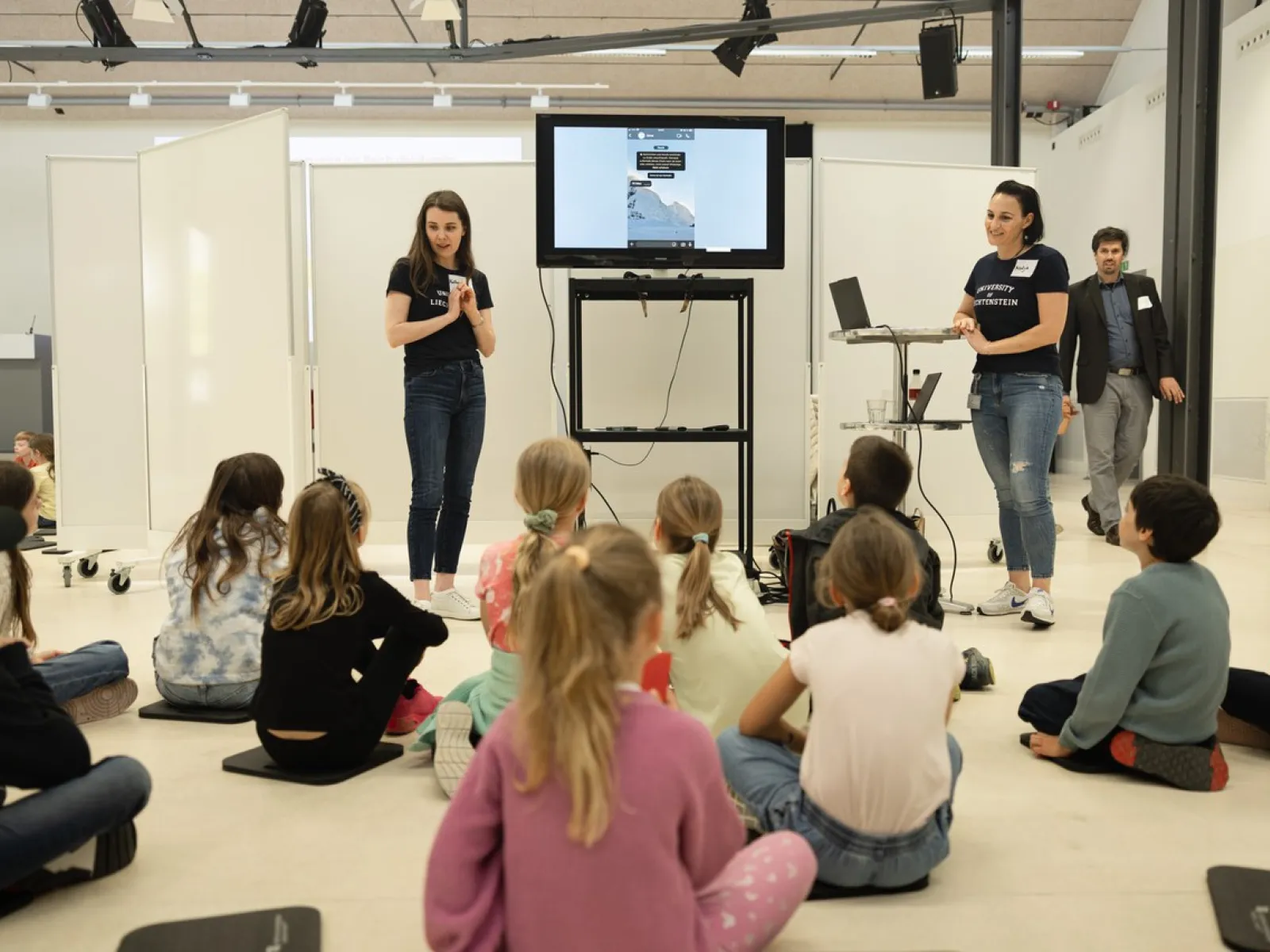
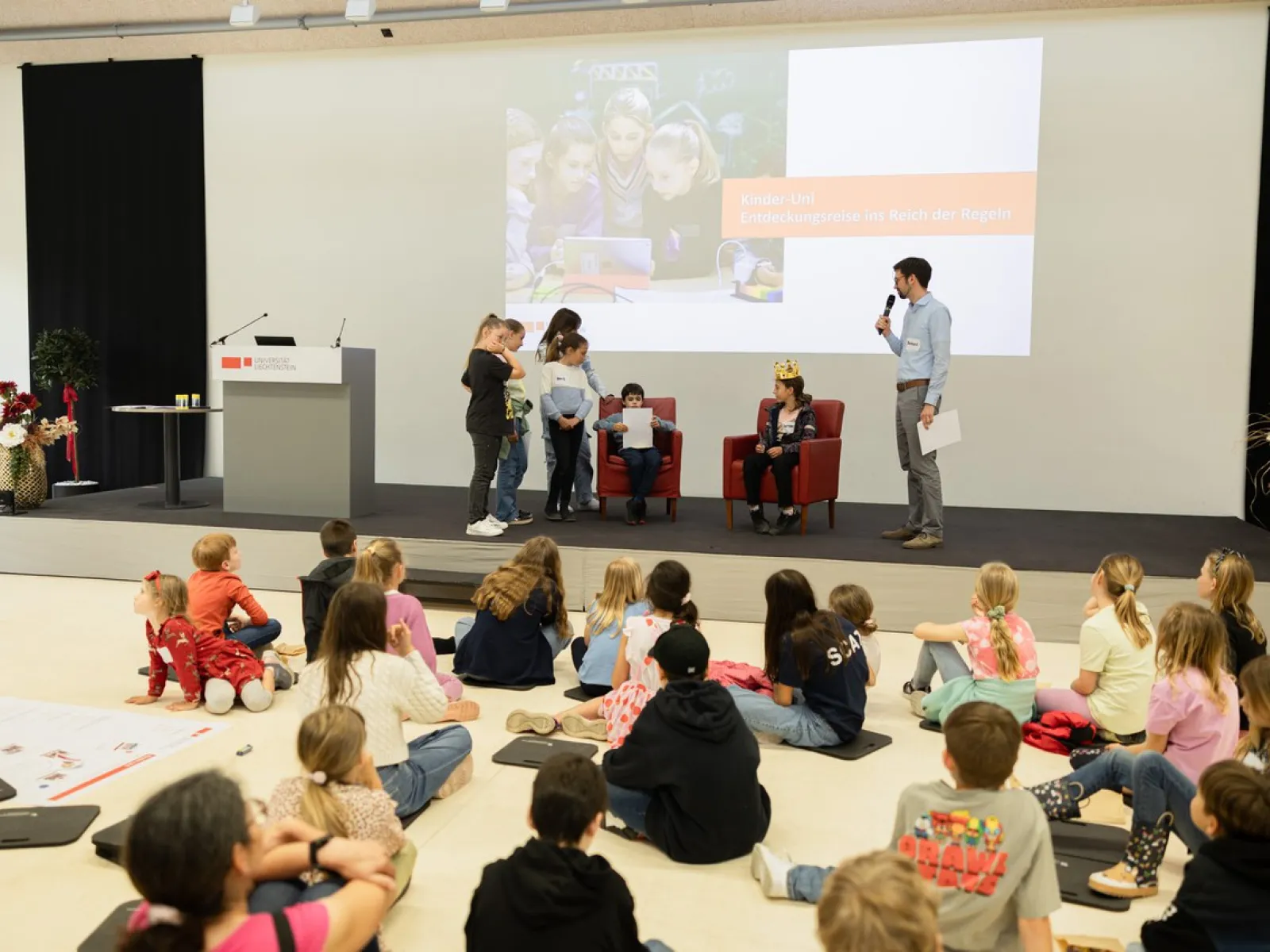
Last Wednesday, 35 children explored the realm of rules at the Children’s University. Staff members from the Chair for Banking and Financial Market Law answered questions for children aged 8 to 12, such as why rules are necessary and what happens when you don’t follow them.


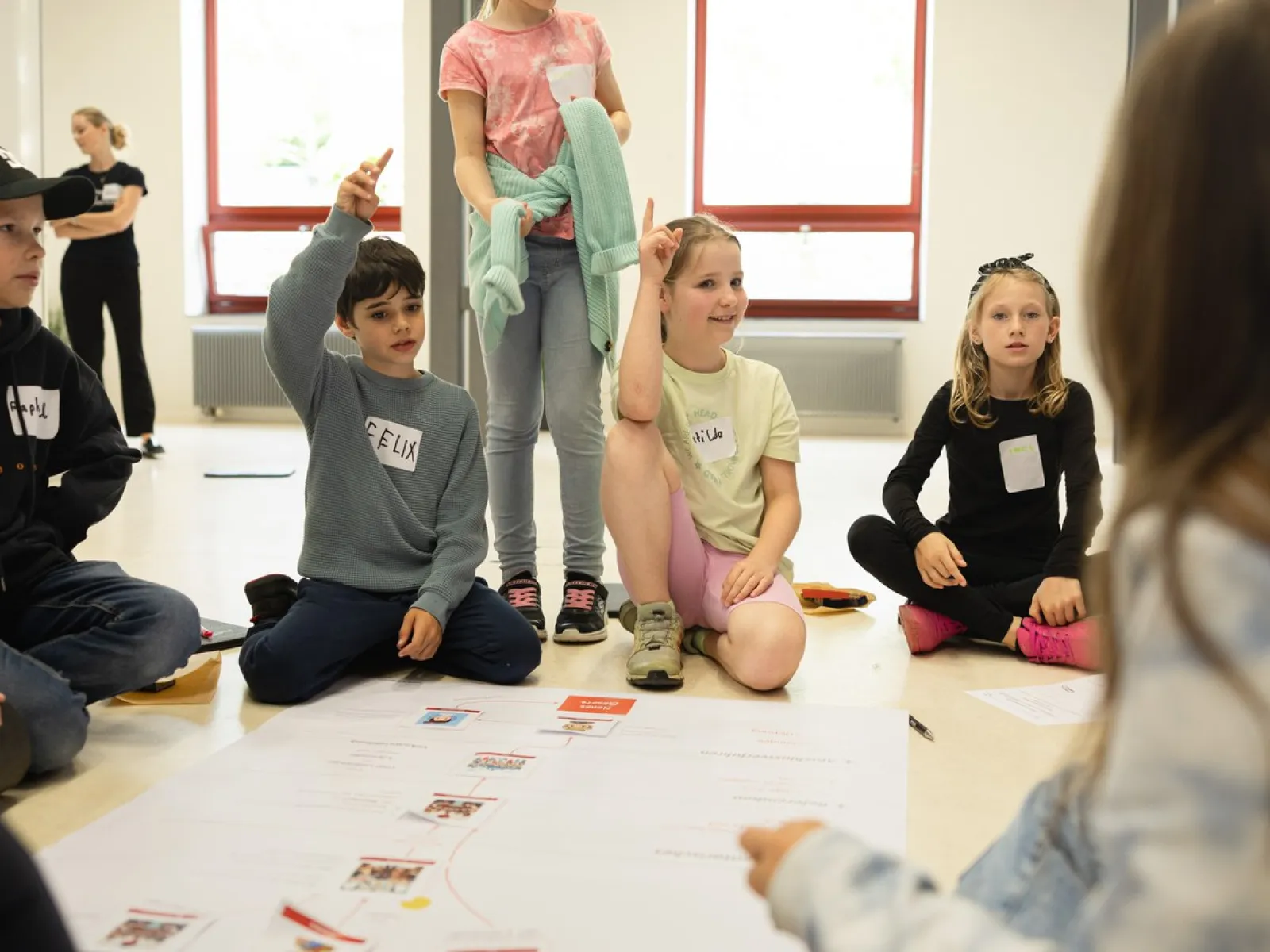
In interactive workshops, they examined how laws are created and what rights and responsibilities children have. Together, they explored why rules and laws are essential for harmonious coexistence. The children even had the chance to draft their own law and dress up as prince or head of government.


The adult program focused on the topic of rights, responsibilities, and realities in modern parenting. Accompanying adults were invited to deepen their knowledge of the legal aspects of parenthood, an offer that was enthusiastically taken up.


Alongside childcare for 4- to 7-year-olds and a snack with drinks and fresh fruit, the afternoon proved to be both informative and exciting for the whole family.


We need your consent
To view this YouTube video, you must accept data processing under the category “Third-party marketing”. Further details on data processing can be found here.
Display Cookie Settings

First Study of Its Kind: University Analysis Reveals the Rich Diversity of Liechtenstein’s Association Landscape

First Study of Its Kind: University Analysis Reveals the Rich Diversity of Liechtenstein’s Association Landscape

Illustration von vier stilisierten Personen, die auf geometrischen Formen balancieren und zusammenarbeiten. Eine Person reicht einer anderen ein abstraktes Objekt. Die Szene symbolisiert Teamarbeit und Kooperation.

Liechtenstein has the highest association density in the German speaking region. The leading field of activity is culture and music.


The Center for Philanthropy at the University of Liechtenstein has, for the first time, recorded the associations active in Liechtenstein and analysed their areas of activity. According to the findings, Liechtenstein has a higher association density than Switzerland, Austria and Germany. Most of the 851 associations operating in Liechtenstein are active in culture and music, followed by sport and exercise and leisure and social activities. Other major fields include social affairs and professional representation of interests and environment, nature conservation, animal welfare. In total, 17 fields of activity were recorded, including school and kindergarten, health care and accident, rescue service, volunteer fire brigade.


Most of the associations active in Liechtenstein are based in Vaduz (227), followed by Schaan (118) and Mauren or Schaanwald (96). The study also identified 16 Swiss and one Austrian association in which people from Liechtenstein also engage in matters concerning Liechtenstein.


“Formal voluntary work in associations makes a significant contribution to social cohesion. The high level of association activity in Liechtenstein is therefore a positive sign of the great importance of civic engagement in the Principality,” says Prof. Dr. Marc Gottschald, Director of the Center for Philanthropy at the Liechtenstein Business Law School.


According to the study, 72 per cent of the associations pursue charitable purposes. This high proportion also demonstrates, says Gottschald, the great importance of voluntary work for the benefit of civil society.


As only around four out of ten associations are entered in the commercial register, the researchers led by study director Michael Nenning had to consult several additional sources in order to obtain a complete picture of the association landscape in the Principality. This is now available for the first time, with the reporting date of 31 December 2023.

Illustration von vier stilisierten Personen, die auf geometrischen Formen balancieren und zusammenarbeiten. Eine Person reicht einer anderen ein abstraktes Objekt. Die Szene symbolisiert Teamarbeit und Kooperation.

Visit of the President of the European Court of Human Rights (ECtHR) to the University of Liechtenstein

Visit of the President of the European Court of Human Rights (ECtHR) to the University of Liechtenstein

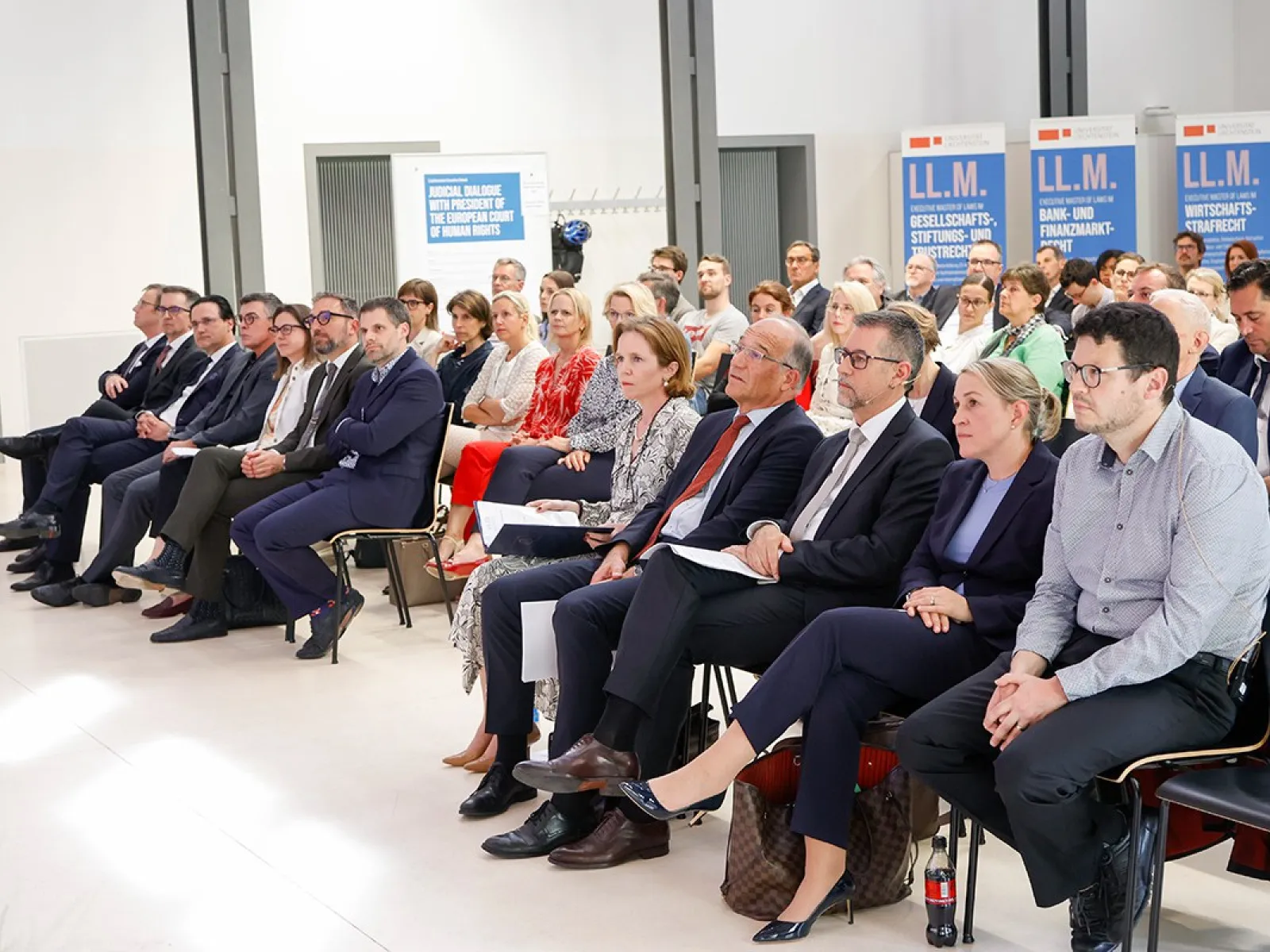
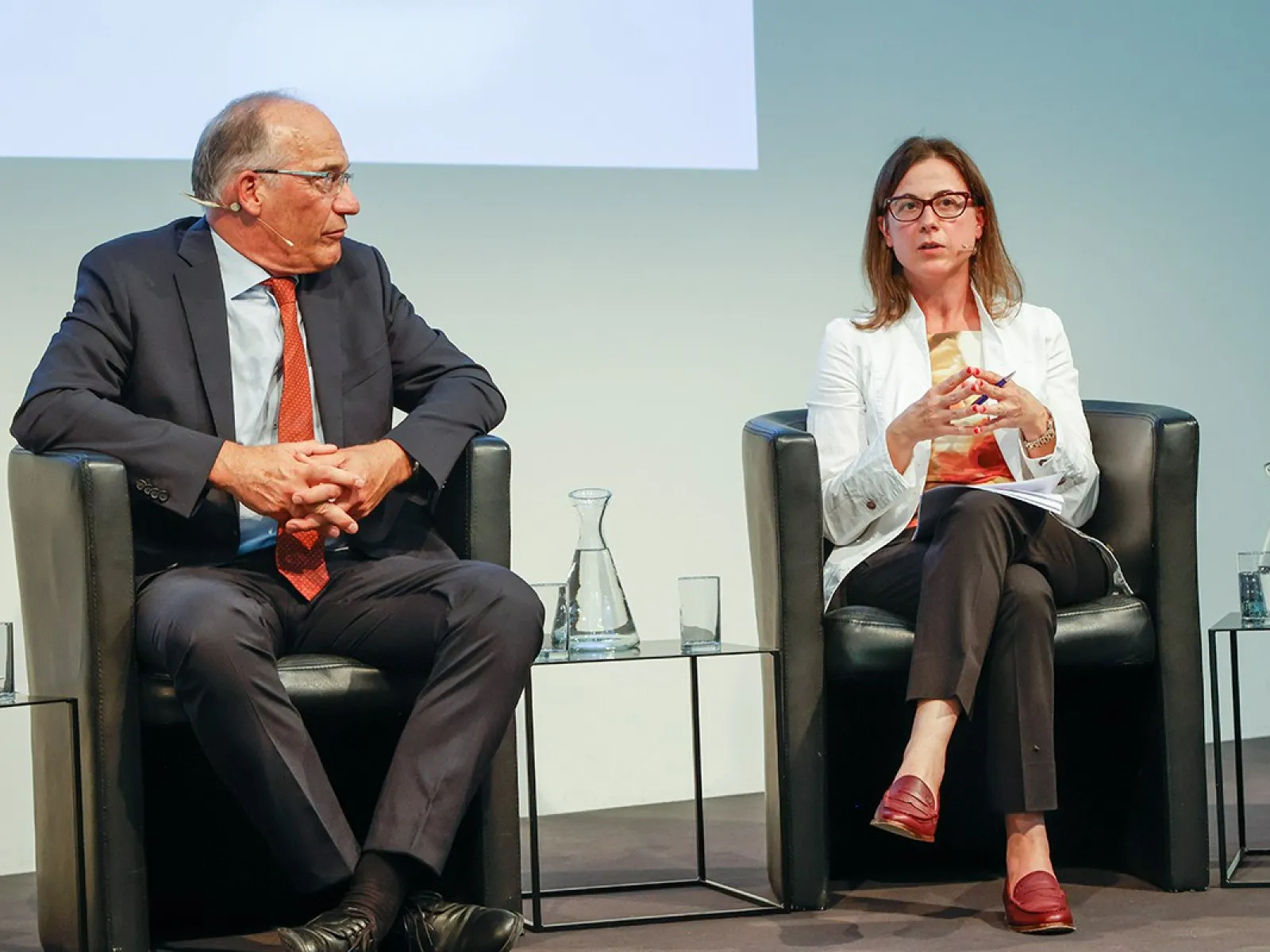
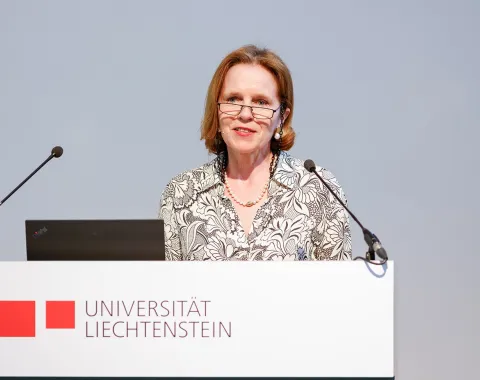
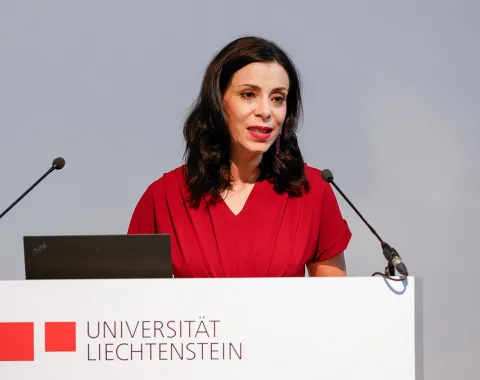
As part of a legal dialogue, ECtHR President Síofra O'Leary visited the University of Liechtenstein together with Liechtenstein’s judge at the ECtHR, Carlo Ranzoni. The event, organized by the Liechtenstein Executive School, was opened by Prof. Dr. Alexandra Butterstein, Dean of the Liechtenstein Business Law School, and Foreign Minister Dominique Hasler.


Before an audience of numerous interested participants from the judiciary, academia, and civil society, O'Leary delivered a speech on the duties of the ECtHR and the significance of its case law for Liechtenstein and Europe. In her address, she emphasized the central role of the Court in safeguarding human rights and fundamental freedoms across Europe. She stressed the importance of all Council of Europe member states respecting and implementing the Court's decisions. Furthermore, she highlighted the necessity of a strong and independent judiciary to ensure the protection of human rights.


O'Leary also addressed current challenges faced by the ECtHR, including the rising number of cases and the need to improve procedural efficiency without compromising the quality of judicial decisions. She praised the close cooperation between Liechtenstein and the ECtHR and acknowledged Liechtenstein’s continued efforts to promote and protect human rights at the national level.


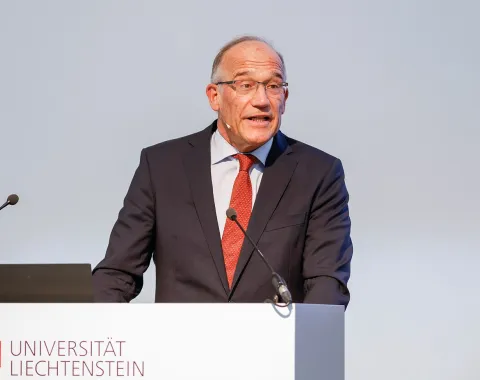
Hilmar Hoch, President of the Constitutional Court of the Principality of Liechtenstein, gave a keynote speech on the European Convention on Human Rights (ECHR) in the case law of the Constitutional Court. He emphasized the vital importance of the ECHR for national jurisprudence, explaining how its principles and provisions are reflected in the Court’s rulings and stressing that the ECHR is a fundamental component of Liechtenstein’s legal framework.


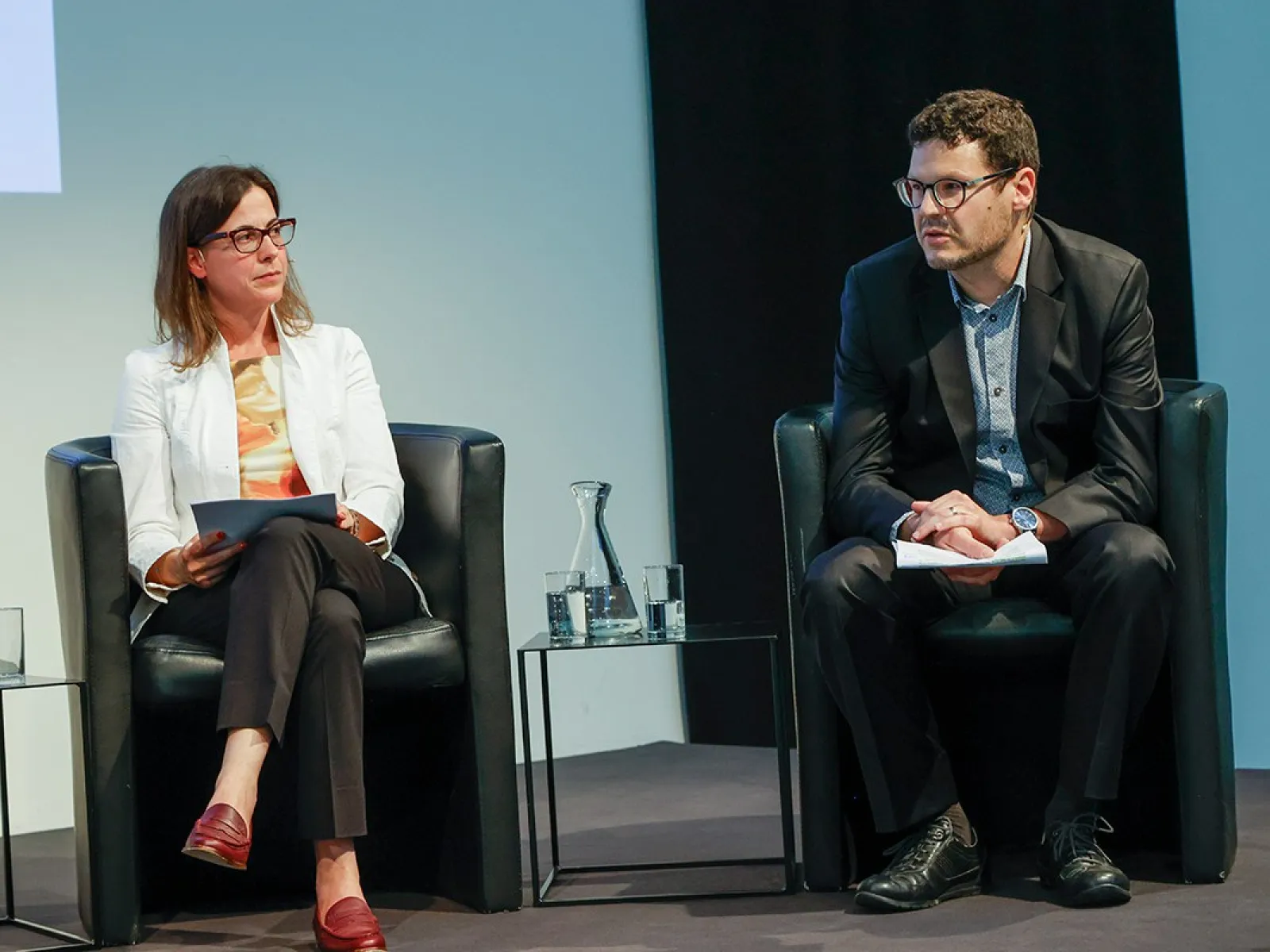
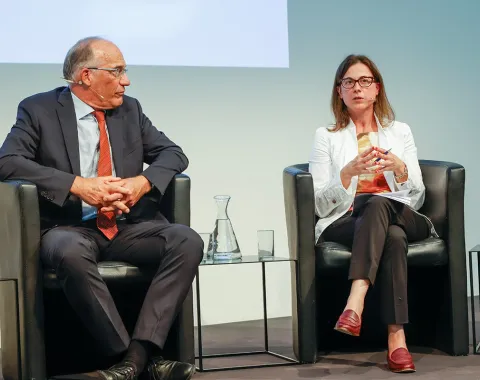
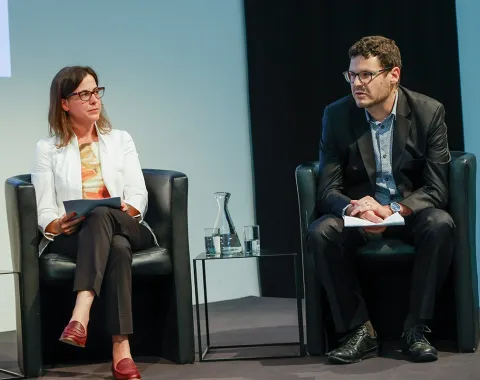
Carlo Ranzoni, Liechtenstein’s judge at the ECtHR, moderated the event and the subsequent discussion with representatives from academia and legal practice, including Prof. Dr. Konstantina Papathanasiou and Hugo Vogt.


We need your consent
To view this YouTube video, you must accept data processing under the category “Third-party marketing”. Further details on data processing can be found here.
Display Cookie Settings

Young Researchers Meet at the University: International Doctoral Seminar

Young Researchers Meet at the University: International Doctoral Seminar

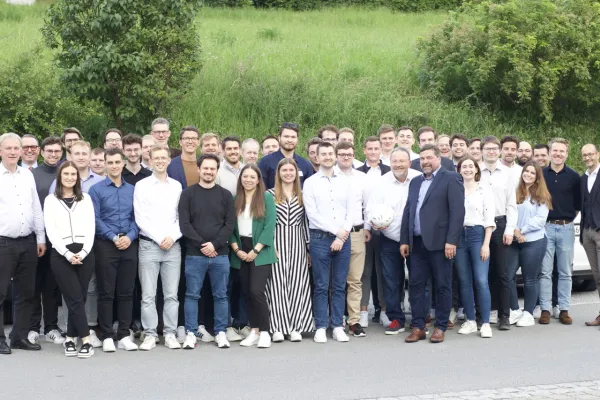
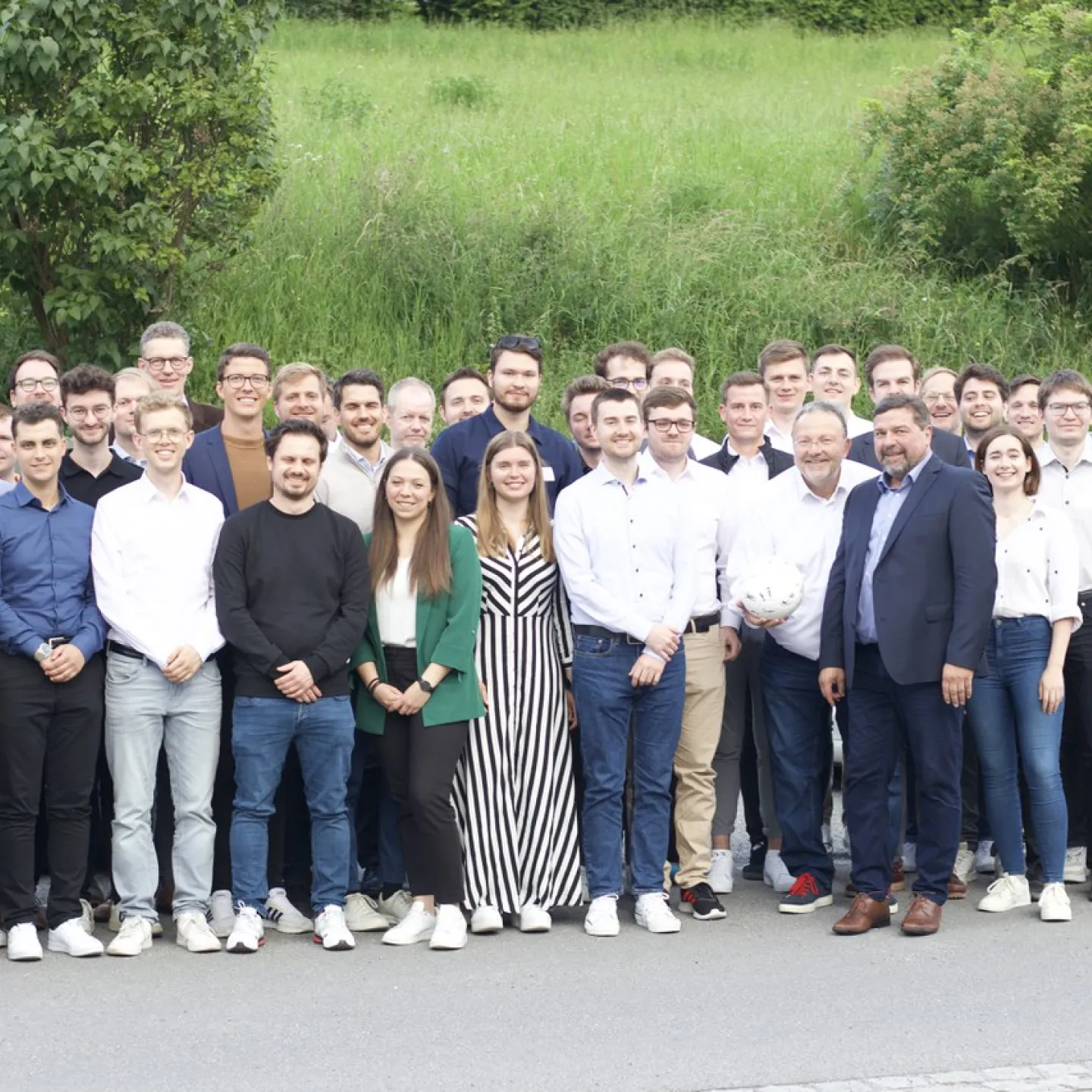
Gruppe von Doktoranden und Professoren steht lächelnd vor einer grünen Wiese bei der Universität Liechtenstein während des Internationalen Doktorandenseminars 2024.

From June 13 to 15, 2024, 55 doctoral candidates and professors from southern Germany, Austria, and Switzerland gathered at the University of Liechtenstein for the International Doctoral Seminar, following an invitation by Marco Menichetti, Dean of the Liechtenstein Business School and Professor of Sustainable Finance.


The IDS (International Doctoral Seminar) has been hosted annually for many years by different universities. The last time it was held at the University of Liechtenstein was in 2011. Since then, the event has continued to evolve and has become an important platform for emerging researchers in the field of finance.


Dedicated entirely to banking and financial research topics, the event offered a space for presenting and discussing current research findings. This year’s program featured 13 presentations, including two contributions from doctoral candidates at the University of Liechtenstein: Lukas Salcher addressed the challenges of predictability in finance in his talk “Lost in Translation: How Predictability Turns into Performance,” while Merlin Bartel explored the global dimension of financial factors in “How Global is Factor Predictability?”


A highlight of the seminar was the joint dinner on Friday evening, which welcomed key representatives from the financial industry: David Gamper, Managing Director of the Liechtenstein Investment Fund Association (LAFV), Fredy Wolfinger, President of the Association of Independent Asset Managers in Liechtenstein (VUVL), and Simon Tribelhorn, Managing Director of the Liechtenstein Bankers Association, contributed their perspectives and presented the Liechtenstein financial center.


Marco Menichetti emphasized the importance of connecting academic research with real-world practice. He noted that engaging with leading industry practitioners can motivate and inspire young researchers. According to Menichetti, events like these not only support academic growth but also encourage the discussion of practical questions and the development of innovative solutions.


The International Doctoral Seminar at the University of Liechtenstein once again demonstrated the value of collaboration between universities. Such events not only support young academics but also strengthen ties to the industry. The resulting partnerships and networks are invaluable for the future of financial research.


Gruppe von Doktoranden und Professoren steht lächelnd vor einer grünen Wiese bei der Universität Liechtenstein während des Internationalen Doktorandenseminars 2024.

Ceremonial Certificate Presentation to New Experts in Blockchain and FinTech

Ceremonial Certificate Presentation to New Experts in Blockchain and FinTech

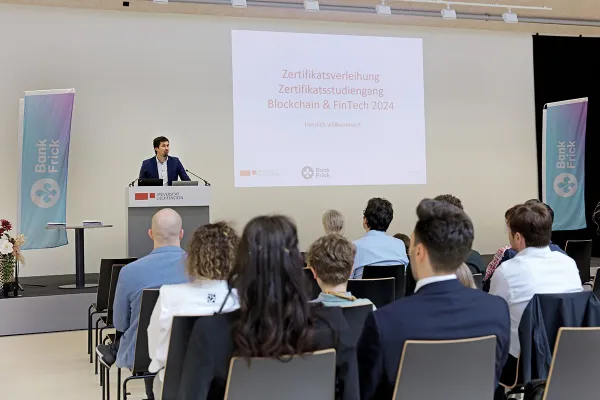
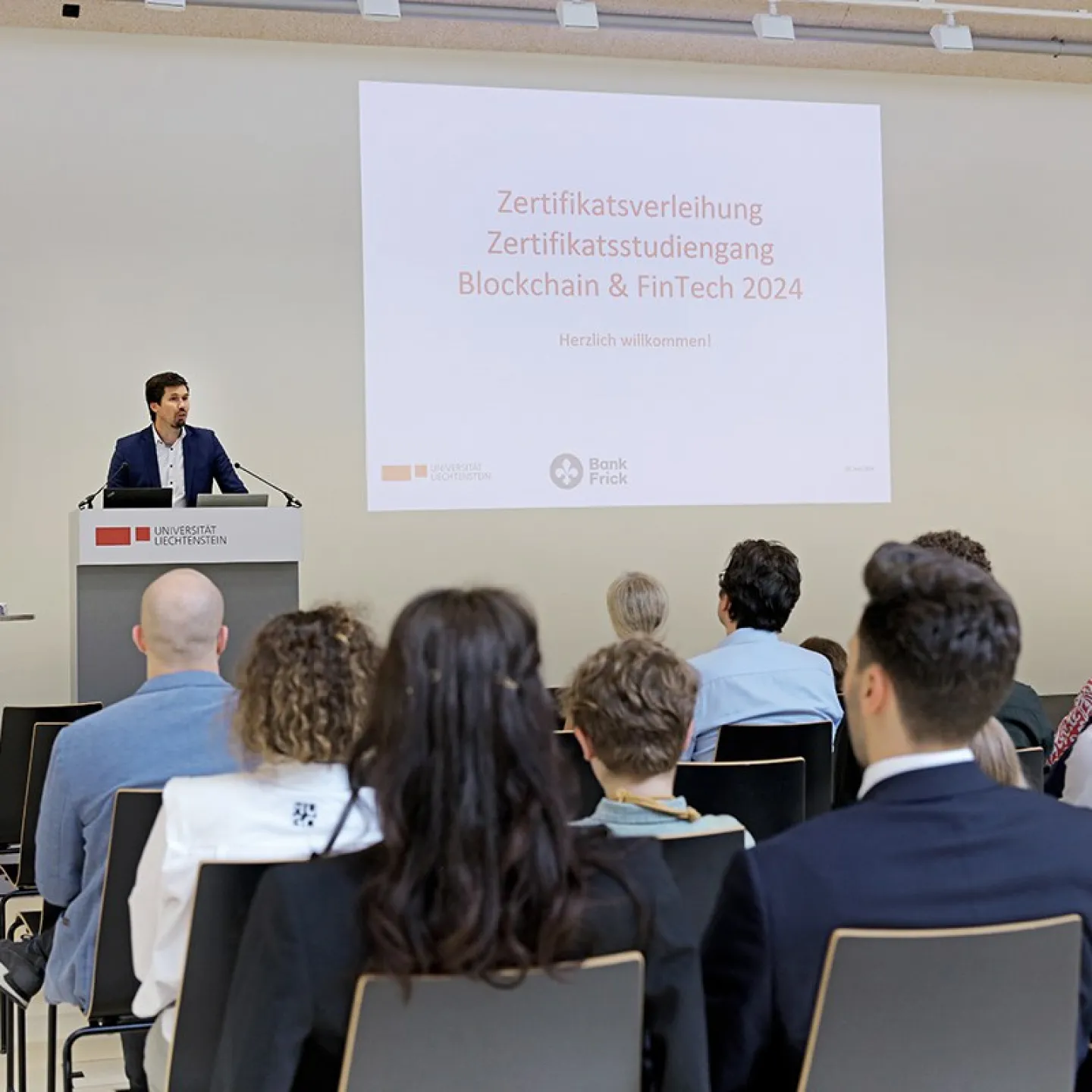
Ein Redner steht an einem Podium vor einer Leinwand mit der Aufschrift "Zertifikatsverleihung Zertifikatsstudiengang Blockchain & FinTech 2024" bei der Universität Liechtenstein. Im Publikum sitzen mehrere Personen. Links und rechts sind Banner von Bank Frick zu sehen.

The University of Liechtenstein is pleased to announce that thirteen students have once again successfully completed the certificate program "Blockchain and FinTech." In a festive graduation ceremony held on June 7, the certificates were presented to the graduates by Assoc. Prof. Dr. Martin Angerer, the program director, and Jonas Gantenbein from Bank Frick.


The certificate program is offered by the Bank Frick Innovative Finance Lab, a collaboration between the University of Liechtenstein and Bank Frick. The program imparts the latest knowledge and skills in dealing with disruptive and promising technologies in the financial industry. During the ceremonial certificate presentation, the top students of the class were also honored. In addition to Ricarda Mauch, the award was given to Sven Lagger, who then delivered the traditional student address.


“The Blockchain and FinTech certificate program at the University of Liechtenstein, with a special focus on finance, has become widely known far beyond the Rhine Valley and attracts participants from across the German-speaking region each year. Liechtenstein plays a pioneering role here, and the training to become a Blockchain and FinTech specialist offers outstanding future opportunities for our participants,” said Assoc. Prof. Dr. Martin Angerer, head of the program.


Long-Term Partnership and Cutting-Edge Knowledge


The program is part of a long-standing cooperation between the university and Bank Frick. The organizers view this course as a key success factor for the local financial center and the development of specialized professionals.


“The unique combination of knowledge from the disciplines of finance, fintech, and blockchain is invaluable for the Liechtenstein financial sector. The certificate program skillfully bridges the gap between today's established financial world and the innovations of tomorrow. It is extremely difficult to find qualified professionals in this field, which is why this program is so important,” said Jonas Gantenbein from Bank Frick.


The program provides high-quality knowledge about the opportunities, potential, and challenges of blockchain and other emerging financial technologies. It maintains a balanced mix of instructors from academia and industry experts. The course content is continuously updated to reflect the latest developments in this disruptive field and academic progress.


In addition to a new round starting in January 2025, next year will also see the launch of an advanced certificate program offering deeper dives into various topic areas. Detailed information and registration options will soon be available again on the university's website: https://uni.li/innovative-finance.


Ein Redner steht an einem Podium vor einer Leinwand mit der Aufschrift "Zertifikatsverleihung Zertifikatsstudiengang Blockchain & FinTech 2024" bei der Universität Liechtenstein. Im Publikum sitzen mehrere Personen. Links und rechts sind Banner von Bank Frick zu sehen.

University of Liechtenstein and Bank Frick Extend Cooperation and establish the "Bank Frick Innovative Finance Lab"

University of Liechtenstein and Bank Frick Extend Cooperation and establish the "Bank Frick Innovative Finance Lab"

Vier Personen sitzen an einem Konferenztisch und unterzeichnen Dokumente. Im Hintergrund sind Banner der Universität Liechtenstein und Bank Frick zu sehen. Die Szene symbolisiert die Verlängerung der Kooperation zwischen der Universität und der Bank.

The University of Liechtenstein and Bank Frick are pleased to announce the extension of their successful cooperation for a further five years. As part of this collaboration, the "Bank Frick Innovative Finance Lab" will be established at the University of Liechtenstein, which will act as a center for innovative financial research and teaching.


The collaboration, which will now be continued from 2024 to 2028, builds on previous successes and opens up new opportunities in education, training and research. A central component of the cooperation is the continuation of the "Blockchain and FinTech" continuing education course, which is very popular and is seen as an important catalyst for the further development of these pioneering technologies.


In addition, a new continuing education course is being developed in the field of innovative and crypto finance, which will offer students a sound education in these highly topical subject areas. "With the new course, we want to further strengthen Liechtenstein's position as a leading center in the FinTech sector and offer our employees the best conditions for a successful career," emphasizes Edi Wögerer, CEO of Bank Frick.


Another highlight of the cooperation is the opportunity to hold so-called Masterlabs. Here, the University of Liechtenstein provides a group of four to five Master's students and a lecturer who spend a semester working on a practical project with a task defined by Bank Frick. This practical collaboration enables students to gain valuable experience and apply their theoretical knowledge to real projects. At the same time, Bank Frick benefits by incorporating the latest scientific findings into its business processes.


As part of the cooperation, an annual Bank Frick scholarship is also awarded for participation in one of the two study programs. This scholarship is intended to promote particularly talented and committed individuals and give them the opportunity to further their education in the field of innovative finance.


Cooperation will also be intensified in the area of research. Joint knowledge projects are planned in the field of crypto finance, which should produce new findings and innovations in this dynamic field. "The aim is to conduct pioneering research by bringing together the practical expertise of Bank Frick and the knowledge at the University of Liechtenstein," explains Assoc. Prof. Dr. Martin Angerer, Head of the new "Bank Frick Innovative Finance Lab".


With this expanded cooperation, the University of Liechtenstein and Bank Frick are sending out a strong signal of the great importance of education, research and innovation in the financial sector. Both partners are convinced that the joint efforts will not only benefit students and research, but will also have a positive impact on the entire Liechtenstein region.


 

Vier Personen sitzen an einem Konferenztisch und unterzeichnen Dokumente. Im Hintergrund sind Banner der Universität Liechtenstein und Bank Frick zu sehen. Die Szene symbolisiert die Verlängerung der Kooperation zwischen der Universität und der Bank.

Experts from the University of Liechtenstein at the Vorsorge-Symposium in Zurich

Experts from the University of Liechtenstein at the Vorsorge-Symposium in Zurich

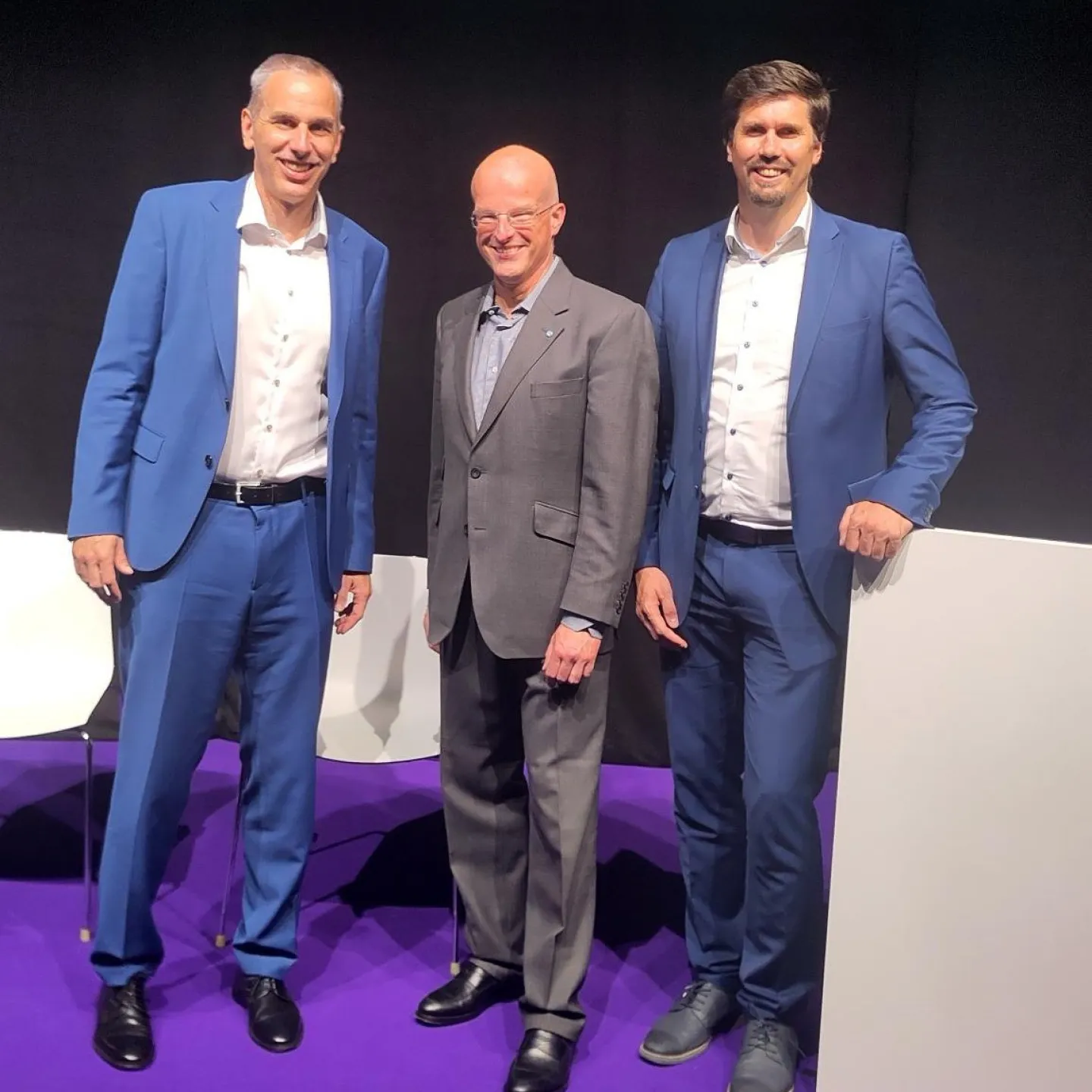
Drei Männer in Anzügen stehen auf einer Bühne mit lila Teppich. Sie lächeln in die Kamera. Im Hintergrund sind schwarze Vorhänge zu sehen.

Assoc. Prof. Dr. Martin Angerer and Prof. Dr. Michael Hanke from the University of Liechtenstein took part in the Vorsorge-Symposium at Messe Zürich on June 6, 2024.


The Vorsorge-Symposium and the parallel "Fachmesse 2. Säule" offer an important annual opportunity for foundation boards, managing directors and pension fund experts to find out about the latest developments and innovations in the field of occupational pension provision. It is important to the University of Liechtenstein to use its expertise to contribute to further education and the expansion of knowledge in this important area.
 

The two professors spoke on the topic of "Digital assets: can and should pension funds invest?", with Christian Dreyer, CFA, acting as moderator.


In his input presentation, Assoc. Prof. Dr. Martin Angerer highlighted the various facets of digital assets, in particular Bitcoin and Ethereum as investments, but also securities tokens and non-fungible tokens (NFTs). He emphasized that digital assets are becoming increasingly important as a yield-generating investment for pension funds, as they can improve the risk-return ratios of pension fund portfolios. Despite this potential, however, there are also significant challenges, such as high market volatility, regulatory uncertainties, reputational concerns and the high energy consumption of crypto mining.


As Chairman of the Board of Trustees of the Stiftung Personalvorsorge Liechtenstein (Liechtenstein Pension Fund Foundation), Prof. Dr. Michael Hanke represented the practical perspective of a pension fund in particular and complemented the discussion with his well-founded contributions and answers to numerous questions from the audience, which showed great interest and commitment. Together, the two professors from the University of Liechtenstein demonstrated their in-depth expertise and made a significant contribution to the success of the panel.


The Pension Symposium 2024 proved to be a great success with around 2,500 guests. It offered pension fund decision-makers a valuable platform for further training and an exchange of current trends. The event underlined the importance of the company-managed "2nd pillar" of pension provision. 
 

Drei Männer in Anzügen stehen auf einer Bühne mit lila Teppich. Sie lächeln in die Kamera. Im Hintergrund sind schwarze Vorhänge zu sehen.

University of Liechtenstein Research Team Presents Innovative Research at the Bank of England

University of Liechtenstein Research Team Presents Innovative Research at the Bank of England

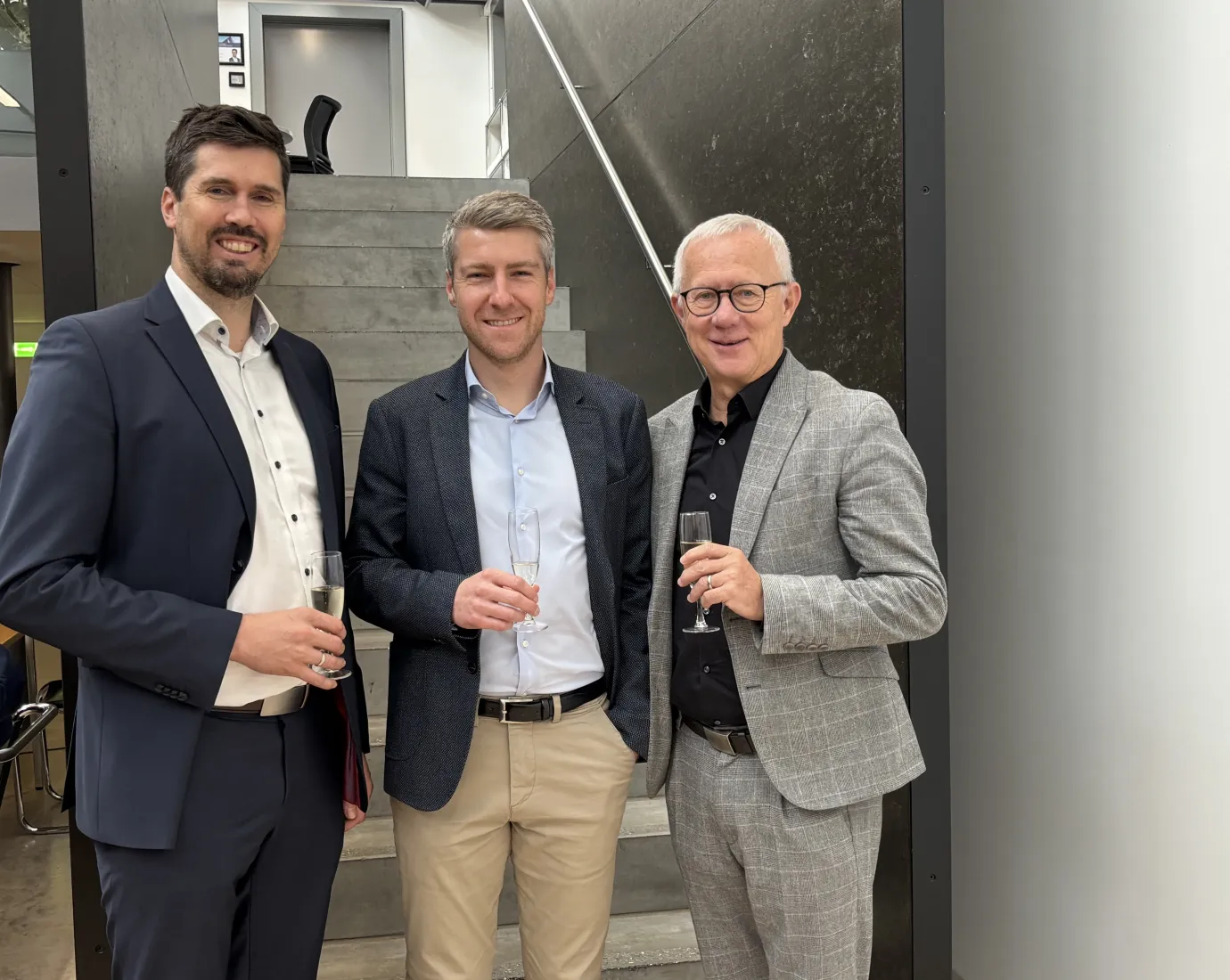
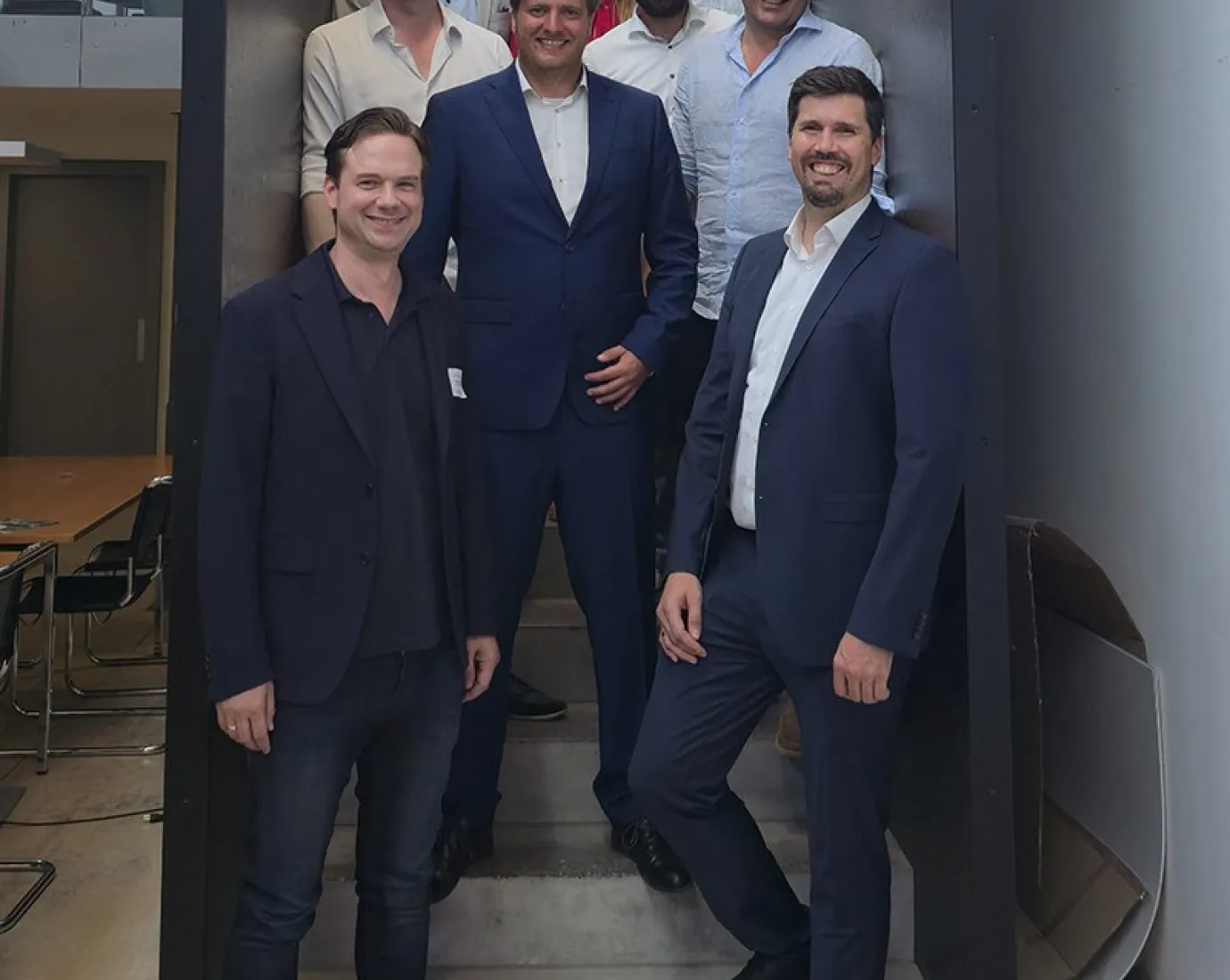
Drei Männer in formeller Kleidung lächeln in die Kamera. Sie sind Teil eines Forschungsteams der Universität Liechtenstein, das maschinelles Lernen zur Vorhersage von Finanzkrisen untersucht.

Professor Michael Hanke and Merlin Bartel from the University of Liechtenstein and Sebastian Petric from LGT Bank AG presented their latest research entitled "Crisis Identification and Prediction using Machine Learning: The Case of U.S. Regional Banks" at the Bank of England.


In their innovative study, the team develops a machine learning approach to identify and predict financial crises, particularly those of regional banks in the US. The research emphasizes the importance of early detection of crises, as they have a significant impact on the economy and society. The developed approach combines various machine learning methods such as clustering, ridge regression, and sequential feature selection to detect and predict crises.


Notably, the predictions can be used to minimize risk during negative market phases, leading to improved risk-adjusted returns compared to traditional investment strategies.
This research provides investors and policy makers with valuable tools to react early to impending financial crises.


Drei Männer in formeller Kleidung lächeln in die Kamera. Sie sind Teil eines Forschungsteams der Universität Liechtenstein, das maschinelles Lernen zur Vorhersage von Finanzkrisen untersucht.
Subscribe to