Skip to Main Content

University of Liechtenstein Continues Positive Development in the 2023 Financial Year

University of Liechtenstein Continues Positive Development in the 2023 Financial Year
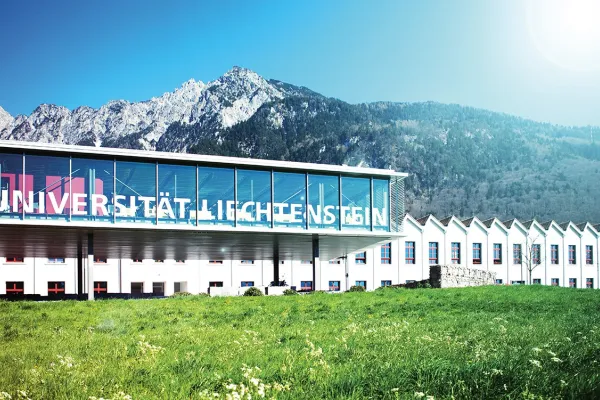
Außenansicht der Universität Liechtenstein mit modernem Glasgebäude vor malerischer Bergkulisse, umgeben von grüner Wiese.

The University of Liechtenstein can look back on a successful 2023. One particular highlight was the successful accreditation of the Liechtenstein Business School and the Liechtenstein Business Law School in accordance with AACSB standards. There were also positive developments in other areas, such as student numbers and research performance.


Organizational developments


Since January 1, 2023, the university has been divided into three subject-related and two teaching-related schools. This completed a long transformation process. The new organizational structure was further consolidated in the reporting year. However, 2023 was also characterized by two personnel changes at the top of the university. In April, Lothar Ritter succeeded Klaus Tschütscher as President of the University Council and in August 2023, Christian Frommelt took over from Markus Jäger as Rector of the University of Liechtenstein.
Following the completion of the transformation process and under the new leadership, the university will once again focus more on its concrete achievements and impact. The focus will be on consecutive teaching, continuing education and research. However, knowledge and technology transfer as well as knowledge dissemination and thus dialog with the public are also important areas of activity for the University of Liechtenstein.


Internationally recognized quality strategy


The University of Liechtenstein attaches great importance to high quality teaching and research. Every six years, the quality of the entire University of Liechtenstein is reviewed by the Swiss Accreditation Council. In addition, the subject-related schools each undergo an internationally recognized accreditation tailored to the respective subject area.
A particular success in 2023 was the award of the internationally highly respected AACSB accreditation to the Liechtenstein Business School and the Liechtenstein Business Law School. After the Liechtenstein School of Architecture had already received accreditation from the renowned Royal Institute of British Architects (RIBA) for all programme levels (BSc, MSc and PhD) several years ago, all three specialist schools now have internationally recognized proof of quality.
In 2023, researchers at the University of Liechtenstein produced over 170 publications and scientific presentations. These included numerous publications in internationally top-ranked journals. Third-party funded projects are also of particular importance. In addition to numerous funding commitments for new Erasmus+ projects, the University of Liechtenstein received a positive funding commitment for an Innosuisse project in 2023. In line with the new performance orientation, work has also begun on various applications that will be submitted to the various funding instruments in 2024.


Attractive environment for students and staff


The university celebrated numerous other successes last year. In consecutive teaching, 214 people began their studies at the University of Liechtenstein in 2023. This represents an increase of 26 percent compared to the previous year. 175 students successfully completed their studies. Fortunately, the majority of graduates remain in demand as employees in Liechtenstein or the region.
In continuing education, the university recorded 196 students in four Master's degree programs, one diploma program and seven certificate programs, as well as over 2,700 participants in events. After the last few years marked by the coronavirus pandemic, the University of Liechtenstein was able to increase the number of events on offer again in 2023.
The increase in new students in the consecutive areas and the relatively stable student numbers in the area of continuing education confirm the attractiveness of the University of Liechtenstein as an educational institution. However, in view of the increasing competition between regional educational institutions, the University of Liechtenstein will also need to actively communicate its strengths in the future. In addition to the quality of teaching and research, which has been confirmed by international accreditation, the university is particularly convincing with its good student support. Various curricula have been revised for 2024 in order to adapt teaching content even more closely to current challenges in business and society and thus further increase the practical relevance of teaching.


Result from ordinary business activities


As part of its ordinary activities, the University of Liechtenstein generated a profit of CHF 230,212 in the 2023 calendar year, including the strategic Liechtenstein Executive School project, which is CHF 210,812 above the budgeted profit of CHF 19,400 and CHF 404,812 above the budgeted loss of CHF 174,600, including the planned start-up financing for the Executive School.
The positive business result is due to several one-off special effects. In addition, three professorships were not filled at the end of the year, which reduced personnel costs. Personnel costs are the most important area and the largest cost factor for the university. As at December 31, 2023, the university had 135 full-time equivalent employees. In addition, 328 external lecturers worked for the university.


The annual report can be downloaded from the uni.li website: https://www.uni.li/de/universitaet/medienportal/publikationen/jahresberichte 
 

Außenansicht der Universität Liechtenstein mit modernem Glasgebäude vor malerischer Bergkulisse, umgeben von grüner Wiese.

Self-Leadership & Mindfulness: Keys to Sustainable Leadership Development

Self-Leadership & Mindfulness: Keys to Sustainable Leadership Development

Eine Frau hält eine Präsentation vor einer Gruppe von Menschen in einem modernen Konferenzraum. Auf einem großen Bildschirm steht der Text "The Mindful Self-Leader".

Imagine steering a company through the turbulent waters of digitalization while employee demands grow by the day. In this fast-paced world, traditional leadership techniques are no longer sufficient. What if a leader’s true strength lies not only in their acquired "leadership skills" but in the art of leading themselves and practicing mindfulness?


A recent systematic literature review by Julia Tenschert, Prof. Dr. Marco Furtner (Liechtenstein Business School), and Prof. Dr. Mike Peters (University of Innsbruck) demonstrates how self-leadership and mindfulness can make leaders not only more resilient but also more effective.


New Approaches to Leadership Development


The link between leadership competence and organizational performance is clear but multifaceted. Employee engagement and motivation are crucial to building agile teams, and they strongly depend on leaders’ ability to create a supportive environment. A current systematic review shows that self-leadership and mindfulness are essential components often missing from Leadership Development Programs (LDPs).
 

Focus on Self-Leadership and Mindfulness


The analysis of 52 studies reveals that traditional LDPs often fall short in strengthening leaders’ social and emotional competencies. An approach combining self-leadership and mindfulness promises a more holistic development by helping leaders better manage psychological demands and increase their resilience. Ultimately, this promotes an innovative and resilient corporate culture.


Training programs integrating self-leadership and mindfulness show significant improvements in resilience, job performance, and leadership satisfaction. Self-leadership is linked to higher team performance and trust among leaders. Mindfulness strongly correlates with stress reduction, improved self-regulation, and high emotional intelligence—all of which enhance leadership skills and organizational outcomes.


Future Perspectives and Research Needs


The review highlights that integrating self-leadership and mindfulness training into LDPs offers wide-ranging benefits for organizations: these approaches boost self-responsibility, motivation, teamwork, and conflict resolution while fostering an empathetic and inclusive leadership culture.


However, further research is needed on adapting and scaling these training programs across various organizational contexts. Special attention should be paid to cultural and individual differences. Future studies should also explore the effectiveness of such programs in digital and global teams to evaluate their impact in virtual work environments.


The review has been accepted for publication in the journal Management Review Quarterly (https://doi.org/10.1007/s11301-024-00448-7).


Eine Frau hält eine Präsentation vor einer Gruppe von Menschen in einem modernen Konferenzraum. Auf einem großen Bildschirm steht der Text "The Mindful Self-Leader".

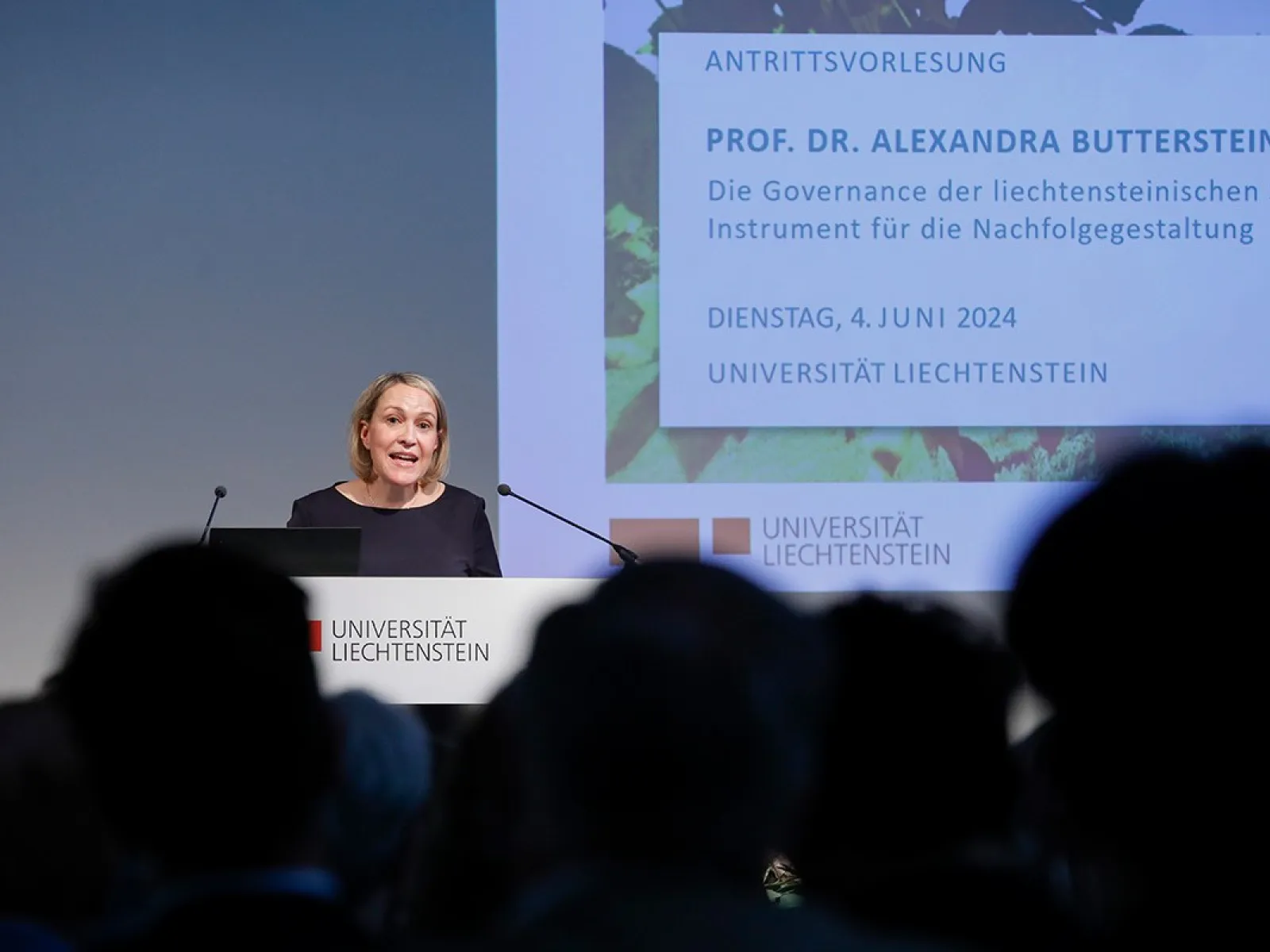
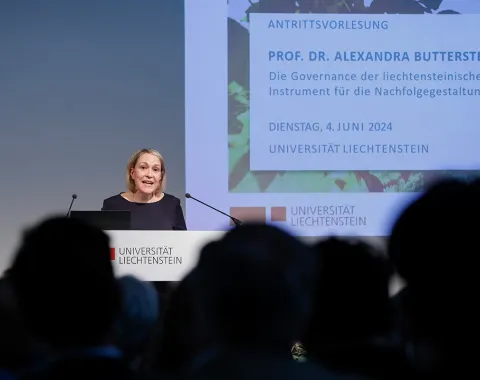
Inaugural Lecture by Prof. Dr. Alexandra Butterstein, LL.M.

Inaugural Lecture by Prof. Dr. Alexandra Butterstein, LL.M.

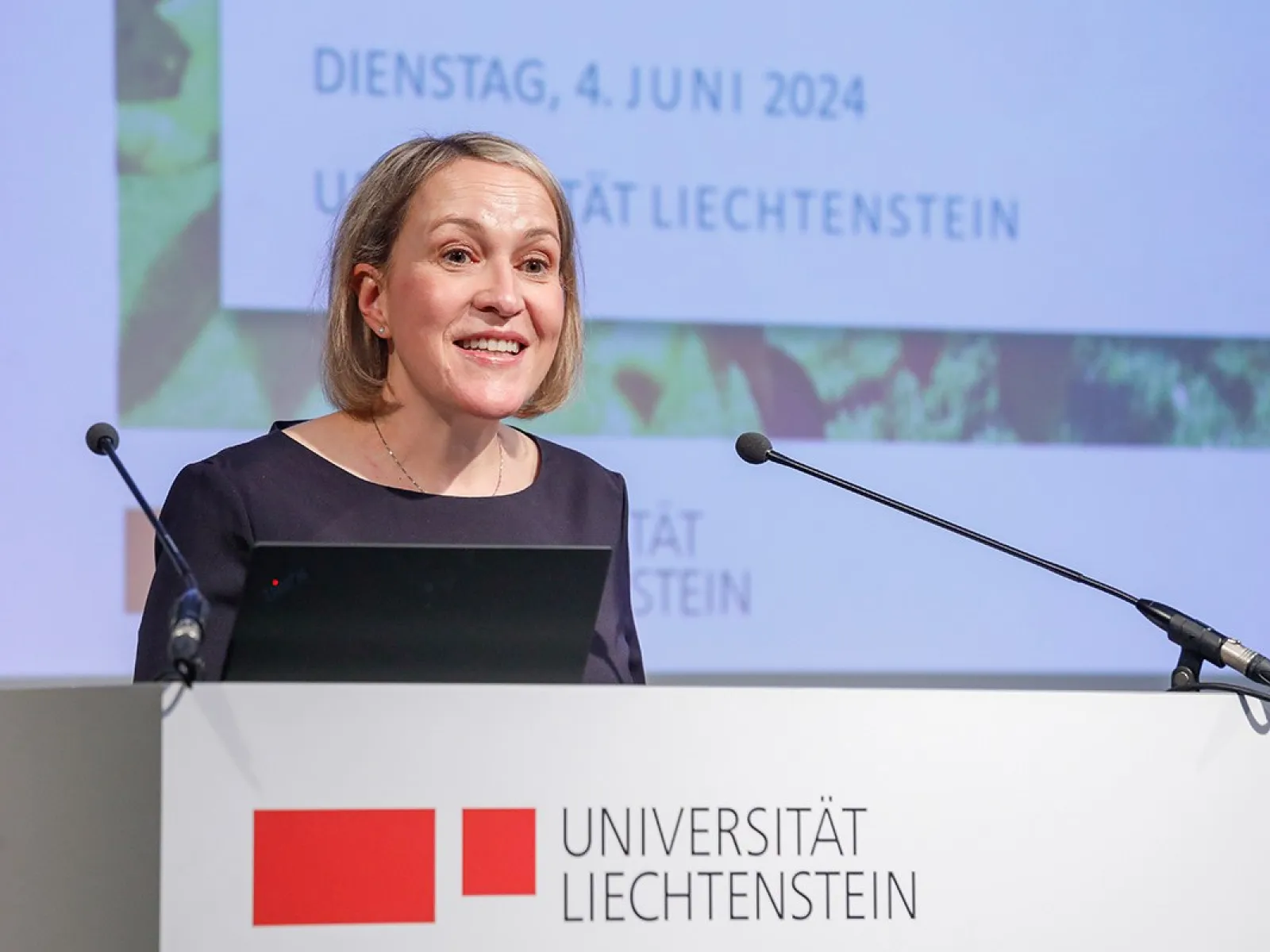
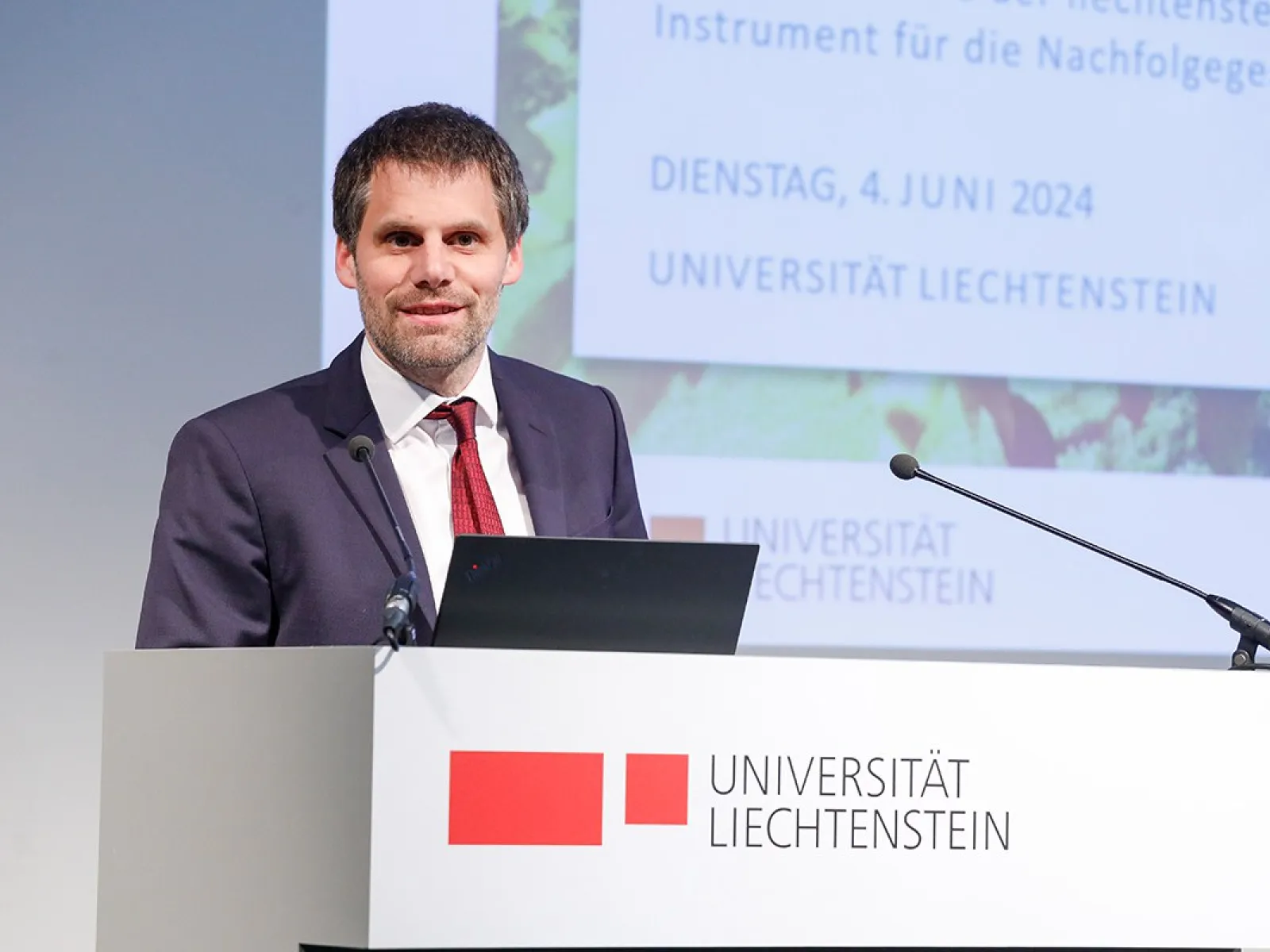
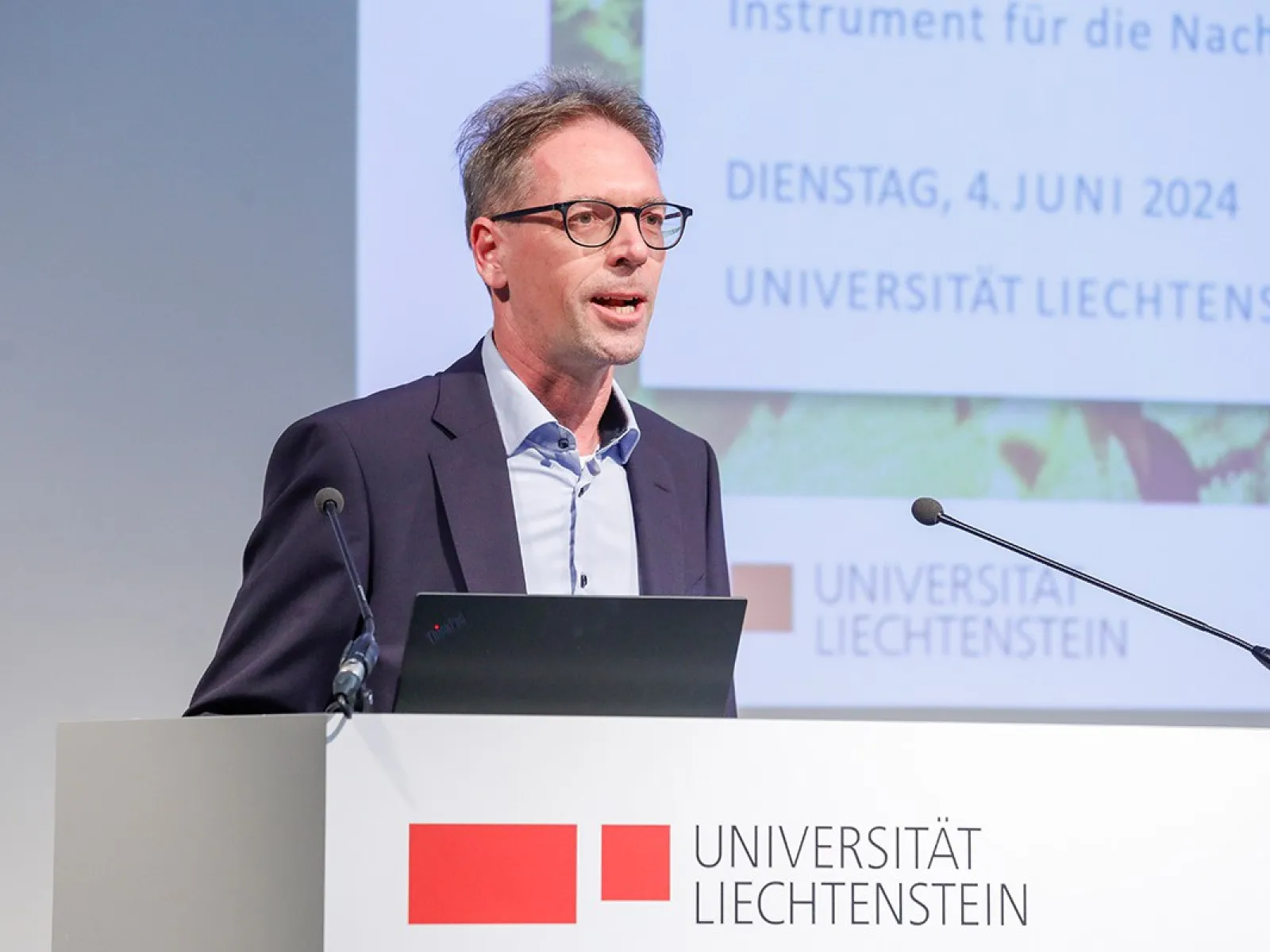
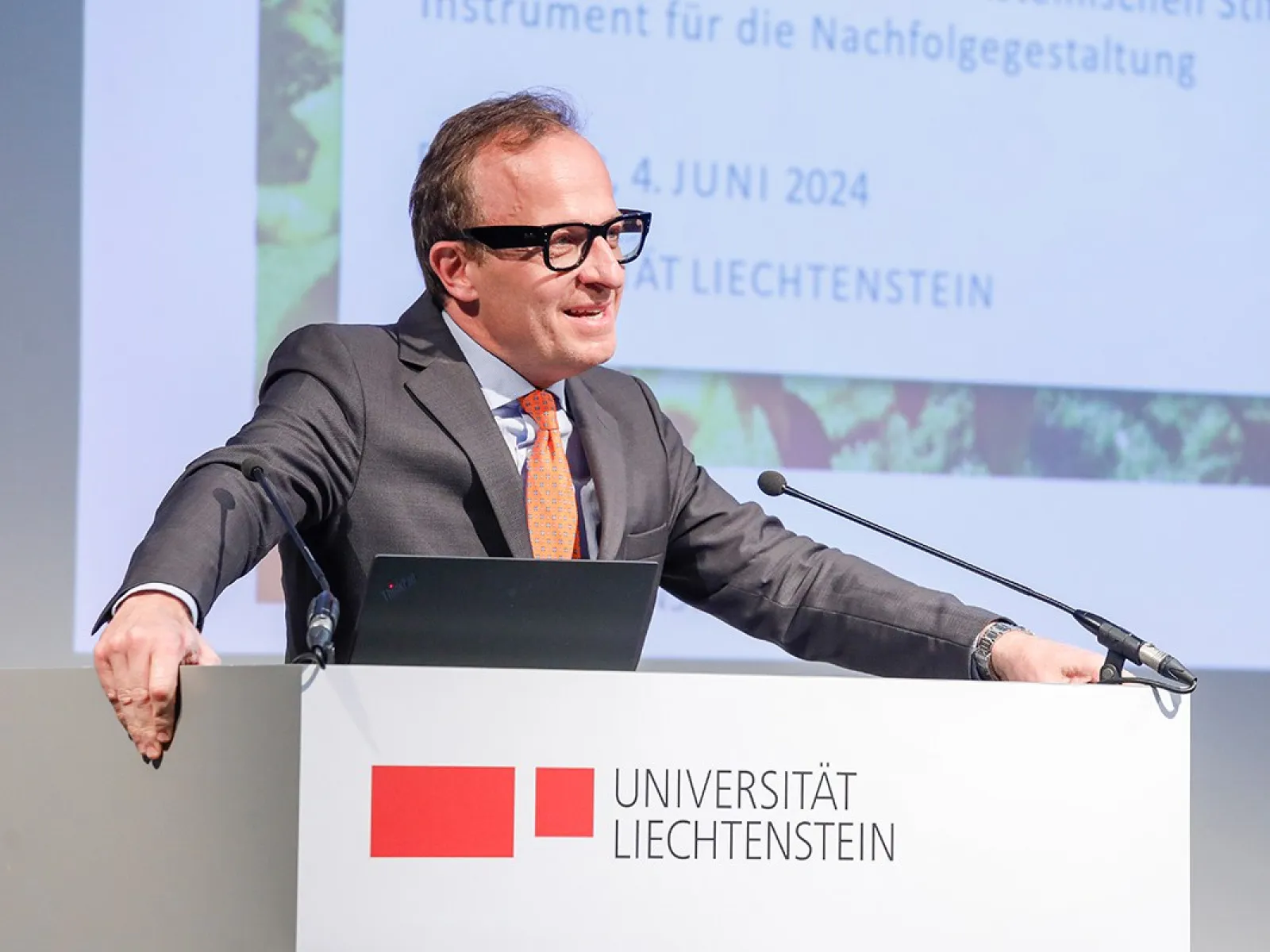
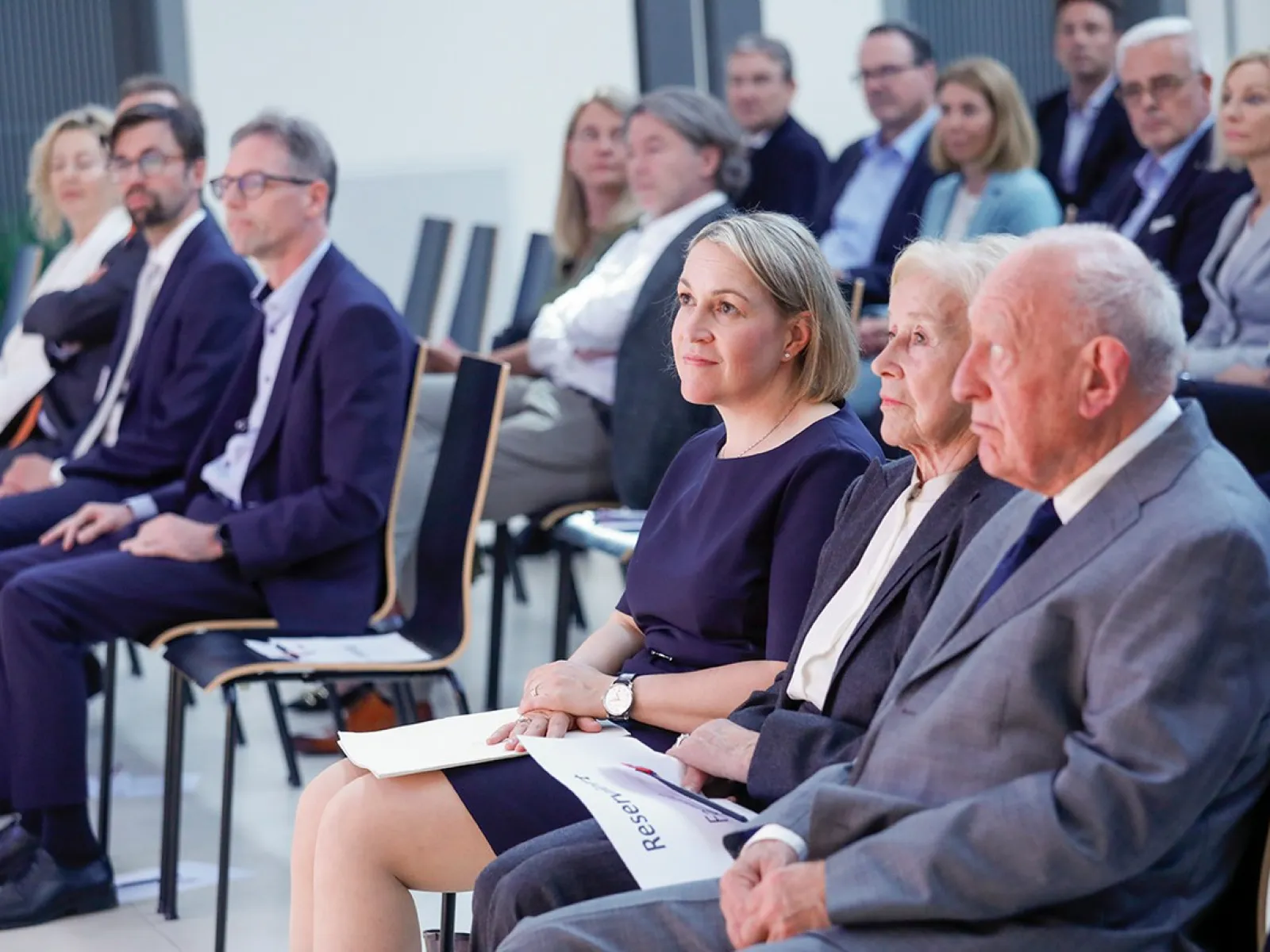
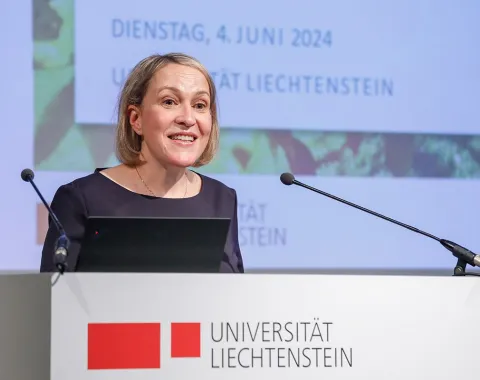
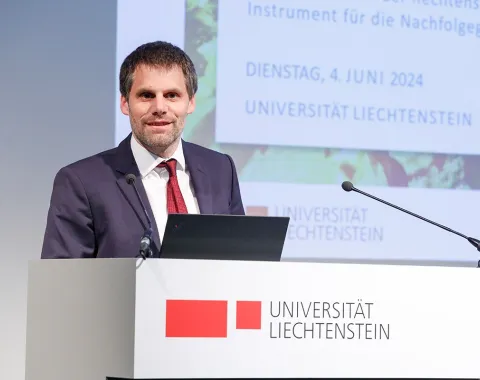
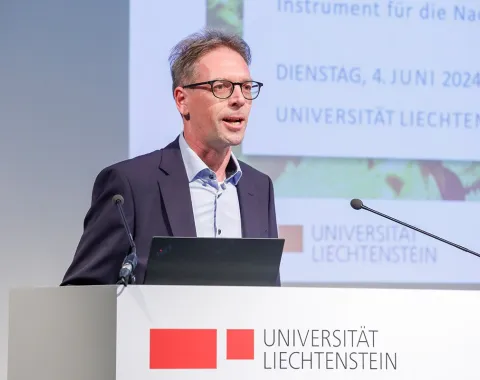
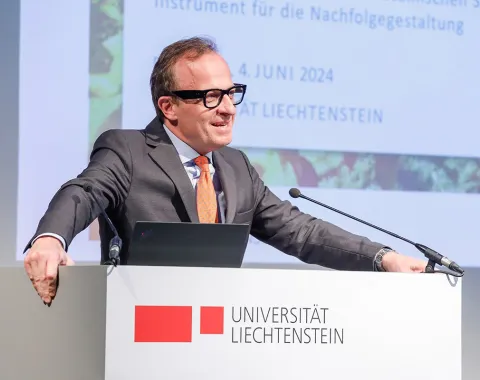
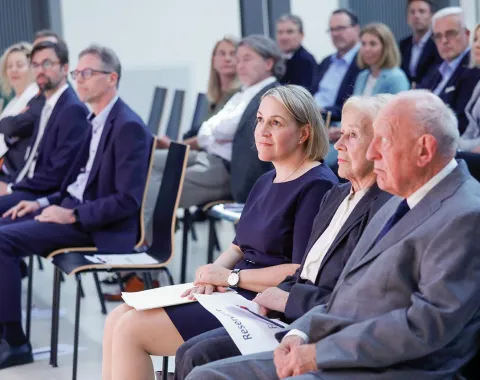
In a ceremonial setting, Prof. Dr. Alexandra Butterstein, LL.M., delivered her inaugural lecture as Professor of Corporate, Foundation, and Trust Law on June 4, 2024, in the auditorium of the University of Liechtenstein. Around 150 participants, including numerous colleagues from home and abroad, external guests, and students, attended the event to witness this significant occasion.


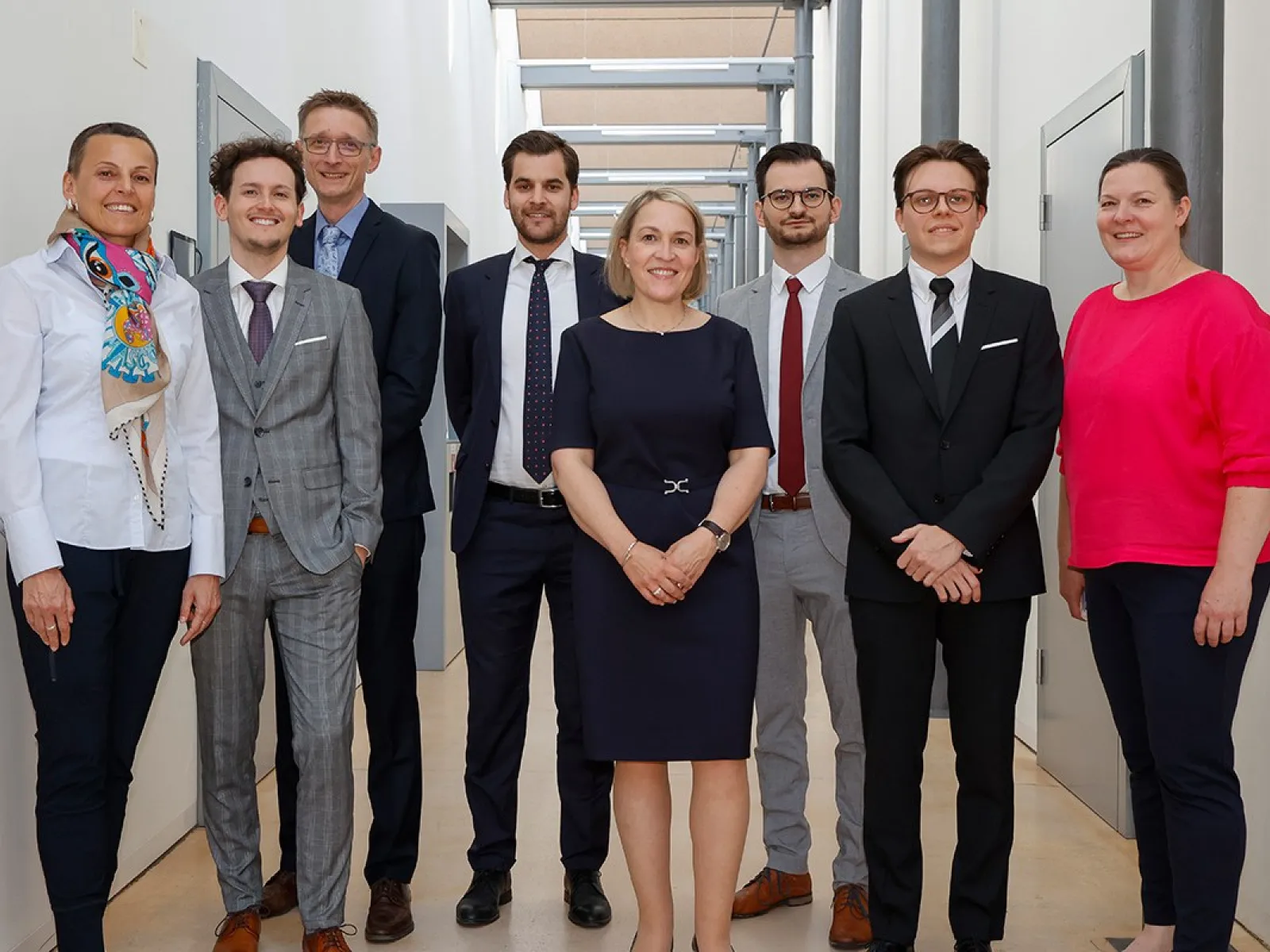
Prof. Dr. Alexandra Butterstein, LL.M., has held the professorship for Corporate, Foundation, and Trust Law at the University of Liechtenstein since April 2023. She had already served in this role on an interim basis since October 2019 after Univ.-Prof. Dr. Francesco A. Schurr accepted a position at the University of Innsbruck. Since then, Prof. Butterstein has played a key role in shaping and advancing the professorship, the Institute for Business Law as its director, and later as Dean of the Liechtenstein Business Law School. In addition to her role as Dean, she has also been a member of the Rectorate since 2023. That same year, she completed her habilitation on the topic of cross-border restructuring of foundations and was granted the teaching authorization in the fields of commercial and corporate law, private international law, and comparative law.


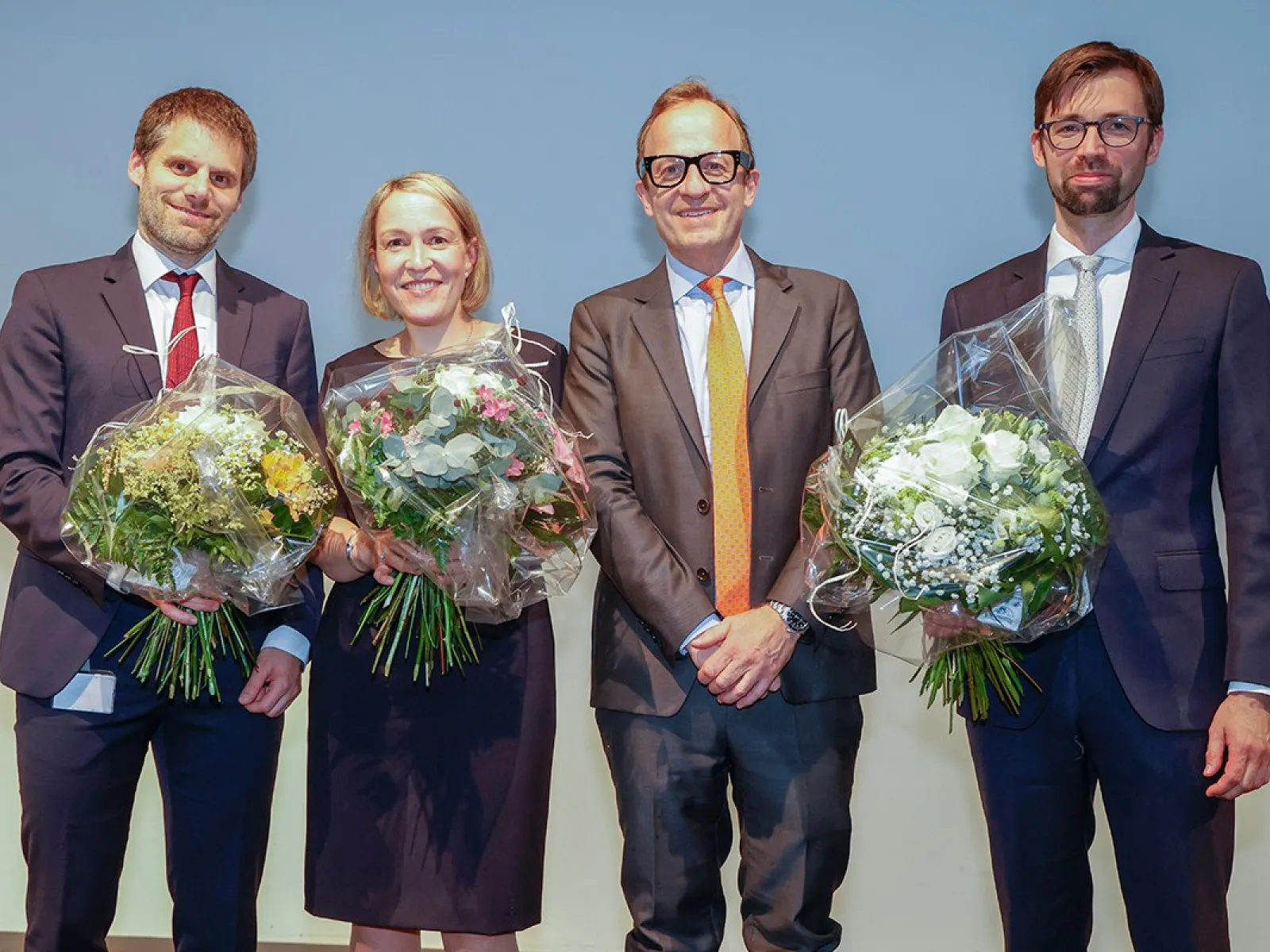
The inaugural lecture was opened by Dr. Christian Frommelt, Rector of the University of Liechtenstein. In his welcoming remarks, he greeted the many guests in the fully occupied auditorium and emphasized the academic significance of an inaugural lecture for newly appointed professors as a formal opportunity to introduce themselves and their research areas to the public. Dr. Frommelt also highlighted the central role of university research for the country and praised Prof. Butterstein’s personal commitment and her outstanding research activities at the University of Liechtenstein.


Dr. Martin Alge conveyed the congratulations of the Liechtenstein government and stressed the importance of the foundation sector for the reputation of Liechtenstein’s secure financial center. In this context, he emphasized that a well-balanced foundation governance is essential and that this has been strengthened through the recent reform. The Office of Justice is currently working on a draft to introduce further targeted improvements in governance.


In his address, Univ.-Prof. Dr. Francesco A. Schurr, academic mentor to Prof. Butterstein, praised her outstanding academic and professional achievements. In addition to numerous administrative responsibilities and her teaching in undergraduate and continuing education, she stood out for her excellent research contributions. He acknowledged her significant scholarly work in the field of corporate, foundation, and trust law, which has made her a respected expert both nationally and internationally. Prof. Schurr expressed his pride and delight that his former student is now his successor and wished her success in her new role.


In her inaugural lecture, Prof. Butterstein focused on the topic “Governance of the Liechtenstein Foundation as a Tool for Succession Planning.” She began by highlighting the suitability of Liechtenstein’s foundation governance as a succession planning instrument for families and their businesses, taking into account various spheres of interest. “Recent foundation law reforms in German-speaking countries have intensified the competition between legal systems. In this context, governance and its flexibility will be central to a future-oriented foundation law,” Prof. Butterstein stated. She further emphasized that the flexible structuring of Liechtenstein foundations allows for tailored solutions to the complex demands of succession planning.


She also addressed the different aspects of corporate, family, and foundation governance in detail. In this context, she explained how the legal framework in Liechtenstein makes it possible to structure foundations in a way that meets the needs of founders as well as the interests of beneficiaries and the enterprise. Effective governance, she noted, is not only a legal necessity but also a key factor in building trust among stakeholders to ensure successful succession planning.


Moreover, Prof. Butterstein discussed the importance of international networks and Liechtenstein’s role in the global context of foundation law and in the competition among foundation jurisdictions. She emphasized that Liechtenstein, thanks to its modern and flexible legislation, can continue to play a pioneering role in developing and implementing innovative succession planning solutions.


We need your consent
To view this YouTube video, you must accept data processing under the category “Third-party marketing”. Further details on data processing can be found here.
Display Cookie Settings

Young Talents at the University of Liechtenstein

Young Talents at the University of Liechtenstein

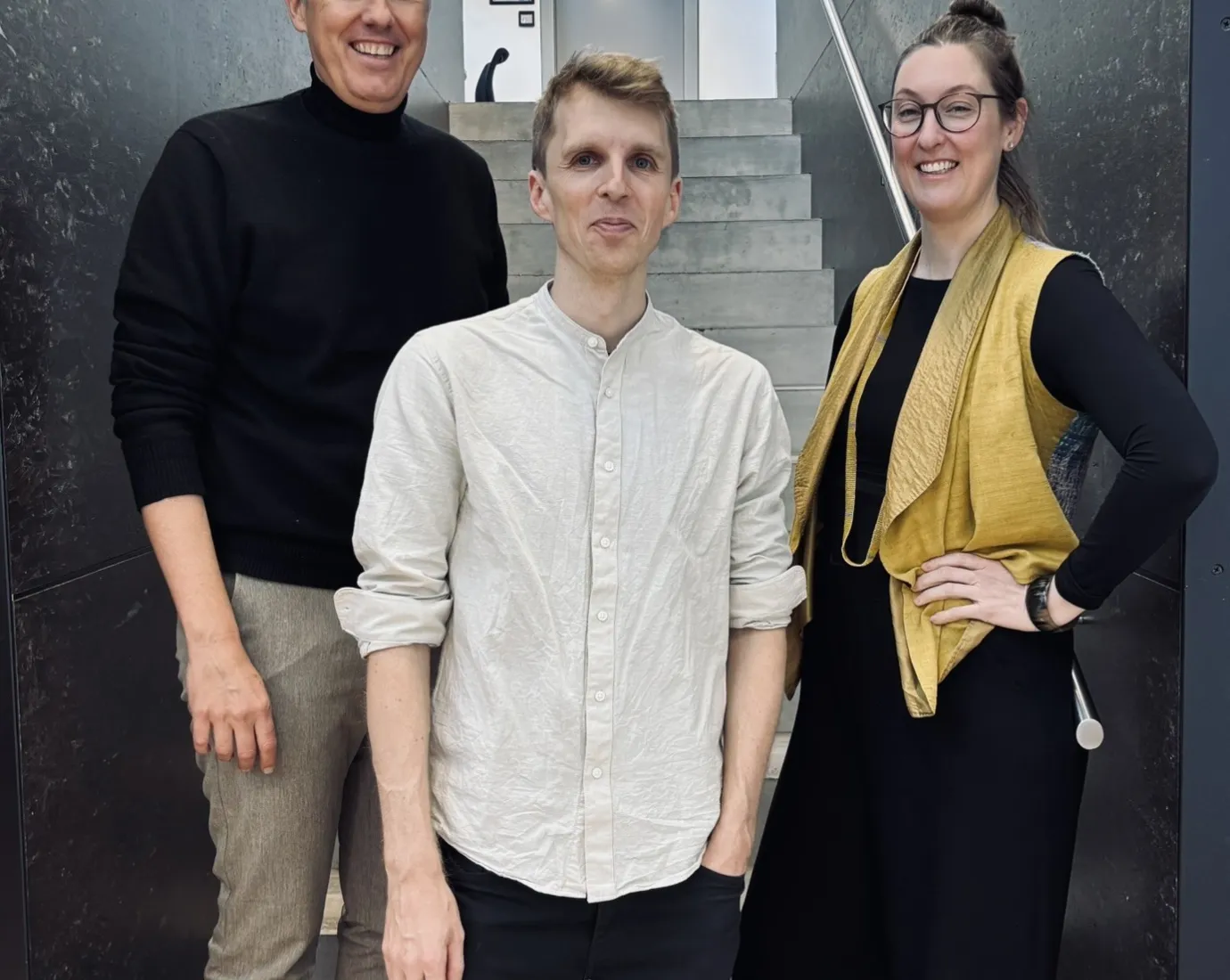
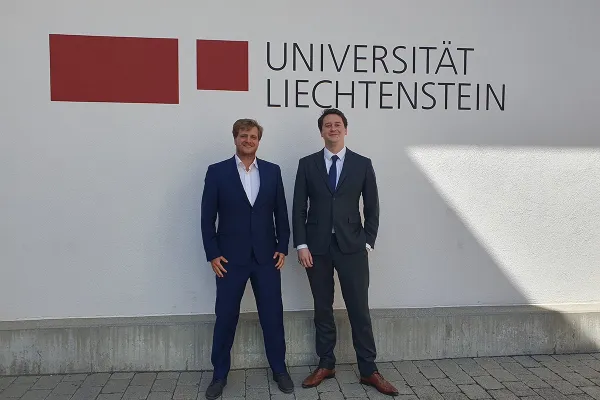
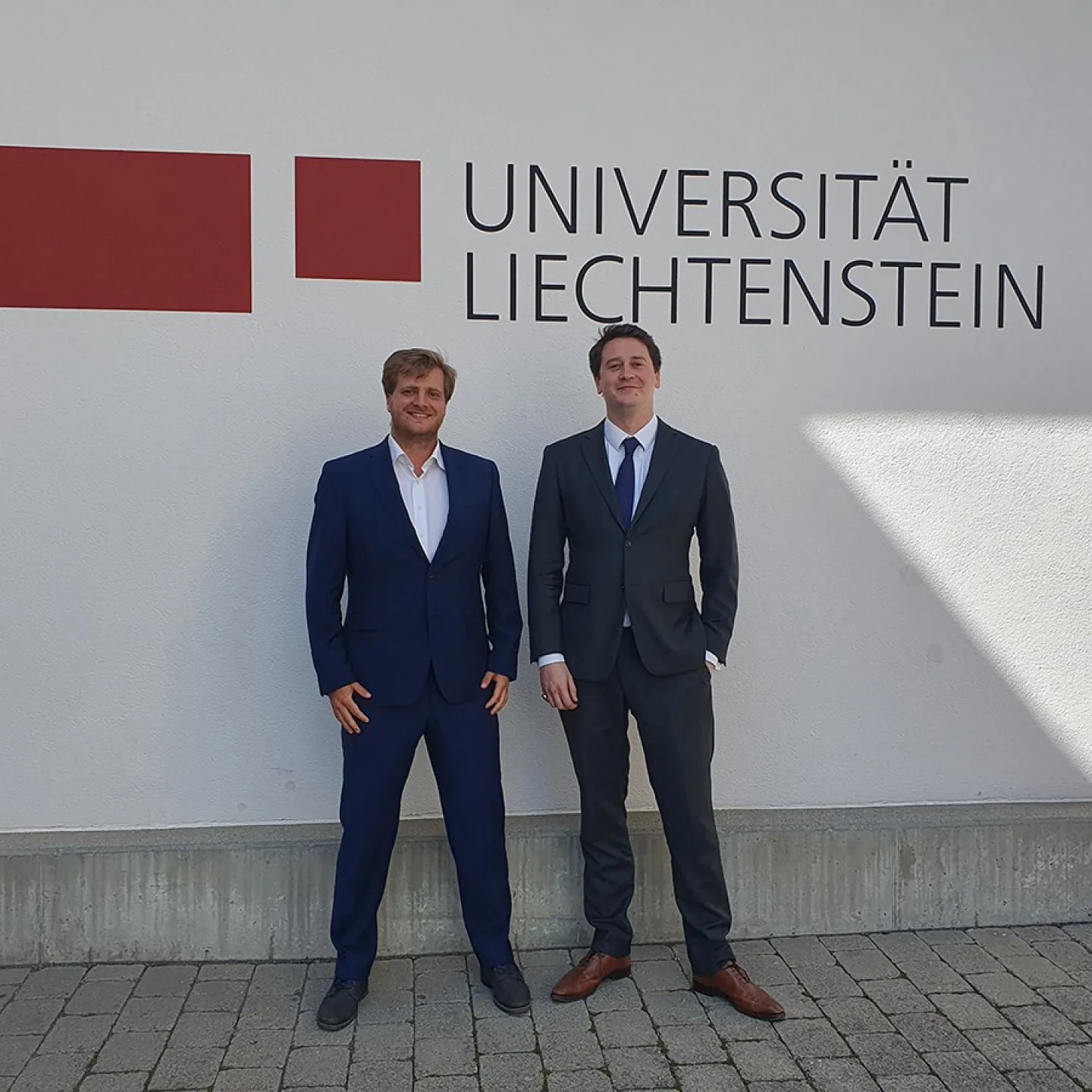
Zwei Personen in Anzügen stehen vor einer Wand mit dem Logo der Universität Liechtenstein.

Young Talents is a program for the promotion of young researchers. Young researchers at the University of Liechtenstein at doctoral level (following a preliminary study) can submit small research proposals to the University of Liechtenstein Research Fund.


Excellent candidates are supported by this grant in the implementation of their own research projects and in the development of an independent research profile. The candidates selected this year for the FFF Young Talents Grant are Theo Ravet-Brown and Marius Gramlich. Here are their research projects:


Leadership group dynamics in virtual reality: The role of follower interactions on charismatic leadership effectiveness in 2D and 3D virtual meetings


Charismatic leadership, a powerful form of leadership, is evolving with technology. Traditionally studied in face-to-face settings, recent research reveals that the impact of different communication media on charismatic leadership is profound. Findings suggest that the way charismatic leadership is perceived can significantly change with the medium used for interaction. This opens up questions on how these changes affect a leader’s ability to influence and motivate followers. Current studies involve using controlled environments to simulate real-life interactions, such as one-on-one meetings with supervisors, but today's workplace often features complex, multi-party digital meetings. This shift has prompted new research focused on understanding how follower behavior and group dynamics influence perceptions of charismatic leadership in these settings. 


The Young Talent applicant, Theo Ravet-Brown, proposed a pioneering experiment, where a leader and followers engage in tasks requiring close cooperation, while their interactions – eye contact, gestures, facial expressions, and voice modulation – are meticulously analyzed. This study not only uses cutting-edge biometric tools but also integrates virtual reality (VR) to deepen our understanding of nonverbal cues in digital communications.


Scheduled for late 2024, this research aims to publish its findings in prestigious journals, potentially reshaping how leadership training is conducted, especially in digital contexts. The University of Liechtenstein LBS is at the forefront of this initiative, addressing the growing demand for advanced leadership skills that align with the realities of the digital age, including virtual collaboration and management. This project supports LBS's goal to become a high-profile center for leadership excellence, providing concrete, actionable guidance to today's and tomorrow's leaders.


What are the drivers of liquidity on crypto markets


Studying the factors that drive liquidity in crypto markets is of paramount importance in today's financial landscape. Liquidity, the ease with which an asset can be bought or sold at low costs without significantly impacting its price, plays a crucial role in the efficiency and stability of financial markets.


In the context of crypto assets, understanding liquidity dynamics is particularly relevant due to the unique characteristics of digital assets and their markets.


Marius Gramlich will focus on lead-lag relationships, connectedness, and spillover effects of high-frequent intraday liquidity on centralized crypto exchanges. This project aims to provide valuable insights into market dynamics, risk management for trading crypto assets and crypto market microstructure.


Scheduled for late 2024, this research aims to publish its findings in prestigious journals and is a perfect fit for the strategic research focus of the University of Liechtenstein and for Liechtenstein’s economy promoting innovation for digital assets.


Zwei Personen in Anzügen stehen vor einer Wand mit dem Logo der Universität Liechtenstein.

Dr. Tanja Kirn Speaks at the European Commission

Dr. Tanja Kirn Speaks at the European Commission

Buntes Scherenschnittbild von Menschen in verschiedenen Lebenssituationen: Erwachsene, Kinder, Radfahrer und Personen mit Kinderwagen, die Vielfalt und Wandel moderner Familienstrukturen symbolisieren.

Dr. Tanja Kirn, Ass-Prof., presented at the European Commission (DG EMPL) research seminar, the Social Situation Monitor (SSM), results on the social security of cohabiting couples in various European countries. In this context, she also analysed the degree of solidarity within the Swiss AHV system.


The issue of social security for cohabiting couples is becoming increasingly important as family structures change. The relative number of marriages has fallen by around 50% since 1969 and marriages have become more fragile. On the other hand, the number of cohabiting couples and children born in non-marital cohabiting couples increases.


Women are particularly affected by this change. They perform a large proportion of unpaid care work, which is often accompanied by a reduction or abandonment of employment. As a lower income from employment results in a lower pension income, women are exposed to a higher risk of poverty in old age. This risk increases for non-married women, as important social security equalisation regulations (such as splitting of retirement assets, and survivors' pensions) are linked to the couple's marital status. On the other hand, AHV pensions are not capped at 150% for cohabiting couples, which in turn leads to comparatively higher pension income. Overall, the solidarity within the AHV is significantly stronger for married couples than for cohabiting couples.


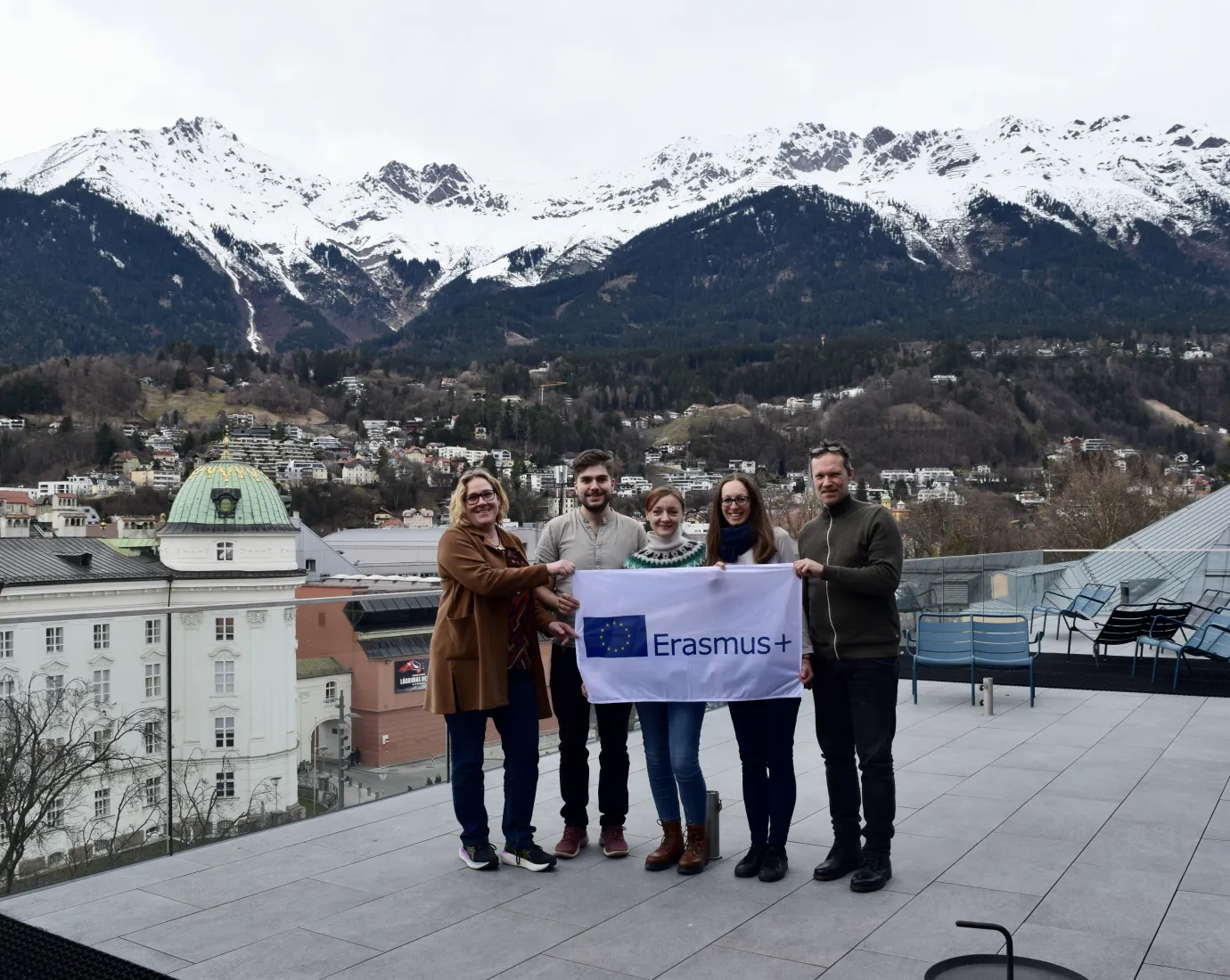
The results presented were obtained as part of the Erasmus+ project ecoMOD – capacity building in environmental and economic policy modelling and data analysis (Project: 2023-1-LI01-KA220-HED-000157594).


Buntes Scherenschnittbild von Menschen in verschiedenen Lebenssituationen: Erwachsene, Kinder, Radfahrer und Personen mit Kinderwagen, die Vielfalt und Wandel moderner Familienstrukturen symbolisieren.

Funded Projects in the Young Talent Program 2025

Funded Projects in the Young Talent Program 2025

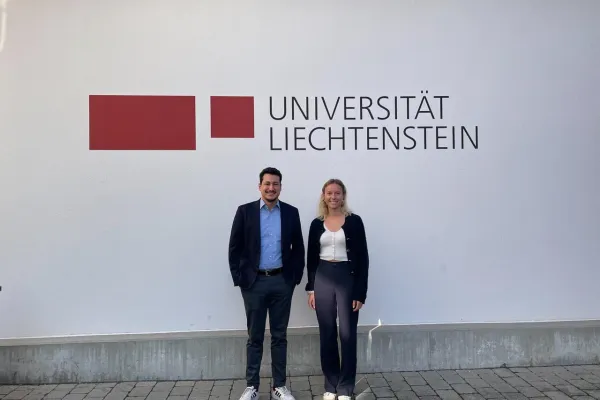
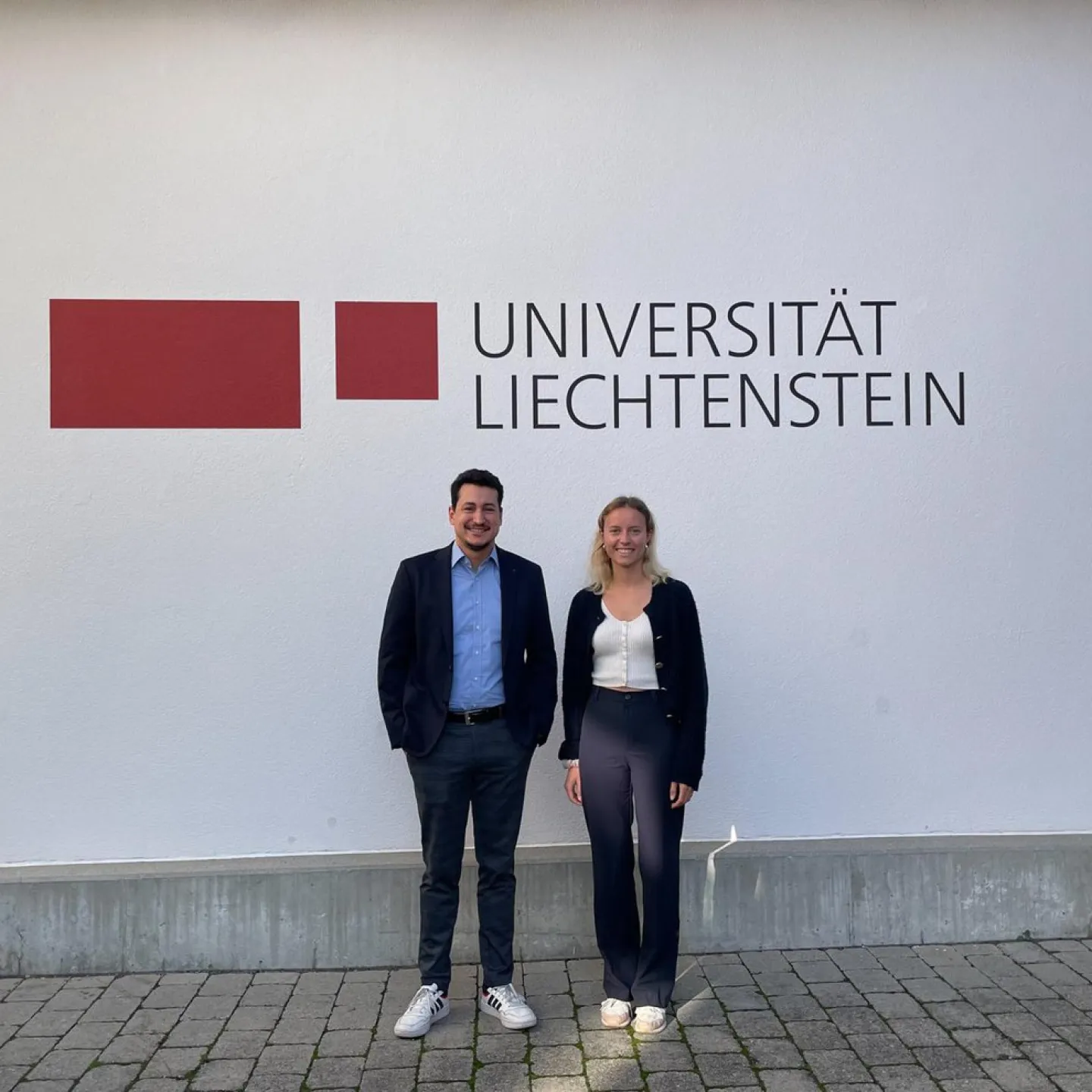
Zwei Personen stehen vor einer Wand mit dem Logo der Universität Liechtenstein. Sie lächeln in die Kamera.

Young Talents is a program for the promotion of young researchers. Young researchers at the University of Liechtenstein at doctoral level (following a preliminary study) can submit small research proposals to the University of Liechtenstein Research Fund.


The promotion of young talent focuses on young academics and supports the social and societal responsibility of the University of Liechtenstein. All doctoral students employed as staff members who have successfully completed the preliminary study and are not completing their doctorate within the within the funding period are eligible. Excellent candidates are supported by this grant in the implementation of their own research projects and in the development of an independent research profile.


The candidates selected for the FFF Young Talents Grant in 2025 are Livia Herle and Lukas Salcher. Here are their research projects:


Crooked Wood – Livia Herle


Around 41% of the Principality of Liechtenstein is covered by forest. Three quarters of this forest is defined as protection forest due to an average slope gradient of 40% or more. Nevertheless, it is one of the most important sources of raw materials. However, around 70% of the wood harvested annually in Liechtenstein is used directly for energy, which drastically shortens the carbon storage cycle of wood. In addition, forest structures are changing due to climate change. Forecasts for Liechtenstein's forests indicate that spruce will disappear in 2070, particularly at low altitudes, and will only be able to survive in the higher regions. In contrast, hardwood species will increase, leading to a mixed forest. Therefore, research will focus on the potential of poor quality hardwood. A general aim is to extend the life of a log before it is used as an energy source. An analysis of the local occurrence of hardwood species and their quality will serve as a tool to translate this knowledge into constructive solutions. In addition, a comparison of different construction systems that can work with short logs of solid hardwood and that offer opportunities for resource efficiency and deconstructability will serve as a starting point for further research into truss structure systems. This construction system has been used massively historically, but also offers potential for future uses as it provides opportunities for the remaining hardwoods. Thus, the various parts of the system involved are being investigated for their structural role and properties to find potential in the existing but unused hardwood. A cataloging of poor quality hardwood, such as crooked, too short, too thick or twisted, redefines the available material. The goal can be formulated as a representation of possibilities within the structural system of timber-frame construction and to show new potential through the use of hardwood.


Lost in Translation: How Predictability Turns Into Performance –Lukas Salcher


Modern portfolio theory provides for a two-stage asset allocation process. However, the accurate prediction of returns and their effective utilization remains a challenge. This difficulty stems from a tenuous link between predictive accuracy and economic value, a topic of debate among researchers. While some researchers question whether returns are predictable at all, others aim to improve forecasting methods, including by adopting techniques from the field of machine learning. Our study addresses the problem of how predictability can be systematically harnessed for better economic outcomes, exploring different investment strategies and assets. By linking the predictability of returns directly to portfolio performance, we challenge the established focus on statistical mass. Our results suggest that even low predictability, strategically applied, can bring significant performance benefits.


Zwei Personen stehen vor einer Wand mit dem Logo der Universität Liechtenstein. Sie lächeln in die Kamera.

New architecture curricula: strong focus on sustainability

New architecture curricula: strong focus on sustainability

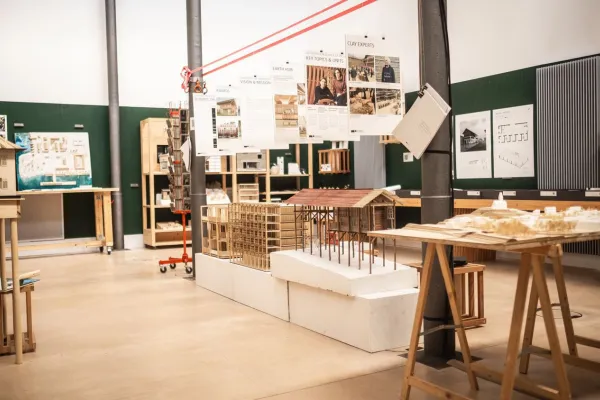
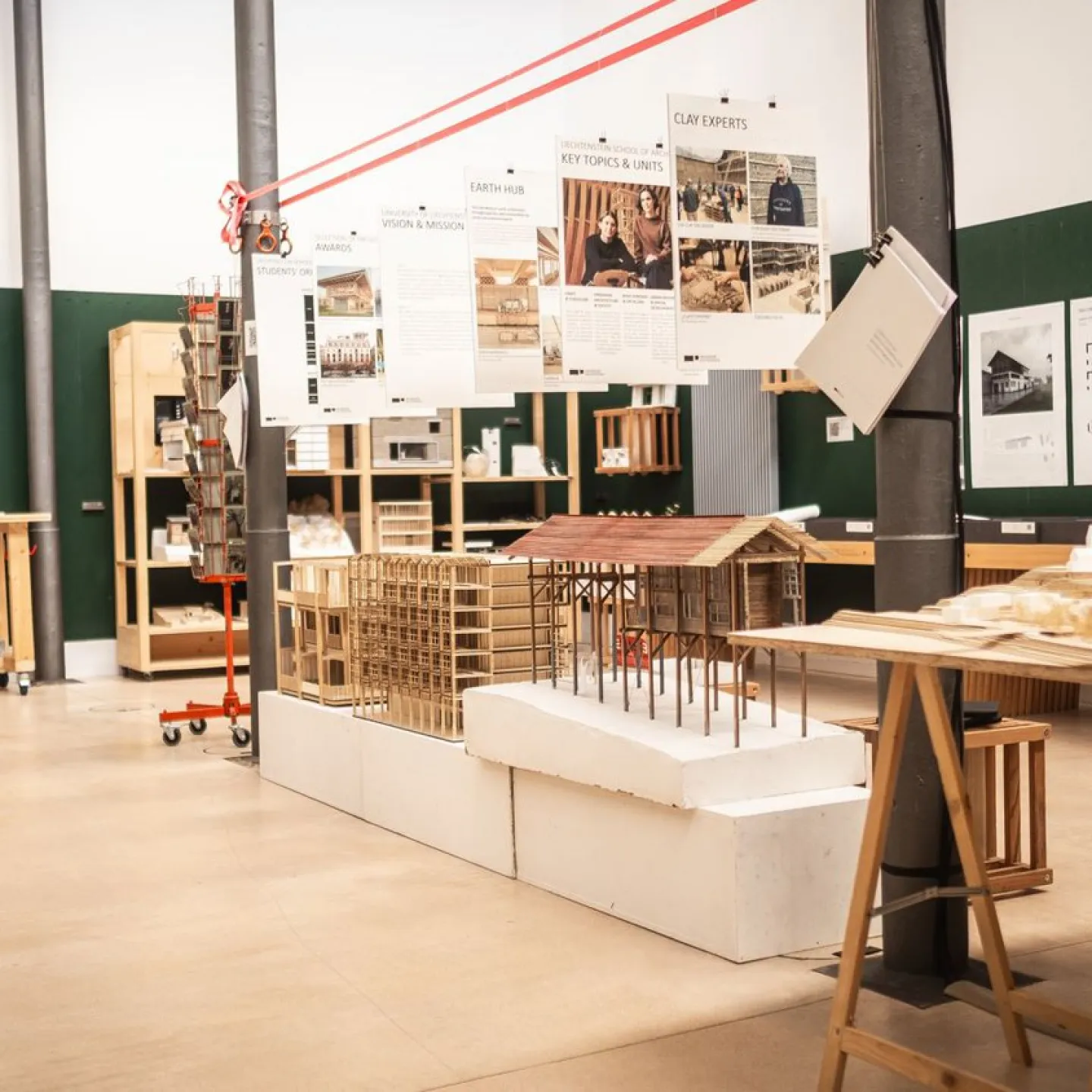
Architektur-Studienraum mit Modellen und Plakaten. Verschiedene Architekturmodelle aus Holz und Papier sind auf Tischen ausgestellt. An den Wänden hängen Plakate mit Informationen zu Projekten und Themen. Der Raum ist hell und modern gestaltet.

The field of architecture is currently changing at a rapid pace. In the face of increasing global challenges, both academics and practitioners have to deal with the climate crisis, demographic change, unequal social development and the failures of the existing built environment. To meet these challenges, students pursuing a degree in architecture today need more diverse skills than ever.


Since 1st September 2024, the new BSc and MSc Architecture curricula have been in effect. The updated programmes place a strong emphasis on sustainability, equipping the next generation of architects to tackle current and future challenges, such as climate change. With innovative course content and practical projects, students are being prepared to shape the built environment in a responsible and future-oriented way.


Curriculum of the Bachelor's degree programme in Architecture 


Curriculum of the Master's degree programme in Architecture 


"Yesterday, the focus was on optimizing what already existed, reducing consumption and emissions. Today, it is understood that construction must leave no footprint. From now on, we need buildings that help to compensate for the damage caused. New buildings must absorb more pollutants than they produce and generate more energy than they consume. New architecture is climate-positive."
Daniel Stockhammer, LSA Dean 


Architektur-Studienraum mit Modellen und Plakaten. Verschiedene Architekturmodelle aus Holz und Papier sind auf Tischen ausgestellt. An den Wänden hängen Plakate mit Informationen zu Projekten und Themen. Der Raum ist hell und modern gestaltet.

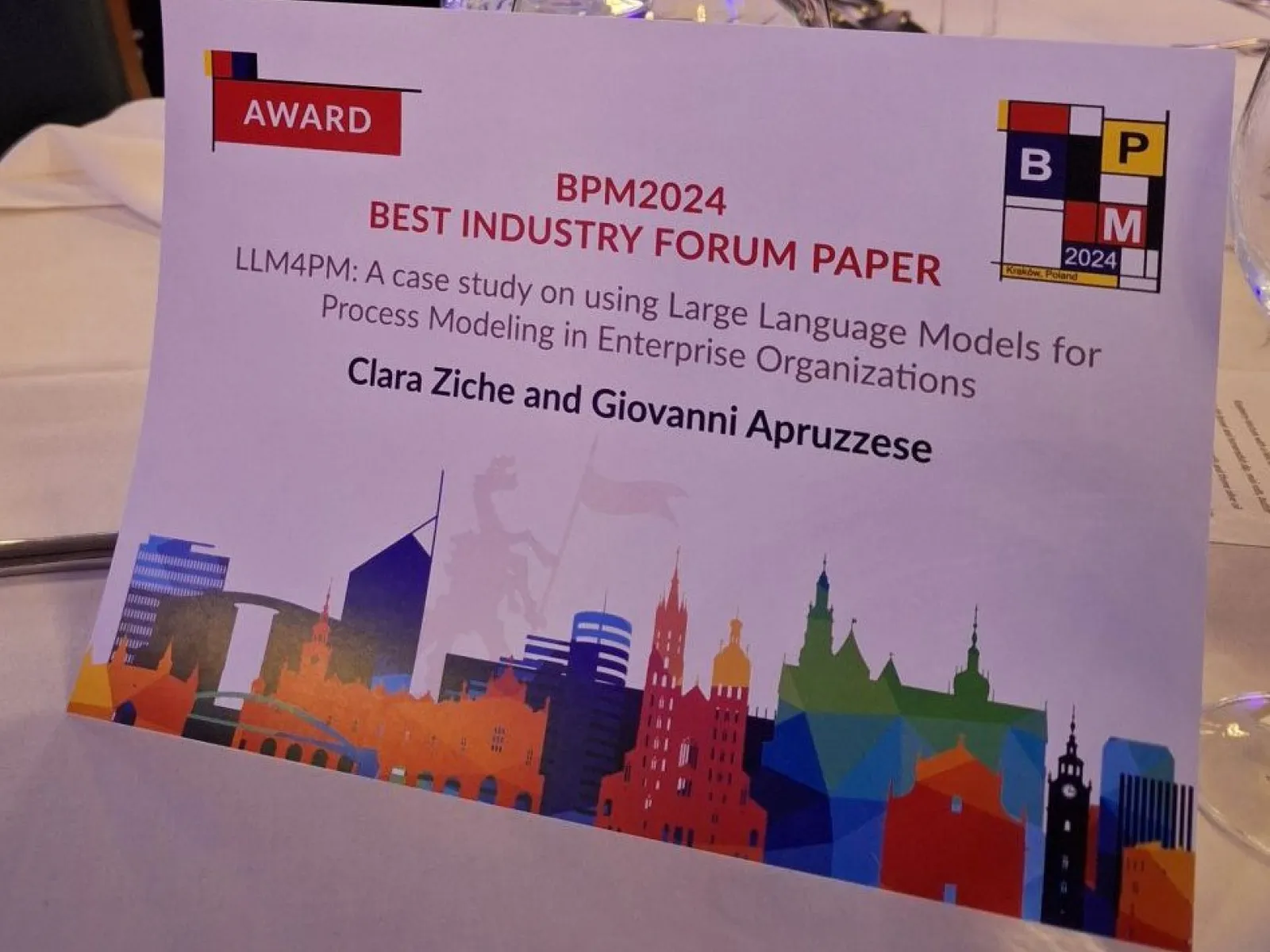
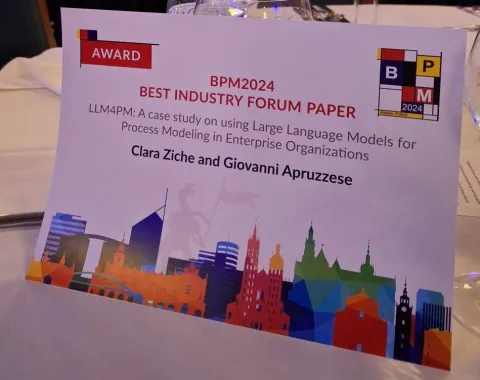
Master's thesis honored with BPM2024 BEST INDUSTRY FORUM Paper Award

Master's thesis honored with BPM2024 BEST INDUSTRY FORUM Paper Award

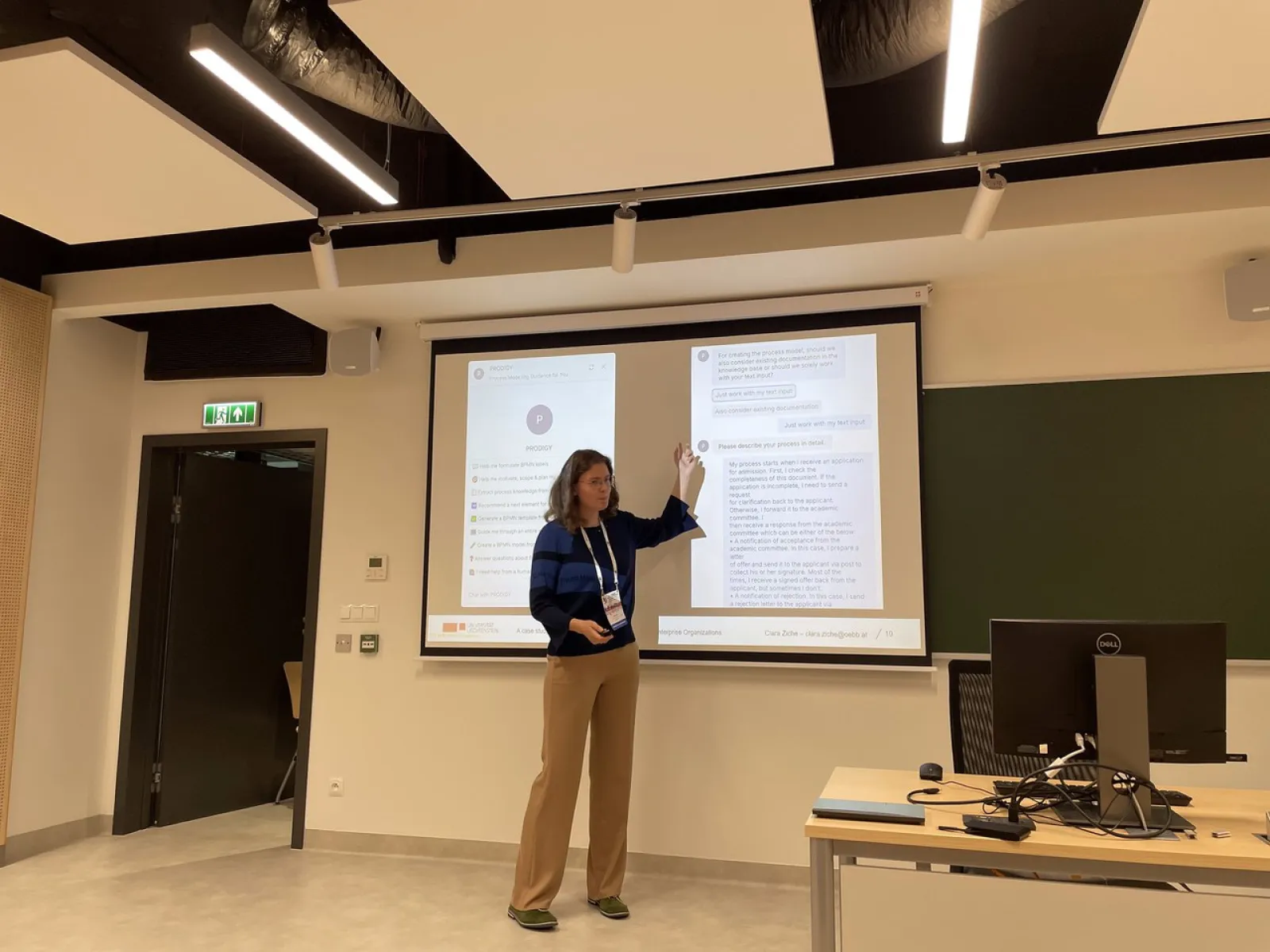
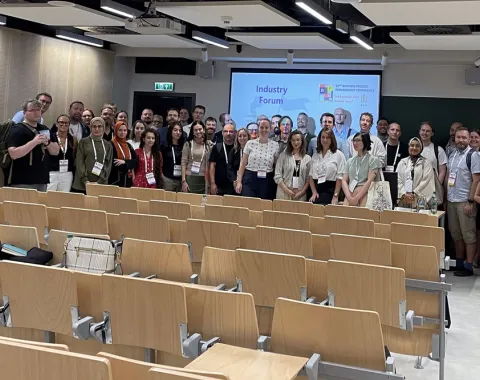
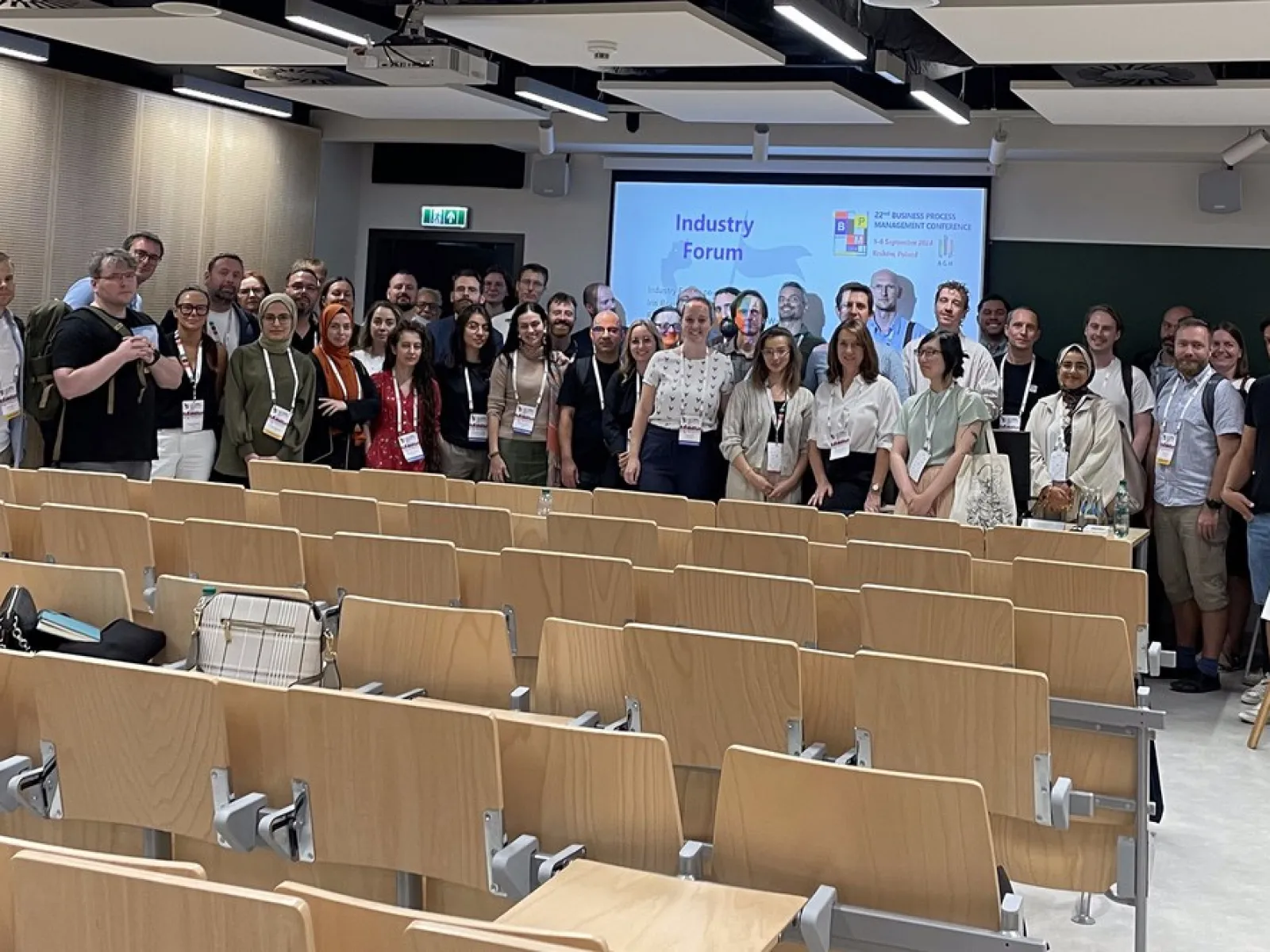
Clara Ziche completed her degree in Information Systems at the graduation ceremony in September 2024. Her master's thesis «A case study on using Large Language Models for Process Modeling in Enterprise Organizations» was not only accepted at the BPM conference in Krakau, Polen, but also received the BPM2024 BEST INDUSTRY FORUM Paper Award.


Since 2003, the International Conference on Business Process Management is the premier conference for researchers and practitioners in the field of Business Process Management. 


Clara Ziche stated: “The University of Liechtenstein was the perfect place to combine work and study, i.e. to work in industry and obtain an academic degree at the same time. The Information Systems discipline in particular benefits from close collaborations with companies; and companies benefit from interactions with research institutions.


At the University of Liechtenstein, I was trained in scientific methods and in the current state of research in the field of Business Process Management (BPM). This enabled me to contribute from my perspective as a BPM practitioner and submit a paper to the academic BPM conference.”
 

Two LSA Projects Shortlisted for the Swiss Arc Award 2024

Two LSA Projects Shortlisted for the Swiss Arc Award 2024

'Swiss Arc Award 2024' prominent im Vordergrund. Modernes Design, das Architektur und Innovation symbolisiert.

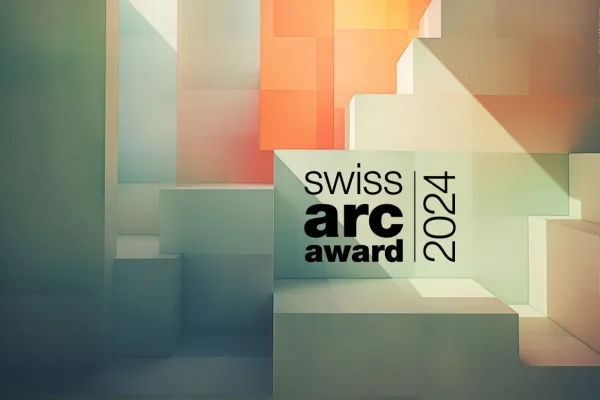
Two projects from the Liechtenstein School of Architecture have been nominated for the Swiss Arc Award 2024 and made it onto the shortlist. The projects "Reallabor Pro Bono – Design for the Common Good" and "Entrepôt – Building Repair, Reuse, Relocate" are in the spotlight. Both initiatives reflect the university’s commitment to sustainable architectural practices and social responsibility. They highlight the importance of renovation, reuse, and ecologically responsible design in the field of architecture.


The award ceremony will take place on 23 October 2024 at Trafo Baden.


More information about the nominated projects can be found [here].


'Swiss Arc Award 2024' prominent im Vordergrund. Modernes Design, das Architektur und Innovation symbolisiert.

Outstanding Artist Award for Martin Mackowitz

Outstanding Artist Award for Martin Mackowitz

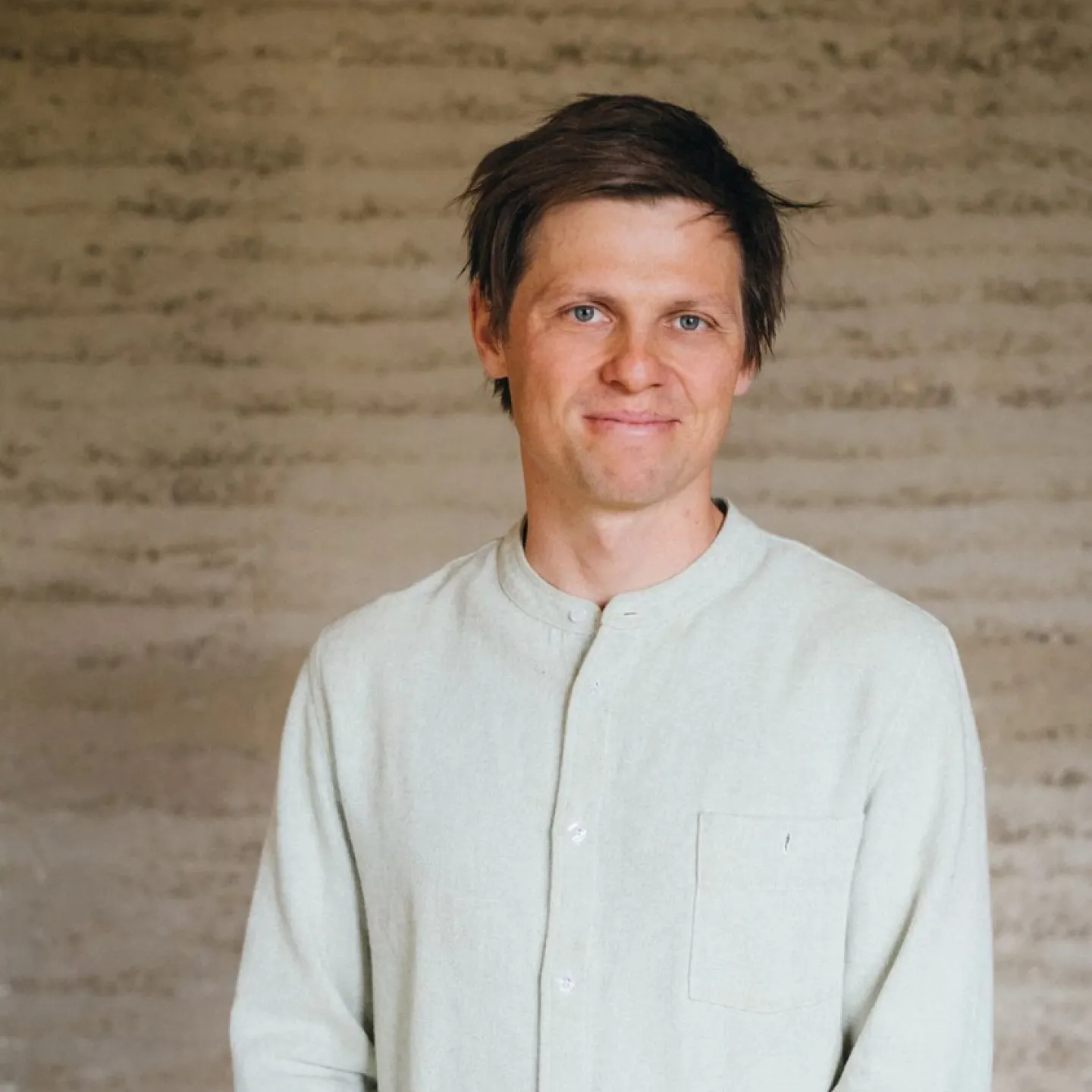
Auf dem Bild ist Martin Mackowitz, Hochschuldozent an der Liechtenstein School of Architecture zu sehen.

Martin Mackowitz, senior lecturer at the Liechtenstein School of Architecture, was honoured with the "Outstanding Artist Award 2024" in July for his work in the category of "Experimental Trends in Architecture." Mackowitz is renowned for his innovative approach to clay and ecological construction. His projects focus on concepts such as renovation, deconstruction, and circular building practices, all aimed at fostering positive social transformation. He is a member of "Lehm Ton Erde," founded by Martin Rauch, and co-founder of "Erden Studio" and "Lehmit." Additionally, he is a co-initiator of the newly established Earth Hub at the University of Liechtenstein.


This award recognises Mackowitz’s contributions to architecture that embrace not only aesthetic but also social and environmental dimensions, as well as his commitment to promoting sustainable building practices. Congratulations on this well-deserved recognition!


For more details, visit the website of the Austrian Federal Ministry for Arts, Culture, Civil Service, and Sport.


Auf dem Bild ist Martin Mackowitz, Hochschuldozent an der Liechtenstein School of Architecture zu sehen.
Subscribe to