Skip to Main Content

Compliance Day 2024

Compliance Day 2024
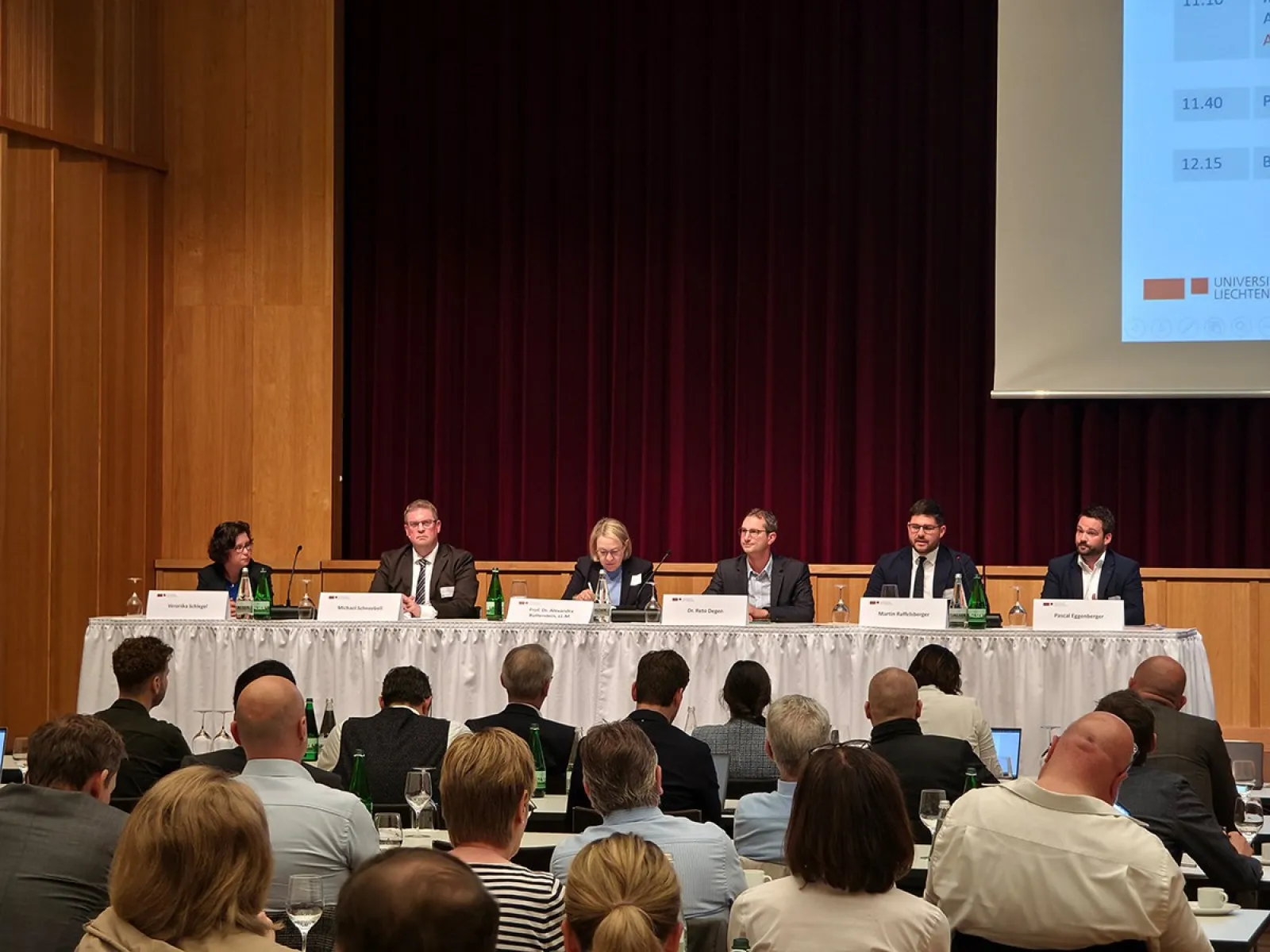
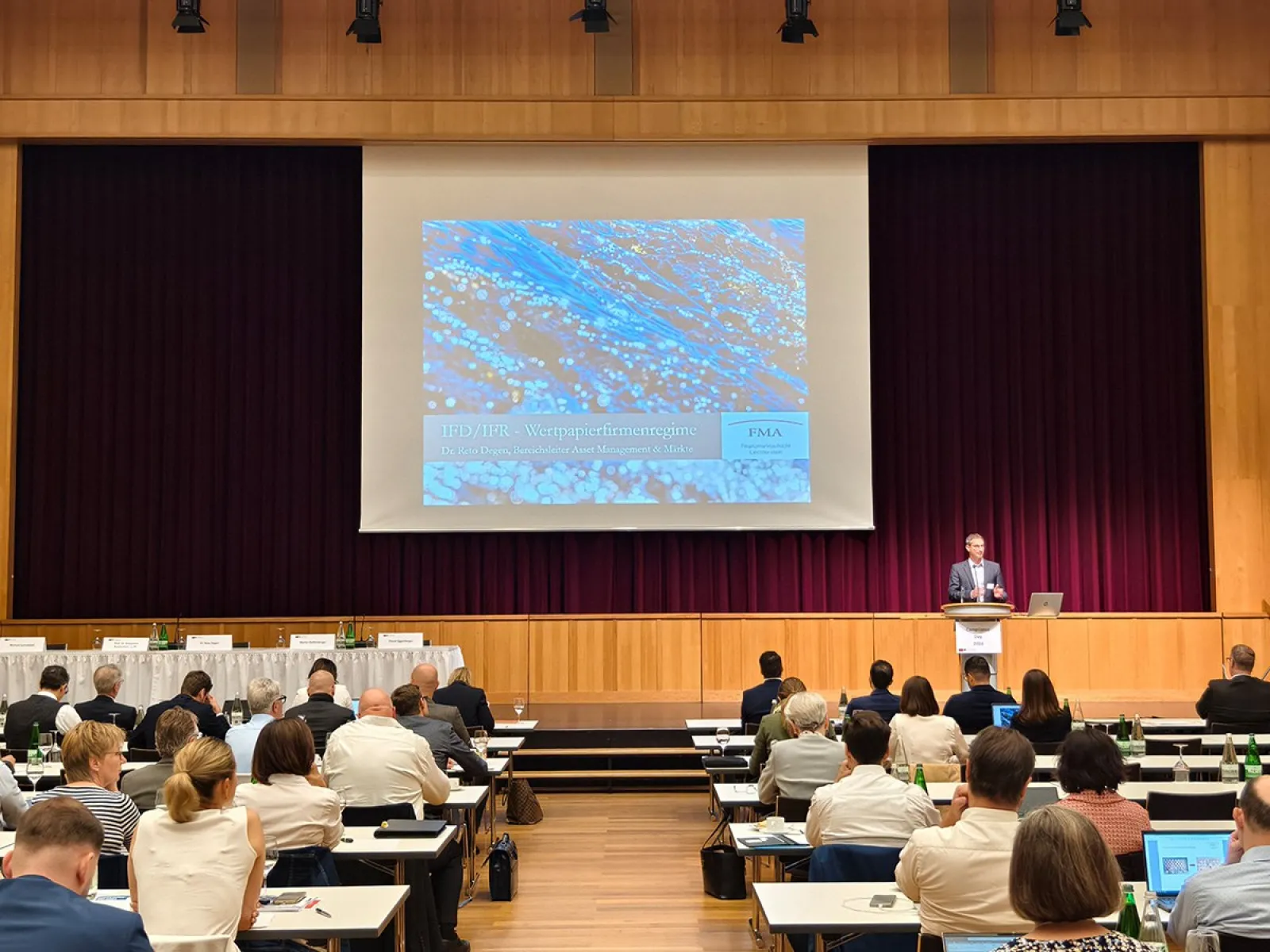
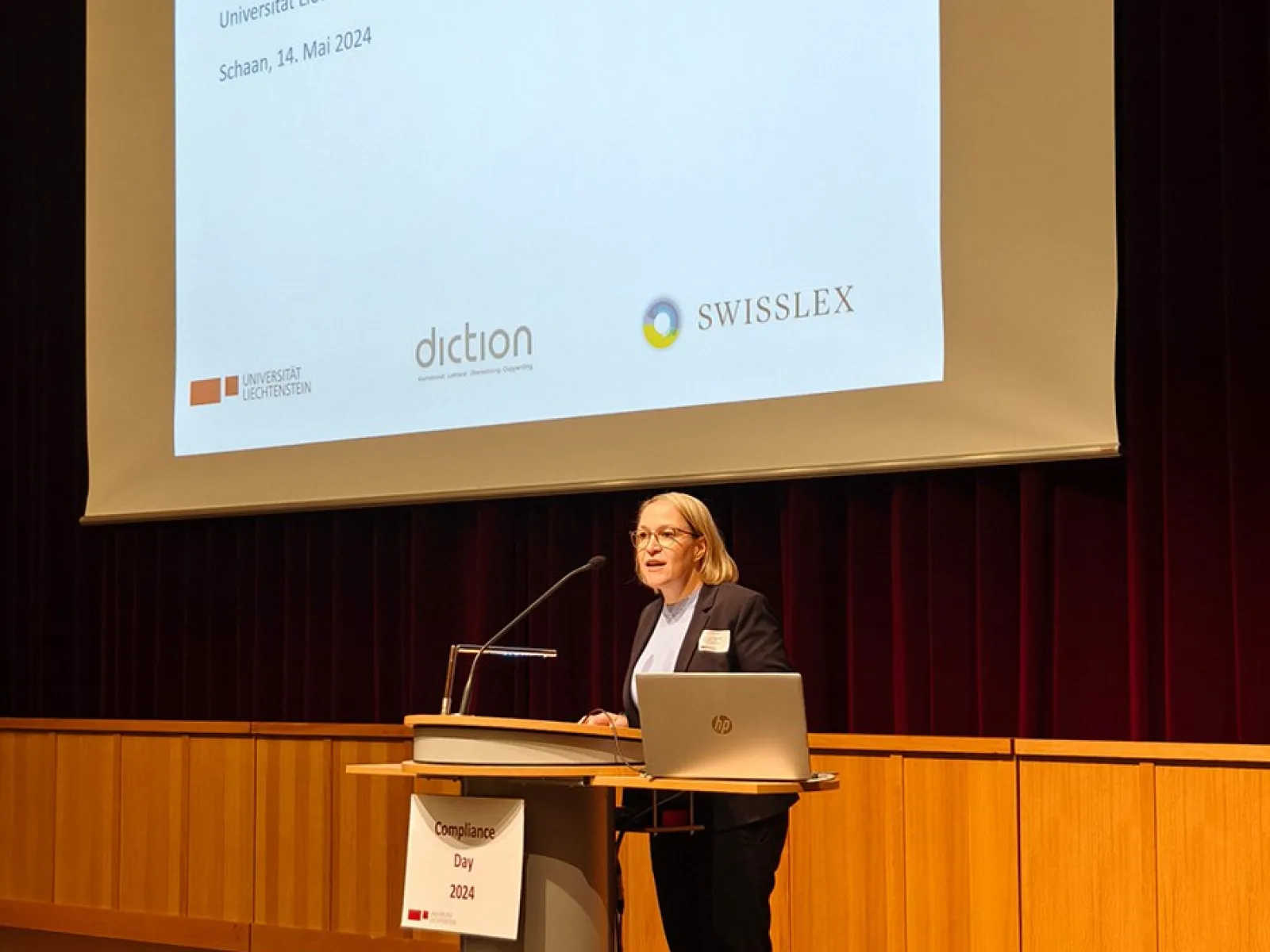
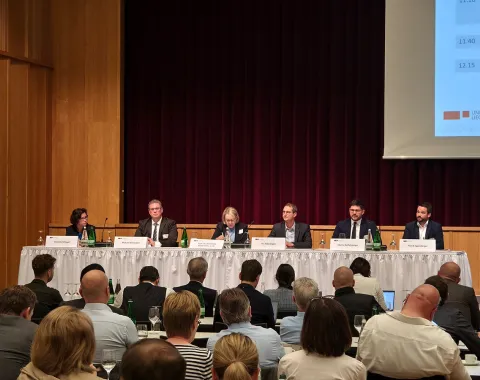
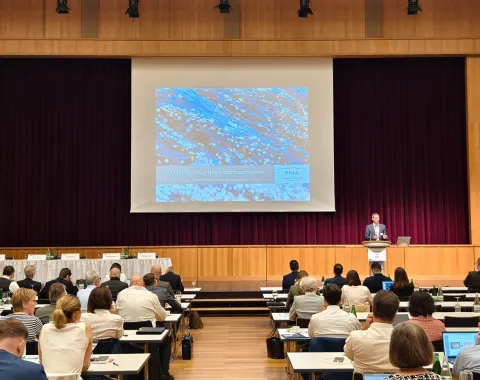
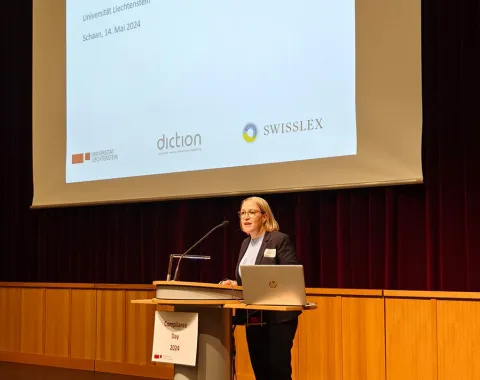
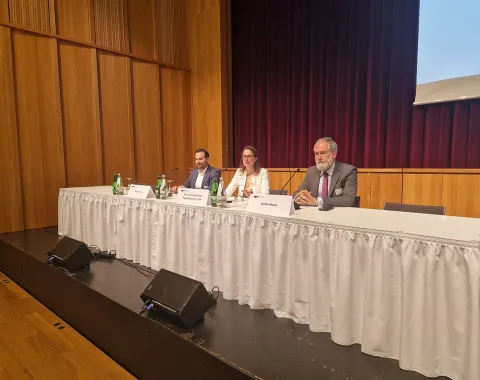
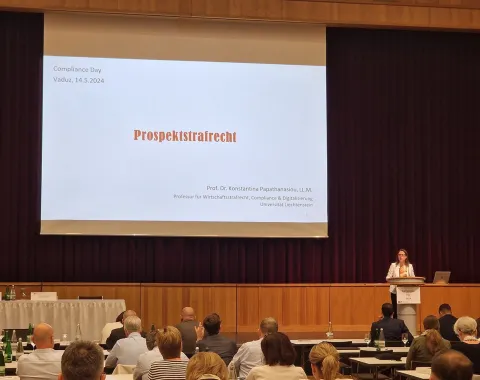
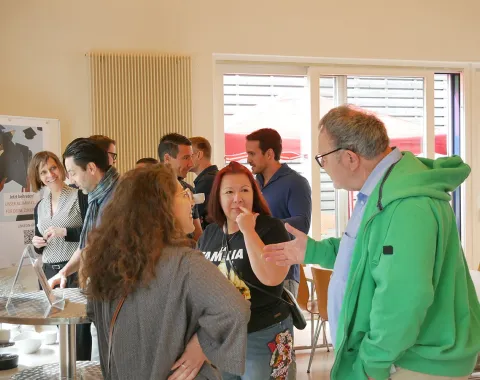
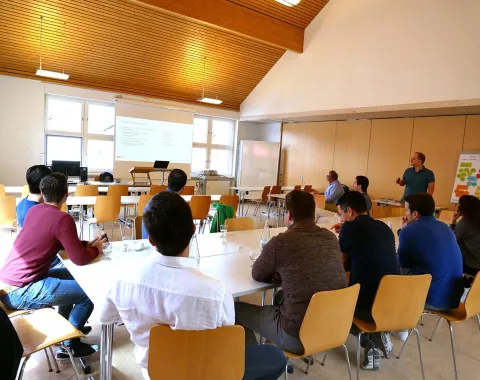
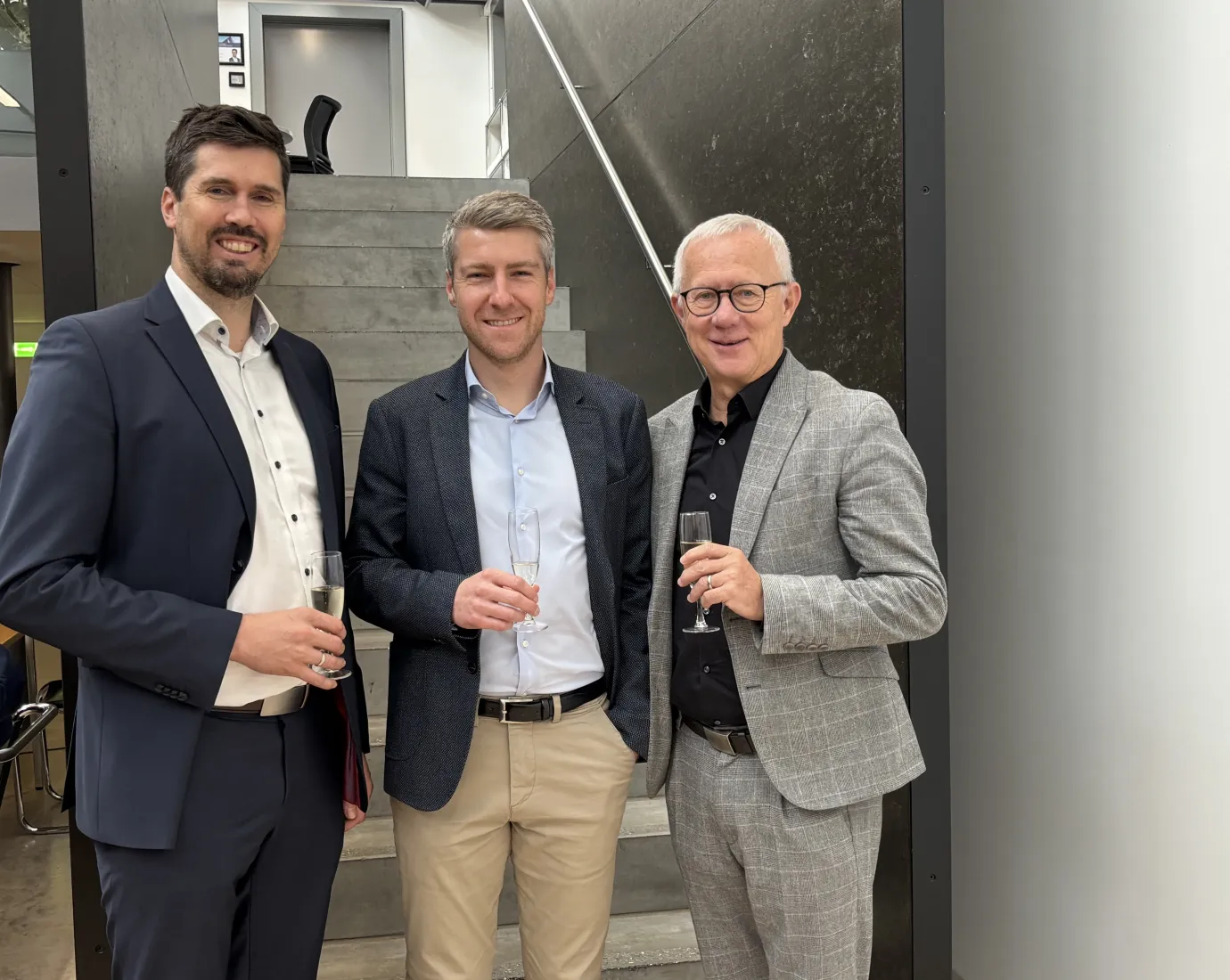
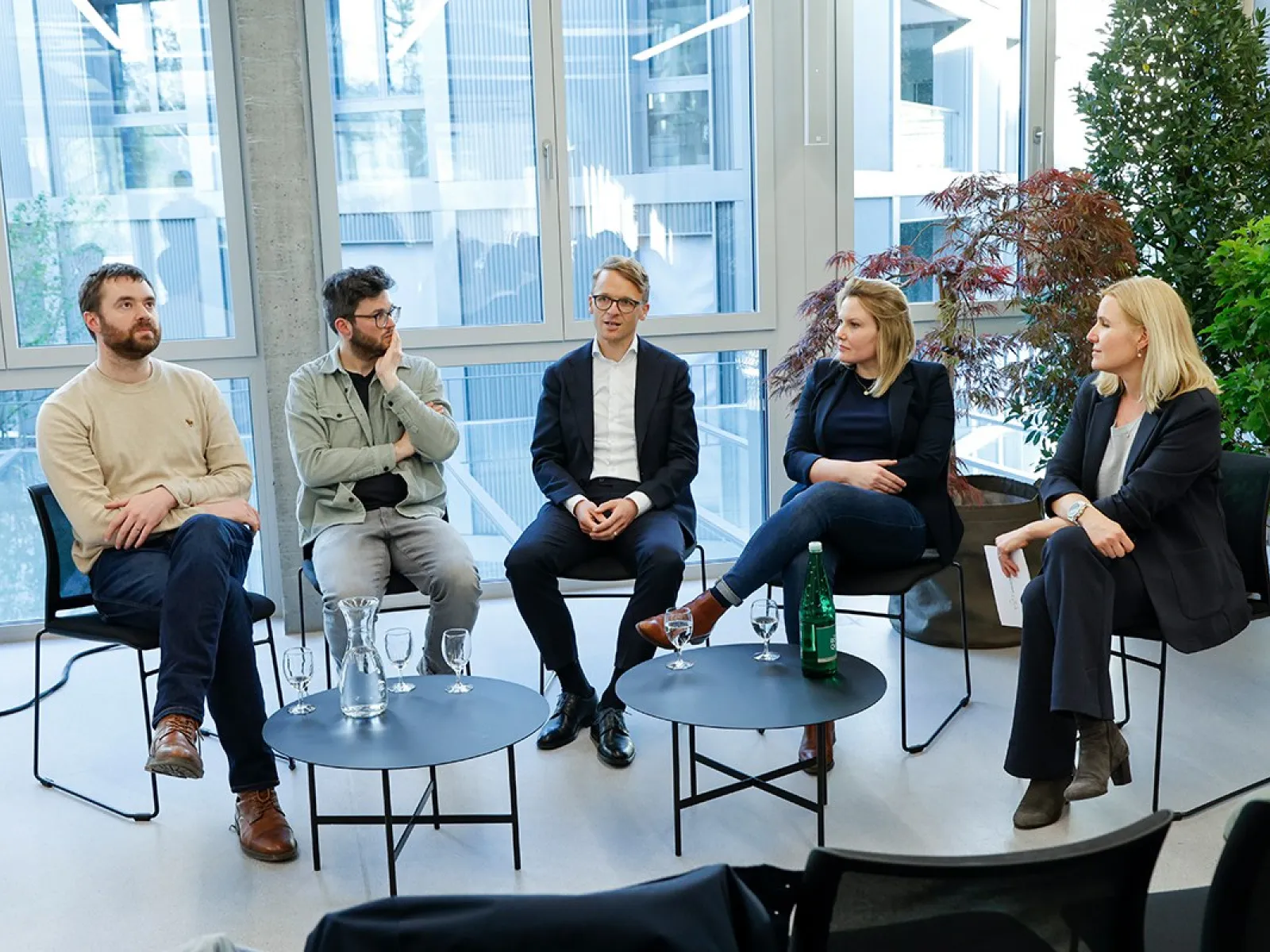
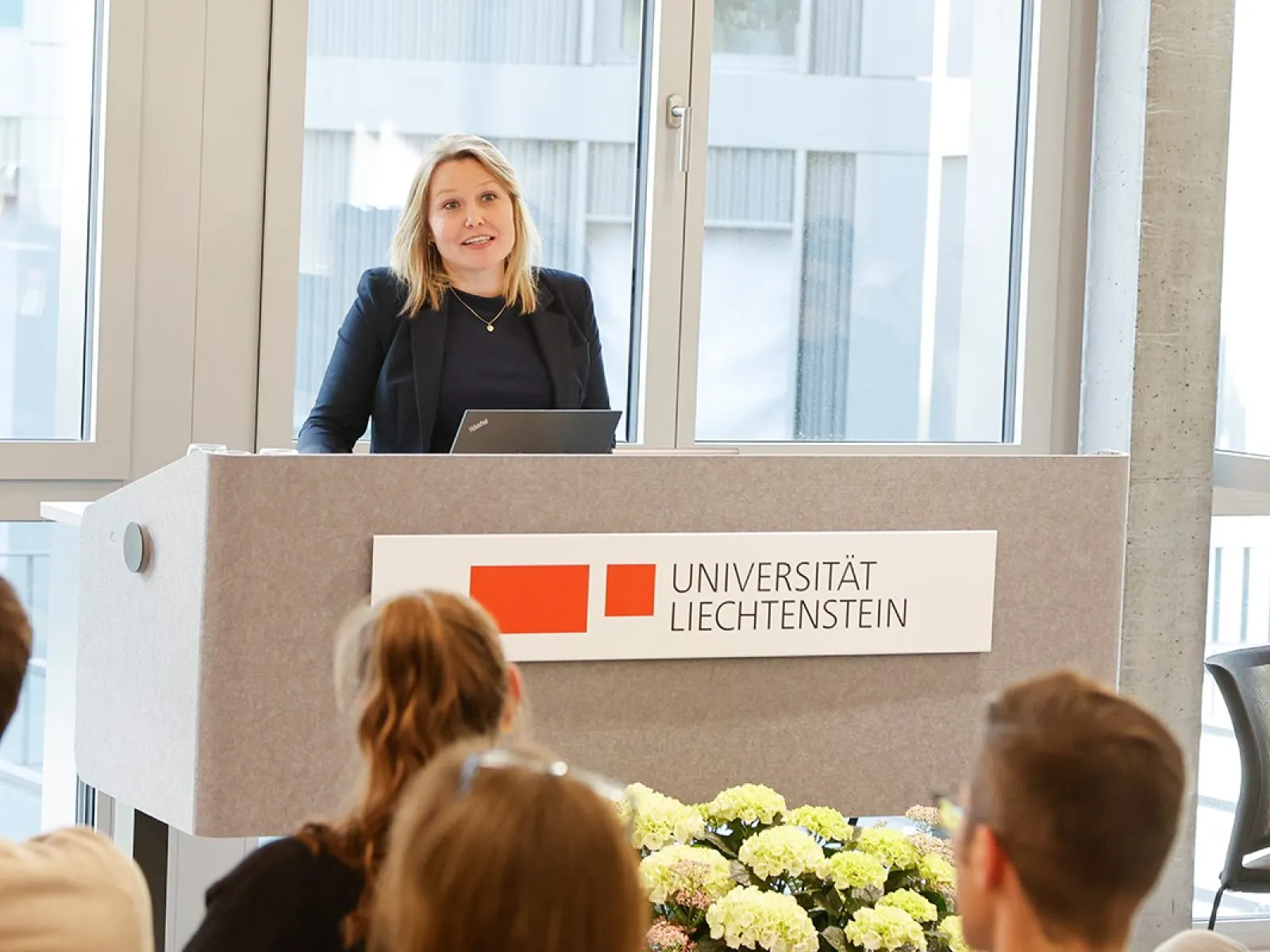
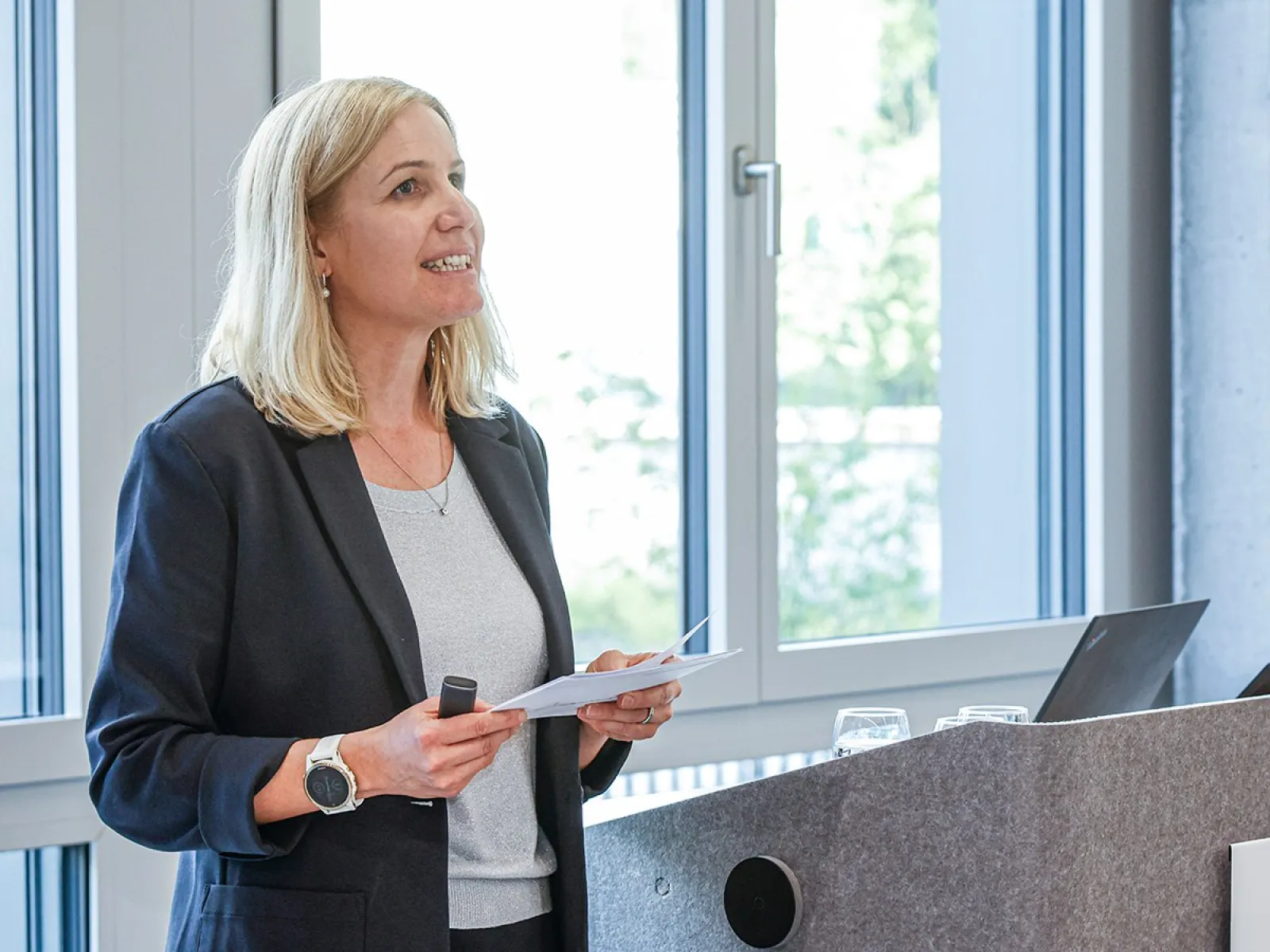
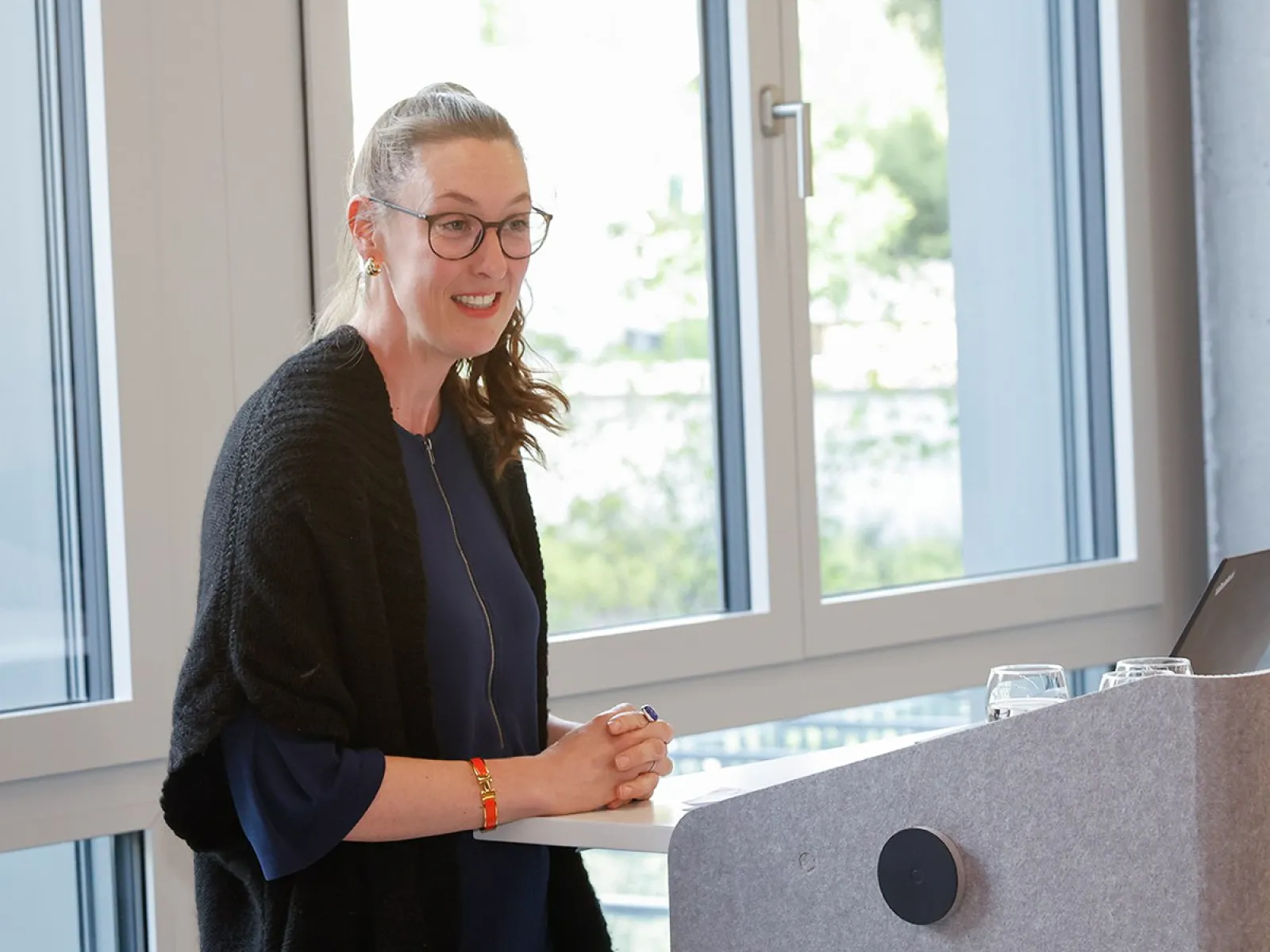
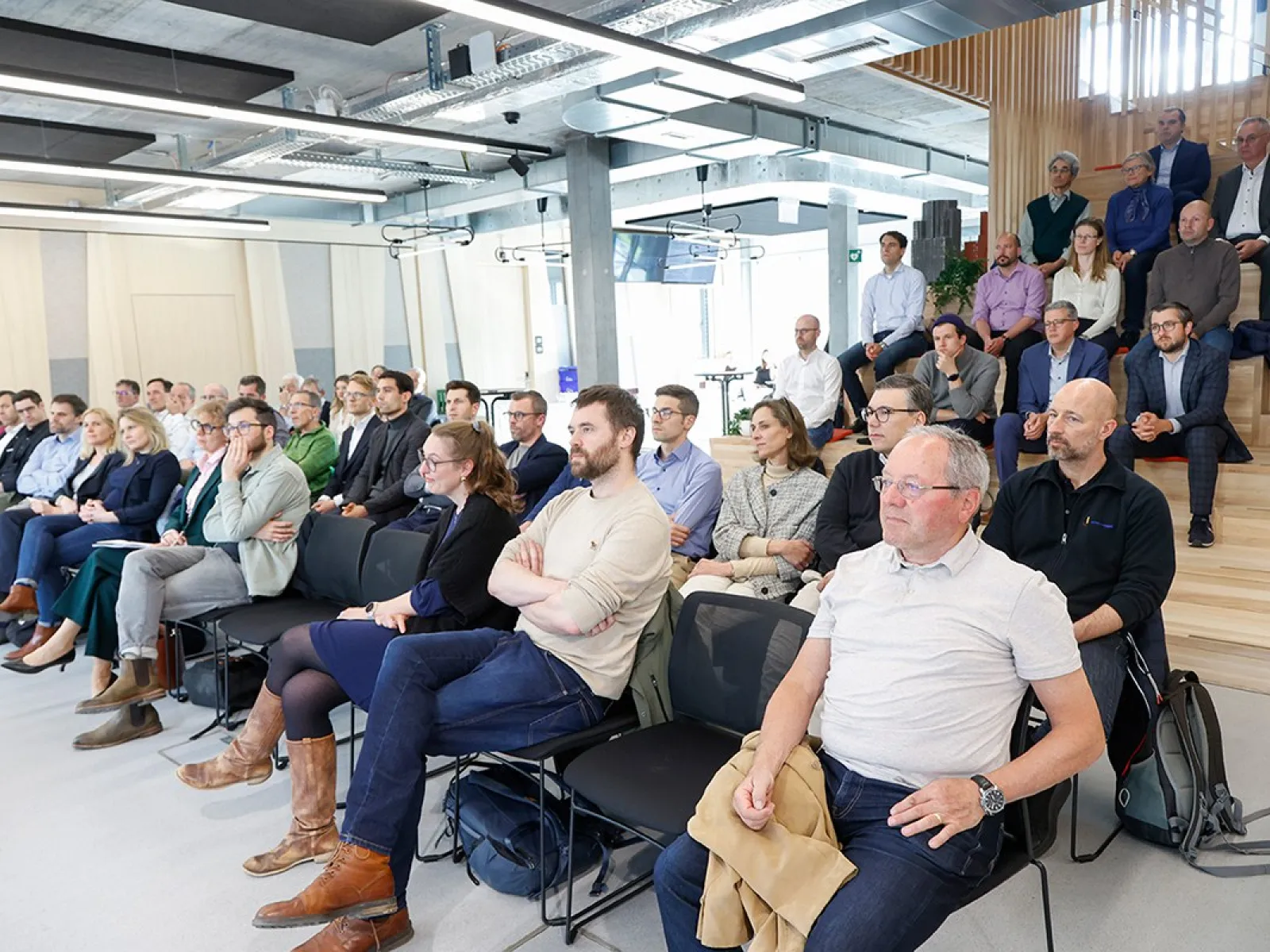
On May 14, 2024, the Chairs of Corporate, Foundation and Trust Law as well as of Economic Criminal Law, Compliance and Digitalisation hosted the Compliance Day 2024 at the SAL in Schaan. This year, the event focused on current developments and challenges in compliance and due diligence obligations.


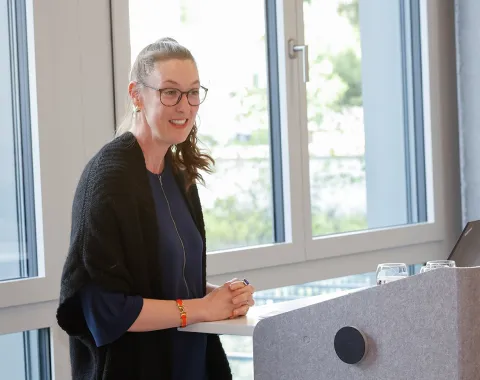
Prof. Dr. Alexandra Butterstein, LL.M., Dean of the Liechtenstein Business Law School and Professor of Corporate, Foundation and Trust Law, opened the event and warmly welcomed the approximately 120 participants. In her introductory remarks, Alexandra Butterstein emphasized the steadily growing importance of compliance and highlighted the challenges posed by new regulatory measures. Targeted training programs, such as Compliance Day, the Certificate Program for Compliance Officers, or the Intensive Course on Criminal Law and Companies offered by the University of Liechtenstein, can help meet these new demands. She thanked the expert speakers of the 11th Compliance Day and the Liechtenstein Financial Market Authority, which jointly developed individual program topics with the University of Liechtenstein.


The morning program, moderated by Prof. Alexandra Butterstein, focused on current issues in asset management, corporate law, and trust business. Pascal Eggenberger began by discussing compliance focal points from a practical perspective, addressing money laundering risks, supervisory priorities, and offering concrete recommendations for action. Dr. Reto Degen then provided a detailed presentation on the innovations introduced by the prudential supervisory regime for asset managers, followed by Michael Schneebeli and Veronika Schlegel, who vividly illustrated the compliance requirements for complex corporate structures from a practical standpoint. Martin Raffelsberger pointed out recent developments in case law on due diligence law and the trust sector, which are of significant importance to legal practitioners. A panel discussion provided an opportunity to delve deeper into the legal issues and topics raised. The discussion showed that the risk-based monitoring of business relationships and transactions, as well as the legal framework in Liechtenstein, is of great interest in the context of location competition and requires further elaboration.


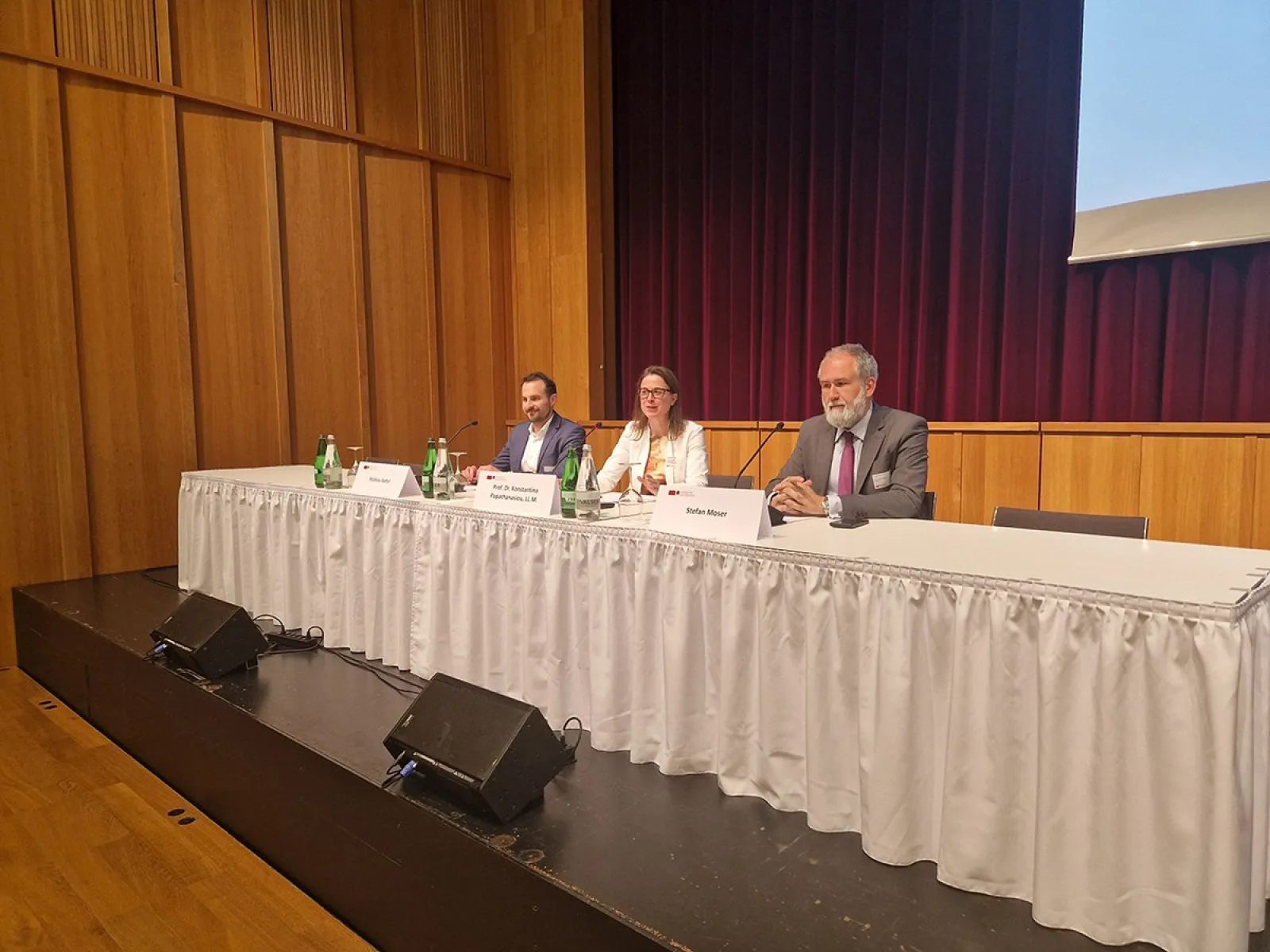
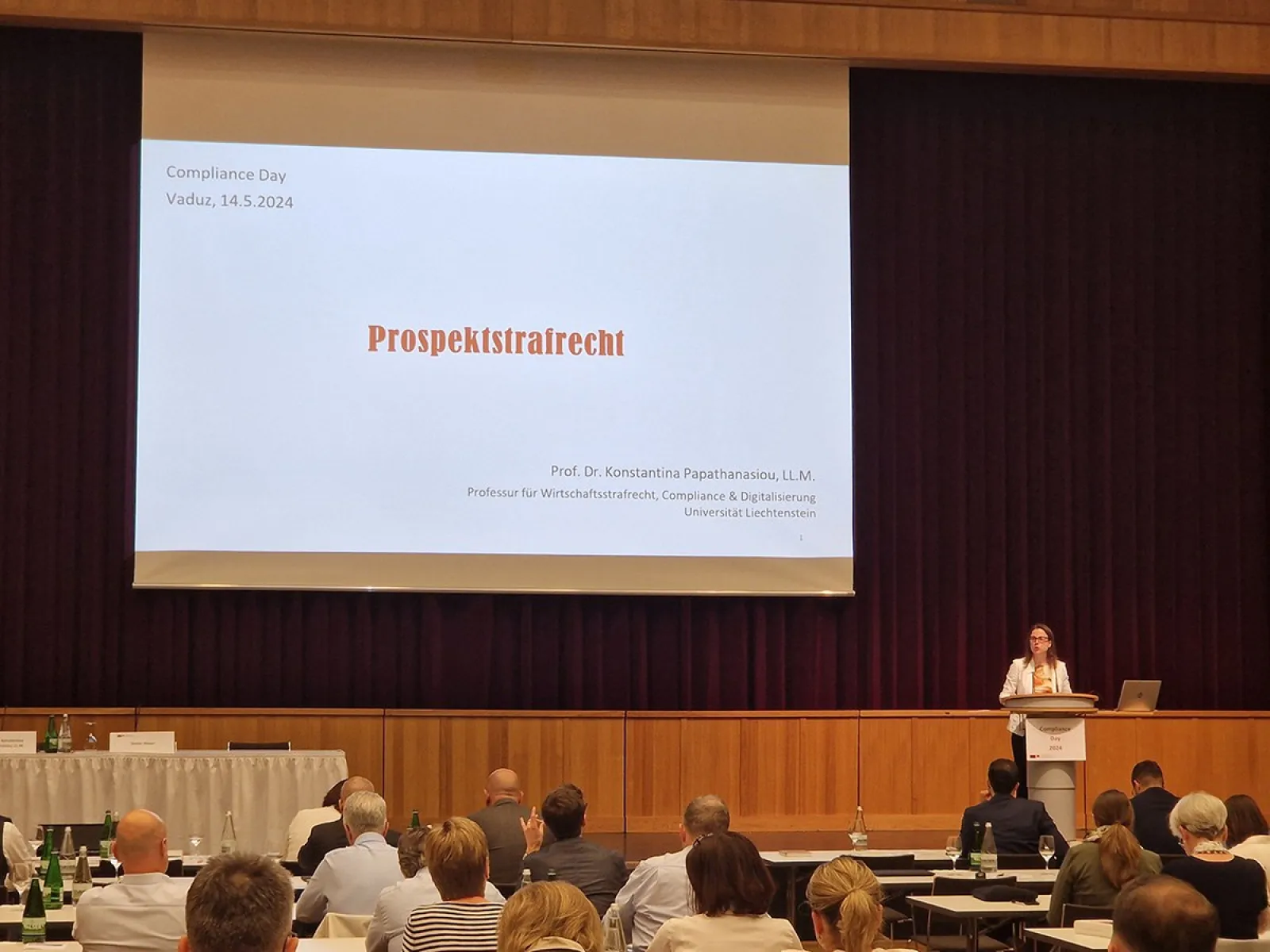
During the networking lunch that followed, participants had the chance to exchange ideas and engage in discussions. The afternoon program, opened by Prof. Dr. Konstantina Papathanasiou, LL.M., Chair of the Senate and Professor of Economic Criminal Law, Compliance and Digitalisation, centered on compliance developments in the context of digitalisation and capital market (criminal) law. Konstantina Papathanasiou emphasized the importance of corporate criminal law and preventive and repressive criminal compliance before Mathias Bartel discussed the EU Digital Operational Resilience Act (DORA) and its implications for the legal situation in Liechtenstein. His remarks made it clear that compliance frameworks are constantly evolving and that market participants must respond to changing circumstances. Addressing a rapidly changing topic, Stefan Moser focused on the use of new technologies in compliance, highlighting opportunities and risks for practitioners. Konstantina Papathanasiou then presented selected issues of prospectus criminal law, clearly demonstrating certain liability risks, before the afternoon panel discussion further explored the multifaceted topics.


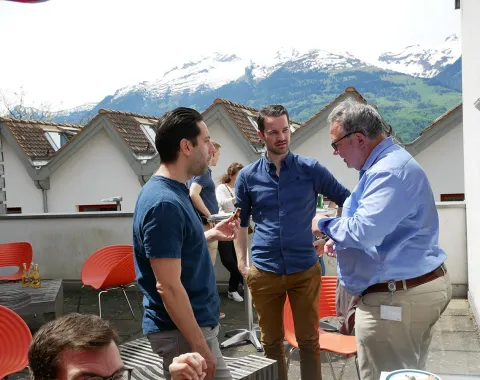
In her closing remarks, Prof. Konstantina Papathanasiou thanked all participants for the successful event and engaging presentations. Compliance Day 2024 once again underscored that adhering to and implementing the complex national and supranational compliance regulations requires ongoing engagement. The event concluded in a relaxed atmosphere with a joint aperitif.
 

We need your consent
To view this YouTube video, you must accept data processing under the category “Third-party marketing”. Further details on data processing can be found here.
Display Cookie Settings

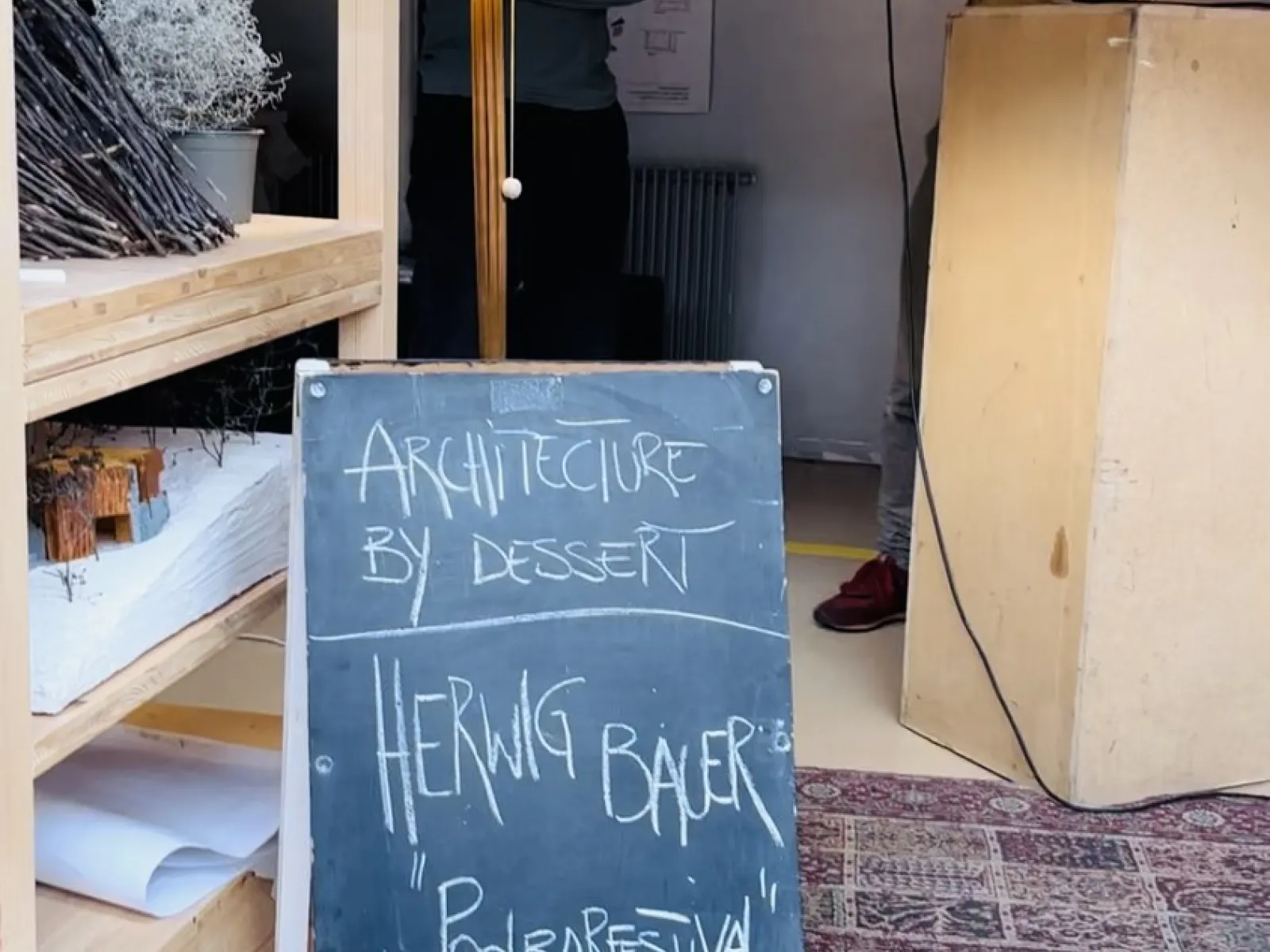
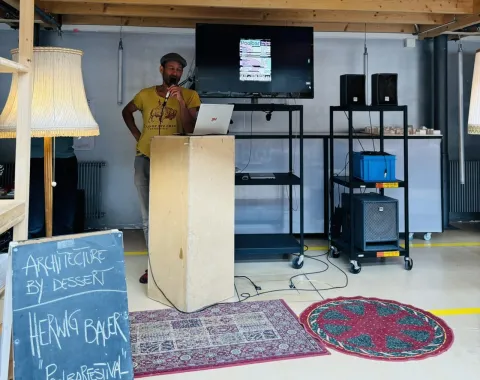
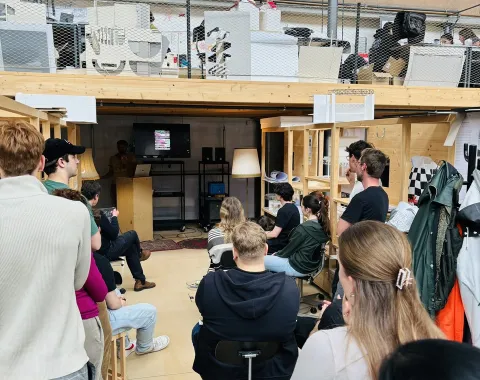
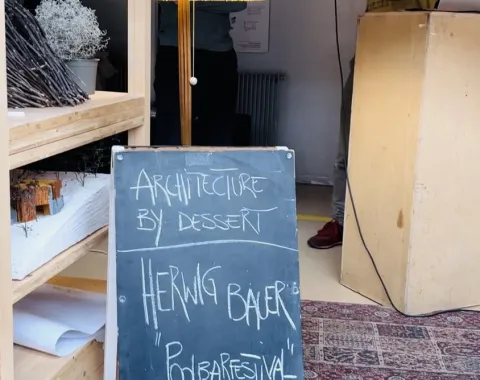
Architecture by dessert with Herwig Bauer

Architecture by dessert with Herwig Bauer

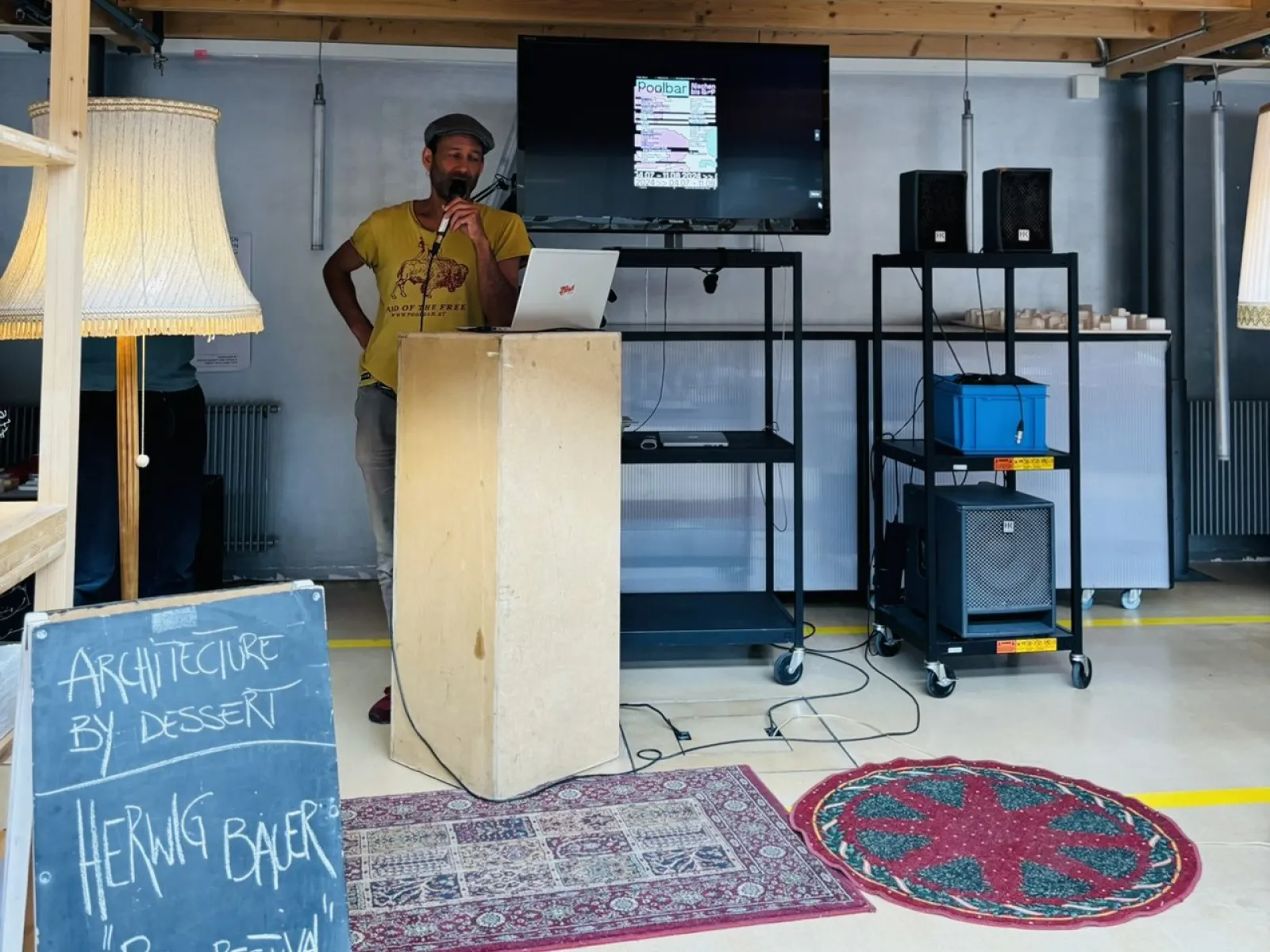
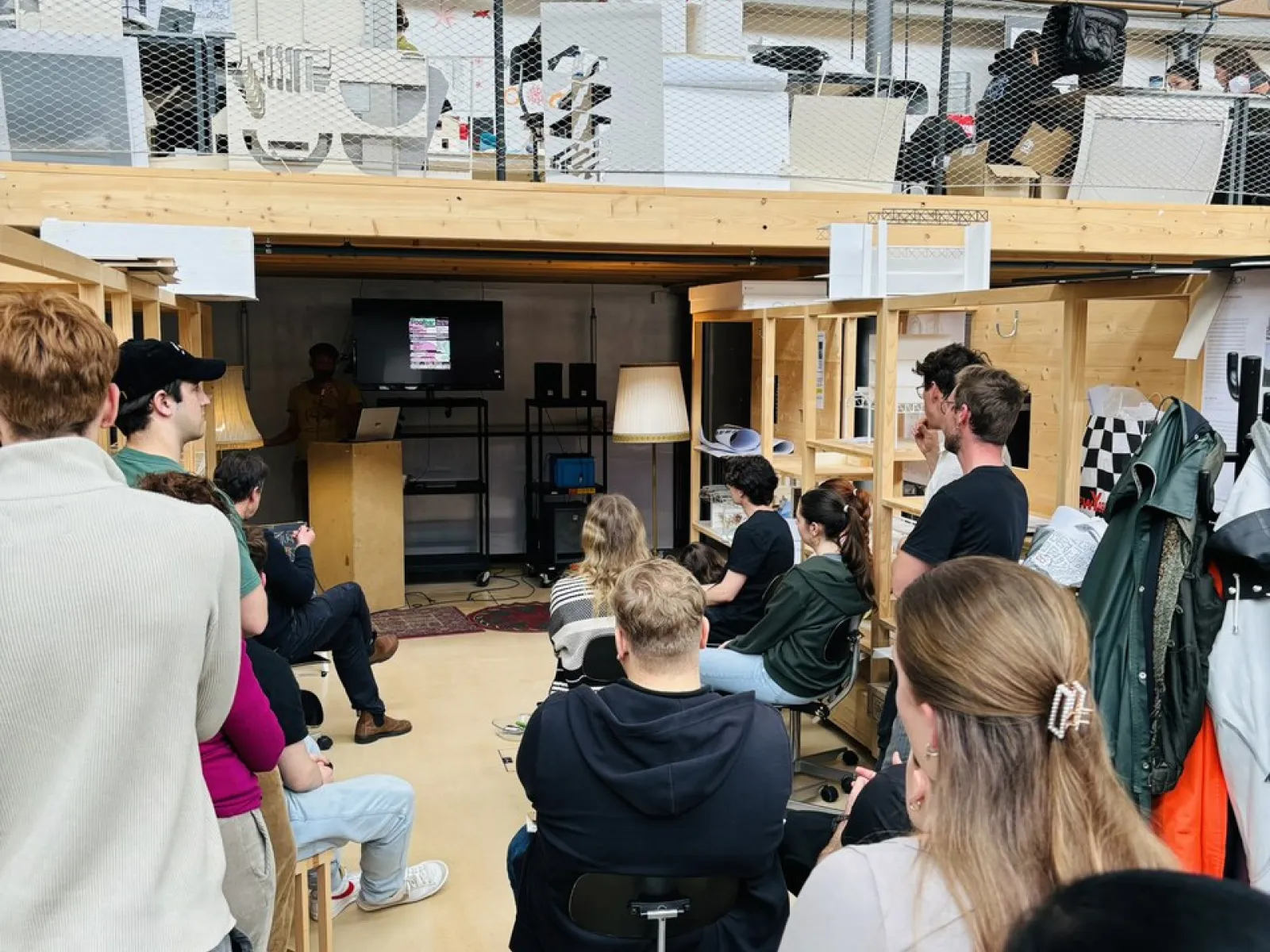
The LSA invited the director of the Poolbarfestival, Herwig Bauer, to a discussion with university lecturer Martin Mackowitz to the architecture atelier on May 8, 2024.


Bauer, himself a trained architect and former student of Hugo Dworzak (Institute Director, Institute for Architecture and Spatial Planning 2014–2018), talked about the history and growth of the festival, which now attracts 30,000 visitors to Feldkirch every year.


At the next "Architecture by dessert" on Wed, May 22, 2024, at 1 pm, practice professor Anna Heringer and university lecturer Martin Mackowitz will report on building with clay.


Home-coming after 11 years: Second alumni reunion Description

Home-coming after 11 years: Second alumni reunion Description

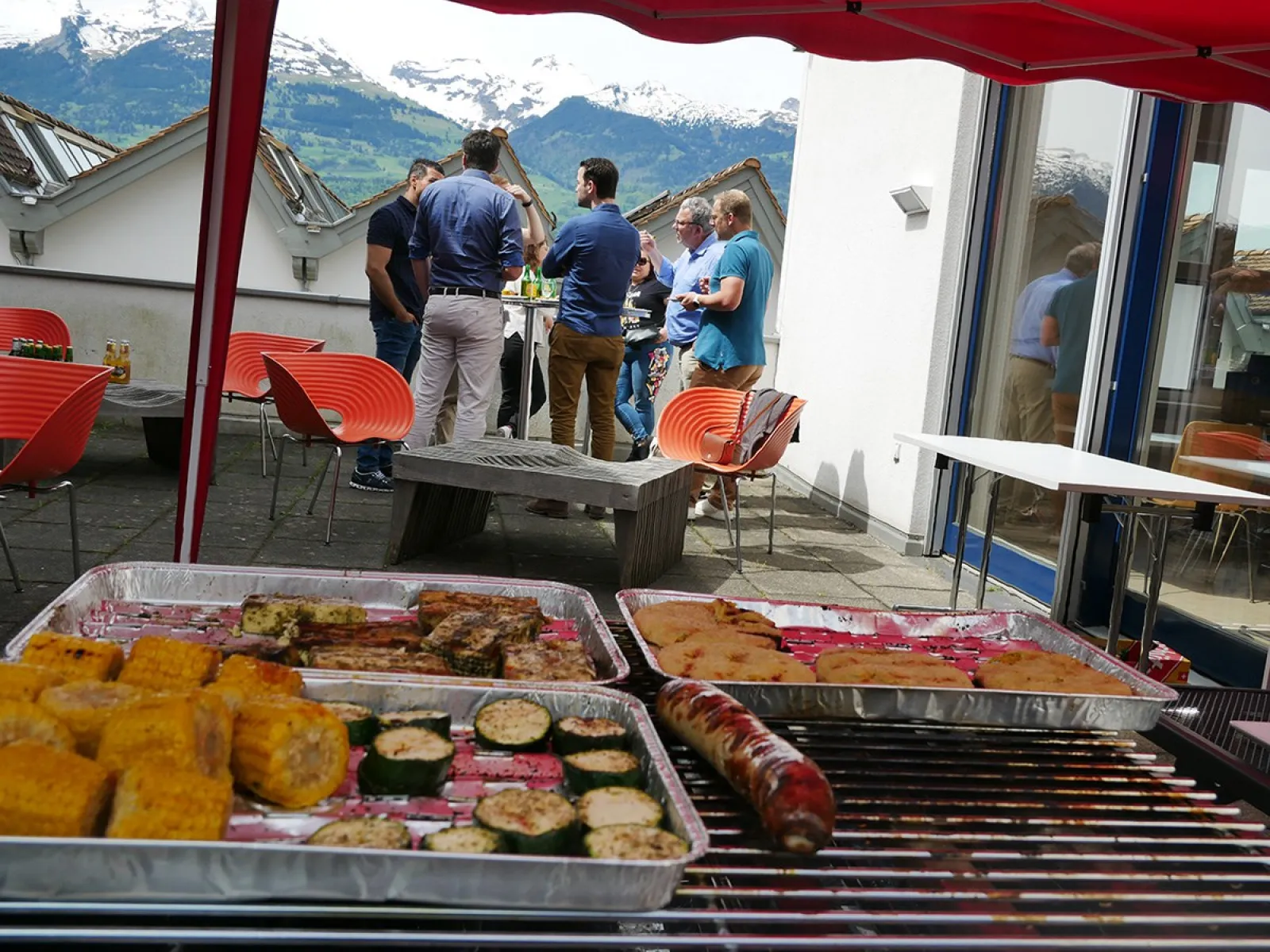
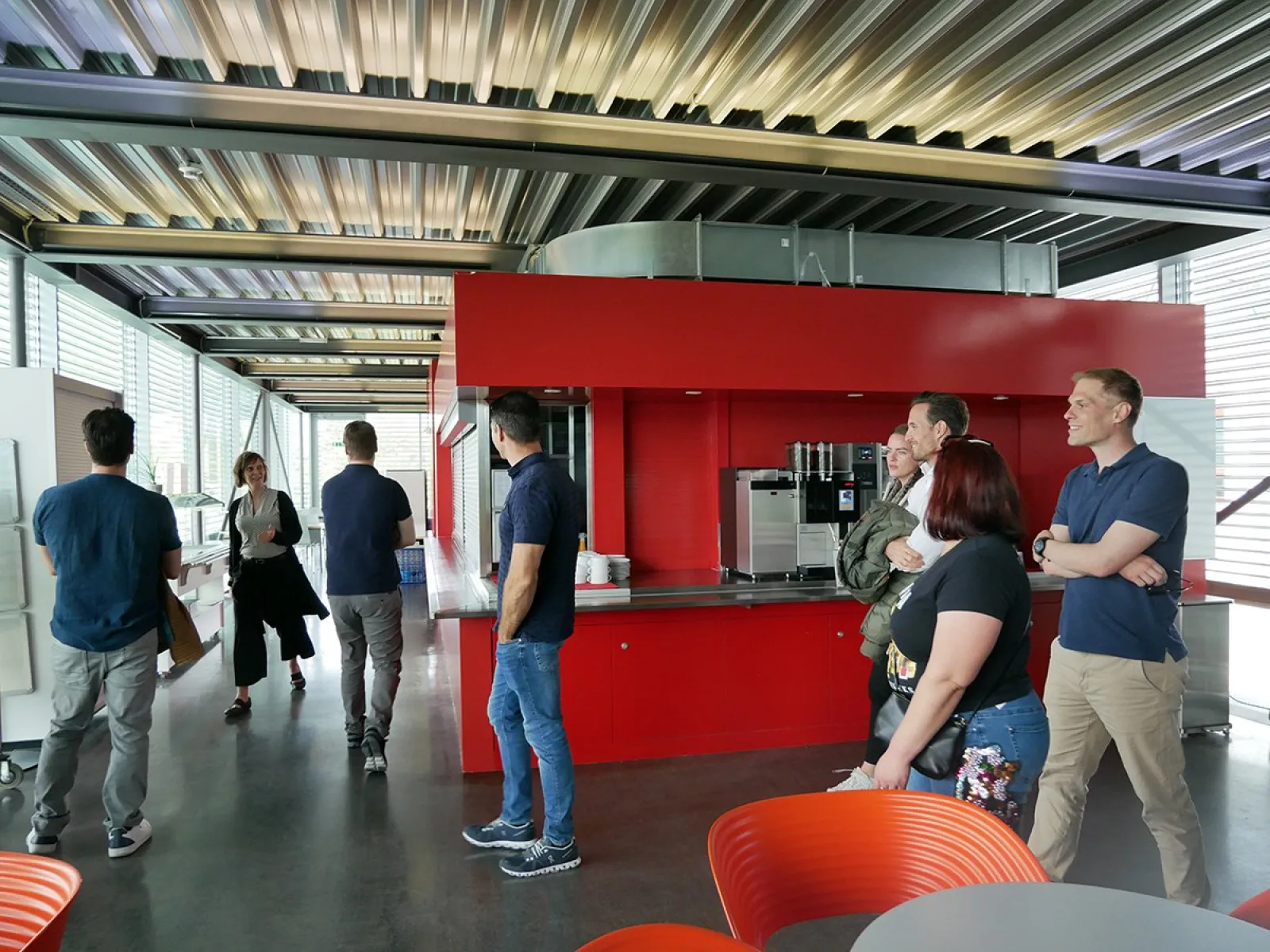
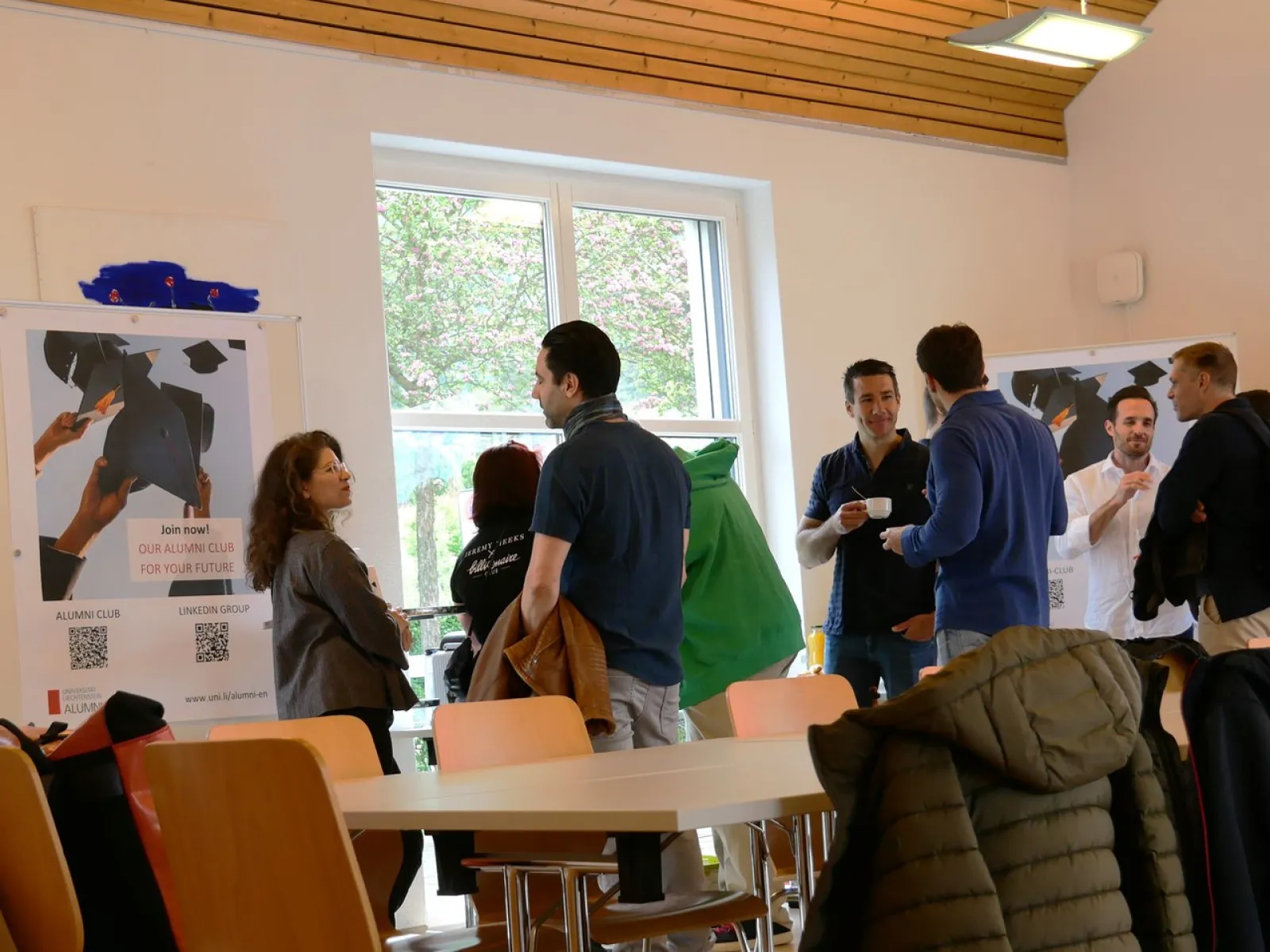
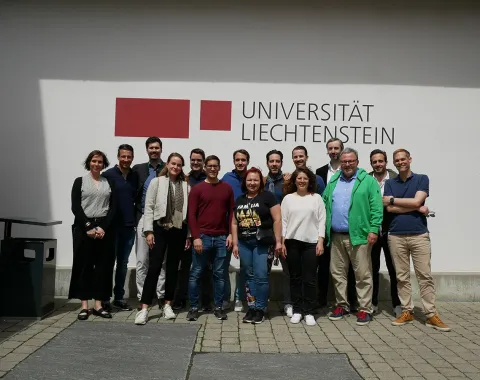
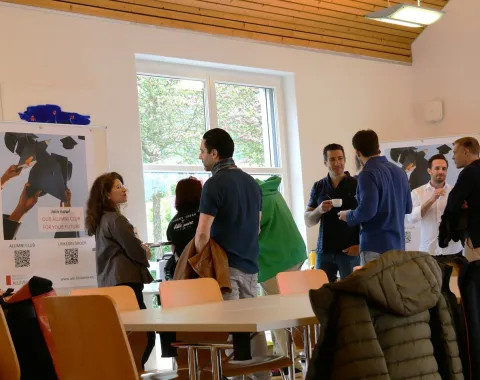
On Saturday, May 4, 2024, the 2013 graduating class of the Master in Banking and Financial Management met at the University of Liechtenstein campus after more than a decade. For a reunion with BBQ and sunshine - and an update on their alma mater.


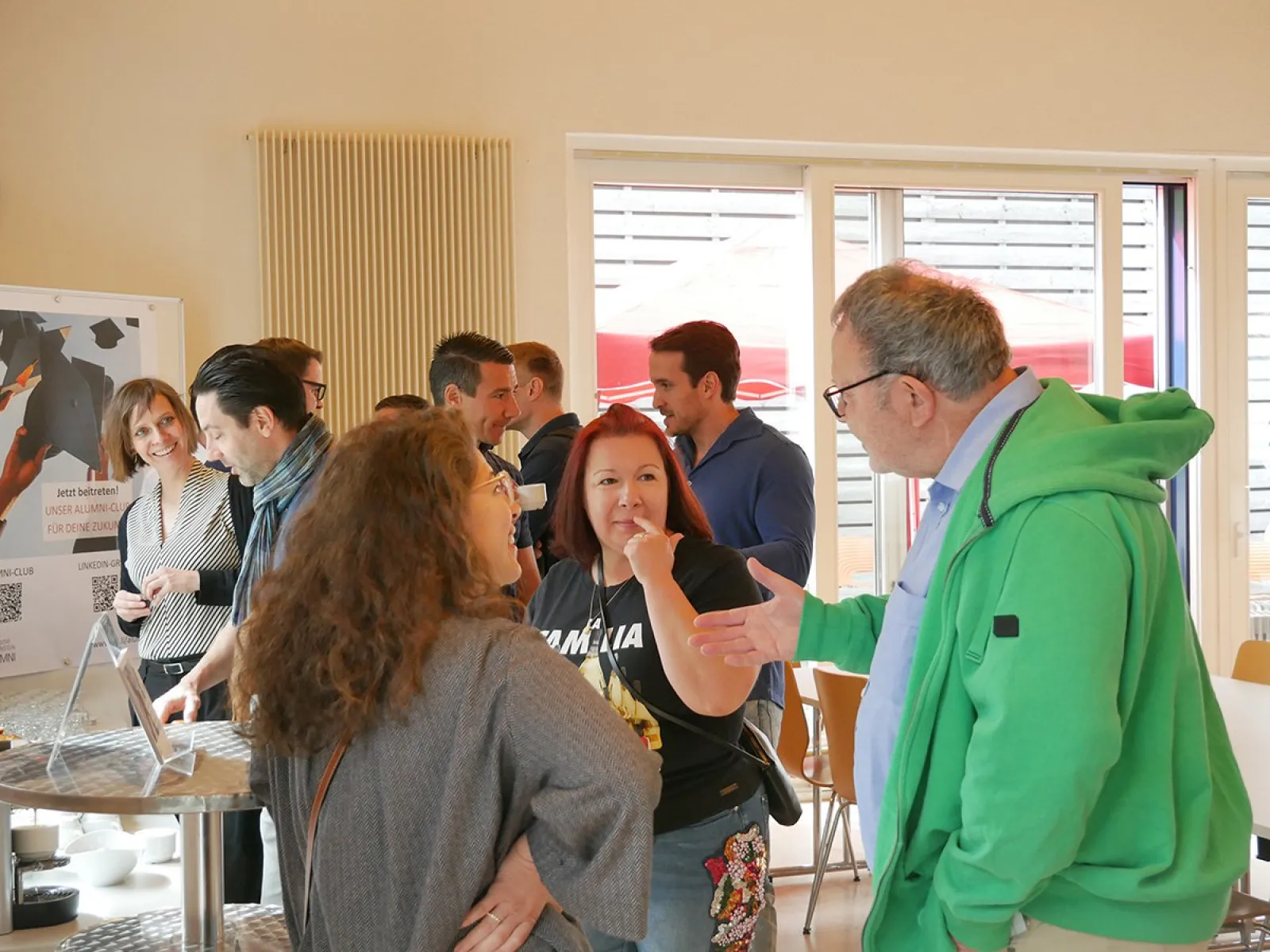
When University of Liechtenstein alumni return to campus, employees also look forward to catching up with former students. And so the Finance team did not miss the opportunity to join 13 of the 19 alumni and alumnae at this Saturday's reunion.


Update on the University of Liechtenstein


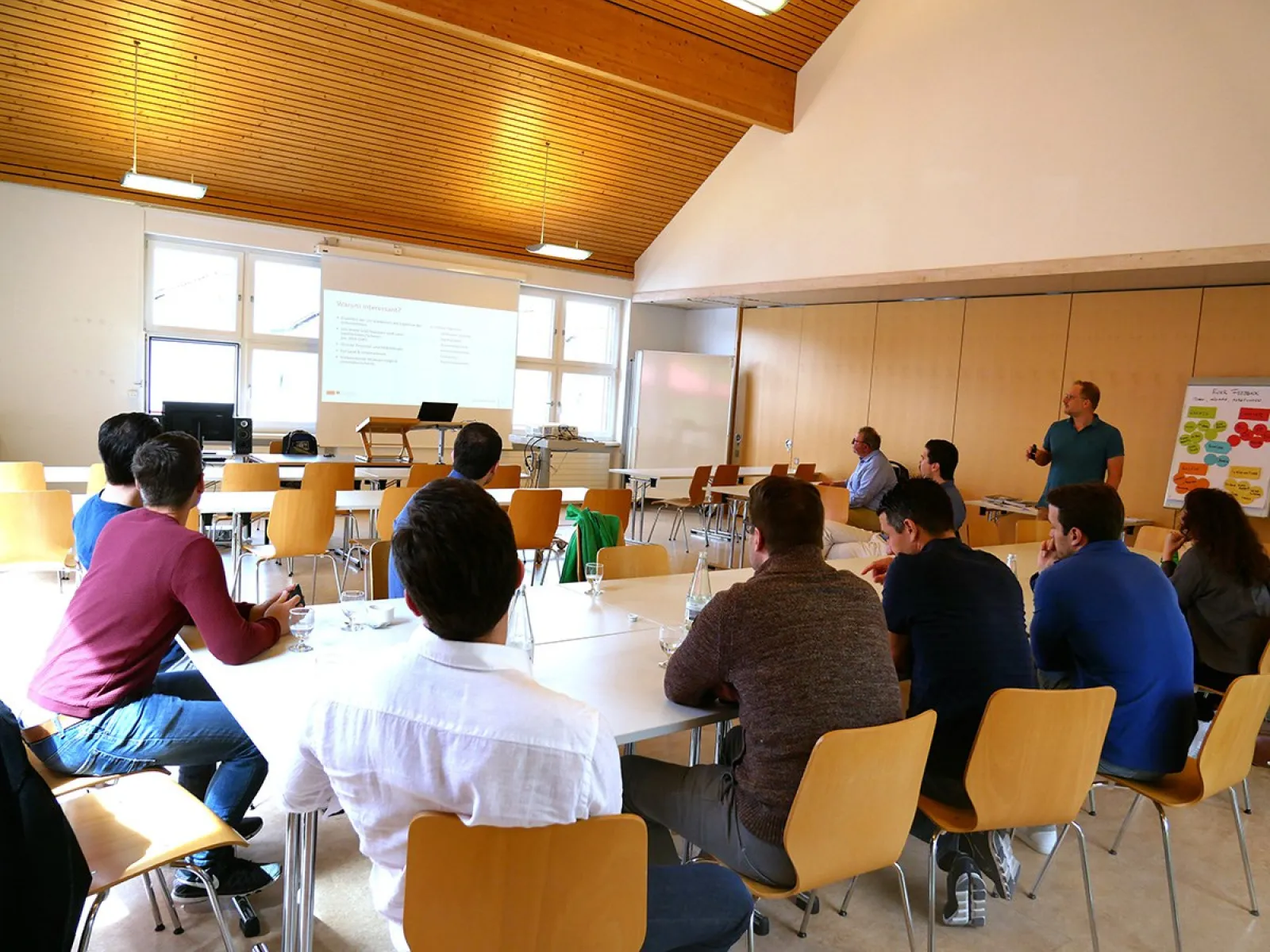
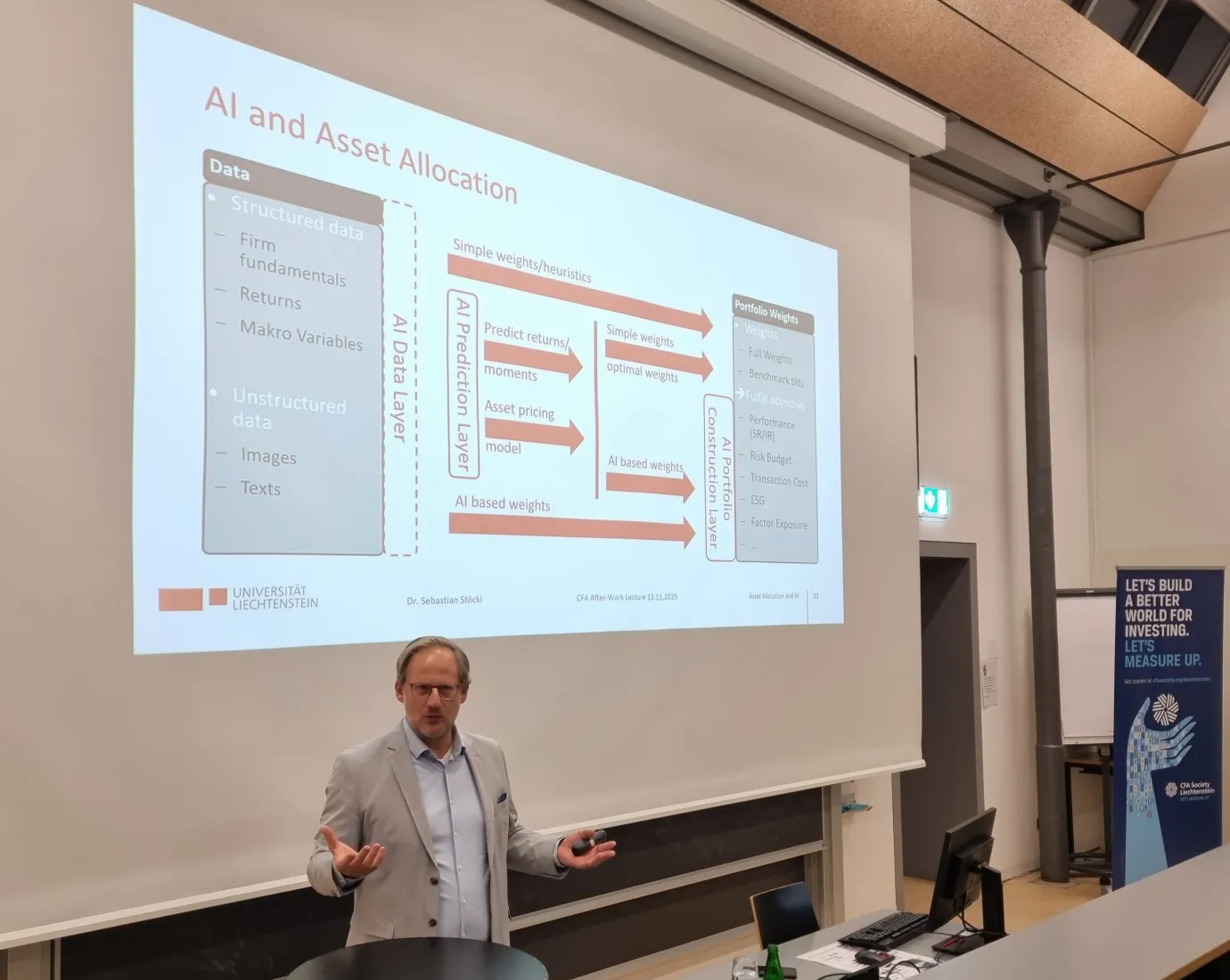
Prof. Dr. Marco Menichetti, Dean of the Liechtenstein Business School, presented the new Liechtenstein Business School to the guests; the Academic Director of the degree program, Assoc. Prof. Dr. Martin Angerer, provided insights into the new Master in Finance curriculum; and Ass.-Prof. Dr. Sebastian Stöckl, Academic Director of the Liechtenstein Undergraduate & Graduate School, rounded off the program with a keynote speech on the latest research projects.


Exchange over BBQ and sunshine


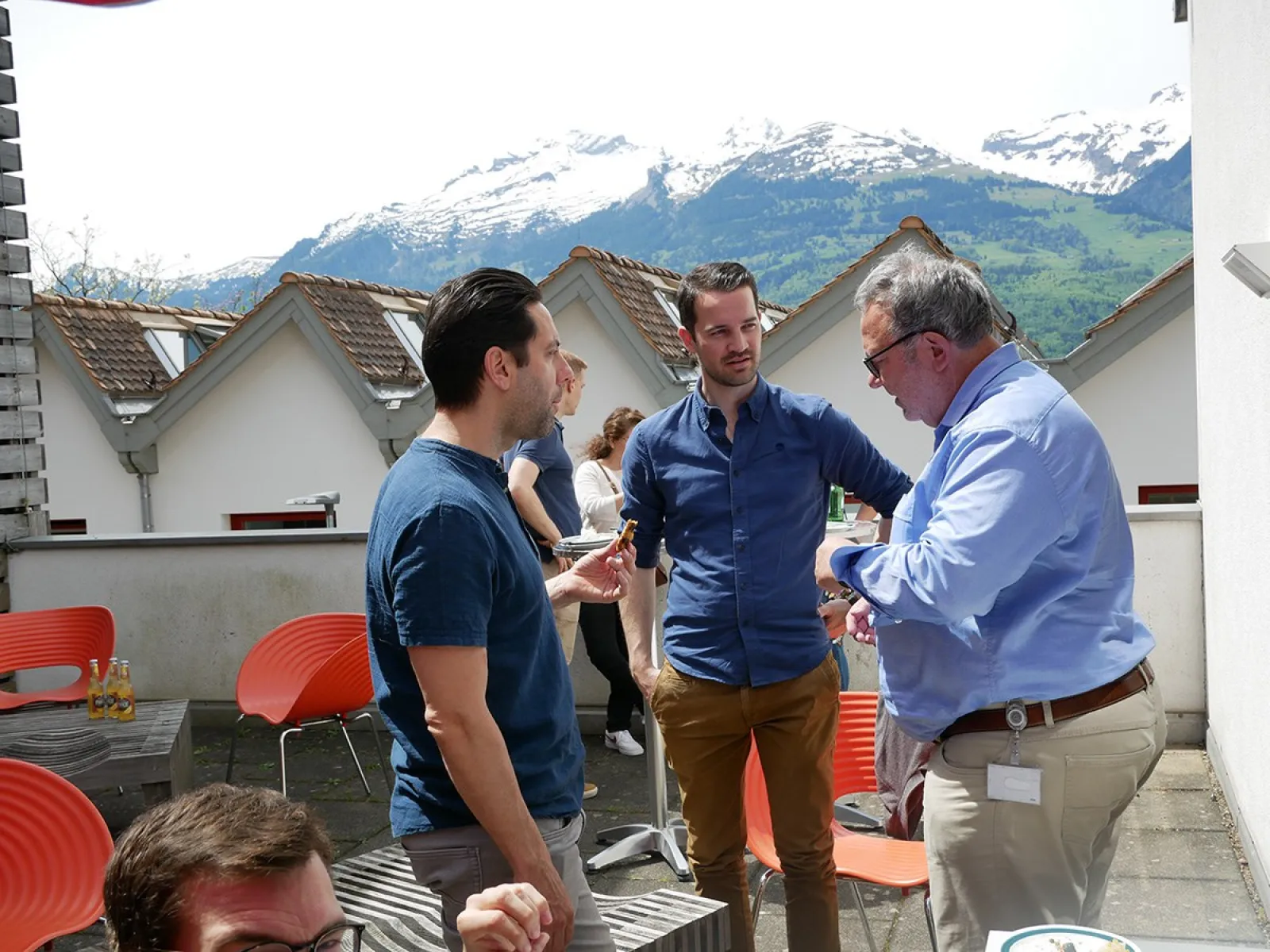
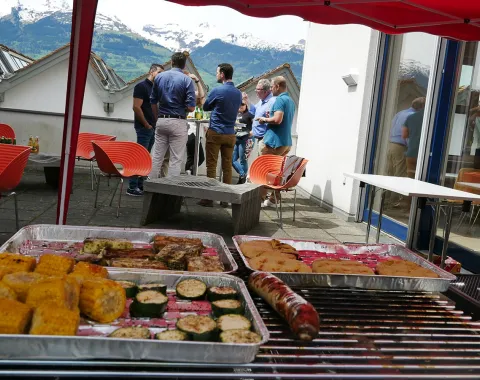
Of course, the opportunity to talk to former fellow students in person over coffee and croissants about their professional and personal careers over the past few years and to reminisce about their own student days on a short tour of the university campus was also particularly exciting. In bright sunshine with a view of the mountain panorama, there was then plenty of time for personal discussions over a BBQ on the terrace of Lecture Hall 6.


Open to all alumni


Of course, all graduates of the University of Liechtenstein are cordially invited to take advantage of this new offer for alumni and experience their own class reunion on campus. The new Alumni Relations responsible person will be happy to help in the search for former fellow students and welcomes alumni to the campus: Inquiries in the Alumni LinkedIn group or at alumni@uni.li.


Study Trip of the Master's Program in Finance to New York City and Washington, DC

Study Trip of the Master's Program in Finance to New York City and Washington, DC

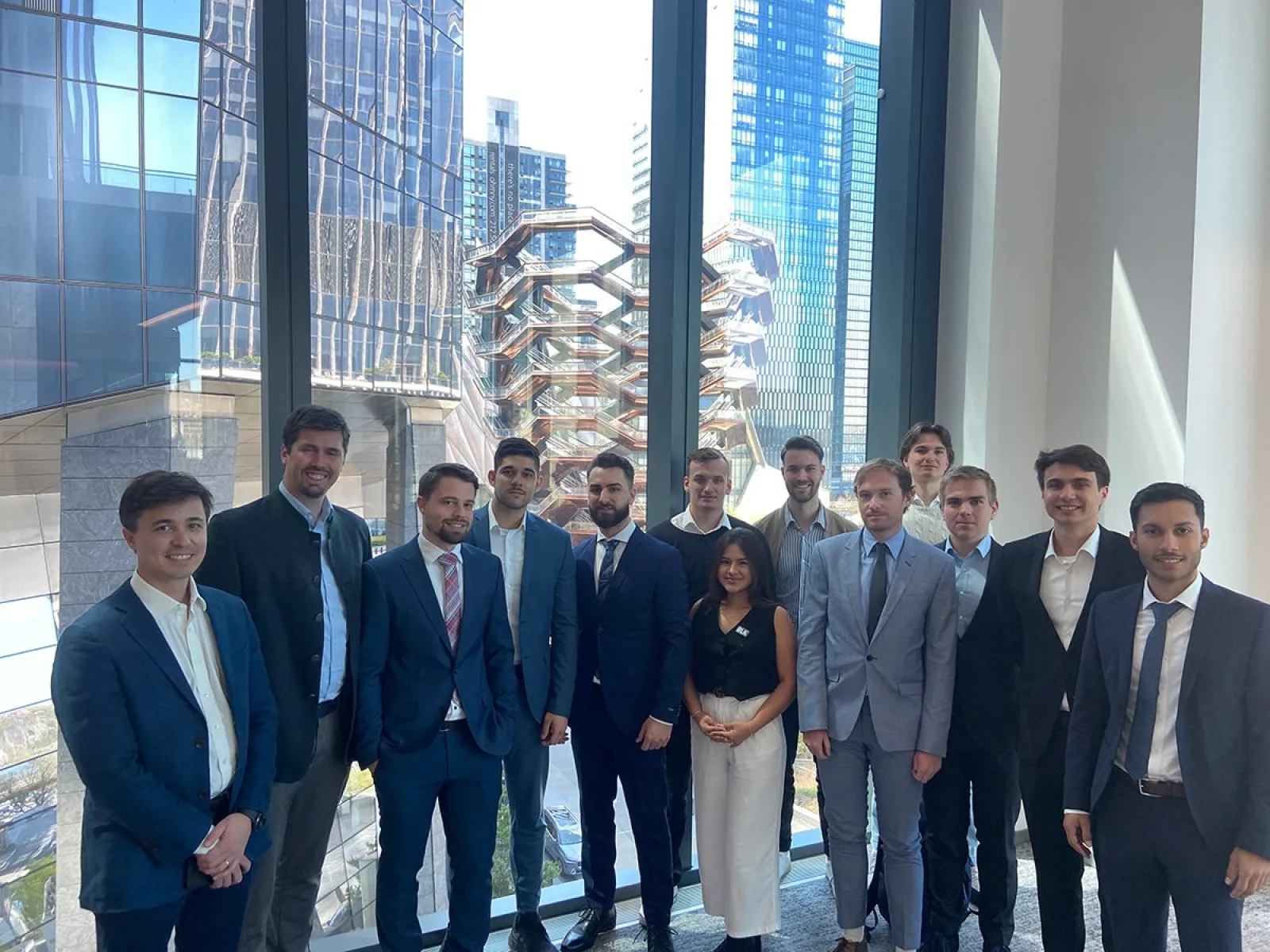
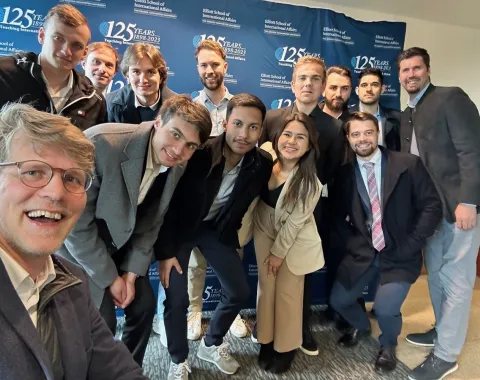
The annual study trip for the Master of Science in Finance is one of the highlights of the program. This year's trip took the students to the East Coast of the United States.


They visited asset managers, banks, the U.S. Capitol, the International Monetary Fund, the Embassy of the Principality of Liechtenstein, and others, focusing on the impact of digital transformation on finance, policy, and their interplay.


New York City: Global Financial Center and Cradle of Modern Finance


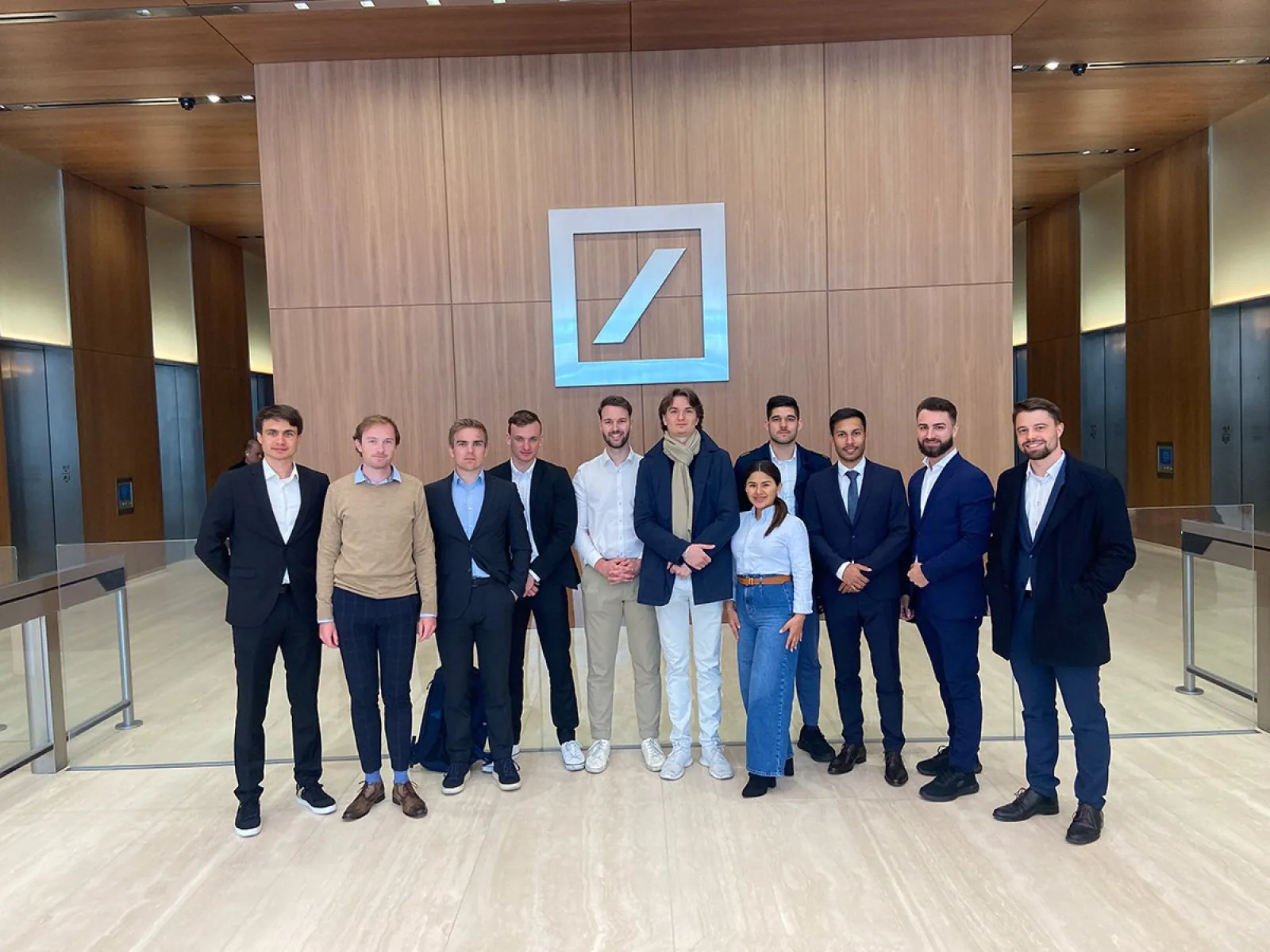
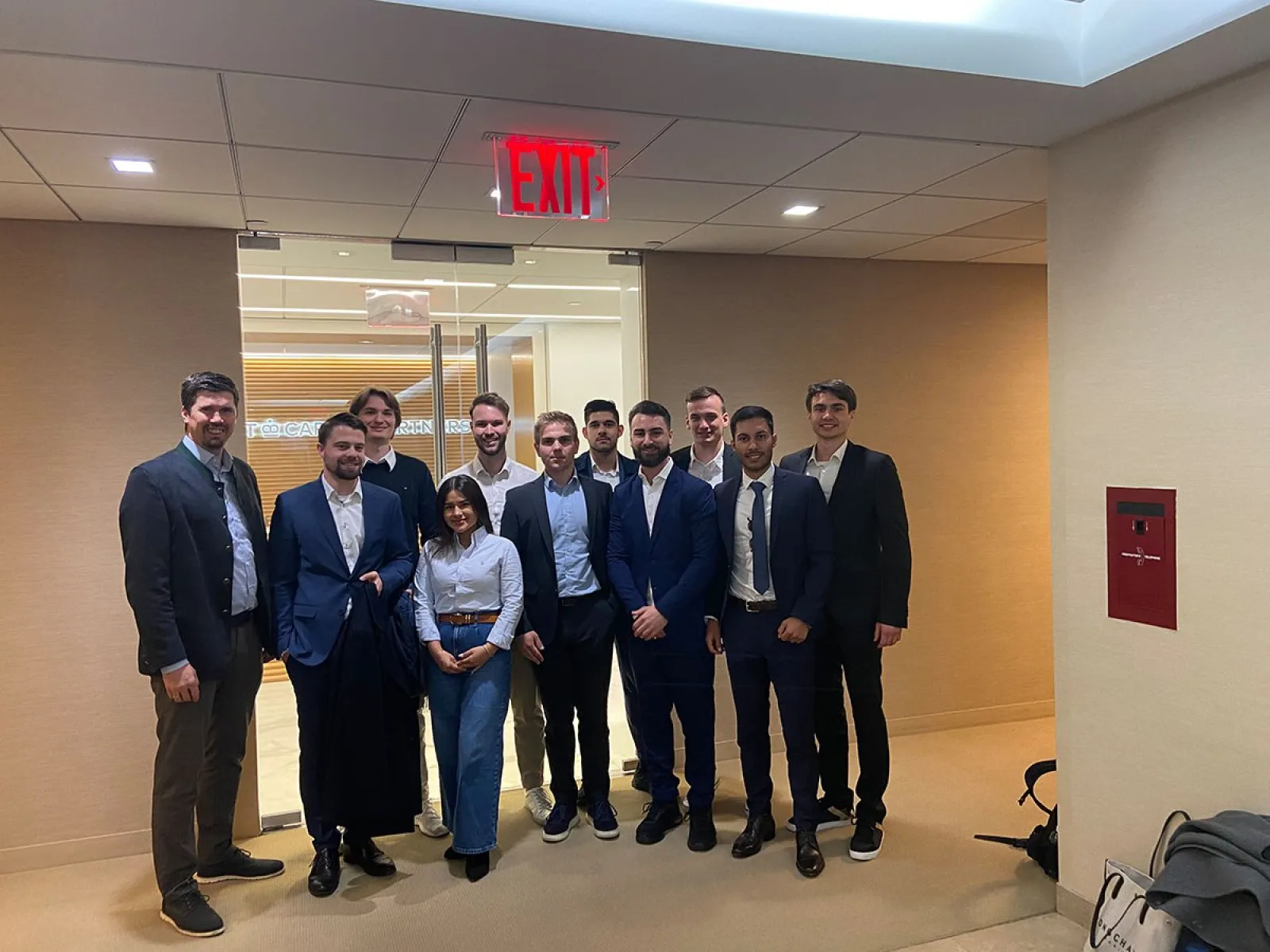
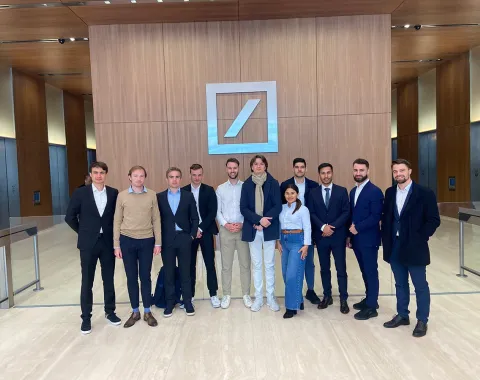
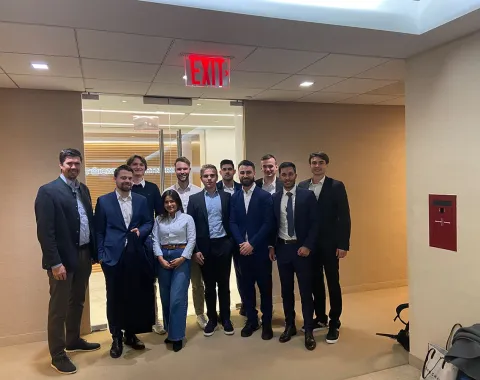
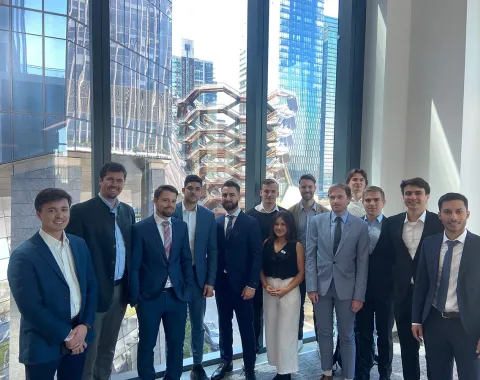
On the first and second days of the trip in New York City, students gained intensive practical insights from major players in finance. Accompanied by Assoc. Prof. Dr. Martin Angerer and Alexander Walch, MSc, visits included BlackRock Inc., LGT Capital Partners, and Deutsche Bank. At the latter, a special focus was placed on the role of science and economic analysis in the daily work of an international major bank. At BlackRock, students received valuable insights into the operations of the world's most significant asset manager. At LGT Capital Partners, they learned about the role a native Liechtenstein financial service provider can play in the USA. Various experts presented their work areas in alternative investments, such as primary, secondary, and direct investment solutions in private equity, venture capital, LGT's in-house fund solutions, and co-investments. Impact and sustainable investments were also discussed as increasingly important investment fields in current times. The group was welcomed by Executive Director Alex Jilla, an investment manager for co-investments, among others. Further executive and associate directors discussed their work areas, and conversations were also held with recently hired employees who shared their career paths from university to a prestigious investment company.


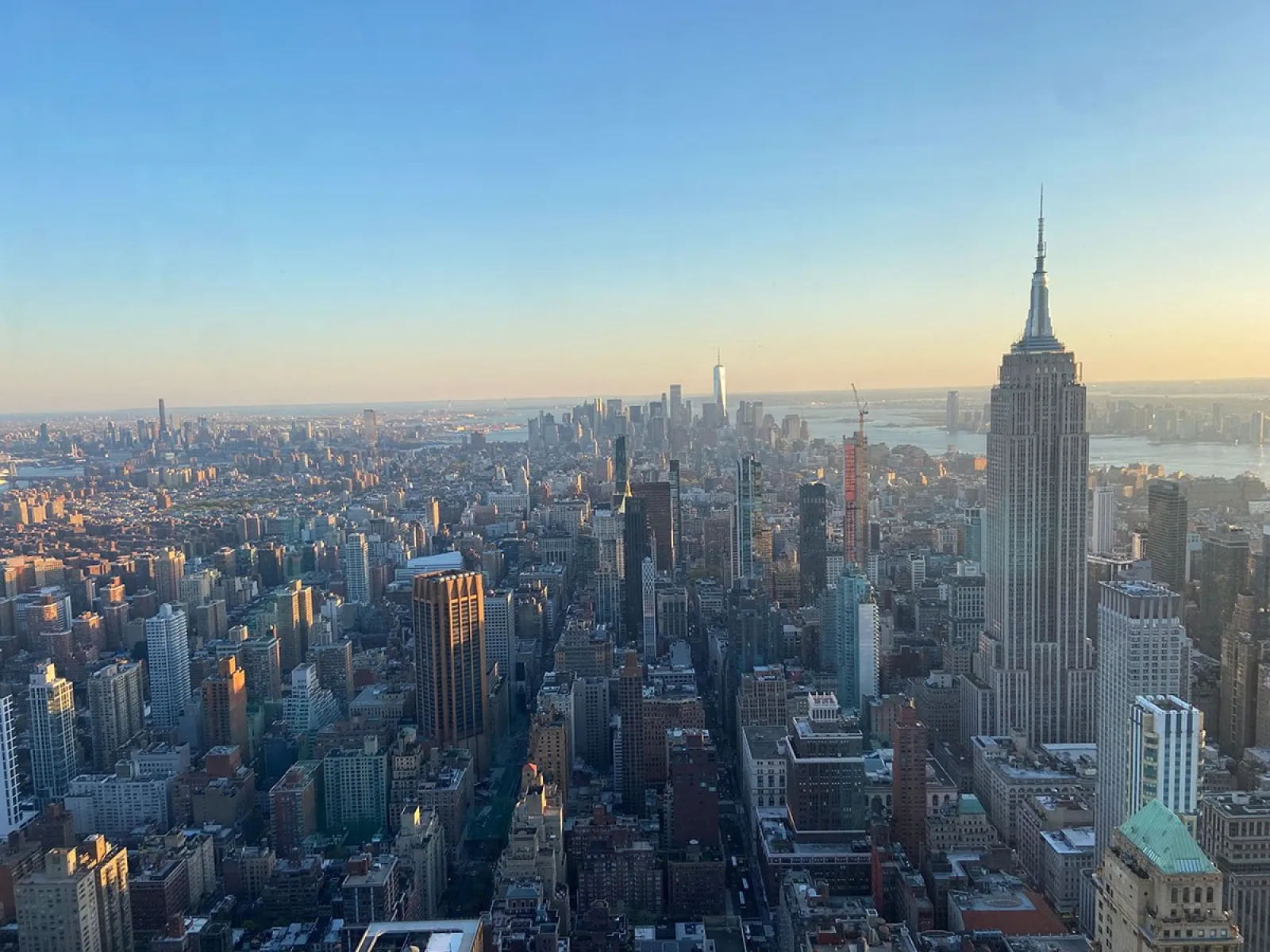
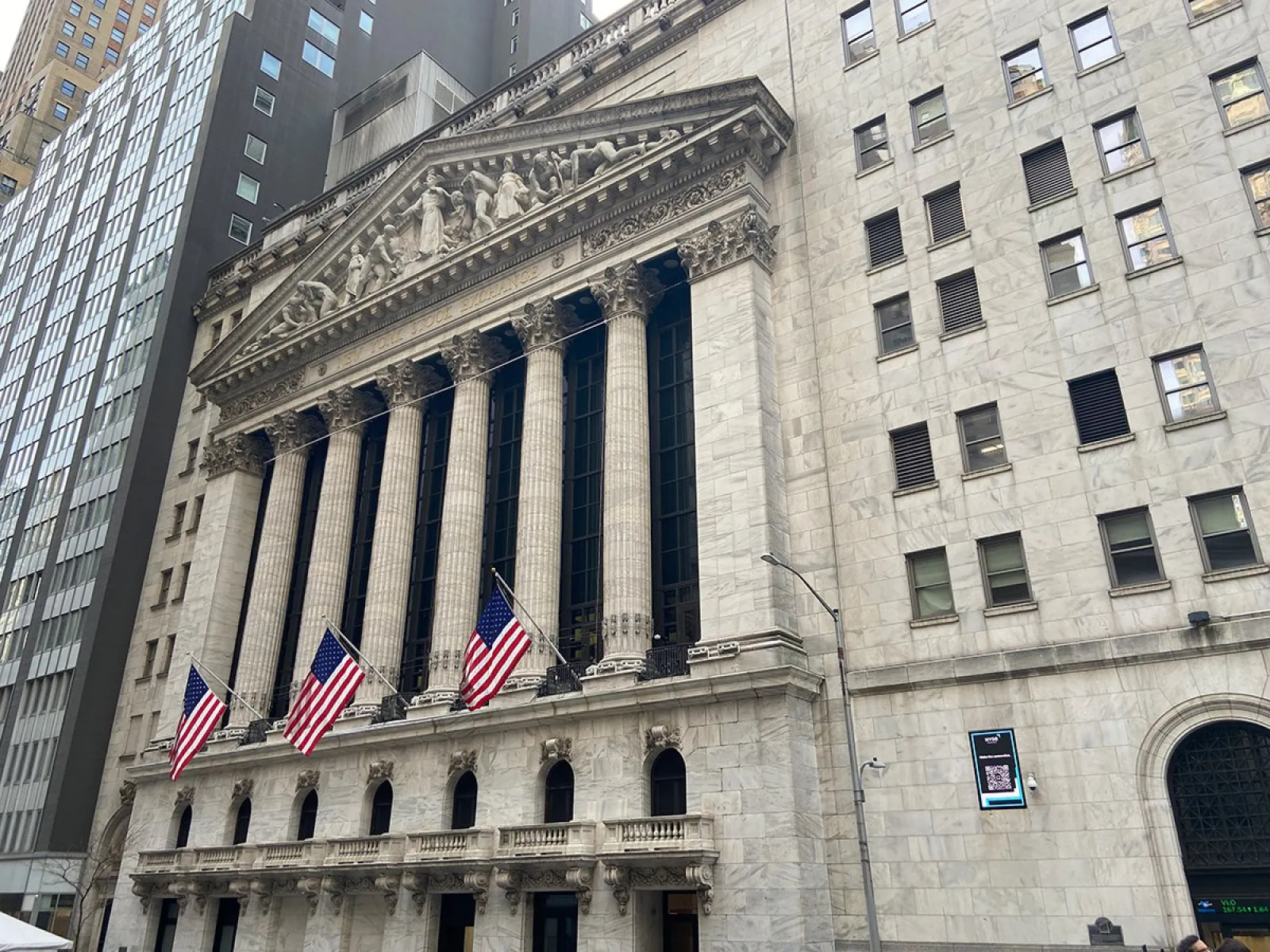
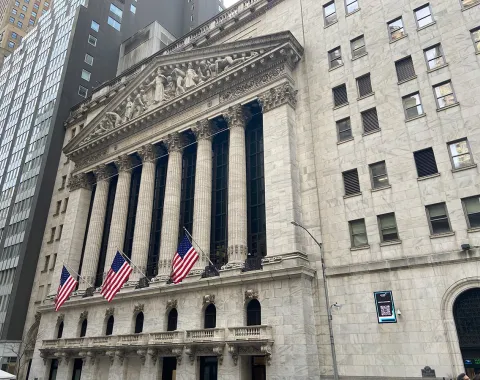
During the high-profile company visits, finance master’s students gained a comprehensive insight into potential career fields after graduation. They particularly appreciated the welcoming reception and the opportunity to ask detailed questions. Additionally, excursions to Wall Street and other significant sites in Manhattan highlighted New York's rise as a global financial hub. An evening visit to the One Vanderbilt Summit summarized the impressions, offering a panoramic view of all major financial service providers in New York.


Washington, DC: Political Heart of the USA and Bridge between Science and Practice


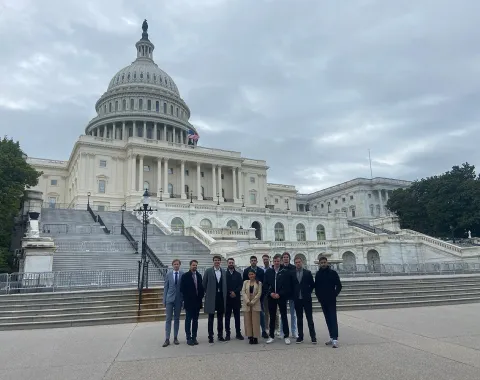
The second part of the study trip involved a change of location to the capital of the United States. On Thursday, the students learned about the history and significance of Congress during a tour through the Capitol led by a staff member of a member of the House of Representatives. They also familiarized themselves with the U.S. American political system and its differences from European democracies, as well as similarities with Liechtenstein, such as the strong role of the people in direct political participation.


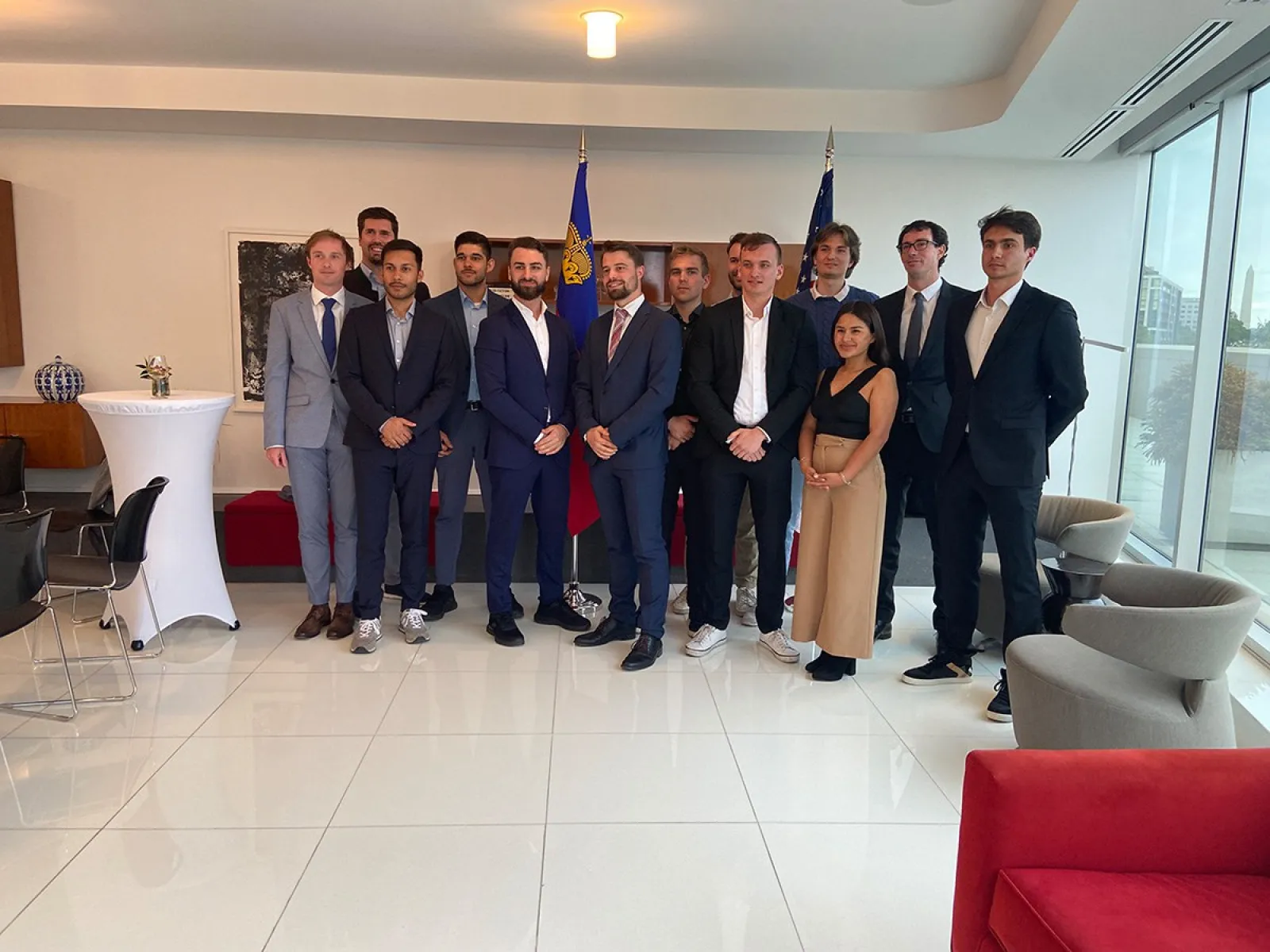
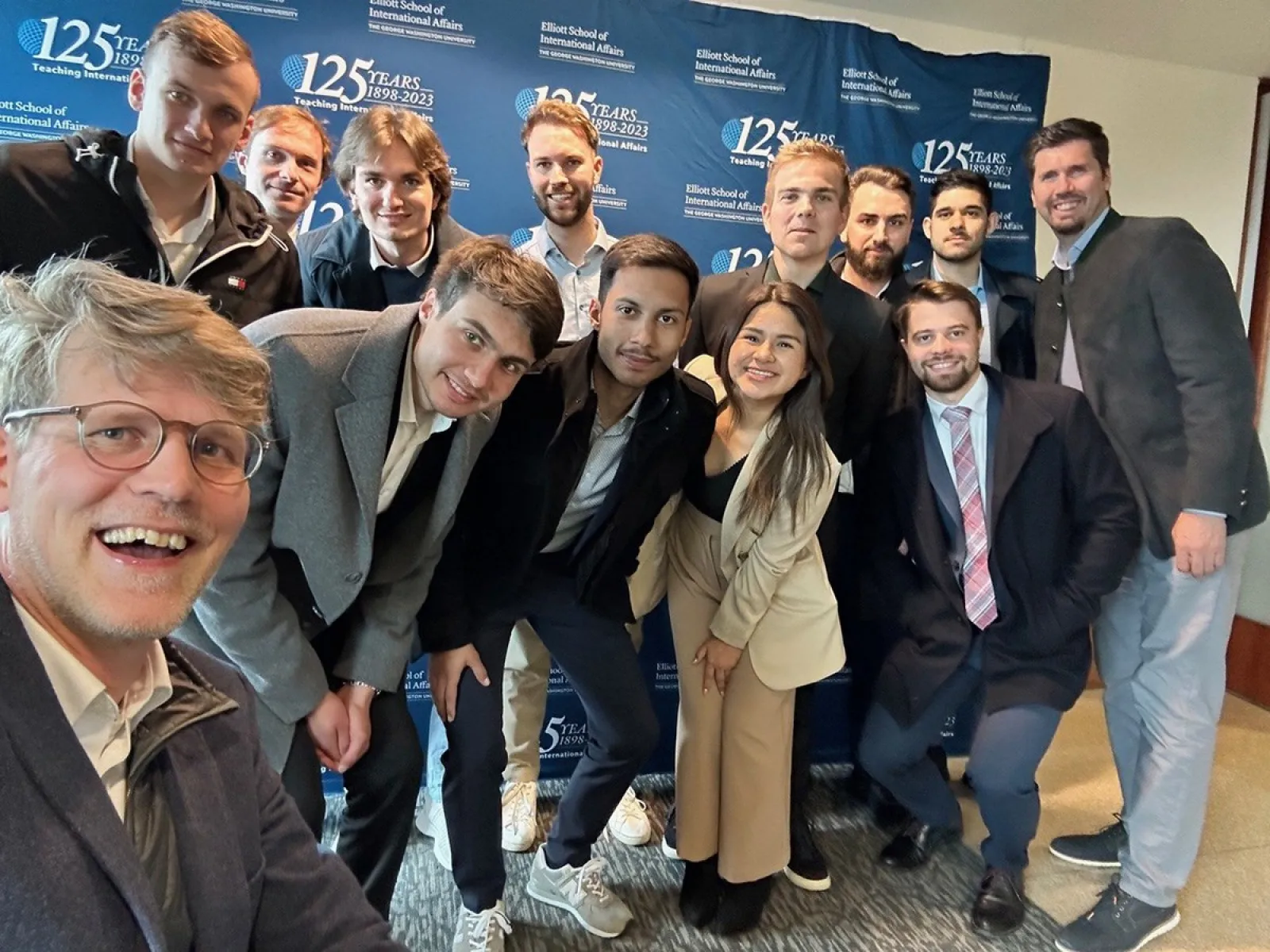
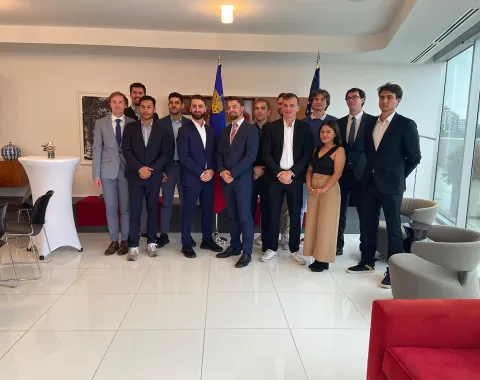
The next visit was to one of the most prestigious universities, George Washington University, where students were received by Assoc. Prof. Samuel Ledermann. The scientific exchange primarily dealt with sustainable investment solutions and the significance of international affairs in the context of economic development in developing countries. The students were also shown potential career paths in research and teaching, and how possible guest stays as a PhD candidate could be structured. The eventful day concluded with a meeting with Dr. Georg Sparber, the Ambassador of Liechtenstein to the United States. The ambassador first contextualized current global political events, outlined Liechtenstein's interests, and highlighted the importance of Liechtenstein's involvement in various international bodies for securing sovereignty and promoting economic development. He particularly noted the economic significance of the U.S. as Liechtenstein's second most important export destination, especially in light of the upcoming presidential elections, before the evening ended with an apéritif.
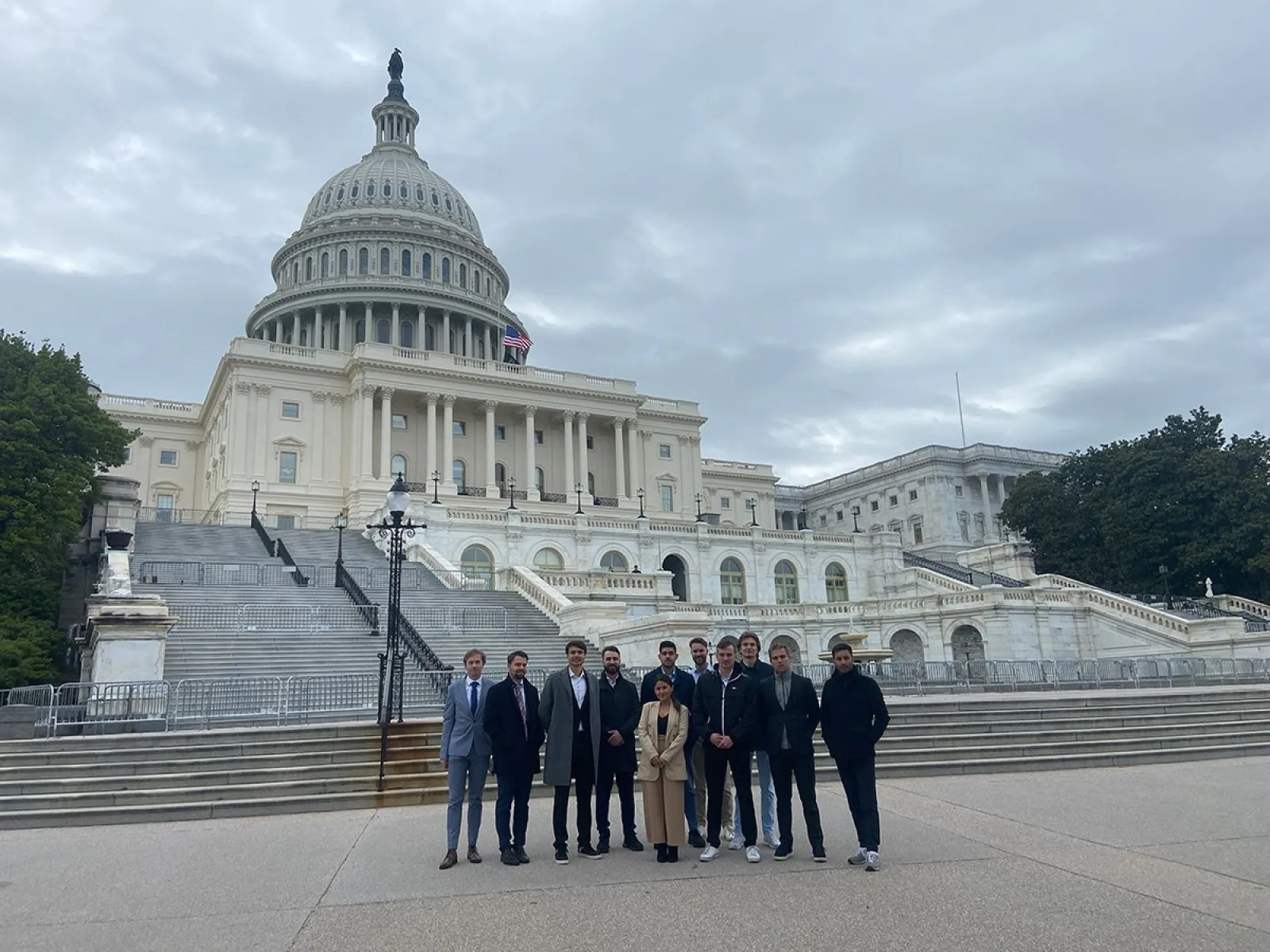
 

The final day of the study trip aimed to complete the picture of Washington as a political center. In a meeting room of the Capitol, a lively discussion with lobbyist Andy Bopp, whose daily work involves encounters with Senators and Representatives of Congress and their staff, explored the significance and role of lobbying. Ethical boundaries and risks were discussed, as well as the necessity for all interest groups to participate in the legislative process and the role various types of lobbyists can play. Like all other appointments, there was ample opportunity to ask questions, clarify misunderstandings, and learn new things. Friday concluded with a visit to the International Monetary Fund, where the group was received by a very senior representative, Mr. Marcel Peter, a member of the Executive Board. He represents the Swiss-Polish voting group of the Bretton Woods institutions (IMF and World Bank), which also includes Serbia and various Central Asian states and potentially Liechtenstein in the future. Liechtenstein's application for membership in the International Monetary Fund, as well as the general role and mandate of this institution, were extensively discussed before the study trip concluded in the impressive boardroom of the IMF's Executive Board.


Mid-term presentations in the Startup Lab

Mid-term presentations in the Startup Lab

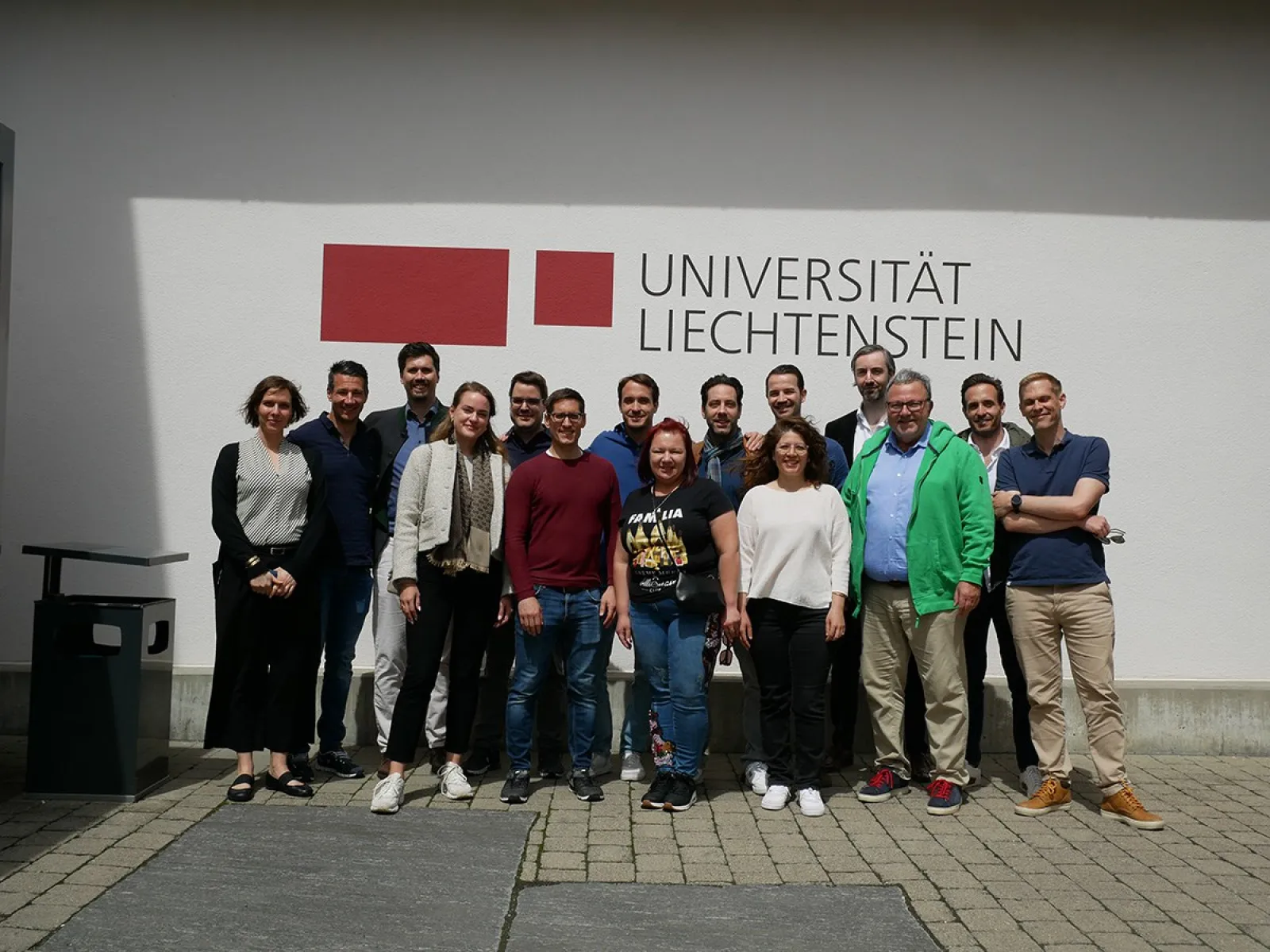
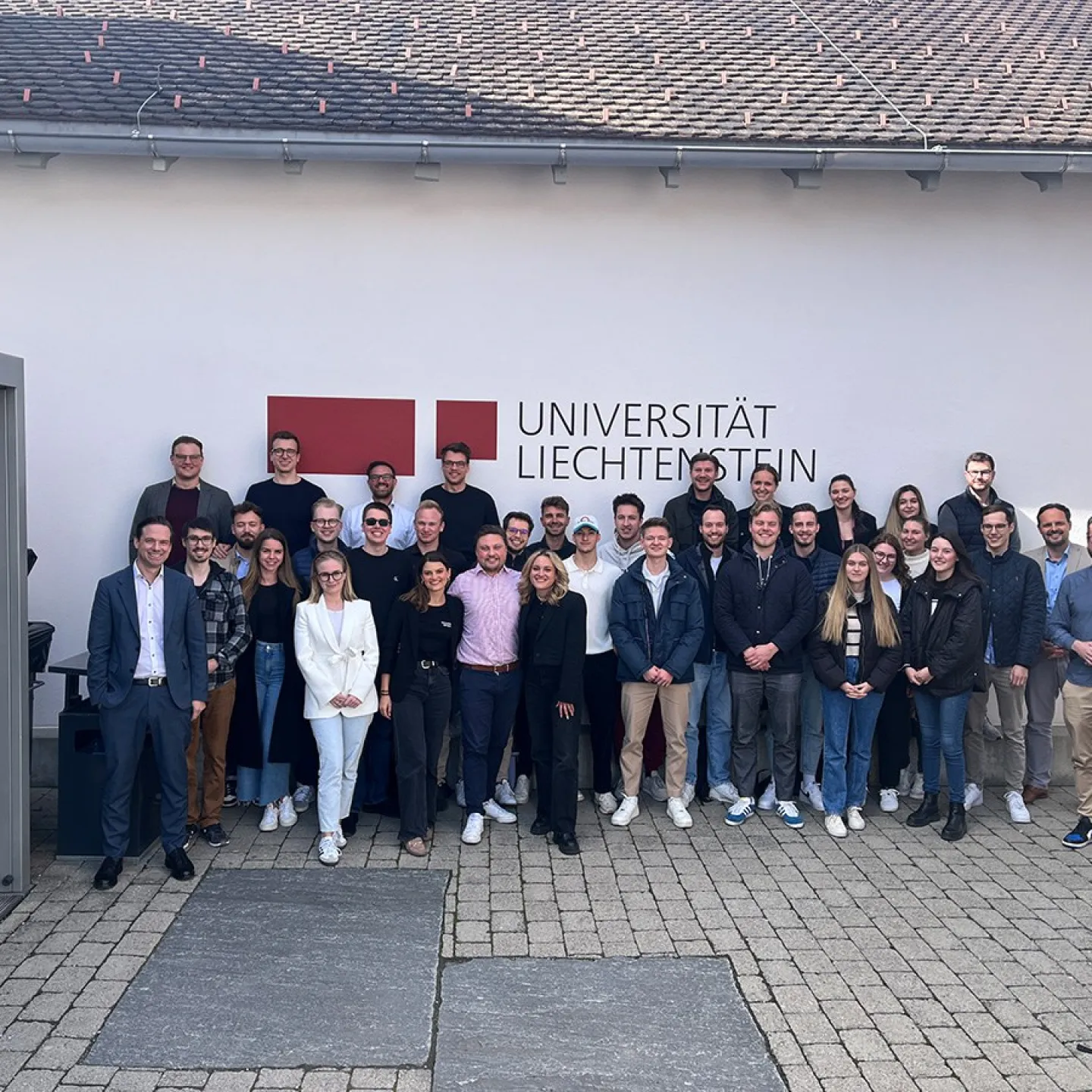
Gruppe von Studierenden und Jury-Mitgliedern des Startup Labs vor dem Gebäude der Universität Liechtenstein, aufgenommen bei den Mid-Term-Präsentationen des Masterstudiengangs Entrepreneurship und Management.

On Friday, April 26, the mid-term presentations of the Startup Lab from the Master's program in Entrepreneurship and Management took place at the University of Liechtenstein.


A jury consisting of experts from academia and practice evaluated the presentations. 13 teams with a total of 35 students presented and defended their inspiring and innovative startup ideas. The focus was on the market and competition. The quality and thematic diversity of the presentations were remarkable. The spectrum ranged from sustainable innovations in the automotive sector to food innovations and digitalization projects.


The teams will submit a complete investor presentation for the final presentations in June.


Gruppe von Studierenden und Jury-Mitgliedern des Startup Labs vor dem Gebäude der Universität Liechtenstein, aufgenommen bei den Mid-Term-Präsentationen des Masterstudiengangs Entrepreneurship und Management.

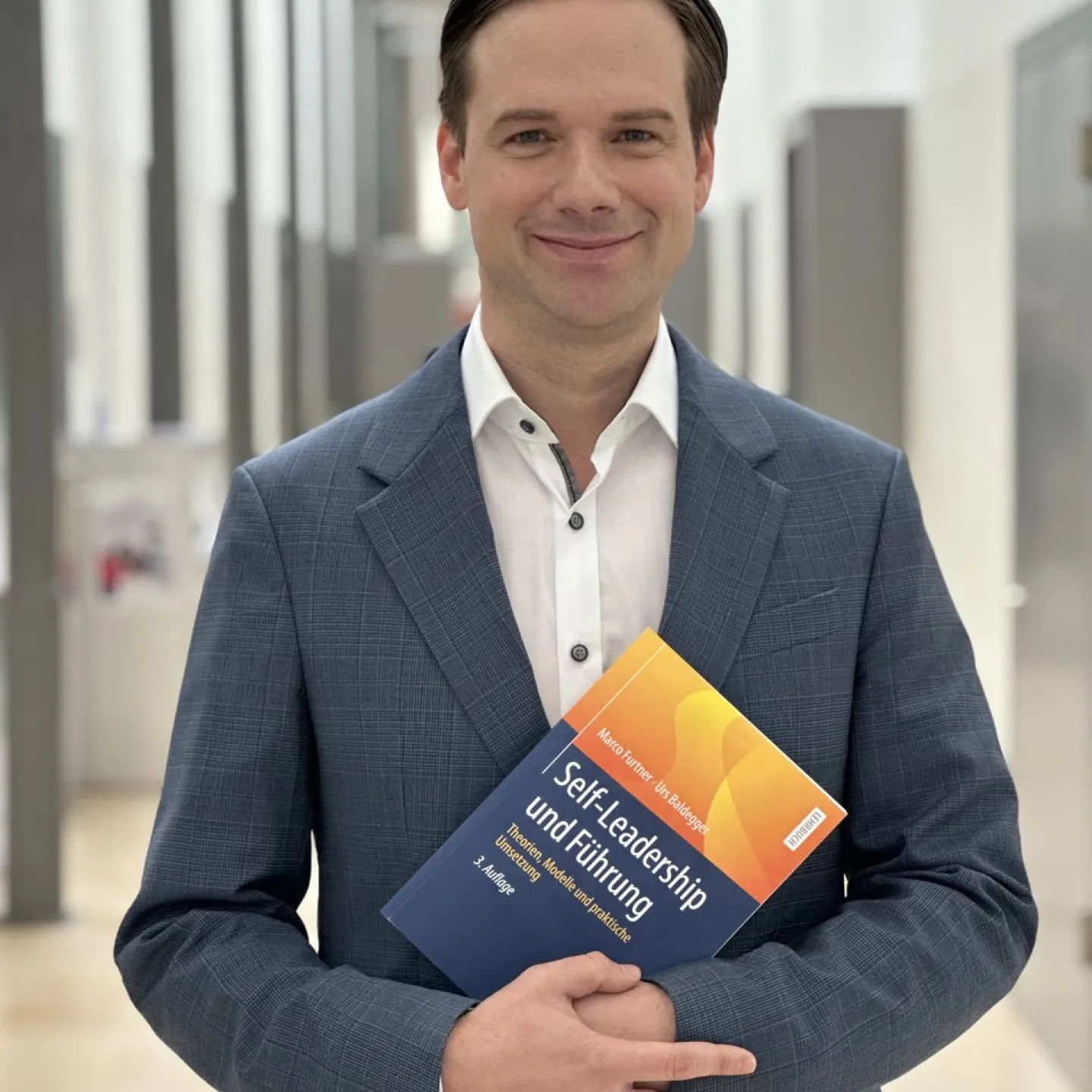
New Edition of the Textbook: Self-Leadership and Leadership

New Edition of the Textbook: Self-Leadership and Leadership

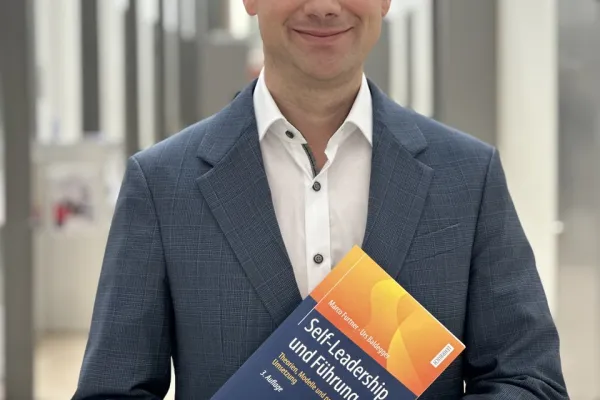
Ein Mann in einem blauen Anzug hält das Buch „Self-Leadership und Führung“ in einem modernen, hellen Flur.

The textbook Self-Leadership and Leadership by Marco Furtner and Urs Baldegger has, over the course of its now ten-year existence, established itself as a standard textbook on leadership in the German-speaking world.


For the 3rd edition, the textbook has been completely revised and updated. Its innovative character is particularly evident in the way it addresses both “inner” leadership through self-leadership and “outer” leadership through leadership of others, and how it links the two. The book is based on the central assumption that leaders must first be able to lead themselves before they can effectively lead others.


Drawing on the latest findings from leadership research, it describes the developmental process of becoming a successful top leader in the 21st century. Such a leader “transforms” their employees by developing their self-leadership skills and granting them a high degree of autonomy and self-determination.


New in this edition is the integration of inner and outer leadership with dynamic leadership—a form of agile and flexible leadership—tailored to meet the demands of a modern leader in the digital age. A self-leading and, at the same time, dynamic leader has the decisive advantage of being able to act with agility in various contexts and adapt to changing environmental conditions.


Ein Mann in einem blauen Anzug hält das Buch „Self-Leadership und Führung“ in einem modernen, hellen Flur.

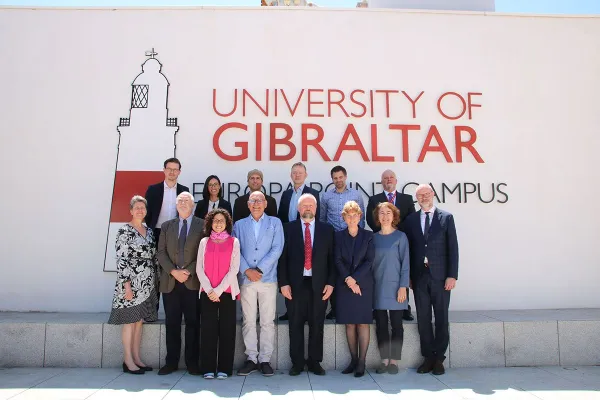
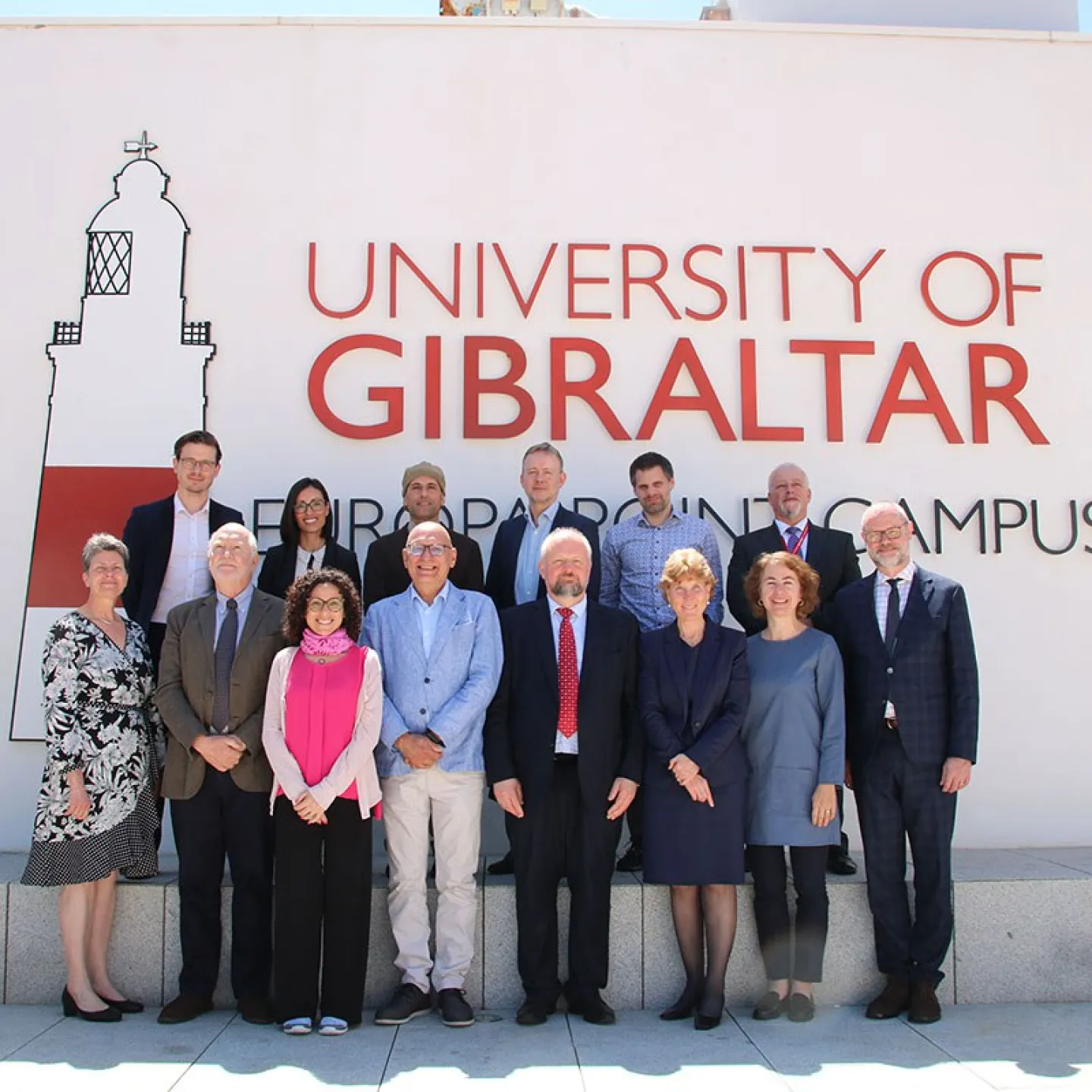
Network meeting of university rectors from small states and territories

Network meeting of university rectors from small states and territories

Eine Gruppe von Personen steht vor einem Gebäude mit der Aufschrift "University of Gibraltar". Sie posieren für ein Gruppenfoto bei sonnigem Wetter.

The rectors of the "Network of Universities of Small Countries and Territories" (NUSCT) met for the sixth time since the network was founded.


The rectors of the "Network of Universities of Small Countries and Territories" (NUSCT) met for the sixth time since the network was founded. The network already has a total of 12 members, with Åland University joining for the first time. Rectors and staff from Andorra, Gibraltar, San Marino, Iceland, Liechtenstein, the Faroe Islands and Malta were represented at the conference, which was organized by the University of Gibraltar.
One of the aims of the network is to create synergies through exchange and to form joint working groups on various topics. After the welcome and introduction by Vice-Rector Catherine Bachleda, there was intensive discussion about common guidelines for the use of A.I. in teaching, and an international seminar is also being planned on the Faroe Islands on the topic of "Making History in Small Countries and Territories: Universities, Historians and Societies". The benefits of European alliances for NUCST members were also discussed, as well as joint and double degrees. Not all member states are part of the EU, so not all of them benefit from the Erasmus+ program and its opportunities. This makes the network all the more important, as most universities in small states and small territories are confronted with similar issues.


It was an excellently organized visit which, despite its brevity, left enough time for the network members to exchange ideas, but also to get to know "The Rock".


The following universities are members of the NUSCT network:


• Háskólinn á Akureyri (University of Akureyri/Island)
• Högskolan på Åland (Åland University of Applied Sciences)
• Universitat d’Andorra (University of Andorra)
• Fróðskaparsetur Føroya (University of the Faroe Islands)
• University of Gibraltar
• Ilisimatusarfik (University of Greenland)
• Universität Liechtenstein (University of Liechtenstein)
• L-Università ta’ Malta (University of Malta)
• Univerzitet Mediteran (Mediterranean University)
• Univerzitet Crne Gore (University of Montenegro)
• Πανεπιστήμιο Λευκωσίασ (University of Nicosia)
• Università degli Studi della Repubblica di San Marino (University of the Republic of San Marino)


Eine Gruppe von Personen steht vor einem Gebäude mit der Aufschrift "University of Gibraltar". Sie posieren für ein Gruppenfoto bei sonnigem Wetter.

Liechtenstein Housing Market – the Tension between Market and State

Liechtenstein Housing Market – the Tension between Market and State

Liechtenstein's housing market is characterized by strong momentum. Since 1980, the population has grown by more than 50 % to around 40,000 people. During the same period, however, the housing stock has more than doubled.


Smaller households have caused the consumption of living space to skyrocket despite increasingly dense construction. How can Liechtenstein's housing market now be made socially, ecologically and economically sustainable? What is the situation in neighboring countries?


These questions offer plenty of room for discussion! The around 50 participants who accepted the invitation of the Liechtenstein School of Architecture at the University of Liechtenstein and the Zukunft.li Foundation to a joint panel discussion thought so too. Thomas Lorenz, Managing Director of Stiftung Zukunft.li, opened the evening with a keynote speech on the key figures of Liechtenstein's housing market. It became clear that Liechtenstein has now become a country of renters and condominium owners - and that Liechtenstein's population is living large. The average living space per person in Liechtenstein is 55 m² - around eight square meters more than in neighboring countries.


How can the public sector now intervene to guarantee a sustainable housing market? Gabriela Debrunner, ETH Zurich, and Johannes Herburger, University of Liechtenstein, shed light on the current situation, the players and the instruments of housing policy in Vorarlberg and Eastern Switzerland. While Switzerland has been pursuing a stringent internal delvelopment policy for around 10 years in order to conserve the countryside, Austria is primarily known for its non-profit housing policy.


Johannes Herburger and Gabriela Debrunner discussed possible implementation measures in Liechtenstein with Harald Beck, Head of Real Estate Confida AG and initiator of the Liechtenstein Housing Cooperative, and Luis Hilti, architect and postdoctoral researcher, Urban Design & Spatial Development Unit at the University of Liechtenstein, in a panel discussion moderated by Doris Quaderer, Stiftung Zukunft.li. What is certainly exciting for the Principality is that it can learn a lot from the negative experiences of its two neighboring countries - on the one hand, how consistent internal development can also be implemented in a socially responsible way, and on the other, that non-profit housing must also be well coordinated with other state instruments such as rental or spatial planning policy. As Luis Hilti explained in his closing speech, even the modernizing the building code can bring many advantages for ecological sustainability and affordability.


Finally, Government Councillor Graziella Marok-Wachter explained the government's current housing and planning policy measures. One thing is clear: without a positive attitude from Liechtenstein voters, major changes are hardly possible.


We need your consent
To view this YouTube video, you must accept data processing under the category “Third-party marketing”. Further details on data processing can be found here.
Display Cookie Settings

Study Trip of the Executive Master of Laws (LL.M.) in Business Criminal Law

Study Trip of the Executive Master of Laws (LL.M.) in Business Criminal Law

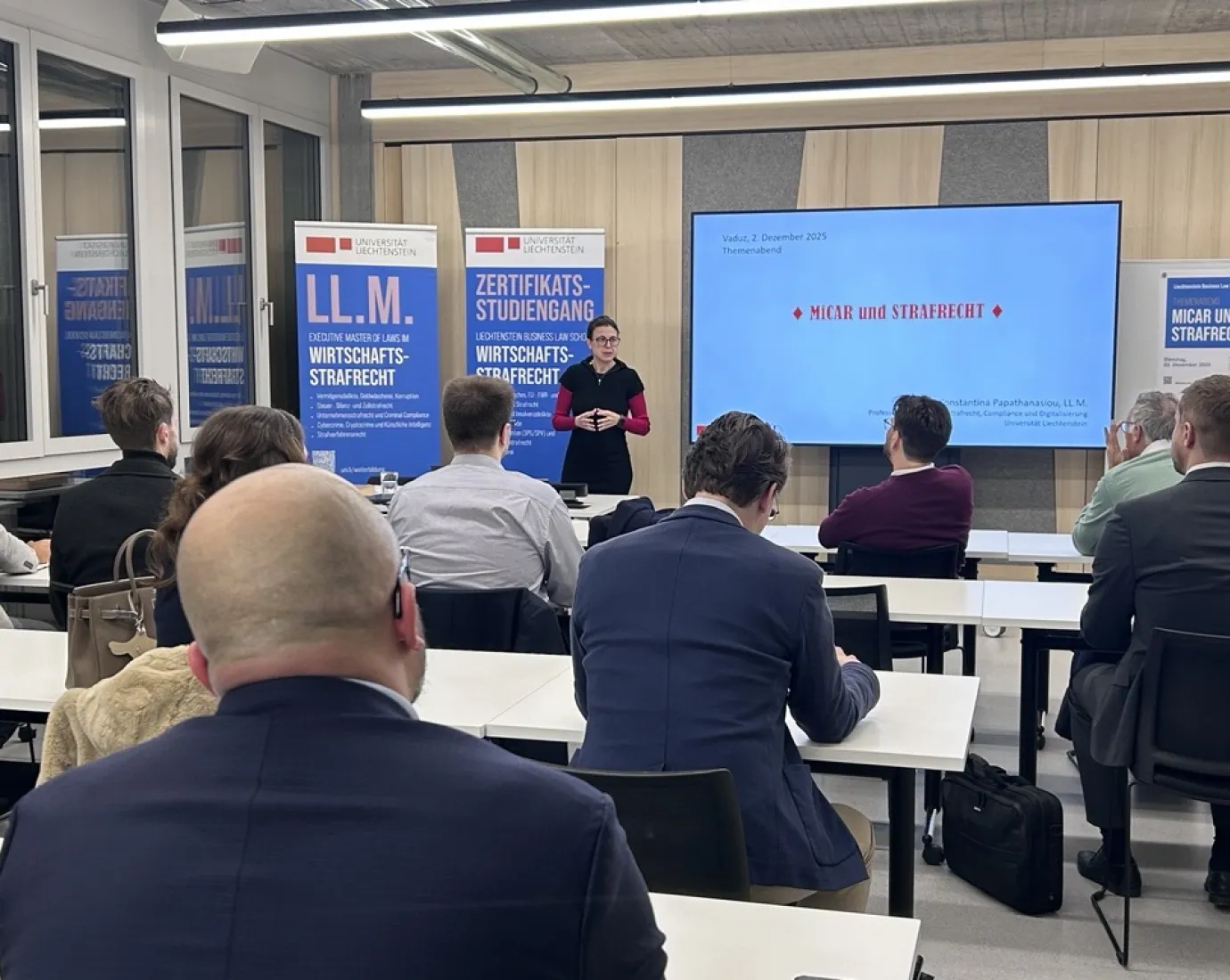
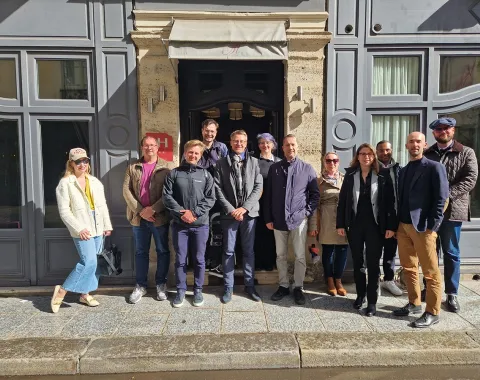
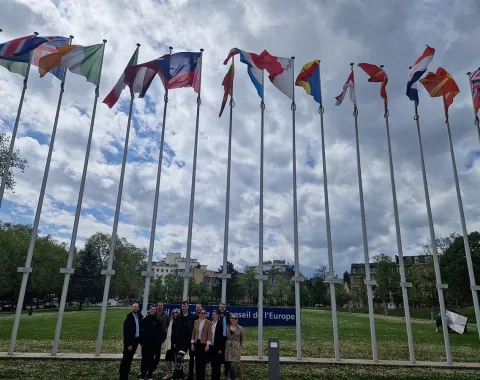
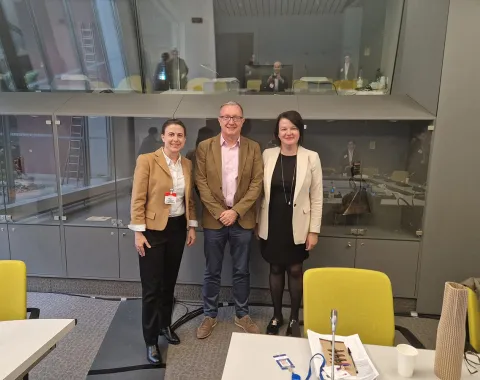
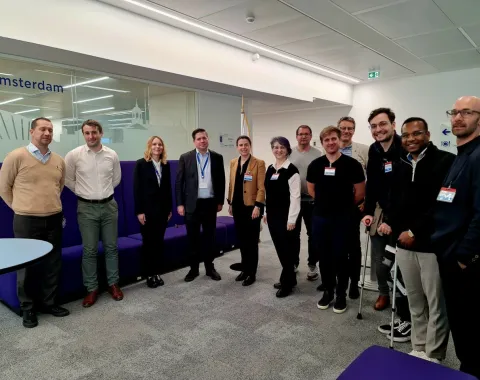
Between April 15 and 18, 2024, the first study trip for students of the Executive Master of Laws (LL.M.) in Business Criminal Law took place, led by Prof. Dr. Konstantina Papathanasiou, LL.M., Chair of Business Criminal Law, Compliance and Digitalization.
 

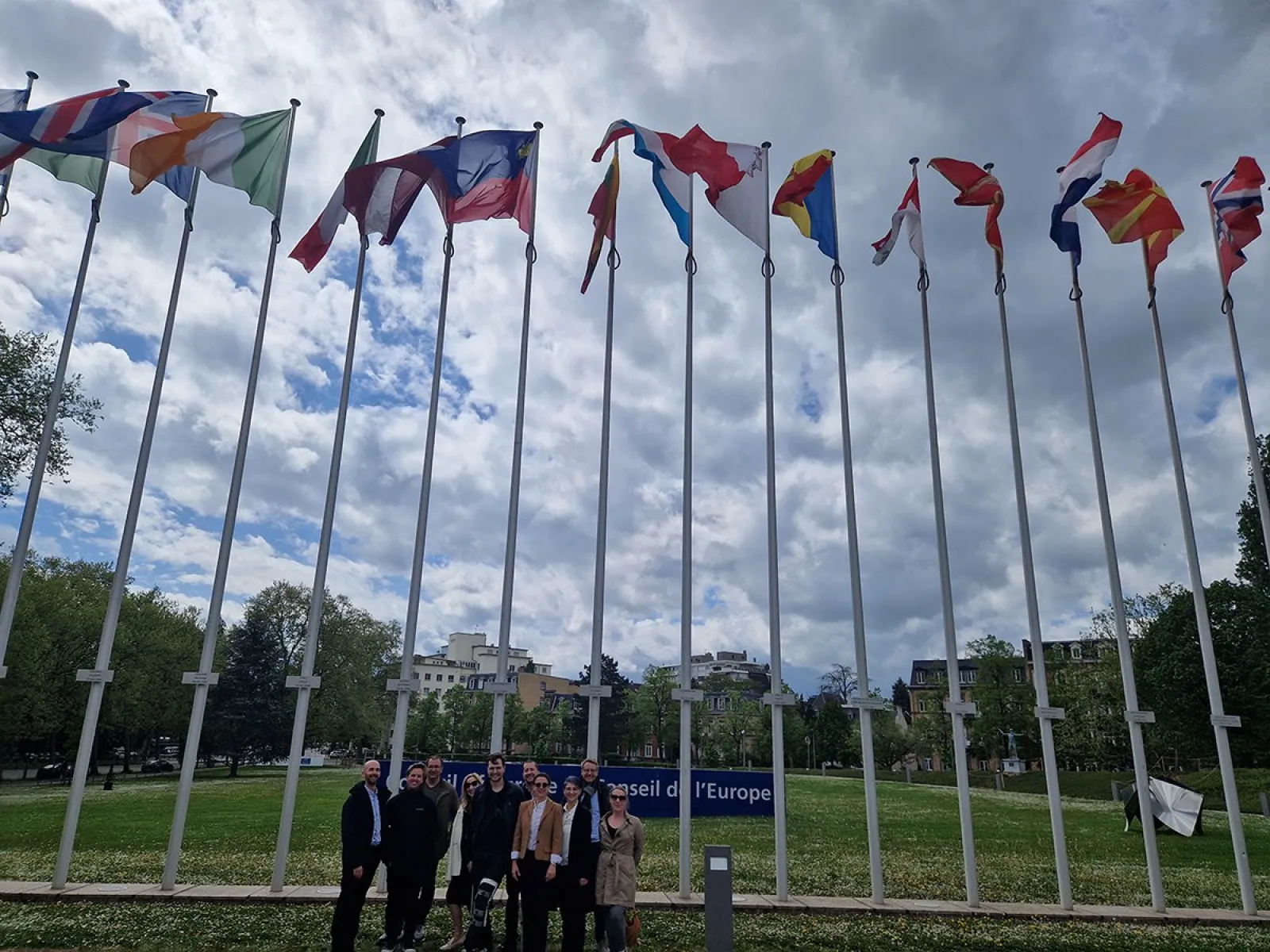
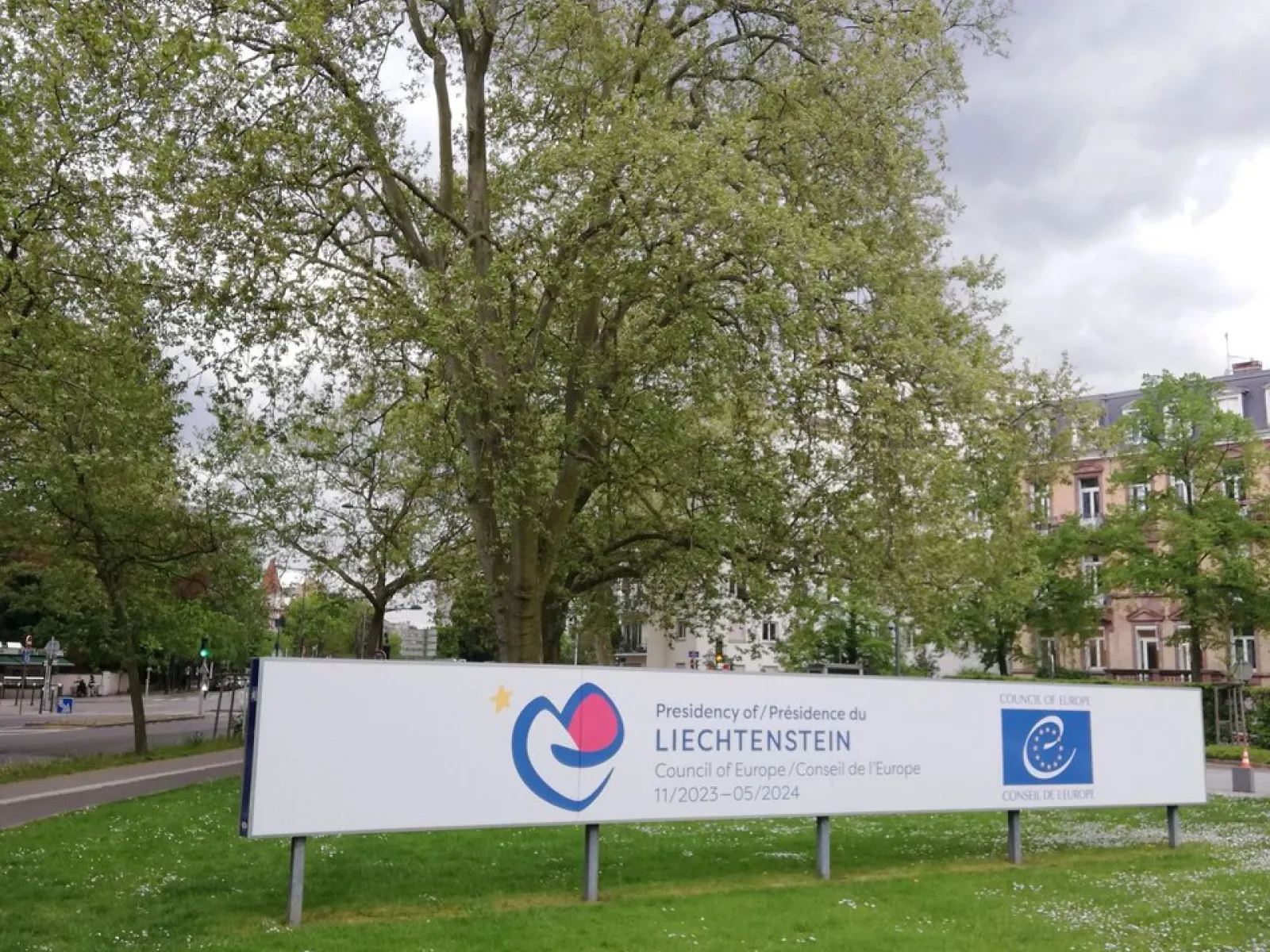
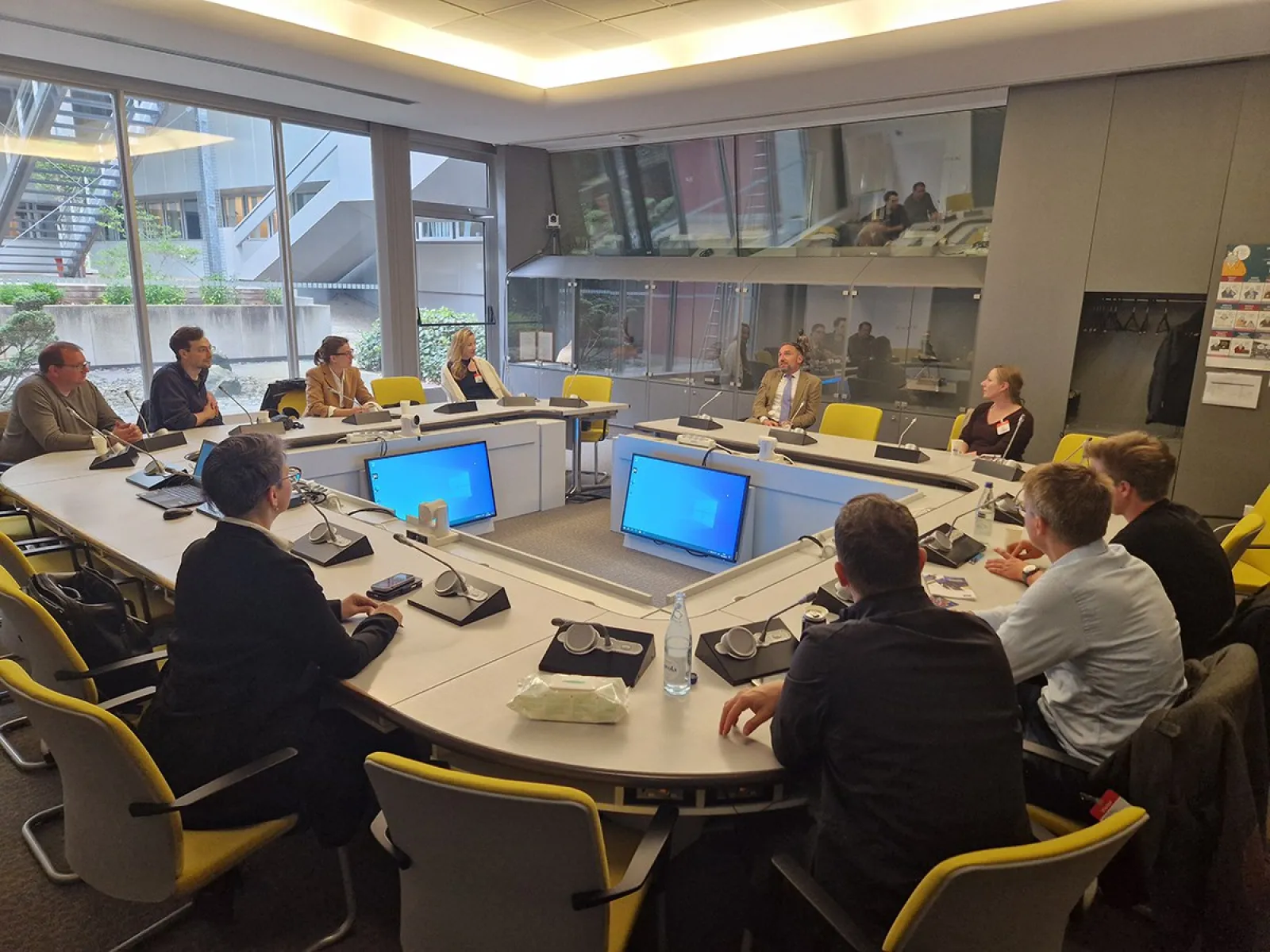
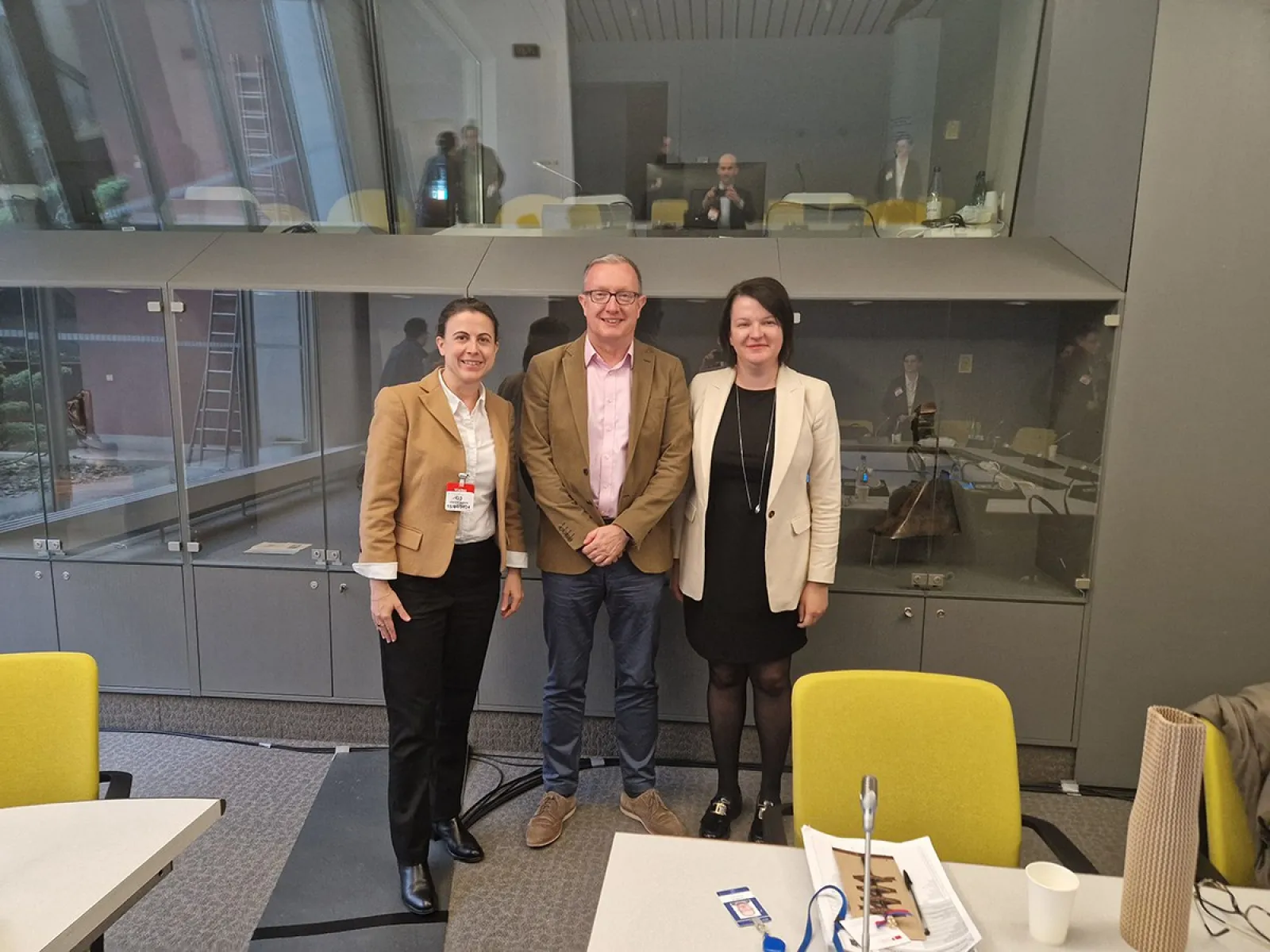
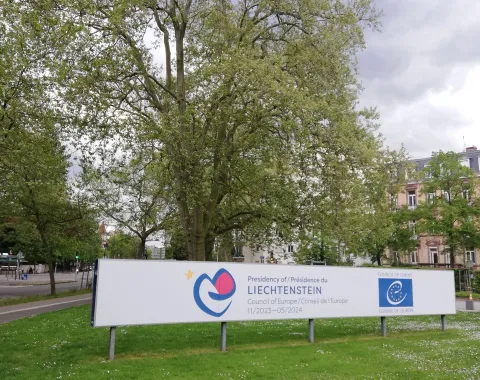
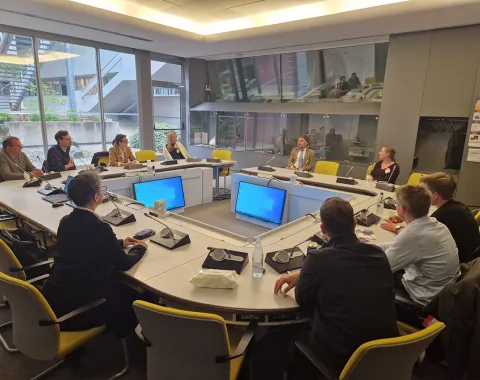
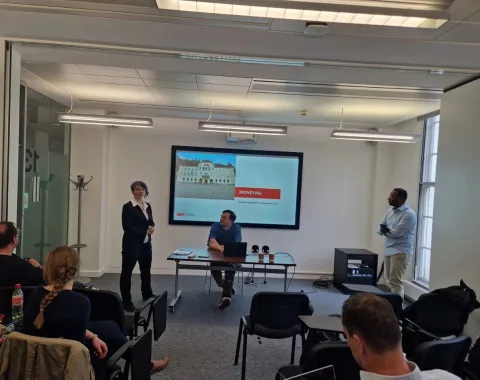
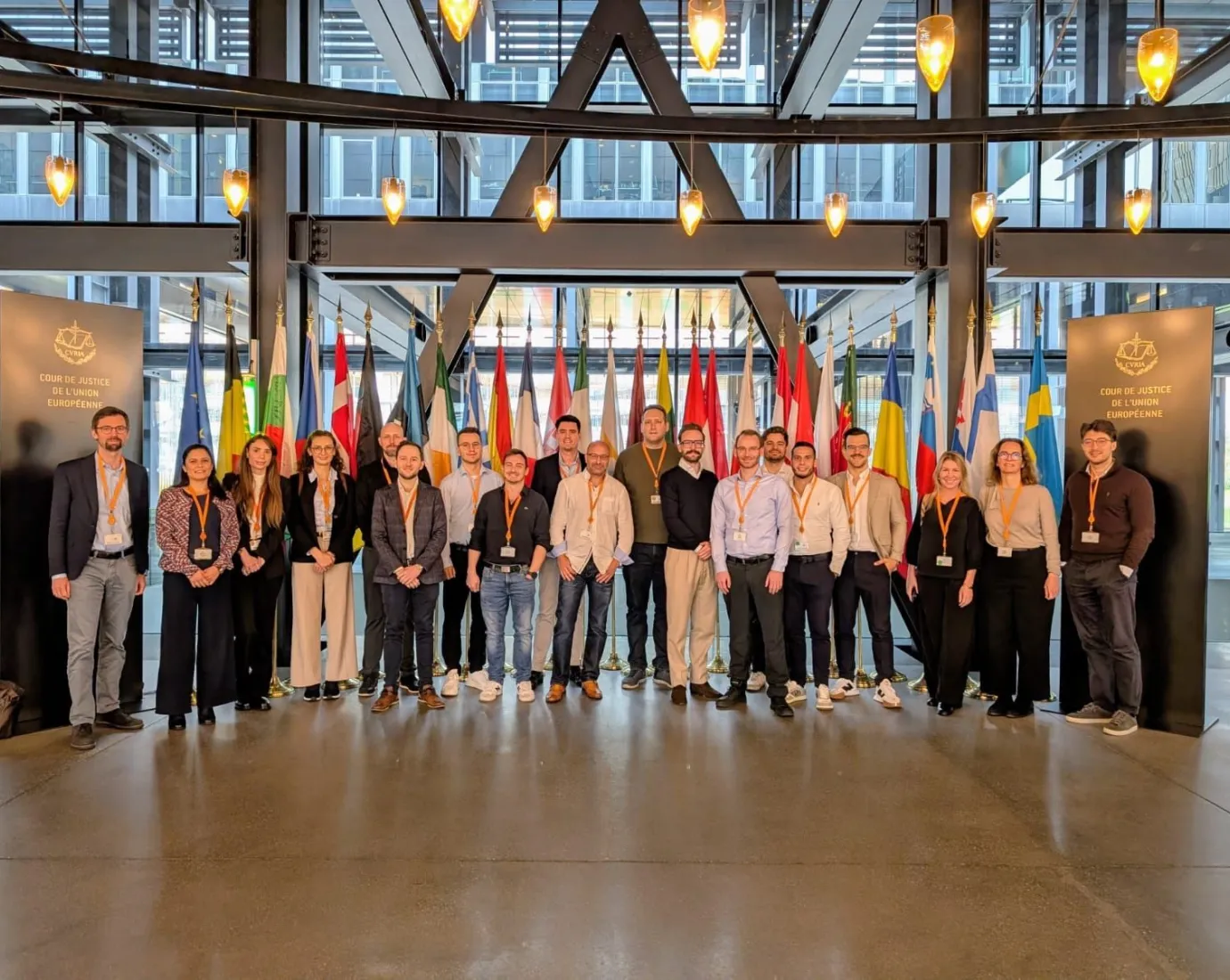
The excursion began with a visit to the Council of Europe in Strasbourg, where the group was welcomed by Domenik Wanger, the Permanent Representative of the Principality of Liechtenstein. This exchange provided the students with first-hand insights into the functioning and political processes of this important European institution. In addition, the agenda included presentations by Andrew Le Brun (Deputy Executive Secretary) and Ana Boskovic (Program Manager), who provided the students with detailed information on the work of MONEYVAL. This expert committee of the Council of Europe focuses on combating money laundering and terrorist financing and supports the implementation of effective legal and institutional frameworks in this area.


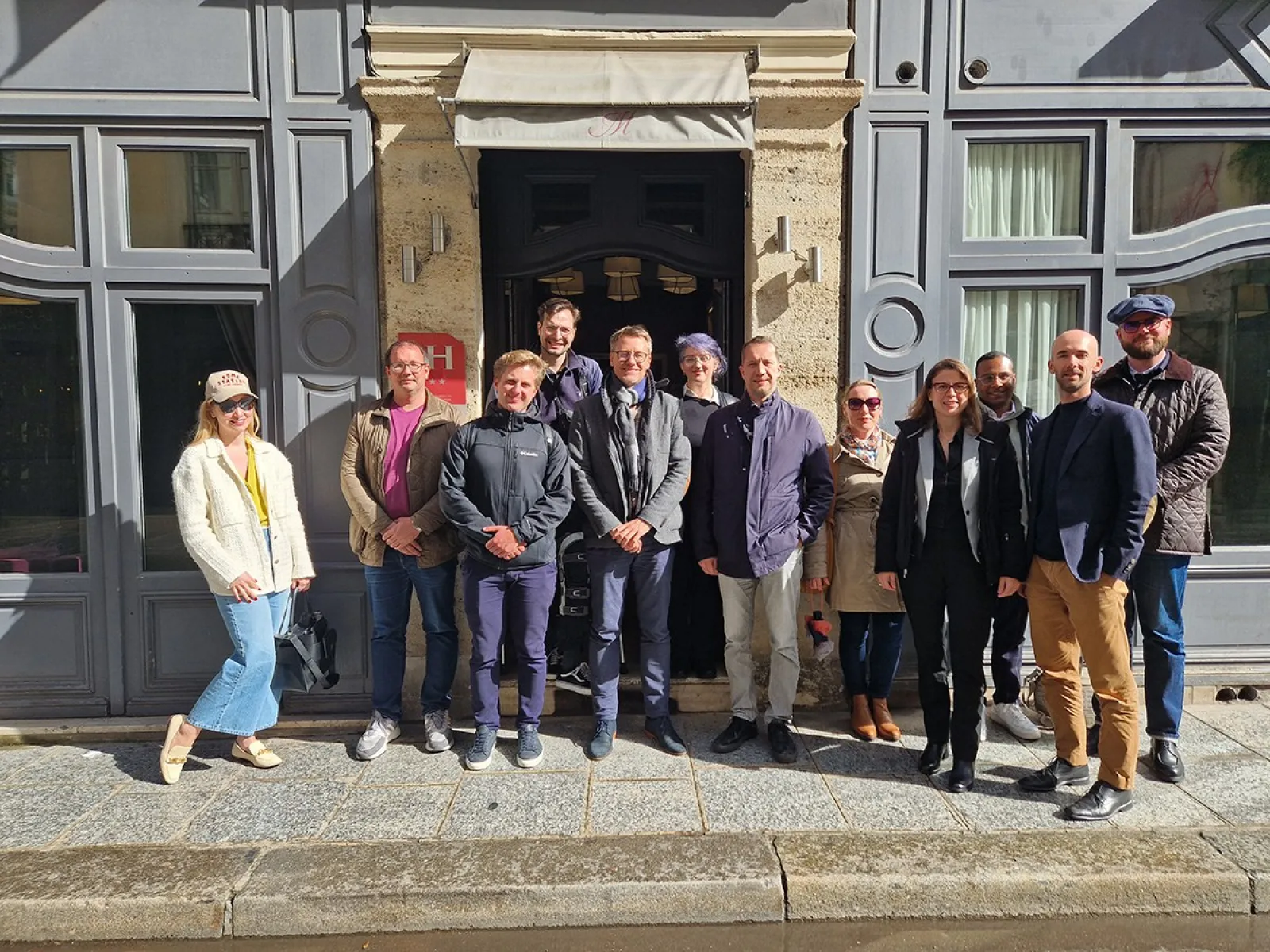
On the second day, the group traveled by train to Paris, where they spent several hours with Maurice Hartmann, an attorney at Schindhelm Paris. Hartmann introduced the students to topics in French business crimes, criminal procedure law, and corporate law, supplemented by insights from his practical experience. This session also offered ample opportunity for comparative discussions on different legal systems.


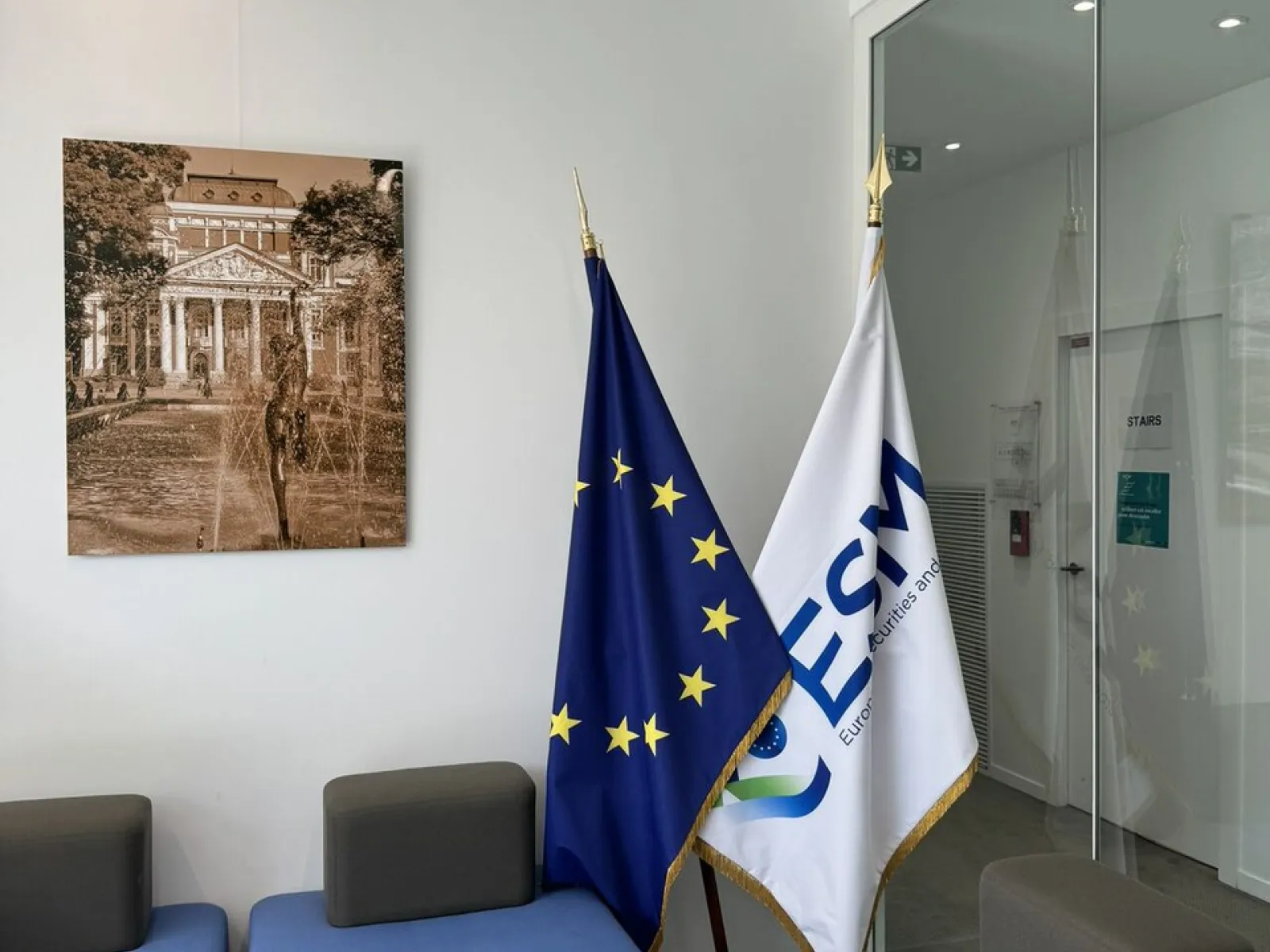
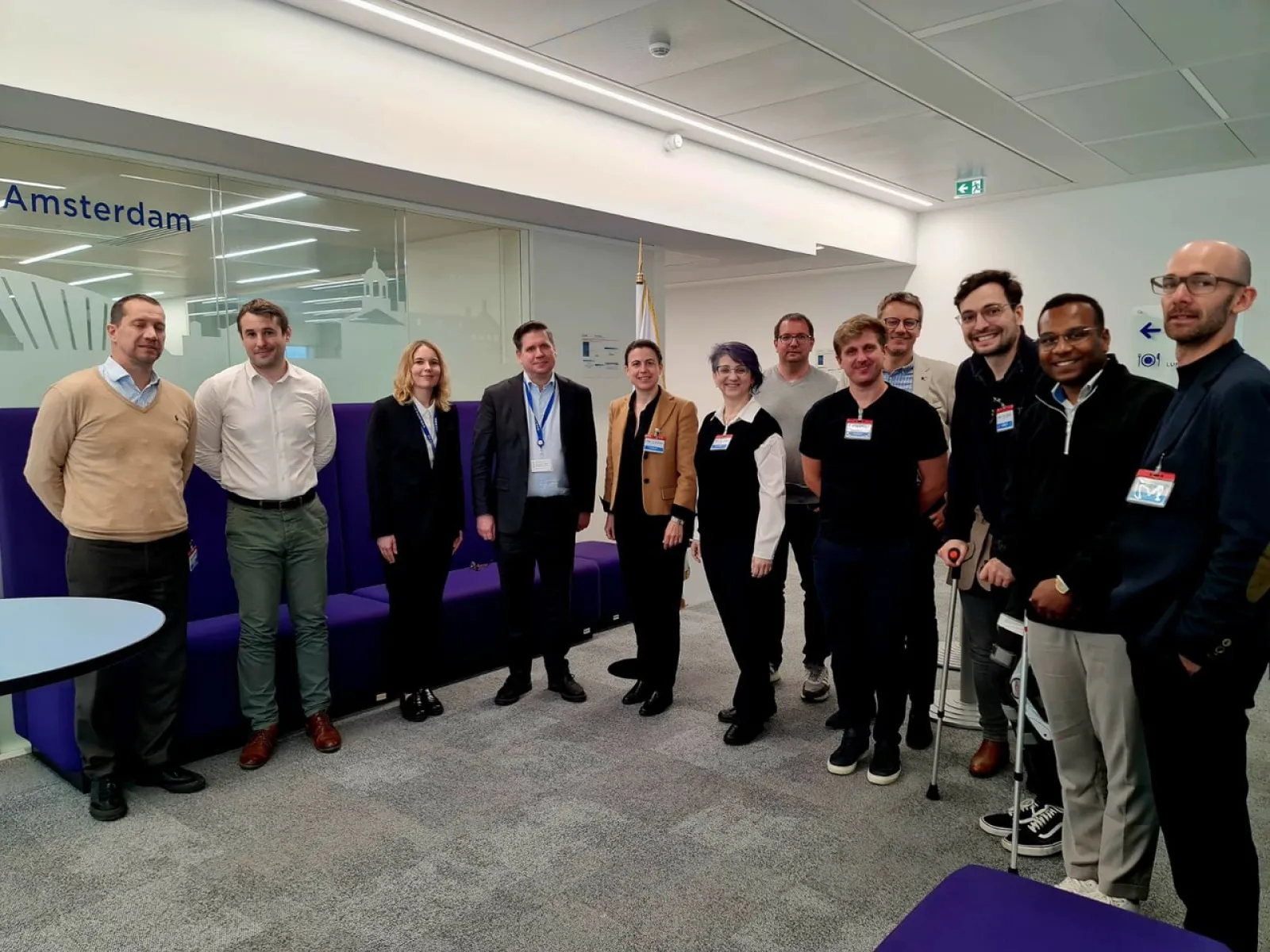
The following day, the students visited the European Securities and Markets Authority (ESMA) in Paris. Sandra Andersson (Cooperation Officer) first explained the general role of the authority. This was followed by in-depth presentations by Gregory Frigo (Senior Policy Officer) and Eoghan O’Neill (Policy Officer) on the area of prospectus law.


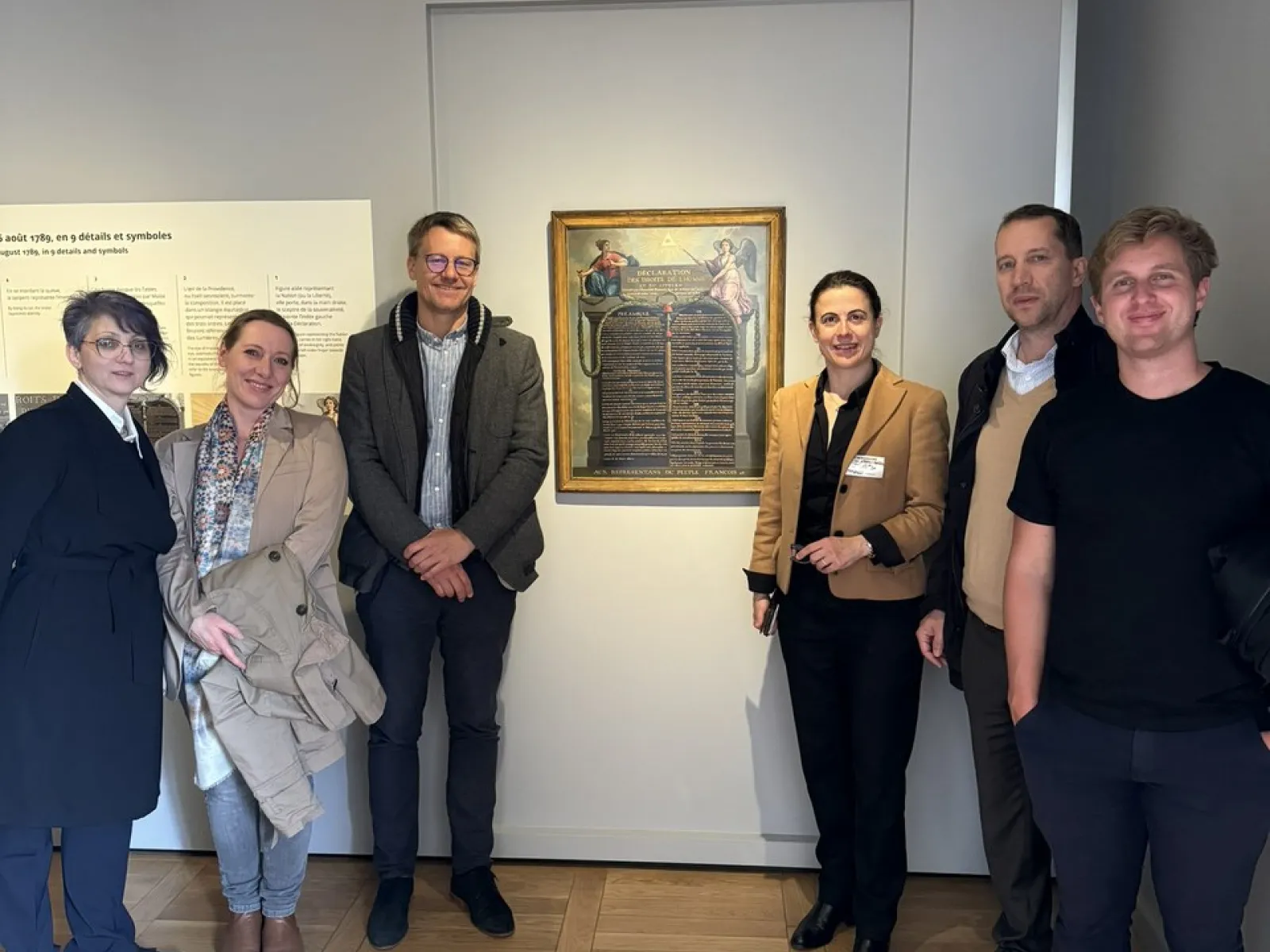
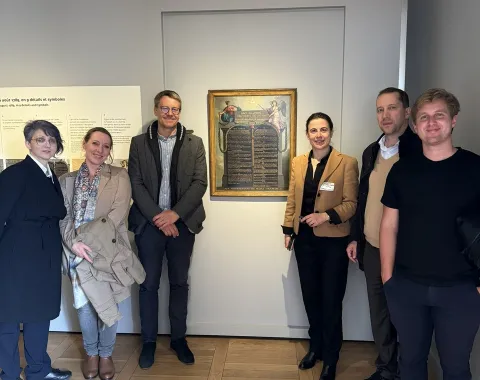
The cultural highlight of the day was a visit to the Musée Carnavalet, which presents the history of the city of Paris. Here, Jean-Jacques Le Barbier’s significant painting Déclaration des droits de l’homme et du citoyen was the focal point of attention.


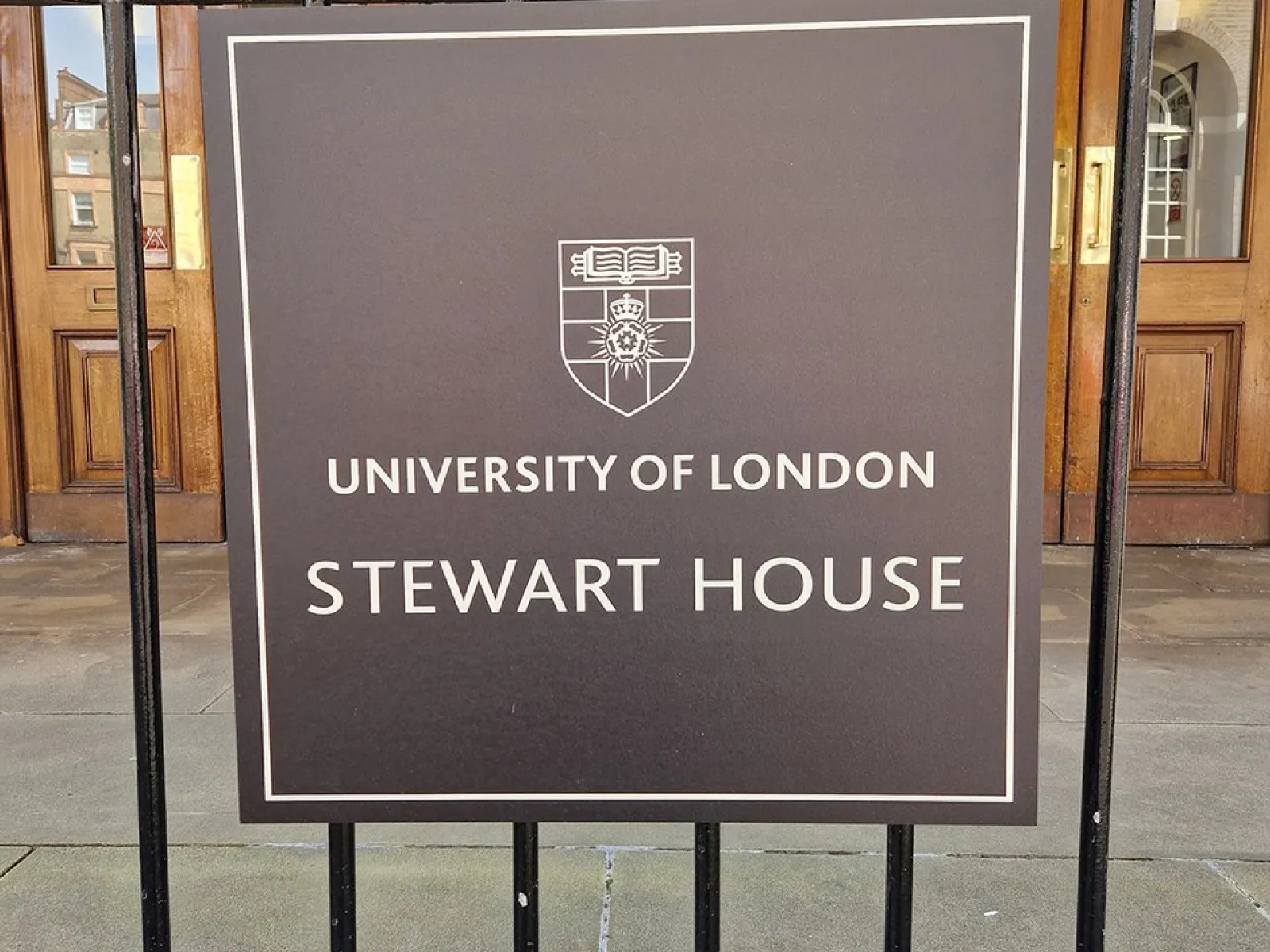
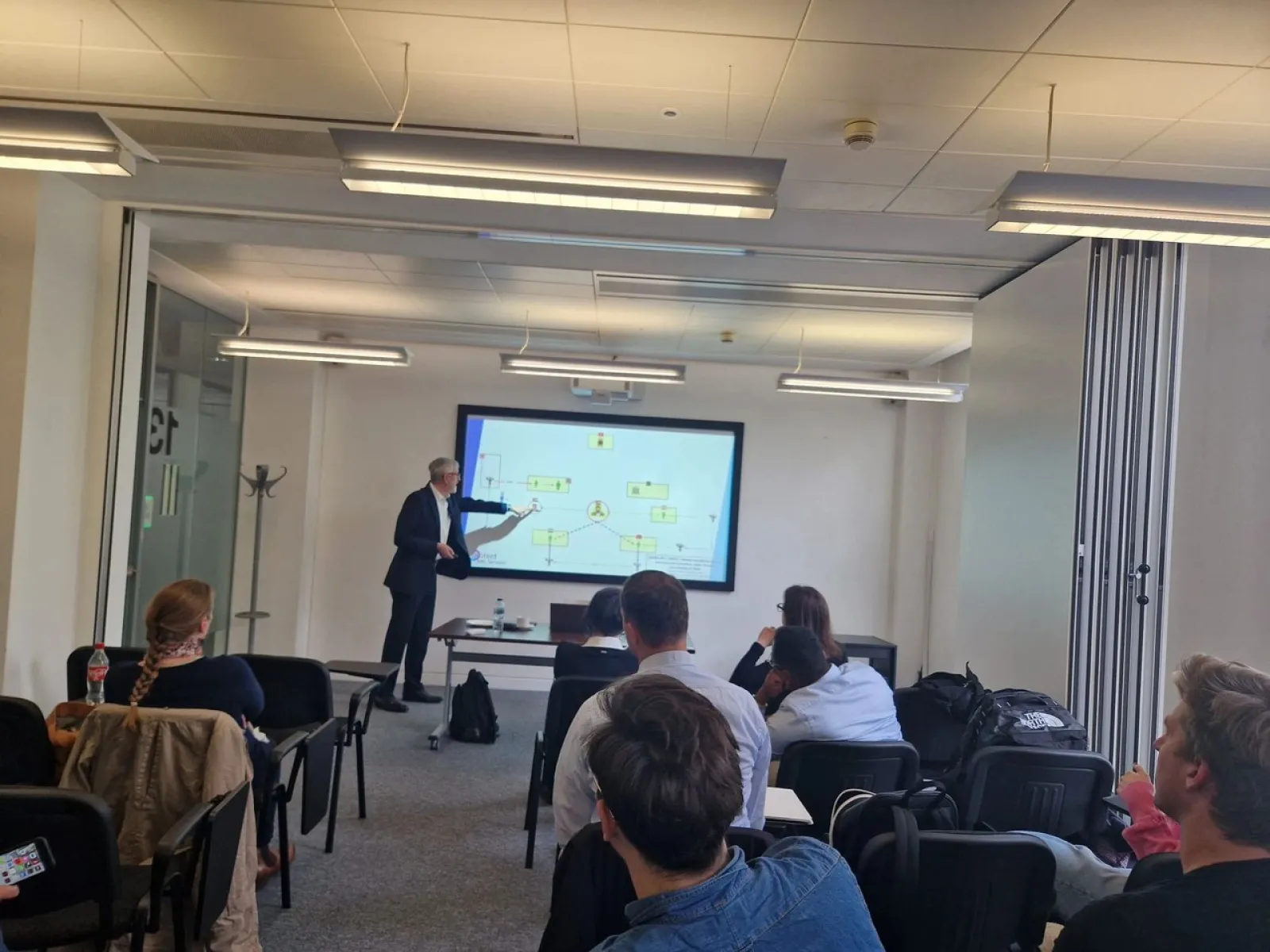
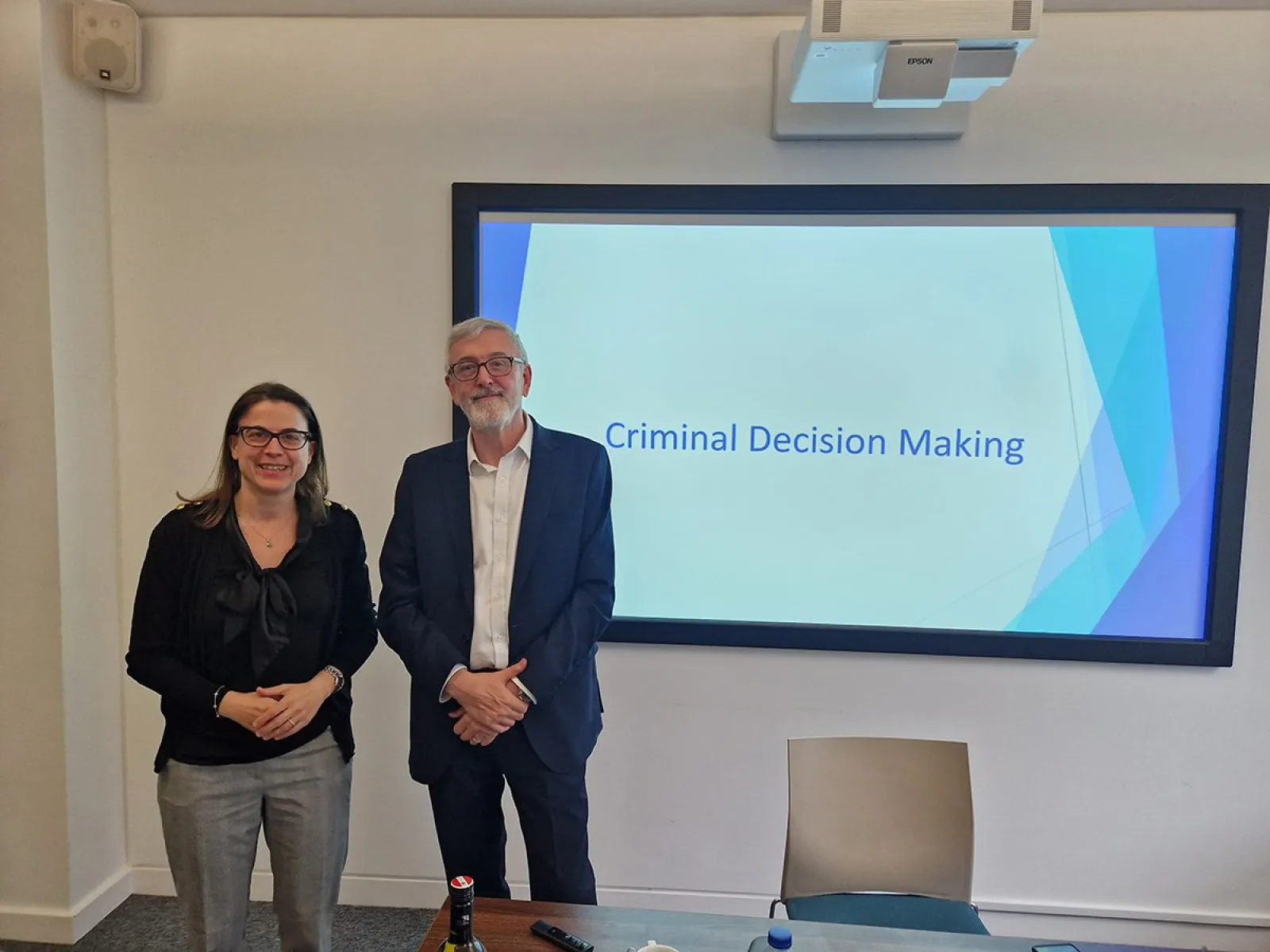
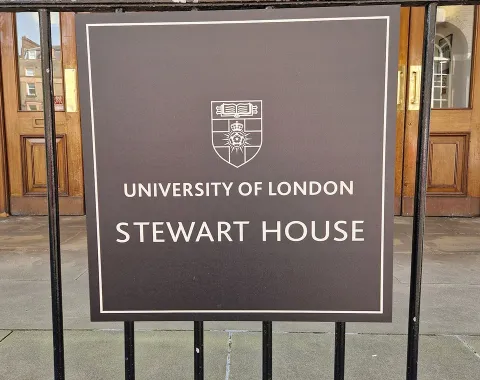
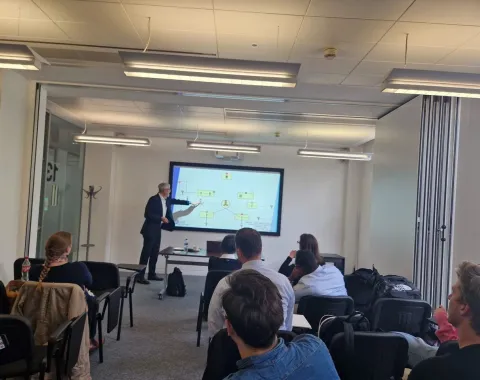
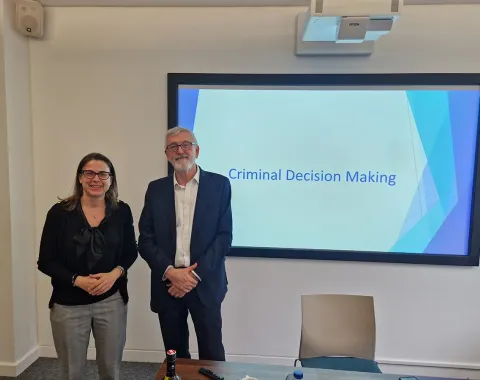
On the last day of their trip, the group took the Eurostar to London. At the University of London, the students attended a captivating lecture by financial crimes expert Simon Lord, who shared his insights and experiences on “Criminal Decision Making” and specific AML aspects.


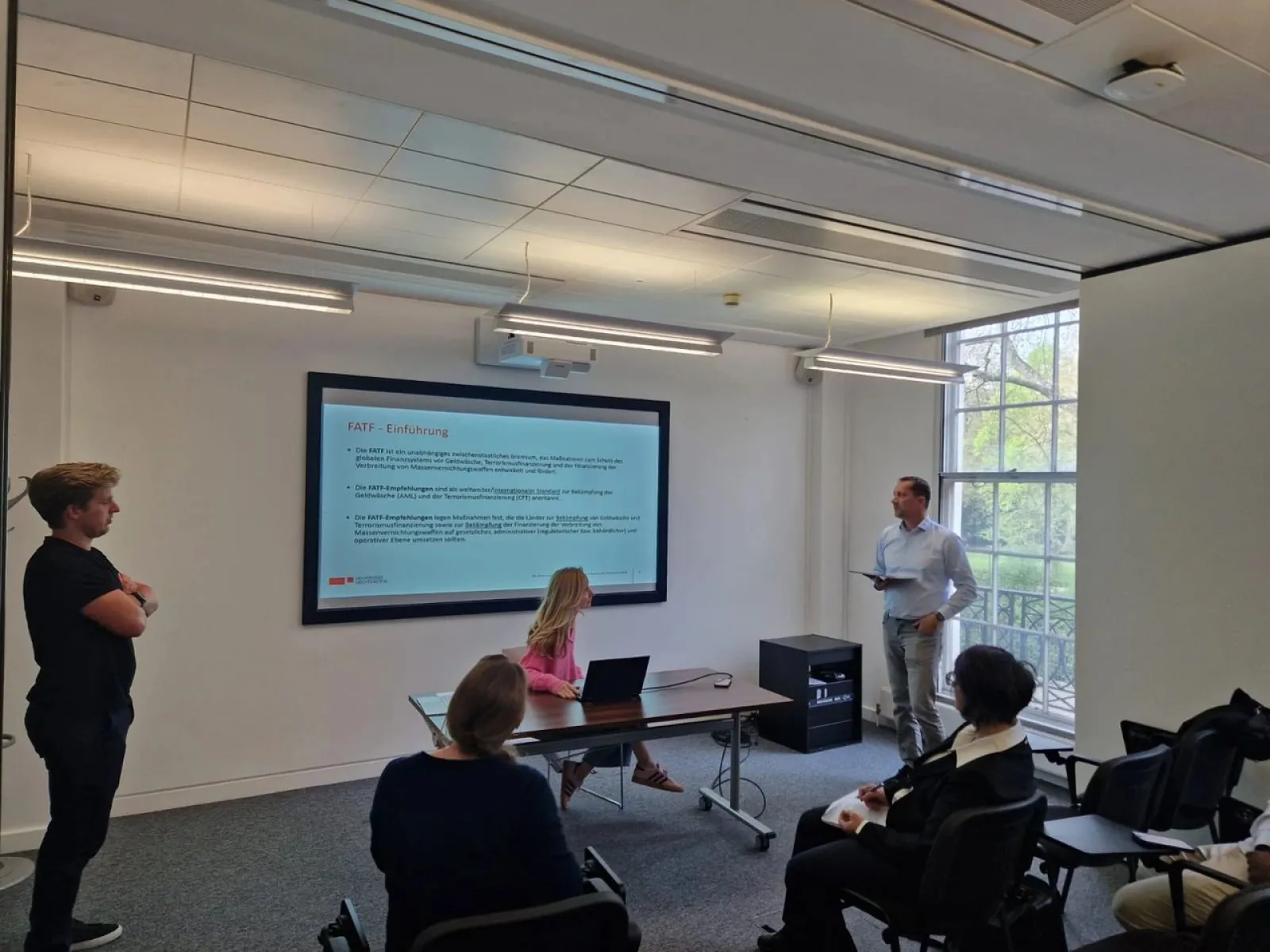
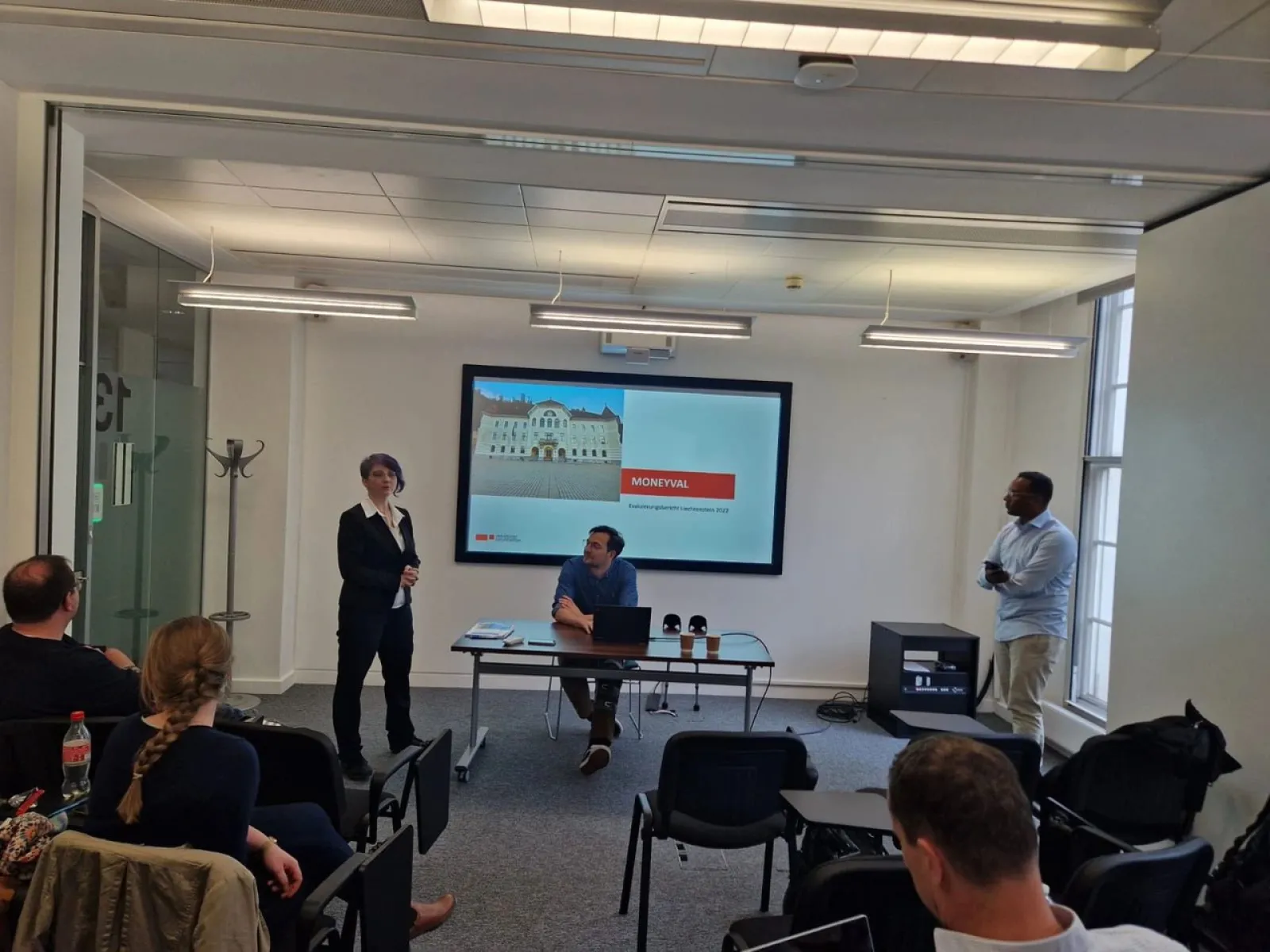
To conclude, the students presented in two groups on topics related to the trip:


  • The recommendations of the Financial Action Task Force (FATF)
  • The MONEYVAL report for Liechtenstein


The trip not only gave the students the opportunity to deepen their expertise but also promoted getting to know one another and growing together as a team. We are already looking forward to the next trip in September.


Pioneering Sustainable Development: University of Liechtenstein’s Transformative Journey to South Africa

Pioneering Sustainable Development: University of Liechtenstein’s Transformative Journey to South Africa

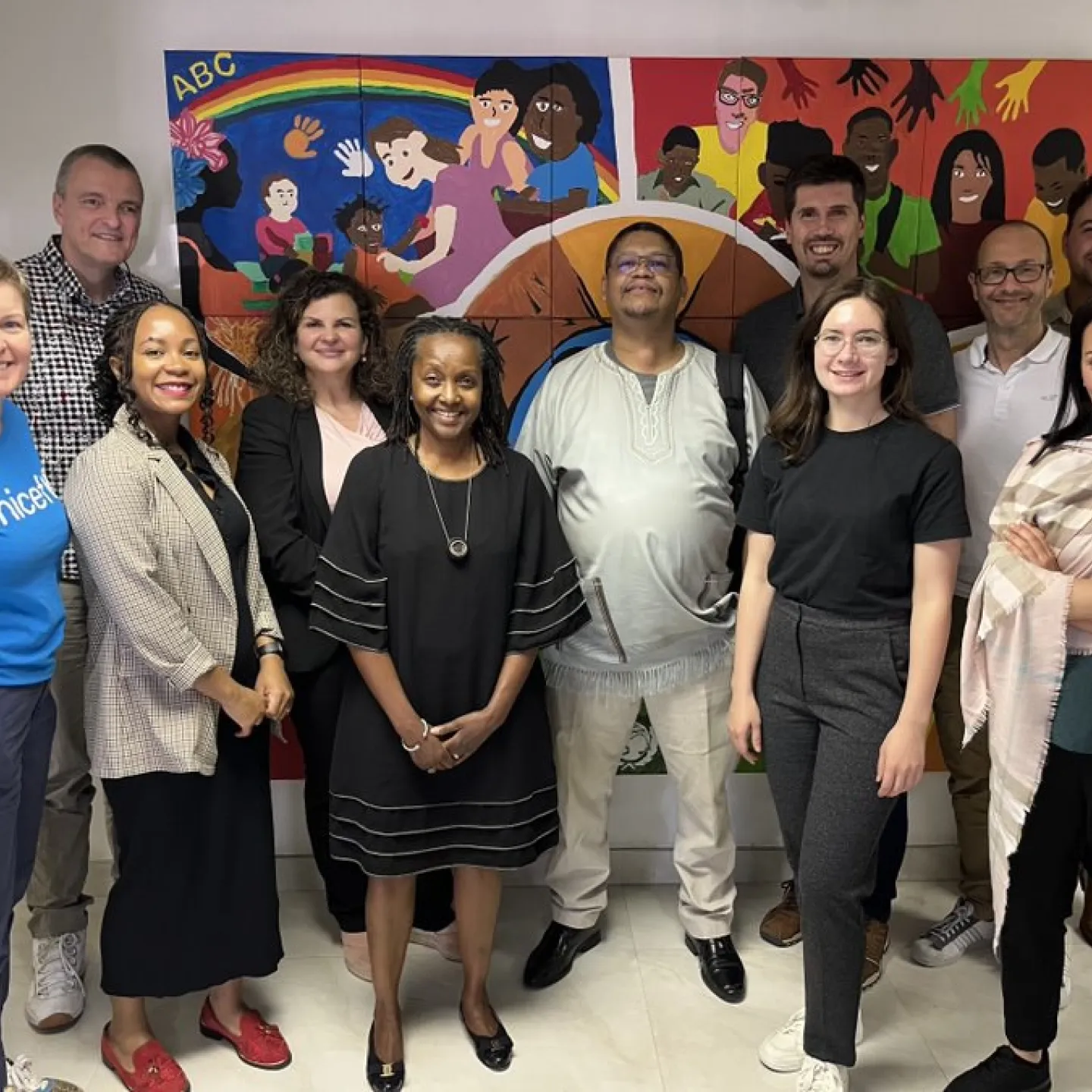
Eine Gruppe von Menschen steht lächelnd vor einem bunten Wandgemälde. Sie sind Teil einer Delegation der Universität Liechtenstein und Partnerorganisationen, die an einer Expedition nach Südafrika teilnehmen, um nachhaltige Finanzlösungen zu entwickeln.

Last week, a team of the Youth Green Finance Initiative, including Assoc. Prof. Martin Angerer and Jennifer Schein from the University of Liechtenstein, members from the Liechtenstein Banker Association and from UNICEF Switzerland and Liechtenstein joined forces on a landmark expedition to South Africa.
 

This visit was part of a collaborative effort to address social and ecological challenges through innovative blended finance solutions. Their journey, spanning several cities including Johannesburg, Pretoria, Pietermaritzburg, and Cape Town, aimed to deepen understanding of local conditions and foster a network that supports impactful sustainability projects.


The delegation's mission was clear: to gain firsthand experience of the on-the-ground realities and to integrate this knowledge into developing a pioneering blended finance model tailored for ecological and social impact. Their week was filled with insightful engagements, including meetings with key partners like UNICEF South Africa and interactions with influential community-based organizations such as R-labs. 


Key Highlights and Insights


The journey commenced in Pretoria with an introduction by UNICEF, outlining the vast landscape of social and ecological challenges facing South Africa. In Johannesburg, discussions revolved around the need for innovative solutions that respect the unique political and social contexts of the regions visited.


Pietermaritzburg offered a closer look at water-related initiatives with visits to DUCT and GroundTruth, organizations at the forefront of addressing local ecological issues. The engagement in Cape Town with Rlabs particularly stood out, showcasing the vibrant spirit of community support and innovation.


Throughout the trip, the representatives of the University of Liechtenstein were instrumental in fostering dialogues and bridging connections between European finance models and African ecological initiatives. Their efforts were pivotal in shaping the project’s approach to developing scalable and sustainable finance solutions. 


Looking Forward


Building on the rich insights and partnerships forged during this trip, the next steps include refining the blended finance models and further engaging with the local communities and youth. The University of Liechtenstein remains committed to supporting sustainable development through education, innovation, and international cooperation.


Acknowledgments


We extend our deepest gratitude to UNICEF Switzerland and Liechtenstein for orchestrating this impactful journey, and to our hosts at UNICEF South Africa, who provided invaluable insights and hospitality. Special thanks to the local organizations and community leaders who shared their time and expertise, making this journey a profound learning experience for all involved.


Eine Gruppe von Menschen steht lächelnd vor einem bunten Wandgemälde. Sie sind Teil einer Delegation der Universität Liechtenstein und Partnerorganisationen, die an einer Expedition nach Südafrika teilnehmen, um nachhaltige Finanzlösungen zu entwickeln.
Subscribe to