Skip to Main Content

A school in India - built with Liechtenstein support

A school in India - built with Liechtenstein support
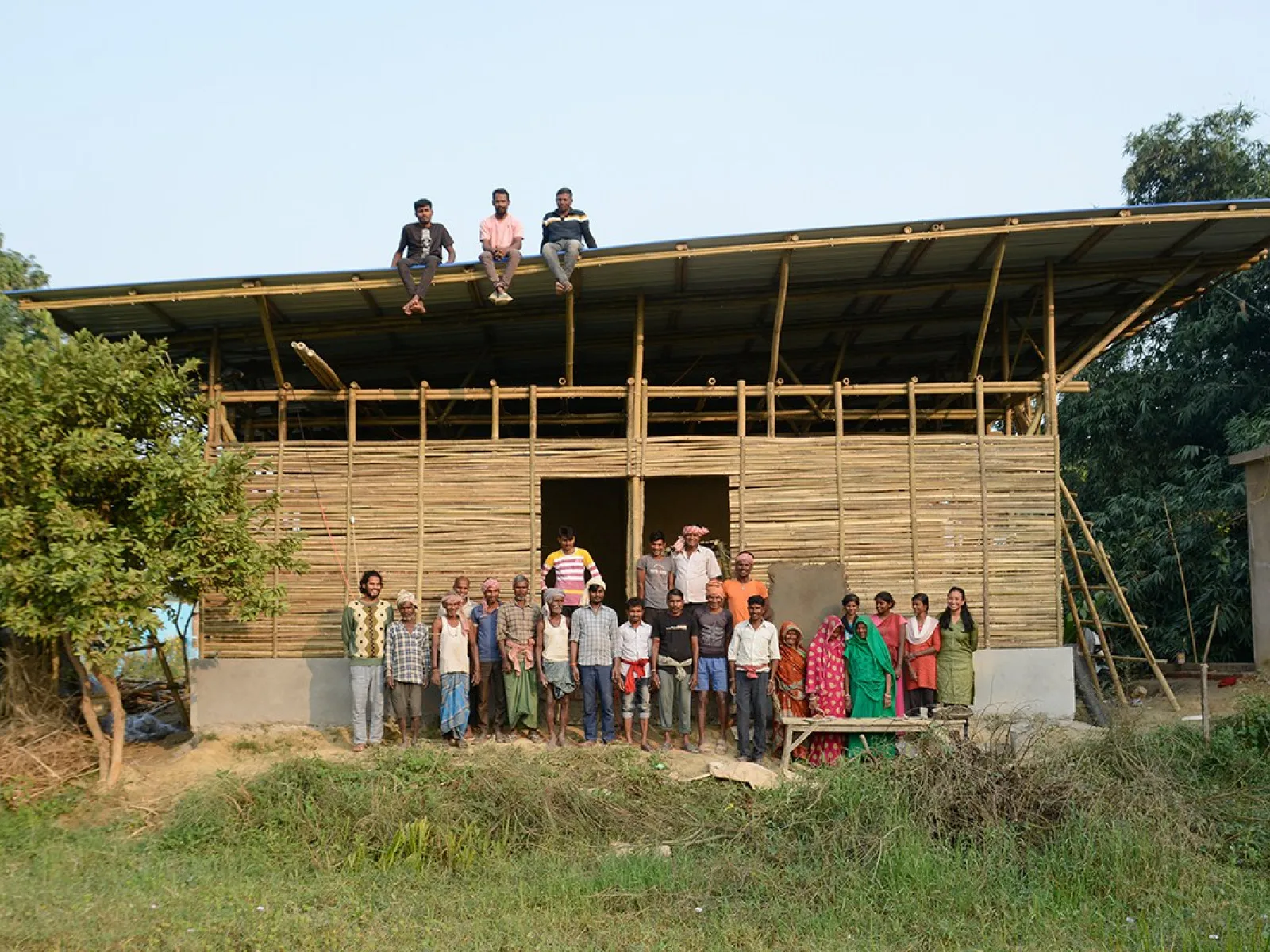
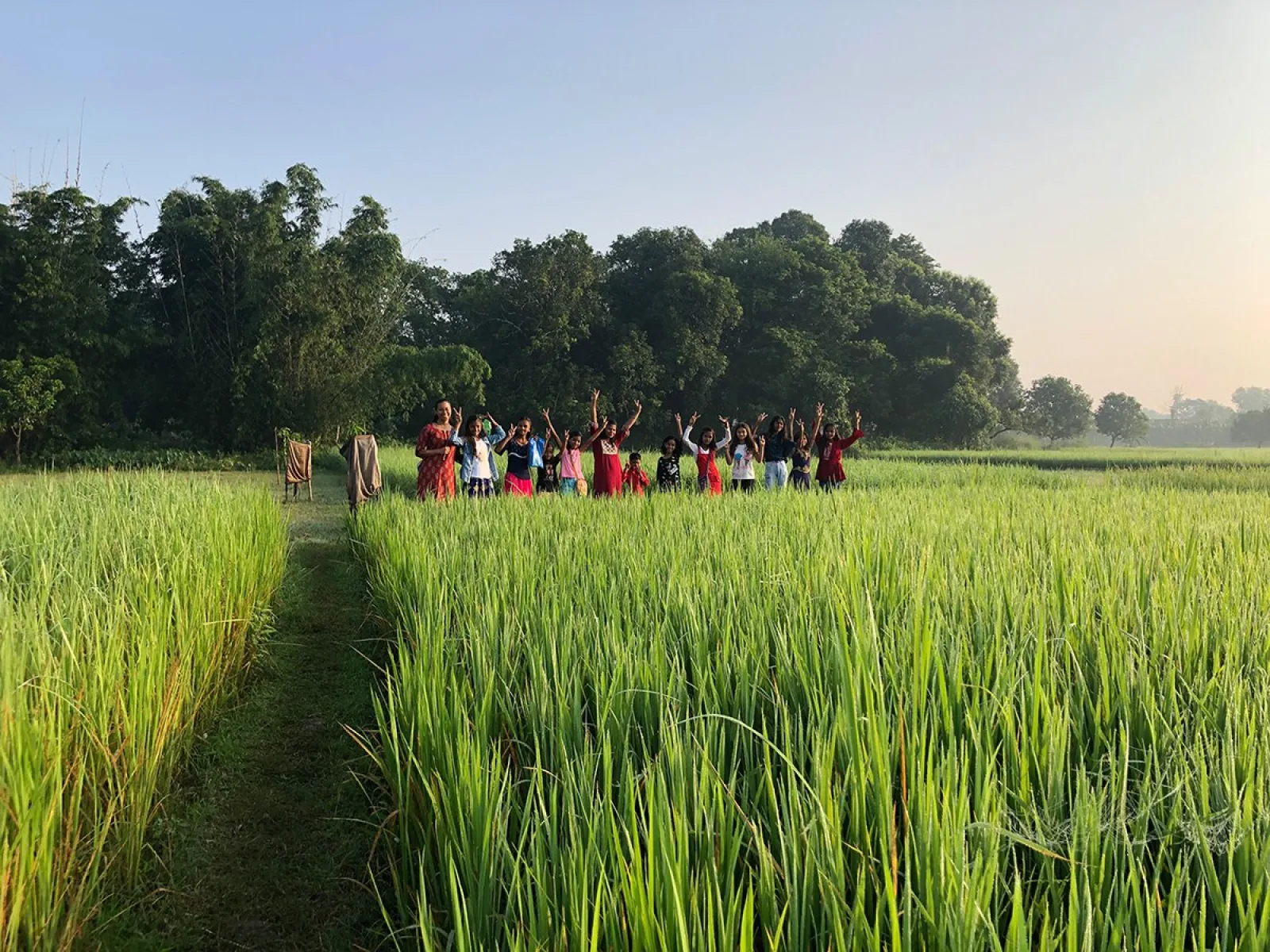
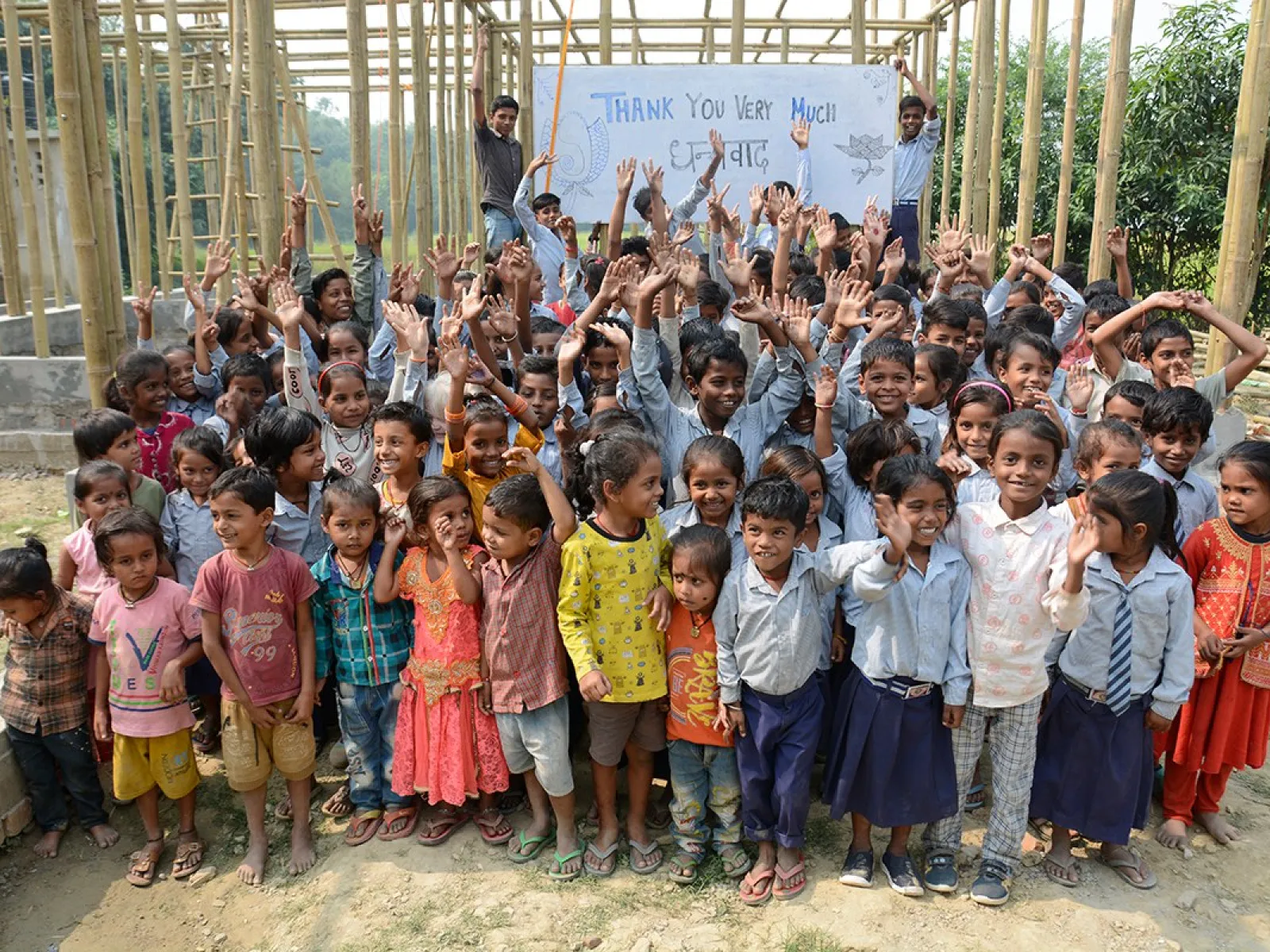
Daniel Haselsberger, a doctoral student at the Liechtenstein School of Architecture, and his wife Isha, a native of India and alumna of the University of Liechtenstein, have initiated and supported the construction of a school in Bahuarwa, a rural town in the Indian state of Bihar, with the support of their association and Liechtenstein foundations. The school construction is also part of Daniel Haselsberger's dissertation.


It all began in the summer semester of 2019, when Isha and Daniel Haselsberger came to Bangladesh as part of a studio with Anna Heringer. When the studio project planned there ultimately fell through, the two founded a non-profit association in 2020, with the help of which they created a meeting place in Bangladesh in the fall of 2021. But they didn't stop there, Isha and Daniel Haselsberger already had their sights set on a next project in Bahuarwa, a rural town in the Indian state of Bihar.


In spring 2022, they started working with a local NGO that helps children and young people from the Dalit, a social class that is excluded from the caste system. These children are denied access to education, as public schools often do not function, especially in remote regions, and parents are unable to afford private education. Daniel and Isha Haselsberger decided to help set up a school that would offer young people a free education, while the local NGO would run the school. In February 2023, the planning was carried out with local stakeholders and the construction was financed by private donors and Liechtenstein foundations.


Traditionally, clay, bamboo and straw were used for construction in the region, but these building materials are increasingly perceived as outdated and stigmatizing for the Dalit population and are often abandoned in favour of bricks, cement and concrete. Daniel Haselsberger's dissertation deals with the social acceptance of building materials in the Bahuarwa region. He examines the reasons for the abandonment of traditional building methods using clay, bamboo and straw on the one hand, and the way in which the local population adopts new building methods using fired bricks, cement and concrete on the other.


On this basis, he tries to draw conclusions about how traditional and new construction methods could be combined. At the end of September 2023, Daniel and Isha Haselsberger traveled to India for three months to tackle the construction of the new school. The construction allowed the desired hybrid solution of traditional and modern construction methods to be tested in practice and thus also played a central role in the research.


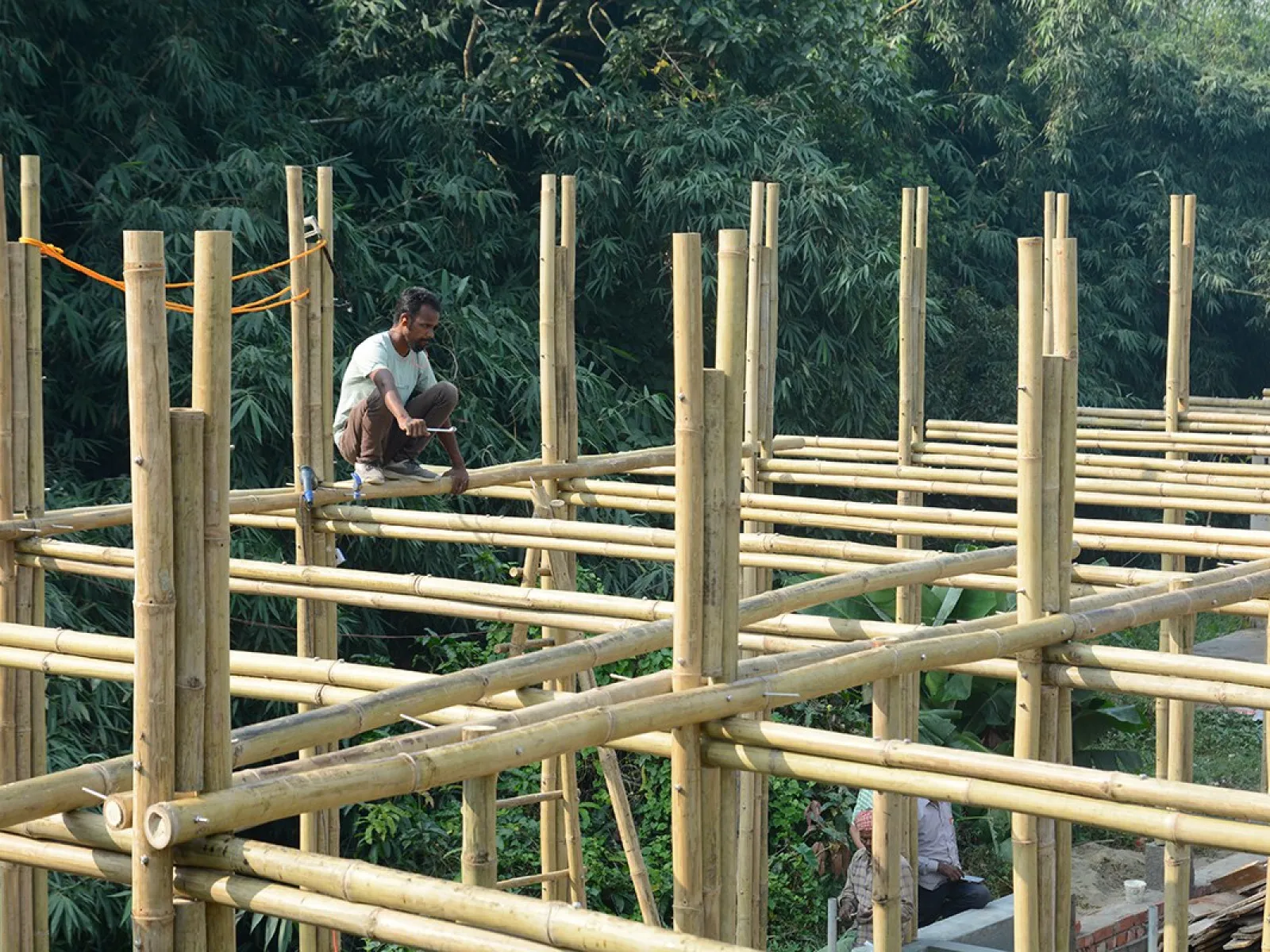
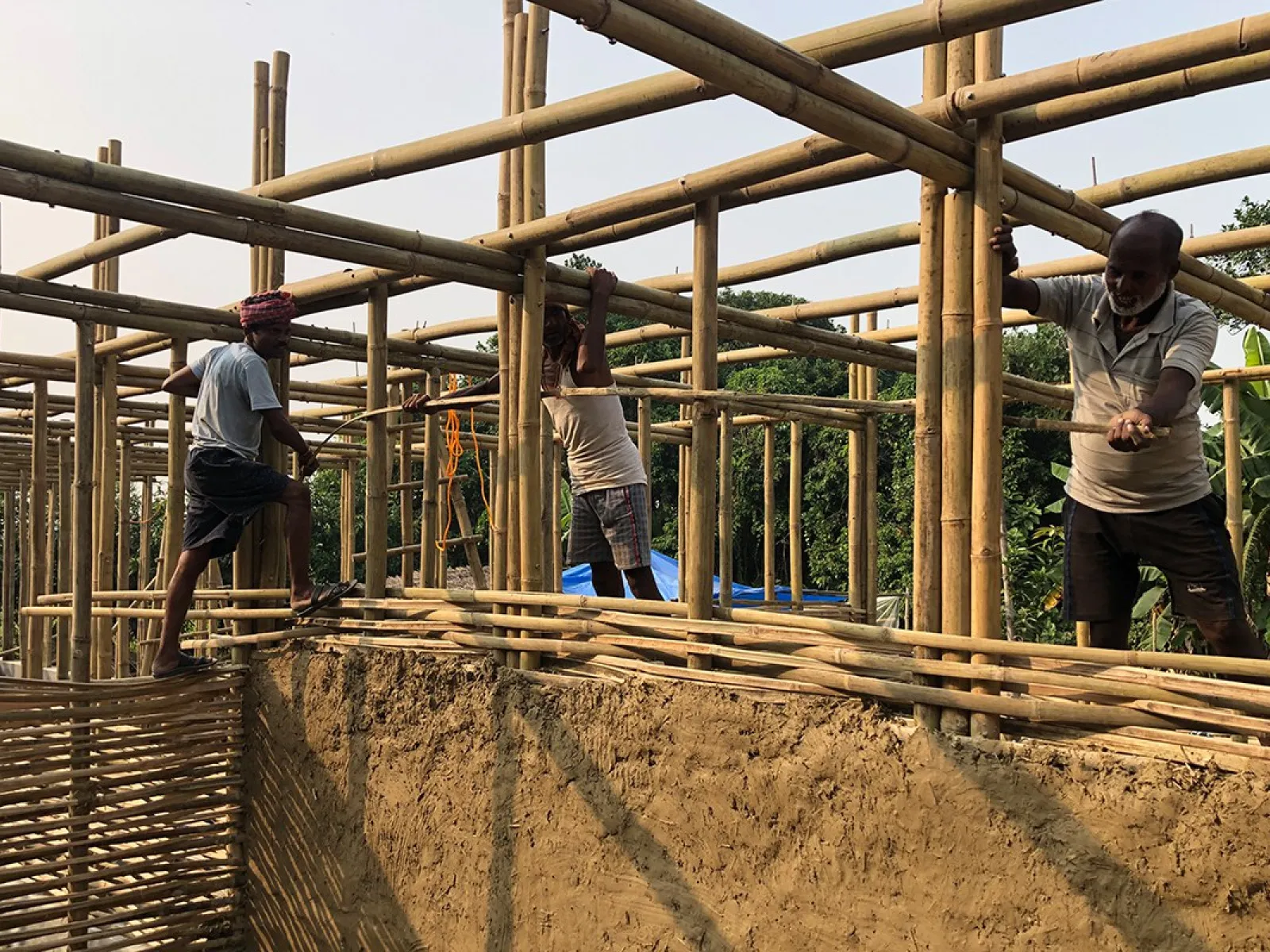
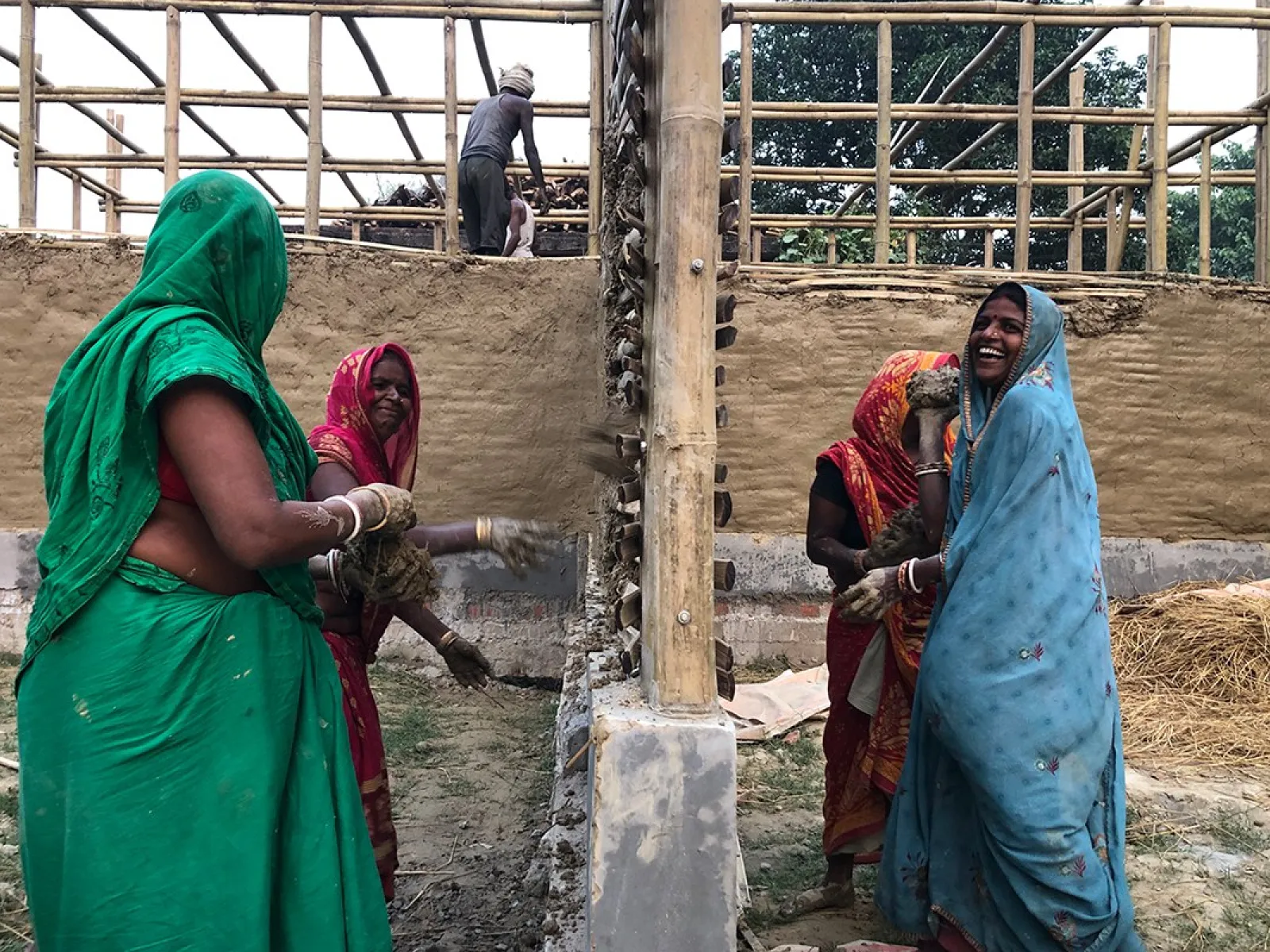
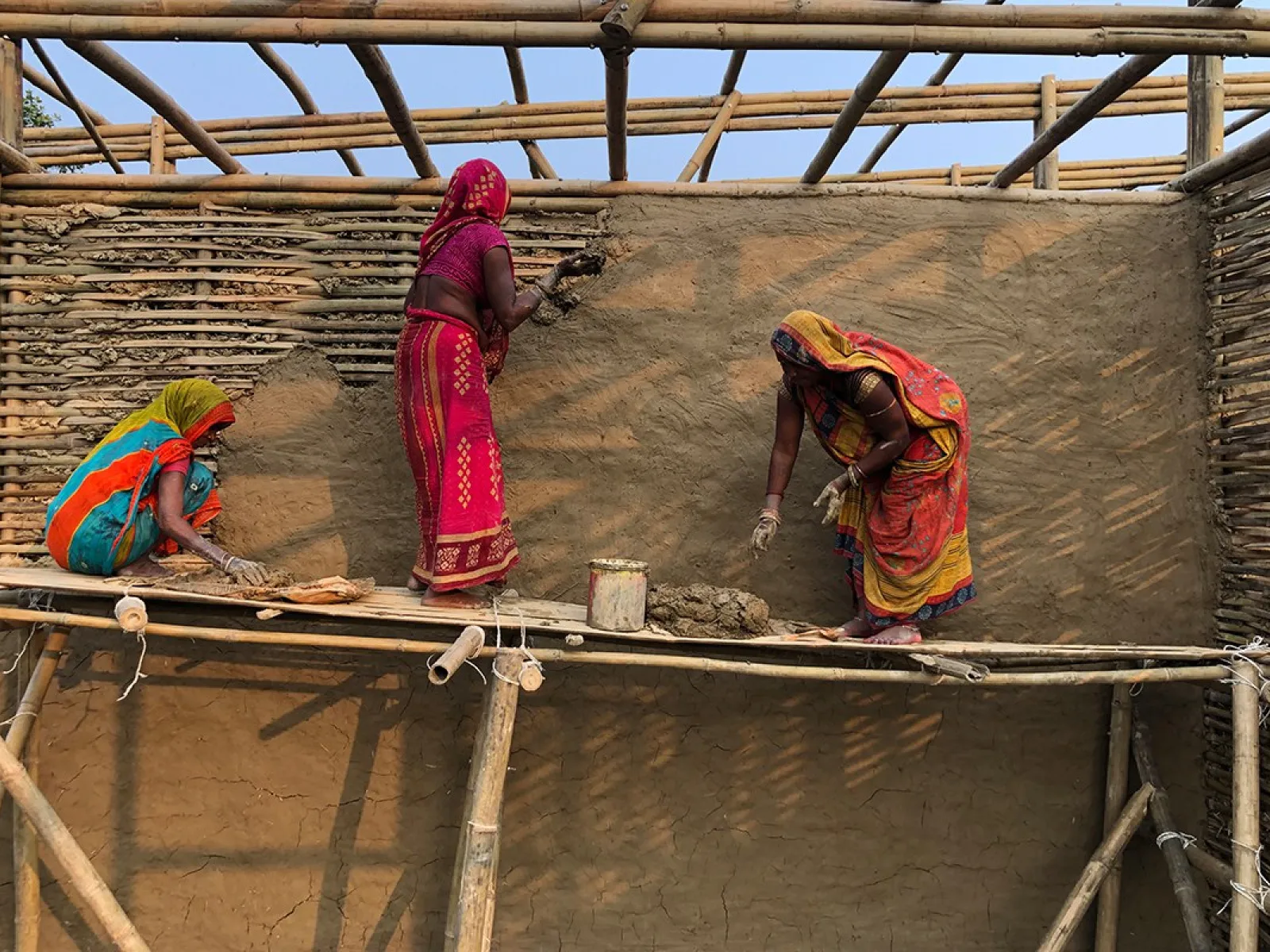
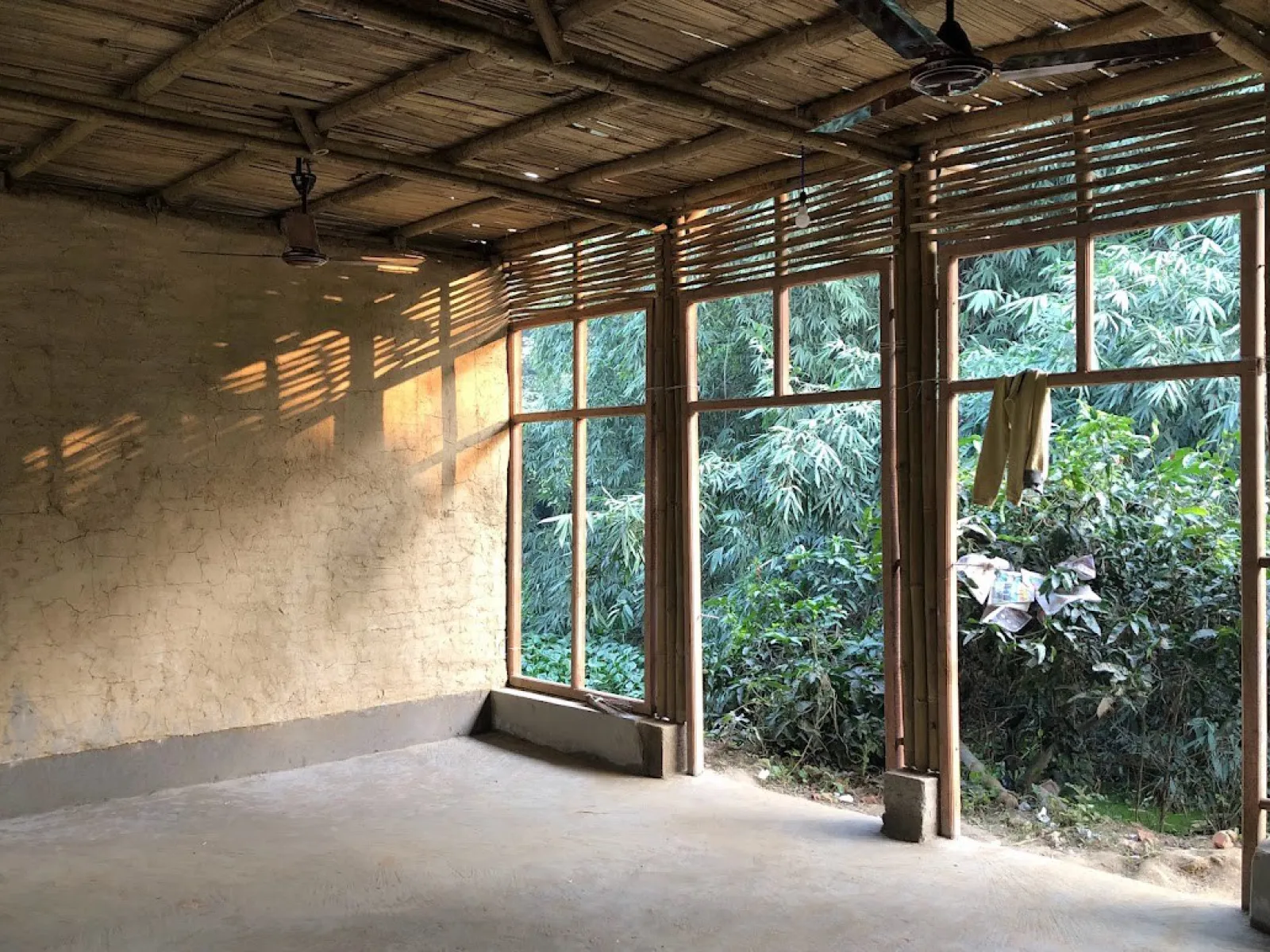
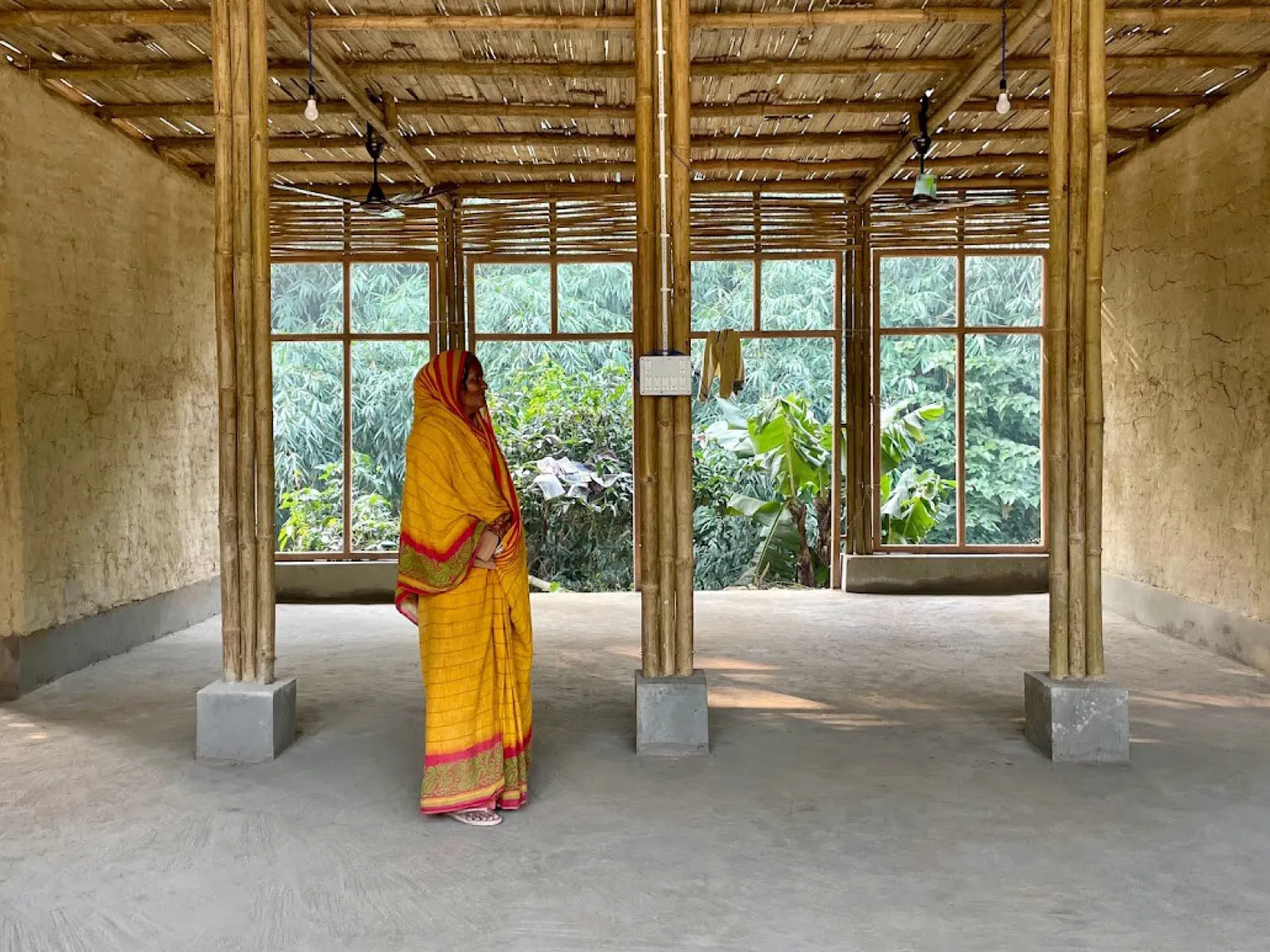
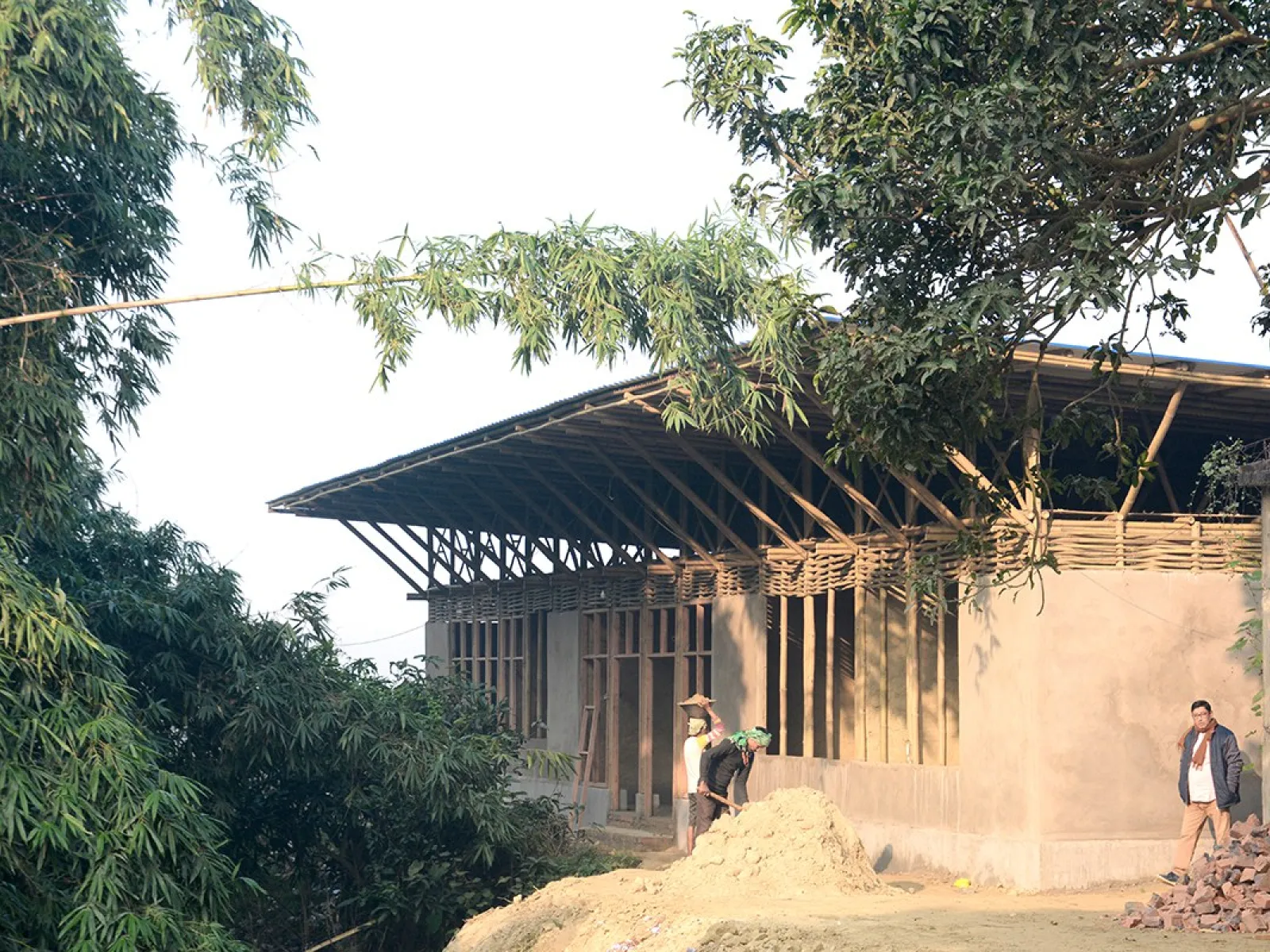
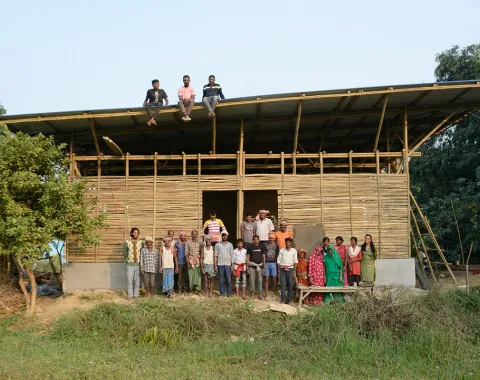
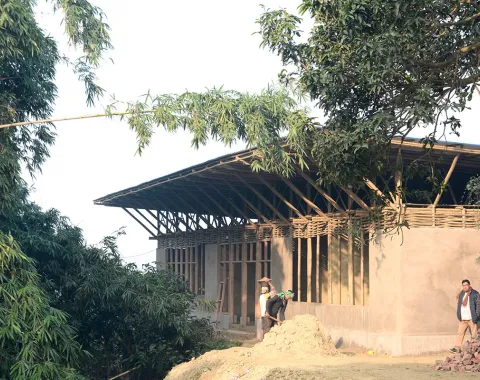
The foundations of the school were built with burnt bricks from the village, while the supporting structure was made of bamboo. The interior walls were lined with clay and the exterior walls were plastered with cement. More than 20 helpers from the village were involved in the construction process. These included many parents and grandparents of the children who will be using the school. Three experts in contemporary bamboo construction from the state of Gujarat supervised the bamboo work and showed the local population new techniques. The wood for the windows, doors, tables and benches was also felled in the immediate vicinity and the building was largely completed after just three months. A photovoltaic system and some carpentry work are still missing, but the school for over 150 children can already start operating at the beginning of February 2024. Next fall, Isha and Daniel Haselsberger will travel to Bahuarwa once again to put the finishing touches to the school together with the children and with the help of paint and clay.


Daniel Haselsberger explains: "Research takes shape through building. It becomes tangible for the target groups. There are a variety of conversations with planners, craftspeople and users, which are continued and recorded in the form of ethnographic surveys. In the sense of research by design (PhD by Design), the school building thus serves as a method. However, it fulfils another, equally relevant purpose: with the aim of decolonizing research in contexts of the Global South, I understand research as cooperation, rather than as a one-sided extraction of data that results in publications and conference papers, but leaves no added value for those affected. The school building is intended to create a fair exchange and ultimately real added value for the target group."
 

University of Liechtenstein once again Occupies a Top Position as an Entrepreneurial University

University of Liechtenstein once again Occupies a Top Position as an Entrepreneurial University

In the recently published GUESSS Report 2023 (Global University Entrepreneurial Spirit Student's Survey), the University of Liechtenstein once again took the top spot in the DACHLI region and achieved impressive results in an international comparison.


Since 2003, the GUESSS project initiated in Switzerland has been conducting one of the world's largest entrepreneurship surveys. The GUESSS 2023 Global Report presents the results of the 10th wave of data collection.


In the GUESSS study, a total of over 226,000 students from 57 countries were surveyed globally regarding their start-up intentions. Over 100 students took part in the survey at the University of Liechtenstein. In the DACHLI region, the University of Liechtenstein came top in the categories relating to the intention to set up a start-up directly after graduation and the intention to found a company five years after graduation.


In addition, students show great interest in founding or actively implementing their business ideas during their studies. Among those students who have already founded a company (active entrepreneurs) or are in the process of founding a company (nascent entrepreneurs), the University of Liechtenstein takes first place in the DACHLI region, a top position in Europe and is clearly above average internationally.


"The special entrepreneurial climate at the university is remarkable," says Marco Furtner (delegate of the country team for Liechtenstein and Professor of Entrepreneurship and Leadership) and Tobias Fitz (operational manager of the survey and program manager of the MSc Entrepreneurship & Management): "We are number 1 in the DACHLI region, number 2 in Europe and we are in an excellent 16th place worldwide."
 

The study results confirm the importance of entrepreneurship at the University of Liechtenstein. The University of Liechtenstein places particular emphasis on developing entrepreneurial thinking and action in the education of its students and tries to work closely with local companies. The country and the region can benefit directly from this: On the one hand, start-ups can take place as a result and, on the other, SMEs and larger companies can access highly qualified specialist staff. This helps to directly anchor entrepreneurial thinking and action in organizations and thus promote innovation.


Grand Finale: Accenture Campus Innovation Challenge

Grand Finale: Accenture Campus Innovation Challenge

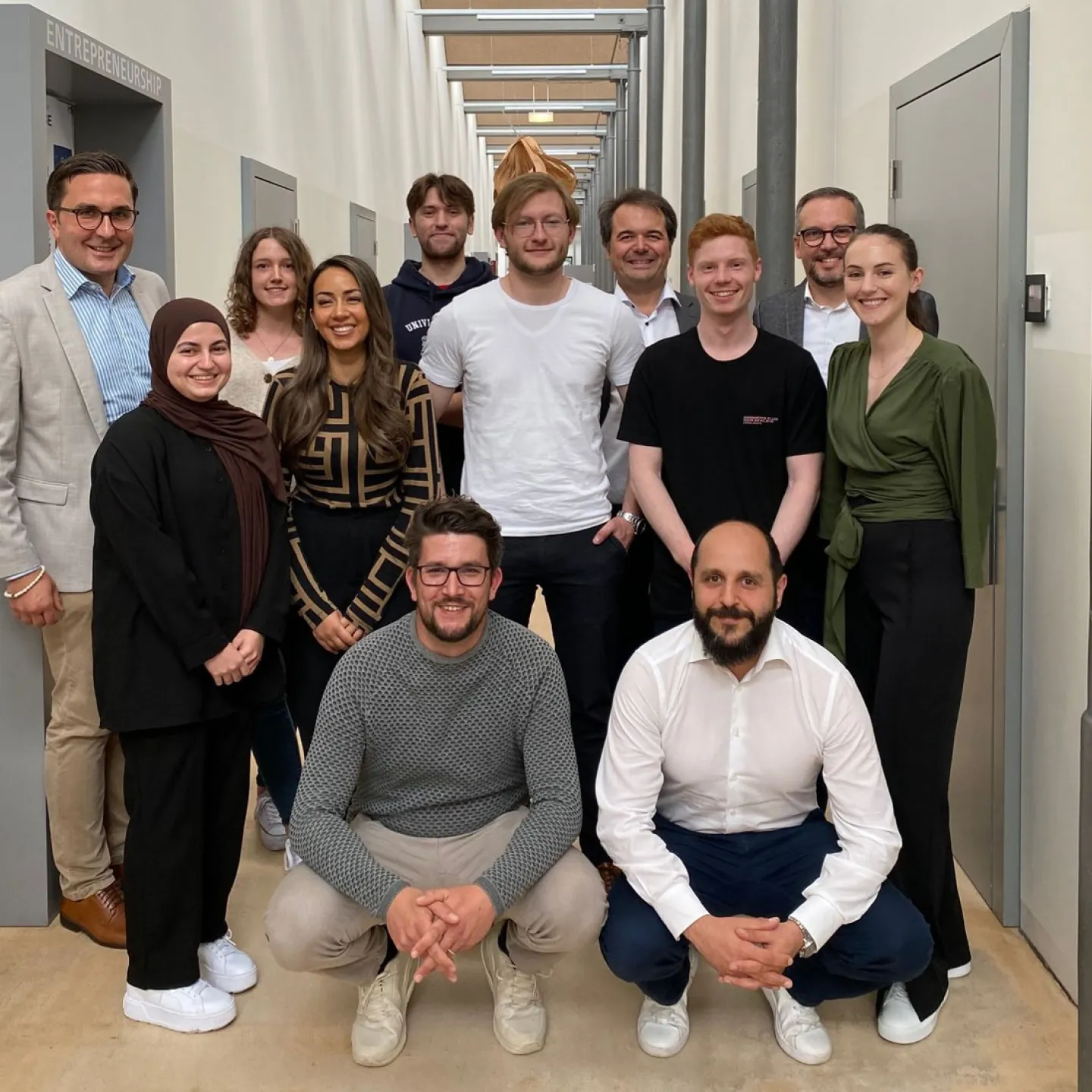
Eine Gruppe von Studierenden und Dozenten der Universität Liechtenstein posiert in einem Flur. Sie nehmen an der Accenture Campus Innovation Challenge teil, die sich auf künstliche Intelligenz und innovative Technologien konzentriert.

The Accenture Campus Innovation Challenge is a cross-university and cross-national case study competition organized by the management consultancy Accenture (one of the largest companies in the world with around 750,000 employees), in which students develop ideas for creating benefits through new technologies.


This year, the focus was on the possibilities of artificial intelligence. In particular, the students worked on fundamentally new applications that are made possible by AI and generate new bundles of benefits for companies and consumers.


By participating in innovation competitions, the Liechtenstein Business School at the University of Liechtenstein specifically promotes the ability to develop innovative, IT-based solutions to increase the efficiency of companies and identify new business areas. This year, students from the Bachelor's program in Business Administration and students from the Master's program in Information Systems were represented together in the seminar for the first time. As part of a cross-university cooperation, students from the FH Vorarlberg also took part in the competition and presented their concepts at the University of Liechtenstein. In total, over 50 students took part in the ACIC.


The "CityVision" team with Eva Corn, Joel D. Gresser, Lukas Lipsky, Julius Maximilian Müller, Sibel Sallamaci and Maximilian Viebach won the International Accenture Campus Innovation Challenge. The team impressed the jury with its concept for the use of AI in the planning and realization of complex construction projects! Also on the podium: the EverGreen and KnowSpark teams.
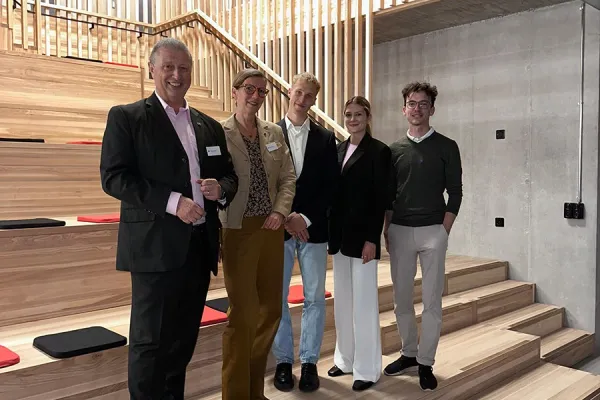
 

Eine Gruppe von Studierenden und Dozenten der Universität Liechtenstein posiert in einem Flur. Sie nehmen an der Accenture Campus Innovation Challenge teil, die sich auf künstliche Intelligenz und innovative Technologien konzentriert.

First Sporting Event of the Year: Successful Dodgeball Tournament

First Sporting Event of the Year: Successful Dodgeball Tournament

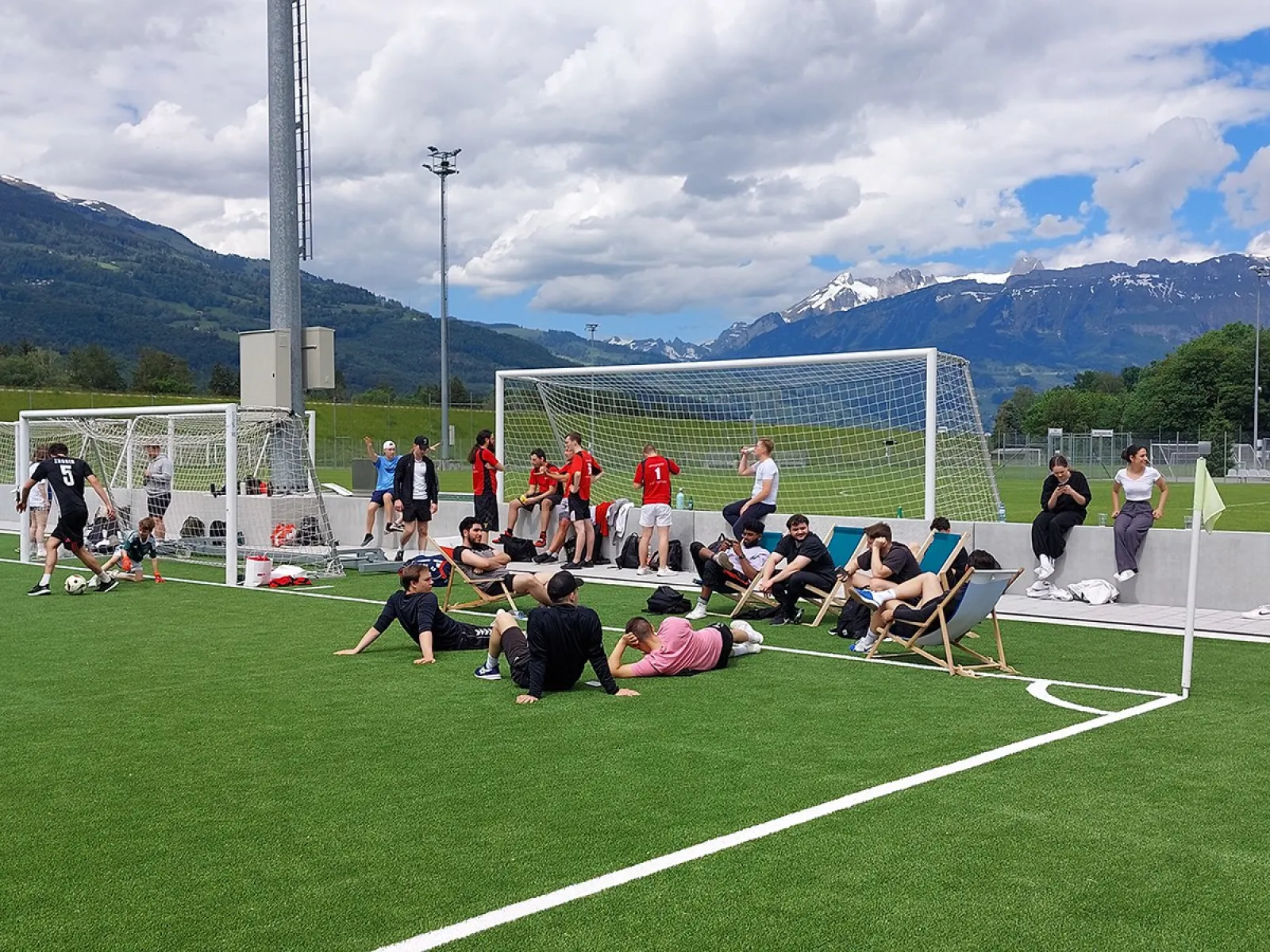
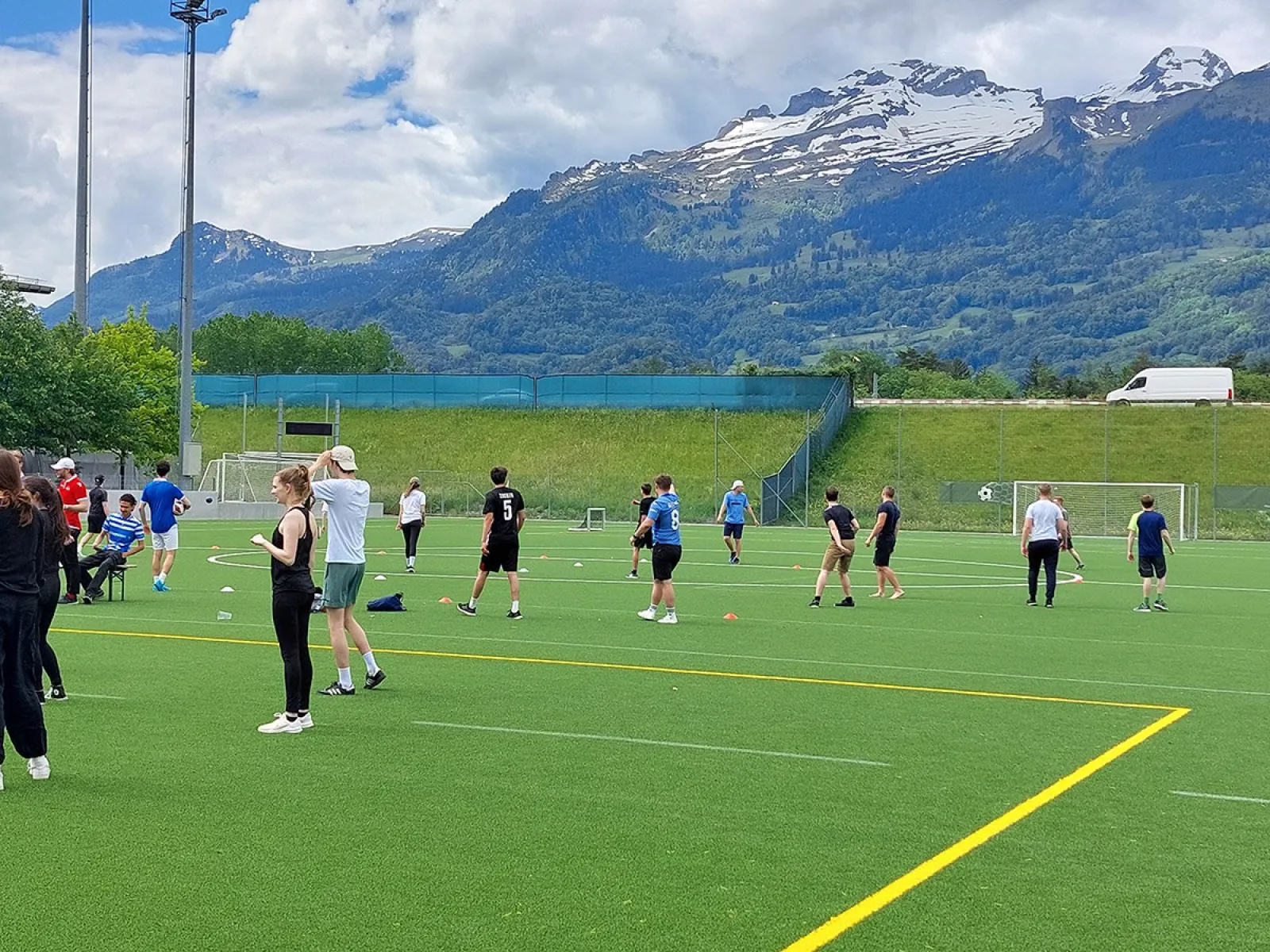
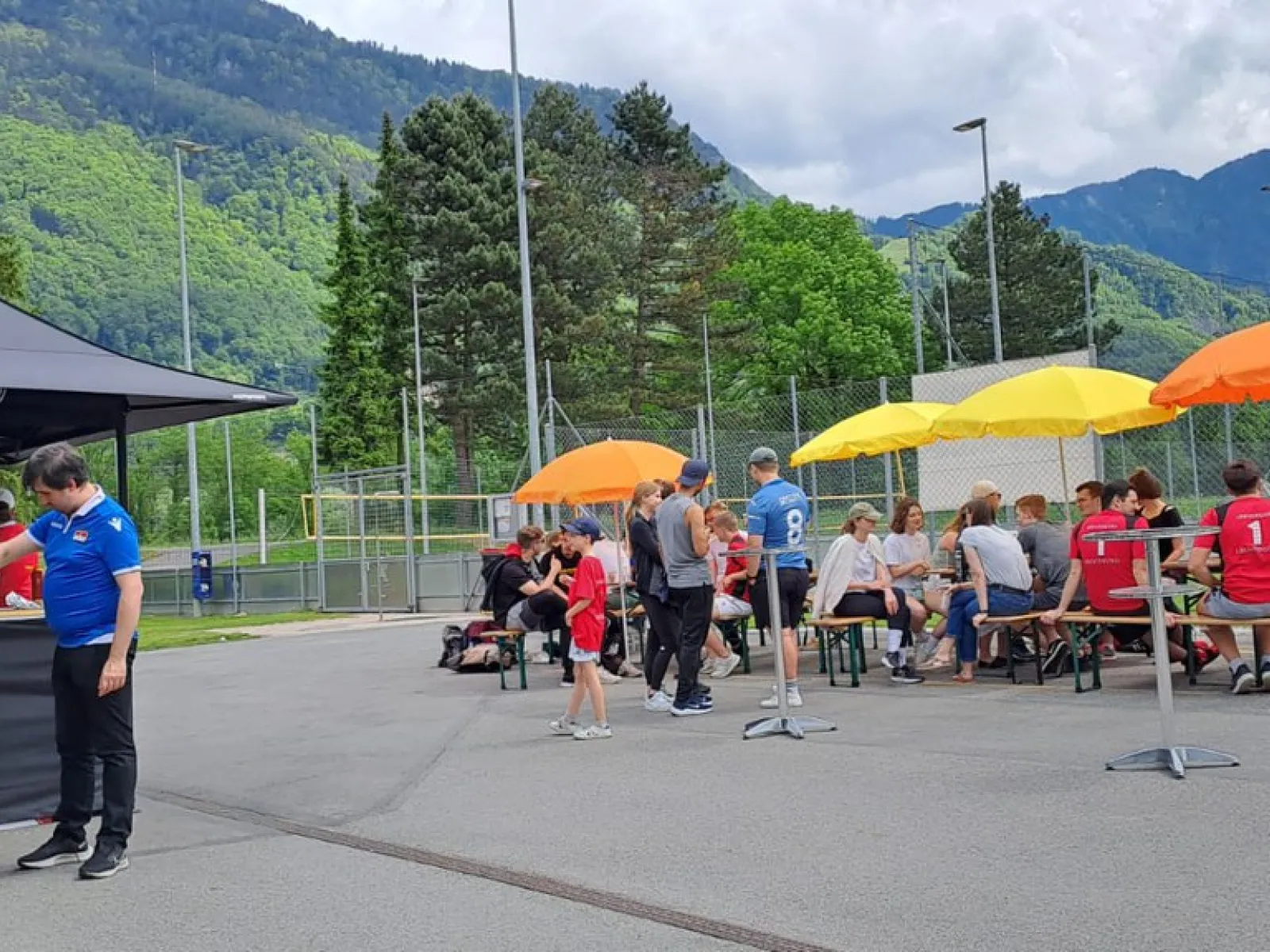
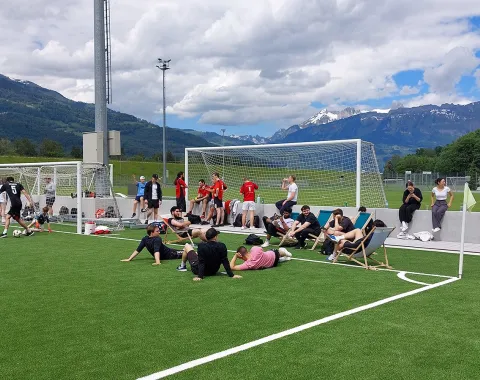
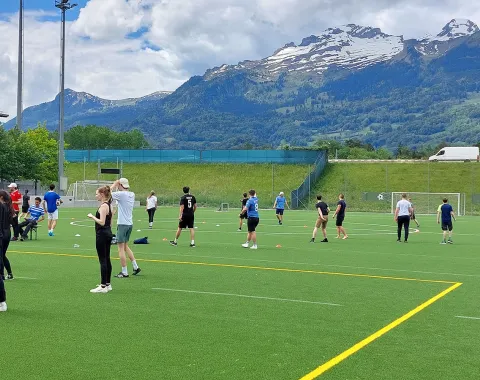
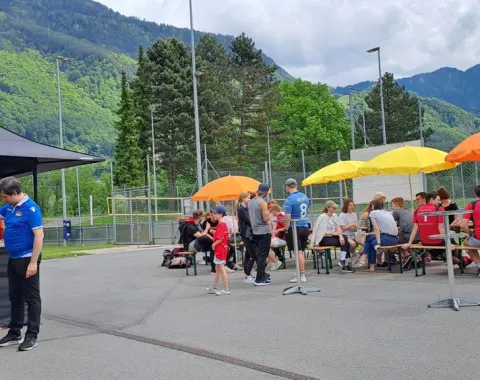
In bright sunshine and in front of a perfect mountain panorama, five teams met on Saturday, May 18, 2024, for a dodgeball tournament on the courts at the Rheinstadion in Vaduz. A highlight of campus life, organized by the student organization “Sport Recruiting”.


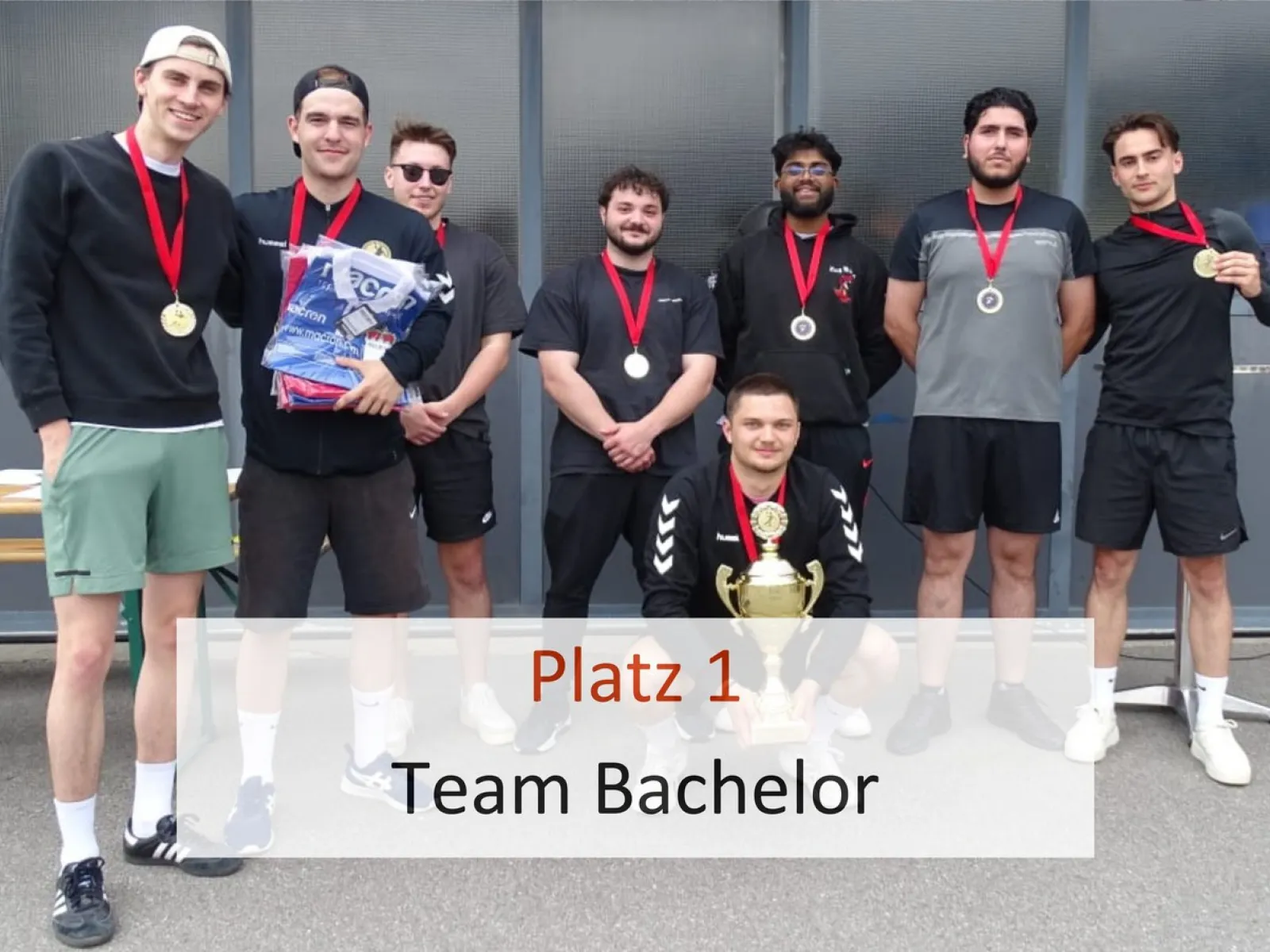
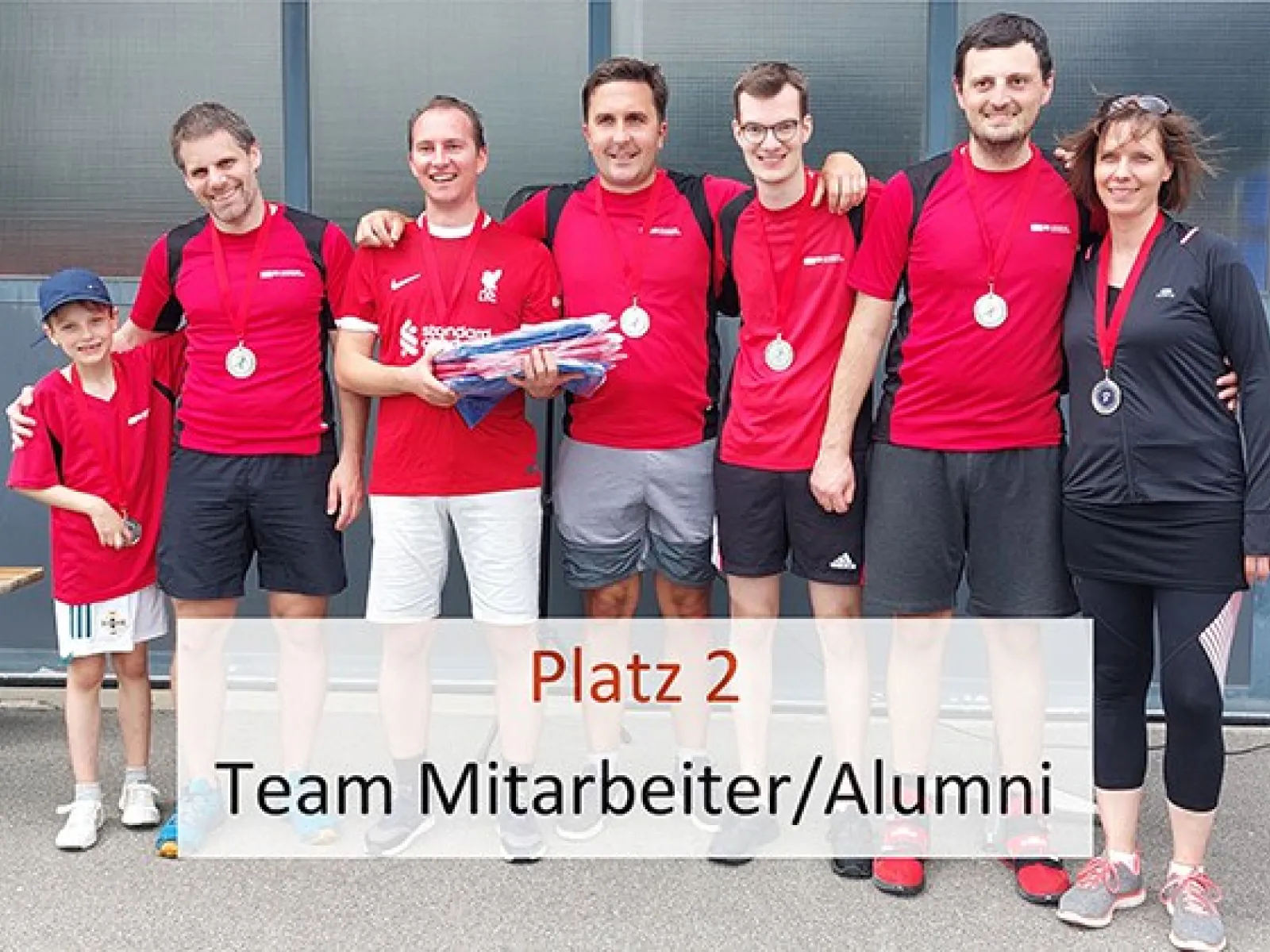
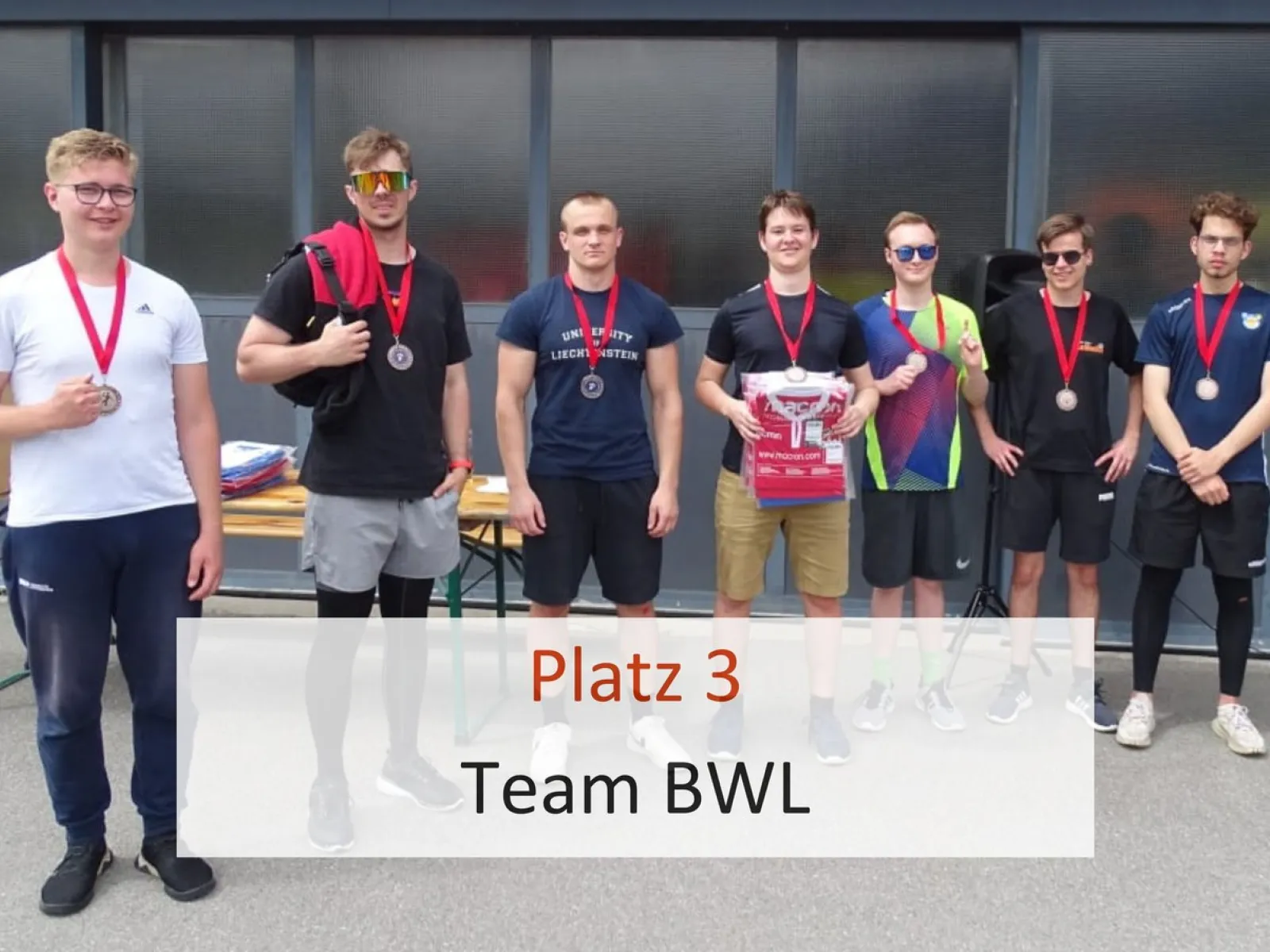
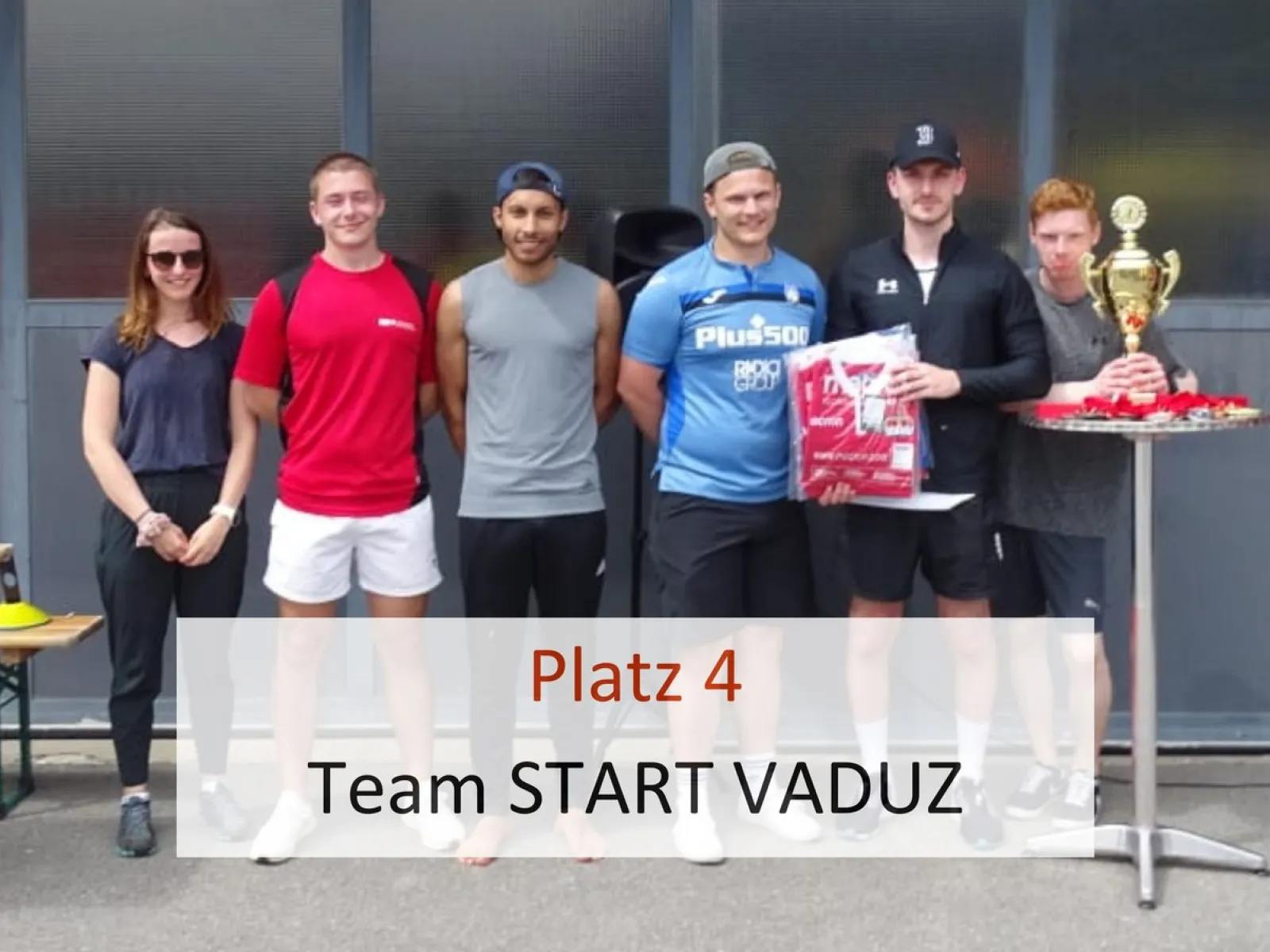
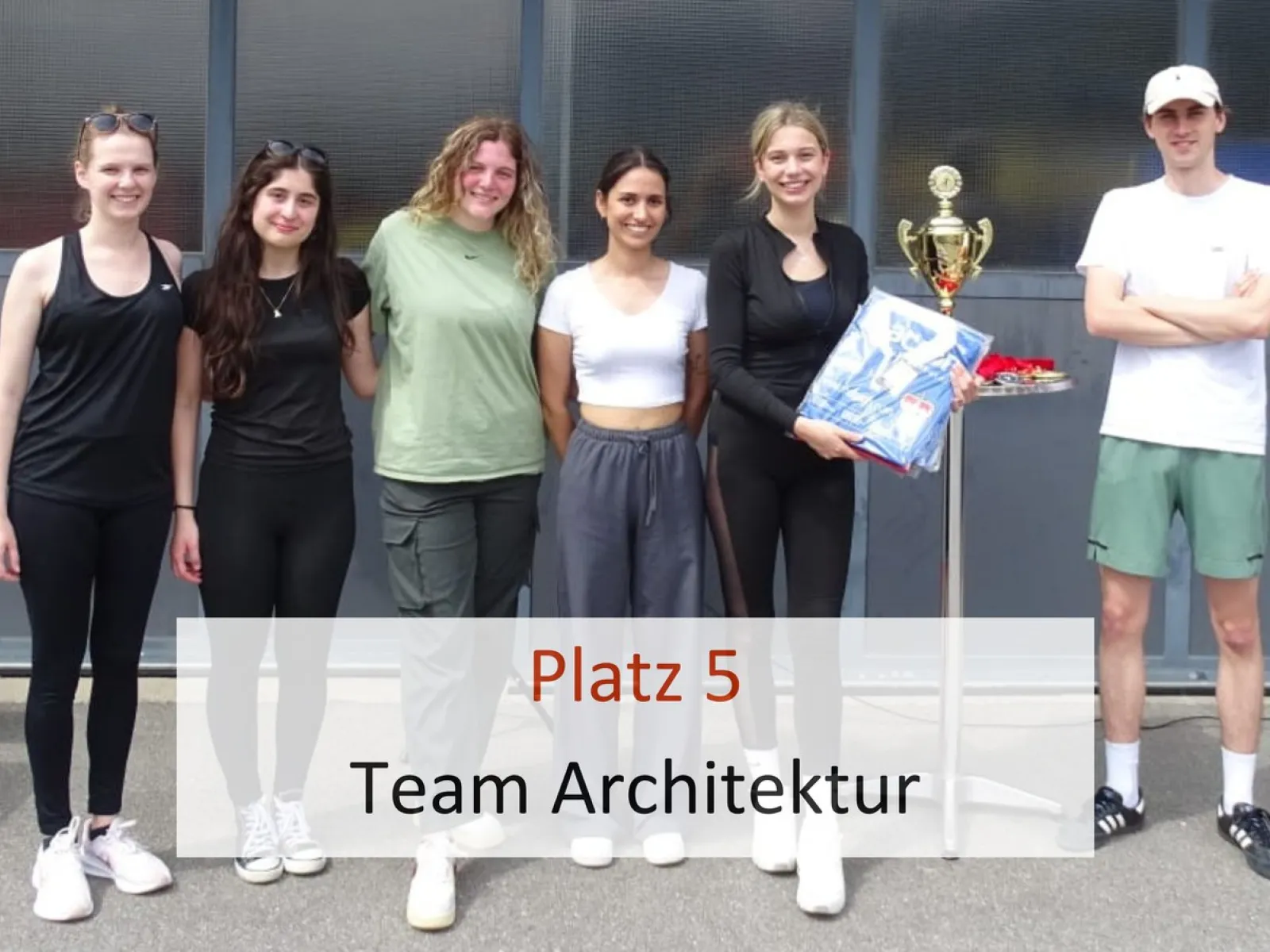
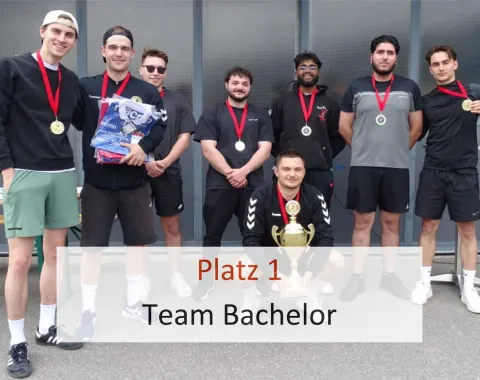
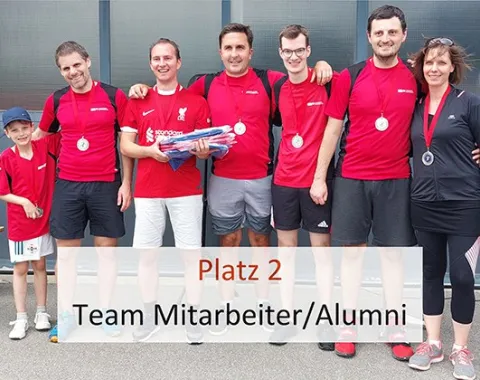
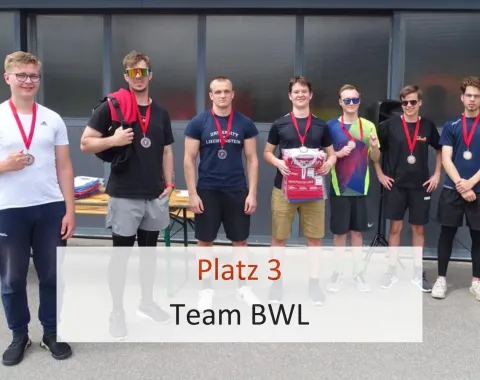
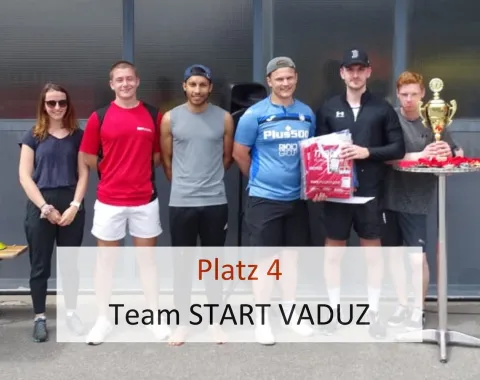
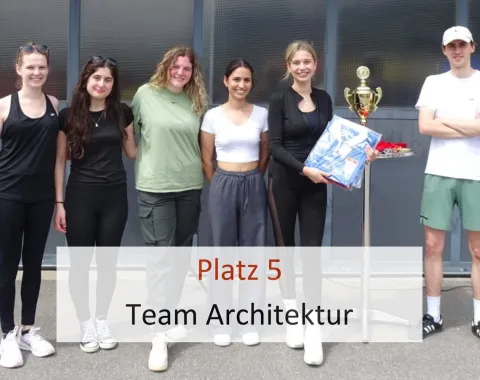
A total of four student teams and one team of employees and alumni took part. After the group and knockout phases, the teams began the fight for the cup and medals for the first three places. The “Team Bachelor” ultimately came out on top, ahead of the second-placed “Team Alumni and Employees” and the “Team Business Administration” in third place. Closely followed by “Team START Vaduz” and “Team Architecture”. All players also received the jersey of the Liechtenstein national team.


Highlight for Campus Life


In addition to the dodgeball tournament, participants also had access to two beach volleyball courts and catering was provided with a BBQ and a bar. By realizing this successful event, the organizers of “Sport Recruiting” around the students Leo Fuchs and Julius Müller have not only created a sporting highlight in campus life at the university, but also an opportunity for exchange away from everyday university life and across study programmes. Thanks also go to the sponsors Liechtensteiner Brauhaus and the Liechtenstein Football Association for their support.


Sport Recruiting: Be where talent meets opportunity


“Sport Recruiting” is a new student organization at the University of Liechtenstein to maximizie career opportunities for UniLi students by combining sport and recruiting. It's an exciting opportunity for companies to recruit top talent as part of a sporting event. If you are interested, the team can be reached on LinkedIn, Instagram and WhatsApp

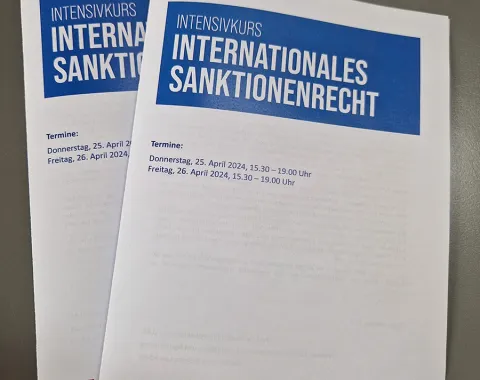
Third Intensive Course “International Sanctions Law”

Third Intensive Course “International Sanctions Law”

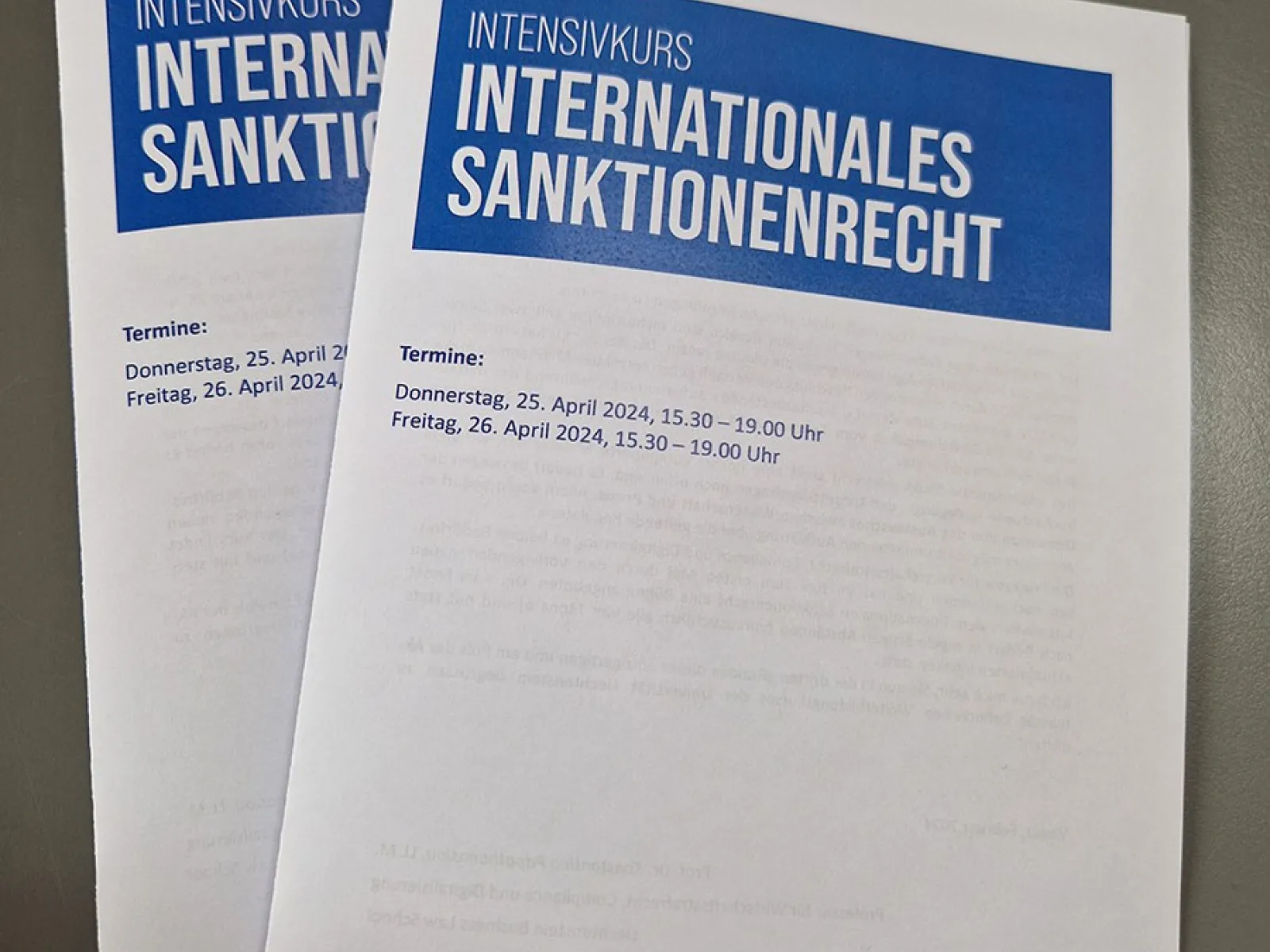
On April 25 and 26, 2024, the Chair of Economic Criminal Law, Compliance, and Digitalization held the third edition of the intensive course “International Sanctions Law.”


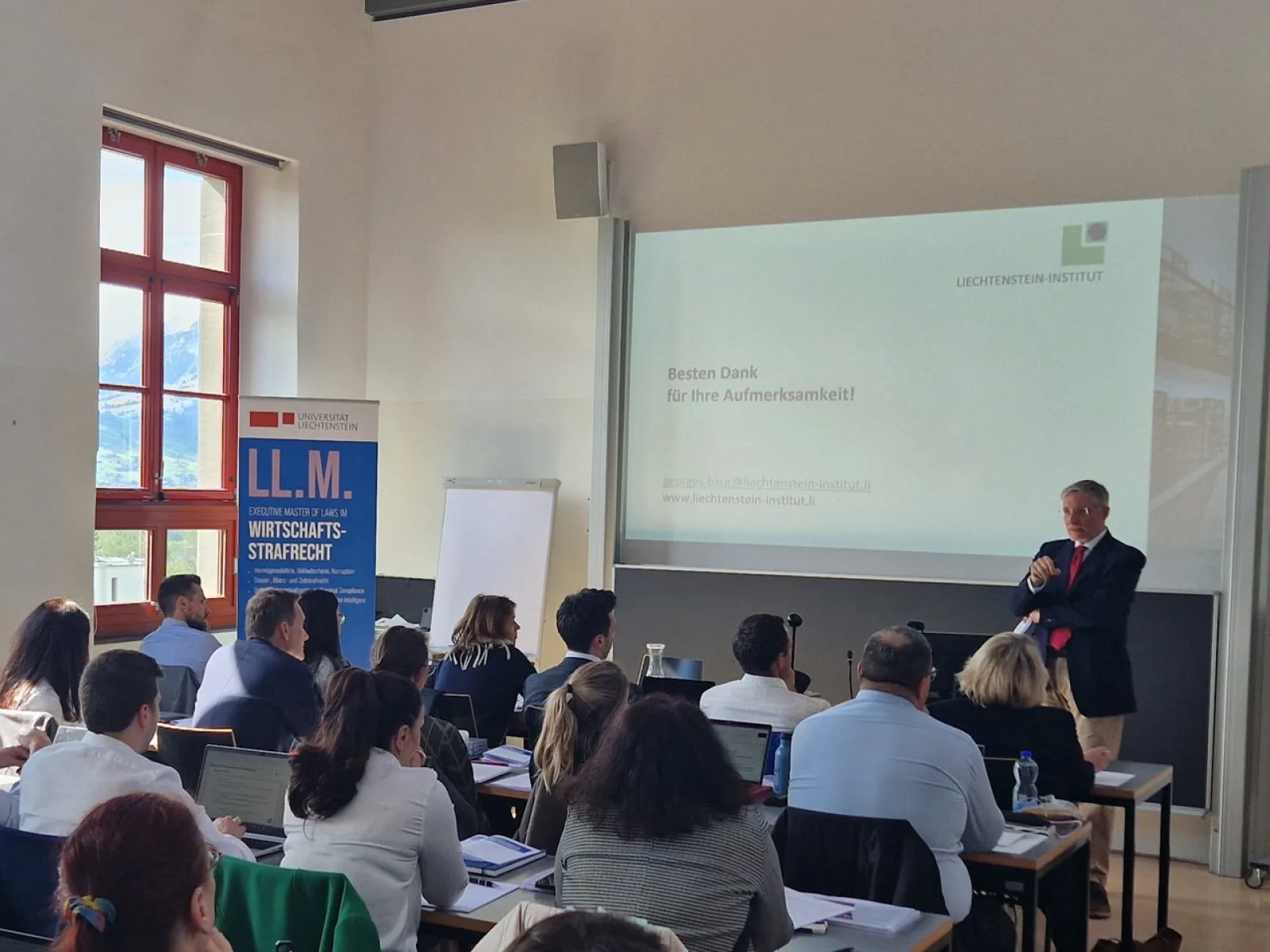
After a welcome to the speakers and participants by Prof. Dr. Konstantina Papathanasiou, LL.M., six presentations covered various topics related to international sanctions law. The first lecture, delivered by Dr. Georges Baur (Research Associate in the Law Department at the Liechtenstein Institute, Gamprin-Bendern), explained the international framework of Liechtenstein’s sanctions law (UN, EEA, and treaties with Switzerland).


Prof. Konstantina Papathanasiou then introduced the Liechtenstein ISG (focusing on Articles 1–5b and 9 ISG) and explained the criminal provisions of Articles 10 and 11 ISG, focusing on the distinction between intent and negligence as well as the liability of legal entities. The ISG criminal provisions were illustrated with reference to the criminal provisions of the Ukraine Ordinance. Her talk concluded with a look at the current EU proposal for a directive defining criminal offenses and sanctions for violations of the Union’s restrictive measures, which had been signed the day before the course by the Presidents of the European Parliament and the Council. A key focus was also on the definition of “trusts or similar legal arrangements.”


The first day ended with an online presentation by Dr. Elena Scherschneva (expert and business consultant in anti-money laundering and counter-terrorist financing, AML-Compliance e.U., Bad Fischau-Brunn) on circumvention transactions concerning Russia sanctions.


On the second day, Marc Lager (DLA Piper Vienna) gave an online talk entitled “Relevant Aspects of U.S. Sanctions Law, in particular Secondary Sanctions,” focusing on practical aspects and challenges of complying with U.S. sanctions and their distinction from EU sanctions.


Following this, Dr. Teresa-Christina Macan, Dr. Hannah Blecha, LL.B., and Lic. iur. Alexander Schwartz (Schwärzler Rechtsanwälte) presented “Practical Issues of Sanctions Law in Liechtenstein and Switzerland with a Focus on Sanctions Against Russia Based on the Ukraine Sanctions Ordinance.” They discussed cross-jurisdictional case examples. The event concluded with a lecture by Sandra Willers (Financial Crime Prevention LGT, Vaduz) on the importance and scope of international sanctions, focusing on the relationship between the EU and the U.S. and their impact on Liechtenstein banks.


The keen interest of the numerous participants once again confirmed the need for in-depth and regular exchange on this highly topical and complex subject. The next session will take place on October 3 and 4, 2024.


More information at www.uni.li/isg

5th Liechtenstein Talks on Economic Criminal Law: Exclusion of Evidence in Criminal Proceedings

5th Liechtenstein Talks on Economic Criminal Law: Exclusion of Evidence in Criminal Proceedings

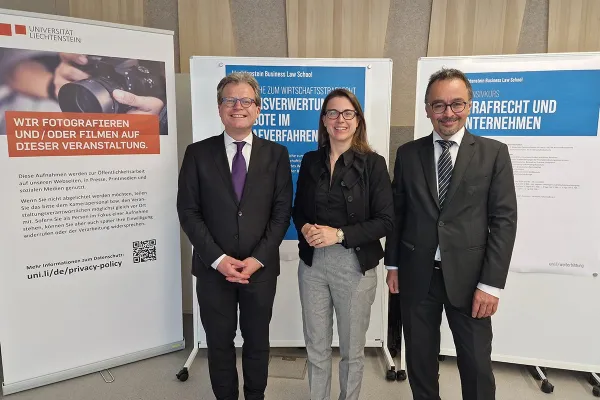
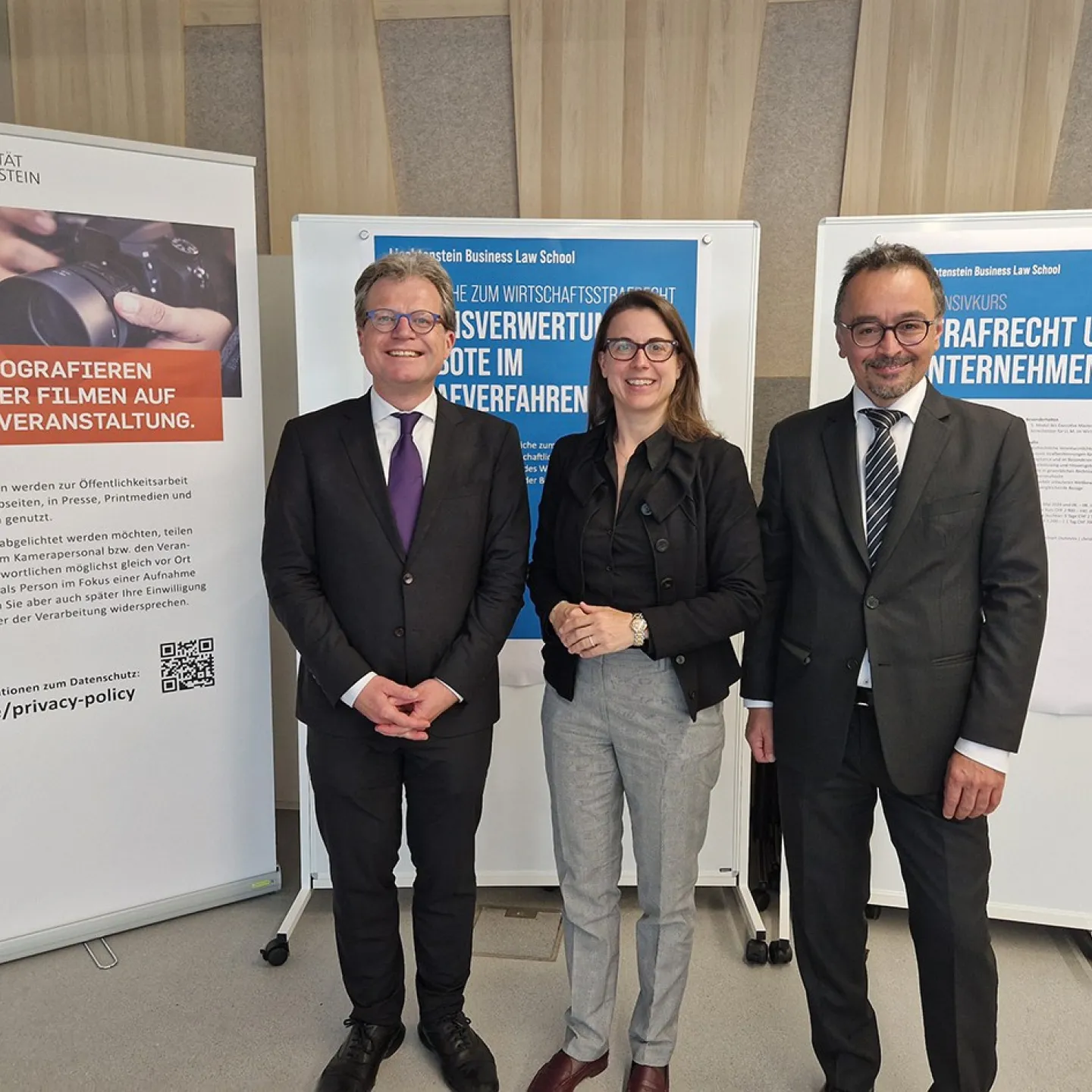
Drei Personen stehen lächelnd vor Informationsplakaten der Universität Liechtenstein. Die Plakate thematisieren Wirtschaftsstrafrecht und Beweisverwertungsverbote. Die Personen tragen formelle Kleidung.

On May 7, 2024, the Chair of Economic Criminal Law, Compliance, and Digitalization hosted the fifth hybrid conference of the “Liechtenstein Talks on Economic Criminal Law.”


The overarching theme of this fifth “Talk” was “Exclusion of Evidence in Criminal Proceedings.” This topic is of great practical relevance and highly topical in light of the CJEU ruling on EncroChat.


Hon.-Prof. Dr. Babek Oshidari (Judge at the Supreme Court of Austria, Honorary Professor at the Paris Lodron University of Salzburg) and Dr. Christoph Coen (Senior Public Prosecutor at the German Federal Court of Justice) each addressed the topic from the Austrian and German perspectives, respectively.


As a guest of honor, the retired President of the Austrian Supreme Court, Hon.-Prof. Dr. Eckart Ratz, attended the event. Following the conference, he presented Prof. Dr. Konstantina Papathanasiou with the Salzburg Commentary on the Criminal Code.


The Chair extends its sincere thanks for the gift, the stimulating exchange, and the participation of all attendees.


Further information: www.uni.li/gespraeche-wirtschaftsstrafrecht


Drei Personen stehen lächelnd vor Informationsplakaten der Universität Liechtenstein. Die Plakate thematisieren Wirtschaftsstrafrecht und Beweisverwertungsverbote. Die Personen tragen formelle Kleidung.

Successful Benefit Evening in Support of the Children’s Hospice Switzerland Foundation

Successful Benefit Evening in Support of the Children’s Hospice Switzerland Foundation

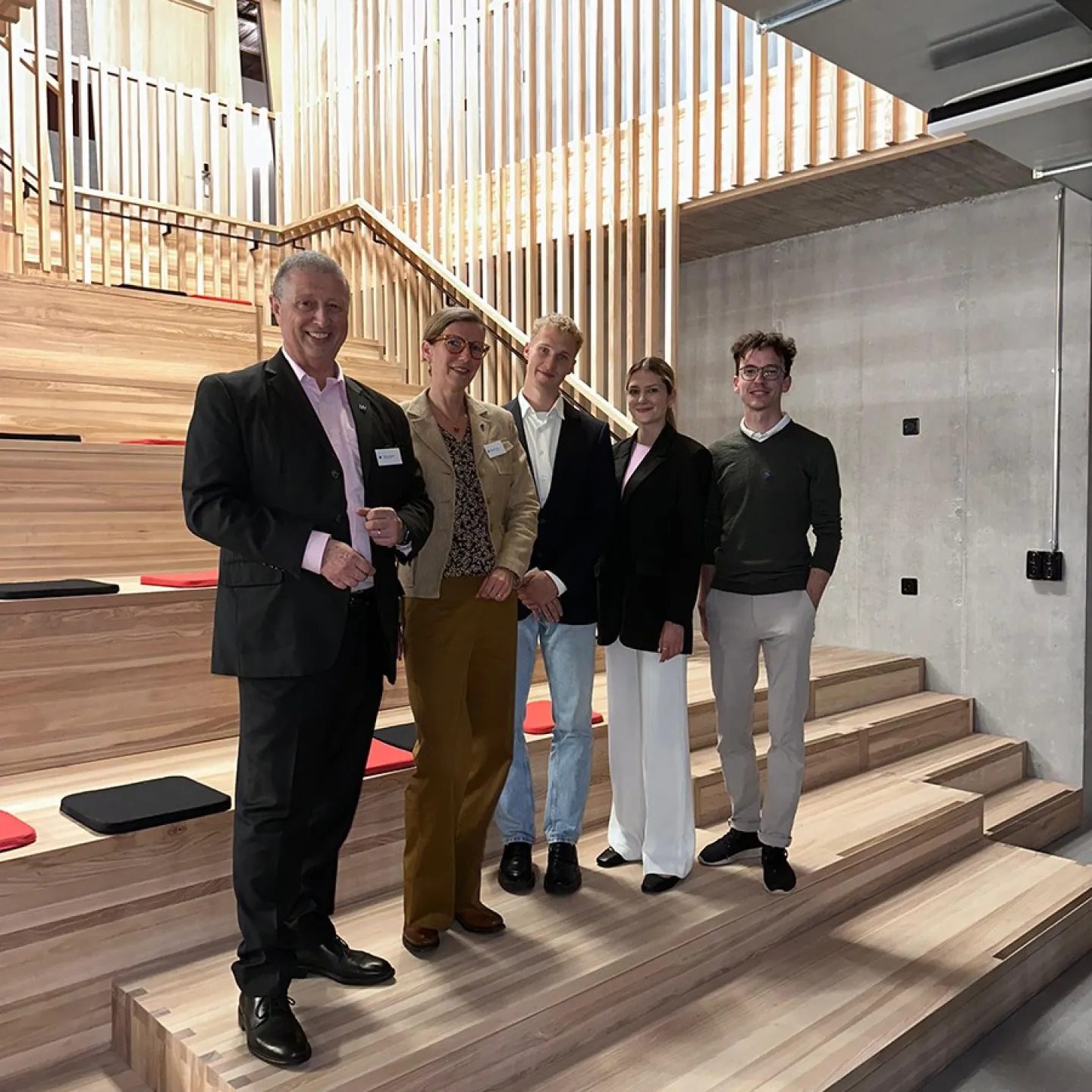
Fünf Personen stehen lächelnd in einer modernen Aula mit Holzstufen und vertikalen Holzlamellen im Hintergrund. Sie tragen formelle Kleidung und posieren für ein Gruppenfoto.

On Thursday evening, three dedicated students from the University of Liechtenstein organized a successful benefit evening in support of the Children’s Hospice Switzerland Foundation. The event took place in the new auditorium at the University of Liechtenstein on the Ebenholz campus and attracted numerous guests eager to support this important initiative.


Natalie Galli, Maximilian Haage, and Maurizio Sozzi initiated the evening as part of a pro bono project within their Bachelor of Business Administration studies at the University of Liechtenstein. These projects encourage students to use their skills for the benefit of the community and to promote regional social projects.


First Children’s Hospice


The evening’s varied program included an inspiring talk by Prof. Dr. Alexandra Butterstein, LL.M., Dean of the Liechtenstein Business Law School, on the importance of philanthropy in Liechtenstein. In addition, Juerg Herren, Chairman of the Board of Trustees, presented the work and services of the Children’s Hospice Switzerland, which is currently establishing the country’s first children’s hospice.


The organizers emphasized that they chose the project because of the urgent need and great importance of such facilities for families with children suffering from life-limiting illnesses. The evening was accompanied musically by sisters Lisa (violin) and Léanne (cello) von Sury from Azmoos, whose renditions of modern pop classics delighted the audience and perfectly rounded off the event. Following the informative presentations, guests were able to conclude the evening with an aperitif in a relaxed and sociable atmosphere.


Support for the Flamingo Children’s Hospice


The students stressed that the aim of the evening was not only to provide financial support for the project, but also to raise broad public awareness of the hospice initiative. The successful combination of information, music, and social interaction contributed significantly to the event’s success and vividly underscored the importance of supporting the Flamingo Children’s Hospice.


The organizers hope the evening inspired many to continue contributing to the realization of this important project and thus support families in need. The positive feedback from guests and the high turnout from both young and old highlight the growing awareness of the necessity of such facilities.


Fünf Personen stehen lächelnd in einer modernen Aula mit Holzstufen und vertikalen Holzlamellen im Hintergrund. Sie tragen formelle Kleidung und posieren für ein Gruppenfoto.

New Path in Old Wood

New Path in Old Wood

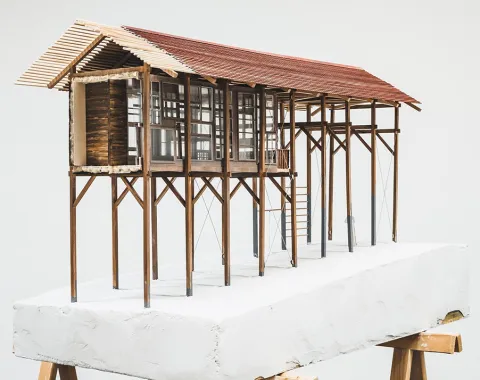
How can components from an old knitted building be reused to give an architectural project a linear typology with a clear tectonic and structural expression?


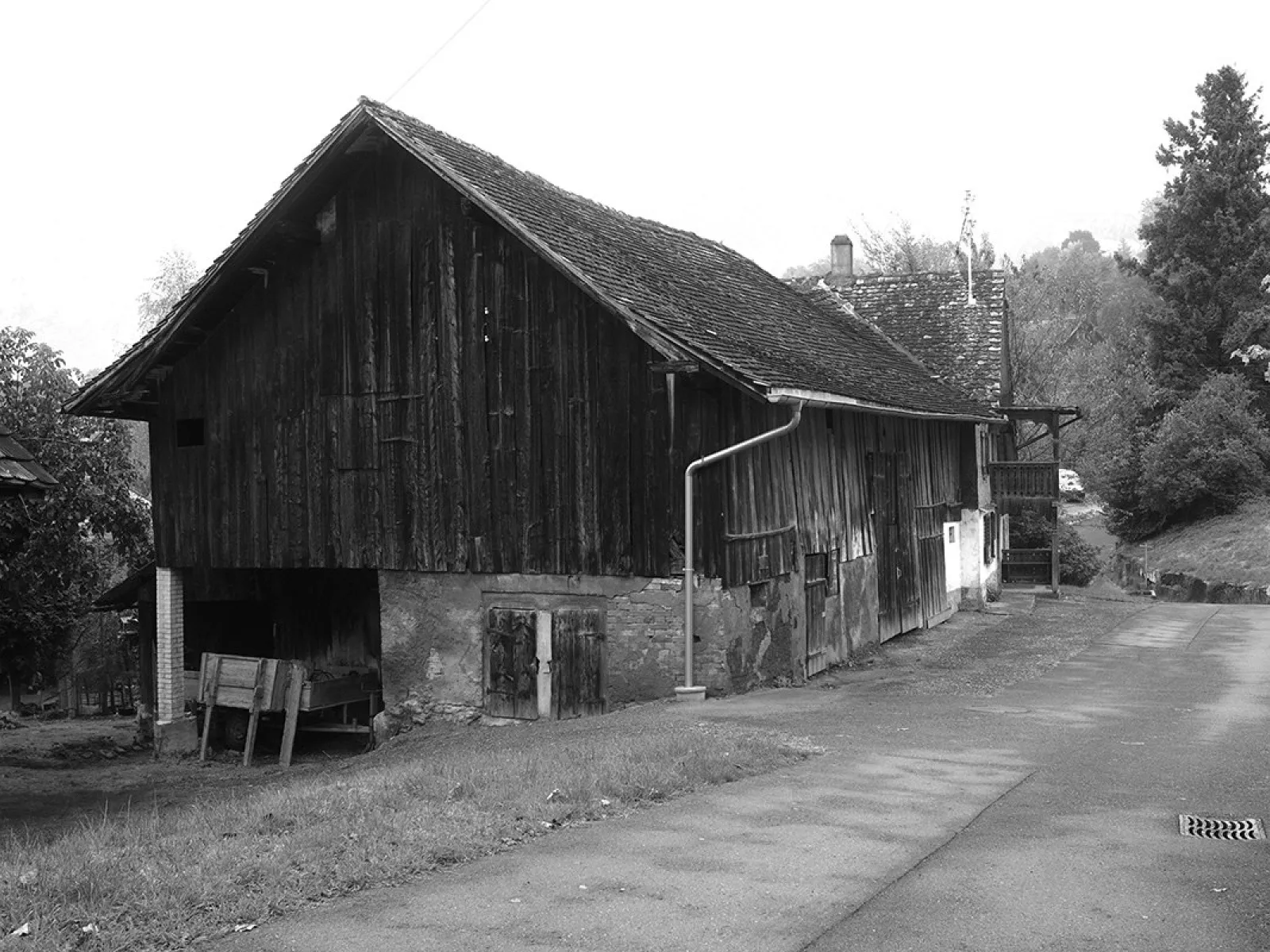
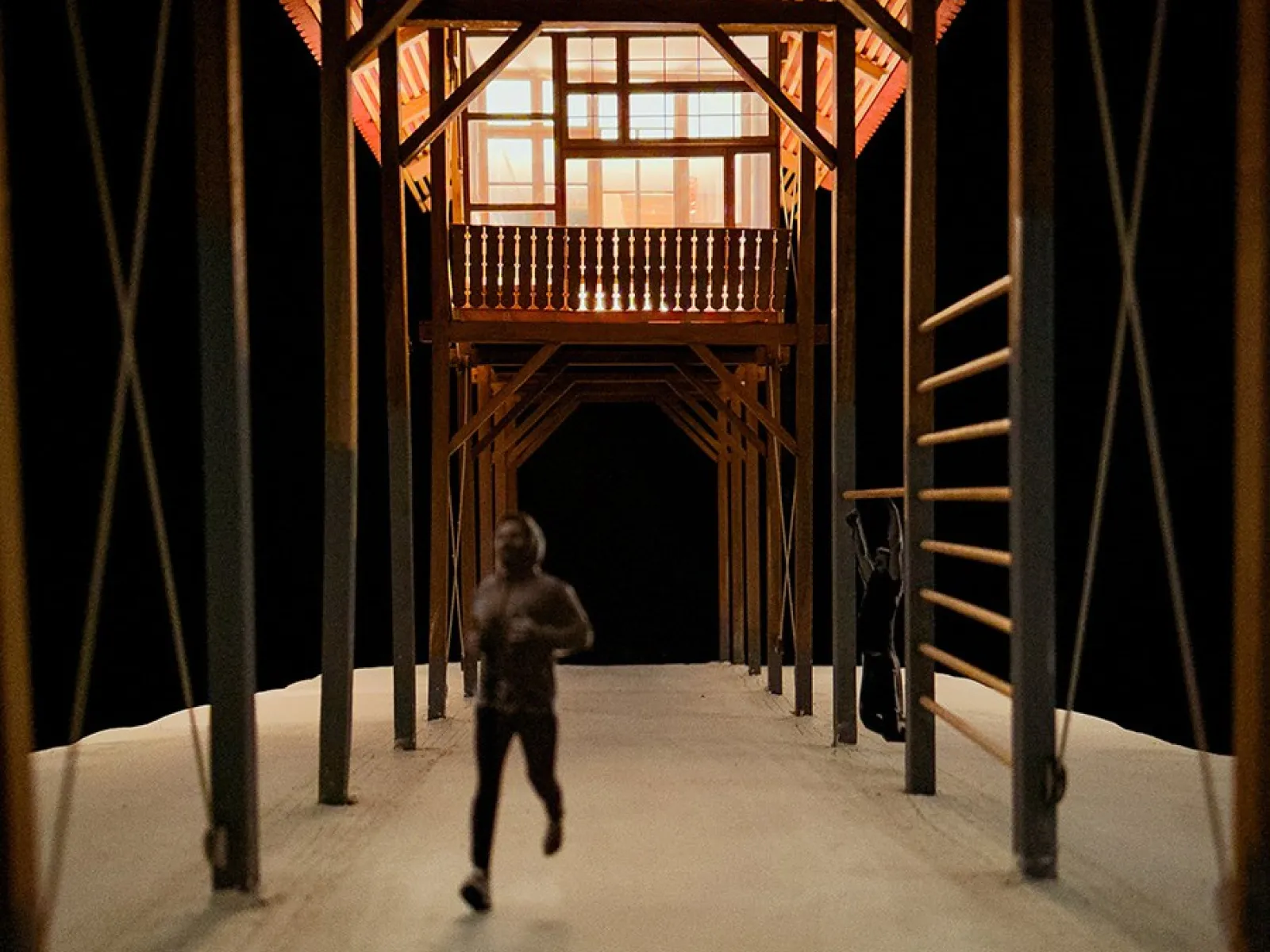
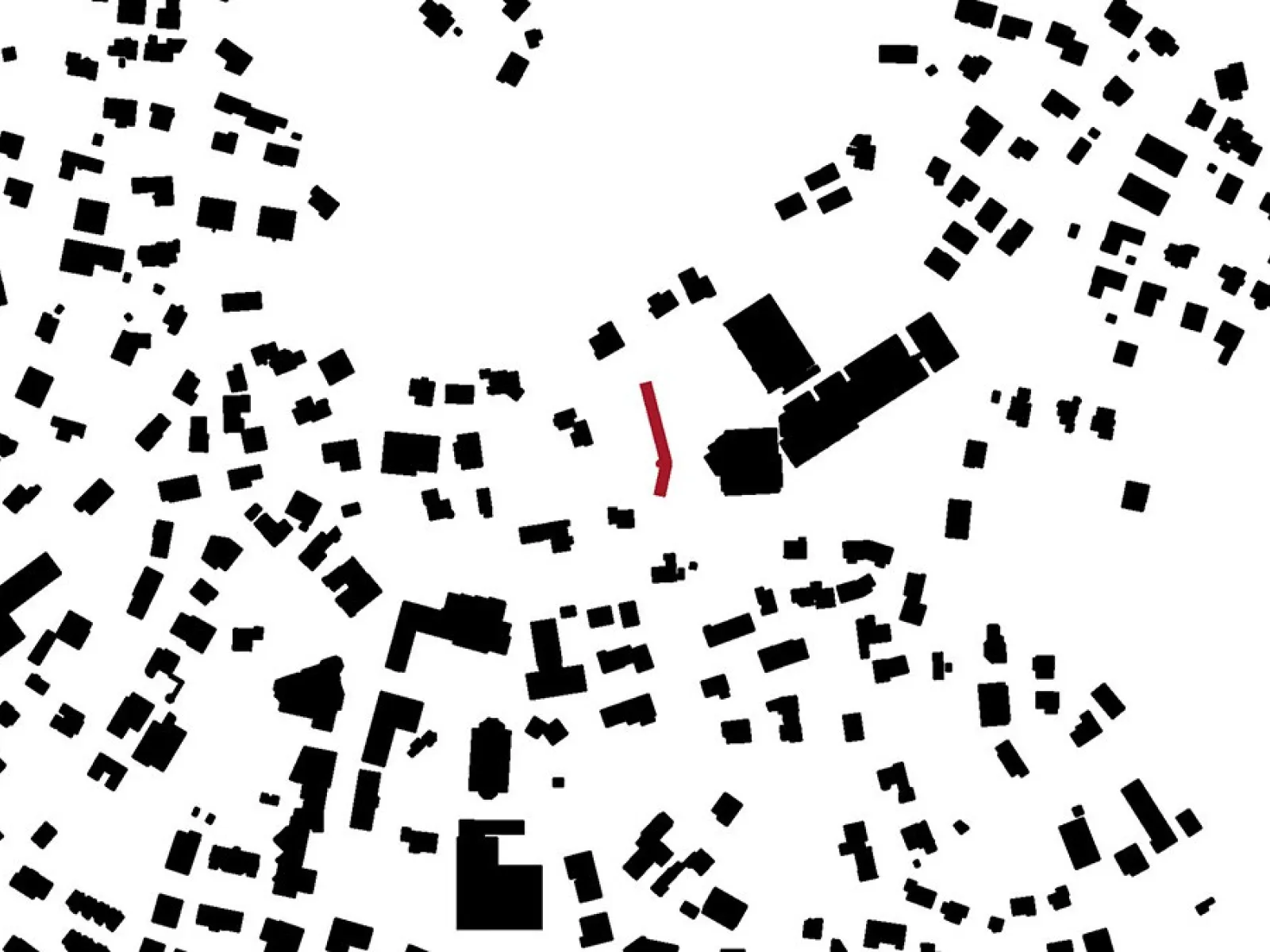
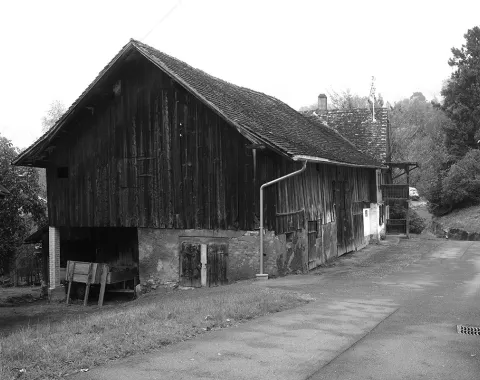
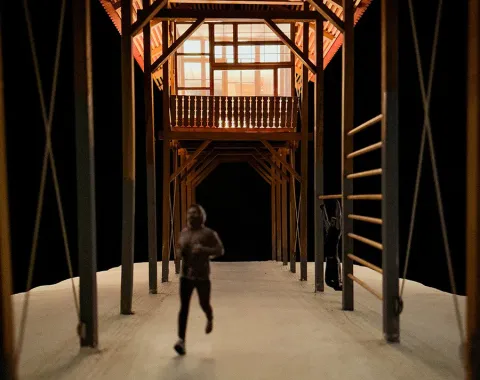
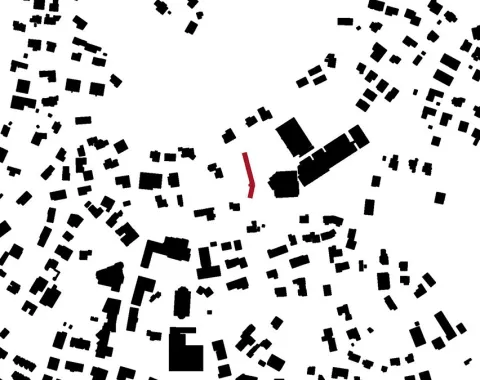
Mustafa Karaaslan addressed this question in his bachelor's thesis at the Liechtenstein School of Architecture. As a concrete object, he used the knitting building with a retrofitted barn on Kapfstrasse in Eschen, which was built in 1793 and moved in 1861. This offers a unique opportunity for conversion. The task was to survey the existing building, catalog its parts and reuse them in a new design. The design process focused on a form that complements the linear qualities of the chosen site - a path and parking lot that is used by hundreds of people every day and also serves as a jogging route for local residents.


The existing building represents a traditional construction method with specific adaptations that have been made over time. The knitted building has a mixed foundation system: a concrete foundation on the east façade and dry stone walls made of various materials on the other sides. The barn, built in 1821 and directly attached to the knitted building, is designed as a lightweight structure and consists of supports, struts and two plank walls. The room heights vary depending on the area of use: around seven meters in the barn, five and a half meters in the hayloft and two meters in the cowshed. The location chosen for the design is in the immediate vicinity of important public buildings such as the indoor swimming pool, the school and the community center. It is frequented by many people every day, making it a key area for urban planning interventions. By using an already asphalted path, the logistical challenges of transporting and assembling the components are solved efficiently and the environmental impact is minimized.


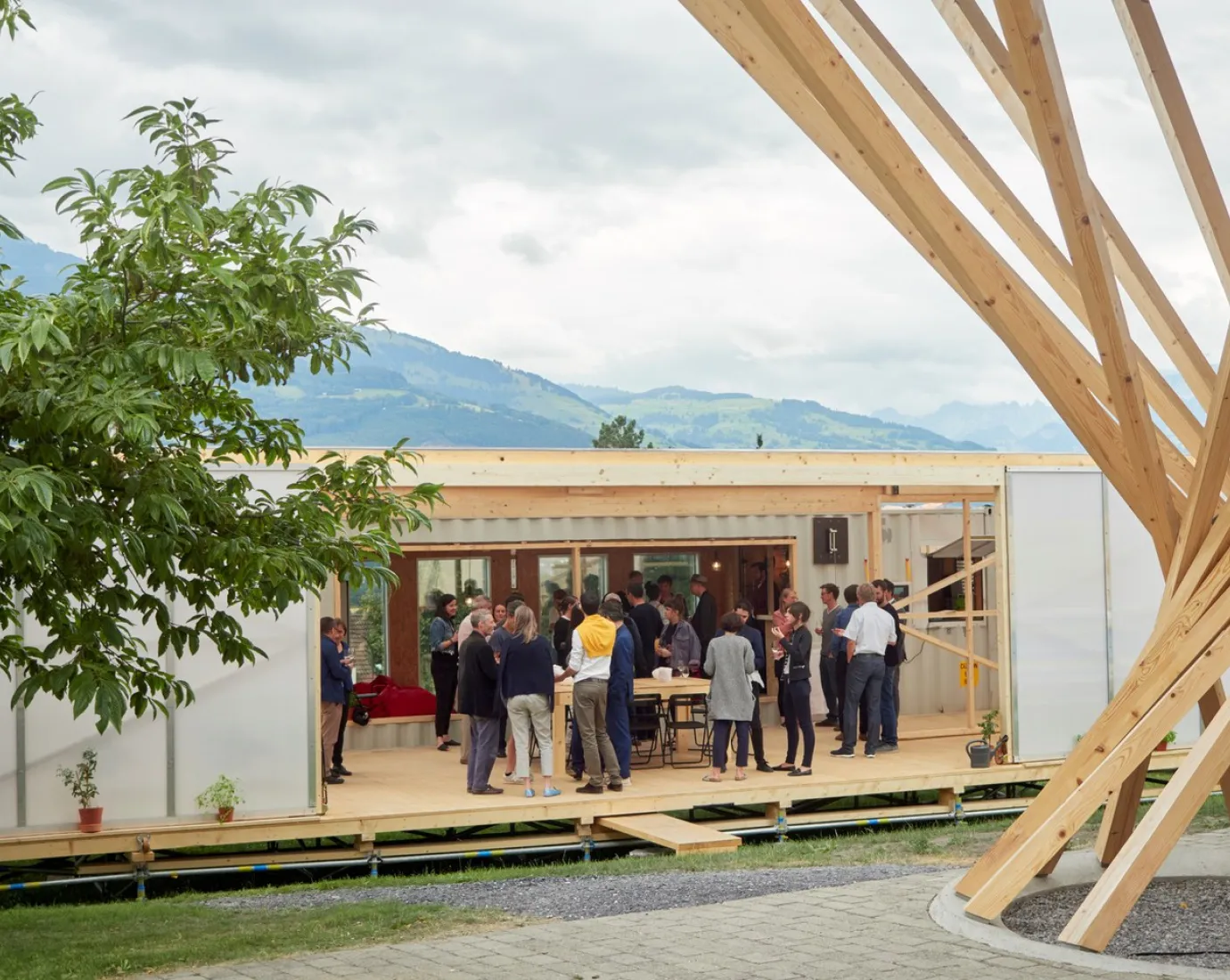
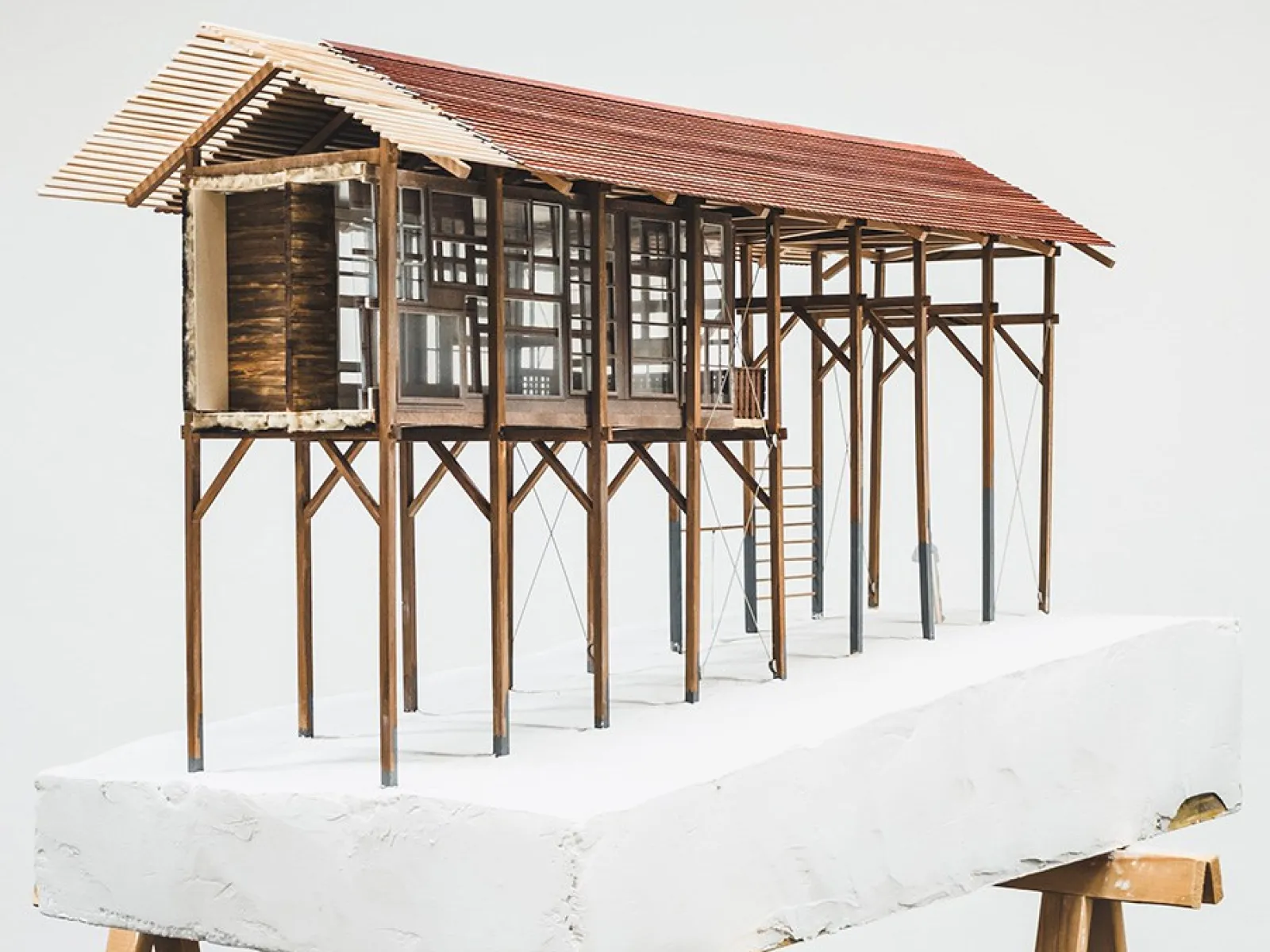
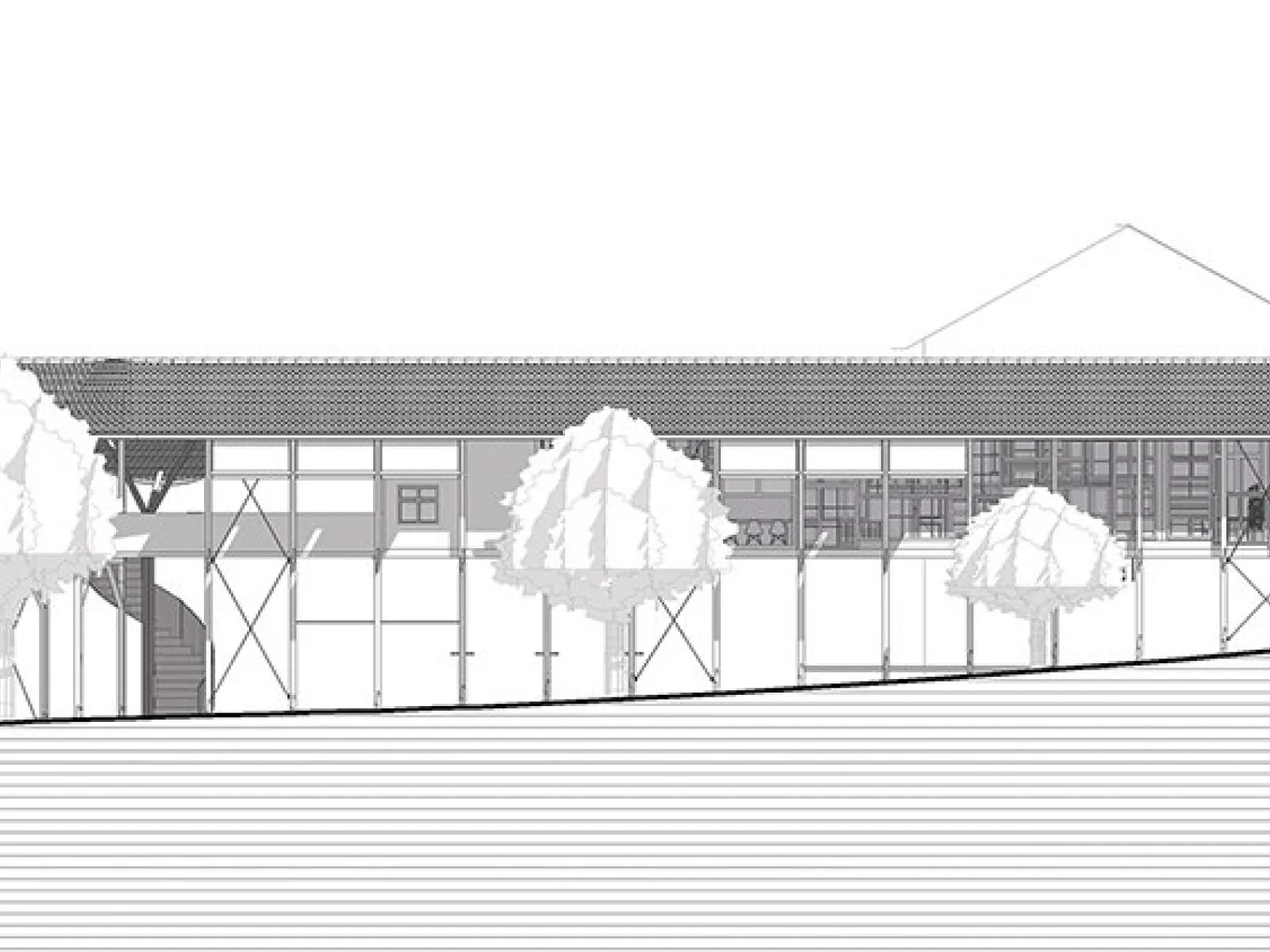
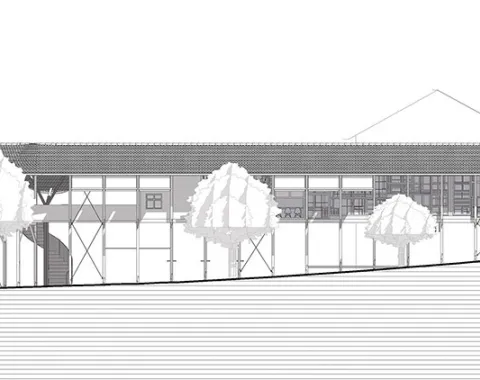
The central idea for the conversion arose from a study of the linear typology and its potential for innovative spatial design. The building should not only function in itself, but also interact with the surrounding public space. Karaaslan sees the space below the building as a permeable and lively area, while the second floor allows for a clearly defined use. The result is a repeating timber frame structure that stretches 65 meters along the path. On the first floor there is a public fitness trail, which is to be managed by the 'Eschen Aktiv' association. This facility promotes people's health and strengthens the sense of community. There is space for events on the first floor. This part of the building offers a high, covered space for this purpose. Awnings are attached to the supports of the building, which can be extended as required. The two residential units can be reached via a spiral staircase on the west façade and are characterized by floor-to-ceiling, recycled wooden window façades that are divided by wooden chambers. Bedrooms and bathrooms utilize the chambers of the knitted structure and create interesting spaces for the apartments through their staggered arrangement.


Because the length of the original beams was insufficient, special connections had to be developed to meet the requirements of the design. The supporting structure consists of several repeating frames that differ in length and thus adapt to the topography. The frames consist of columns, two cross beams and two rafters. Additional struts are attached under the first crossbeam to ensure light bracing. The frames are connected to the ground via point foundations. These foundations rise about sixty centimeters above the ground and are connected to the supports by means of a special wooden connection. In German, this connection is called 'Schräges Hakenblatt mit Kreuzapfen und Keil' and in Japanese it is known as 'kanawatsugi'. This construction method makes it possible to dismantle the supports again if necessary and takes account of the principle of reversible construction.


Staff Training Days

Staff Training Days

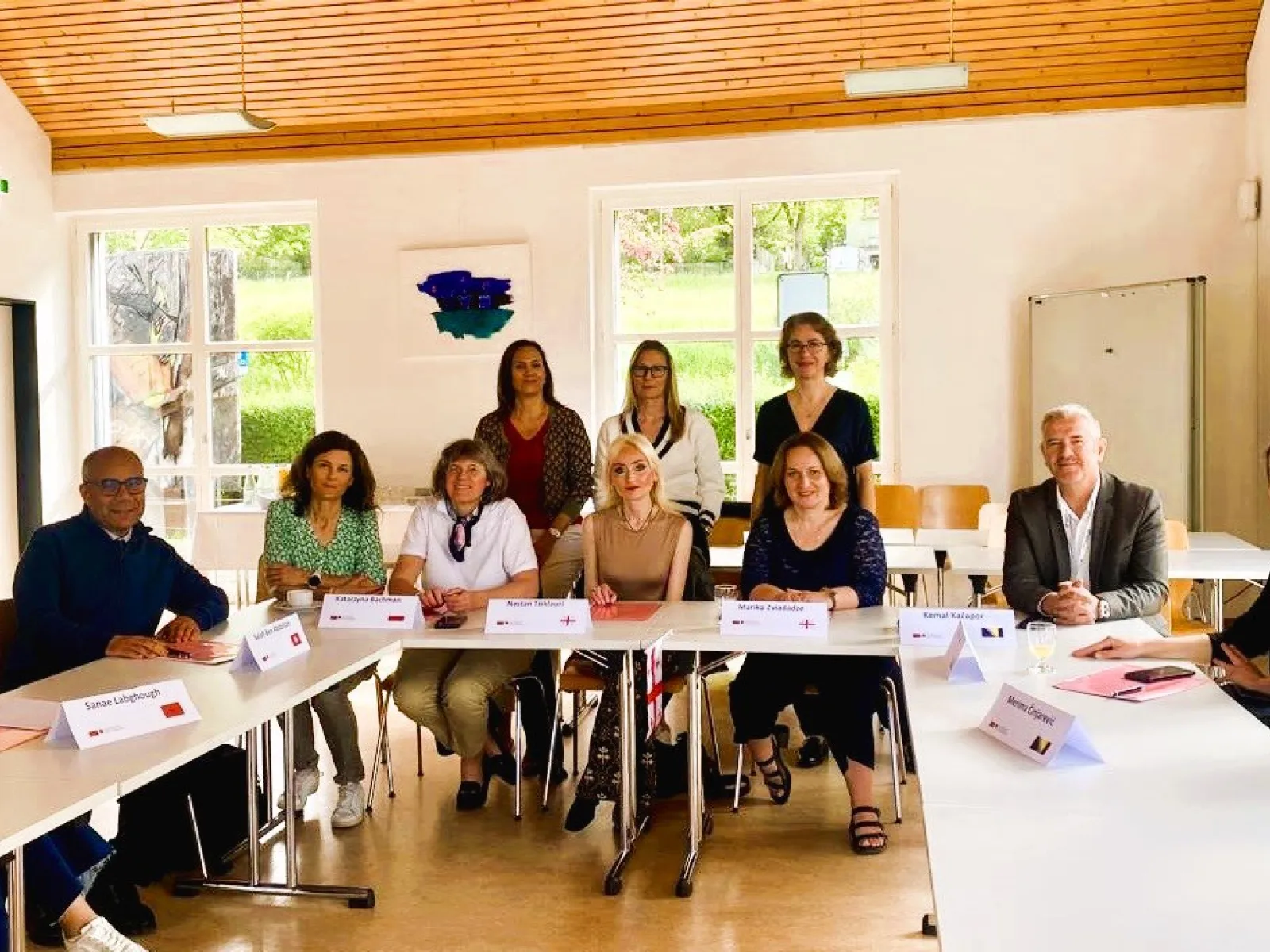
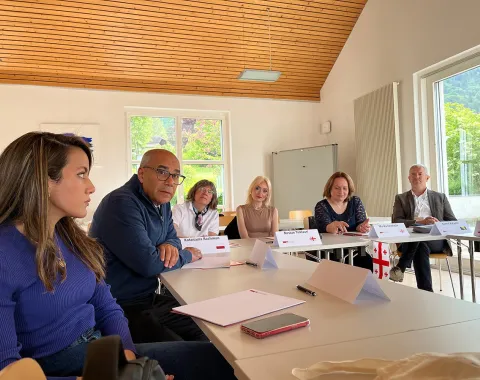
The European Union's Erasmus+ International Credit Mobility scholarship program enables students to spend time at partner universities outside of Europe.


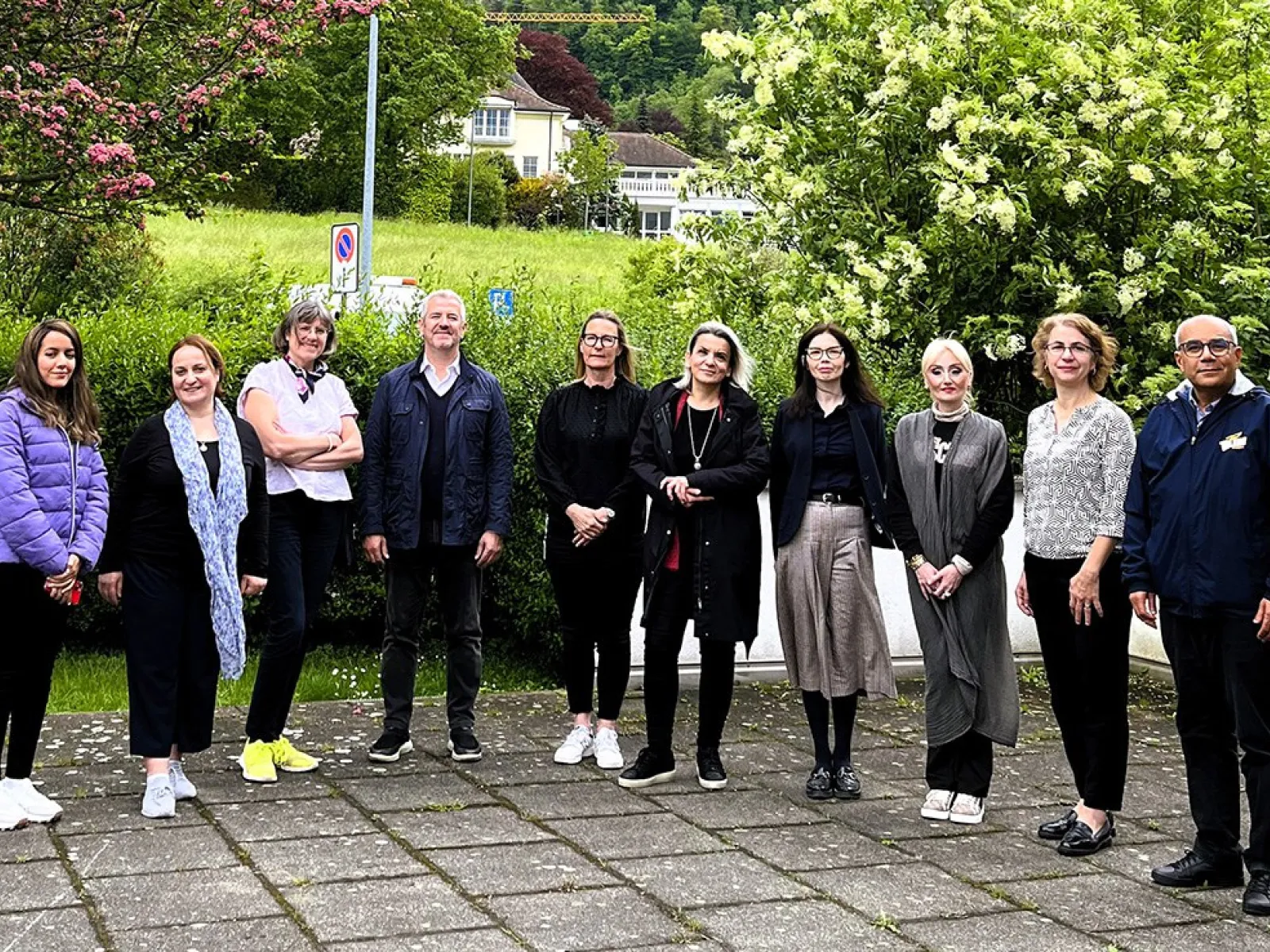
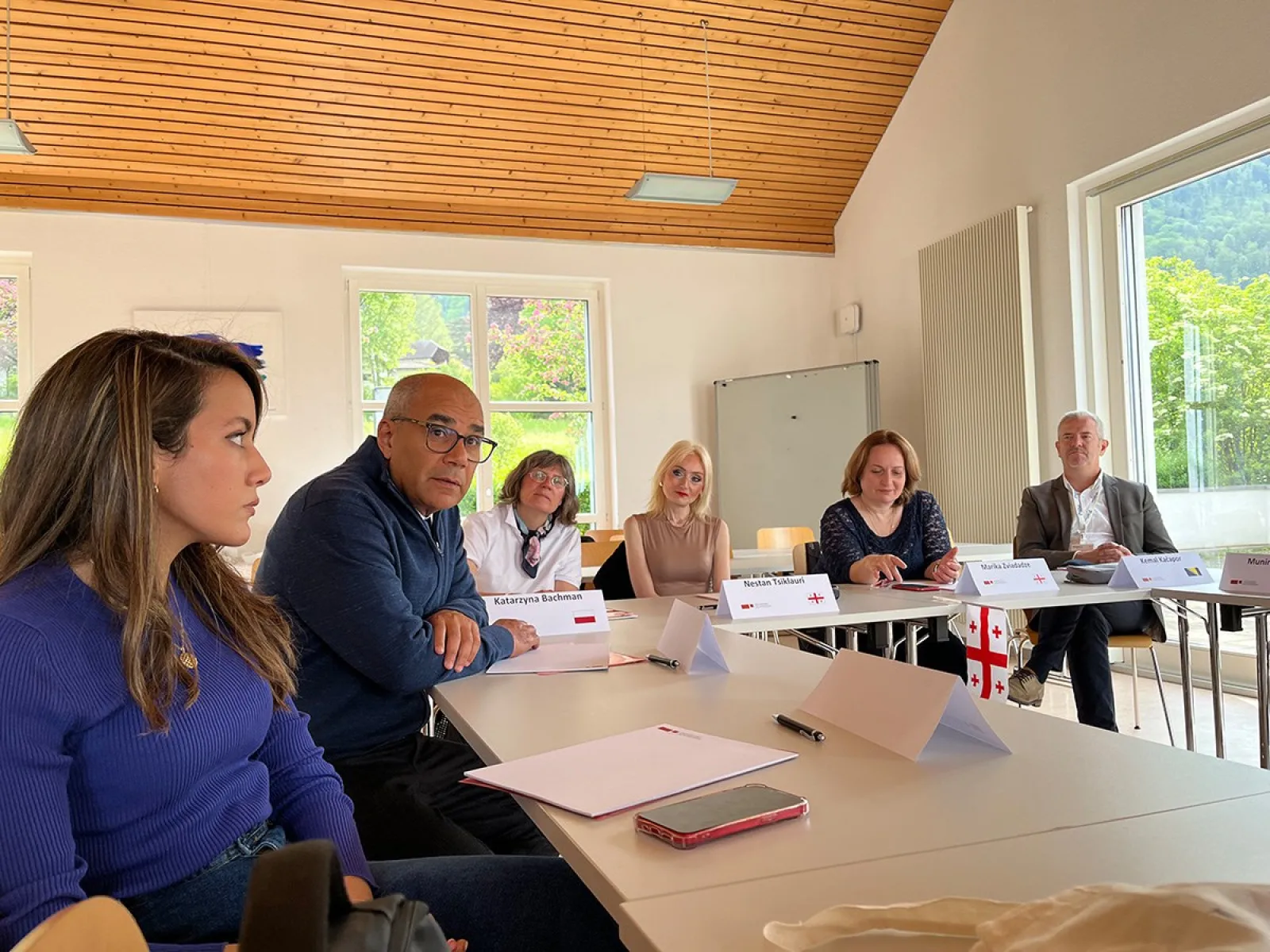
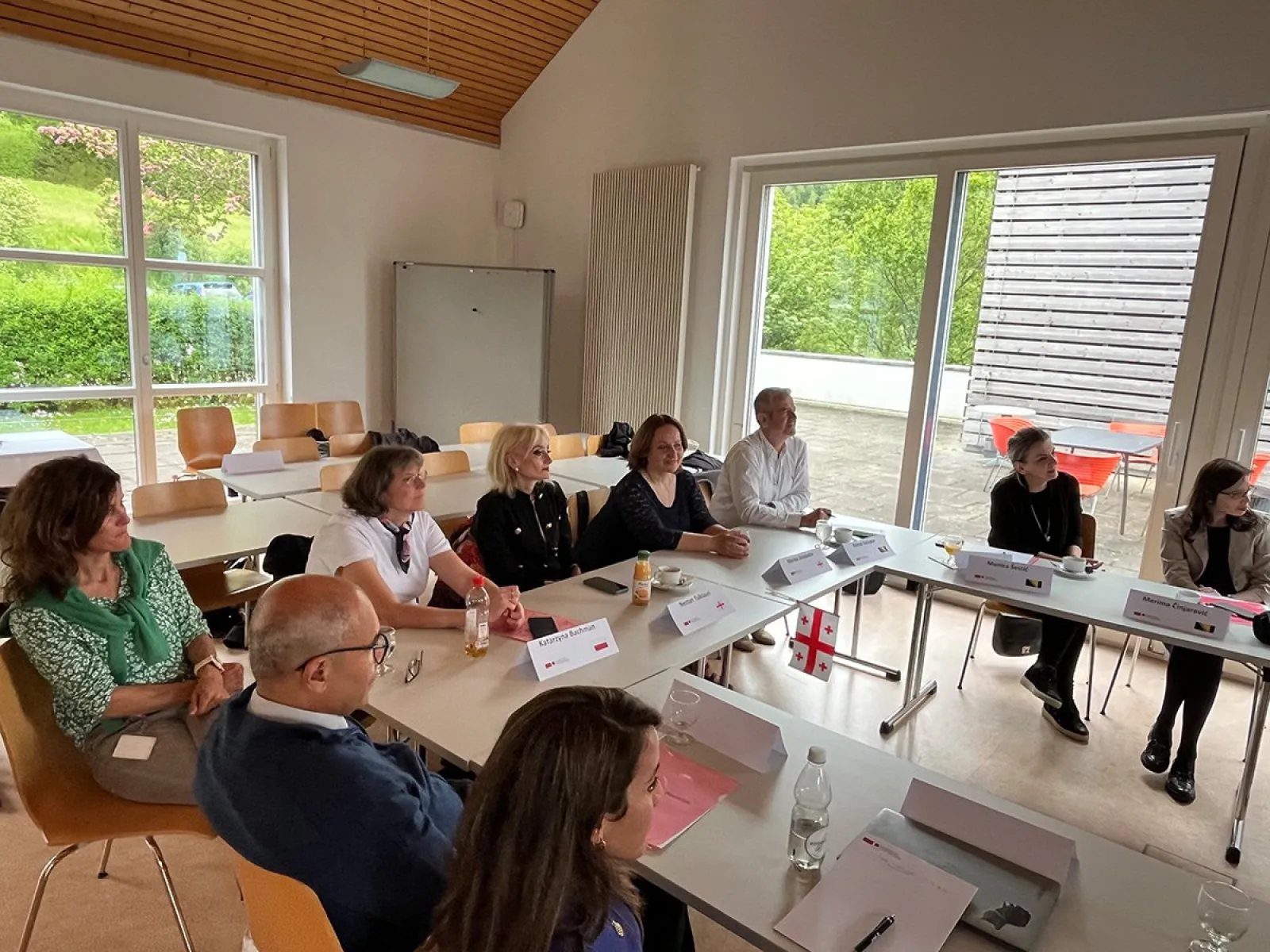
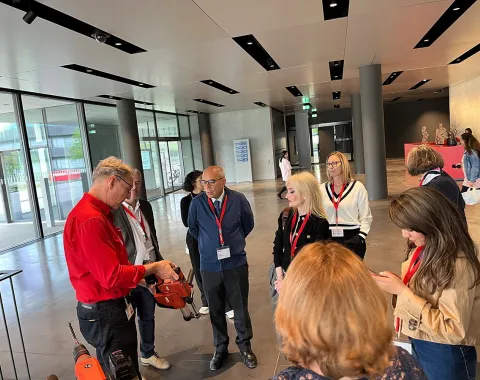
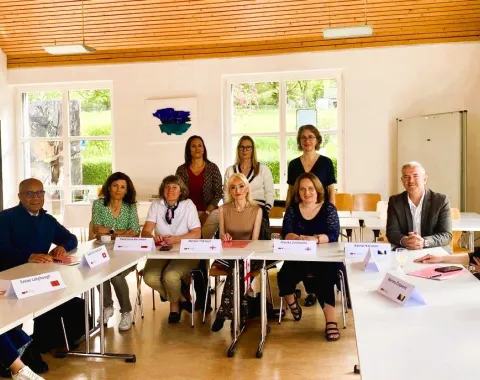
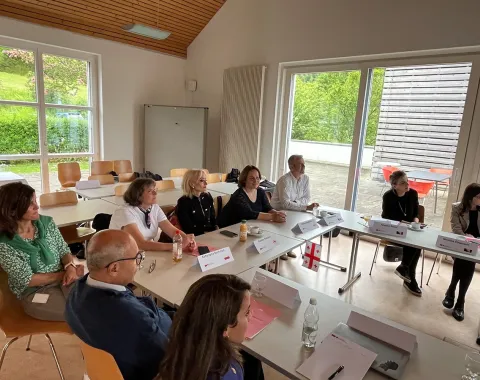
On this occasion, eight professors and staff from universities in Tunisia, Morocco, Georgia, Bosnia and Poland visited for a few days to get to know the campus, the students, the country and the region.


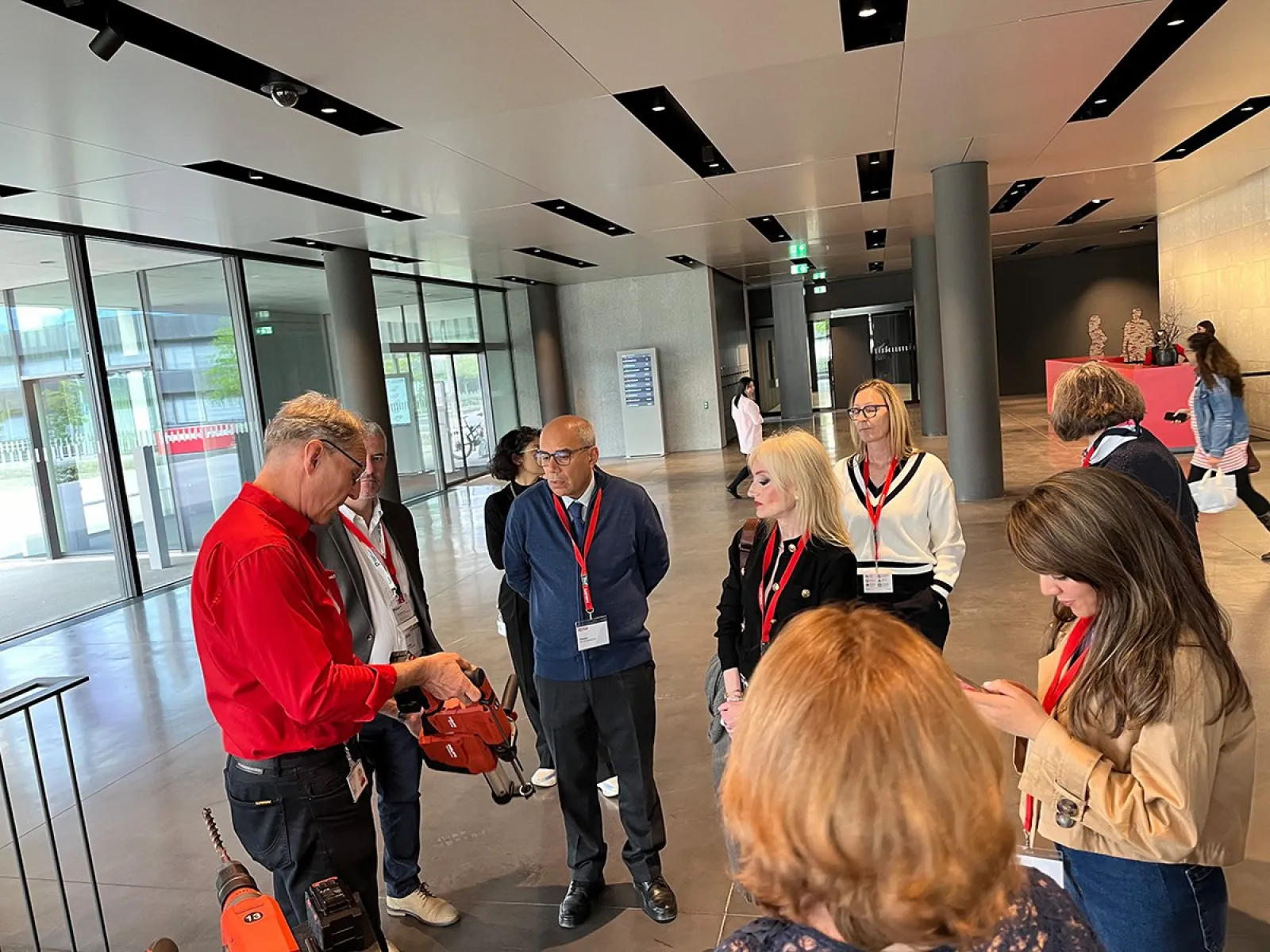
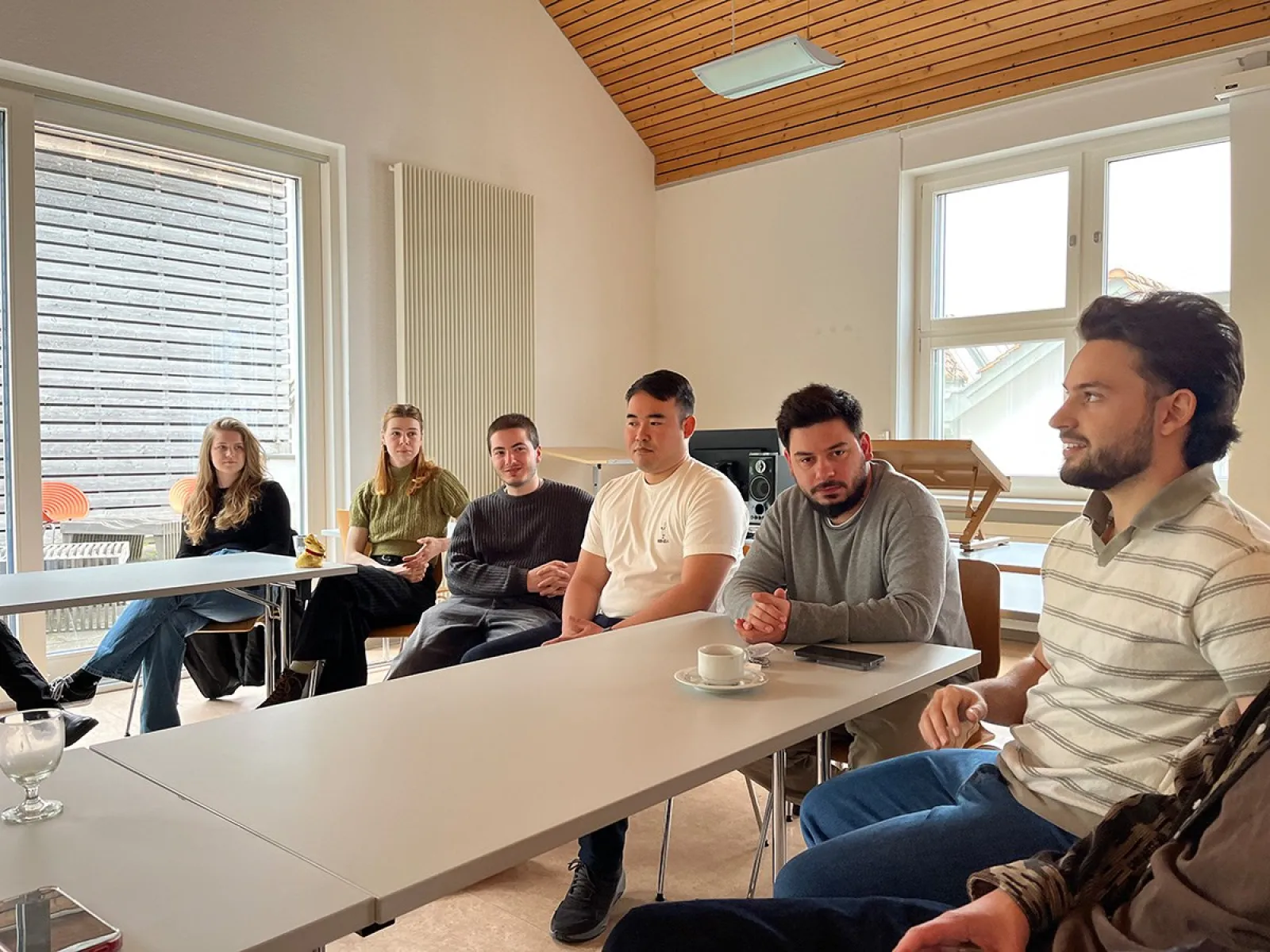
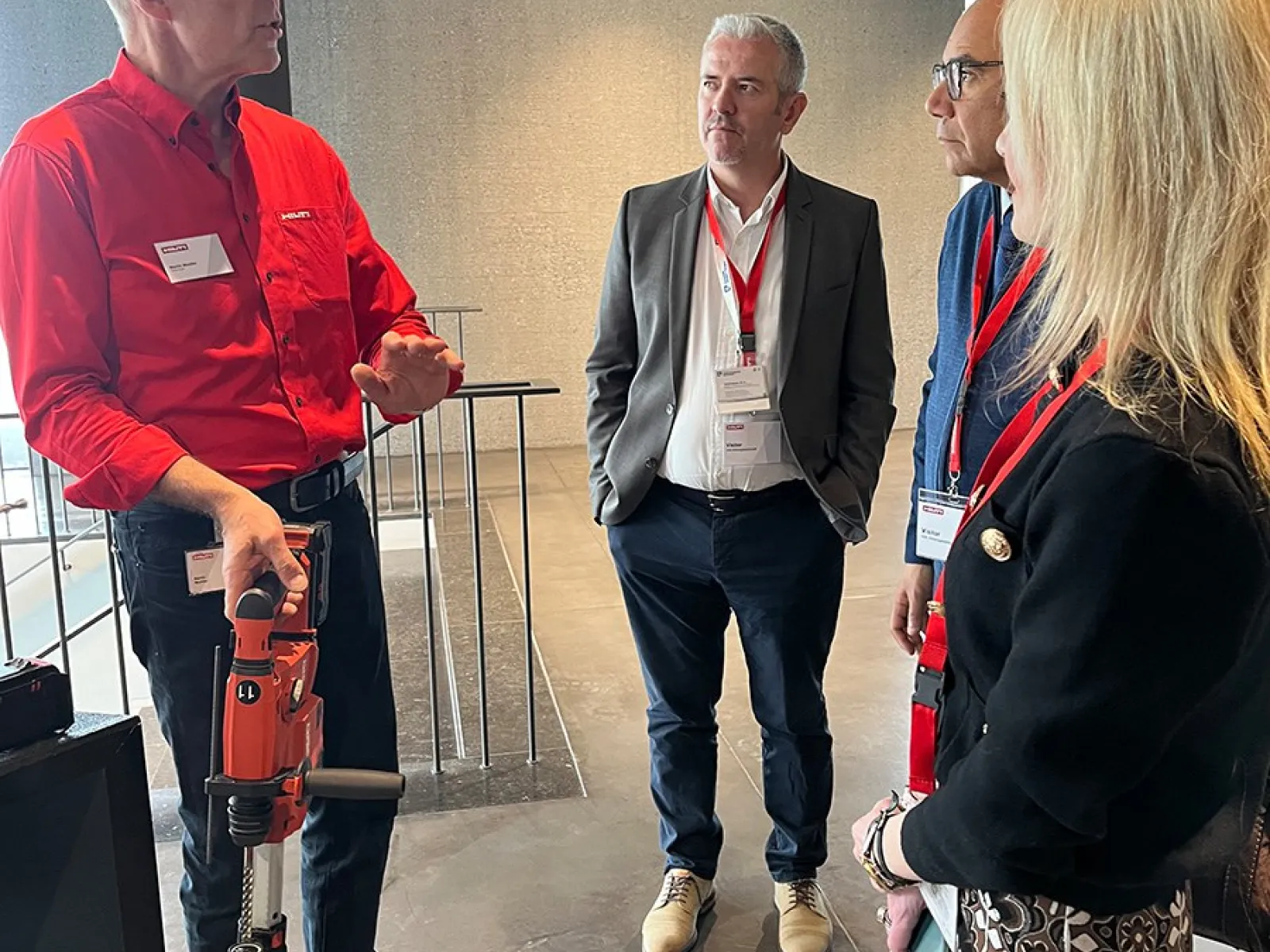
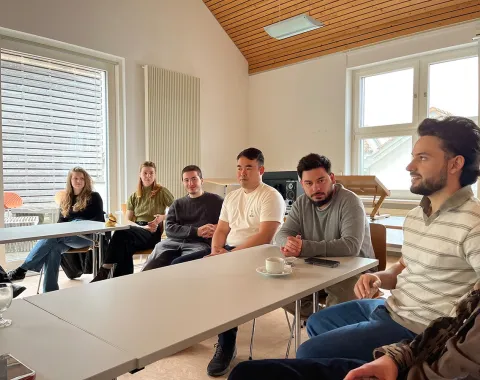
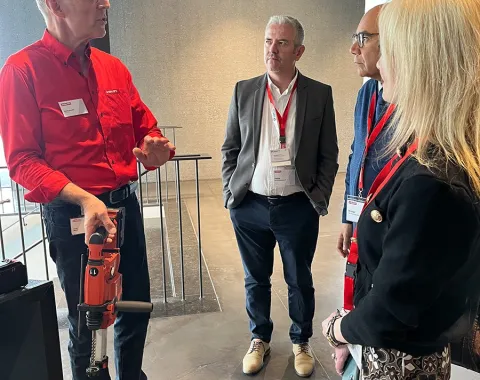
After a welcome by Rector Dr. Christian Frommelt, a visit to Hilti AG was on the agenda, and incoming students met the group of guests for a roundtable to talk about their life and studies in Liechtenstein. The topic of inclusion of students during their studies was discussed in depth and rounded off with a visit to the HPZ in Schaan. The visitors were very impressed by the professionalism of the support provided throughout the entire life cycle.


In addition, some staff and professors from the Schools (Architecture, Business) and Student Services gave the visitors an insight into their areas of work (job shadowing). The week was characterized by inspiring encounters and interesting conversations.
 

Visiting EU ambassador

Visiting EU ambassador

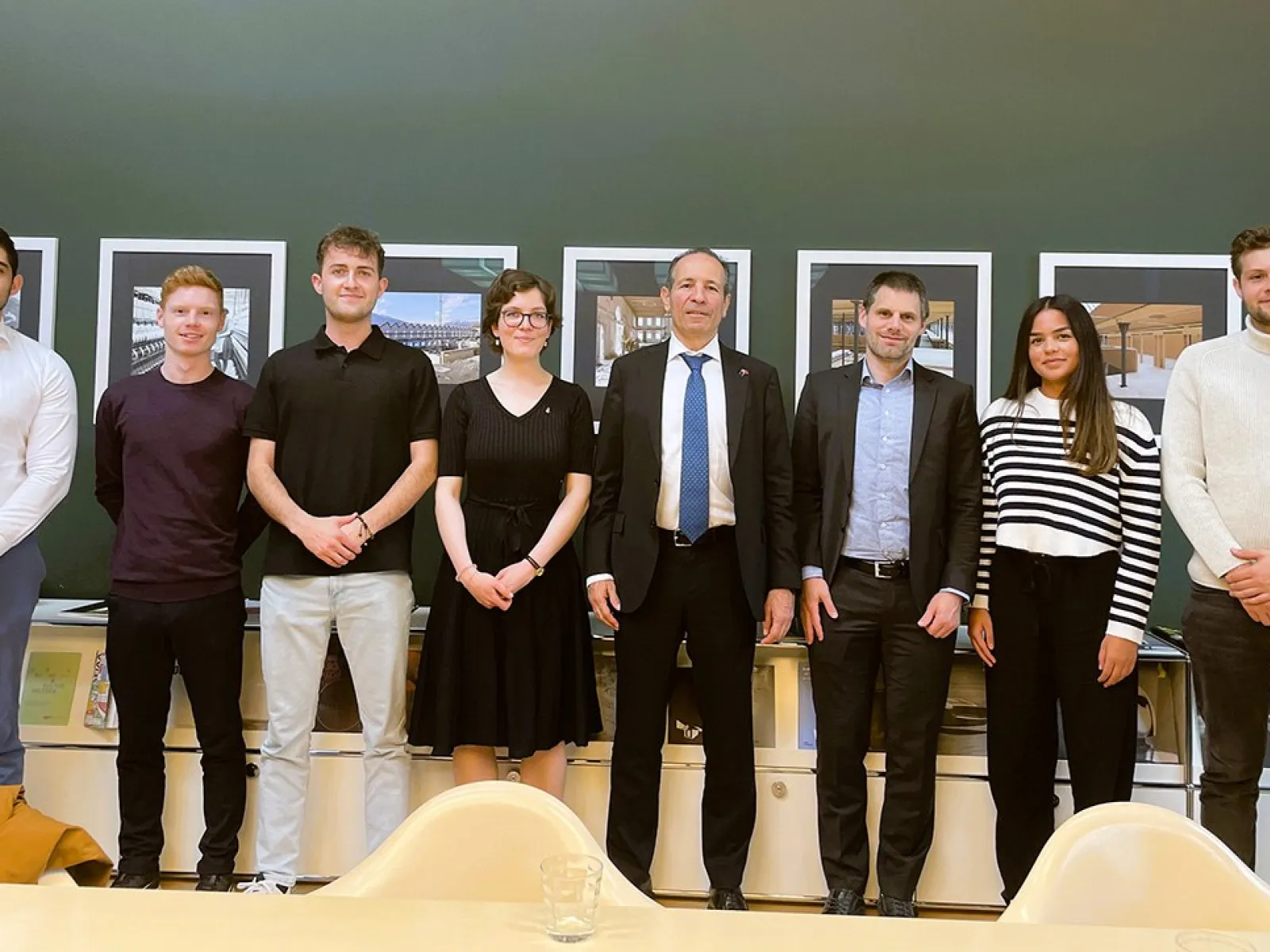
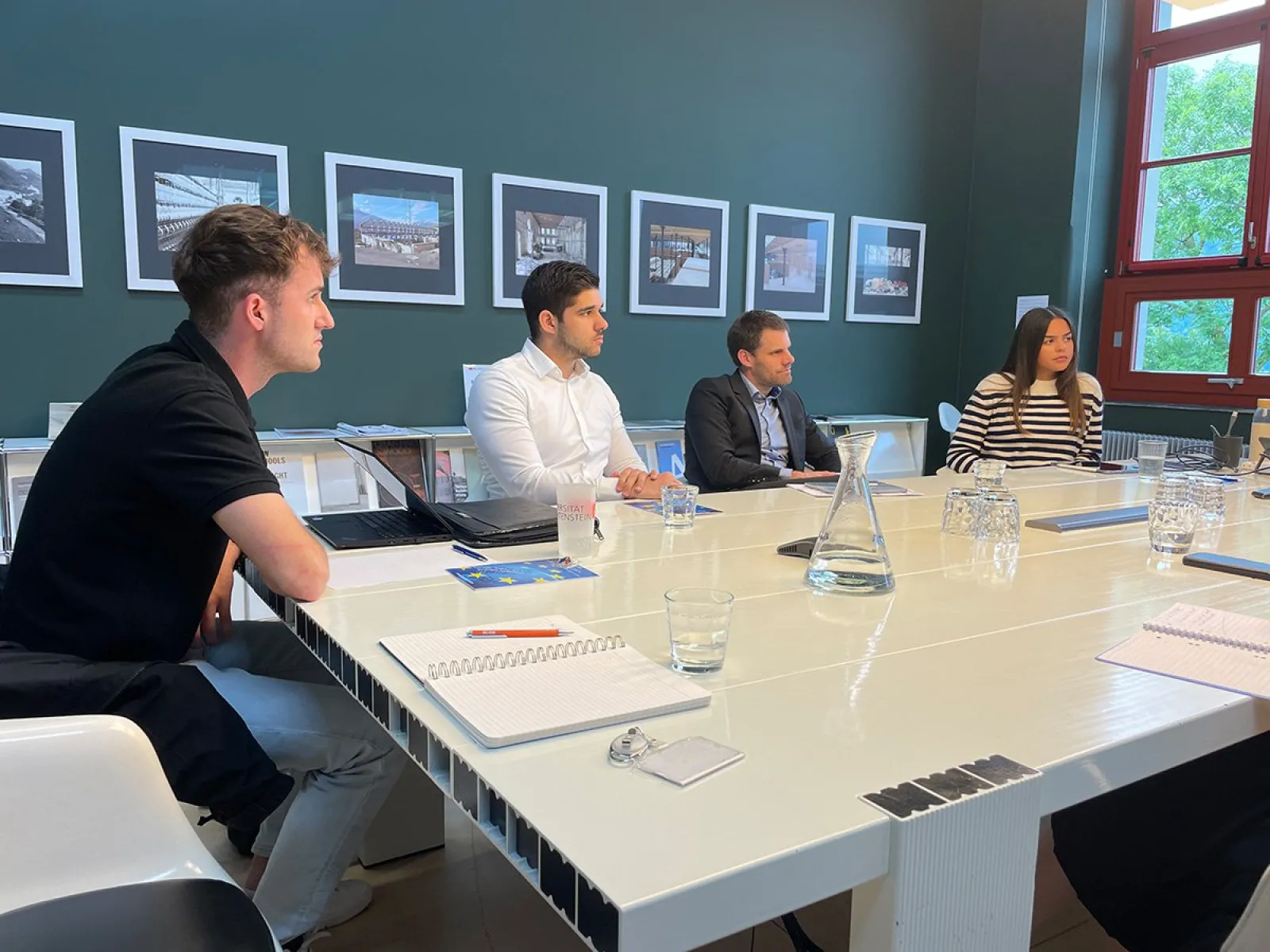
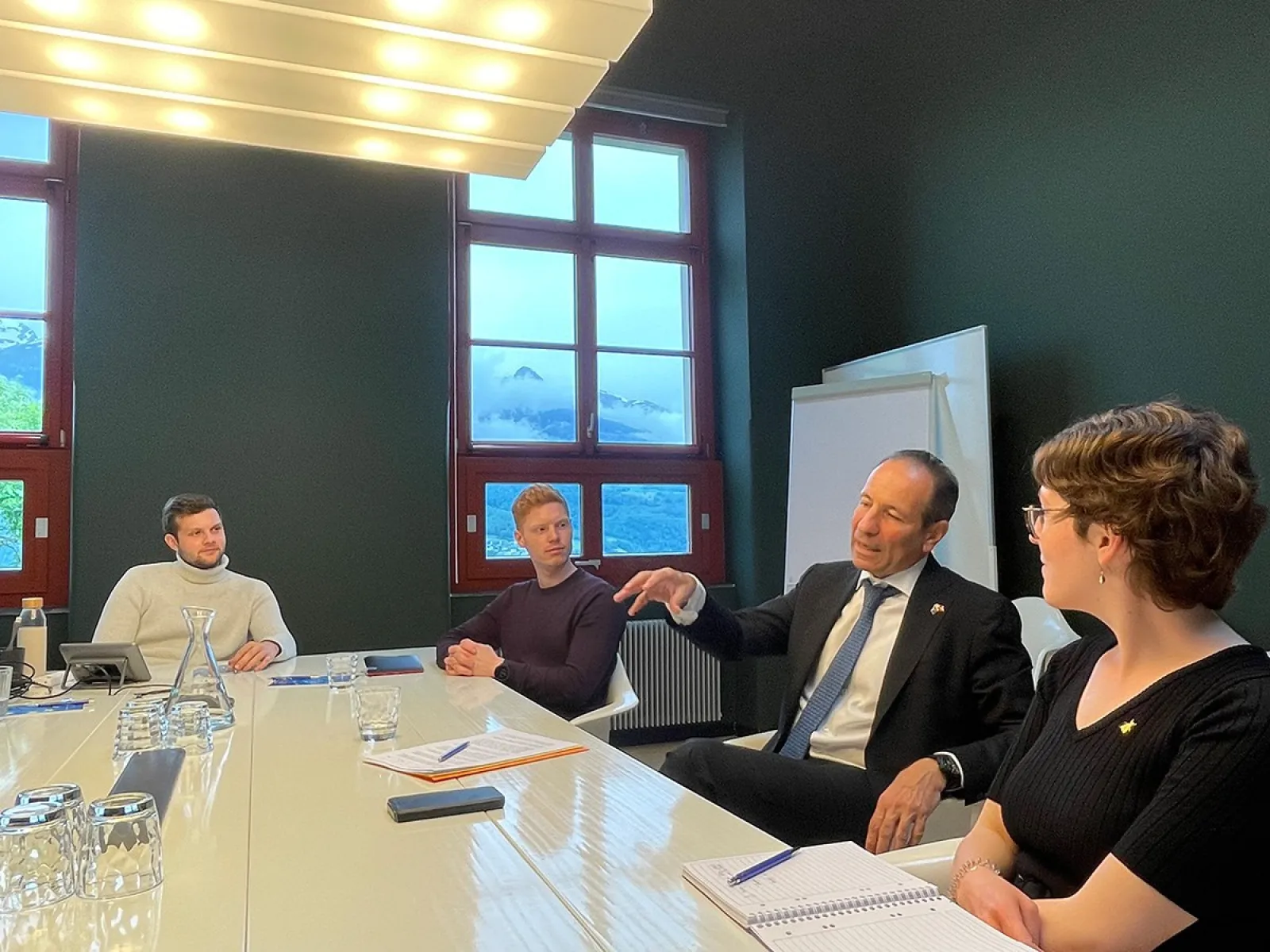
Petros Mavromichalis, EU Ambassador for Switzerland and Liechtenstein based in Bern, visited the Principality and the University as part of Europe Day.


European policy and topics of interest to Liechtenstein were discussed with Rector Dr. Christian Frommelt and students of the BSc Business Administration and MSc Finance courses. Following the roundtable, the ambassador hosted a reception for institutions from Liechtenstein in the Vaduz Town Hall.
 

Subscribe to