Skip to Main Content

Liechtenstein - Vaduz

Liechtenstein - Vaduz

Luka Meskhi

Between Silence and Warmth

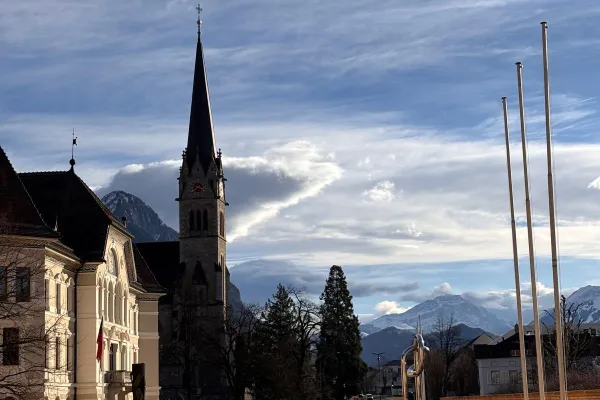
Vaduzer Städtle: Blick auf die Kathedrale

Upon arriving in Liechtenstein for the first time as an Erasmus student from Georgia, I was struck by the beauty of the mountains, the tidy streets and alleys, and the peaceful rhythm of life. Vaduz appeared quiet, organized, and stationary, maybe too stationary. The most surprising thing to me was how quickly the city becomes calm in the evenings. Shops are closed, coffeehouses are empty, and the capital almost falls silent. For a Georgian, this was completely unprecedented. I remember walking about and wondering where everyone had vanished to.


In Georgia, the evening is the hub of everyday life when we are at home. Streets in Tbilisi stay lively till late at night, people go out for coffee, families take evening walks, and friends have dinner around long tables. Music will be playing somewhere around you, and you can just sit down with strangers and become part of a conversation. Togetherness, food, and talk are core aspects of life in my culture. There is always activity, heat, and laughter. A day is not said to be complete until one has spent time with other people. So, coming to Vaduz and observing how everything gets so still in the evenings was a severe cultural shock.


I did feel something was missing at first. I liked hearing voices and the hum of people being out late. But then, as time went on, I started to understand that what had felt like "emptiness" was a different richness. People in Liechtenstein value private time, silence, and room. They seem to take refuge in quiet evenings, a way to wind down, renew themselves, and exist in simpler terms. I began to realize how lovely that silence was. The empty streets, the soft lights in people's homes, slow-moving silhouettes, and the reverberation of footsteps on the ground all sang to a peaceful setting I grew to appreciate fondly.


But I realized that my Georgian ways didn't disappear, they changed. When I socialize here, I instinctively bring that friendliness and openness with me. I like to ask questions, tell stories, and invite guests in for coffee or dinner. At first, some people seemed perplexed at how easily Georgians approach people or show feelings, but then they typically respond with curiosity and commensurate warmth. My bubbling encounter with their reclusiveness has yielded some of my most fulfilling exchanges, usually ending in fortuitous friendships. It is like two cultures gently counterbalancing one another.


It led me to contemplate and deliberate on what my own culture places value on. We Georgians hold the belief that sharing our stories with each other strengthens our bonds. Hospitality is in our very being. We welcome guests not just to our houses, but into our hearts with warmth. I was reminded of how great that was when I experienced life in Liechtenstein. It also enlightened me on the relevance of stillness and boundaries, something I sometimes lose sight of in my home. Here, people show by example that peace and privacy are not isolation; they are forms of respect, for yourself and others.


Strolling through Vaduz in the evening does not feel like wandering in a ghost town. People live differently, eating with family, reading, or relaxing, all in perpetual silence. I also became accustomed to enjoying this tranquility: taking a walk in the evening, feeling the tendrils of the cold breeze, reviewing the day under a moonlit sky, or phoning my family back home in Georgia. It's another feeling of being connected, less noisy, more thought-based.


Juggling these two almost polar realities, Georgia's bubbling warmth and the chilly quietness of Liechtenstein, taught me to appreciate life with a broader scope and love more deeply. I don't have to choose one over the other. I can carry my Georgian hospitality with me wherever I go and revel in the quiet I have attained here whenever I need to. This harmony has become one of the most valuable lessons of my Erasmus journey so far.


In the end, existing between two worlds has taught me to understand myself. I've discovered that authentic intercultural learning is not comparing and deciding what lifestyle is better, it's listening, adapting, and balancing. Vaduz taught me that silence can be loud, and Georgia taught me to recall that connection brings warmth to life. They both shape me into the person I'm developing into, a tad quieter, but no less full of heart.
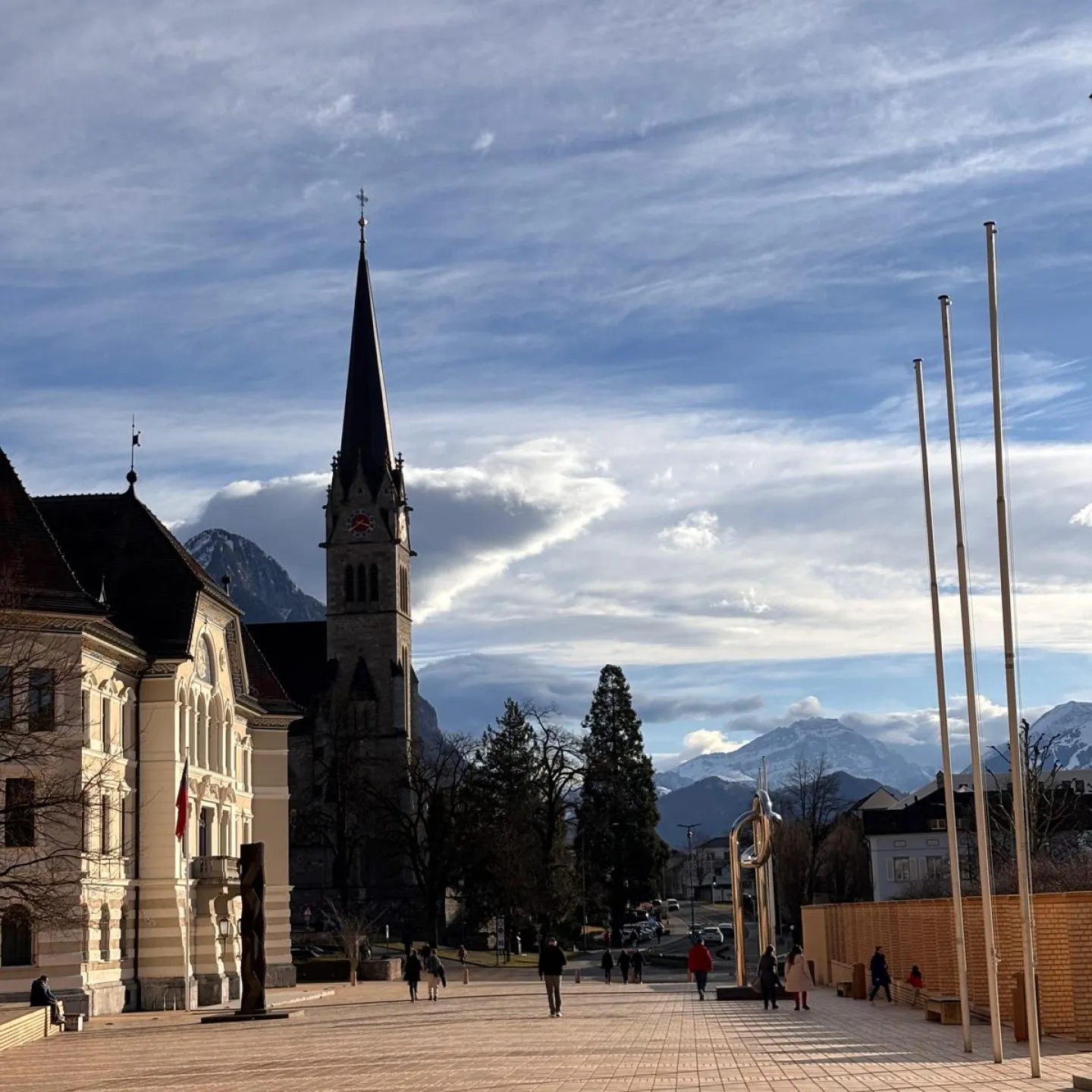
Vaduzer Städtle: Blick auf die Kathedrale

Japan - Tokyo

Japan - Tokyo

Tim Rotter

Reflecting on language: Japanese & English

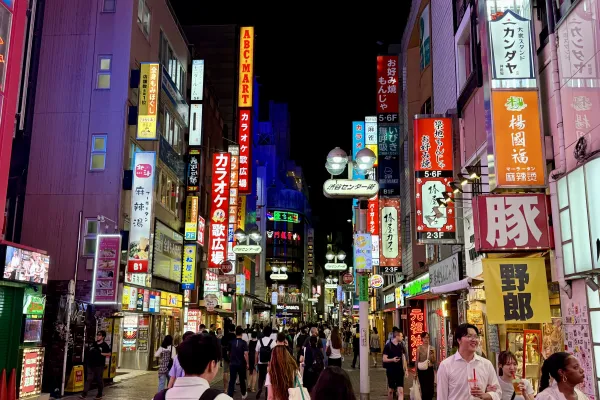
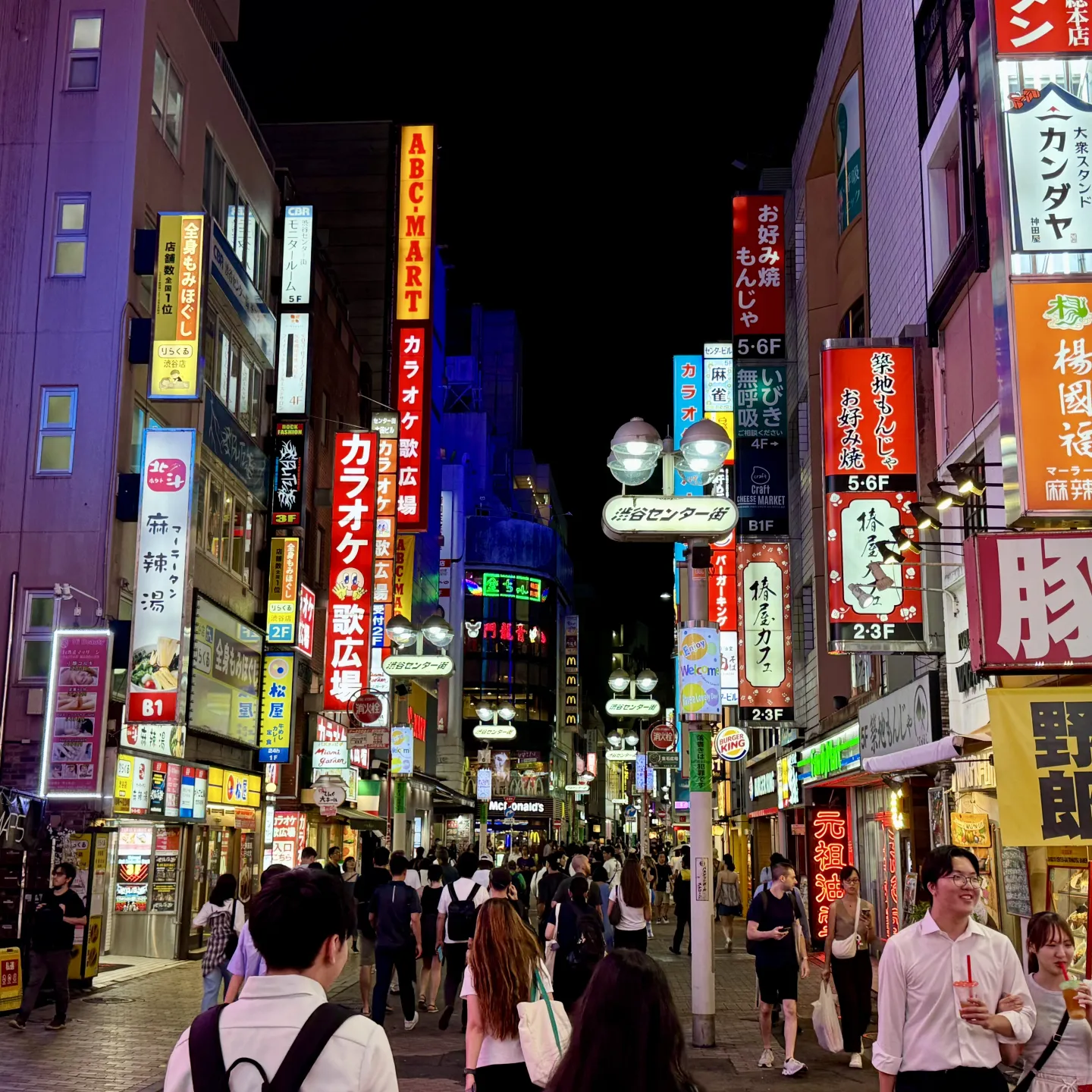
Tokyo in der Nacht

When I travelled to Japan, I already knew that Japanese would be completely different from any language I had learned before. I expected challenges, because Japanese has a completely different structure, sound, and logic than e.g. German or English. I was aware that, unlike with other European languages, I would not be able to guess or understand words by their similarity. Still, I was curious to see how far I could get in daily life without speaking Japanese.


At the airport, everything seemed easy at first. All signs were in English as well, and the staff could communicate with me without any problems. Even the announcements were made in both Japanese and English. I managed to find my way through the immigration process, baggage claim and to the train station without difficulties. But when I heard the first longer announcement in Japanese, I was proofed that I didn’t understand a single word. The language sounded fascinating but also completely foreign to me, and I wondered how I would manage to communicate once I met people who spoke no English at all.


In Tokyo, many public places, such as stations or airports, are bilingual. But as soon as I started exploring my neighborhood and living my everyday life, I quickly reached the limits of how far English could take me. My first supermarket visit was a good example. A simple shopping trip took me almost four times as long as it would have taken at home in Liechtenstein. Many products were only labelled in Japanese, so I used my phone camera to translate the text. It worked, but it was slow and tiring. Still, I was positively surprised that some products already had small English labels.


In my neighborhood, Nishi-Ogikubo (西荻窪), which is quite traditional and not a tourist area, there are countless great restaurants, but most have only Japanese menus. Without the translation function on my phone, I would have been completely lost. My phone became my constant helper. I use it also to have short conversations in the translate app’s conversation mode. That helped me in several situations, especially when asking for something specific.


At university, however, language has not been a problem at all. All my courses are in English, and most professors and students speak the language fluently. In fact, I was surprised by how well the Japanese students in my classes spoke English, especially their pronunciation. It was much better than I had expected, and it showed me that many young people in Japan now grow up learning English more actively than older generations.


But outside of university, English is often not enough. One important example was when I had to register at the local city office within my first two weeks. I had already been told that on Mondays and Fridays there would be English-speaking staff available to help foreign residents. I went there on a Friday, and I was really glad that I did. The paperwork was all in Japanese, and it would have taken me hours to translate everything myself. The staff were helpful and friendly, but I could tell that on other days it would have been almost impossible to handle this kind of bureaucracy without help.


Over time, I have learned to deal with these language barriers quite well. I plan my tasks carefully and rely on technology when needed. But I also started to learn a few basic Japanese words to make daily life a bit easier. The first word I learned was arigatou gozaimasu (ありがとうございます), which means “thank you very much.” It is one of the most important phrases in Japan, where politeness and gratitude play a big role. I also learned sumimasen (すみません) – “excuse me” – which I often use before speaking English to someone. It works almost like a small icebreaker and shows respect before I ask for help.


The reactions from Japanese people are always very positive when I try to speak their language. Even when I only say a few words, they smile and appreciate the effort. I have learned that many Japanese people are shy to speak English, even when they know some, because they don’t want to make mistakes. As I already noticed in my first blog, Japanese culture values perfection and precision. If people think they can’t do something properly, they often prefer not to do it at all. That is why many avoid speaking English, even if they could.

Some situations with the language have also been funny or heart-warming. When my friends and I go out for dinner in our neighborhood, the restaurant owners already recognize us. We often communicate with a mix of English, a few Japanese words and gestures. Sometimes misunderstandings happen but people are always patient and kind. If it really doesn’t work, I simply thank them and try to find someone else who can help. What matters most is showing respect and friendliness.


Learning Japanese is not something I actively pursue in a university course, since my semester is only four months long and the language is extremely complex. I would not have enough time to learn it properly without neglecting my main studies. Instead, I try to learn from daily life and from Japanese friends. Still, I have realized that Japanese is not only difficult to pronounce, but also incredibly hard to read. The written language uses different systems: Katakana, Hiragana and Kanji. Katakana is mostly used for foreign words and names, while Kanji consists of complex characters that often represent whole ideas or meanings, not just sounds. Many symbols can have several meanings depending on the context. I also noticed something interesting when I watched people typing on their phones: as they type several smaller characters, the symbol in the text field keeps changing until it becomes one single, more complex sign. It shows how layered and intricate the written language really is. For me, it is almost impossible to read them, which makes signs or menus even more confusing.


Looking back, I have learned a lot about communication, not only in a linguistic sense, but also in how people connect beyond words. I realized that friendliness, patience, and respect can bridge language barriers much more effectively than perfect grammar. When people see that you are polite and genuinely try, they are always willing to help.


This experience also changed how I see myself as a communicator. I have become more patient, more adaptable, and less afraid of not finding the perfect words. In many ways, I learned that communication is not only about language but also about attitude. I believe these lessons will be very useful in my future, whether I work with international colleagues, travel abroad, or simply meet people from different cultures.

Tokyo in der Nacht

Liechtenstein - Vaduz

Liechtenstein - Vaduz

Klaus Dengen

Lost Yet Familiar

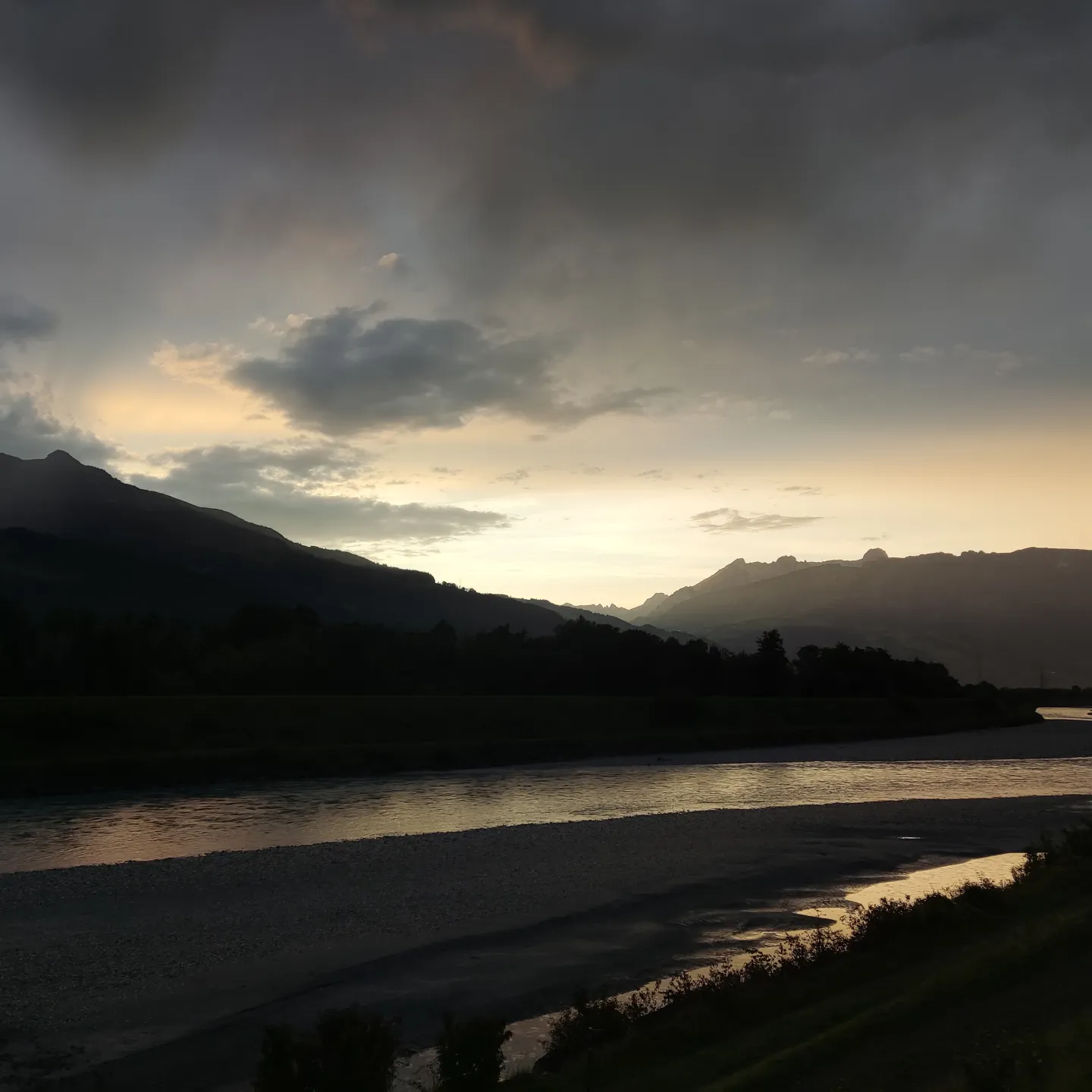
Der Rhein bei Sonnenuntergang

‘’Andere Länder, Andere Sitten.’’, I first heard the phrase during my German Language class when I first started my exchange semester at the University of Liechtenstein. I think this phrase will keep ringing in my head whenever I visit another country in the future, either as a tourist or again as a student. As a direct comparison in English, the phrase ‘’when in Rome, do as the Romans do’’ has the similar meaning, which means we should respect the local culture and values in a new environment.


When I first arrived in Vaduz, I did not expect that the culture would be so different from the neighbouring country, for instance, Germany, where my home university is. After having lived in Dessau, Germany, for a year and pretty much adapted to the way of living there, I thought that Liechtenstein wouldn’t be so different. There are some cultural differences that I noticed, even though it’s not that far away from Germany.


I first set foot in this country in late September, just a day before the orientation day began. I hopped off the bus, which took me on a 16-hour ride from Leipzig to Vaduz, and shortly after, I met my landlady, who gave me a ride to my current accommodation. At that time, I didn’t feel so different, as she is fluent in English, so we could communicate without issue. She showed me some part of Vaduz along the way and I feel the atmosphere is not that different than a typical German small city. I would say that I was amazed by the environment, which reminds me of my hometown in the mountainous part of Indonesia, as the town is surrounded by mountains, but of course, more advanced in many aspects. However, things change little by little when I restart my daily routine.


First thing that I noticed is, most of the people that I met seem ‘’warm’’ to strangers that they met on the street, it feels like the warmth that I get in some part of Indonesia. I get a lot of greetings from most of the strangers that I came across on the street, often greeted with ‘’Hallo’’ like what Germans usually do, or ‘’Hoi’’, which later on I came to know that this is how people in Liechtenstein say their greetings. It was a totally different experience compared to what I experienced in Germany, at least in Dessau or Berlin, the two cities that I spent most of my time in. People are much ‘’colder’’ there, minding their own business, strict, almost machine-like.


Surprise after surprise happened throughout the time, as I continued my student activities. I decided to do my exchange semester in Liechtenstein because I was looking for a German-speaking country so that I could keep practicing my German language skills. However, the reality speaks differently, as I learn a surprising truth. Yes, Liechtenstein is a German-speaking country, but it came with a twist. The residents speak German with some sort of accent or dialect, which makes it sound like a different language. I thought I could cope with the discrepancy in my current language skills, but eventually, I only managed to understand a handful of what other people say when they speak German here.


‘’Lost yet familiar’’ would be the befitting phrase to describe my first few weeks living in Vaduz. I feel a bit lost again, just like when I first moved to Europe to start my master's degree program.  Although some of the living aspects resemble what I used to experience before, such as the environment or nature, the language, and the warmth of the residents. Yet, it’s an enjoyable experience.

Der Rhein bei Sonnenuntergang

Liechtenstein - Vaduz

Liechtenstein - Vaduz

Jeanne Béguin

Balancing Spontaneity and Structure: Erasmus Semester Life in Liechtenstein

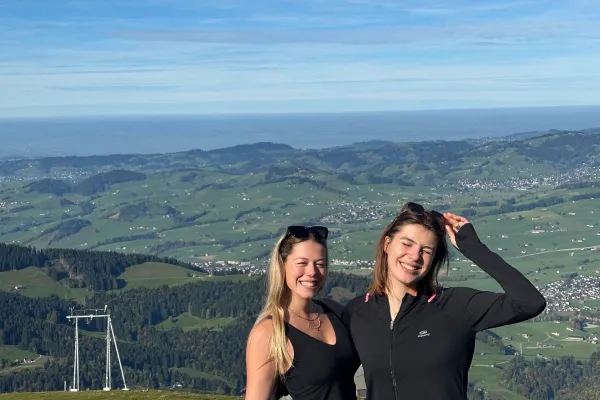
Zwei Frauen auf einem Berg

As a French Erasmus student, I was initially surprised by the rhythm and structure of daily life in Liechtenstein. I’ve noticed that my German fellows, whether it is at uni or in the dorms, tend to have a different relationship with time management — being punctual, eating earlier, and generally following a more structured routine. I believe this relates to a berooted cultural mindset toward organization and, if I may say, a certain “straightforwardness.” Overall, and however, I've felt like the cultural differences are very subtle; they lay in the core part of the onion/iceberg cultural model.


Being a rather much extroverted person, I tend to express my thoughts in a passionate and spontaneous way — sometimes it could be even perceived as a bit “insurgent,” but it never comes with bad intentions. It could be explained by my French background and education, where speaking up and sharing one’s opinions and critics is part of deeper discussions (long dinners, philosophical debates, or our elongated moments around the table). I understand that in some other cultures, quietness and restraint are often more considered, as for Liechtensteiners, who seem to be generally quite discreet and value more their personal space and privacy. Conversations can be more reserved, especially at the beginning of relationships. It always depends on the context, obviously.


However, I’ve perceived a lot of similarities within my group of friends, as we more or less share the same generational references and lay on common grounds. I’ve really enjoyed talking openly about our differences — especially as a French person, since everyone seems to hold different clichés and a certain fascination/interest with French culture and language. I have for instance noticed that, not only in Vaduz, for a lot of stores, or menus in cafés, the use of French is very frequent regarding marketing purposes, and I am still a bit (positively) surprised to be able to observe our influence across the world. And, in addition, I’ve grasped that Liechtensteiners are familiar with Swiss and Austrian cultures. The country’s position between Switzerland and Austria naturally indulges a blend of influences that I have been able to spot.


Adaptation had to be implemented also regarding work hours. Living in Paris meant convenience for shopping hours, in the context of having an intense and fast life. Indeed, in Liechtenstein, on Saturdays, some shops close around 4:00–5:00 PM, and shops and offices also follow structured opening hours, typically from 8:00 or 9:00 a.m. to 5:30 or 6:00 p.m. Many are closed on Sundays, reflecting the country’s small size, being driven by a community factor. Restaurants may also have shorter lunch and dinner hours compared to France. This kind of life rhythm helps in creating a clear separation between professional and private life, something I found refreshing compared to the often more hectic pace in Paris.


Going on an Erasmus in Liechtenstein is, I guess, the opportunity for many students to be invited to slow down, as to appreciate these cultural "shocks", whether they are subtle or very much noticeable. On my side, I have been able to get more time for myself, make some new friends from all over the world and slowly create deep relationships with them, as I go on in life with a fresh start an even gain some perspective on my own life in France.


Staying in Liechtenstein has made me more aware of how cultural attitudes are shaped regarding time, work, and how all of these elements build our daily experiences. The contrasts and nuances between the French and Liechtenstein cultural ways taught me to appreciate both their straightforwardness and relationship with organization, blended with my own spontaneity!

Zwei Frauen auf einem Berg

Liechtenstein - Vaduz

Liechtenstein - Vaduz

Eliška Lomozová

Crosswalks, Smiles, and Sunday Closures: A Cultural Journey in Liechtenstein

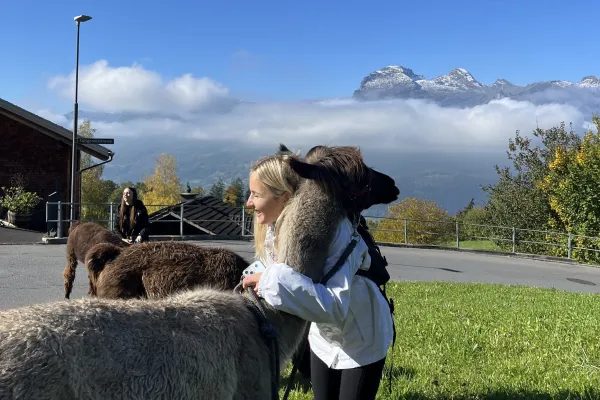
Ein Mädchen umarmt ein Alpaka

When I arrived in Liechtenstein for my Erasmus semester, I expected life here to be similar to what I was used to in Prague. After all, we are still in Central Europe - but I actually noticed not just one, but several aspects of everyday life here that surprised me and made me reflect on my own cultural background. 


The very first thing that I noticed was how people greet each other. In Vaduz and the nearby cities, strangers smile, say hello, and sometimes even smile at you from passing cars. At first, it almost confused me. In Prague, it's definitely more common to avoid eye contact and definitely not smile at strangers. I realized that I had also adopted this attitude (I often walk around with a neutral or even slightly unfriendly-looking expression or serious face). Here in Vaduz, when someone smiles at me, I  often react too coldly and then feel ashamed. It is a strange but interesting experience - what I consider „normal“ behavior is actually just a habit from my home culture.

Something similar happens at crosswalks. In Prague, crossing the street is often a bit of a struggle - drivers don't always stop, and as a pedestrian, you have to be careful. In Vaduz, drivers stop long before you reach the crosswalk, even if you're still several meters away. Sometimes they even wait quite a long time, but without looking impatient. It shows how different expressions of respect are - in Prague, traffic is more competitive, while here, patience and respect for pedestrians seem to be completely normal.


I was also impressed by the atmosphere at the university. The school is small, and that creates a very personal environment. The professors speak to us in a relaxed tone, almost as if we were equals, and the classes feel more like conversations than formal lectures. I really like this approach because it motivates me to participate and share my opinions and ideas. In Prague, I am used to a larger and more formal university environment, where there is a bigger distance between teachers and students.


In fact, shopping here is also a cultural lesson. I was surprised by how limited the opening hours of grocery stores are. In Prague, I'm used to supermarkets being open late, sometimes even 24 hours a day. Here, stores close early and on Sundays everything is off limit completely. At first, I found this quite annoying, but over time I am maybe beginig to understand the values behind it, that it is about spending time with family, resting, and a slower pace of life instead of having access to everything 24/7.


Another thing that caught my attention is the overall atmosphere of a professional and elegant everyday life. People here dress very elegantly and often formally, both men and women, and the whole place feels clean, organized, and high-class. When I walk through the streets, I get a feeling of tidiness and sophistication that is really in contrast to the more informal, sometimes chaotic energy of a big city like Prague.


Overall, I have been trying to adapt - I try to smile back, I trust that drivers will wait, I participate more in class, I plan my shopping a little better, and I even pay a little more attention to how I look (dress) in public. These changes may look small, but they change how I feel and behave everyday. For example, I've noticed that when I smile, it actually boosts my mood a little, or when I participate more in class discussions, I feel more involved.


In the end, what I find most interesting is not only the specific actions, but also the values behind them - friendliness, patience, a sense of community and professionalism. The experience of these differences has already made me think about my own cultural background and realize that „normal“ is always just a relative term.

Ein Mädchen umarmt ein Alpaka

Liechtenstein - Vaduz

Liechtenstein - Vaduz

1st blog by Alice Hernando

Between French Spontaneity and Liechtenstein Precision

Das Schloss Vaduz an einem leicht bewölkten Tag

Since I arrived in Liechtenstein for my exchange semester, I have noticed several cultural differences compared to France. Even though the country is small, people have a strong identity and a way of living that feels quite different from what I am used to. During these first weeks, four aspects have particularly caught my attention: punctuality, the habit of greeting strangers, direct communication and the physical distance people keep during conversations.


The first thing that really surprised me is punctuality. In France, arriving five minutes late is not a big deal and it is often seen as acceptable. Here, people come early, sometimes ten minutes before the scheduled time. During my first class, I arrived exactly on time but everyone was already seated and ready to start. I realized that time is perceived differently here. Being early is not only about being organized; it is also a form of respect towards others. It shows commitment and seriousness. In France, we have a more flexible approach to time which reflects our relaxed attitude in social situations. This difference made me realize that my own sense of time is culturally shaped. What I used to see as normal in France might be seen as careless here.


Another thing that surprised me is the way people greet each other. In France, saying hello to strangers in the street would seem strange but here it is completely normal. People smile, nod or say “Hoi” when they pass you. At first, I did not know how to react. I hesitated, wondering if I should respond or just keep walking. With time, I started to appreciate this custom. It creates a sense of friendliness and community. It feels like a small gesture yet it has a big impact on how people connect. I now find myself greeting people naturally and it makes my day brighter. This habit reflects the welcoming and respectful attitude that characterizes life in Liechtenstein.


I also noticed that people here are very direct when they speak. In France, we usually pay attention to how we say things so that we do not sound too blunt. We often prefer to be diplomatic and soften our opinions. Here, people say what they think clearly and straightforwardly. At first, I thought it was a bit cold but I soon understood that it is not rudeness. It is a way of being honest and avoiding misunderstandings. I realized that I tend to hide my opinions sometimes to avoid conflict while here honesty is appreciated and valued. This difference has pushed me to be more confident when I express my thoughts. I am learning that clarity can also be a form of respect.


Finally, I noticed that people keep more physical distance when they talk. In France, we often stand quite close even with people we do not know well. Here, people leave more space between each other. At first, it made me feel that they were distant but I later understood that it is a sign of politeness. Respecting someone’s personal space is a way of showing consideration. It is interesting how something as simple as distance can mean different things depending on the culture.


All these differences made me reflect on my own culture and habits. In France, we are more spontaneous and expressive. We like being close to others both physically and emotionally. In Liechtenstein, people value structure, respect and honesty. I realized that neither approach is better than the other; they just reflect different ways of maintaining harmony in society.


This experience is already teaching me a lot about adaptation. I am learning to arrive earlier, to greet people, to be a bit more direct and to respect people’s personal space. At the same time, I want to keep my French warmth and spontaneity which are part of who I am. Living here is helping me grow not only by discovering a new culture but also by understanding myself better. I am learning that intercultural experiences are not just about observing others but also about questioning your own habits and finding balance between both worlds.

Das Schloss Vaduz an einem leicht bewölkten Tag

Liechtenstein - Vaduz

Liechtenstein - Vaduz

David Lopez Peiro

Reflection on Social Popularity in My Host Country

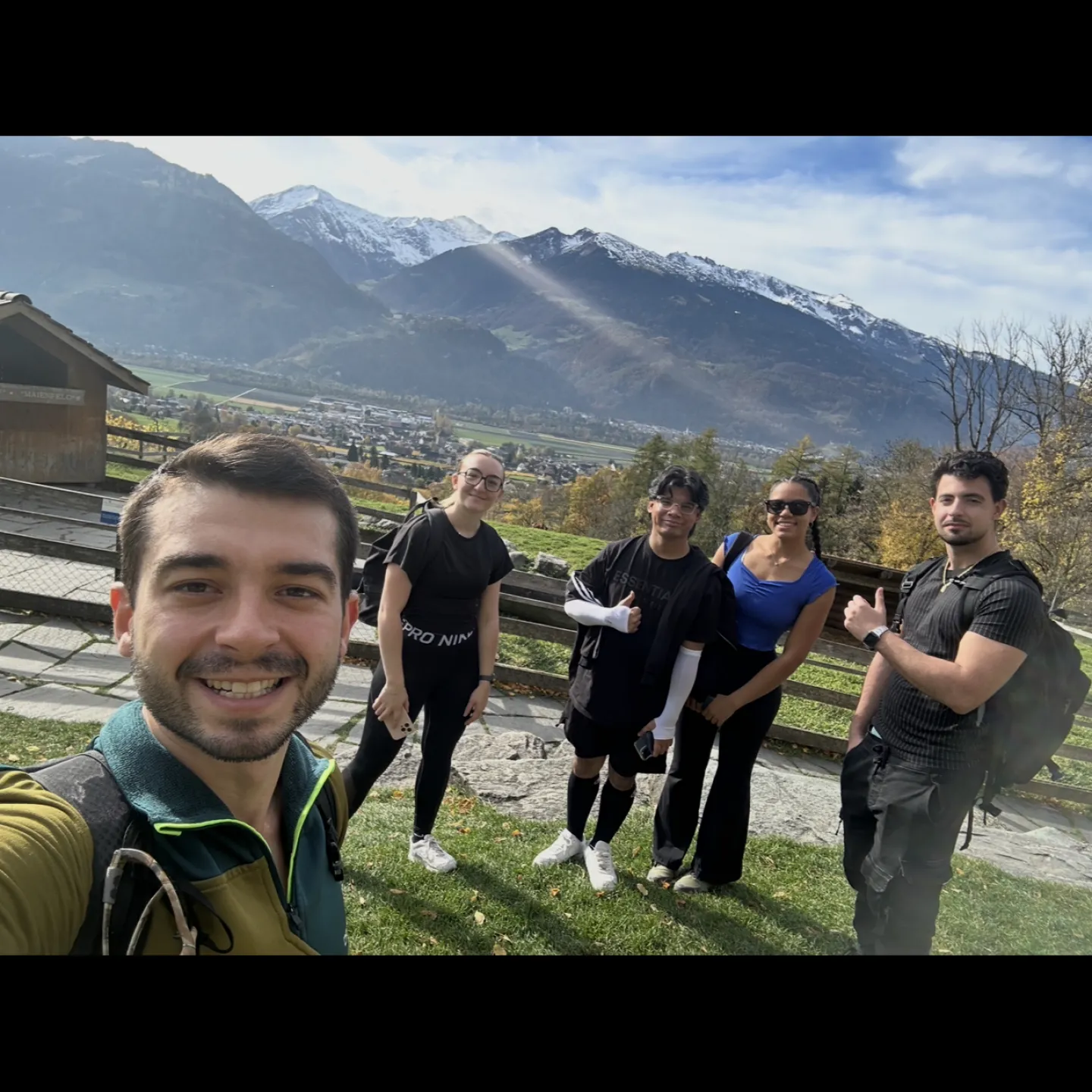
Selfie des Autors mit Freunden mit den Alpen im Hintergrund

One of the most unexpected and pleasant discoveries I’ve made since arriving in Liechtenstein has been observing how social popularity is structured among young people. Coming from a country where social dynamics among teenagers and young adults often reward rebellion and indifference, I was surprised to find a completely different hierarchy here. In my home country, the most “popular” person tends to be the one who acts like a delinquent, shows no concern for studies or responsibilities, and often tries to appear as a “tough guy.” Popularity is frequently linked to confidence, yes, but also to carelessness, and even to a kind of anti-establishment attitude that values being “cool” more than being kind or hardworking. 


In Liechtenstein, however, I’ve seen a totally different set of values shaping social interactions. People my age seem to take themselves seriously, not in a pretentious way, but in a mature and self-respecting one. They dress elegantly and behave with a quiet sense of confidence. Many of them already have clear goals for their future: whether it’s pursuing a degree, learning a trade, or starting their own business. What has struck me most is that social value here is not given to those who act superior to others, but to those who show commitment, politeness, and dedication. The students who work hard and invest in building a future are not seen as “nerds” or outsiders; on the contrary, they are admired.


This cultural contrast made me reflect deeply on myself and the social environment I came from. I’ve always been someone who cares about the future: I take my education seriously, and I’ve never wanted to waste time. But living in a society where the collective mindset rewards self-discipline and effort made me realise that small traces of that more “laid-back” attitude were still present in me. I noticed it in my clothing style, in how I sometimes underestimated the importance of first impressions, and even in the way I expressed myself.

It was a subtle but important realisation: the environment we grow up in shapes us more than we like to admit. When you’re surrounded by people who treat carelessness as a form of identity, you unconsciously absorb parts of that mentality, even if you don’t share its core values. Being here has helped me distance myself from that mindset and redefine what I consider truly admirable. I began making small changes as dressing in a more polished and professional way, communicating with more intention, and being more selective about how I spend my time. None of these changes were superficial; they reflected a deeper shift in how I see personal growth.


By stepping out of my comfort zone and observing things from the outside, I understood that personal development is not only about what you achieve but also about the kind of person you decide to become in everyday situations. It’s about integrity, discipline, and the subtle messages you send through your actions and appearance. In a way, Liechtenstein’s culture of quiet ambition has inspired me to refine my own.


I also started to notice how this attitude extends beyond individuals to the society as a whole. There’s a collective sense of responsibility, people seem to take pride in contributing to their community, maintaining order, and respecting public spaces. It’s not about fear of punishment but rather about shared values. I find it fascinating how these small, consistent habits build trust and stability. In my home country, rules are often seen as restrictions, something to be “outsmarted.” Here, they’re understood as tools that help everyone coexist better. This difference in mentality influences not only how people behave but also how they perceive success and reputation.


Living in this environment has also helped me redefine my idea of popularity. I’ve come to see that true social value doesn’t come from being admired for superficial traits but from earning respect through authenticity and effort. Popularity here is not about standing out but about being reliable, capable, and considerate. It’s a quieter, more stable form of recognition: one that is built on mutual respect rather than attention-seeking.


I feel that this experience has made me more grounded and aware of what kind of impression I want to leave on others. It has also taught me that adapting to a new culture doesn’t mean losing your identity; it means enriching it. I still carry my roots, my sense of humor, and my spontaneity but now they coexist with a greater appreciation for discipline, refinement, and social harmony.


In conclusion, what began as a simple observation about how young people interact has turned into a much deeper personal transformation. Opening myself to new cultural values has helped me grow not only as a student abroad but as a person. I hope this process continues throughout my stay in Liechtenstein, and that I can bring some of these lessons back home to contribute, in my own way, to a culture that values not just charisma, but also character.

Selfie des Autors mit Freunden mit den Alpen im Hintergrund

The Aesthetic Is Found in the Small

The Aesthetic Is Found in the Small

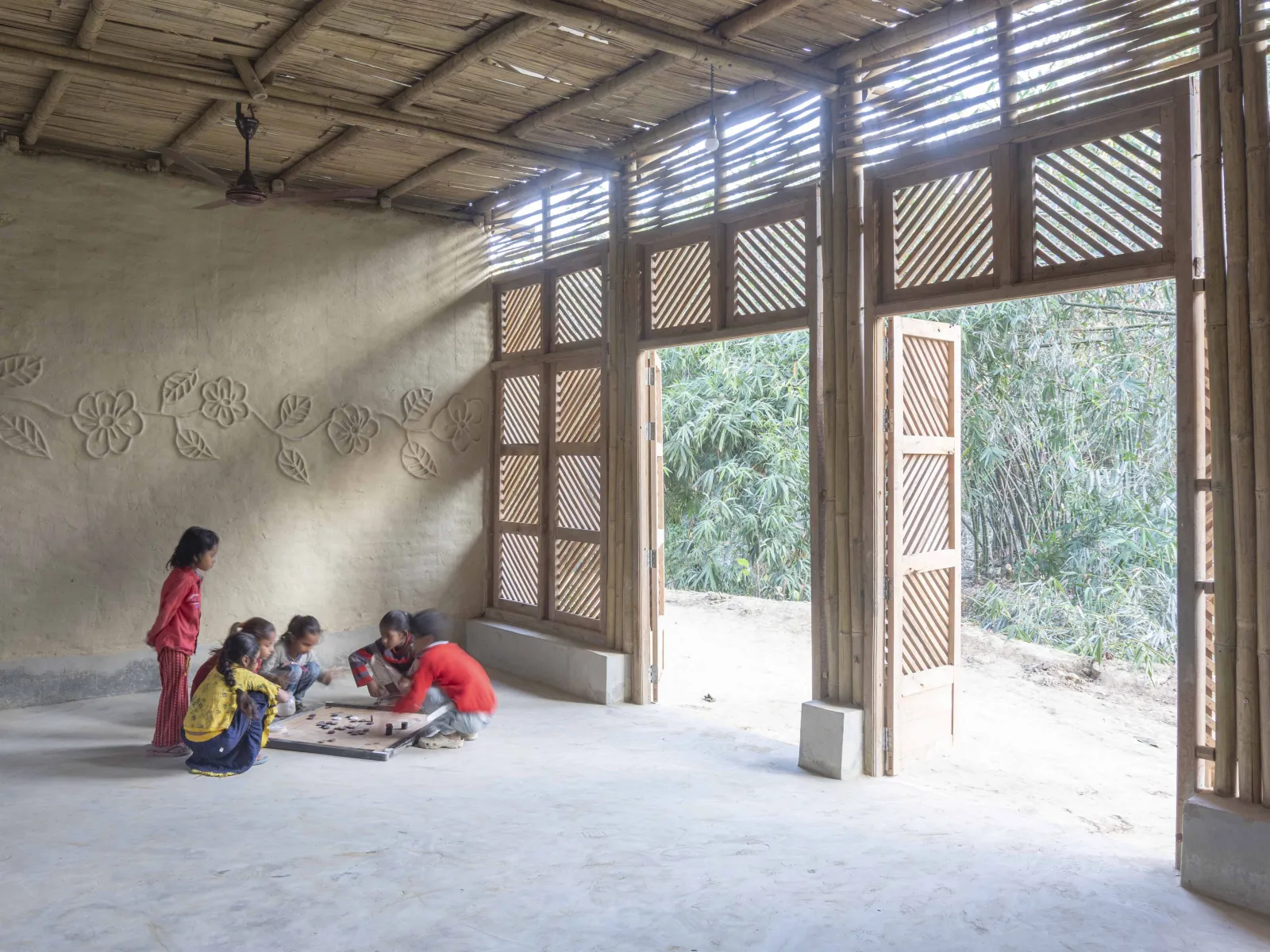
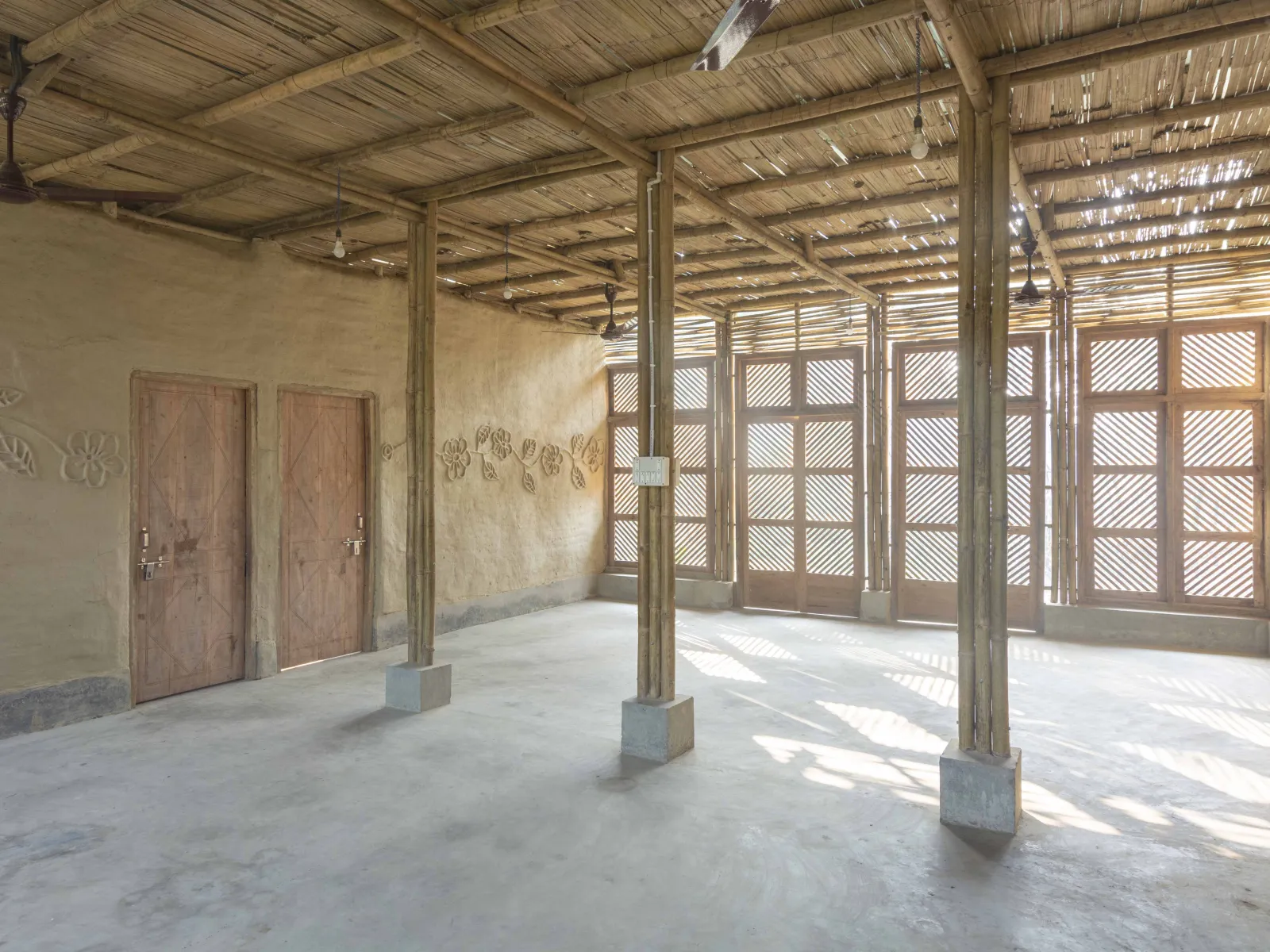
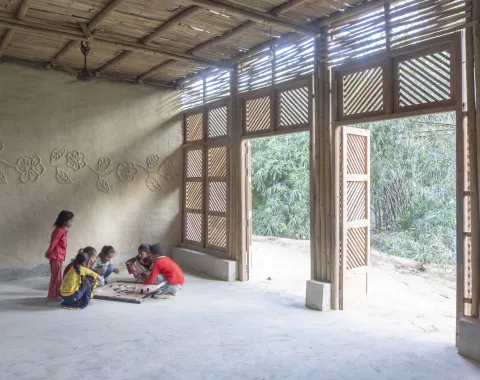
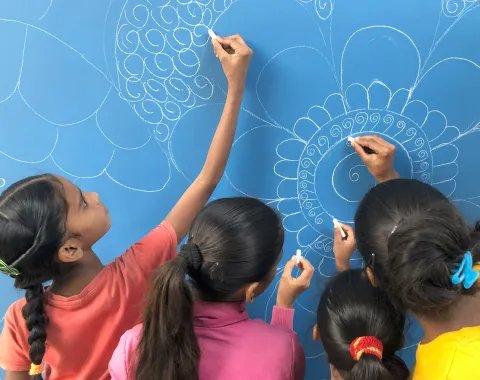
Kinder gehen auf einem sandigen Weg an einem blau bemalten Bambusgebäude mit weißem Ornamentmuster vorbei.

What an architecture aiming not for economic growth but for a good life and social justice might look like? The question of what an architecture that does not strive for economic growth but instead for a good life and social justice might look like was what motivated my partner Isha and me to take a rather different professional path. Shortly after completing our architecture studies, we founded the non-profit organisation Arch Aid in 2020. We questioned the need for further new buildings in Switzerland and, at the same time, due to Isha’s background, became aware of the considerable need for climate-resilient and safe buildings in India.

We had become tired of engaging with luxury problems. Instead, we wished to contribute to improving the living conditions of disadvantaged people in India by creating essential building infrastructure. At first, we regarded our work as a largely one-sided process, a transfer of knowledge and financial resources from Switzerland to India. By using regenerative and local building materials such as earth, bamboo, wood and straw, we attempted to strengthen regional value creation rather than support an internationally operating cement and steel industry. In doing so, we realised that people in a remote Indian village orient themselves towards urban ways of building and living. “The houses and streets where you come from are not made of earth either, are they?” a villager confronted us. The village looks to the nearest town, that town looks to the large cities of Delhi or Mumbai, and these, in turn, take inspiration from Dubai, London or New York.
 

Building Traditions Under Climate Pressure

In Bahuarwa, where we built a school, only few households have a toilet, but almost every adult owns a mobile phone. There is no functioning public school, yet there is high-speed internet. Urban building and lifestyle models from the Global North are therefore at least digitally accessible. It was thus hardly surprising that, for many, the most beautiful house in the village was the one built in reference to a villa owned by Bollywood star Shah Rukh Khan in Mumbai. Earth or bamboo were nowhere to be found.

The rejection of natural building materials is not only the result of exposure to other digital models but is also connected to the effects of climate change, which are themselves closely linked to our way of life in the Global North. Increasing extreme weather events in the Himalayan region to the north cause flooding in the flatlands of Bihar, with severe consequences for vernacular building traditions. Earth foundations become undermined, walls erode, and entire buildings collapse. As a result, doubts regarding natural building materials grow, and the shift towards fired bricks, cement and steel accelerates.

A further reason for the growing rejection of regenerative building materials is economic. The rapidly expanding cement and steel industry, often with roots in the Global North, recognises remote regions as new markets. It displaces local building culture to the point where, in many cases, no alternative remains but to construct a building with cement and steel. Consequently, in rural parts of India, it is becoming more difficult to use regenerative materials because the necessary craftsmanship no longer exists.
 

Building in a Global Field of Tension

The ideals of progress, the consequences of climate change and the influence of global building industries are only some of the interdependencies between the Global North and the Global South that accompanied us during the construction of the school. Turning “not enough” into “enough” also requires turning “too much” into “enough”. Especially concerning the latter, we, and I in particular as a Swiss architect, learned valuable lessons during our several months on site. When we gave local craftsmen instructions on the proportion of earth, straw and water to mix, they waved us off. “You know these materials from books, we grow up with them.”

To better understand the needs of the schoolchildren, we took part in their daily routines. They proudly showed us their homemade toys: a cricket bat made of bamboo, figures shaped from earth or balls crafted from discarded painter’s tape. During the subtropical winter, we wore a second jumper in the evenings and warmed ourselves by an open fire. At the same time, we received video calls from friends in Switzerland who were sitting in front of the television wearing shorts while snow fell outside. In these moments, the question of the right measure repeatedly arose in our minds.

Although our work in India is financially and structurally restricted and requires a pragmatic approach to architecture, the buildings we construct should not only be durable and functional but also aesthetically convincing. However, the aesthetic lies not in the spectacular or extraordinary but in the simple and small. During the planning and construction of the school in Bihar, we realised that a radical use of regenerative materials such as earth and bamboo was not practical if the building and the applied methods were to be accepted by the local population. Unlike in our context, the use of natural building materials does not signal environmental awareness but poverty. Only members of marginalised castes in Bahuarwa still live in buildings made of earth and bamboo.
 

A Blue Façade Against Stigmatisation

In dialogue with the community, we defined the right balance between natural and more processed materials. The social meaning of a material was just as significant as its technical properties. This led us to undertake a form of bluewashing analogous to greenwashing. We concealed the use of regenerative materials with a blue coating on the façade to prevent the schoolchildren from being stigmatised. If “enough” is to be understood as a fair distribution of the planet’s limited resources, then an effort from both sides is required. When confronting another culture, we not only come to know it but also become more aware of our own. During our work in India, we learned to regard our activities not as a one-directional transfer in the sense of development aid but as a joint learning process.

If we measure development and progress by how we interact with our environment, the question arises of who actually requires help. Instead of seeking sustainability in materials and products, we learned in India that usage is ultimately decisive. The question of “enough” cannot be answered through technological progress alone but requires that we understand sustainability as a practice rather than a product. Numerous sustainability strategies familiar to us from lectures and books, from upcycling and repair workshops to communal living and self-sufficiency in one’s own garden, are part of our daily experience in India. Yet they exist not as a result of environmental awareness but out of necessity. In the face of an escalating environmental crisis and increasing disparities between abundance and scarcity, the question arises of how long we can continue to avoid confronting the issue of the right measure. “Enough” could be a promising design principle for our ways of building as well as our ways of living.


About the Author

Architect Daniel Haselsberger leads a design studio at the University of Liechtenstein, where he is also completing his doctorate. In his dissertation, he investigates the social meaning and acceptance of regenerative building materials in the Indian state of Bihar and seeks options to combine them with new building methods and materials. Together with his partner, Isha Haselsberger, an architect born in India, he founded the non-profit organisation Arch Aid in 2020. From 2022 to 2024, they built a school for children from marginalised castes in the Indian state of Bihar in collaboration with the NGO Bahuarwa Foundation. Haselsberger linked the construction of the school with his research. While the school benefited from the analysis of local building culture, the planning and construction process provided data for his doctoral work and created value for the local community.

This article was first published on 5 November 2025 in the journal “Hochparterre”.

More about the Project in India
Kinder gehen auf einem sandigen Weg an einem blau bemalten Bambusgebäude mit weißem Ornamentmuster vorbei.

France - Antibes

France - Antibes

Merve Can

La Bise

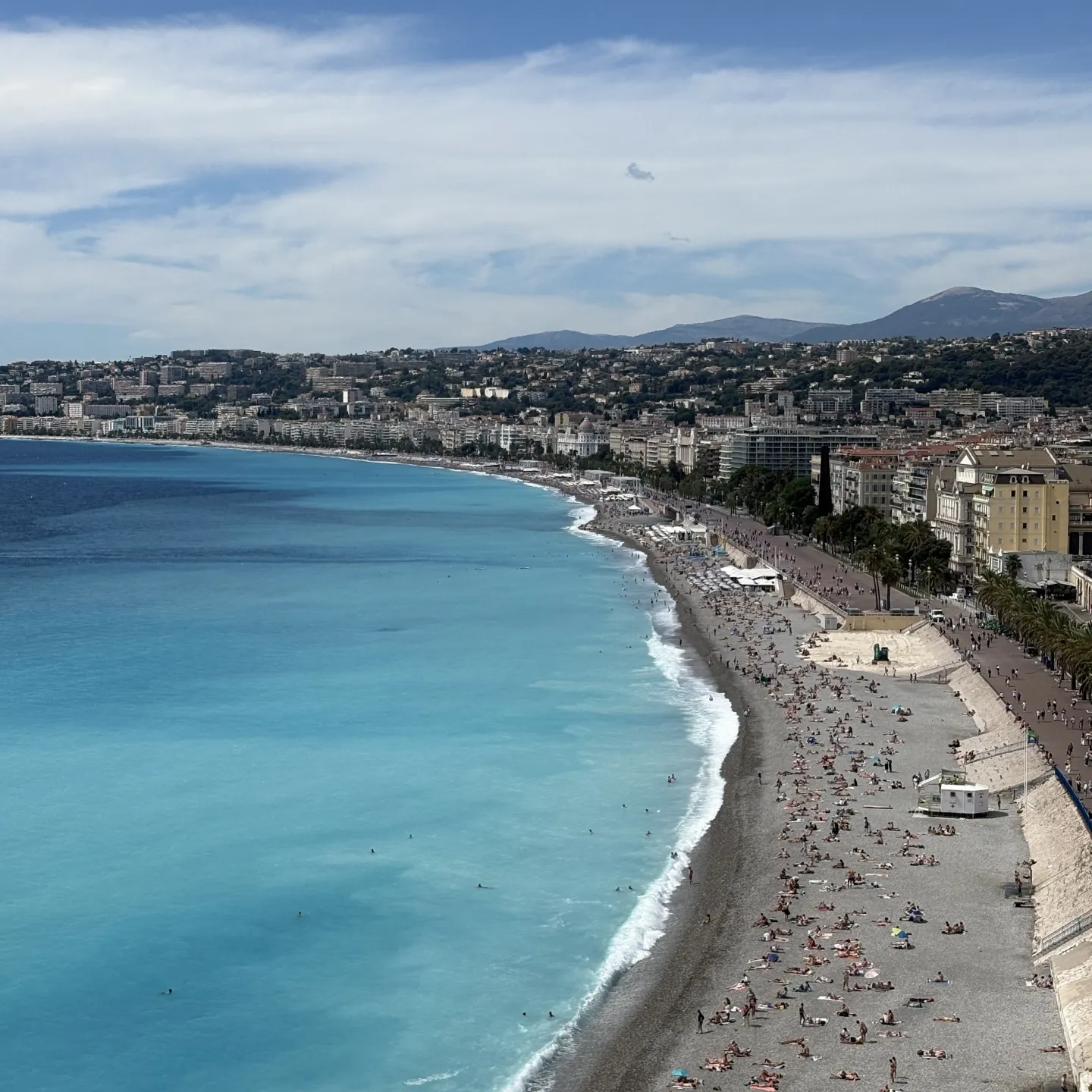
Grau wirkender Strand mit Blauem Wasser und vielen Menschen

When you move to another country, people often tell you that you will experience culture shock. I expected that when I came to Antibes in France for my exchange semester. However, to be honest, there have not been many big cultural differences between France and Austria. Life here feels quite familiar. People go to school, sit in cafés, enjoy good food, and talk about the weather. Besides the fact that there have already been two strikes (French people apparently love striking) and a warning about tiger mosquitoes, everything has felt surprisingly normal. Still, there is one small thing that really caught my attention, and that is how people greet each other.


In France, the traditional greeting is called la bise. It means kissing on the cheeks, usually once on each side. Before coming here, I had heard about it, and I had even seen it happen when I was in Paris, but I had never experienced it myself. In Austria, greetings are much more reserved. We usually shake hands, wave, or simply say hello. Kissing someone on the cheeks is something we do only with close friends or family. It is not common at all when meeting someone for the first time.


When I arrived in France, I saw people doing la bise everywhere. At school, in cafés, in the streets. It looked very natural to them. I always thought it was interesting, but since I did not have French friends, I never found myself in that situation. I knew it would happen one day, but I expected it to be with someone I already knew a little.


My first la bise moment actually happened in a completely unexpected place. I was at a club with some other exchange students, and one of them introduced me to a few French people she knew. We said hello, and before I even had time to think, each of them leaned in for la bise. I knew this day would come eventually, but I definitely did not expect my first French cheek kiss to happen in a loud club with people I had just been introduced to.


I had seen people do it many times before, so I knew exactly what to do. I just did not expect to be doing it myself in that setting. It was one of those moments where you realize that a cultural difference you have only observed from the outside suddenly includes you. It felt a bit surprising, but not uncomfortable. Everything went smoothly, and afterwards I just thought, “Alright, that’s done. One thing to check off the list.” I guess that was my official French initiation.


Afterwards, I started thinking about how differently our two cultures see greetings. In Austria, we usually keep a bit more distance, especially when meeting new people. Physical contact like that would probably feel too personal. In France, la bise is not seen that way at all. It does not necessarily mean that people are close friends. It is simply a friendly and polite way of saying hello.


Once I understood that, it made a lot more sense. It no longer felt strange to me. It is just part of the culture, something people grow up with and do naturally without thinking about it. Even though it is not something I would do back home, I can understand why it is such a normal part of daily life here.


Looking back, this small experience taught me something interesting about cultural differences. Sometimes they are not found in big traditions or events, but in the smallest everyday moments. Austria and France might seem very similar, yet even a simple greeting can reveal different ways of connecting with others. For me, la bise is now a reminder of how much there is to learn just by observing and taking part in daily life. And who knows, maybe by the time I return to Austria, I will start greeting my friends with la bise too, just to shock them.

Grau wirkender Strand mit Blauem Wasser und vielen Menschen

France - Nice

France - Nice

Nils Gemmeke

La conduite à la française

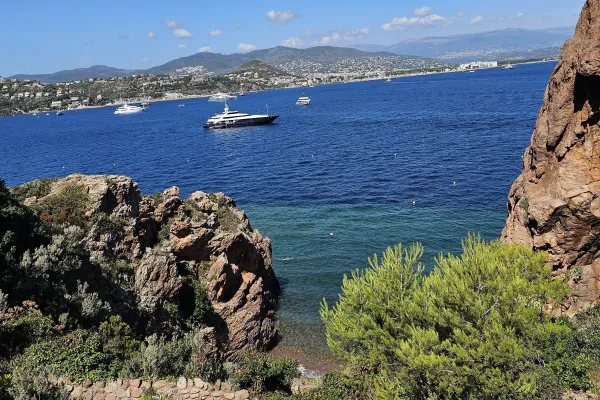
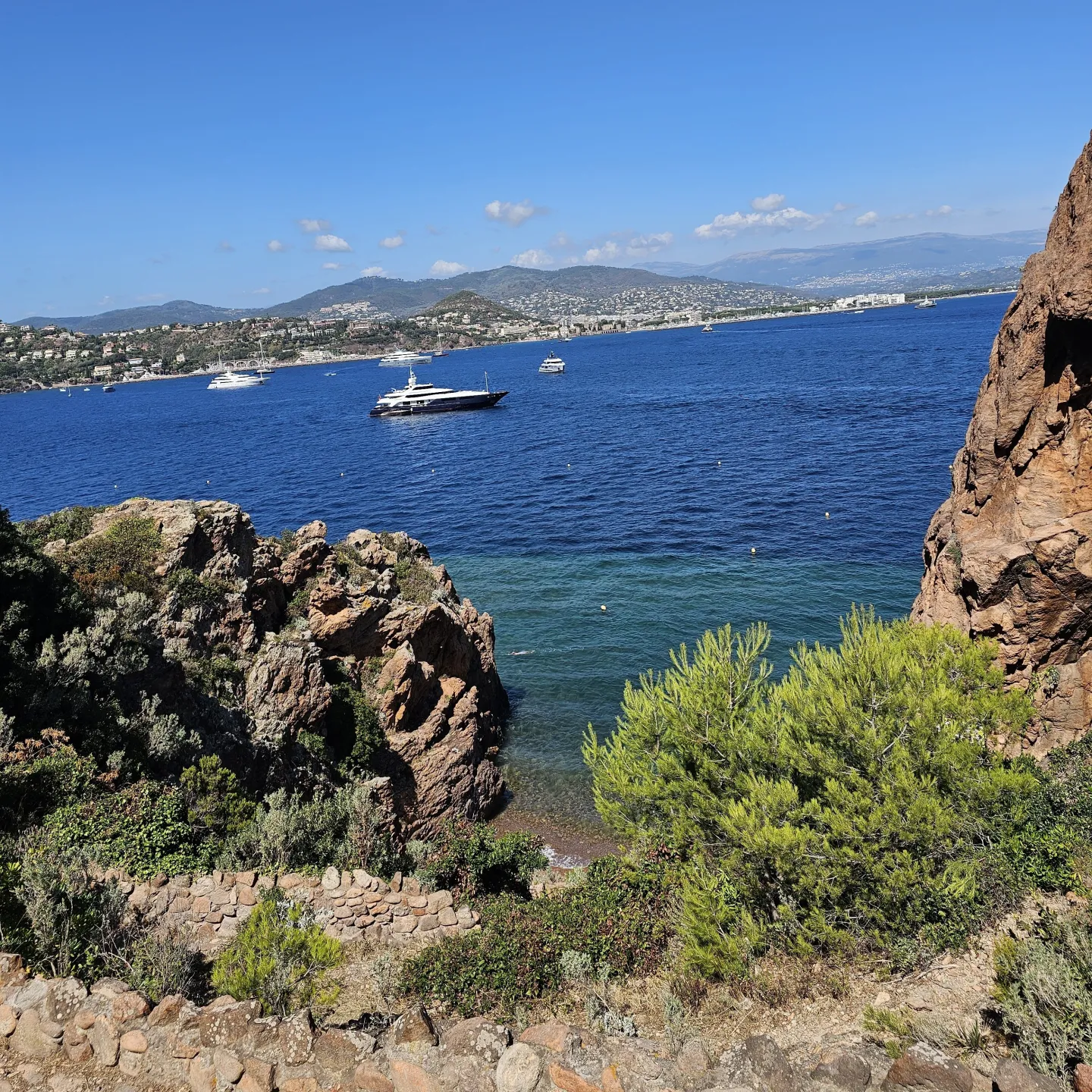
Bucht mit blauem Wasser, Felsen und ein paar Yachten

When I arrived in the south of France, I expected my first impressions to be about the beautiful Mediterranean Sea, beachside cafes as well as glamorous cities. I did not expect my first culture shock to happen during the drive. Driving here is unlike anything I have experienced before and adjusting to it has taught me many things about myself, my home culture and the culture here, in the south of France.


Back home in Germany, or even in Liechtenstein and Switzerland, driving is very orderly. Traffic rules are followed by most drivers, cars are kept well, the streets are orderly, and traffic etiquette is treated quite seriously. You do not expect cars to be full of scratches and dents. In the south of France, though, the driving culture tells a very different story from what I am used to. From my very first days on, I noticed cars with many dents and scratches were no exceptions but the norm. Parking happens anywhere your car can be squeezed into, often in ways where back home you will get a ticket immediately. And then one morning on my way to the university, there was a moment which truly shocked me: during the morning rush hour, a scooter crashed into the car in front of me, both drivers exchanged no words and simply carried on their way as if nothing had happened.

At first, I was shocked. How could both drivers stay so calm and be so casual about something as serious as a small crash? I found myself checking the mirrors even more to avoid such a situation myself. Over time, though, with my daily commute to the university, I encountered more situations like that, and my perspective began to change. What seemed like recklessness started to look more like a cultural approach to driving that reflects different values, values that contrast strongly with the ones I grew up with. And generally, it reflects a calmer approach to these stressful situations. Reflecting on this whole situation, a small dent or scratch in my car will not make any difference in my day-to-day life, so I can see where the approach comes from.


In the south of France, driving feels less about strict adherence to every single traffic rule and more about keeping the flow of traffic, some improvisation, making do with small streets and tight spaces and, strangely enough, trust. There is an assumption that everyone will just ‘make it work’, even if it looks messy from the outside. A dented car is not a mark of shame but a normal sign of daily usage. The relaxed attitude to small accidents or unconventional parking comes from a different relationship to order and perfection, one that accepts imperfections as part of everyday life.


This has made me think about my own cultural background in a new way. I realized how deeply I had internalized the value of precision, safety and perfection when it comes to driving. In German-speaking countries, orderliness is not just a preference, it is part of how we define responsibility, respect, and even self-image. A scratch on a car is often not treated like a minor inconvenience but rather a problem which needs to be fixed quickly. Cars at home are often also seen as a status symbol. Seeing how people here in the south of France shrug these things off has made me reflect on how much pressure we place on ourselves to maintain standards of control, perfection and the general image throughout something, which should be just a utility object.


There is something liberating in not treating every mistake as a catastrophe. In some ways, the leisurely approach to driving mirrors a broader cultural difference I have started noticing life here is less about rigid control and more about flexibility, improvisation, and being present in the moment.


Adapting to this has not been easy for me and I am still careful where to park my car or how to maneuver through tight passages. But I am starting to appreciate the lesson hidden in the chaos: that sometimes, perfection is less important than participation, and that it is possible to keep moving even when things do not go smoothly. Driving in the south of France has become more than just a daily commute to university, it has become a cultural lesson. The calmer approach of treating my car as a utility object, rather than something more, is something I will take home with me for sure.


In the end, what is most striking to me is how something as ordinary as driving can reveal deep cultural differences. It reminds me that intercultural learning does not always happen where we expect it to, but rather in everyday life events, like the morning commute to the university.

Bucht mit blauem Wasser, Felsen und ein paar Yachten
Subscribe to