Test Blog CWE
Test Blog CWE
Test
Test
Dear library users,
We are also taking a short winter break: the library will be closed from Wednesday, 24 December 2025, to Sunday, 4 January 2026.
We wish you relaxing and restful Christmas holidays. Stay healthy and have a great start to the New Year!
We wish all students every success with their exam preparation. To help you reduce stress, library puzzles are available in Study Room C001 and the relaxation room at Fabrikweg. Join in, puzzle together, and take a short break from exam stress!
Kind regards,
Your library Team
From 5 January, our service hours will return to normal:
Monday to Thursday: 9:00 a.m. – 5:00 p.m.
Friday: 9:00 a.m. – 8:00 p.m.
Library opening hours:
Monday to Friday: 9:00 a.m. – 10:00 p.m.
Saturday: 9:00 a.m. – 6:00 p.m.
Please note: the library will be closed on 6 January (Epiphany).
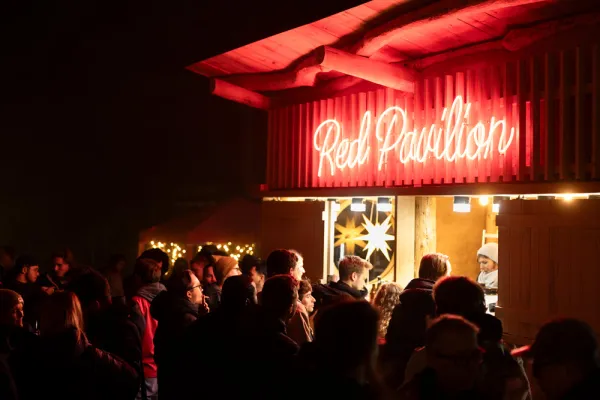
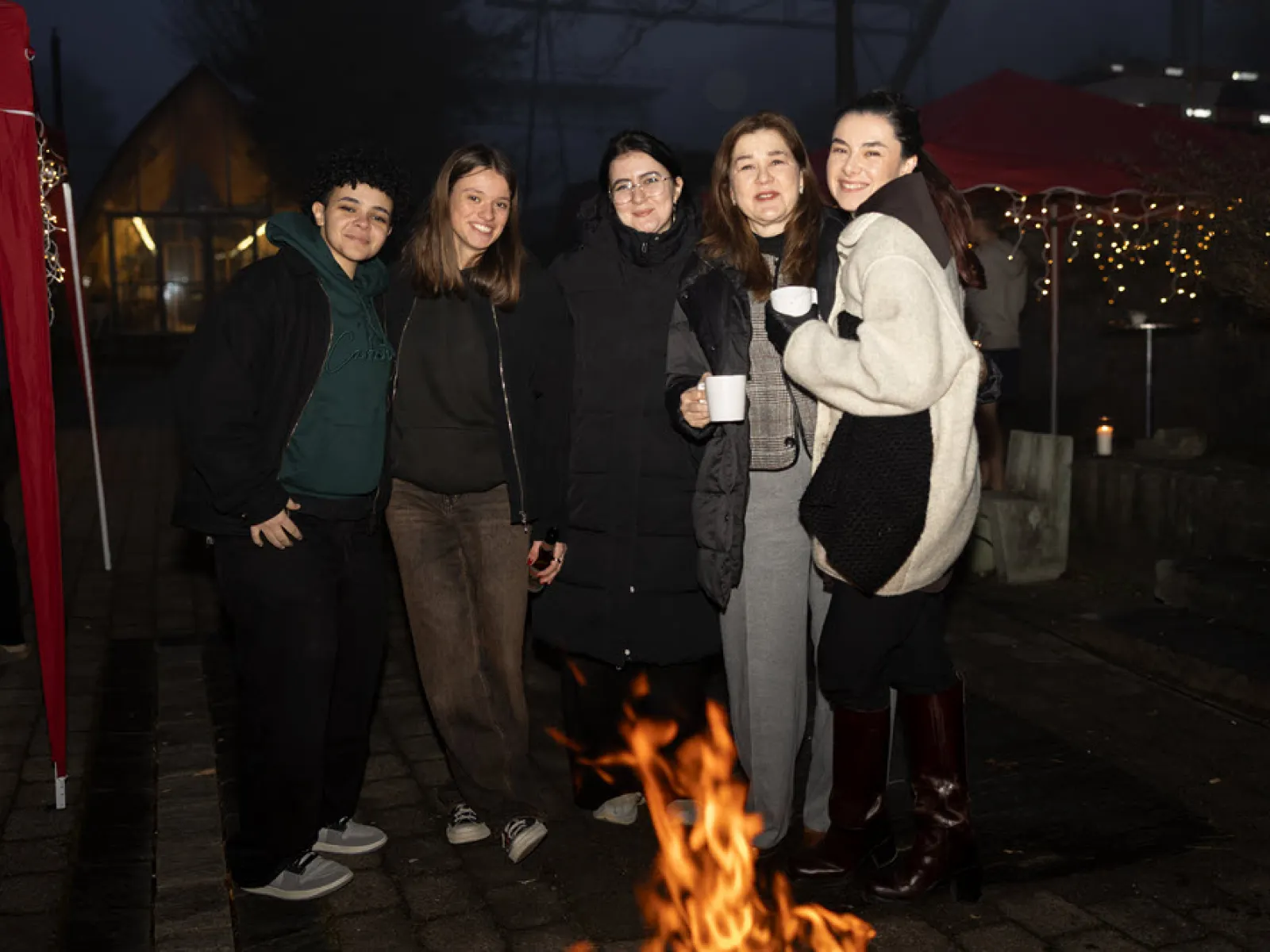
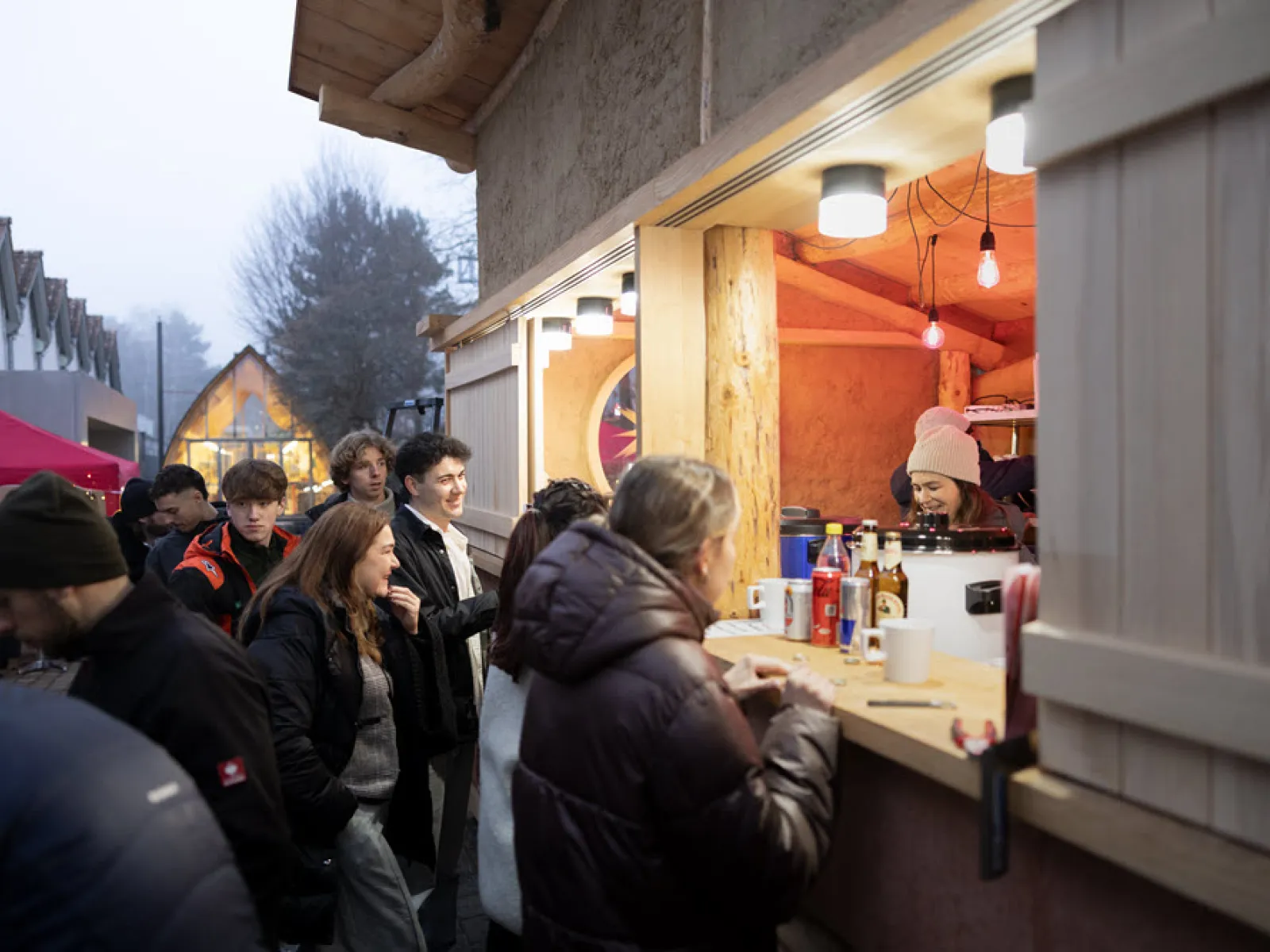
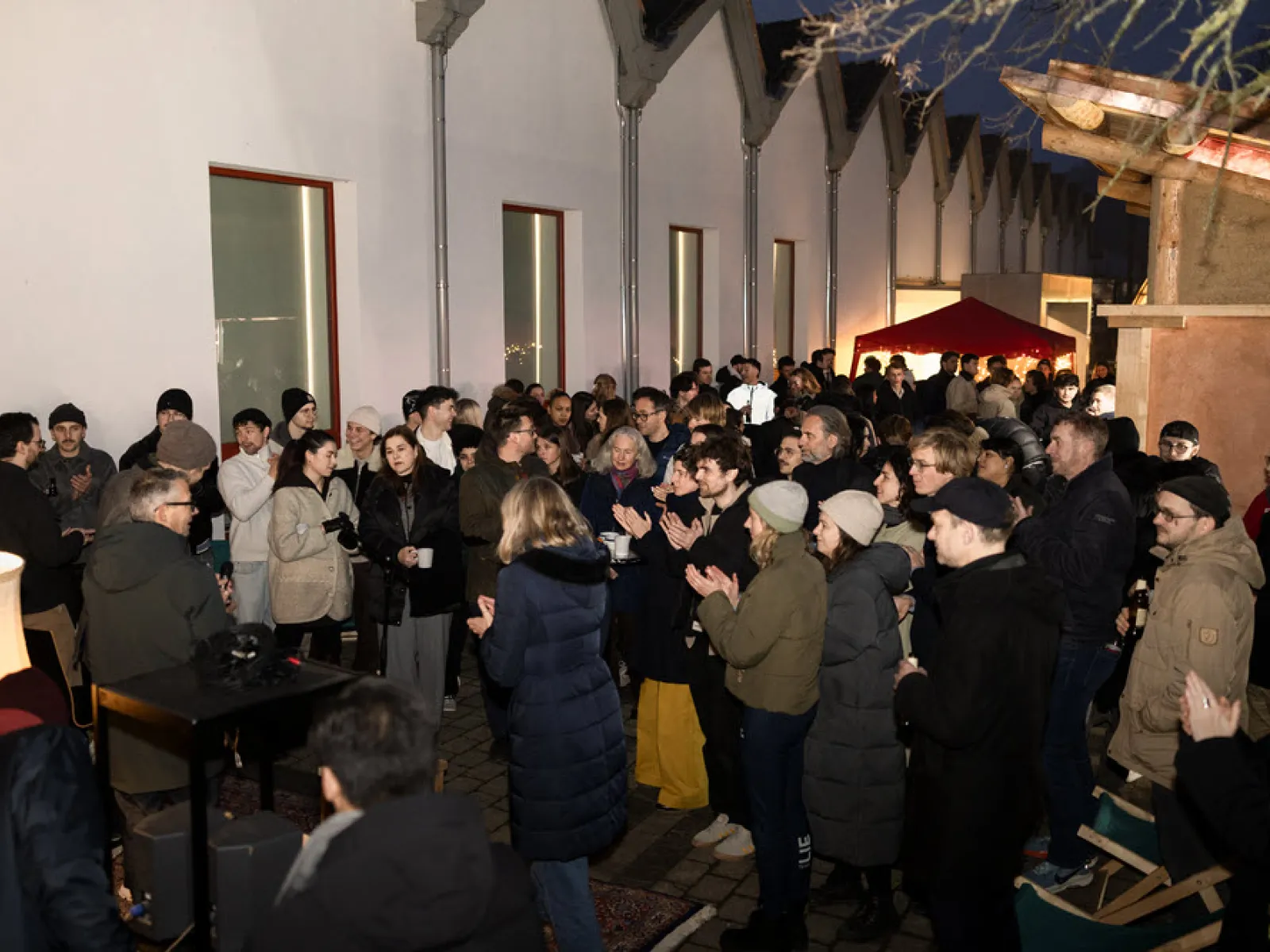
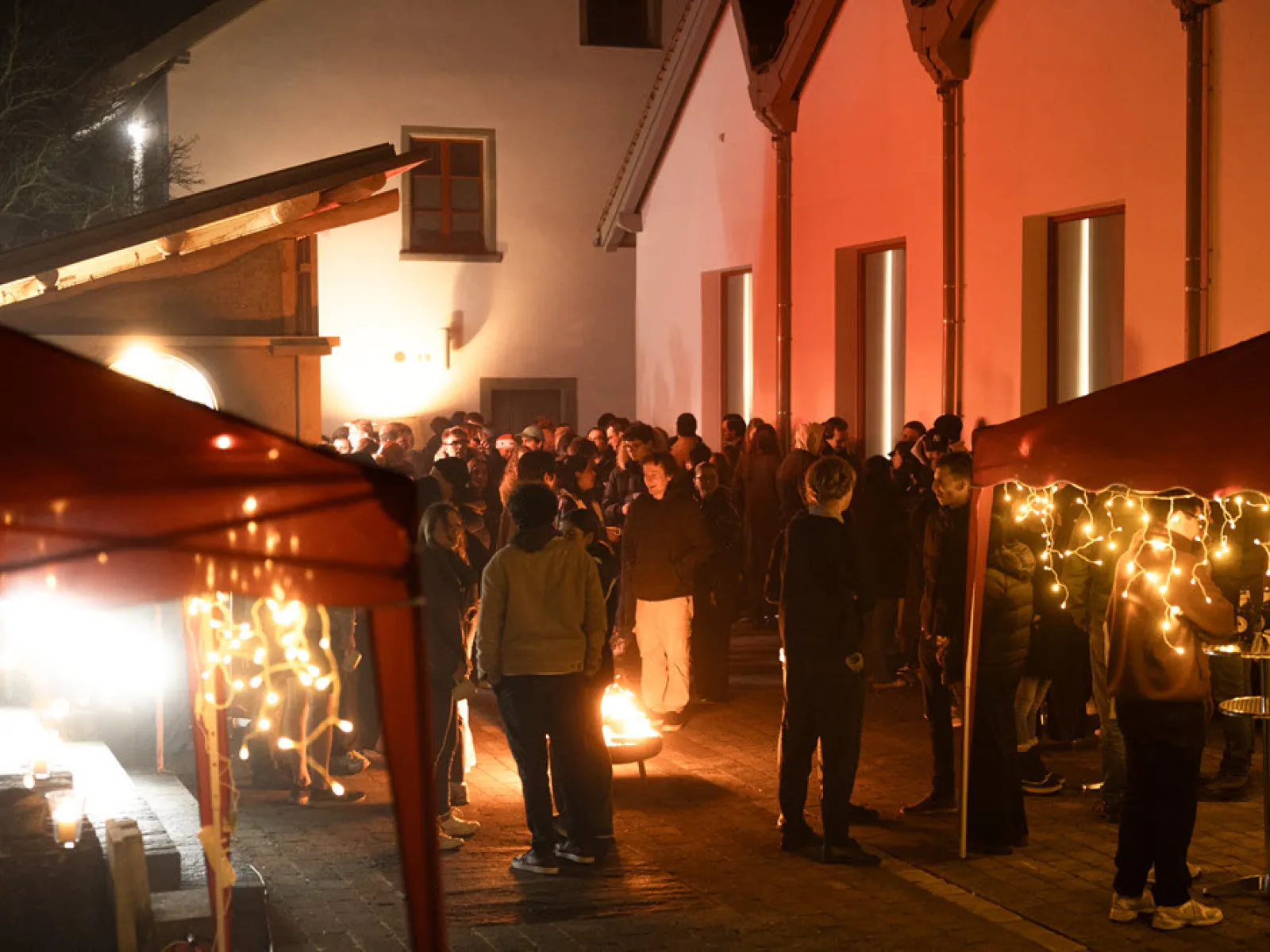
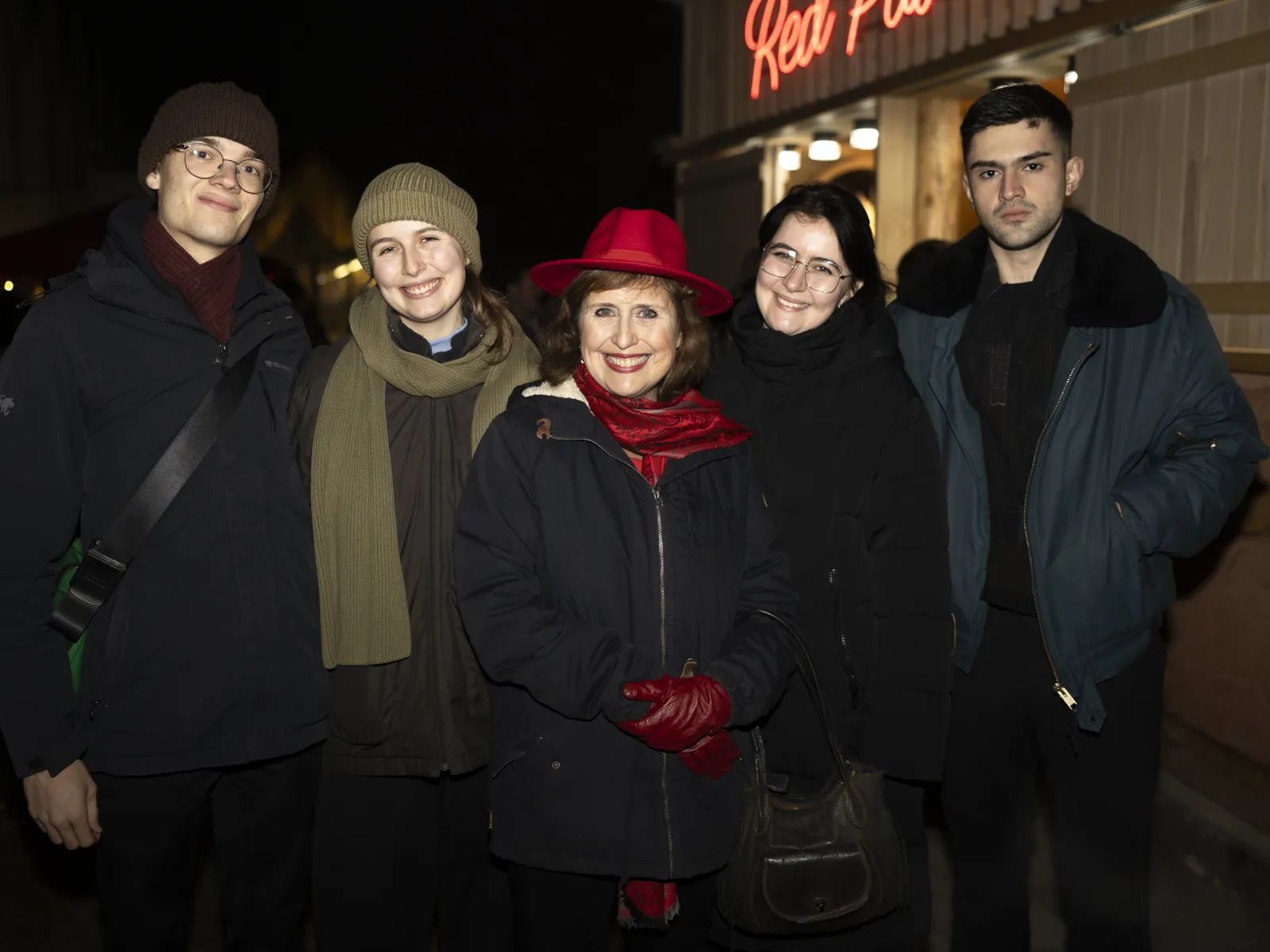
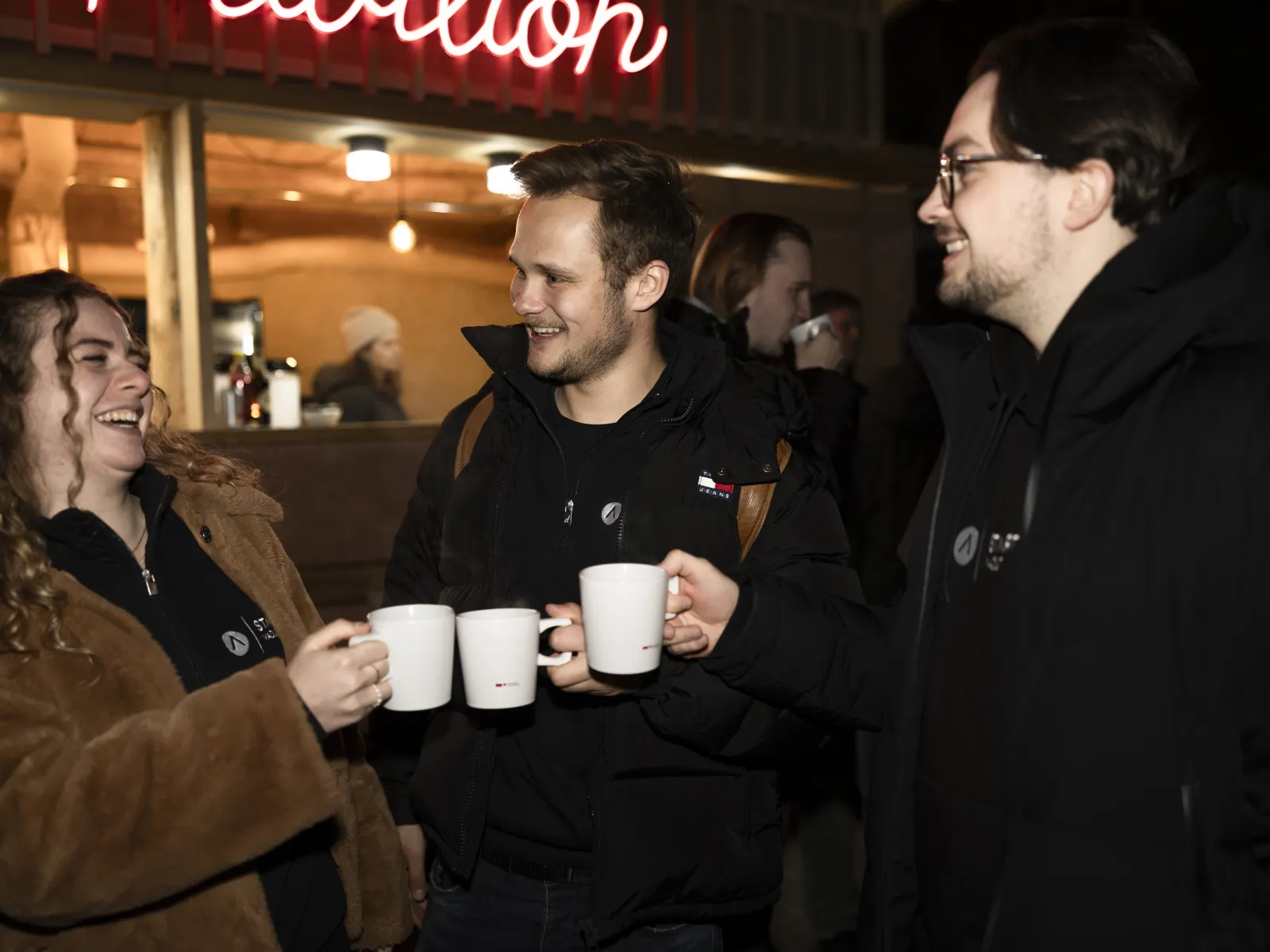
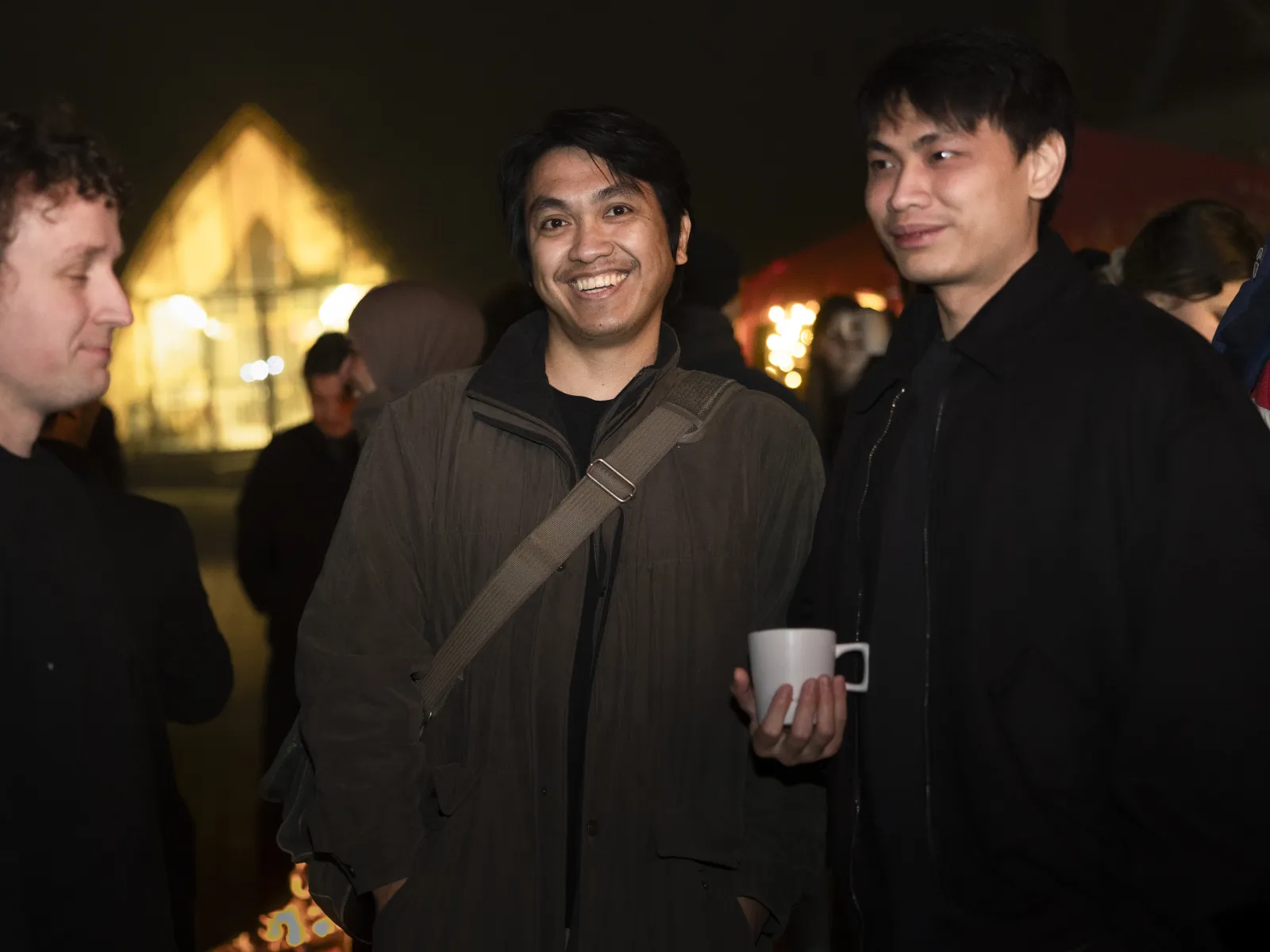
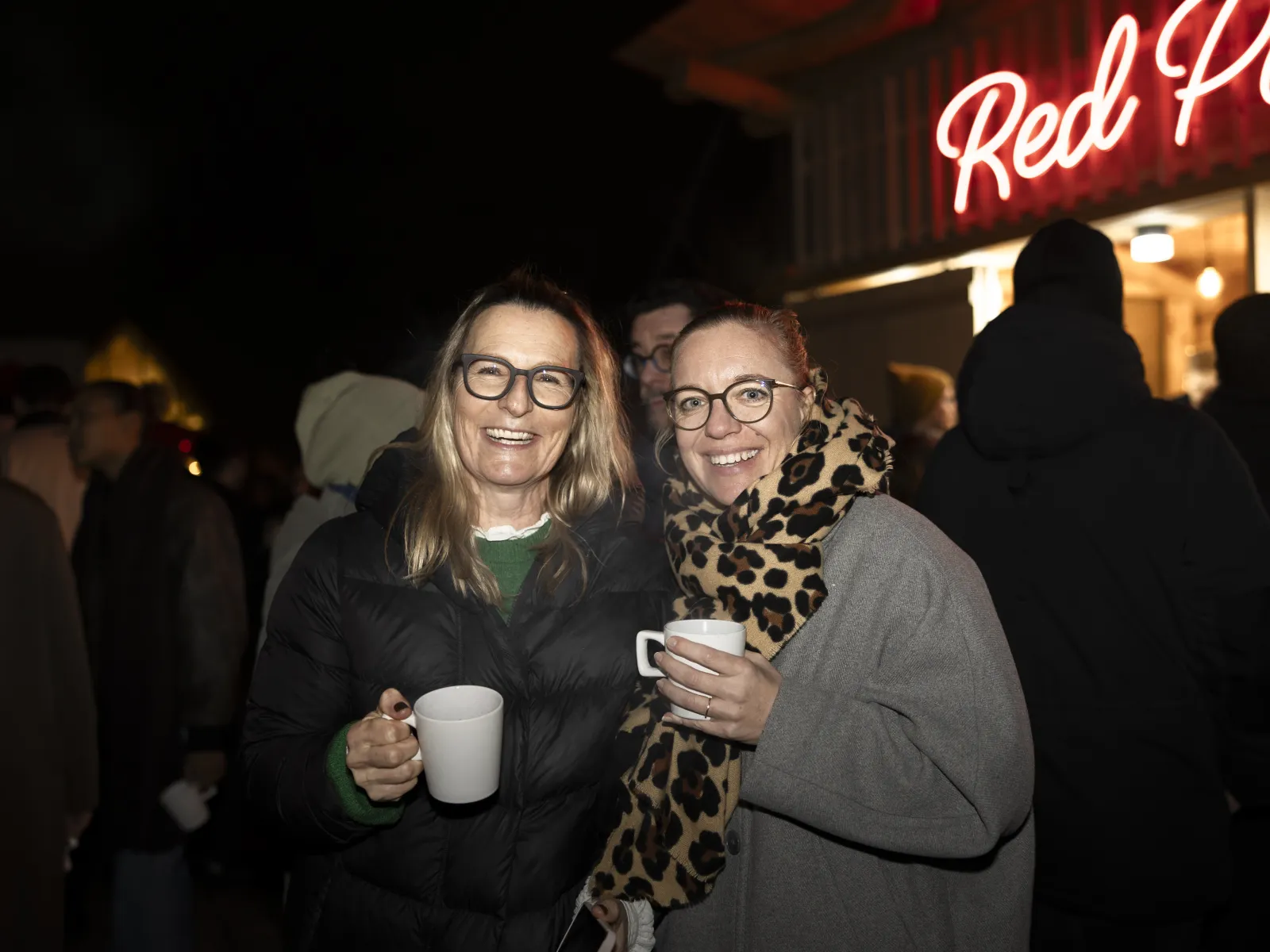
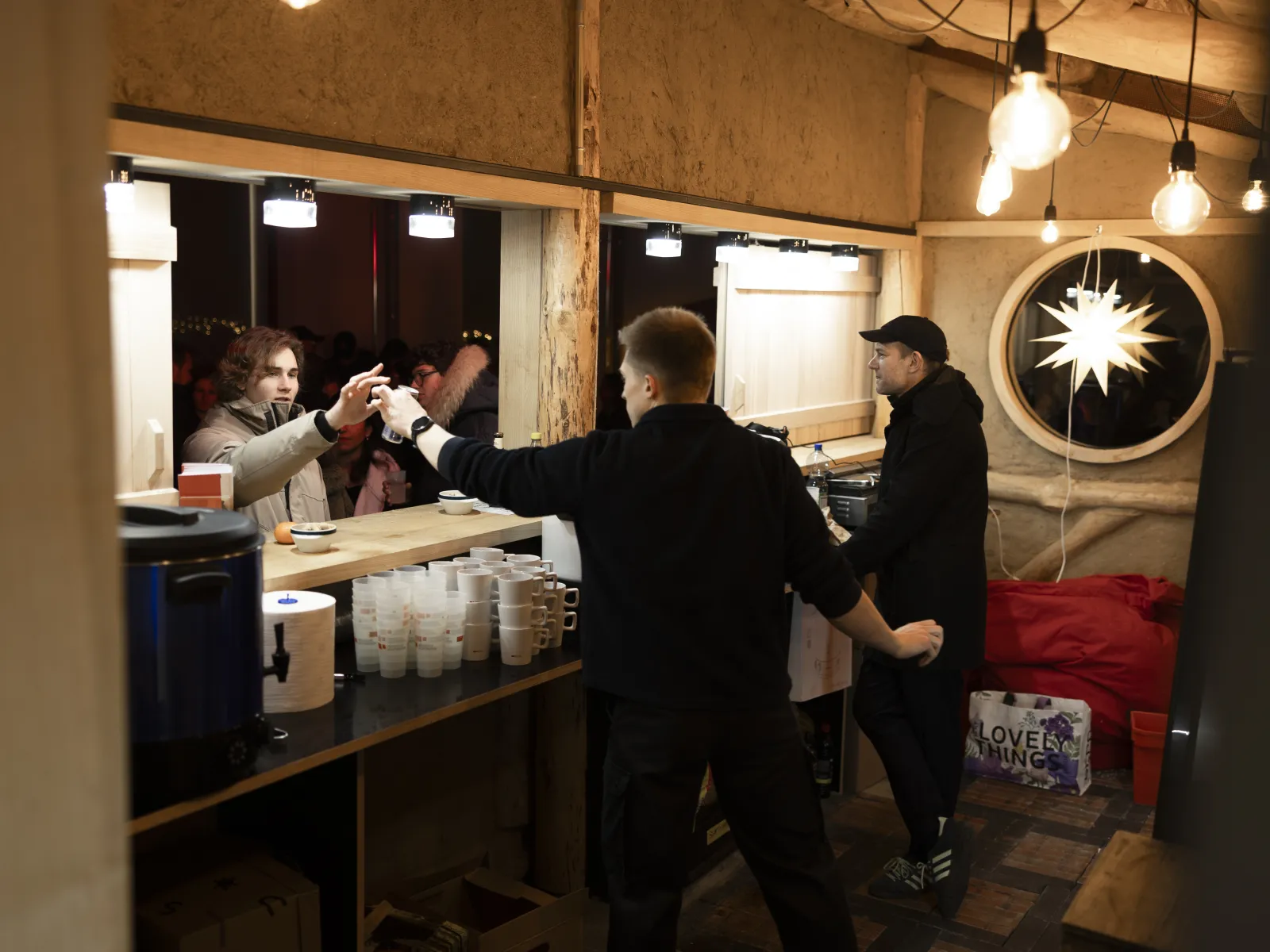
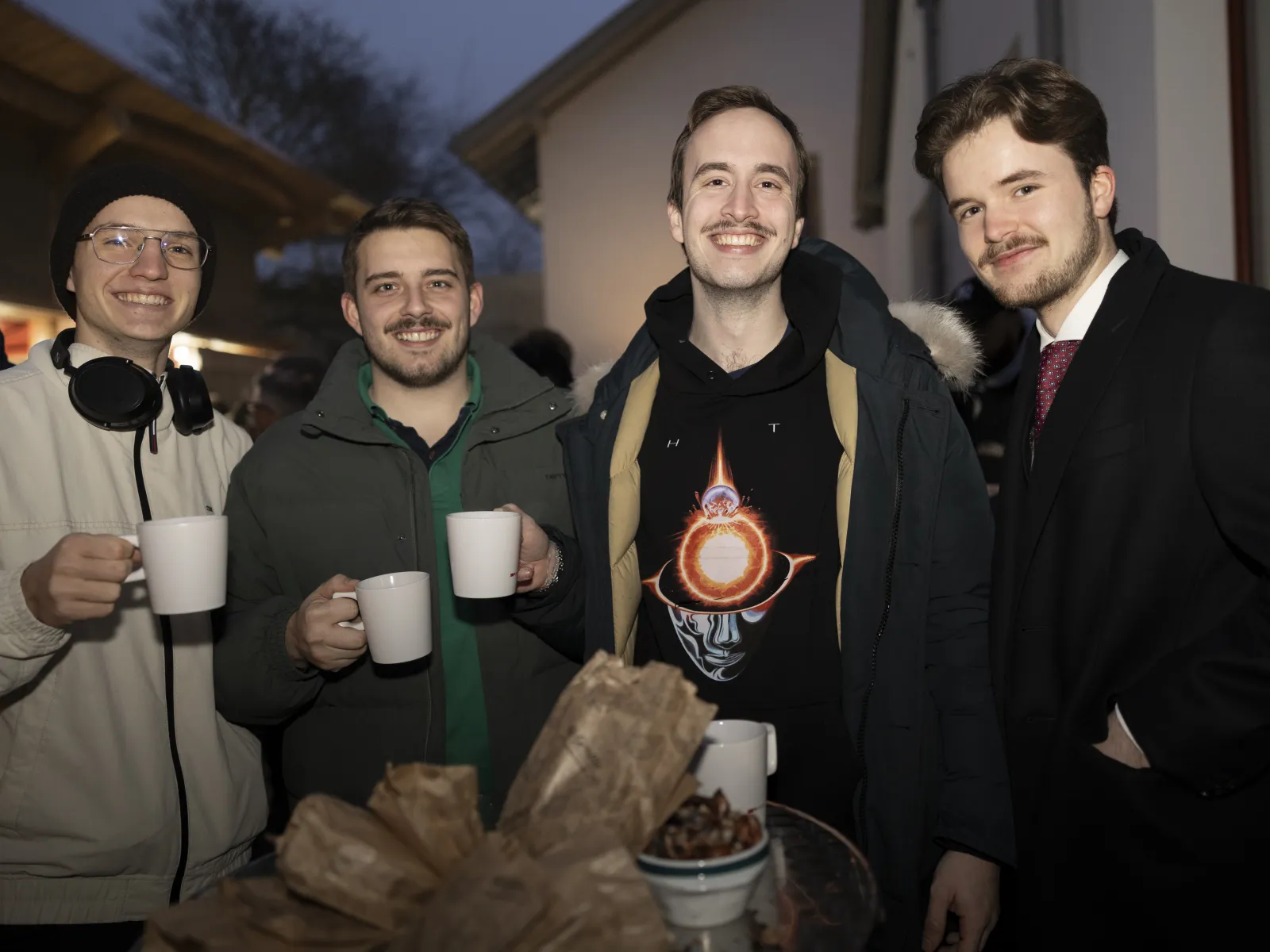
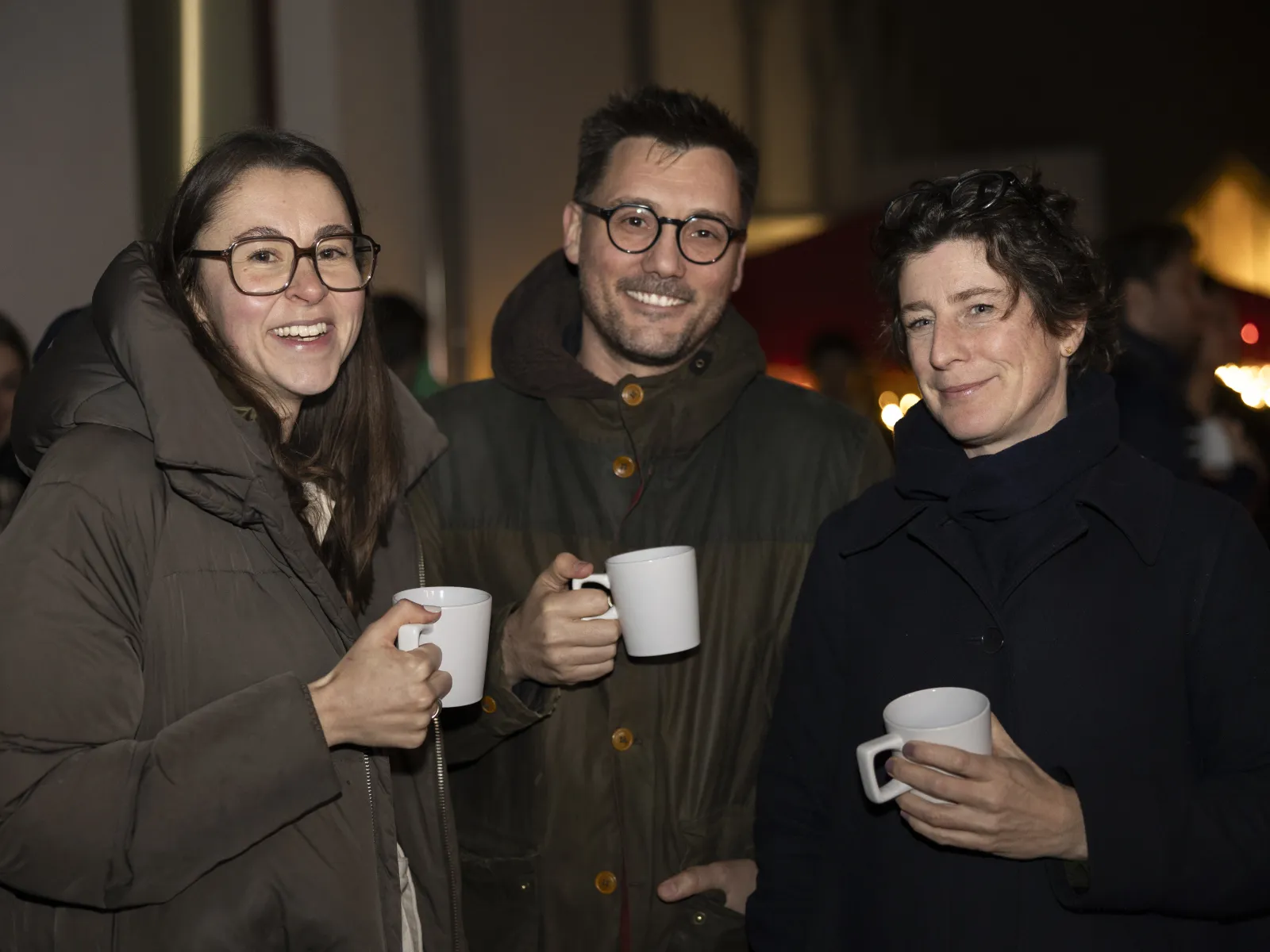
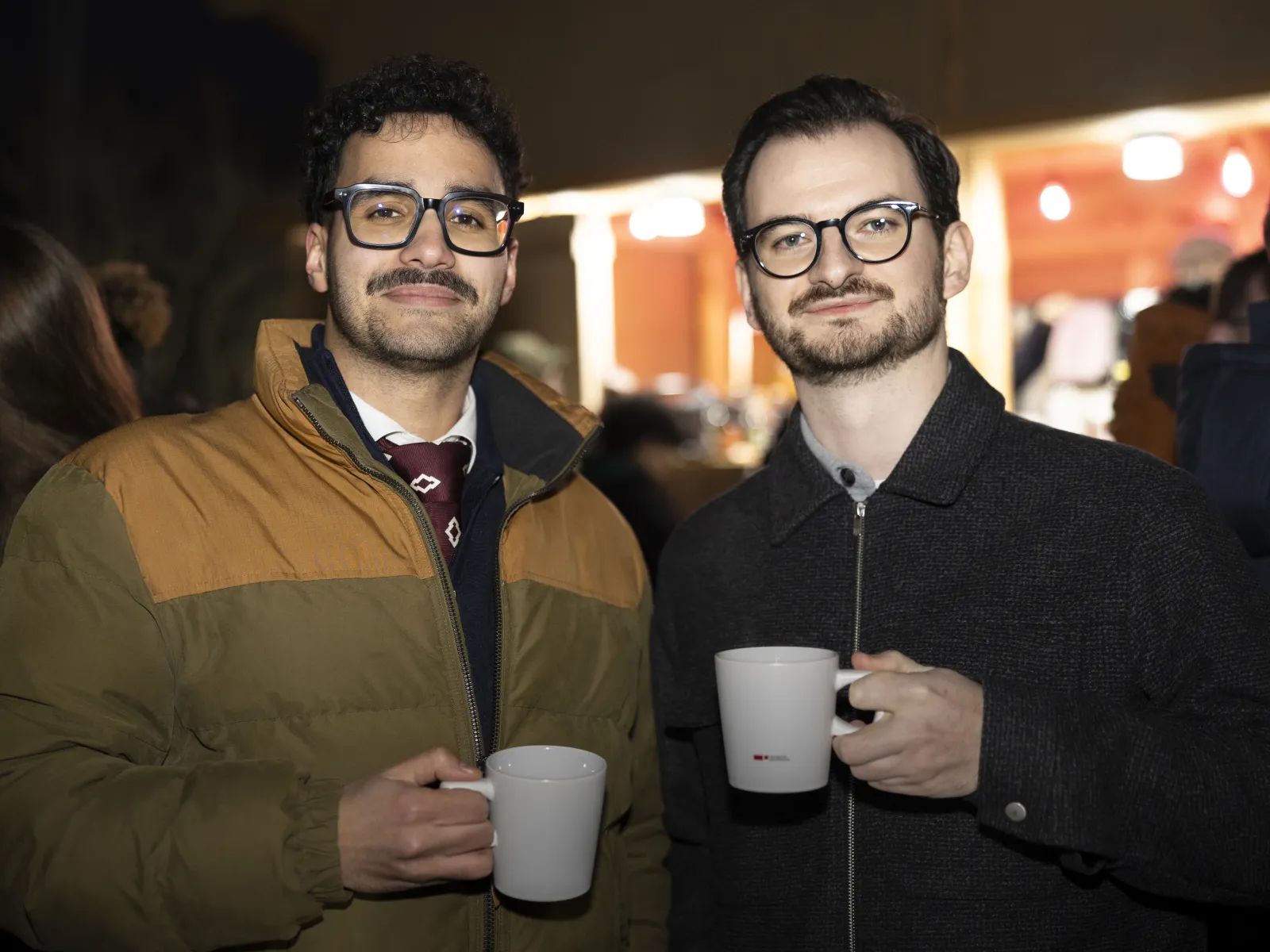
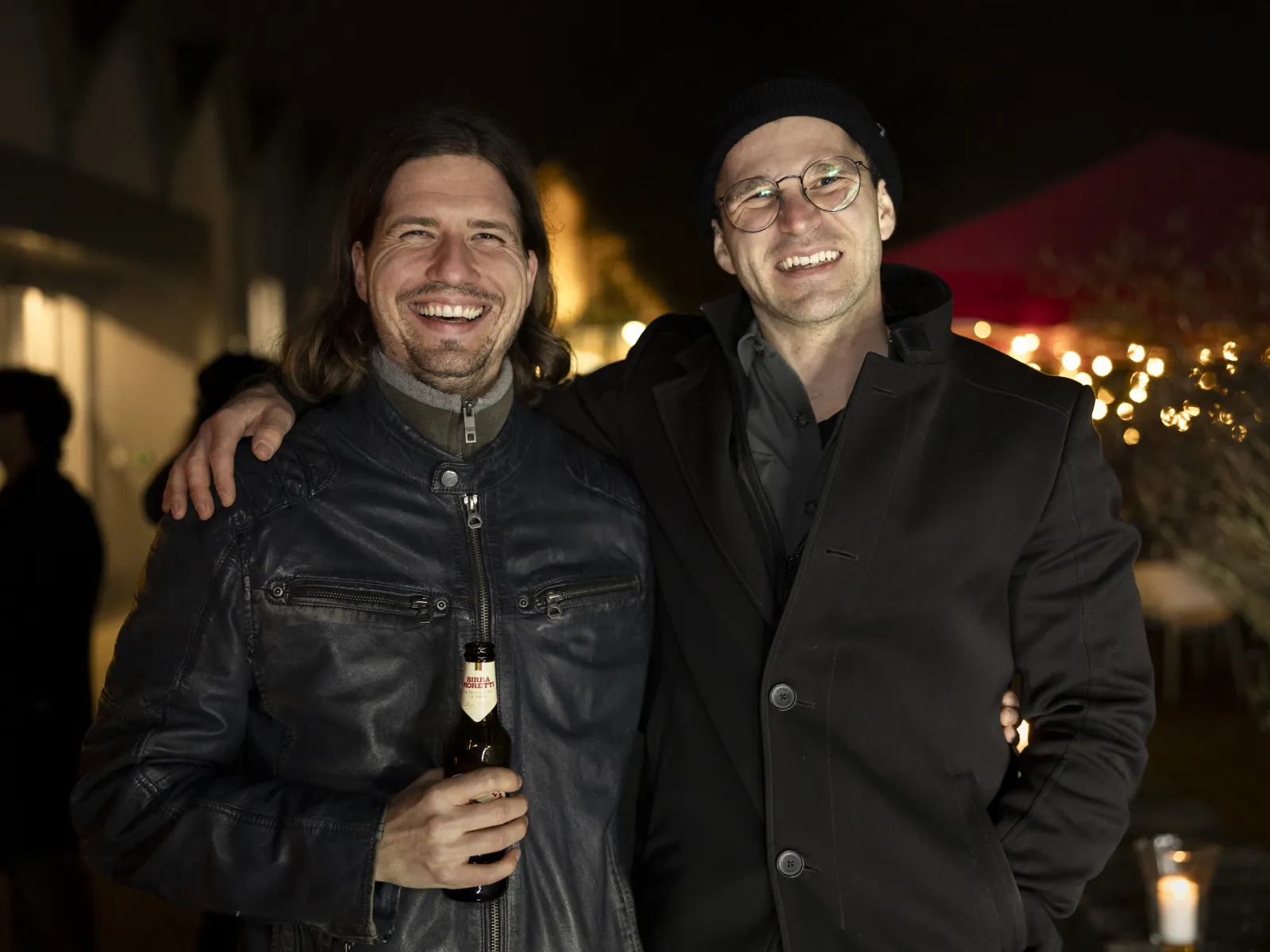
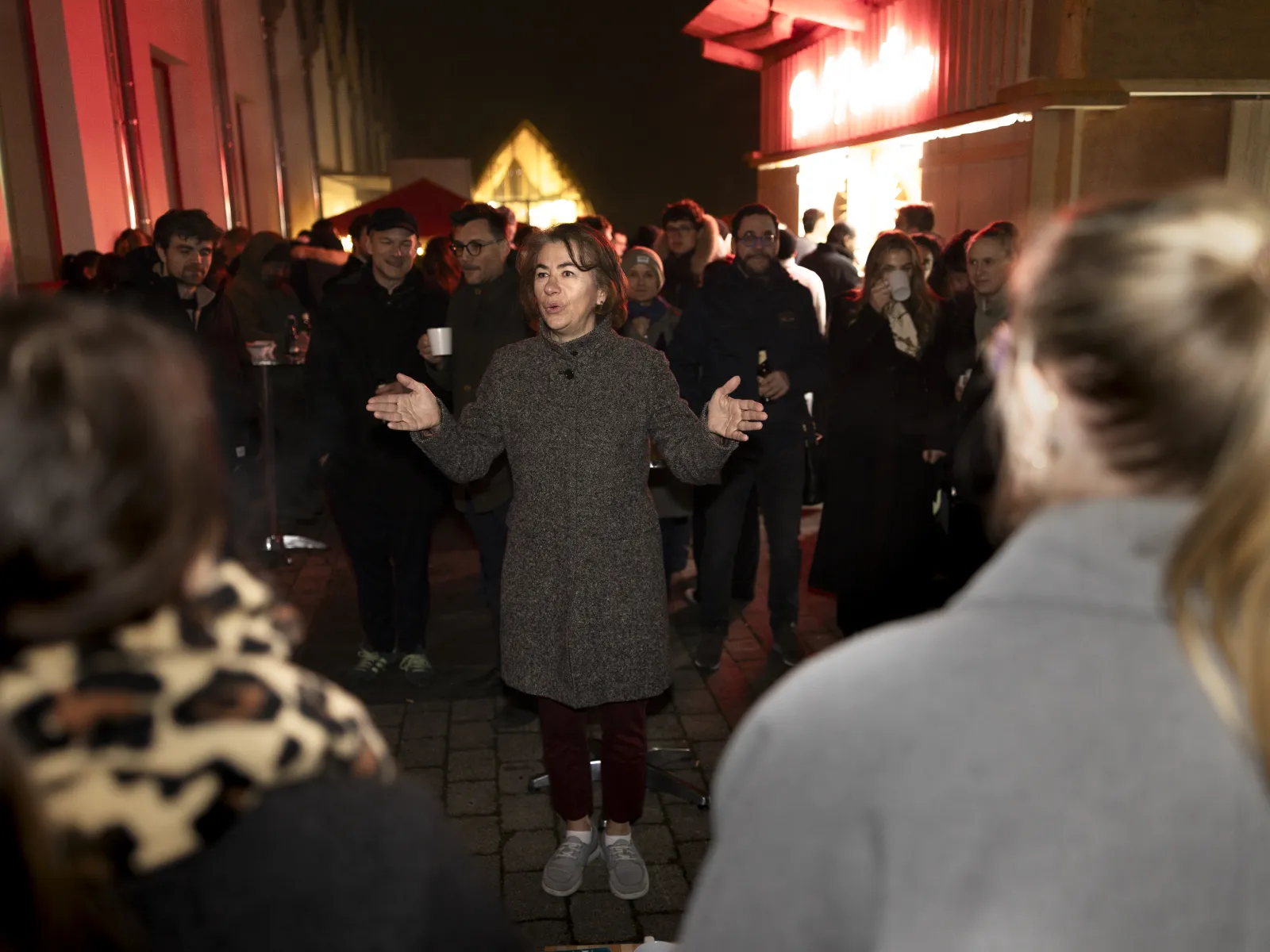
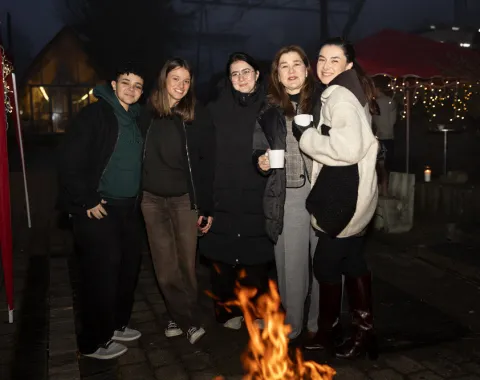
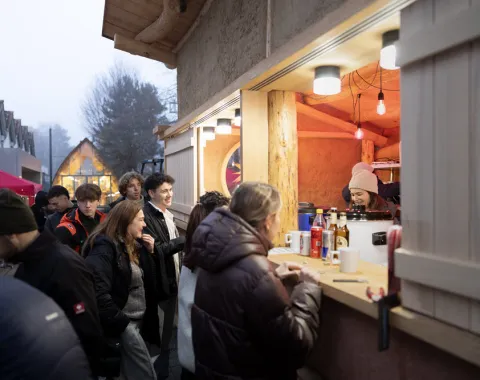
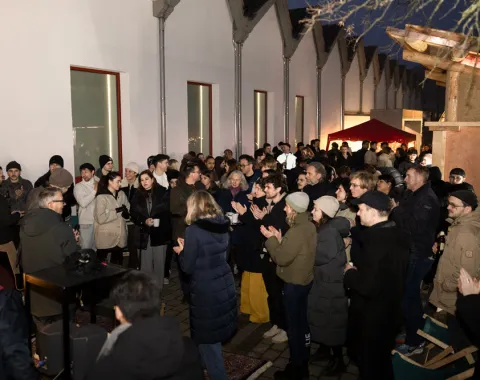
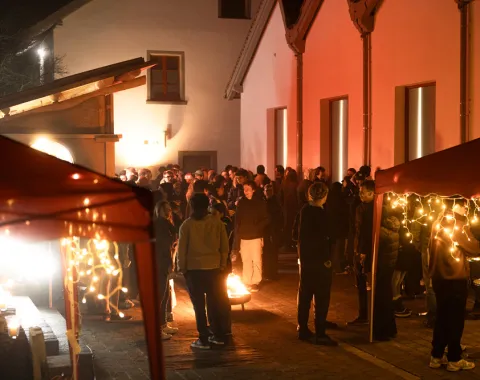
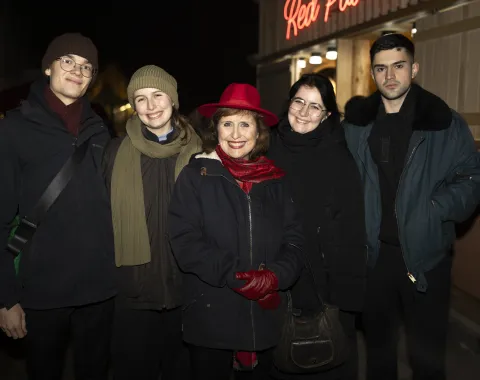
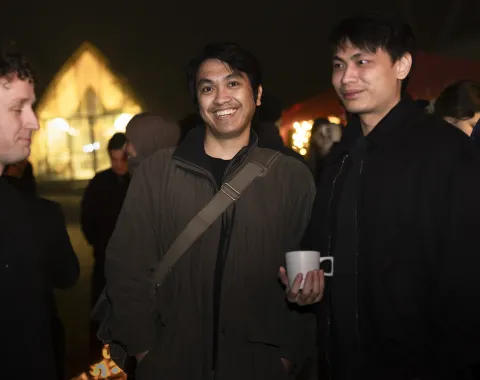
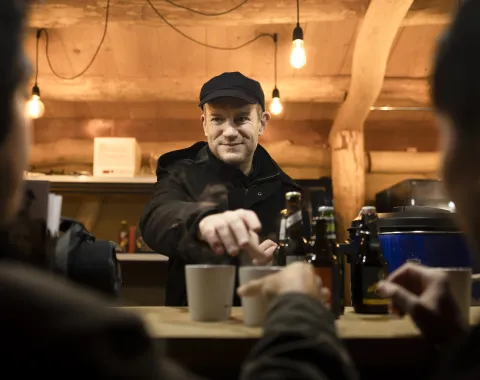
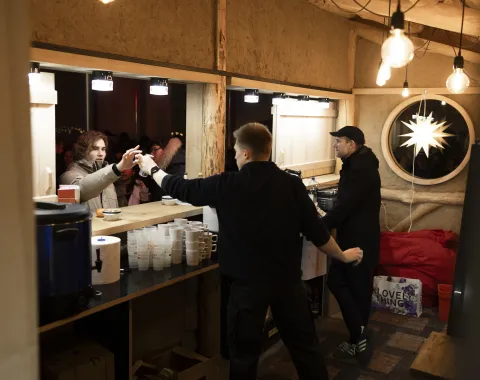
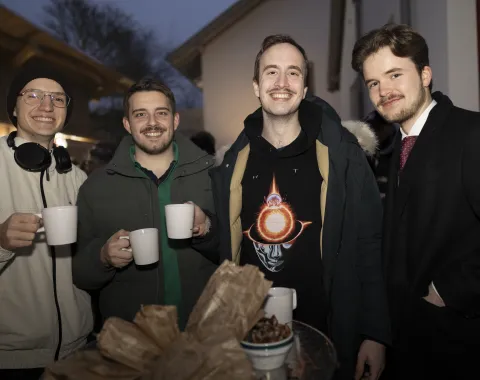
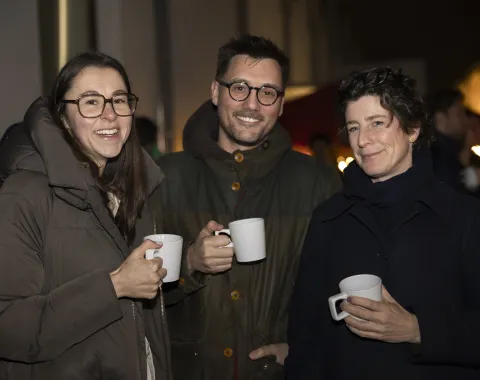
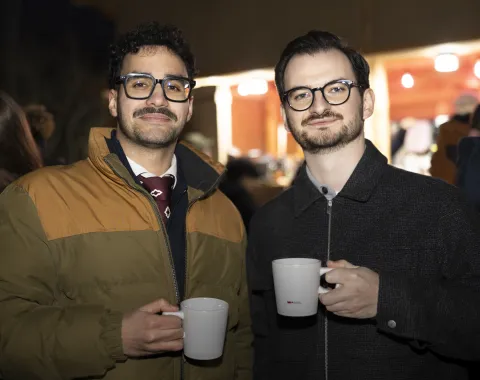
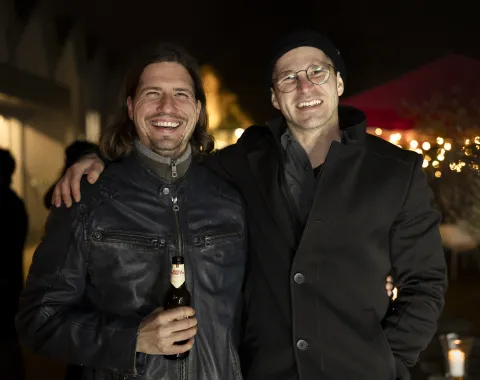
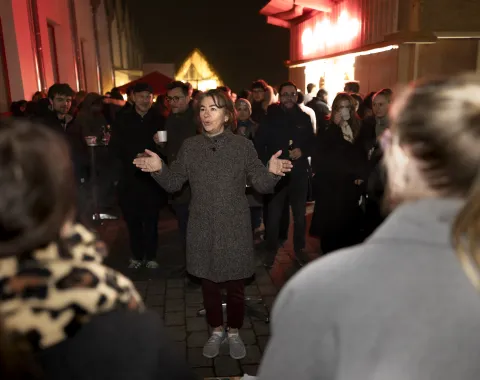
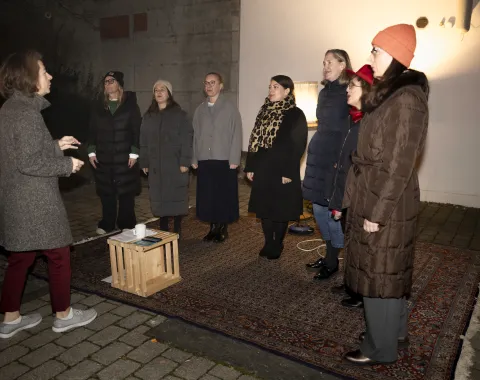
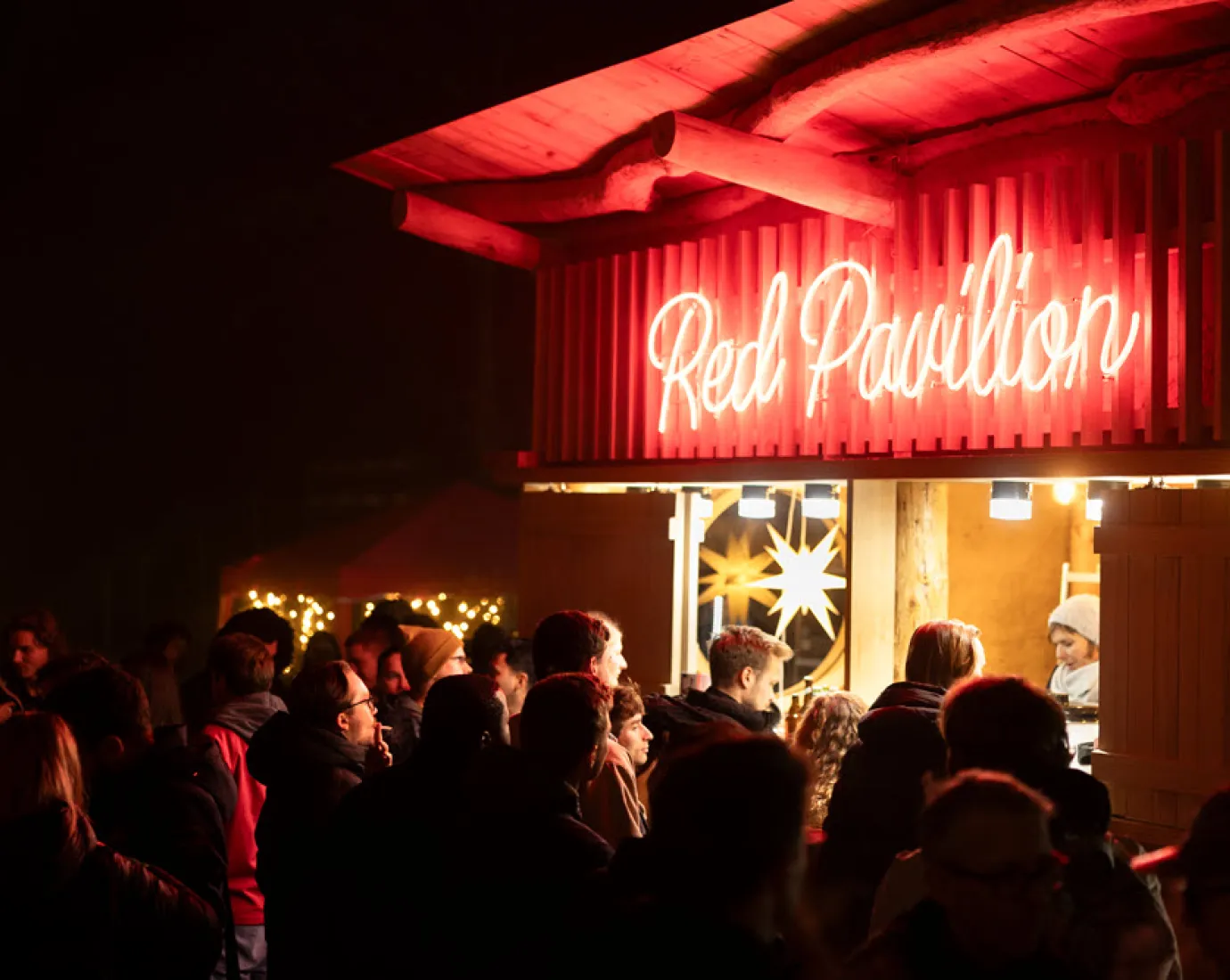
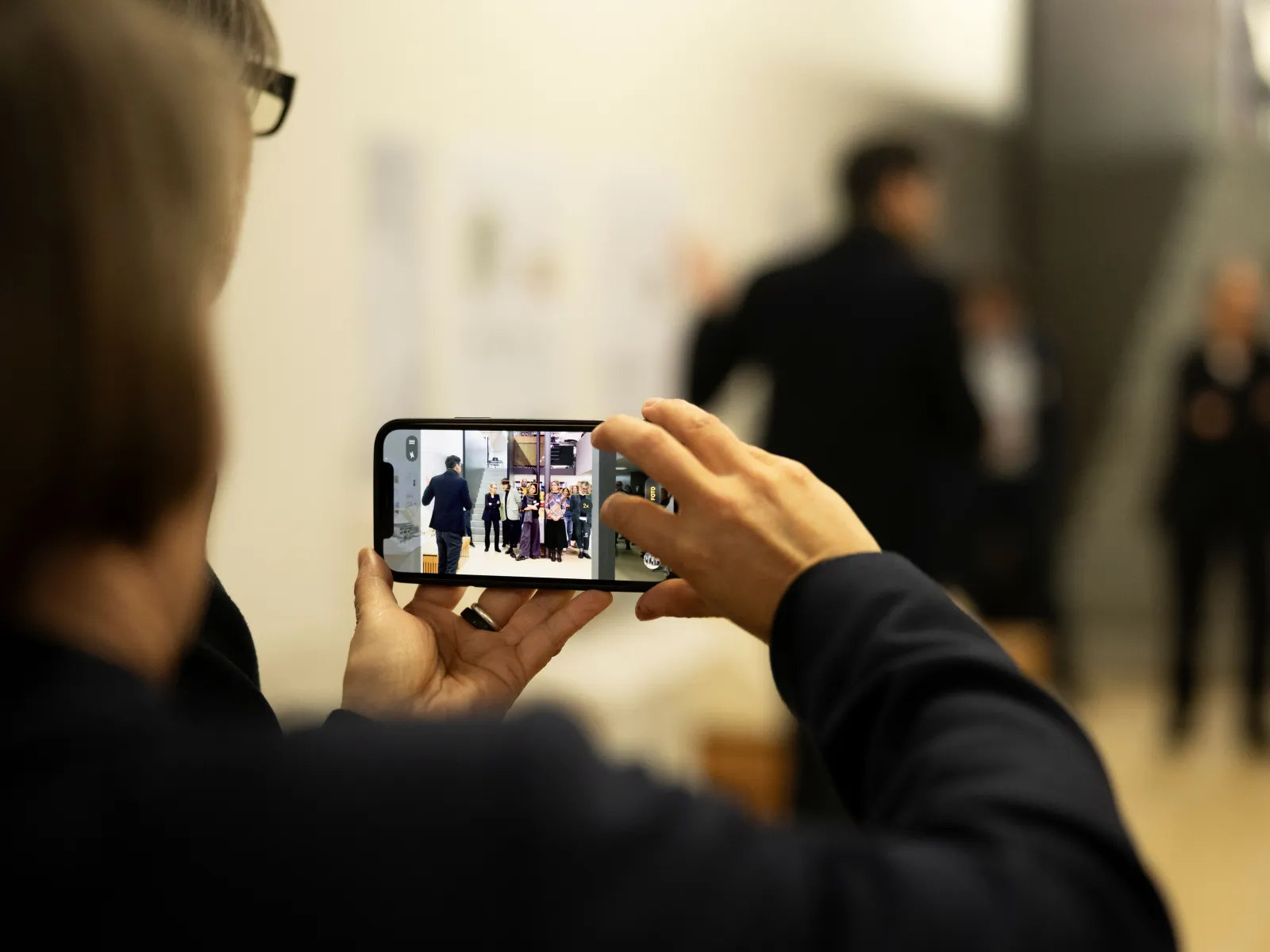
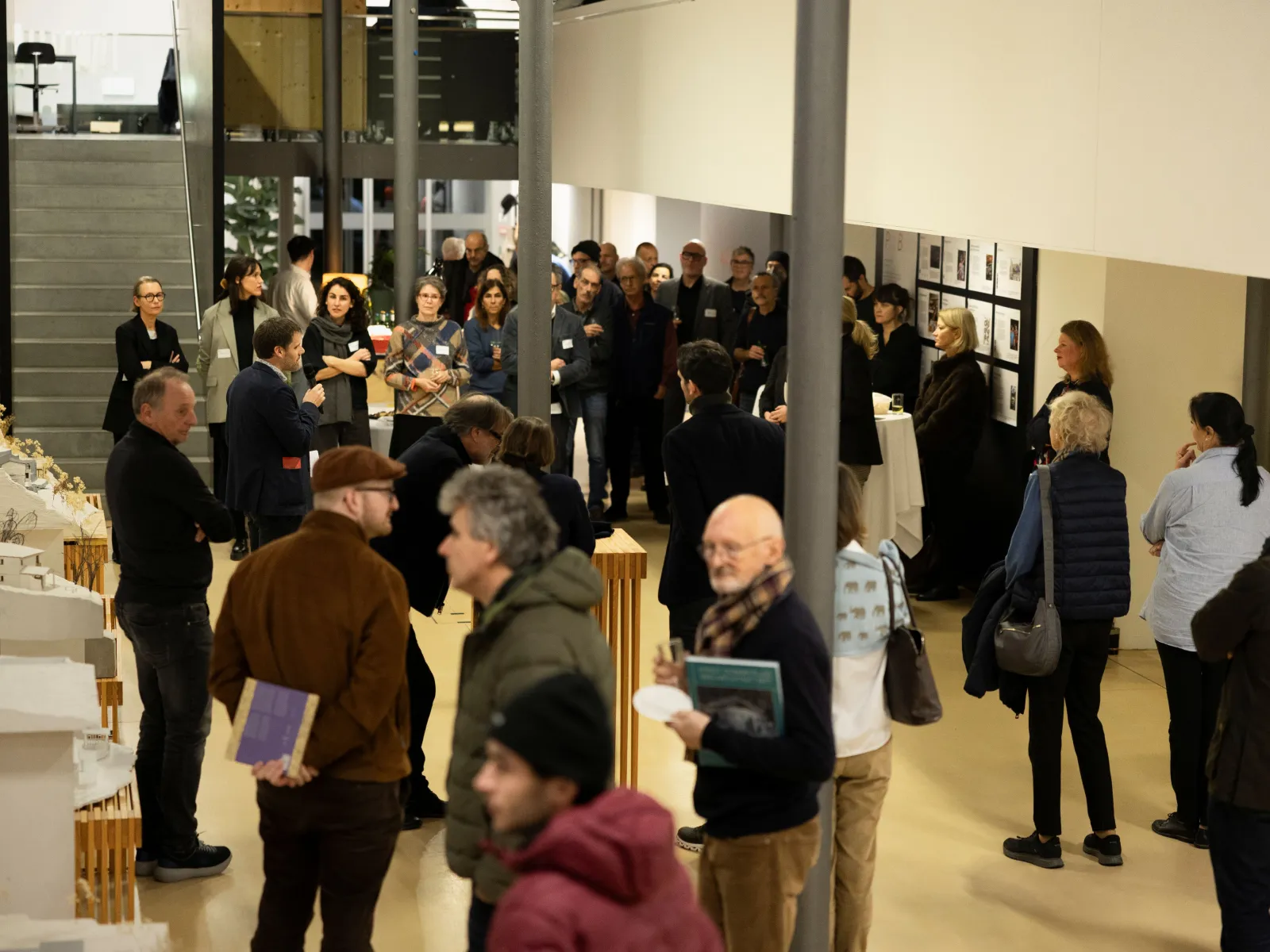
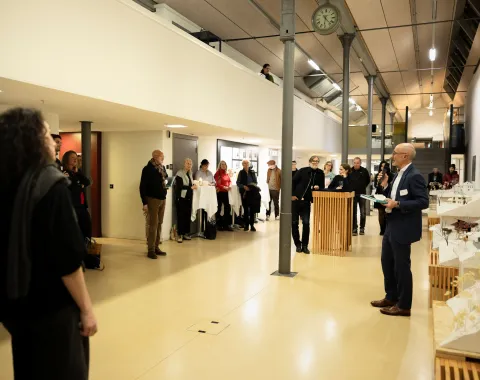
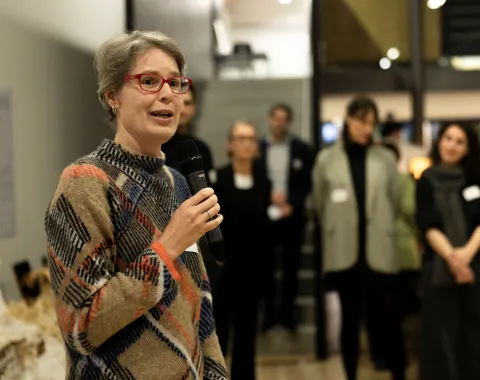
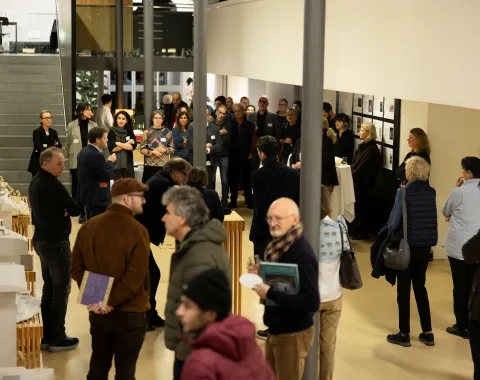
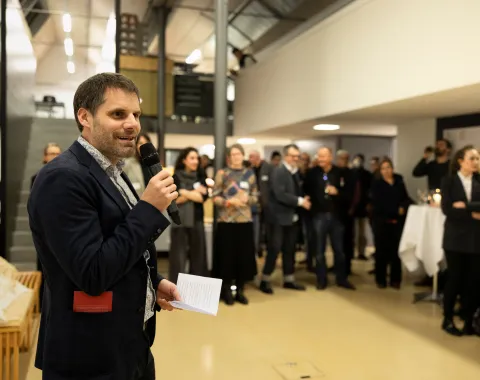
On Thursday, 18 December, more than 120 students, staff, and alumni gathered at the new Red Pavilion to celebrate an eventful year at the University of Liechtenstein with roasted chestnuts, mulled wine, and punch.
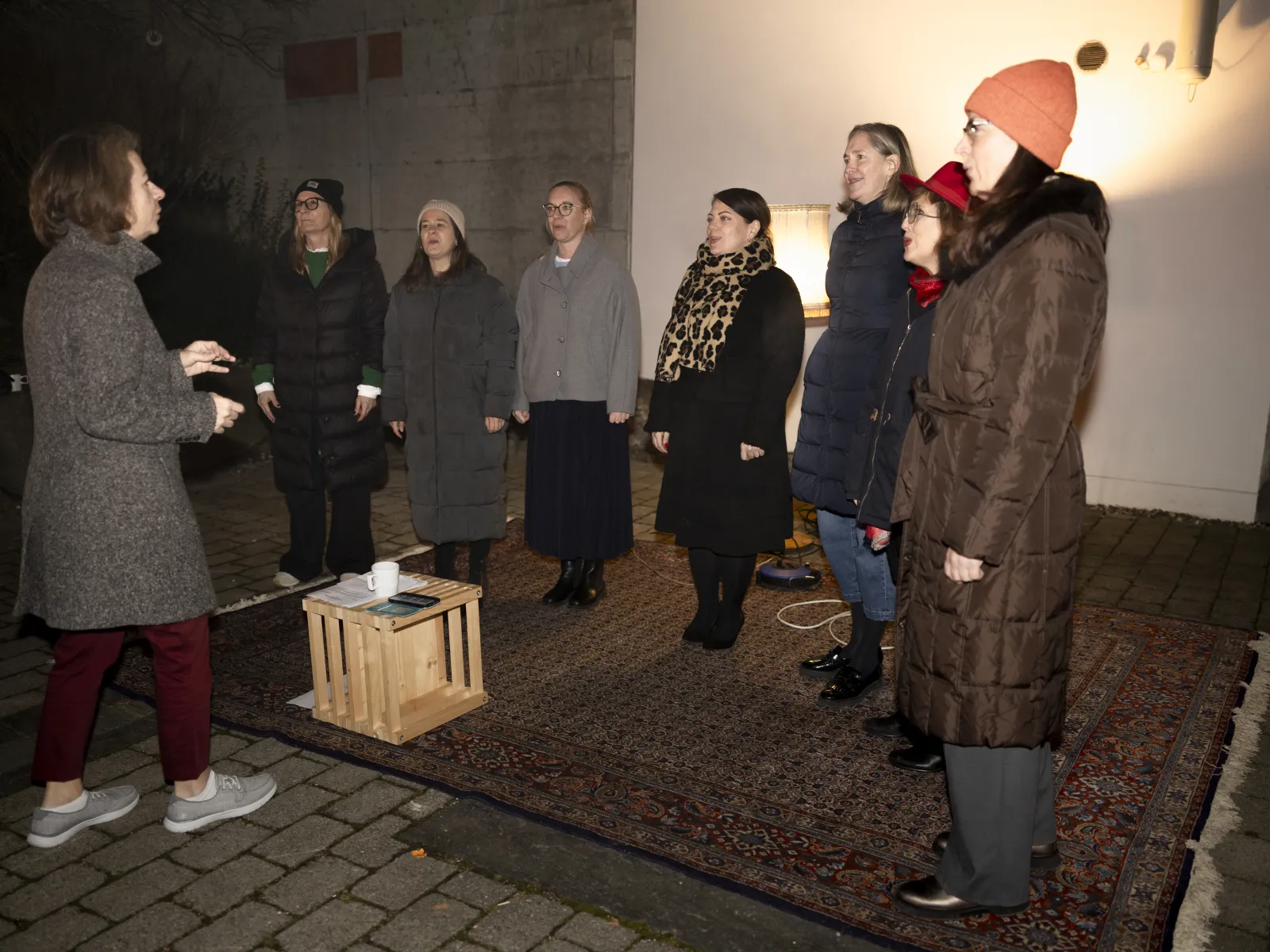
The evening was enriched musically by a festive repertoire performed by the university choir, as well as a musical contribution by two exchange students from the Master’s programme in Architecture from Bhutan and Georgia.
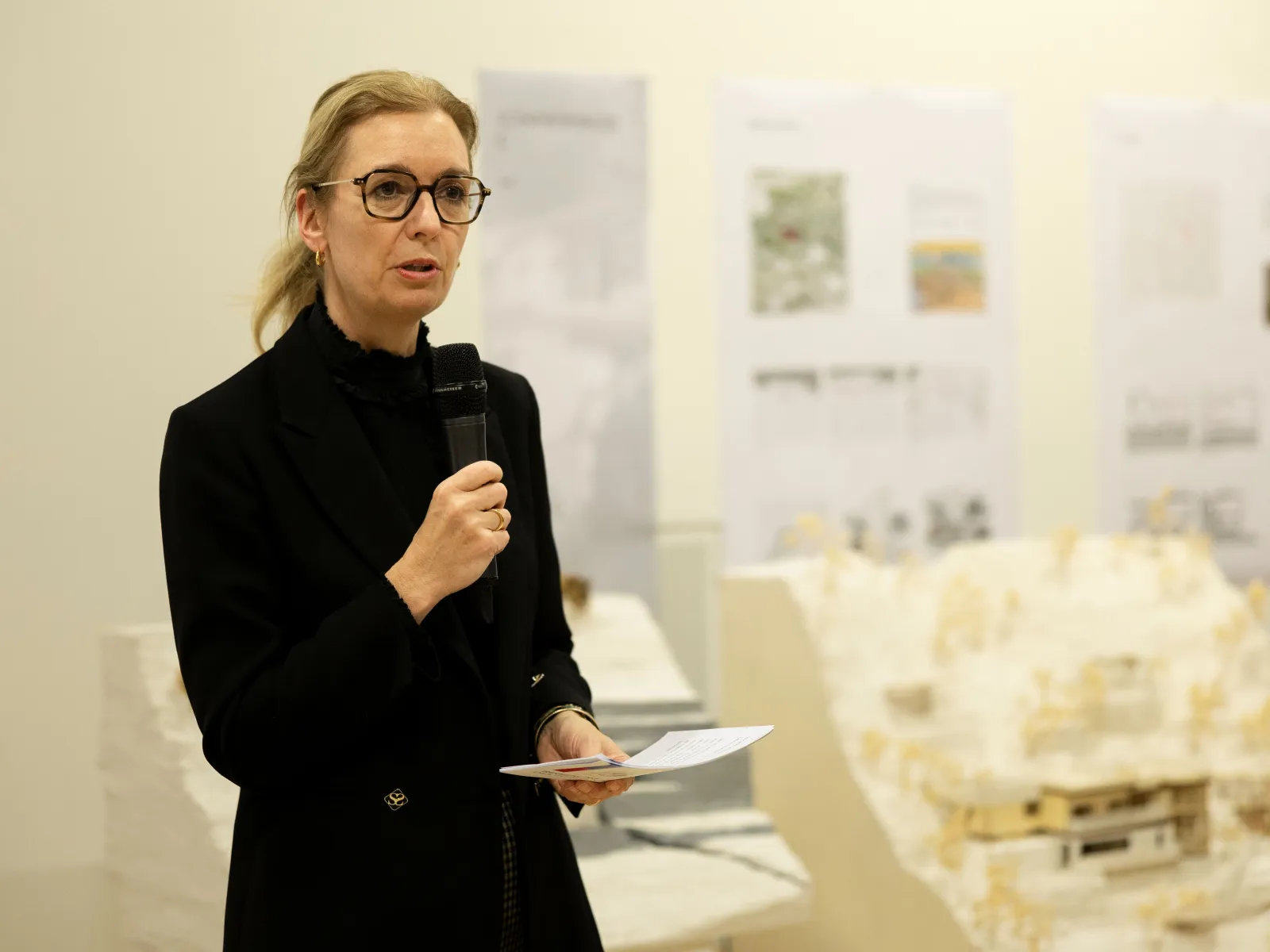
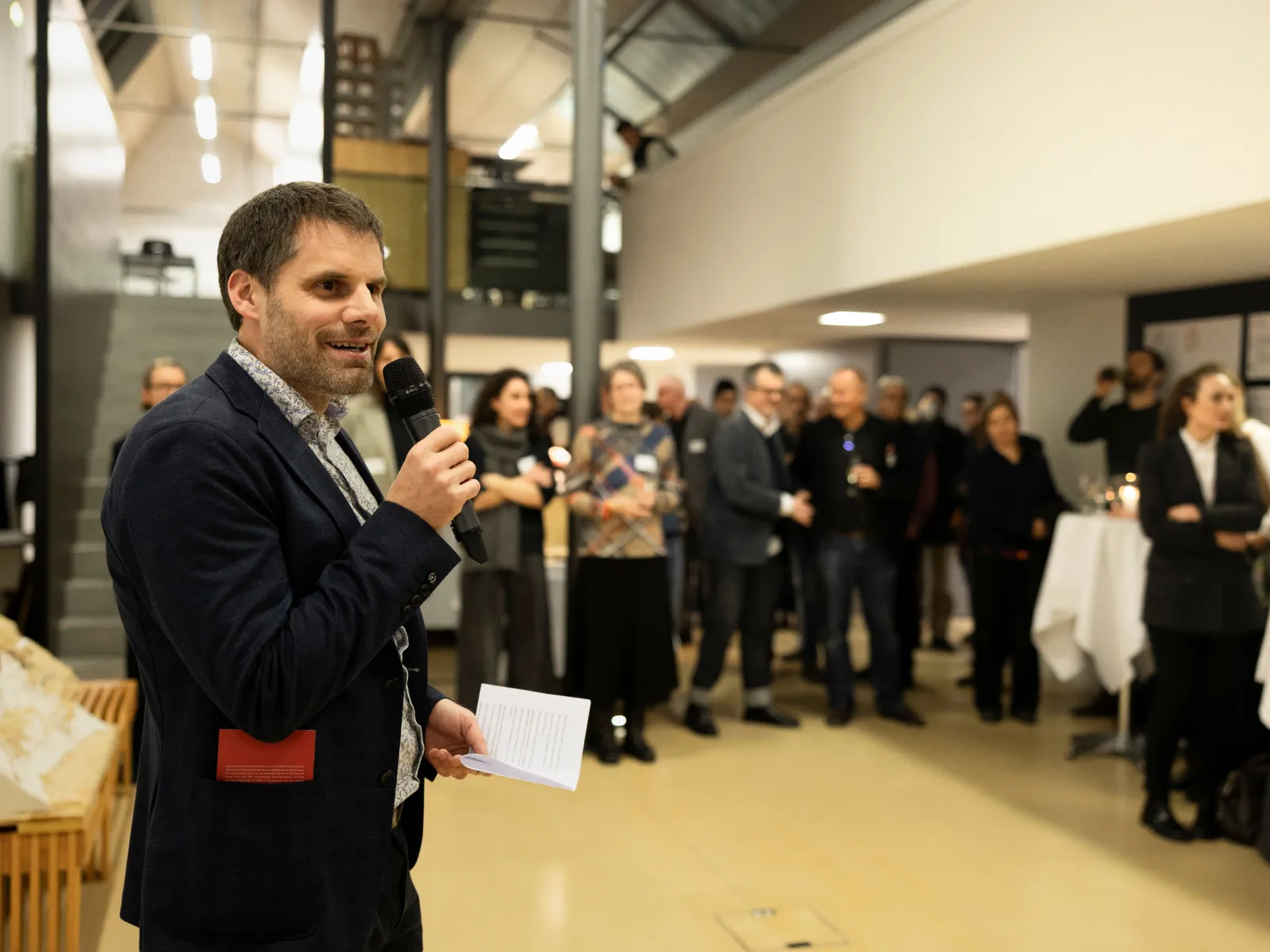
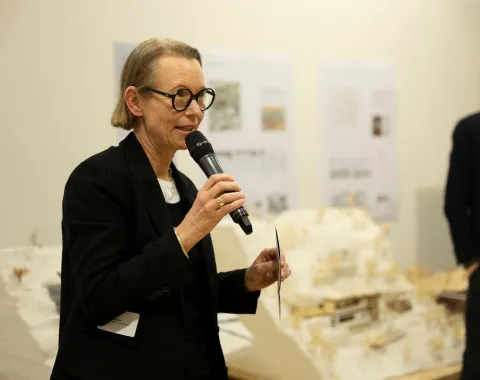
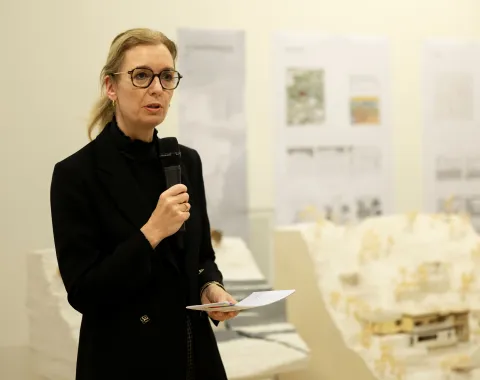
At the same time, the event marked the final completion of the Red Pavilion, realised by the project team of Urs Meister, Carmen Rist-Stadelmann, and Livia Herle, with dedicated support from facilities staff member Christian Beck and student assistants. The evening also provided the occasion for an initial personal farewell to Prof. Dr Urs Meister on the occasion of his final semester at the University of Liechtenstein, delivered by the Dean of the Liechtenstein School of Architecture, Prof. Dr Daniel Stockhammer.
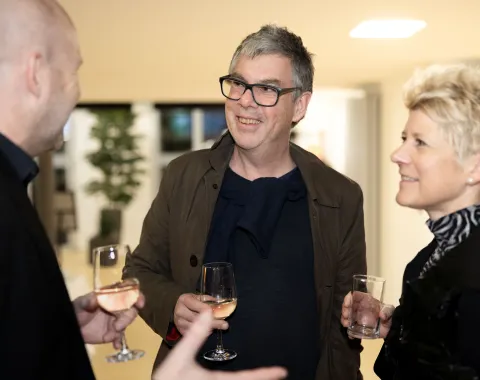
Late into the evening, students, staff, and alumni took the opportunity to exchange ideas and conversations after an intensive year in 2025. The traditional end-of-year gathering was organised by the Liechtenstein School of Architecture in cooperation with Alumni Relations.
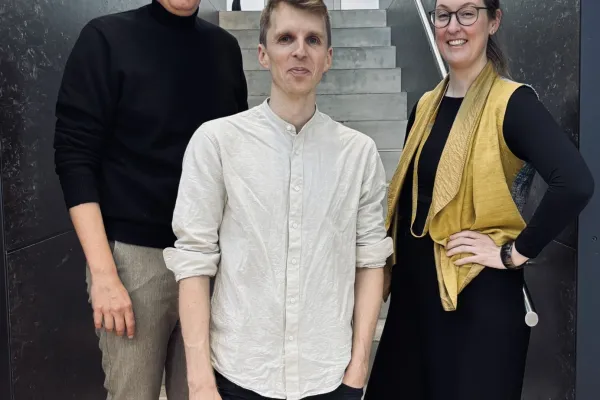
The University of Liechtenstein warmly congratulates Daniel Haselsberger on the successful defence of his doctoral dissertation, “Raw, Fired, and In Between – On Regenerative Building Materials and Participatory Construction in Bahuarwa, India”, at the Liechtenstein School of Architecture.
In his doctoral thesis, Daniel Haselsberger investigates the transformation of building cultures in the village of Bahuarwa in the Indian state of Bihar. Situated at the intersection of architecture and ethnography, the research analyses the shift from traditional, regenerative building materials such as earth, bamboo and timber towards industrial, CO₂-intensive materials such as brick, cement and steel. Central to the dissertation is the dichotomy widely used in India between so-called kutcha and pukka buildings, which increasingly hinders the use of regenerative materials.
Based on a transdisciplinary research approach, the dissertation combines ethnographic fieldwork with participatory action research and research by design. Through numerous interviews, building documentations and observations, Haselsberger examines the ecological, socio-economic and technological factors influencing local building decisions. Building on these findings, he collaborated with the local community and partner organisations to design and realise the construction of a new primary school for disadvantaged children. The building serves not only as educational infrastructure, but also as a test case for a hybrid construction method that combines regenerative and conventional materials.
The dissertation was supervised by Prof. Dr Lindsay Howe, with Prof. Dr Sascha Roesler as co-supervisor. The work emerged from intensive international collaborations, including partnerships with the Bahuarwa Foundation and the Center for Indian Bamboo Resource and Technology. The results contribute both to academic discourse on sustainable architecture and to tangible social value on the ground.
The University of Liechtenstein warmly congratulates Daniel Haselsberger on this outstanding achievement and wishes him all the very best for his professional and personal future.
Articles:
“A Cool School: The Bahuarwa Primary School”
“A School in India – Built with Support from Liechtenstein”
Daniel Haselsberger is an architect and research associate at the Liechtenstein School of Architecture. His work is situated at the intersection of architecture, ethnography and international collaboration. Born in 1990 in Chur and raised in Flims, he studied architecture at the University of Liechtenstein and spent an exchange semester at the Bergen School of Architecture in Norway. His Master’s thesis was supervised by Anna Heringer. Daniel gained professional experience in Graubuenden at the architectural practices Bearth & Deplazes and Juengling & Hagmann. Since 2020, he has been involved in teaching and research at the University of Liechtenstein, where he leads a design studio and is part of the transdisciplinary teaching format Pro Bono, in which students initiate projects for the public good in collaboration with real-world partners. Since 2021, he has been working on his doctoral research, which is closely linked to India and to his non-profit work carried out together with his partner Isha Haselsberger, an architect born in India. In 2020, they jointly founded the non-profit organisation Arch Aid, which focuses on community-based building initiatives and the integration of regenerative, locally available building materials for disadvantaged communities.
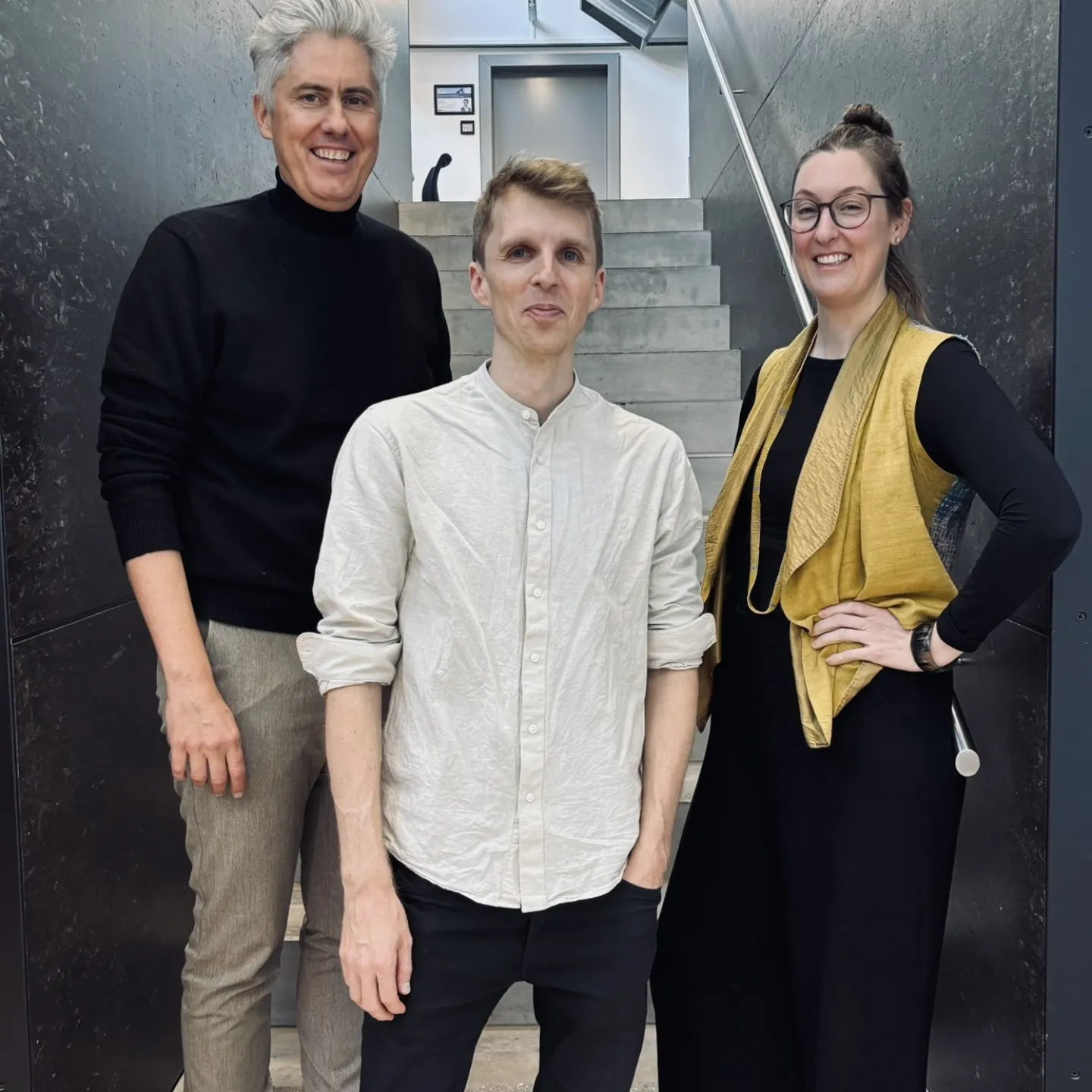
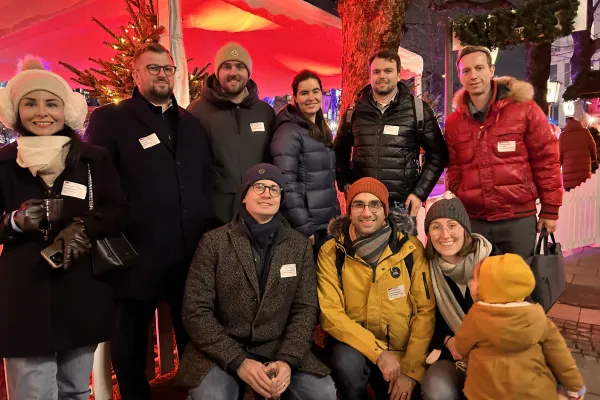
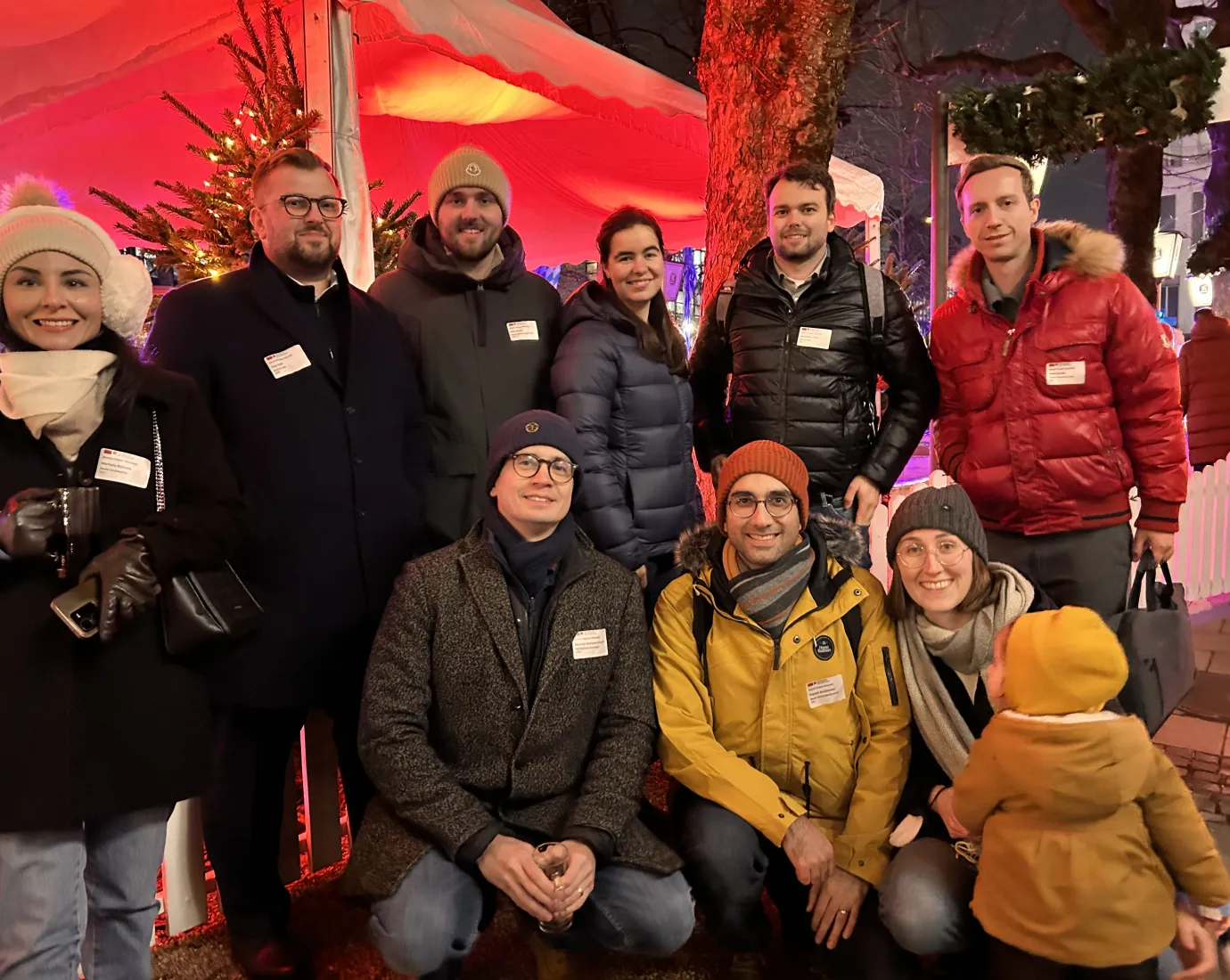
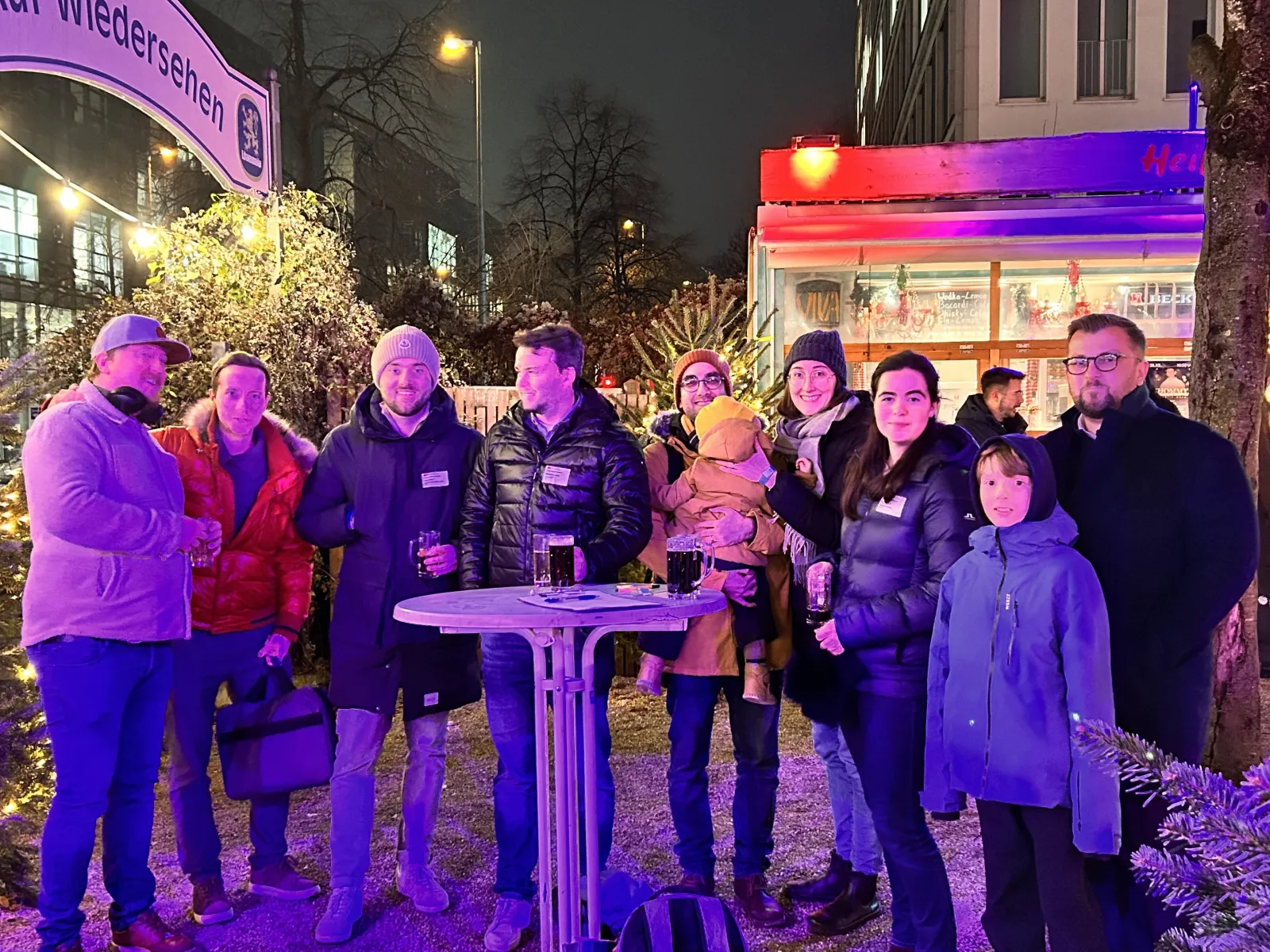
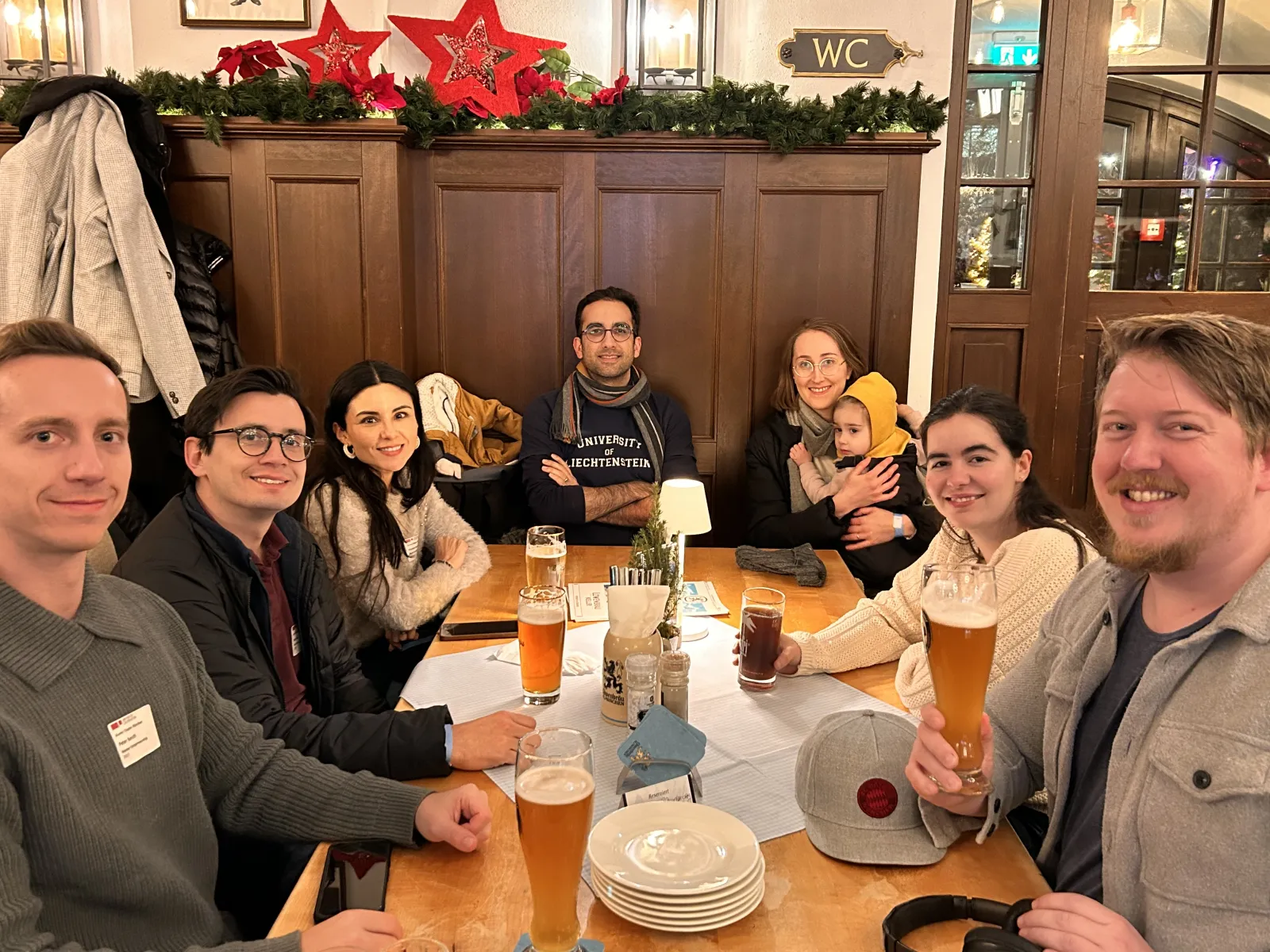
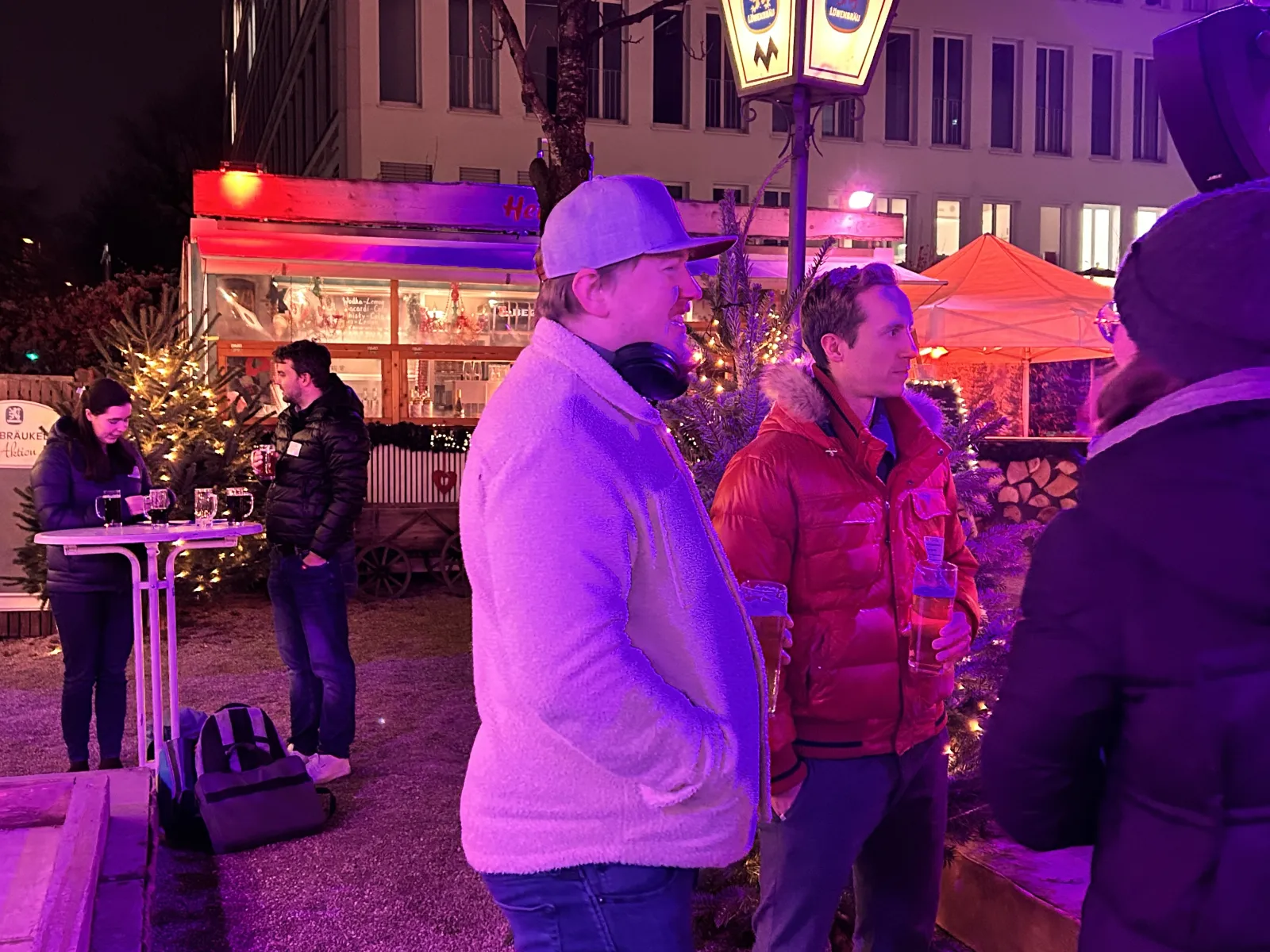
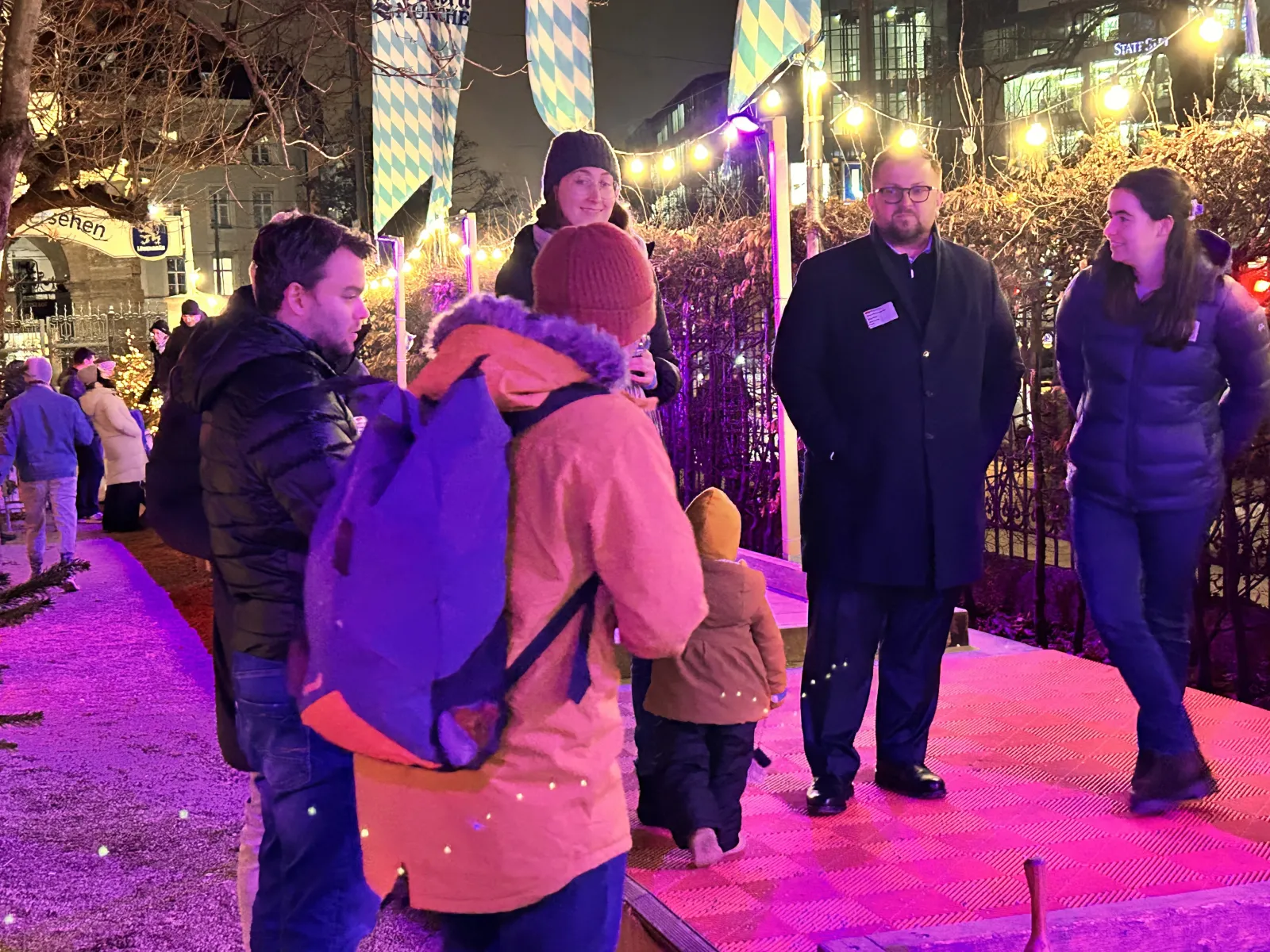
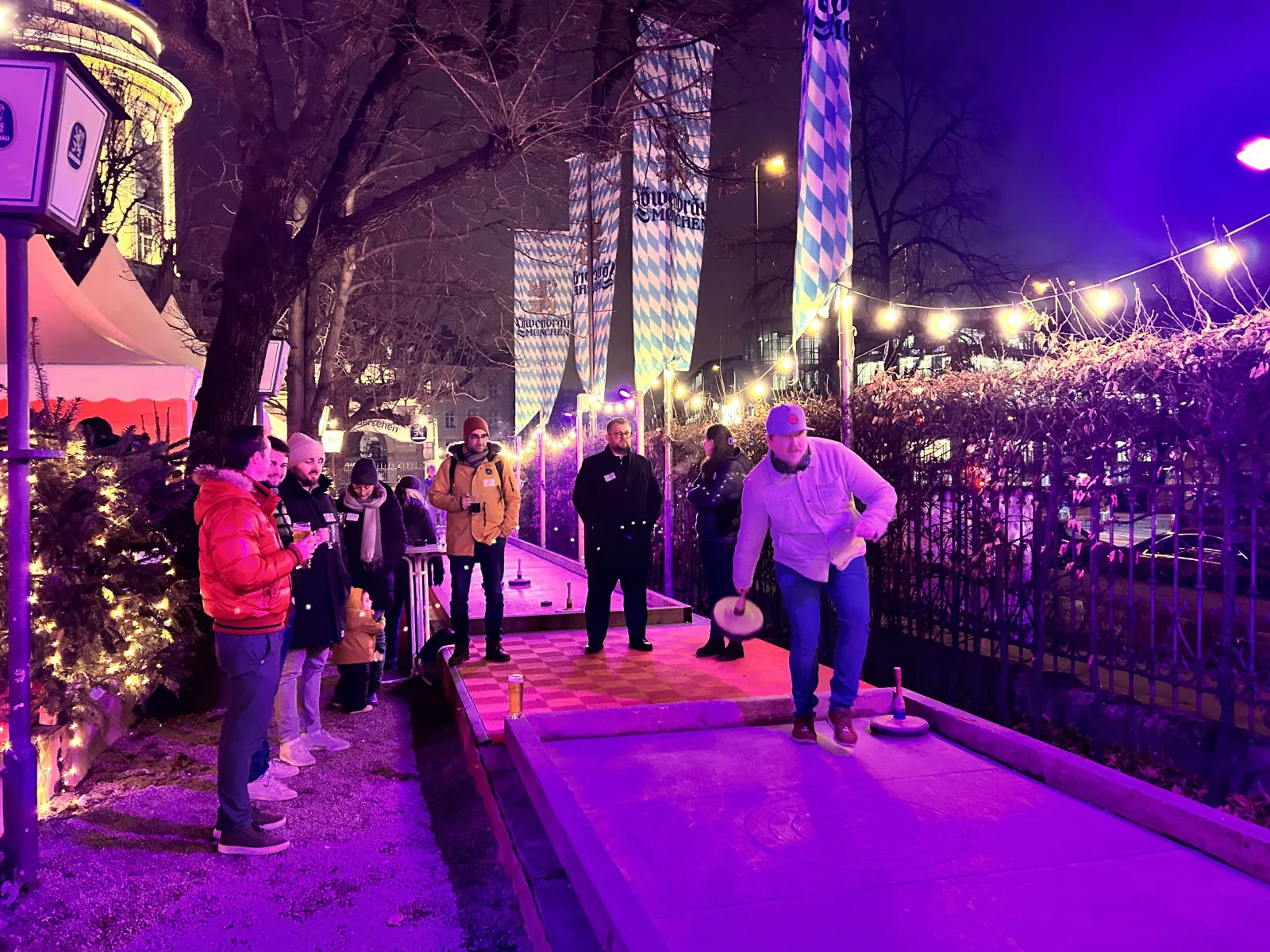
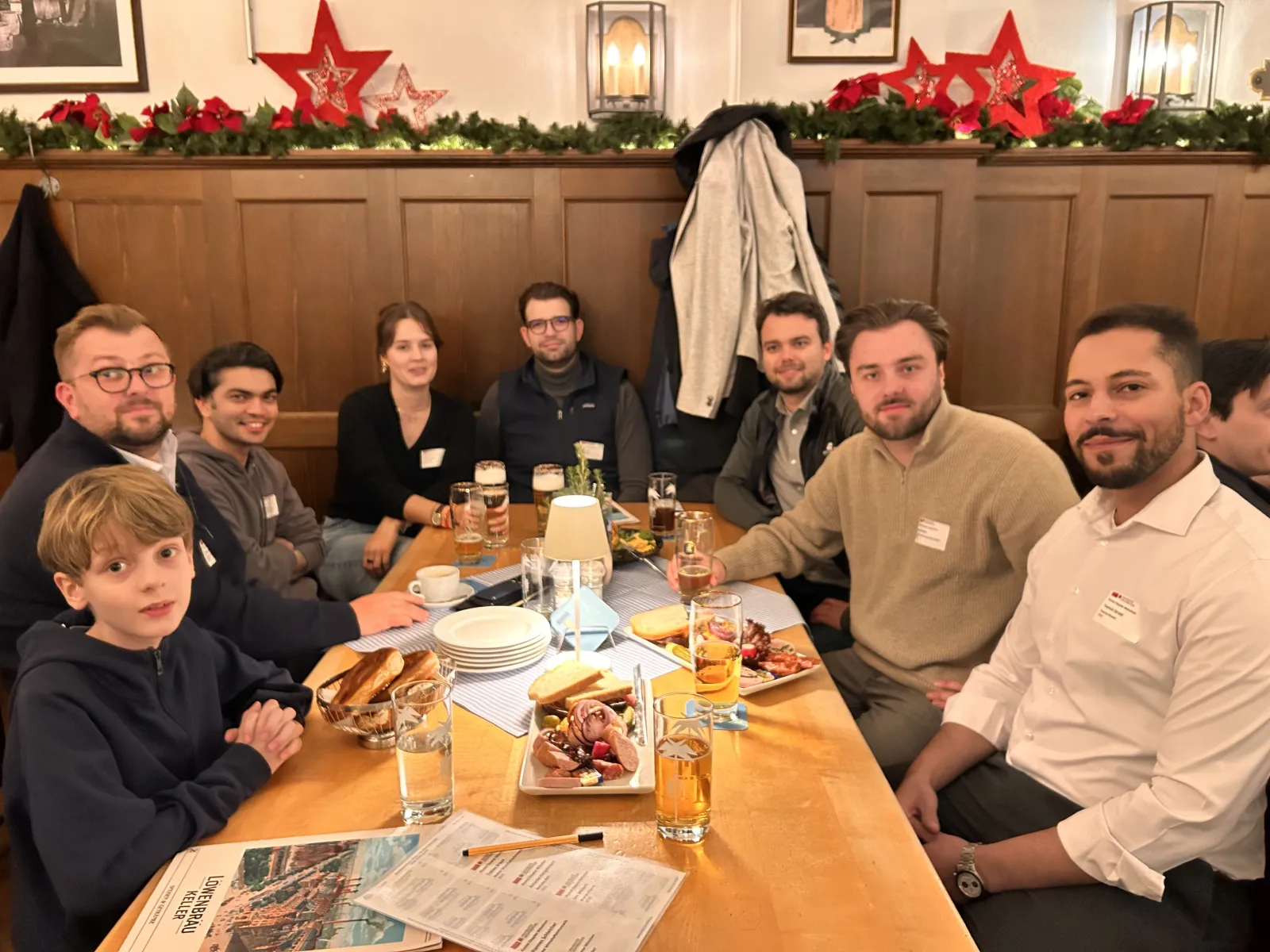
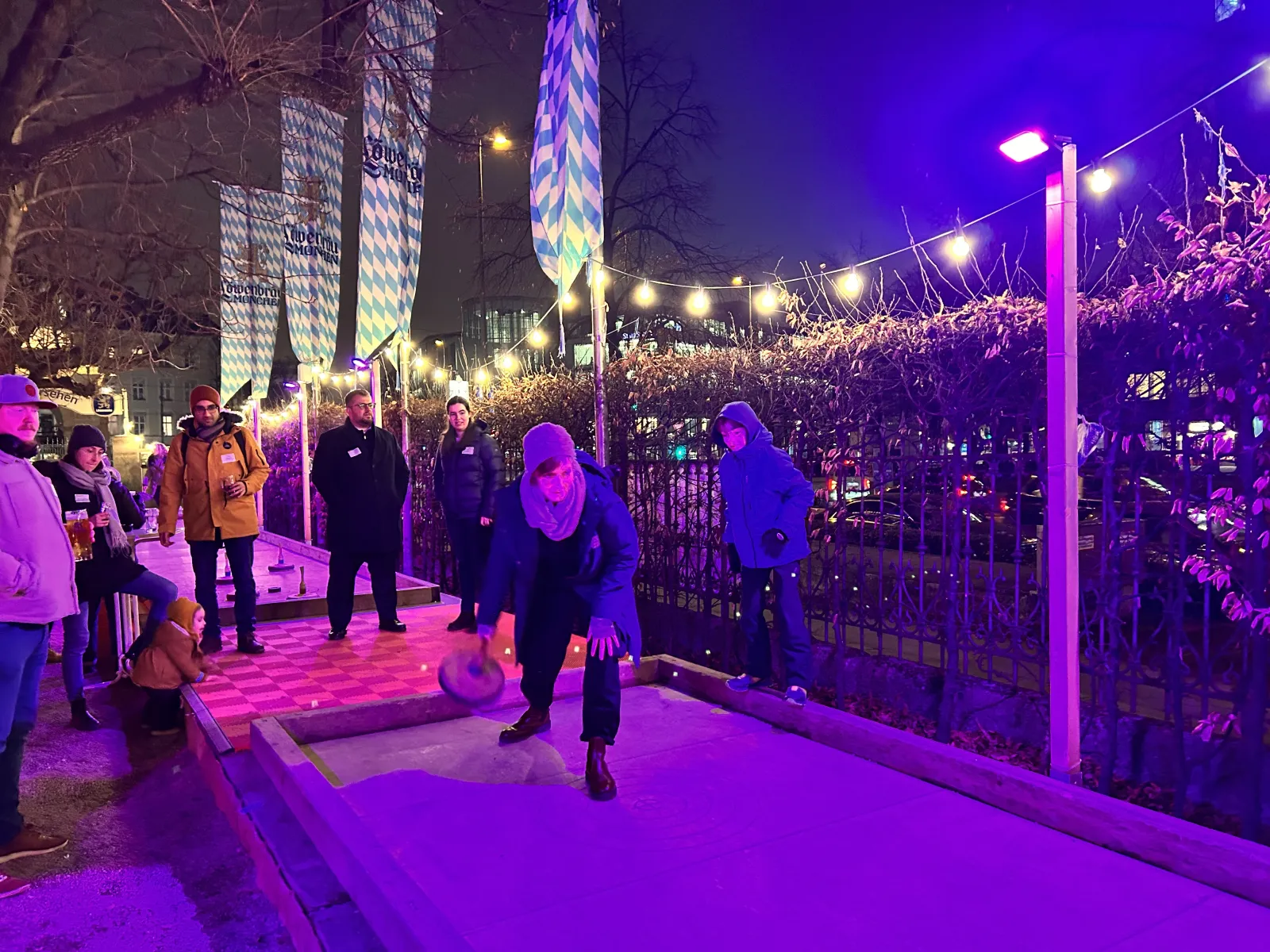
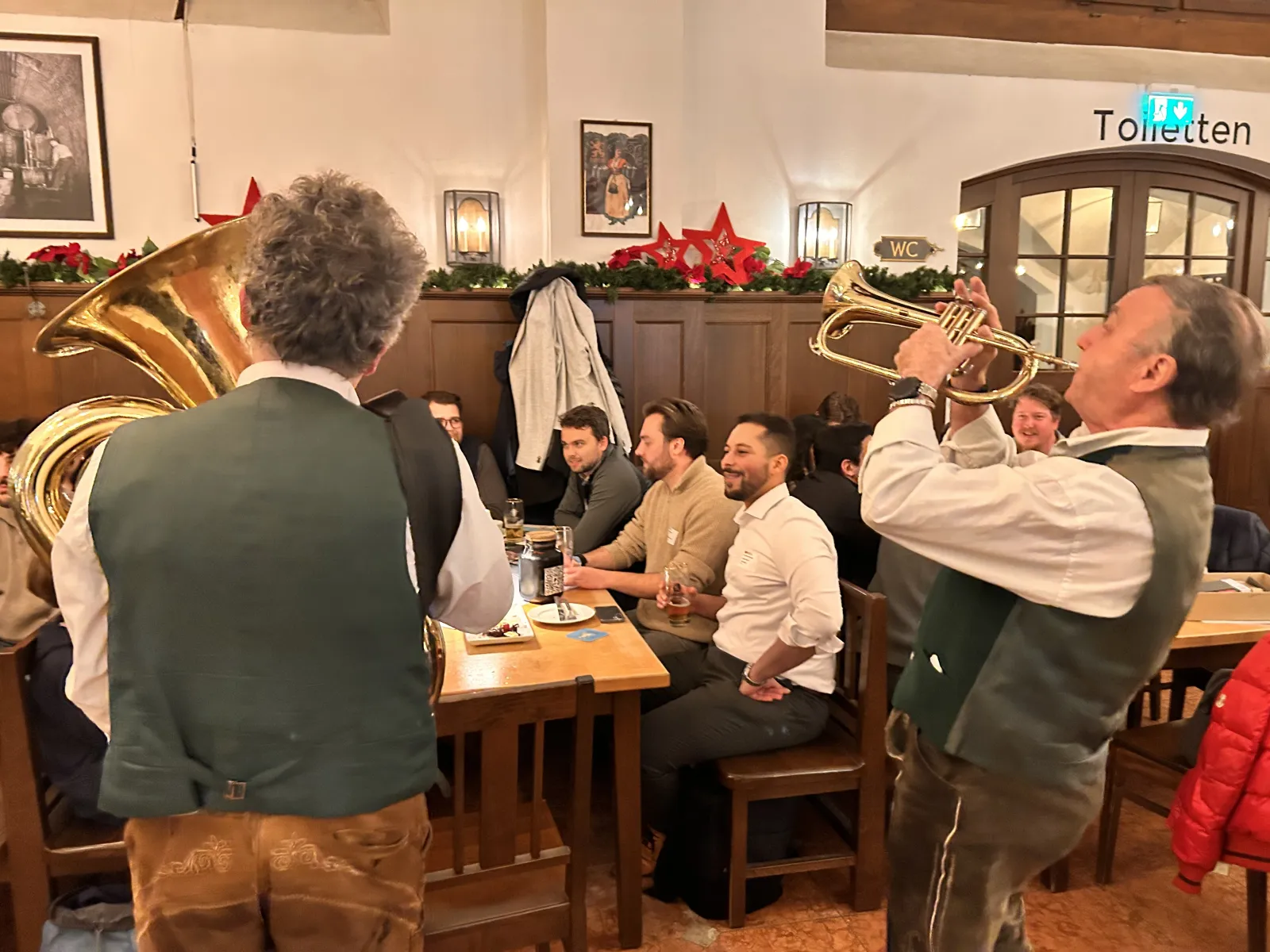
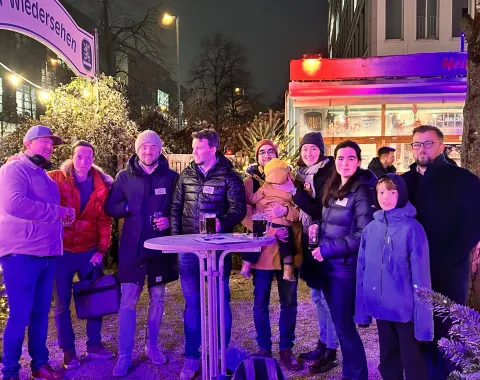
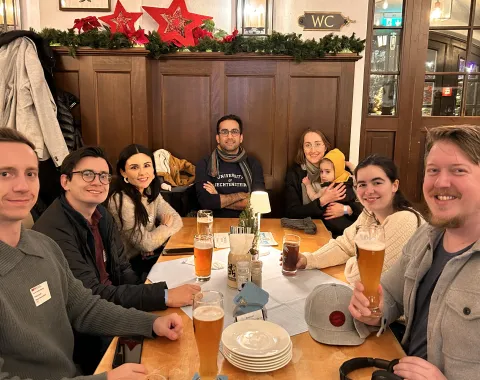
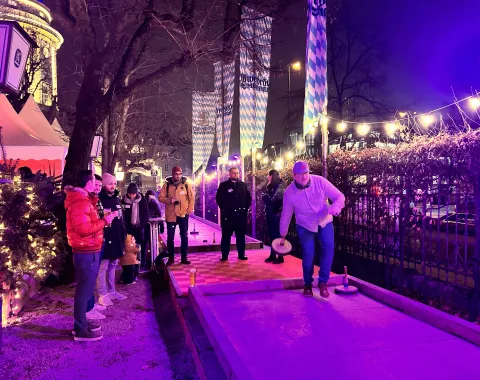
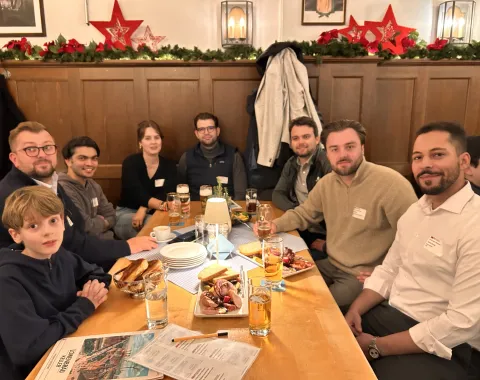
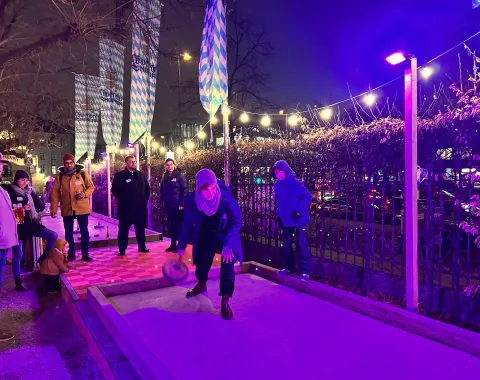
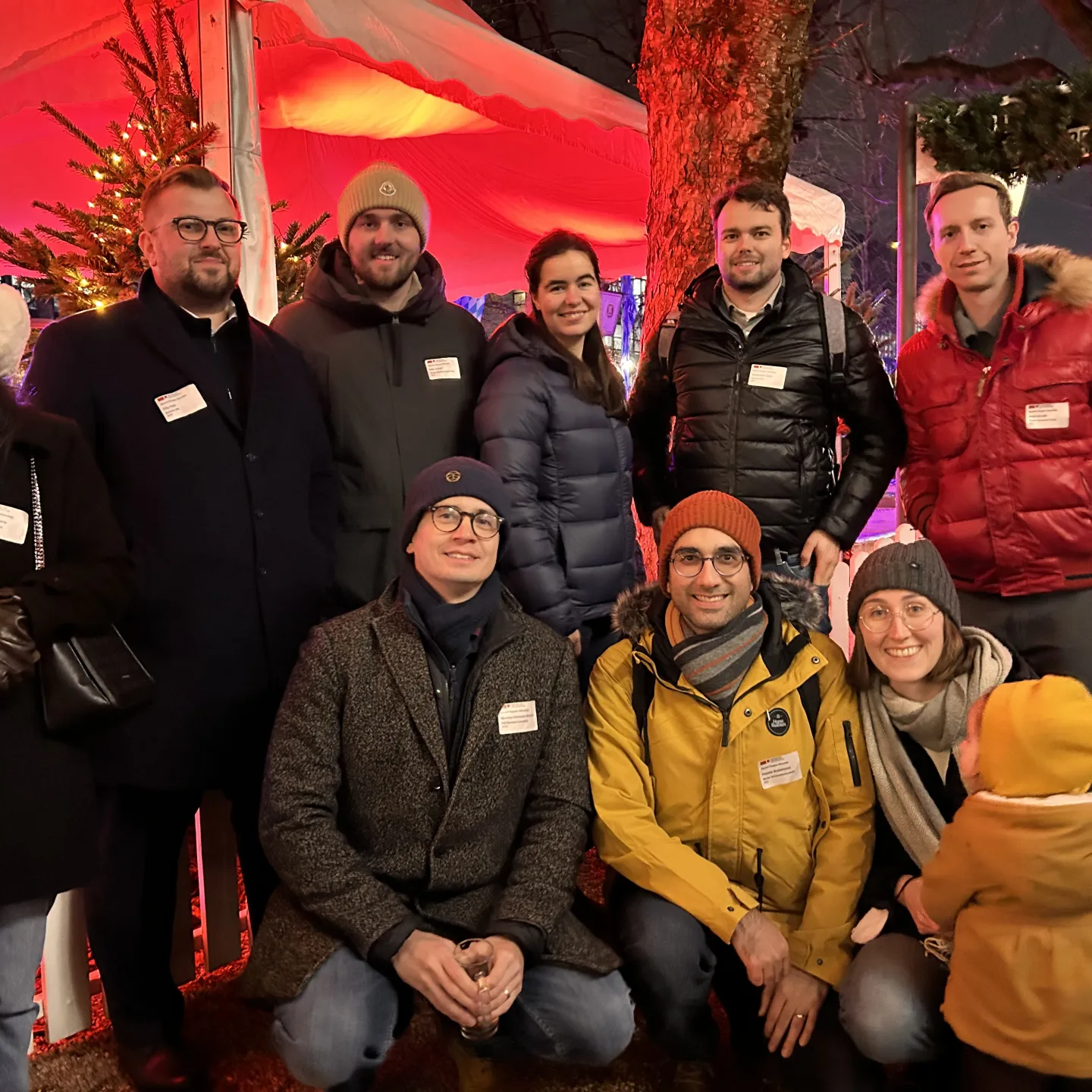
With a varied and engaging program, the Munich Alumni Chapter of the University of Liechtenstein wrapped up the year on 15 December 2025 before heading into the winter break. Alumni from a wide range of disciplines came together to reflect on the past year and begin shaping plans for 2026.
Sporty Start and Relaxed Networking
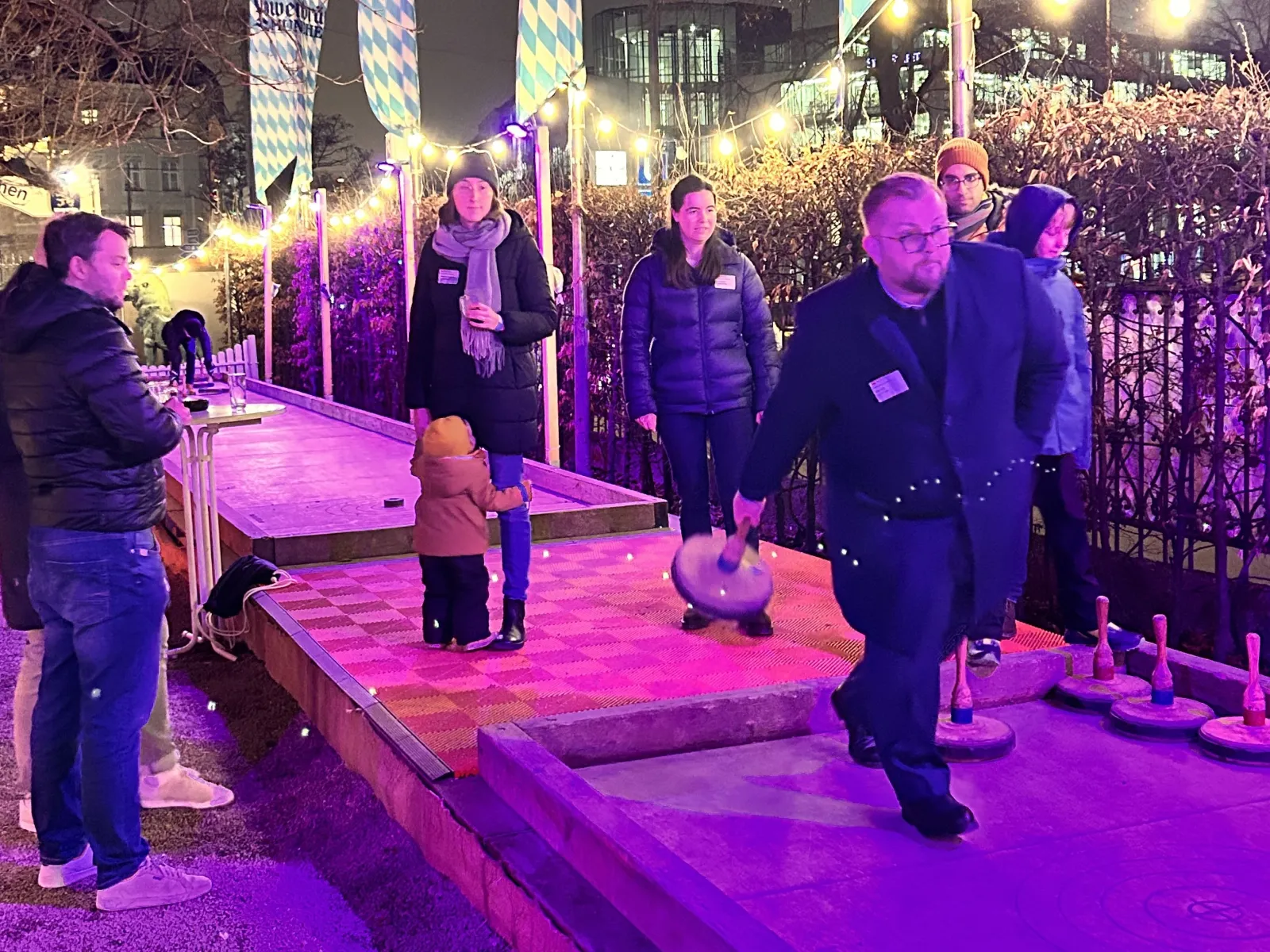
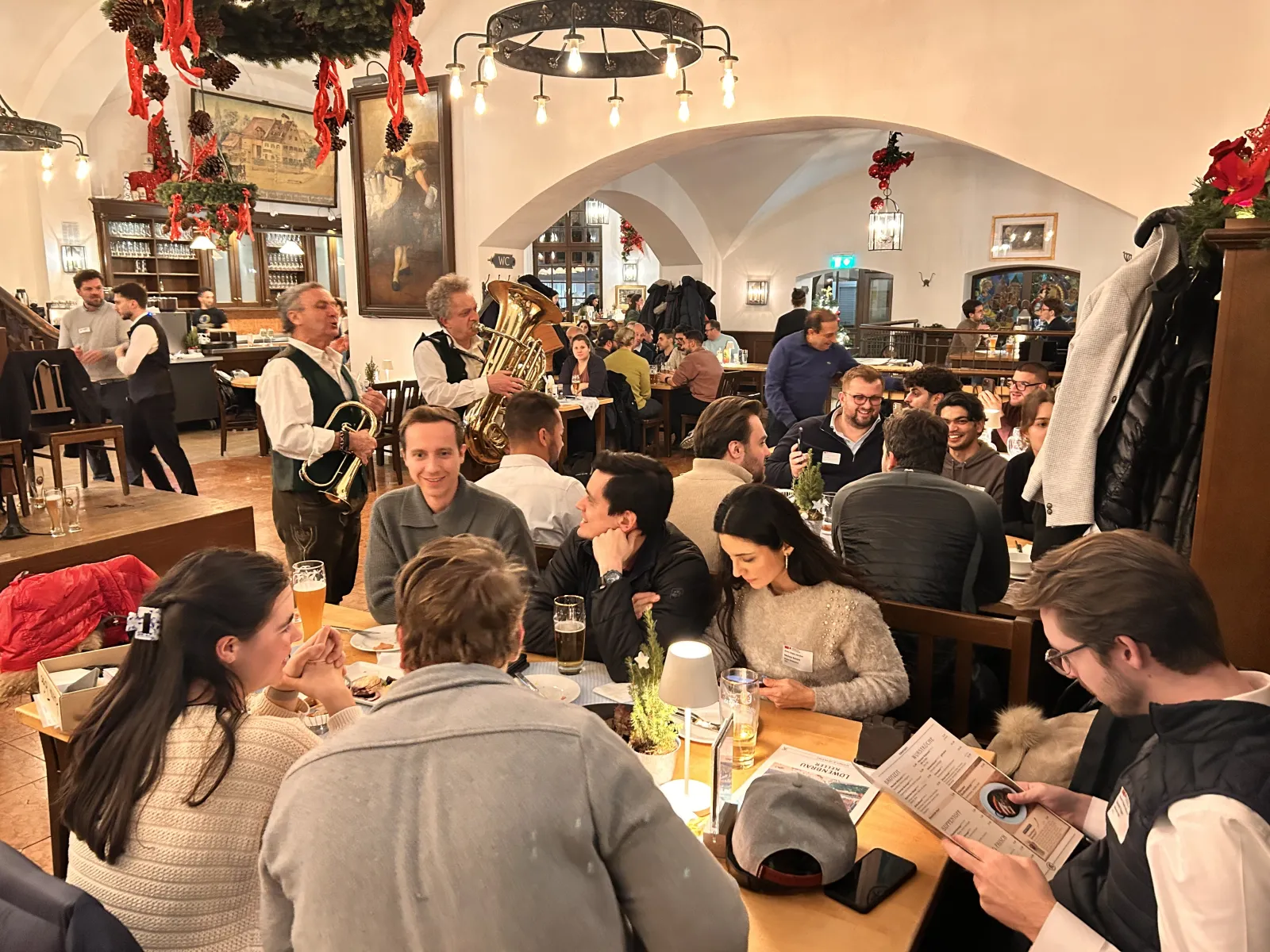
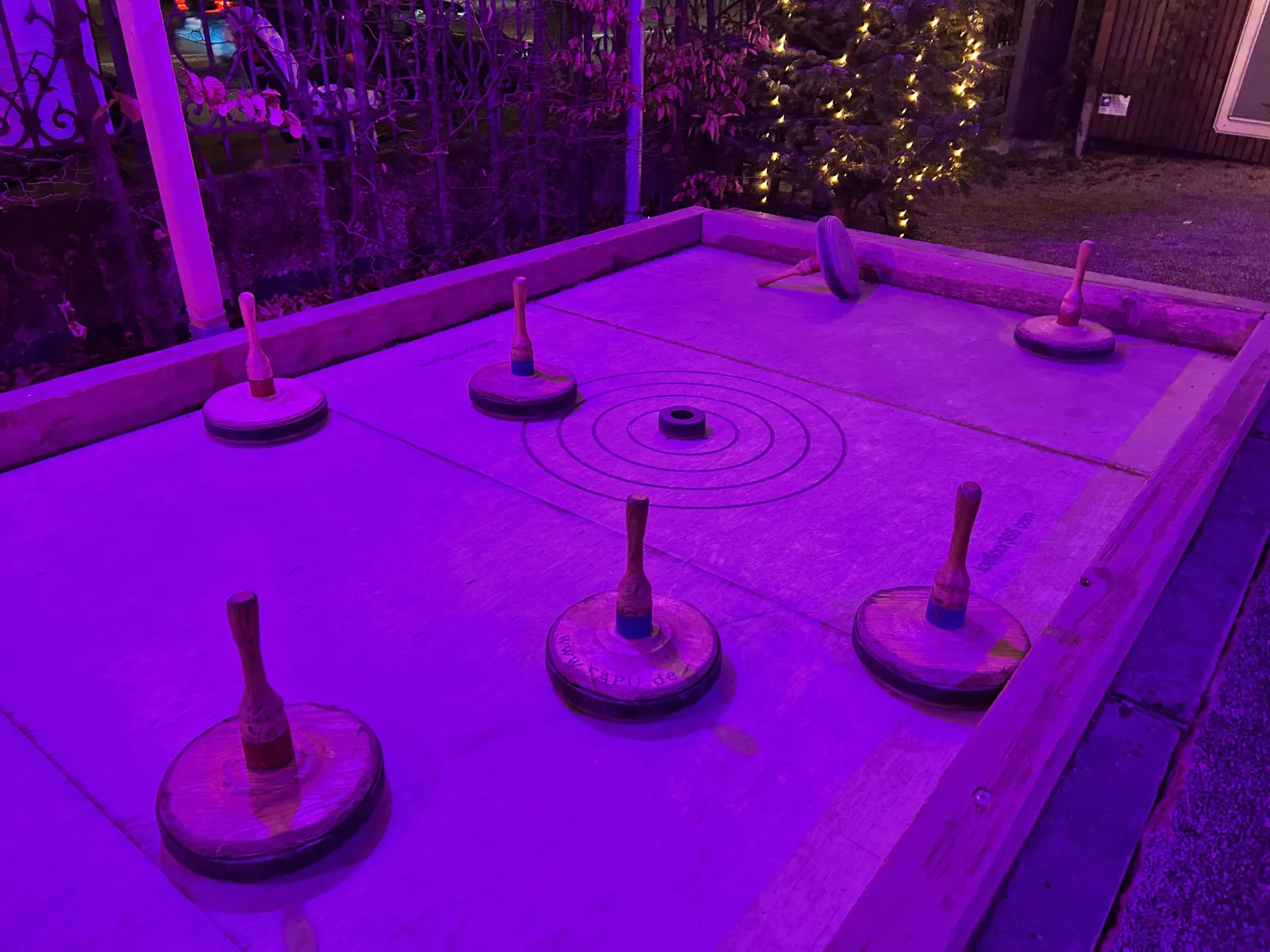
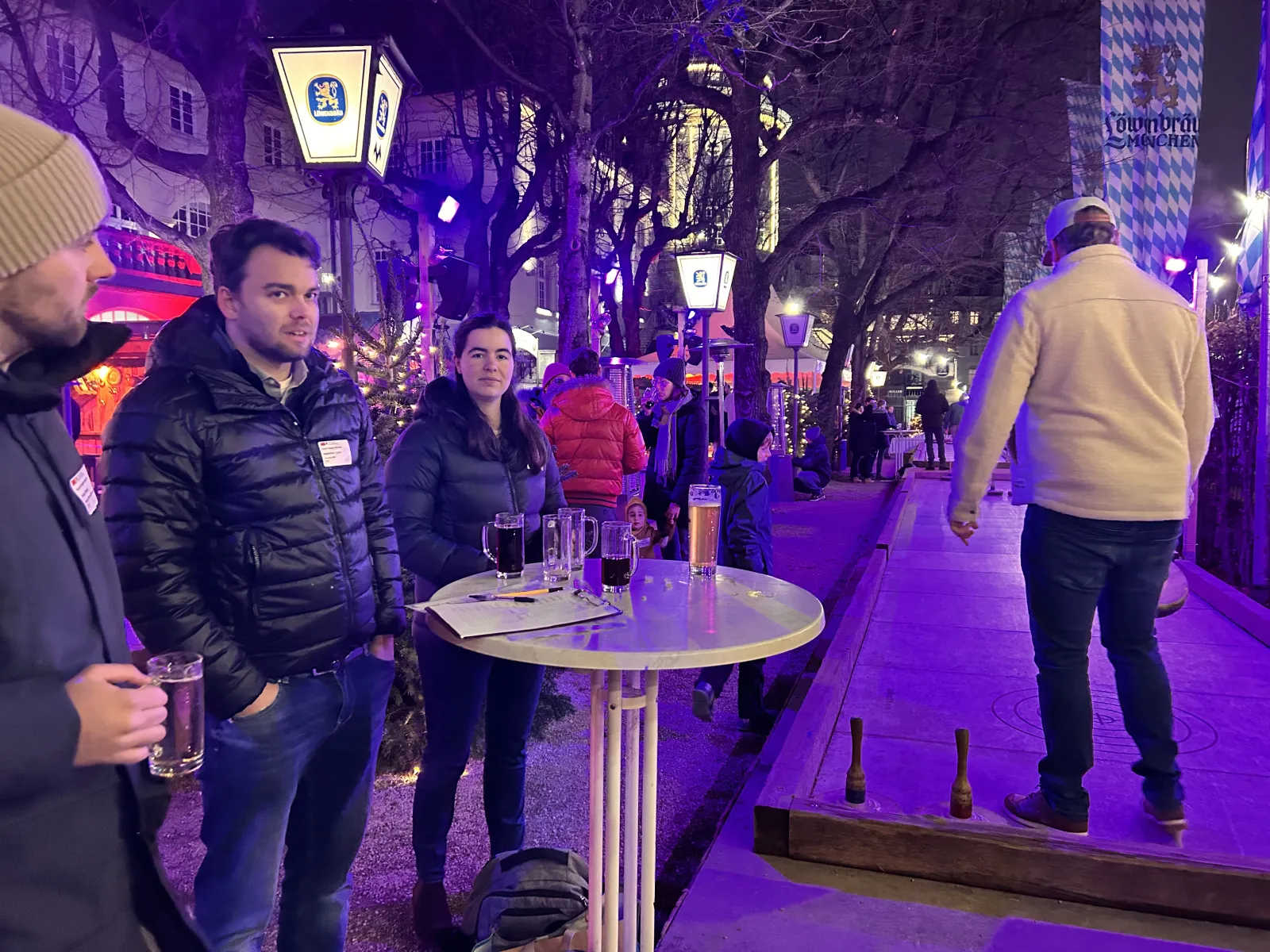
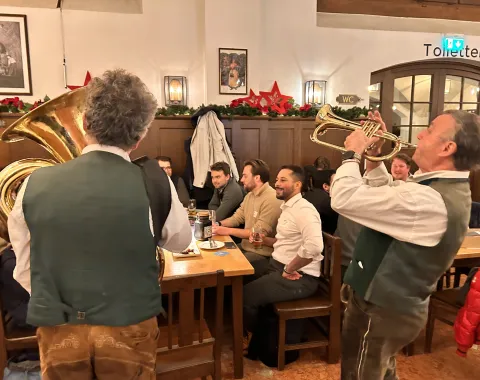
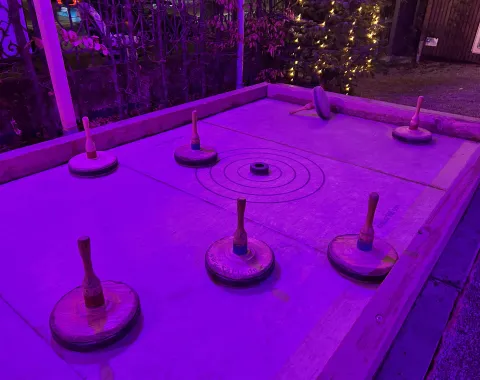
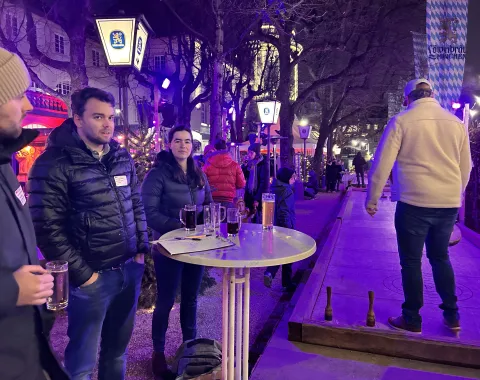
The evening kicked off with an outdoor curling session, bringing plenty of movement, team spirit, and good cheer. Afterwards, the group moved on to the Löwenbräukeller at Stiglmaierplatz, where drinks and snacks set the scene for conversations about current life paths and fond memories of student days.
At what was already the chapter’s fourth gathering, alumni from architecture, entrepreneurship, finance, and information systems came together, ranging from bachelor’s graduates to doctoral alumni.
Looking Ahead: Chapter Activities in 2026
Beyond reconnecting, the meeting also provided space for future-oriented ideas. Together with Simone Brandenberg, Alumni Officer of the University of Liechtenstein, participants discussed and developed concepts for upcoming events in 2026. The shared goal remains to strengthen the Munich alumni community and to establish regular, sustainable opportunities to connect.
All alumni are warmly invited to take part in future events. Further information will be shared, as usual, through the alumni community’s channels.
A Vibrant Alumni Chapter Since 2024
Since the introduction of the new chapter format at the end of 2024, Munich has established itself as a highly active location. Following the kick-off event in December 2024 at the Löwenbräukeller, alumni have already organized two follow-up events:
These ongoing activities clearly demonstrate the growing engagement of the Munich alumni community.
The Munich Ambassador Team
Since its founding, a dedicated team of alumni has supported the development of the chapter and actively contributed to shaping the content of the meetings:
Bhargav Bhatt
Tomal K. Ganguly
Dr. Matthias Herrmann-Romero, CFA
Serena Keller
Stephan Niemann
Marisela Romero
Carla Sauvant
A Community for All Alumni
All graduates of the University of Liechtenstein are invited to stay informed about alumni activities via the channel of their choice:

The research project Walz 4.0 at the University of Liechtenstein is developing new models of collaboration between the crafts and higher education. Its starting point is the observation that the construction industry in the Alpenrhein–Lake Constance–High Rhine region is facing several challenges: a shortage of skilled workers, increasing demands for sustainability, and the loss of artisanal experiential knowledge. At the same time, new technologies and planning tools are emerging whose potential within the craft sector has not yet been fully realised.
Walz 4.0 examines how traditional craft knowledge and modern university teaching can mutually reinforce one another. At its core lies the question of how planning, material understanding and hands-on craftsmanship can once again be more closely interlinked. The project draws on open, distributed and practice-oriented learning formats that foster exchange across professional boundaries and explore new approaches to knowledge transfer. Its aim is to shape research and training processes in ways that contribute to a resilient, climate-friendly and future-oriented building culture.
The project is led by Dr Wolfgang Schwarzmann, architect and postdoc at the Liechtenstein School of Architecture in the Craft & Structure Unit.
First Workshop: “1 Problem – 1000 Solutions”
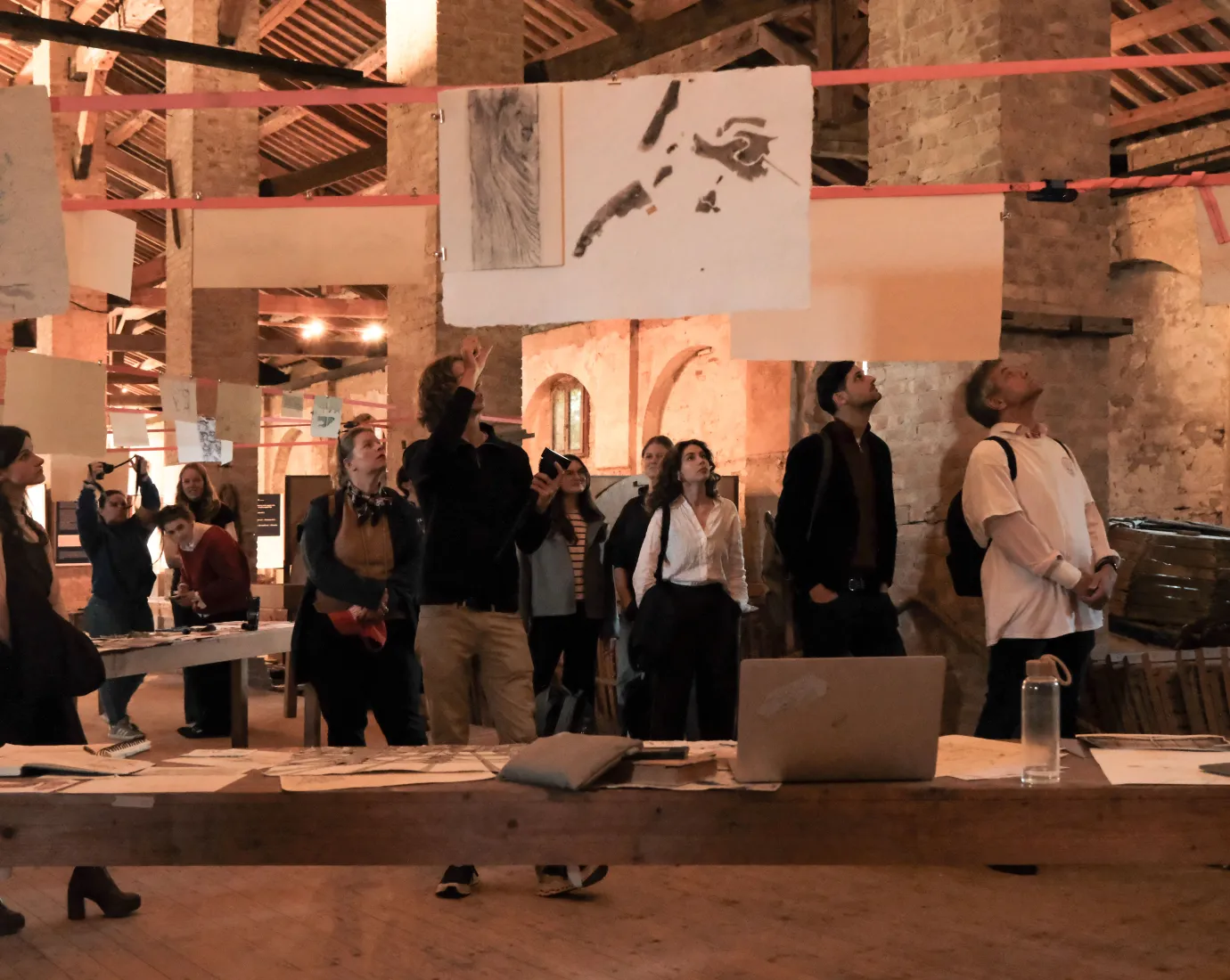
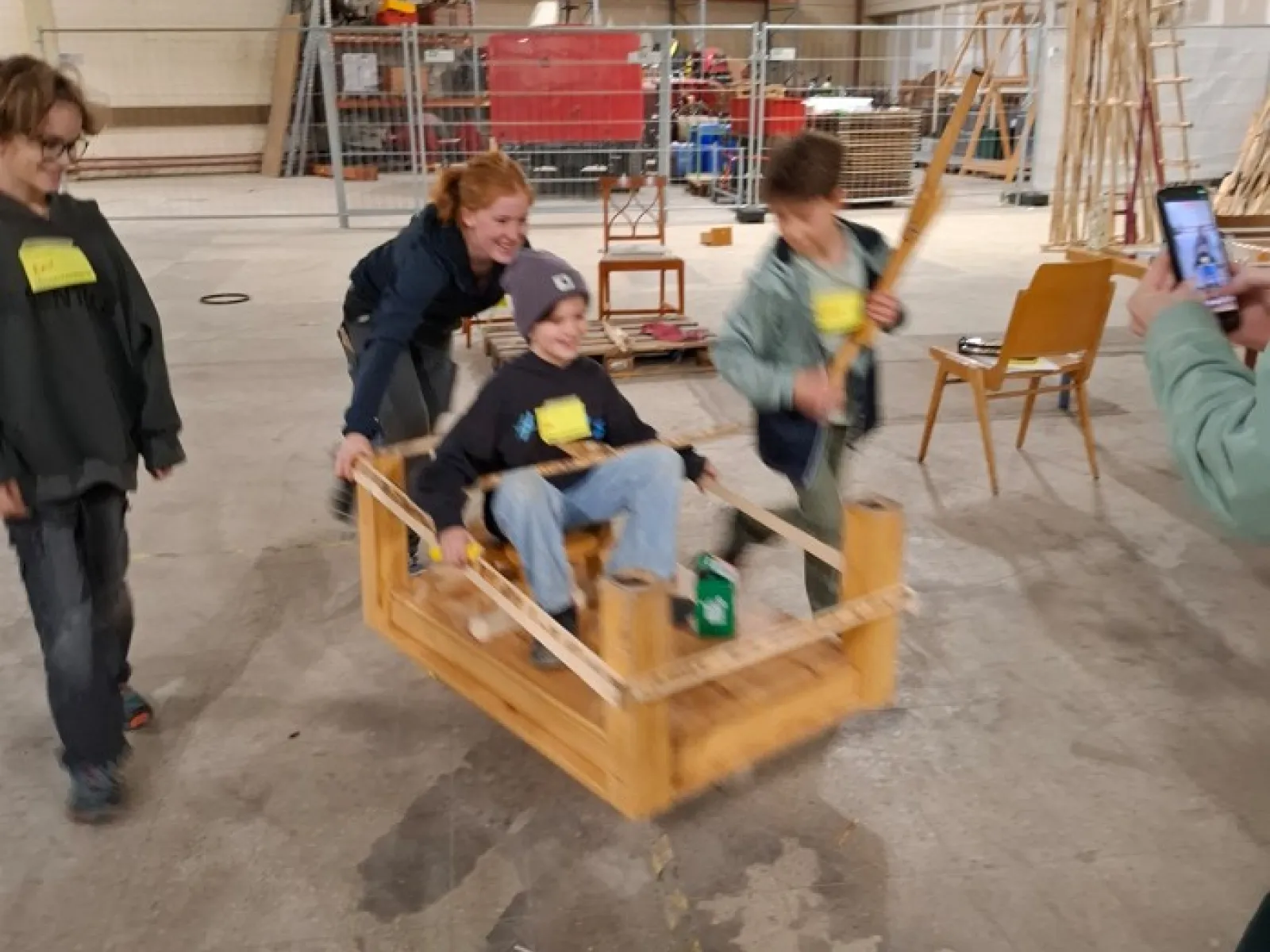
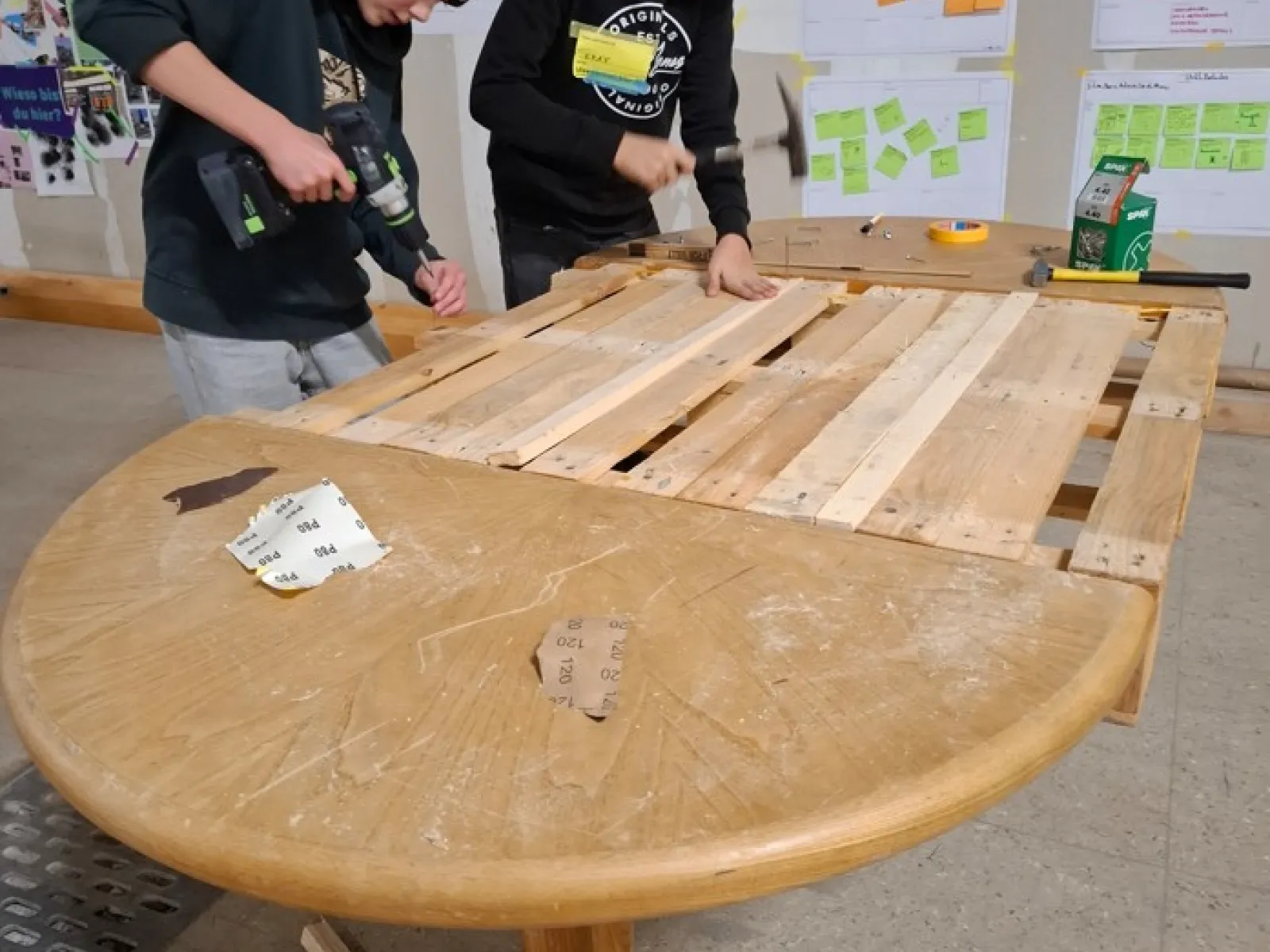
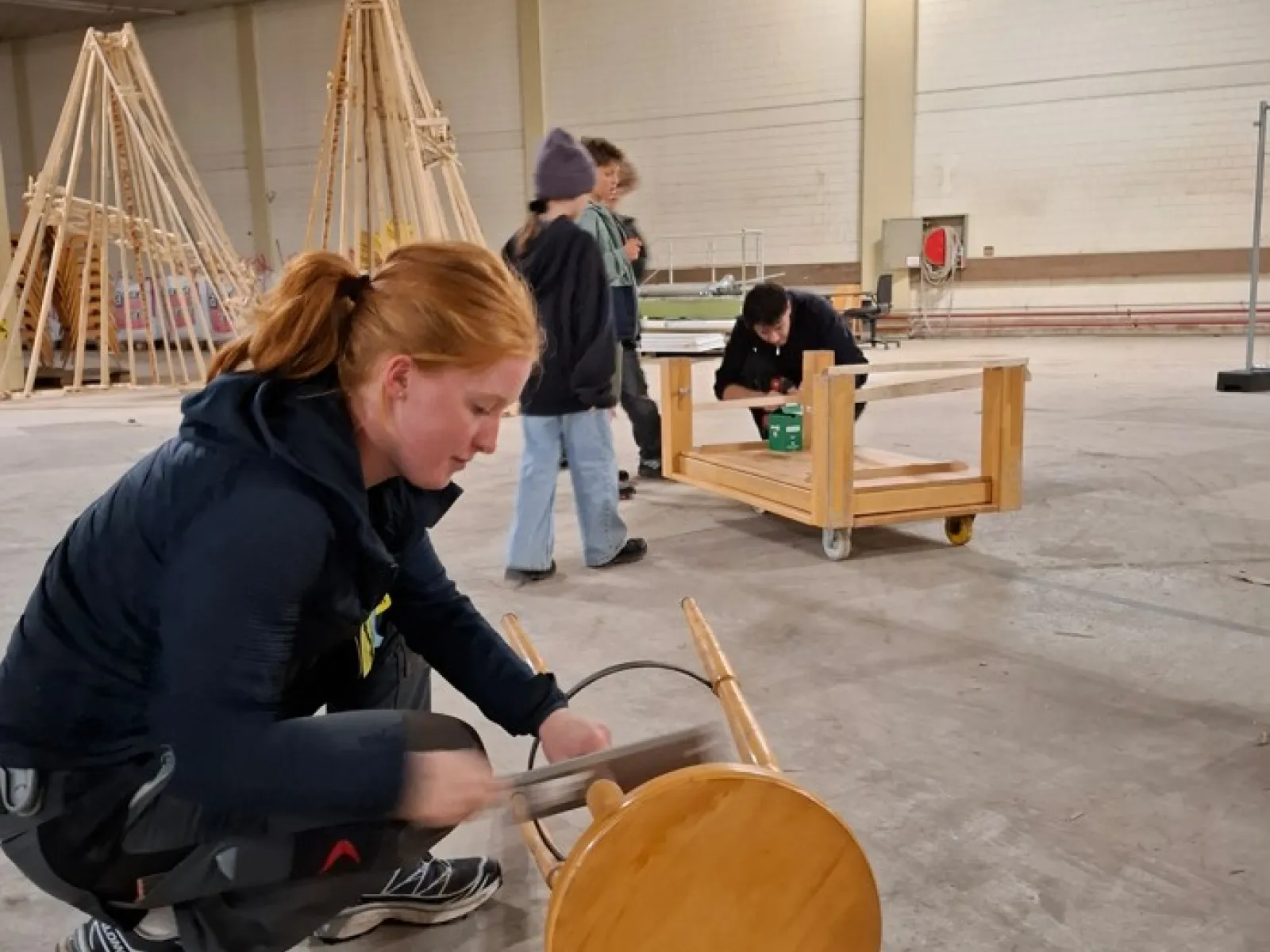
As a kick-off for the practical formats, the workshop “1 Problem – 1000 Solutions” took place on 7 November 2025 at the Designforum Dornbirn. Participants included architecture students from the University of Liechtenstein, carpentry apprentices, and young people aged between 10 and 16.
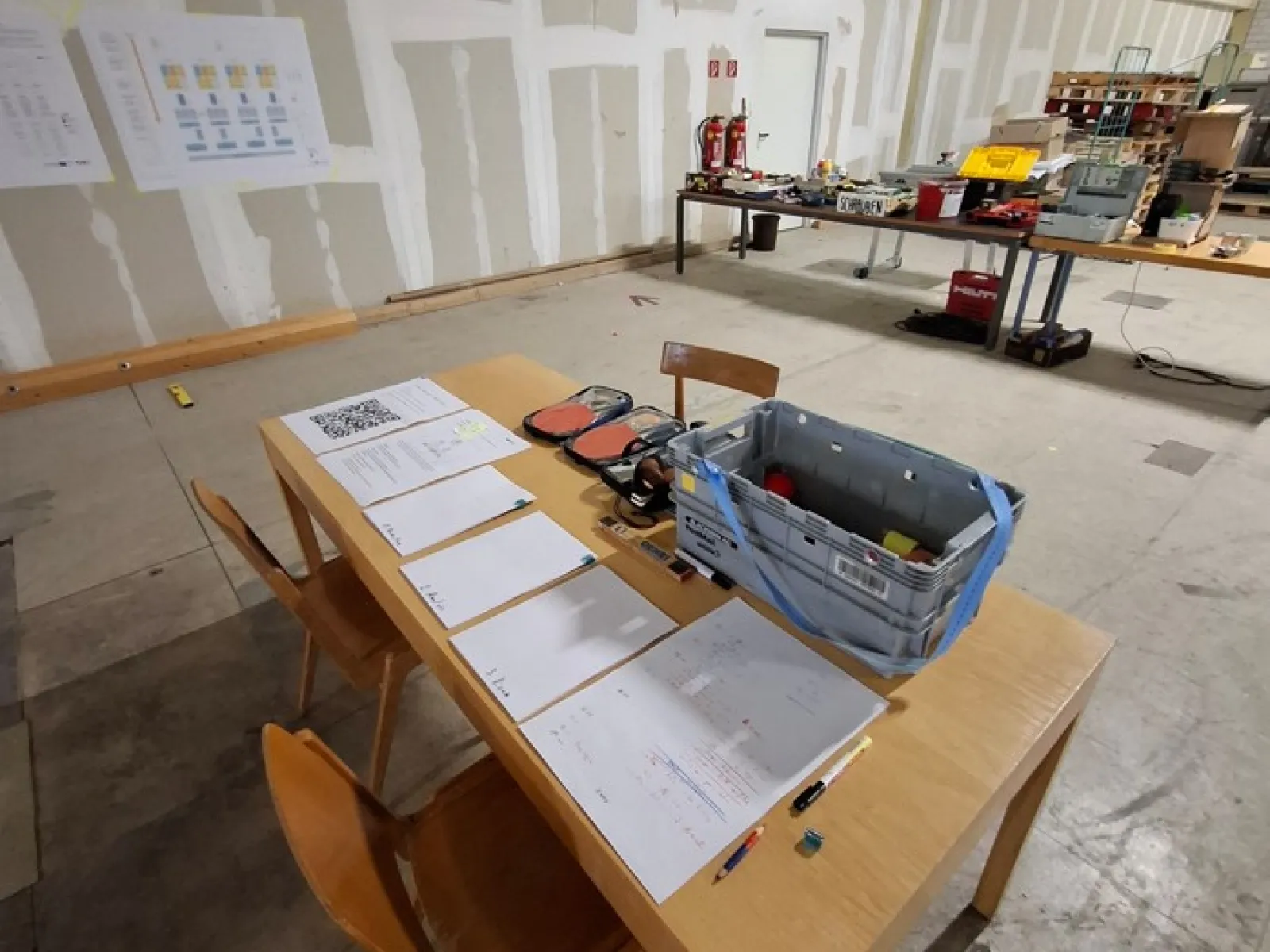
The workshop aimed to bring together diverse perspectives on design and craft practice. In mixed teams, participants developed solution approaches to simple repair and improvement tasks, implementing them in small models. The open learning environment enabled direct exchange, collaborative experimentation, and learning from one another across professional roles and age groups.
The workshop marked the beginning of a series of further formats in which Walz 4.0 will explore new pathways for career orientation, skills development and collaboration between planning and craft.

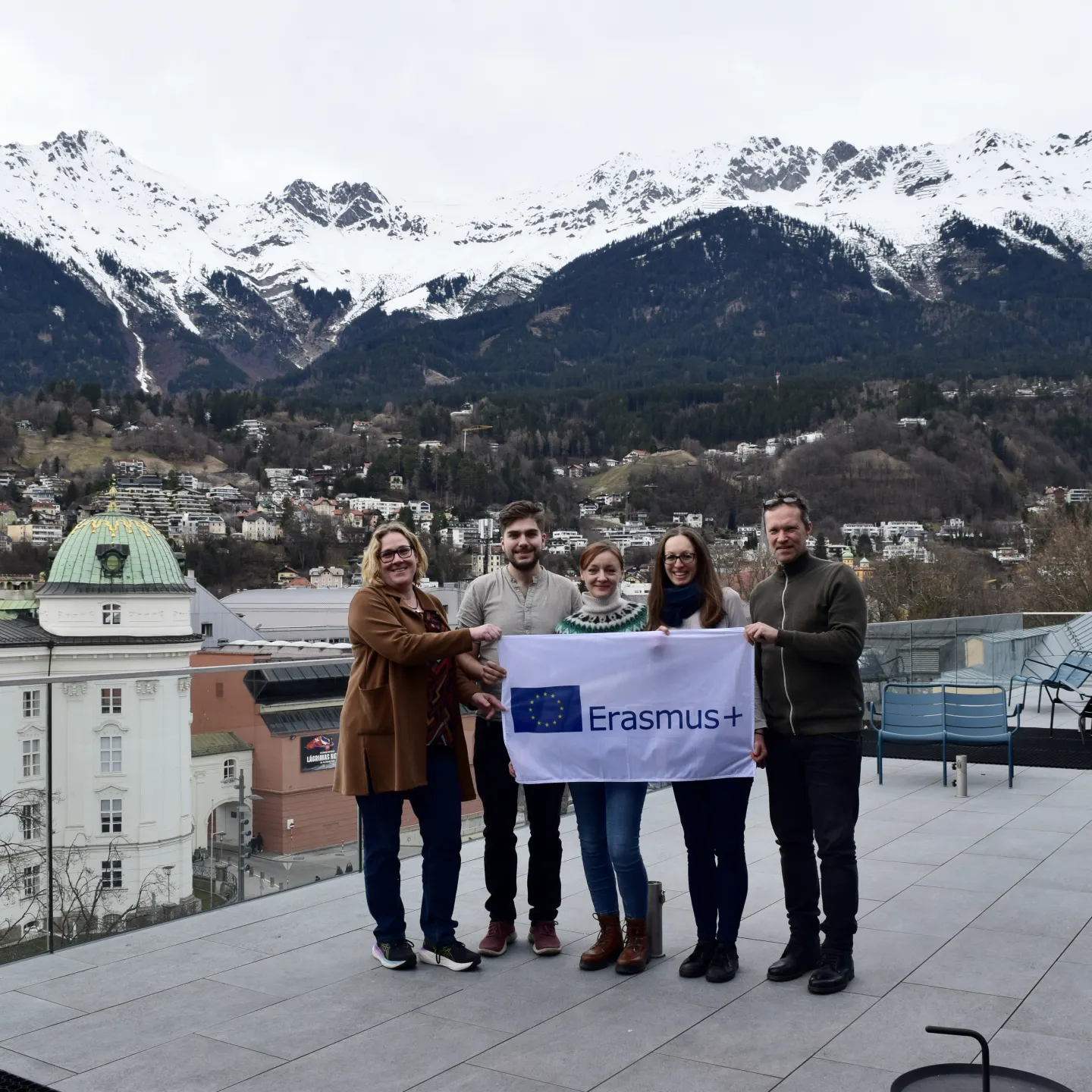
Singing brings people together – even online. In the ERASMUS+ research project “Choir@Home,” the University of Liechtenstein (Dr. Janine Hacker), in collaboration with the Mozarteum University Salzburg (Prof. Dr. Heike Henning) and Anhalt University of Applied Sciences (Prof. Dr. Alexander Carôt), investigated how singing together can take place in virtual spaces and be reimagined.
The COVID-19 pandemic has demonstrated the importance of digital alternatives in the cultural sector. While some choirs successfully made the transition to digital, others struggled with technical hurdles or a lack of social interaction. This is exactly where the Choir@Home project came in: the aim was to enable choirs to rehearse digitally and to create new educational concepts and social conditions for effective collaboration in virtual space. An international online laboratory choir tested the developed concepts in over 30 online choir rehearsals and performed five virtual concerts. Direct feedback from participants helped to continuously improve the concepts. At the same time, the results were made available to a wide audience via social media, press articles, information events, and scientific publications. In addition, teaching materials were developed for the implementation of individual online choir projects.
The project achieved all of its goals—and even exceeded many of them. It created a comprehensive knowledge base on suitable digital tools, developed practical guidelines for choir directors and choirs, and proved through online rehearsals that singing together can also be lively and socially connecting in a digital setting.
The Choir@Home project shows how digital choir singing can be successful – not as a substitute for singing in person, but as a complement to it. It opens up new opportunities for musical participation and digital inclusion and provides choirs, educators, and cultural institutions with valuable materials and solutions for the future.
The results of the project are available on the project website: https://choirathome.com/index.php/results/
The video for the Christmas carol “Bell Carol” by the online lab choir can be viewed on YouTube: https://youtu.be/zOAHHX6A8p0?si=B7tVT7Zi8gwNi8Hx
[1] The research project “Online Choirs: How to carry out virtual choir rehearsals with the help of digital tools” was funded under Key Action 2 (Cooperation Partnerships) of the European Union's ERASMUS+ program (project no.: LI01-KA220-HED-000086928).
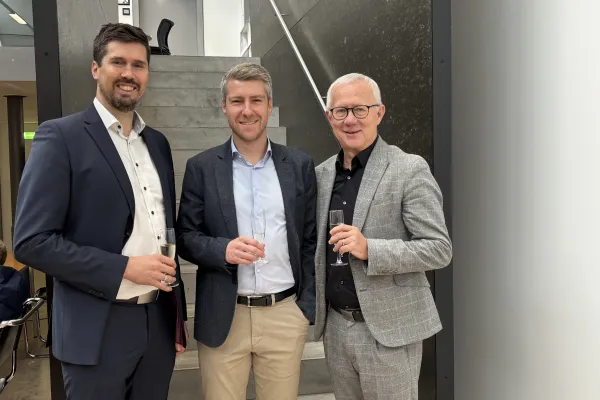
Adrian’s research talk addressed learning and unlearning in coopetition between startups and incumbents, based on a qualitative study. His research shows how both startups and established firms must let go outdated routines and assumptions to collaborate and compete effectively, demonstrating how unlearning enables organizations to adapt and innovate. In addition, he delivered an inspiring student lecture on storytelling in marketing, combining theory and practice in a way that created exceptional value for the participants.
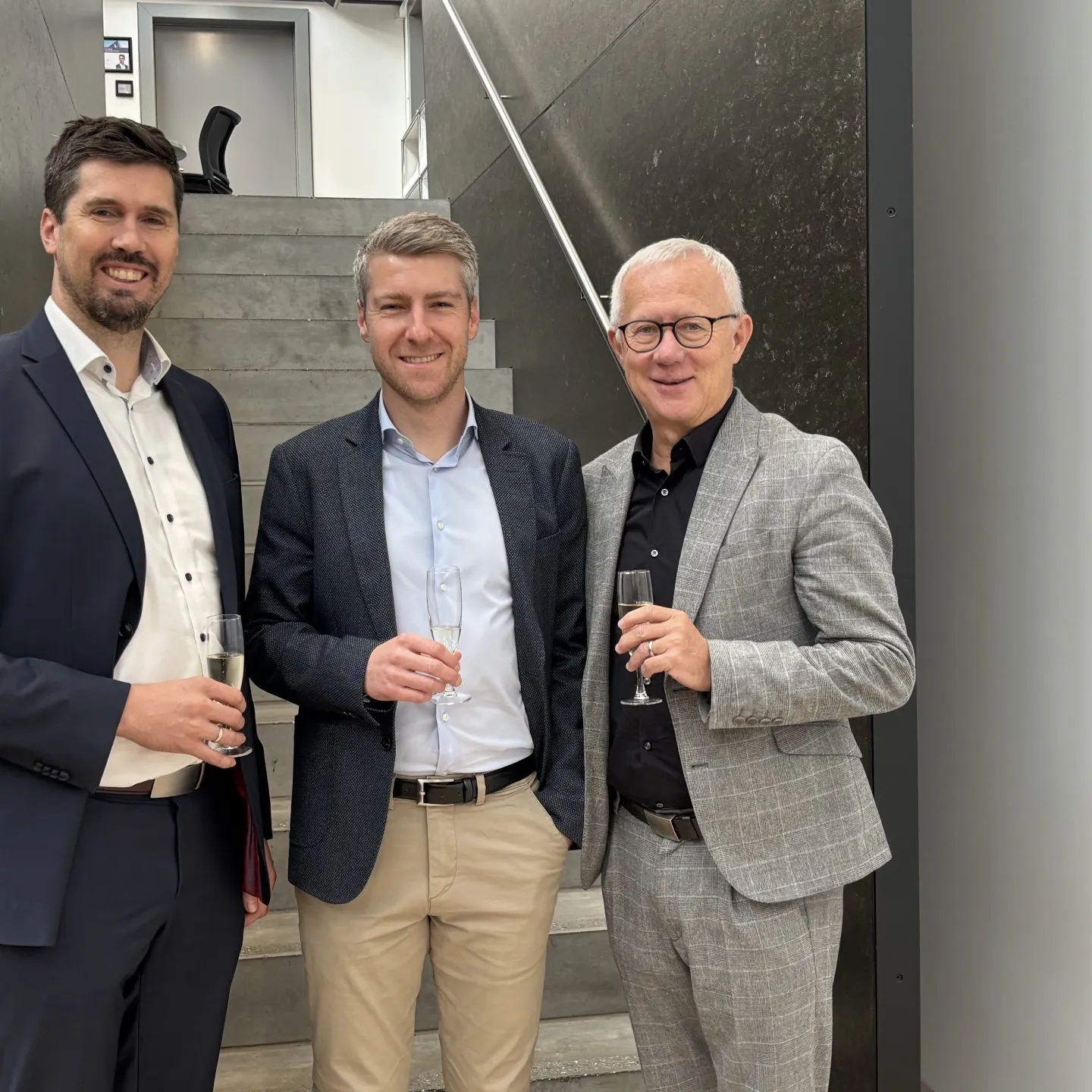
Prof. Martin Angerer acted as chair of the committee, joined by Prof. Jan Mendling, Prof. Dr. Marco Furtner, Prof. Francesco Schurr, and Prof. Dr. Leo Brecht as committee members, together together with representatives from the academic middle management and from the student body Marie Scheuffele, Maximilian Haage. In addition, Leo Brecht served as Adrian’s mentor, guiding and supporting him on his path toward achieving his habilitation.
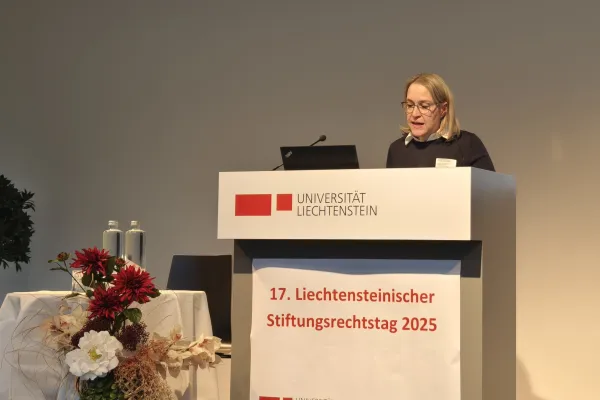
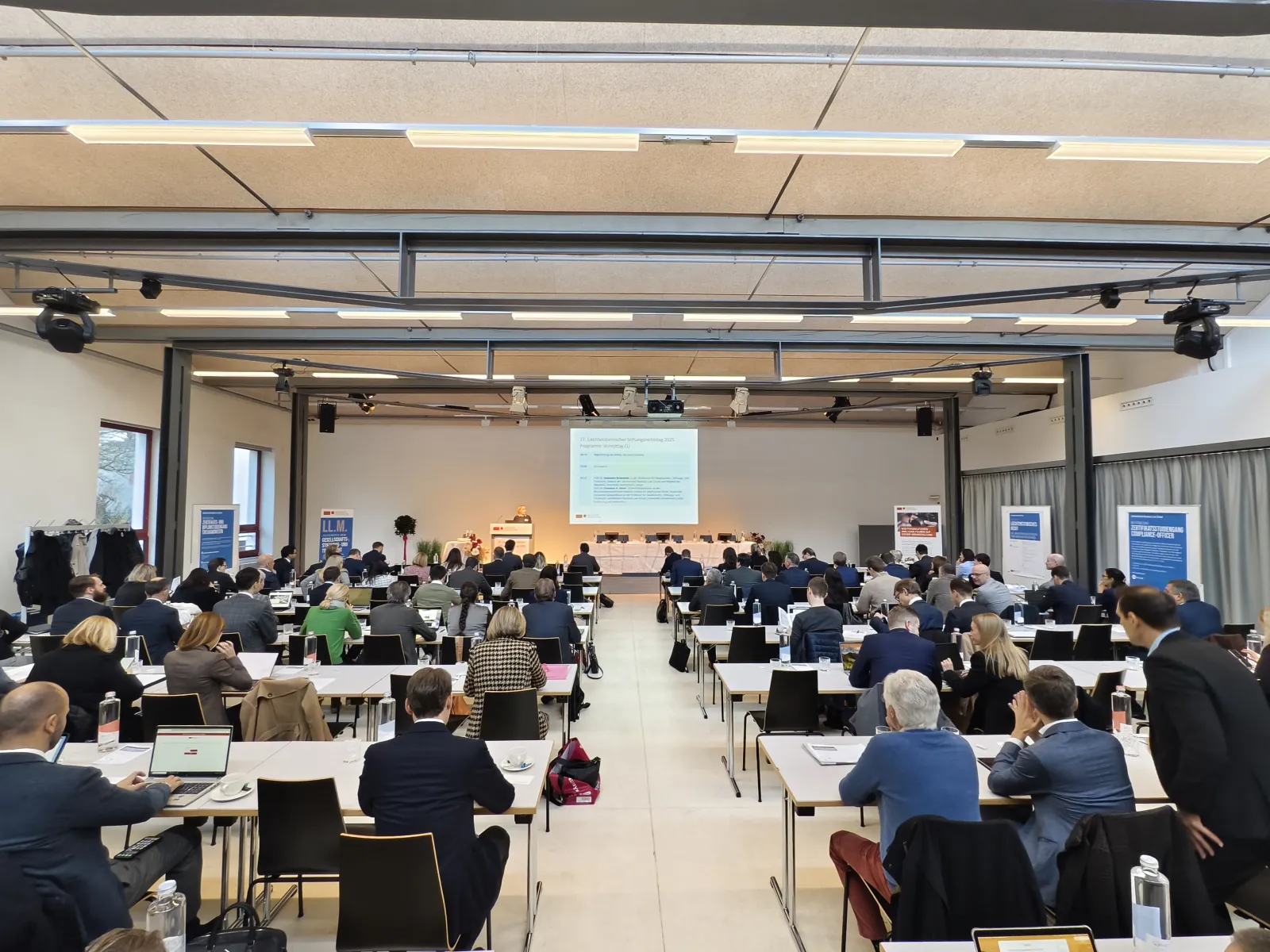
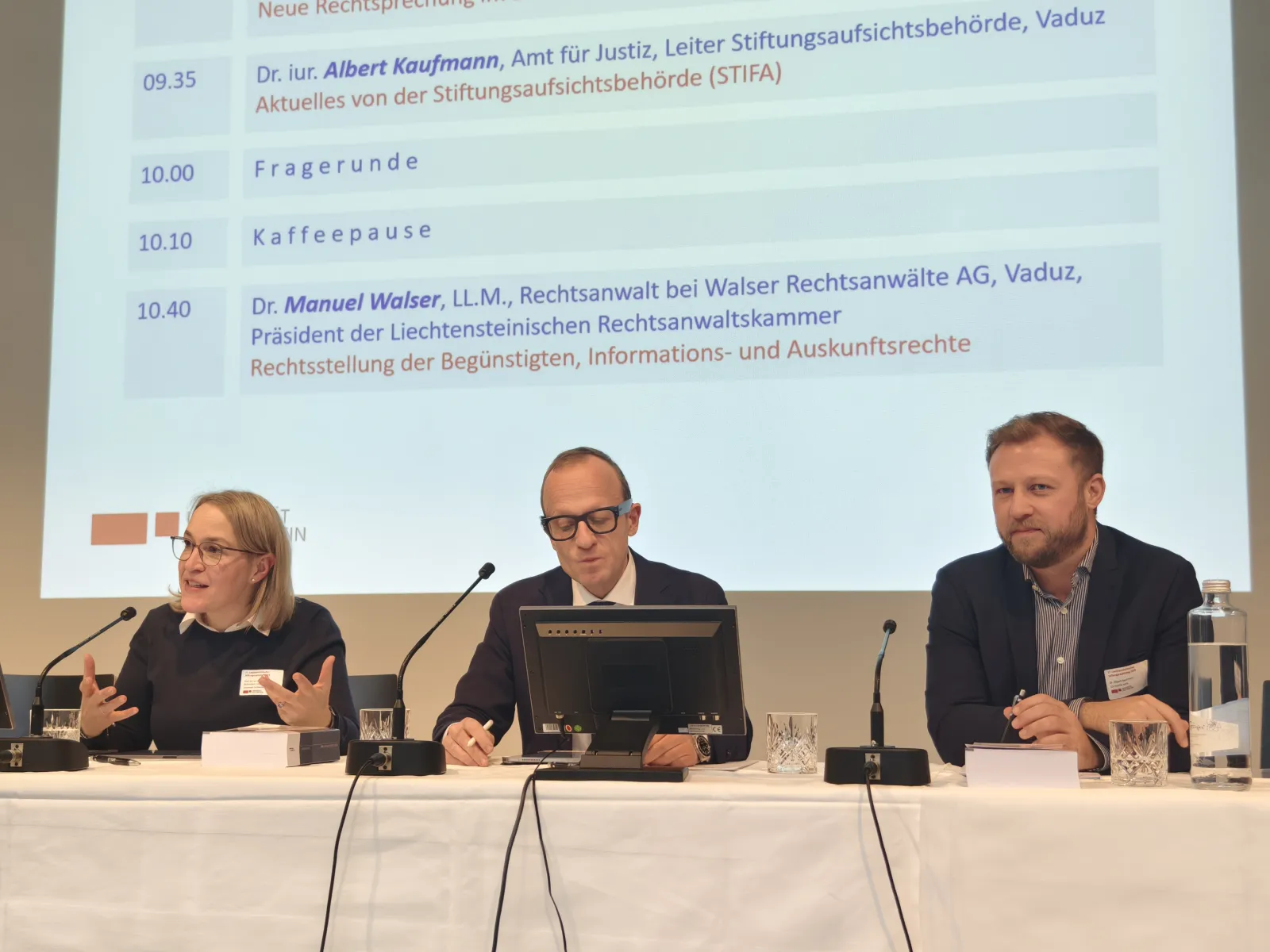
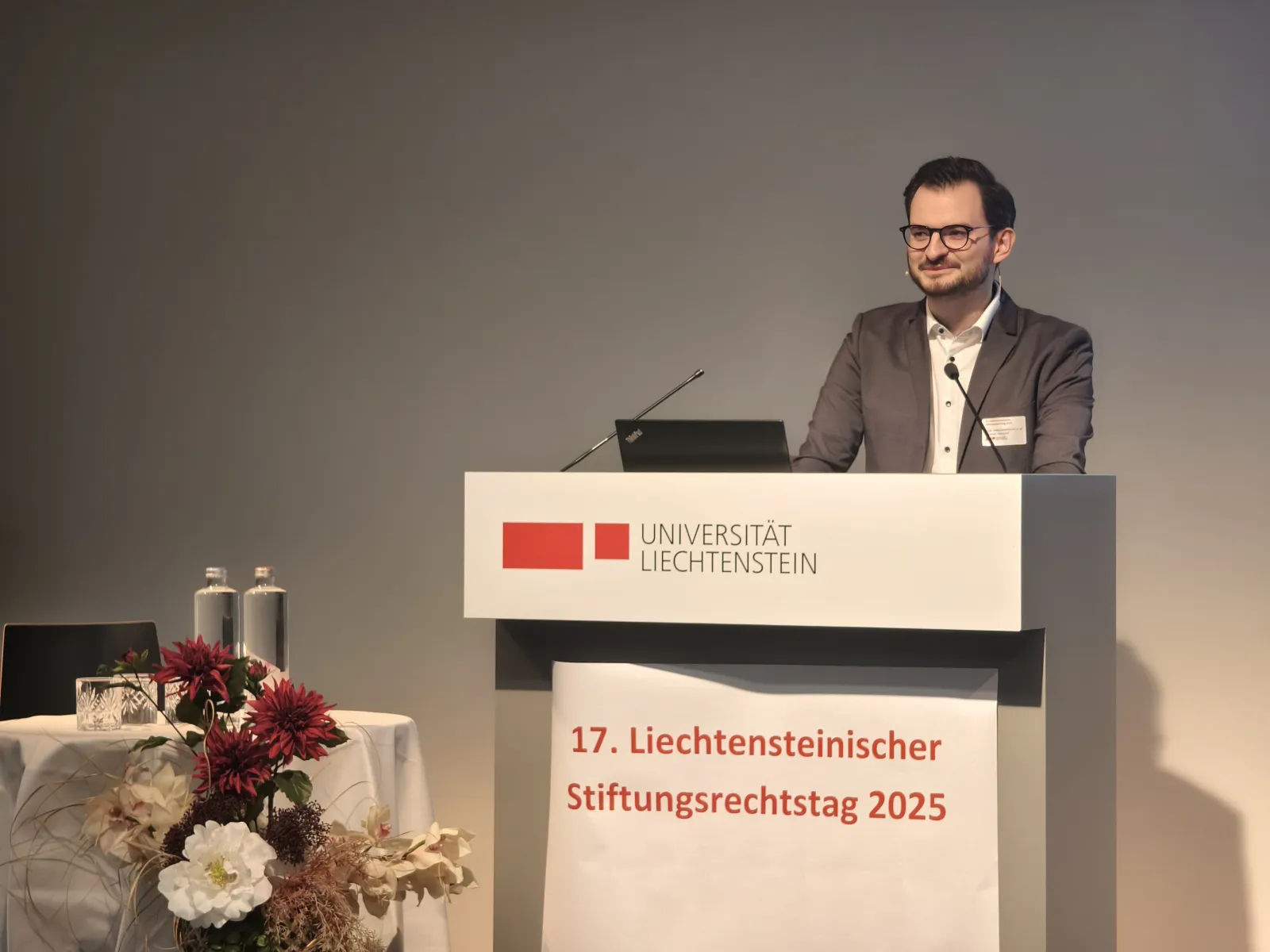
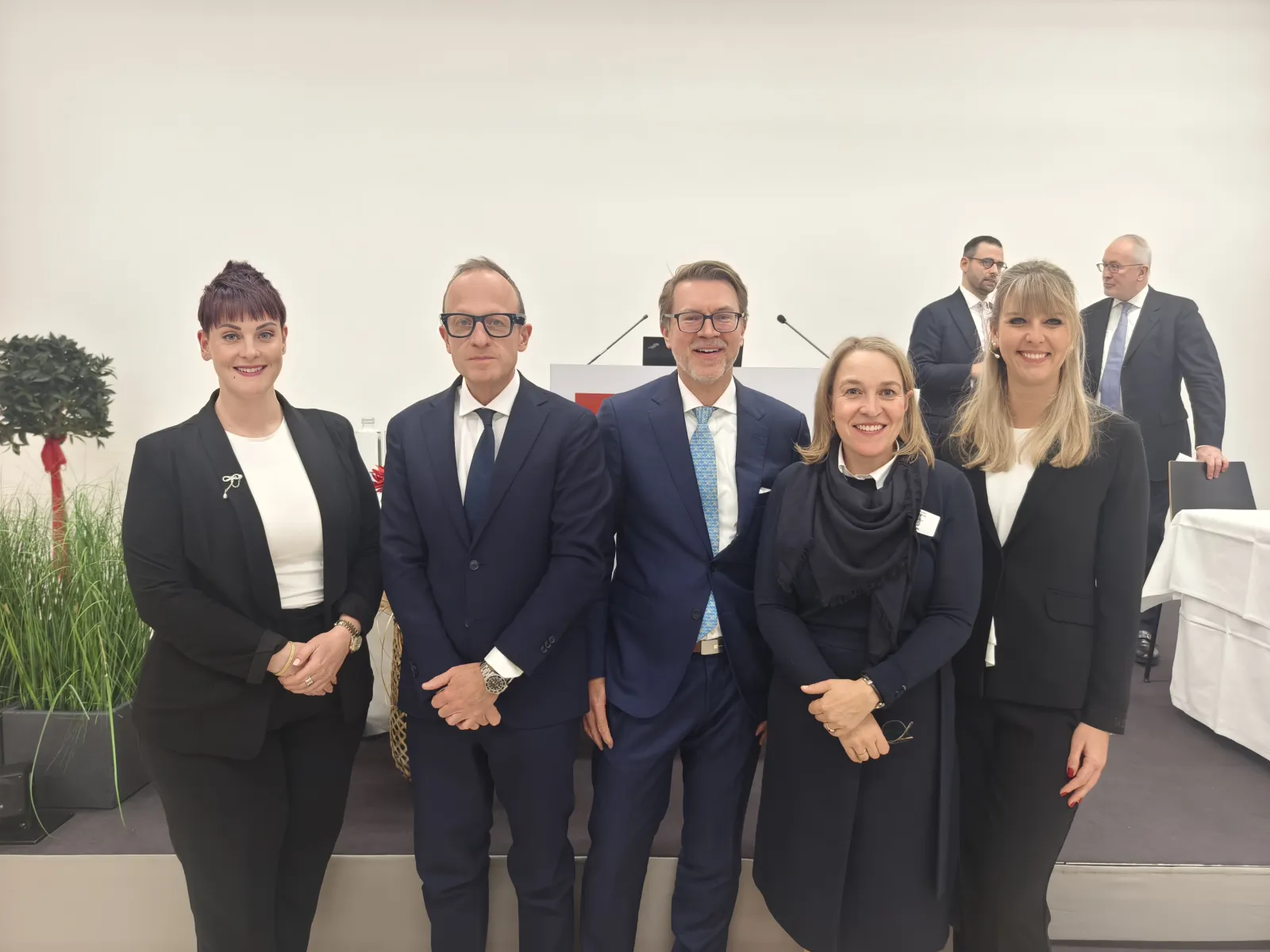
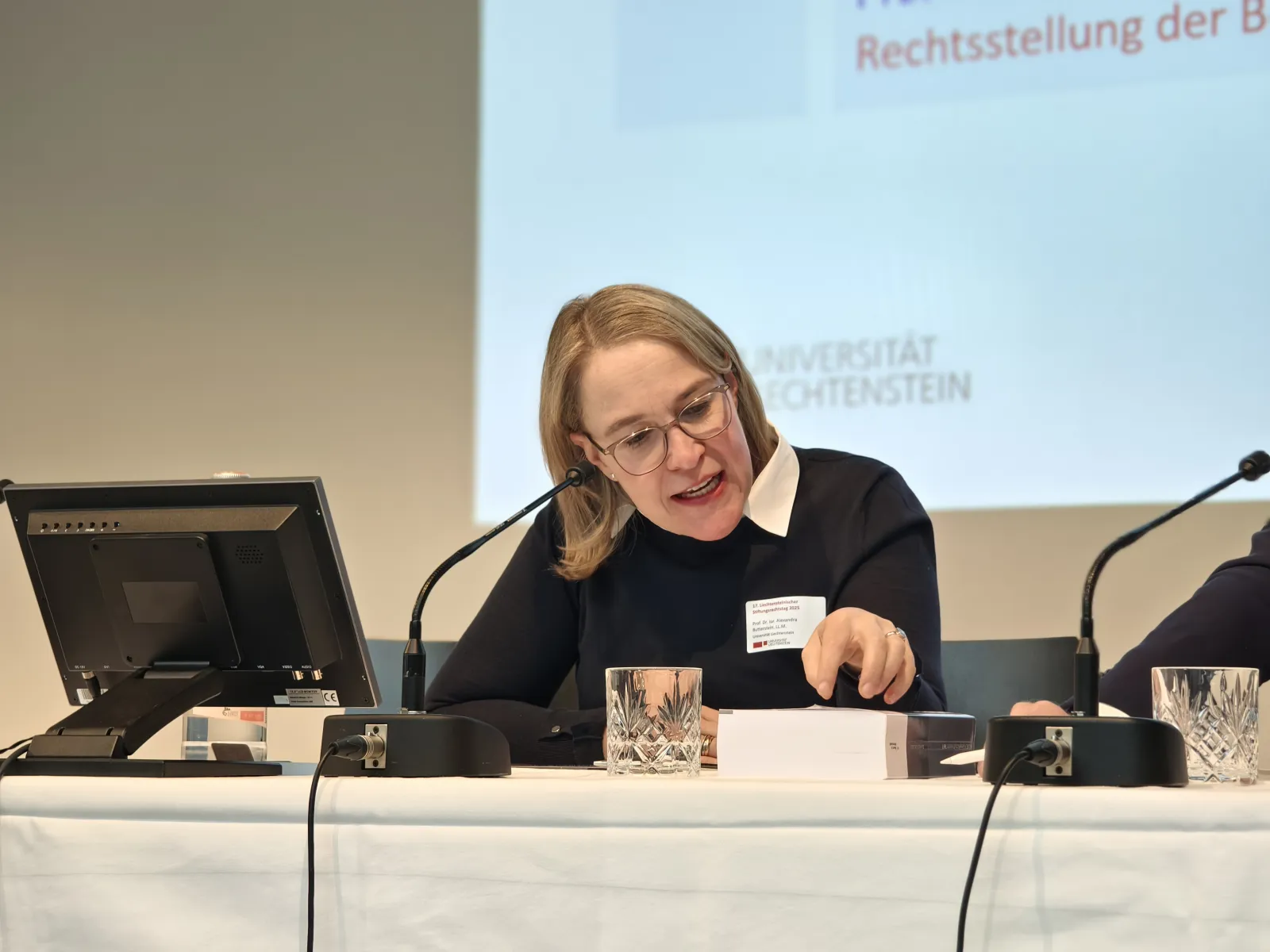
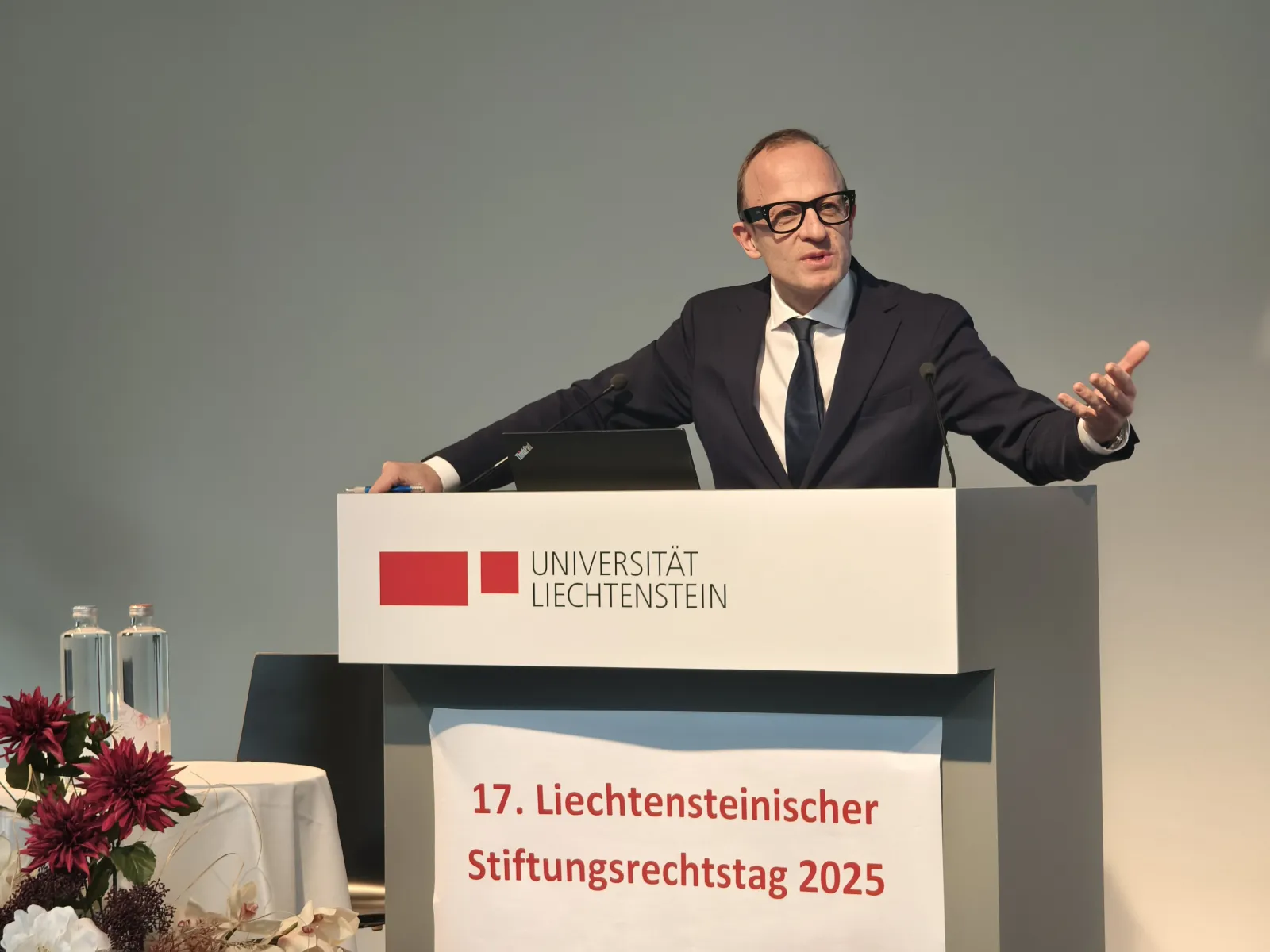
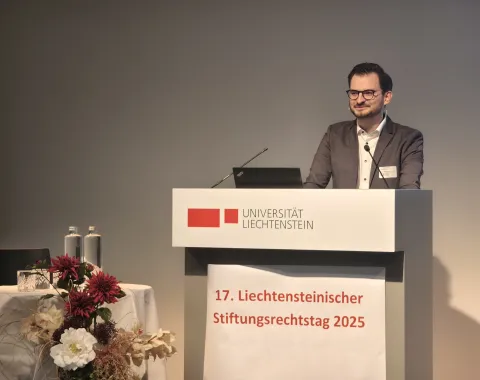
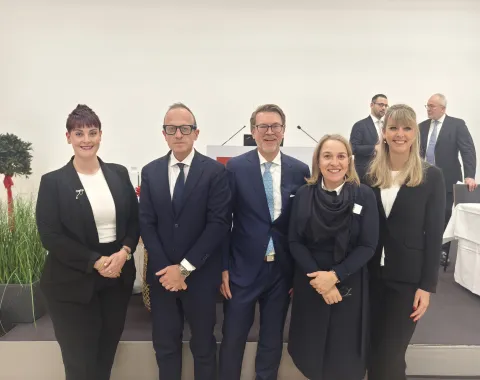
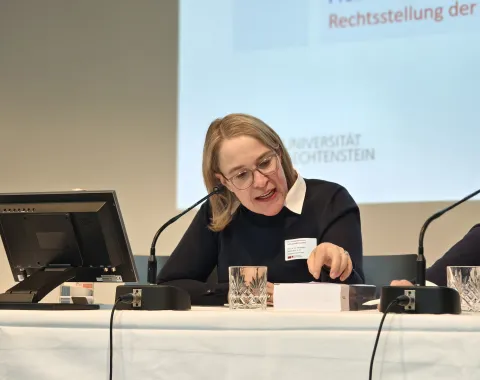
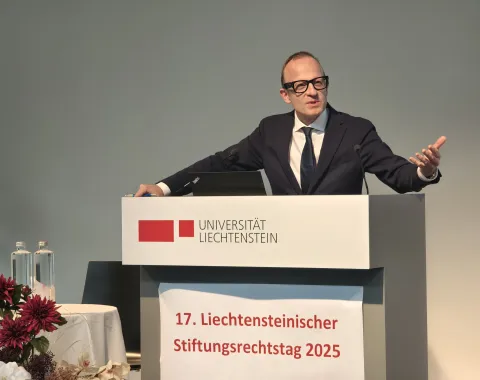
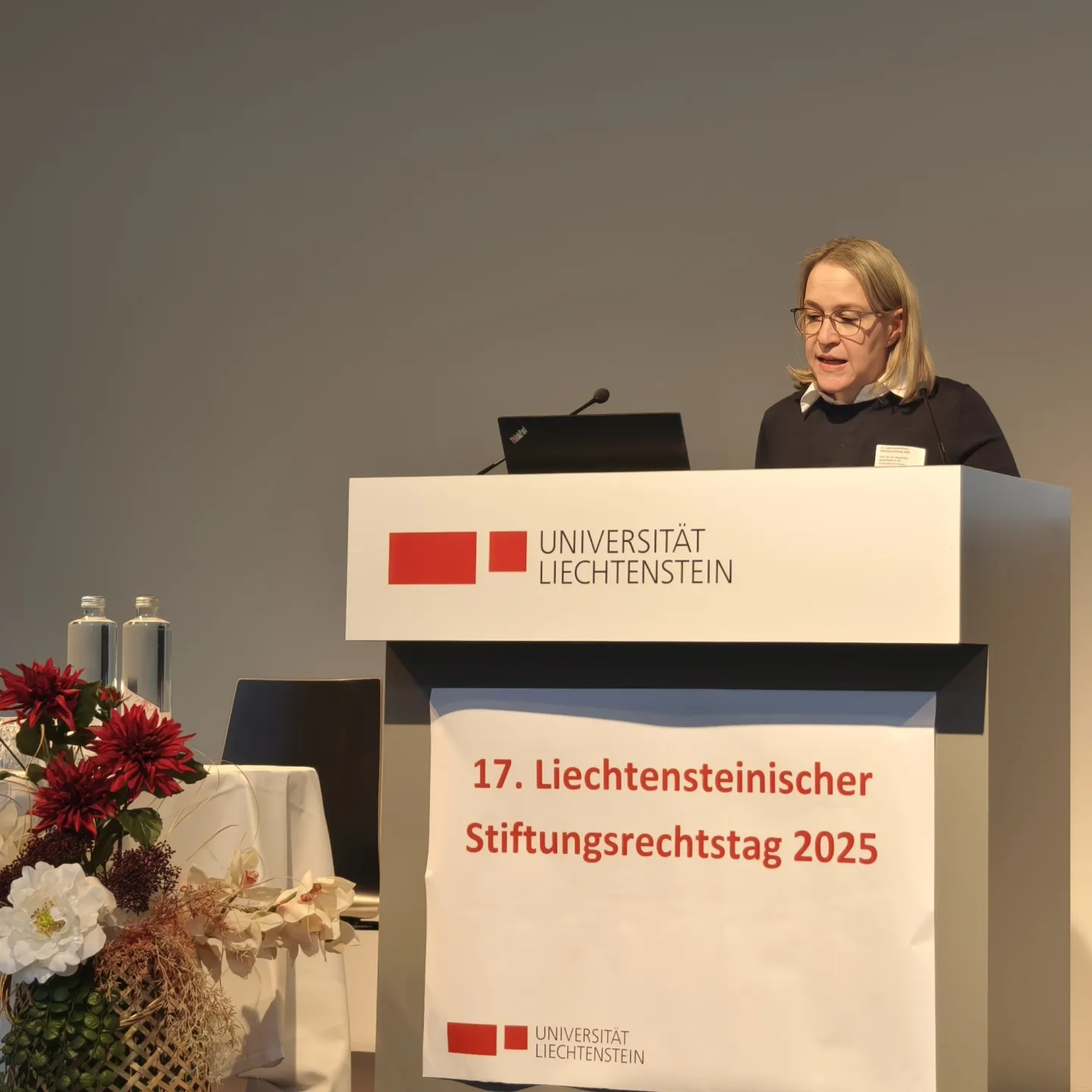
On 2 December 2025, the Professorship of Company, Foundation and Trust Law hosted the 17th Liechtenstein Foundation Law Conference and welcomed around 120 participants to the Auditorium of the University of Liechtenstein. This year, recognised experts from Liechtenstein and abroad examined current legal challenges in foundation structures.
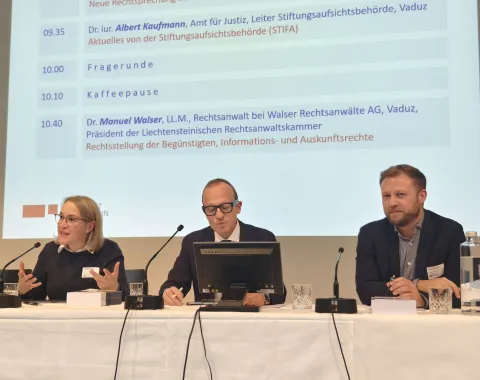
The conference programme was moderated by Prof. Dr. Alexandra Butterstein, LL.M. and Prof. Dr. Francesco A. Schurr, who emphasised the importance of this event in their opening addresses. Dialogue between academia and practice is more important than ever, particularly in light of the forthcoming revisions to foundation law and trust law. Each year, the Foundation Law Conference provides an excellent platform for constructive exchange and brings together representatives from various sectors in order to prepare Liechtenstein foundation law for future socio political developments in the competitive landscape of legal systems.
In keeping with established tradition, the Foundation Law Conference opened with a review of recent case law. Prof. Dr. Alexandra Butterstein, LL.M. discussed the most relevant judgments of the past year, which primarily addressed the tension between beneficiaries’ rights to information and the foundation’s interests in confidentiality. Dr. Albert Kaufmann then presented current developments from the perspective of the Foundation Supervisory Authority. In particular, the planned reforms of foundation law and trust law and their current legislative status were discussed. This was followed by an examination of relevant case law involving proceedings with the participation of STIFA.
Addressing current challenges in foundation organisation, Dr. Manuel Walser, LL.M., President of the Liechtenstein Bar Association, spoke about the legal position of beneficiaries of private interest foundations and their rights to information and disclosure. Univ. Prof. Dr. Johannes Zollner, Professor at the Institute of Corporate Law and International Business Law at Karl Franzens University Graz, examined the possibilities for amending beneficiary regulations. He focused in particular on the question of whether such amendments are equivalent to a change in the foundation purpose and therefore permissible only under more restrictive conditions. Building on these remarks, Prof. Dr. Francesco A. Schurr presented on the advantages and disadvantages, composition and competences of a supervisory body. When properly designed, such a body constitutes an effective instrument for sound Foundation Governance. From a comparative law perspective, Dr. Johannes Gasser, LL.M., Attorney at Law and Notary at Gasser Partner Rechtsanwälte, presented the practically significant “Anti Bartlett Clauses” and considered whether they are permissible under Liechtenstein foundation law or may even be introduced retrospectively for existing foundations. The subsequent panel discussion addressed whether and to what extent freedom of organisation in foundation structures represents a locational advantage for Liechtenstein.
Following the networking lunch, the traditional philanthropy segment of the Foundation Law Conference took place. As in previous years, this segment was organised in cooperation with the Association of Liechtenstein Charitable Foundations and Trusts (VLGST) and was opened with welcome remarks by its President, Dr. Thomas Zwiefelhofer. Dr. Theresa Gehringer reported on experiences relating to generational diversity within foundation boards and presented considerations for potential renewal and greater diversity. Prof. Dr. Marc Gottschald then presented, among other topics, the Philanthropy Report published by his Center for Philanthropy. This report represents the first comprehensive assessment of the sector in Liechtenstein and provides, for the first time, a systematic and scientifically grounded overview of the charitable foundation and association sector. The subsequent panel, chaired by Prof. Dr. Alexandra Butterstein, LL.M. and Prof. Dr. Francesco A. Schurr, discussed current challenges as well as new strategies and trends in philanthropy.
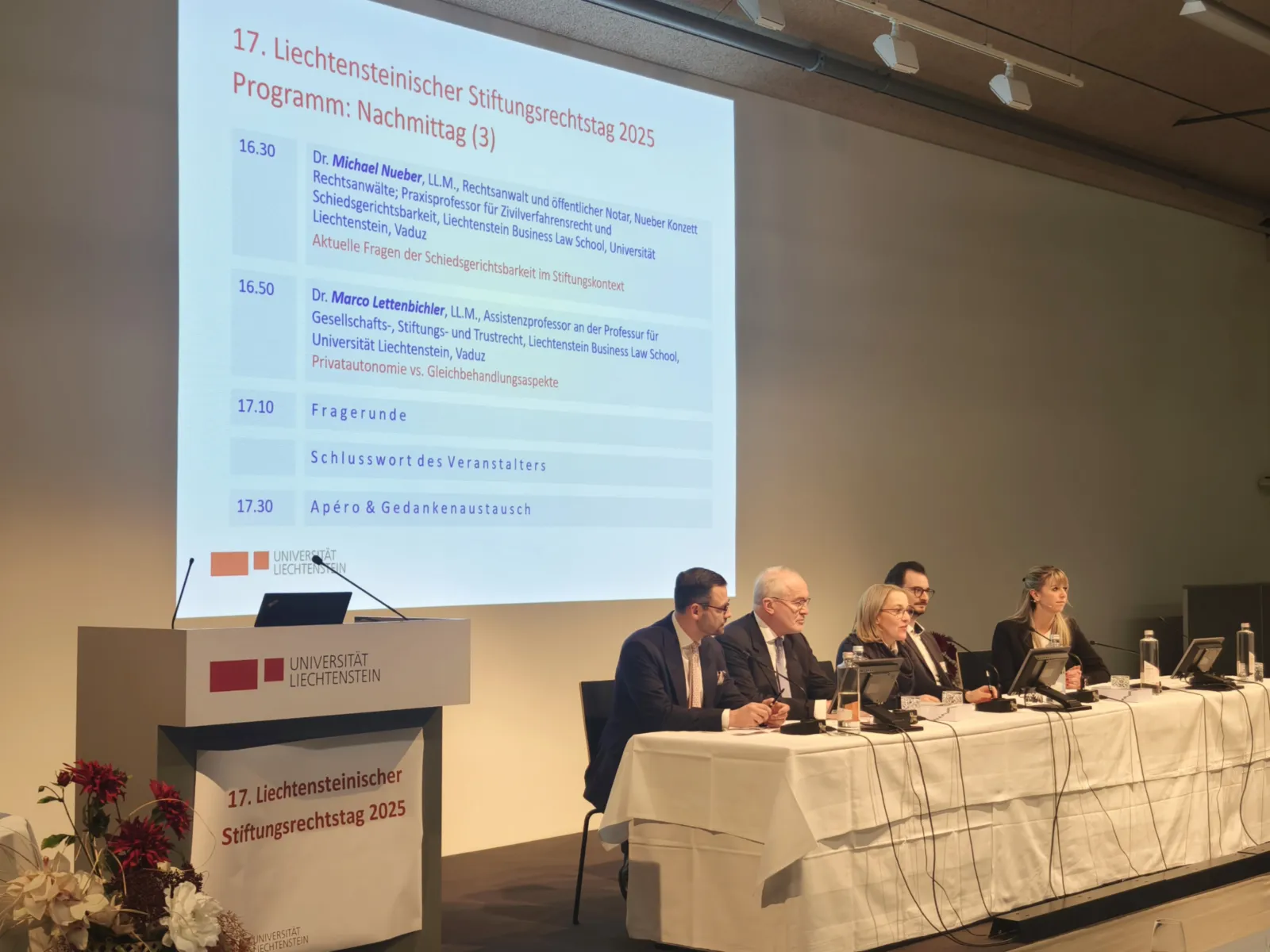
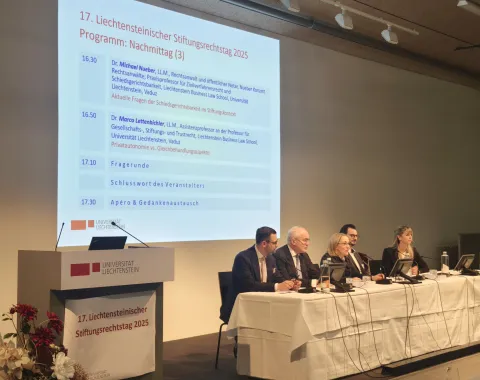
In the final thematic block on areas of tension and limits of private autonomy in foundation law, Hon. Prof. Dr. Georg Schima, M.B.L. HSG, LL.M. (Vaduz), Attorney at Law at conclusio schima lawyers, first examined possible solutions to prevent abusive, nominee and sham foundation structures. Dr. Vanessa Glaser, Attorney at Law and Partner at Glaser and Kleinsorge, then addressed the obligation to preserve capital in foundations from a comparative law perspective and discussed potential implications for Liechtenstein foundations. Current issues relating to arbitration in the foundation context were examined by Dr. Michael Nueber, LL.M., Attorney at Law and Public Notary at Nueber Konzett Rechtsanwälte. Finally, Dr. Marco Lettenbichler, LL.M., Assistant Professor, discussed whether and to what extent the founder’s freedom is restricted by recent case law of the European Court of Human Rights and the Austrian Supreme Court concerning protection against discrimination and the principle of equal treatment.
After a concluding round of questions, the 17th Liechtenstein Foundation Law Conference came to a close with a joint apéritif and exchange of ideas. Overall, the engaging and informative day demonstrated that the foundation landscape is undergoing constant change, while Liechtenstein foundation law remains sufficiently flexible to effectively address the challenges ahead.
Review of the 17th Liechtenstein Foundation Law Conference (Video)
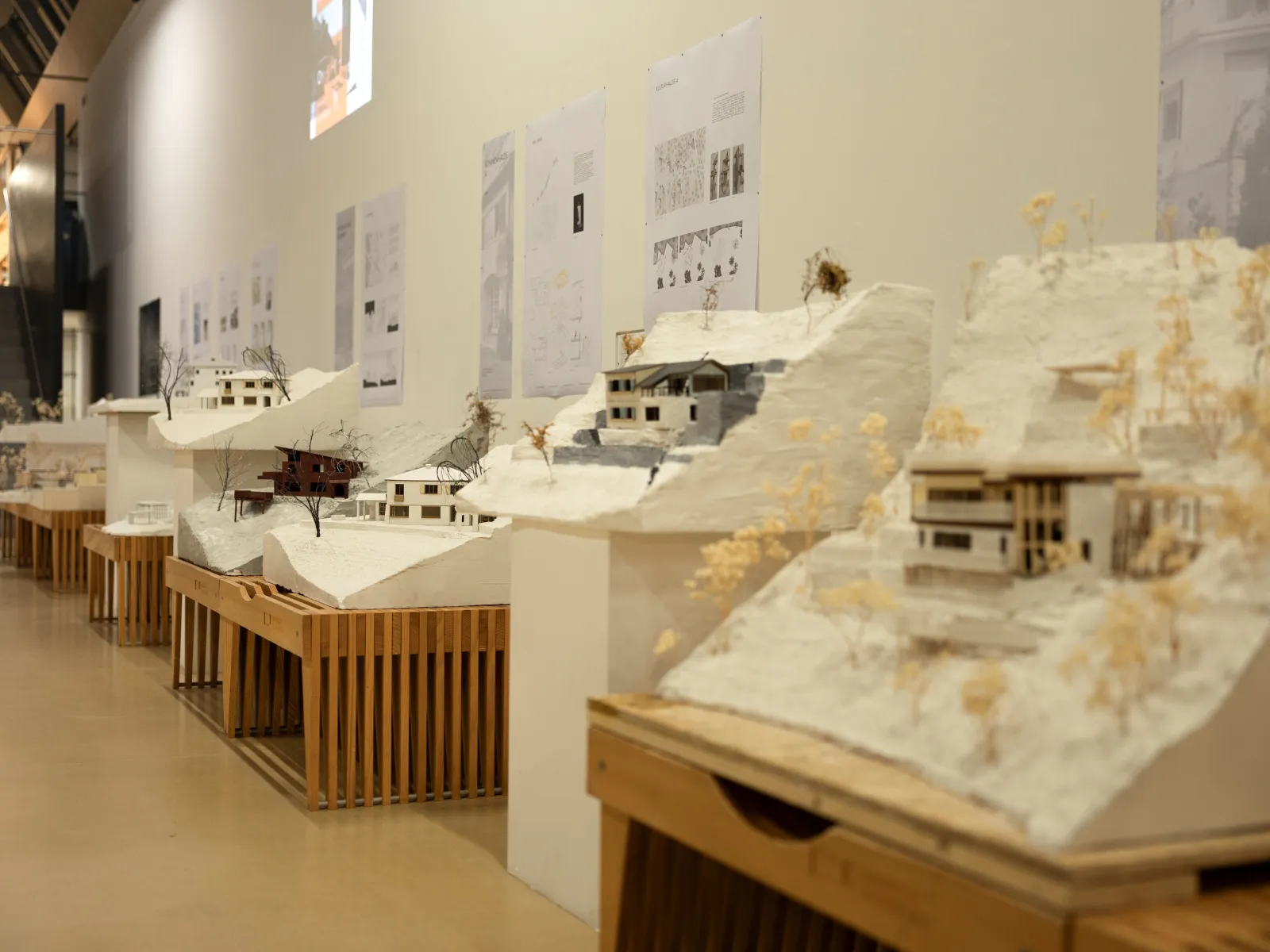
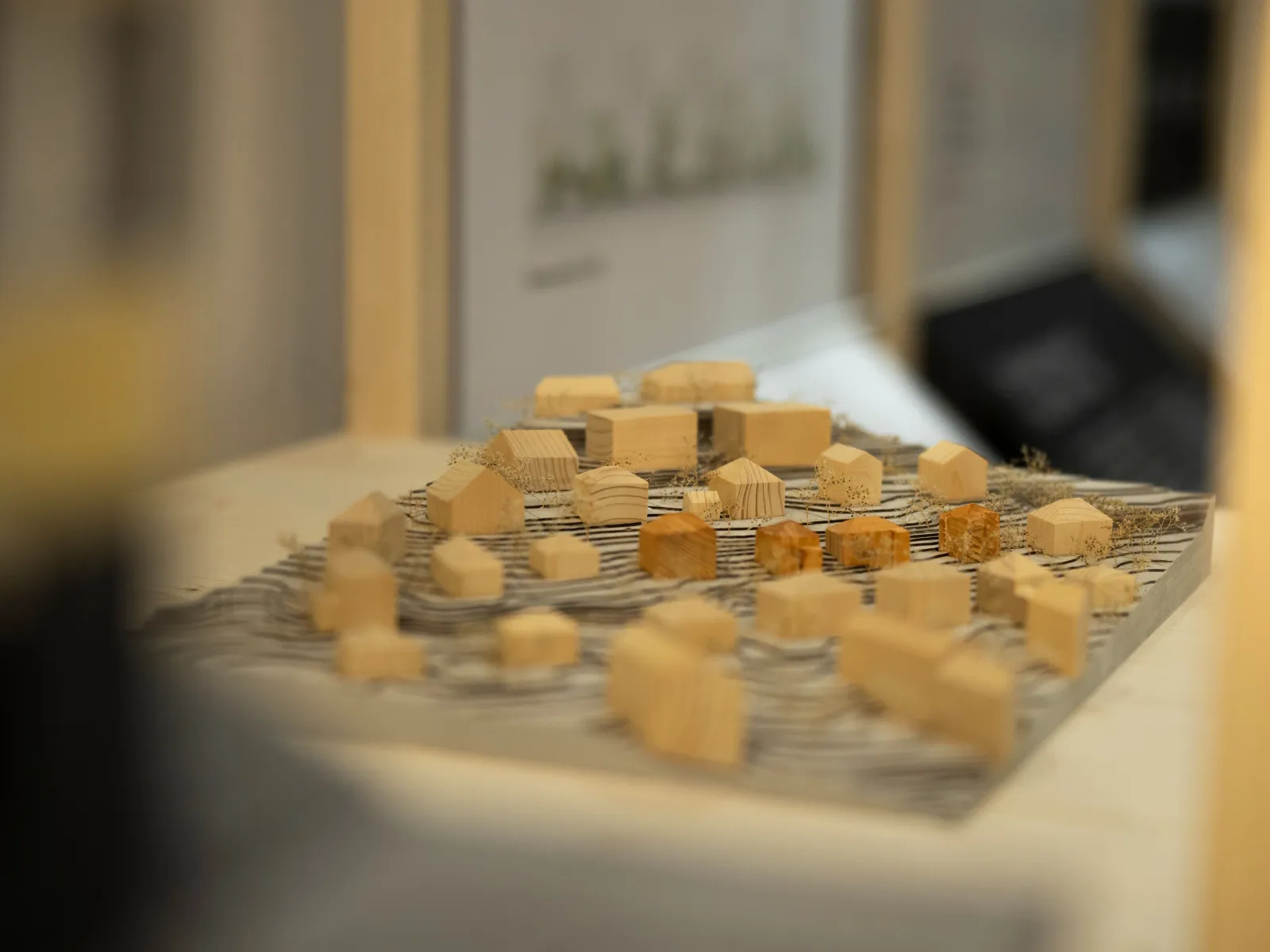
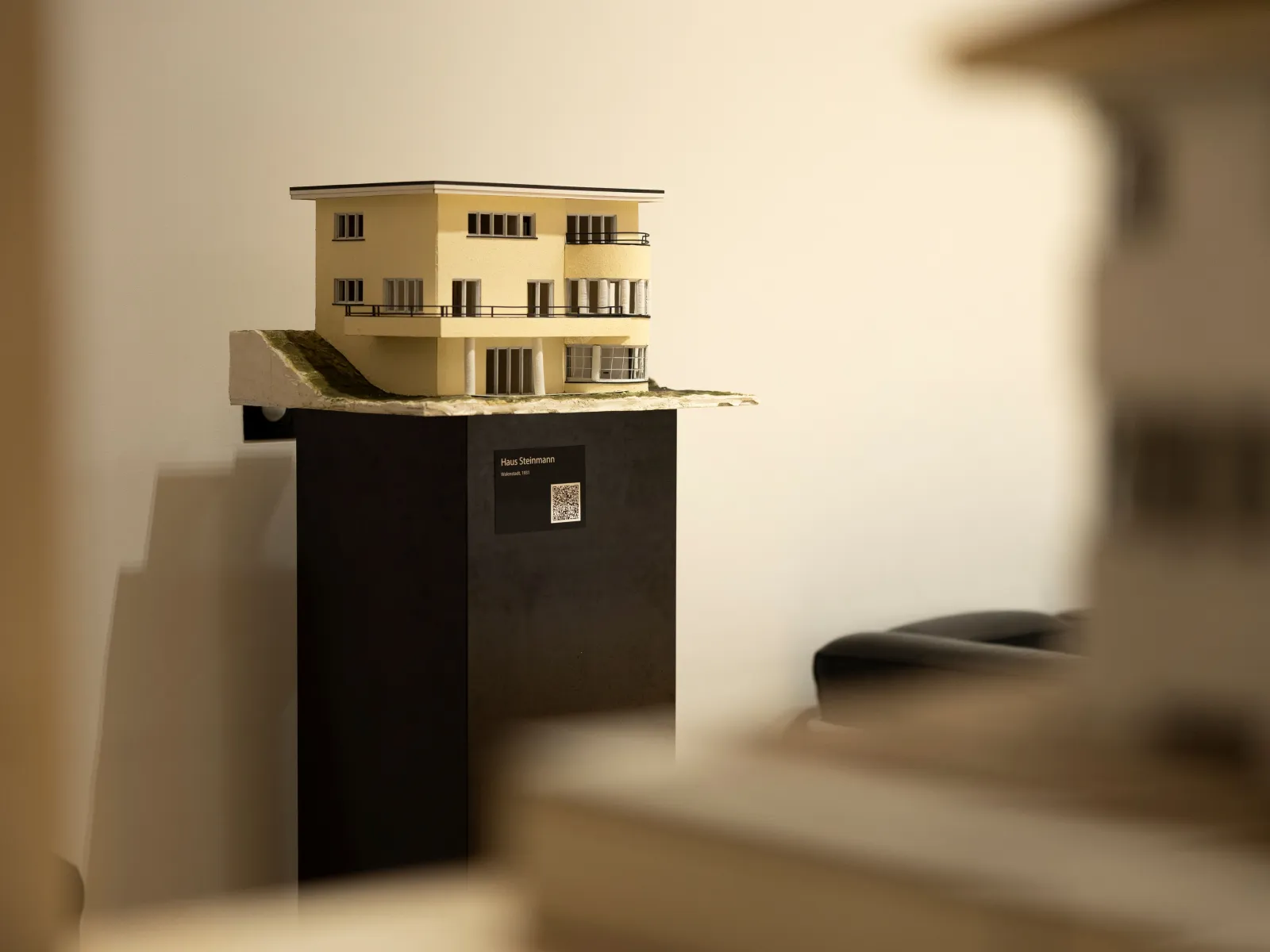
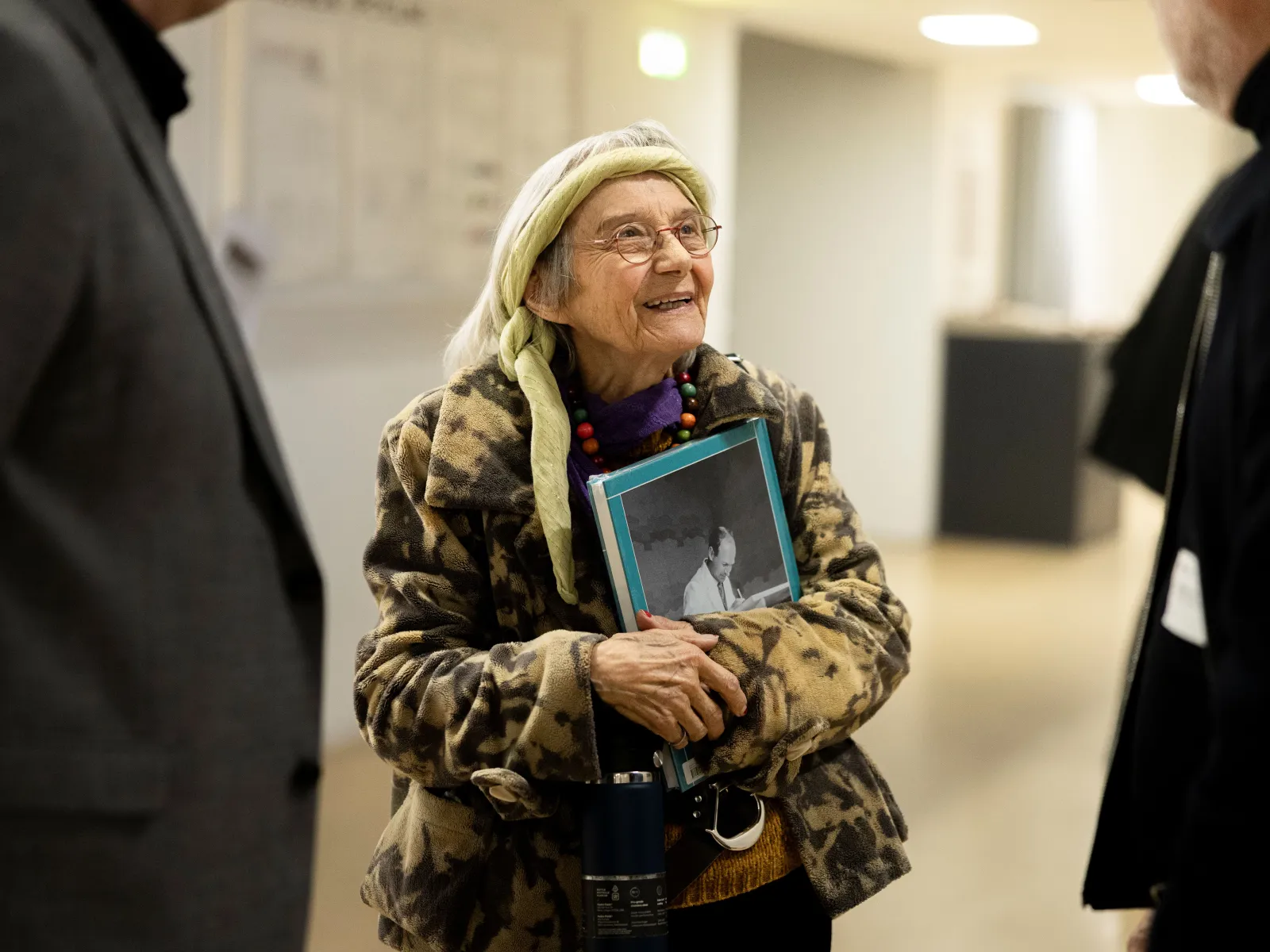
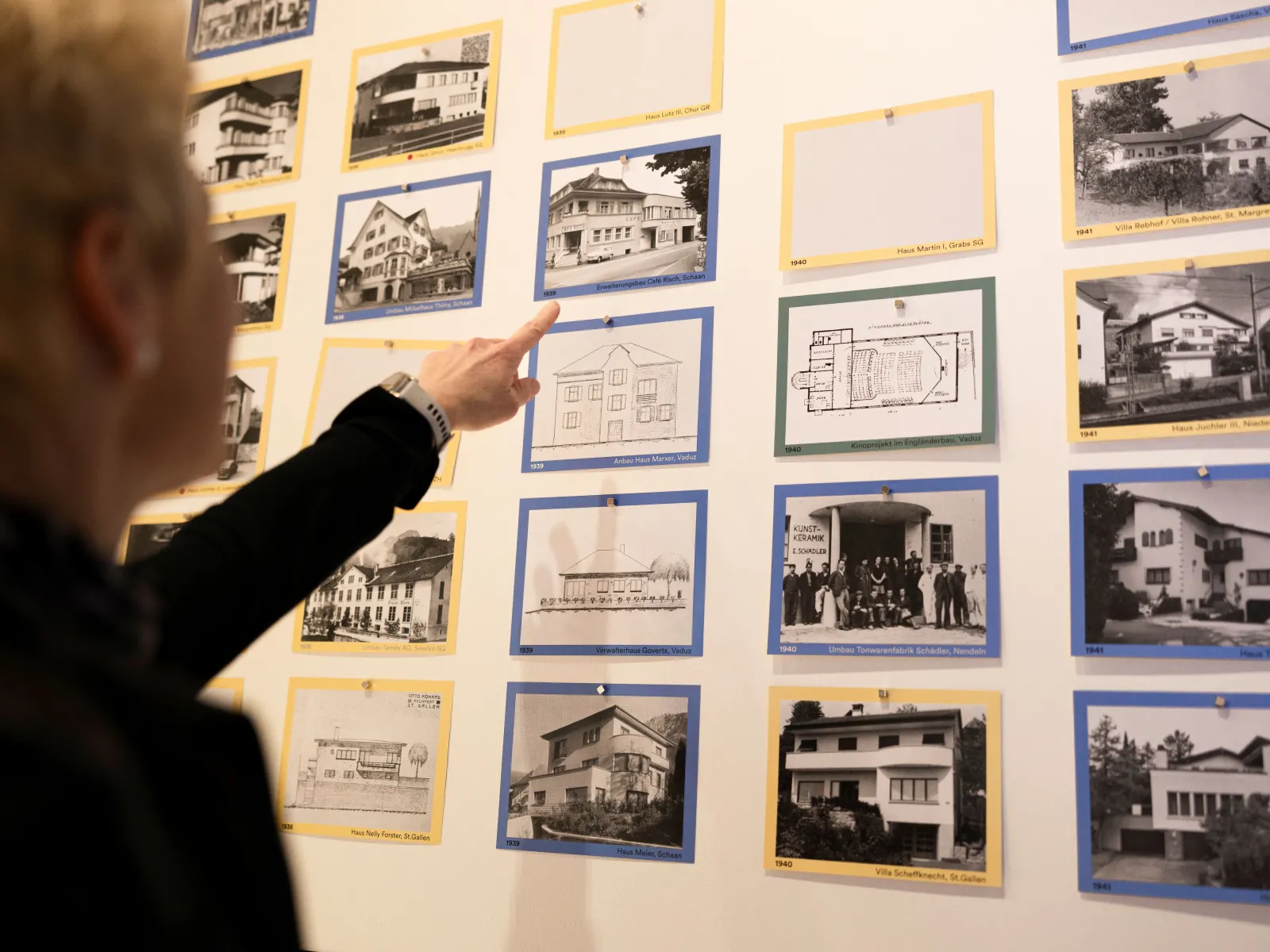
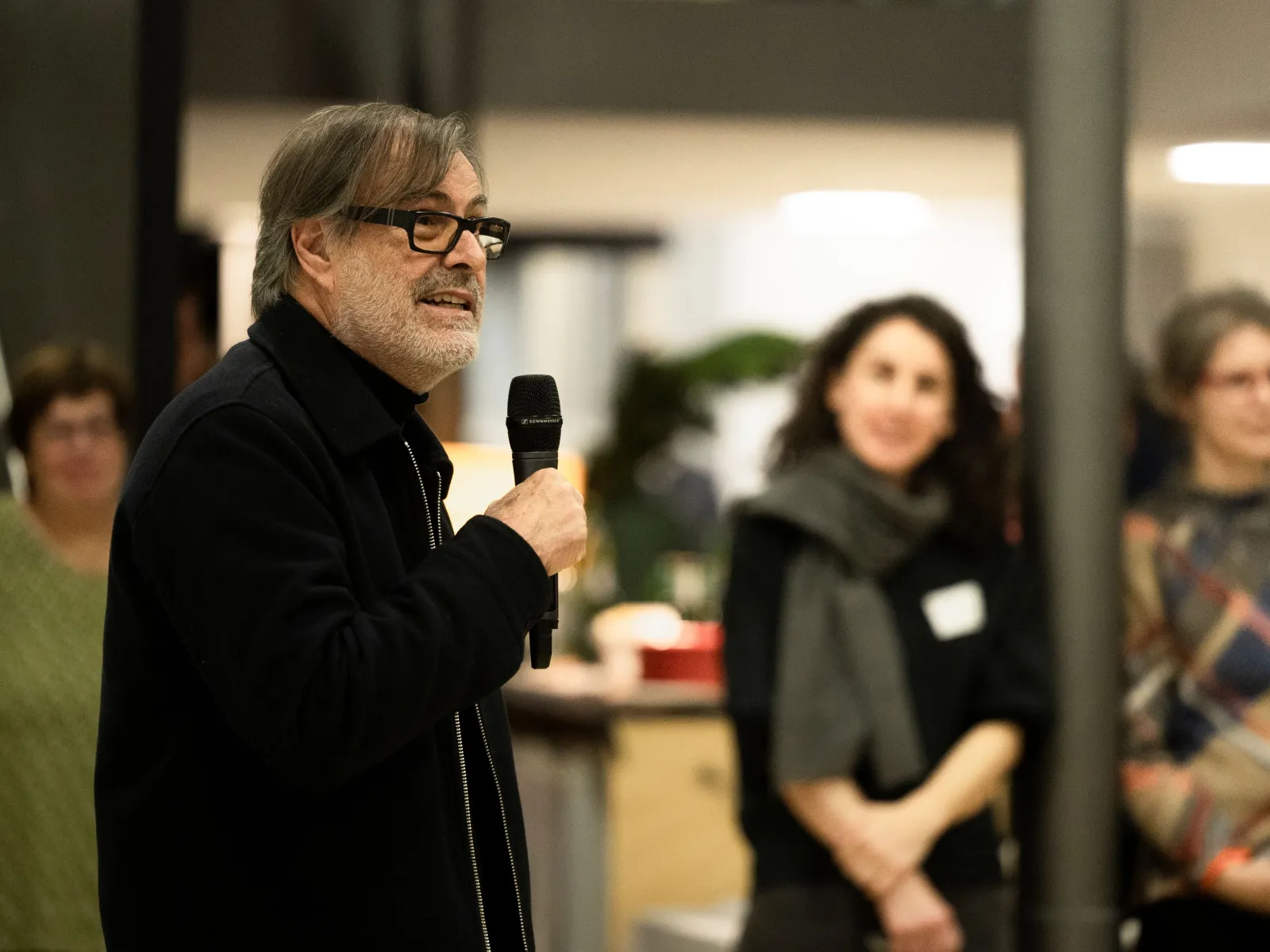
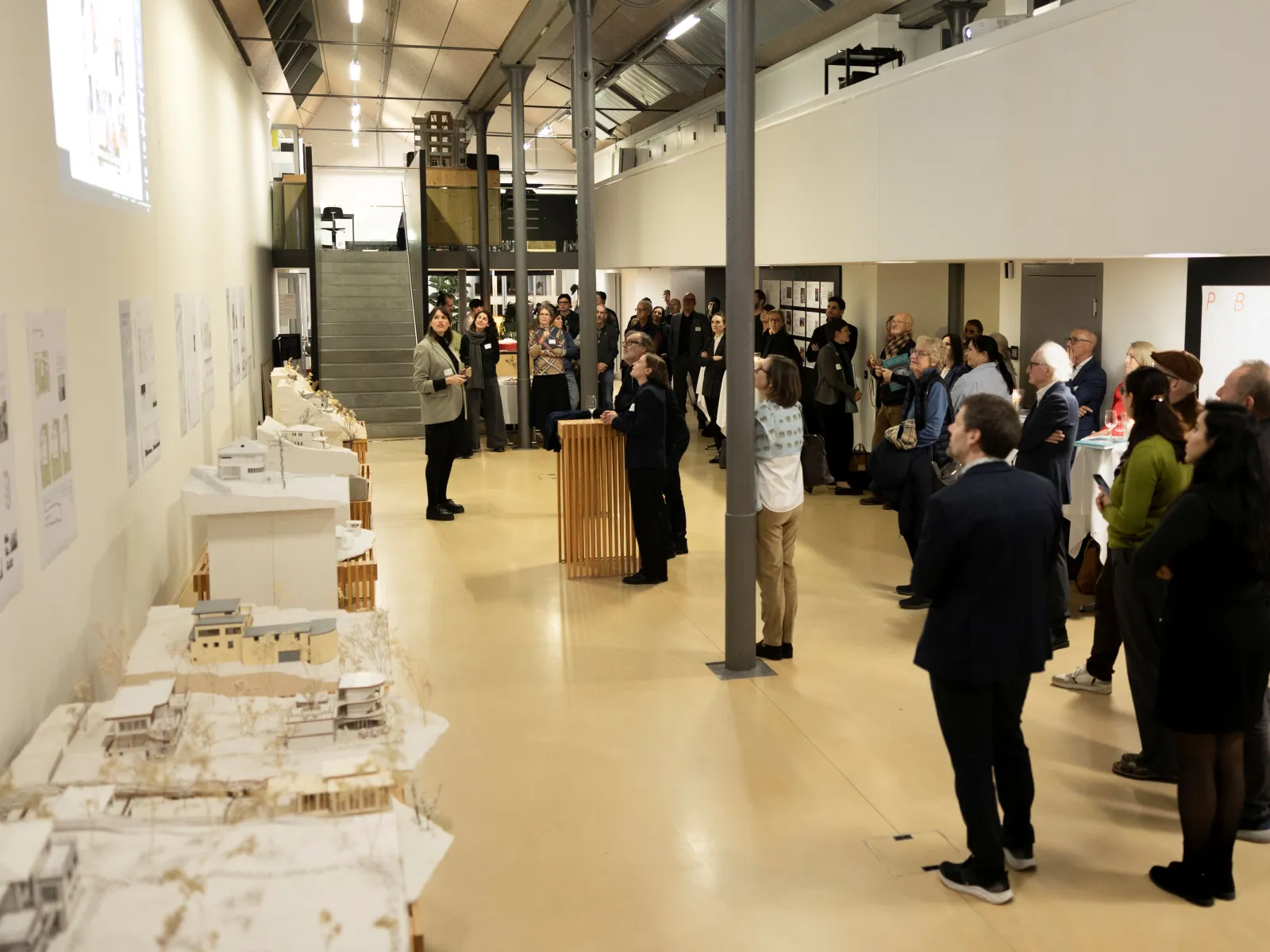
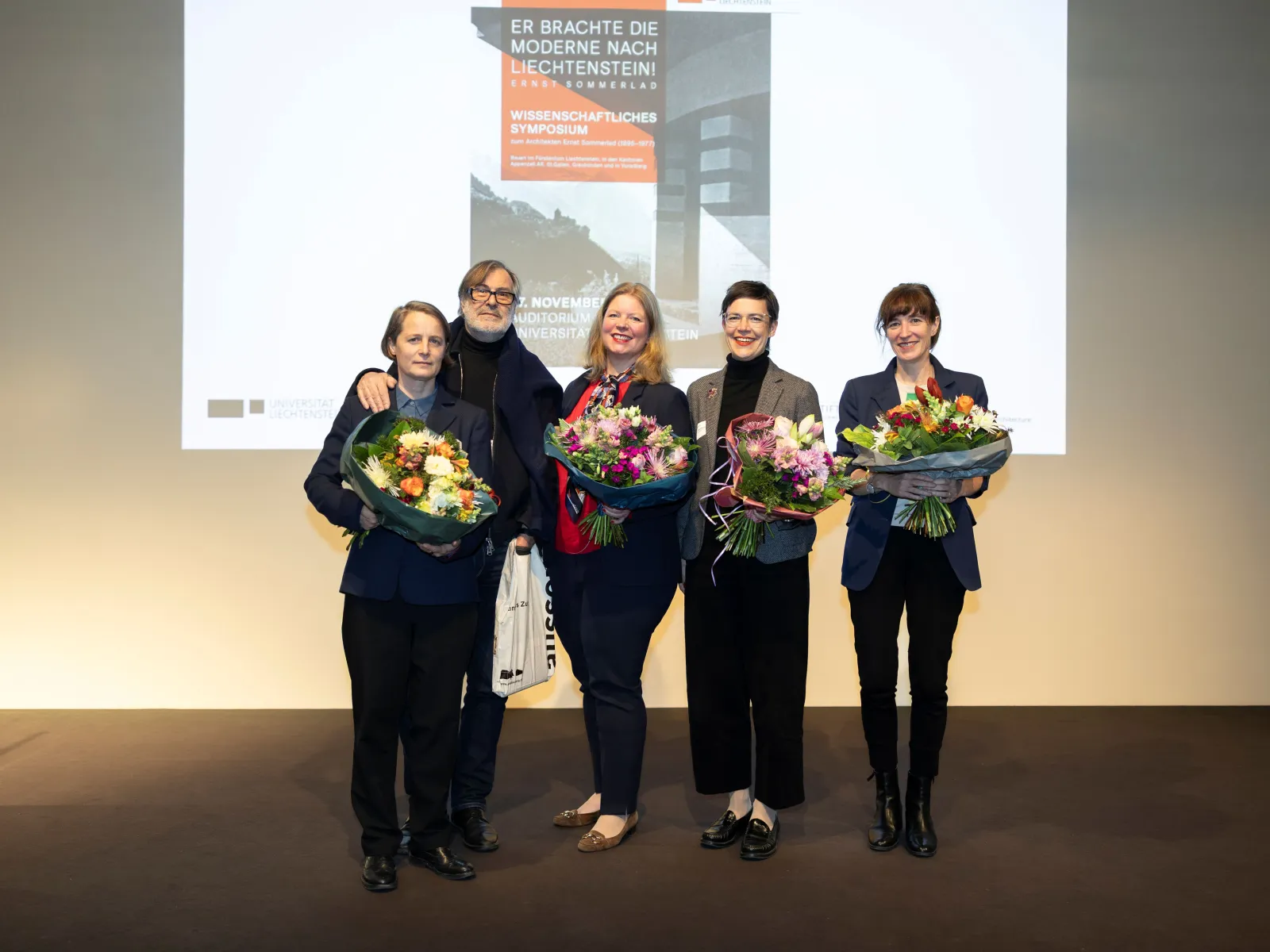
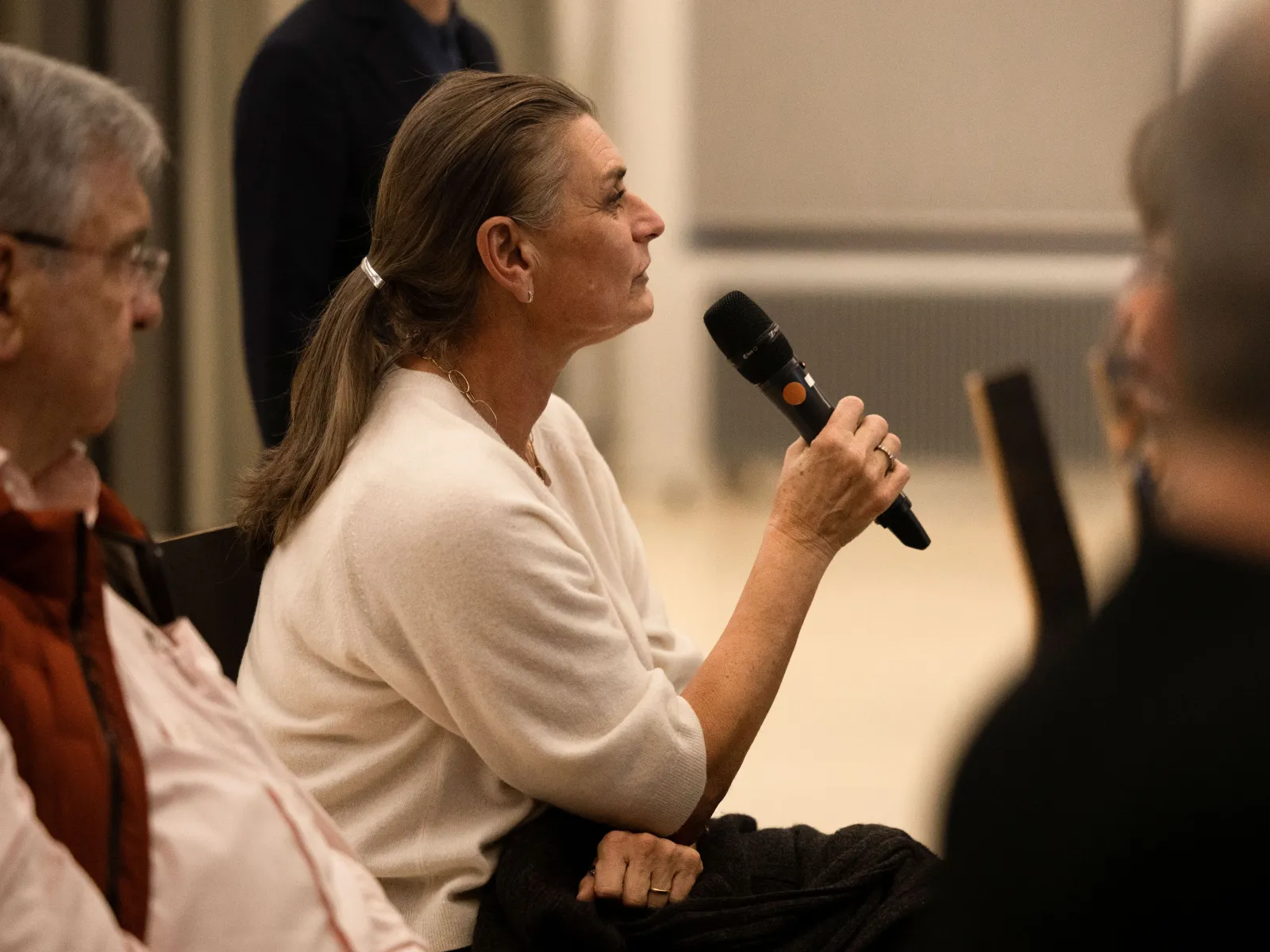
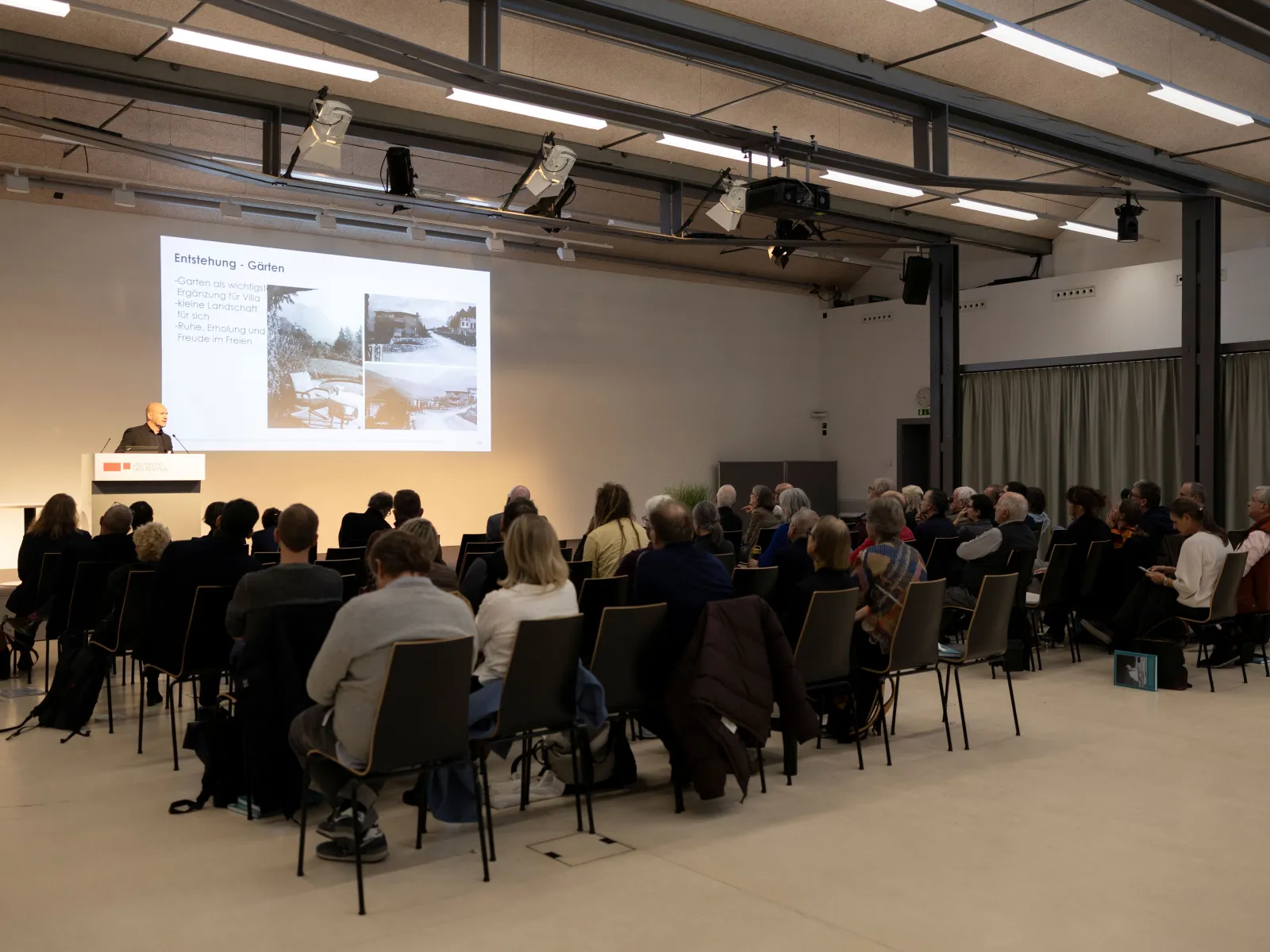
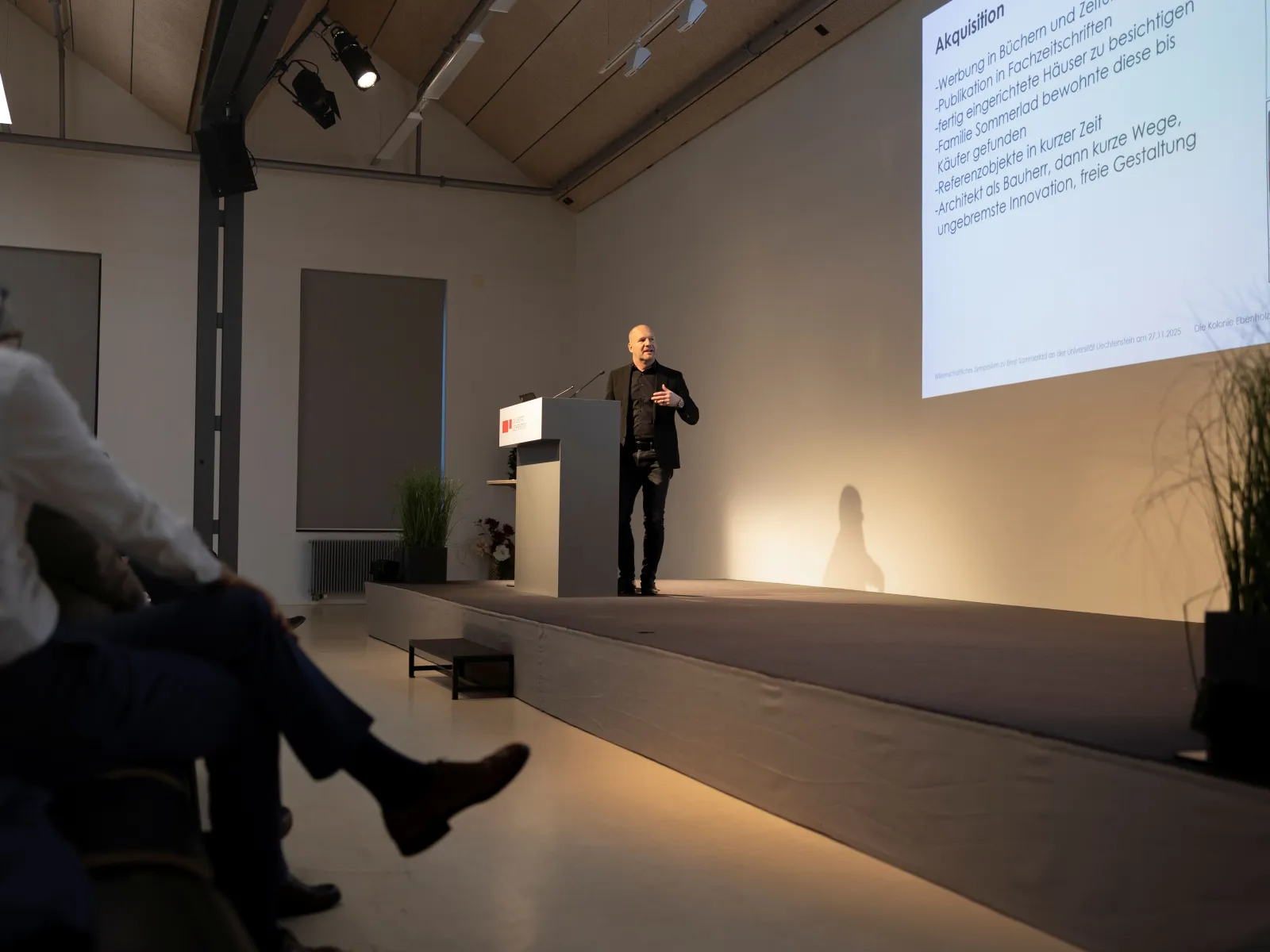
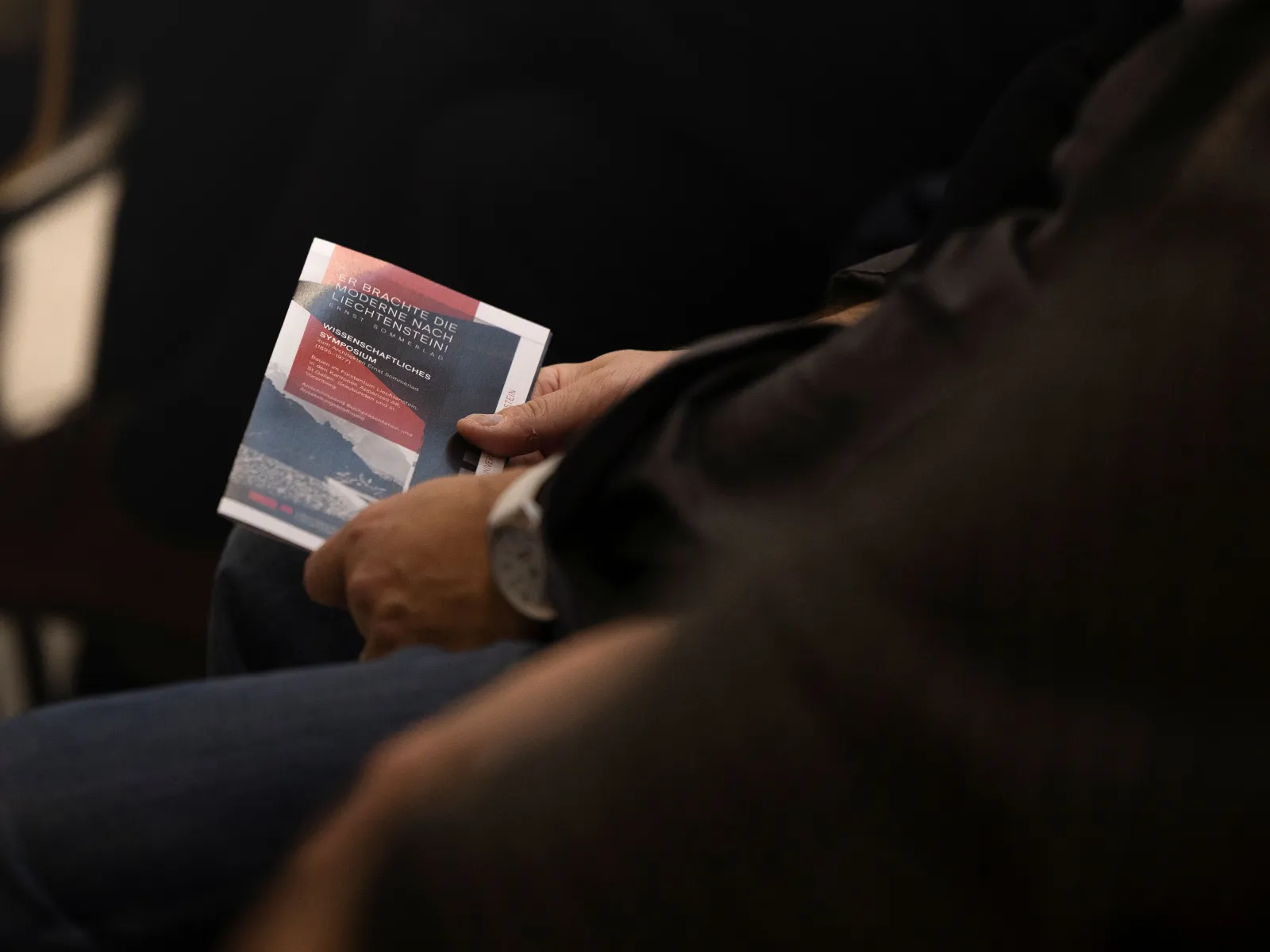
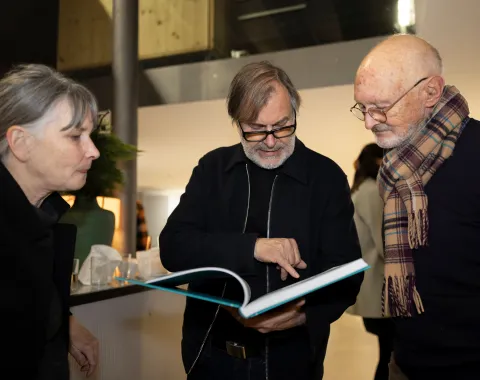
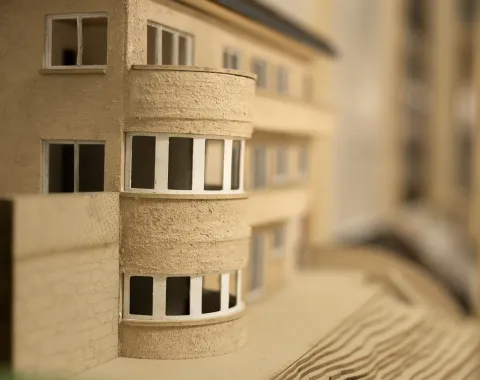
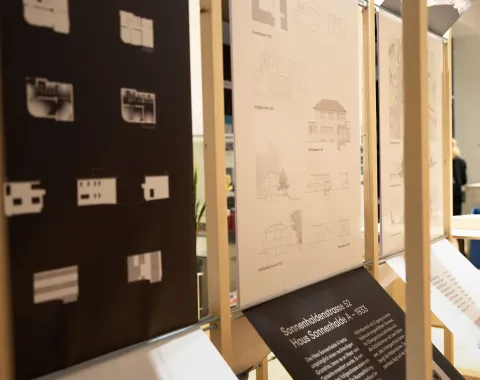
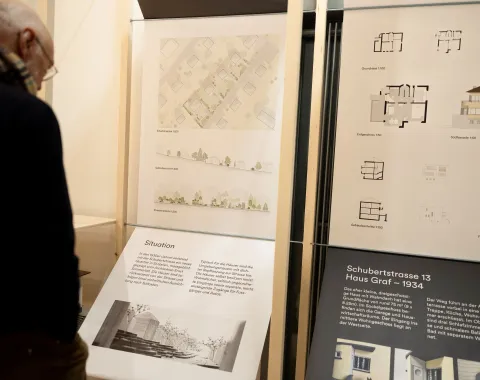
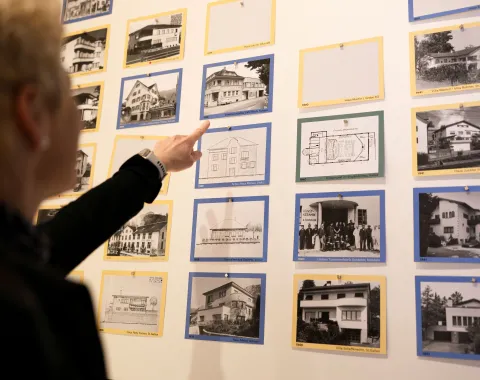
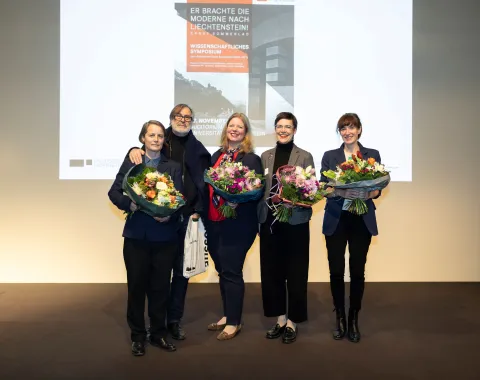
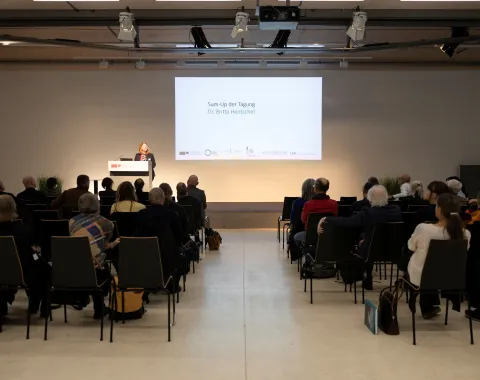
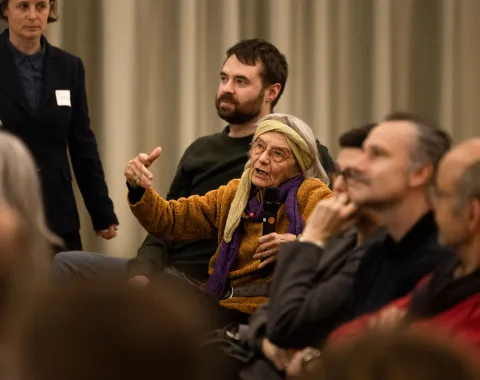
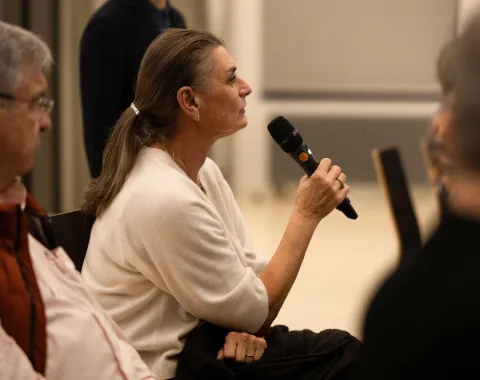
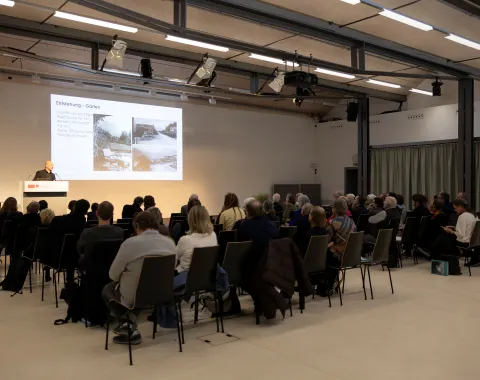
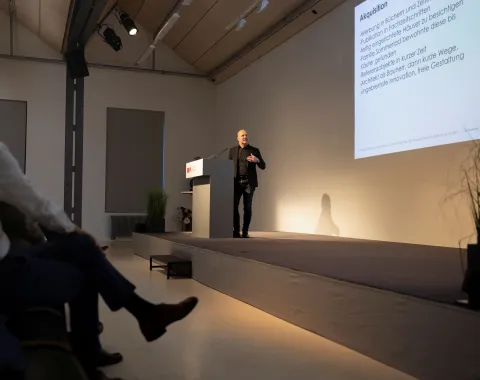
On 27 November 2025, the campus of the University of Liechtenstein was dedicated entirely to Ernst Sommerlad. Marking the architect’s 130th birthday, the auditorium filled with experts, interested members of the public and homeowners, all keen to trace the legacy of a man who placed Liechtenstein on the map of modern architecture at an early stage. Sommerlad was the first academically trained architect to settle in the Principality. With more than 200 buildings in Liechtenstein as well as in St Gallen, Appenzell Ausserrhoden, Graubünden and Vorarlberg, he shaped whole landscapes and settlements.
Anyone who speaks about Sommerlad today also speaks about an extraordinary pioneering achievement. When the 29 year old architect arrived in Liechtenstein in 1924 and opened his office in Schaan, modern building was virtually unknown here. Even so, he found support among local craftspeople, realised his first projects, and later shifted his main field of activity to Vaduz. There, he also designed the Ebenholz villa quarter, in the immediate vicinity of today’s University.
Academic symposium
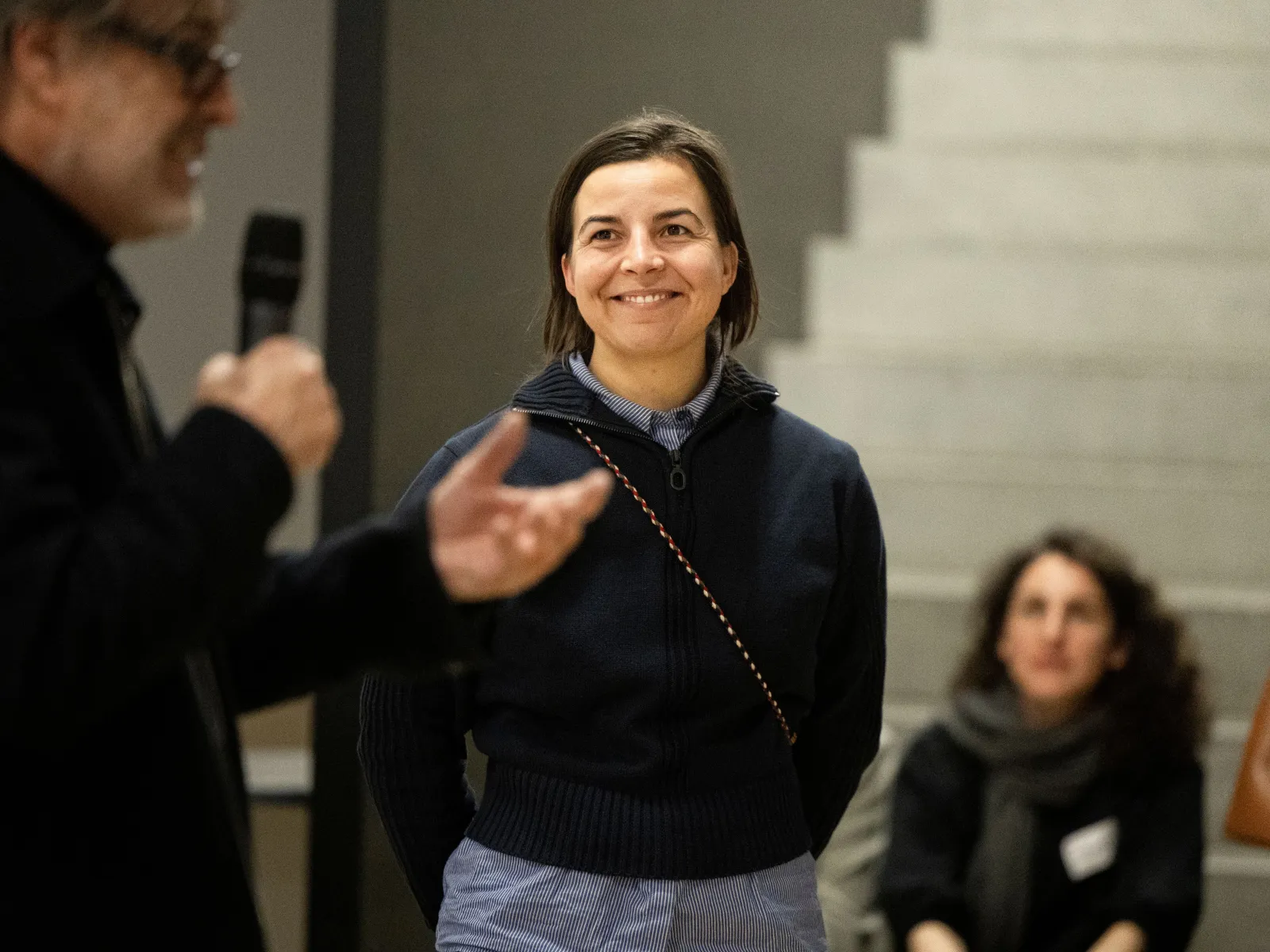
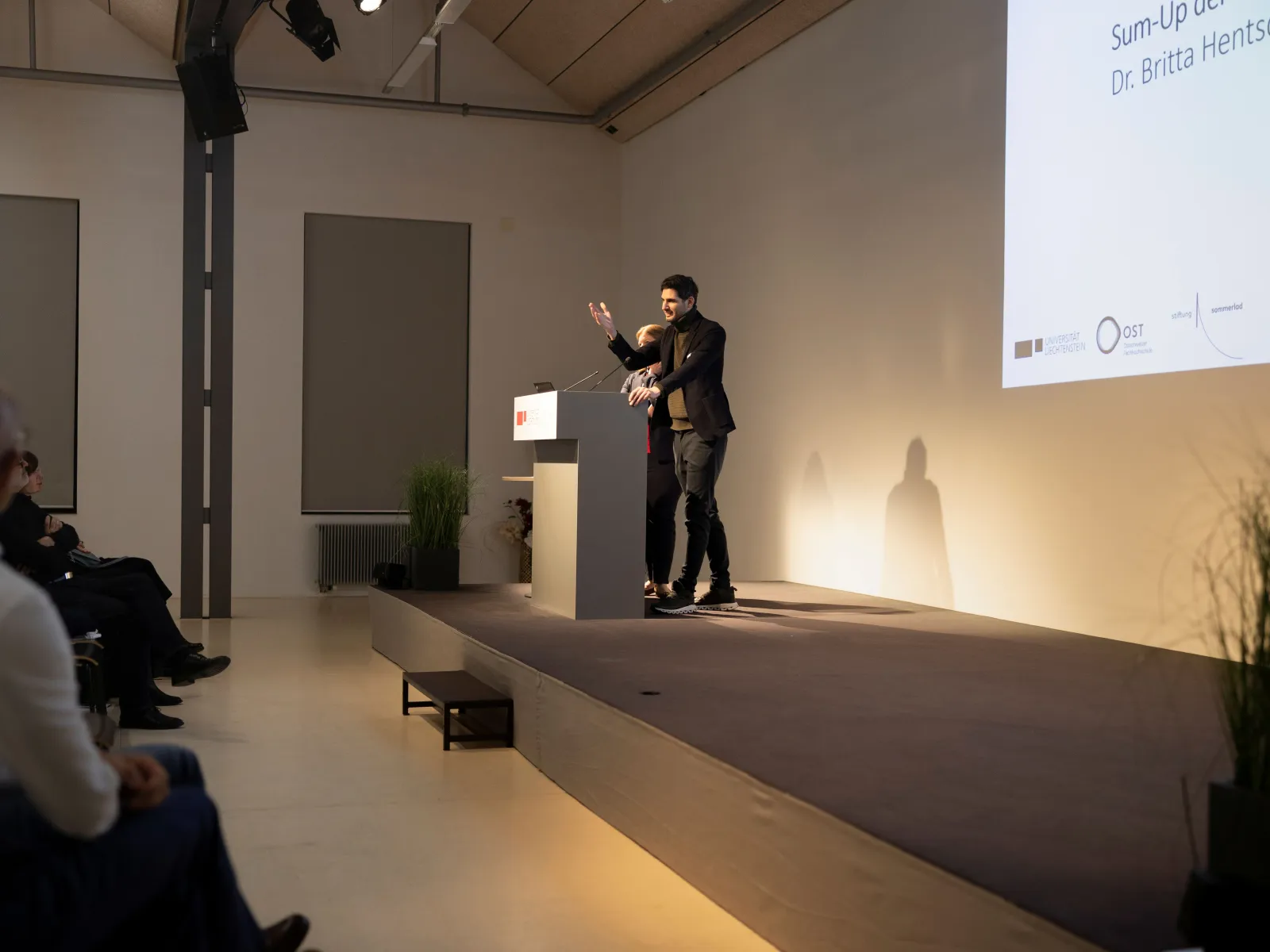
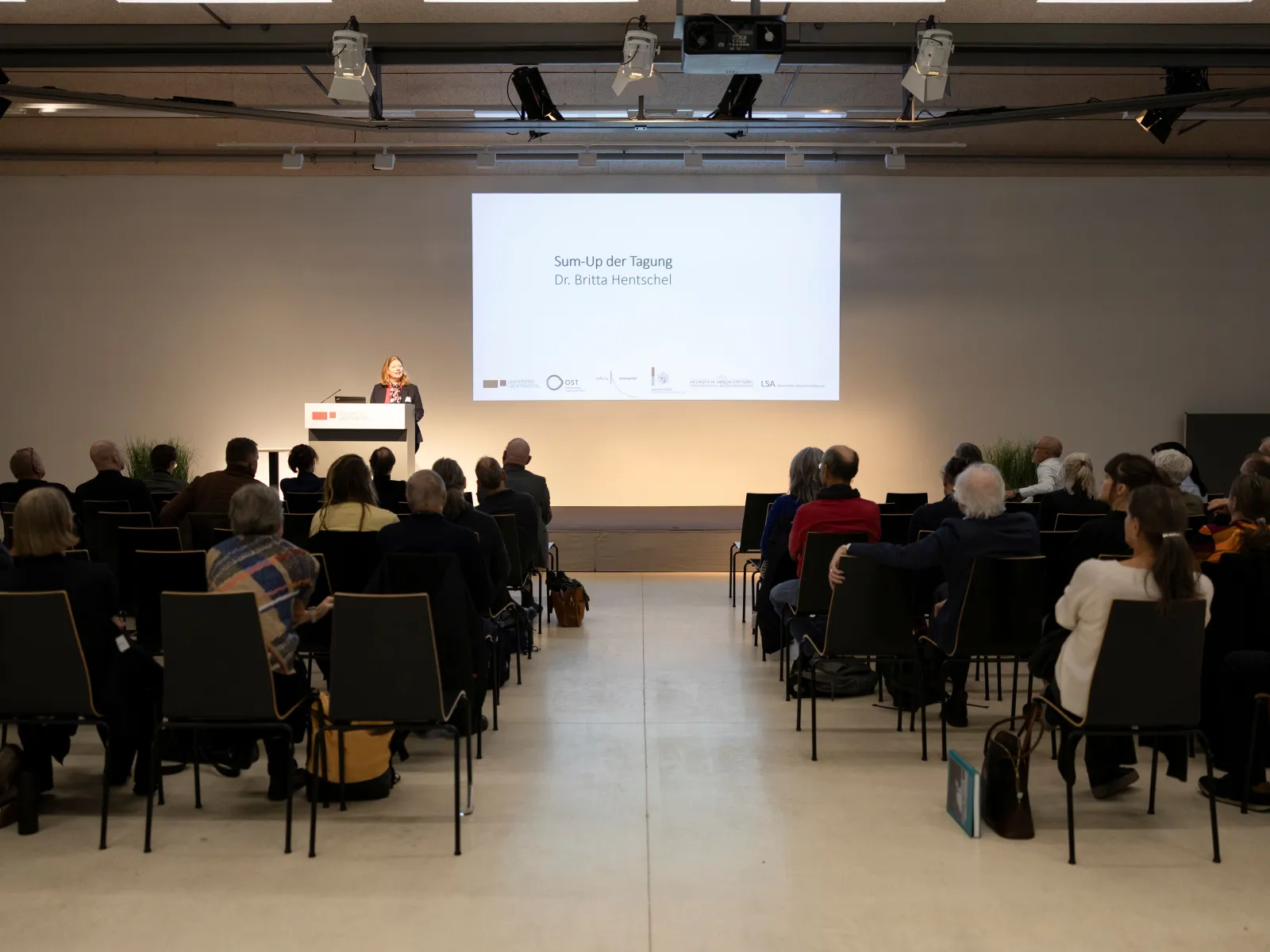
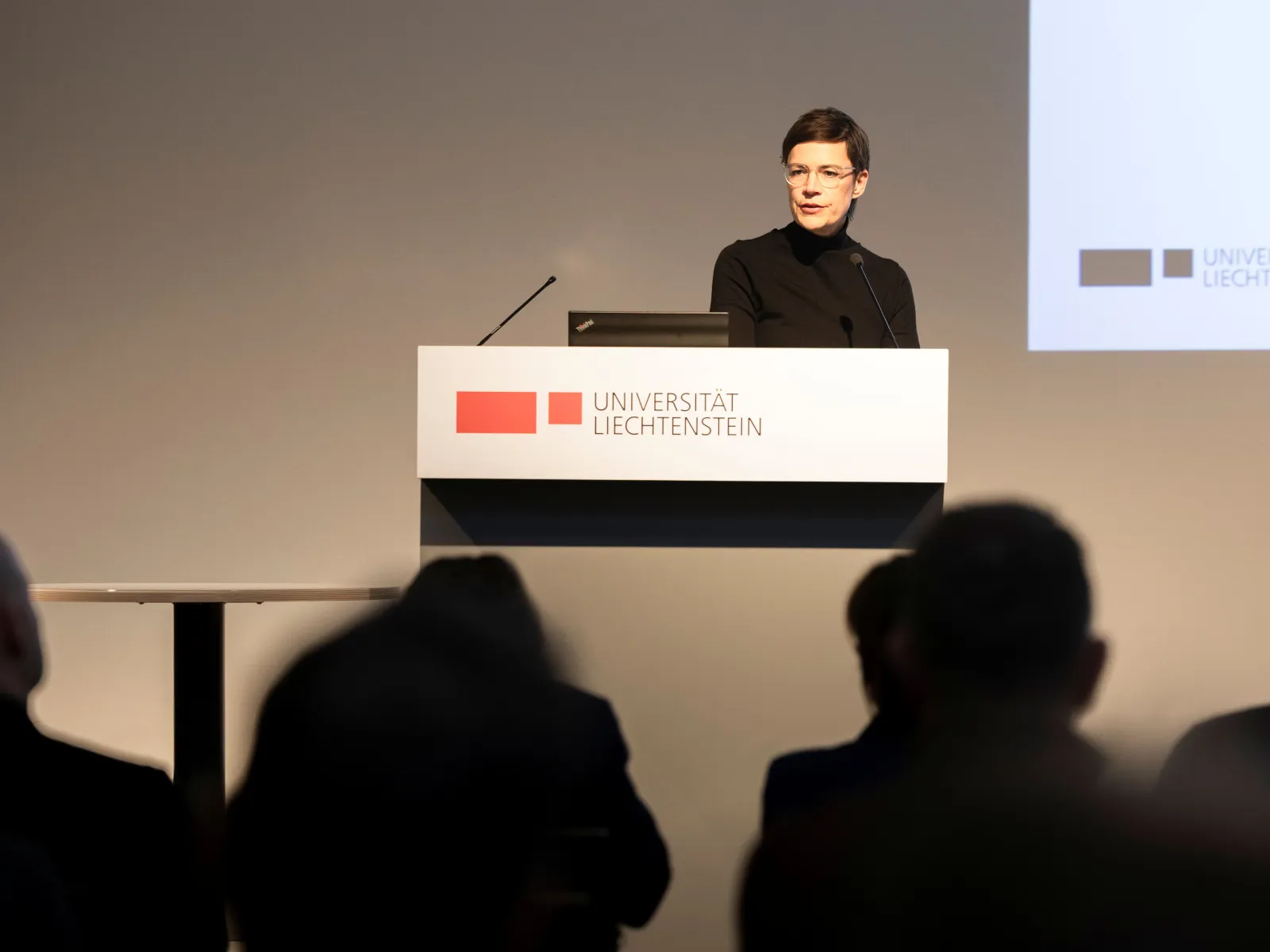
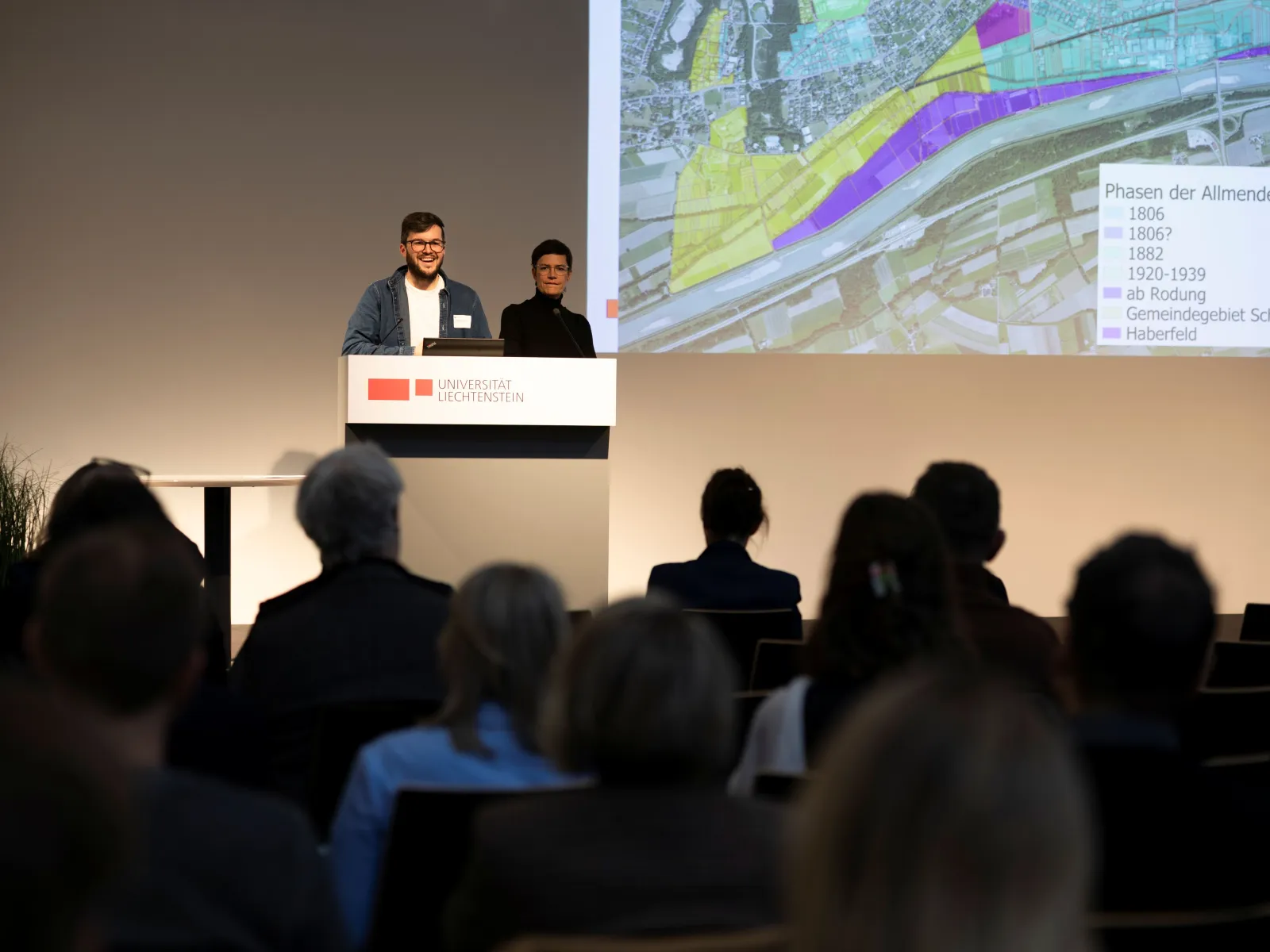
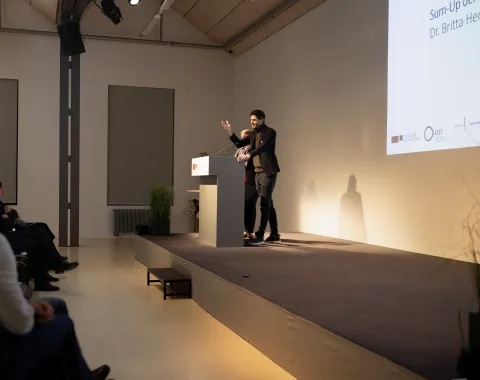
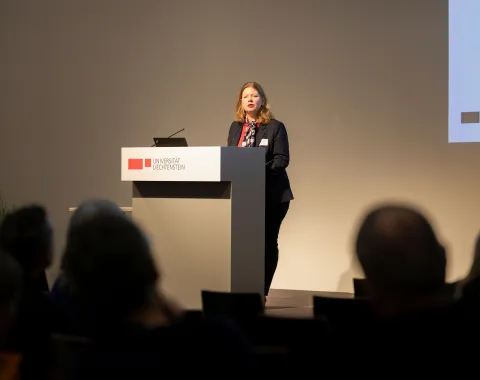
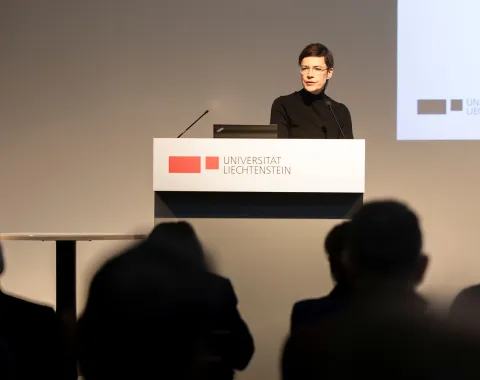
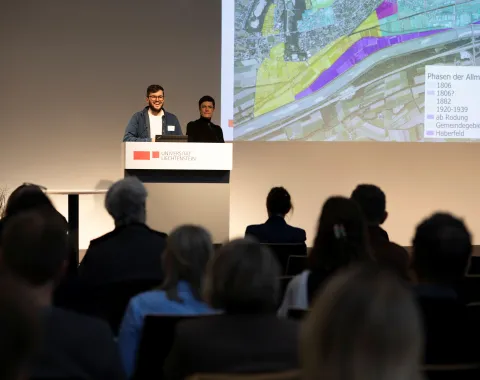
The day began with welcomes and an introduction to the topic and the collaboration. The symposium was conceived and curated by Dr Britta Hentschel (University of Liechtenstein, LSA, Built Heritage and Upcycling Unit) and Prof. Dr Katrin Albrecht (OST University of Applied Sciences of Eastern Switzerland), who set the framework for a multi layered engagement with Sommerlad’s work.
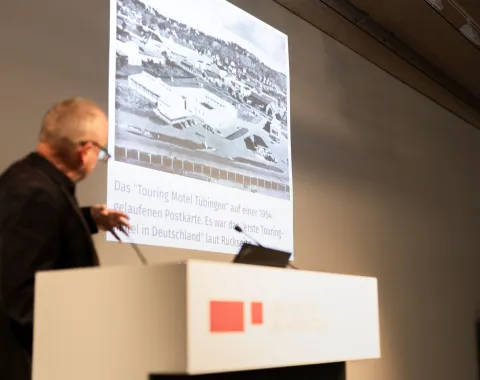
Under the title “Sommerlad, the border crosser”, the morning focused on the historical and social context in which Sommerlad worked. The contributions traced how he moved between different regions and encountered very diverse cultural and architectural conditions, and at times significant obstacles. This made clear which currents, expectations and opportunities shaped his practice. Rather than listing individual buildings, the emphasis lay on how Sommerlad acted as a mediator between places, traditions and the spirit of modernity, and how he developed his own architectural position rooted in the Alpine region.
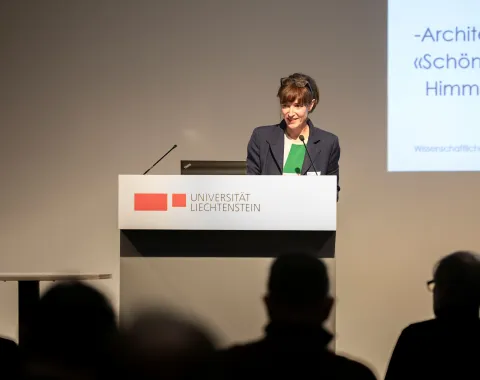
In the afternoon, the perspective widened further, with a focus on preserving and continuing to develop Sommerlad’s buildings. From different professional angles, speakers showed how his works can be read today as part of a building culture that understood borders more as connections than as divides. The discussion sharpened the image of an architect who did not operate as an isolated figure, but as someone who worked, negotiated and translated with great openness. This adaptability emerged as one of his defining qualities, both in dealing with clients and contexts and in the lasting character of his buildings, many of which have remained remarkably flexible to this day. All the more regrettable, therefore, is the fact that almost half of Sommerlad’s roughly 120 buildings in Liechtenstein have already fallen victim to increased pressure for plot exploitation and profit.
Sommerlad’s own skilful use of the new possibilities offered by the Persons and Companies Act (PGR) from 1926 was also highlighted from a constitutional law perspective, and the land policy he initiated in the country was analysed in terms of its social and spatial impact.
Exhibition opening and book presentation
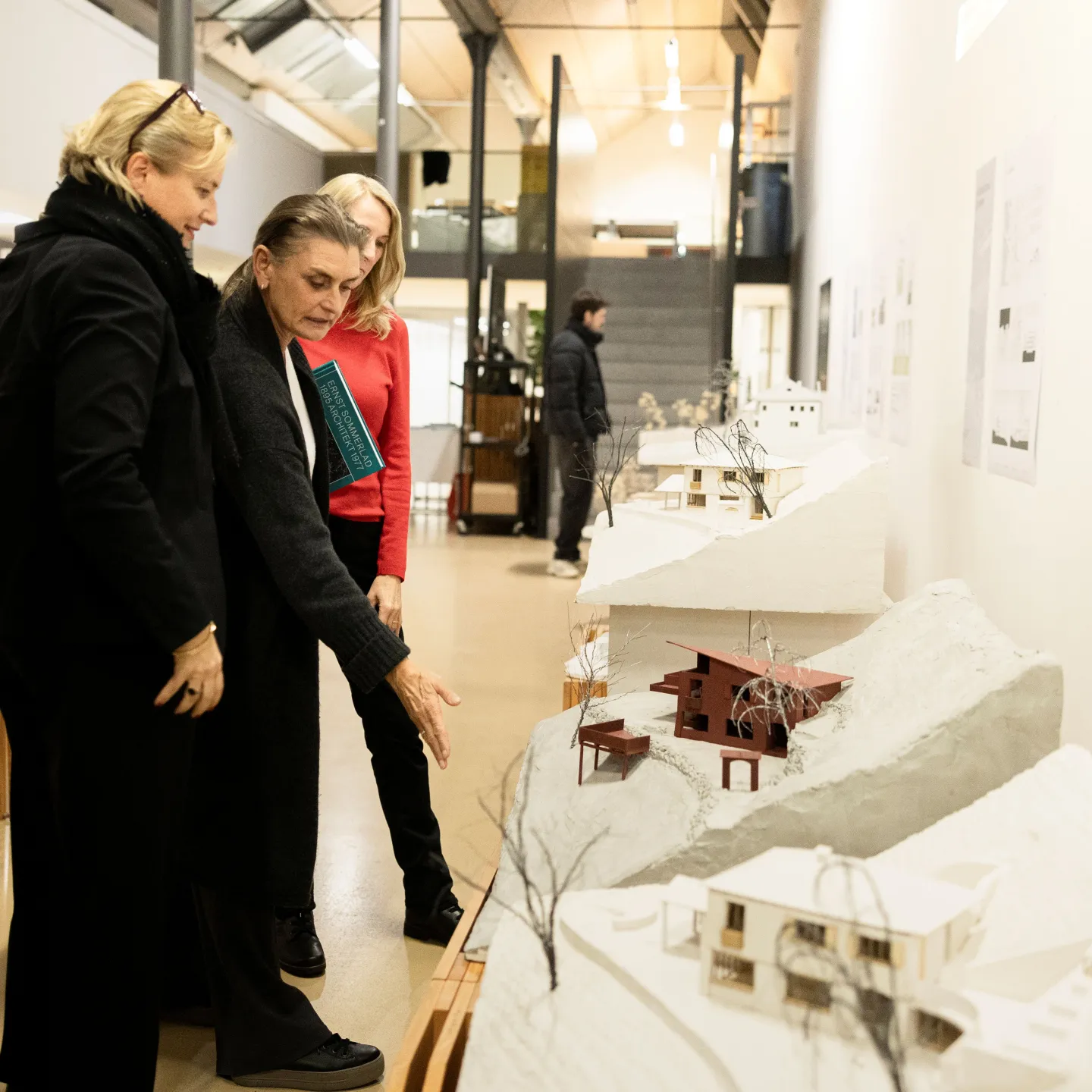
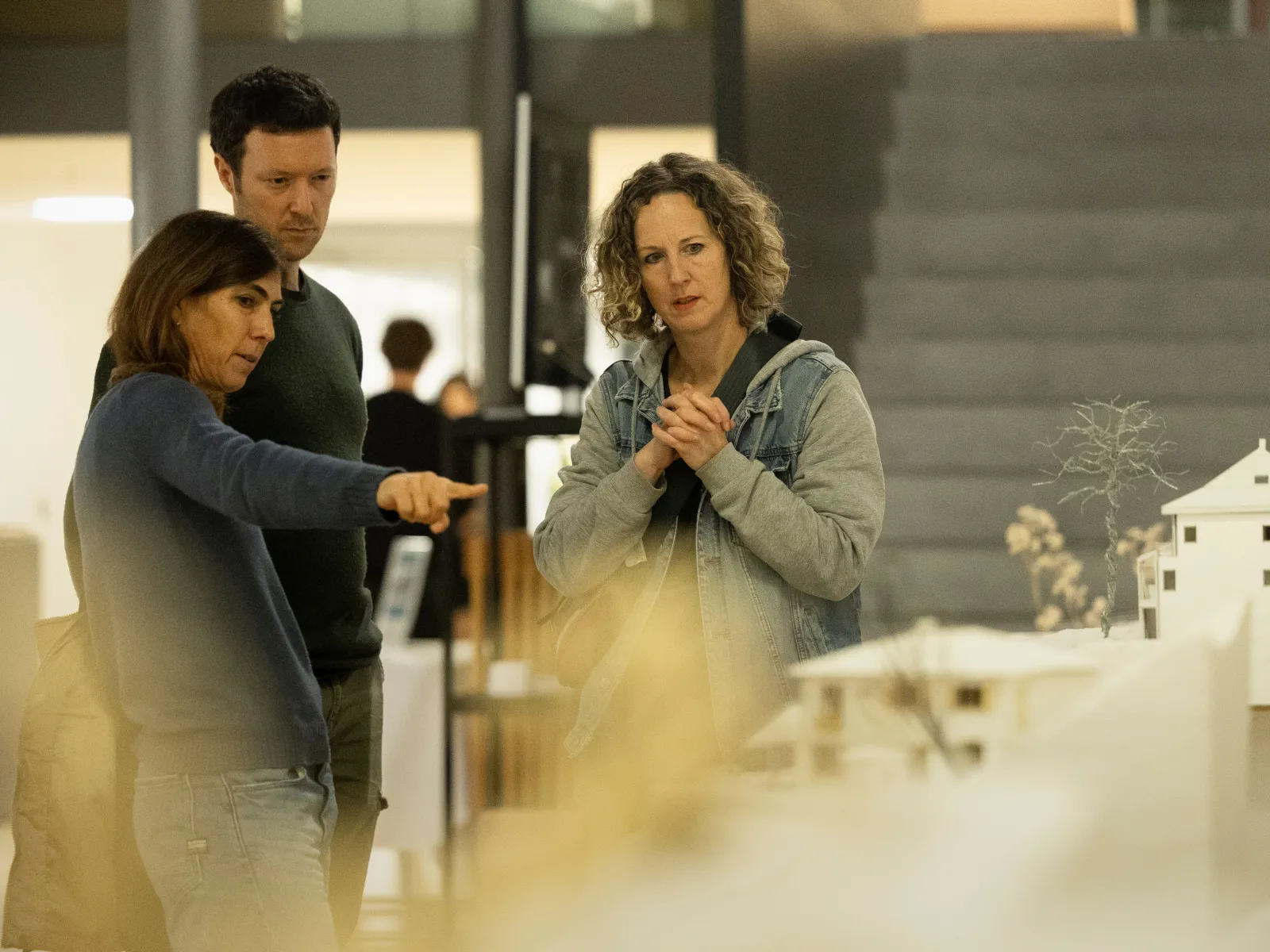
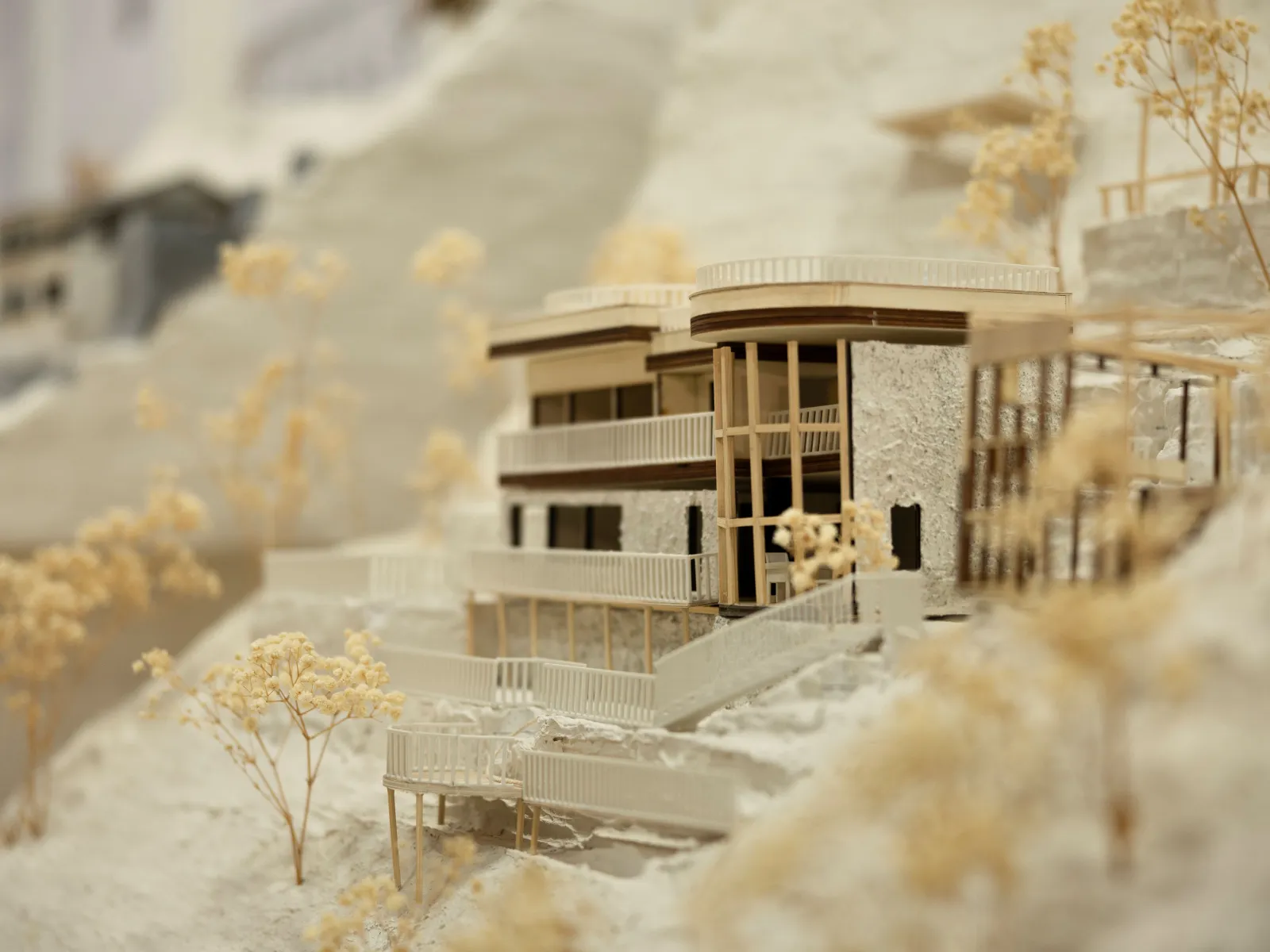
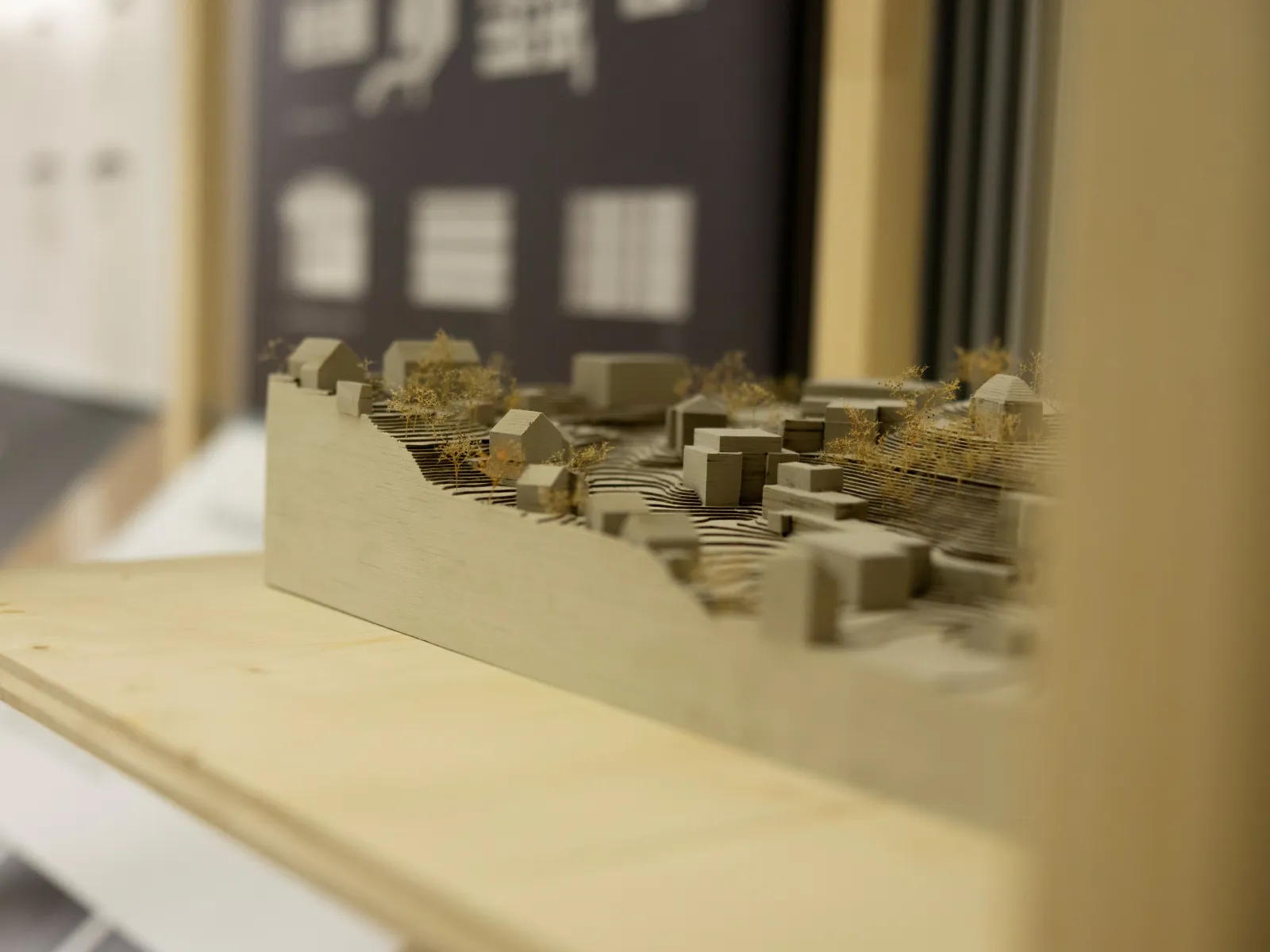
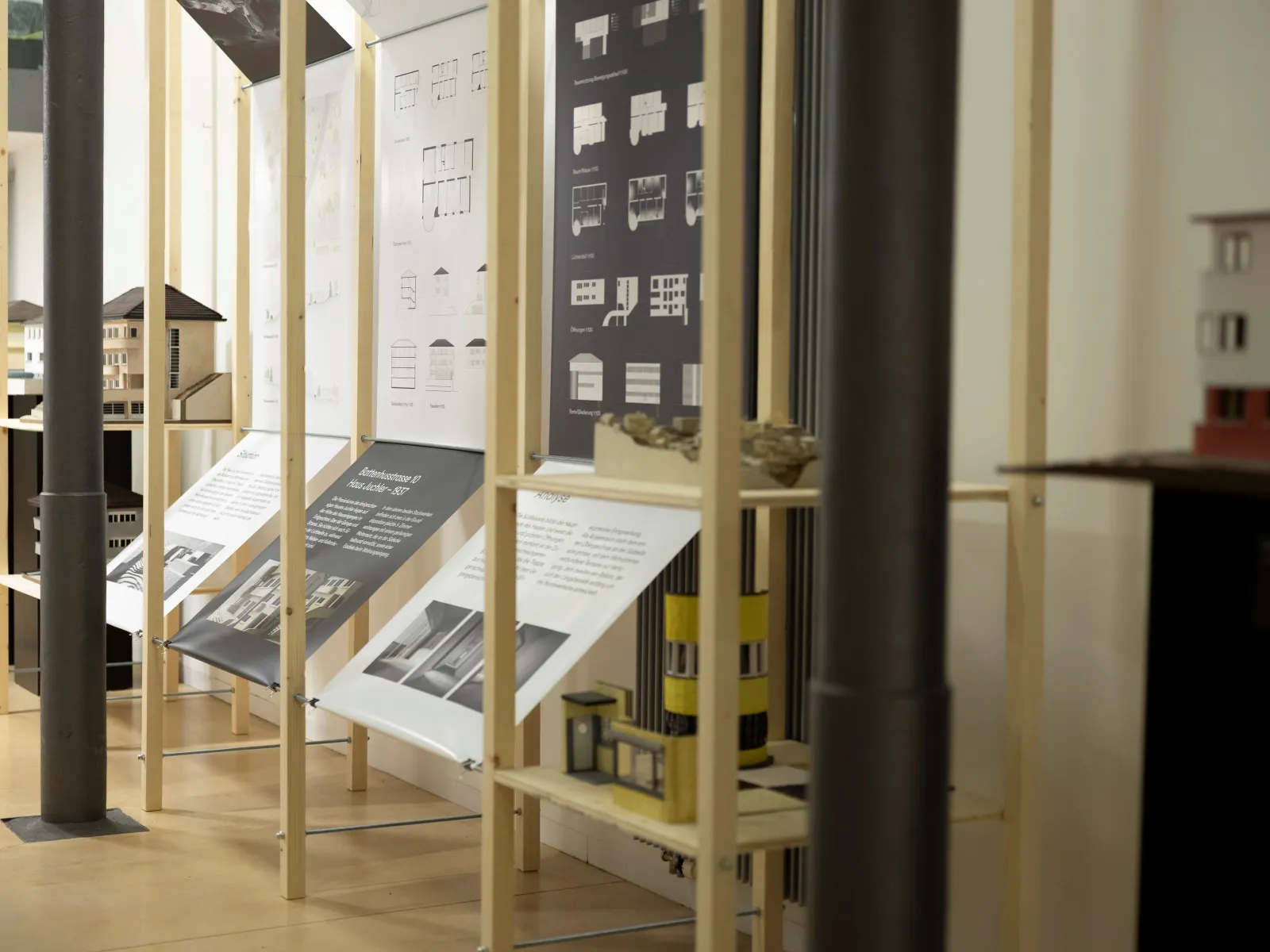
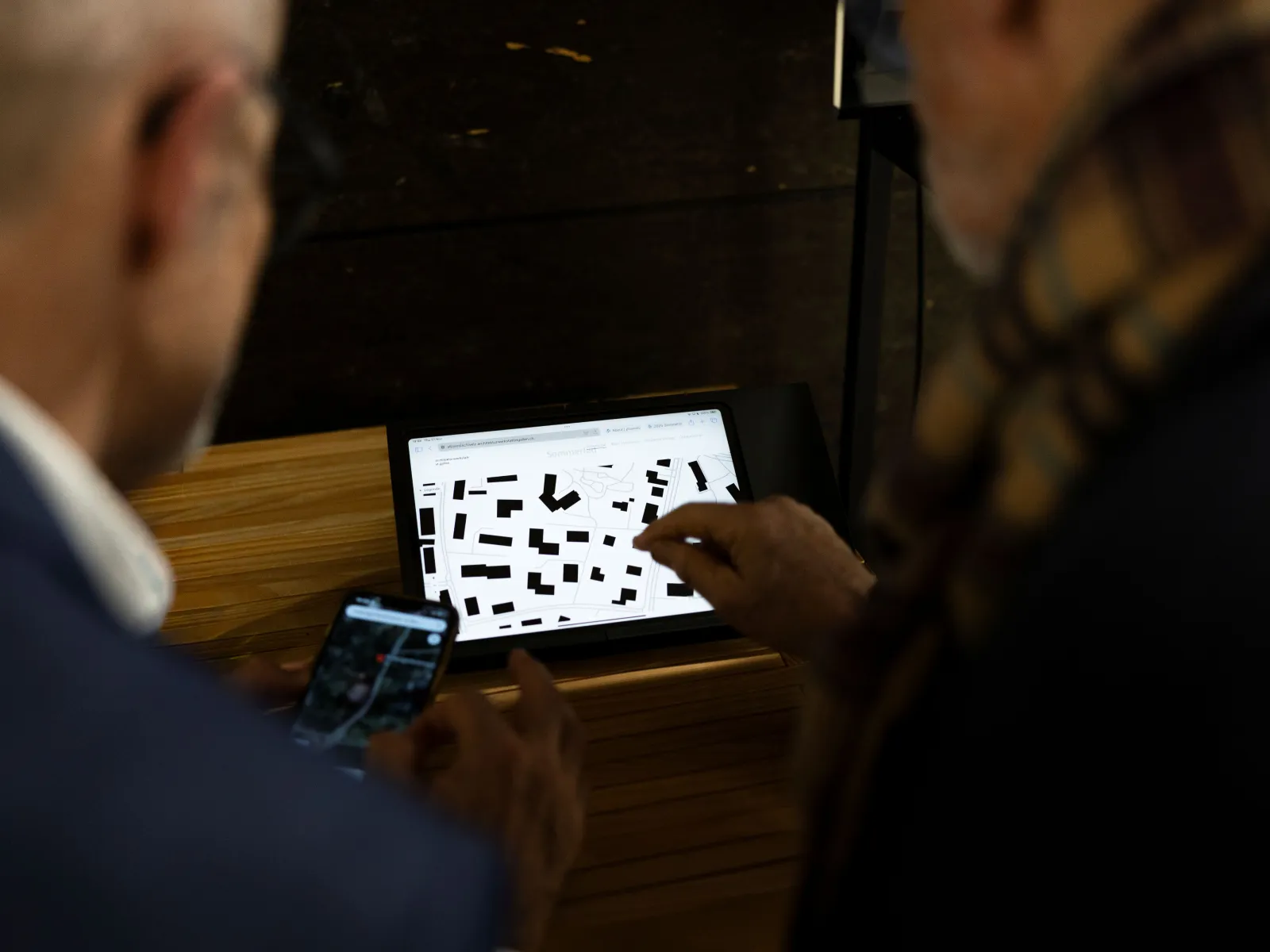
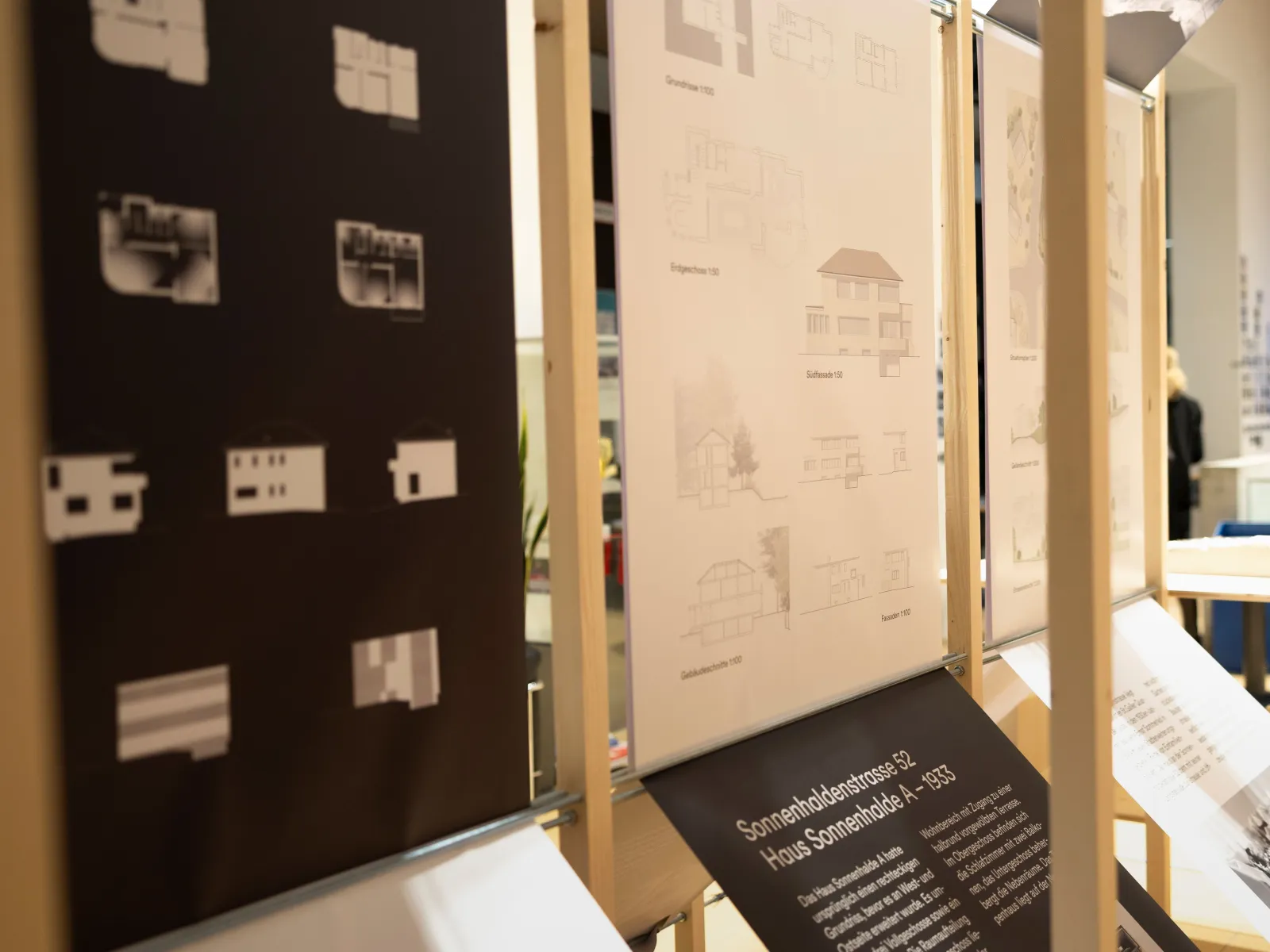
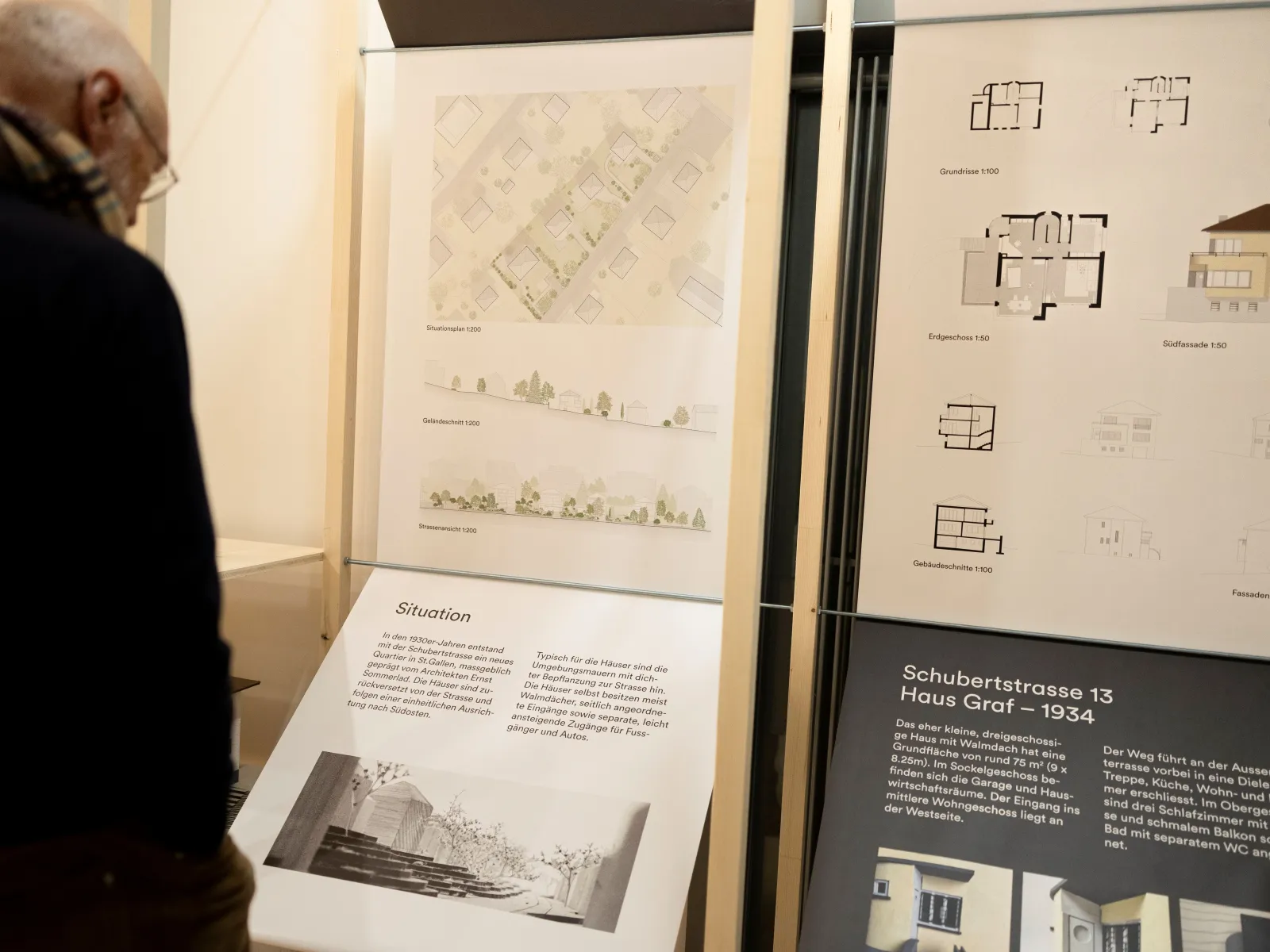
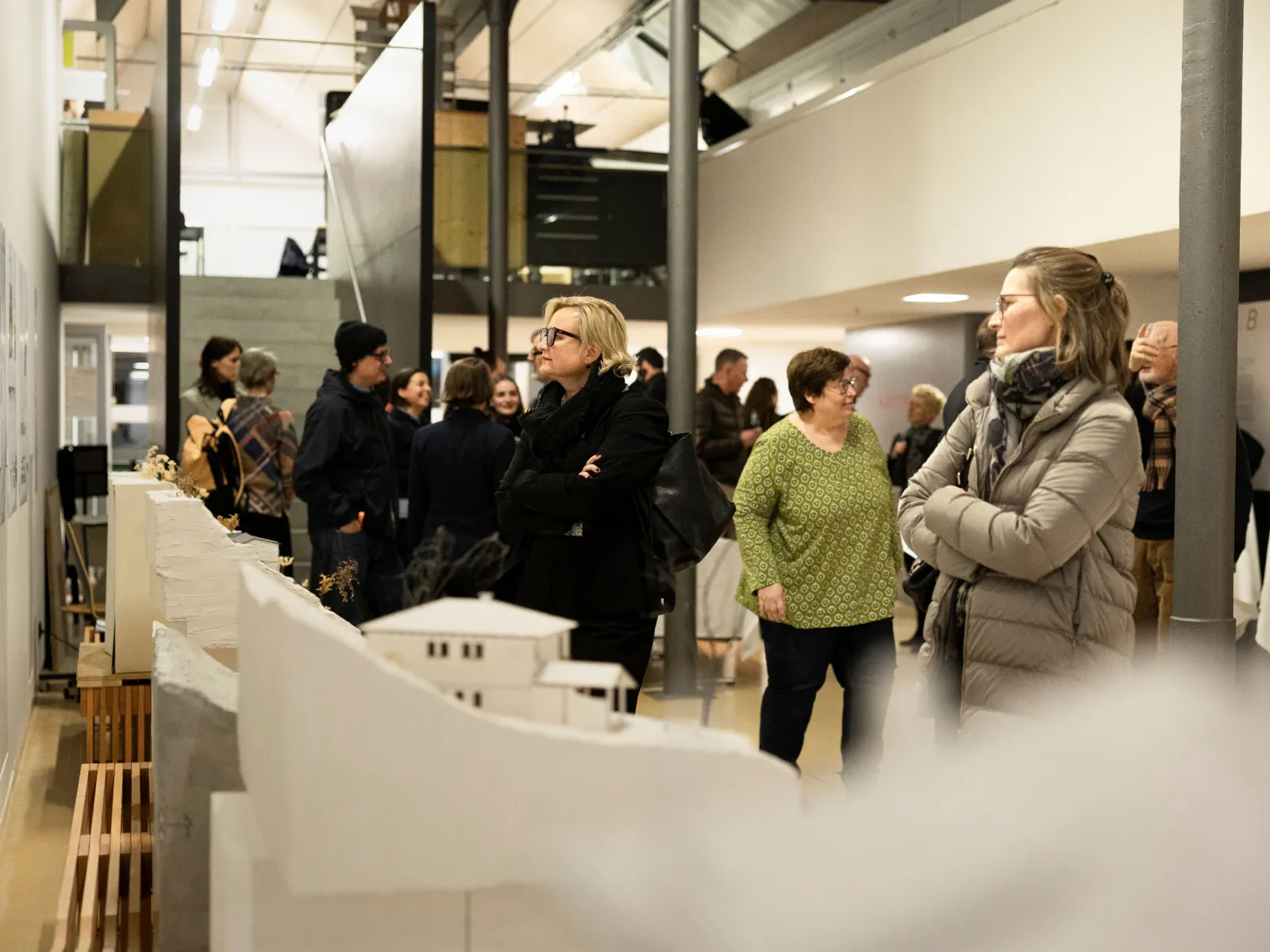
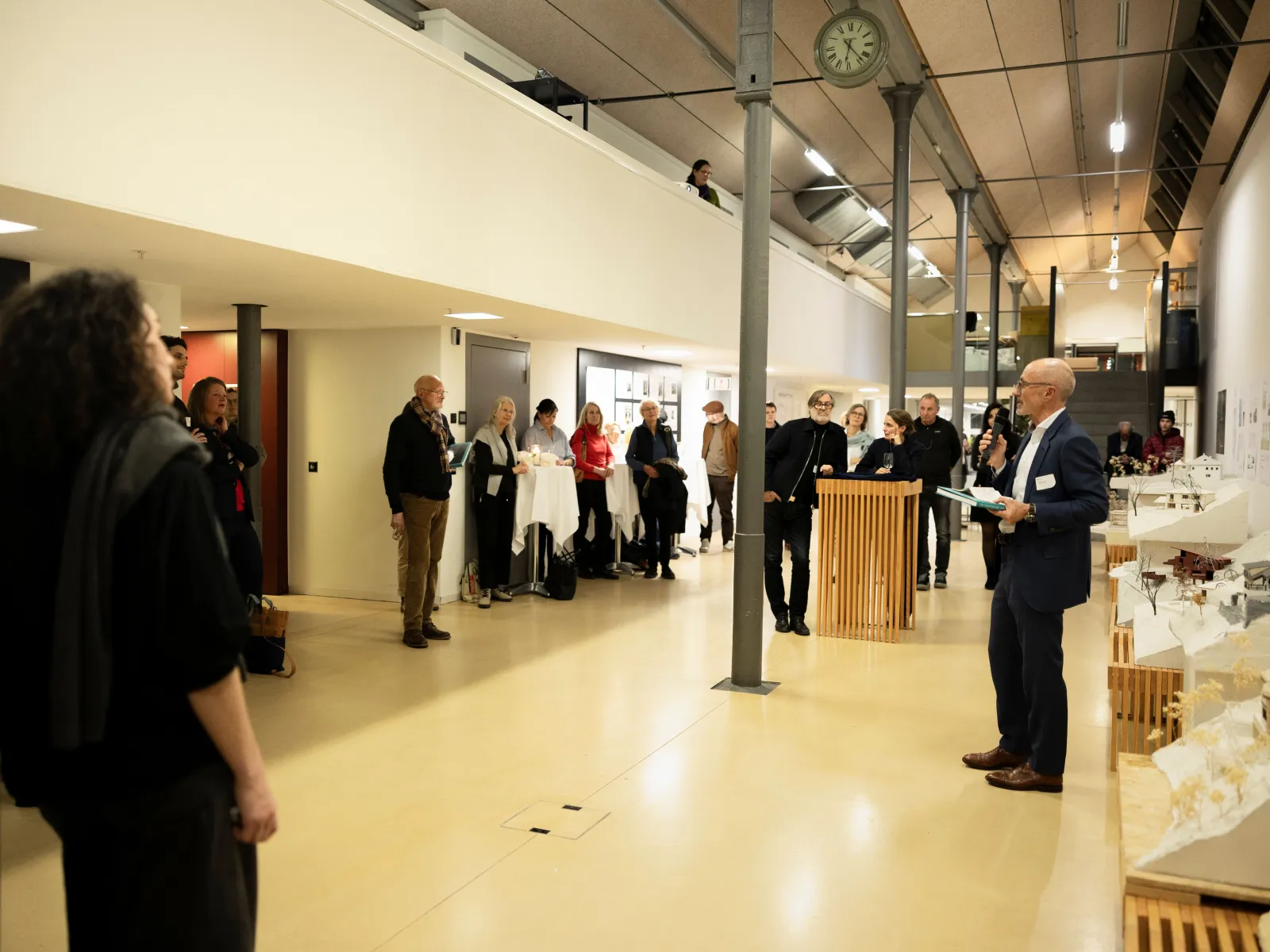
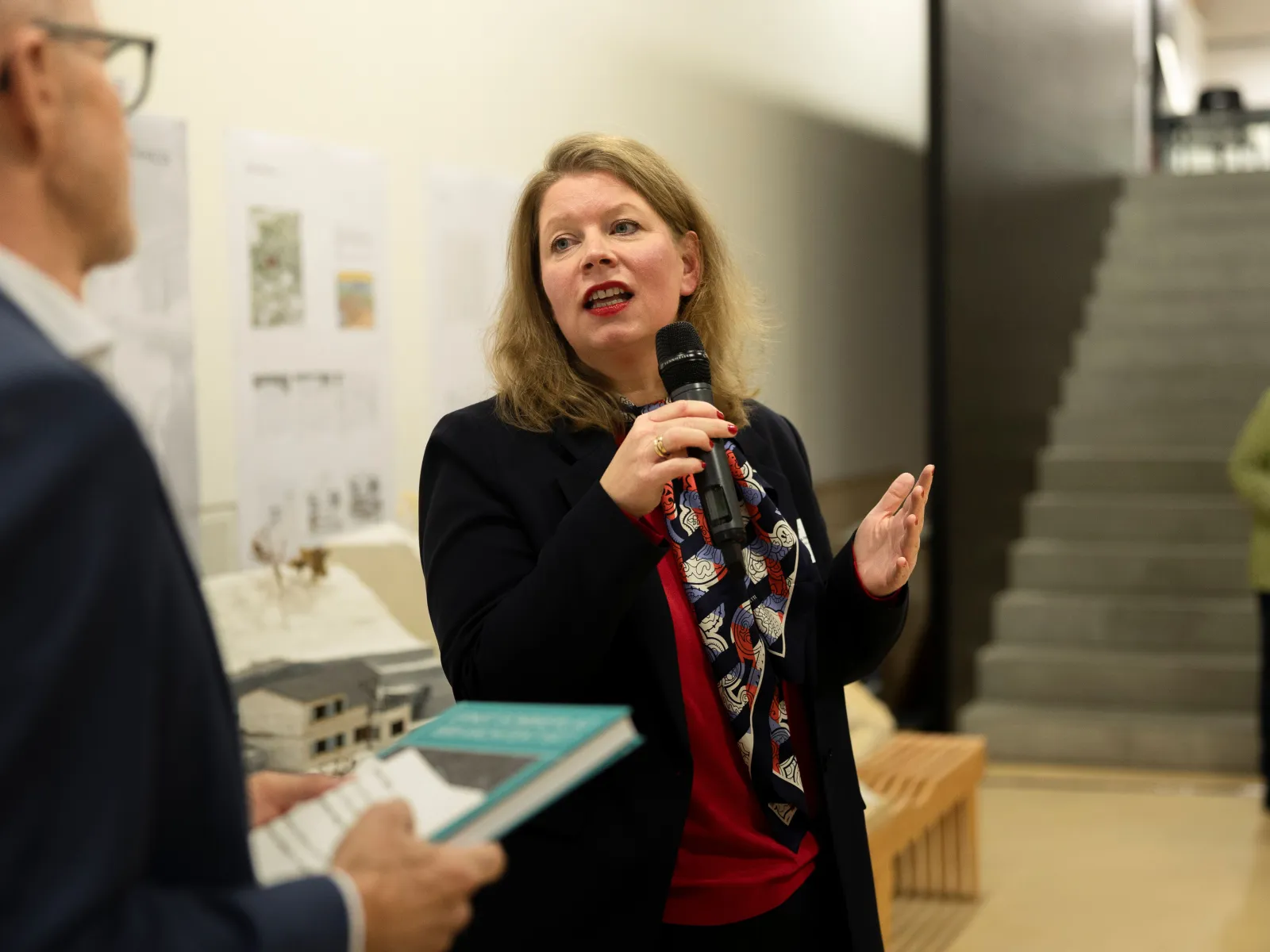
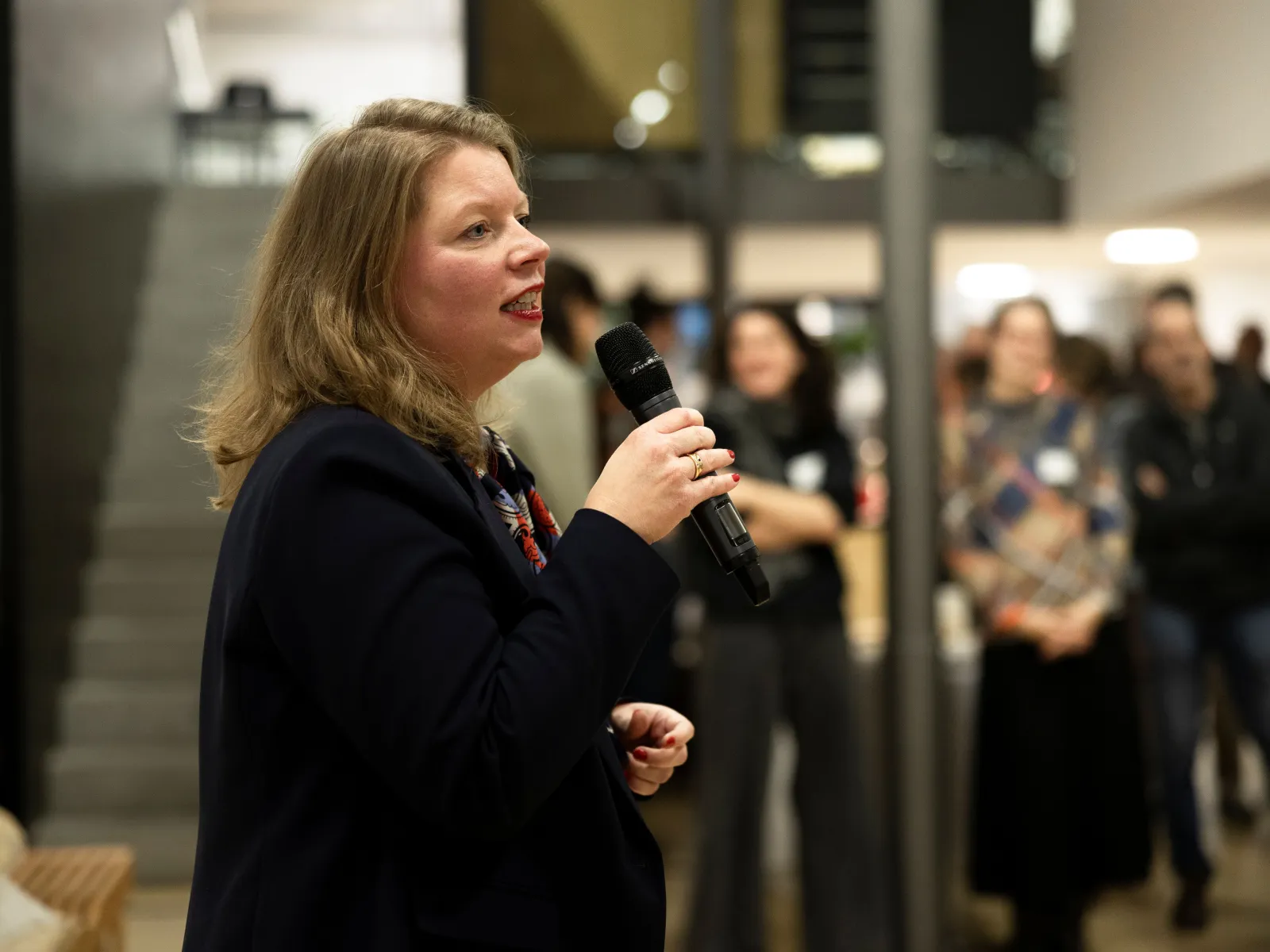
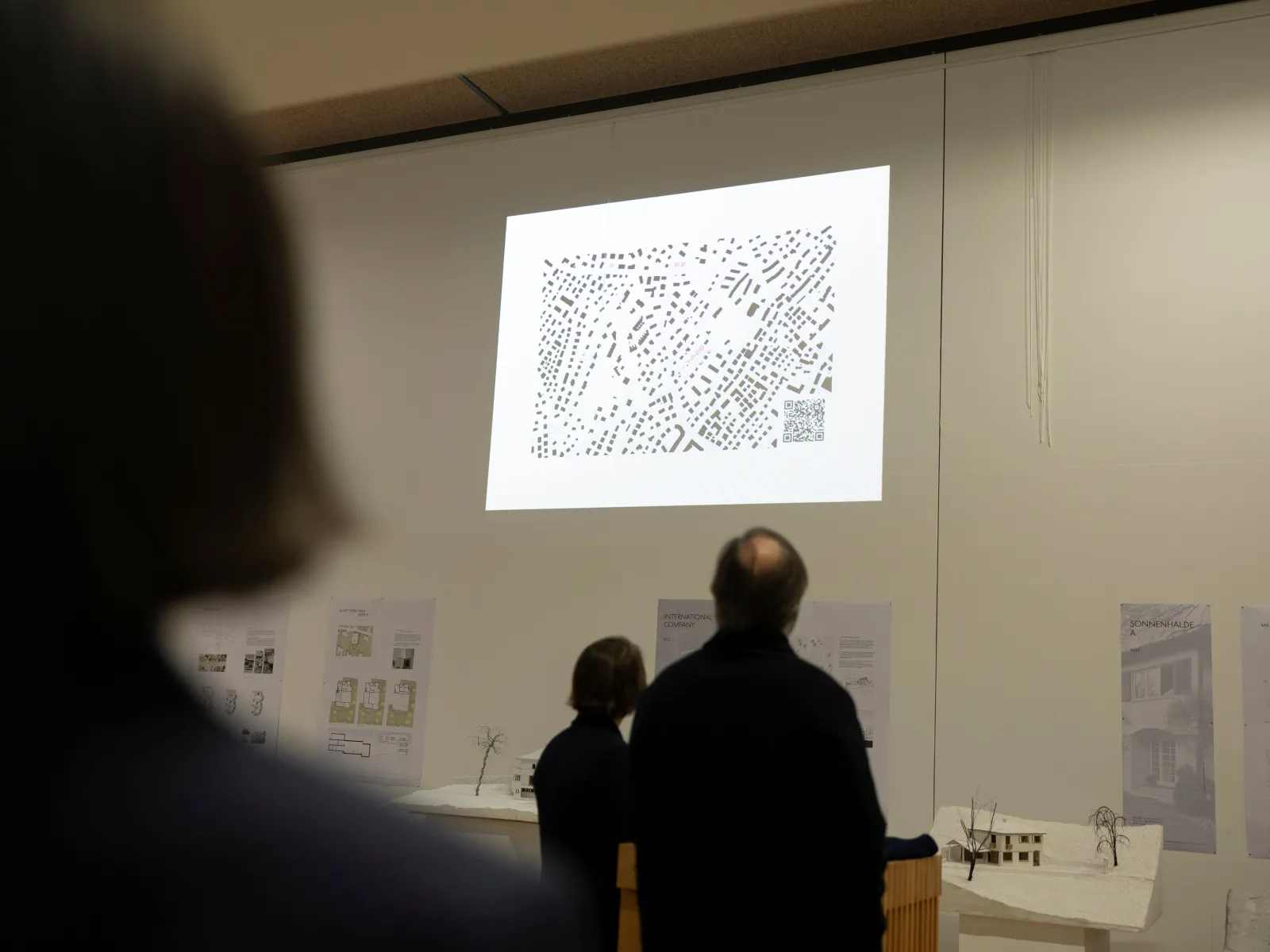
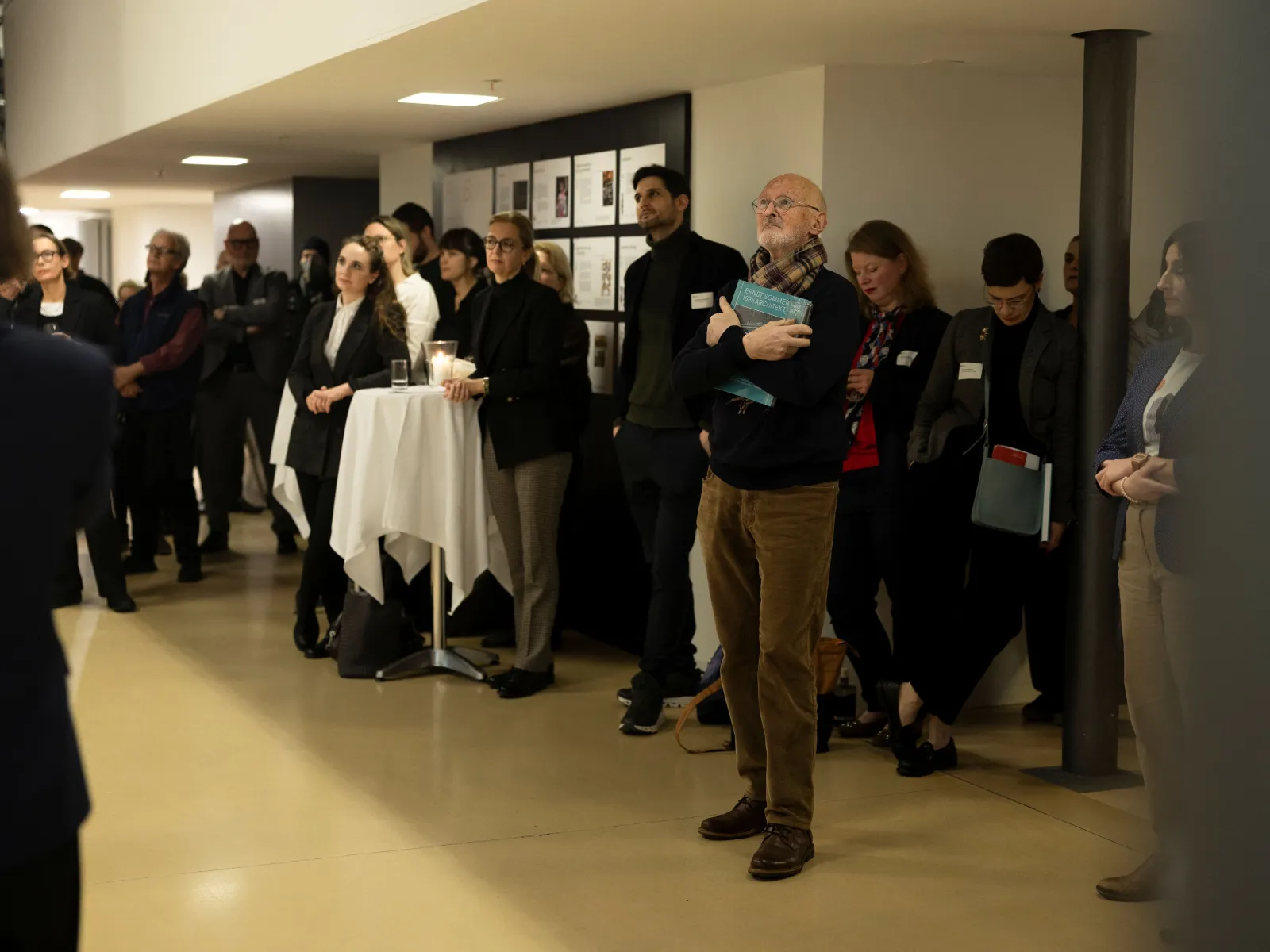
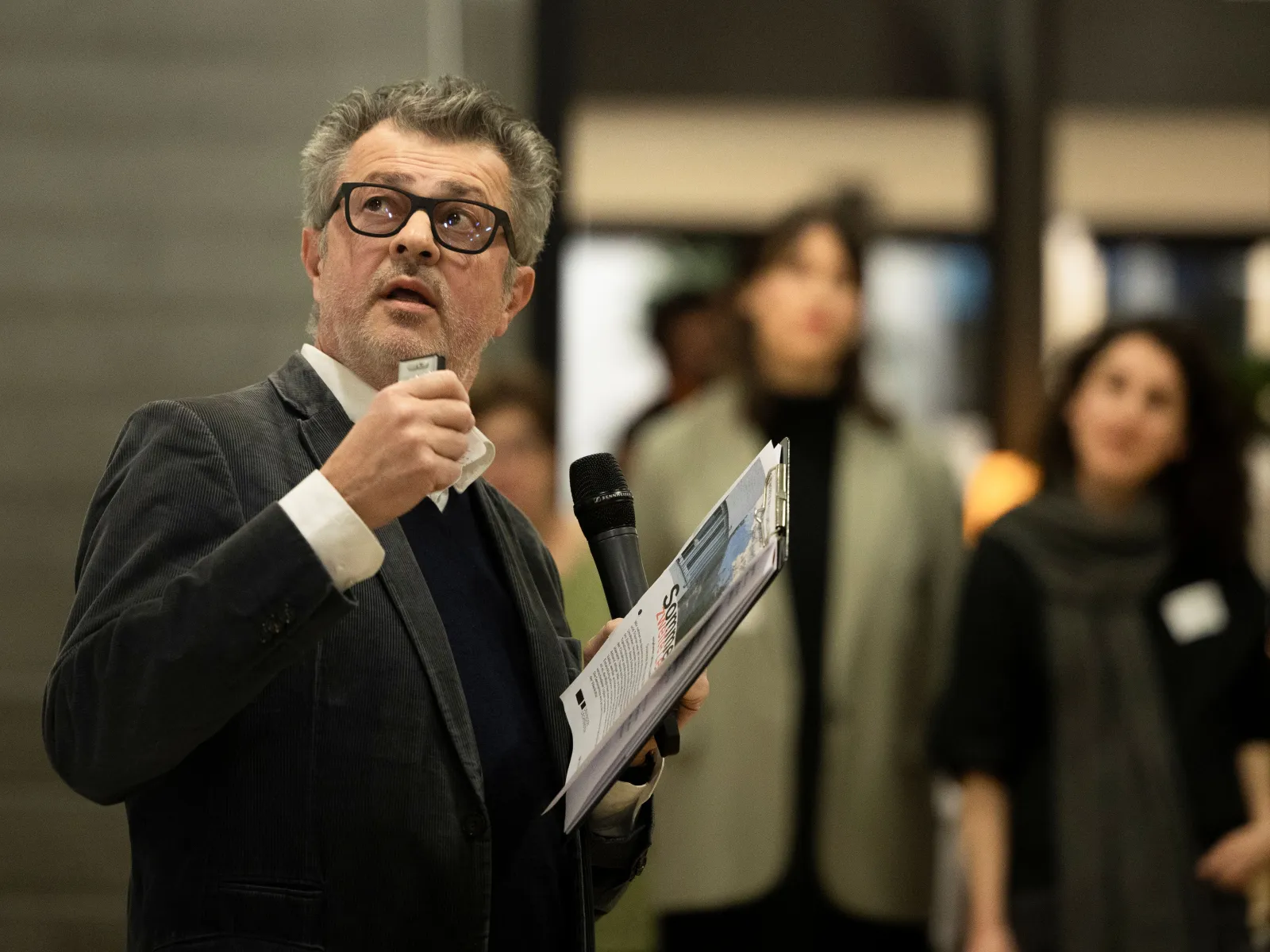
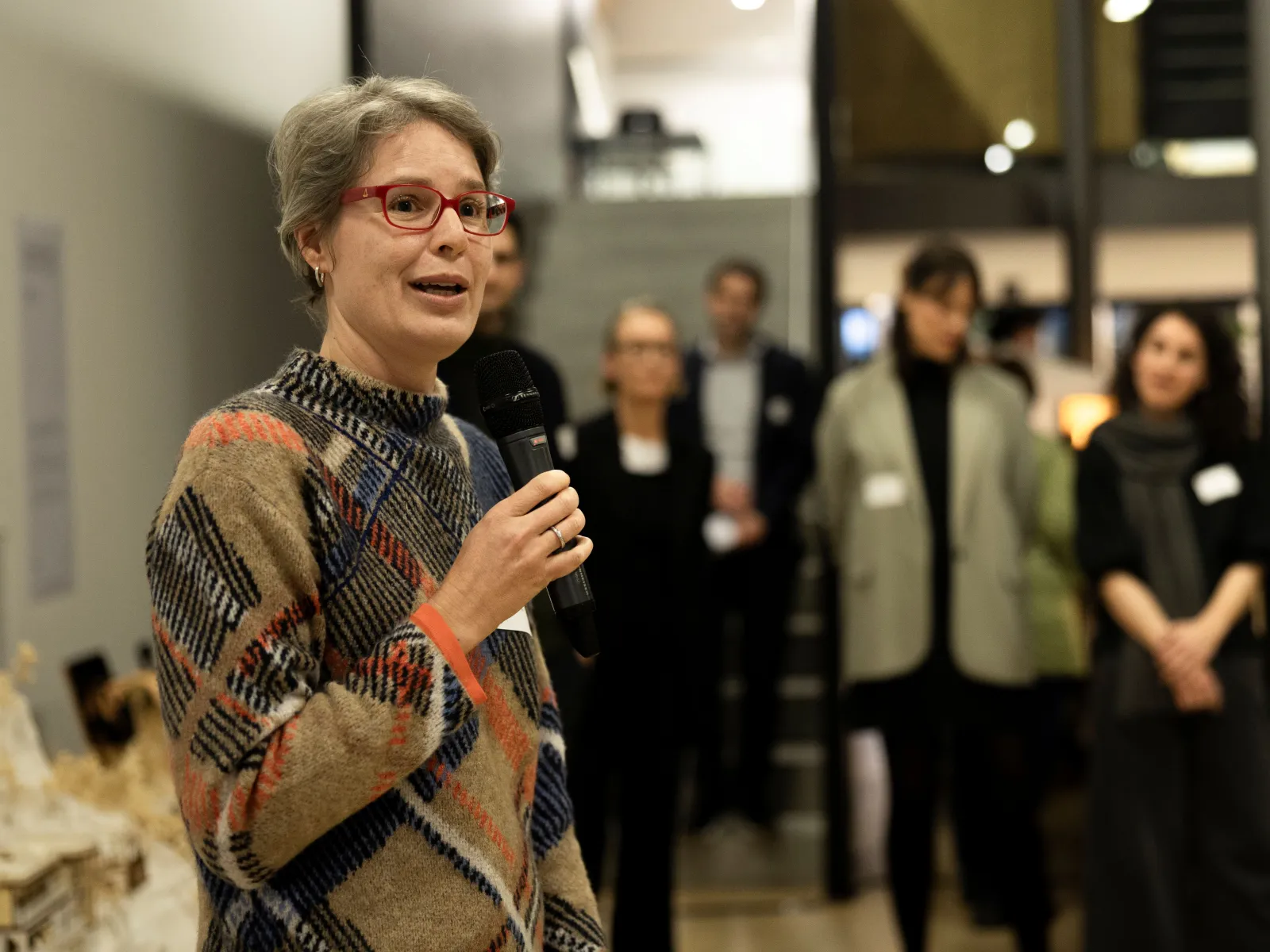
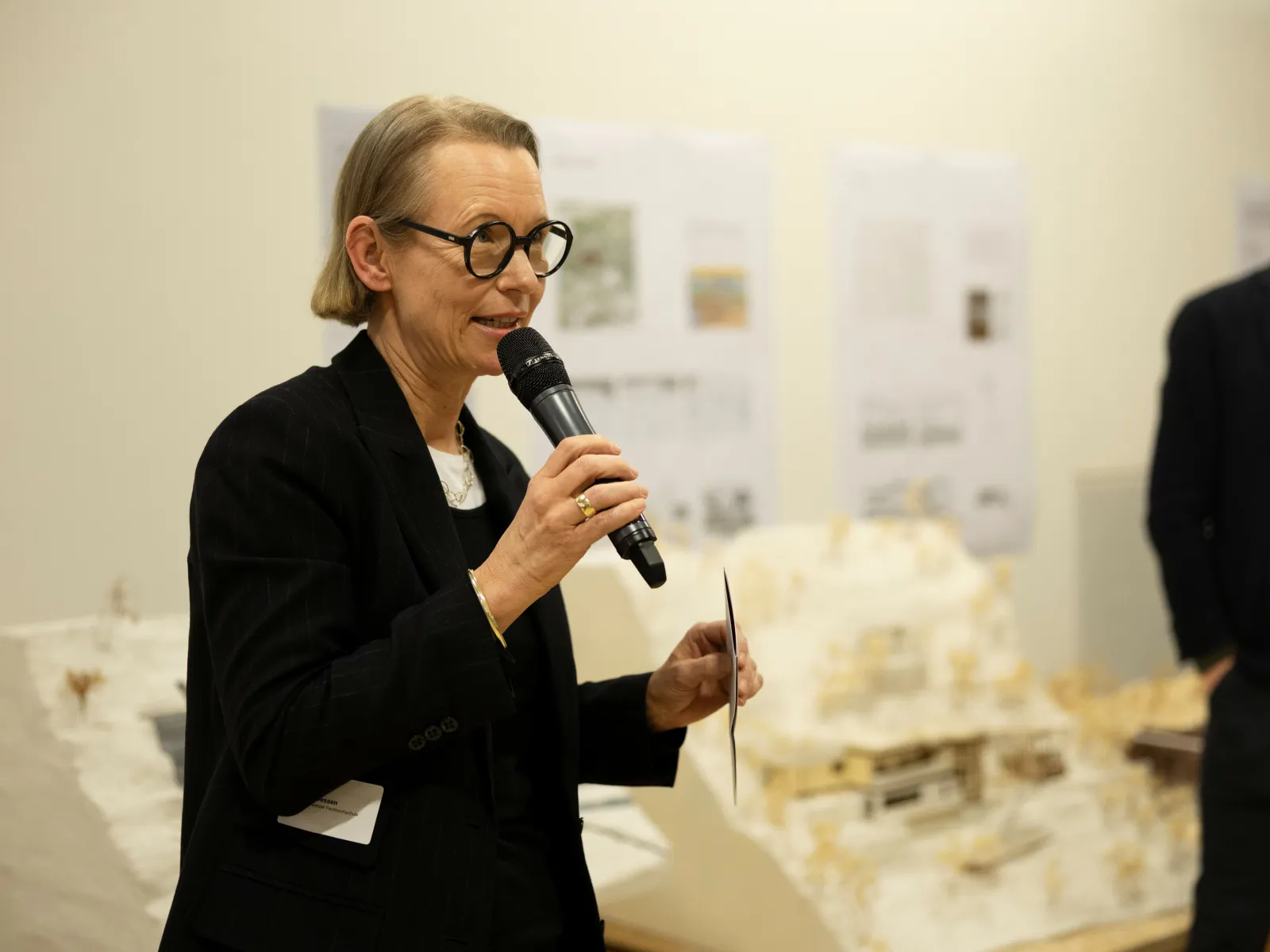
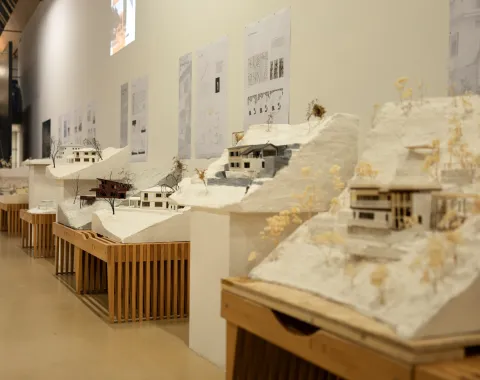
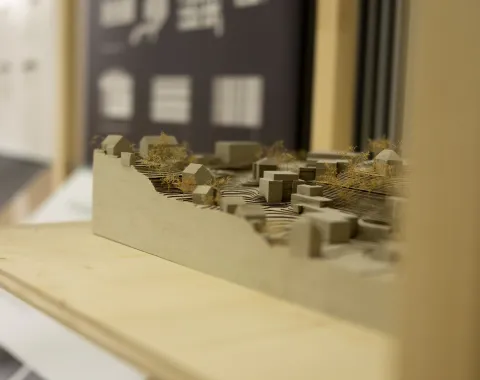
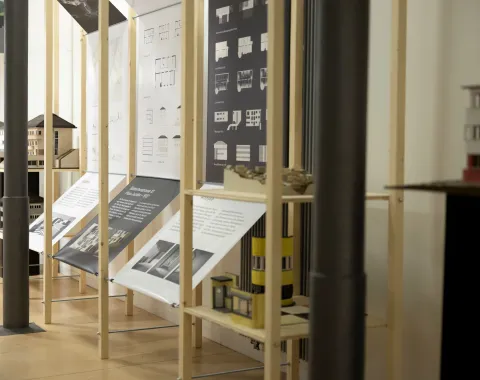
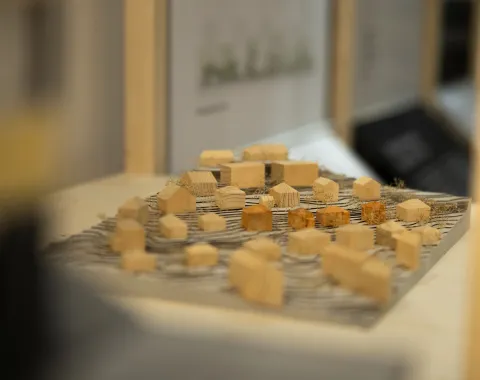
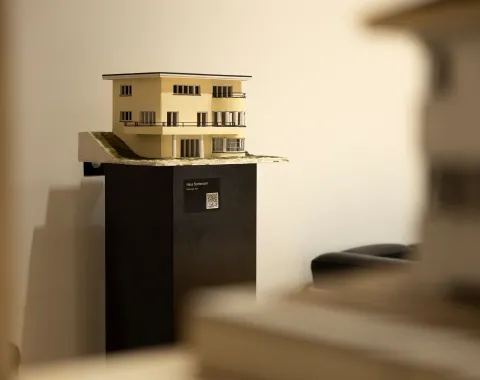
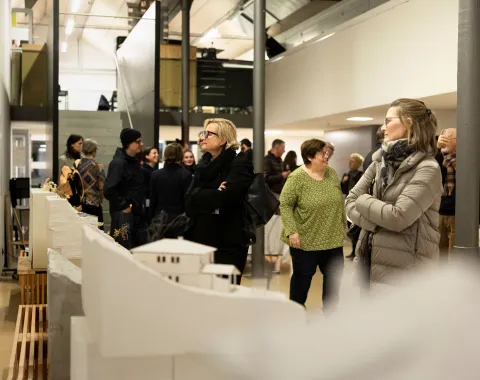
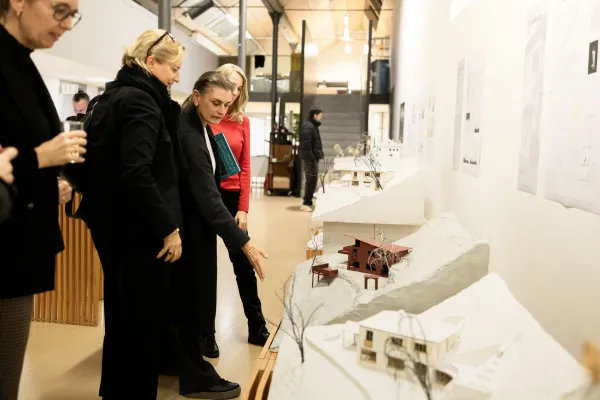
After the academic part, the late afternoon moved into the book presentation and the opening of the accompanying exhibition. Deputy Prime Minister and Minister of Culture Sabine Monauni opened the exhibition, underlining Ernst Sommerlad’s importance for the cultural memory and building culture of the country. The vernissage gave visible form for a wider public to what had previously been discussed in lectures and debates.
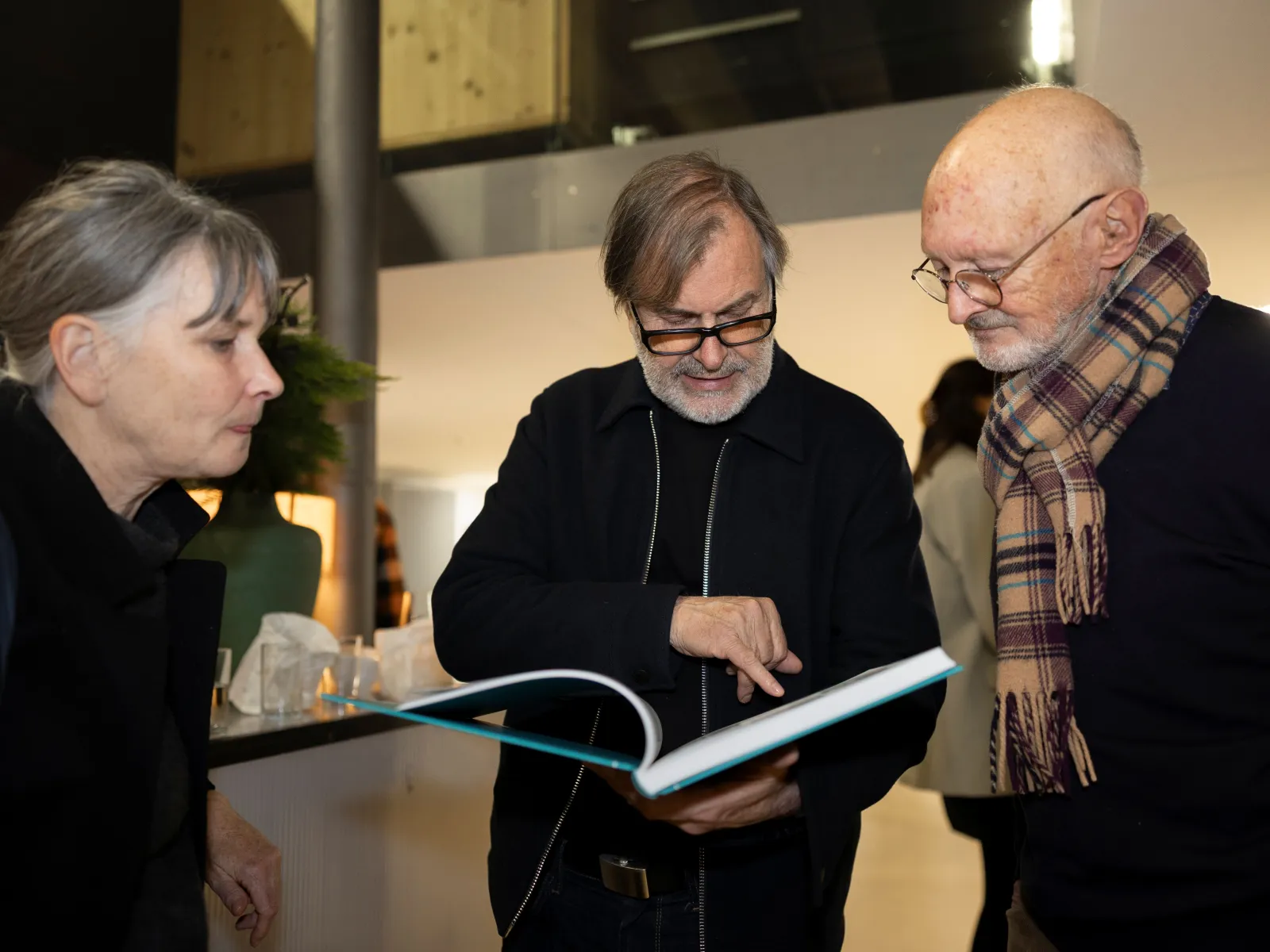
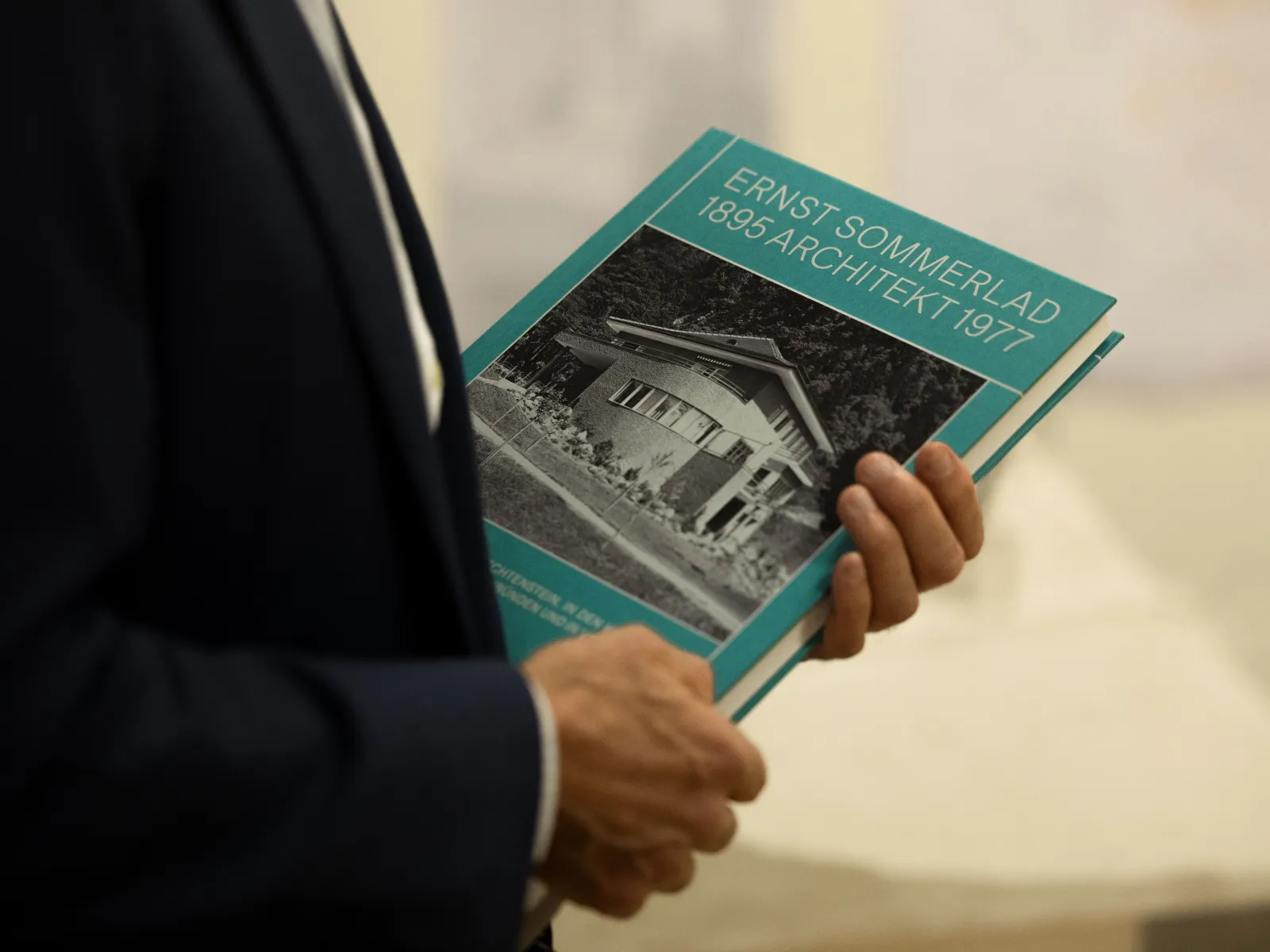
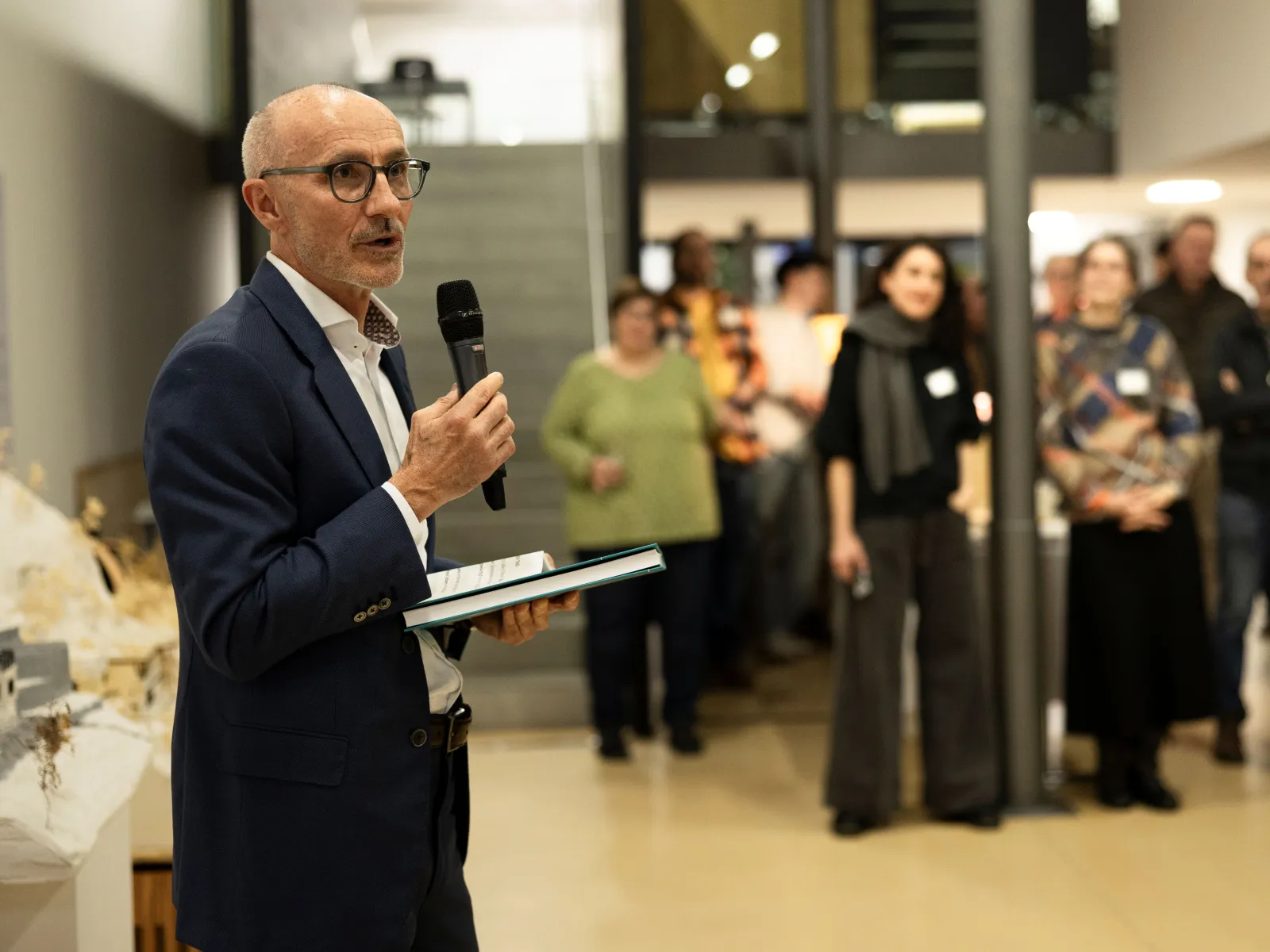
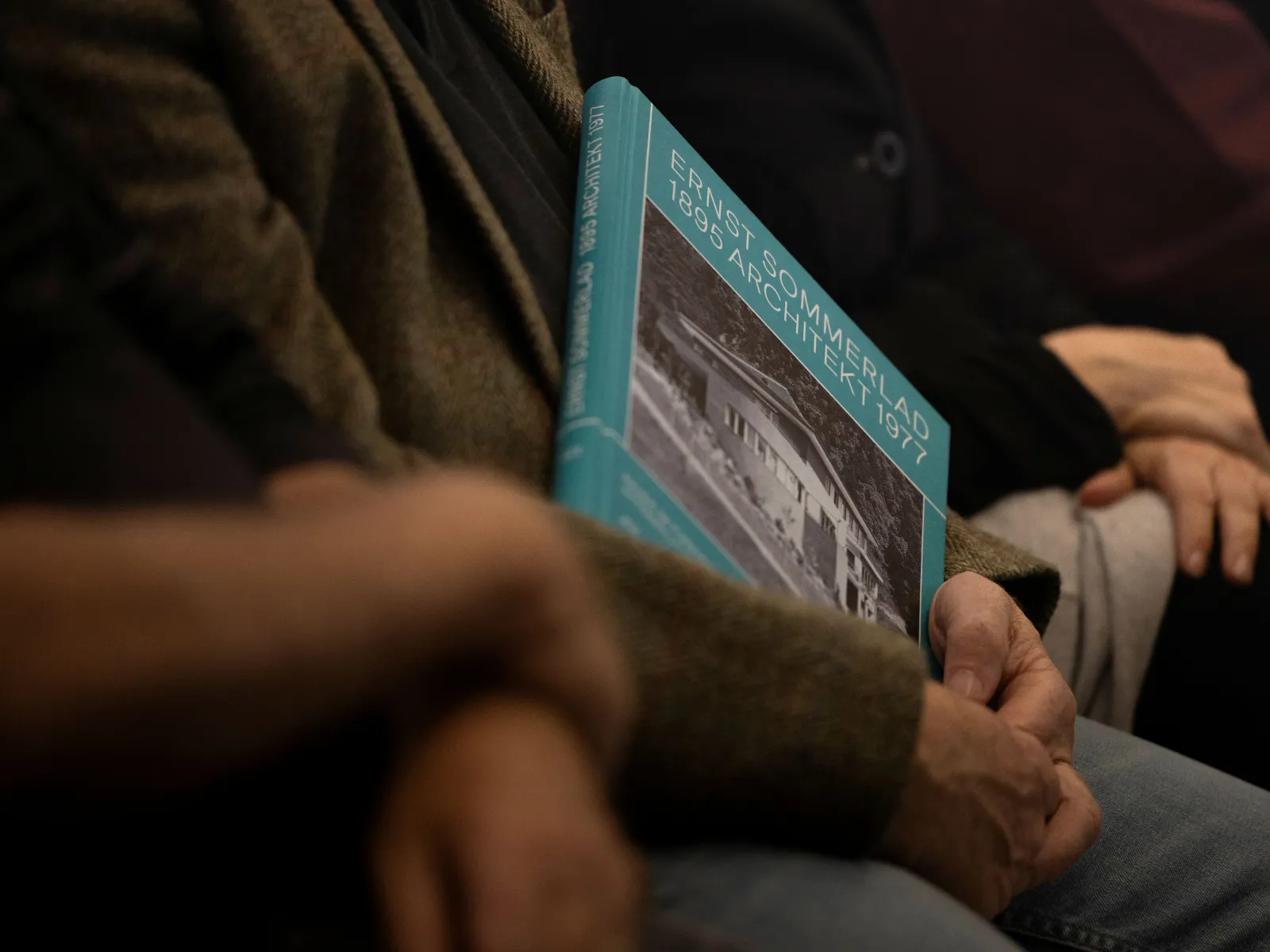
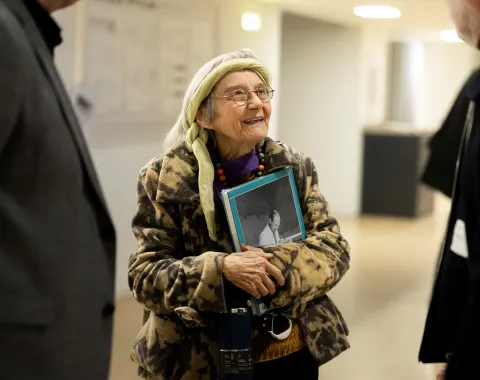
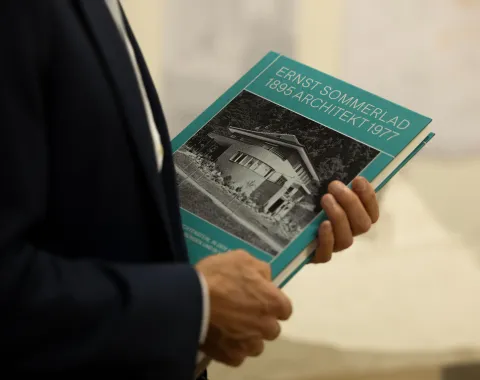
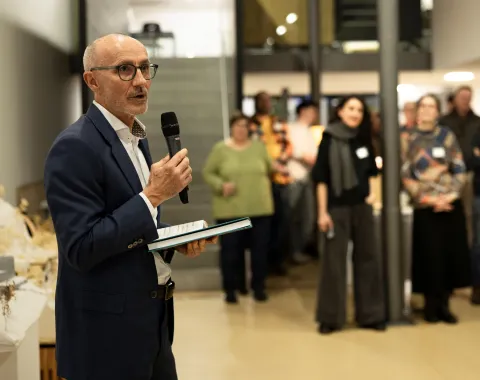
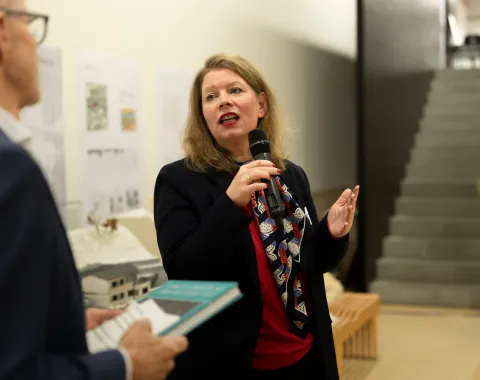
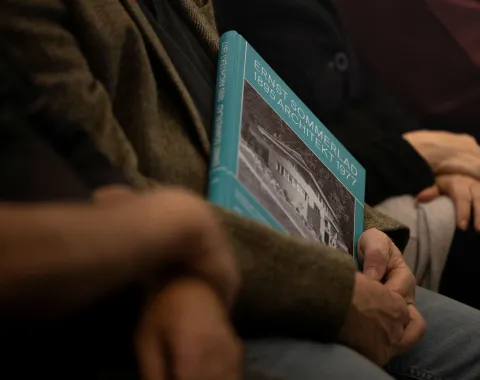
The day concluded with the presentation of the new monograph “Ernst Sommerlad Architect 1895 to 1977”. Dr Frank Zindel, Ernst Sommerlad’s grandson and Chair of the Sommerlad Foundation, introduced the publication and in doing so created a personal link to the occasion. The book has been published by Park Books and brings together the results of the engagement with Sommerlad’s extensive work across the entire Alpine region, including a catalogue of works.
On 28 and 29 November 2025, following guided tours in St Gallen, further tours in the Principality visited Ernst Sommerlad’s buildings, rounding off the diverse anniversary programme on site.
In summary, the day offered far more than a survey of works. It showed how wide Sommerlad’s intellectual and geographical reach truly was. The different approaches to his person and his buildings, political, legal, architectural historical and heritage based, brought out the essence of modernity that underpins his oeuvre. It also became clear how formative Sommerlad was for Liechtenstein and the wider region. The fact that the University itself stands in the midst of an area shaped by his buildings gave this insight a particularly immediate resonance.
More information at www.uni.li/sommerlad