Skip to Main Content

France - Antibes

France - Antibes

1st blog by Merve Can

La Bise

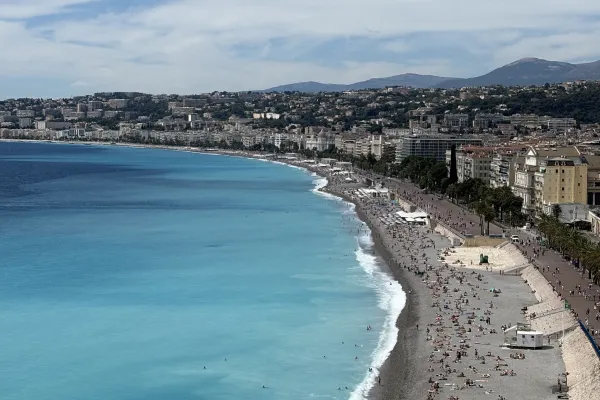
Grau wirkender Strand mit Blauem Wasser und vielen Menschen

When you move to another country, people often tell you that you will experience culture shock. I expected that when I came to Antibes in France for my exchange semester. However, to be honest, there have not been many big cultural differences between France and Austria. Life here feels quite familiar. People go to school, sit in cafés, enjoy good food, and talk about the weather. Besides the fact that there have already been two strikes (French people apparently love striking) and a warning about tiger mosquitoes, everything has felt surprisingly normal. Still, there is one small thing that really caught my attention, and that is how people greet each other.


In France, the traditional greeting is called la bise. It means kissing on the cheeks, usually once on each side. Before coming here, I had heard about it, and I had even seen it happen when I was in Paris, but I had never experienced it myself. In Austria, greetings are much more reserved. We usually shake hands, wave, or simply say hello. Kissing someone on the cheeks is something we do only with close friends or family. It is not common at all when meeting someone for the first time.


When I arrived in France, I saw people doing la bise everywhere. At school, in cafés, in the streets. It looked very natural to them. I always thought it was interesting, but since I did not have French friends, I never found myself in that situation. I knew it would happen one day, but I expected it to be with someone I already knew a little.


My first la bise moment actually happened in a completely unexpected place. I was at a club with some other exchange students, and one of them introduced me to a few French people she knew. We said hello, and before I even had time to think, each of them leaned in for la bise. I knew this day would come eventually, but I definitely did not expect my first French cheek kiss to happen in a loud club with people I had just been introduced to.


I had seen people do it many times before, so I knew exactly what to do. I just did not expect to be doing it myself in that setting. It was one of those moments where you realize that a cultural difference you have only observed from the outside suddenly includes you. It felt a bit surprising, but not uncomfortable. Everything went smoothly, and afterwards I just thought, “Alright, that’s done. One thing to check off the list.” I guess that was my official French initiation.


Afterwards, I started thinking about how differently our two cultures see greetings. In Austria, we usually keep a bit more distance, especially when meeting new people. Physical contact like that would probably feel too personal. In France, la bise is not seen that way at all. It does not necessarily mean that people are close friends. It is simply a friendly and polite way of saying hello.


Once I understood that, it made a lot more sense. It no longer felt strange to me. It is just part of the culture, something people grow up with and do naturally without thinking about it. Even though it is not something I would do back home, I can understand why it is such a normal part of daily life here.


Looking back, this small experience taught me something interesting about cultural differences. Sometimes they are not found in big traditions or events, but in the smallest everyday moments. Austria and France might seem very similar, yet even a simple greeting can reveal different ways of connecting with others. For me, la bise is now a reminder of how much there is to learn just by observing and taking part in daily life. And who knows, maybe by the time I return to Austria, I will start greeting my friends with la bise too, just to shock them.
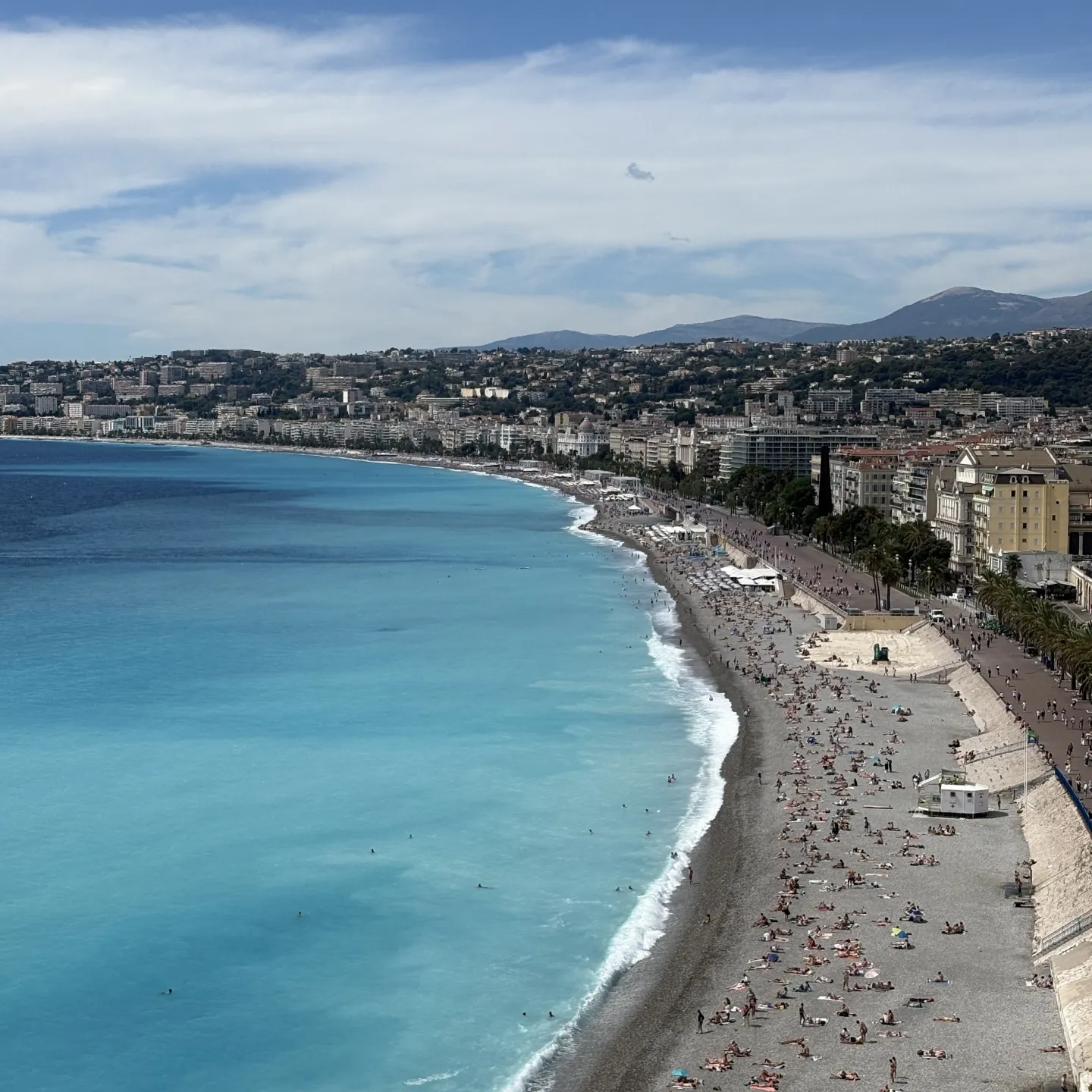
Grau wirkender Strand mit Blauem Wasser und vielen Menschen

Spain - Madrid

Spain - Madrid

Simone Müller

Language, eating culture and university

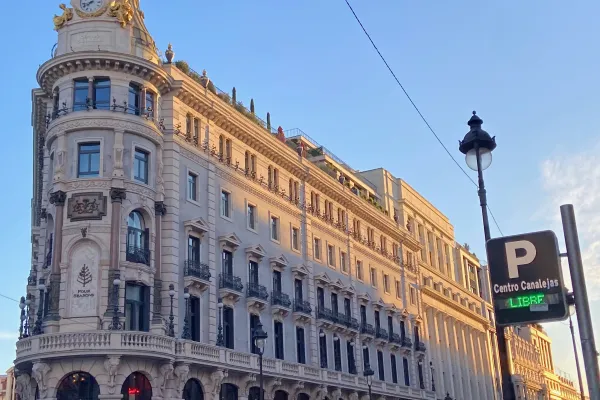
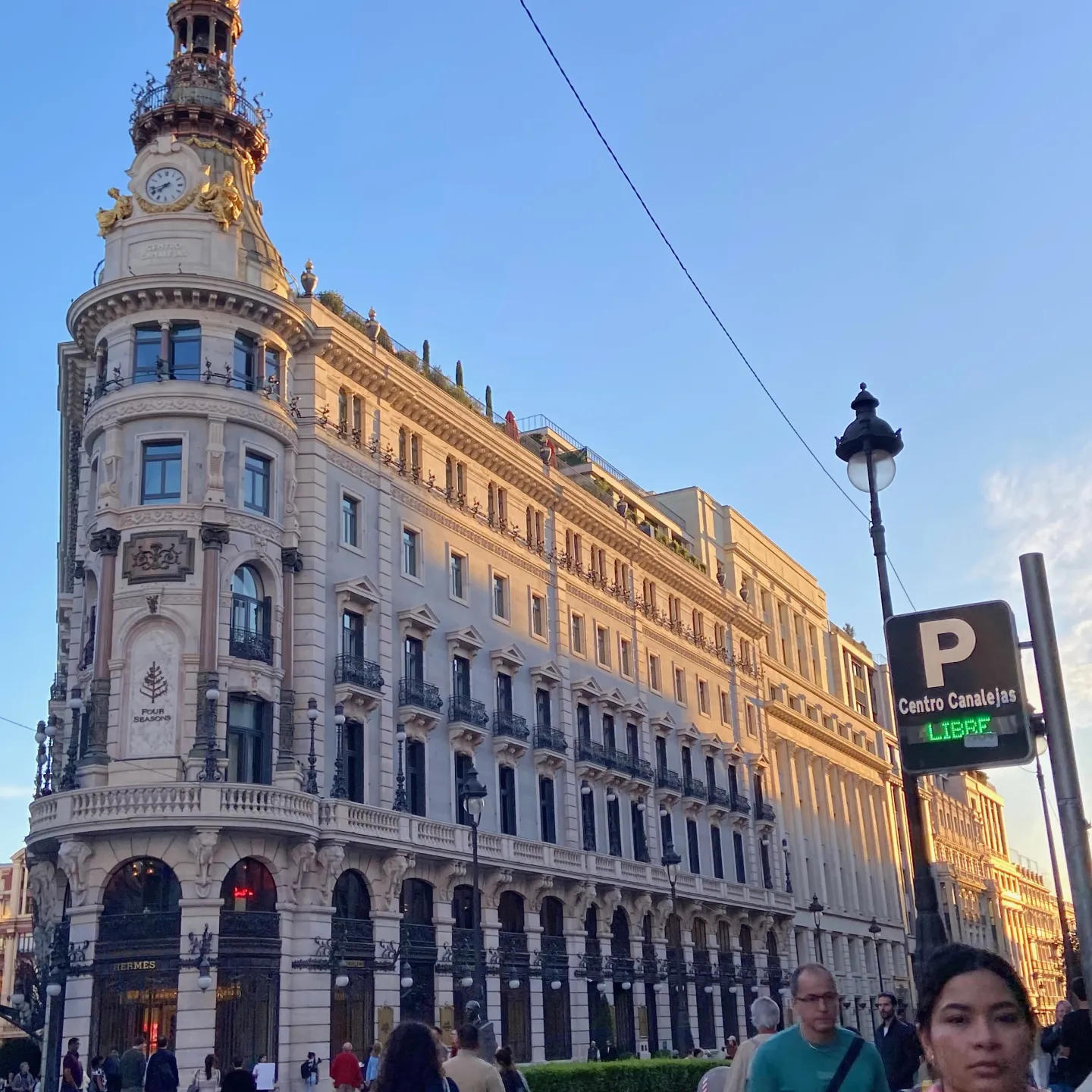
Grosses mit Stuck versehenes Wohnhaus in der Madrider Innenstadt

It has almost been one month since I arrived in Spain, and I must say I really like it here. Life in Madrid feels exciting and full of new impressions. I have already met many people from different countries and nationalities, which makes the experience even richer. I enjoy the yet unknown daily life here, the little surprises that come with living in a new culture, and I am curious to see what comes next on my journey. Of course, not everything has been easy, and naturally there have been some difficulties along the way, but they are all part of the adventure.


One of the first things that struck me was the language. Naturally, almost everyone speaks Spanish, but what surprised me most was how many people, especially young people, also speak English really well. Some even study in English instead of Spanish, just so they can practice. This was very different from what I knew from France or Italy, where I always had the feeling that hardly anyone speaks English. Here, it feels so much easier to communicate. Still, I try to use Spanish whenever I can. Whether it’s ordering in a restaurant or making small talk, I really want to improve. I studied the language in school for a few years, and now I finally have the chance to use it in real life. 


What makes it even better is that people here really appreciate it when you try. They are patient, friendly, and never make you feel embarrassed if you make mistakes. Sometimes I have to admit, “Perdona, hablo español un poco,” but even then, people smile and help me out. That makes practicing fun, and every day I feel a little more confident. In general, the people here are friendly, open, and helpful. In the supermarket, for example, people have often helped me out or simply smiled at me, and small moments like these make me feel at home. This surprised me, because in Austria people are not always so open toward newcomers or foreigners.


Another big change is the eating culture. In Spain, people eat much later than in Austria. Many restaurants don’t open until eight in the evening, and at the beginning that was very unusual for me. At home I prefer eating earlier, because I sleep better that way, and I am simply used to it. But I notice that I am slowly adapting. Since I now get up later, it feels natural to also eat later. What still challenges me is the huge variety of food in Madrid. The city is so big, and the options are endless. But something I immediately liked was the tradition of tapas. With every drink, you get something small to eat, and I think it’s wonderful. In the afternoon it might be chips or some sausage, while in the evening it can even be patatas or fries. It makes every drink feel like a small occasion. The drink prices are also hard to believe. A tinto de verano or a glass of sangria costs only two to four euros, and they taste great. It has become a little routine for us to grab a drink after school or simply sit outside and enjoy the good weather. I can already tell that this Spanish habit has become part of my lifestyle.


University life here is another part of my new routine that feels very different from what I know at home. In Liechtenstein, the campus is small, and you hardly ever meet people outside of your own class. Here in Spain, it’s completely different. The campus is much larger and full of life. You see students from many different fields, sitting together, eating, drinking, or just talking. There are two cafeterias where you can order food directly, and the variety is much bigger. What really surprised me was that the campus has its own bank, you can open an account there and also just sit down to drink a coffee. In addition, there is a whole building for the library and even a fitness center. Compared to my home university, it feels almost like a small city, and I really like that. I have also noticed a big difference in how students approach their studies here compared to back home in Liechtenstein. Spanish students seem to live with much less stress. While in Liechtenstein many people are always focused on work, deadlines, and planning ahead, here everything feels a bit calmer and more relaxed. Students don’t appear to overthink or overstress themselves. Instead, they often do the opposite: they go out more, spend time socializing, and enjoy parties much more frequently than they study. For me, that was unusual at first, since I am used to a quieter, more study-focused environment, but it also shows how different the student lifestyle can be in another country.


Looking back at this first month, I realize how much I have already learned and experienced. From practicing Spanish and getting used to later dinners, to discovering university life and enjoying the friendliness of the people, every day has been full of new impressions. Not everything has been easy, but the challenges are part of the journey, and they make the good moments even more rewarding. I am excited to see what the next months will bring and how living in Madrid will continue to shape me.

Grosses mit Stuck versehenes Wohnhaus in der Madrider Innenstadt

Canada - Manitoba

Canada - Manitoba

Patrik Wirtensohn

Alcohol and Society in Canada

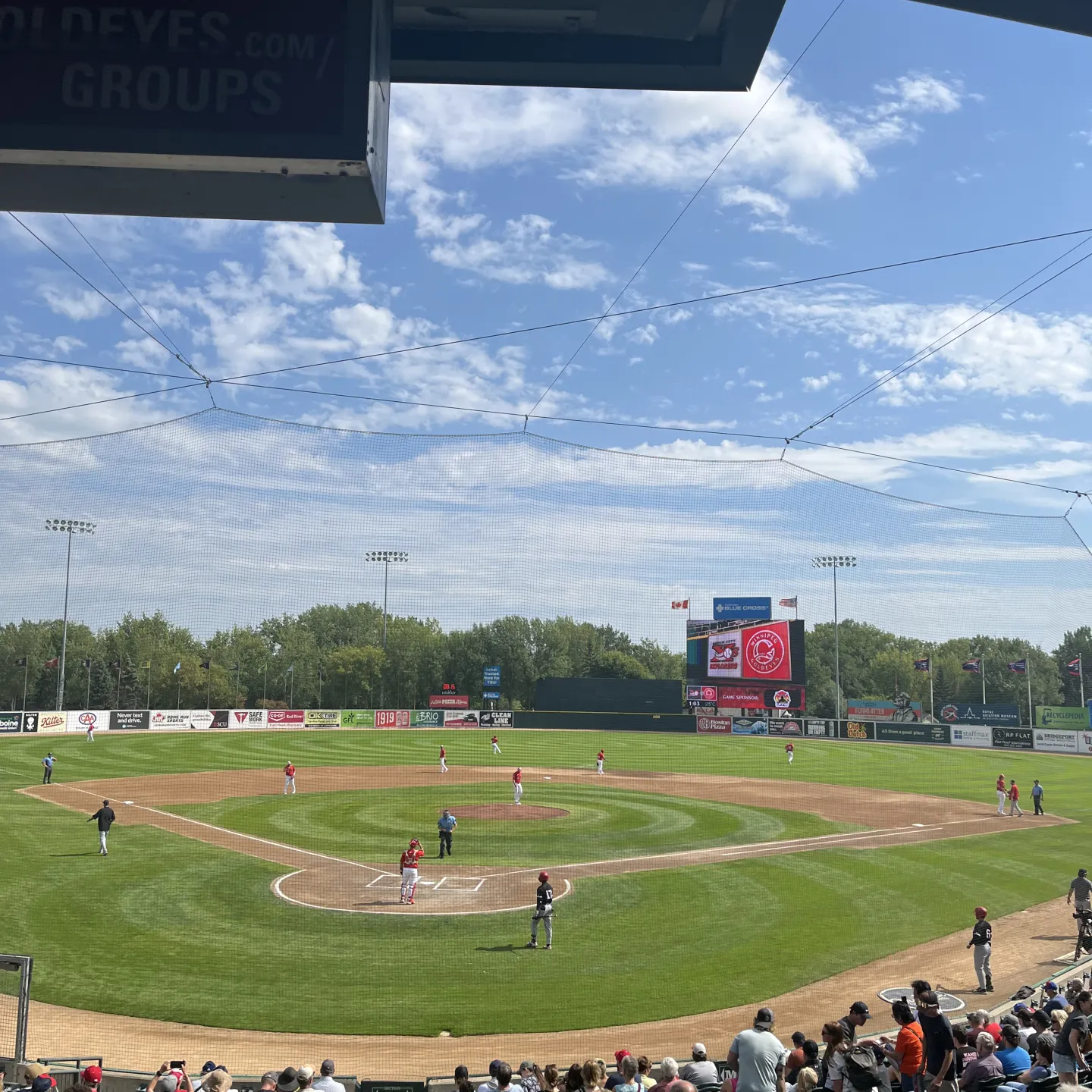
Baseballspiel der Kanadischen Universität

When I arrived in Winnipeg, Manitoba, about a month ago, I was naturally aware that many aspects of everyday life would be different from those in Austria. However, I did not expect that the approach to alcohol would differ so significantly from my home country. In the first few days, I noticed that beer and wine are not simply available on supermarket shelves, as they are in Austria, but only in special liquor stores. This fact, which is taken for granted in Canada, seemed almost strange to me at first.


In Austria, alcohol is an everyday companion. In the supermarket, between the milk and bread, you can find beer and wine in all price ranges. In restaurants or wine taverns, a glass of wine is also considered good form, and no one is surprised when students drink beer in the park on a warm summer evening. Alcohol is deeply rooted in our society whether at Oktoberfest, village festivals, après-ski or a cosy dinner with friends. It is part of socialising and often a symbol of togetherness.


In Winnipeg, I quickly learned that things are different here. The stricter laws are already noticeable: in Manitoba, the minimum age for purchasing alcohol is 18, and in other provinces it is even 19. Alcohol may not be consumed in public, a beer on the riverbank or a picnic with wine in the park, as is common in Vorarlberg in the summer, would be unthinkable here. In addition, alcohol is significantly more expensive than in Austria. Spontaneous parties with several crates of beer, as I know them from home, are therefore less common.


The atmosphere at parties and in bars is also different. Of course, people celebrate and drink in Canada too but drinking seems more controlled. There are often rules about how many drinks you can buy, and the police are very present when it comes to alcohol on the streets. While it is almost normal in Austria to see people heavily intoxicated on the streets on weekends, public drunkenness is highly stigmatised in Winnipeg.


At first, I found this restraint a little strange. In Austria, I learned that alcohol is a natural part of the culture. It was only during my stay here that I realised how much we have normalised consumption in my home country. It is hard for us to imagine attending a folk festival without beer or having dinner without wine. In Canada, on the other hand, I have  experienced that socialising works well even without alcohol. When meeting with Canadian students, we often eat together, play sports or just talk. Alcohol is at most a secondary consideration.


These differences made me think. They show that every culture has its own values. In Canada, responsibility is clearly at the forefront when it comes to alcohol, safety, control and consideration for the community. In Austria, on the other hand, we associate alcohol more strongly with socialising, tradition and joie. Both perspectives have their strengths, but also their downsides. While people in Canada may party less excessively, access to alcohol in Austria is so easy that problematic consumption can quickly be trivialised.


What I personally take away from this is the realisation that socialising does not necessarily have to be linked to alcohol. I have spent many evenings here simply sitting together, playing games or attending sporting events without alcohol playing a major role. At the same time, the comparison made me realise how much I am used to alcohol being almost always available and accepted at home. It was only when I was abroad that I really became aware of how much I take this for granted.


So my stay in Winnipeg not only broadened my view of a new culture, but also helped me to question my own culture. Perhaps in future I will pay more attention to when and why I drink alcohol. Because what I have learned here is that community and good conversation do not depend on a glass in your hand.

Baseballspiel der Kanadischen Universität

Japan - Tokyo

Japan - Tokyo

Tim Rotter

Reflecting on a particular aspect of life in Japan: respect and discipline

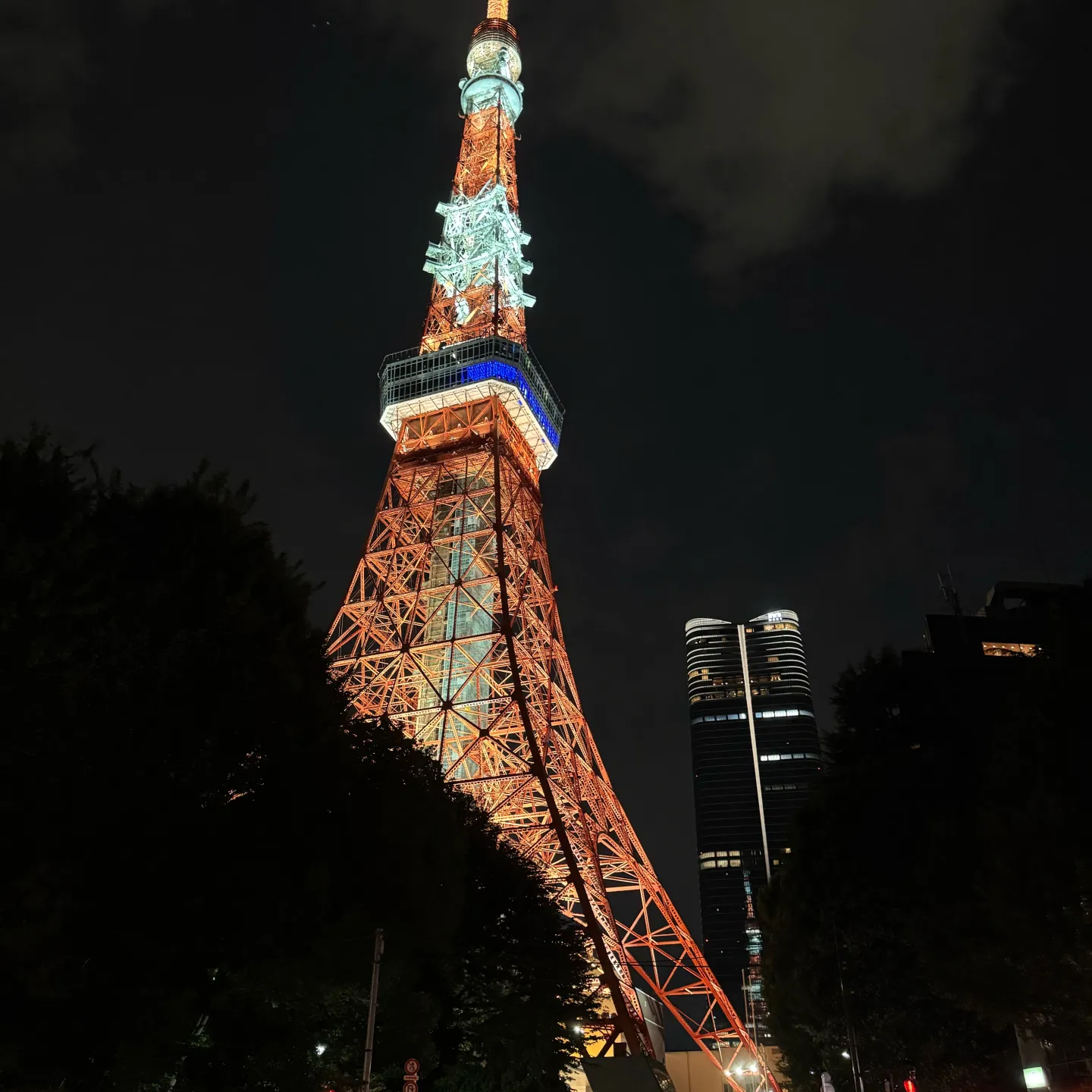
Der Tokio Tower bei Nacht in Rot Blauer Beleuchtung

When I landed at Haneda Airport, I was tired from the 14 hour flight but also full of excitement. Not only because it was my first time in Japan, but also because I knew that I would now be spending an entire semester in a country that I had always wanted to visit and about which I had heard so many amazing things, like the incredible size of the city, the crowds, the trains, the shrines and skyscrapers. But I did not expect that already at the airport I would learn my first lesson about Japanese culture.


At the immigration counter, every single passenger was welcomed with a bow by the immigration staff. It was not just a quick nod but a calm, respectful gesture. In Japan, people do not greet each other with a handshake or a hug. Physical contact is mostly avoided, and it is customary to bow when greeting and saying goodbye. Men place their hands at their sides, women hold them in front of their body. With this polite Japanese greeting they showed every traveler the same respect. It was such a simple action, but for me it felt very impressive, as I am not used to this kind of politeness. I realized that here, respect is not something you show only when you know someone well, but something you show to everyone, always.


A few minutes later, my next learning about Japanese behavior that stayed with me from the very beginning happened at the baggage claim. I was ready to see the usual chaos of suitcases falling on the belt. Instead, a staff member stood there with a foam pad, catching each bag as it came down. She then placed it carefully in the right direction so that passengers could pick it up easily. It was so different from what I had seen in Europe. In Liechtenstein, people are also friendly, but this level of carefulness in such a small detail surprised me. From the very first minutes in the country, it showed me how discipline and respect for others are present in every part of daily life.


Leaving the airport and entering the city felt overwhelming at first. The prefecture of Tokyo has about 37 million people living in the metropolitan area. It is the most densely populated region in the world; nowhere else do so many people live in such a confined space. The railway network is one of the largest in the world with more than 2,700 kilometers of track. Shinjuku Station alone sees 3.6 million passengers every single day. The station is so large that you can walk for 45 minutes from one of the 200 exits to another. I was worried about how I would manage to find my way in this huge system and if I would end up being an obstacle for others.


My first train ride, however, showed me the exact opposite of what I had feared. The entire system was built on discipline. At the platforms, people waited behind clear lines on the floor. The train stopped exactly in front of the platform doors. First the passengers inside got out, then the others entered in an orderly way. Nobody pushed, nobody rushed. Inside the train it was almost completely silent. Nobody was talking on the phone as it is prohibited, and there were no conversations between passengers either. Even in rush hour, when trains come every two minutes and are filled to the very last space, the same calm and respectful behavior continued. People waited, people gave each other space, and because of that the trains left on time and the whole system kept working.


In convenience stores, restaurants, and even at tourist attractions, staff treated every customer with the same politeness. They greeted with a bow, spoke with respect, and made sure that everything was handled in an orderly way. At Tokyo Skytree, for example, staff stood at the elevators, guided visitors to the door and bowed again before sending them up. It was about making it right and giving the customer the best possible experience. Standing 450 meters above the ground and looking over the endless city was breathtaking. What stood out to me was not just the service itself but the discipline behind it. Quite frankly, some of the sentences and gestures seemed somewhat artificial in the long run. I imagine this behavior would be very exhausting over time.

Another surprise came during my first walks through the city. It was still very hot in September, with temperatures above 30 degrees and high humidity. I finished a water bottle and wanted to throw it away. But there were no trash cans anywhere. At first I thought I was just unlucky, but lit turned out that public bins had been removed for security reasons all over Japan. My first thought was: in such a huge city, this must create a big problem with litter. But once again, the streets were clean. People simply carry their trash with them until they can dispose of it at home or in one of the very rare bins at main stations or attractions. Smoking on the street is also forbidden, so there are no cigarette butts on the ground either. For a city of this size, the cleanliness is impressive.


Looking at all of this, I cannot help comparing it to Europe. In Liechtenstein or Germany, if public trash cans were removed, I doubt the streets would stay clean. Too many people would simply drop their waste. The difference is not in the system itself but in the mindset. In Japan, discipline and respect are values that people grow up with and practice naturally. In Europe, many people also follow rules, but not with the same consistency. You can already see this when entire city areas in Germany are dirty or covered in graffiti and dirt.


This made me reflect on myself. Here in Japan, I feel that I have to adapt to the way people behave. I do not want to disturb the order or show disrespect. I feel motivated to follow the rules, because everybody else does. Back home, although I’m a conscientious person, I sometimes notice that I am less strict with myself, because I know many others are not strict either. Here in Japan the opposite happens. The discipline of others makes me more disciplined as well.


In my first weeks here I have learned that respect and discipline are not just nice words. They are the reason why the biggest city in the world can function so well. They make everyday life more pleasant for everyone. It is impressive to see, and it makes me wonder what I can take home from this. Maybe the most important lesson is that real change starts when everyone in society takes responsibility, not only for themselves but also for others.

Der Tokio Tower bei Nacht in Rot Blauer Beleuchtung

United Arab Emirates - Dubai

United Arab Emirates - Dubai

Chiara Lauermann

Religion, Clothing and Daily Life in Dubai

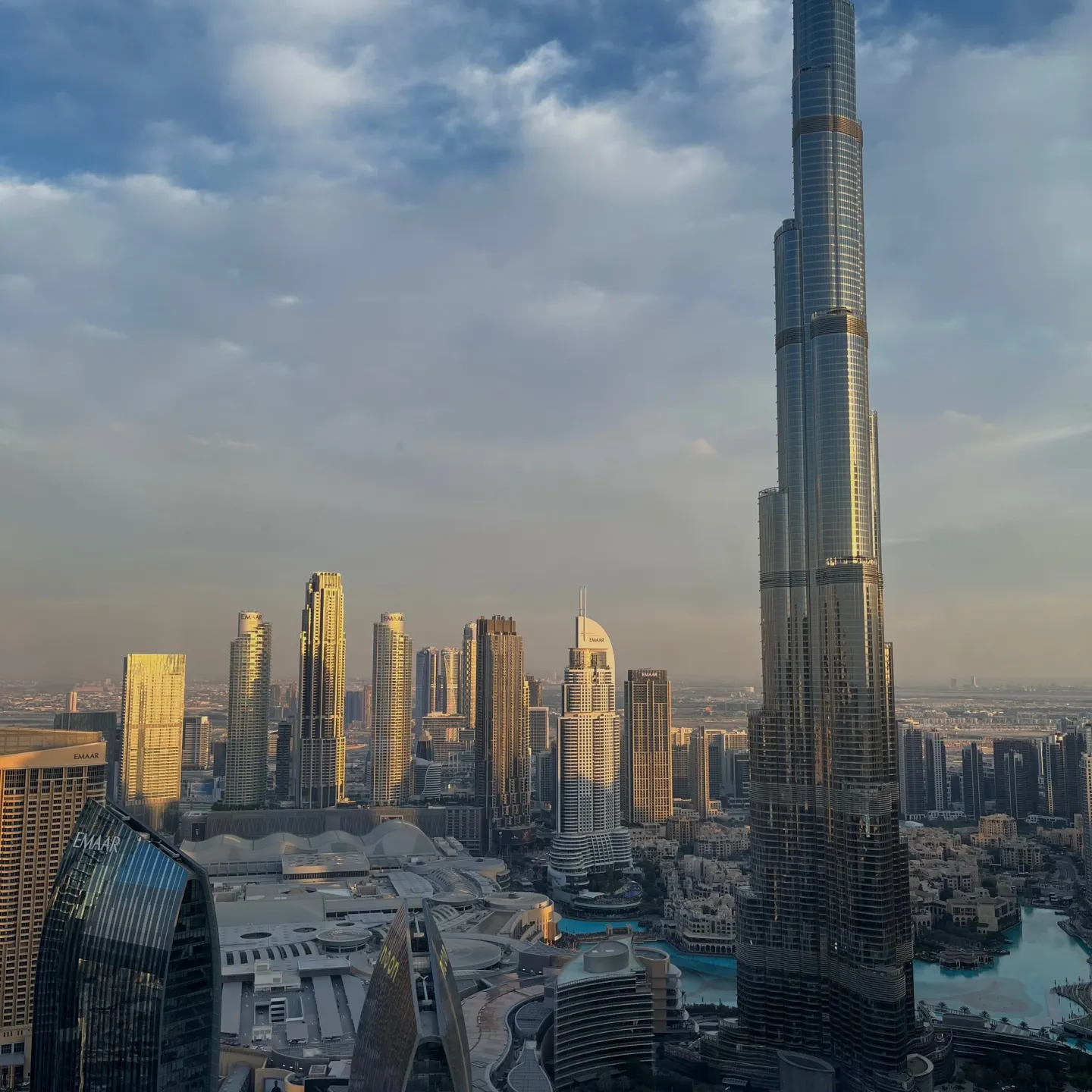
Die Skyline Dubais inklusive Burj Khalifa.

I have now been in Dubai for a little more than a month, and I can honestly say that I feel at home here now. The first days were a bit overwhelming, and university and the new city represent completely different cultures, but step by step I have found my routine. By now I enjoy the mix of modern city life, international friends, and cultural traditions that make Dubai so unique.


Among the many aspects that have shaped my experience so far, religion and clothing stand out the most. They are closely connected in daily life here, and they have challenged some of the stereotypes I carried with me from Europe. In Europe, when people talk about Dubai, the image that often comes to mind is one of strict rules and rigid dress codes. I thought everyone had to be fully covered at all times, and that even small mistakes could be frowned upon. The reality is far more nuanced and honestly, much more interesting. Here, clothing is a mix of tradition, personal choice and respect. On campus, you see everything: women in abayas, men in kanduras, students in jeans and t-shirts, and others in stylish European outfits. All of these styles coexist naturally, and nobody seems to judge. Walking through the city or the malls, it is fascinating to notice the variety of attire and yet there is a subtle harmony in how people carry themselves.


For my part, I decided early on to dress modestly,  not because I was forced to, but out of respect for the culture. Even when the temperatures were still at 45 degrees during my first week, I wore long trousers and shirts. At first, it was a bit of a challenge, but I quickly adapted. Surprisingly, the extreme heat is balanced by air-conditioned spaces in malls, classrooms, and cafés, where temperatures can drop to 18 degrees. Walking in long sleeves under the scorching sun and then stepping into freezing indoor spaces became a curious daily routine, one that I learned to navigate with a mix of humor and patience. Over time, I began to appreciate how clothing can be both practical and symbolic, and how it shapes the way you experience a city.


Closely linked to clothing is religion. The call to prayer, which echoes several times a day through the city, was completely unfamiliar to me at first. I remember hearing it in a shopping mall for the first time and pausing in my tracks. In Europe, religion is mostly private and rarely visible in public life, but here it is woven into the daily rhythm of the city. Initially, it felt unusual, but I soon began to appreciate the beauty of this presence. The sound of the calls, combined with the chatter of the streets and the bustle of daily life, creates a unique atmosphere that constantly reminds people to pause and reflect. It is not restrictive, rather, it frames daily life and reminds people of what is important to them. Observing the way religion, clothing, and daily routines intersect has been one of the most enlightening parts of my stay so far.


Looking back, I realize that what initially seemed so foreign -clothing, religion and even small daily habits, has taught me a lot about respect, openness, and the complexity behind cultural stereotypes. Europeans often imagine Dubai as rigid and strict, but living here has shown me the opposite: there is freedom, diversity, and a subtle balance between tradition and modernity. Clothing, in particular, has become a mirror for my own values, showing me how I perceive respect and how first impressions or stereotypes can be misleading. Most importantly, I have learned that approaching the unfamiliar with curiosity allows it to become familiar, and that the most surprising experiences often leave the deepest impressions. At the same time, I have come to understand that respect can be expressed in many ways, not only through clothing, but also through behavior, attentiveness, and small gestures toward others. Experiencing this in Dubai has given me a deeper awareness of how culture shapes daily life, and it has made me more open to noticing and appreciating these subtle forms of connection wherever I go.

Die Skyline Dubais inklusive Burj Khalifa.

Vietnam - Ho Chi Minh City

Vietnam - Ho Chi Minh City

Timo Volenter

Eating Culture in Ho Chi Minh City

Vietnamesische Suppe

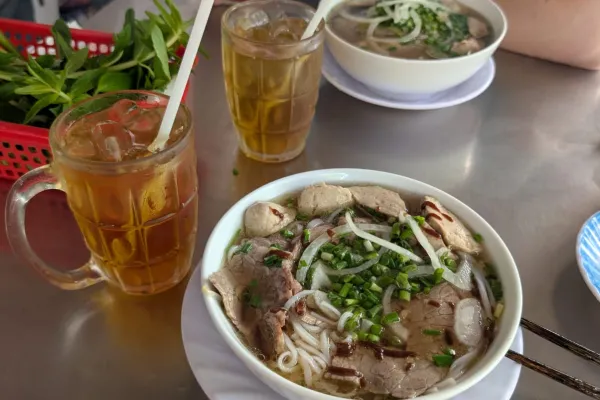
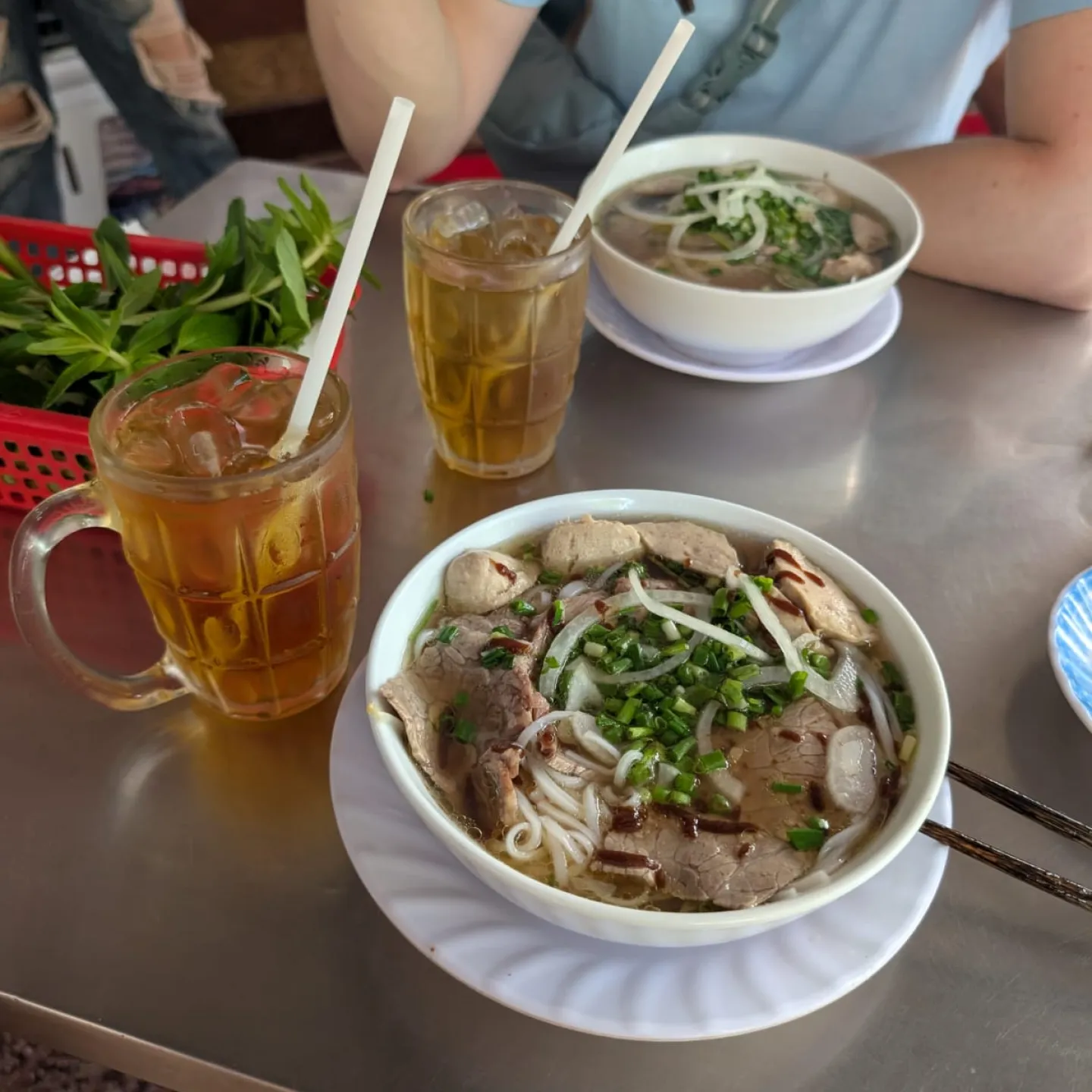
One of the first things I noticed as I arrived in Ho Chi Minh City is the completely different eating culture. No matter where you are in the city you see one Street food stall after the other. There are also classic restaurants, but so far, I have had the impression that these are intended more for Western guests or that locals only use them on special occasions. Many Vietnamese eat their meals on the infamous little plastic chairs at the side of the road. Previously, this was difficult for me to imagine, as in my culture, eating usually takes place indoors or in quiet areas. Here, however, I immediately felt comfortable enjoying my meal at the side of the road amid the constant traffic noise. I think you just have to put your habits aside and be open-minded, then you'll have a wonderful experience.


The food itself is very varied and, I would say, healthy. Almost every meal comes with lots of vegetables, which you can add to your soup for example or simply eat them as a side. Also if you go to the right restaurants, you can also always expect the food to be fresh and served very quickly. You can mostly even watch your food being cooked due to the kitchen being outdoors. In terms of waiting time for food, I noticed a clear difference from the customs in my home country within the first few days when a waitress already apologized beforehand several times because I had to wait 10 minutes until my food was ready. It became clear to me that expectations are very different in my culture, you could almost say that waiting is part of the dining experience. Here, the focus is more on speed and efficiency. So far, I would say that I prefer this, but I am curious to see how this will change during my stay here.


However, compared to Austria, the food culture here does not only have advantages. I think the biggest criticism is probably hygiene. Rats and cockroaches are a common sight on the streets, and street food stalls are no exception. You see them scurrying by, get a little scared, but then continue eating as before. With the hygiene standards we have in Austria, such an experience would be almost impossible. Hygiene is considered a basic requirement for every restaurant there. Here, the focus is more on affordability and the freshness of the ingredients, with hygiene taking a back seat. That's why eating here has a lot to do with trust. When you look at street food stalls or small restaurants, it's usually impossible to judge whether they are hygienic enough or whether the ingredients are fresh. You tend to look at the seller or cook and decide for yourself whether you want to trust them. Often, you also simply follow the locals, who of course know which food options are hygienic enough.


All in all, I would say that the food here is a cultural challenge, especially if, like me, you come from an European background and are very used to hygiene and formalities. However, when you think about it, the differences make sense, as HCMC is a very young city where everything happens at once, so it is logical that efficiency and speed are also important when it comes to eating as it’s a big part of day to day life. I have learned here that eating is not just about the food itself, but also about trust and, above all, adaptability. I always took many things, such as high hygiene standards, for granted, although I now realize that they are not. But I wouldn’t worry as I realized that food can be damn good even if the kitchen isn't sparkling clean!

Vietnamesische Suppe

LLMs in Cybersecurity: Curse or Blessing?

LLMs in Cybersecurity: Curse or Blessing?

Think Space Blog
Large Language Models und Cybersicherheit

For the past three years, society has been preoccupied with one central question: What impact will the rapid rise of artificial intelligence—especially so-called large language models (LLMs)—have on our lives? What will it mean for children who learn in school with or through LLMs? And how might these technologies reshape the everyday experiences of older generations?

These questions also resonate in the field of digital security. Will LLMs become a true game changer—or will the hype subside and “business as usual” return? One thing is certain: cybersecurity is undergoing significant change, though not always in the way many expected.

LLMs have quickly proven themselves as tools for generating highly convincing phishing emails, fake executive calls, manipulated videos and sophisticated disinformation. These risks are substantial but, in principle, manageable. The real test of LLMs as potential cyberweapons, however, is happening in the more technical corners of the digital realm.

At the heart of cybersecurity lies the task of identifying and eliminating vulnerabilities—programming errors that can allow attackers to execute commands, encrypt data or steal information. Detecting such weaknesses requires deep technical expertise. Here, LLMs offer a powerful productivity boost thanks to their ability to answer complex questions and propose useful solutions—hallucinations notwithstanding. Who benefits? Anyone who uses them, regardless of their intentions.

A similar development can be seen in a very practical domain: hacking. This involves overcoming protective barriers designed to safeguard the integrity of IT systems. To simulate attackers’ behaviour and address security issues quickly, organisations rely on penetration tests. Here too, LLMs increase efficiency and reduce costs—not only for defenders, but also for attackers.

Conclusion: Even in the era of LLMs, the race for technological advantage remains unchanged. Security continues to be a competition between human unscrupulousness—and human integrity.

Large Language Models und Cybersicherheit

Spain – Valencia

Spain – Valencia

Rebekka Kindle

Experiencing Time Differently – My First Month in Valencia

Hier sieht man die Innenstadt von Valencia.

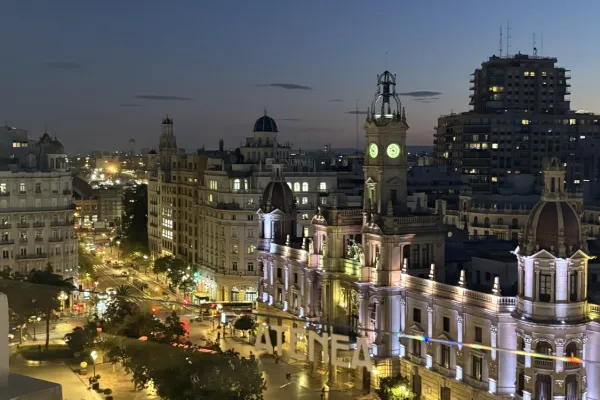
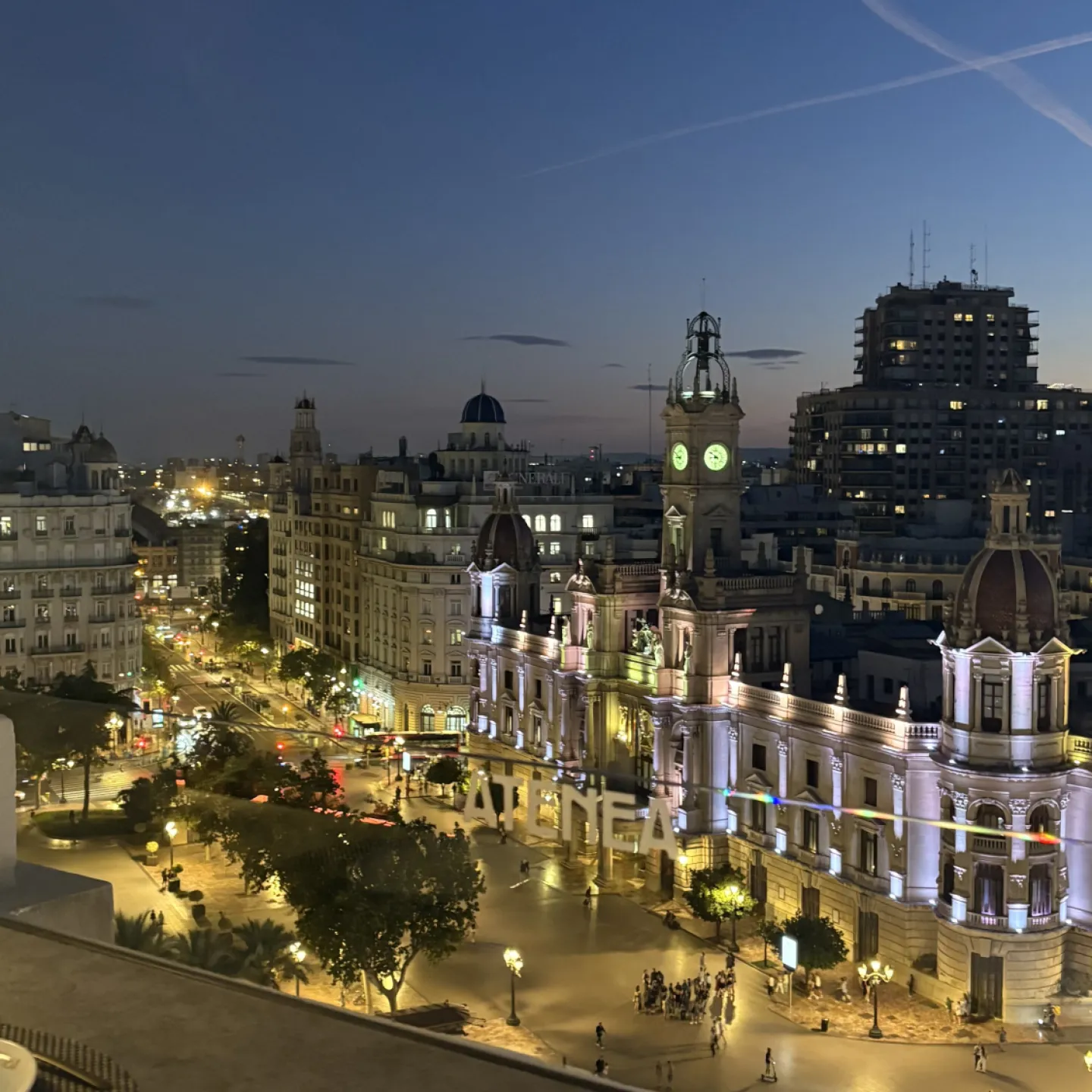
Upon my arrival in Valencia, my experience began with a minor delay because we had to wait approximately 45 minutes for our baggage to arrive. This was not a major issue for me, as I landed at 2:00 PM but could not collect the keys to my new apartment until 4:00 PM, since the rental agency only opens in the afternoon. This initial situation already hinted at a different rhythm of daily life in Spain.


When I entered my apartment, I was surprised by the condition of my room. It was very dirty, and I had to clean it thoroughly before I could feel comfortable living there. At that point, it was already around 5:00 PM, and I felt slightly stressed because I needed to buy food and cleaning supplies. I assumed that I had only two hours left before the shops would close. However, I discovered that the supermarket was open until 9:30 PM. In contrast, shops in my home country typically close around 7:00 PM.


This was not the only time-related difference I noticed. The structure of my university schedule is entirely different from what I am accustomed to. Many of my lectures begin at 4:00 PM and continue until 9:30 PM. Since I am enrolled in third- and fourth-year courses, most students are completing internships during the day and attending university in the evening. Even my latest examination is scheduled from 7:00 PM to 9:00 PM, which is very unusual for me.


These experiences made me realise that the perception and organisation of time in Spain differ significantly from those in my home country. Days begin more slowly and end much later. Time appears to be more flexible and less rigidly structured.


This observation intrigued me, and I began to pay closer attention to how time is experienced in Valencia. From my balcony, I often observe the street below. Several restaurants are located nearby, and I have noticed that lunch is typically served around 1:00 or 2:00 PM, with many people present at that time. Between 3:00 PM and 7:00 PM, the streets become quiet, only to become lively again in the evening often until midnight during the week and until 2:00 AM on weekends. On one occasion, I returned home from a bar shortly before midnight during the week, and the bus was completely full.


Even the house rules in my shared apartment reflect this rhythm. Quiet hours begin at 11:00 PM, whereas in my home country, silence is expected from 10:00 PM onwards.

By observing the people on the streets of Valencia more closely, I have come to notice a general sense of calmness in their behaviour. Their walking pace is noticeably slower than what I am accustomed to, which initially made me reflect on my own habits. I often catch myself moving more quickly, seemingly in a rush, and realise that I appear more stressed in comparison to those around me. This difference in tempo is not limited to walking; even at the supermarket checkout, locals seem to approach tasks such as packing their groceries with a relaxed and unhurried attitude. These subtle observations further illustrate the more laid-back rhythm of daily life in Valencia, which contrasts with the more time-pressured environment I am used to.


These observations have helped me not only to adapt to life in Valencia but also to reflect on my own cultural norms. In my culture, time is often associated with structure, efficiency, and predictability. In Spain, however, time seems to be more closely linked to community, enjoyment, and flexibility. It is fascinating to see how a universal concept such as time can be lived so differently and how these differences shape our everyday experiences.

Hier sieht man die Innenstadt von Valencia.

China – Shanghai

China – Shanghai

Sarah Tschann

Food culture in China

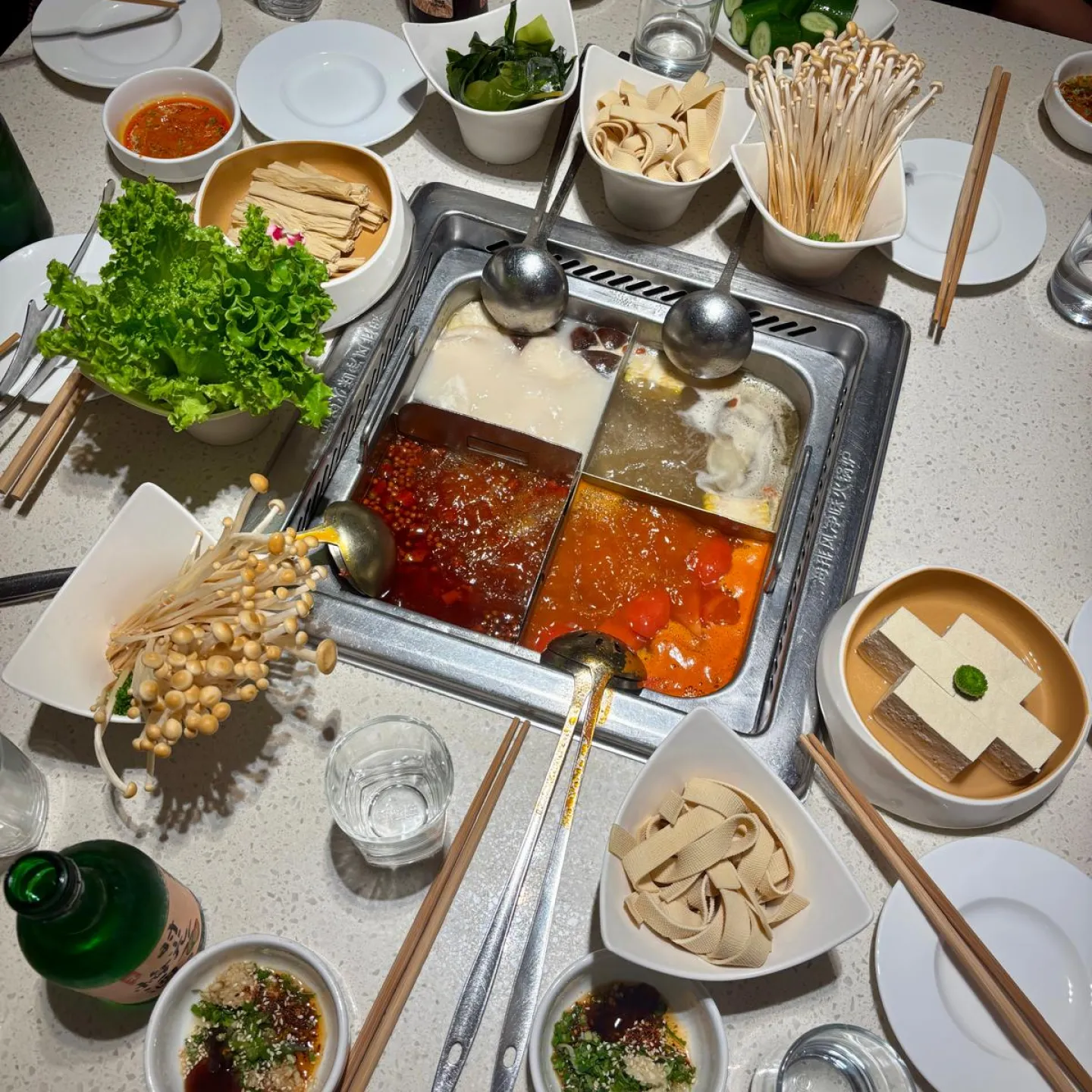
Hot Pot in Shanghai China

When we first arrived in Hong Kong, I was already very excited about the food. I really like sushi, dumplings or other Chinese dishes, and I imagined eating this every day would be perfect. But after some days of eating fried noodles, dumplings and other oily snacks from the street, I started to get a bit tired of it. I realized that I was missing something simple like a salad or some fresh vegetables. In Europe it is so normal to find this everywhere, but here in China it is not the case. Even in the supermarket I couldn’t really find salad.

The supermarkets here are also very different from what I know at home. In Austria or Switzerland we usually have several big supermarkets close to each other. In Shanghai, I mostly see smaller shops with just the most important things. Inside, there are huge meat and fish counters, sometimes even with living seafood. But what you don’t find are many milk products. Cheese, spreads or butter are really difficult to get.


I think one of the main reasons is that many people here don’t really cook at home so often. Apartments are usually small, and it is also very cheap and practical to eat outside or order food. The first time I tried ordering food with Alipay, I was really surprised how fast and easy it worked. In my little village in Austria it was impossible to order food, and if yes, then only with very high delivery costs. Here you can order everything: traditional food, fast food, sweets, even supermarket groceries and often it is free delivery. There are also many special deals, like two pizzas for 100 yuan (around 10 euros). After you order, you can see exactly where the driver is, if the food is ready, and when it will arrive. Sometimes there are also lockers, like at the post office, where you get a number and then pick up your food from a box.


Going to a restaurant for the first time was also a bit stressful for me. I was worried because many people here don’t speak English, and I also had respect for eating rice or noodles with chopsticks. But very fast I found out it is not so difficult. In many restaurants you just scan a QR-code, order and pay directly on the phone. That means you don’t really need to talk to the waiter. And forks and knives you cannot find anywhere, so you have to learn chopsticks but after some days it worked fine for me. What I really like is the way of eating together. At home, everybody usually gets their own plate. Here, people order many small dishes and put them in the middle of the table to share. This makes eating much more social. A highlight for me is the hotpot culture. Everyone sits around a big pot of soup in the middle, and you put vegetables, mushrooms or meat inside. It reminds me a bit of fondue, but here people eat it all year.


Of course, some things were surprising. For example, it is very normal here to slurp or even burp at the table. The first time I saw this, I was shocked, but later I learned it can even be a sign that the food was good. More difficult for me is the habit of spitting on the street. This is something I don’t think I will ever get used to.

In general, I see now how different food culture can be. In Austria and Switzerland meals are more private, structured and individual: breakfast, lunch, dinner. In Shanghai, food is more spontaneous, shared and very connected with daily life. It is less about “my plate” and more about the community.


Now, after one month, I am used to many things and I enjoy it. The cheap prices, the variety and the easy way of ordering food I will really miss when I go back home. But I also already look forward to eating Kässpätzle, mountain cheese and a Wiener Schnitzel again.

Hot Pot in Shanghai China

USA – Raleigh, North Carolina

USA – Raleigh, North Carolina

Magdalena Bereuter

Life in Raleigh: The Warmth of Small Talk

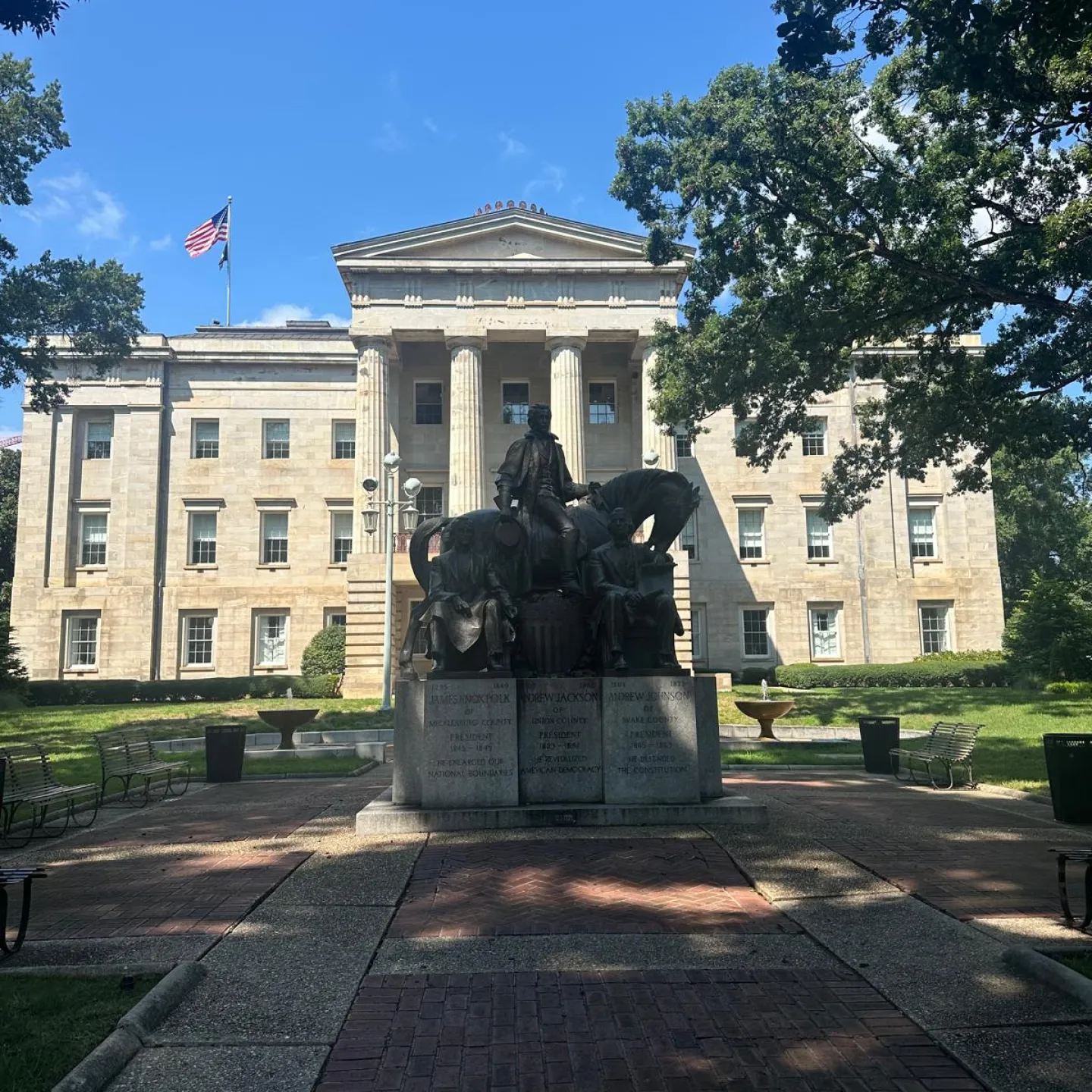
Aussenaufnahme von Raleigh North Carolina

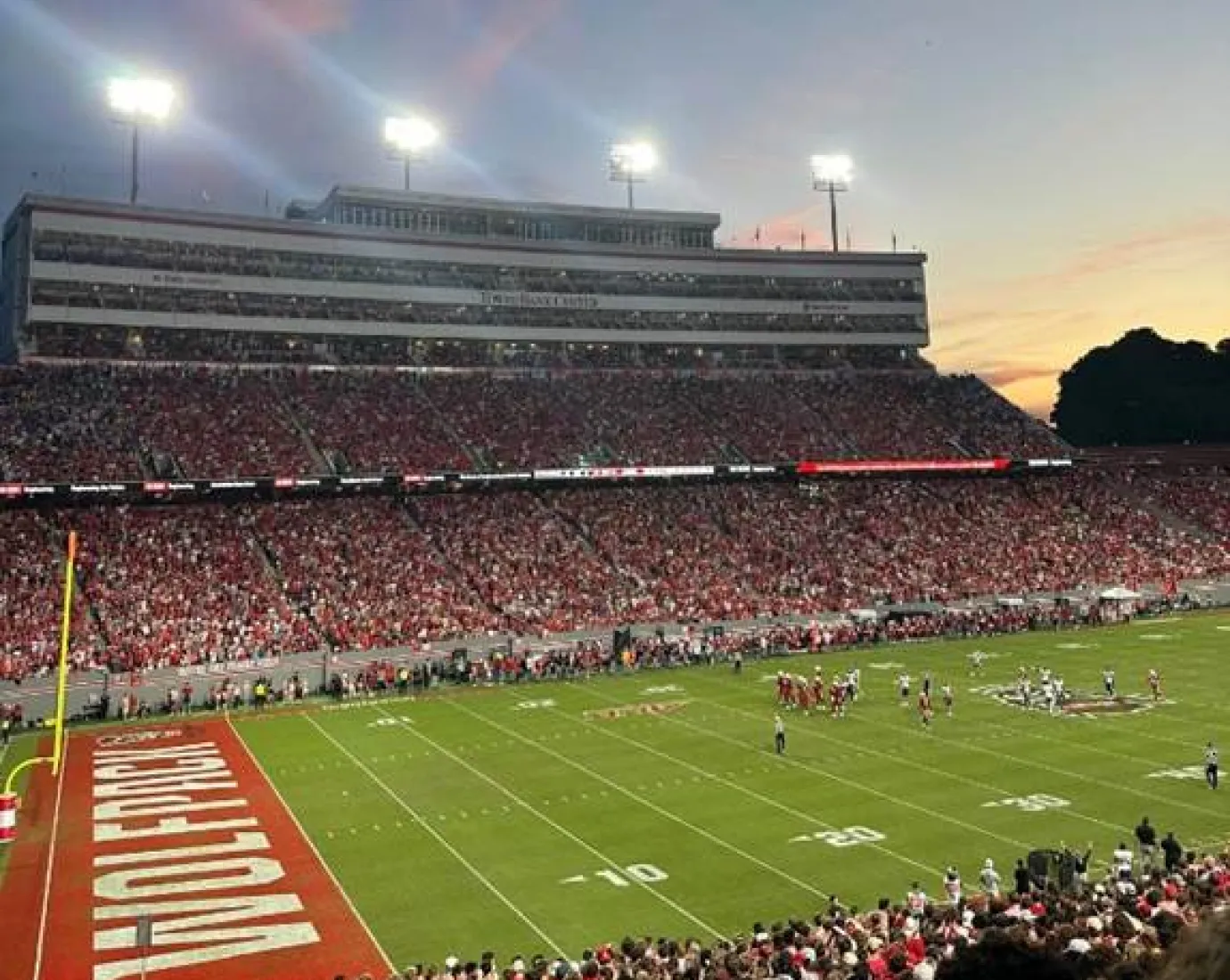
If you ask me what surprised me most about life in Raleigh, I would say it’s the friendliness of everyday interactions. Since arriving in the USA, I immediately noticed how friendly and open people are here and how much they love small talk. Back home in Austria, encounters with strangers are usually polite but reserved. You rarely have casual conversations with people you hardly know. In Raleigh, on the other hand, friendliness is everywhere, and small talk seems to be almost a social art form.

I noticed it right away in the little moments. Like when people get off the bus, almost everyone throws a “Thank you, have a good one!” to the driver. At the grocery store, the cashier will ask, “How’s your day going?” and they actually wait to hear your answer. It doesn’t feel like a robotic script, it feels like a genuine moment of connection. It is fascinating that Americans often reveal a lot about their private lives very quickly. Within ten minutes of conversation, someone might already be telling you about their weekend, their family, or their classes. In Austria, this would seem unusual. People tend to be reserved and hesitate to reveal personal details too early on.

Another thing I love is the culture of compliments.  In Austria, people may notice something and think a compliment but often keep it to themselves. Here, compliments seem sincere and immediately create a feeling of connection and warmth. I have to admit that it's nice. You feel welcome and appreciated, and even small gestures like “I like your shoes!” or “Your hair looks great today” can brighten your day in a way that I haven't experienced very often before.


I think one reason this culture of friendliness works so well is that Americans, especially students, seem to be constantly busy and engaged. On campus, this culture of openness is everywhere. Students are constantly busy, for example joining clubs, sports, volunteer work, or social events. There are a lot of opportunities to get involved, and that naturally leads to talking, meeting new people, and building connections. It feels like there’s always something happening, and everyone’s eager to welcome you in.

Reflecting on these observations led me to think about my own cultural background in Austria. I can see the contrast more clearly now.  We are polite, but much less emphasis is placed on casual friendliness or small talk. Strangers rarely engage in personal conversations, and we are generally more reserved. Sharing personal details too quickly can even be perceived as uncomfortable or inappropriate. Although I still value the privacy and reserve of my culture, I now see that the American approach has its advantages. You immediately feel more welcome and included, even when you’re new. But when it comes to forming a real friendship, it can be more difficult. At first, people seem so friendly, but often you don’t hear from them again unless you’re in the same club or do the same sport. Back in Austria, you usually know where you stand with people, which can feel more stable, even if it’s less openly warm.


Living in Raleigh has made me appreciate these little everyday gestures like quick conversations in passing or unexpected compliments. They might seem small, but together they shape the atmosphere of a place and make it feel warmer, more like home. I’ve realized that the Austrian way and the USA way are just different approaches to interacting with people. Neither is better or worse, but being here has taught me to notice the value of friendliness in daily life. I hope to keep a bit of that friendliness and openness with me in everything I do.

Aussenaufnahme von Raleigh North Carolina
Subscribe to