Skip to Main Content

30 Years of the EFTA Court – Thematic Evening of the Executive Master of Laws (LL.M.) in Corporate, Foundation and Trust Law

30 Years of the EFTA Court – Thematic Evening of the Executive Master of Laws (LL.M.) in Corporate, Foundation and Trust Law

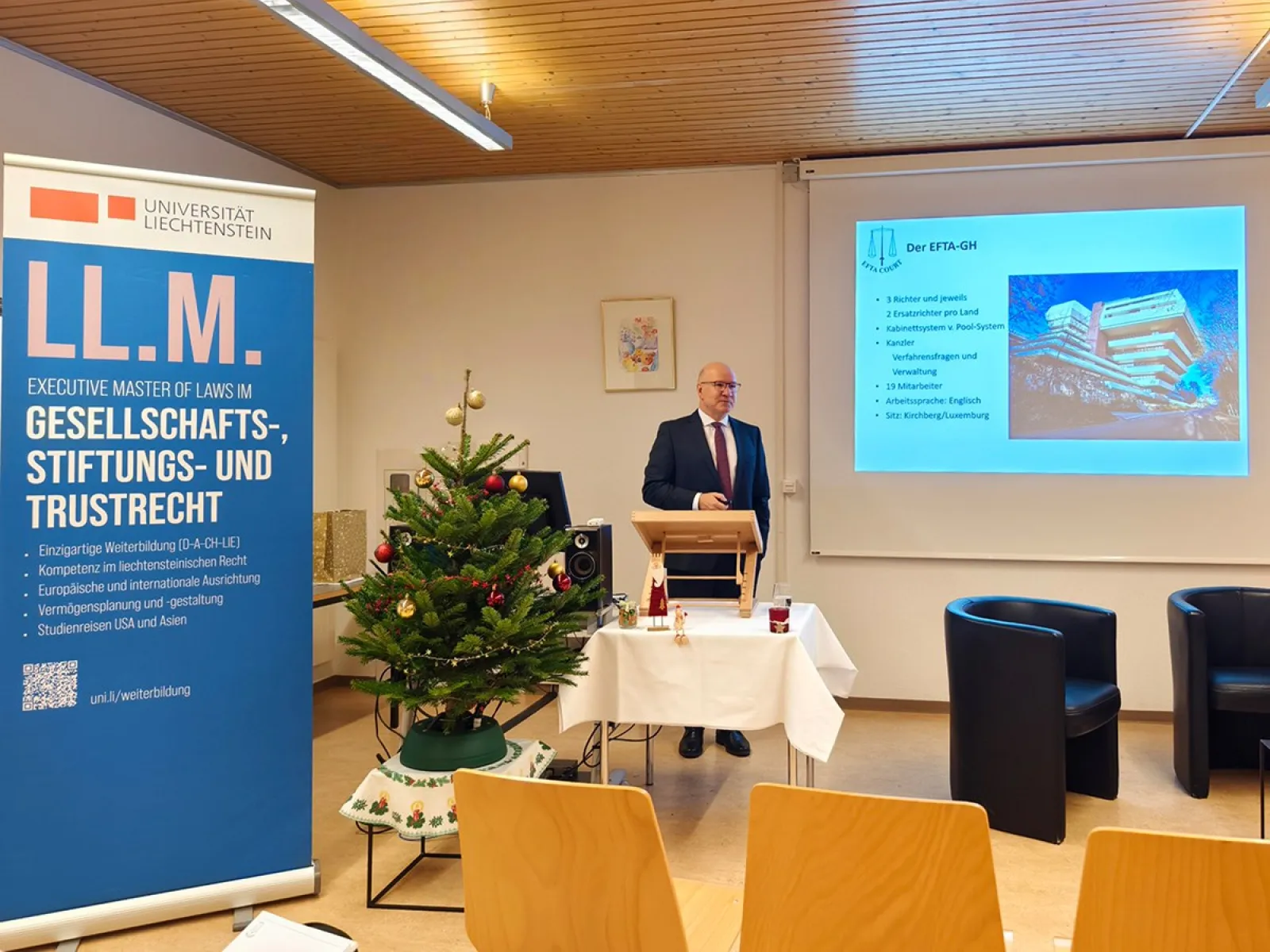
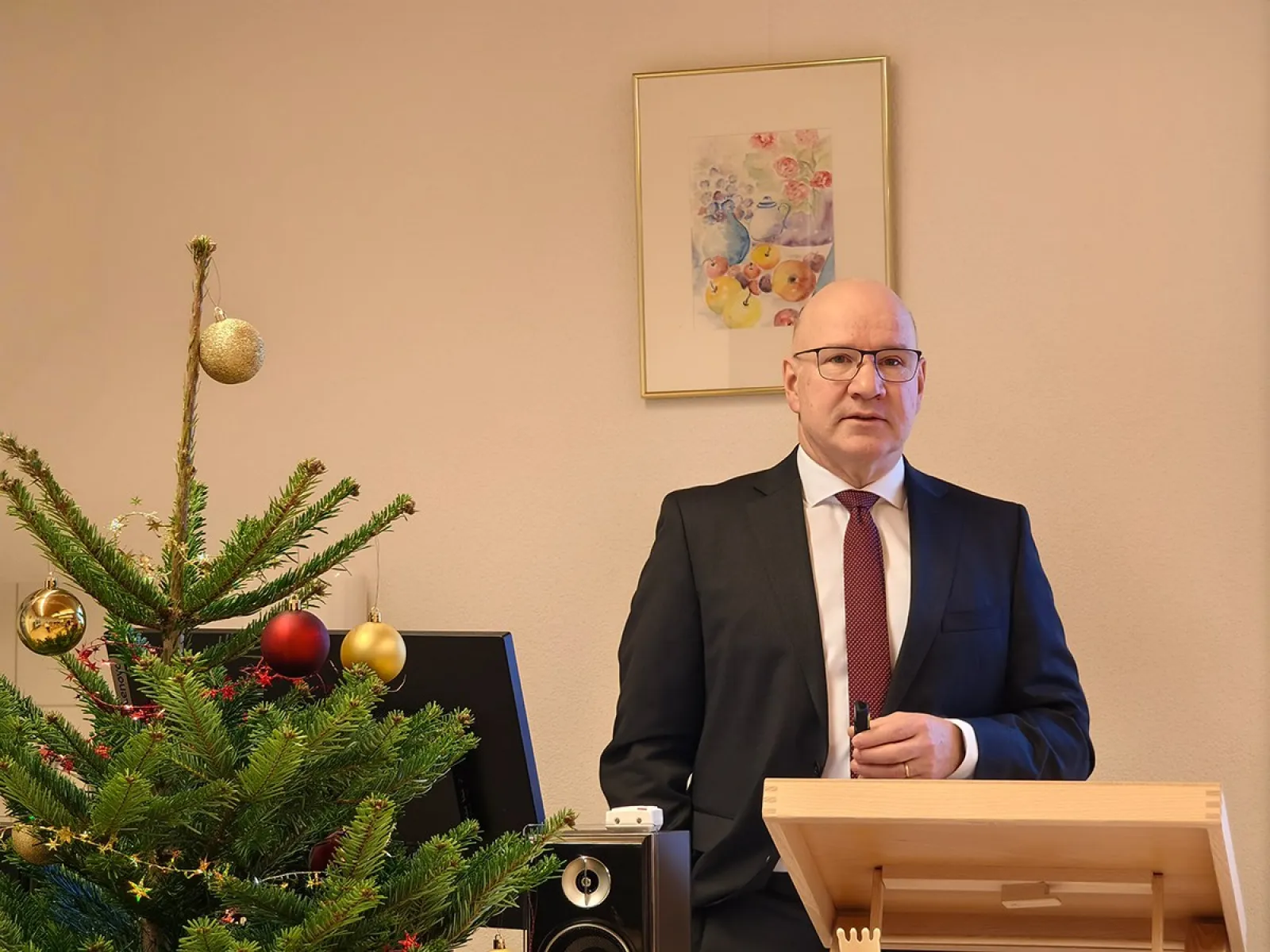
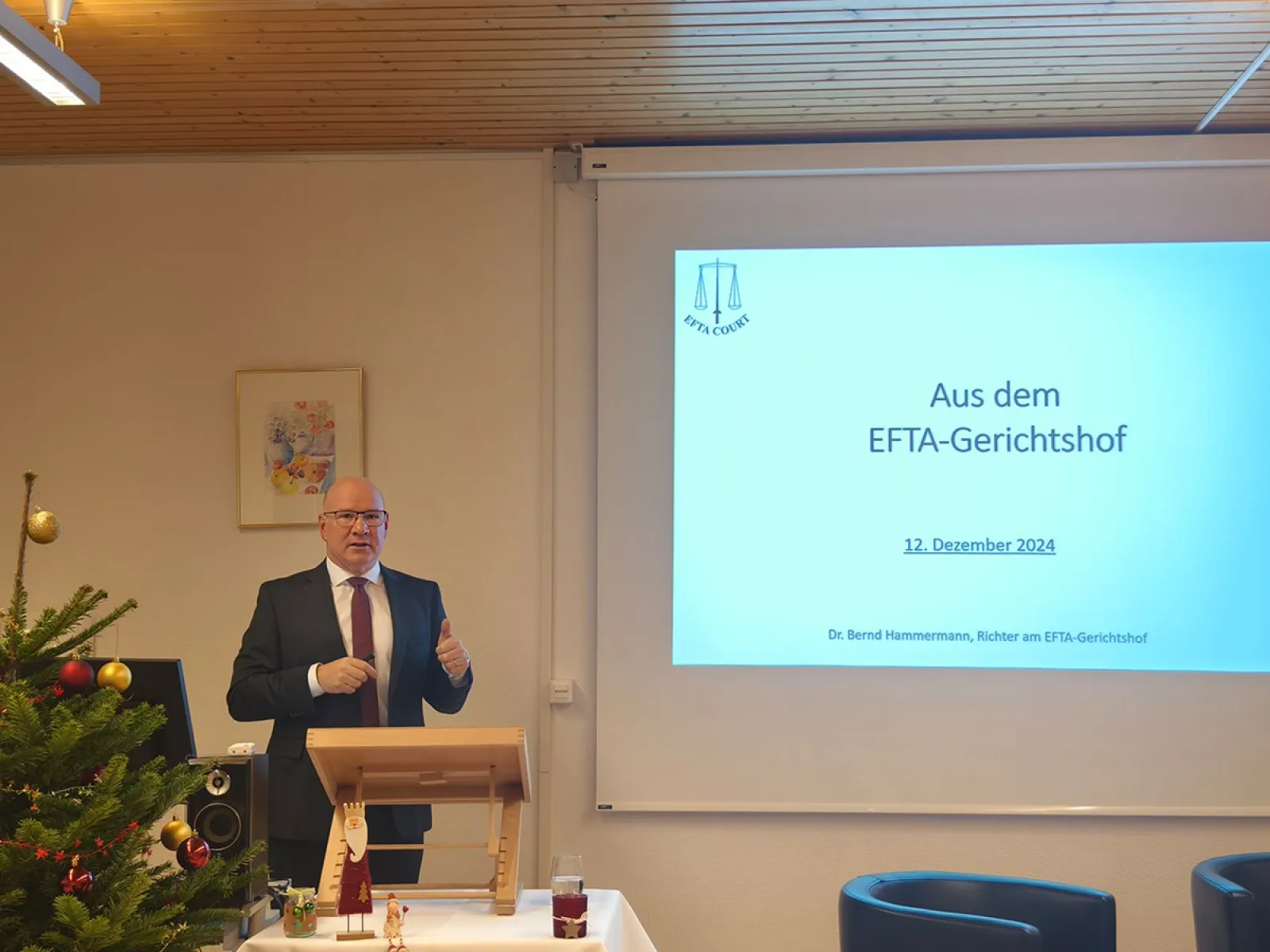
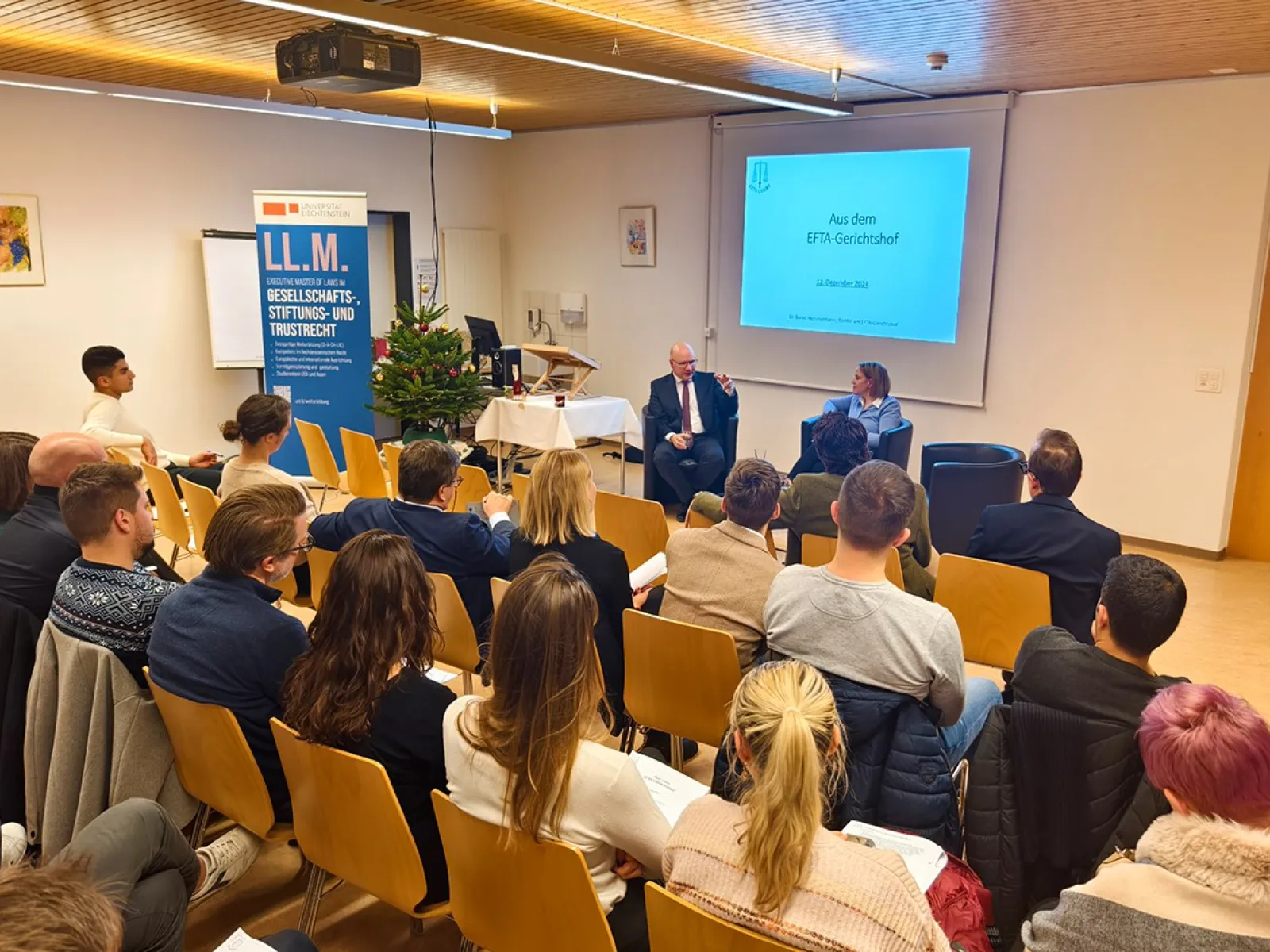
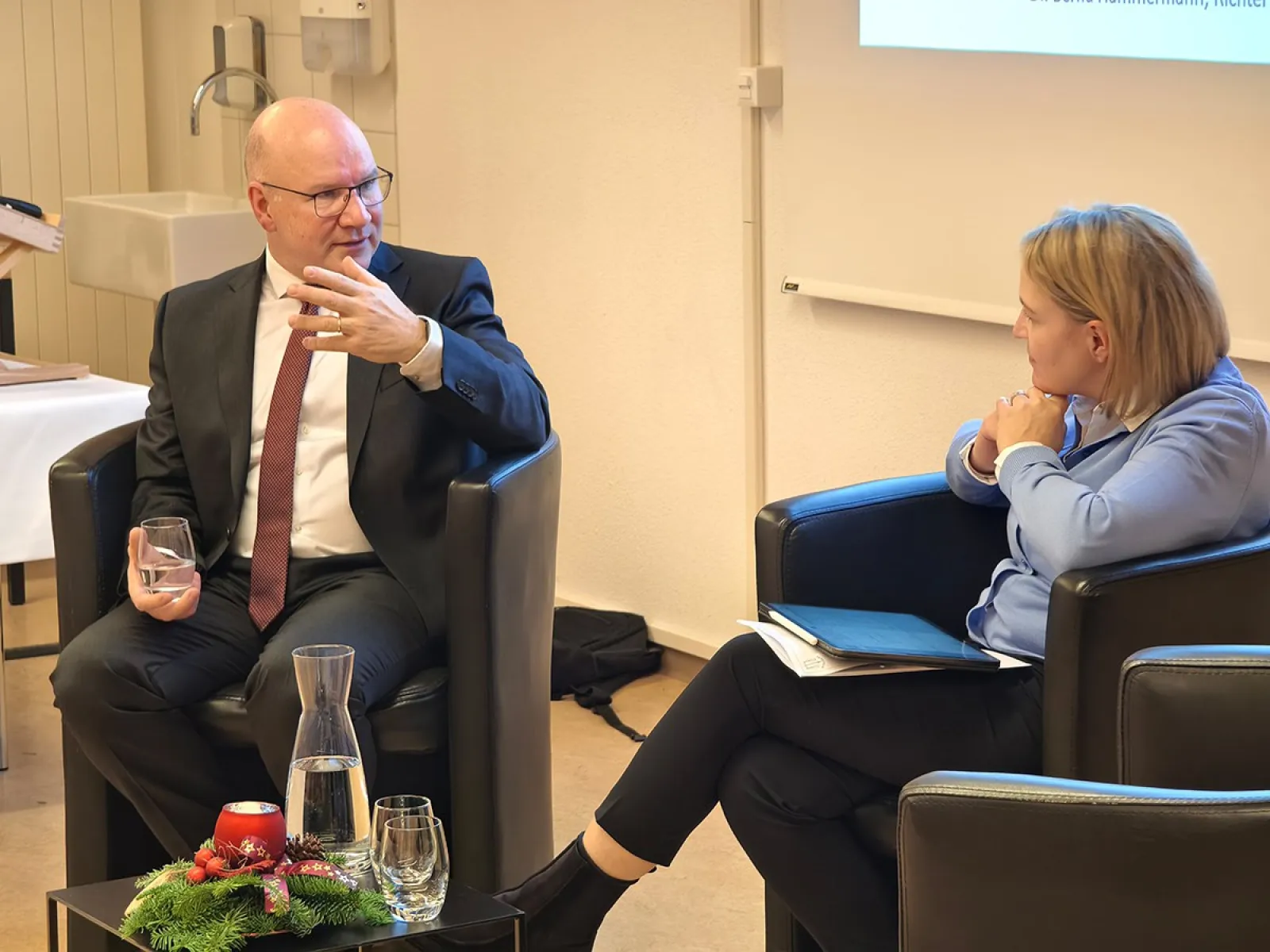
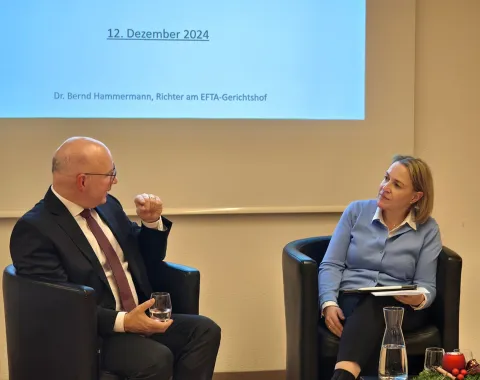
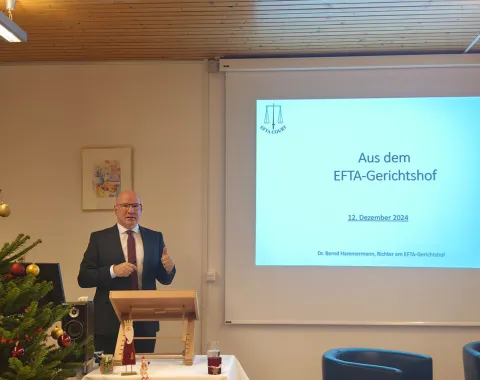
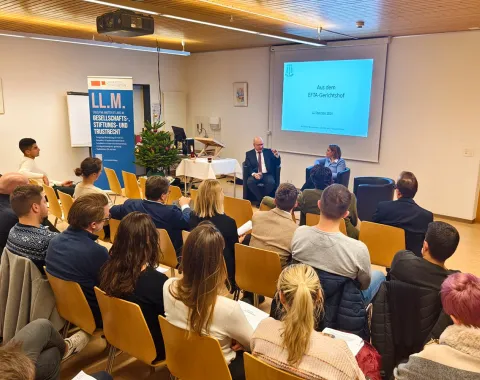
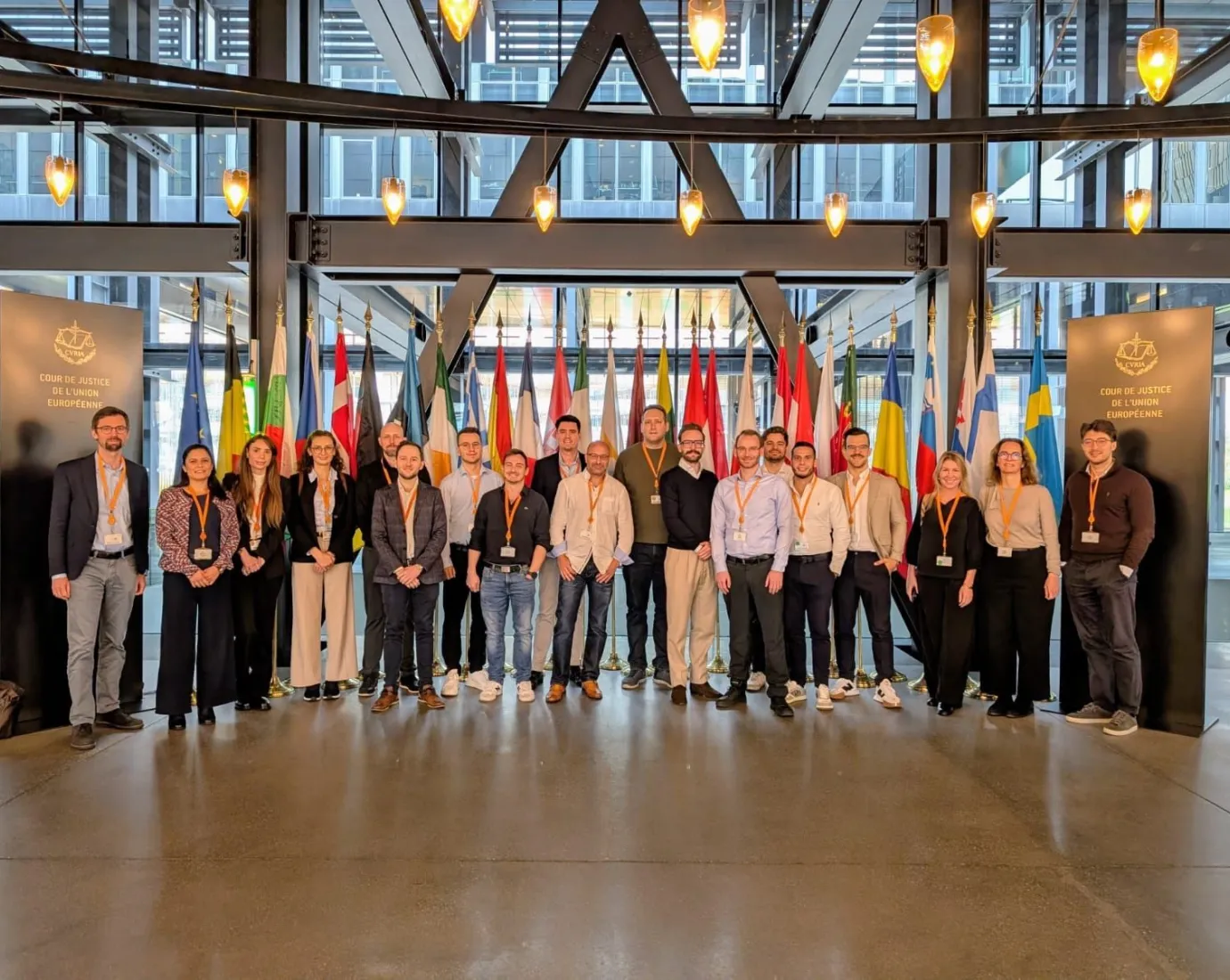
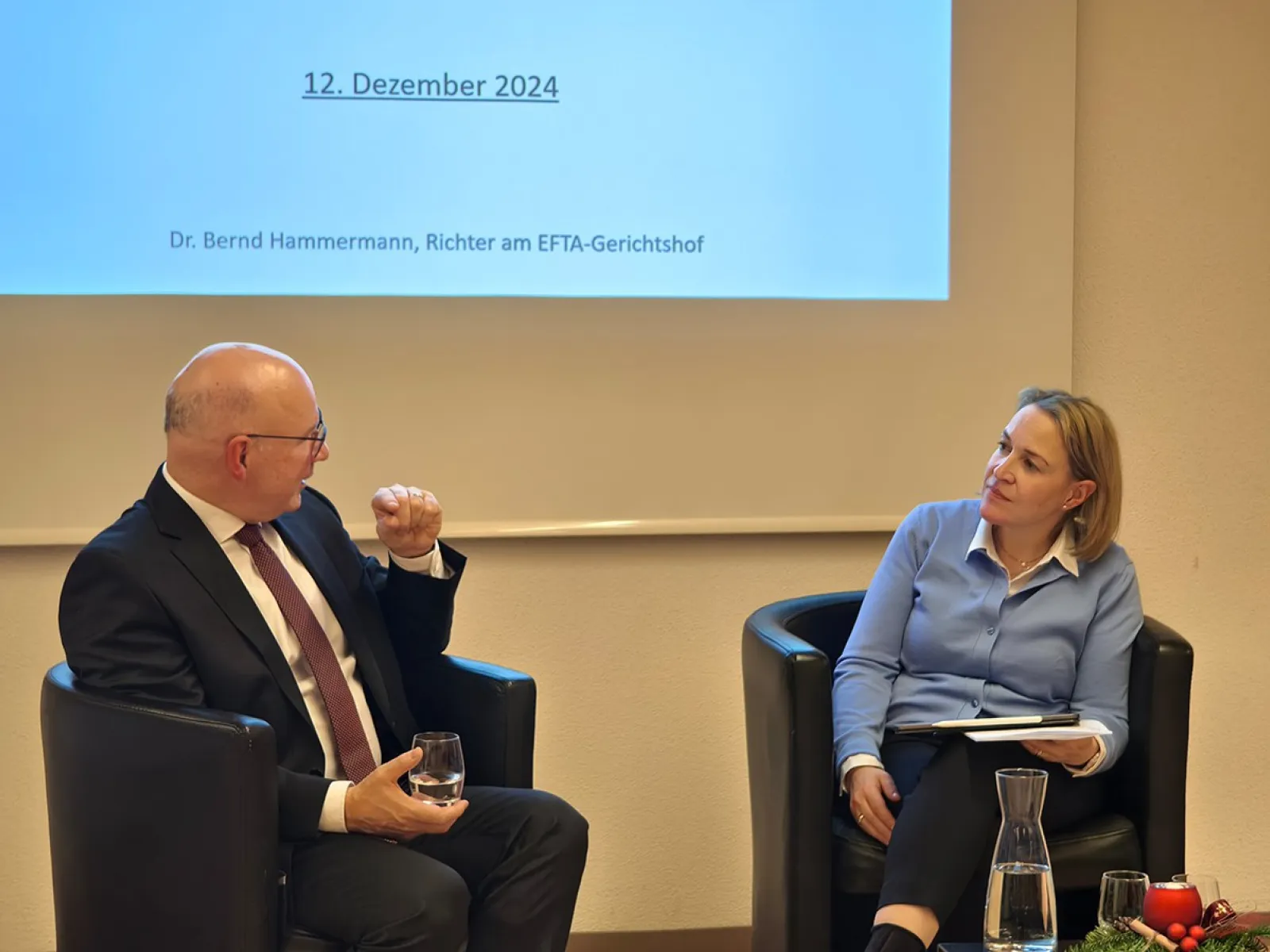
On 12 December 2024, the Chair of Corporate, Foundation and Trust Law, as part of the Executive Master of Laws (LL.M.) program of the same name, hosted a thematic evening titled “Insights from the EFTA Court.” Around forty participants took the opportunity to gain exclusive insights into the workings of the court from Dr. iur. Bernd Hammermann, Judge at the EFTA Court appointed by the Principality of Liechtenstein.


The EFTA Court was established in 1994 on the basis of the EEA Agreement to ensure the uniform application of EU law in Liechtenstein, Iceland, and Norway. Thus, this year marks the 30th anniversary of the EFTA Court.


The EFTA Court is a supranational court based in Luxembourg. It corresponds to the Court of Justice of the European Union for matters concerning the EEA/EFTA member states (Liechtenstein, Iceland, Norway) and consists of one judge from each of these three countries.


In his lecture, Dr. iur. Bernd Hammermann provided an overview of the EFTA Court, focusing in particular on its internal organizational structure, the various types of legal proceedings, as well as current case statistics and court figures. He also addressed the structure of court rulings, the canon of interpretation that judges must adhere to, and the impact of precedents and fundamental rights. The core of his presentation, however, centered on selected decisions with relevance to Liechtenstein. He succinctly summarized the facts of these cases for the audience and subsequently discussed their legal implications.


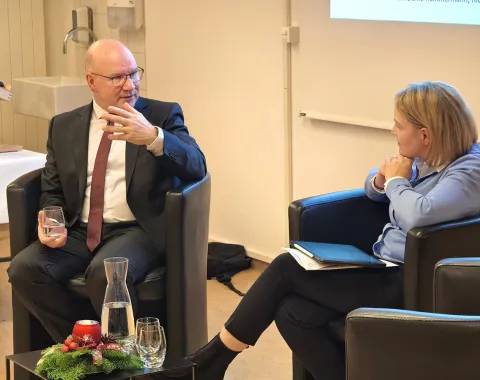
The in-depth analysis of case law was particularly well received by the audience and led to a lively discussion following the lecture. The evening concluded on a festive note with mulled wine and roasted chestnuts.


Thematic Evening “Cyber Resilience Today: The DORA Implementation Act”

Thematic Evening “Cyber Resilience Today: The DORA Implementation Act”

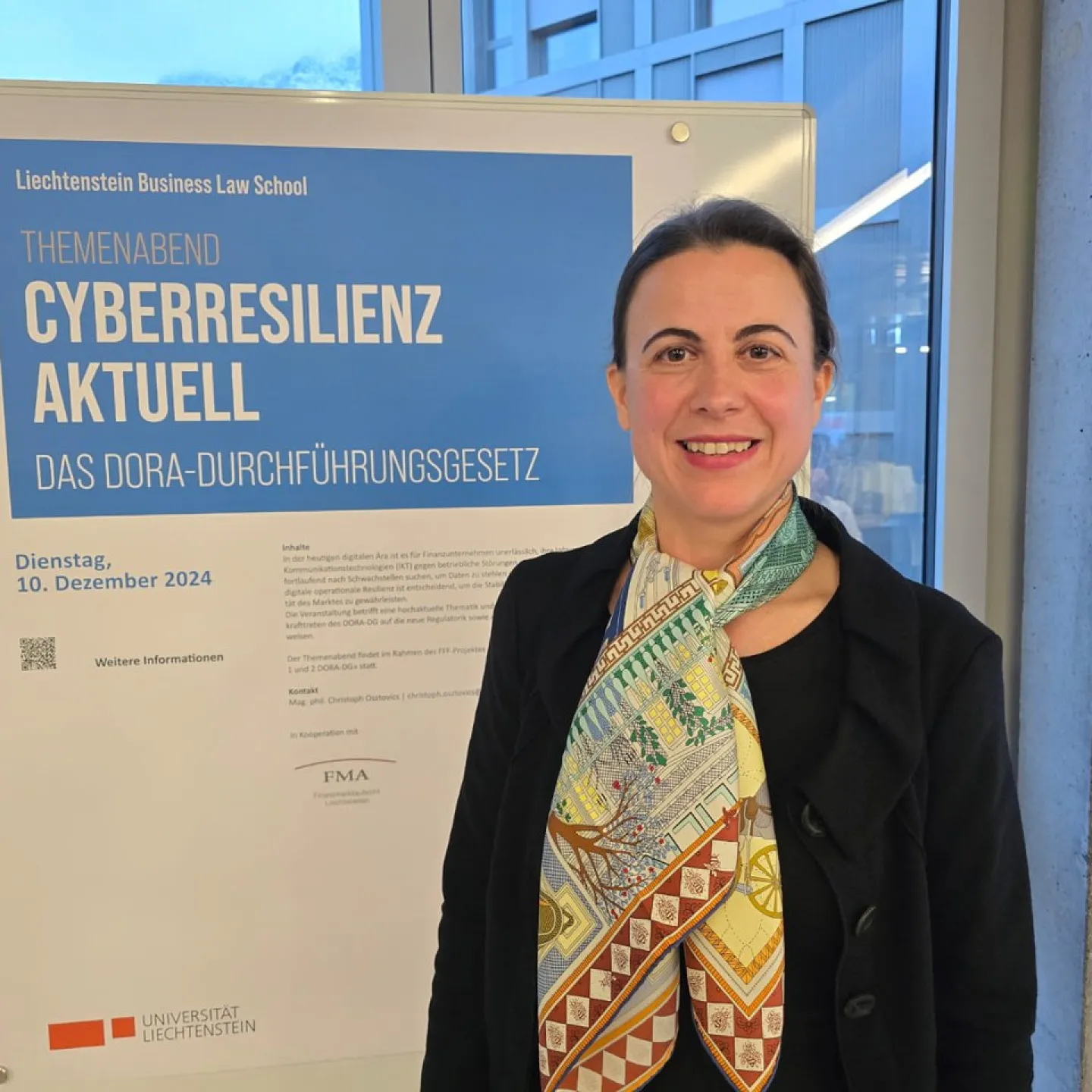
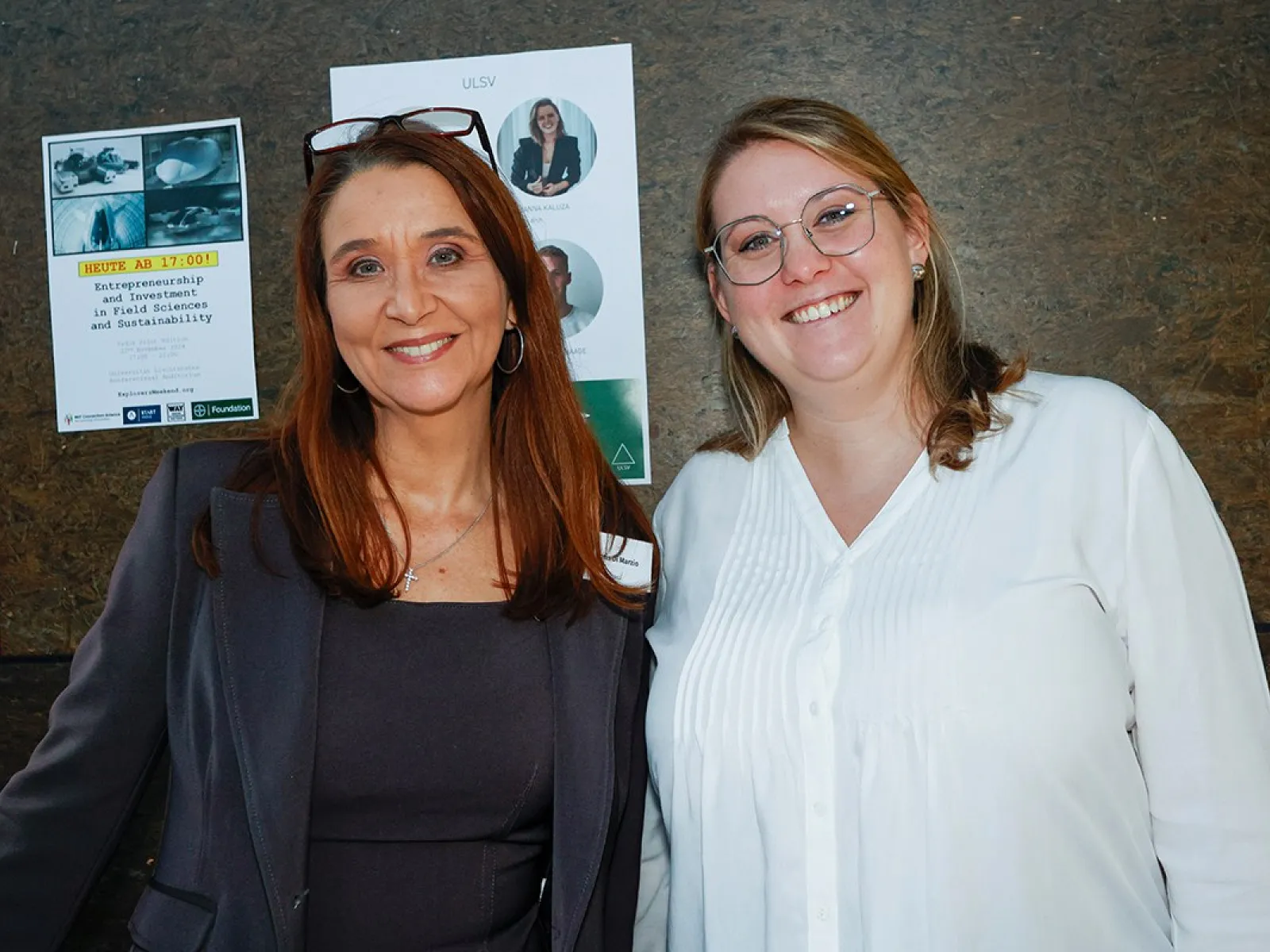
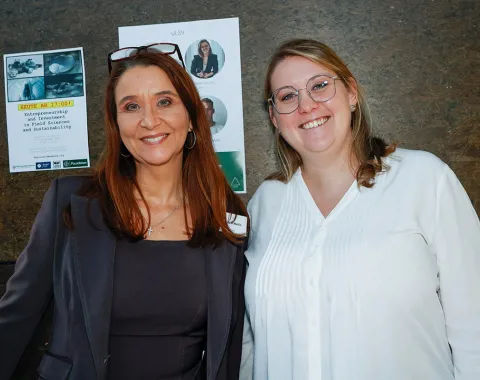
Frau steht lächelnd vor einem Plakat der Liechtenstein Business Law School. Das Plakat kündigt den Themenabend „Cyberresilienz aktuell: Das DORA-Durchführungsgesetz“ an, der am 10. Dezember 2024 stattfindet.

On 10 December 2024, the Chair of Economic Criminal Law, Compliance and Digitalization at the Liechtenstein Business Law School hosted the thematic evening “Cyber Resilience Today: The DORA Implementation Act.” The event was part of this year’s economic criminal law FFF project.


On Tuesday, 30 January 2024, the Liechtenstein government adopted the consultation report concerning the enactment of a law to implement Regulation (EU) 2022/2554 on digital operational resilience in the financial sector (the Digital Operational Resilience Implementation Act; DORA-DG) and the amendment of further legislation. DORA will apply to financial intermediaries in the EU as of 17 January 2025. In Liechtenstein, the EEA-DORA-DG was discussed in its second reading on 5 December 2024 and passed by the Parliament, with anticipated entry into force on 1 February 2025.


The Rector of the University, Dr. Christian Frommelt, welcomed the attendees and emphasized the importance of digitalization as a key focus in university research and teaching. He also reported on initial results from the second national survey on digitalization, which he presented at the 2024 Digital Day in Vaduz.


Following that, Michael Valersi, Head of the Cybersecurity Coordination Office in the Principality of Liechtenstein, introduced the work of the Coordination Office, which serves as a central contact point for all matters relating to cyber risks. He pointed out that the incident reporting form should be used by companies to report security incidents.


In the first expert lecture, Mathias Bartel, Supervisory Specialist in the Asset Management and Markets division at the Financial Market Authority Liechtenstein (FMA), gave an introduction to DORA, addressing its challenges and practical implementation in detail.


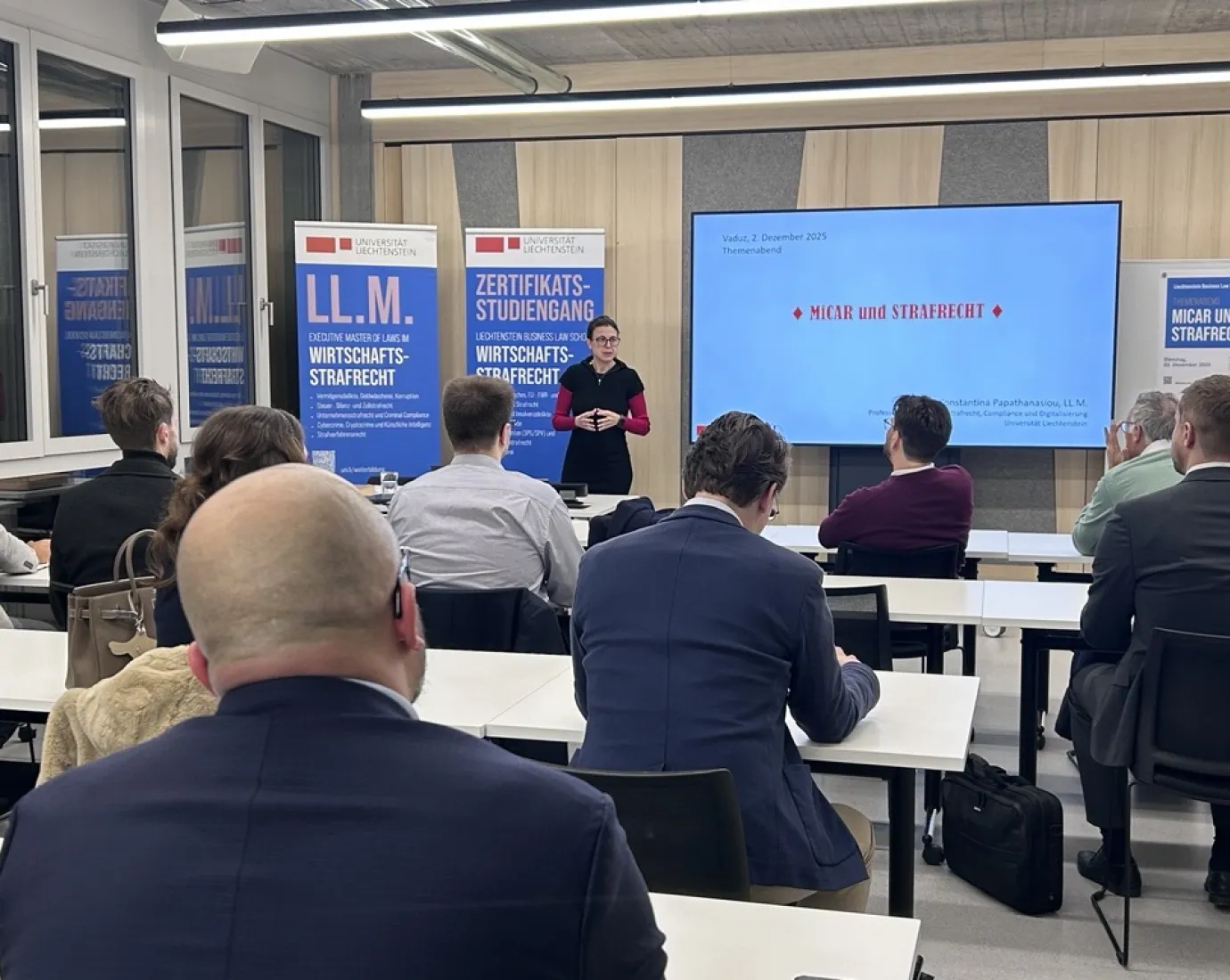
Finally, Prof. Dr. Konstantina Papathanasiou, LL.M., discussed the criminal law relevance of cyber resilience, particularly focusing on Article 9 DORA-DG, which outlines the criminal provisions. The emphasis was on explaining cybercrime, the requirements of intent and negligence, as well as the risks related to corporate liability.


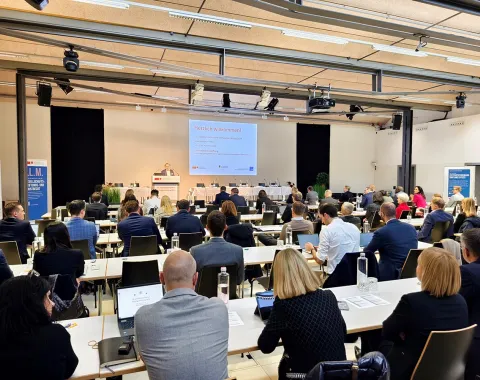
The event received over 100 registrations and welcomed numerous participants from financial services companies, government authorities, and law firms in the university’s new auditorium at the Ebaholz campus. The evening concluded with a relaxed networking reception.


Frau steht lächelnd vor einem Plakat der Liechtenstein Business Law School. Das Plakat kündigt den Themenabend „Cyberresilienz aktuell: Das DORA-Durchführungsgesetz“ an, der am 10. Dezember 2024 stattfindet.

Children's University: Fundraising as a Profession – Can You Buy Help? A Behind-the-Scenes Look at Fundraising

Children's University: Fundraising as a Profession – Can You Buy Help? A Behind-the-Scenes Look at Fundraising

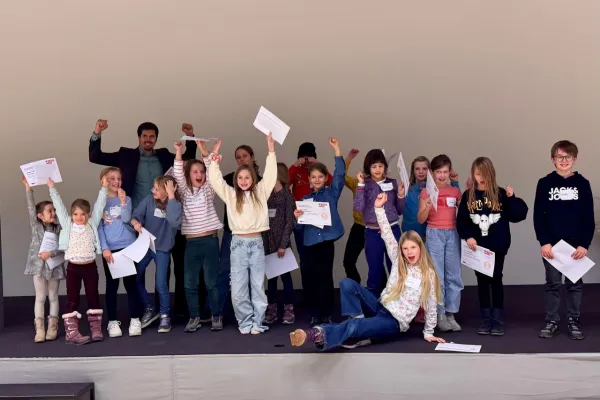
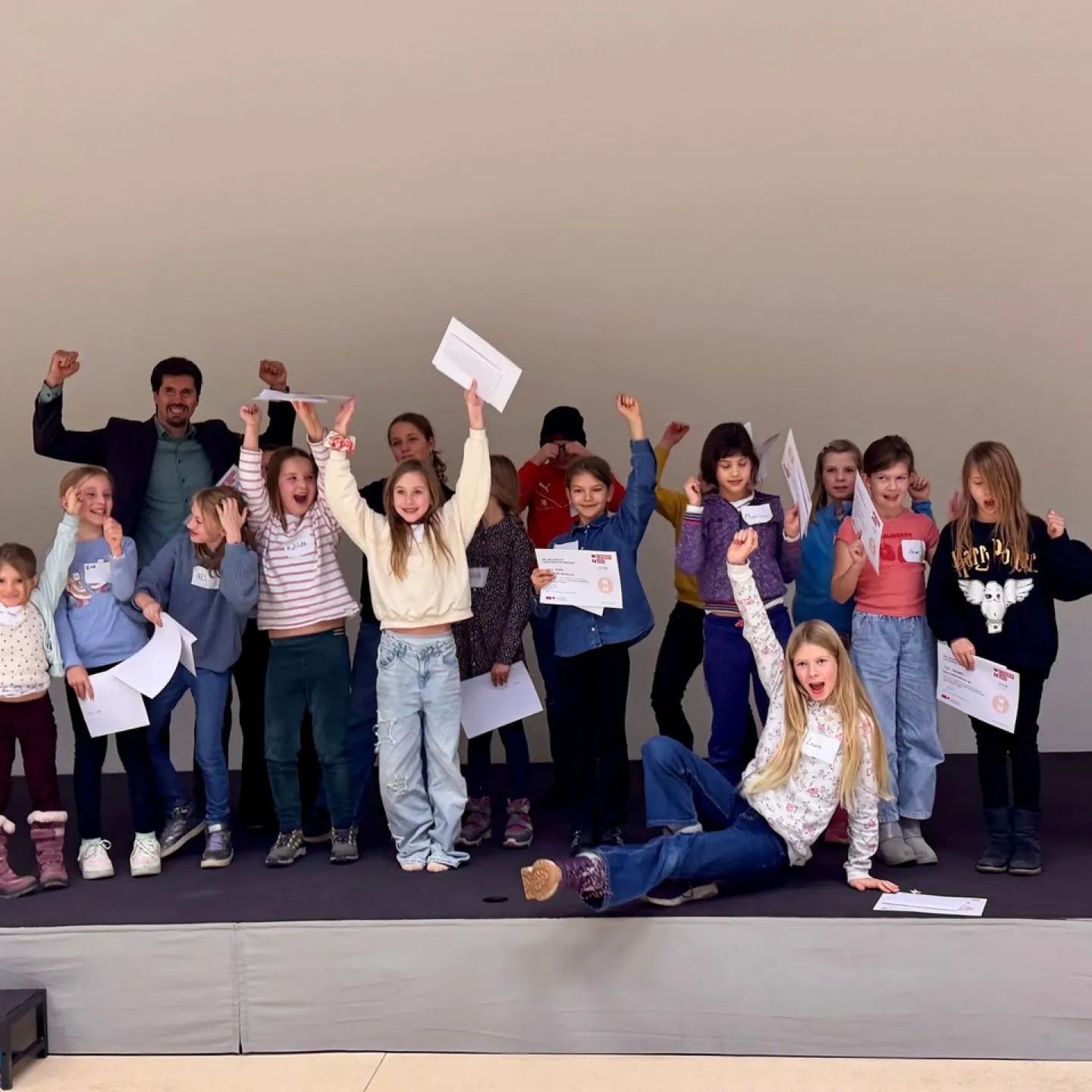
Eine Gruppe von Kindern und einem Erwachsenen steht auf einer Bühne und hält stolz Zertifikate hoch. Die Kinder wirken fröhlich und begeistert. Sie nehmen an einem Fundraising-Workshop an der Universität Liechtenstein teil.

On Wednesday, 4 December 2024, the Individual Fundraising team from UNICEF Switzerland and Liechtenstein gave children aged 8 to 12 a special look into their everyday work – which isn’t so everyday – at the University of Liechtenstein.


With fun and creativity, the children immersed themselves in the exciting world of fundraising. Together, they explored the question: What is fundraising and how does it work? In interactive workshops, the children playfully discovered why fundraising is so important and learned how to develop their own fundraising ideas. They not only learned the meaning of solidarity, but were also inspired to make the world a little better with their own ideas.


Accompanying Program for Adults: The Art of Fundraising


While the children honed their fundraising skills, parents received an informative insight into the world of charitable giving. Ariane Buffat, Senior Fundraiser and Manager Young Generation, explained how nonprofit organizations like UNICEF raise funds and which strategies are most effective. Participants learned how fundraising works, why it is so important, and which methods have proven successful.

Eine Gruppe von Kindern und einem Erwachsenen steht auf einer Bühne und hält stolz Zertifikate hoch. Die Kinder wirken fröhlich und begeistert. Sie nehmen an einem Fundraising-Workshop an der Universität Liechtenstein teil.

Master's Thesis Honored with the Bendura Bank Award 2024

Master's Thesis Honored with the Bendura Bank Award 2024

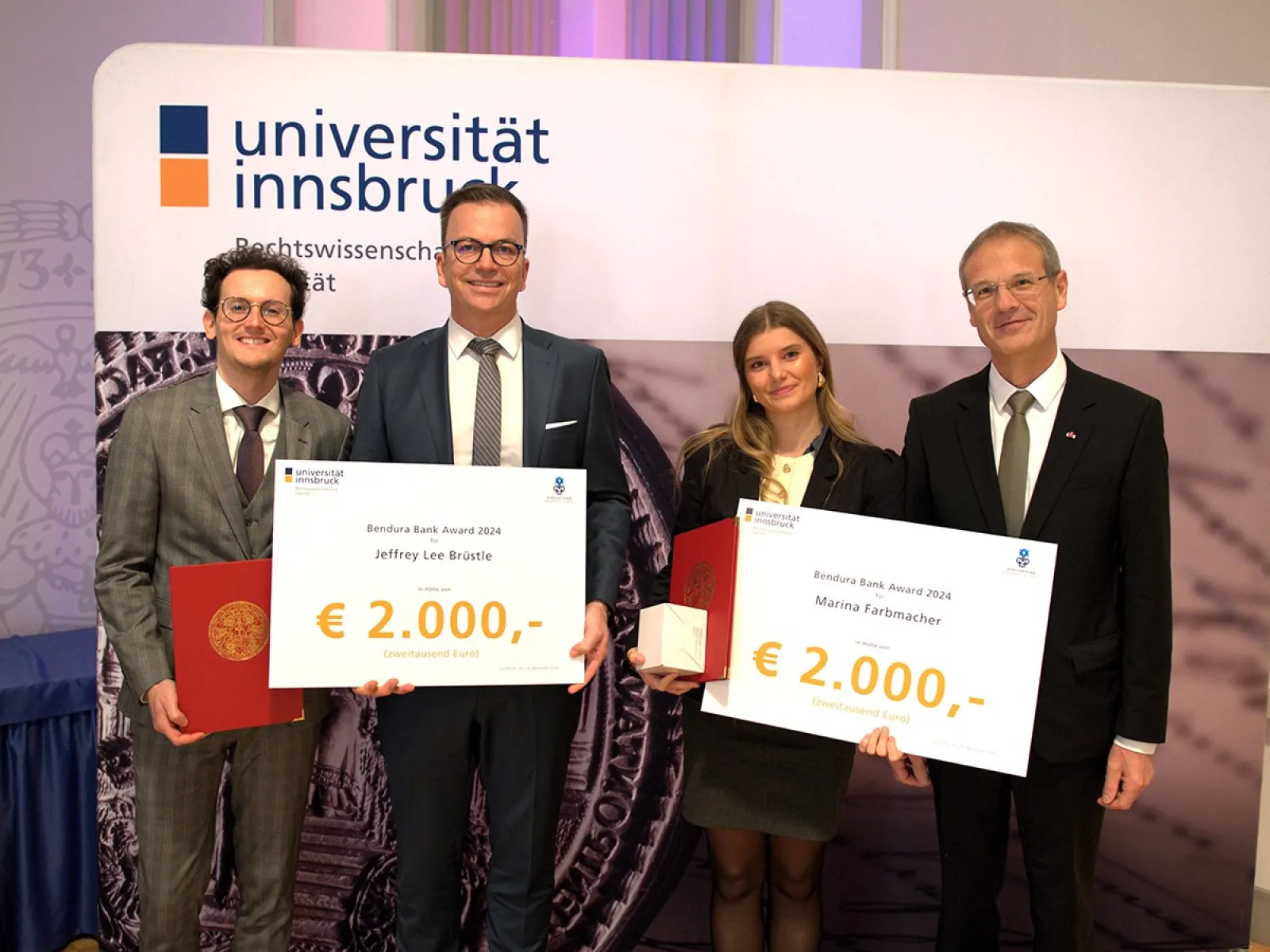
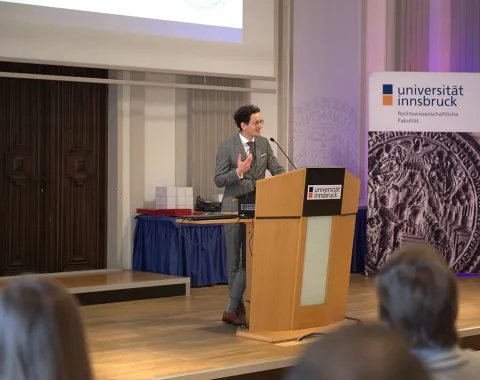
As part of this year’s Faculty Day of the Faculty of Law at the University of Innsbruck, Jeffrey Lee Brüstle, research associate at the Chair for Corporate, Foundation, and Trust Law, received the prestigious Bendura Bank Award 2024 for his master’s thesis, approved in 2021. This award is presented annually by the Faculty of Law in cooperation with Bendura Bank AG to recognize and promote outstanding master’s theses in business law.


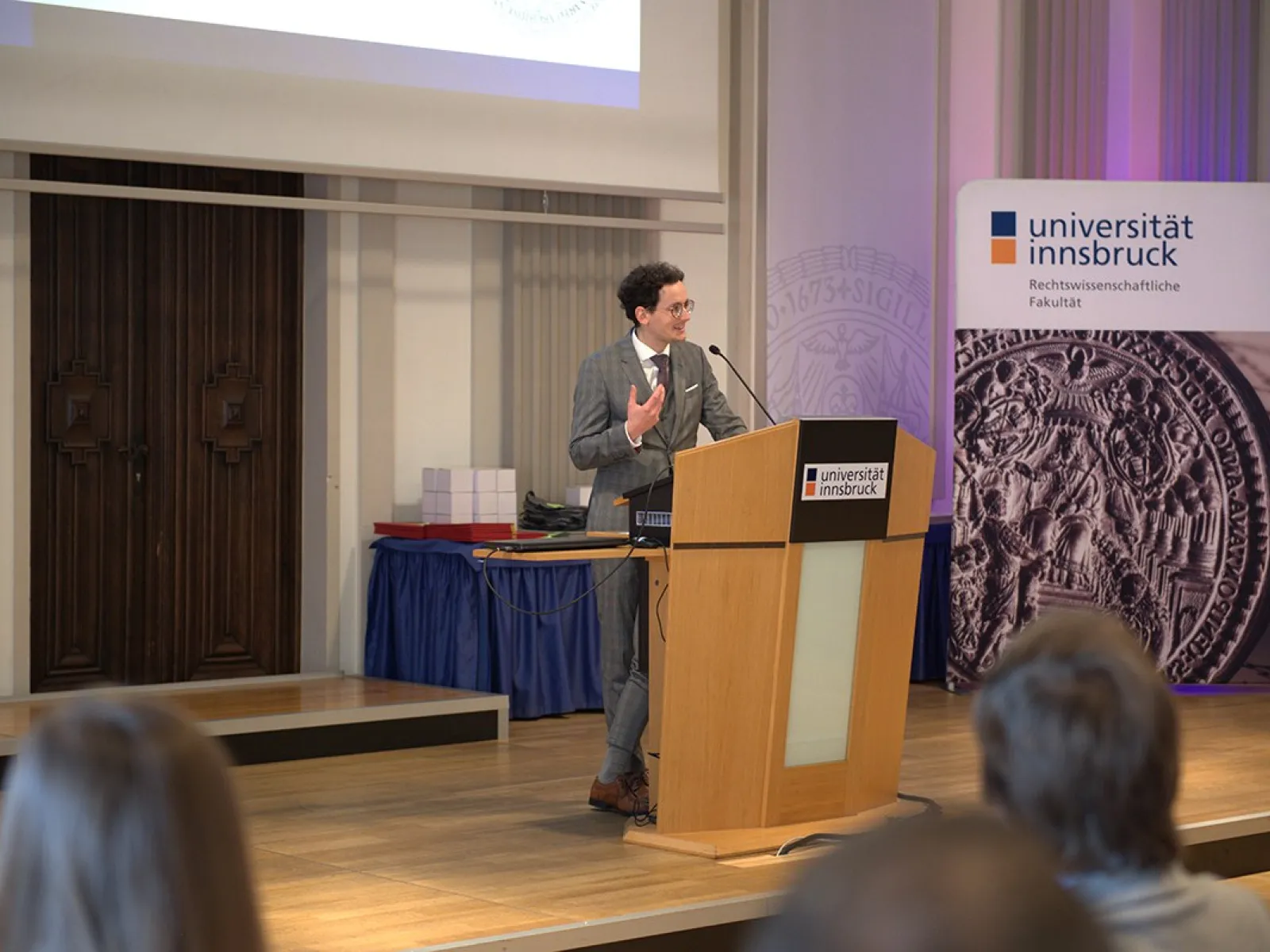
The ceremonial award ceremony took place on November 29, 2024, in the grand hall of the University of Innsbruck. Jeffrey Lee Brüstle, LL.B. LL.M. LL.M., had the honor of briefly presenting his thesis entitled “Interpretative Issues of the CISG” to a professional audience. The award was then formally presented by Univ.-Prof. Dr. Walter Obwexer, Dean of the Faculty of Law, and Dr. Markus Federspiel, CEO of Bendura Bank AG.


“The Bendura Bank Award encourages students of the Master’s Program in Business Law to write theses that provide valuable insights both for academia and legal practice. My thesis is particularly aimed at practitioners, discussing on the one hand the methods of interpretation under the CISG and on the other, addressing the issue of the so-called ‘homeward trend’ of national courts,” explained Jeffrey Lee Brüstle.


The CISG (United Nations Convention on Contracts for the International Sale of Goods) is considered the most significant unification treaty in private international law to date. It has been ratified by 97 countries—including the Principality of Liechtenstein—and provides substantive law for cross-border sales contracts. To achieve as global a scope as possible, some substantive weaknesses had to be accepted as part of a harmonized compromise. As a result, the CISG frequently uses vague legal terms such as “reasonable” or “appropriate.” The autonomous interpretation of these terms presents considerable challenges for national courts of the contracting states, particularly the Austrian Supreme Court.


Forward-looking Perspectives: Artificial Intelligence: Hype or Sustainable Transformation? – A Successful Insight into the Financial World of Tomorrow

Forward-looking Perspectives: Artificial Intelligence: Hype or Sustainable Transformation? – A Successful Insight into the Financial World of Tomorrow

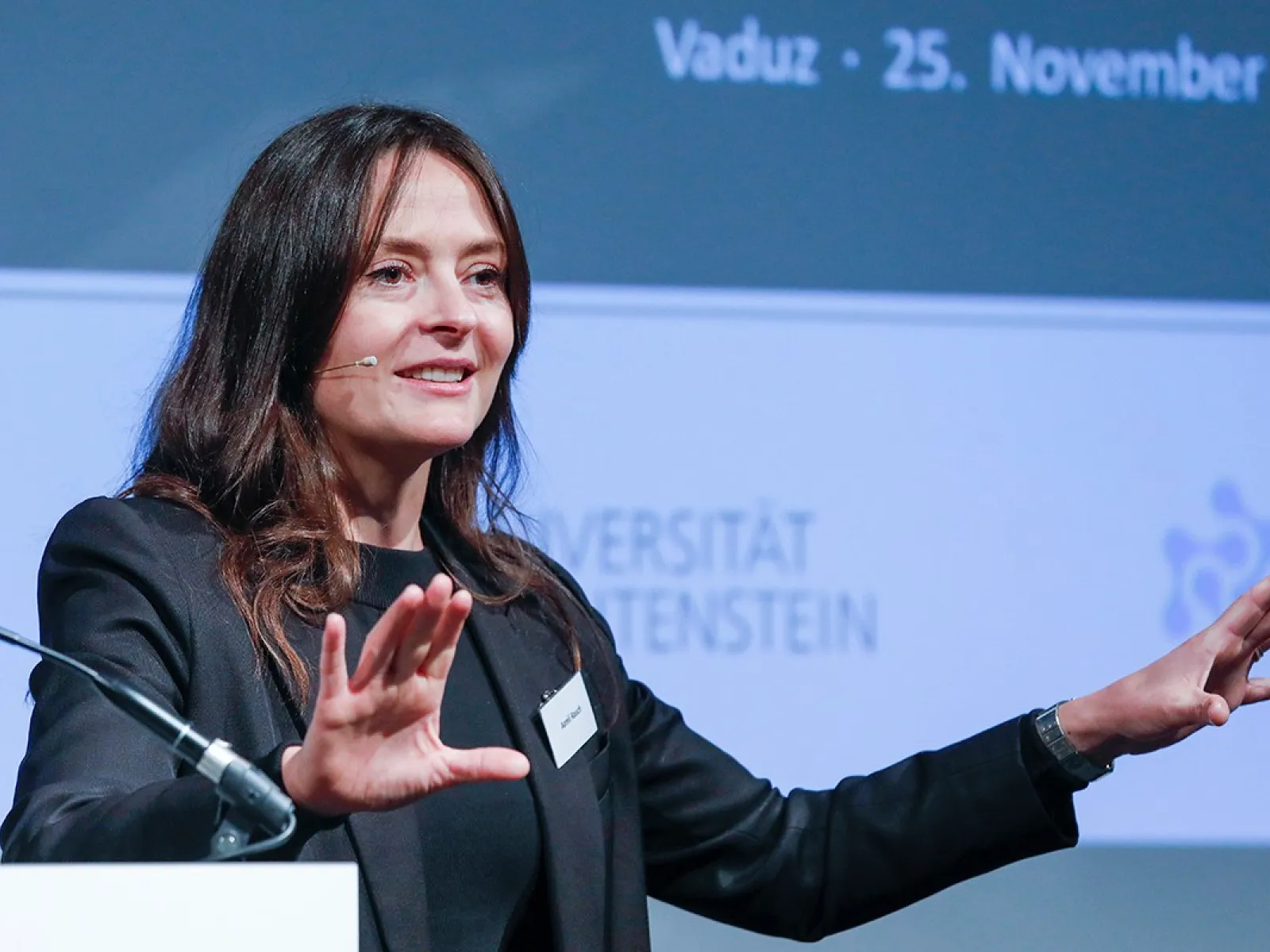
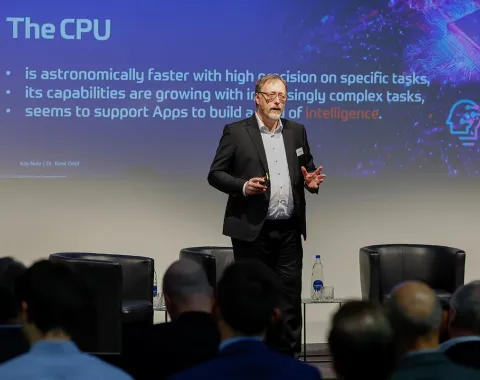
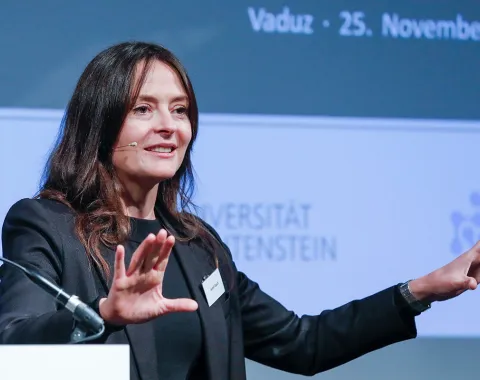
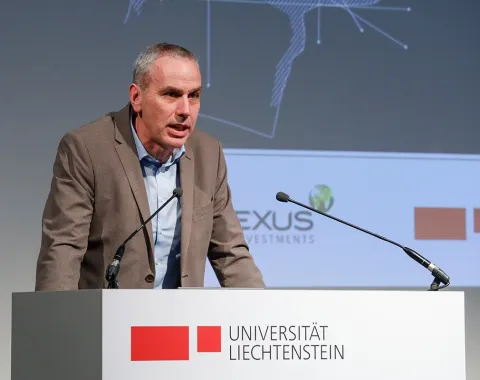
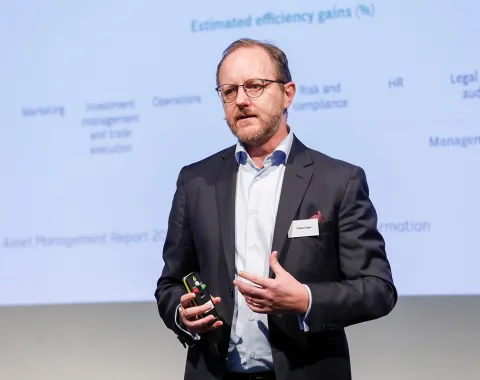
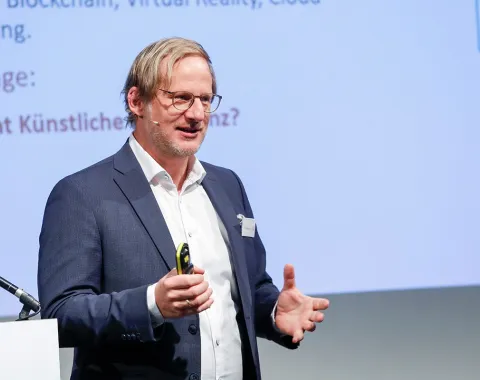
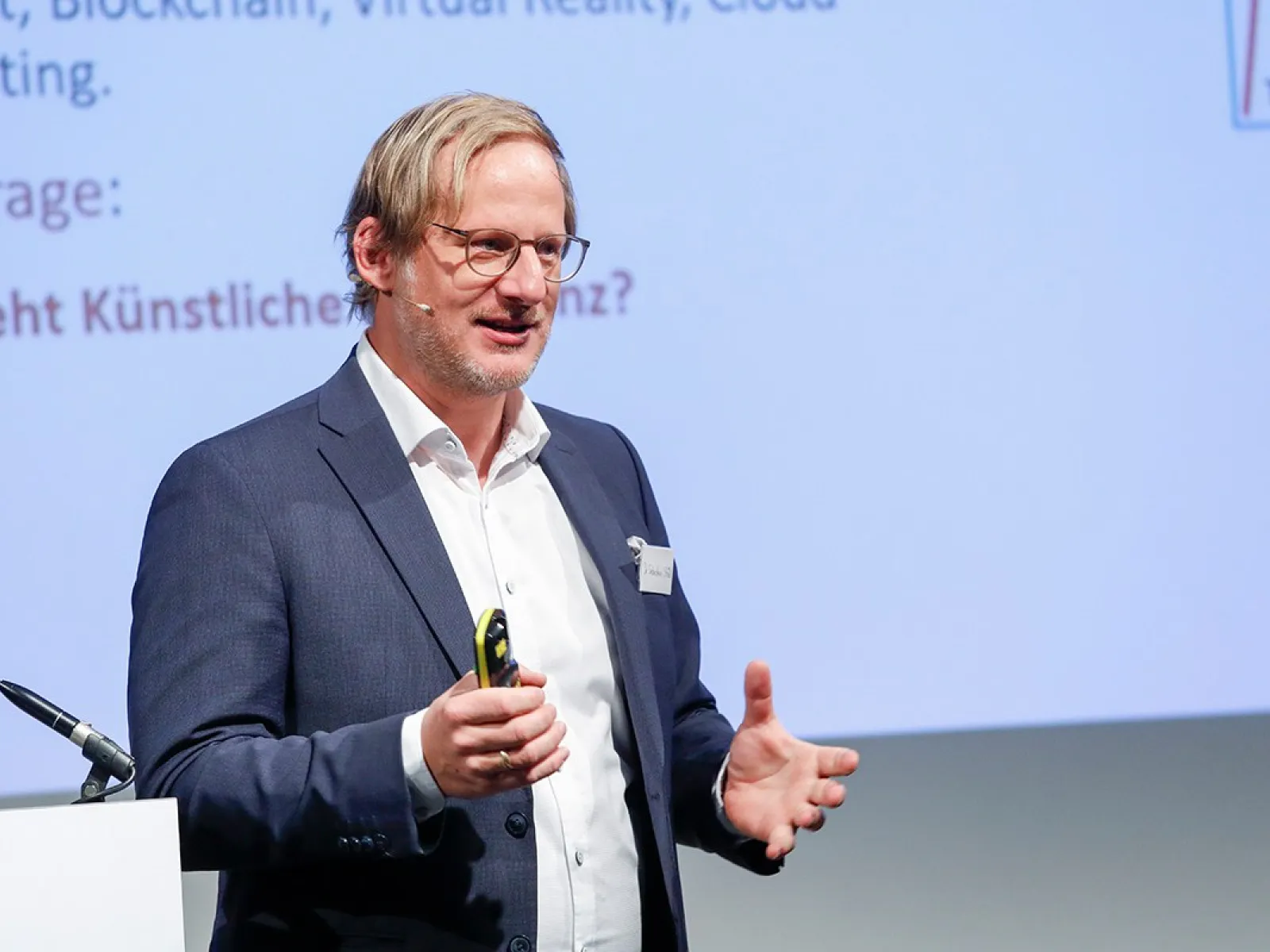
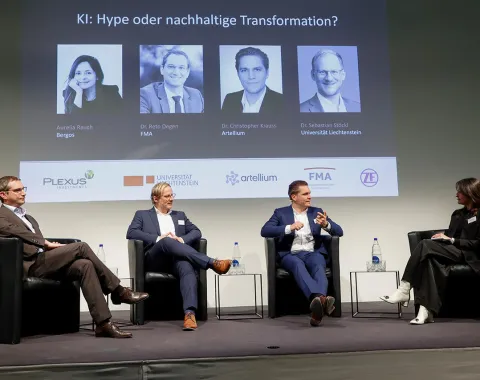
On November 25, experts from the regional financial sector, academics and interested parties gathered at the University of Liechtenstein for the conference “Artificial intelligence: hype or sustainable transformation?”, a collaboration between Assistant Professor Dr. Sebastian Stöckl and the Liechtenstein Business School with PLEXUS Investments, led by CEO Günter Jäger. Aurelia Rauch from Bergos led through the afternoon.


The numerous presentations by renowned experts offered a deep insight into the ongoing development of artificial intelligence (AI) in finance.


The Dean of the Liechtenstein Business School, Prof. Dr. Michael Hanke, opened the conference with a short speech in which he emphasized the importance of the topic of artificial intelligence for the University of Liechtenstein. He emphasized how important it is to offer the topic in education and training and to actively contribute the university's expertise to practice through knowledge transfer and targeted research.


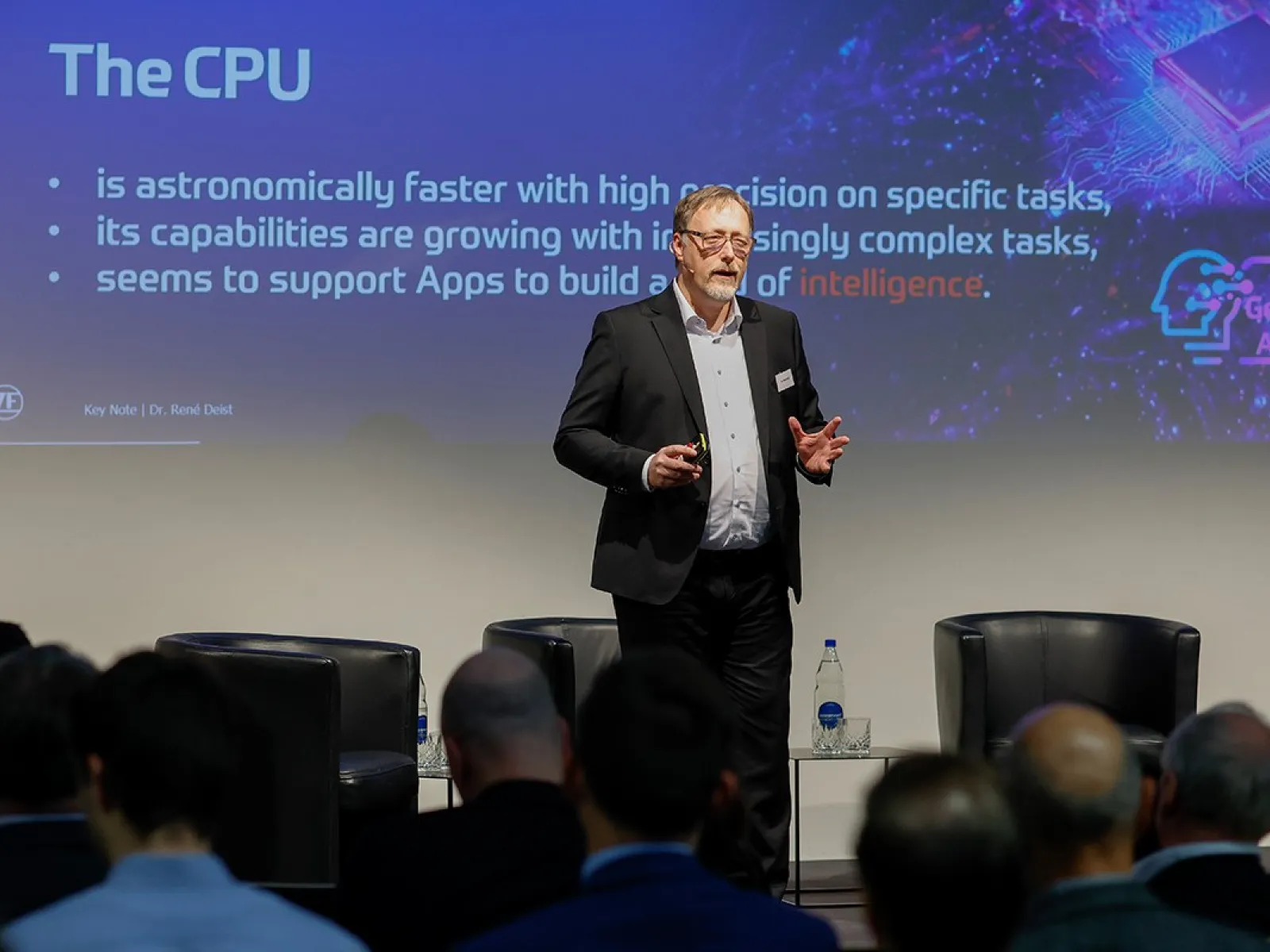
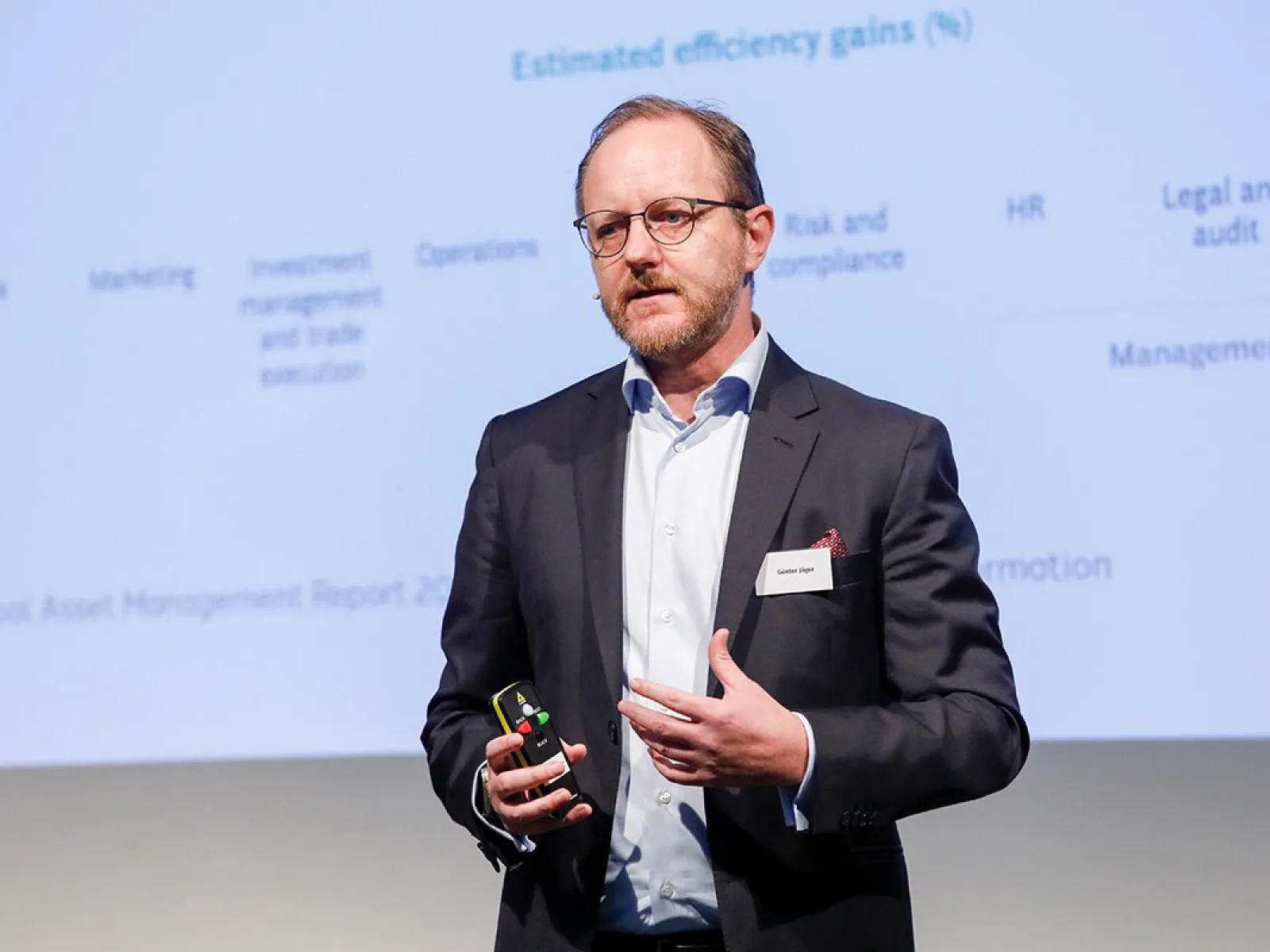
In his opening presentation Dr. René Deist from ZF Friedrichshafen provided  a fascinating insight into the rapidly advancing field of generative AI. Following the opening presentation, Günter Jäger from PLEXUS Investments shed light on the potential of AI in asset management. Jäger emphasized the dynamic development with the words: “Artificial intelligence in finance is less hype than transformation. And it will significantly change the industry at an increasing pace.”


Assistant Professor Dr. Sebastian Stöckl from the University of Liechtenstein continued the afternoon by emphasizing in his presentation that AI is not just hype, but is already having a transformative effect on industries such as finance and services, while also highlighting the challenges that need to be overcome in order to exploit its full economic potential. Dr. Christopher Krauss from Artellium then gave an exciting presentation on how AI-based stock selection works, focusing in particular on the importance of the human factor.


Finally, Dr. Reto Degen from the Liechtenstein Financial Market Authority discussed the future European regulation of AI and provided an insight into the use of AI among financial intermediaries.


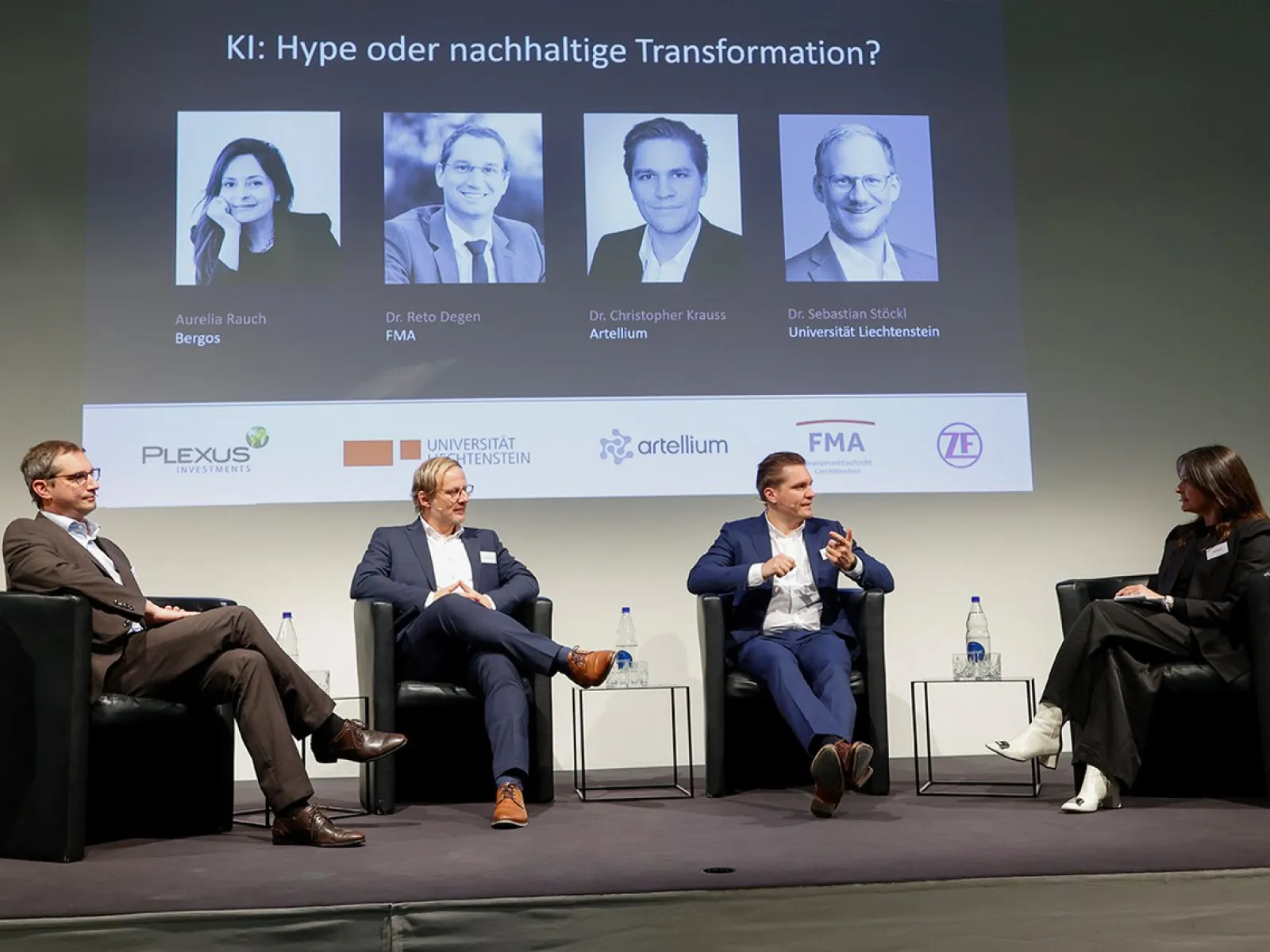
A highlight of the day was the dynamic panel discussion “AI - hype or sustainable transformation”, in which renowned experts such as Dr. Reto Degen, Dr. Christopher Krauss and Ass.-Prof. Dr. Sebastian Stöckl shared their perspectives.


The concluding networking aperitif not only offered participants the opportunity for an informal exchange, but also provided space for further discussions on the fascinating connection between investment and artificial intelligence. Assistant Professor Dr. Sebastian Stöckl from the Liechtenstein Business School was delighted with the outcome: “We are delighted with the positive response to the conference and the great interest in the topic of artificial intelligence, not only in the financial sector. In view of this success, we are pleased to announce that we are already planning next year's conference to continue this exciting format.”


Liechtenstein Banking Law Forum 2024

Liechtenstein Banking Law Forum 2024

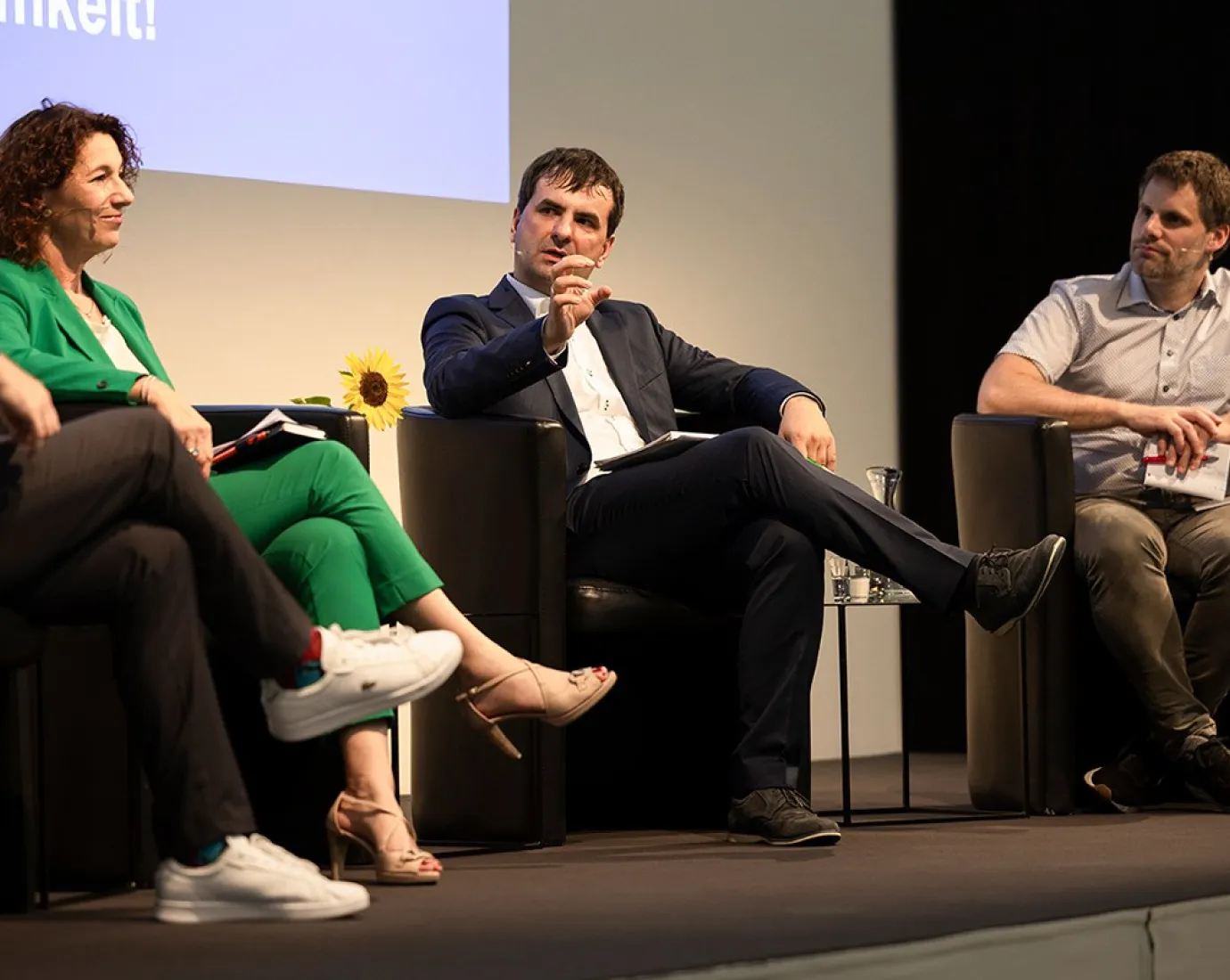
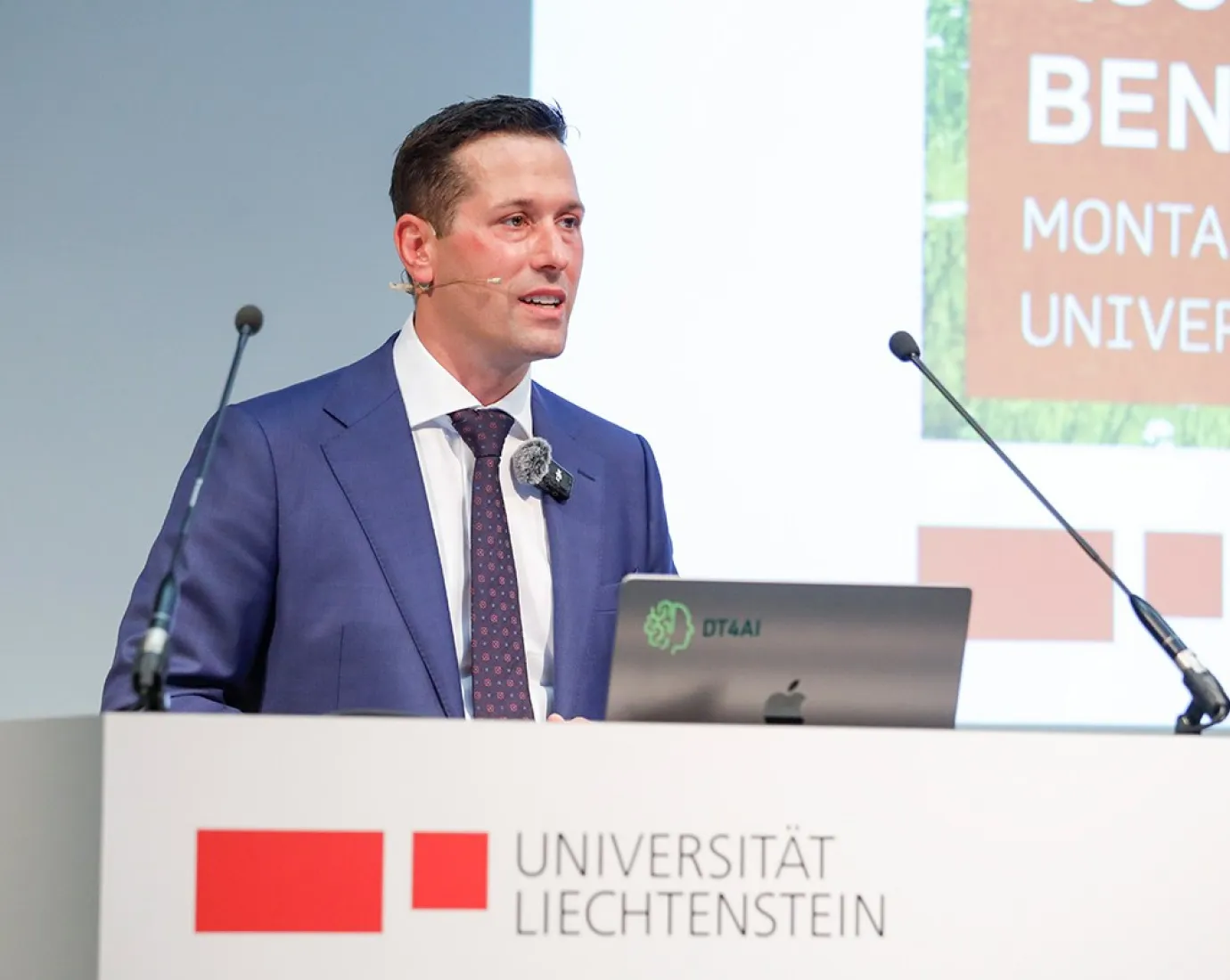
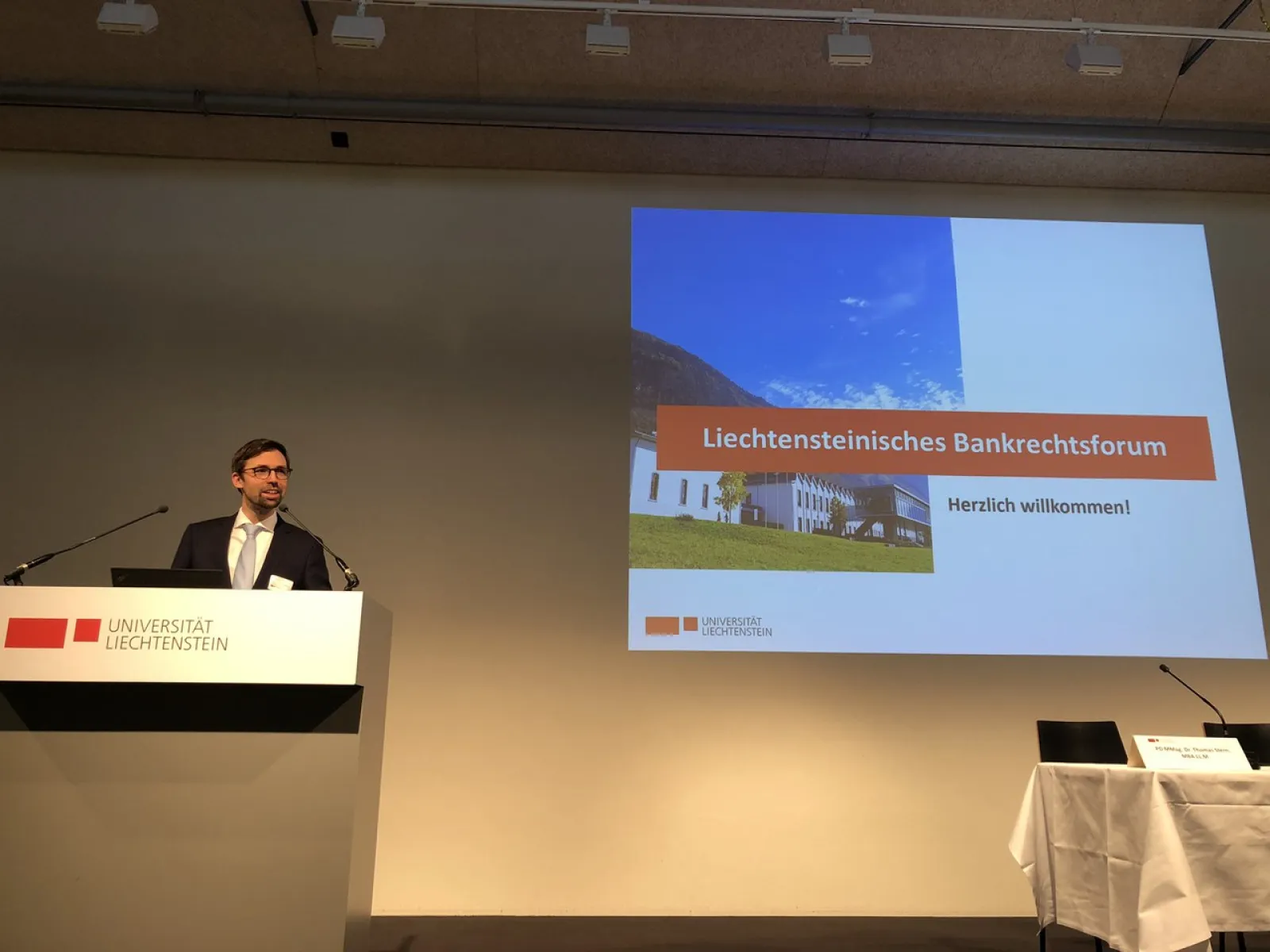
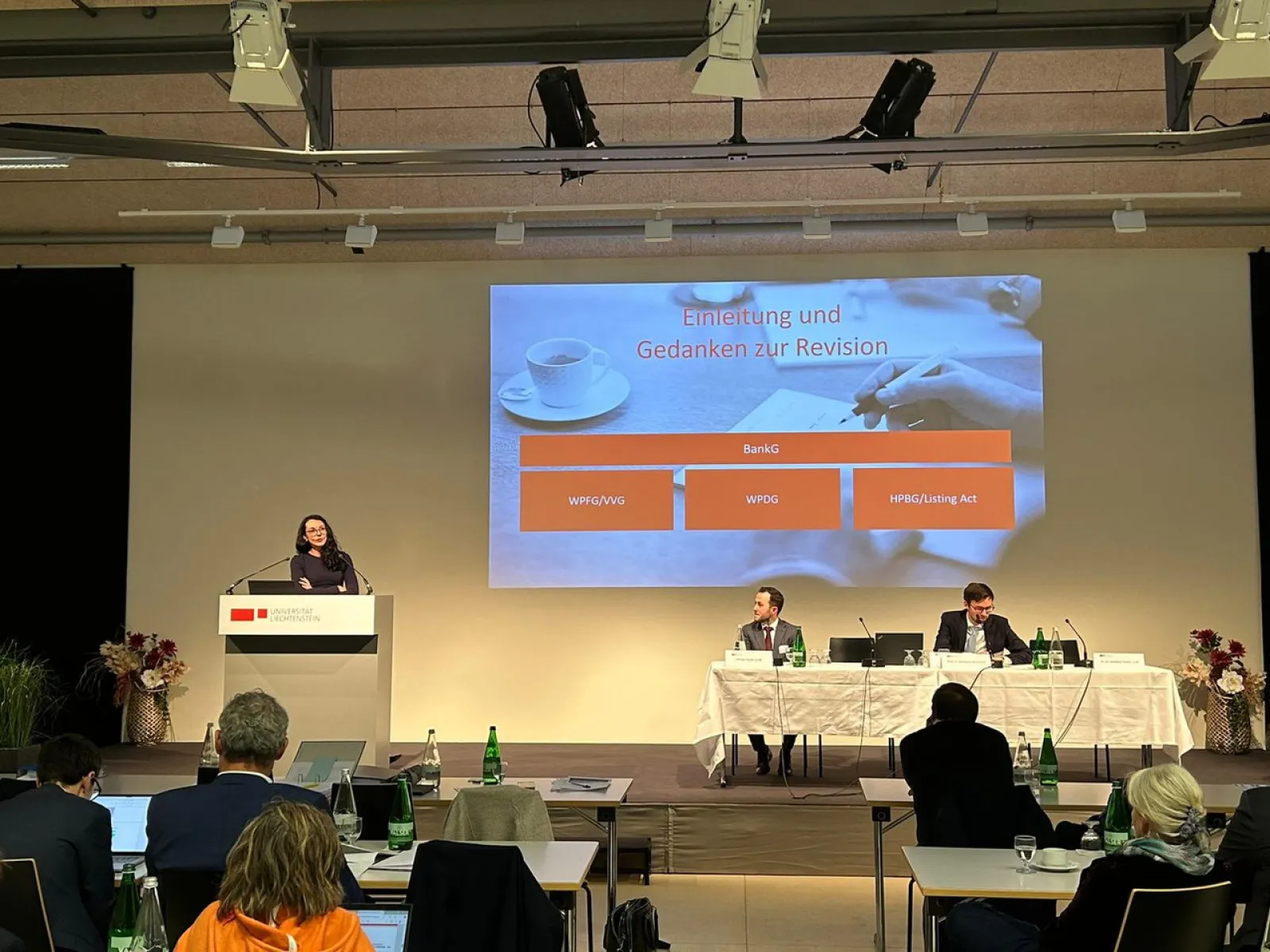
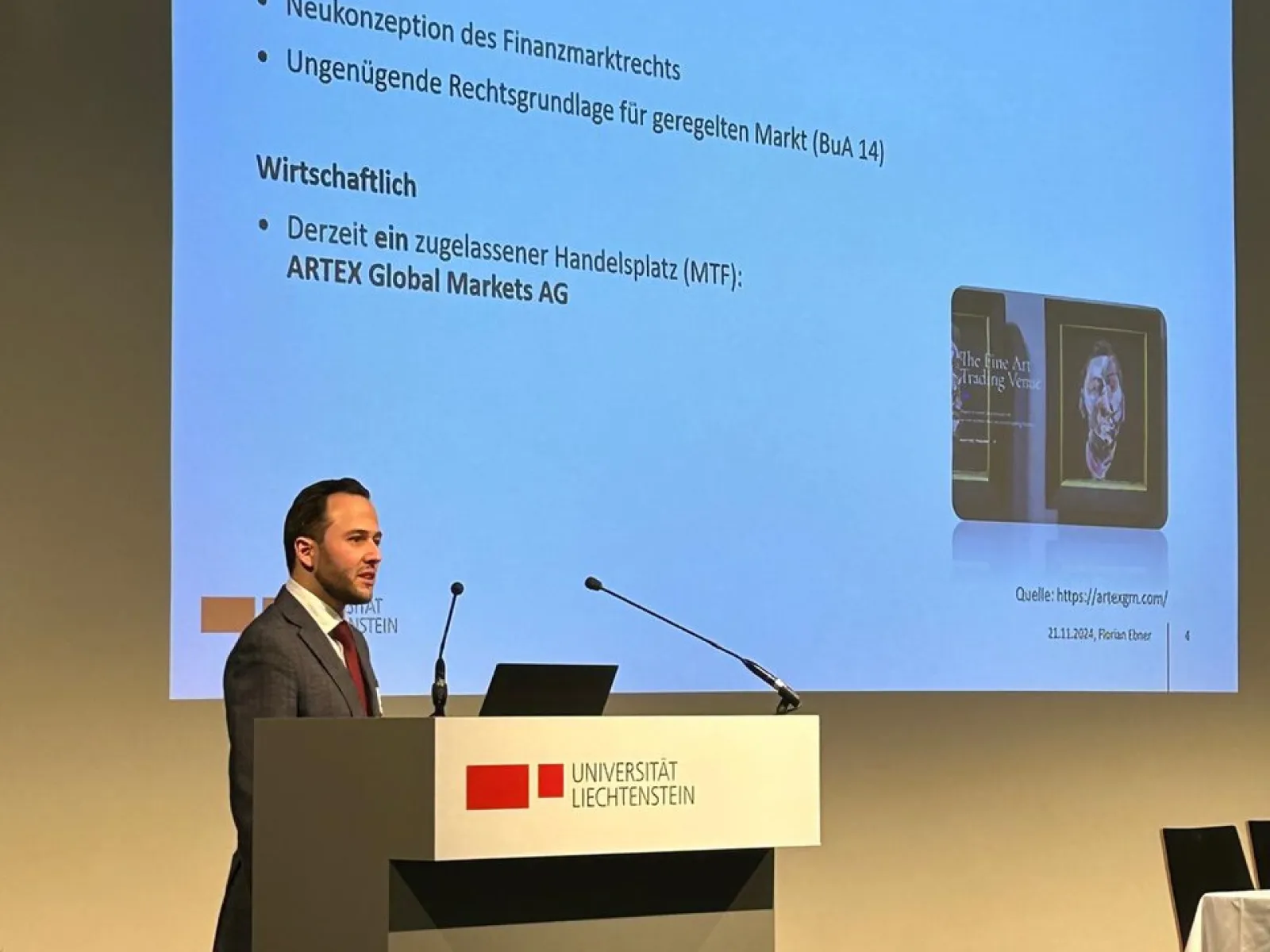
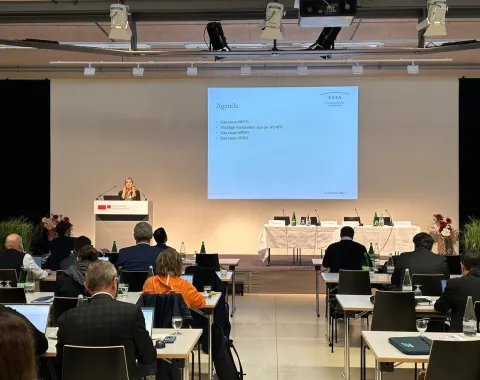
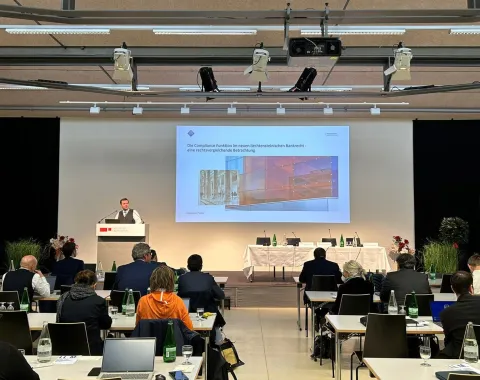
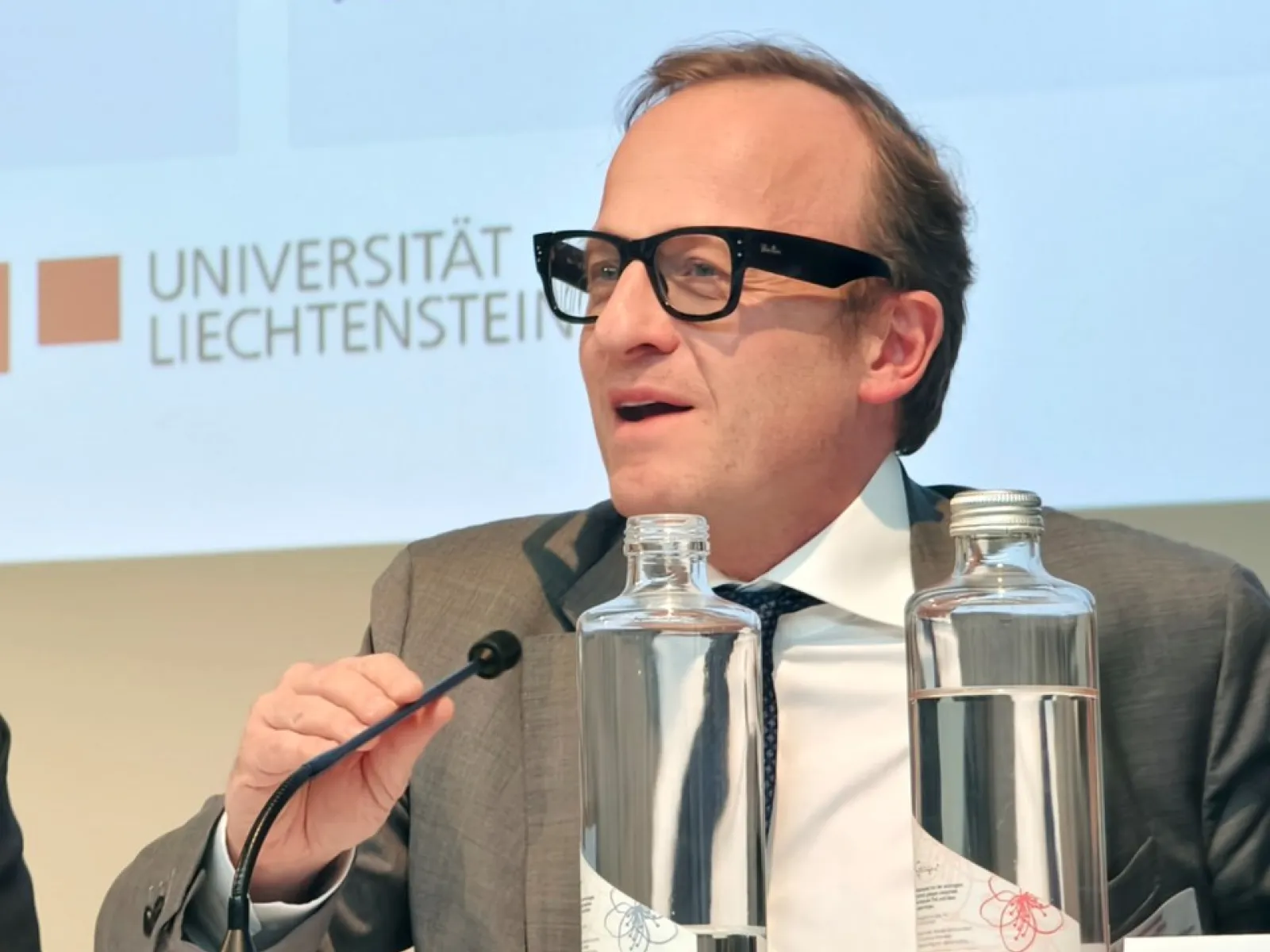
On November 21, 2024, the Chair of Banking and Financial Market Law at the University of Liechtenstein, led by Prof. Dr. Bernhard Burtscher, hosted the "Liechtenstein Banking Law Forum" at the University of Liechtenstein. The conference focused on the upcoming comprehensive reform of Liechtenstein’s financial market law planned for 2025.


The government intends to undertake a sweeping revision of the Liechtenstein legal framework for banking and securities firm supervision in 2025. The goal is to establish a modern, EU-compliant legal framework for financial market participants and to strengthen Liechtenstein’s position as an international financial center.


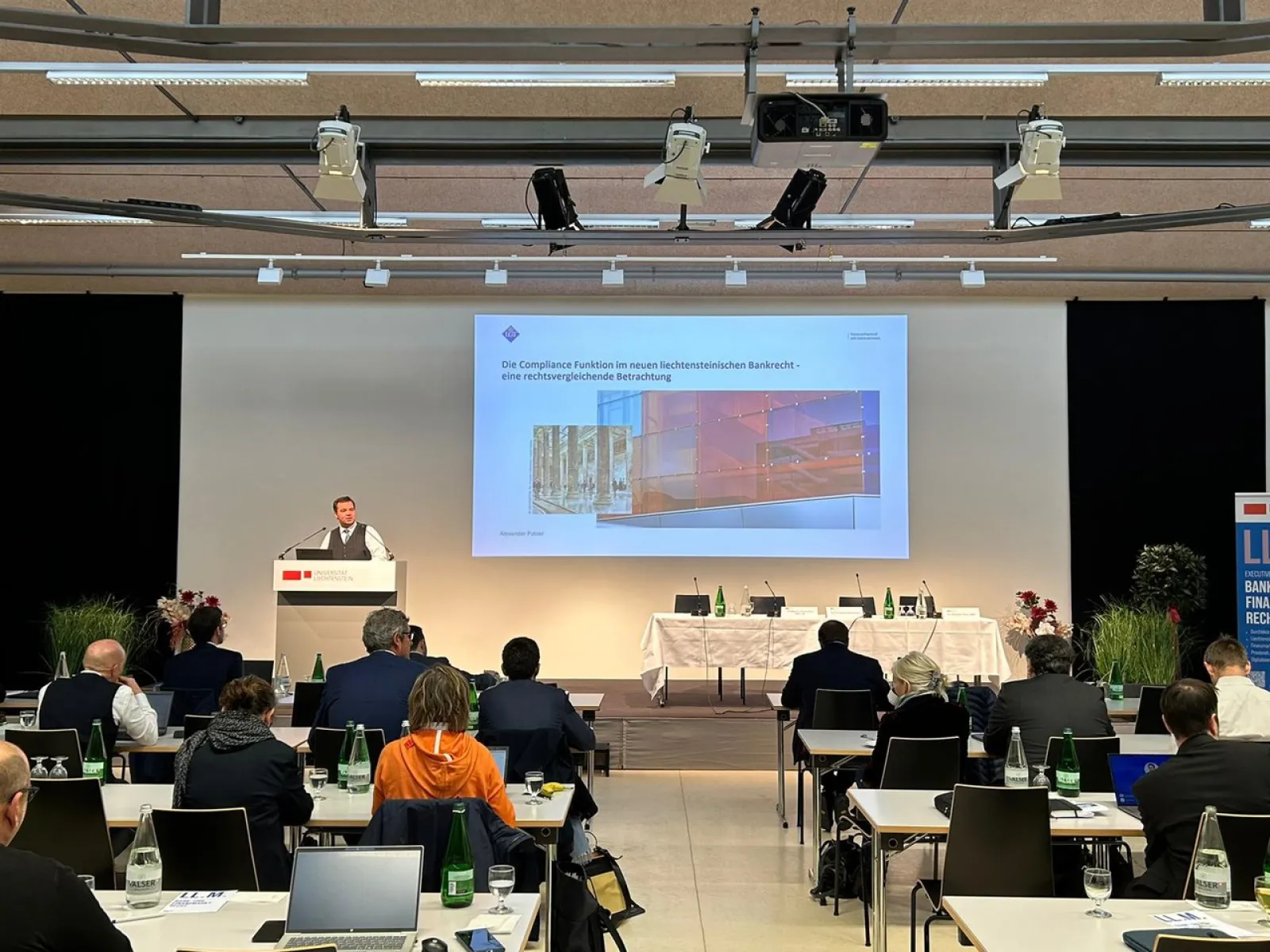
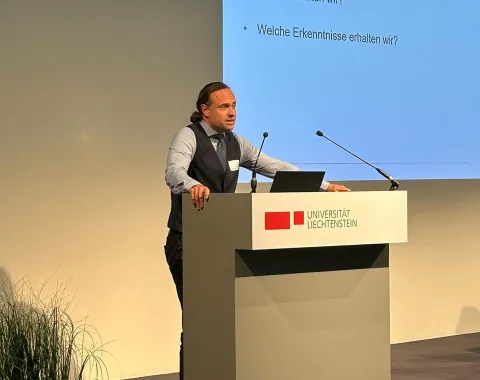
The morning session focused on the core of the reform: the revision of the Liechtenstein Banking Act. Mag. Peter Jedlicka from the Financial Market Authority Liechtenstein (FMA) presented the background and key elements of the reform—especially the decoupling of banking supervision and securities firm supervision. Prof. Dr. Bernhard Burtscher from the University of Liechtenstein then examined selected questions relating to the new Banking Act. Dr. Alexander Putzer from LGT Bank discussed the implications of the reform on banks’ compliance functions. PD Dr. Thomas Stern concluded the morning with a reflection on the reform and an outlook on the future of European banking regulation.


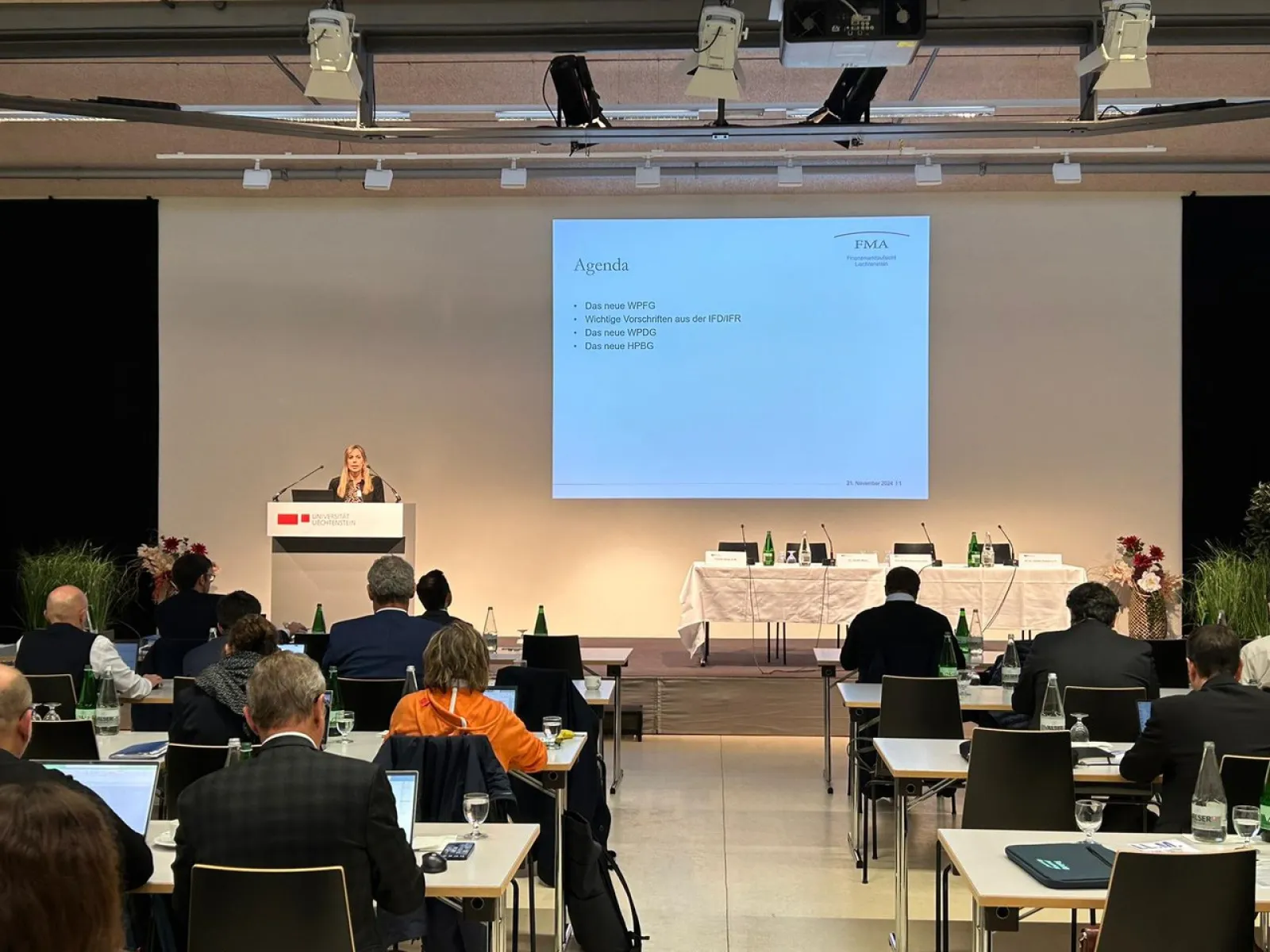
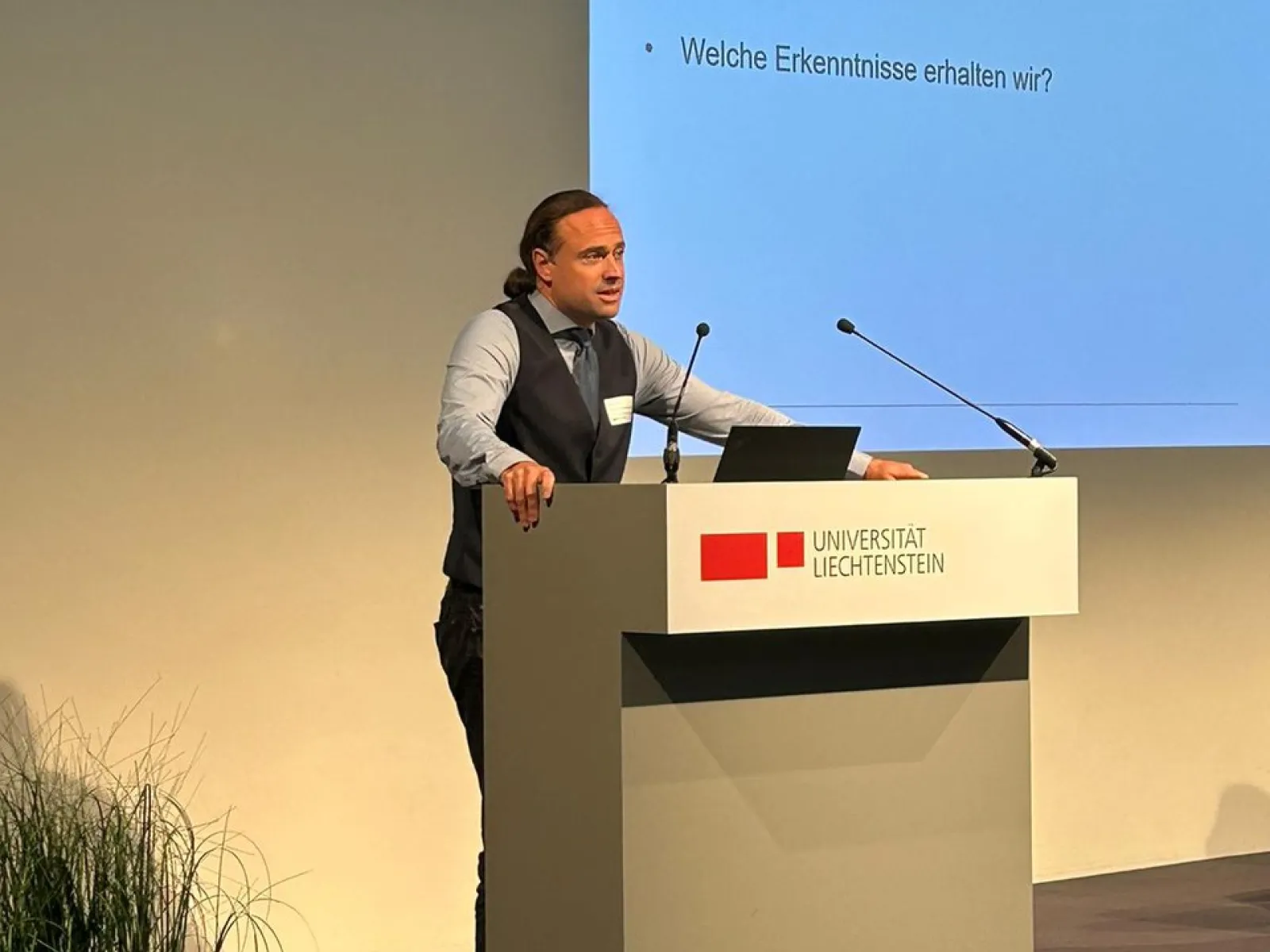
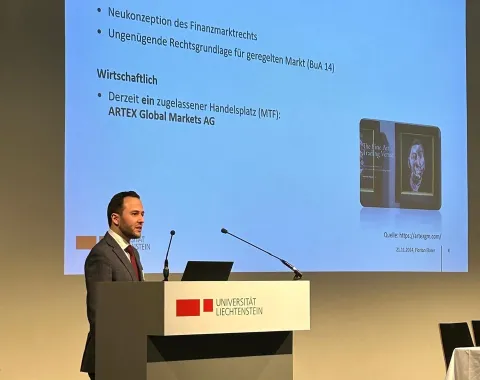
The lunch break and supporting program provided opportunities for networking and exchange, before the afternoon session turned to capital market law. Dr. Claudia Blasy from the FMA presented the new Securities Firms Act (WPFG), the new Securities Services Act (WPDG), and the new Trading Venue and Stock Exchange Act (HPBG). Florian Ebner, LL.M. (WU) from the University of Liechtenstein addressed fundamental legal questions surrounding the Trading Venue and Stock Exchange Act, which, for the first time, establishes a legal basis for operating a stock exchange in Liechtenstein. Finally, Dr. Christina Delia Preiner, LL.M. from Gasser Partner Attorneys-at-Law discussed selected issues of both the old and new capital market laws.


The University of Liechtenstein extends its sincere thanks to all speakers for their contributions and to all participants for attending and engaging in lively discussions. Following the successful launch event, the Liechtenstein Banking Law Forum is expected to become an annual event at the University of Liechtenstein, providing an ongoing platform for discourse on banking law within the Liechtenstein financial market.


We need your consent
To view this YouTube video, you must accept data processing under the category “Third-party marketing”. Further details on data processing can be found here.
Display Cookie Settings

Launch of the LSA Alumni Lecture Series

Launch of the LSA Alumni Lecture Series

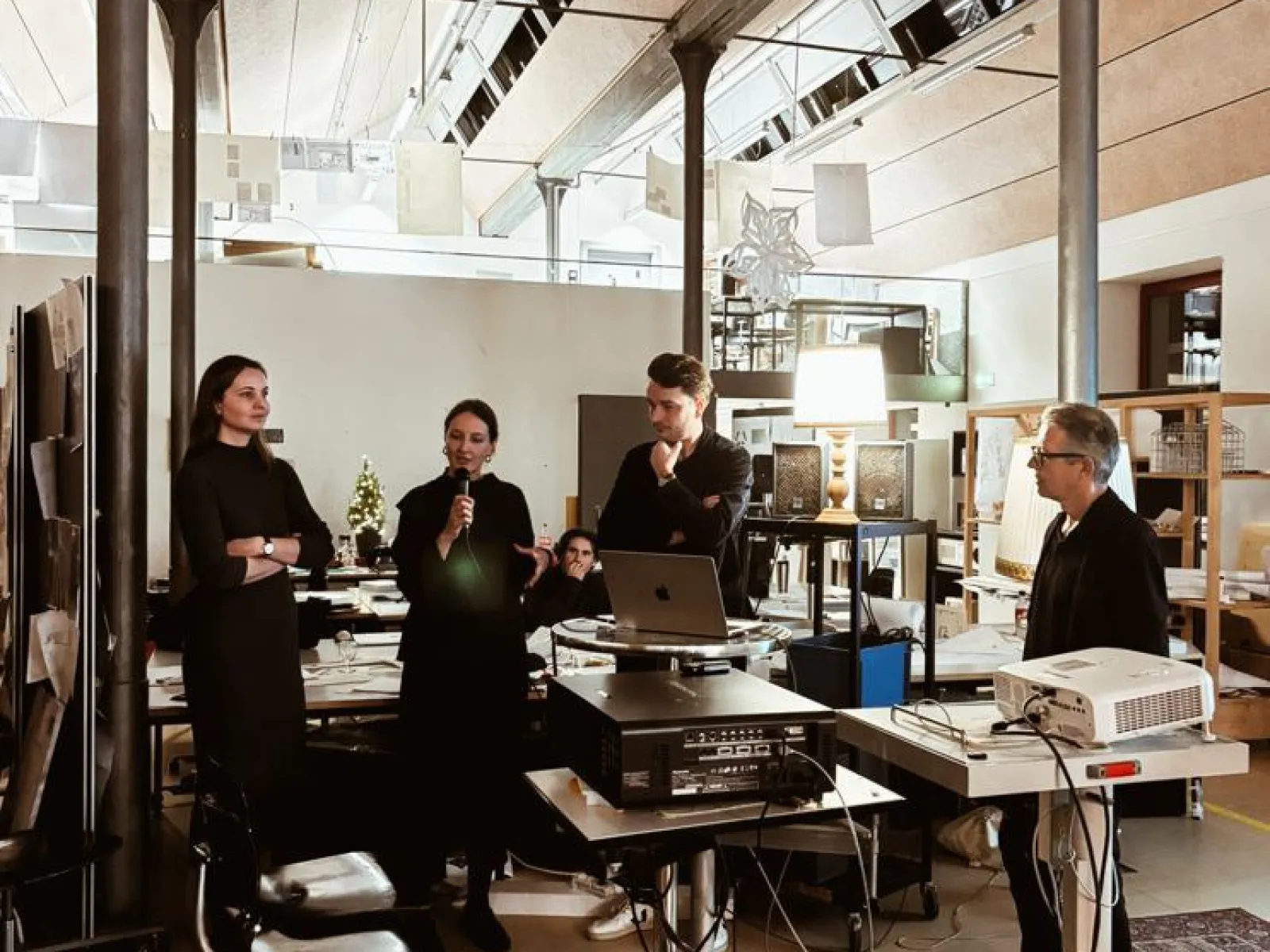
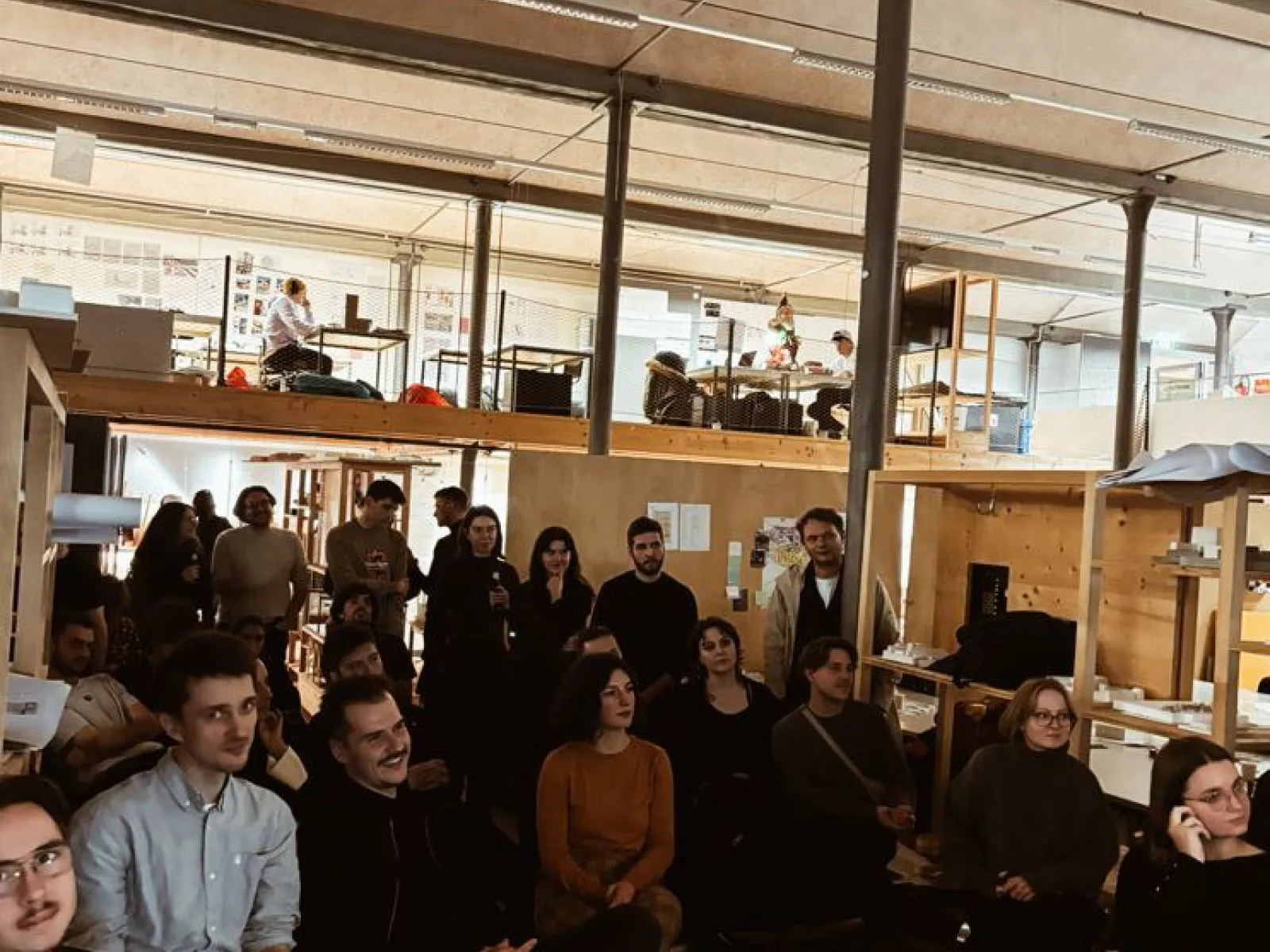
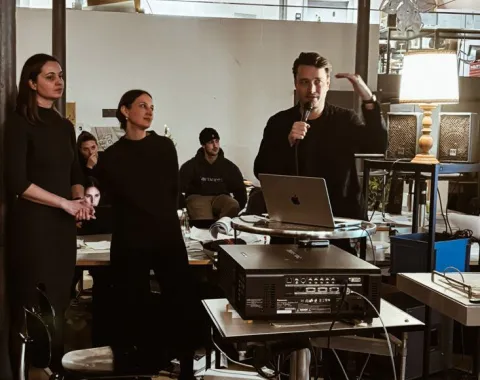
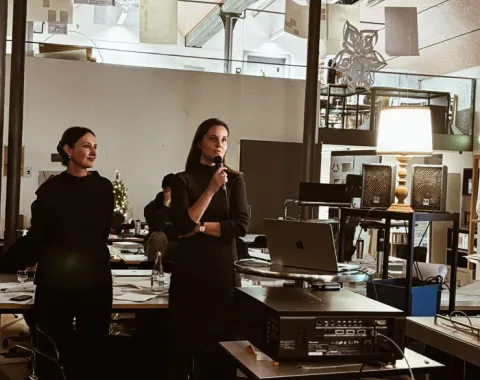
Architecture in Dialogue: A Day with Ondřej Chybík and Our Alumni


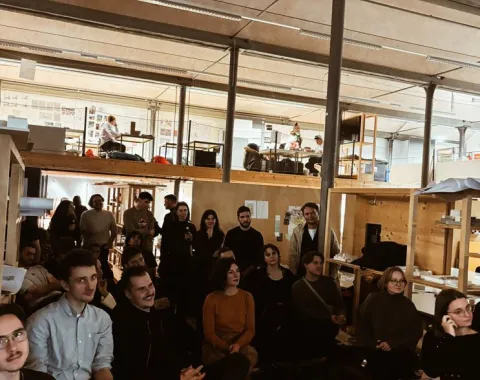
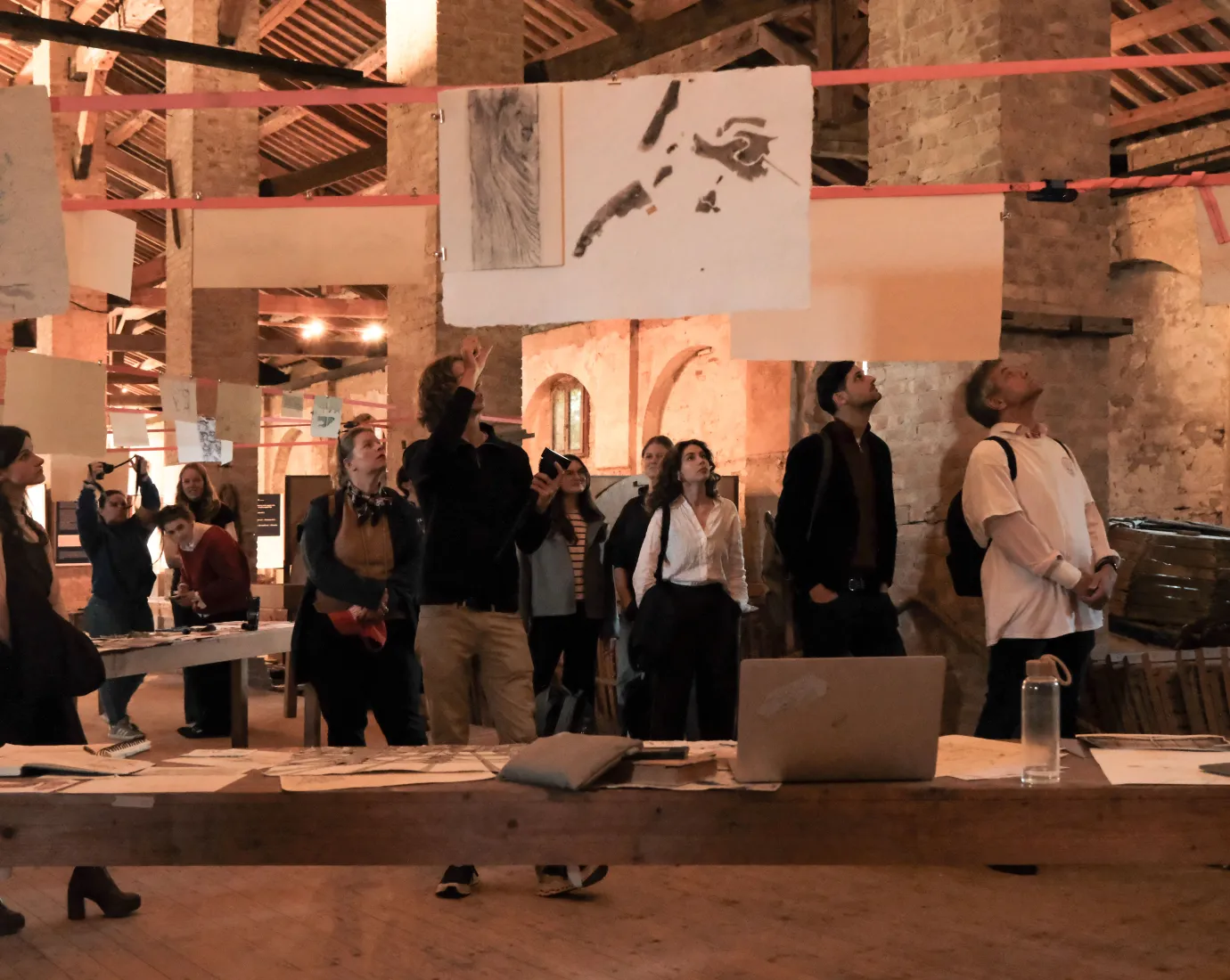
On 28 November 2024, the Liechtenstein School of Architecture experienced a special day filled with inspiring events. The morning began with the Pecha-Kucha presentations by students from the Advanced Studio Craft led by Carmen Rist-Stadelmann and Urs Meister. This brief yet intensive presentation format gave the students the opportunity to showcase their projects and gain valuable insights. Present at this session were Ondřej Chybík, co-founder of the internationally renowned Czech architectural firm Chybik + Kristof Architects, as well as our alumnae Hana Pleskačová and Urszula Sedziak, who now hold senior positions at the firm. In the afternoon, all students had the opportunity to receive individual feedback on their projects from the alumnae.


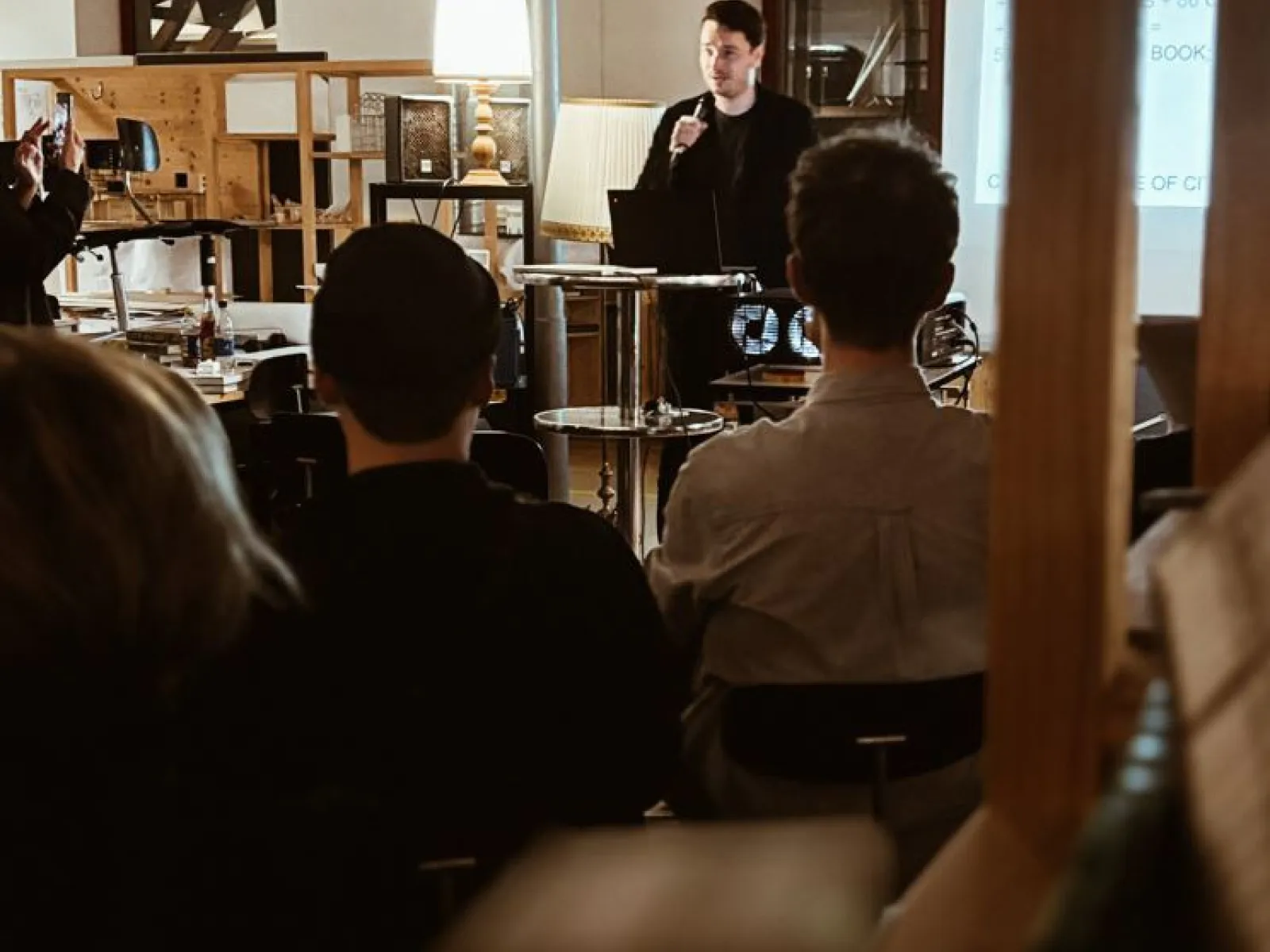
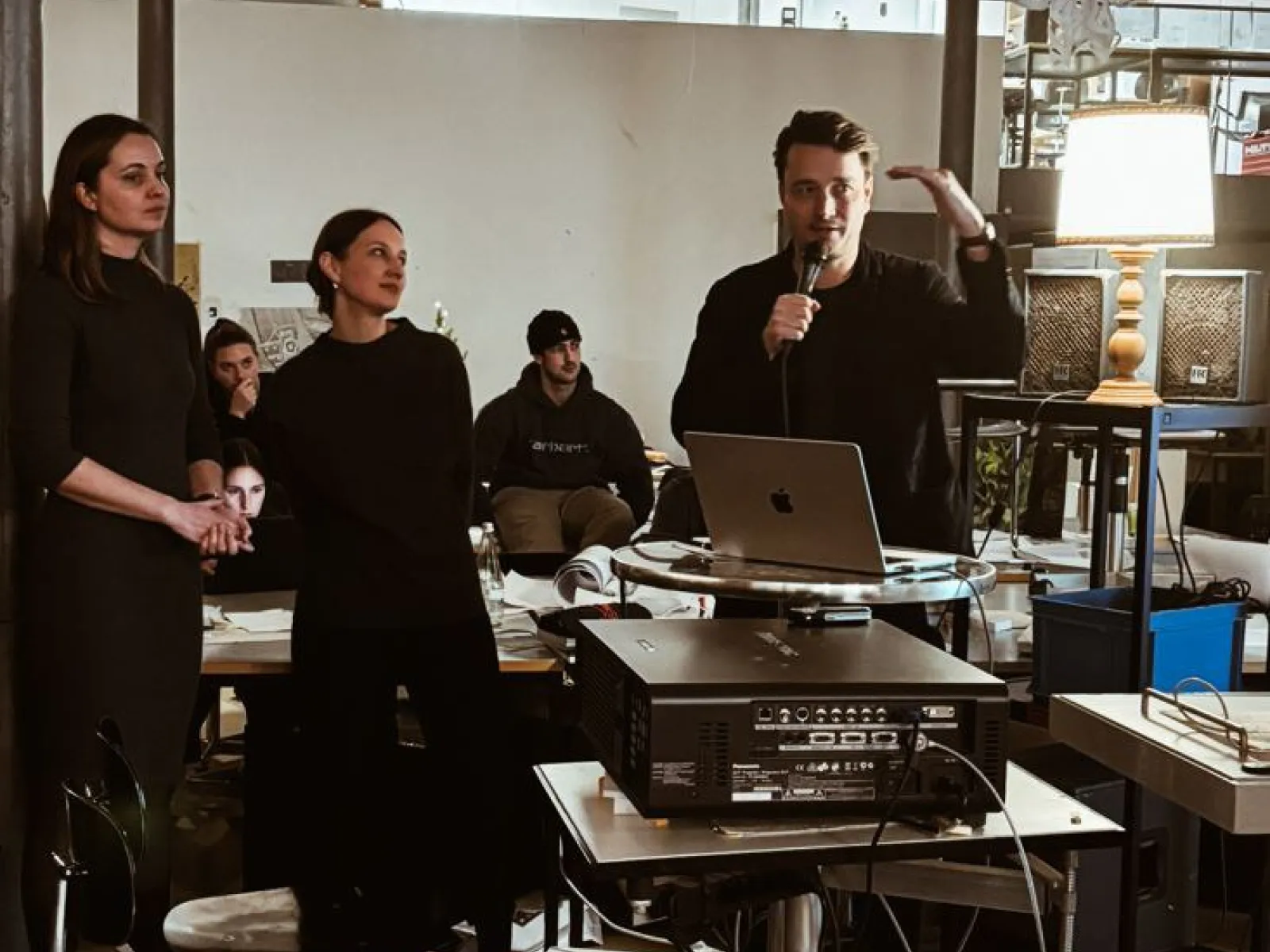
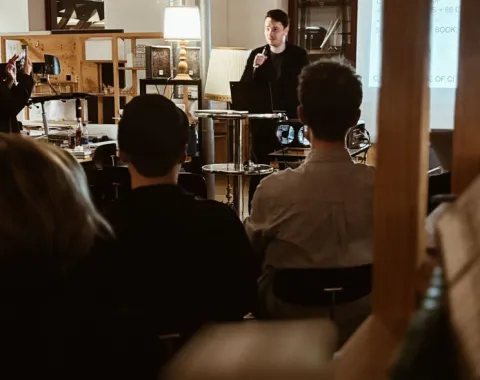
The evening was dedicated to the launch of the new Alumni Lecture Series of the Liechtenstein School of Architecture. Ondřej Chybík delivered an inspiring lecture titled “Creative Reuse of Cities”. With passion, he demonstrated how architecture can be a transformative force, spoke about the creative process in his office, sustainability, and the role of architects in a globalised world. His personal motto – “I'm never satisfied, but always happy” – reflected his philosophy of always striving for innovation while finding joy in the creative process.


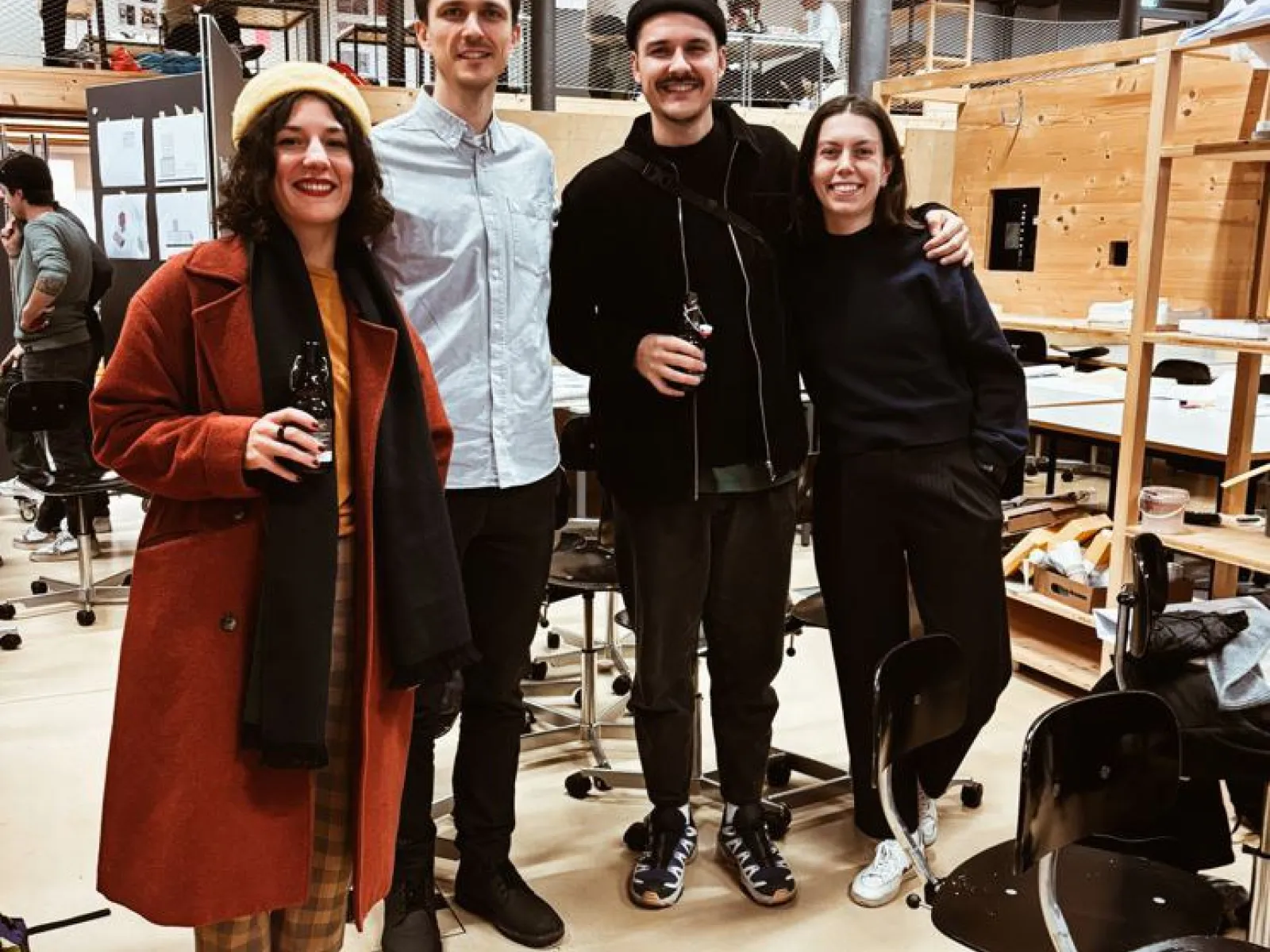
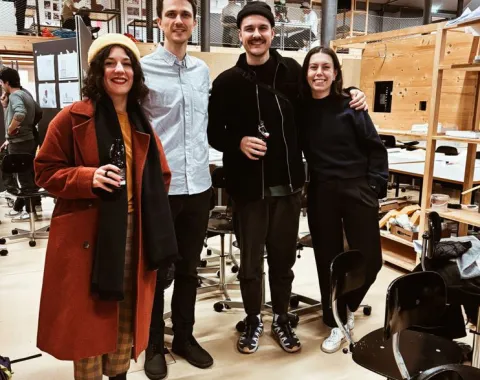
The evening was especially meaningful for our alumni community: Urszula Sedziak and Hana Pleskačová, graduates of the Master's programme in Architecture at the University of Liechtenstein, now hold senior roles at Chybik + Kristof Architects. Their successful careers vividly illustrate the strong connections between the University of Liechtenstein and the global architecture scene.


The evening concluded at the student-run bar hosted by the students of the Advanced Studio Sustainable Design, creating a warm and inviting atmosphere.


The event was supported by uni.li Alumni Relations as well as the International Office and marks the beginning of a planned series of alumni lectures that will feature exciting personalities and topics from the fields of architecture and design.


We extend our thanks to Ondřej Chybík, Urszula Sedziak, and Hana Pleskačová for an unforgettable day and look forward to continuing the Alumni Lecture Series in the coming months!


Fifth Edition of the Research Magazine 160 Squared Published

Fifth Edition of the Research Magazine 160 Squared Published

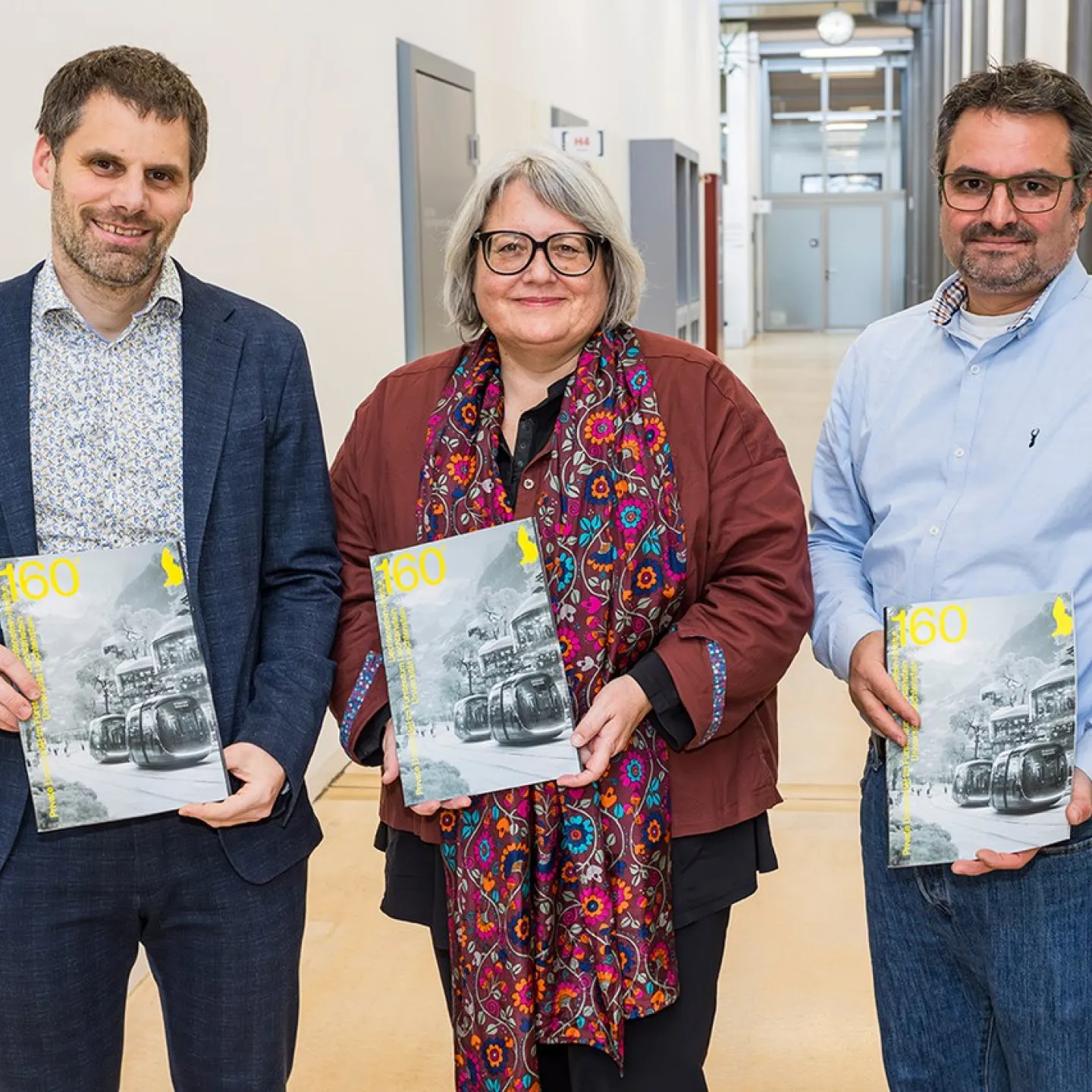
Drei Personen stehen in einem Flur und halten das Forschungsmagazin "160²" in den Händen. Das Magazin behandelt das Thema Künstliche Intelligenz.

The three institutions of higher education in Liechtenstein – the Liechtenstein Institute, the Private University in the Principality of Liechtenstein (UFL), and the University of Liechtenstein – have published the fifth joint edition of their research magazine 160², showcasing the diversity of their research and academic activities.


This current edition focuses on Artificial Intelligence (AI), a technology that is increasingly shaping many aspects of our lives. AI is one of the most exciting yet controversial topics of our time. This dual nature is reflected in this year’s issue, which features articles on the use of AI in medicine, law, economics, and architecture. The contributions explore not only the opportunities but also the challenges associated with AI – for instance, its regulation.


Most articles are closely linked to the ongoing research conducted at the three institutions. They highlight the significant relevance of academic research to Liechtenstein’s economy and society, while also demonstrating the innovative spirit and strong international ties of the country's academic landscape. The featured projects span a wide range of disciplines, from medical research to economics and architecture, and from political science and history to law. The breadth of topics is remarkable – and clearly presented in the magazine, which is distributed to every household in Liechtenstein.


“The magazine offers an accessible overview of the important scientific work we carry out daily and with great enthusiasm. Liechtenstein can be proud of its researchers: the quality of our work meets international standards,” said Prof. Dr. Thomas Meier, Director of the Liechtenstein Institute.


Dr. Barbara Gant, Rector of the Private University in the Principality of Liechtenstein, added: “This year’s research magazine bridges the gap between global research and local needs. It is a vivid testimony to how science in Liechtenstein not only seeks answers to urgent contemporary questions, but also offers concrete impulses for the country and its society.”


Dr. Christian Frommelt, Rector of the University of Liechtenstein, emphasized: “The magazine strengthens the collaboration between the participating institutions and their staff, while raising the profile of Liechtenstein as a location for science and research both nationally and internationally. Most importantly, the fifth edition once again offers many exciting and informative articles – making it an engaging and enlightening read for a broad audience.”


Drei Personen stehen in einem Flur und halten das Forschungsmagazin "160²" in den Händen. Das Magazin behandelt das Thema Künstliche Intelligenz.

16th Liechtenstein Foundation Law Day Focuses on "Corporate Foundations"

16th Liechtenstein Foundation Law Day Focuses on "Corporate Foundations"

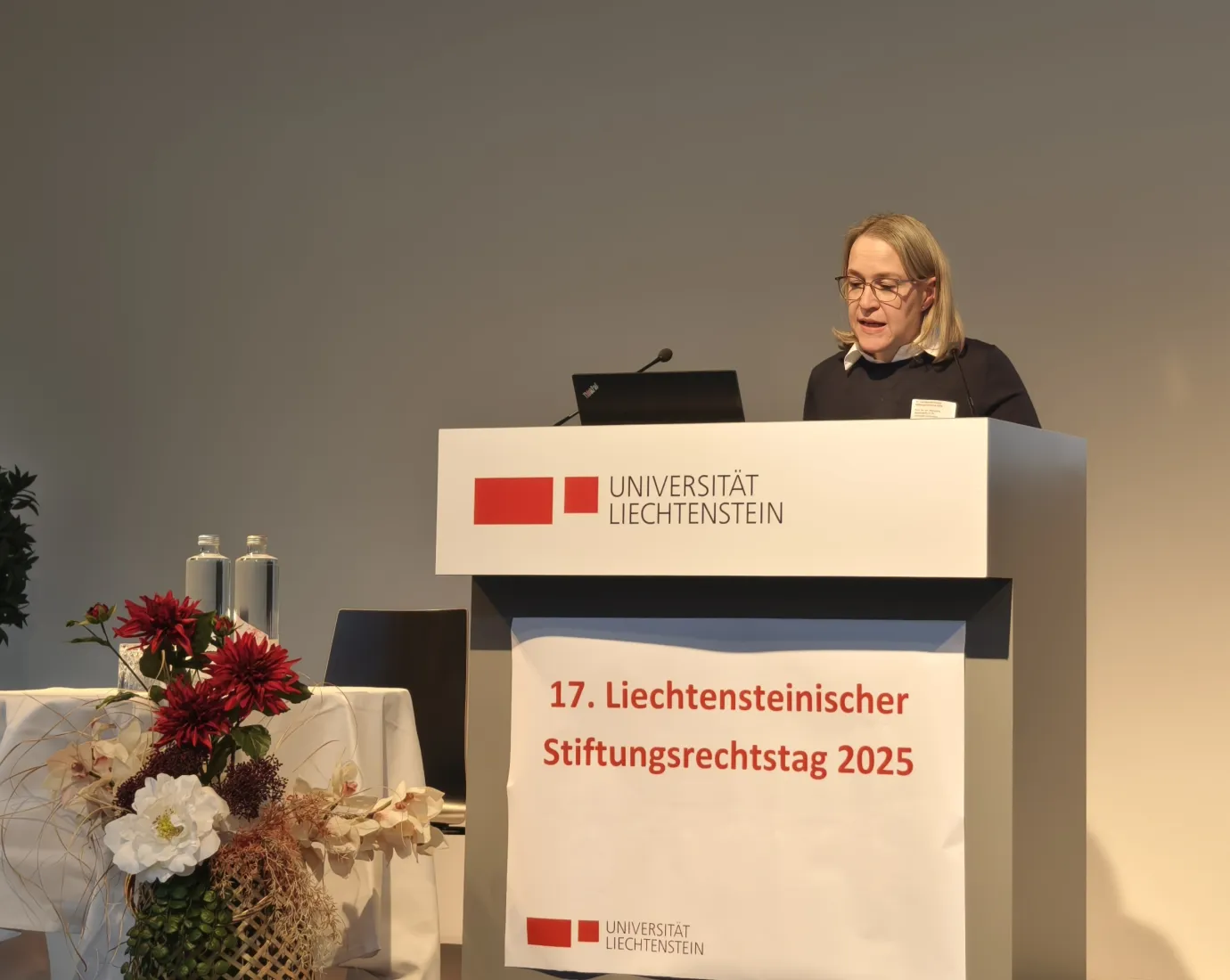
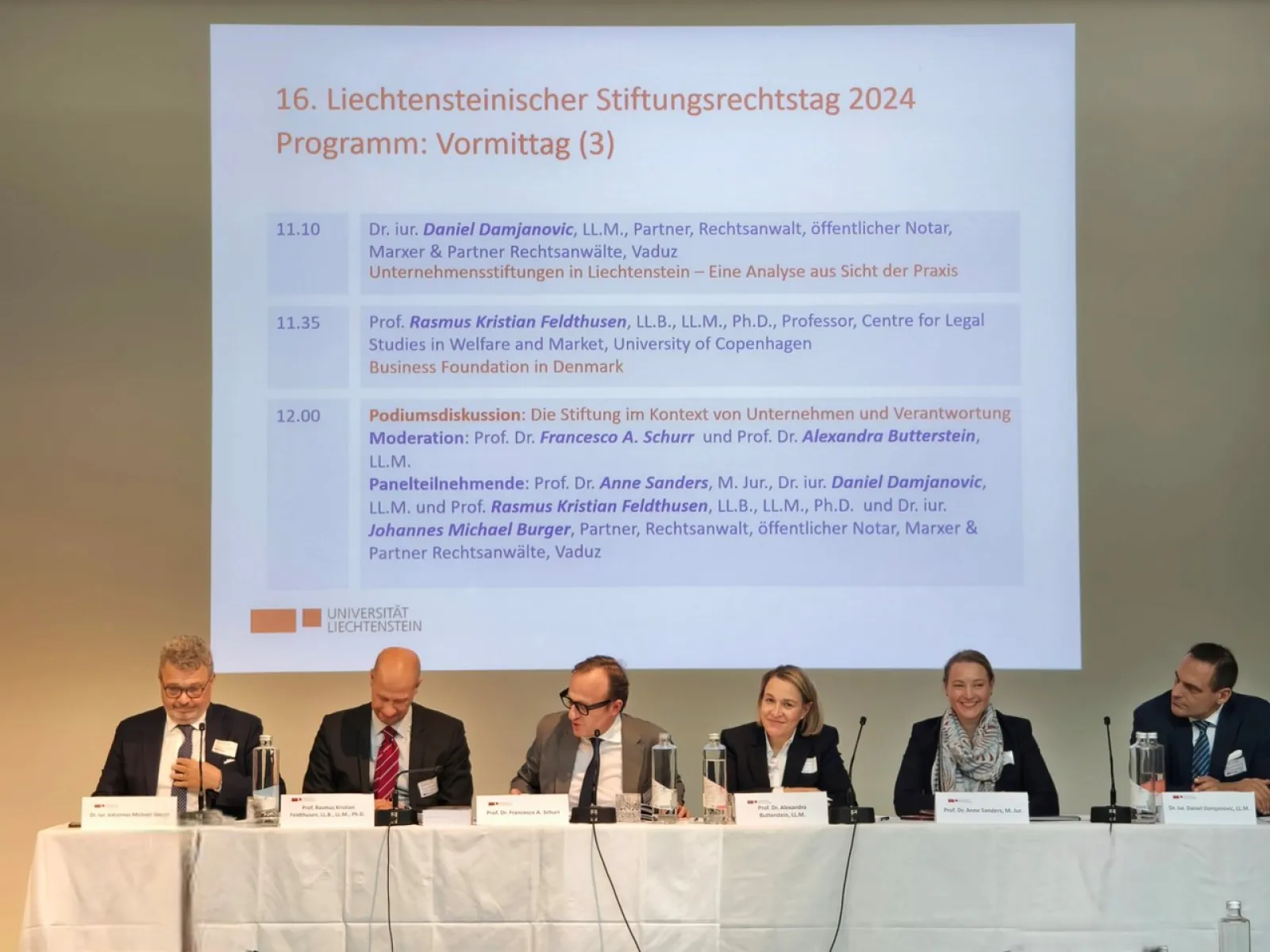
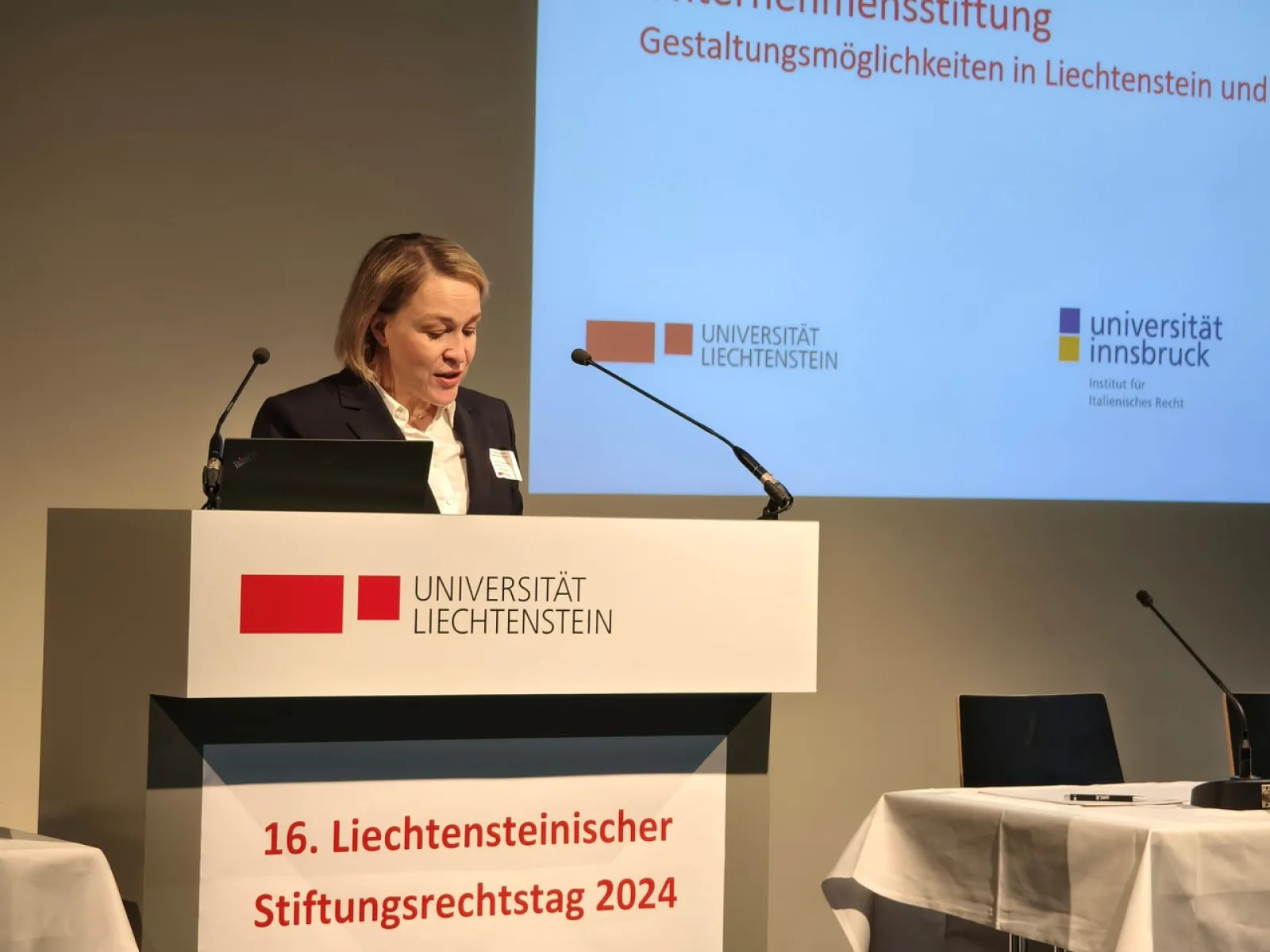
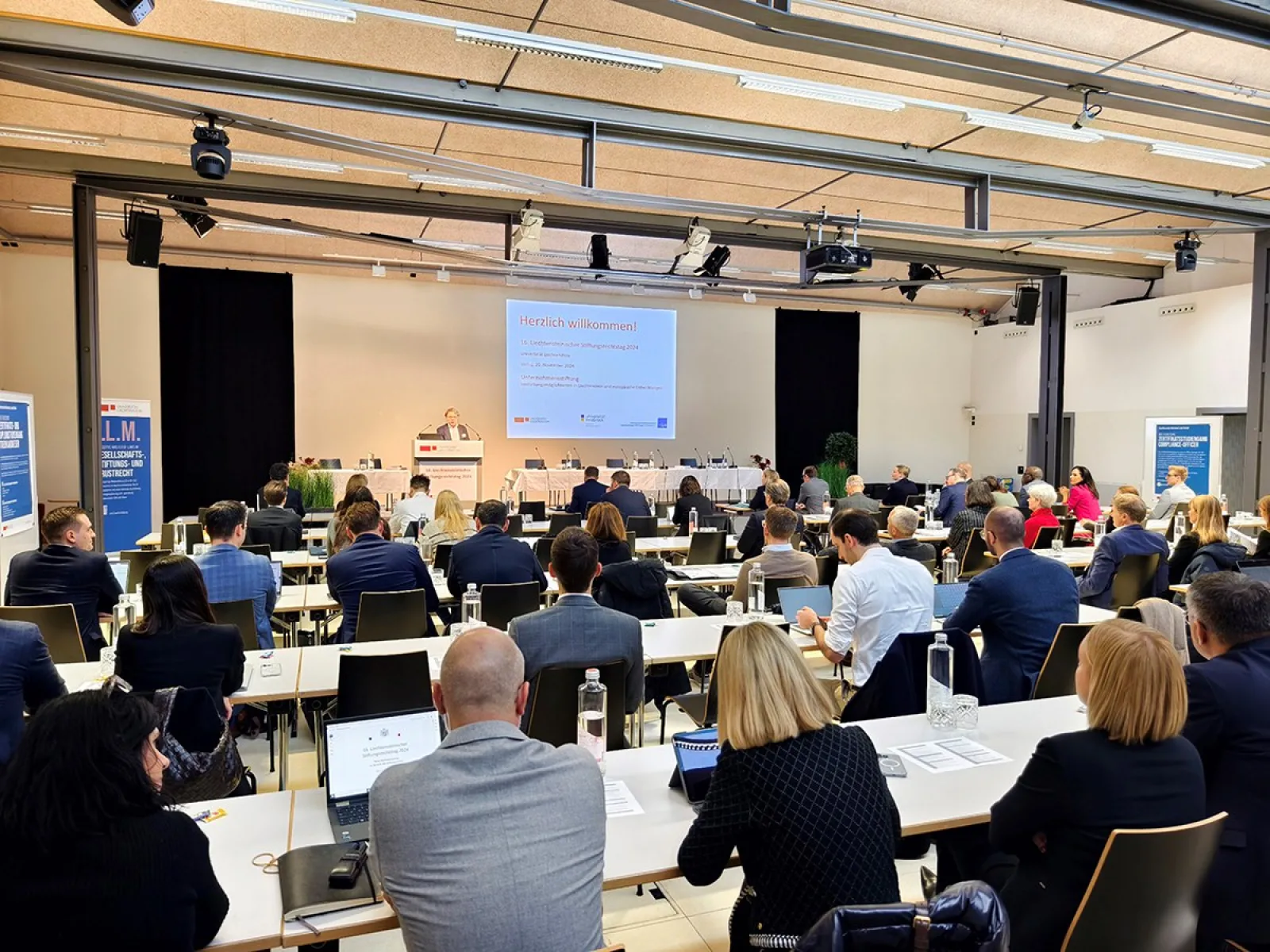
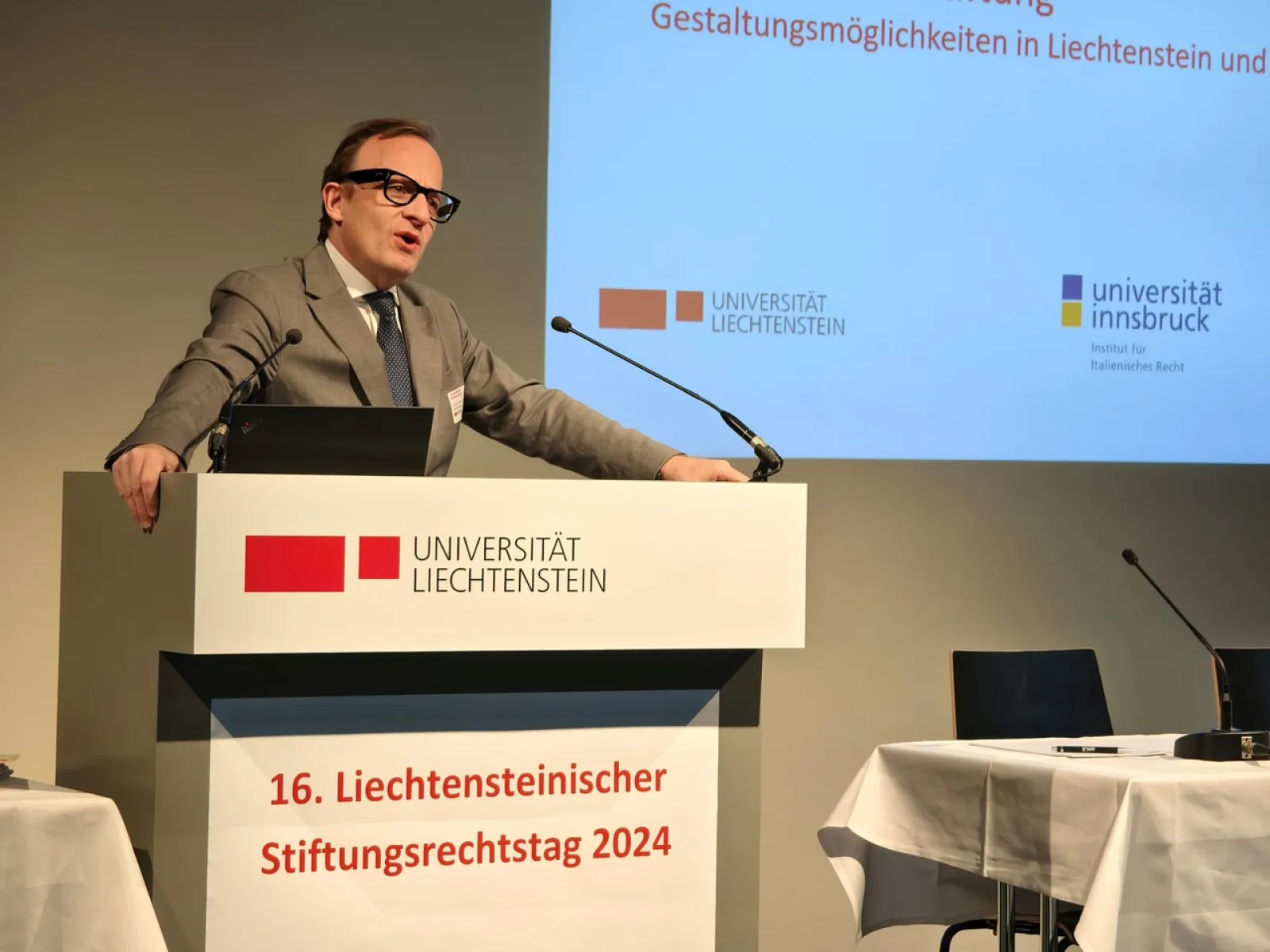
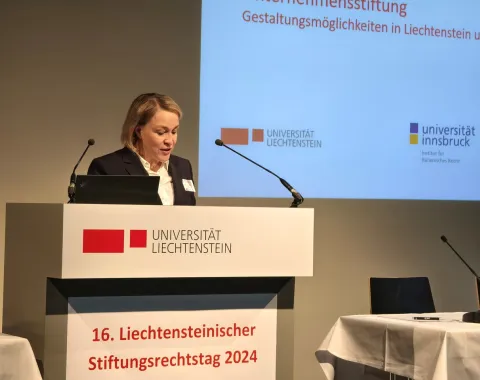
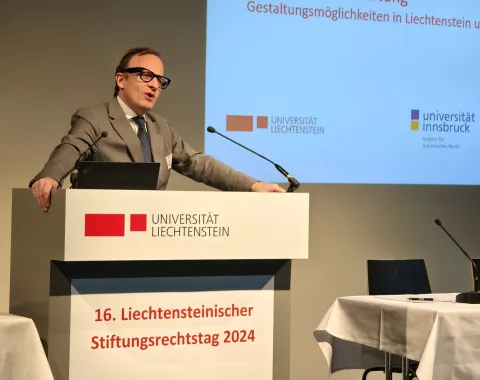
On November 20, 2024, the Chair of Corporate, Foundation, and Trust Law at the University of Liechtenstein hosted the 16th Liechtenstein Foundation Law Day in the university auditorium. Renowned experts from both Liechtenstein and abroad explored various aspects and new developments surrounding the highly relevant topic of “corporate foundations.”


Prof. Dr. Dr. h.c. Helmut Heiss, LL.M., from the University of Zurich, emphasized the significance of the Foundation Law Day in his welcome remarks, noting that the event has become a staple in the calendar of foundation law professionals. In their opening remarks, Prof. Dr. Alexandra Butterstein, LL.M., and Prof. Dr. Francesco Schurr highlighted the value of active dialogue among foundation stakeholders in order to meet new and complex challenges—particularly in cross-border contexts—and to develop innovative solutions.


As per tradition, the day began with a review of recent jurisprudence. Mag. Martina Schöpf-Herberstein provided detailed commentary on selected legal rulings. This was followed by Dr. Albert Kaufmann addressing current issues from the Foundation Supervisory Authority’s perspective. It became clear that the positive trend in charitable foundations in Liechtenstein continues. The day also included discussions on the planned reform of trust law and proposed adjustments to foundation law, as well as an update on recent supervisory decisions.


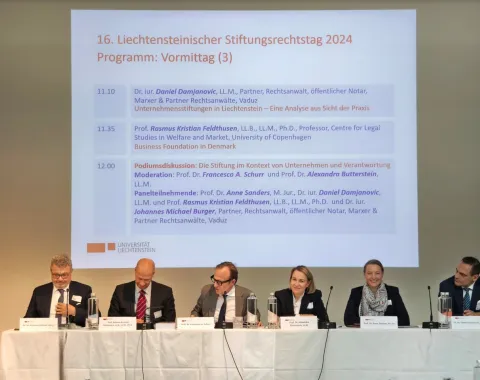
Prof. Dr. Anne Sanders offered an in-depth overview of the fundamental significance and economic impact of corporate foundations in Germany, particularly focusing on the various ways in which foundations can be connected to business structures. Dr. Daniel Damjanovic, LL.M., presented on the practical aspects of Liechtenstein corporate foundations, using the IKEA Group as a case study to demonstrate how Liechtenstein foundations can preserve business continuity and align with a founder’s values and goals. Prof. Rasmus Feldhusen, LL.M., Ph.D., then examined the Danish business foundation model, showing its broad applicability due to its flexible legal framework. A panel discussion followed, diving deeper into practical legal questions and comparing international foundation laws, emphasizing both legislative and practical designs of corporate foundations.


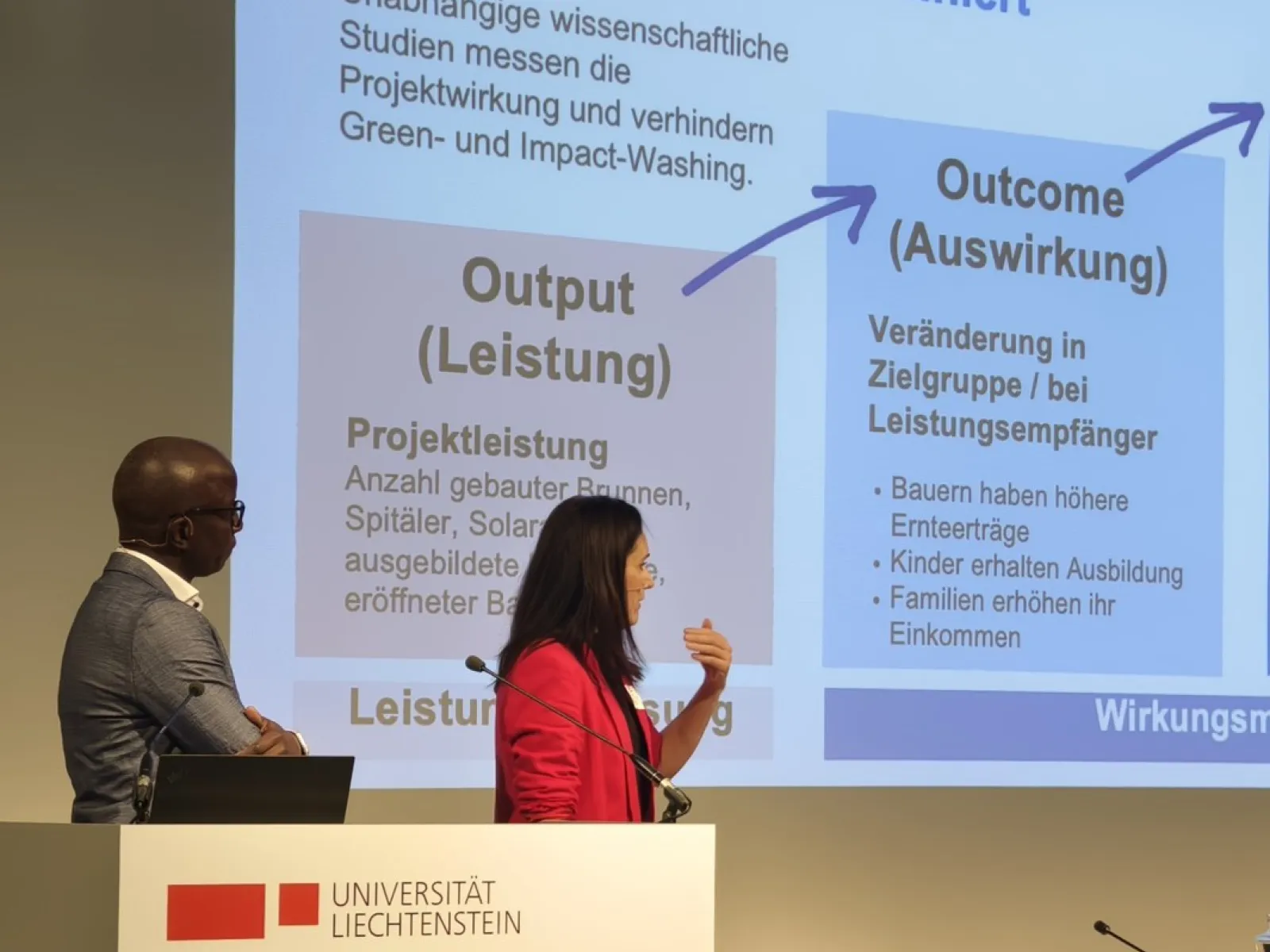
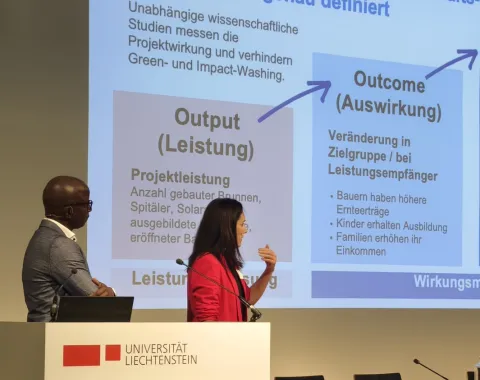
After the networking lunch, the traditional philanthropy segment of the day took place in cooperation with the Association of Liechtenstein Charitable Foundations and Trusts (VLGST), opened with welcome remarks by Dr. Thomas Zwiefelhofer. Etienne Eichenberger addressed the topic of intergenerational philanthropy, presenting challenges, models, and practical insights. Dr. Cheikh Gueye and Mag. Alice Nägele jointly presented on impact investing for charitable organizations, outlining related risks and opportunities. Notably, the clarification issued by the Liechtenstein Tax Administration on the legal treatment of impact investing was welcomed, as it increases legal certainty and expands options for charitable foundations in Liechtenstein.


In the final segment on opportunities and challenges in the context of corporate foundations, Prof. Dr. Alexandra Butterstein, LL.M., discussed the foundation as a succession planning tool for (family) businesses. She explored multi-dimensional governance and outlined approaches for avoiding family and corporate conflicts through effective governance design. It was demonstrated that foundations, by depersonalizing the enterprise, can offer a flexible and sustainable succession solution. Dr. Bernhard Motal, LL.M., then focused on practical challenges related to corporate foundations, particularly foundation disputes and shareholder rights, emphasizing conflict resolution strategies. Finally, Prof. Dr. Francesco Schurr examined the application of CSR standards to corporate foundations and their impact on foundation governance from a comparative legal perspective. The increasing expectations from European regulators regarding social and environmental responsibility are beginning to influence Liechtenstein’s foundation structures as well.


The event concluded with an open Q&A session and a networking apéro. Overall, the day illustrated how national and international developments are reshaping the foundation landscape while simultaneously opening new opportunities. It also reaffirmed Liechtenstein’s strong and competitive position internationally—both for charitable and private-benefit foundations as well as corporate foundations.

 

We need your consent
To view this YouTube video, you must accept data processing under the category “Third-party marketing”. Further details on data processing can be found here.
Display Cookie Settings

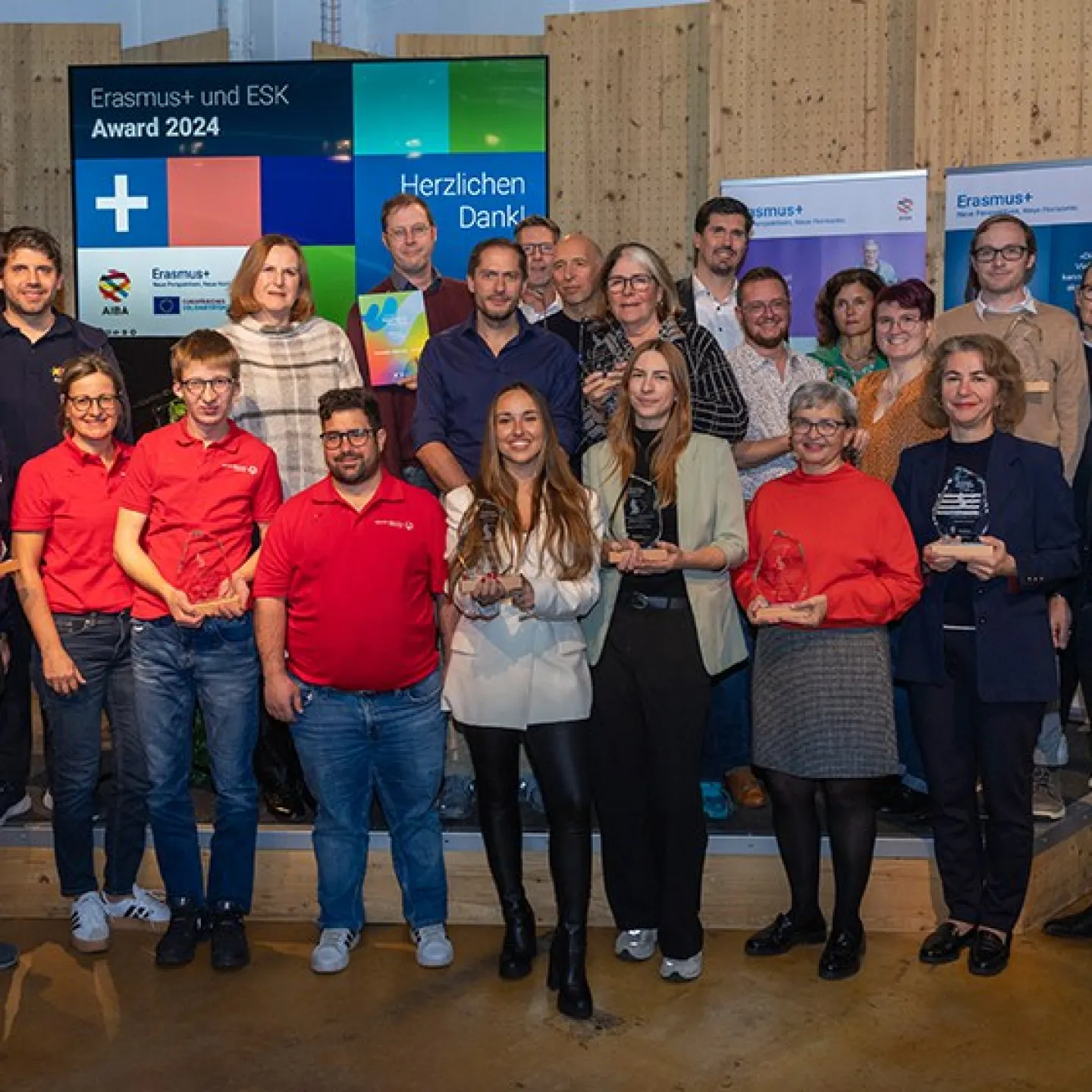
Two Erasmus+ Awards for the University of Liechtenstein

Two Erasmus+ Awards for the University of Liechtenstein

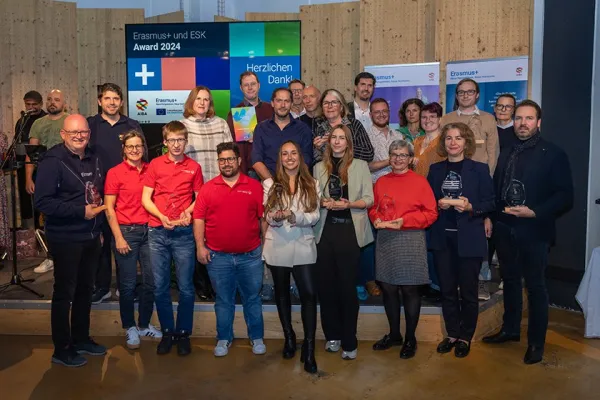
Eine Gruppe von Menschen steht auf einer Bühne und hält Trophäen. Im Hintergrund sind Banner mit Erasmus+ Logos und ein Bildschirm mit der Aufschrift "Erasmus+ und ESK Award 2024" zu sehen. Die Personen lächeln und posieren für ein Gruppenfoto.

For the third time, the Erasmus+ and ESC Awards were presented by AIBA, the Agency for International Educational Affairs. In the category of higher education, the University of Liechtenstein received two awards.
 

AIBA recognized outstanding achievements in a total of 11 projects carried out under the two European programs Erasmus+ and ESC in Liechtenstein. Among the awardees from the University were a project team from the Liechtenstein Business School and the University’s International Office.


Erasmus+ Award for a Project on Hybrid Learning Formats


The project “Virtual and Hybrid Learning Environments,” conducted within the Bank Frick Innovative Finance Lab, received the Erasmus+ Award in the category “Projects in Higher Education.” The team led by project manager Martin Angerer developed and extensively tested hybrid teaching approaches and produced concept studies, guidelines, ideas, and recommendations that are publicly available. This facilitates the introduction of suitable hybrid models at other universities across Europe.


Martin Angerer commented on the award and the impact of the project:
“We are pleased that we were able to make a valuable contribution in the area of education and youth for the country of Liechtenstein – and beyond its borders.”
The project’s outcomes – including guidelines, didactic and technical suggestions for effective implementation of hybrid teaching, and checklists – aim to simplify and encourage the adoption of hybrid teaching models. Interested educational institutions can permanently access these documents via the Erasmus+ results portal. The action recommendations and solutions offered there can significantly reduce the research and preparatory workload, thereby accelerating the introduction of hybrid formats.
 

Alexander Walch, research associate in the project, also expressed his delight at the project’s success and the award:
“We would like to especially thank our project partners, Kapsch BusinessCom and the Frankfurt School of Finance and Management, as well as the many colleagues from various departments at the University of Liechtenstein who supported us willingly throughout the three-year project.”


Erasmus+ Award for Two Mobility Projects


The team at the International Office received the Erasmus+ Award for the implementation of mobility projects in the field of higher education. Two mobility projects were recognized, covering destinations both within and outside of Europe.


In the current program phase (2021–2027), the strategic goals – inclusion and diversity, sustainability, civic engagement, and digital transformation – are supported through measures such as the introduction of short-term mobilities, contributions for environmentally friendly travel, and inclusion support. Students and doctoral candidates benefit from “blended programmes,” while strategic partnerships enhance exchange and teaching quality through global perspectives.
Through Erasmus+ International – supporting mobilities outside Europe – and the introduction of inclusion funding and short-term mobilities, equal opportunities and access to international experiences are significantly improved.


Eine Gruppe von Menschen steht auf einer Bühne und hält Trophäen. Im Hintergrund sind Banner mit Erasmus+ Logos und ein Bildschirm mit der Aufschrift "Erasmus+ und ESK Award 2024" zu sehen. Die Personen lächeln und posieren für ein Gruppenfoto.
Subscribe to