Skip to Main Content

Retirement Ceremony of Prof. em. Dr. Marco J. Menichetti

Retirement Ceremony of Prof. em. Dr. Marco J. Menichetti

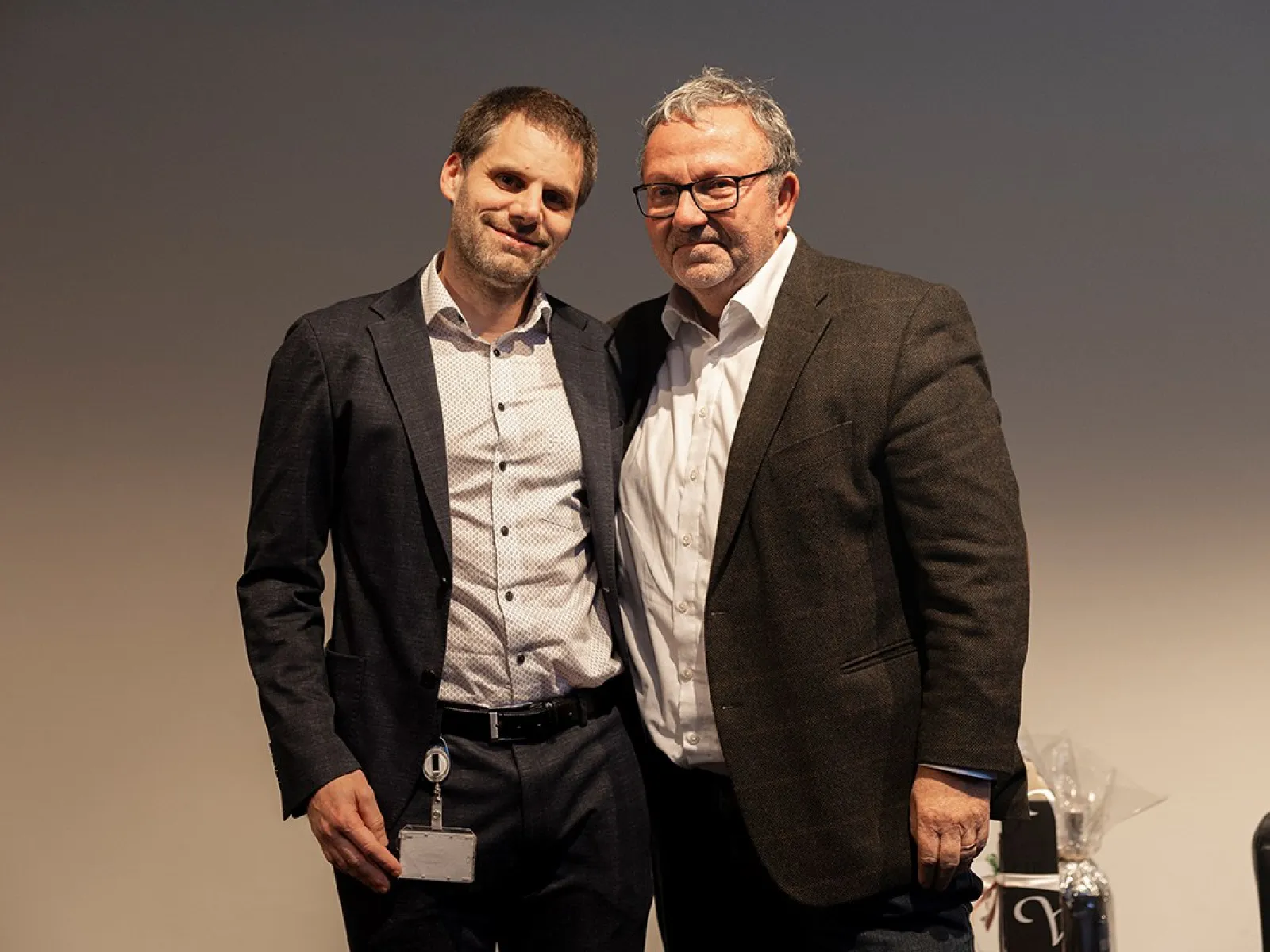
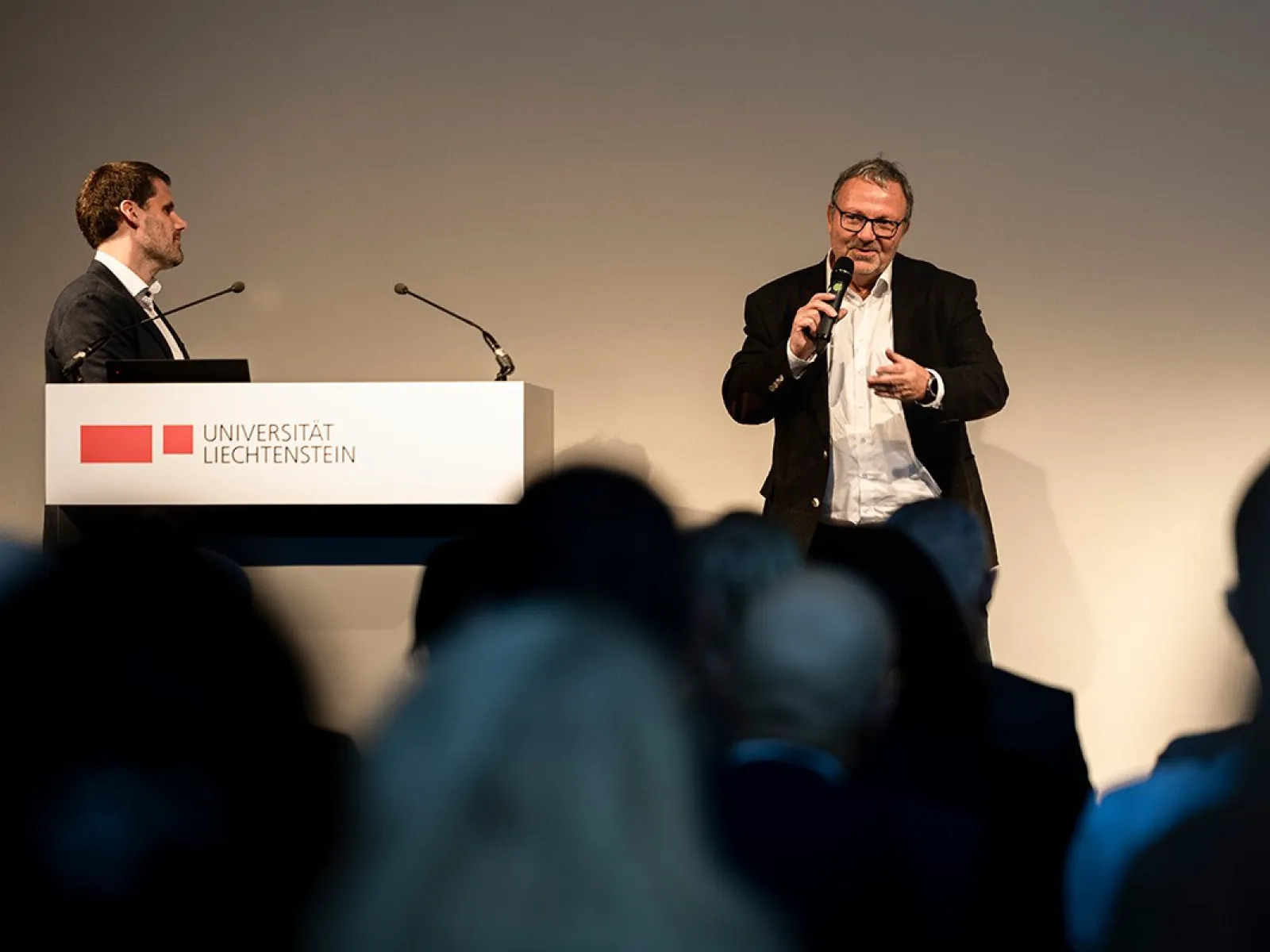
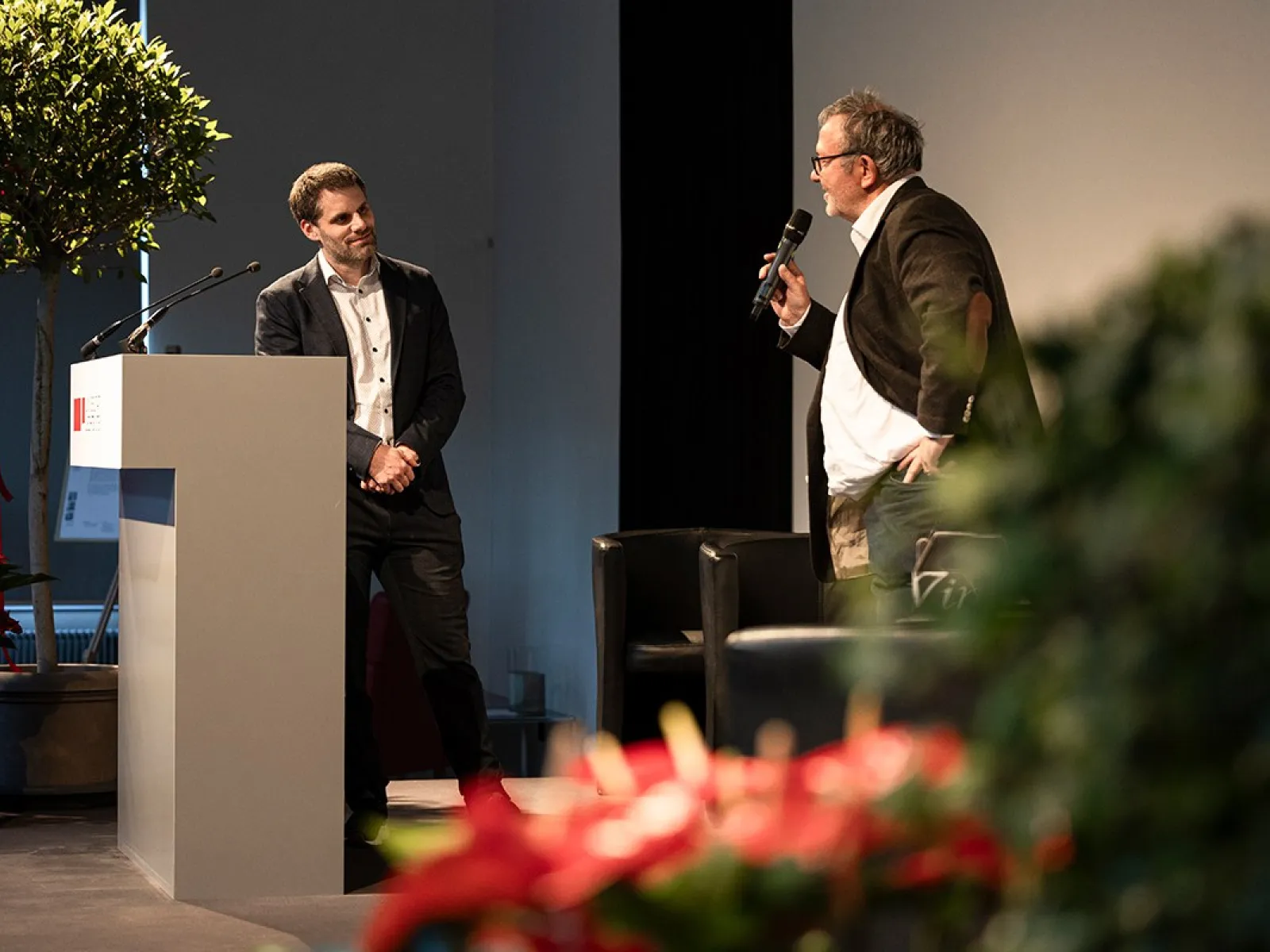
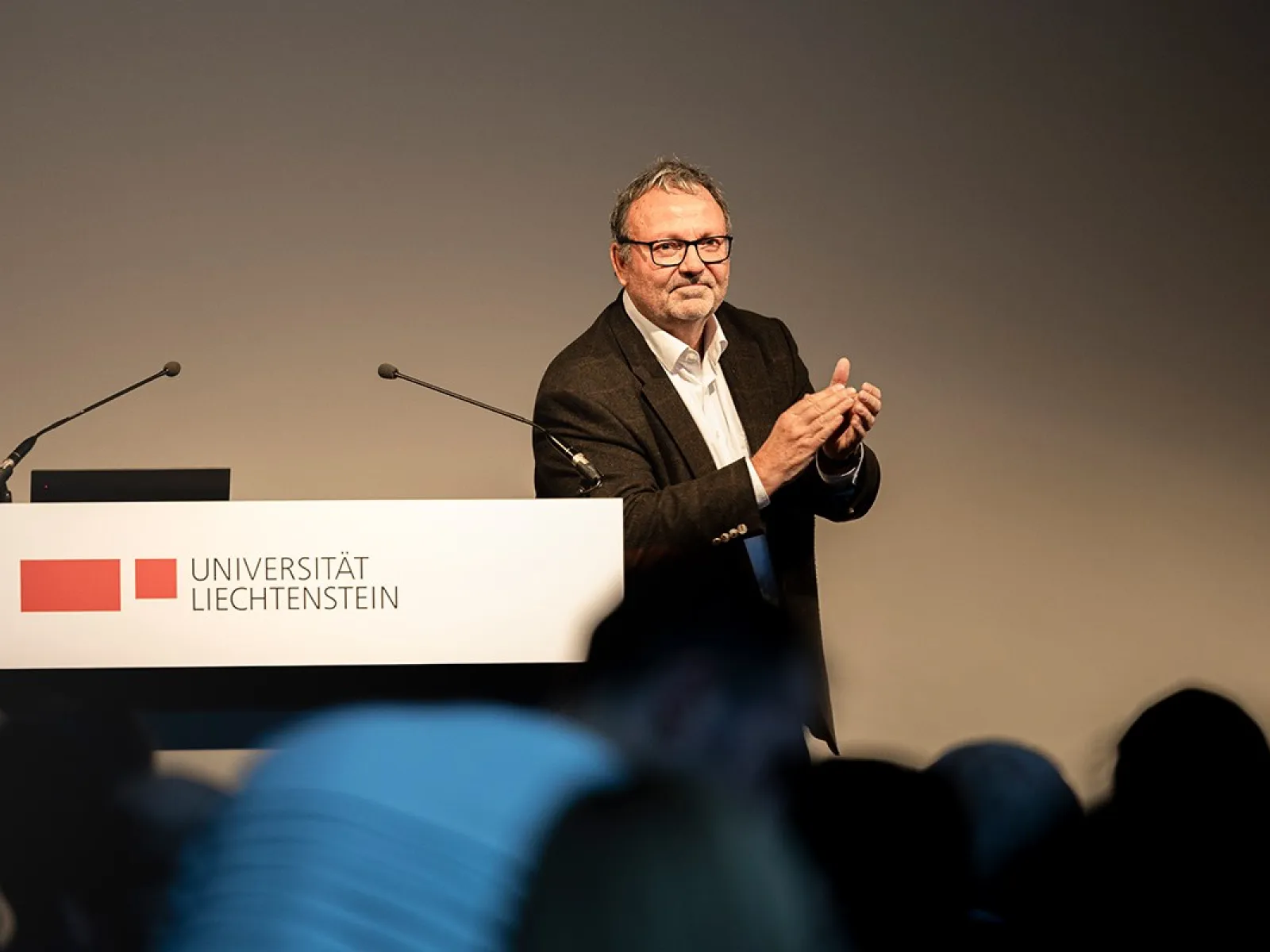
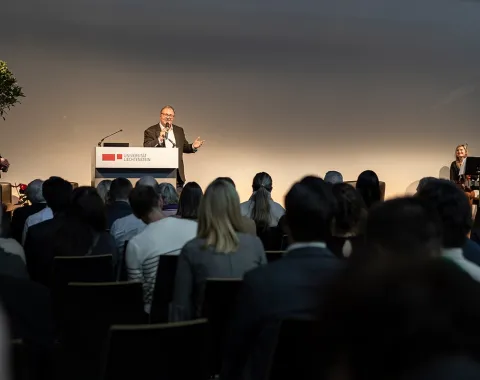
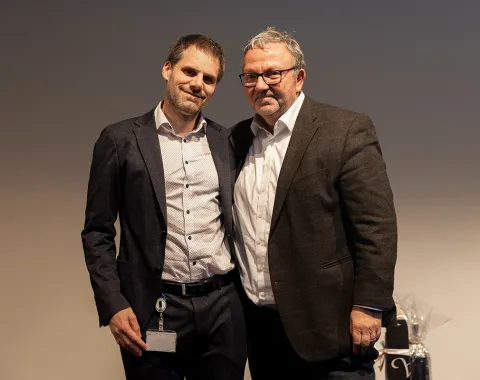
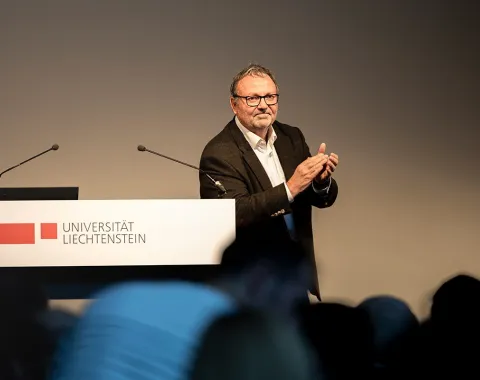
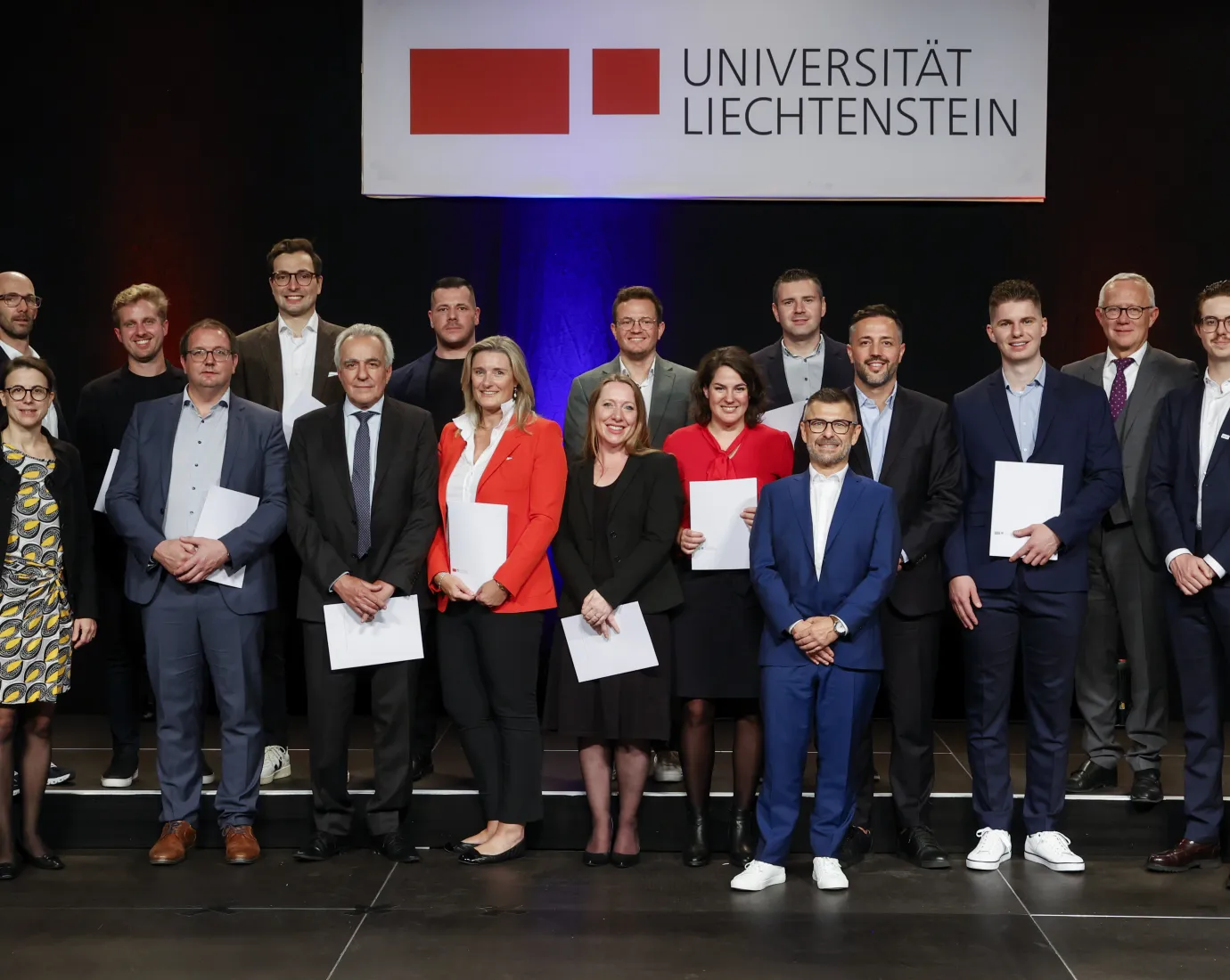
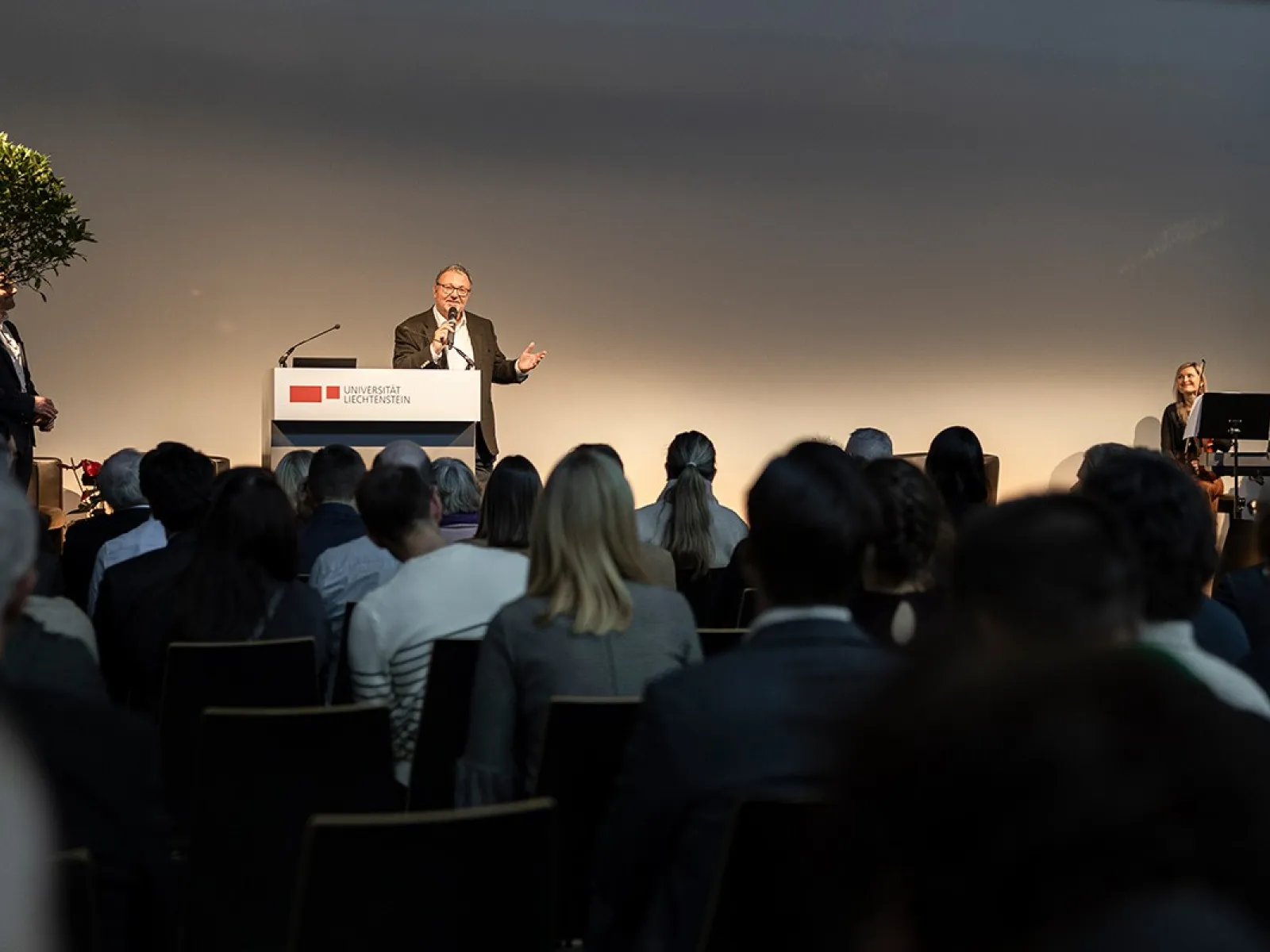
On Friday, 15 November 2024, the retirement ceremony of Prof. emeritus Dr. Marco J. Menichetti took place at the University of Liechtenstein.


During a festive ceremony with various lectures, he was awarded the title “Professor emeritus”, bringing an outstanding academic career to a worthy close after 23 years at the university.


23 years at the university – a milestone in his academic career


The honoree can look back on an impressive career that began in 2001 with his appointment at the former Liechtenstein University of Applied Sciences. Over the following two decades, Marco J. Menichetti made a significant contribution to the development of the University of Applied Sciences into a university. With his great commitment and expertise, he had a significant impact on academic life at the University of Liechtenstein. His work in the field of finance and sustainable finance, his innovative research approaches and his tireless commitment to teaching were particularly well received by both colleagues and students.


Appreciation from Rector Christian Frommelt


In his speech, Rector Christian Frommelt emphasized the merits of Marco J. Menichetti. He paid tribute with great appreciation to his contribution to the academic development of the university and his commitment to scientific exchange. “Professor Menichetti has not only set standards as a lecturer and researcher, but also as a pioneer for a successful academic future for the university,” said Frommelt. Over the past year and a half, a friendship has developed from the close collaboration in the Rectorate and the joint commitment to the university. Marco J. Menichetti is therefore an extremely worthy holder of the title “Professor emeritus”.


Musical accompaniment and exciting lectures by companions


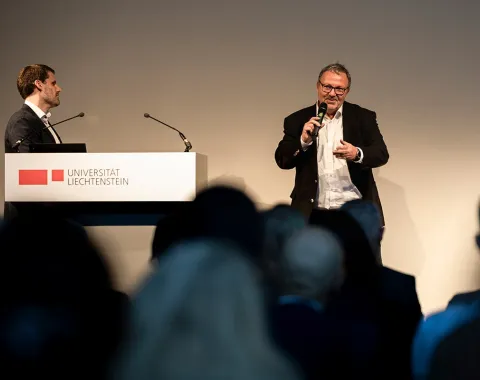
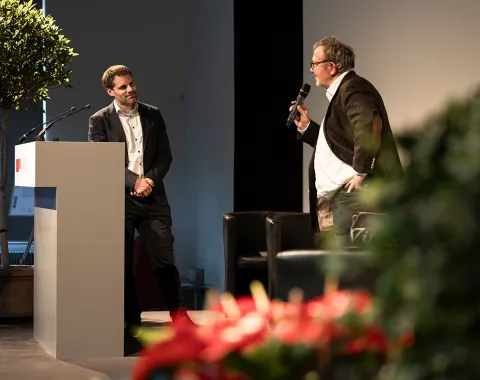
The festive ceremony was accompanied by music from Janina Nicole Rischka, violin, and Franz Ortner, piano. Particularly impressive were the contributions from various companions of Marco J. Menichetti, who gave fascinating speeches on both his professional expertise and his human side. In their speeches, they recalled joint projects, scientific breakthroughs and the close collaboration they enjoyed with him over the years. These personal insights made the ceremony an unforgettable experience for all those present.


Farewell and outlook


After the ceremony, Marco J. Menichetti was bid a warm farewell by many colleagues, students and former companions. The evening offered not only a look back at 23 years of successful work, but also a look ahead to the new phase in his life as professor emeritus, in which he will continue to act as a mentor and advisor.


Affordable Housing in Times of Urbanization: New Thematic Group with LSA Involvement

Affordable Housing in Times of Urbanization: New Thematic Group with LSA Involvement

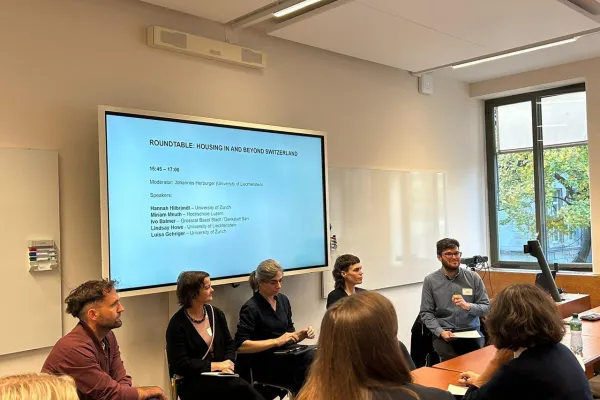
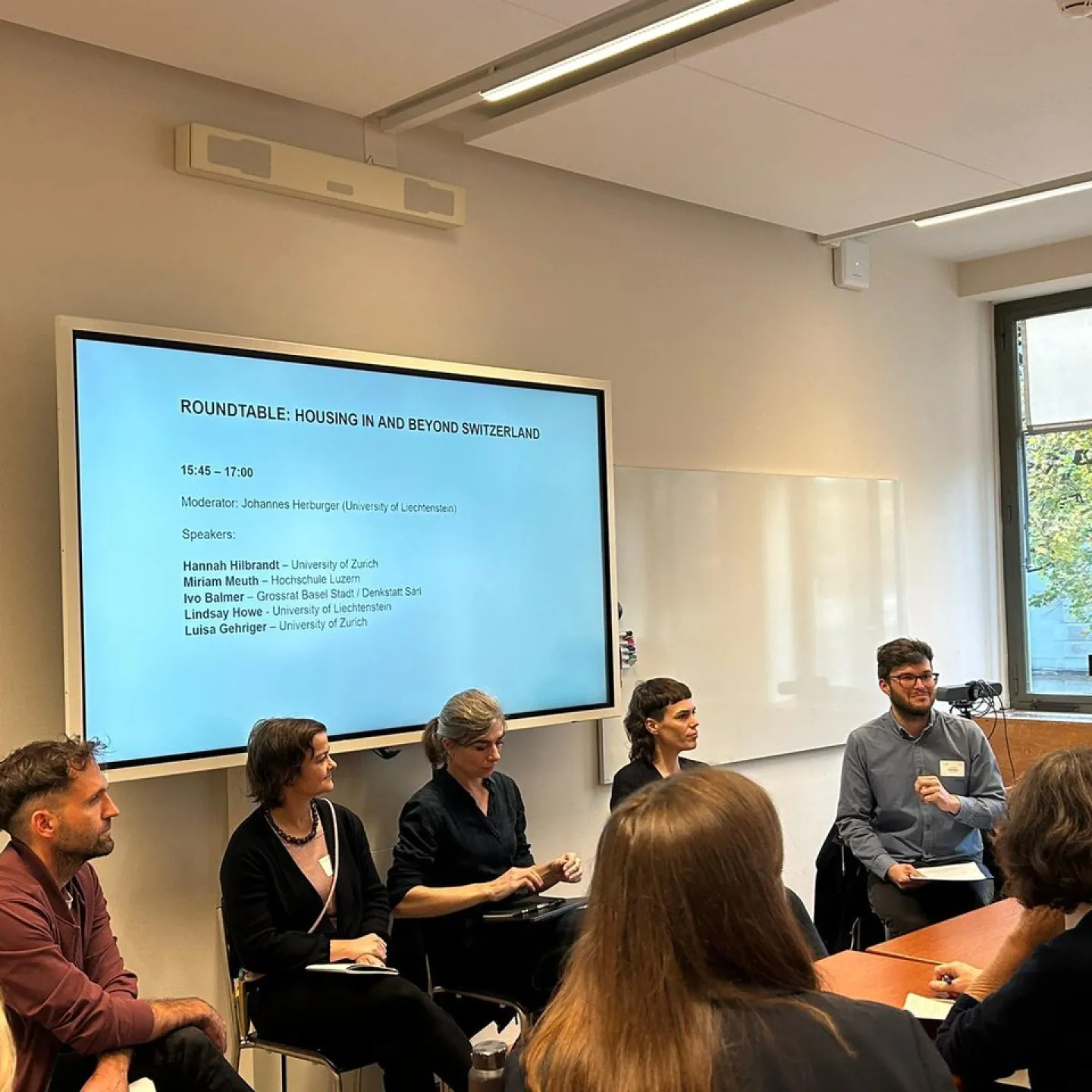
Eine Gruppe von Personen sitzt in einem Seminarraum und diskutiert bei einer Podiumsdiskussion zum Thema "Housing in and Beyond Switzerland". Im Hintergrund ist ein Bildschirm mit den Namen der Teilnehmenden und dem Moderator zu sehen.

The "Housing in and Beyond Switzerland" thematic group is part of the Association of Swiss Geographers (ASG) and was formed in 2024 to explore the challenges of affordable housing amidst urbanization and gentrification, focusing on Switzerland and its cross-border contexts. Dr. Johannes Herburger, a postdoc at the Urbanism, Architecture, and Society Unit of the Liechtenstein School of Architecture, is a founding member of the group.


With researchers from geography, planning, sociology, and architecture, the group studies housing commodification, housing policies, inequality, exclusion, and power dynamics using diverse methodologies like ethnographic observation and GIS analysis. Aiming to foster comparative discussions, they engage in public debates, policy recommendations, and scholarly exchanges through events and publications, making housing issues more visible and accessible to a broader audience.


At the Swiss Geoscience Meeting 2024, held from 8-9 November in Basel, the group organized a symposium that included two paper presentation sessions as well as a round-table discussion centered on the group's core topics. Dr. Johannes Herburger presented findings from his ongoing research on post-industrial neighborhoods in the trinational Alpenrheintal, exploring how housing commodification results from specific urbanization processes in the region.


Johannes Herburger also moderated a round-table discussion on housing dynamics with experts from academia and politics: Ivo Balmer (Grosser Rat der Stadt Basel), Hanna Hilbrandt (Universität Zürich), Luisa Gehriger (Universität Zürich), and Miriam Meuth (Hochschule Luzern). Key topics in the round table included land ownership, housing ideologies, and data production and ownership. Who owns land, and who owns the data that influences housing policies? These are some of the crucial questions for the future. For effective and progressive housing policies, a transdisciplinary effort involving politics, academia, social organizations, and the housing production sector is essential. Affordable and adequate housing is a basic human need!


Eine Gruppe von Personen sitzt in einem Seminarraum und diskutiert bei einer Podiumsdiskussion zum Thema "Housing in and Beyond Switzerland". Im Hintergrund ist ein Bildschirm mit den Namen der Teilnehmenden und dem Moderator zu sehen.

A Festive Day Dedicated to Innovation and Sustainability

A Festive Day Dedicated to Innovation and Sustainability

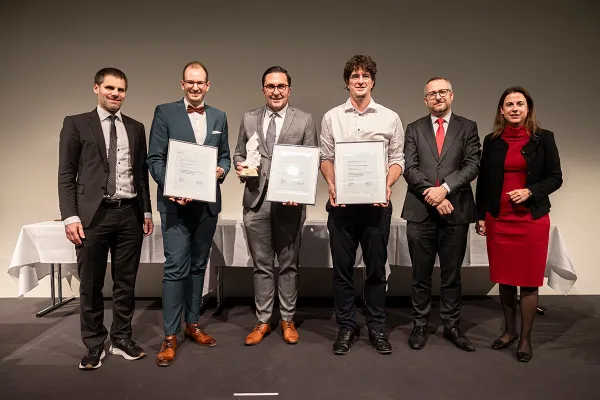
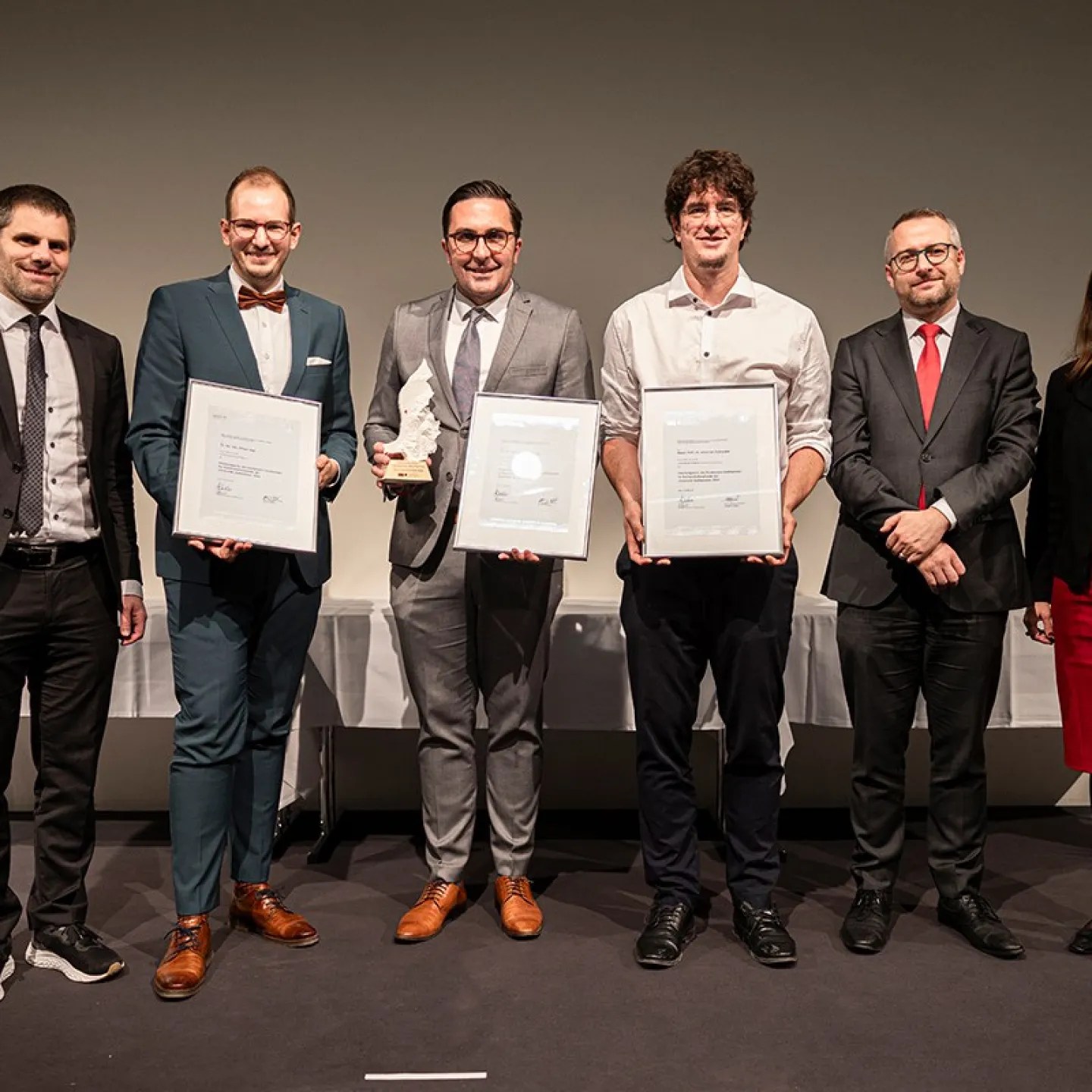
Eine Gruppe von sechs Personen steht nebeneinander auf einer Bühne. Drei Personen in der Mitte halten Auszeichnungen und Urkunden. Alle sind formell gekleidet und lächeln in die Kamera. Im Hintergrund sind weiße Tischdecken sichtbar.

The Dies Academicus is the university’s academic celebration day and offers an opportunity to pause and look ahead to the future.


"It is my pleasure to welcome you today to our Dies Academicus – a special day on which we pause to celebrate our academic community, our achievements, and our shared goals. Dies Academicus is not only an opportunity to reflect on the past year but also a moment of coming together, of exchange, and of inspiration. Today, we focus not only on the accomplishments of our researchers and students, but also on the values that define our university," said Carmen Dahl, Head of Communications and Marketing at the University of Liechtenstein, at the beginning of her moderation.


Opening Speech


In his opening speech, Rector Christian Frommelt emphasized:
"2024 was a year marked by major successes, such as the RIBA reaccreditation of our School of Architecture, the appointments of Benjamin van Giffen and Sebastian Stöckl as new professors, and prestigious awards received by members of the university – notably the 'Outstanding Artist Award 2024' from the Republic of Austria for Martin Mackowitz, in recognition of his significant contribution to societal transformation and support for sustainable building.
With the founding of the Earth Hub in autumn – the new Competence Center for Earthen Construction at the University of Liechtenstein – the university has taken another step toward becoming a sustainability-focused university, which we aim to achieve through strategic alignment in our five fields of activity: research, teaching, continuing education, knowledge transfer, and dialogue."


Government Greeting


Rachel Guerra, Head of the Office of Education, delivered the greetings of the government and stated:
"The University of Liechtenstein continues its efforts to improve access and break down barriers. This is what has allowed it to develop into a modern educational institution. The university once again ranks at the top as an entrepreneurial university. In the recently published GUESSS Report 2023 (Global University Entrepreneurial Spirit Student’s Survey), it was among the leaders in the DACHL region and achieved impressive results in international comparison.
It also received another international accreditation in the past year. The University of Liechtenstein places great importance on high-quality teaching and research. A highlight was certainly the successful accreditation of the Liechtenstein Business School and the Liechtenstein Business Law School according to AACSB standards. Other areas such as student numbers and research performance also showed positive developments.
Furthermore, continuing education at the University of Liechtenstein was strengthened. The part-time programs offer new opportunities for career advancement and network expansion in Liechtenstein, Eastern Switzerland, the Rhine Valley, and the DACH region as a whole. This marks another milestone and has created a modern learning environment.
All of these developments clearly show that, after a turbulent phase, a period of consolidation is beginning for the University of Liechtenstein. I congratulate the university on its successful development and valuable work."


Keynote Speech


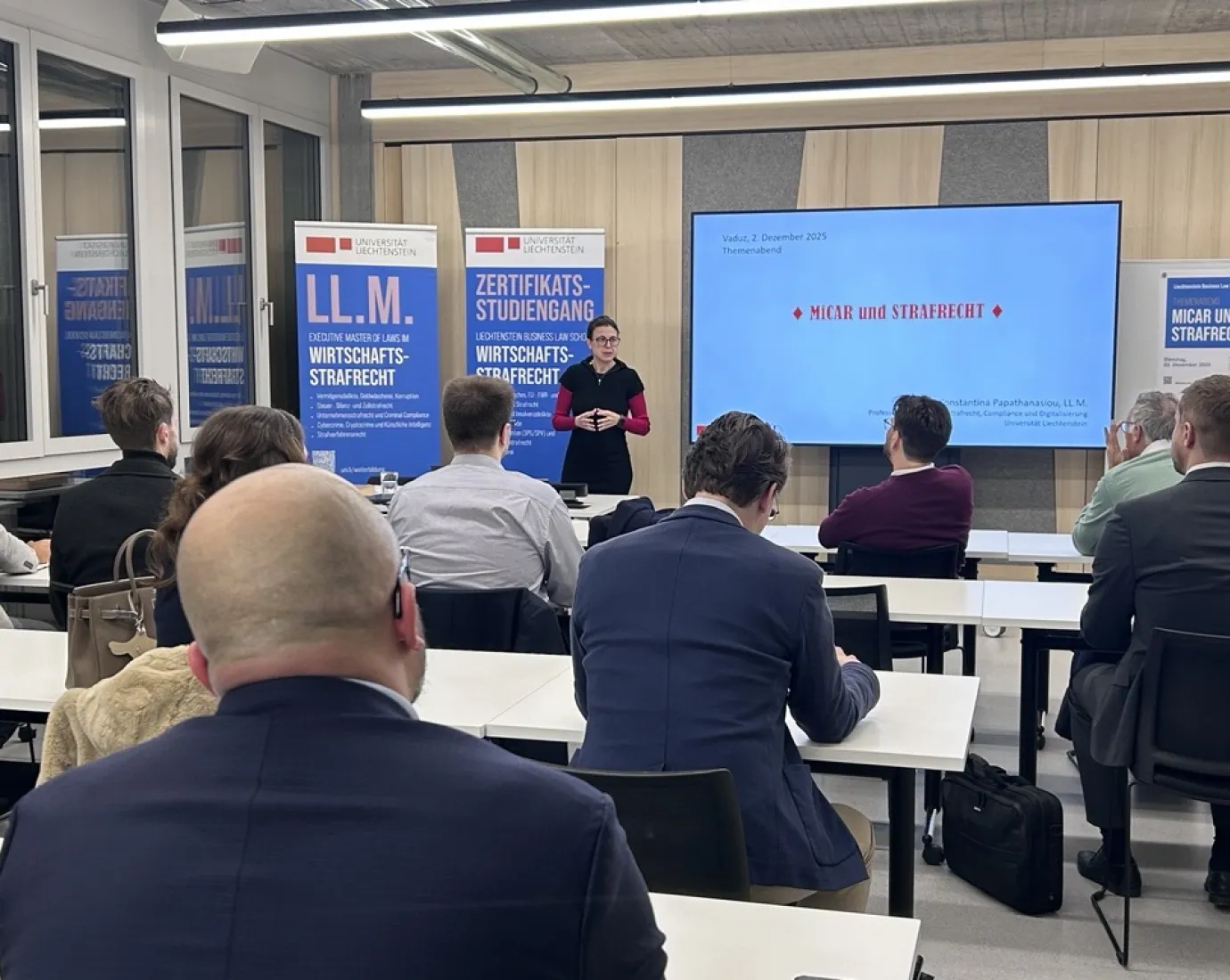
In her keynote address, Prof. Dr. Konstantina Papathanasiou spoke about the connections between sustainability, ethics, and white-collar crime law:
"At the heart of business ethics lies the challenge of how companies can align economic goals with social responsibility and moral principles. The goal is to find a balance between economic success and ethical behavior – a balance that not only maximizes profit but also ensures long-term benefits for society and the environment.
The relevance of business ethics is especially evident in the digital sphere. Digitalization is changing the responsibility patterns of companies in terms of ethical obligations. Often, the focus is placed on the economic benefits of digital business models, while ethical consequences for various stakeholders are overlooked. A deep understanding of Corporate Digital Responsibility is becoming increasingly important – it's about fulfilling legal standards (e.g., data protection) and subjecting digital business models to ethical reflection."


Pro Bono Award 2024


For the first time, the Pro Bono Award of the University of Liechtenstein and the Foundation "Lebenswertes Liechtenstein" was presented during this year's Dies Academicus.


Cornelia Faisst, mentor for Pro Bono Architecture and project coordinator, introduced the program:
"This award honors the commitment and passion students invest in projects that benefit society – in the spirit of ‘pro bono publico’, for the public good.
Through the 'Pro Bono' learning format, the university bundles activities to contribute to achieving the UN’s 17 Sustainable Development Goals of Agenda 2030. Students are encouraged to translate their knowledge into sustainable actions that create value for society and the environment.
There were eight nominated projects in architecture and seven in business administration. The jury selected the two winning projects about three weeks ago."


Daniel Haselsberger, mentor for Pro Bono Architecture, added:
"The Pro Bono Award is not only a recognition but also a call for all of us to actively engage in the community, take responsibility, and contribute to positive change. Each of us has the potential to make a difference. Since 2020, we’ve already had implemented Pro Bono projects in architecture, and awards are considered over two years – this year, for 2020 and 2024."


Architecture Awardees


Students Sophie Breitruck, Michelle Bösch, and Ramon Kobras were honored for their project Kaplan Bonneti Connect, setting standards for social responsibility in architecture.


Business Awardees


Representing mentor Florian Rieder (unable to attend due to teaching commitments), Bernd Schenk presented the award in Business Administration:
"Unlike in architecture, only projects from the respective year are awarded in business administration. This year’s Pro Bono Award went to Luca Banzer, Laurin Diem, and Timo Volenter. Their project 'Digital Fit 50+' is marked by an inclusive approach aimed at empowering people over 50 to confidently use digital media and promote digital inclusion. Follow-up events are already planned for the coming year."


Liechtenstein Young Researchers Award 2024


At Dies Academicus, research prizes were also awarded. The CHF 10,000 prize is awarded annually to motivate promising young researchers, promote research in areas relevant to Liechtenstein, and strengthen Liechtenstein as a research location.


Stephan Jäger, Secretary General of the Ministry, and Prof. Dr. Konstantina Papathanasiou presented the diplomas to:


  • Dr. Djordje Zivkovic for his dissertation “Top Management Team Incentives and Paradox”
  • Assoc. Prof. Dr. Johannes Schneider for his publication “Understanding and Leveraging the Learning Phases of Neural Networks”
  • Dr. Simon Liegl for his project “Affective Signalling in the Digital Workplace”


Student Speech and Best Teaching Awards


Student representative Sophie Breitruck reflected on the year:
"What do we take with us from 2024? I believe it is the realization that the world presents both great challenges and new opportunities. We’ve seen people come together worldwide to strive for a better future – and we’ve experienced how small, heartwarming moments can offer hope. It is up to us to carry these insights into our studies and lives and actively shape the future."


Maximilian Haage presented the Best Teaching Awards on behalf of the student association USLV:


  • Best Teaching Award: Wolfgang Schadner
  • Best Junior Teaching Award: Jeffrey Lee Brüstle
    "Both prizes, awarded by students, honor outstanding commitment, innovative teaching methods, and the ability to motivate students sustainably. Schadner and Brüstle set new standards in academic teaching and are role models for combining expertise with personal support."


Closing Remarks


Lothar Ritter, President of the University Council, concluded:
"When I took office in April 2023, I was surprised and impressed by what I found at the university. The manageable size, the personal interaction among members, the focus on Liechtenstein’s specific needs, and at the same time, internationally oriented teaching and research with students from around the world deeply impressed me.
Given our accreditation as perhaps the only foreign university in the Swiss Intercantonal University Agreement, it is only logical for the University Council to examine the Swiss higher education system more closely and adopt some 'good practices' – without giving up the unique strengths of the public University of Liechtenstein. Together with all university members, we can develop a motivated and successful future."


Eine Gruppe von sechs Personen steht nebeneinander auf einer Bühne. Drei Personen in der Mitte halten Auszeichnungen und Urkunden. Alle sind formell gekleidet und lächeln in die Kamera. Im Hintergrund sind weiße Tischdecken sichtbar.

ANNA – The First AI Presenter on the Campus Radio of the University of Liechtenstein

ANNA – The First AI Presenter on the Campus Radio of the University of Liechtenstein

Andreas Kräätli lächelnd in einem grauen Polohemd hält ein Mikrofon. Im Hintergrund sind verschwommene blaue Strukturen zu sehen.

The Campus Radio of the University of Liechtenstein is embracing innovative technology: ANNA, the station’s first AI presenter, has recently joined the program lineup.


Since its founding in January 2022, Campus Radio has offered students the opportunity to gain hands-on experience in radio broadcasting and modern audio production. With ANNA, Campus Radio becomes the first radio platform in the region to bring artificial intelligence into the studio – an exciting innovation for listeners.


Who is ANNA?


ANNA is the new artificial voice of Campus Radio. The AI presenter introduces music tracks, announces upcoming events, and delivers weather forecasts – all with a clear, natural-sounding voice. This specially developed AI adds variety and demonstrates how modern technology can enrich the listening experience.


Campus Radio as an Innovation Project


For the Campus Radio team, using AI is a bold and innovative move. Modern technologies and creative ideas are a core part of their concept. Thanks to the commitment of students who run the project alongside their studies, ANNA was successfully introduced.


“The success of Campus Radio is the result of the outstanding dedication of all team members who helped build it from the start and continue to shape it today. A heartfelt thank you to everyone contributing to this innovative project,” says Andreas Krättli, Campus Radio lecturer.


Hands-On Learning for Students


Campus Radio gives students at the University of Liechtenstein the opportunity to gain practical experience in media. They learn everything from program planning and conducting interviews to audio production – always with a strong focus on Liechtenstein and the university. Campus Radio programs are available on radio and online platforms, reaching a wide audience.


AI as a Future Topic at Campus Radio


The introduction of ANNA is just the beginning. In the upcoming semester, Campus Radio plans to further explore the possibilities of AI. Through collaboration with media experts and critical discussions, students will delve deeper into the relationship between AI and media. Campus Radio remains at the cutting edge – it’s worth tuning in!


For more information about the Campus Radio of the University of Liechtenstein, visit www.campusradio.li.

Andreas Kräätli lächelnd in einem grauen Polohemd hält ein Mikrofon. Im Hintergrund sind verschwommene blaue Strukturen zu sehen.
We need your consent
To view this YouTube video, you must accept data processing under the category “Third-party marketing”. Further details on data processing can be found here.
Display Cookie Settings

"Small but Powerful"

"Small but Powerful"

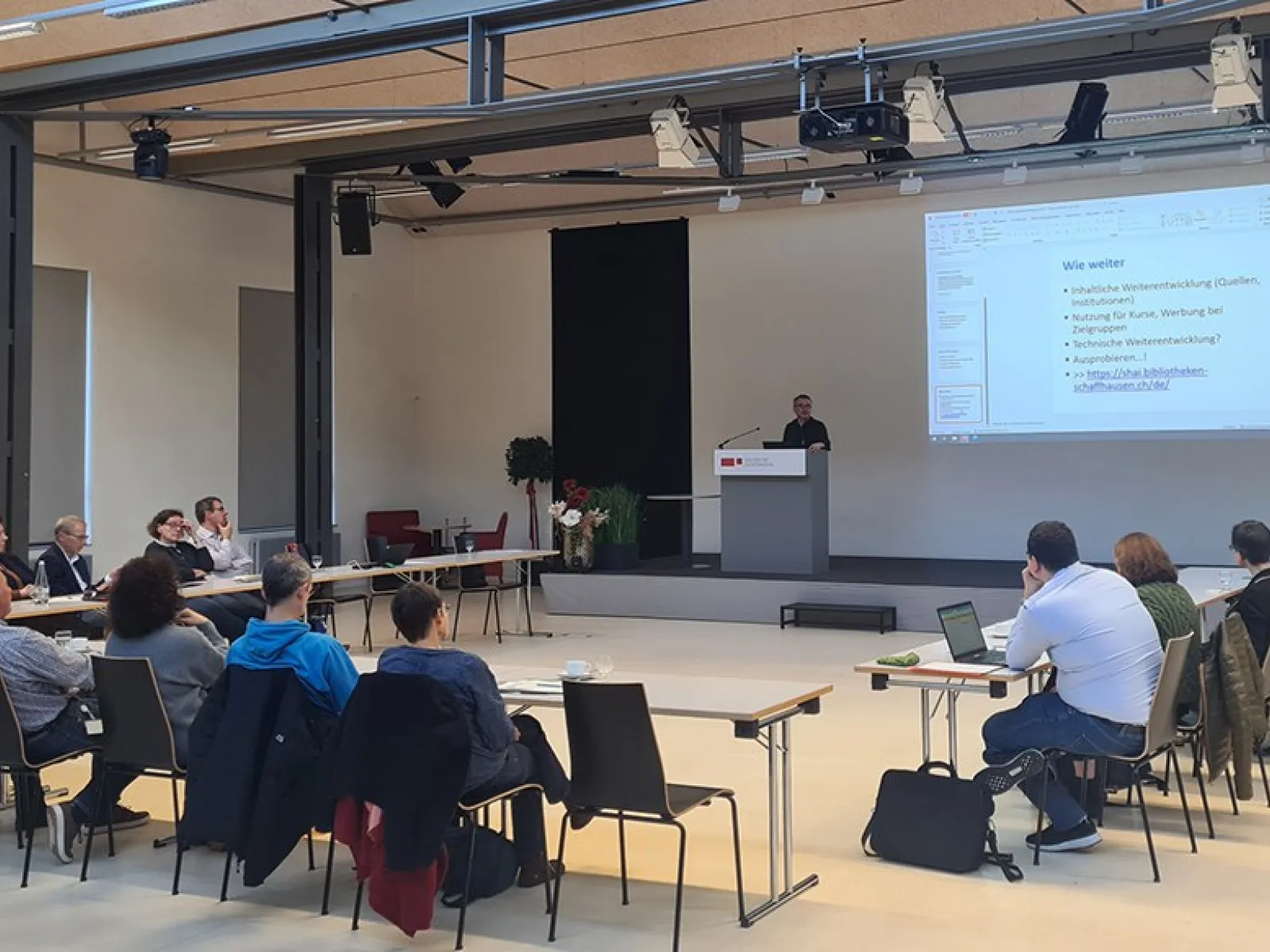
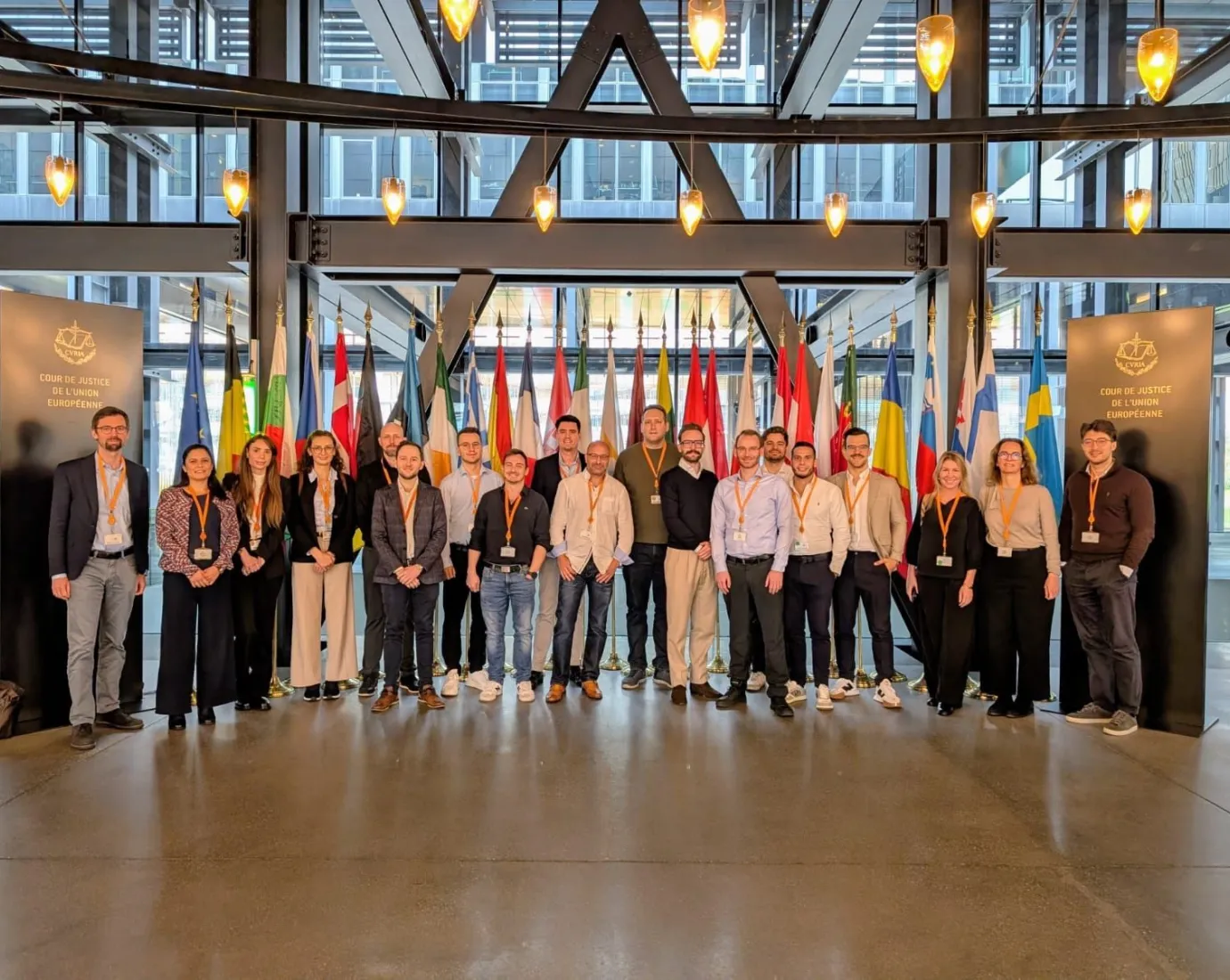
The Library of the University of Liechtenstein hosted the annual conference of the Regio Bodenseebibliotheken Association for the first time. Around 20 library directors from four countries in the Lake Constance and Alpine Rhine region attended the meeting in the university’s auditorium.


The University of Liechtenstein Library has been a member of the Regio Bodenseebibliotheken Association since its founding. The association includes 40 diverse libraries. The variety is reflected in this list: Zurich Central Library, University Library of St. Gallen, Schaffhausen Libraries, major German city and university libraries around Lake Constance, Vorarlberg State Library, Library of the University of Applied Sciences Vorarlberg, three Liechtenstein libraries, and the Cantonal Library of Graubünden. The association maintains two databases focused on literature from the Lake Constance region. The “Bodensee-Zeitschriften” database was created in 2008 as a project funded by Interreg IV Alpenrhein-Bodensee-Hochrhein. It involved digitizing approximately 350,000 pages of core regional journals by libraries in Baden-Württemberg, Bavaria, Liechtenstein, Switzerland, and Vorarlberg. The second database contains the Euregio-Bodensee Bibliography, indexing over 100,000 books, journal articles, and anthology contributions on topics, places, and people of the Lake Constance area.


Small and Powerful


Under the theme “Small but Powerful,” the three Liechtenstein libraries introduced themselves during the first presentation block of the conference. They discussed current challenges and the approaches they are taking to address them. The year 2024 marked a significant turning point not only for the University Library but for the entire library system in Liechtenstein. The previously outdated online catalog of the Liechtenstein Library Network was replaced with a new library management system. This allowed the network to provide a modern search interface focused on the public audience.


The University Library also joined the Swiss Library Service Platform (SLSP), enabling it to offer swisscovery.li – a state-of-the-art discovery service. With the SLSP book courier, the university’s access to literature has significantly expanded by over 40 million titles.


In the second presentation block, Oliver Thiele introduced SHAI – the Digital Assistant of the Schaffhausen Libraries – developed using artificial intelligence. The conference concluded with an architectural tour led by Johannes Herburger.


The trip to Vaduz was certainly worthwhile for all attendees. They praised the well-organized event, warm hospitality, engaging presentations, and the opportunity to become more familiar with the University of Liechtenstein and its library.

Seminar “Cybercrimes” in Tbilisi, Georgia

Seminar “Cybercrimes” in Tbilisi, Georgia

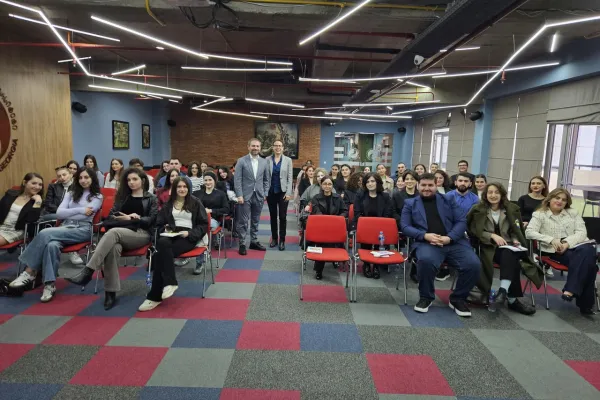
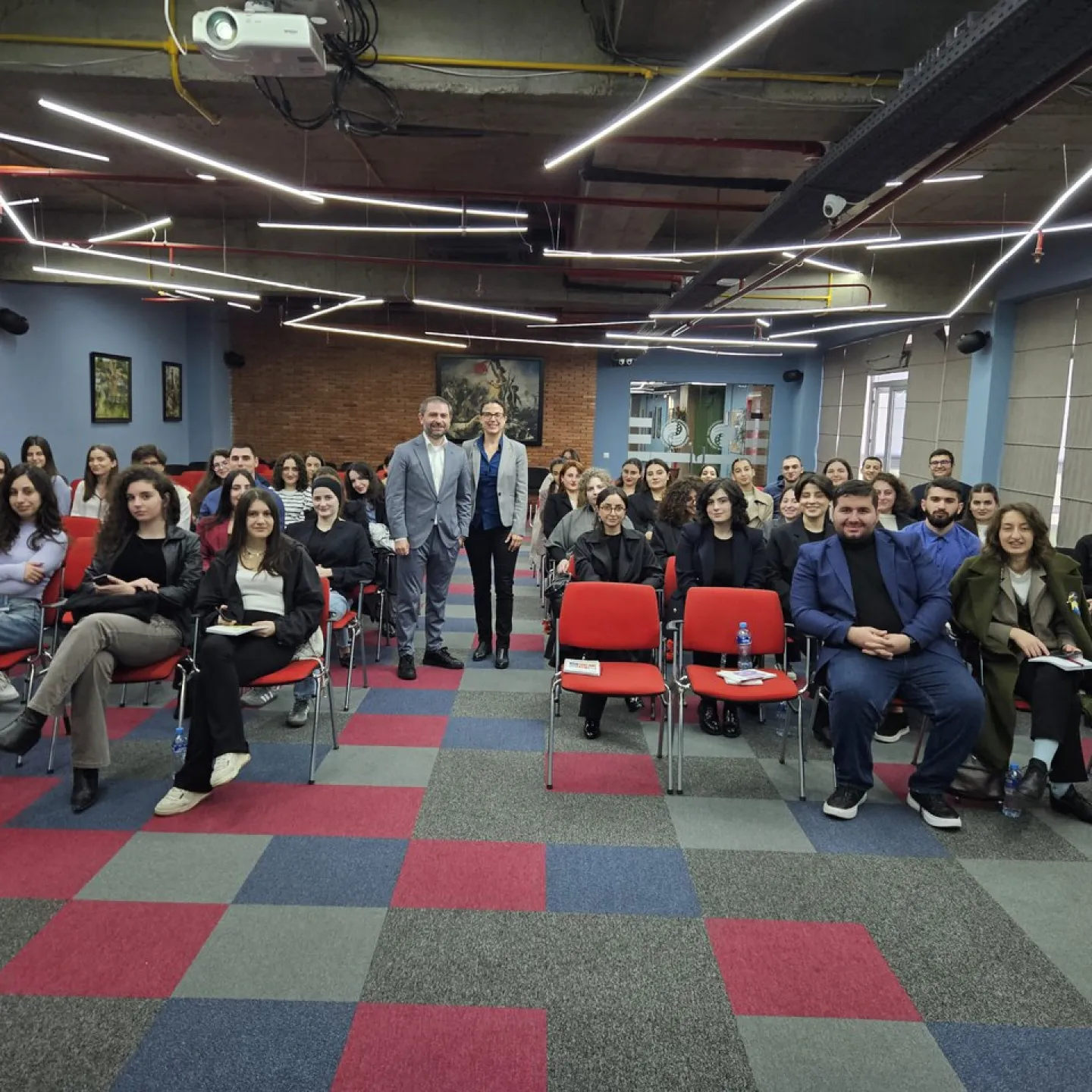
Seminarraum mit Studierenden und Dozenten, die an einem Cybercrime-Seminar teilnehmen. Die Teilnehmenden sitzen auf roten Stühlen in einem modernen Raum mit geometrischem Teppichmuster und futuristischer Beleuchtung.

The "Institute of Georgian, German and International Criminal Law" at the University of Georgia (Tbilisi), under the direction of Prof. Dr. Bachana Jishkariani, once again invited Prof. Dr. Konstantina Papathanasiou to conduct a seminar in German on the topic of “Cybercrimes” as part of an Erasmus+ Mobility Agreement.


From 21 to 25 October 2024, Prof. Papathanasiou, Chair of Economic Criminal Law, Compliance and Digitalization, had the opportunity to visit Georgia once again. The seminar attracted great interest: over 40 motivated students learned about cybercrime and the challenges in the field of cryptocurrencies. In particular, specific cybercrime offenses from the Liechtenstein Criminal Code (StGB) were presented, such as unlawful access to computer systems (§ 118a StGB), unlawful interception of data (§ 119a StGB), data damage (§ 126a StGB), data theft (§ 131a StGB), and fraudulent misuse of data processing (§ 148a StGB). The event was simultaneously translated into Georgian by the seminar’s co-leader, Prof. Jishkariani.


As in the previous year, participants were selected through a competitive application process. Bachelor’s, Master’s, and PhD students from law faculties of all accredited universities in Georgia were eligible to apply. Upon completion of the seminar, all participants received a certificate of attendance. The successful cooperation between the University of Liechtenstein and the University of Georgia will continue.

Seminarraum mit Studierenden und Dozenten, die an einem Cybercrime-Seminar teilnehmen. Die Teilnehmenden sitzen auf roten Stühlen in einem modernen Raum mit geometrischem Teppichmuster und futuristischer Beleuchtung.

Apply now: Bank Frick awards scholarship for blockchain and fintech programmes at the University of Liechtenstein

Apply now: Bank Frick awards scholarship for blockchain and fintech programmes at the University of Liechtenstein

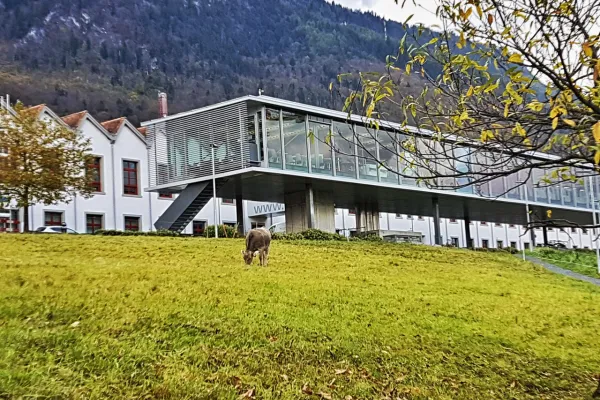
Modernes Gebäude der Universität Liechtenstein mit Glasfassade, umgeben von grüner Wiese und Bergen im Hintergrund. Eine Kuh grast im Vordergrund.

As part of its partnership with the University of Liechtenstein, Bank Frick is awarding a scholarship to cover participation in the blockchain and fintech certificate programme or the blockchain and fintech CAS. The deadline for applications is 13 December 2024, and the course will begin on 9 January 2025.


The blockchain and fintech programmes were launched by the University of Liechtenstein on the initiative of Bank Frick and have already made a name for themselves, with a focus on the practical communication of knowledge on applying technological innovation to existing financial systems.


Students gain in-depth knowledge of the new networked systems and their impact on new business models and value chains. The courses cover a broad spectrum of practical knowledge and offer a comprehensive overview of technological, legal and tax issues; they are taught in German. Further information is available at https://www.uni.li/de/innovative-finance.


Application and selection options for the scholarship


Those keen to deepen their knowledge about the future-oriented blockchain technology, learn more about innovative business models and partnerships, and encounter leading experts from the world of crypto finance can apply now at bankfrick.stipendium@uni.li. A cover letter (max. 300 words) and a CV (one page) are required. The closing date for applications is 13 December 2024 at midnight. Applicants who meet the entry requirements are free to choose either the blockchain and fintech certificate programme or the blockchain and fintech CAS. Proof of a completed university degree is required for the CAS. In addition to different examination tasks, the CAS also comprises an additional written thesis (2 ECTS, approx. 60 hours of work).


Generous support from Bank Frick


The scholarship covers the full participation fee, including all documents – CHF 9,200 for the blockchain and fintech certificate programme or CHF 10,900 for the blockchain and fintech CAS. The Academic Directors would like to thank Bank Frick for its generous support.


Terms and conditions of participation and data protection


The scholarship covers all fees for the blockchain and fintech certificate programme or the blockchain and fintech CAS; it does not cover travel and accommodation costs or any fees incurred due to potential exam resits. Applications will be accepted until 13 December 2024 at midnight. The decision to award the scholarship will be taken by the University of Liechtenstein and Bank Frick. This decision is not open to appeal and legal recourse is not possible.


No correspondence will be entered into regarding the award of the scholarship, and the scholarship is not transferable. Cash payments and/or other forms of compensation are prohibited. The scholarship holder agrees in advance to take part in advertising activities organised by Bank Frick or the University of Liechtenstein and to sign a consent form covering the publication of images and videos.


The data of all applicants who applied but were not awarded the scholarship will be deleted once the scholarship award has been announced and will not be used further.


Applications via e-mail to bankfrick.stipendium@uni.li Further information is available at www.uni.li/innovative-finance


Modernes Gebäude der Universität Liechtenstein mit Glasfassade, umgeben von grüner Wiese und Bergen im Hintergrund. Eine Kuh grast im Vordergrund.

Law in Transition: Forward-Looking Research – Publications of the Liechtenstein Business Law School in the First Half of 2025

Law in Transition: Forward-Looking Research – Publications of the Liechtenstein Business Law School in the First Half of 2025

Modernes Gebäude der Universität Liechtenstein mit verglaster Fassade und Außentreppe, umgeben von einer gepflasterten Fläche und Hecken, vor einem klaren blauen Himmel.

Whether climate litigation, foundation law, tax proceedings, or international tax policy – current research at the Liechtenstein Business Law School addresses key legal challenges of our time. In the first half of 2025, several academic publications were released that stand out not only for their scholarly depth and practical relevance but also for gaining international visibility.


We present a selection of these works below. At the end of this article, you will also find a link to another recent publication related to international philanthropy.


Climate Litigation: A Risk for Companies?


Around the world, climate lawsuits against companies are on the rise – especially targeting major greenhouse gas emitters. A Dutch court ruling against Shell in 2021 marked a turning point: for the first time, a company was legally required to take specific climate protection measures.
A recent expert article by Bernhard Burtscher, Professor of Banking and Financial Market Law, shows that liability and legal expenses insurance often do not provide full protection against such climate litigation.


Burtscher, B. (2025). Versicherungsschutz für Klimaklagen. Versicherung in Recht und Wirtschaft (VRW), 1(1), 4-13.


Global Minimum Tax Under Scrutiny: New Study Highlights Weaknesses in Tax Neutrality


At the 4th International Conference on Fiscal Policy and Economic Development in Doha, Qatar, Niklas Kaiser, PhD candidate in Business Taxation and Tax Law, presented the study “Tax Neutrality Schemes and GloBE: Interaction, Impact & Options for Policy Reform.” The central question: Does the OECD’s Global Minimum Tax (GloBE) promote neutral corporate taxation or does it introduce new distortions? The analysis compares the GloBE framework with a tax-neutral benchmark system known as the Allowance for Corporate Equity (ACE), which is applied in countries such as Liechtenstein. The findings show that, in particular, the Substance-Based Income Exclusion under GloBE, intended to reward genuine economic activity, creates systematic disparities across industries. Conclusion of the study: While the Global Minimum Tax includes elements that conceptually align with the principle of tax neutrality, it ultimately produces distortive outcomes, potentially leading to negative consequences for entire economies.


Kaiser, N. (2025). Tax Neutrality Schemes and GloBE: Interaction, Impact & Options for Policy Reform. Presented at the 4th Annual Conference on Fiscal Policy and Economic Development, Doha, Qatar.


How Modern Tax Audits Are Changing – and Why Good Preparation Is Crucial


In his contribution to the new handbook on the Austrian Federal Fiscal Code (BAO), Mag. Dr. Günther Schaunig, together with two colleagues, examines how tax audits in Austria are evolving – and what consequences they may entail. The article explores various tax audit procedures, the corresponding administrative processes, and the rights and obligations of taxpayers. Special attention is given to the criminal law dimension associated with tax audits. The growing use of digital technologies by the tax authorities is also discussed.


The article underscores the importance of professional preparation: in many cases, audit findings can lead to criminal tax proceedings – with high costs and far-reaching consequences. The text makes one thing clear: an integrated perspective on tax risks is now essential.


Gurtner, W., Papst, S., & Schaunig, G. (2025). Aussenprüfungen und verwandte Massnahmen im Abgaben- und angrenzenden Finanzstrafverfahren. In C. Endfellner & M. Puchinger (Eds.), BAO - Bundesabgabenordnung (4 ed., pp. 175-224). Graz, Austria: dbv-Verlag.


The “Golden Mean” Between Fact-Finding in Criminal Proceedings and the Protection of Fundamental Rights


House searches and seizures are key instruments in criminal proceedings – especially in complex white-collar crime cases. Today, such investigations are almost unimaginable without digital evidence, particularly from large datasets (“Big Data”). But how can modern investigative methods be reconciled with the protection of fundamental rights?


This question is at the heart of Mag. Dr. Günther Schaunig’s latest article. He analyses the requirements set by the European Convention on Human Rights (ECHR) for such coercive measures – particularly regarding procedural fairness and protection against state interference. He shows how easily fundamental rights can be violated – and how careful legal application can help prevent this.


A particularly practical aspect: the analysis is based on the case law of the European Court of Human Rights, which also serves as an important point of reference for courts in Liechtenstein.


Schaunig, G. (2025). House Searches and Seizures in Criminal Proceedings: The Perspective of an Effective Protection of Fundamental Rights with a Focus on Mobile Devices and Data. University of Vienna Law Review, 9(1), 20-54.


Special Power of Attorney for Amendments to Foundation Deeds: Commentary on the Decision of the Austrian Supreme Court


Marco Lettenbichler has published a widely noted case commentary on a decision by the Austrian Supreme Court (OGH) in the Österreichische Jurist:innen Zeitung. His analysis highlights the necessity of a special power of attorney for amendments to foundation deeds and draws comparative legal conclusions with Liechtenstein foundation law. The publication underscores the high relevance of research at the University of Liechtenstein in the field of foundation law.


Lettenbichler, M. (2025). Spezialvollmacht und Änderung der Stiftungserklärung (Anmerkung zu OGH 20. 9. 2024, 6 Ob 162/23a). Österreichische Jurist:innenzeitung(5), 305-306.


New Role of Beneficiaries in Trust Law – Reform Proposal Sparks Debate


As part of the planned reform of Liechtenstein’s trust law, the position of beneficiaries has moved to the centre of the discussion. In a recent article published in the Journal für Erbrecht und Vermögensnachfolge (JEV), Prof. Dr. Alexandra Butterstein, LL.M., Professor of Corporate, Foundation and Trust Law, analyses the proposed introduction of an “information rights holder”. This new legal figure is intended to address existing governance gaps in trusts and enhance Liechtenstein’s international competitiveness.


However, the proposed solution raises broader questions about the legal status of beneficiaries. Instead of strengthening their rights, the reform shifts control to the information rights holder, thereby deviating from the original model based on the Anglo-Saxon reception. Alexandra Butterstein argues for reconsidering this departure from the traditional Beneficiary Principle and advocates instead for legally reinforcing the position of beneficiaries – optionally supplemented by the role of the information rights holder.


Butterstein, A. (2025). Die Rechtsstellung der Begünstigten in der geplanten Reform des liechtensteinischen Trustrechts. Journal für Erbrecht und Vermögensnachfolge (JEV),1 (2025).


Study on the Best Locations for Charitable Foundations and Philanthropic Engagement 


In addition, Prof. Dr. Alexandra Butterstein and Prof. Dr. Marc Gottschald contributed to a study on the best locations for charitable foundations and philanthropic engagement. Further details can be found in the following article:
In First Place Worldwide: Liechtenstein Once Again Best Location for Philanthropic Engagement

Modernes Gebäude der Universität Liechtenstein mit verglaster Fassade und Außentreppe, umgeben von einer gepflasterten Fläche und Hecken, vor einem klaren blauen Himmel.

Visit of the Chinese Consulate General

Visit of the Chinese Consulate General

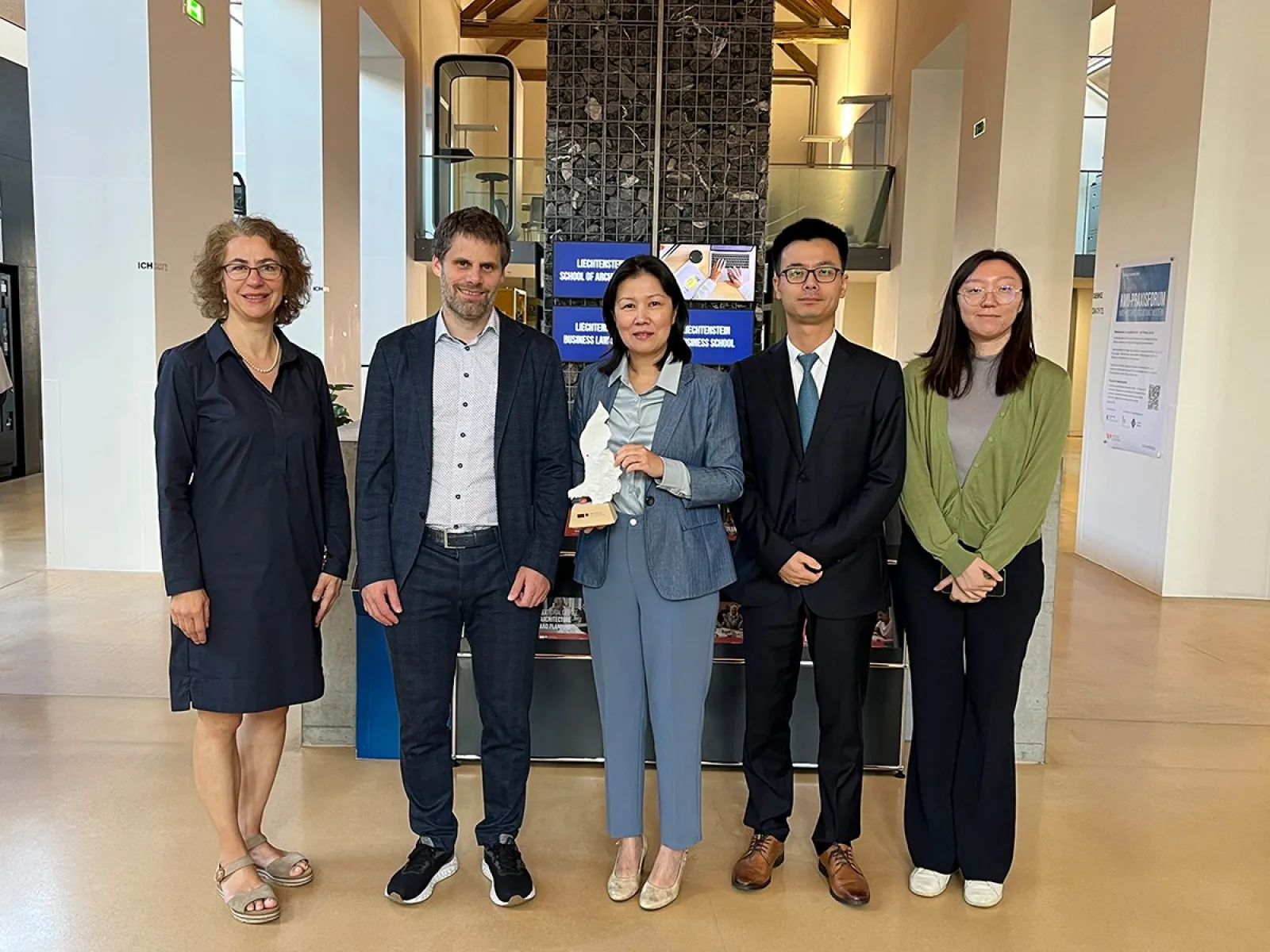
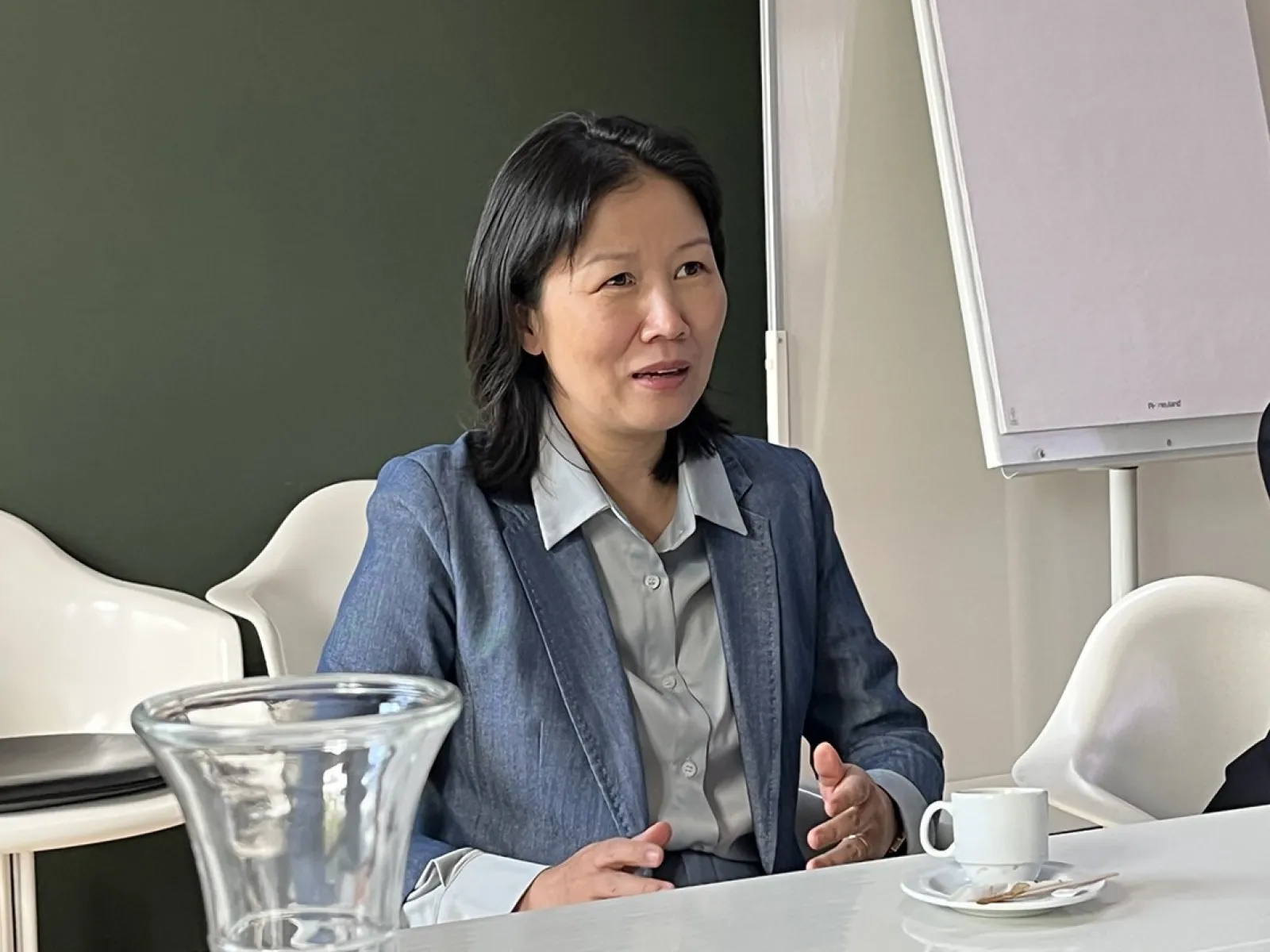
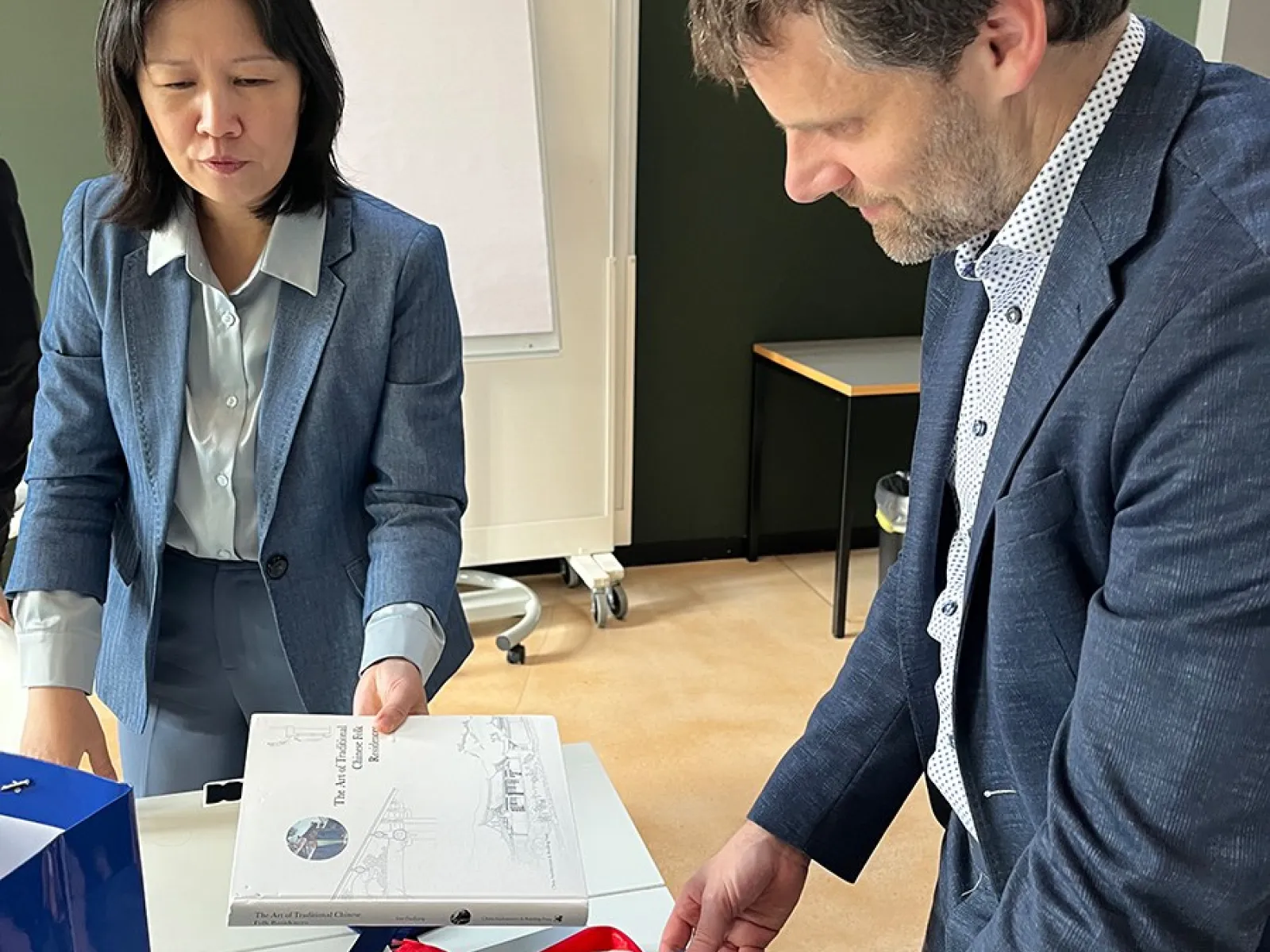
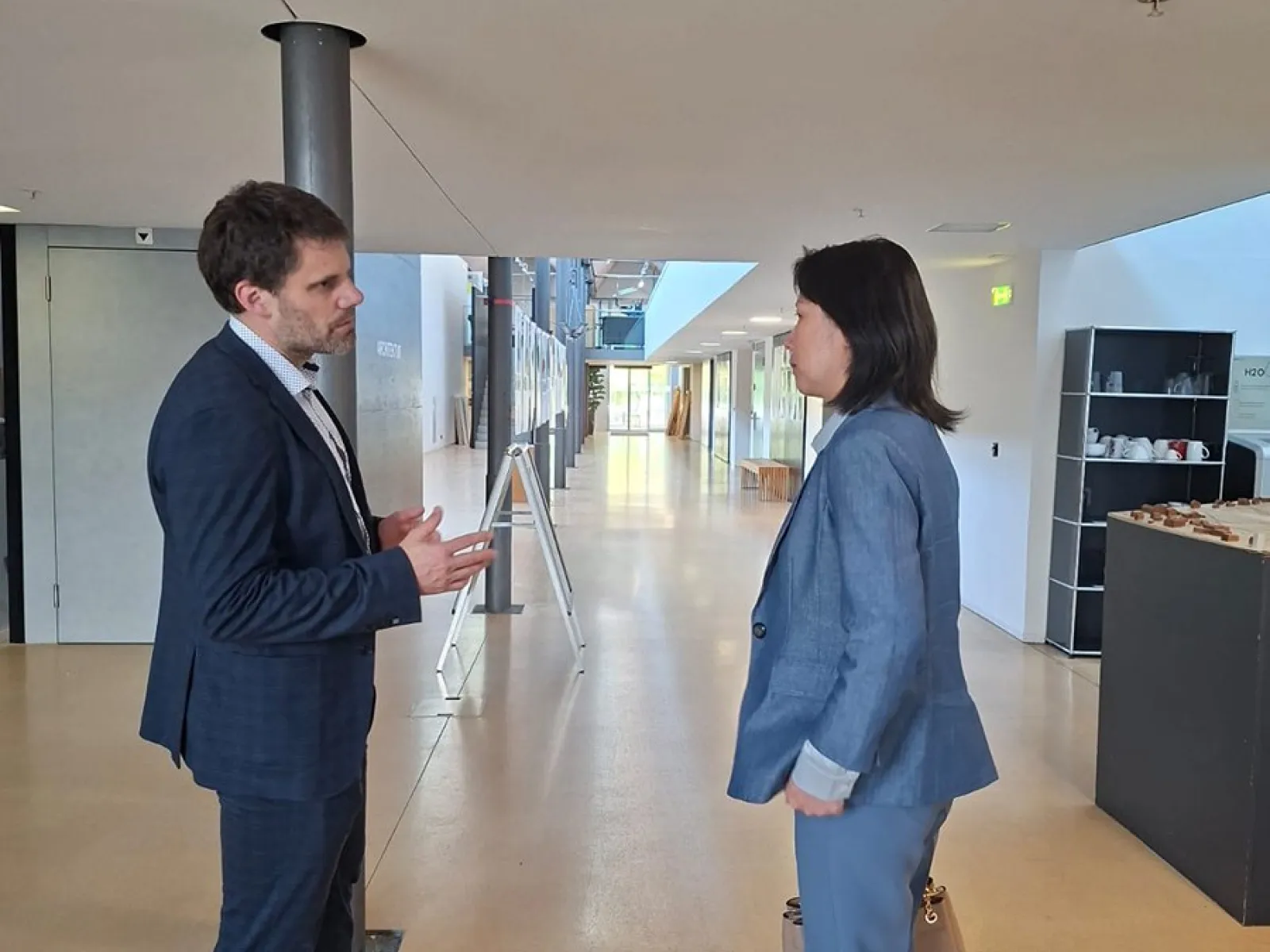
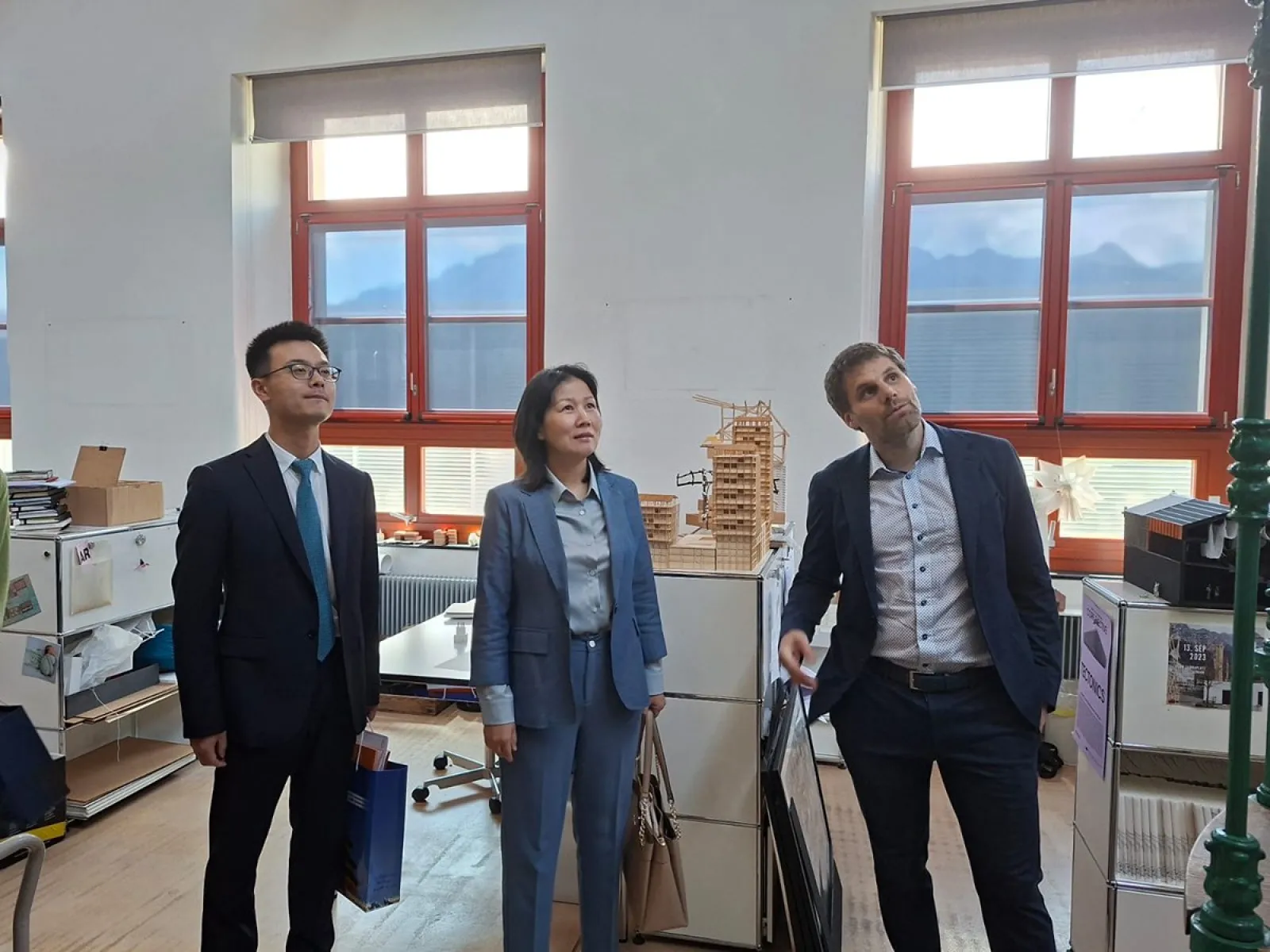
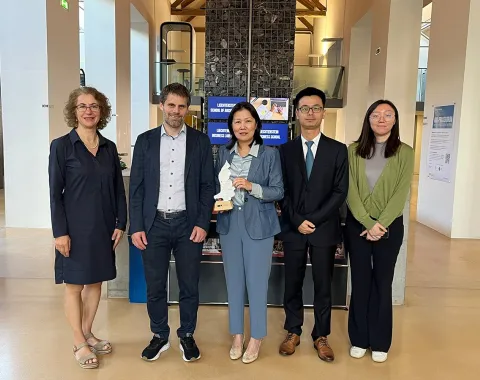
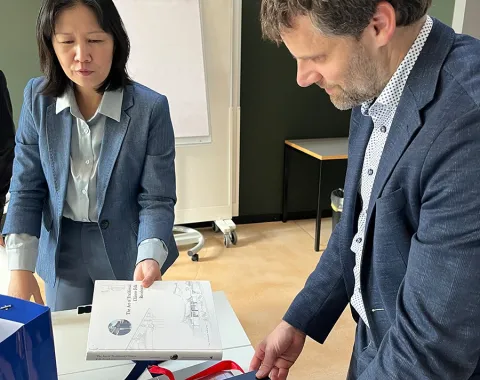
On July 10, the University of Liechtenstein welcomed Consul General Chen Yun together with Consul Cui Xiang, Head of the Department for Bilateral Relations, and Consul Attaché Zhou Yumeng, also from the Department for Bilateral Relations.


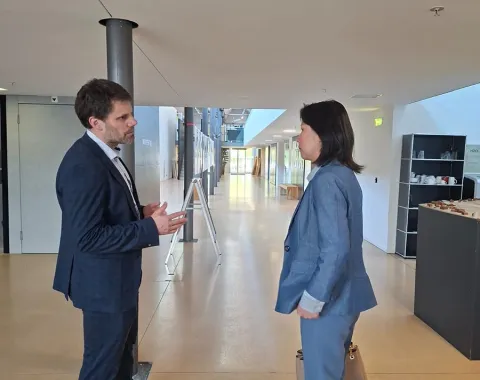
The exchange focused on bilateral relations as well as existing and potential academic partnerships between Liechtenstein and China.


At the invitation of the Chinese Ministry of Foreign Affairs, Yann Thorens, a doctoral student at the University of Liechtenstein, will take part in the ten-day European Young Leaders Workshop in Beijing in August. The aim of the workshop is to promote dialog and cooperation between China and Europe and to deepen mutual understanding. The program includes talks with representatives of the Department of European Affairs of the Ministry of Foreign Affairs, meetings with young people from China, visits to high-tech companies and trips to various cities such as Hami, Turpan, Yining, Bole and Urumqi.


Other topics of discussion included possible future delegation trips to China and the expansion of joint activities in the field of education. The Consul General is keen to bring young people into contact with each other at an early stage in order to build cultural bridges and promote mutual understanding.


A tour of the university rounded off the visit and provided an opportunity to get to know the University of Liechtenstein better.

Diverse, Relevant, and Internationally Visible: Publications of the Liechtenstein Business School in the First Half of 2025

Diverse, Relevant, and Internationally Visible: Publications of the Liechtenstein Business School in the First Half of 2025

Research at the Liechtenstein Business School is as diverse as it is current: In the first half of 2025, numerous studies were published and presented at international conferences – ranging from citizen science and artificial intelligence to cryptocurrencies and resource-efficient investing.


These publications not only demonstrate a high level of academic quality but also highlight a strong connection to socially and economically relevant issues. The following contributions provide an insight into the broad spectrum of research topics. Additional links to further publications and news can be found below.


Research for All: How Citizens Can Shape Science


Science is no longer just the domain of lab coats and ivory towers – as shown by a new research project from the University of Liechtenstein. In a study published earlier this year in the prestigious journal Electronic Markets, Michael Gau and his co-authors present an innovative system that actively involves citizens in research. Rather than merely consuming results, participants are encouraged to think along, ask questions, and explore problems together with researchers. This is made possible through a digital platform that has been designed and evaluated in several studies with volunteers. The goal is to bring science closer to everyday life and work together to find solutions to real-world challenges. A significant step towards a more open and participatory research culture.


Gau, M., Greif-Winzrieth, A., Maedche, A., Weinhardt, C., & vom Brocke, J. (2025). Engaging citizen scientists: designing an open research system for collaborative problem exploration. Electronic Markets. https://doi.org/10.1007/s12525-025-00757-z


Generative AI in Action – Between Fascination and Implementation


In March, digital-liechtenstein.li, in cooperation with the University of Liechtenstein, hosted a webinar on Generative AI and MLOps – and the interest was tremendous! Over 200 participants joined the session to learn more about the latest developments in this field.

The speakers, Prof. Dr. Johannes Schneider and Jonas Bokstaller, provided fascinating insights into the current state of Generative AI and demonstrated how Machine Learning Operations (MLOps) work in practice.


Three Contributions at DESRIST 2025


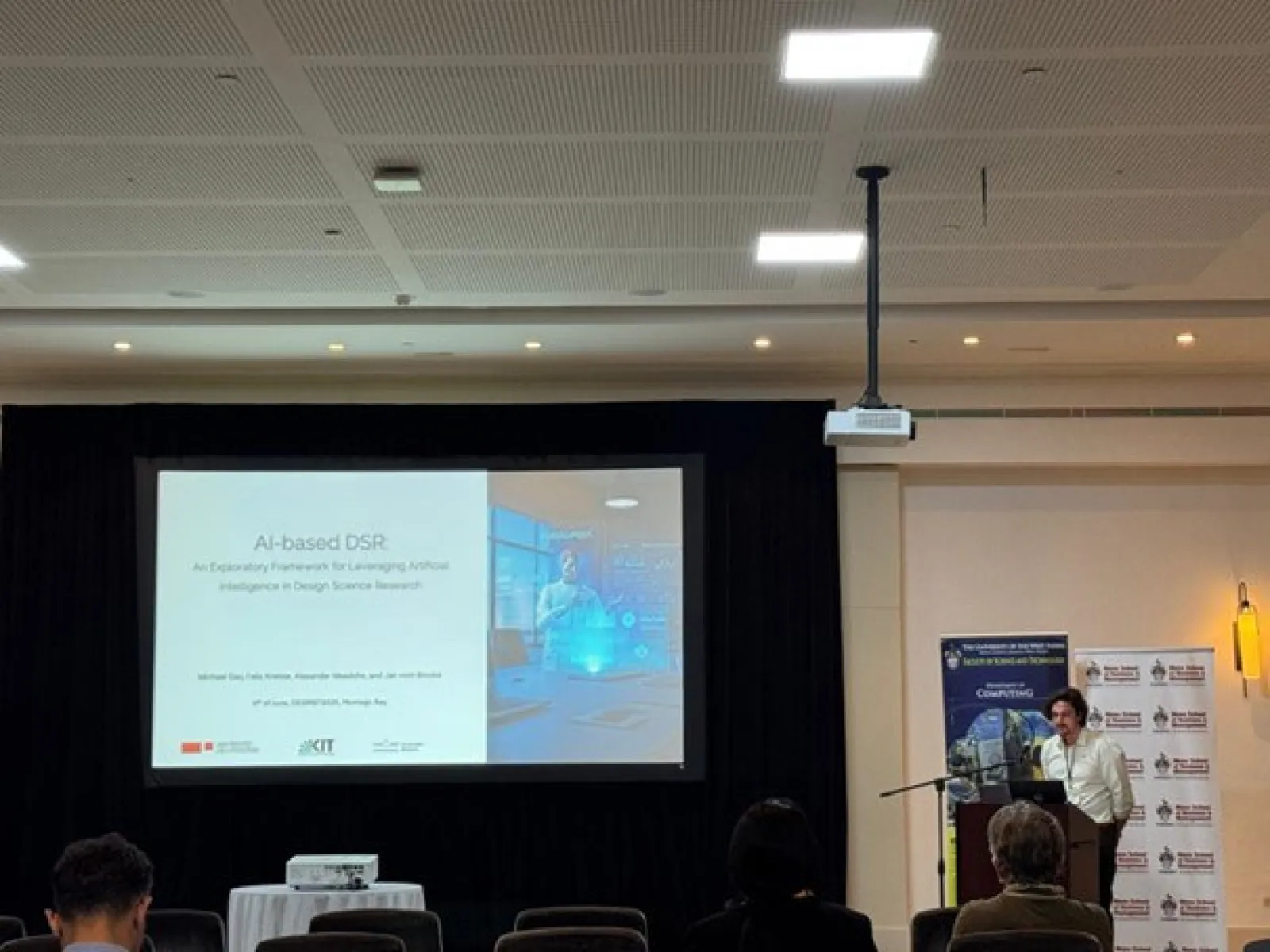
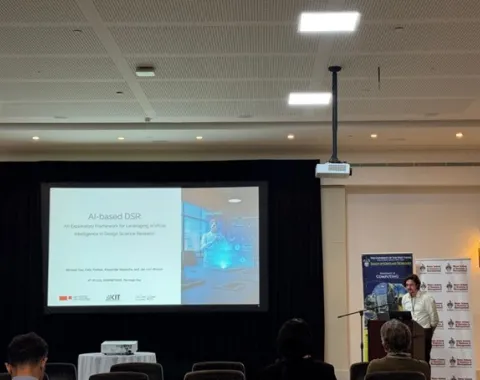
Michael Gau, Senior Scientist at the University of Liechtenstein, participated in this year's DESRIST – the leading conference in the field of Design Science Research – with three contributions alongside his colleagues:

  • The paper "AI-Based Design Science Research: An Exploratory Framework for Leveraging Artificial Intelligence in Design Science Research" explores how artificial intelligence can be integrated into the design science process. It presents a framework that supports researchers and practitioners in harnessing the potential of AI.
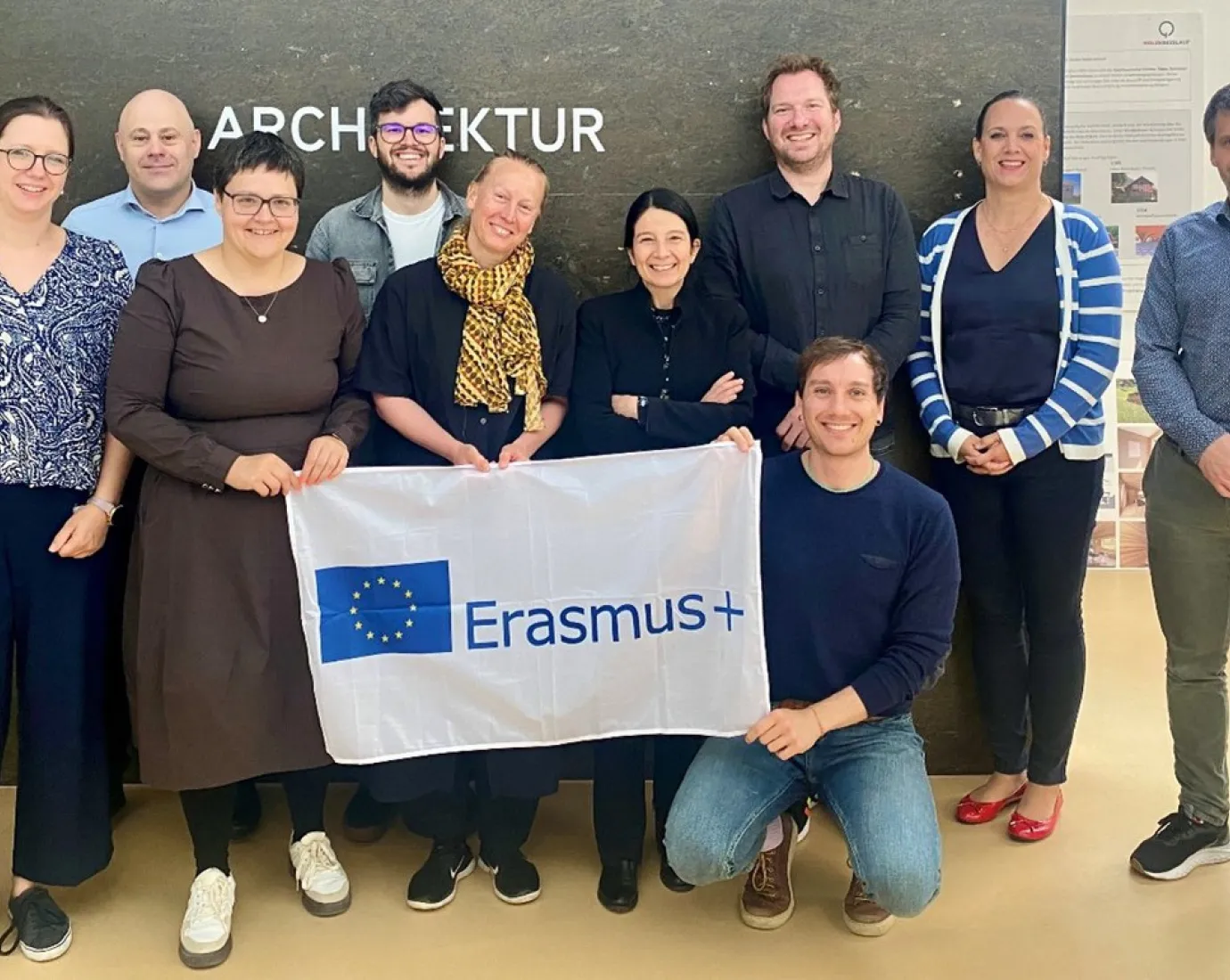
  • The paper "Past Lessons, Future Directions: An Author-Informed Review of Design Science Research in Information Systems" was developed as part of the Erasmus+ project Design Science Research Academy. Based on 14 interviews with DSR experts, it analyzes the evolution and future of design science research in the field of information systems.
  • The third contribution introduced the Design Science Research Academy, developed within the Erasmus+ project of the same name – an open prototype for innovative and collaborative DSR teaching materials.


Artificial Intelligence in Focus: Job Postings as a Trend Barometer


How can future trends in AI be identified? The conference paper "Job Postings Analysis as a Tool for Technology Foresight," presented by Marie Scheuffele, doctoral candidate at the Liechtenstein Business School, at the ISPIM Innovation Conference in Bergen (Norway), introduces a new approach: Using text mining, more than 100,000 online job postings from 2023 and 2024 were analyzed globally to reveal current developments in the demand for AI-related skills.


The study not only identifies in-demand AI competencies and their evolution across time, countries, and industries – it also demonstrates how job advertisements can serve as a data-driven foundation for technology foresight. The paper was nominated for the prestigious Knut Holt Award, which recognizes the best conference paper at the ISPIM Innovation Conference.


Reference:
Scheuffele, M., Martini, M., John, M., & Brecht, L. (2025). Job Postings Analysis as a Tool for Technology Foresight. Paper presented at the ISPIM Innovation Conference, Bergen, Norway.


Phishing Detection: The limitations of existing detectors against Chinese phishing websites (and how to fix these)


Phishing websites are a major global issue. Yet many existing detection systems focus almost exclusively on the “Western” side of the world---overlooking that phishing websites are pervasive also in other areas, such as China. An international study, co-authored by Dr. Giovanni Apruzzese, Assistant Professor of Data & Application Security, shows that many common phishing detectors that work well on websites tailored for Western users (e.g., English or German) struggle to identify fraudulent websites from China – in some cases, with detection rates below 1%.


To investigate this, the research team collected a new dataset of Chinese phishing websites (ChiPhish) and tested existing systems. Based on their findings, they proposed an improved detector that identifies phishing sites from various regions with a detection rate above 98% – while maintaining a very low false positive rate.


The study was published in the renowned journal Computers & Security:
Yuan, Y., Apruzzese, G., & Conti, M. (2025). Beyond the West: Revealing and Bridging the Gap Between Western and Chinese Phishing Website Detection.Computers & Security (January).


Identifying Technology Trends – Thanks to Online Job Postings


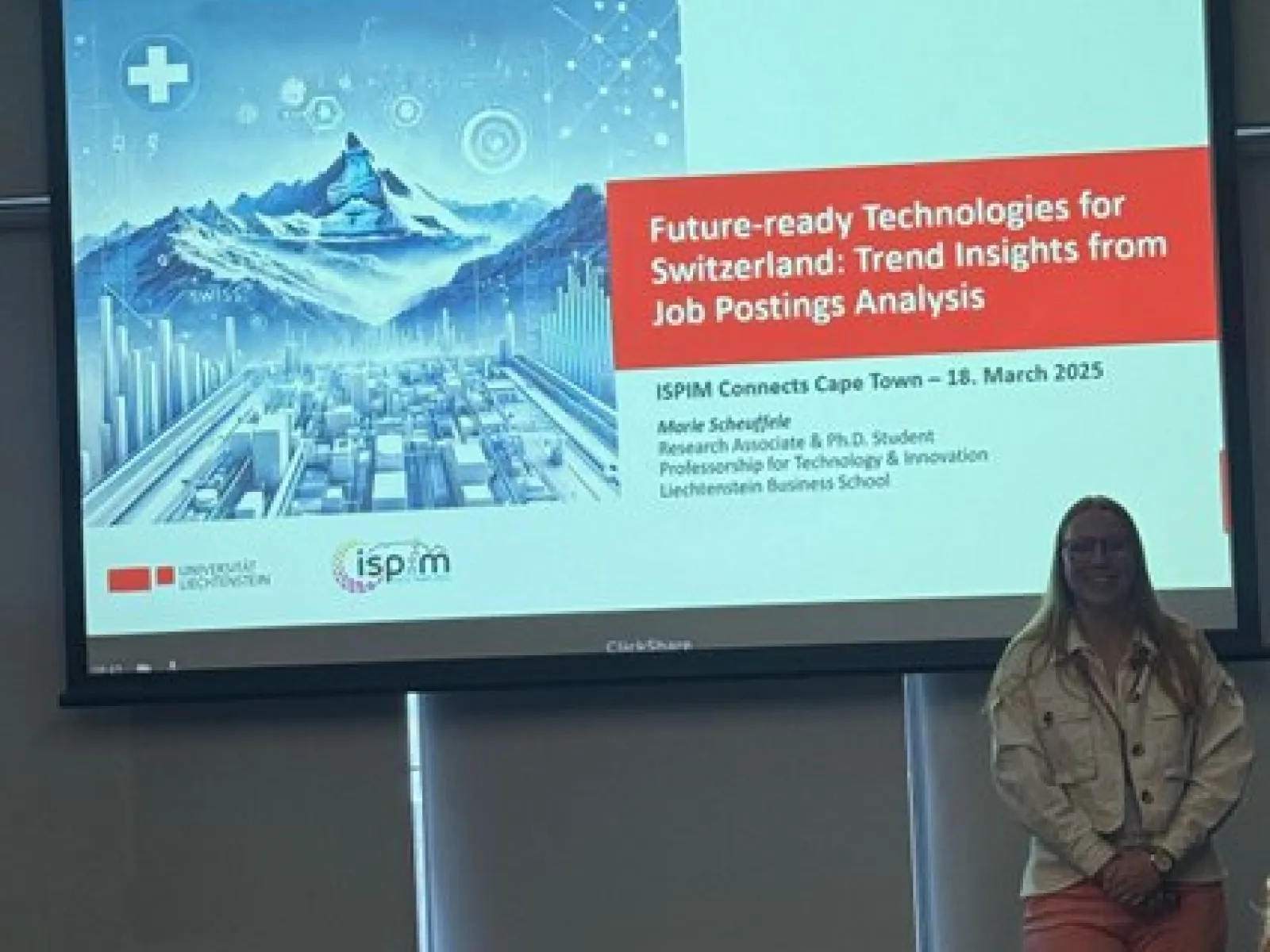
In March, Marie Scheuffele, a doctoral student at the Liechtenstein Business School, presented her research on future-relevant technologies for Switzerland at the ISPIM Connects conference in South Africa. Together with Prof. Dr. Leo Brecht, she examined how online job postings can be used as an alternative data source to identify technological trends and analyse the hiring behaviour of Swiss companies across various industries. The conference paper also provides an overview of current scientific trend studies as well as new data-driven approaches in innovation research.


Scheuffele, M., & Brecht, L. (2025). Future-ready technologies for Switzerland: Trend insights from job postings analysis. Paper presented at the ISPIM Connects Cape Town, South Africa - Transforming Futures Through Innovation, Cape Town, South Africa.


Investing Resource-Efficiently – and Earning More? New Study Reveals Surprising Resu


Can companies that use resources such as energy or water particularly efficiently perform better on the stock market? This is the question explored by a study presented at the 36th ISPIM Innovation Conference in Bergen.


Thomas Beales, Dr. Djordje Zivkovic, and Prof. Dr. Leo Brecht from the Liechtenstein Business School applied a novel analytical method called Data Envelopment Analysis (DEA) and tested it on a sample of 1,500 publicly listed U.S. companies. The surprising finding: firms with high resource efficiency achieved better returns than those assessed using standard ESG criteria.


The study suggests that focusing on actual environmental performance rather than general sustainability ratings may lead to more successful long-term investments.


Beales, T., Zivkovic, D., & Brecht, L. (2025). Resource efficient firms and stock returns. Paper presented at the 36th ISPIM Innovation Conference, Bergen, Norway.


Why Choosing the Right Crypto Exchange Can Make or Break Your Returns


Cryptocurrencies are booming – but many people are unaware that choosing the right trading time and exchange can save (or cost) a lot of money. A new study by the Liechtenstein Business School shows: Anyone trading cryptocurrencies like Bitcoin or Altcoins should pay attention to liquidity – that is, how easily and quickly one can buy or sell without significantly impacting the price.


Prof. Dr. Martin Angerer, Dr. Marius Gramlich, and Prof. Dr. Michael Hanke analyzed thousands of trading data points and found that trading conditions vary significantly depending on the platform, time of day, and currency. On some exchanges, trading is significantly cheaper – especially for less-known coins.


Also interesting: Exchanges themselves can influence how liquid their markets are – for example, by the number of trading pairs offered or through specific trading rules. In short: Paying attention to the details in crypto trading can help avoid high hidden costs and increase profits.


Angerer, M., Gramlich, M., & Hanke, M. (2025). Order Book Liquidity on Crypto Exchanges. Journal of Risk and Financial Management, 18(3).


Central Bank Digital Currency: Threat to Banks or Opportunity for Stability?


More than 100 central banks worldwide are currently working on the introduction of Central Bank Digital Currencies (CBDCs). But how would such a new form of money affect the behavior of bank customers?


A new study by Prof. Dr. Michael Hanke, Professor of Finance, and researchers from the UK investigates precisely this question. Through economic experiments, the researchers analyze how people behave when they can convert their bank deposits into CBDCs – and which designs of these digital currencies increase or reduce the risk of a bank run.


The findings are especially relevant for central banks and policymakers: Anyone aiming to introduce CBDCs must ensure that these innovations stabilize – rather than destabilize – the financial system.


Shakina, Ekaterina, Hanke, Michael and Ellis, Scott. "Central Bank Digital Currencies: Experimental Evidence of Deposit Conversion". The B.E. Journal of Economic Analysis & Policy, vol. 25, no. 1, 2025, pp. 127–137. https://doi.org/10.1515/bejeap-2024-0192


Self-Leadership: The Underrated Key Competence for Entrepreneurs


What does it take to successfully start and grow a business? The new study "Self-leadership: The essential drive for entrepreneurs" by Prof. Dr. Marco Furtner, Professor of Entrepreneurship & Leadership, together with Dr. Simon Liegl and Dr. Kilian Klösel, shows: One of the most crucial factors is the ability to lead oneself – meaning to set clear goals, develop a vision, stay organized and motivated, and follow through with ideas.


The researchers show that self-leadership strengthens the impact of personality on innovation and performance. In other words: Entrepreneurs who can lead themselves are more innovative and effective – regardless of how strong their entrepreneurial personality is.


Their conclusion: Anyone planning to start a business should work deliberately on their self-leadership skills – ideally before the first idea is ever implemented.


Furtner, M., Liegl, S., & Klösel, K. (2024). Self-leadership: The essential drive for entrepreneurs. Journal of the International Council for Small Business.


Further studies were presented at the European Conference on Information Systems (ECIS). An overview can be found here.


Moreover, three additional papers were published in international academic journals, all of which have already been featured in dedicated news articles:

Subscribe to