Skip to Main Content

Guest lecture by Karsten Neugebauer: How a German Company Became Europe's Biggest AI Exit

Guest lecture by Karsten Neugebauer: How a German Company Became Europe's Biggest AI Exit

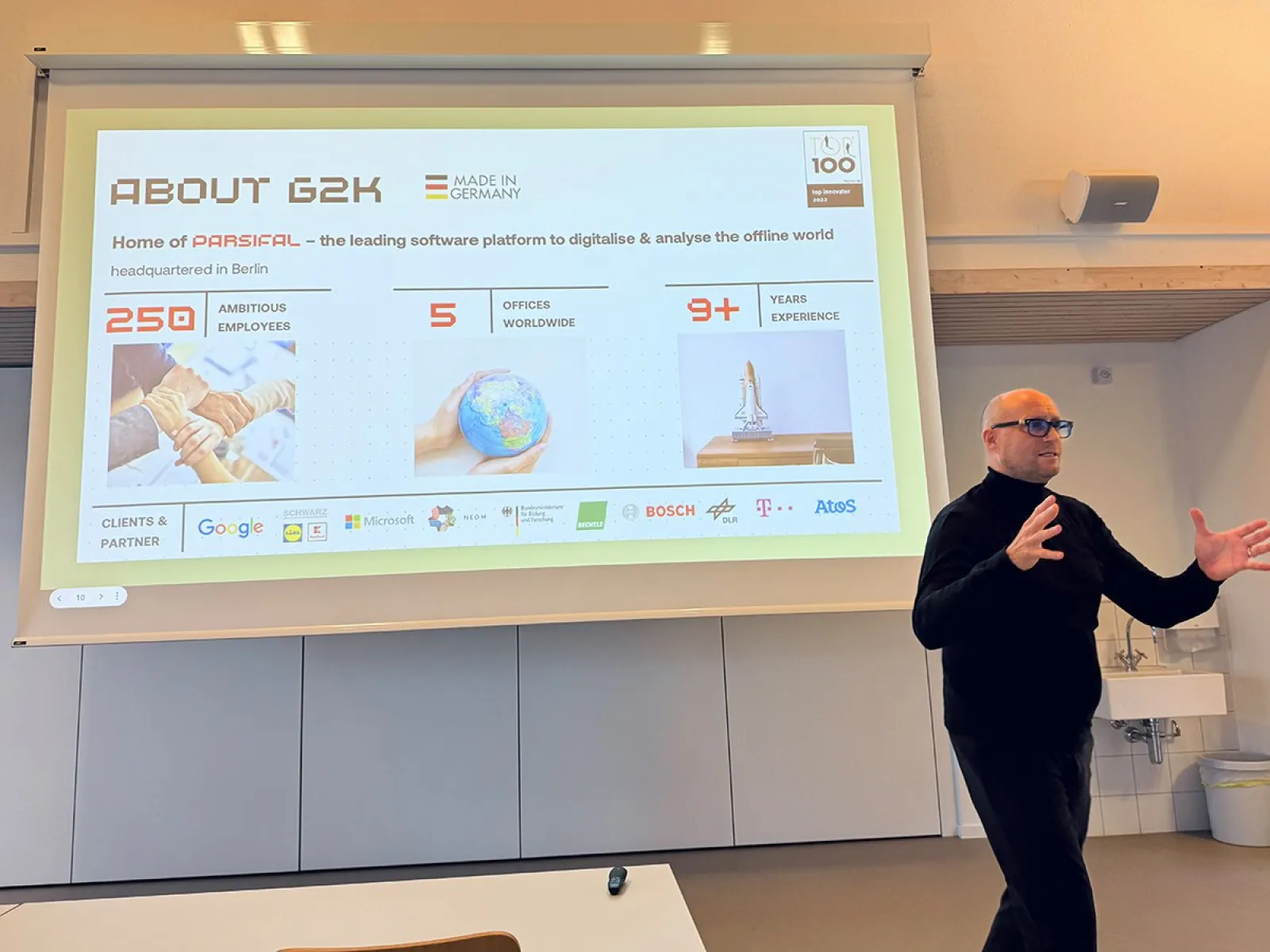
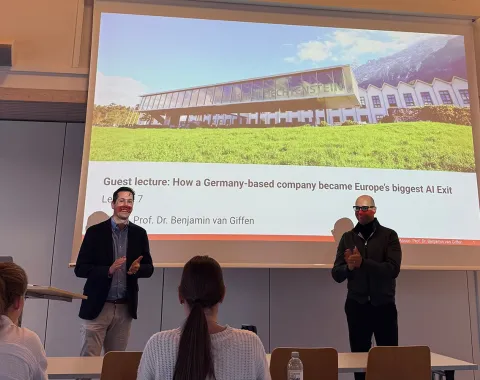
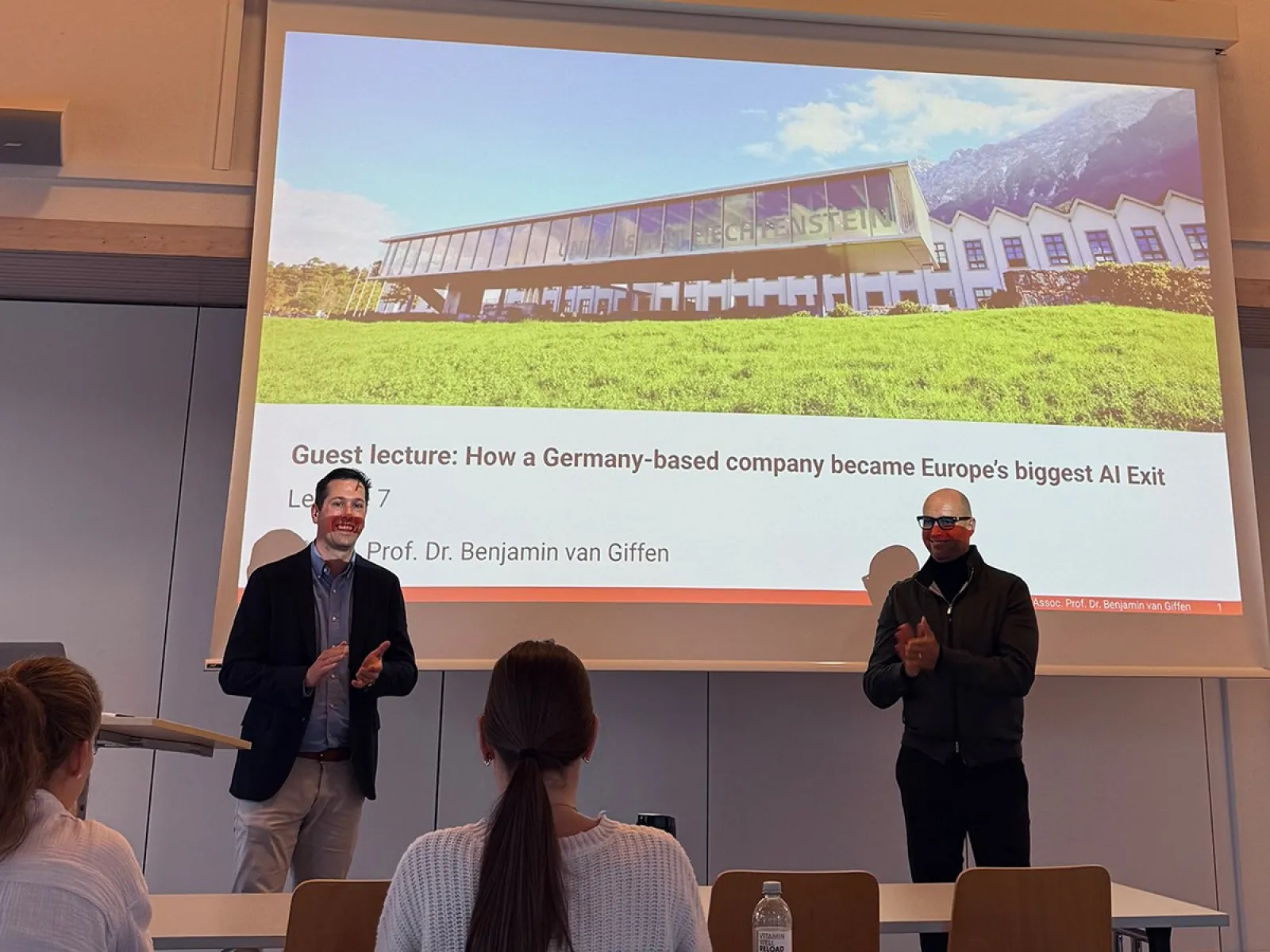
As part of the “AI Strategy, Management and Governance” lecture at the University of Liechtenstein, Karsten Neugebauer, former CEO of G2K, gave an inspiring guest lecture on “How a Germany-based company became Europe's biggest AI Exit”. The event was organized by Assoc. Prof. Dr. Benjamin van Giffen and offered students valuable insights into the world of AI start-ups and, in particular, their scaling potential.


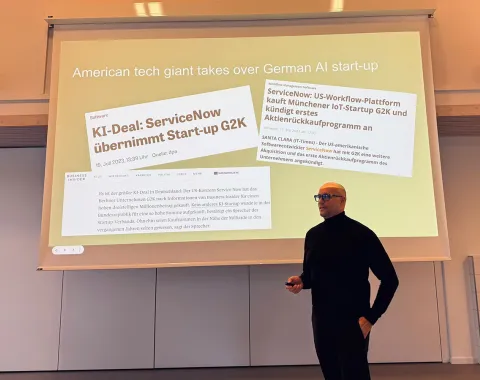
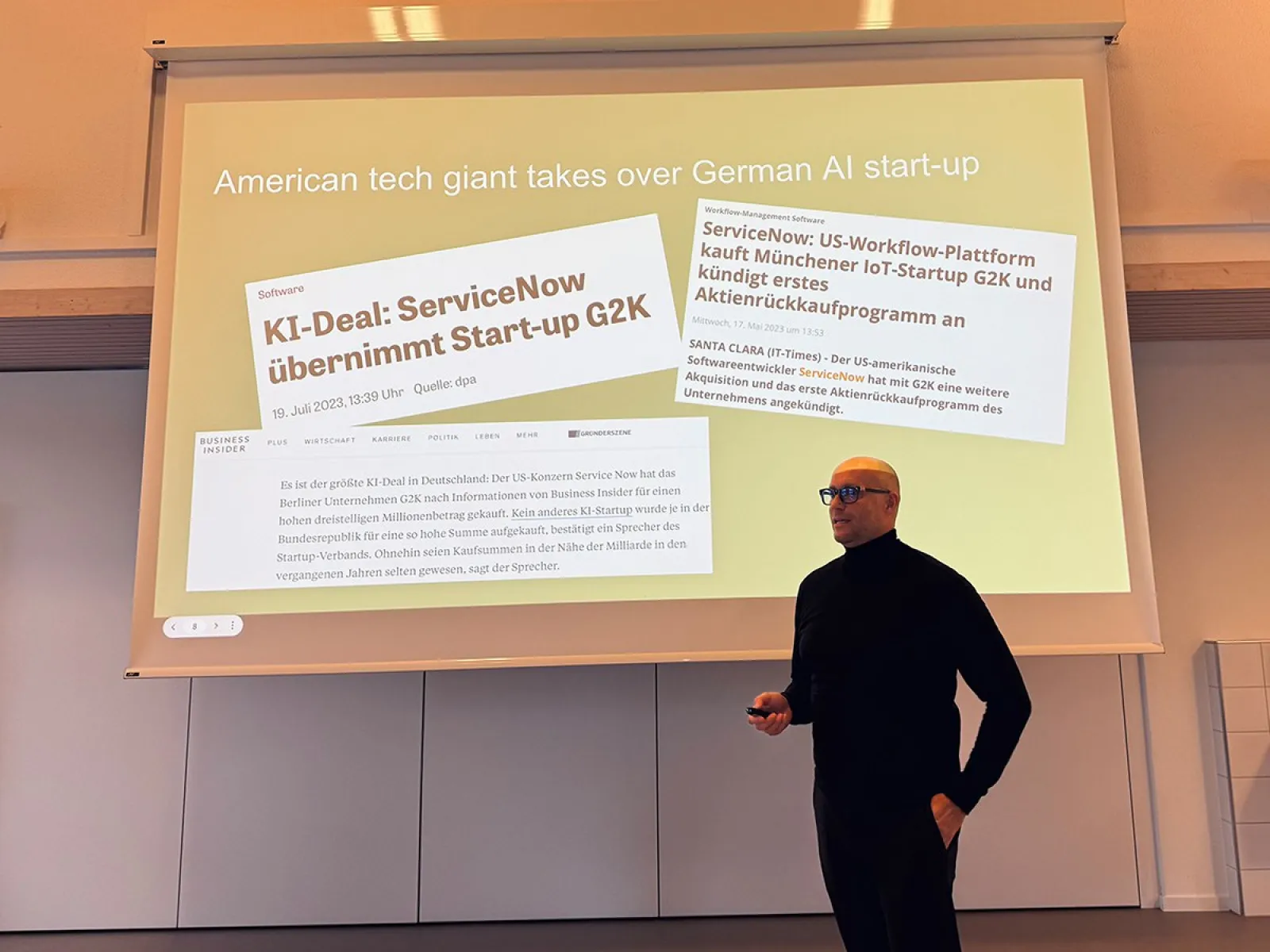
Karsten Neugebauer shared the impressive story of how he and his co-founder developed the German AI start-up G2K into Europe's largest AI exit. G2K was acquired by American technology giant ServiceNow in 2023. The talk was rich in insights and provided many personal insights into building and scaling an AI-driven start-up and the challenges involved.


Three insights were particularly in focus:

  1.  “Show, don't tell": In their customer presentations, G2K prevailed over well-known technology giants by making their AI offering tangible. Instead of just promising results, they showed practically how their solution works, demonstrating the value for potential customers.
  2. External rather than internal competition: In contrast to large companies, where competition often takes place between departments, start-ups need to maintain a clear and strong focus on the common goal. G2K's success is due to the fact that the company functioned as a cohesive team, with teams directing their energy “outwards” to meet growth pressures and market challenges, rather than losing it to internal politics.
  3. Thinking about the scalability of AI applications: Another important success factor is the focus on AI use cases with high scaling potential. G2K demonstrated early on how their AI solutions can deliver return on investment (ROI) across multiple applications - providing the critical link from data to positive business value. This is a fundamentally important prerequisite for the successful use of AI, especially in times of AI hype.


The event provided an excellent opportunity for students to learn first-hand how European AI start-ups can be successful on a global scale. The guest lecture complemented the theoretical foundations of the lecture and enabled all participants to gain practical insights into the challenges and opportunities of current developments in the AI environment.


The lecture “AI Strategy, Management and Governance” under the direction of Assoc. Prof. Dr. Benjamin van Giffen is part of the Master's degree program in Information Systems at the University of Liechtenstein and underlines the importance and commitment of the university to provide students with up-to-date and practice-relevant knowledge in the field of artificial intelligence.
University of Liechtenstein Student Wins Talent Pitch Switzerland 2025

University of Liechtenstein Student Wins Talent Pitch Switzerland 2025

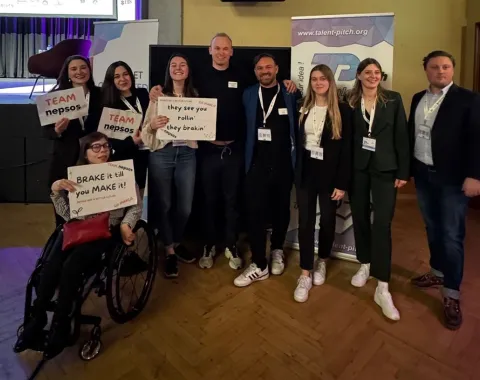
On the evening of 3 March 2025, the third edition of Talent Pitch Switzerland took place at the Volkshaus Zürich—a competition that offers a stage to promising young entrepreneurs from Switzerland and Liechtenstein. In front of more than 400 live attendees and an online audience of over 1,000 viewers, 13 start-ups from leading universities and universities of applied sciences competed against one another.


Each participating founder had three minutes to pitch their innovative business idea to a distinguished panel of judges. This year’s jury included Thomas Dübendorfer, Penny Schiffer, Jürg Schwarzenbach, and Roberta Massa—all experienced investors and entrepreneurs.


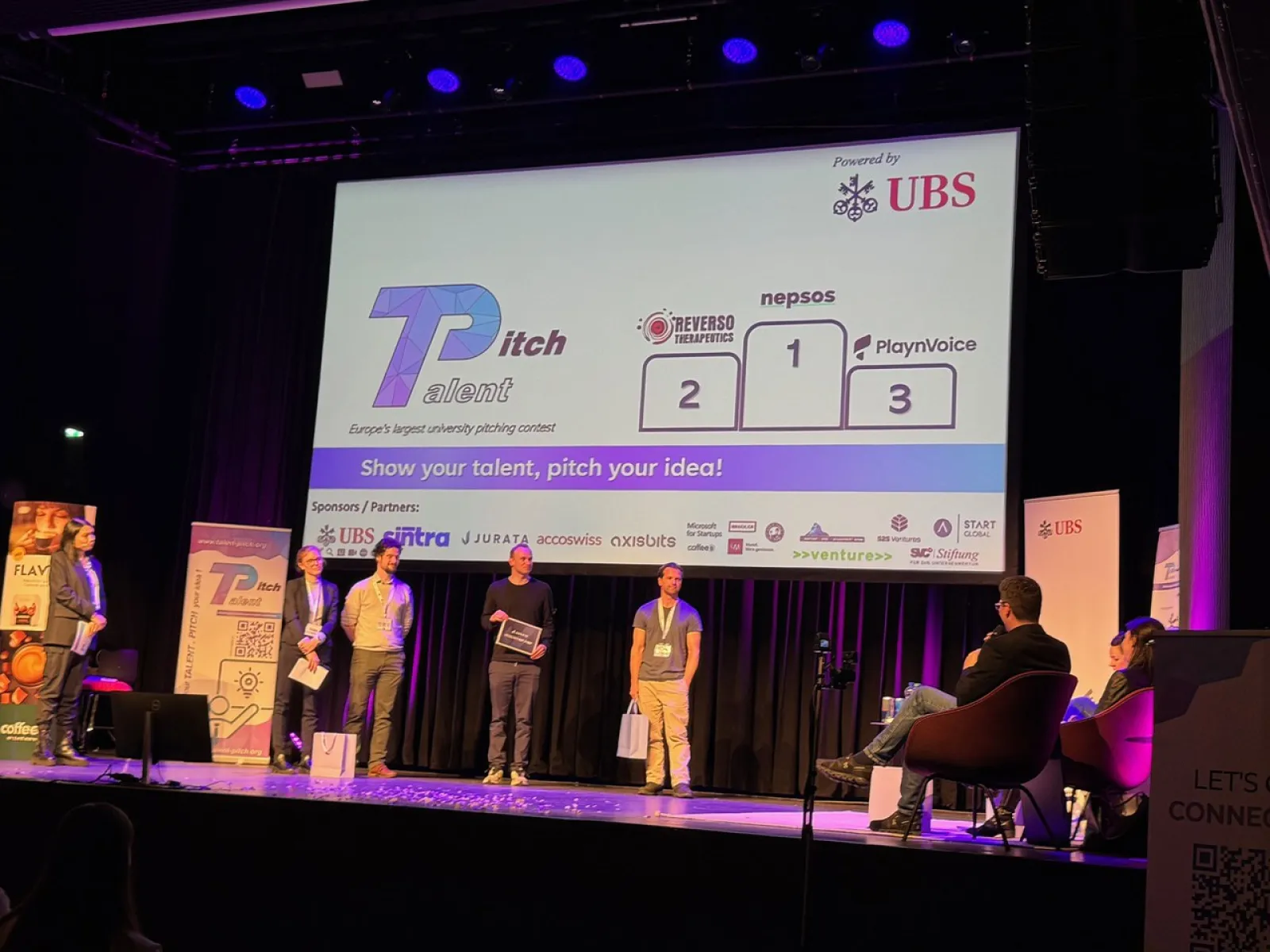
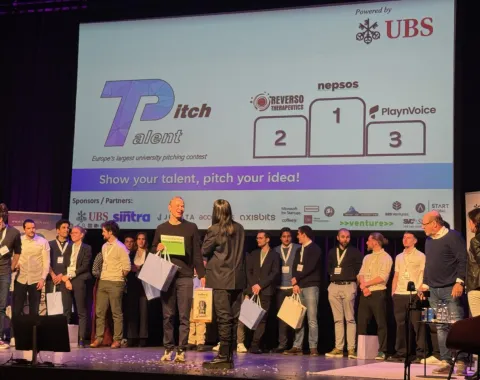
After the pitches, three outstanding start-ups advanced to an in-depth Q&A round:

  • Reverso Therapeutics (University of Geneva) – Developing the next generation of blood thinners
  • PlaynVoice (University of Applied Sciences Northwestern Switzerland) – AI-powered solution for automated clinical documentation
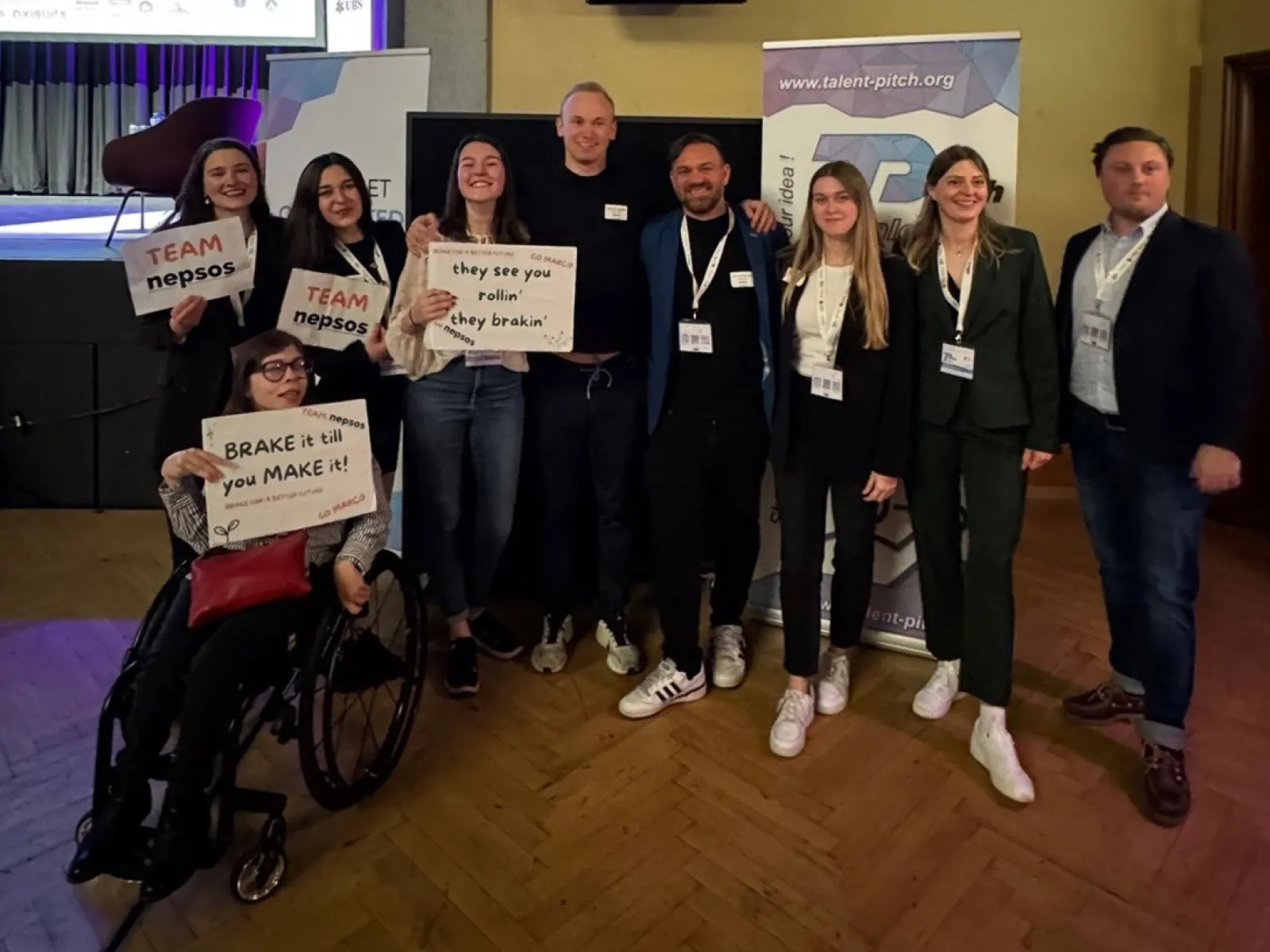
  • Nepsos (University of Liechtenstein) – Revolutionary low-emission brake system emitting up to 80% less than conventional steel brakes


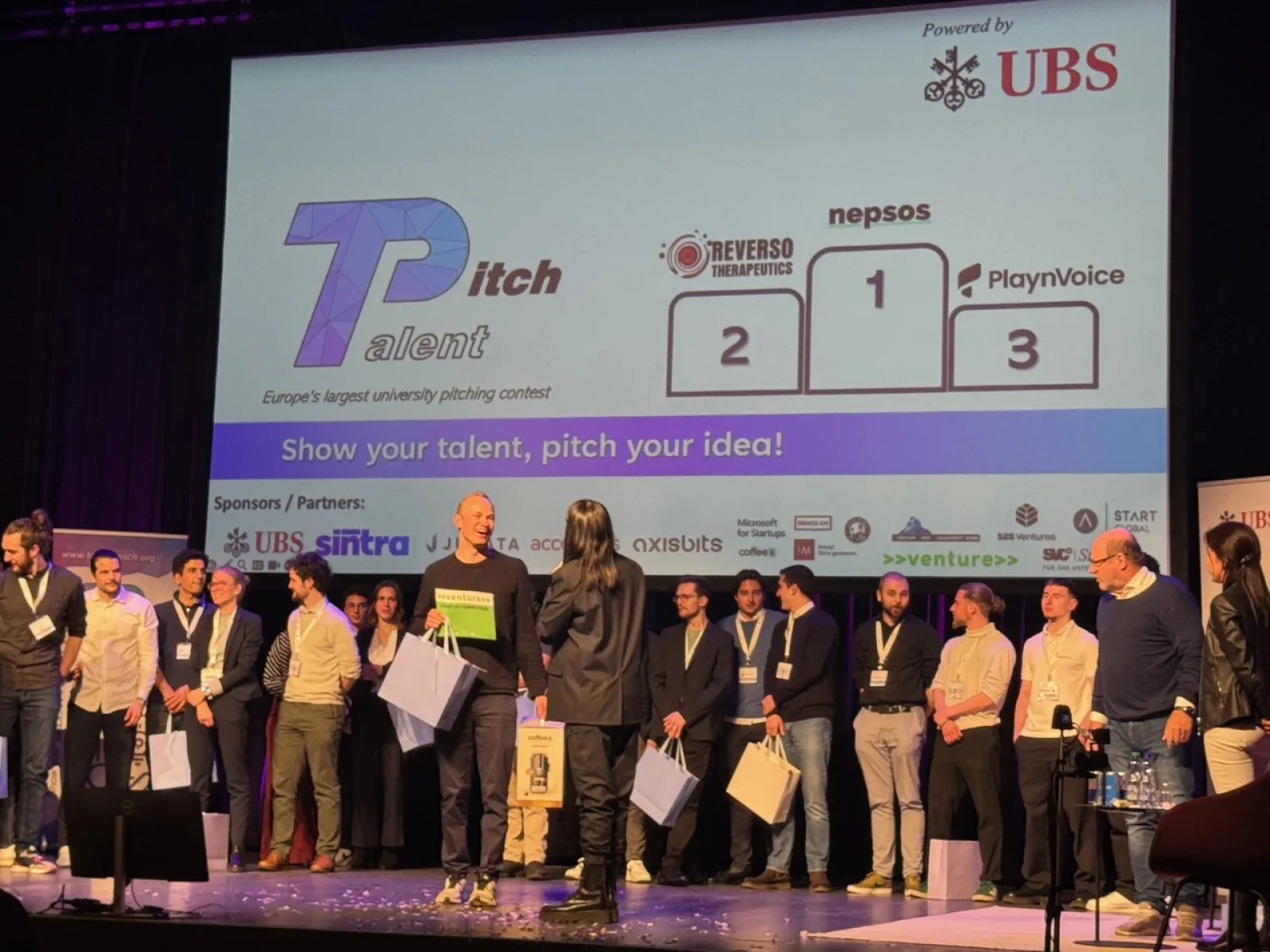
First Place for Nepsos and Marco Eichberger


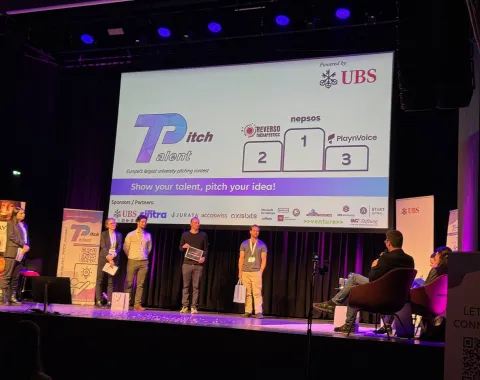
After a highly competitive final round, the start-up Nepsos, founded by Marco Eichberger, convinced the expert jury and secured first place. His innovative approach to low-emission brake discs impressively demonstrated how technological innovation can actively contribute to sustainability.


“It’s fantastic to see how well our students are prepared for entrepreneurial careers through the Master’s programme in Entrepreneurship & Management—not just for the start-up phase but across the entire lifecycle of a company,” said Prof. Dr. Marco Furtner of the University of Liechtenstein.


Also inspiring was the keynote by Muriel Schreck (ETH Zurich), who won the 2024 competition with her start-up qCella. She shared how Talent Pitch Switzerland opened doors and helped elevate her business to the next level.


We warmly congratulate Marco Eichberger and Nepsos on winning Talent Pitch Switzerland 2025 and wish them continued success on their entrepreneurial journey!

Award Ceremony for Best “Case Study” in Economic Criminal Law

Award Ceremony for Best “Case Study” in Economic Criminal Law

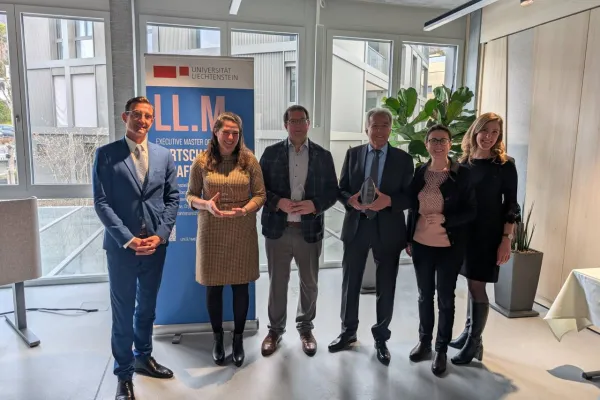
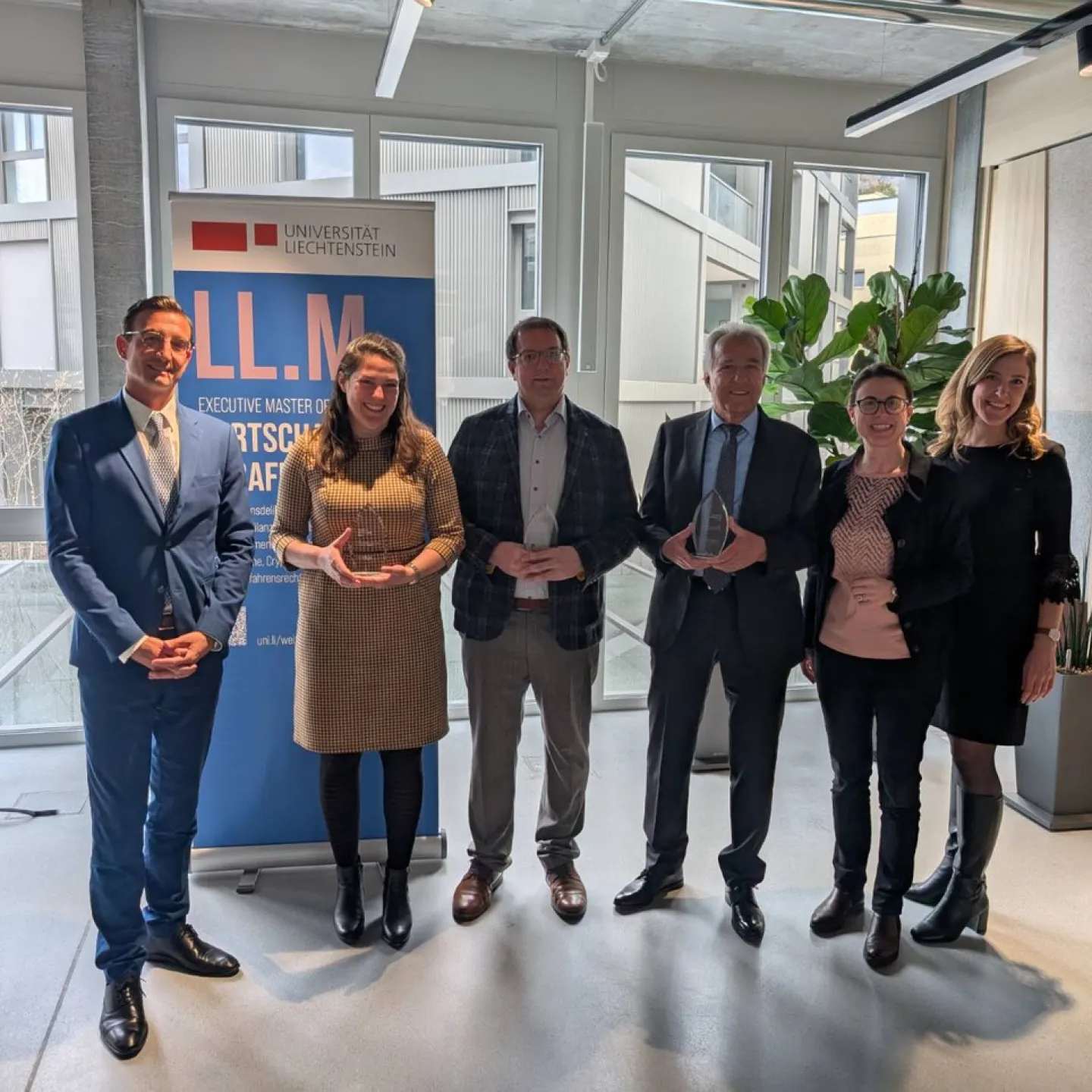
Sechs Personen stehen in einem modernen Raum vor einem Banner der Universität Liechtenstein. Zwei Personen halten Glastrophäen. Die Gruppe lächelt in die Kamera. Im Hintergrund sind große Fenster und Pflanzen zu sehen.

On 11 March 2025, the official award ceremony for the 9th module “Case Studies” in the Executive Master of Laws (LL.M.) in Economic Criminal Law took place.


The best-performing team was honoured by Schwärzler Attorneys at Law with a cash prize of CHF 5,000 and a glass award for their outstanding achievement. The awards were presented to Lorenz Öhri, MSc., Dr. iur. Sandra Francesca Lazzarini, and Dr. Guido Lazzarini. We are especially pleased that this recognition celebrates the successful collaboration between father and daughter.


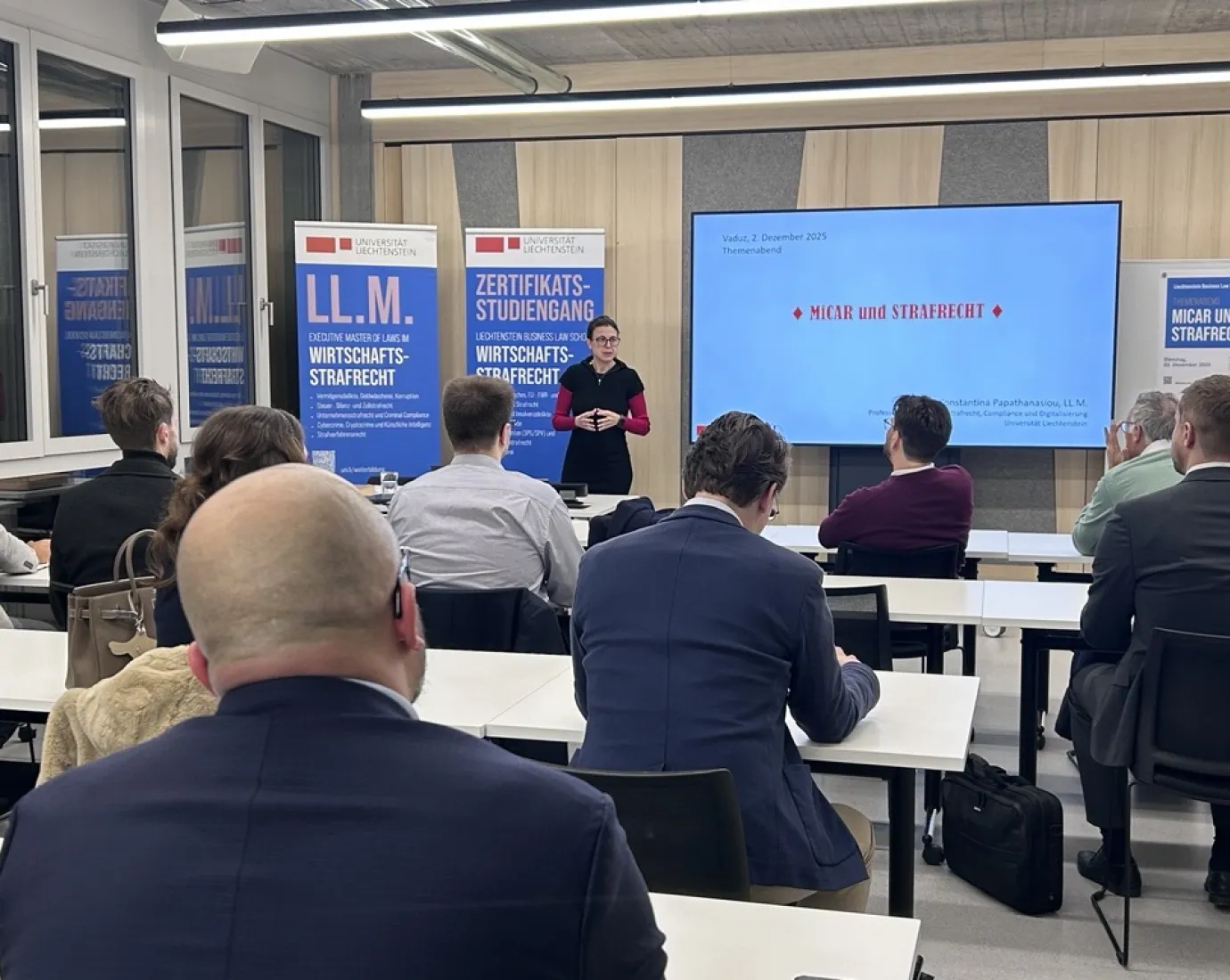
The Case Studies module is a true highlight of the LL.M. programme under the direction of Prof. Dr. Konstantina Papathanasiou, LL.M., and illustrates how targeted continuing education conveys practical legal expertise.


A heartfelt thank-you goes to Dr. Hannah Blecha, LL.M., and MMag. David Karl Jandrasits, LL.M. of Schwärzler Attorneys at Law for the excellent collaboration.

Sechs Personen stehen in einem modernen Raum vor einem Banner der Universität Liechtenstein. Zwei Personen halten Glastrophäen. Die Gruppe lächelt in die Kamera. Im Hintergrund sind große Fenster und Pflanzen zu sehen.

Digital Closeness: How Authentic Relationships Emerge in Social Networks

Digital Closeness: How Authentic Relationships Emerge in Social Networks

A study published in the Journal of the Association for Information Systems, one of the leading journals in the field of Information Systems, with the involvement of Assoc. Prof. Dr. Johannes Schneider from the Liechtenstein Business School, focuses on an often-overlooked aspect: the quality of relationships in social networks.


While social networks are often perceived as platforms for exchange and interaction, the authors examine how deep and high-quality these relationships truly are.


By analyzing over 440,000 non-private messages in social media networks, the researchers identified four key factors for high relationship quality: personality, curiosity, respect, and sharing. These factors contribute to making digital interactions feel more genuine and valuable—similar to personal conversations.


The study, titled "Capturing the ‘Social’ in Social Networks," demonstrates that social networks are not only defined by their structure but, more importantly, by the quality of interactions between users. This has significant implications for companies and platform operators: a more conscious design of social media environments could help strengthen relationships and make digital interactions more human.


The publication in a top-ranked journal (A* in the ABDC ranking) highlights the scientific excellence and global impact of the research – a significant achievement for the University of Liechtenstein!


For more information on the study: "Capturing the “Social” in Social Networks: The Conceptualization and E" by Christian Meske, Iris Junglas et al.

Recognition for Student Work

Recognition for Student Work

The University of Liechtenstein is pleased that two of its architecture students have been recognized by the SIA Specialist Group for the Preservation of Buildings (FEB) for their work in building preservation. The annually awarded "FEB Prize" honors well-founded approaches to dealing with existing buildings.


In 2024, 62 projects were submitted and evaluated by a professional jury. The FEB awarded two main prizes and five recognitions, with a total prize fund of 4,500 CHF.


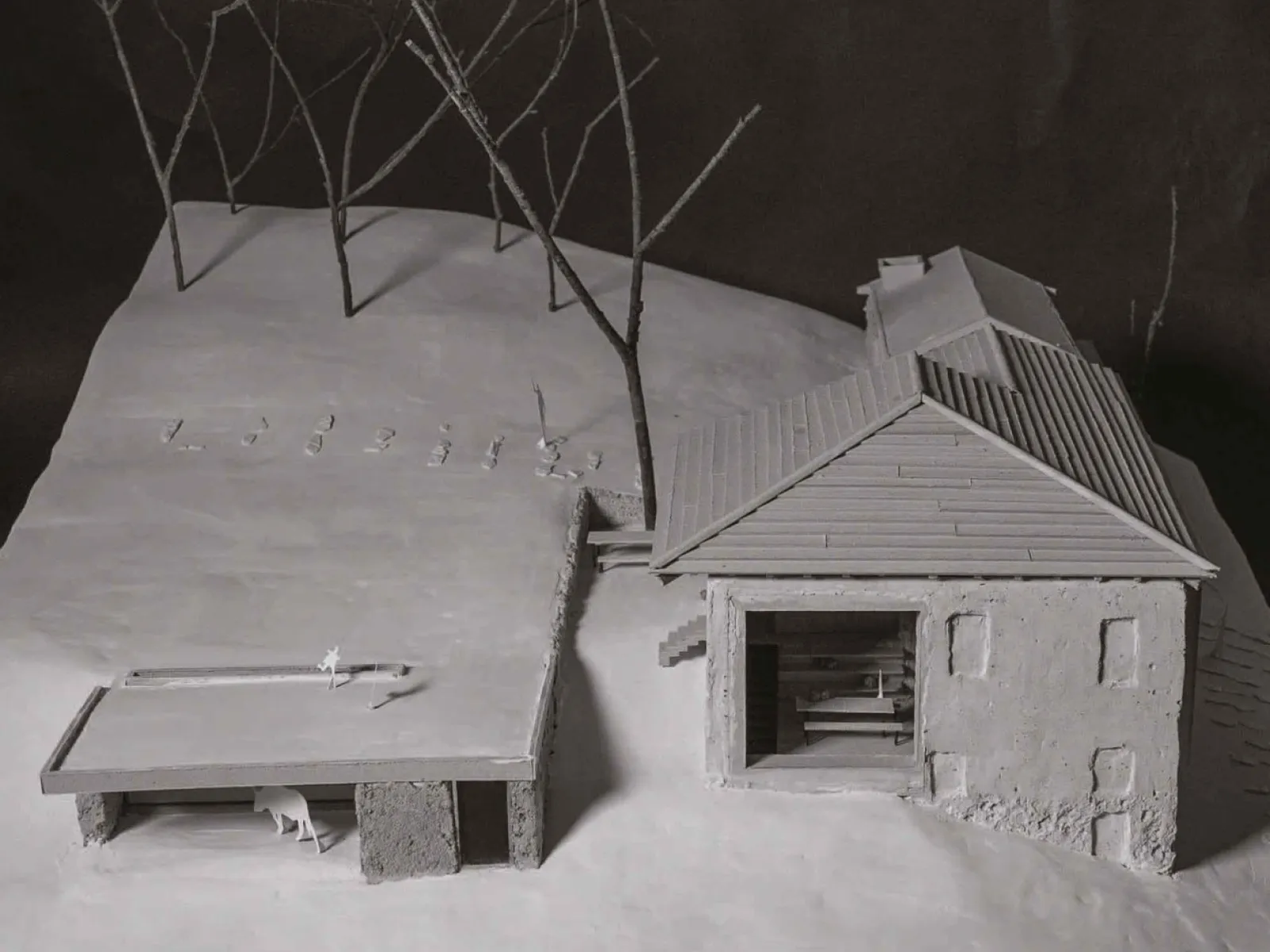
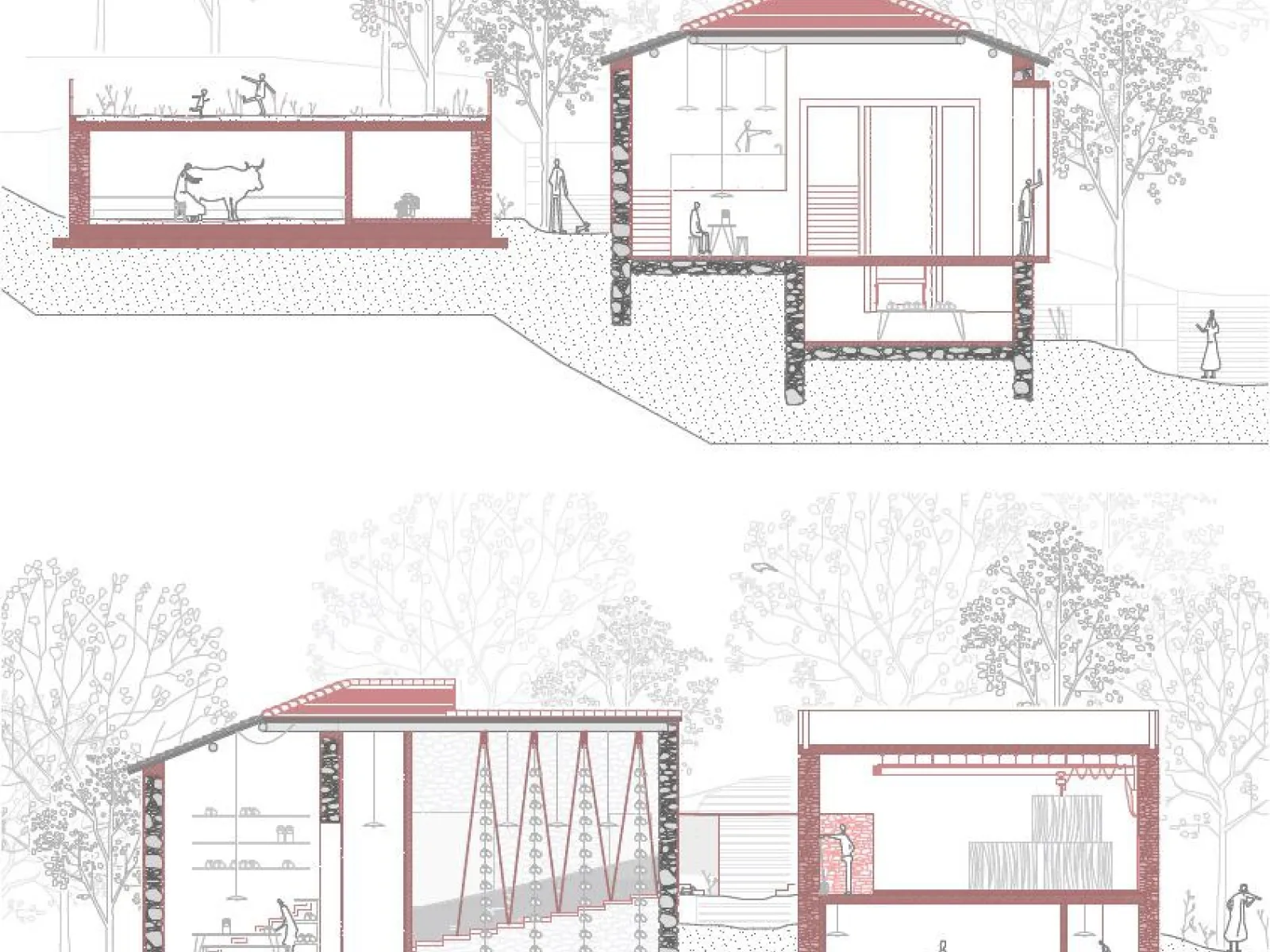
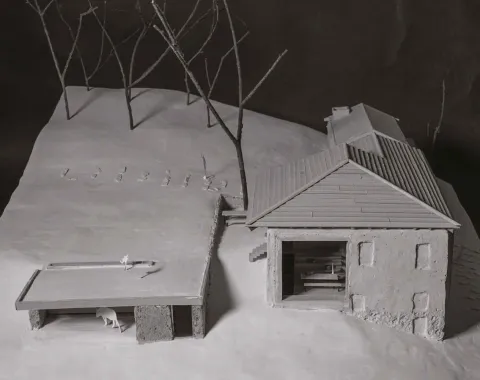
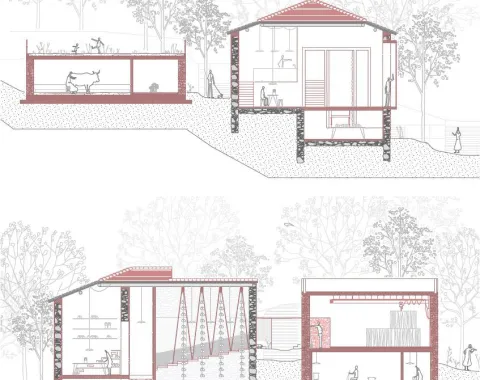
The projects by Antonia Trager, “Traditionen zurückbringen - la mucca podolica”, and Anna Stricker, “Amphiorama – the view of the world from here, casa di miele”, were acknowledged by the jury. These projects were developed as part of the design studio under the supervision of Alberto Alessi and Anna Lohs.


The Liechtenstein School of Architecture congratulates the award winners and thanks the SIA Specialist Group for the Preservation of Buildings for recognizing these achievements.

Artificial Intelligence for the Early Detection of Banking Crises: Research Team from the University of Liechtenstein Presents Compelling Findings

Artificial Intelligence for the Early Detection of Banking Crises: Research Team from the University of Liechtenstein Presents Compelling Findings

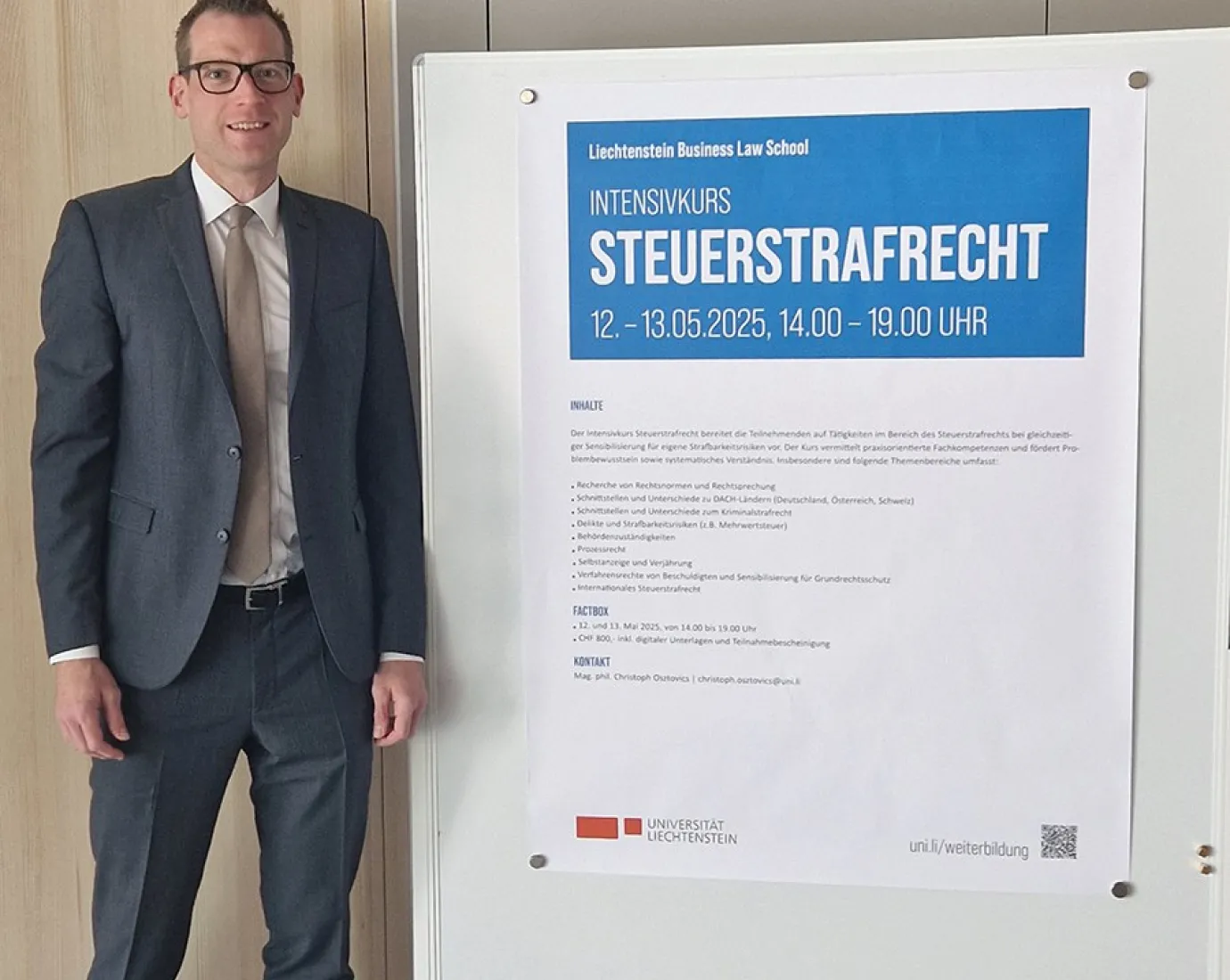
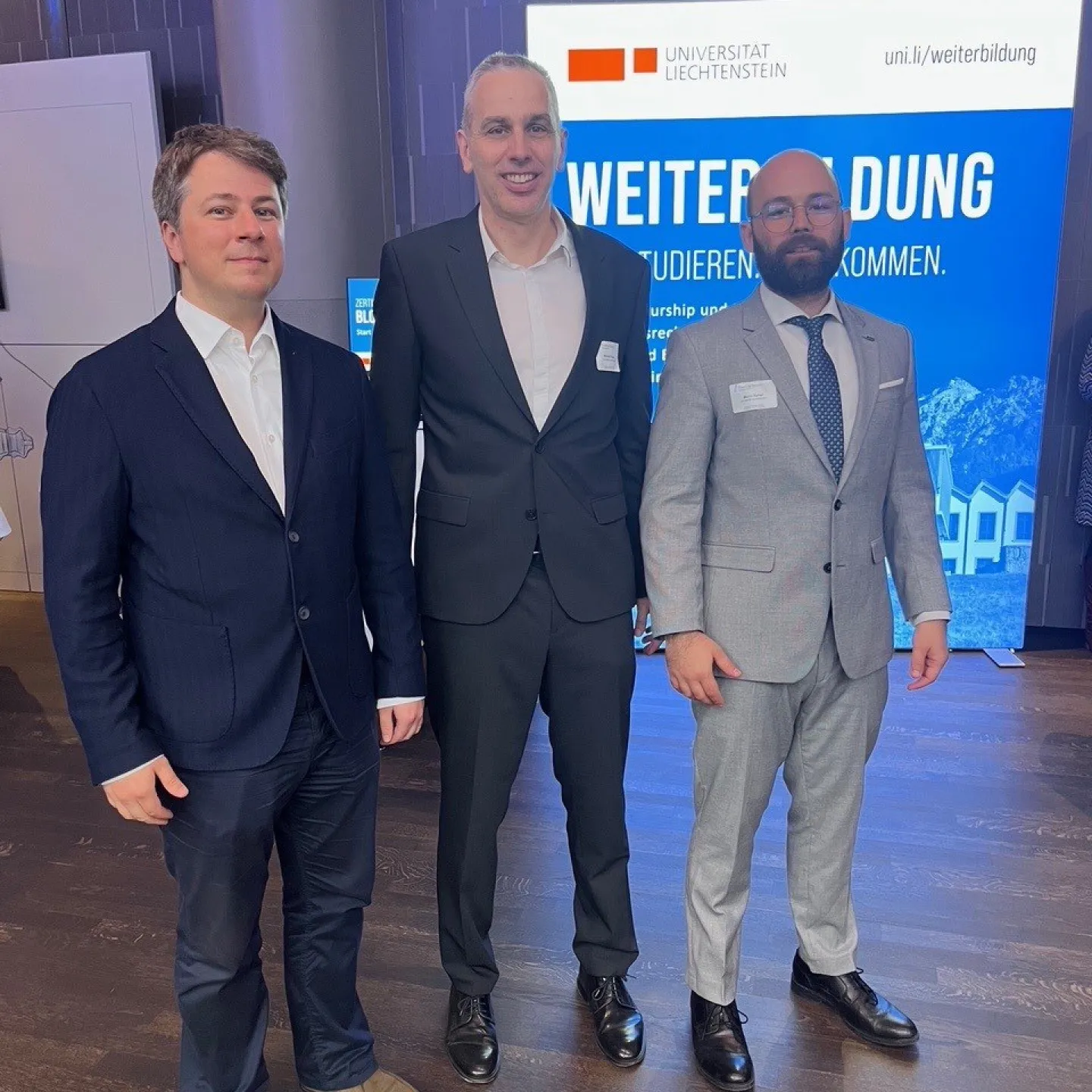
Drei Männer in Anzügen stehen vor einem Schild der Universität Liechtenstein. Im Hintergrund ist ein Banner mit der Aufschrift "Weiterbildung" zu sehen.

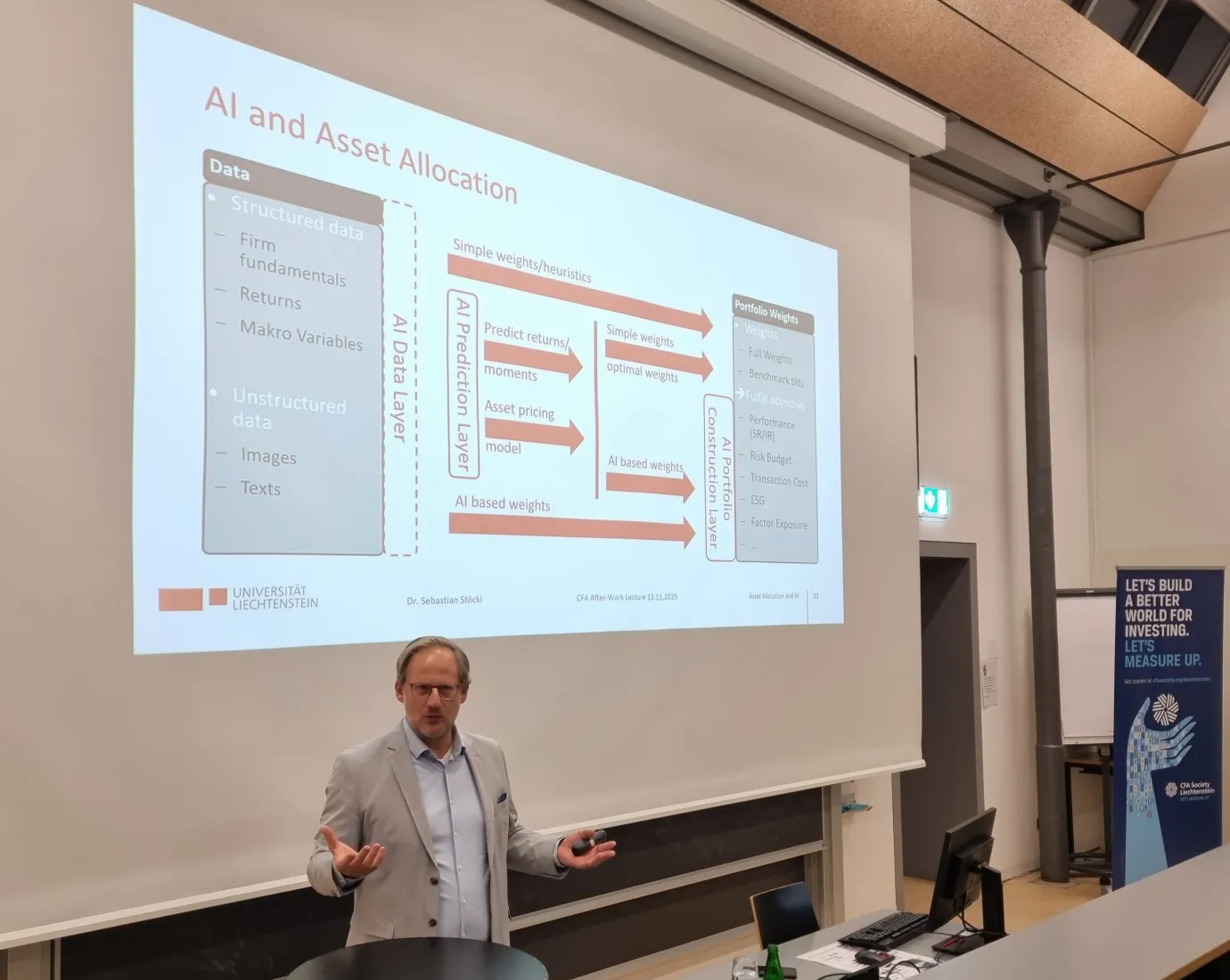
At the renowned Finance Forum Liechtenstein, Prof. Dr. Michael Hanke and doctoral candidates Merlin Bartel and Sebastian Petric from the University of Liechtenstein presented their latest research findings on a highly topical issue: the use of artificial intelligence (AI) to forecast banking crises. The workshop attracted strong interest from both industry professionals and investors.


The research team used the U.S. regional banking crisis of 2023 as a case study to demonstrate how machine learning can be applied effectively to detect potential risks at an early stage. Using advanced AI models, the researchers analysed a wide range of macroeconomic and bank-specific data to identify warning signs that may indicate impending market disruptions.


What stood out in particular was the practical relevance of the results: the model not only has the capacity to detect crisis potential but can also generate actionable investment recommendations. For instance, it was shown that an investor following the model’s signals could exit the market in advance of negative developments—resulting not only in reduced downside risk but also in significantly improved portfolio performance, especially in terms of final wealth and the Sharpe ratio.


The results underline the growing importance of data-driven approaches in finance and demonstrate how academic research can help strengthen the resilience of financial markets. This project exemplifies the successful integration of theory and practice—and serves as yet another indicator of the innovative research being conducted at the University of Liechtenstein at the intersection of financial economics and artificial intelligence.
Drei Männer in Anzügen stehen vor einem Schild der Universität Liechtenstein. Im Hintergrund ist ein Banner mit der Aufschrift "Weiterbildung" zu sehen.

International Guests at the University of Liechtenstein

International Guests at the University of Liechtenstein

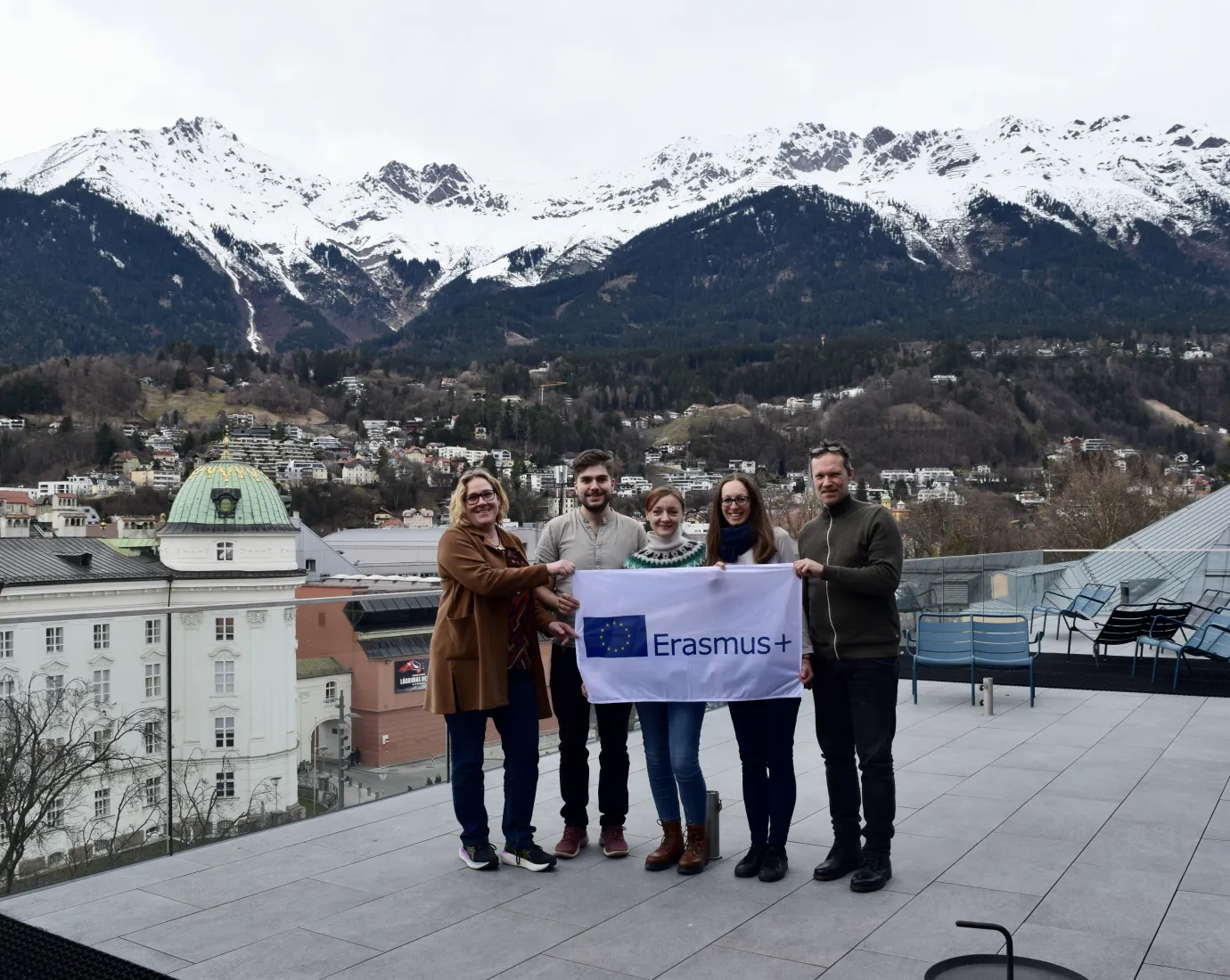
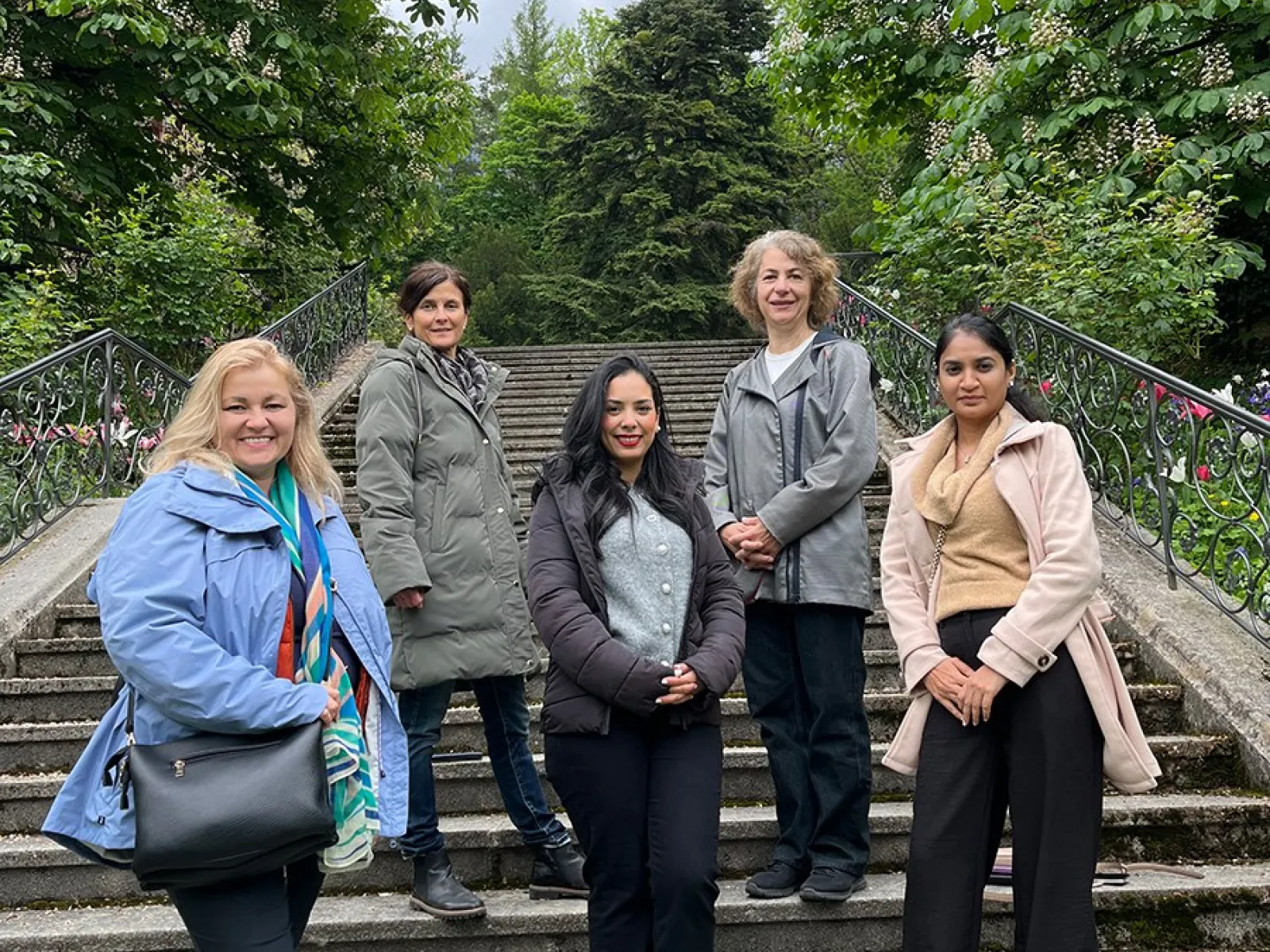
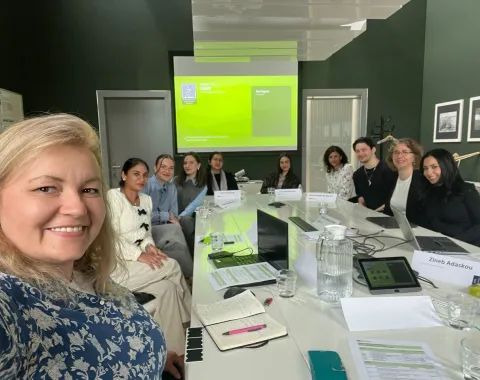
At the beginning of May 2025, the University of Liechtenstein welcomed three guests from partner universities around the world: Dr. Riann Singh from the University of the West Indies (Trinidad & Tobago), Zineb Adaskou from the Université Internationale de Rabat (Morocco) and Dr. Violeta Toncheva-Zlatkova from the University of National and World Economy (Bulgaria). During the Staff Training Days, the visitors gained a wide range of insights into research, teaching, administration and culture in Liechtenstein.


The three-day program began with an introduction by Prof. Dr. Sebastian Stöckl, Academic Director of the Undergraduate and Graduate School, and short presentations by the host universities. The subsequent exchange with international students and a guided tour of Vaduz focused on intercultural dialog.


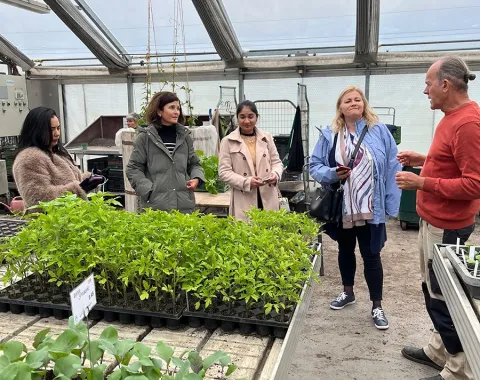
In the following days, the guests accompanied employees of the university as part of job shadowing and got to know various areas: the School of Business, Student Services, the Research Office, the Undergraduate and Graduate School, Legal Services and Data Protection. Visits to social institutions such as the Specki restaurant and the Agra institution, which integrate people with special needs into everyday working life, were particularly enriching.


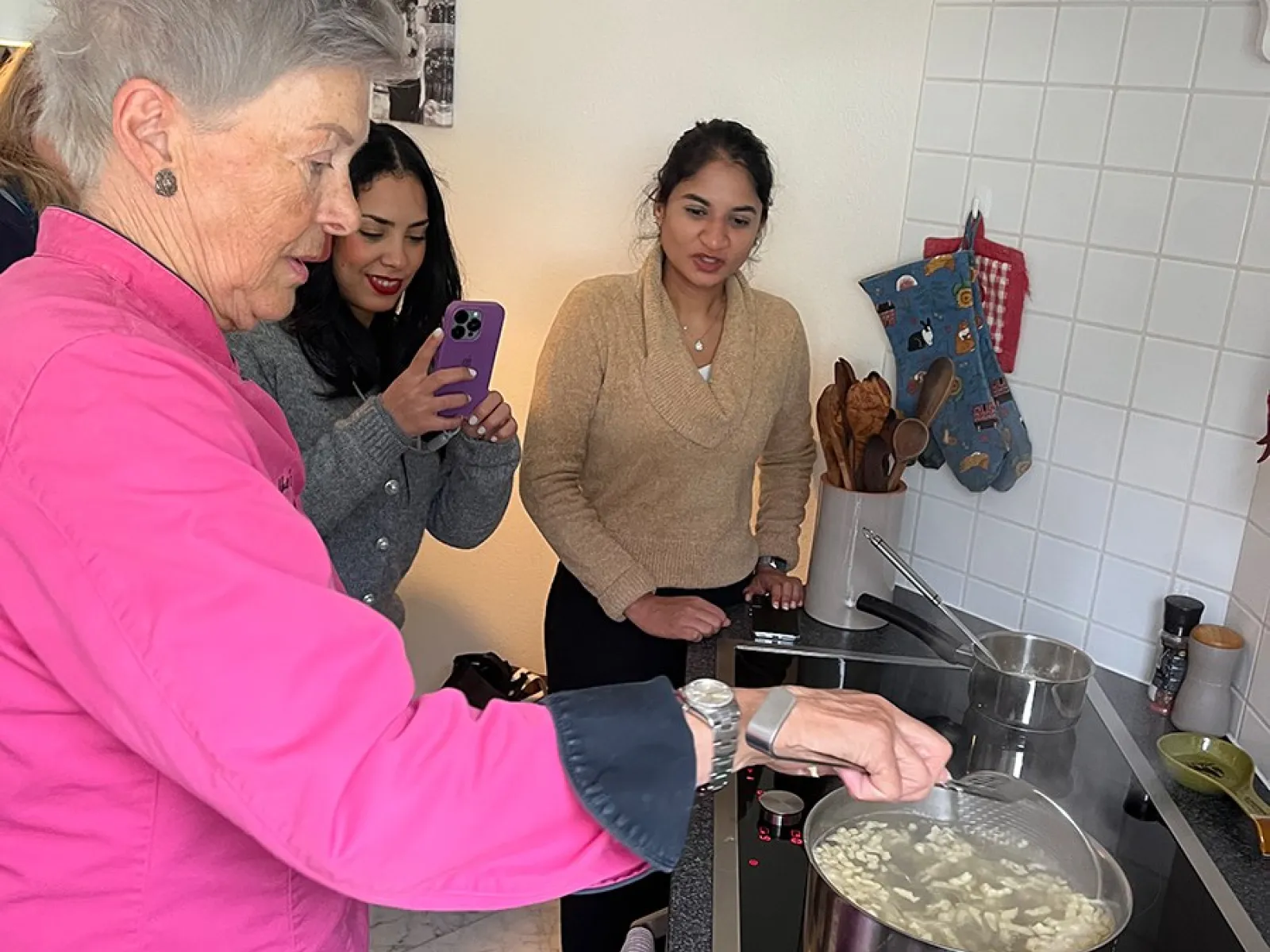
A culinary and cultural highlight was cooking traditional cheese dumplings together with Martha Bühler and a hike to the tower on Dux, followed by a guided tour of the Stein-Egerta education center.


The Staff Training Days provided a valuable opportunity for professional exchange and strengthened the university's international partnerships.

Bachelor Business Administration Students Visit Ivoclar in Schaan

Bachelor Business Administration Students Visit Ivoclar in Schaan

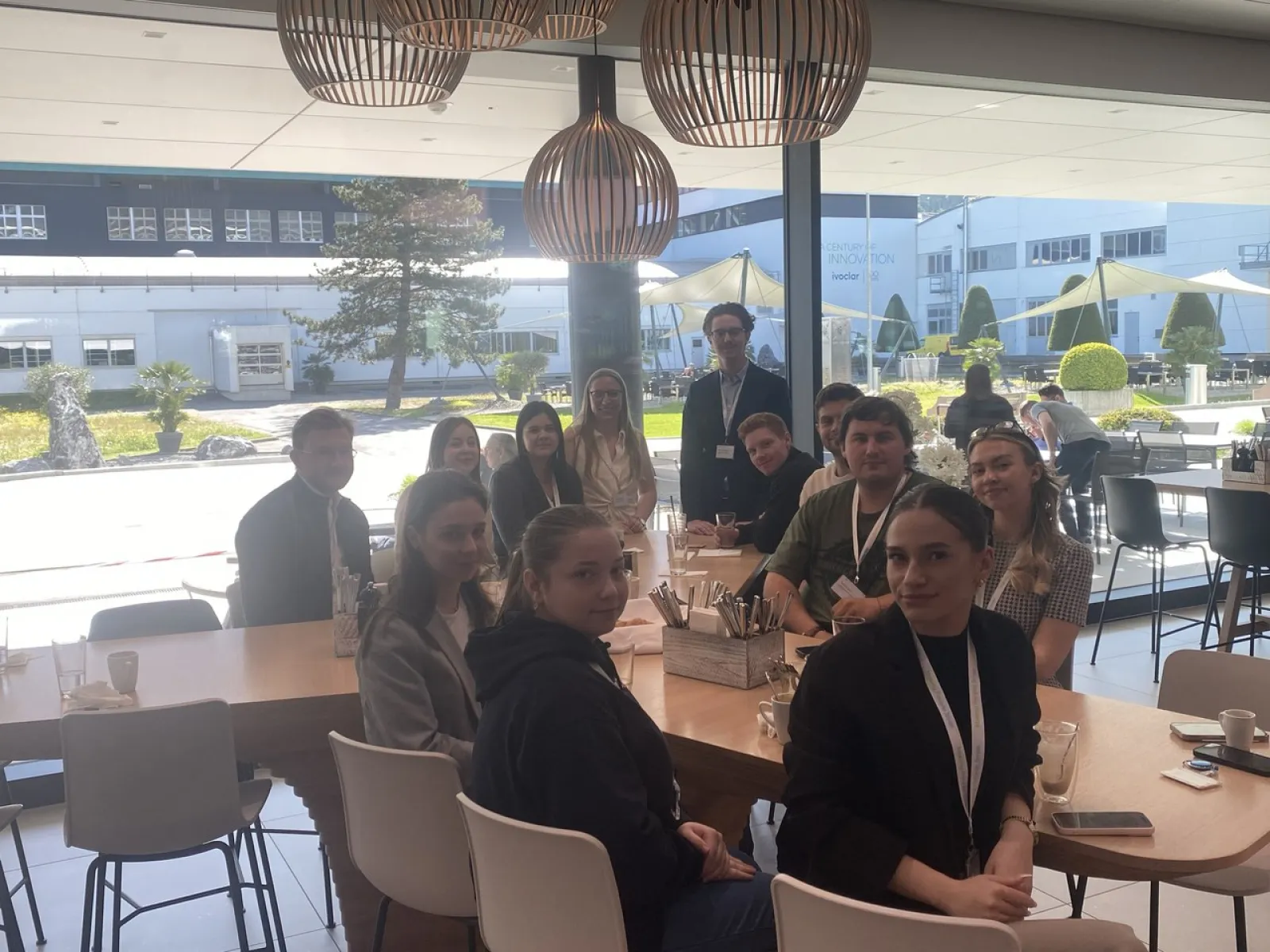
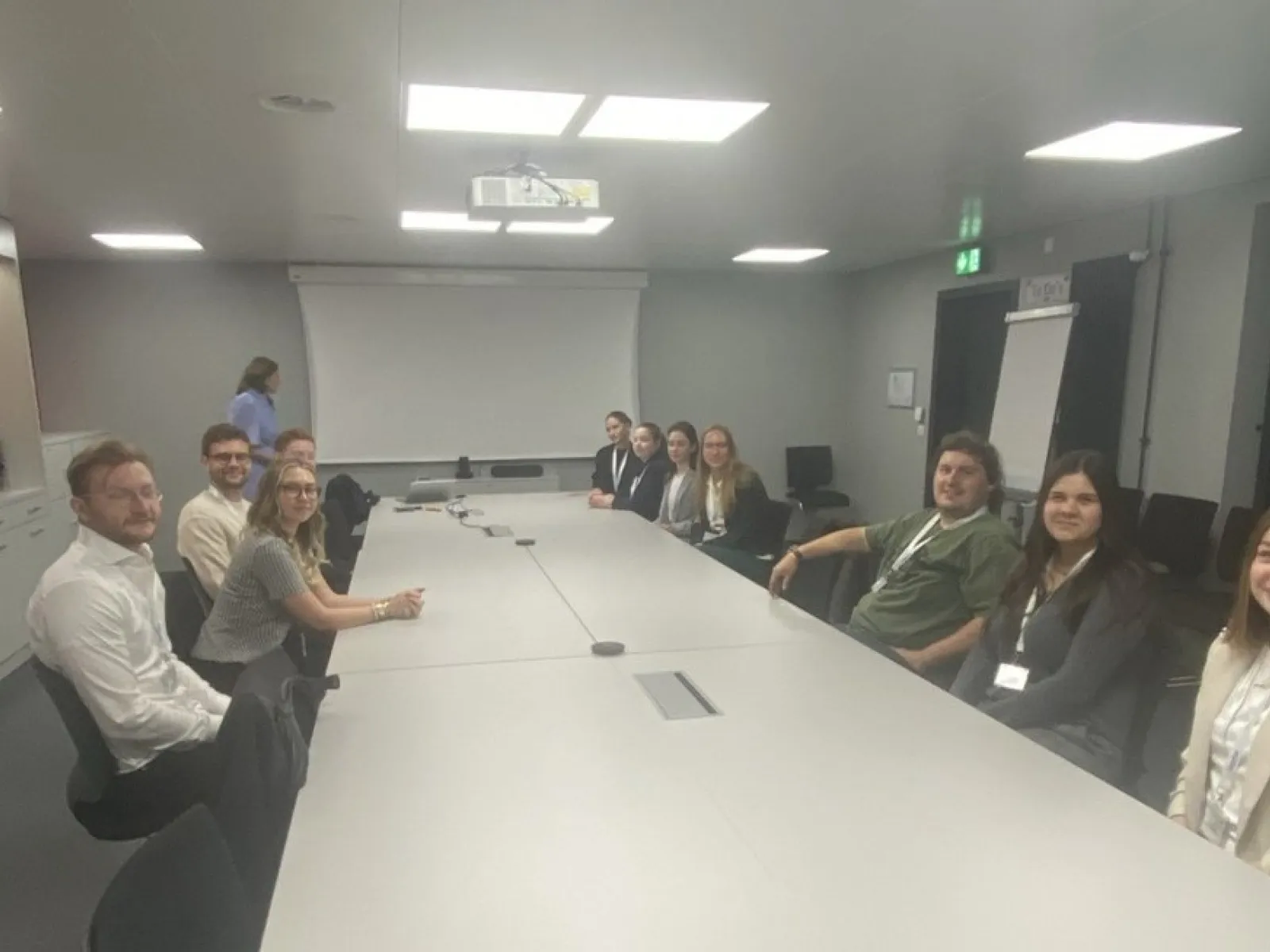
As part of the course “Technology and Innovation Management” in the Bachelor’s programme in Business Administration (specialisation in Entrepreneurship & Management), students had the opportunity to visit Ivoclar, the Liechtenstein-based dental company, at its headquarters in Schaan this semester.


In addition to gaining current insights into Ivoclar’s technology, innovation, and project management practices, the student group from the University of Liechtenstein also enjoyed impressions of the company’s state-of-the-art headquarters—including a visit to the in-house barista coffee bar. The group was accompanied by Clemens Armellini and Marie Scheuffele, both of the Professorship for Technology & Innovation.


The visit began with an interactive presentation of an ongoing process optimisation project focused on implementing a novel Programat sintering system. This hands-on “lecture day” offered the students a real-world look at the company’s internal innovation activities. The hosts walked the group through the entire journey—from the initial idea for streamlining processes, to the development of a new concept, and the current implementation stage of the innovative production system—while enthusiastically answering the students’ many questions.


The second half of the morning was dedicated to product innovation. Students gained valuable insights into Ivoclar’s product lifecycle management and were introduced to the company’s idea generation and evaluation process. In this context, they also learned about the key megatrends shaping Ivoclar’s business and how the company addresses them within its technological and industry context.


A warm thank-you to Ivoclar for the generous hospitality and the insightful programme put together for our students!

Prof. Dr Daniel Stockhammer on Exchange Visit to Georgia

Prof. Dr Daniel Stockhammer on Exchange Visit to Georgia

International University Partnership with the Tbilisi State Academy of Arts


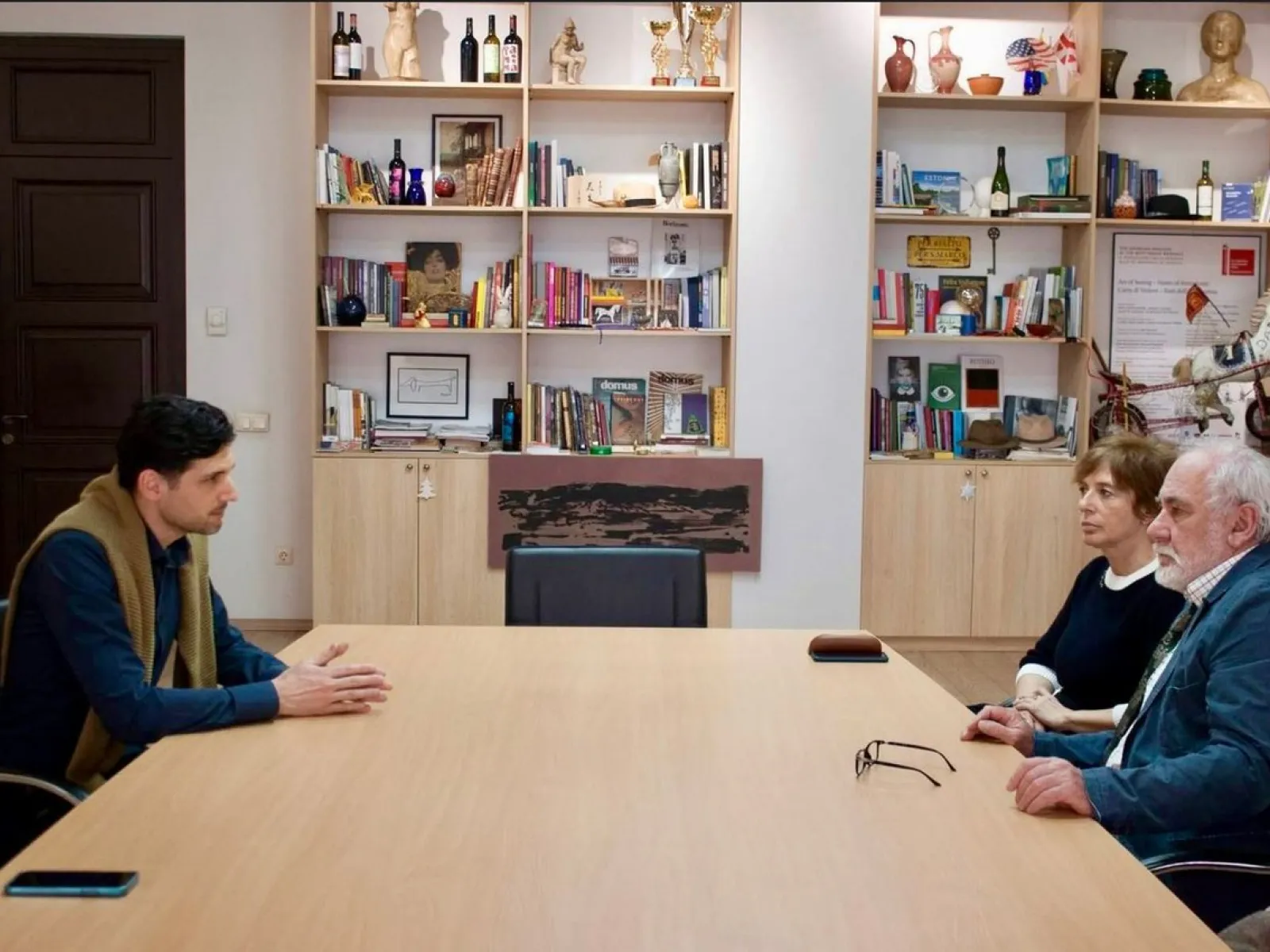
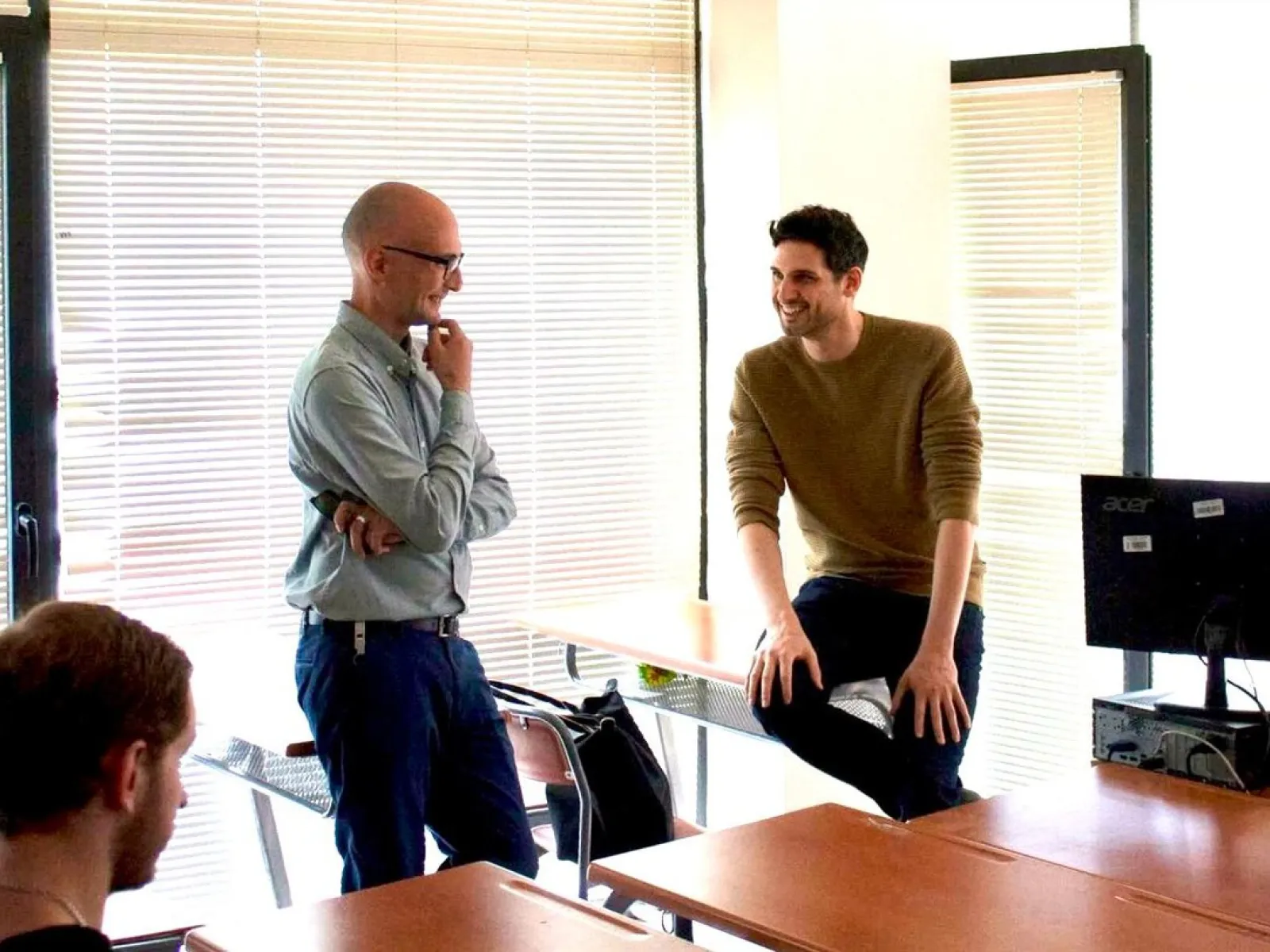
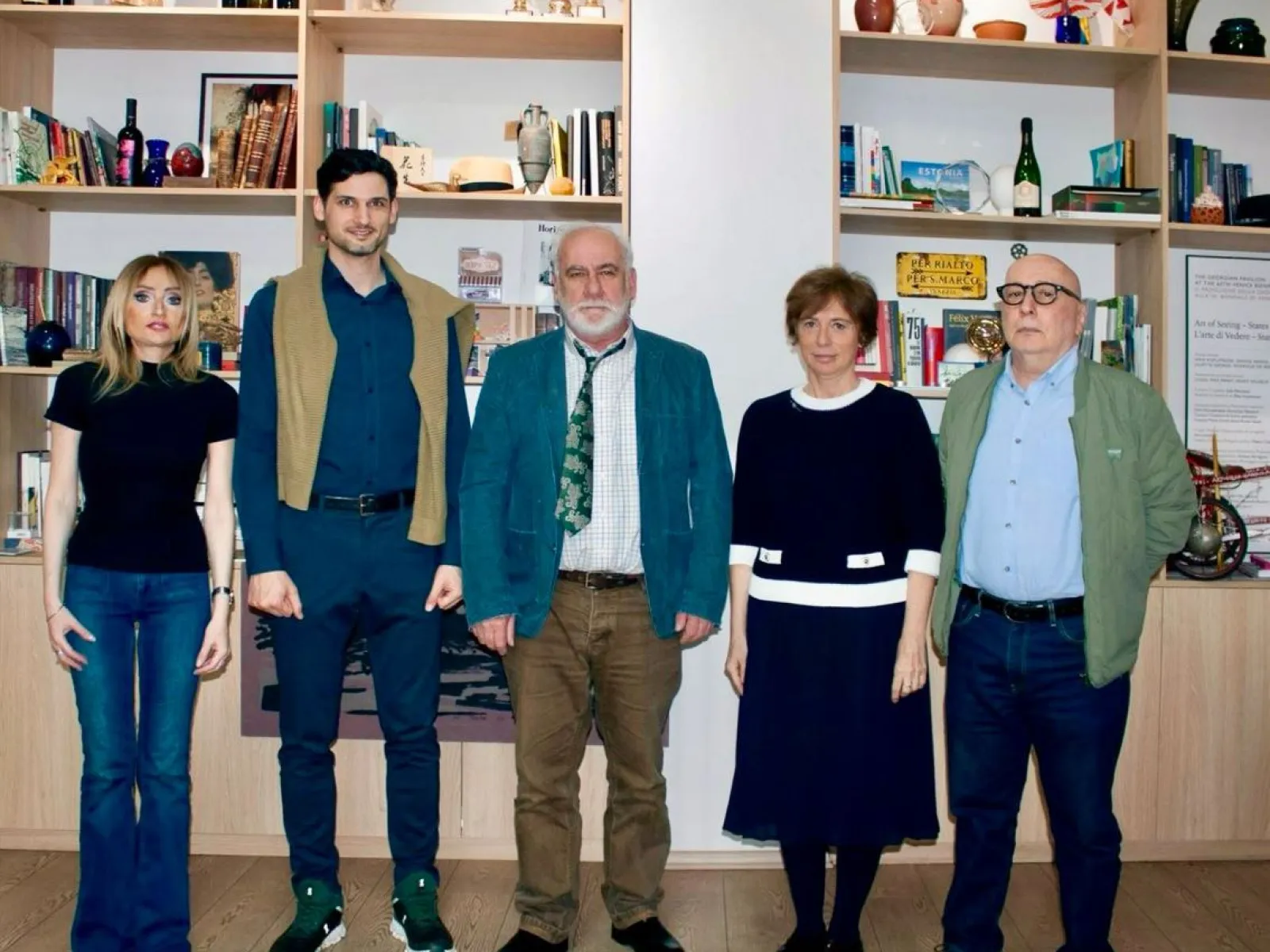
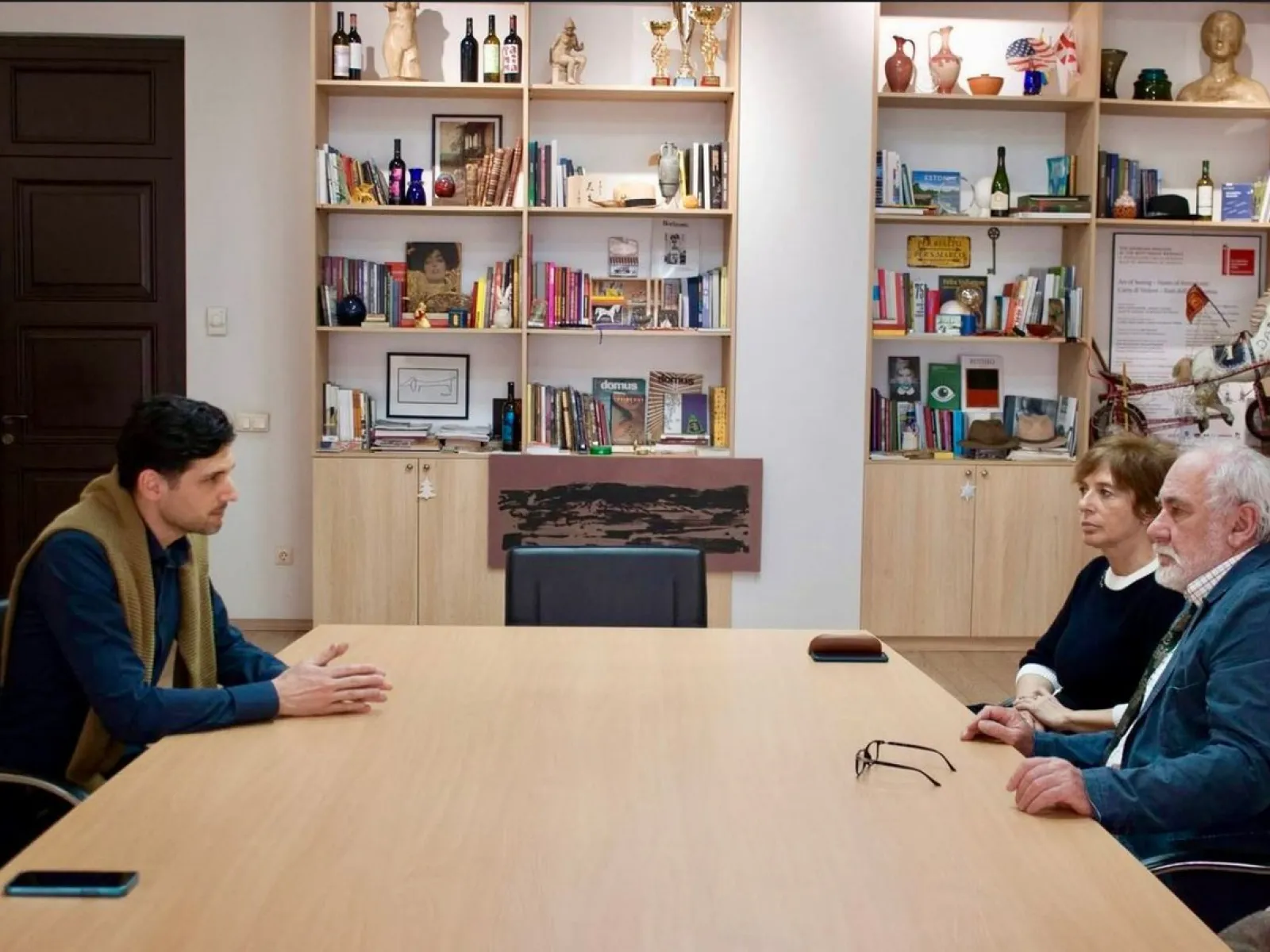
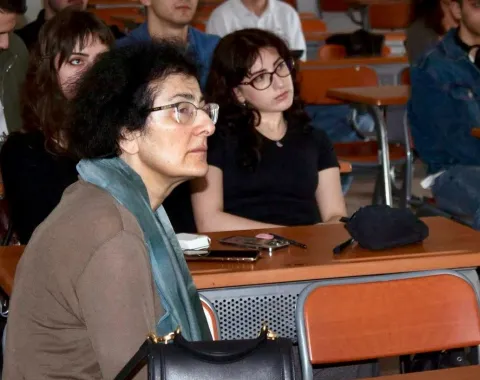
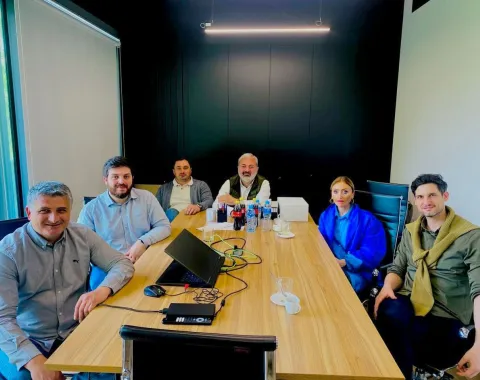
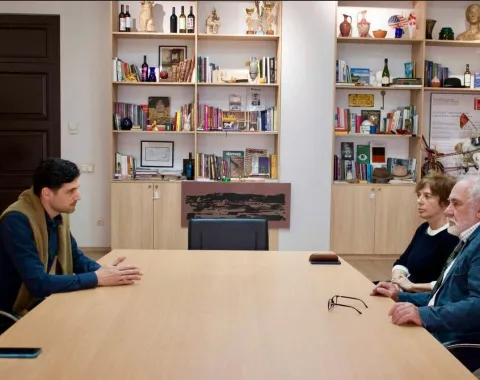
As part of the International Credit Mobility partnership between the University of Liechtenstein and the Tbilisi State Academy of Arts , Prof. Dr Daniel Stockhammer, Dean of the Liechtenstein School of Architecture and Head of the Heritage & Upcycling Research Group, travelled to Georgia for seven days in April 2025.


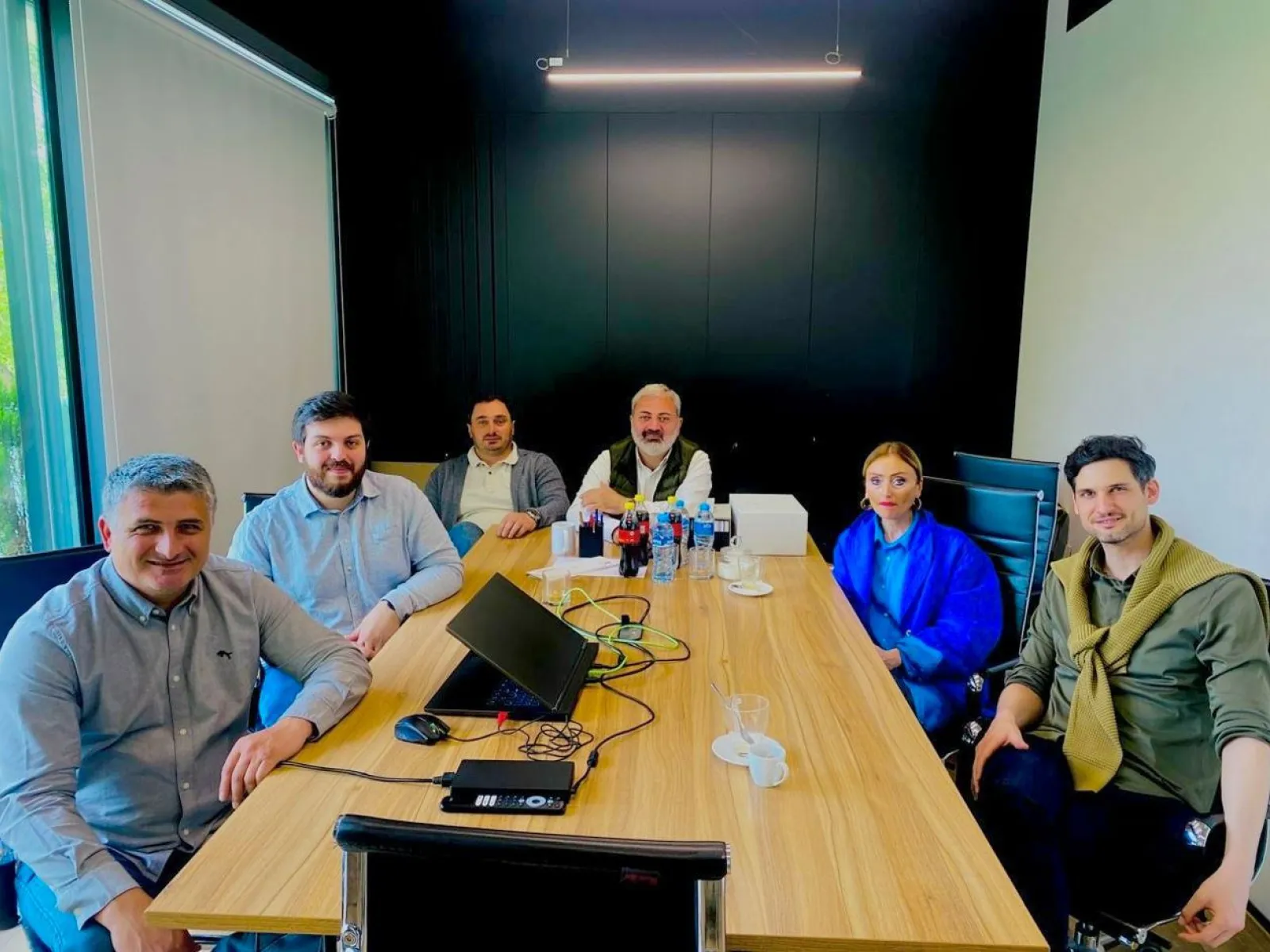
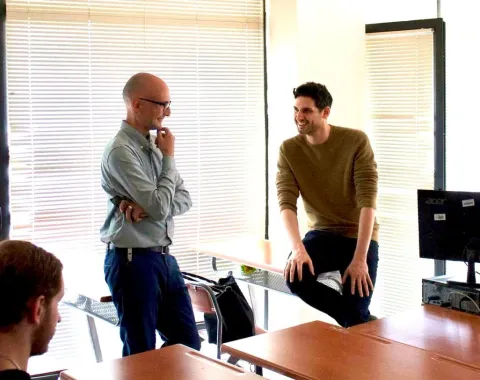
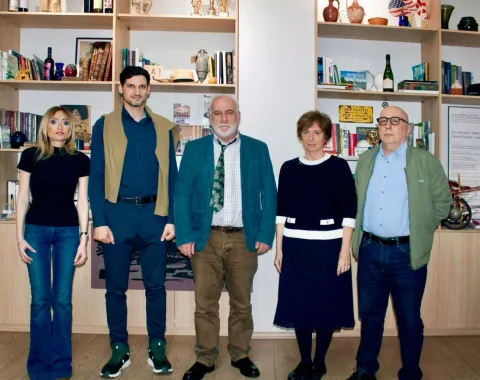
The purpose of the visit was institutional exchange and the strengthening of academic cooperation. Official discussions were held with the Rector and Vice-Rector of TSAA as well as with the International Office. Two follow-up working meetings with the Dean of the Faculty of Architecture focused on future opportunities for collaboration in research and teaching.


Academic Exchange and Lecture on Upcycling


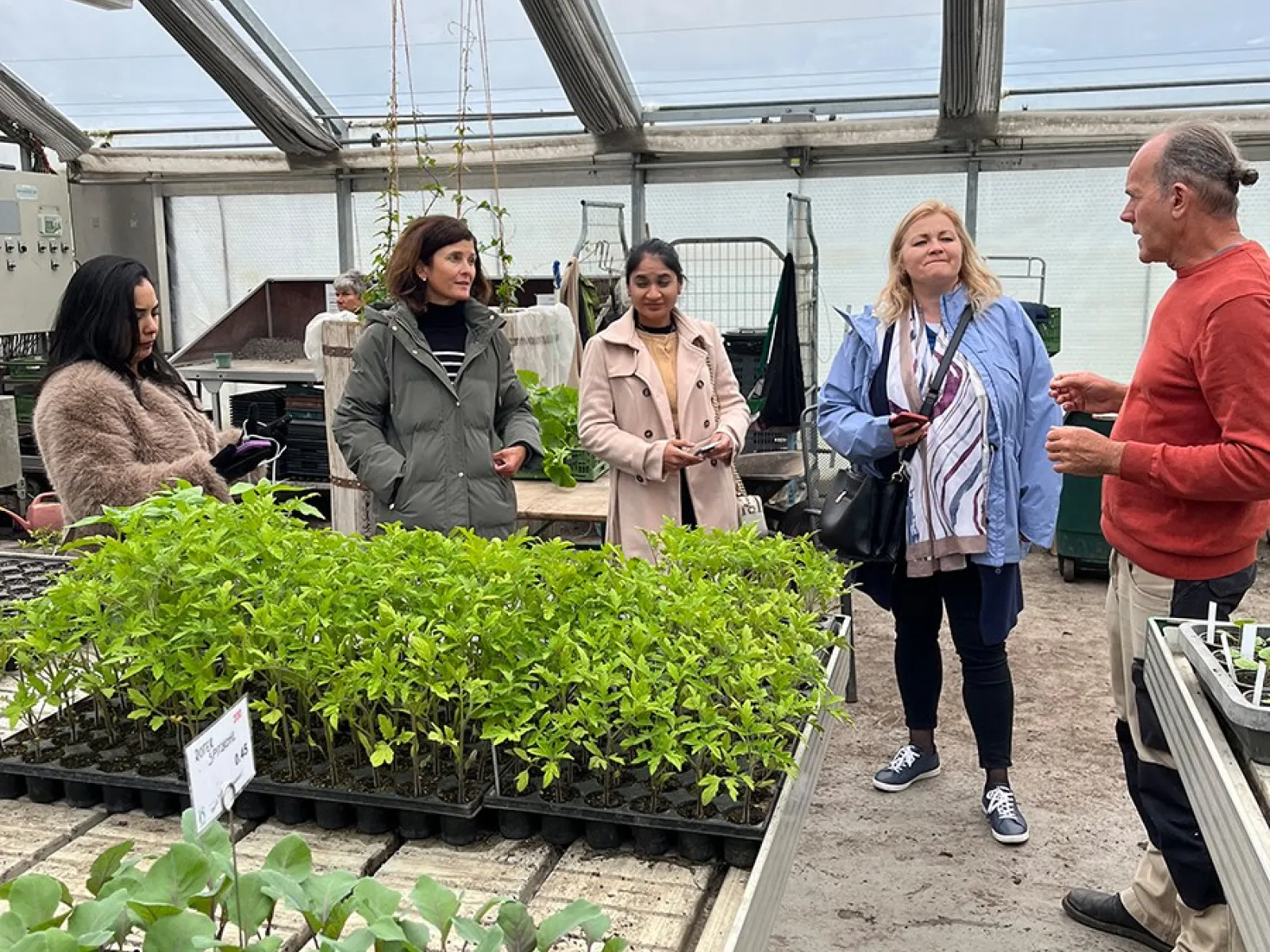
A key component of the visit was the exchange with Georgian professors of architecture, students, and alumni – including architect Giorgi Kurdiani, a graduate of the University of Liechtenstein and a representative of a distinguished Georgian family of architects whose roots go back to 1898.


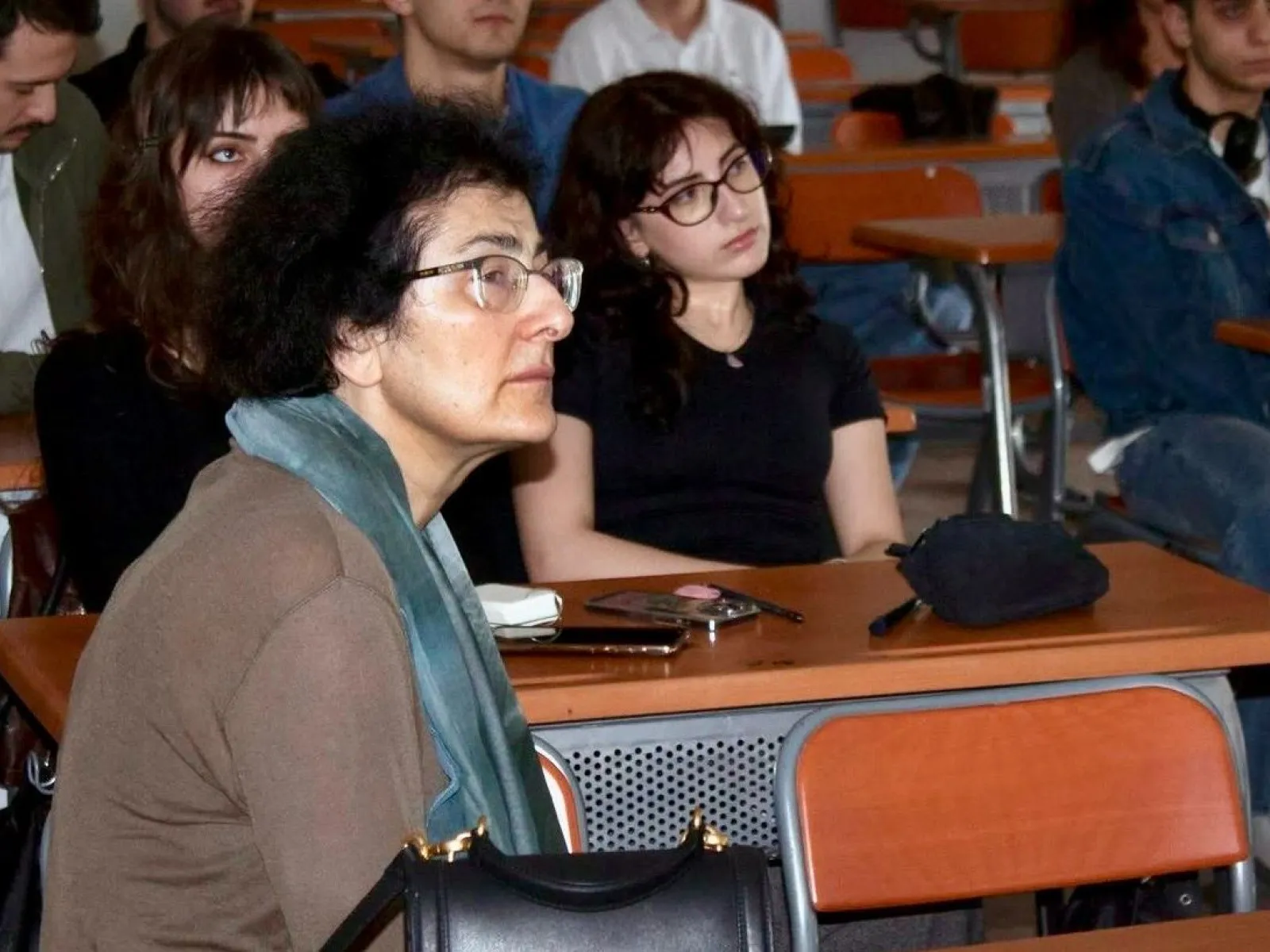
Prof. Stockhammer also delivered a public lecture on the topic of upcycling in architecture, which was met with great interest by those in attendance.


Experiencing Local Architectural Heritage and Strengthening Networks


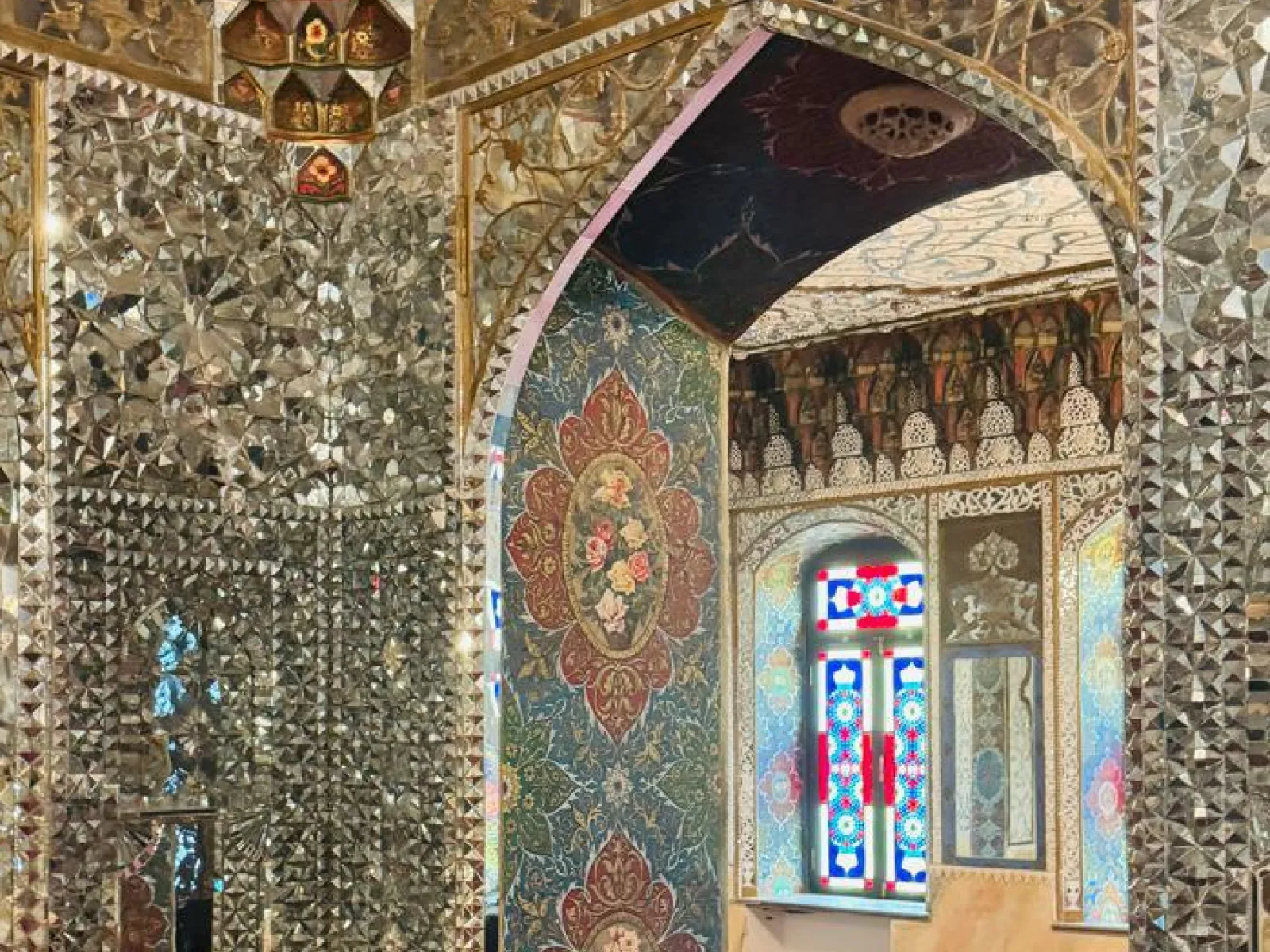
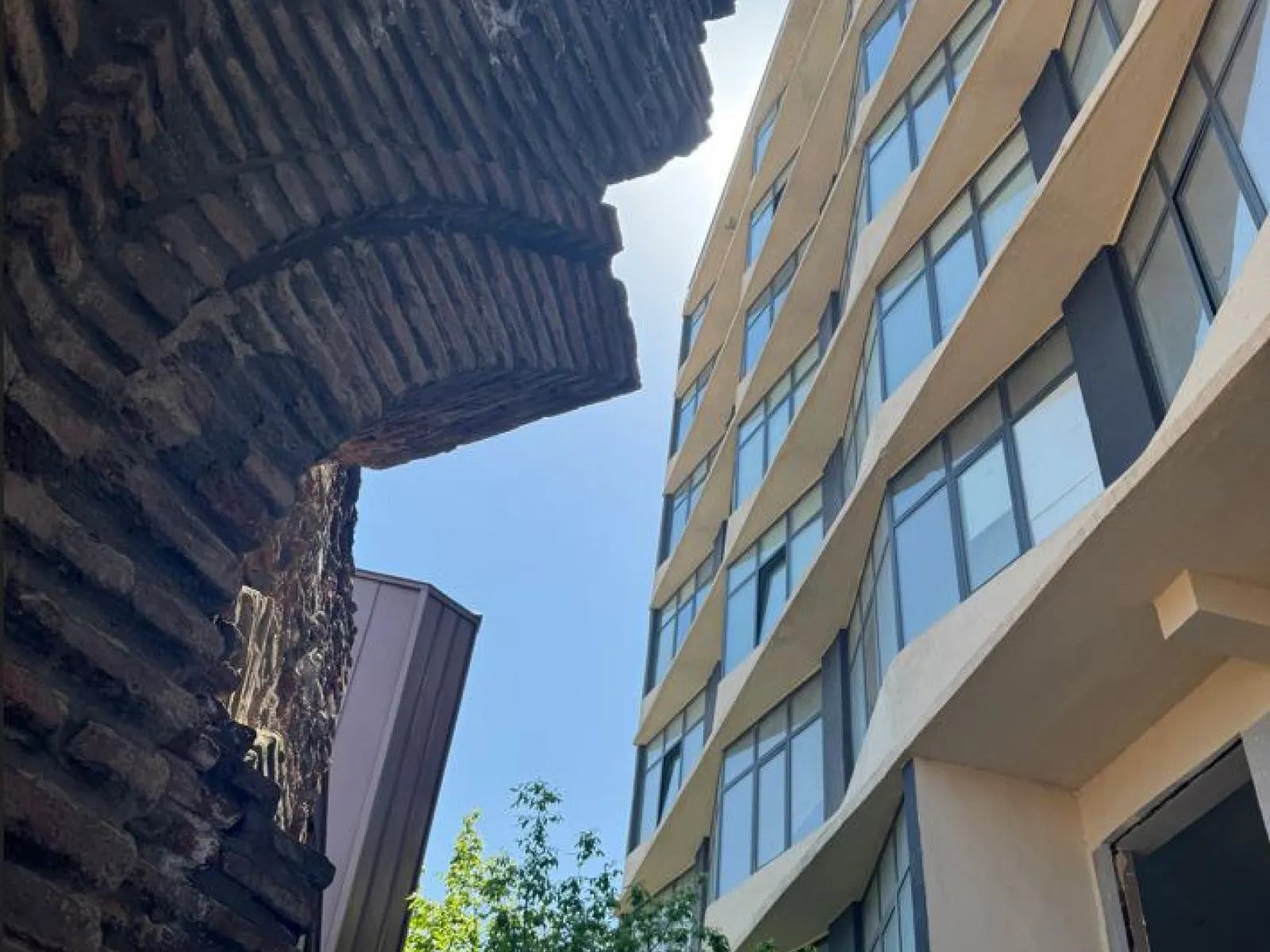
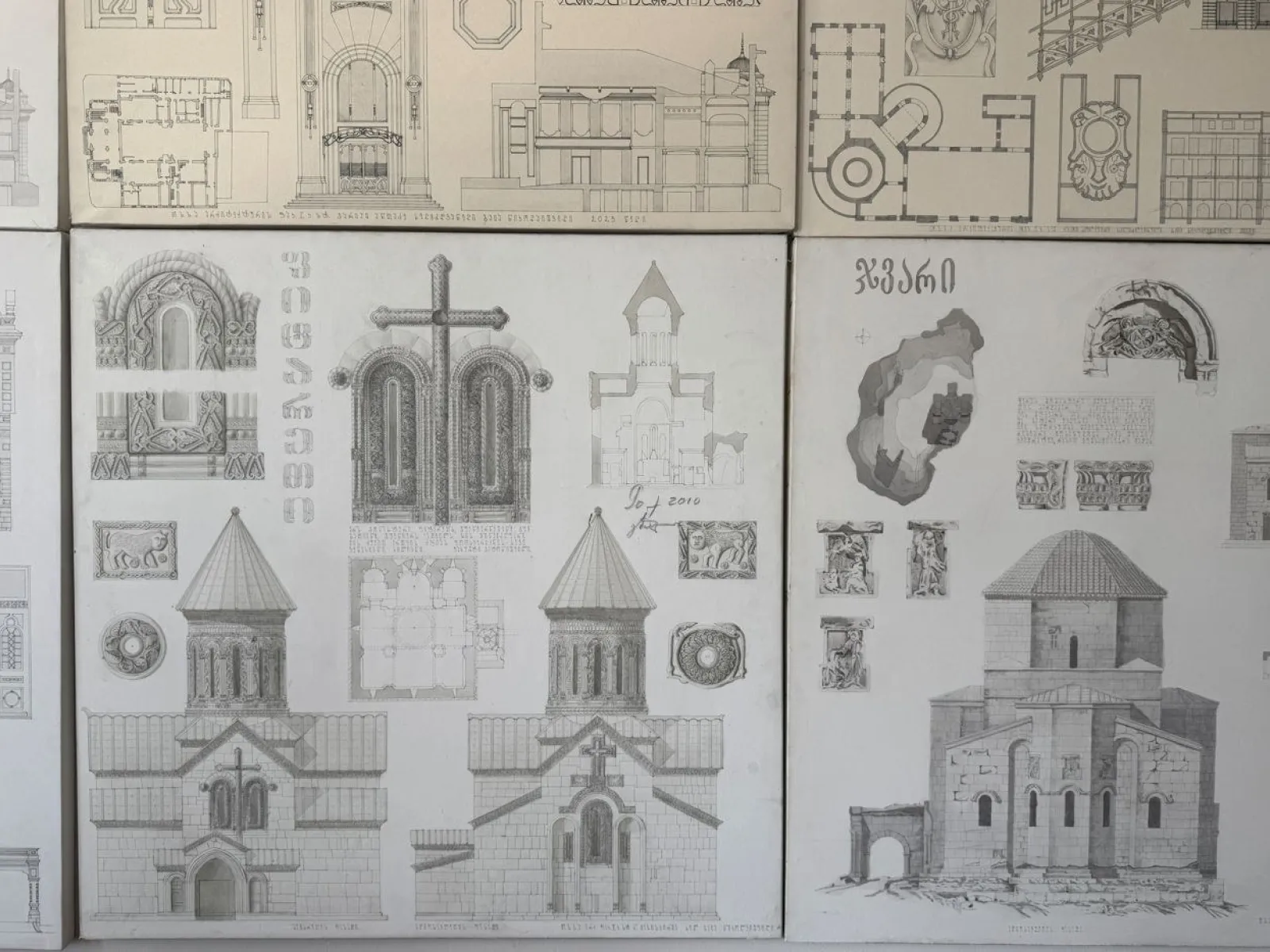
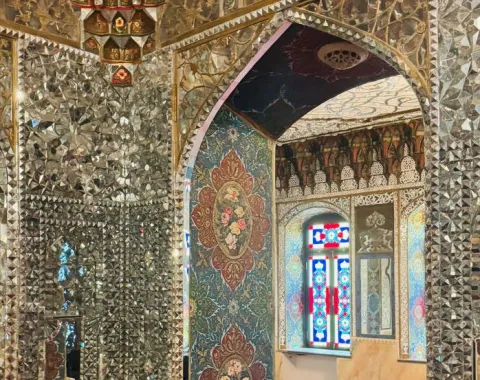
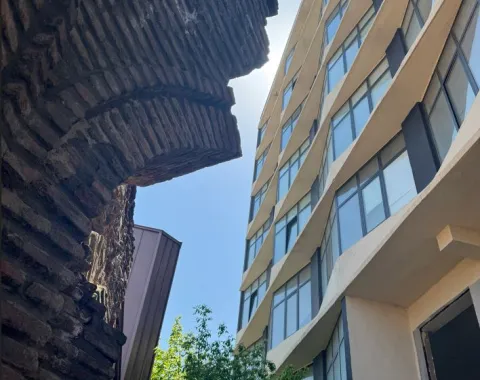
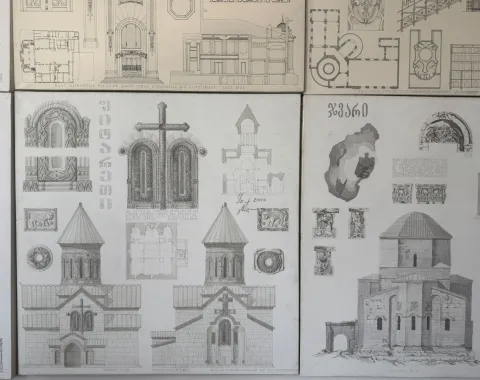
Accompanied by faculty coordinator Nestan Tsiklauri and another Georgian professor, he visited significant examples of both historical and contemporary architecture in and around Tbilisi. Visits to two renowned architecture firms and in-depth exchanges offered further insight into Georgia’s dynamic architectural scene and opened up new perspectives for future collaborations. The stay was rounded off with an exclusive guided tour of the Tbilisi Gold Museum.


Special thanks go to Mirjana Schädler from the International Office of the University of Liechtenstein and Nestan Tsiklauri from the Tbilisi State Academy of Arts for coordinating this international exchange.
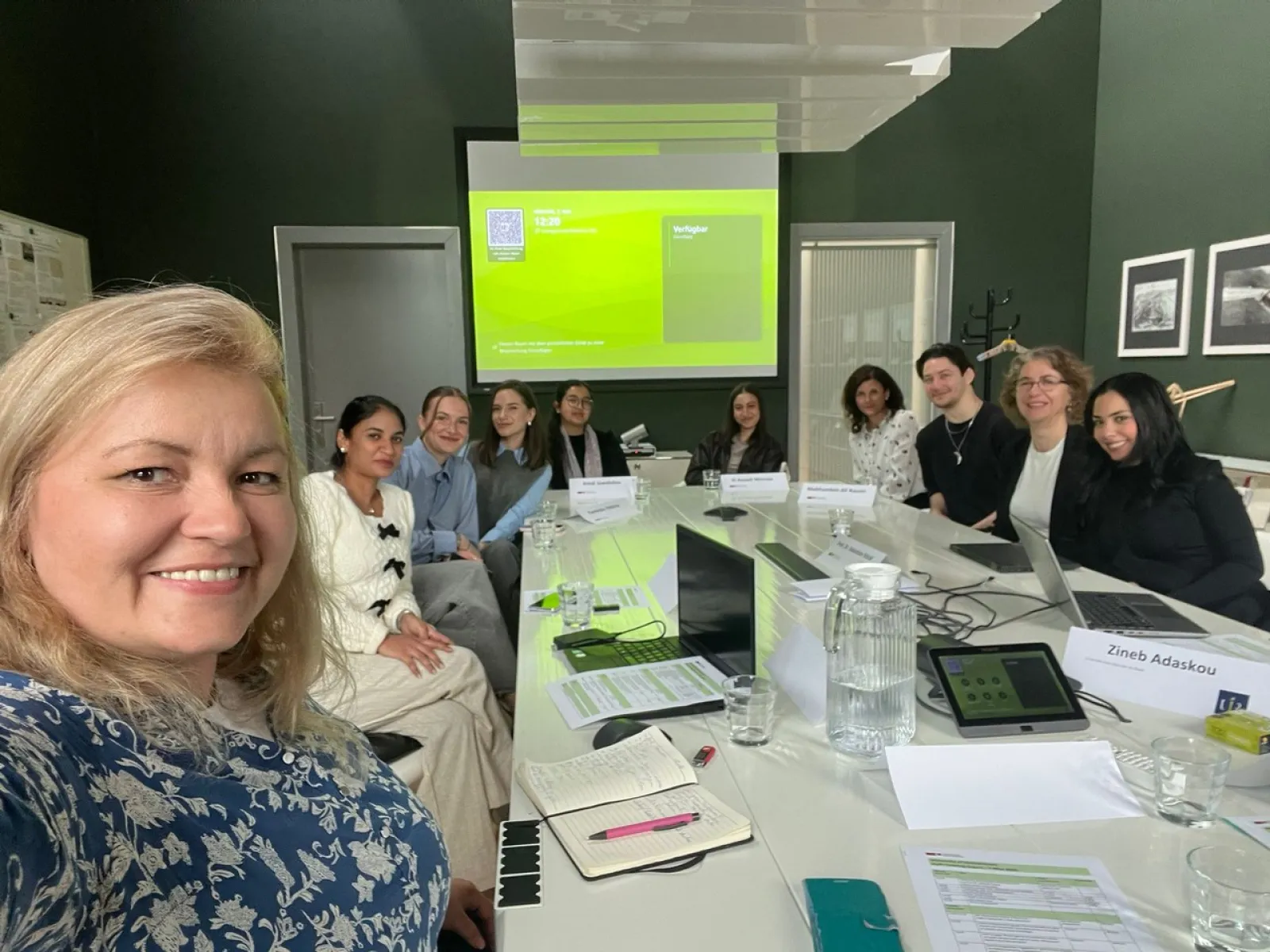


Photo Credit: Lizele Osepaishvili-Nemtsova, Tbilisi State Academy of Arts

“Liechtenstein Studio”: Funding from the Guido Feger Foundation Strengthens Sustainable Architecture Projects in Liechtenstein and the Region

“Liechtenstein Studio”: Funding from the Guido Feger Foundation Strengthens Sustainable Architecture Projects in Liechtenstein and the Region

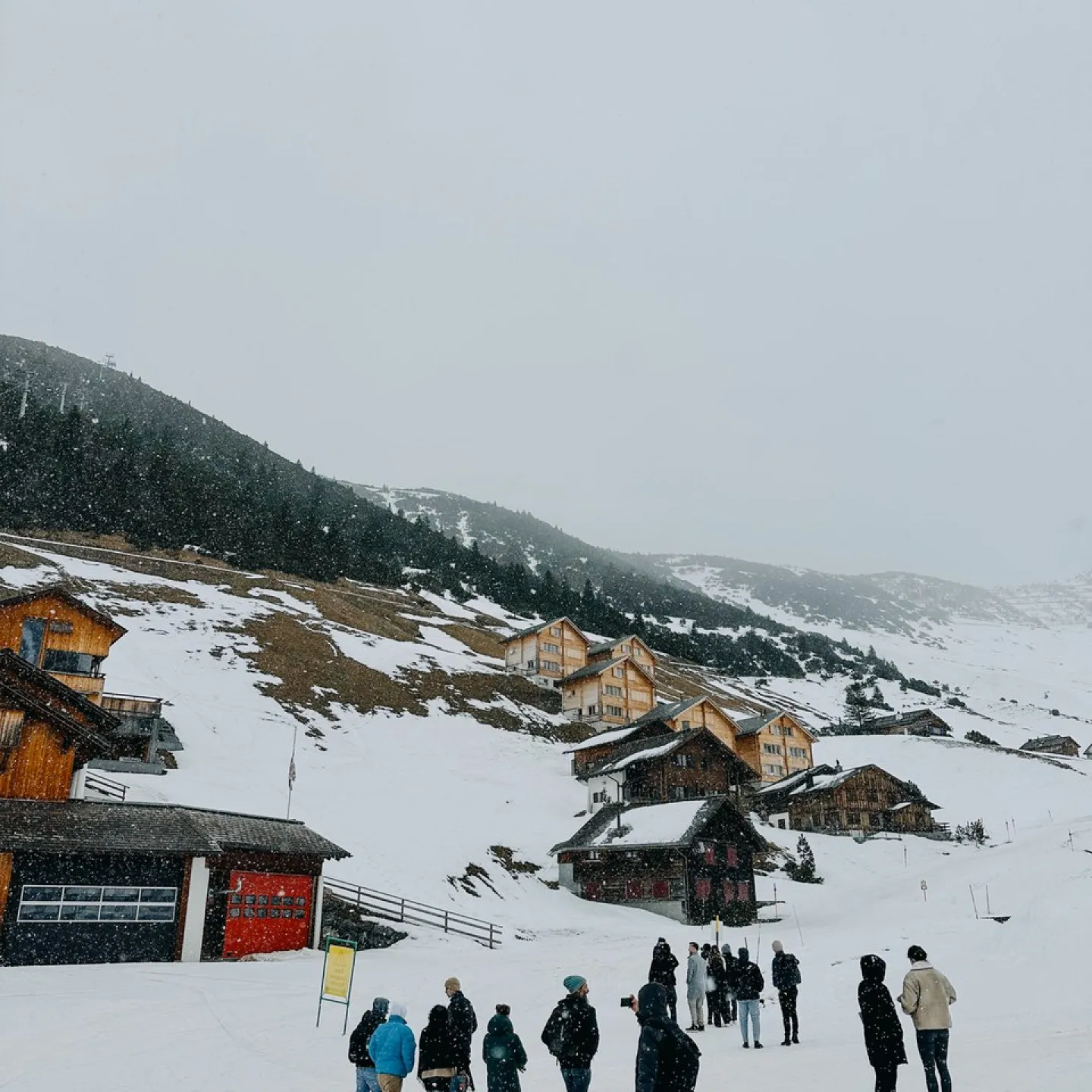
Eine Gruppe von Menschen steht in einer verschneiten Berglandschaft vor traditionellen Holzhäusern. Im Hintergrund sind schneebedeckte Hügel und Nadelbäume zu sehen. Die Szene vermittelt eine winterliche Atmosphäre und zeigt eine Verbindung von Architektur und Natur.
With the support of the Stiftung Fürstlicher Kommerzienrat Guido Feger, the University of Liechtenstein is initiating the “Liechtenstein Studio” at the Liechtenstein School of Architecture. The aim of this studio is to address architectural and spatial planning issues with high social, ecological and cultural relevance for Liechtenstein and the region.


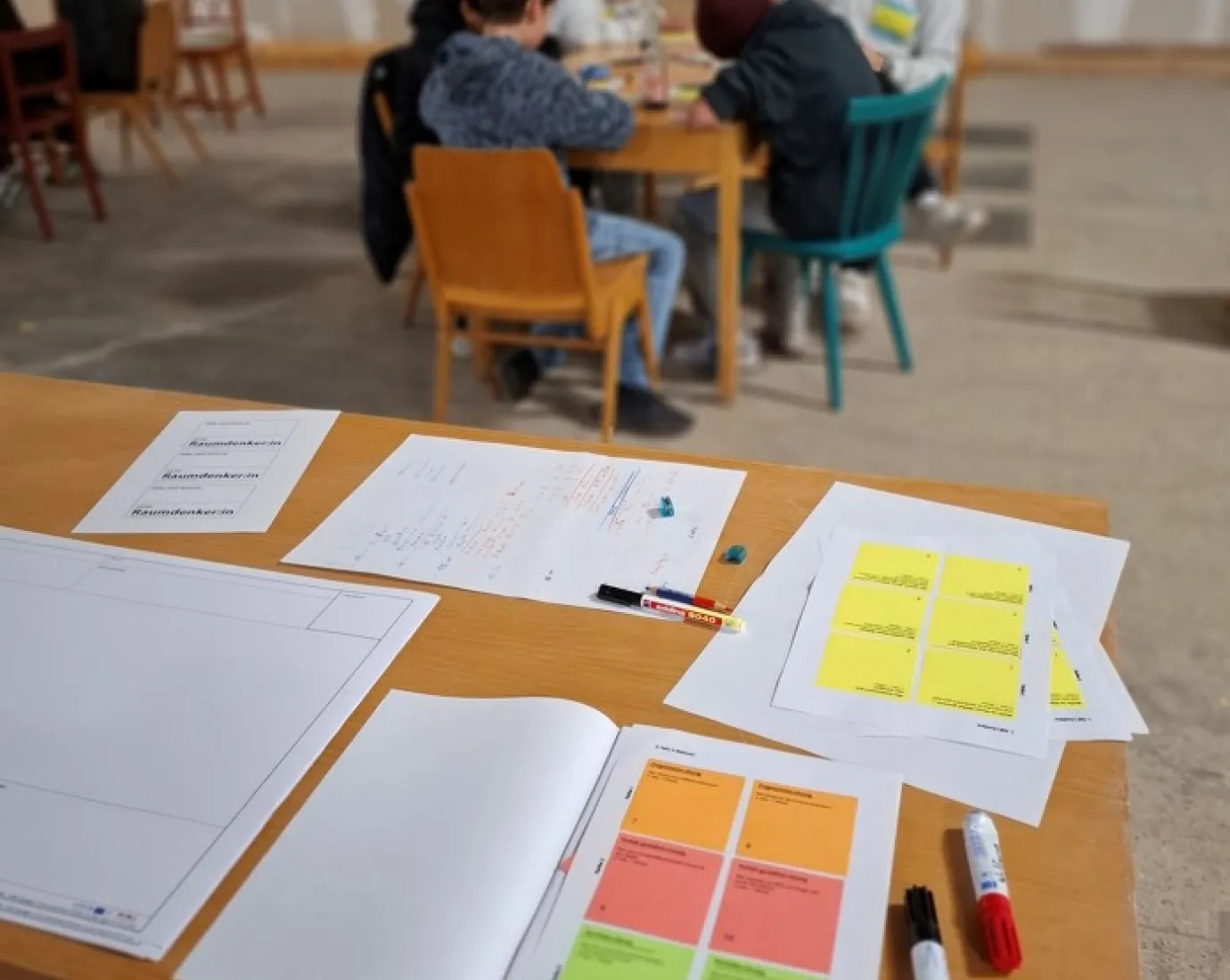
At the heart of architecture education at the University of Liechtenstein is the design studio, in which students independently develop projects based on specific tasks. The new topics, building sites and programs defined each semester are based on current challenges in the areas of sustainability and spatial planning. The support provided by the Guido Feger Foundation specifically promotes projects with a direct link to Liechtenstein and the Alpine Rhine Valley and makes them accessible to the public.


An interdisciplinary approach to sustainable development


The Liechtenstein Studio combines the expertise of various specialist groups at the Liechtenstein School of Architecture. Five thematic focuses contribute to the development of sustainable solutions for the region:


Urbanism, Architecture & Society
This specialist group researches the interactions between social structures and built spaces. It develops transdisciplinary methods to address social challenges such as integration and sustainable urban development through architecture and participatory processes.


Urban Design & Spatial Development
The focus is on sustainable concepts for neighbourhoods, open spaces and landscapes. Topics such as climate adaptation, biodiversity and resource-efficient planning are central to designing resilient and liveable urban structures.


Sustainable Design
Environmentally friendly designs are developed here using sustainable materials and technologies. The holistic approach takes energy, mobility, health and social aspects into account in order to promote sustainable architecture.


Built Heritage & Upcycling
This specialist group is dedicated to the preservation, further development and reuse of existing buildings. It researches strategies for a circular construction industry in order to use resources efficiently and establish circular construction principles.


Craft & Structure
The focus is on the connection between material, construction and structure. Innovative solutions for sustainable architecture are created through experimental prototypes and collaboration with craft businesses.


In the studios, students work together with lecturers and, if necessary, external experts on practical concepts for Liechtenstein and the Alpine Rhine Valley. The results of the studios are documented, published and presented as part of the semester exhibition.


A contribution to Liechtenstein's architectural future


By sponsoring the Liechtenstein Studio, the Guido Feger Foundation is placing a clear emphasis on supporting sustainable and innovative architectural approaches and making a valuable contribution to the architectural debate on the challenges and potential of the region.

Eine Gruppe von Menschen steht in einer verschneiten Berglandschaft vor traditionellen Holzhäusern. Im Hintergrund sind schneebedeckte Hügel und Nadelbäume zu sehen. Die Szene vermittelt eine winterliche Atmosphäre und zeigt eine Verbindung von Architektur und Natur.
Subscribe to