Skip to Main Content

Congratulations on Successfully Completing your Apprenticeship

Congratulations on Successfully Completing your Apprenticeship

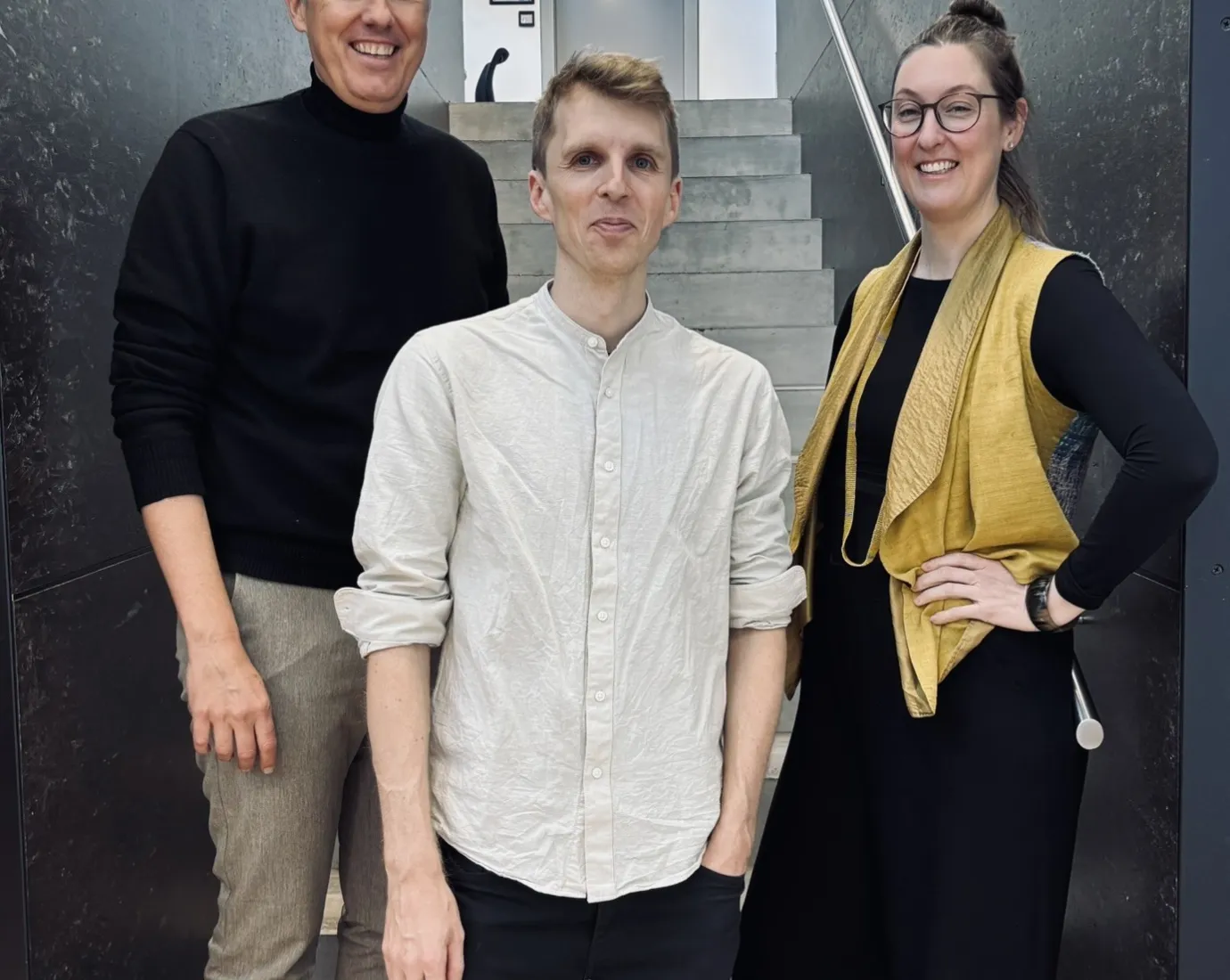
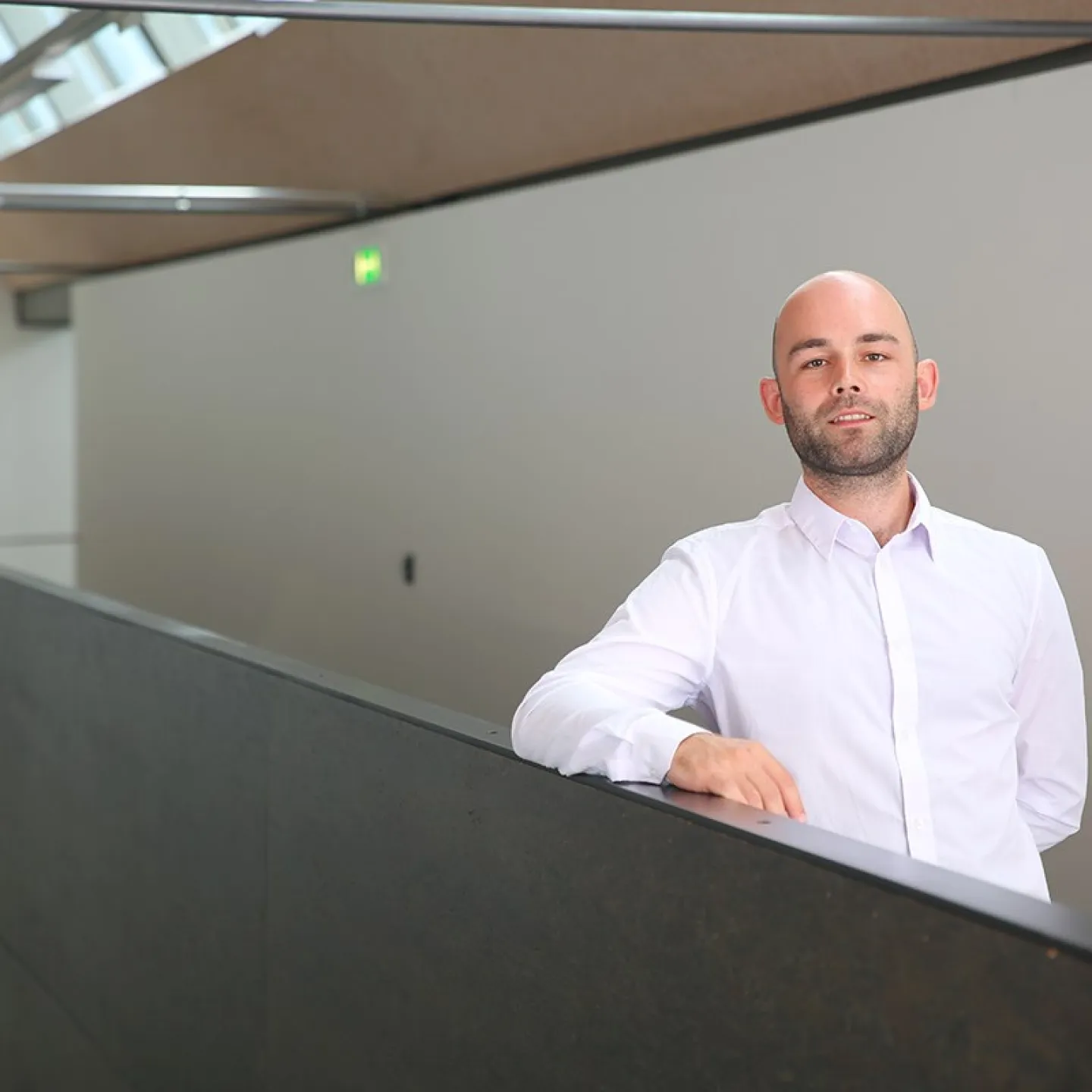
Joshua Längle, ein frischgebackener Kaufmann EFZ.

Our apprentice Joshua Längle has successfully completed his three-year commercial apprenticeship at the university and can now officially call himself a Kaufmann EFZ.


The graduation ceremony took place at the BZB in Buchs. Around 140 apprentices received their diplomas there – around half of them from the Principality of Liechtenstein. This year, the graduates received their certificates in person from Cantonal Councillor Daniel Oehry, Rector Daniel Miescher and Head of Office Werner Kranz.


We are delighted with Joshua's success and congratulate him wholeheartedly!

Joshua Längle, ein frischgebackener Kaufmann EFZ.

Tradition Meets Technology: Overcoming Cultural Tensions in AI Adoption within Lean Quality Management

Tradition Meets Technology: Overcoming Cultural Tensions in AI Adoption within Lean Quality Management

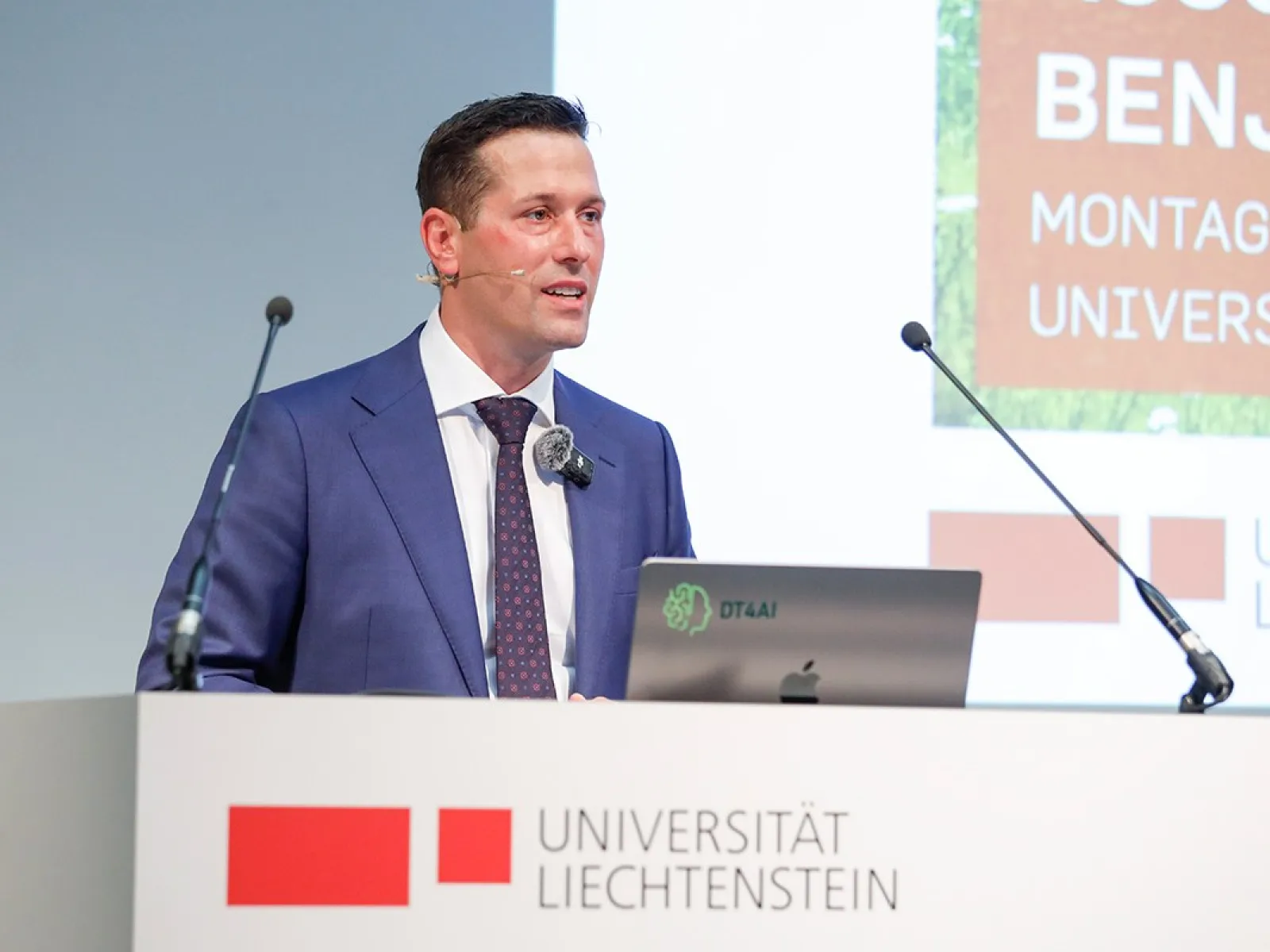
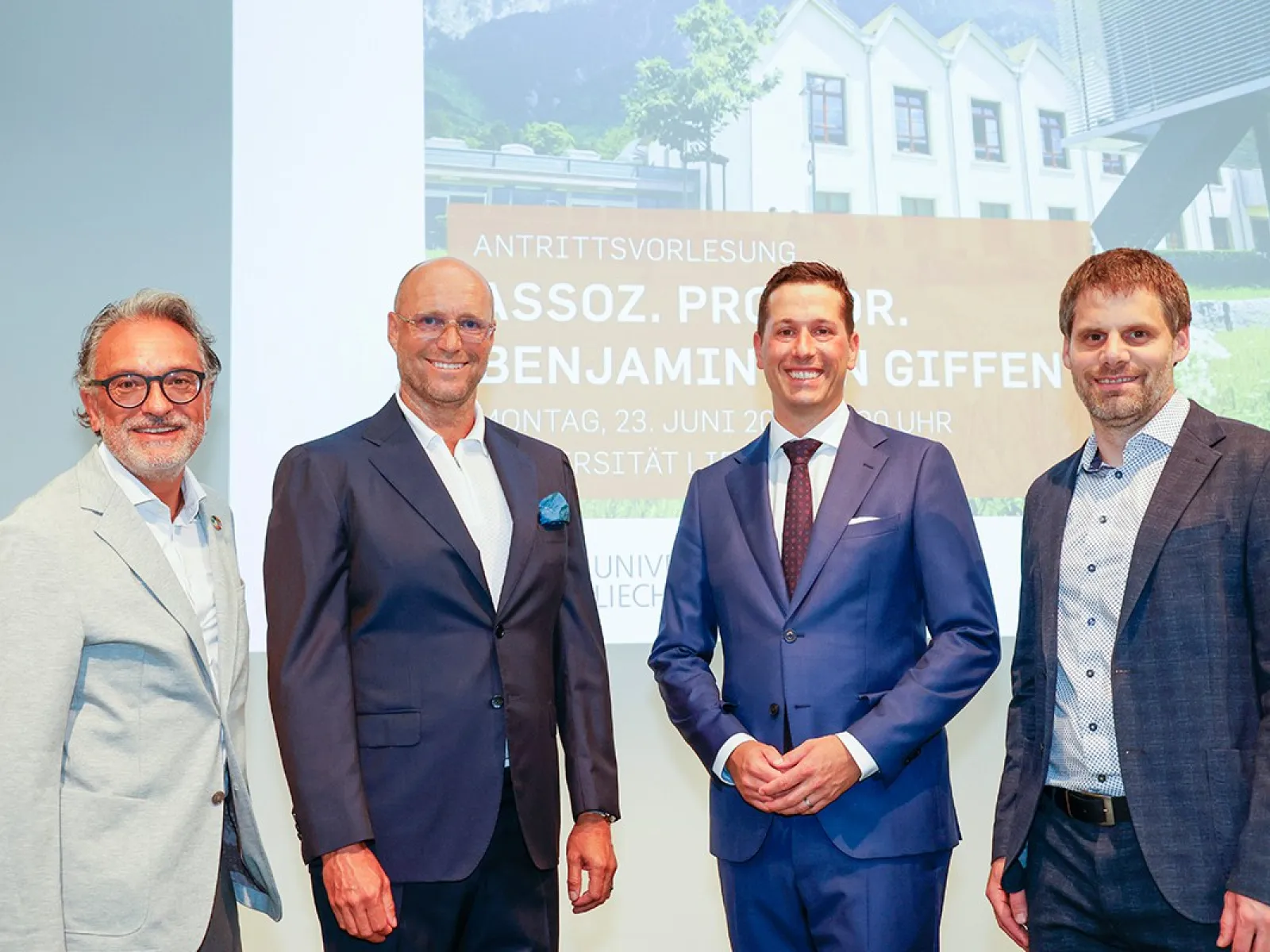
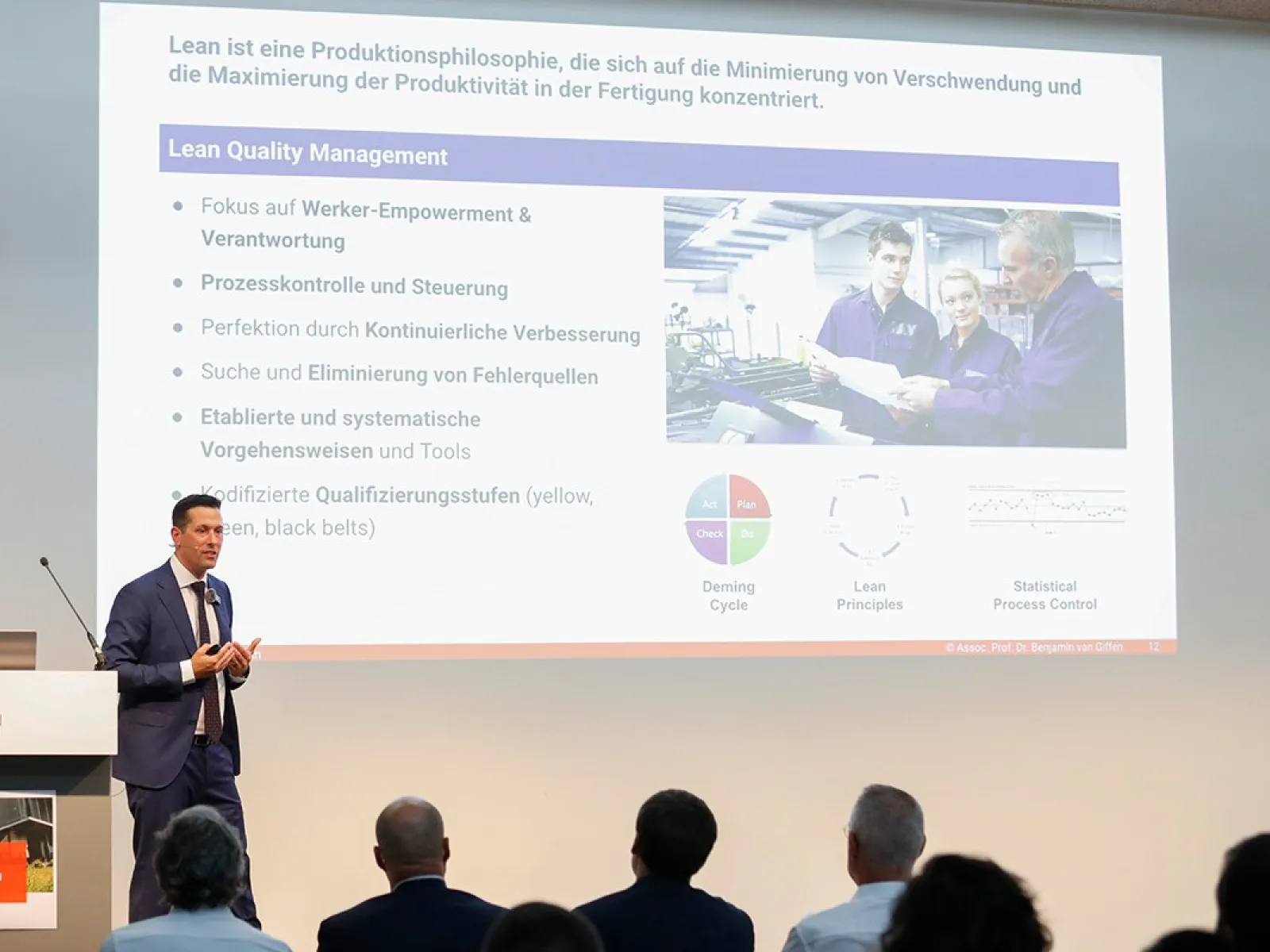
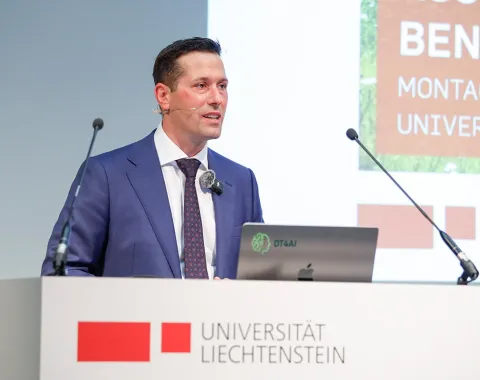
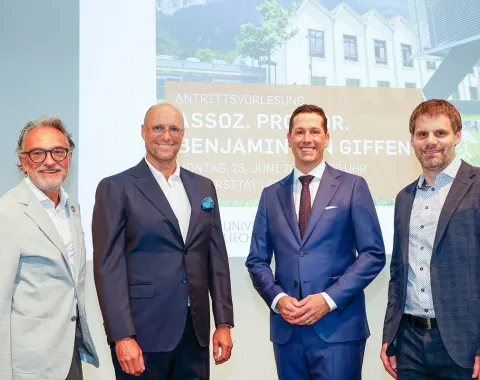
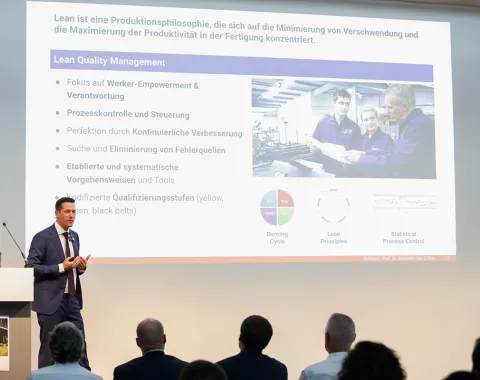
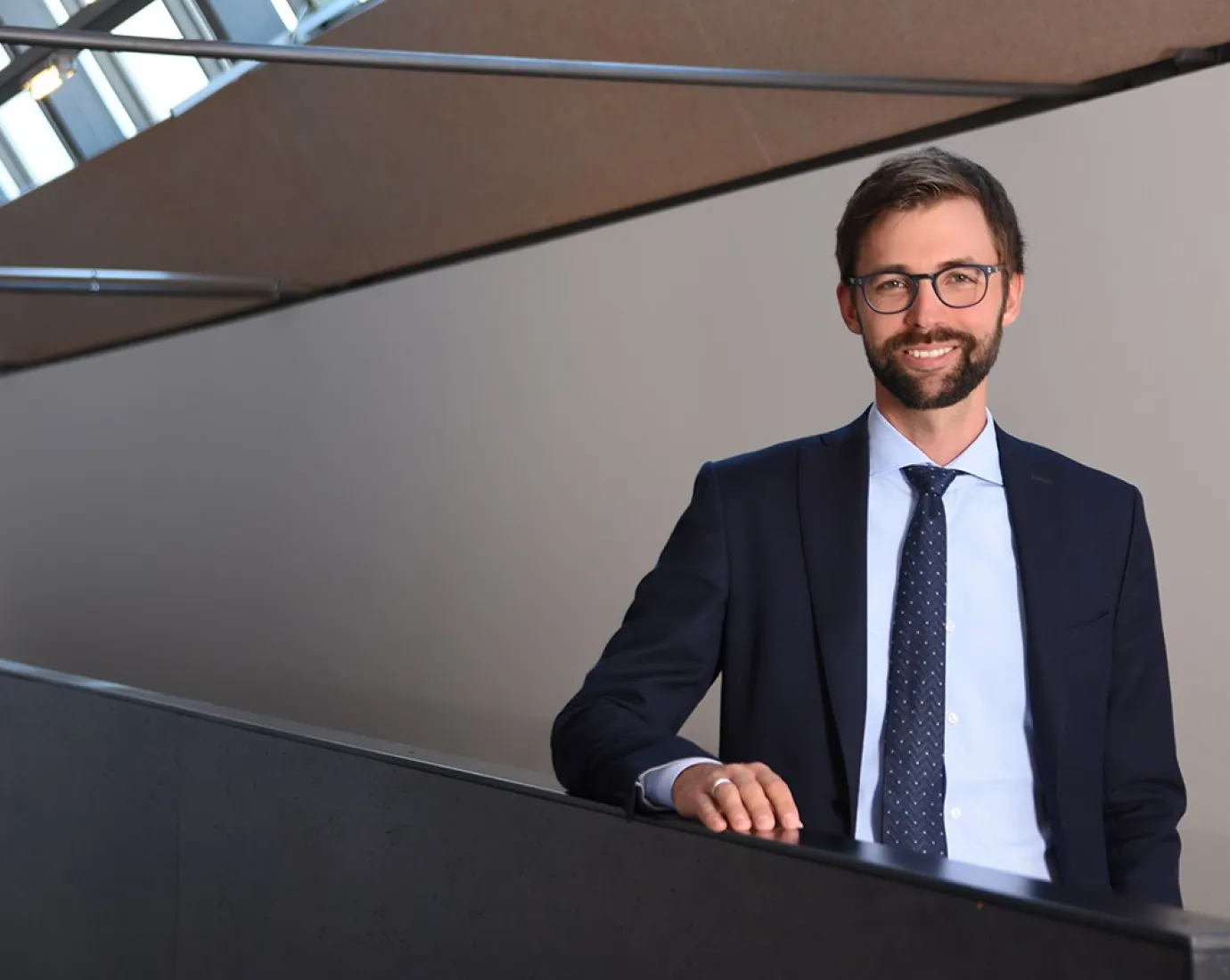
On Monday, June 23, 2025, the inaugural lecture of Assoc. Prof. Dr. Benjamin van Giffen took place at the University of Liechtenstein. Under the title "Tradition Meets Technology: Overcoming Cultural Tensions in AI Adoption within Lean Quality Management", the new Professor of Information Systems & Digital Innovation shed light on the challenges and opportunities that arise from the interplay between traditional Lean principles and modern AI technologies.


The official program began at 5:00 PM with a ceremonial opening. In their welcoming remarks, Dr. Christian Frommelt, Rector of the University of Liechtenstein, Dr. Gunter Beitinger, Senior Vice President Manufacturing and Head of Factory Digitalization at Siemens, and Karsten Neugebauer, founder of VIQTORIOUS AG and former CEO of the G2K Group, emphasized the relevance of the topic for business, science, and society. They underlined the university’s role as a driving force for digital innovation in the region and beyond. A common thread throughout all the speeches was the connection between excellent research and practical application.


At the heart of the subsequent lecture was the question of how companies can manage cultural tensions that arise when implementing artificial intelligence into established management systems. Benjamin van Giffen emphasized that the integration of AI requires not only technological, but above all cultural and organizational change. Using real-world examples and solid scientific insights, he demonstrated how companies can successfully manage this transformation and achieve both efficiency gains and innovation-friendly structures.


The lecture combined theoretical depth with a strong practical orientation, offering the audience insights into current research projects and concrete recommendations for leaders and organizations undergoing digital transformation. Professor van Giffen particularly emphasized the importance of a human-centered innovation approach, grounded in Design Thinking and attentive to both ethical and governance-related aspects of AI use.


With this inaugural lecture, Professor van Giffen presented himself not only as a recognized expert in the design and scaling of AI systems, but also as a bridge-builder between academic excellence and business practice. His broad experience in research, teaching, and industry consulting – including collaborations with companies in Liechtenstein, Europe, and the United States – gives his work special relevance for both regional and international business.


Following the lecture, the University hosted a networking reception, where guests from academia, industry, and public administration took the opportunity to exchange ideas in an informal setting. In many conversations, the topic of the lecture was taken up, further explored, and discussed in the context of concrete entrepreneurial challenges. The reception also provided a valuable opportunity to meet Assoc. Prof. Dr. van Giffen in person and establish initial contacts for potential collaborations.

We need your consent
To view this YouTube video, you must accept data processing under the category “Third-party marketing”. Further details on data processing can be found here.
Display Cookie Settings

Artificial Intelligence Meets Tourism: Research Published in International Journal

Artificial Intelligence Meets Tourism: Research Published in International Journal

The University of Liechtenstein is pleased to announce the publication of a new scientific study in the renowned academic journal Electronic Markets. The article, titled “Fine-Tuning Image-to-Text Models on Liechtenstein Tourist Attractions”, was authored by Dr. Pejman Ebrahimi, Postdoctoral Researcher at the Liechtenstein Business School, and Prof. Dr. Johannes Schneider, Professor of Data Science & Artificial Intelligence.


The study explores how effectively modern AI models can automatically generate text descriptions from images of tourist attractions – a technology with potential applications in tourism, cultural heritage communication, and accessible digital services. The research focuses on two of Microsoft’s image-to-text models: GIT and Florence-2.


Both models were specifically trained using image data from Liechtenstein – including landmarks such as Vaduz Castle, the Malbun alpine region, and various cultural events. The results show that the GIT model performs well even with relatively small training datasets. In contrast, Florence-2 demonstrates significantly better performance when larger amounts of training data are available.


This research offers valuable insights into the practical use of AI in tourism and heritage contexts. It highlights which models are best suited for specialized applications such as the automated creation of image descriptions for websites, apps, or digital travel guides.


The paper was published in Electronic Markets, a leading international journal on digital markets and information systems.


Ebrahimi, P., & Schneider, J. (2025). Fine-Tuning Image-to-Text Models on Liechtenstein Tourist Attractions. Electronic Markets, 35(55). https://doi.org/10.1007/s12525-025-00806-7

Congratulations to Marius Gramlich on his Doctorate with Top Marks

Congratulations to Marius Gramlich on his Doctorate with Top Marks

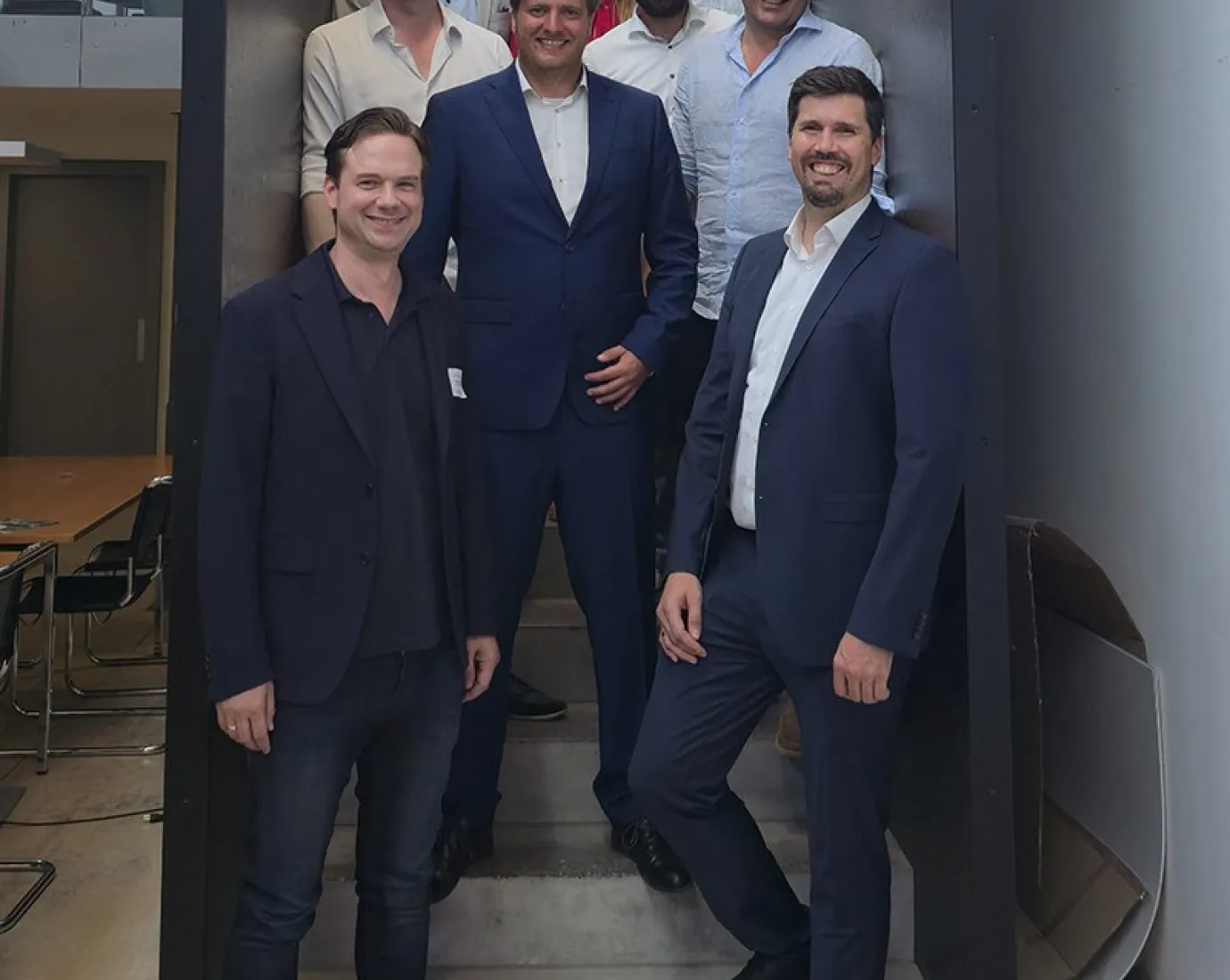
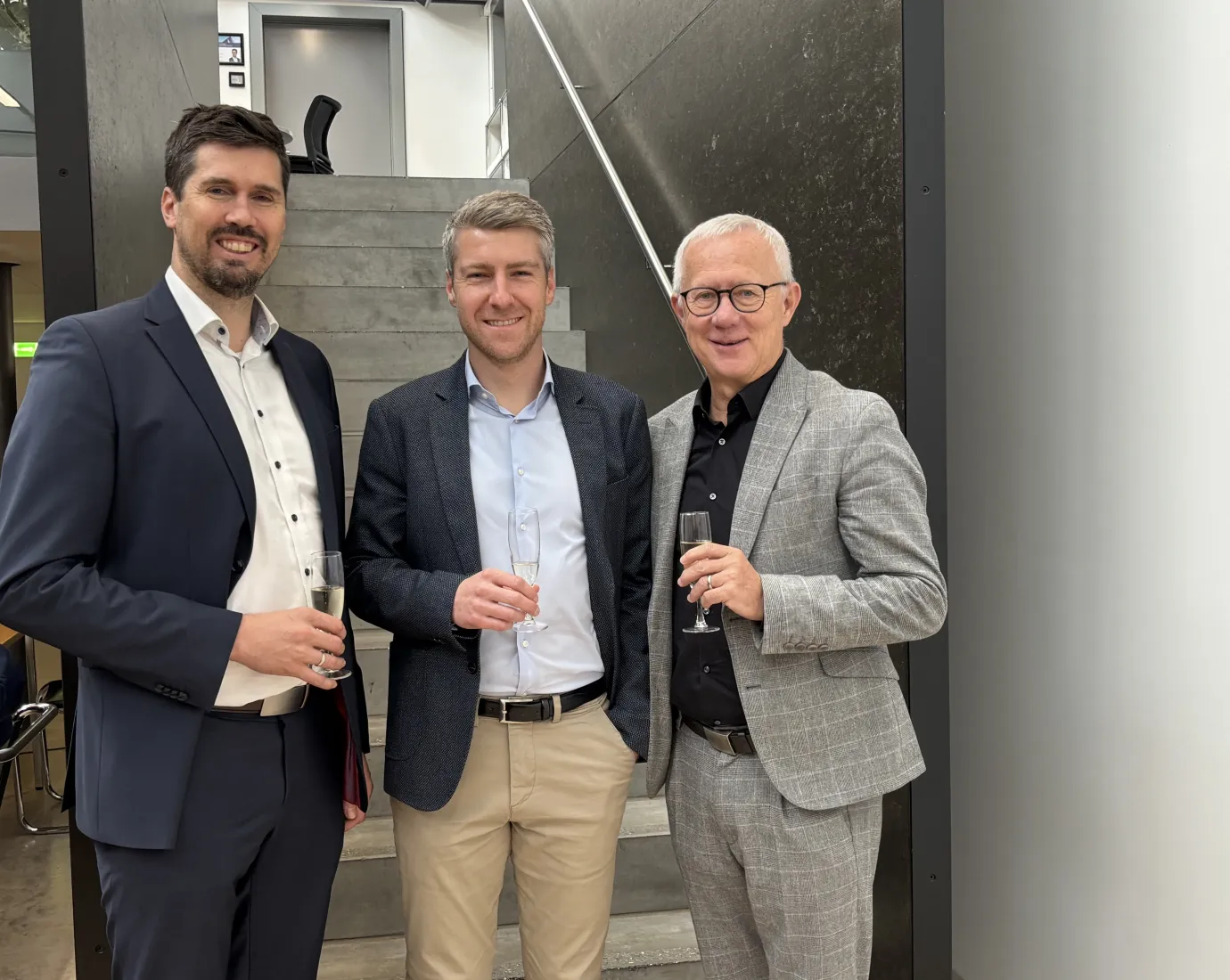
Foto von Marius Gramlich, umgeben von seinen Betreuern und Doktoratskolegen zur Feier seiner erfolgreichen Dissertation an der Universität Liechtenstein.

The University of Liechtenstein would like to congratulate Marius Gramlich on the successful defense of his dissertation with the highest distinction. The thesis entitled “Tokenomics on Crypto Exchanges and Experimental Asset Markets” was supervised by Prof. Dr. Martin Angerer and Prof. Dr. Fabian Schär from the University of Basel. They collaborated with Spiridon Penev (University of Sydney) and Yilong Xu (Utrecht University) – a successful example of the University of Liechtenstein's international research cooperation with leading partner institutions and researchers.


Marius Gramlich's dissertation is dedicated to the financial and economic facets of the token economy on crypto exchanges and experimental capital markets. The studies focus on trader behavior, market design and the efficiency of the markets, particularly with regard to their liquidity.


The dissertation includes innovative methodologies to measure the unit of account (as a function of money) and liquidity in crypto markets as well as the impact of fractionalization of assets through tokenization. The results provide new insights into the token economy with relevance for traders, market operators and regulators.


The research has already been presented at numerous international conferences and has been well received by the scientific community. The first of the three studies was published in the "Journal of Risk and Financial Management” at the beginning of the year.


We would like to congratulate Marius Gramlich on this outstanding success and wish him all the best for his professional and personal future!


Wir gratulieren Marius Gramlich herzlich zu diesem herausragenden Erfolg und wünschen ihm für seine berufliche und persönliche Zukunft alles Gute!

Foto von Marius Gramlich, umgeben von seinen Betreuern und Doktoratskolegen zur Feier seiner erfolgreichen Dissertation an der Universität Liechtenstein.

Bank Frick Scholarship Awarded at the University of Liechtenstein

Bank Frick Scholarship Awarded at the University of Liechtenstein

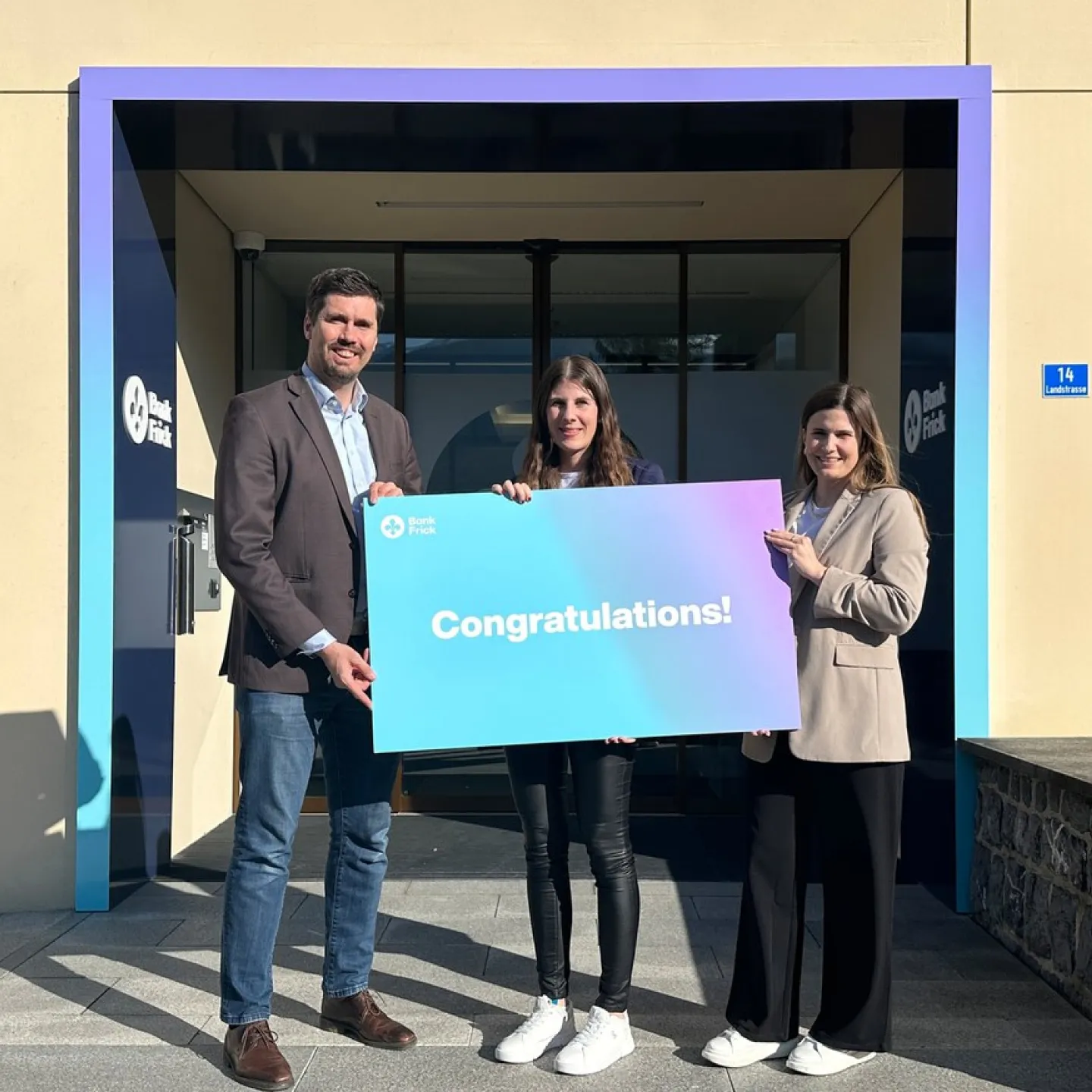
Sabrina Zimmermann, die Stipendiatin von Bank Frick, steht vor dem Gebäude der Bank Frick, bereit, am CAS Blockchain und Fintech Programm teilzunehmen.

Bank Frick has once again awarded a scholarship for participation in the CAS Blockchain and FinTech programme at the University of Liechtenstein. This year, the scholarship goes to Sabrina Zimmermann from Bad Ragaz. She prevailed over seven other applicants and will participate in the programme free of charge.


As part of its cooperation with the University of Liechtenstein, Bank Frick provides a scholarship worth CHF 10,900, covering full tuition for the CAS Blockchain and FinTech. The programme is particularly distinguished by its practical focus and the application-oriented teaching of knowledge on the technological transformation of existing financial systems. Participants gain in-depth understanding of interconnected systems and their impact on business models and value creation networks.


Sabrina Zimmermann’s Application Stood Out


This year’s Bank Frick scholarship is awarded to Sabrina Zimmermann from Bad Ragaz. Her application stood out due to her strong interest in further developing her knowledge in the fields of blockchain and fintech following her bachelor’s degree in business administration. Already during her undergraduate studies, Zimmermann developed a deep interest in technological innovations that are transforming the financial sector. In the application process, she clearly demonstrated her strong motivation to deepen her understanding of the potential of blockchain technology and to expand her practical knowledge by drawing on the expertise of the programme’s distinguished faculty.


Fostering Know-How for Liechtenstein and the Greater Rhine Valley Region


Bank Frick has once again awarded a scholarship for participation in the CAS Blockchain and FinTech at the University of Liechtenstein. This year, the scholarship goes to Sabrina Zimmermann from Bad Ragaz. She was selected from among eight applicants and will participate in the programme free of charge.

Sabrina Zimmermann, die Stipendiatin von Bank Frick, steht vor dem Gebäude der Bank Frick, bereit, am CAS Blockchain und Fintech Programm teilzunehmen.

Doctoral Seminar on Non-Profit Law

Doctoral Seminar on Non-Profit Law

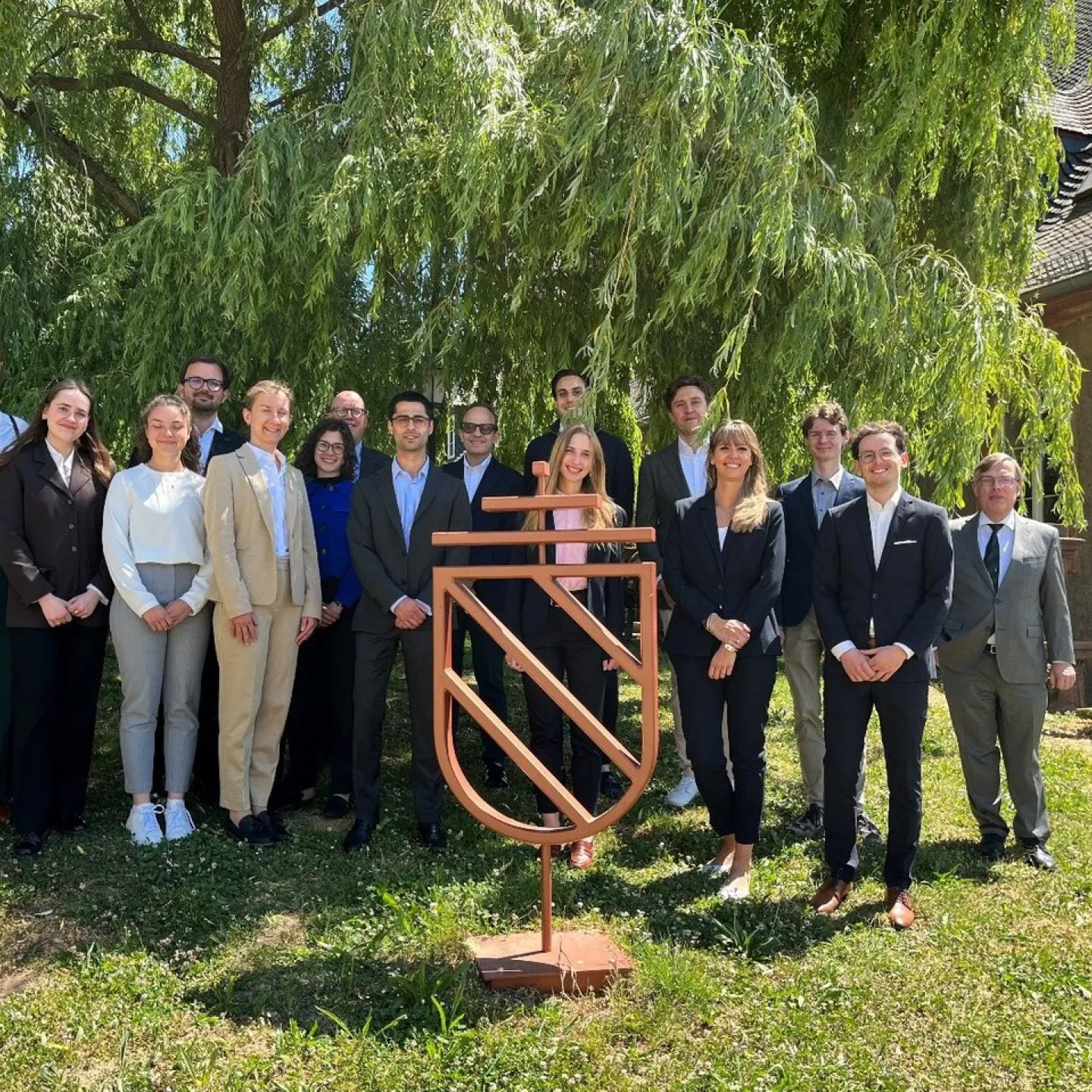
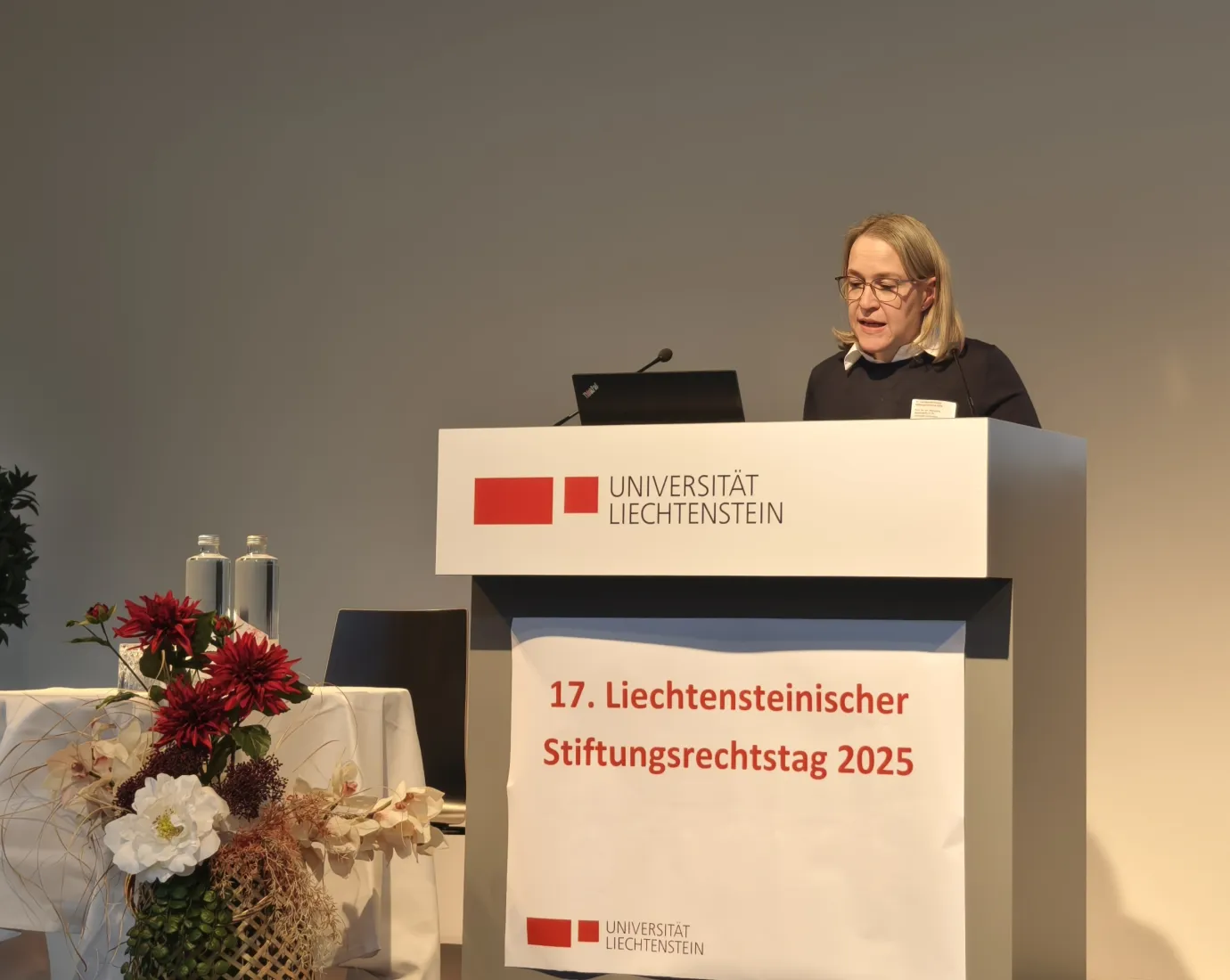
Jeffrey Lee Brüstle, wissenschaftlicher Mitarbeiter an der Universität Liechtenstein, präsentiert seine Forschung zum gemeinnützigen Trust in Liechtenstein auf dem Doktorandenseminar des Deutschen Stiftungsrechtstags 2025.

As part of this year’s German Foundation Law Day, EBS University of Business and Law in Oestrich-Winkel hosted a doctoral seminar on non-profit law on 20 May 2025. Within this framework, eleven doctoral candidates presented their dissertation projects or current research questions related to non-profit law. The University of Liechtenstein was represented by Jeffrey Lee Brüstle, research associate at the Professorship for Company, Foundation and Trust Law, who gave a comparative presentation on charitable trusts in Liechtenstein.


The professorship team led by organiser Prof. Dr. Ulrich Segna welcomed a total of fifteen doctoral students as well as five faculty members from Germany, Switzerland, Austria, and Liechtenstein. Jeffrey Lee Brüstle, LL.B. LL.M. LL.M., had the honour of opening the seminar with his presentation titled “The Charitable Trust in Liechtenstein: A Comparative Legal Perspective with Regard to Current Reforms”. Each presentation was followed by an in-depth discussion session, in which the speakers defended their academic methods and findings while also receiving valuable feedback from the audience for their ongoing research.


“Doctoral seminars provide a protected space for academic exchange and inter-university networking. Doctoral candidates are given a unique opportunity to present the results of their research in an academic setting and to engage in joint discussions of legal questions in plenary. The feedback and doctrinal input from the professors and students in attendance are of immense value for advancing one’s own research,” explained Jeffrey Lee Brüstle.

Jeffrey Lee Brüstle, wissenschaftlicher Mitarbeiter an der Universität Liechtenstein, präsentiert seine Forschung zum gemeinnützigen Trust in Liechtenstein auf dem Doktorandenseminar des Deutschen Stiftungsrechtstags 2025.

Intensive Course on Corruption

Intensive Course on Corruption

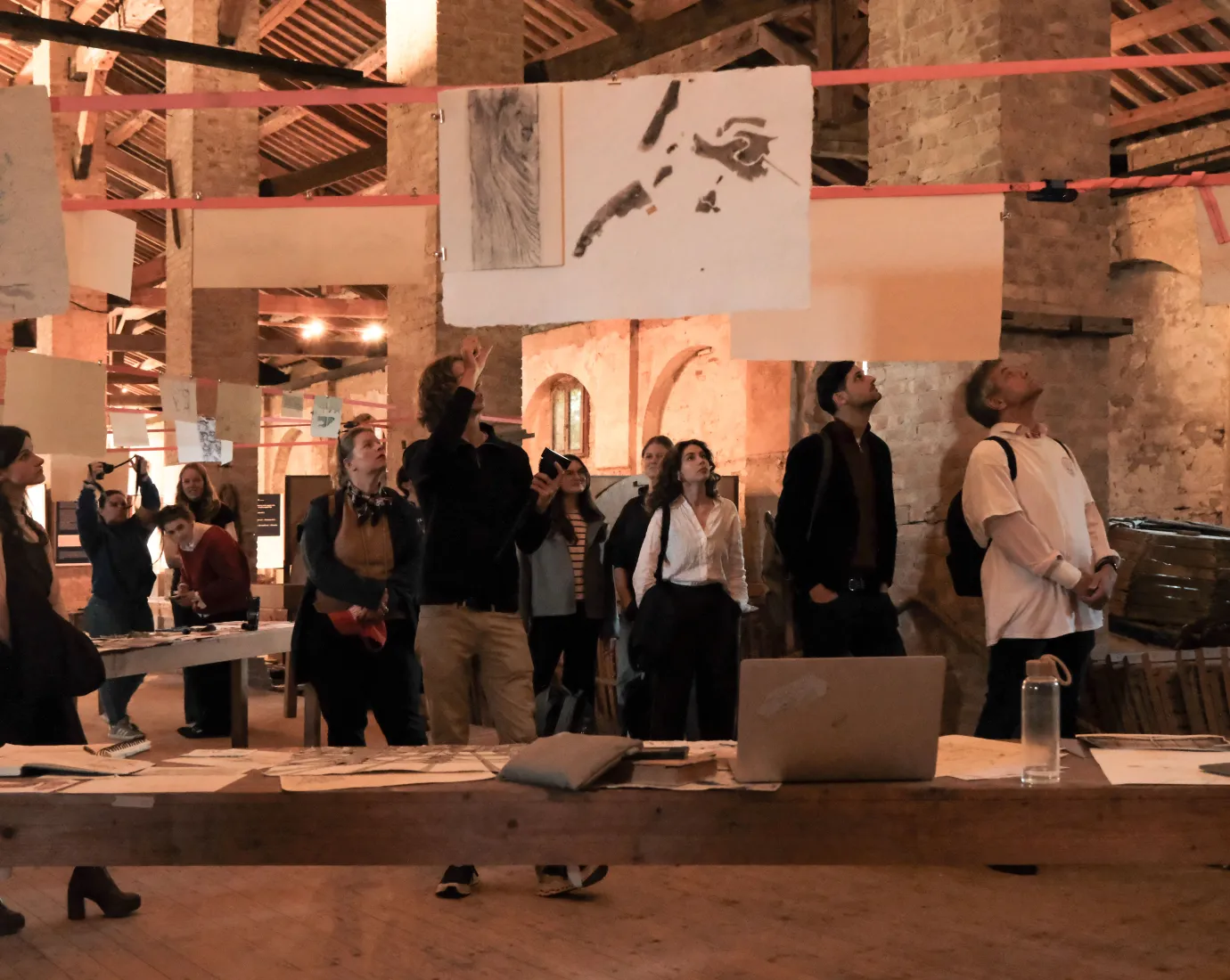
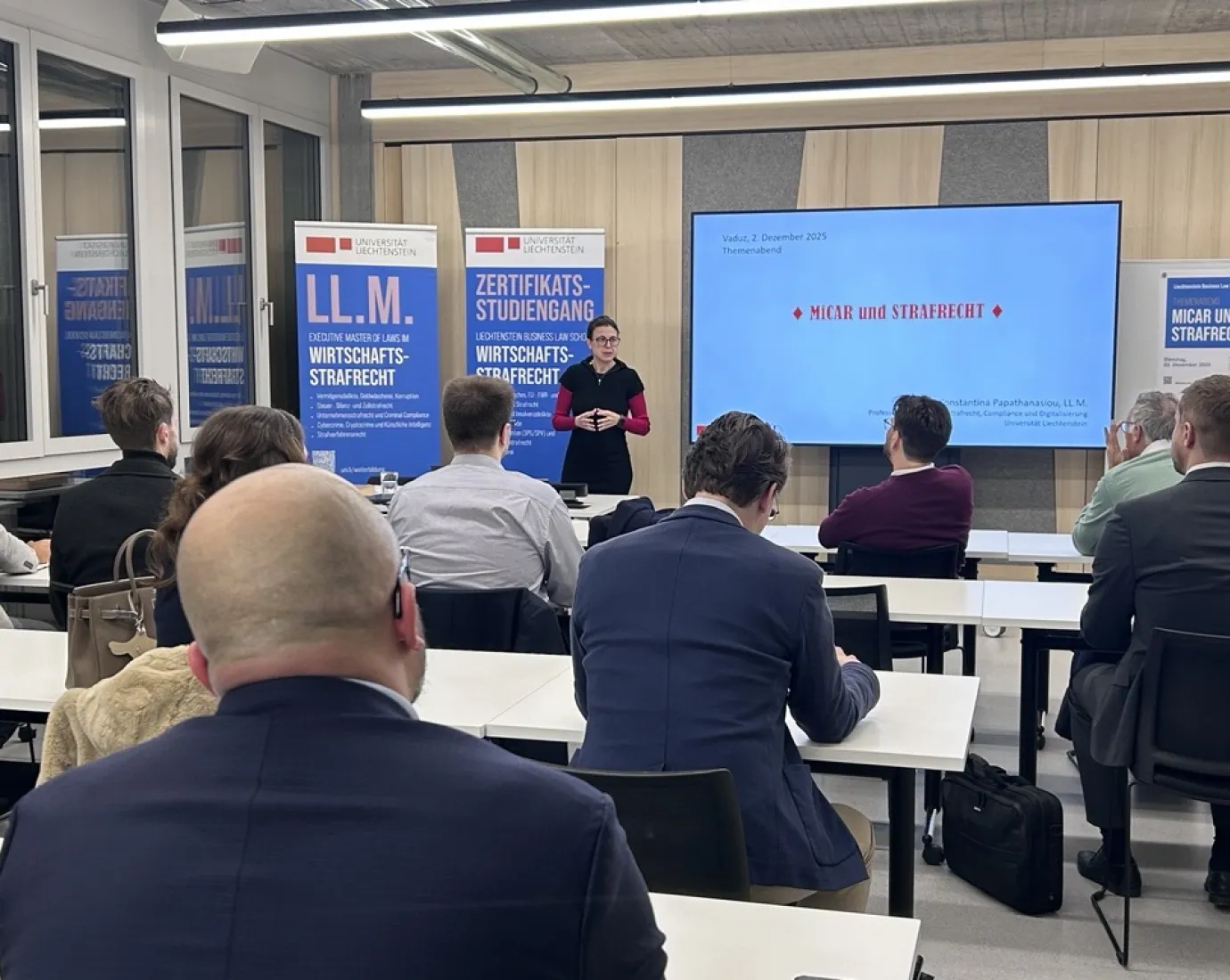
The Professorship for Economic Criminal Law, Compliance and Digitalisation conducted the Intensive Course on Corruption on 12 and 13 June 2025.


Corruption is a global issue that can cause severe economic damage in both the public and private sectors, undermine trust in institutions, and threaten the rule of law. At the international level, the main monitoring mechanisms include the Council of Europe’s Group of States against Corruption (GRECO), the OECD Working Group on Bribery, and the Implementation Review Mechanism of the United Nations Convention against Corruption (UNCAC).


The focus of the course was on identifying corruption and the structure of corruption-related offences as defined in the Criminal Code. Prof. Dr. Konstantina Papathanasiou, LL.M., opened the course with an overview of the legal framework concerning acceptance of advantages (§ 305 of the Criminal Code), granting of advantages (§ 307a), bribery (§ 304), and corruption (§ 307).


Dr. Markus Höcher, postdoctoral assistant at the Professorship for Economic Criminal Law, Compliance and Digitalisation, then explained the legal system governing anti-corruption offences and presented the corresponding offences in both the public and private sectors. He first gave an in-depth explanation of the terms “public official” and “holder of a public office”, which served as the basis for understanding the abuse of official authority (§ 302), bribery and corruption (§§ 304/307), acceptance and granting of advantages (§§ 305/307a), acceptance or granting of advantages to influence decisions (§§ 306/307b), as well as the offence of prohibited intervention (§ 308).


The session continued with a discussion of corruption-related offences relevant to the private sector, namely breach of trust (§ 153) and bribery and corruption in commercial transactions (§ 309). All topics were illustrated with examples from theory and practice.

We need your consent
To view this YouTube video, you must accept data processing under the category “Third-party marketing”. Further details on data processing can be found here.
Display Cookie Settings

Merlin Bartel Completes Doctoral Defense with Distinction

Merlin Bartel Completes Doctoral Defense with Distinction

Merlin Bartel erhält eine Auszeichnung für seine Dissertation in Financial Economics an der Universität Liechtenstein, betreut von Assoz. Prof. Dr. Sebastian Stöckl und Dr. Pedro Barroso.

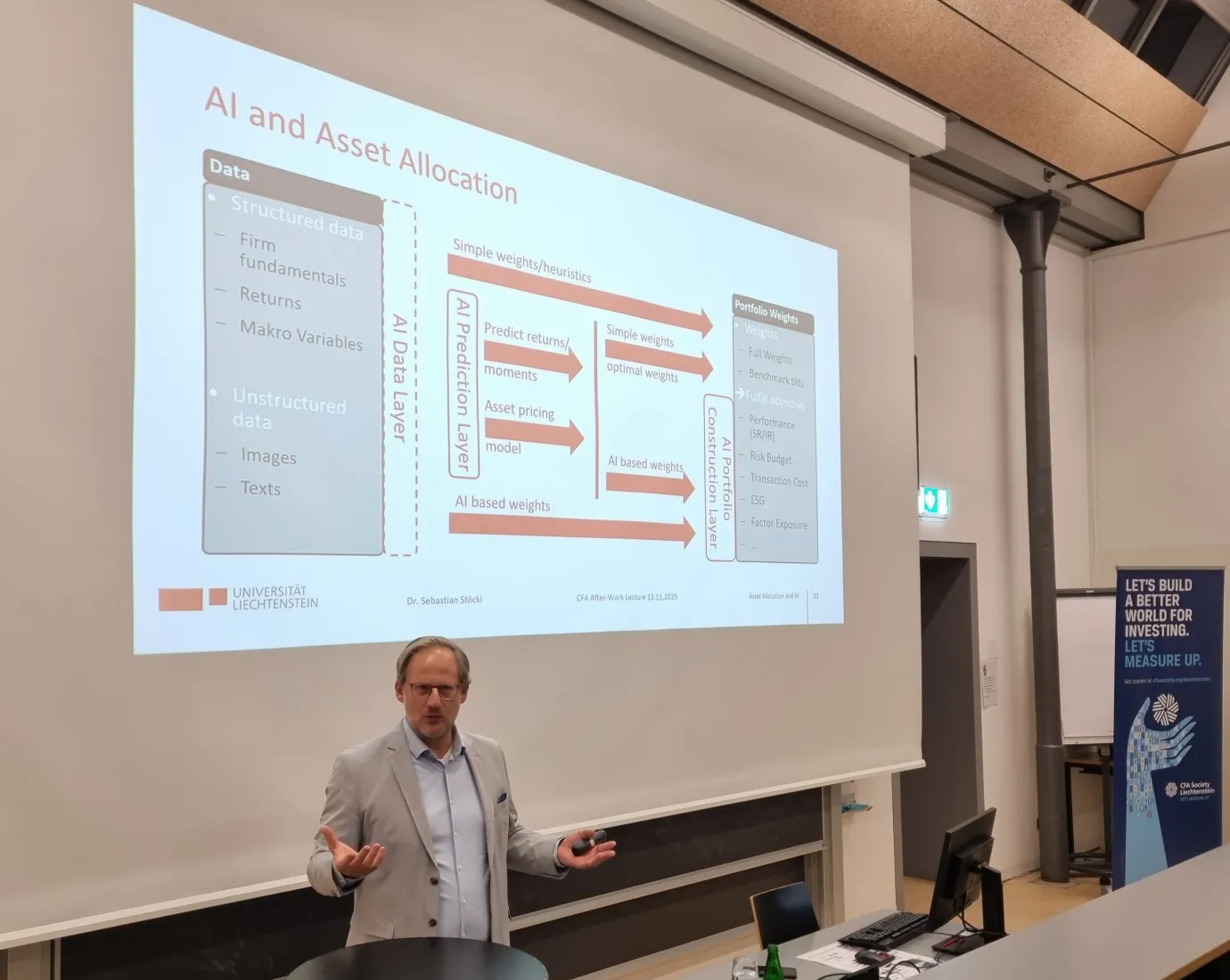
The University of Liechtenstein warmly congratulates Merlin Bartel on the successful defense of his dissertation, which he completed with the highest distinction. His thesis, entitled “Machine Learning in Financial Economics: An Investment Perspective”, was supervised by Assoc. Prof. Dr. Sebastian Stöckl and Dr. Pedro Barroso of the Católica Lisbon School of Business and Economics – a prime example of the University of Liechtenstein’s international research collaboration with leading partner institutions.


In his dissertation, Merlin Bartel explores how machine learning methods can enhance predictive accuracy in financial economics, particularly in the context of factor premia and capital market anomalies. His work focuses on the development of robust, economically interpretable models that remain effective under realistic investment conditions.


The dissertation includes several innovative contributions, such as three novel predictive signals, an integrated ML-based single-factor model, and the application of autoencoders for compressing complex financial signals.


His research has already been presented at numerous international academic conferences and received considerable attention from the scholarly community.


We sincerely congratulate Merlin Bartel on this outstanding achievement and wish him continued success in his professional and academic journey!

Merlin Bartel erhält eine Auszeichnung für seine Dissertation in Financial Economics an der Universität Liechtenstein, betreut von Assoz. Prof. Dr. Sebastian Stöckl und Dr. Pedro Barroso.

Four Contributions from the University Presented at ECIS 2025

Four Contributions from the University Presented at ECIS 2025

Bild der Universität Liechtenstein, von welcher vier wissenschaftliche Arbeiten zur Verbesserung der Interpretierbarkeit von Machine Learning Modellen durch LLM-Chatbots an der European Conference on Information Systems präsentiert wurden.

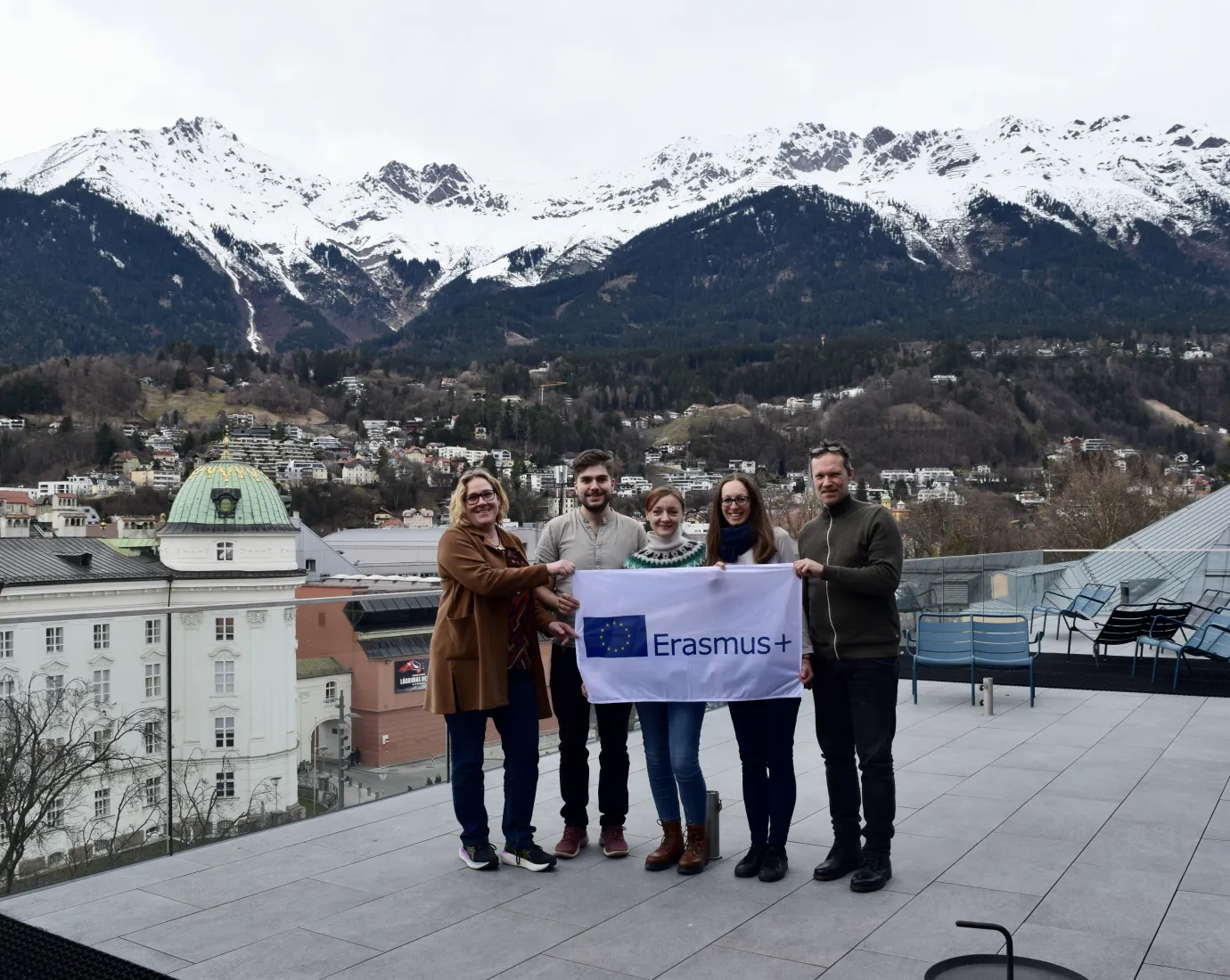
At this year’s European Conference on Information Systems (ECIS) – the most prominent European academic conference in the field of Information Systems – the University of Liechtenstein was represented with four scientific contributions. Two of these were developed within Erasmus+-funded projects.


The presented papers address current challenges in the areas of artificial intelligence (AI), micro-credentials, and design science research.


Making Machine Learning Models More Understandable Through LLM-Based Chatbots


The paper “Enhancing ML Model Interpretability: Leveraging Fine-Tuned Large Language Models for Better Understanding of AI” introduces a novel explainable AI (XAI) reference architecture. By integrating a fine-tuned chatbot based on large language models (LLMs), it improves the accessibility of machine learning (ML) predictions for end users. The architecture was validated in the context of battery State of Health (SoH) prediction and demonstrated improved interpretability—especially for less experienced users.


Bokstaller, Jonas; Altheimer, Julia; Dormehl, Julian Armin; Buss, Alina; Wiltfang, Jasper I.; Schneider, Johannes; and Röglinger, Maximilian, "Enhancing ML Model Interpretability: Leveraging Fine-Tuned Large Language Models for Better Understanding of AI" (2025). ECIS 2025 Proceedings. 3. https://aisel.aisnet.org/ecis2025/human_ai/human_ai/3


AI-Powered Access to Design Knowledge


The paper “Facilitating Design Knowledge Access with a Generative AI-Based Conversational Assistant” addresses challenges in systematically retrieving knowledge in design science research (DSR). A generative AI-based chatbot was developed to assist researchers in identifying and reusing existing design knowledge. The contribution is part of the Erasmus+ project Design Science Research Academy and is based on an initial design cycle, outlining specific requirements, design principles, and a prototype implementation.


Gau, Michael and Gnewuch, Ulrich, "Facilitating Design Knowledge Access With a Generative AI-Based Conversational Assistant" (2025). ECIS 2025 Proceedings. 2. https://aisel.aisnet.org/ecis2025/des_research/des_research/2


Micro-Credentials for Standardized Skills Recognition


In the Erasmus+ project “Broadening the Recognition Ecosystem in VET with Micro Credentials”, a European-wide concept was developed for recognising vocational competencies. The paper “Design of a Micro-Credentialing System for Skills Recognition in Education and Training” presents an innovative system for awarding micro-credentials, enabling standardized terminology and categorization of skills across national borders. The results include the first design cycle, with defined principles, a prototype, and its evaluation.


Kipping, Gregor; Gau, Michael; Terzis, Joseph; and Zourou, Katerina, "Design of a Micro-Credentialing System for Skills Recognition in Education and Training" (2025). ECIS 2025 Proceedings. 6. https://aisel.aisnet.org/ecis2025/education/education/6


Strategic Management of AI Initiatives


The paper “How Organizations Design Portfolio Management to Govern AI: A Taxonomy Approach” examines how organizations strategically govern AI initiatives. Based on five case studies, the authors developed a multi-layered taxonomy of key design decisions in AI portfolio management. The taxonomy was validated through expert interviews and practical interventions. The study offers valuable insights for both academia and practice on the governance of AI projects.


Sturm, Simon and van Giffen, Benjamin, "How Organizations Design Portfolio Management to Govern AI: A Taxonomy Approach" (2025). ECIS 2025 Proceedings. 9. https://aisel.aisnet.org/ecis2025/ai_org/ai_org/9


Academic Visibility on the European Stage


The acceptance and presentation of four contributions at ECIS 2025 highlight the relevance and quality of the University’s research in the field of Information Systems. The University of Liechtenstein warmly congratulates all participating researchers on this achievement.


Bild der Universität Liechtenstein, von welcher vier wissenschaftliche Arbeiten zur Verbesserung der Interpretierbarkeit von Machine Learning Modellen durch LLM-Chatbots an der European Conference on Information Systems präsentiert wurden.

Children’s University: How Engagement Can Shape the Future

Children’s University: How Engagement Can Shape the Future

On Wednesday, 4 June 2025, the University of Liechtenstein invited children aged 8 to 12 to a special workshop in the university auditorium. Under the motto “Let’s Make the World a Better Place – Together!”, the young participants explored in a playful and creative way why it is important—and exciting—to get involved: for others, for the environment, and for their own future.


With curiosity and imagination, the children immersed themselves in a world full of ideas and challenges. Participation, collaboration, and co-creating solutions were at the heart of the workshop. They learned that even small actions can make a big difference—and that doing good together is even more fun!


Accompanying Programme for Adults: The Responsibility of Educational Institutions


While the children engaged their spirit of discovery, adults received inspiring input on current topics related to education, sustainability, and social responsibility. In a talk followed by a discussion, the University of Liechtenstein’s pro bono team demonstrated how higher education institutions can empower future generations to connect economic and ecological goals—and why now, more than ever, it is crucial to support projects with meaningful societal impact.

We need your consent
To view this YouTube video, you must accept data processing under the category “Third-party marketing”. Further details on data processing can be found here.
Display Cookie Settings
Subscribe to