Skip to Main Content

US ambassador visits the University of Liechtenstein

US ambassador visits the University of Liechtenstein
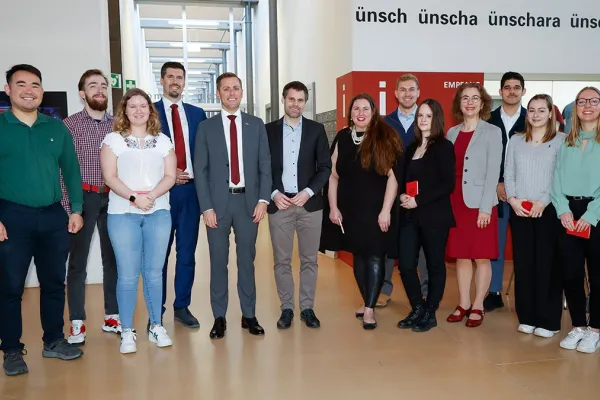
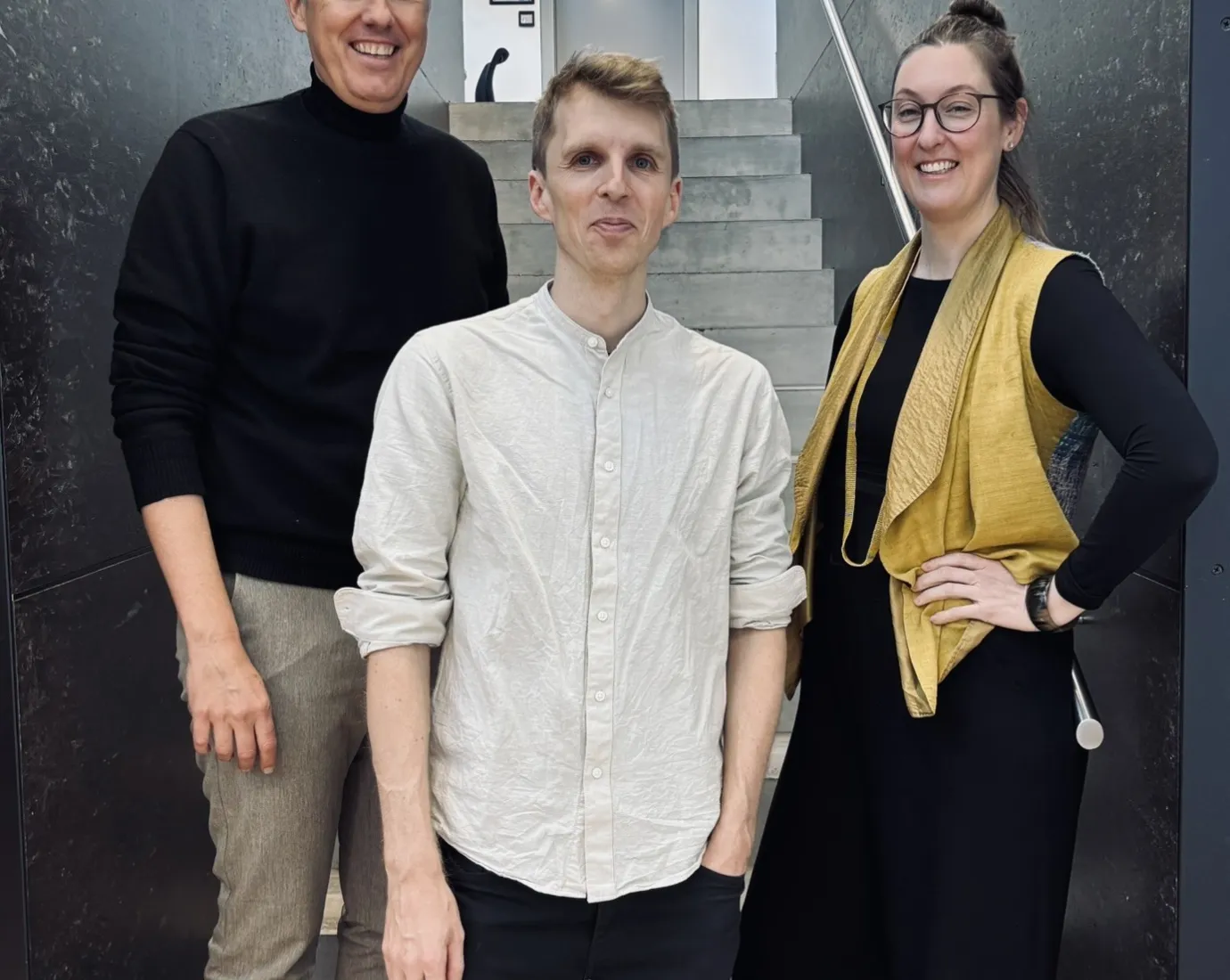
Gruppenfoto von Studierenden und Mitarbeitenden der Universität Liechtenstein mit US-Botschafter Scott C. Miller während seines Besuchs. Die Personen stehen in einem modernen Innenbereich der Universität.

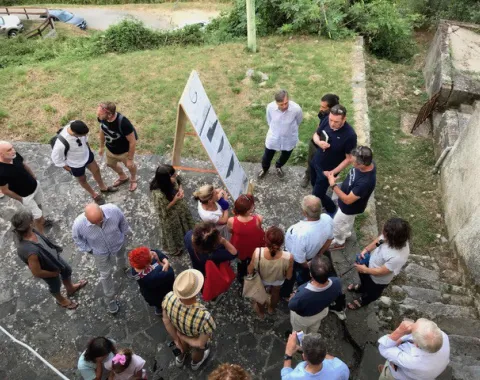
US Ambassador Scott C. Miller and 22 of his staff from Bern visited Liechtenstein for a two-day stay to set up a pop-up embassy. During their stay, they visited various institutions in the country, including the University of Liechtenstein.


At the Ambassador's request, a roundtable was held with students from various business degree programs as well as the Rector Dr. Christian Frommelt and Prof. Dr. Martin Angerer. The focus of Scott C. Miller was interested in the students and wanted to know why they were studying in Liechtenstein and what they hoped to achieve in (professional) life. The students had the opportunity to ask the ambassador questions and learned, among other things, how his career as a banker started and how his work as an LGBT activist brought him to the attention of President Joe Biden, which ultimately led to his "once in a million lifetimes" job offer as US ambassador to Switzerland.


The ambassador encouraged the young students to follow their intuition. Sometimes the smartest decisions come from intuition and not from meticulous planning. His openness made a great impression on the students.
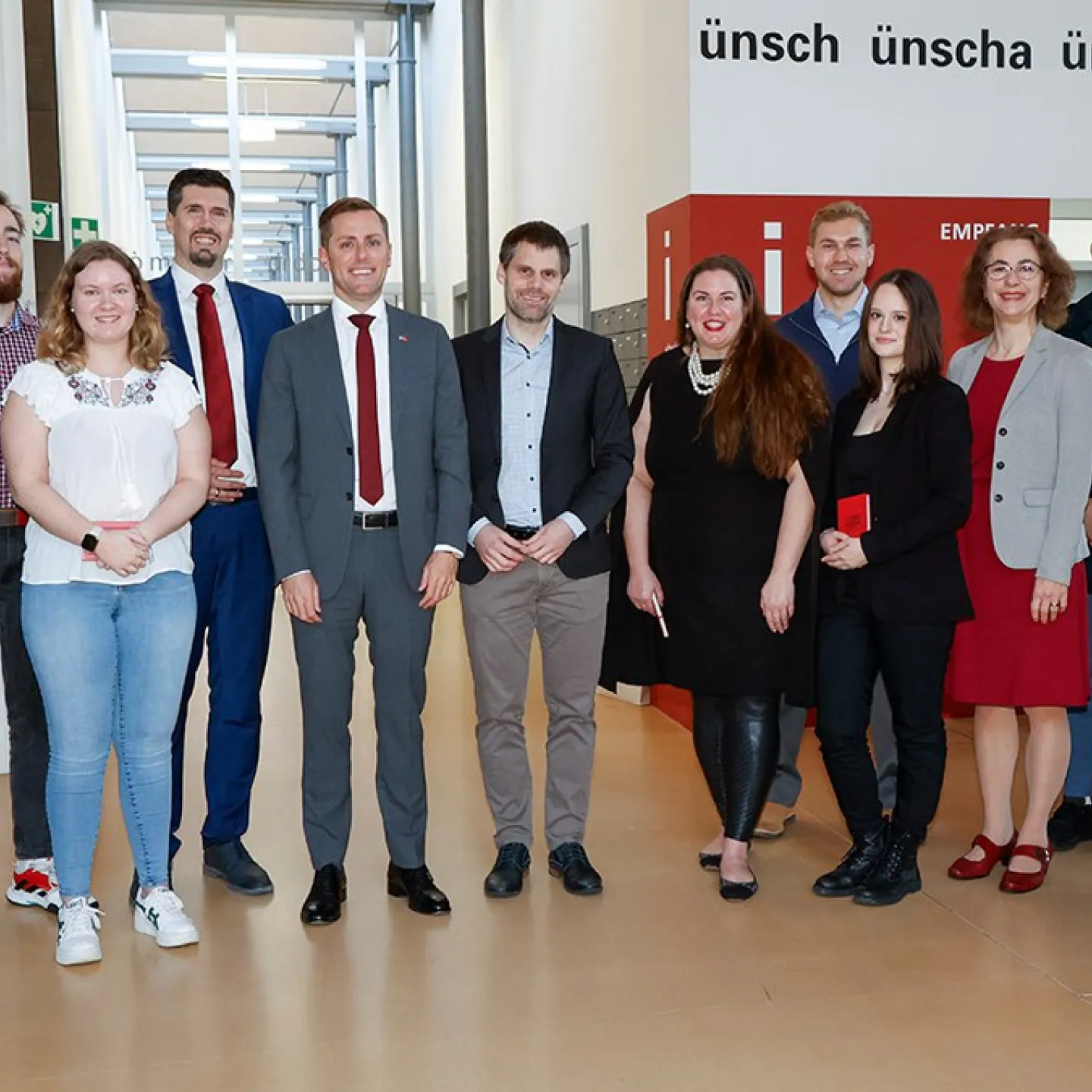

 

Gruppenfoto von Studierenden und Mitarbeitenden der Universität Liechtenstein mit US-Botschafter Scott C. Miller während seines Besuchs. Die Personen stehen in einem modernen Innenbereich der Universität.

Sustainability Aspects in the Decision-Making of a Public Limited Company’s Management Board

Sustainability Aspects in the Decision-Making of a Public Limited Company’s Management Board

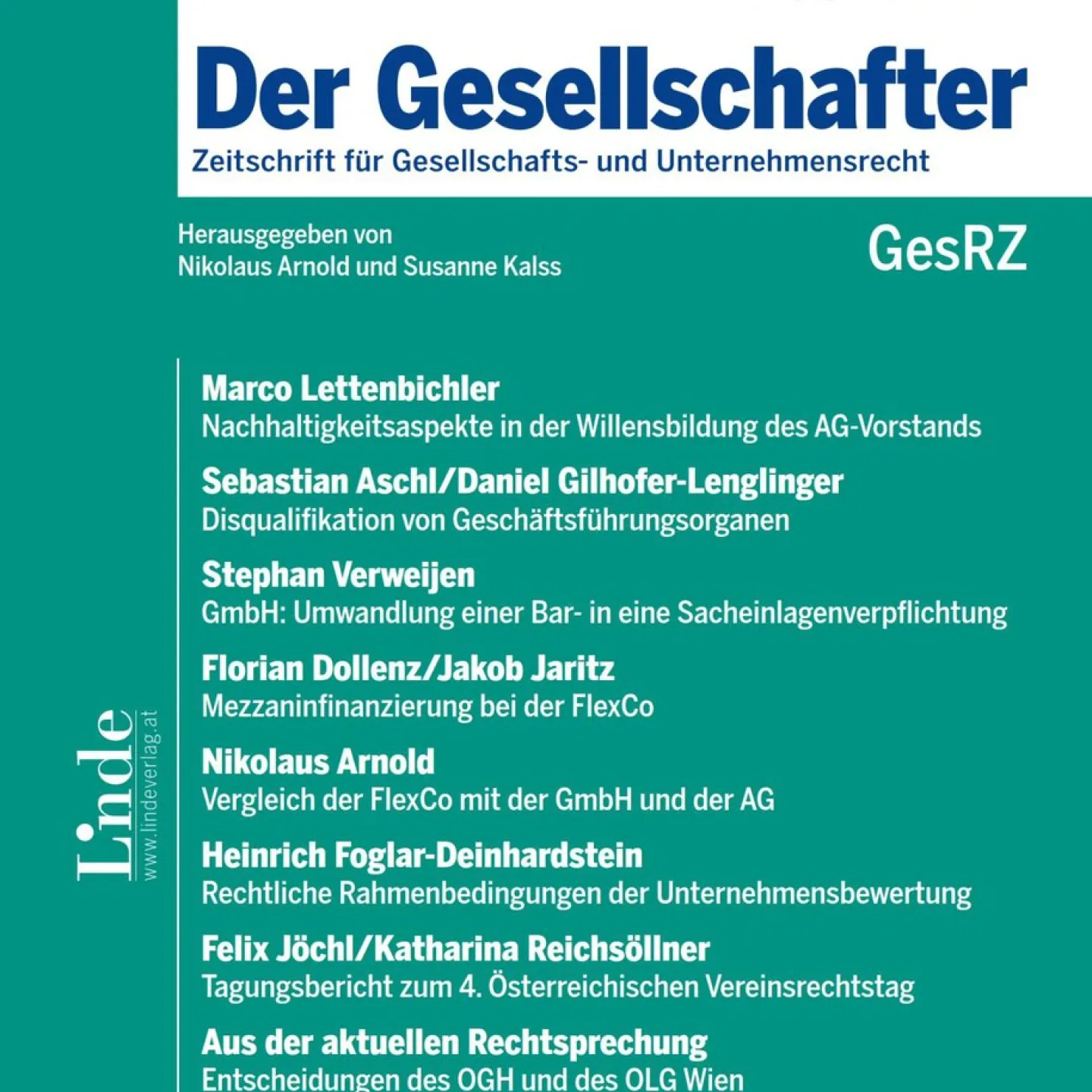
Titelbild der Zeitschrift "Der Gesellschafter", Ausgabe 1/2024, mit Beiträgen zu Gesellschafts- und Unternehmensrecht, darunter Nachhaltigkeitsaspekte in der Willensbildung des AG-Vorstands von Marco Lettenbichler.

In the current issue (1/2024) of the Journal of Corporate Law (GesRZ), the article “The Influence of Sustainability Aspects on the Decision-Making of the Management Body of a Public Limited Company” by Marco Lettenbichler was published. The article examines whether the management board of a public limited company is required to take sustainability aspects (in particular the 17 United Nations Sustainable Development Goals) into account when making decisions.


After an introduction to the topic, the paper first examines the normative guidelines for managing a public limited company. Special attention is given to the related conflicts of objectives between integrating sustainability aspects and maximizing profits. In addition to the existing corporate governance models of the shareholder value approach and the stakeholder value approach, the new concept of “New Corporate Governance” is also discussed. The paper then investigates whether it is feasible under corporate law to autonomously incorporate the consideration of sustainability aspects. In particular, it highlights the possibilities and limitations of making sustainability considerations mandatory within the company’s corporate purpose. On the other hand, provisions in the articles of association, the implementation of a “Say on Climate,” and any approval requirements from the supervisory board are excluded due to conflicts with mandatory corporate law provisions.


Finally, the article analyzes the indirect factors influencing the management board’s decisions. These are mechanisms that do not directly affect governance structures but exert influence through indirect channels such as executive compensation, reporting obligations, or public opinion. The indirect influences of modern remuneration policies, ESG reporting obligations, and customer interest in a better world are likely to be the greatest factors affecting management board actions in the future. Mandatory legal requirements and autonomous incorporation are only available or feasible to a limited extent.


Titelbild der Zeitschrift "Der Gesellschafter", Ausgabe 1/2024, mit Beiträgen zu Gesellschafts- und Unternehmensrecht, darunter Nachhaltigkeitsaspekte in der Willensbildung des AG-Vorstands von Marco Lettenbichler.

The library of the University of Liechtenstein is new at SLSP and in swisscovery

The library of the University of Liechtenstein is new at SLSP and in swisscovery

Logo von swisscovery, dem Bibliotheksnetzwerk, dem die Universität Liechtenstein beigetreten ist.

The library of the University of Liechtenstein has joined SLSP. This means that its holdings will be searchable in swisscovery from 18 March 2024.


The University Library holds around 28,000 books, journals and non-books as well as 68,000 e-books, which will now be added to swisscovery. By participating in SLSP Courier, the library is making its physical holdings available to a wider audience in Switzerland. Jürgen Küssow, Vice Director and Head of Network Services at SLSP, is delighted about the accession: "With the library of the University of Liechtenstein, SLSP has gained its first international partner and is thus strengthening cross-border cooperation."


The integration and migration project of the University of Liechtenstein Library from Aleph to Alma started in September 2023 under the leadership of SLSP. In various project phases, the data was deduplicated, the migration was prepared, tested and carried out, the services were set up in swisscovery and the employees of the University of Liechtenstein Library were trained on Alma and swisscovery.


Ekaterina Vardanyan, Head of the University Library, sees this project as a milestone in the library's development: "Joining swisscovery and cooperating with the Swiss university libraries via the SLSP will enable us to significantly expand the media offering, modernize the most important business areas and thus increase the library's innovative strength."


With the completion of the project, swisscovery will grow to a total of approx. 23 million title recordings and approx. 41 million copies.


SLSP is a non-profit organization based in Zurich, whose sponsors are 15 universities and libraries in Switzerland. Founded in 2017, SLSP has been operating a national library platform for 500 academic libraries in Switzerland with the product swisscovery since 7 December 2020. The SLSP also includes the Consortium of Swiss Academic Libraries (CSAL), which centrally purchases licences for electronic resources for Swiss academic libraries and negotiates open access contracts.


Search directly in swisscovery and use other services such as SLSP Courier to have books sent to a library near you.


Logo von swisscovery, dem Bibliotheksnetzwerk, dem die Universität Liechtenstein beigetreten ist.

VP Bank Honours Graduates of the University of Liechtenstein’s Certificate Programme in Compliance Officer

VP Bank Honours Graduates of the University of Liechtenstein’s Certificate Programme in Compliance Officer

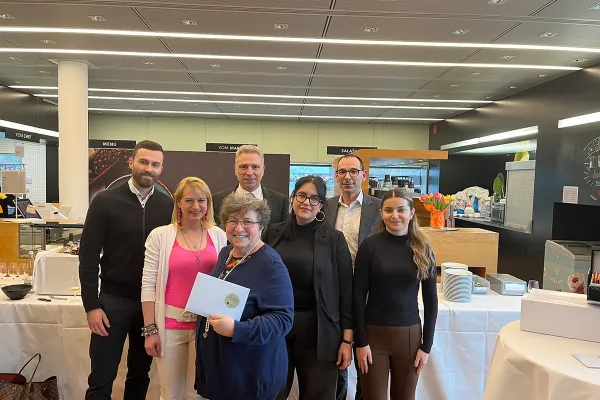
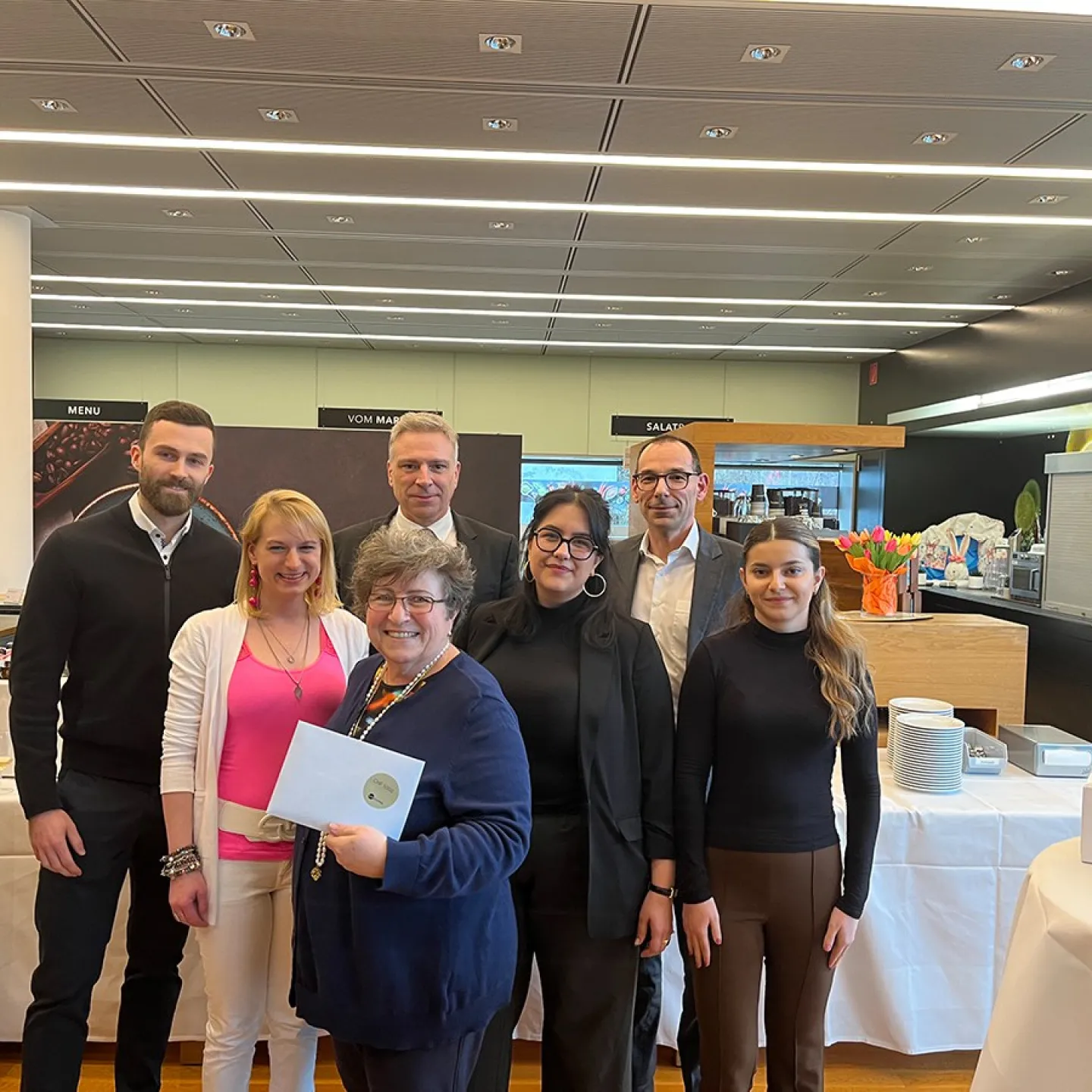
Eine Gruppe von sieben Personen steht lächelnd in einem modernen Raum. Eine Person hält ein Zertifikat in den Händen. Im Hintergrund sind Tische mit Geschirr und Dekorationen zu sehen.

As part of the Certificate Programme in Compliance Officer at the University of Liechtenstein, VP Bank presented the VP Bank Compliance Award to five students on Tuesday, 12 March 2024. The winning team received a cash prize of 5,000 Swiss francs.


The term compliance originates from the Anglo-American world and describes the adherence of companies and their employees to binding legal regulations and internal guidelines. To meet the demands of this dynamic environment, effective compliance management is essential. The collaboration with VP Bank in the sixth module of the programme therefore enables students to apply their acquired knowledge to a large case study in a practical context, while raising awareness of the diverse requirements and personal liability of a compliance officer.


“In our continuing education programme at the University of Liechtenstein, students have the opportunity to gain both a solid understanding and practical insights in the field of compliance, enabling them as professionals to confidently navigate dynamic framework conditions. We are very pleased about our cooperation with VP Bank, which allows students to apply their knowledge in a practical case study and benefit from VP Bank’s experience,” emphasised Prof. Dr. Alexandra Butterstein, Dean of the Liechtenstein Business Law School at the University of Liechtenstein, highlighting the professional expertise of the certificate programme she leads.


“We are very pleased that our cooperation with the University of Liechtenstein enables us to contribute to the high level of training for compliance officers in Liechtenstein. The close connection between academic excellence and practical application is crucial to ensuring that our compliance officers are optimally prepared for the dynamic requirements of the financial sector and thus maintain the first-class reputation of our financial centre,” said Patrick Bont, Chief Risk Officer at VP Bank.


For the award, students worked in groups on various case studies covering different practical and relevant aspects of the role of a bank’s compliance officer. The case studies, created by VP Bank, required a thorough analysis of compliance challenges as well as the various legal conditions in different jurisdictions. The groups then presented their proposed solutions in a plenary session. The presentations were rounded off by questions from fellow students and the jury, which consisted of representatives from VP Bank AG and the University of Liechtenstein.


Eine Gruppe von sieben Personen steht lächelnd in einem modernen Raum. Eine Person hält ein Zertifikat in den Händen. Im Hintergrund sind Tische mit Geschirr und Dekorationen zu sehen.

Innosuisse project funding signed with the University of Liechtenstein

Innosuisse project funding signed with the University of Liechtenstein

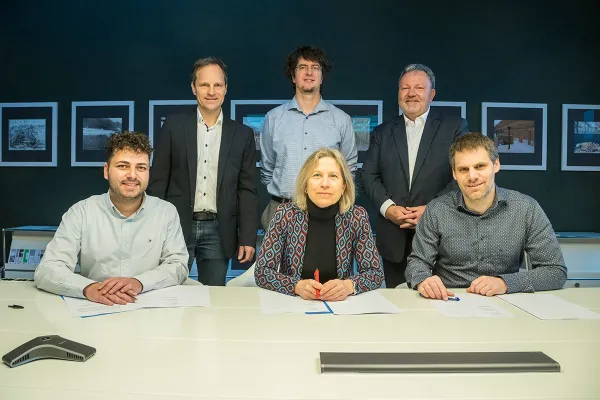
Sechs Personen bei der Unterzeichnung einer Vereinbarung an einem Tisch. Drei Personen sitzen vorne mit Dokumenten, während drei weitere im Hintergrund stehen. Die Szene findet in einem Büro mit Bildern an der Wand statt.

Based on the agreement between the government and the Swiss Federal Council on the promotion of science-based innovation of 26 January 2021 and the corresponding commitment credit approved by Parliament, the Swiss Innosuisse innovation promotion program is also available to companies and research institutions in Liechtenstein.


In this context, the University of Liechtenstein, together with the company HELGA.works in St. Gallen, successfully submitted a funding application to Innosuisse. Following approval of the project funding by the government, the support agreement was signed on March 12, 2024 by the Head of the Office of Economic Affairs, Katja Gey, the Rector of the University of Liechtenstein, Christian Frommelt, and the implementation partner Vincenzo Neidhardt, CEO of Helga AG.


Securing income for artists with artificial intelligence methods


The music industry is facing a growing challenge: unpaid royalties for copyrights are expected to soon reach almost 8 billion dollars annually, compared to the current 2.5 billion dollars. With a groundbreaking initiative to combat this unfair distribution, the Eastern Swiss start-up HELGA.works is launching an Innosuisse project together with the Department of Information Systems & Computer Science at the University of Liechtenstein.


The aim of the project is to help artists receive the royalties to which they are entitled. The main challenge is to identify the rightful recipients despite insufficient data quality. By using state-of-the-art machine learning models, such as graph neural networks, which can deal with incomplete and inaccurate data, the aim is to create a solution that is not only innovative, but also remains simple and interpretable. The aim is to develop a prediction service that estimates the risk and amount of unpaid royalties. The potential product solution has already attracted significant interest from investors and the industry, including renowned music publishers and artists. In addition to creating economic value, the proposed innovative solution will help artists, especially niche artists, to receive their rightful remuneration. The project thus also contributes to cultural and musical diversity.


The Office of Economic Affairs and the National Contact Point for Research and Innovation in the Department of Economic Affairs are available to provide further information (www.avw.llv.li; contact: Frank Heeb, T +423 236 67 45; Frank.Heeb@llv.li).


Sechs Personen bei der Unterzeichnung einer Vereinbarung an einem Tisch. Drei Personen sitzen vorne mit Dokumenten, während drei weitere im Hintergrund stehen. Die Szene findet in einem Büro mit Bildern an der Wand statt.

AMPHIORAMA - An architecture studio in Liguria

AMPHIORAMA - An architecture studio in Liguria

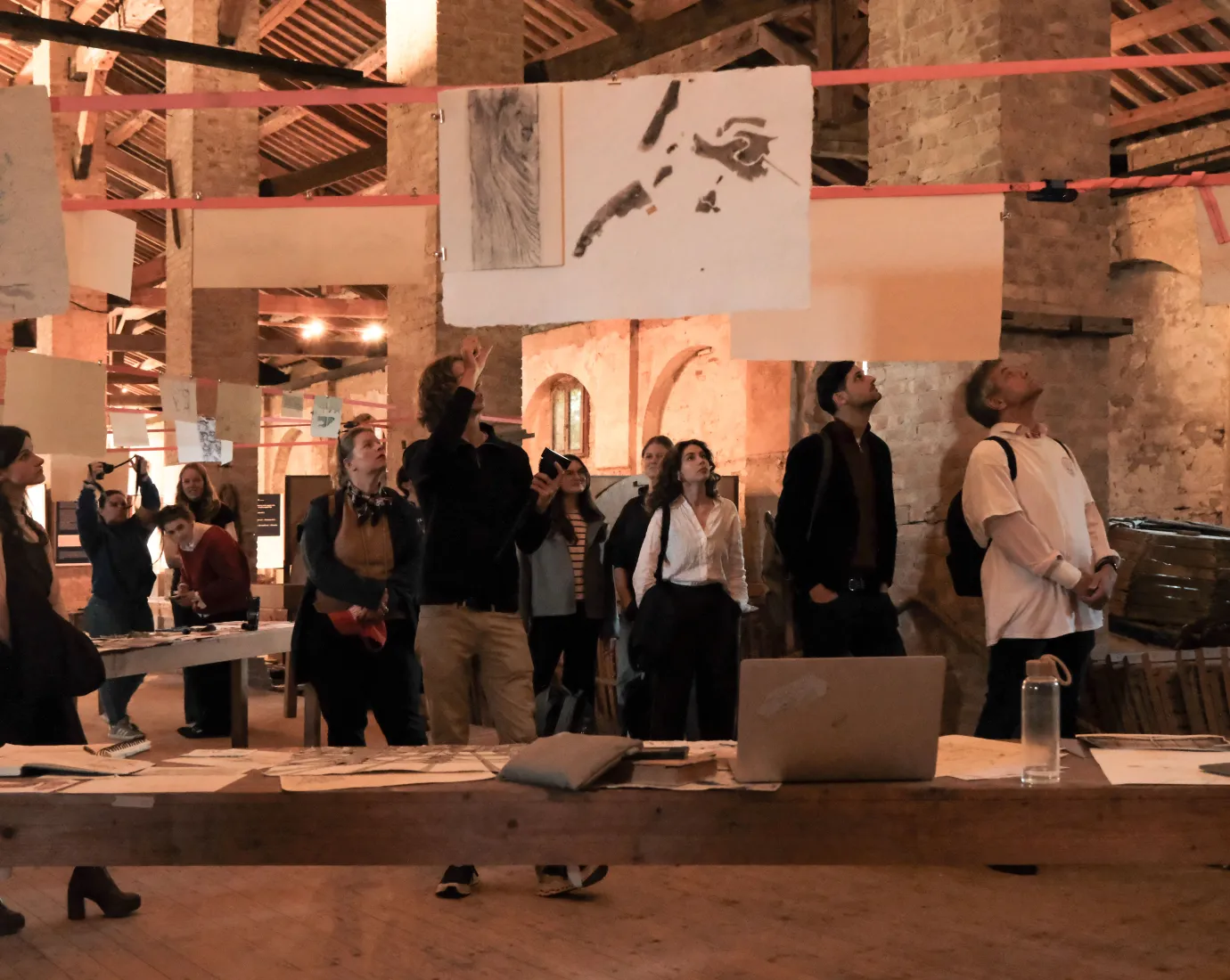
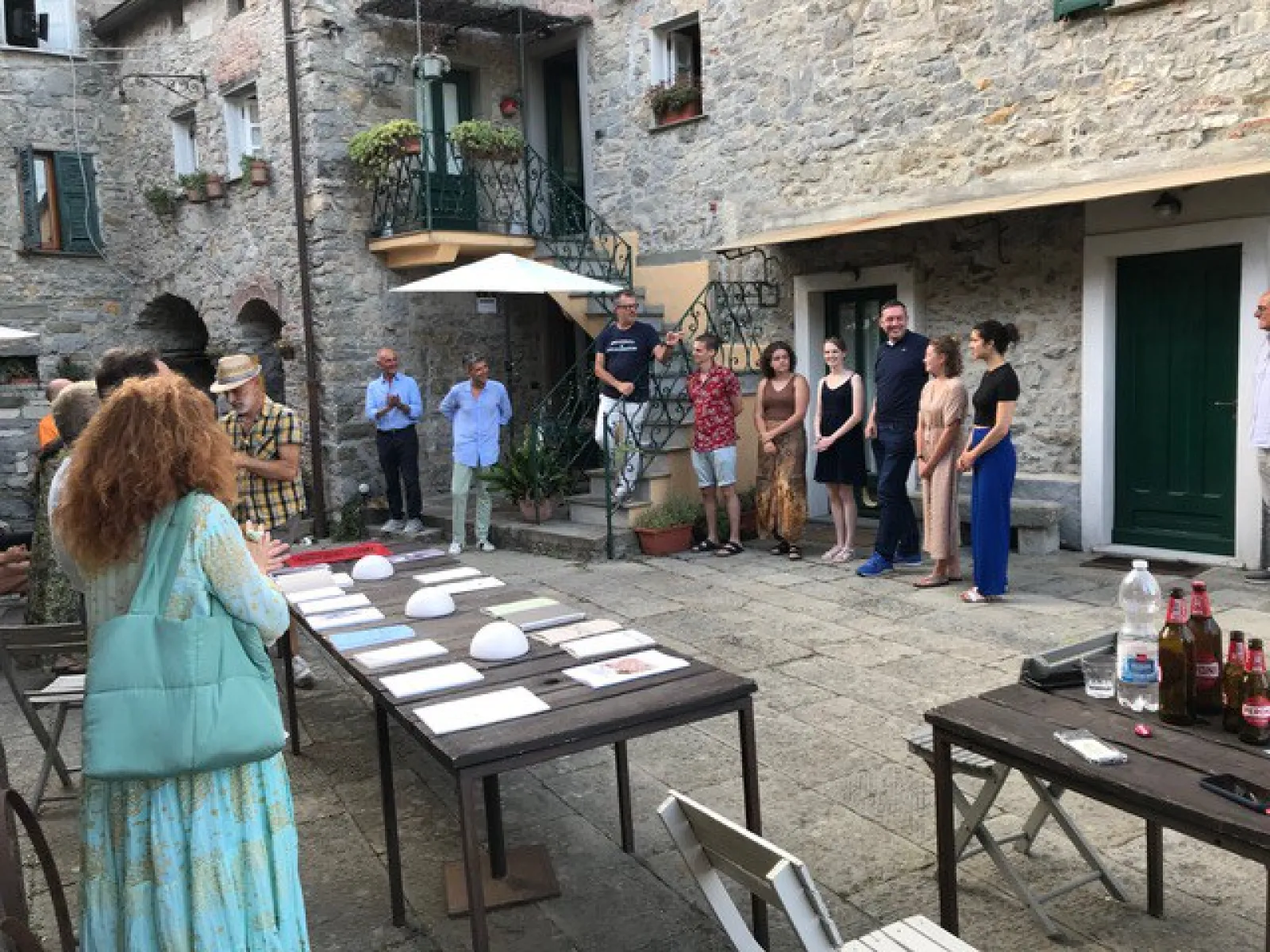
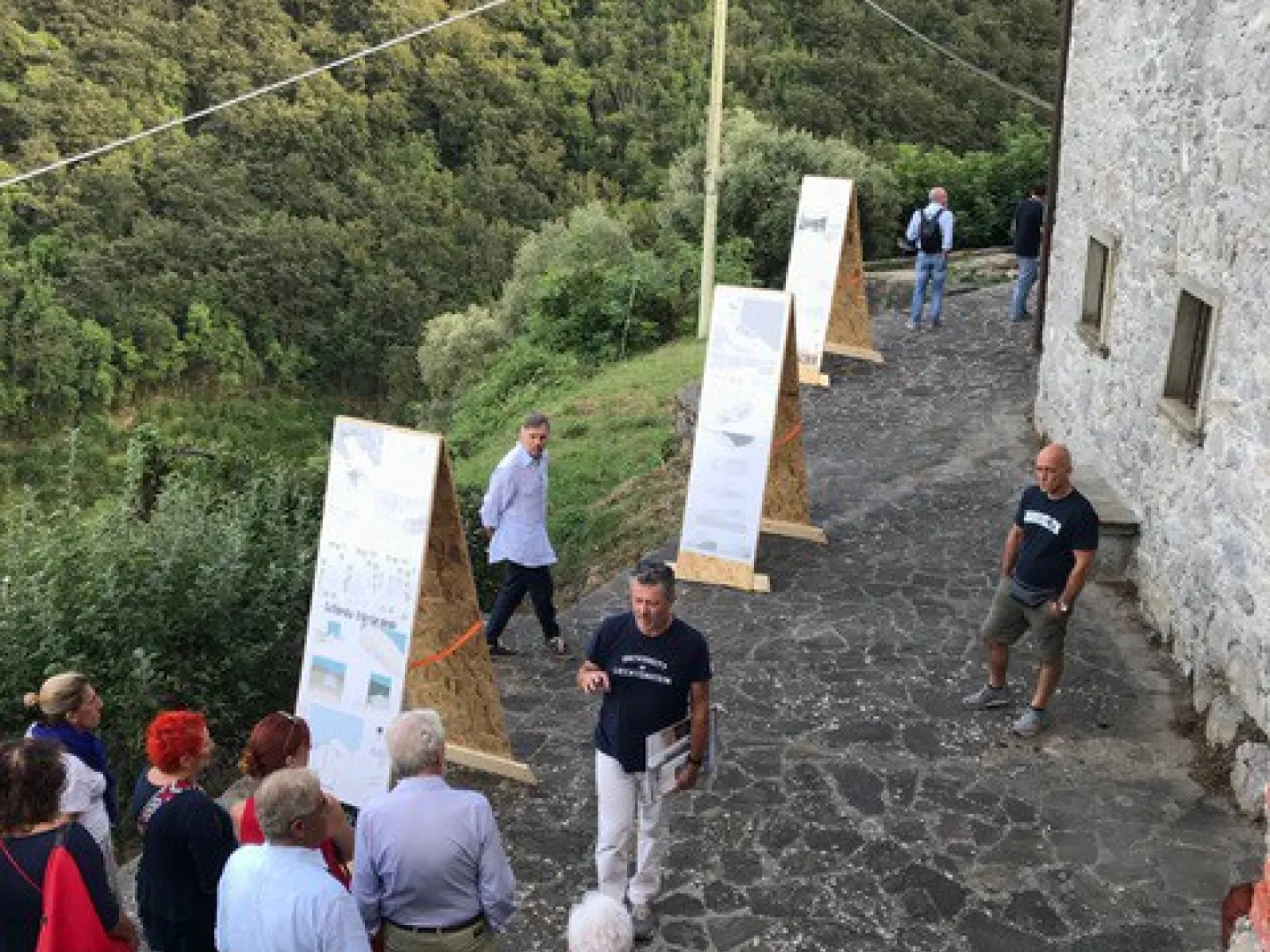
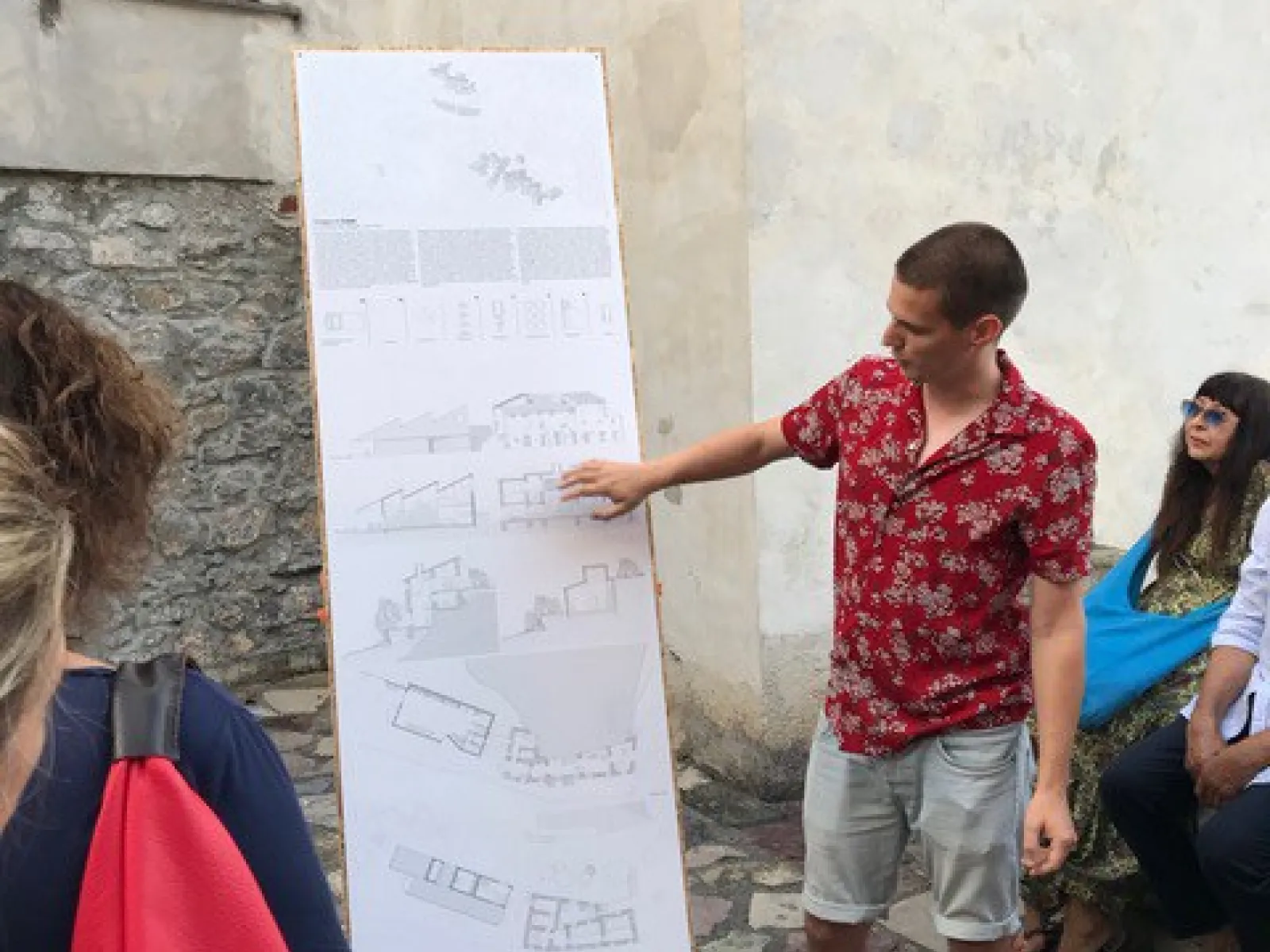
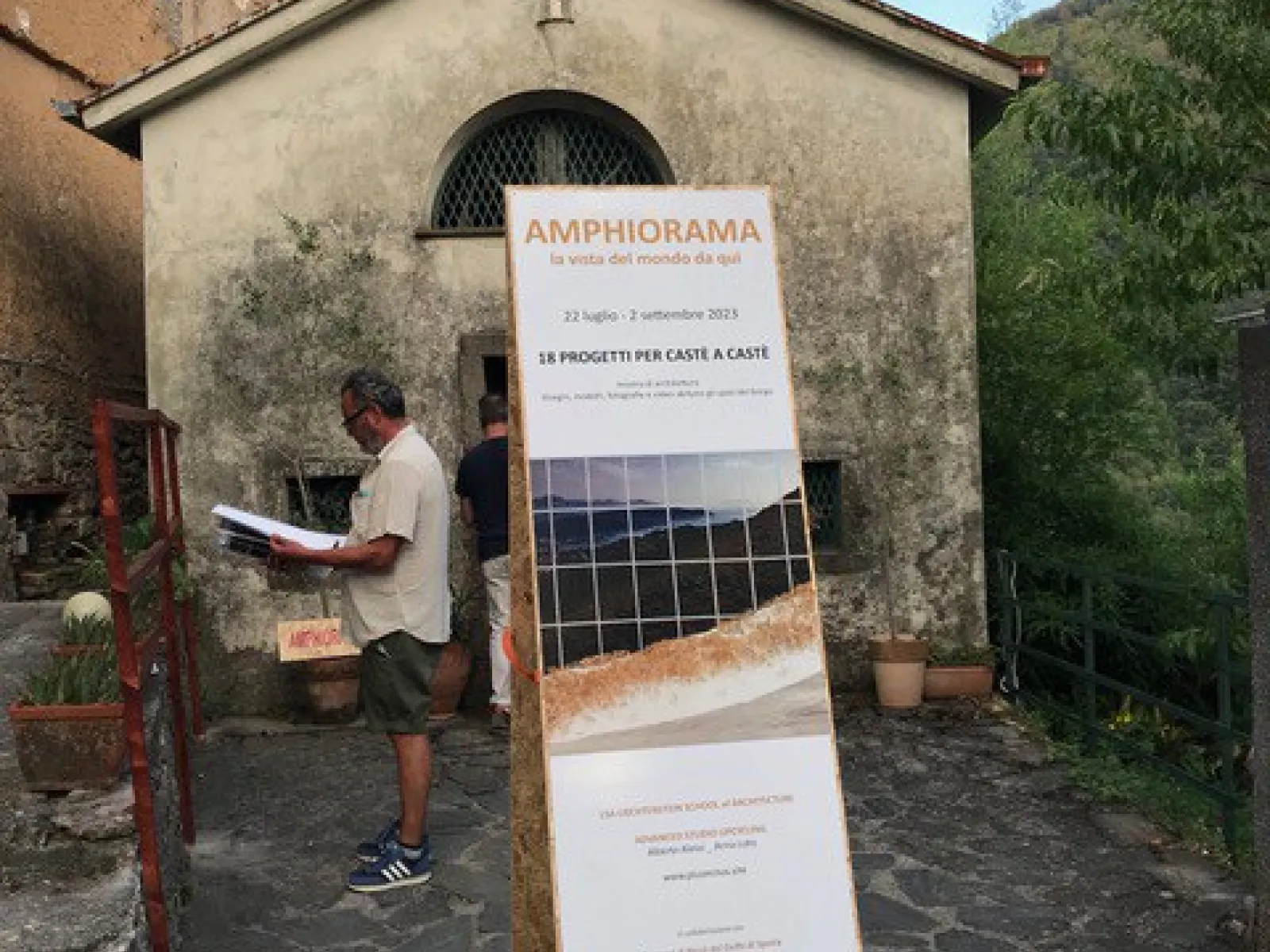
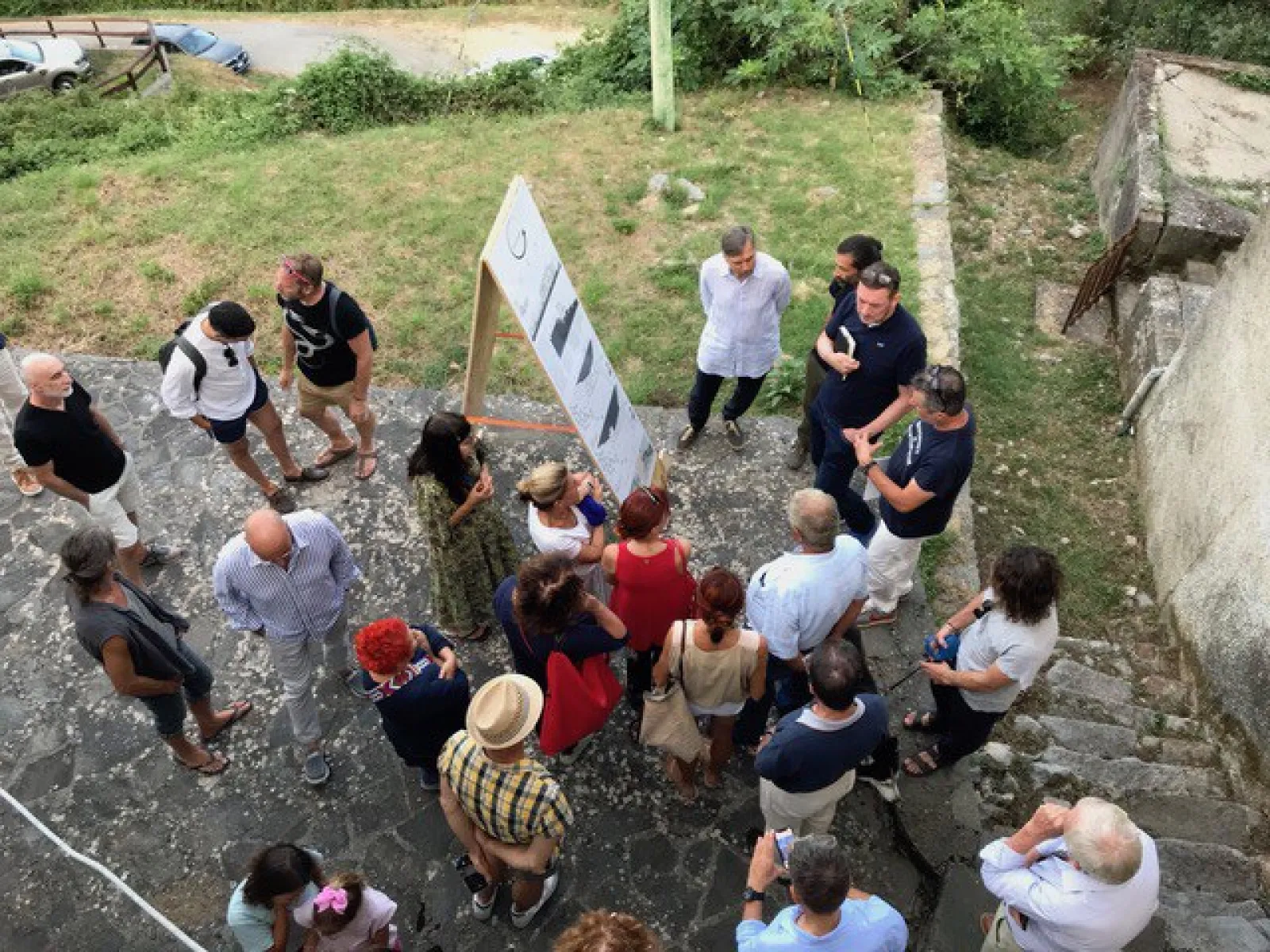
In the summer semester of 2023, the lecturers Alberto Alessi and Anna Lohs of the Advanced Studio Upcycling worked with their students on a series of interventions in the partially disused and abandoned historic center of the village of Castè, in the municipality of Riccò del Golfo della Spezia.


The title of the studio refers to the particular panoramic dimension of this place in the Ligurian hinterland, located on the wooded slopes of the Unesco area of the Cinque Terre, an area that is both vast and concentrated at the same time.


The idea was to start from a double exoticism: on the one hand, for the students, the confrontation with an unknown but suggestive place, on the other hand, for the 20 inhabitants of Castè, the exchange of opinions with the unexpected ideas brought by the students of the University of Liechtenstein.


In March 2023, the students spent a week in this Ligurian village and came into direct contact with the events and people. After getting to know the urban building types (clustered volumes, solitary blocks, temporary houses), they examined the typical building materials (stone, lime, chestnut wood, slate) and engaged in an intensive exchange with the residents about the different ways and desires of living, working and dwelling.


The approach and design process consisted of several phases:
- Exploration of situations, structures and ways of living.
- Analysis of the constructed architectural narratives.
- Invention from the inventory of existing material and immaterial aspects.


The built narratives of Castè were interpreted by rethinking the existing and adding unexpected aspects and new meanings. On this basis, new possible uses were conceived that open up for future developments. Questions of function, context, construction, language and time were reflected upon, integrated and translated into architectural proposals.
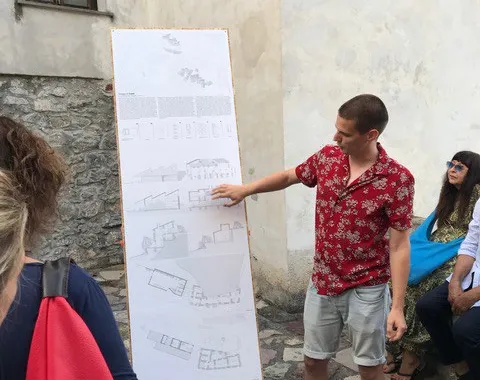
 

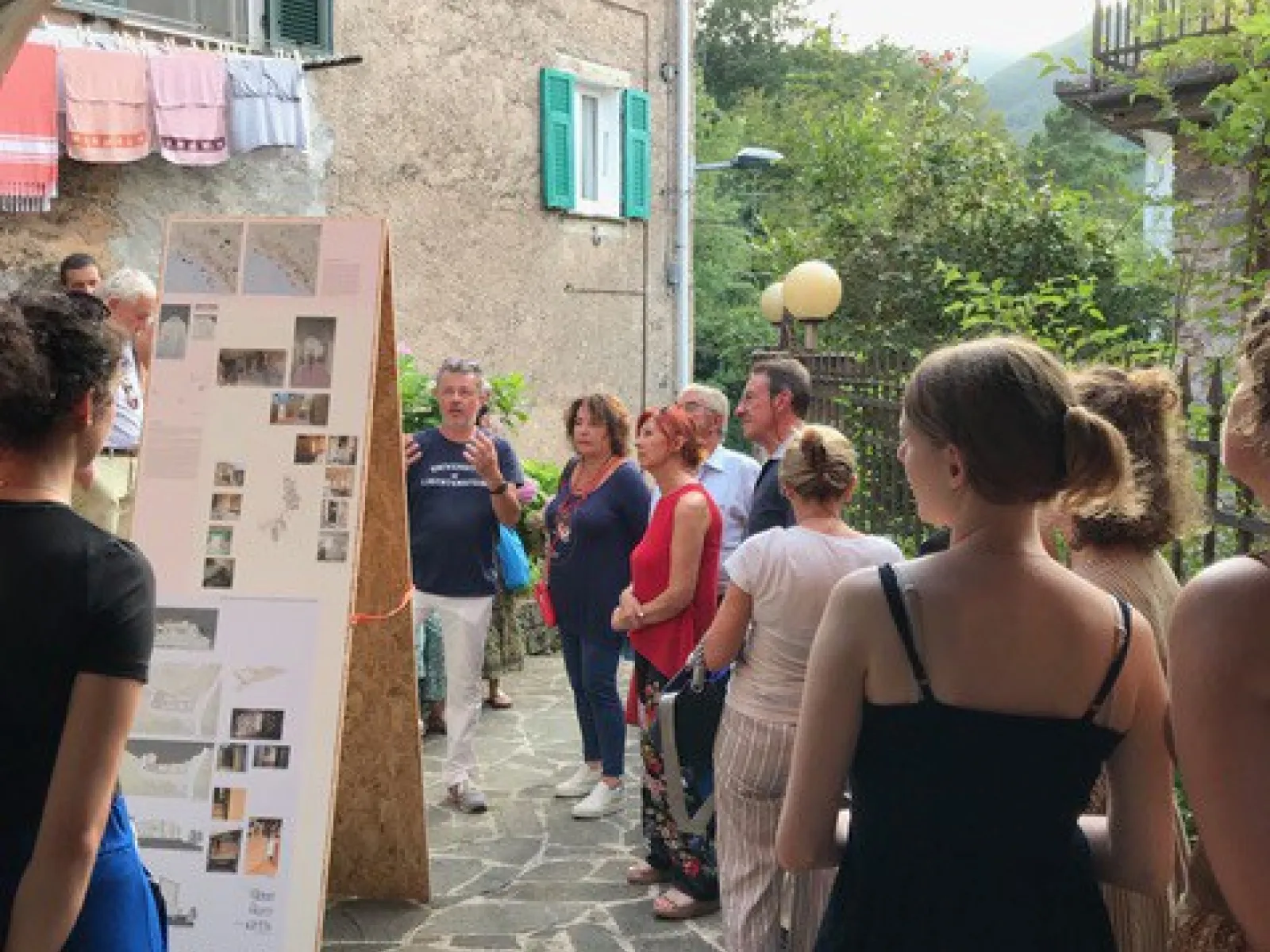
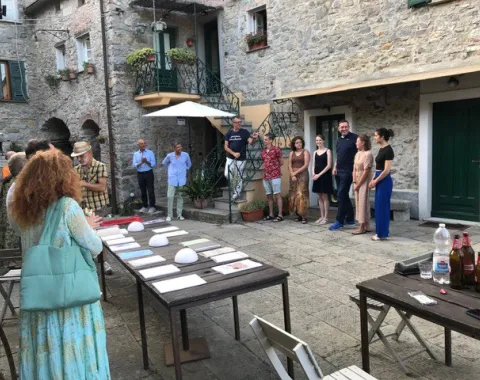
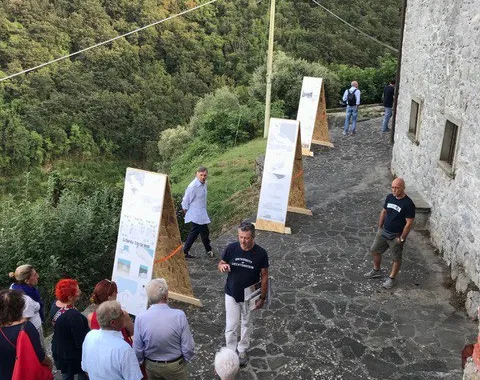
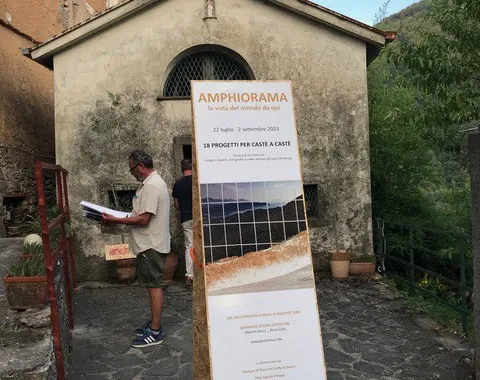
The projects developed by the students during the semester were presented in Castè as part of an open-air exhibition, which opened in the village's public spaces on July 22.


On September 2, a jury of local architects, landscape architects, artists, historians and writers selected the best projects in four categories: originality, feasibility, sustainability and integration. The prize for each of the projects was a work of art created by four artists related to the project sites.


Data-Driven Foresight in Life Cycle Management: An Interview Study

Data-Driven Foresight in Life Cycle Management: An Interview Study

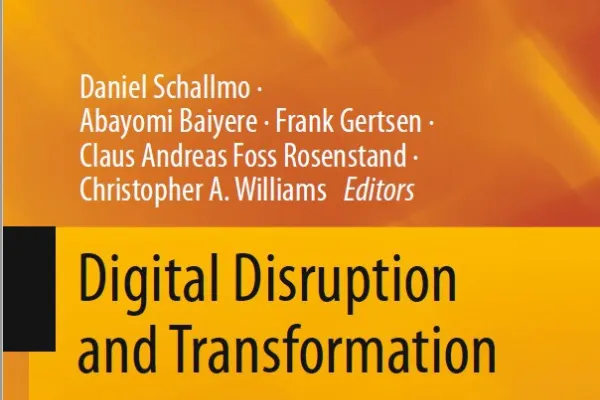
Buchcover des Titels "Digital Disruption and Transformation" aus der Reihe "Springer Proceedings in Business and Economics". Herausgeber sind Daniel Schallmo, Abayomi Baiyere, Frank Gertsen, Claus Andreas Foss Rosenstand und Christopher A. Williams.

Discontinuities in the market create space for disruptive business opportunities. Companies are therefore increasingly interested in proactively identifying future competitive advantages. Researchers Marie Scheuffele, Dr. Niklas Bayrle-Kelso and Prof. Dr. Leo Brecht published their paper on Data-Driven Foresight in Digital Disruption and Transformation Springer Proceedings in Business and Economics 2024.


A data-driven foresight differs from a vision in that its predictions are based on scientific findings on technology, demographics, regulations and much more. A promising approach for companies to proactively identify future competitive advantages is Data-Driven Foresight (DDF). By using different data sources from various perspectives, DDF can derive solid statements about trend-driven developments in the future. 


As technology life cycles accelerate, industrial firms increasingly want to incorporate foresight activities into their Life Cycle Management to foster digital transformation.The researchers asked themselves: How do companies obtain their data for DDF in Life Cycle Management and what alternative data sources are recommended? Using a systematic literature review, they described the current data sources and classified them along the life cycle.


Twenty semi-structured expert interviews with practitioners from different types of companies show valid premises for data selection and for the practical implementation of DDF. Regarding this, a recognizable difference between technology leaders and followers exists, which opens another gap for future research.


Buchcover des Titels "Digital Disruption and Transformation" aus der Reihe "Springer Proceedings in Business and Economics". Herausgeber sind Daniel Schallmo, Abayomi Baiyere, Frank Gertsen, Claus Andreas Foss Rosenstand und Christopher A. Williams.

Exhibition PIRANESI AWARD 2023

Exhibition PIRANESI AWARD 2023

Logo des Piranesi Award 2023, gelber Kreis mit schwarzem Text "Nagrada Piranesi Piranesi Award 2023", Hintergrund mit feinem Linienmuster.

The PIRANESI Award 2023 exhibition can be viewed in the foyer of the University of Liechtenstein until March 22. The Piranesi Award presents various projects of different sizes and programs that reflect a successful relationship between modern architecture and its natural, cultural, historical and social context.


The Award was created as part of the Piran Days of Architecture international conference*, and it is presented by the DESSA Gallery, the Coastal Galleries of Piran and the Piranesi International Jury. The award is named after the 18th century Italian artist and architect Giovanni Battista Piranesi, whose family roots are said to be from Piran. It is presented to the best architectural realizations created in the last two years in the territory of Central European countries.


50 architectural realizations and 37 student projects compete for the Piranesi Prize 2023. The winners of the Piranesi Prize, two Piranesi Honorary Mentions and the Piranesi Honorary Mention for students will be selected by an international Piranesi jury, one of the jurors is Alberto Alessi, university lecturer for "Built Heritage & Upcycling" at the Liechtenstein School of Architecture.


Besides practicing architects, part of the exhibition for the Piranesi Award is also an international (since 2008) student exhibition in which 21 European architecture faculties participate. Each faculty can nominate two projects designed in the last two academic years.


* Piran Days of Architecture (PDA) is an international architectural conference initiated by a group of Slovene architects in 1986. The aim of the conference is to evaluate the social architectural situation and to present the most progressive and innovative ideas of contemporary architectural and spatial production which preserve cultural identity and diversity through the understanding and respect for the geographical and cultural context. Many architects have lectured at the conference, including: Amateur Studio, Bernardo Bader, Odile Decq, Enrique Miralles, Yvonne Farrell, Sverre Fehn, Kenneth Frampton, Francis Kéré, András Pálffy, Carme Pinos, Sami Rintala, Armando Ruinelli, Alvaro Siza, Eduardo Souto de Moura, Studio Mumbai, Heinz Tesar, Gino Valle, Peter Zumthor.


Logo des Piranesi Award 2023, gelber Kreis mit schwarzem Text "Nagrada Piranesi Piranesi Award 2023", Hintergrund mit feinem Linienmuster.

Liechtenstein Trust Conference 2024: Focus on the Upcoming Partial Revision of Trust Law and Aspects of International Succession Planning

Liechtenstein Trust Conference 2024: Focus on the Upcoming Partial Revision of Trust Law and Aspects of International Succession Planning

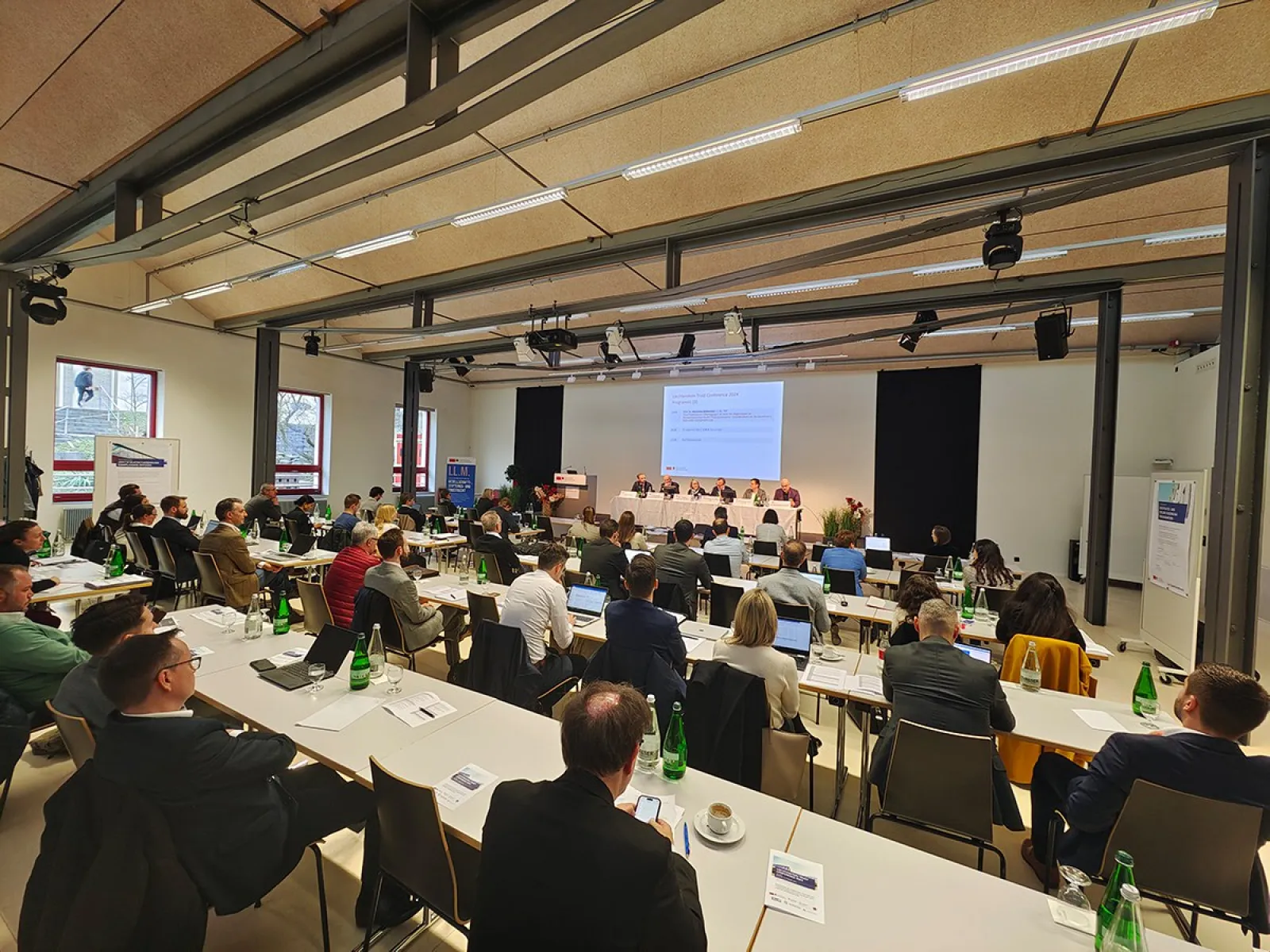
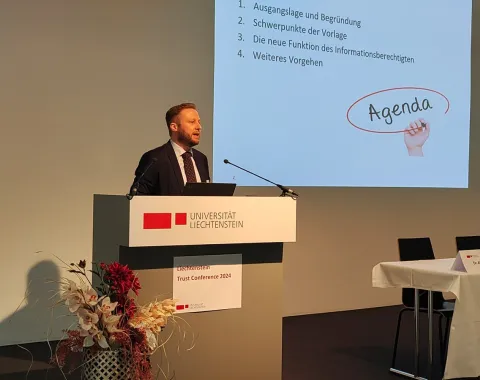
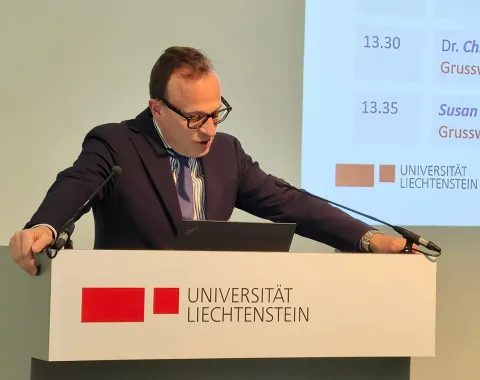
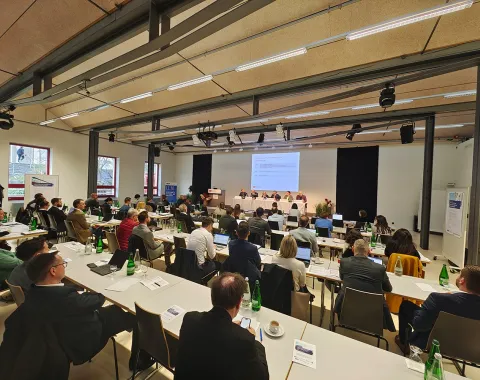
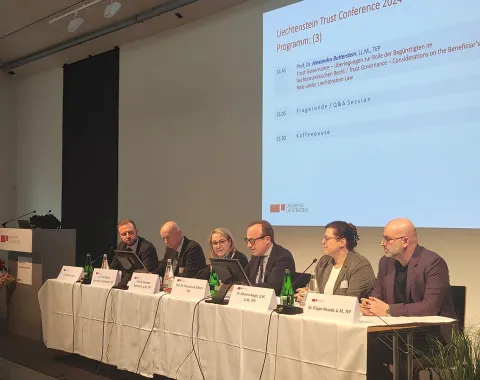
On 27 February 2024, the Chair of Company, Foundation, and Trust Law hosted the Liechtenstein Trust Conference for the eighth time. The key topics of the conference were the proposed partial revision of Liechtenstein trust law and current issues in international succession planning.


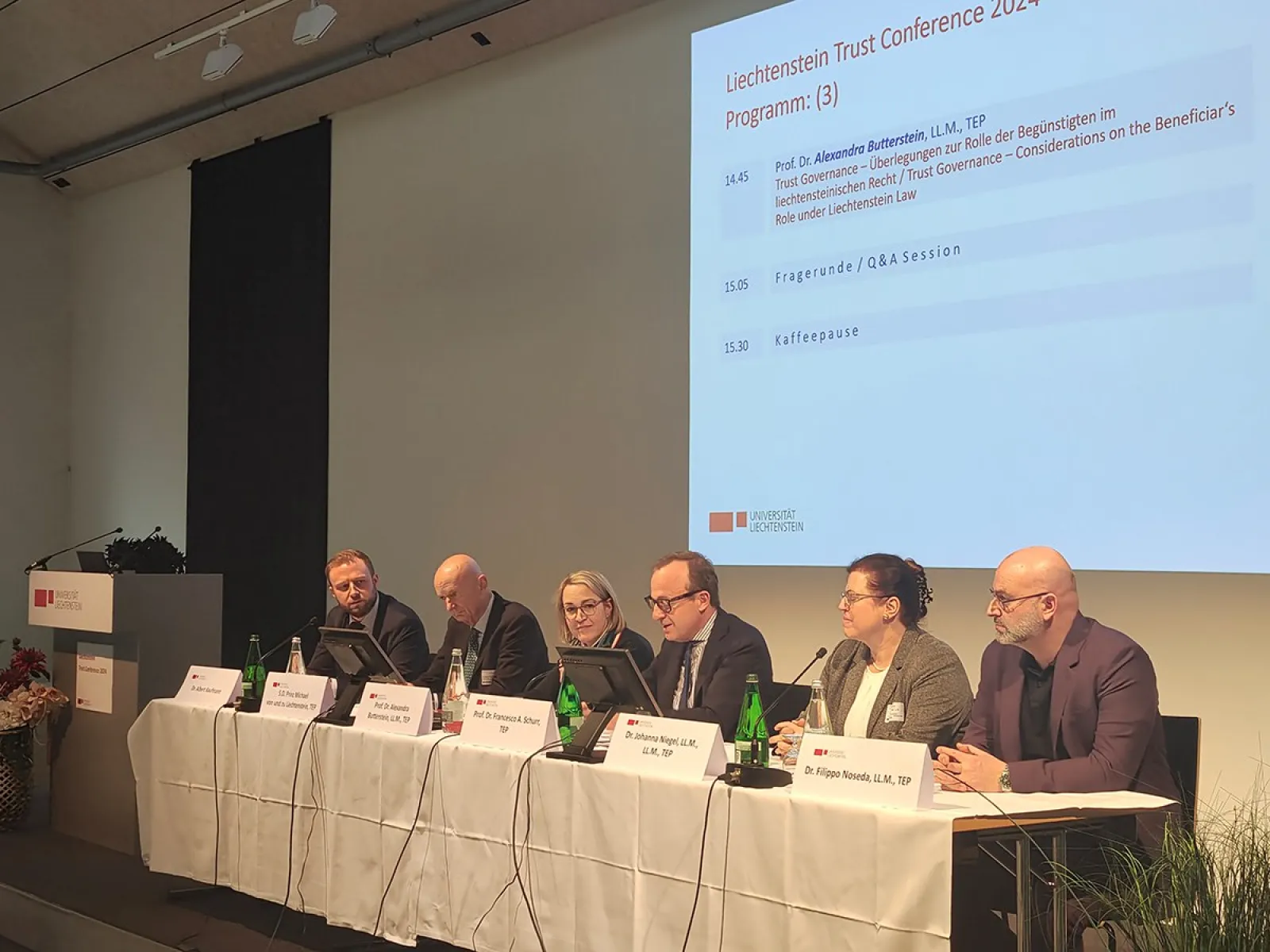
Prof. Dr. Alexandra Butterstein and Prof. Dr. Francesco A. Schurr guided attendees through the programme, welcoming around sixty participants to the University of Liechtenstein’s auditorium.


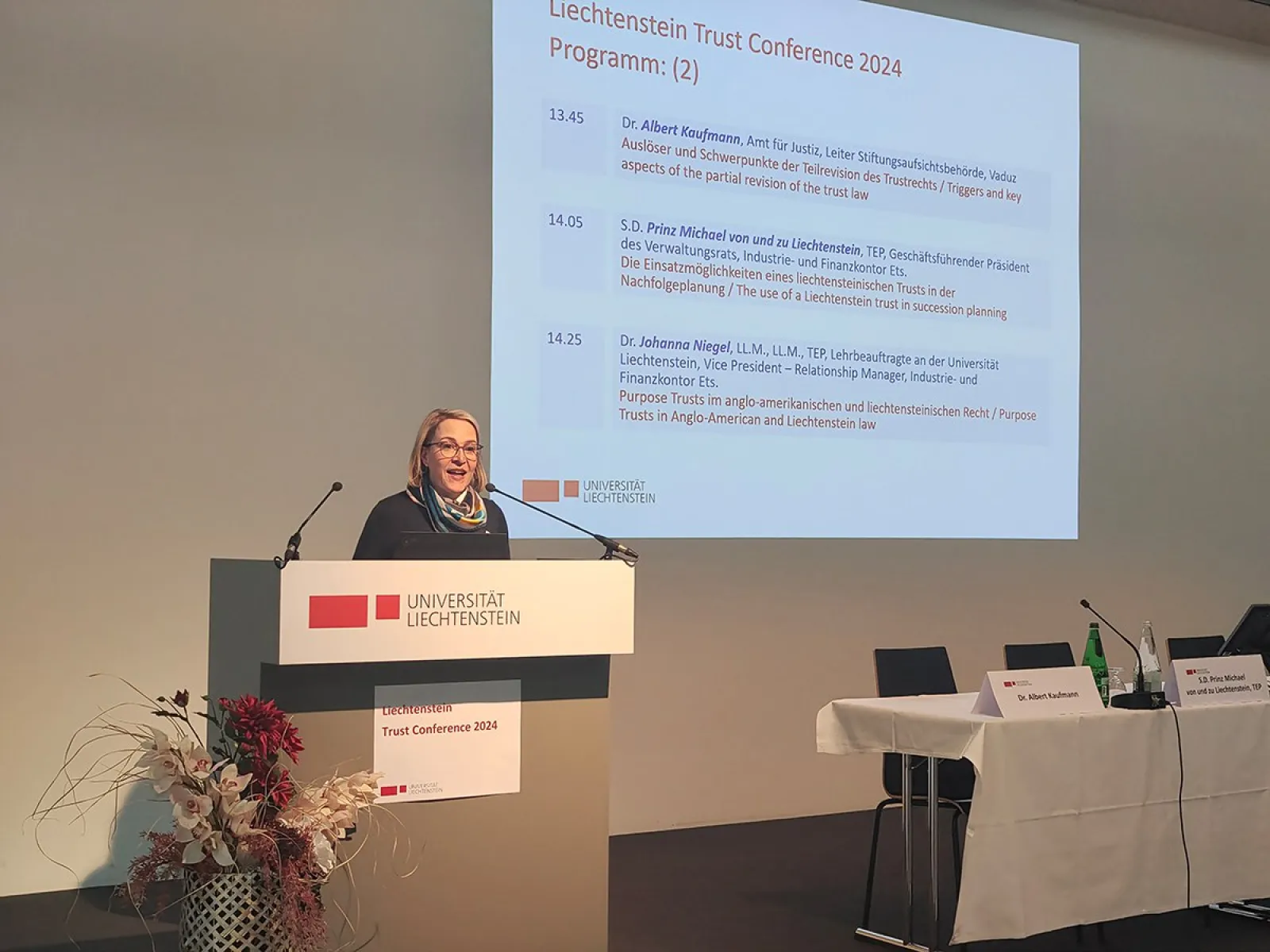
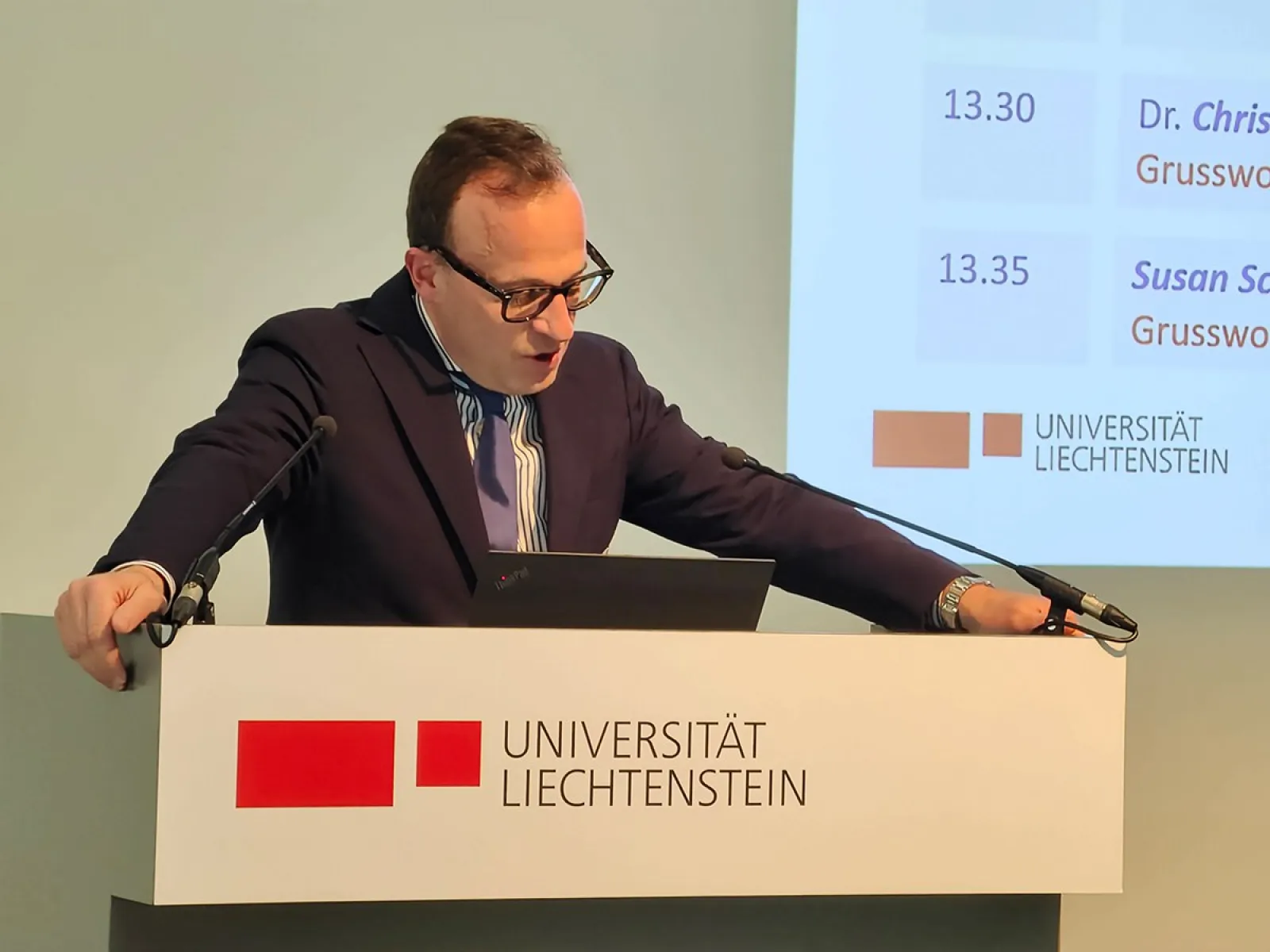
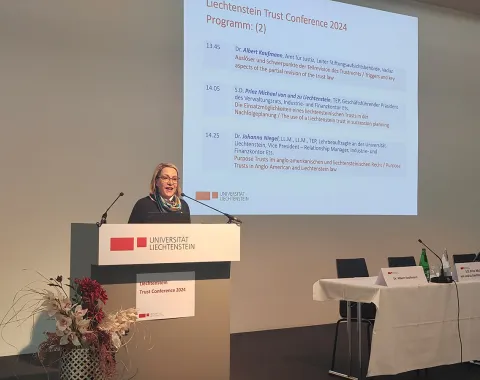
Dr. Christian Frommelt, Rector of the University of Liechtenstein, offered inspiring words of welcome and emphasised the importance of trusts and the continuing education offerings of the Liechtenstein Business Law School for the Principality’s financial sector. Susan Schneider-Köder, Managing Director of the Chamber of Trustees, then addressed the impact of current geopolitical developments on trust business. She went on to discuss the legislative reforms to trust law initiated by the Chamber, which were broadly welcomed, particularly with regard to trust governance to prevent control deficits and the proposed creation of a specialised trust law senate. She also stressed the importance of collaboration with the University in training and continuing education, as well as the value of expert-level exchange.


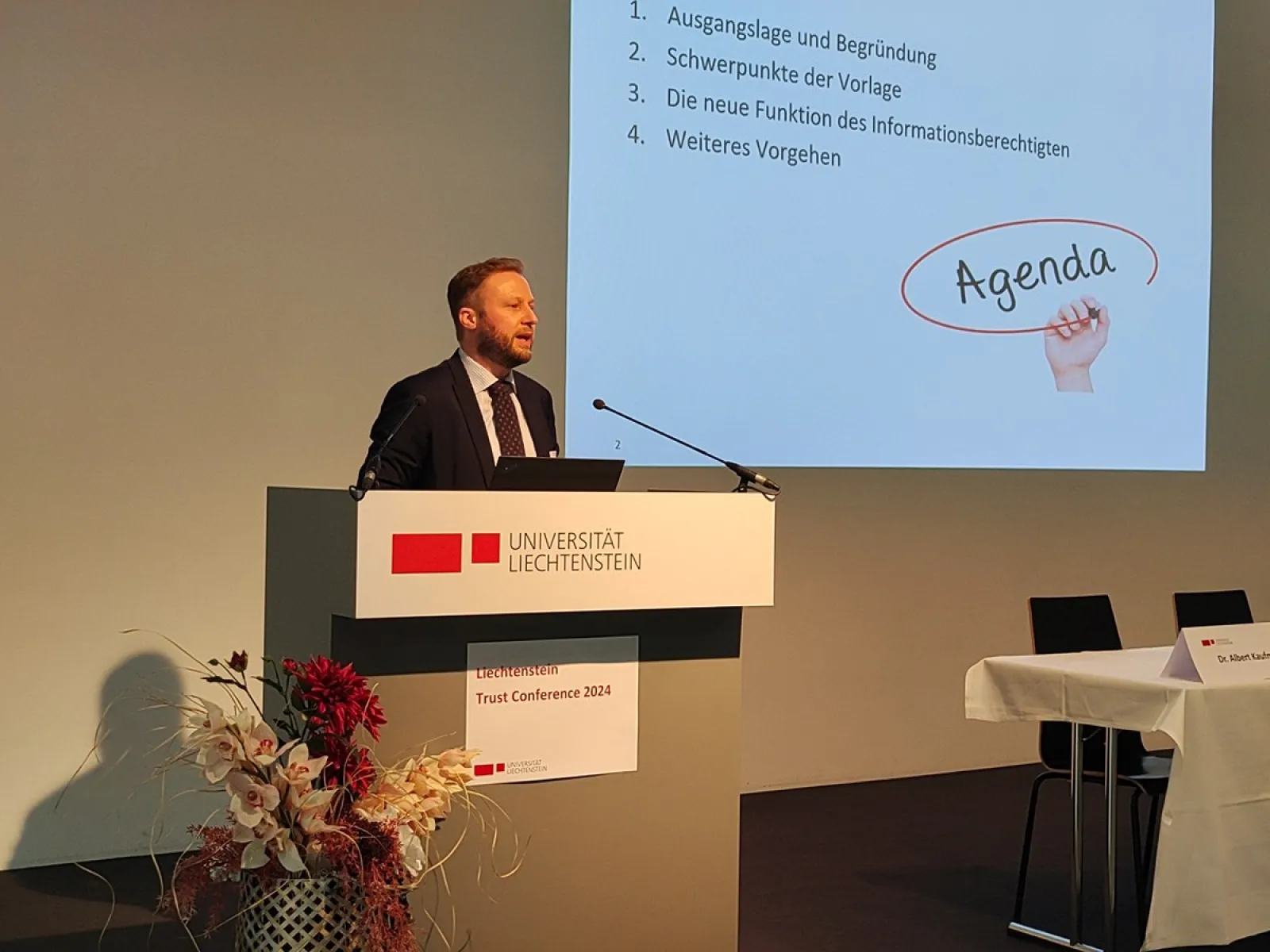
The first speaker, Dr. Albert Kaufmann, Head of the Department for Foundation Supervision and Anti-Money Laundering Prevention, outlined the triggers for the partial revision of trust law and gave an overview of key proposed changes, focusing in particular on the newly introduced “information beneficiary.” Following this, H.S.H. Prince Michael of Liechtenstein discussed the use of Liechtenstein trusts in succession planning, sharing his expertise and experience. Dr. Johanna Niegel supplemented this by examining the purpose trust in Anglo-American and Liechtenstein law, illustrating to participants the variety of legal design possibilities and the planned provisions within the framework of the reform.


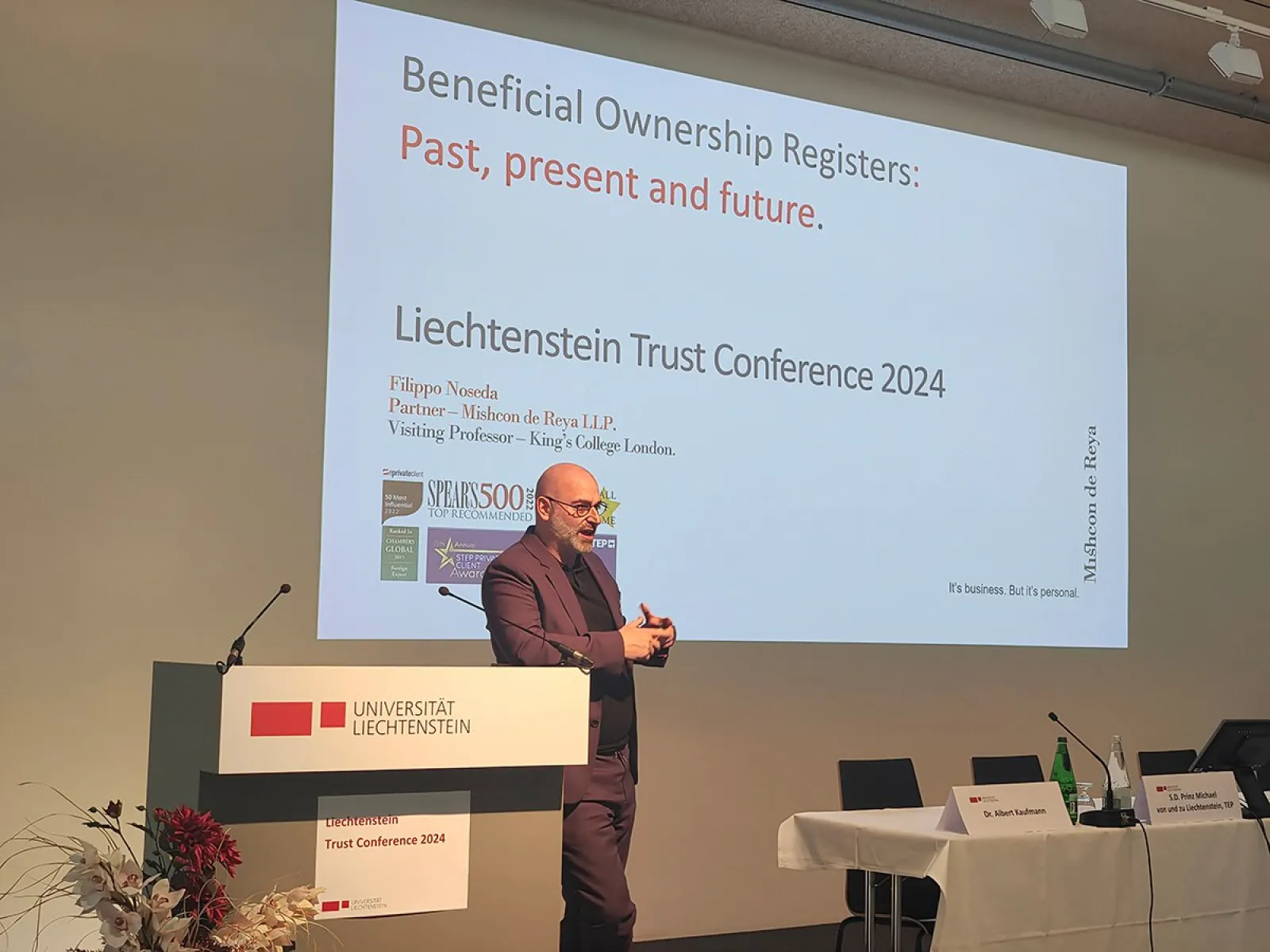
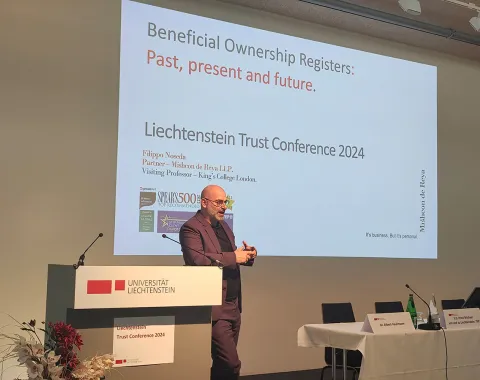
Dr. Filippo Noseda, Judge at the Court for Trusts and Fiduciary Relations in San Marino, highlighted the role of transparency and data protection in the context of recent judicial developments, providing valuable insights for structuring trust relationships. Prof. Dr. Alexandra Butterstein offered valuable reflections on the role of beneficiaries in Liechtenstein trust law, with a comparative focus on maintaining effective trust governance. A subsequent Q&A session allowed for deeper exploration of these topics before participants continued networking during the coffee break.


The second block of topics shifted attention to questions of international succession planning. Dr. Andrea Vicari, President of the Court for Trusts and Fiduciary Relations in San Marino, examined the role of the protector, with particular focus on trusts for succession planning. His talk offered interesting insights into the protector’s duties and responsibilities and how this role can safeguard assets and the interests of beneficiaries. The final presentation of the afternoon came from Prof. Dr. Francesco A. Schurr, who addressed legal challenges related to trusts and compulsory portion rights. This block, too, concluded with an in-depth Q&A session, during which speakers responded to audience questions and discussed aspects of the planned reform with comparative reference to both common law and civil law systems.


The Liechtenstein Trust Conference 2024 concluded with an invitation to a networking apéro, giving participants further opportunities to maintain or expand their professional networks and exchange views with the speakers.


We need your consent
To view this YouTube video, you must accept data processing under the category “Third-party marketing”. Further details on data processing can be found here.
Display Cookie Settings

The prices of Futures and the Ukraine war

The prices of Futures and the Ukraine war

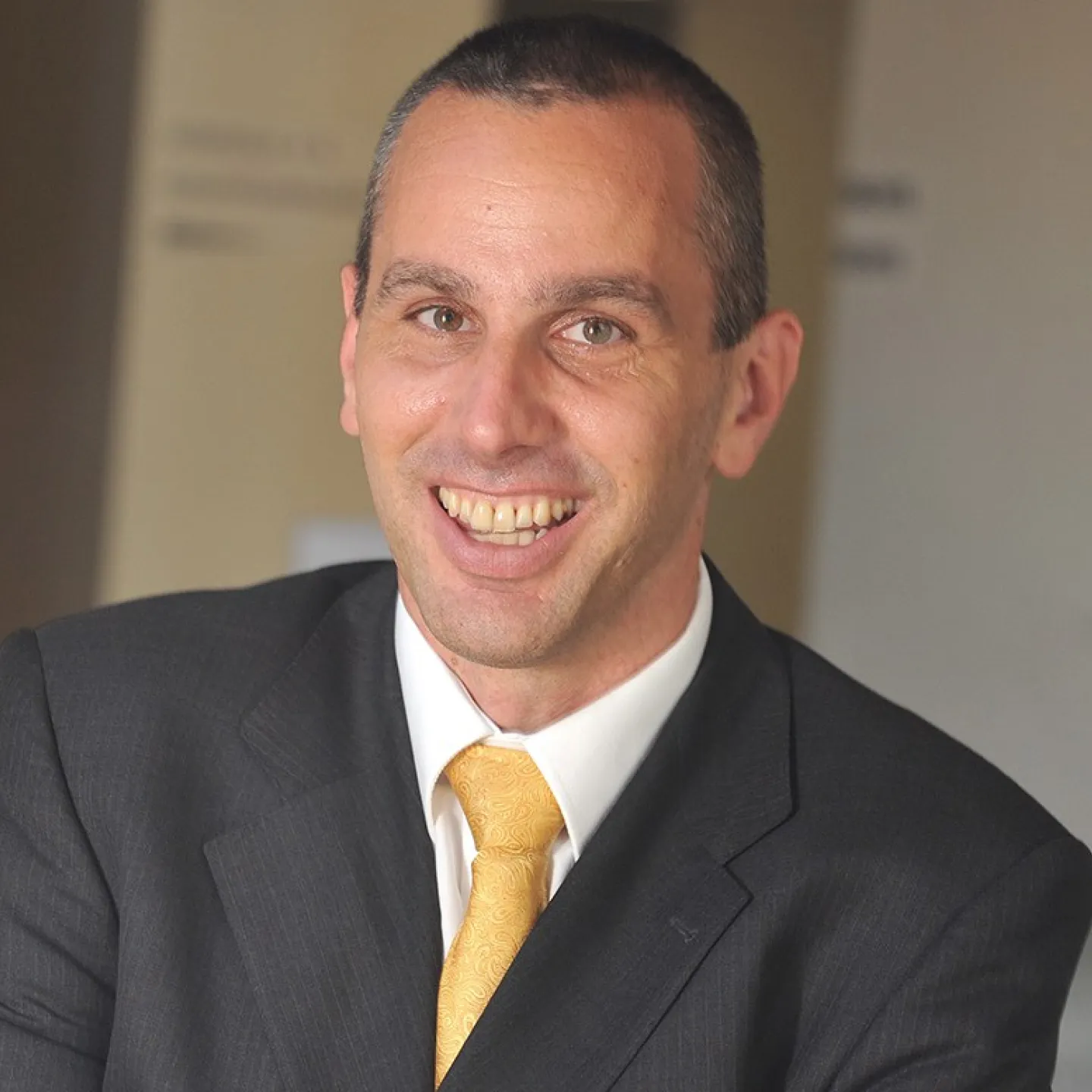
Porträt eines lächelnden Mannes in einem dunklen Anzug mit gelber Krawatte, vor einem neutralen Hintergrund.

Prof. Dr. Michael Hanke, together with Prof. Nicole Branger (University of Münster) and Prof. Alex Weissensteiner (Free University of Bozen-Bolzano), published the paper "The information content of wheat derivatives regarding the Ukrainian war" in the Journal of Futures Markets in February.


Prices on financial markets reflect the expectations of market participants. These expectations can be extracted from the prices using financial mathematical methods.

 

In the case of the Ukrainian conflict, futures on grain, especially wheat futures, are of particular interest, as both Russia and Ukraine are major global exporters of wheat. In this paper, the authors show how the prices of wheat futures can be used to determine the changing market expectations regarding the likely duration of the conflict over time.

 

With the conclusion of the UN grain agreement, the information content of wheat futures prices shifted away from market expectations regarding the further course of the war and towards market expectations regarding the durability of the grain agreement. The approach used can easily be adapted for future, similar cases.


Branger, N., Hanke, M., & Weissensteiner, A. (2024). The information content of wheat derivatives regarding the Ukrainian war. Journal of Futures Markets, 44(3), 420-431. (ABDC_2022: A)


Online at https://onlinelibrary.wiley.com/doi/10.1002/fut.22475


Porträt eines lächelnden Mannes in einem dunklen Anzug mit gelber Krawatte, vor einem neutralen Hintergrund.
Subscribe to