Skip to Main Content

Bank Frick Innovative Lab

Exploring the Future of Financial Science

Bank Frick Innovative Finance Lab

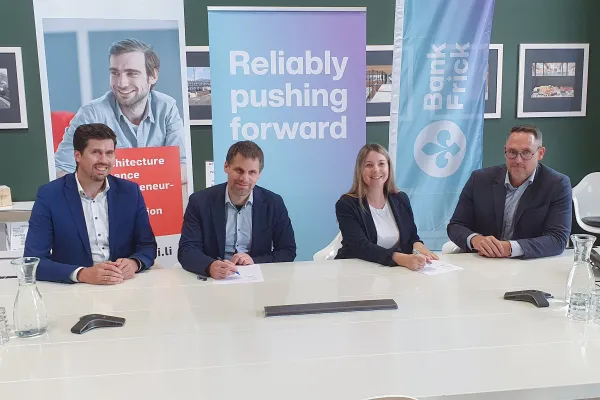
Vertreterinnen und Vertreter der Universität Liechtenstein und Bank Frick bei der Vertragsunterzeichnung im Rahmen des Innovative Finance Lab.

The Bank Frick Innovative Finance Lab (IFL) at the University of Liechtenstein is an interdisciplinary competence centre for the future of finance. It focuses on innovative topics such as blockchain, FinTech, token economics, artificial intelligence and machine learning. The lab’s goal is to connect and further develop research, teaching, transfer and professional education in these pioneering fields. The IFL offers both academic research and practice-oriented projects for companies and institutions.
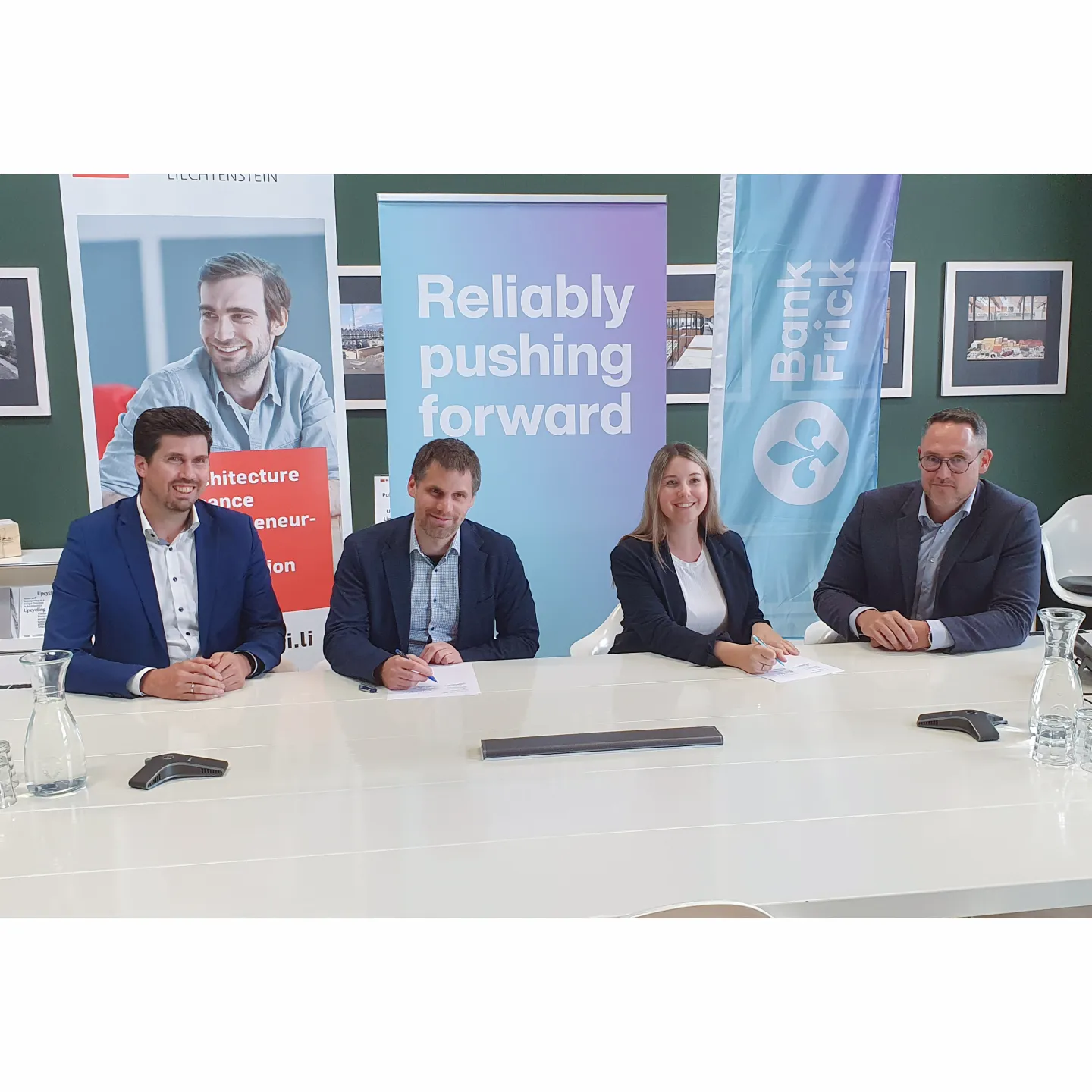
Vertreterinnen und Vertreter der Universität Liechtenstein und Bank Frick bei der Vertragsunterzeichnung im Rahmen des Innovative Finance Lab.

Additionally, it serves as a platform for knowledge exchange, presenting current developments in a clear and target-group-oriented manner. A strategic focus lies on professional education programmes, certificate courses and workshops for specialists and executives in digital finance, blockchain and FinTech.

The financial centre Liechtenstein responded early to the current upheaval in the financial sector, which is mainly characterised by technological innovations such as blockchain technology, artificial intelligence (AI) and decentralised finance systems (DeFi). This allowed the Principality of Liechtenstein to position itself early as an innovation hub in FinTech and digital finance. This is also reflected in the strategic embedding of the topic in the Liechtenstein government’s financial centre strategy.

The University of Liechtenstein established the field of Innovative Finance early on, and with support from Bank Frick, the “Bank Frick Innovative Finance Lab (IFL)” was founded in 2018. This competence centre for the future of finance covers a broad spectrum of innovation topics in research, professional education, knowledge transfer and teaching. This expertise flows into academic research, commissioned research for companies and innovative transfer formats.

Offerings of the Bank Frick Innovative Finance Lab
Blockchain, Bitcoin, FinTechs, cryptocurrencies and their associated disruptive potentials have been ubiquitous in the media for several years. This part-time professional education course addresses the opportunities and risks that blockchain technologies, cryptocurrencies and FinTechs present for the financial world. It explores how these technologies affect the business models of financial service providers and their value creation networks, as well as emerging trends. Graduates build a foundation to contribute to the redesign of existing financial processes and products and to accurately identify the potential of new technologies. The knowledge provided is broad and also includes an overview of technological, legal and tax aspects. Leading lecturers from academia and practice deliver highly practical and application-oriented content in an ideal learning environment with a limited number of participants.

The CAS Blockchain and FinTech (12 ECTS) takes place in five thematic blocks, monthly Thursday to Saturday, and concludes with a final thesis.

Further information can be found here! Applications are now being accepted.

The CAS is aimed at participants with a prior university degree (in any discipline). At the same time, the Certificate Programme in Blockchain and FinTech is also offered, which does not necessarily require this entry qualification.

This part-time certificate programme also prepares you for the challenges of the changing financial sector workplace brought about by the growing adoption of blockchain, crypto and FinTech. The Certificate Programme in Blockchain and FinTech (10 ECTS) is specifically aimed at experienced professionals without a university degree. Unlike the CAS, it has a lower entry barrier and does not require the completion of a final thesis.

The programme explores how blockchain, FinTech and related technologies affect the business models of financial service providers and their value creation networks, as well as emerging trends. Graduates also build a foundation to contribute to the redesign of existing financial processes and products and to accurately identify the potential of new technologies. The knowledge provided is broad and includes an overview of technological, legal and tax aspects. Leading lecturers from academia and practice deliver highly practical and application-oriented content in an ideal learning environment with a limited number of participants. The Certificate Programme in Blockchain and FinTech (10 ECTS) takes place in five thematic blocks, monthly Thursday to Saturday.

Further information can be found here! Applications are now being accepted.

In addition, we offer a variety of events on the topic of Innovative and Digital Finance.

For example, in the past we held a workshop on “Smart Contracts: Outsmart the Blockchain, Introduction to Web3!”

More information can be found here

Contact

Interested in Contributing to the Lab’s Topics?

Prof. Dr. Martin Angerer
Professor - Innovative and Digital Finance Academic Director MSc IF - Liechtenstein Business School
Employee

Liechtenstein School of Architecture_Fachgruppe Städtebau und Raumentwicklung

Unit

Urban Design and Spatial Development

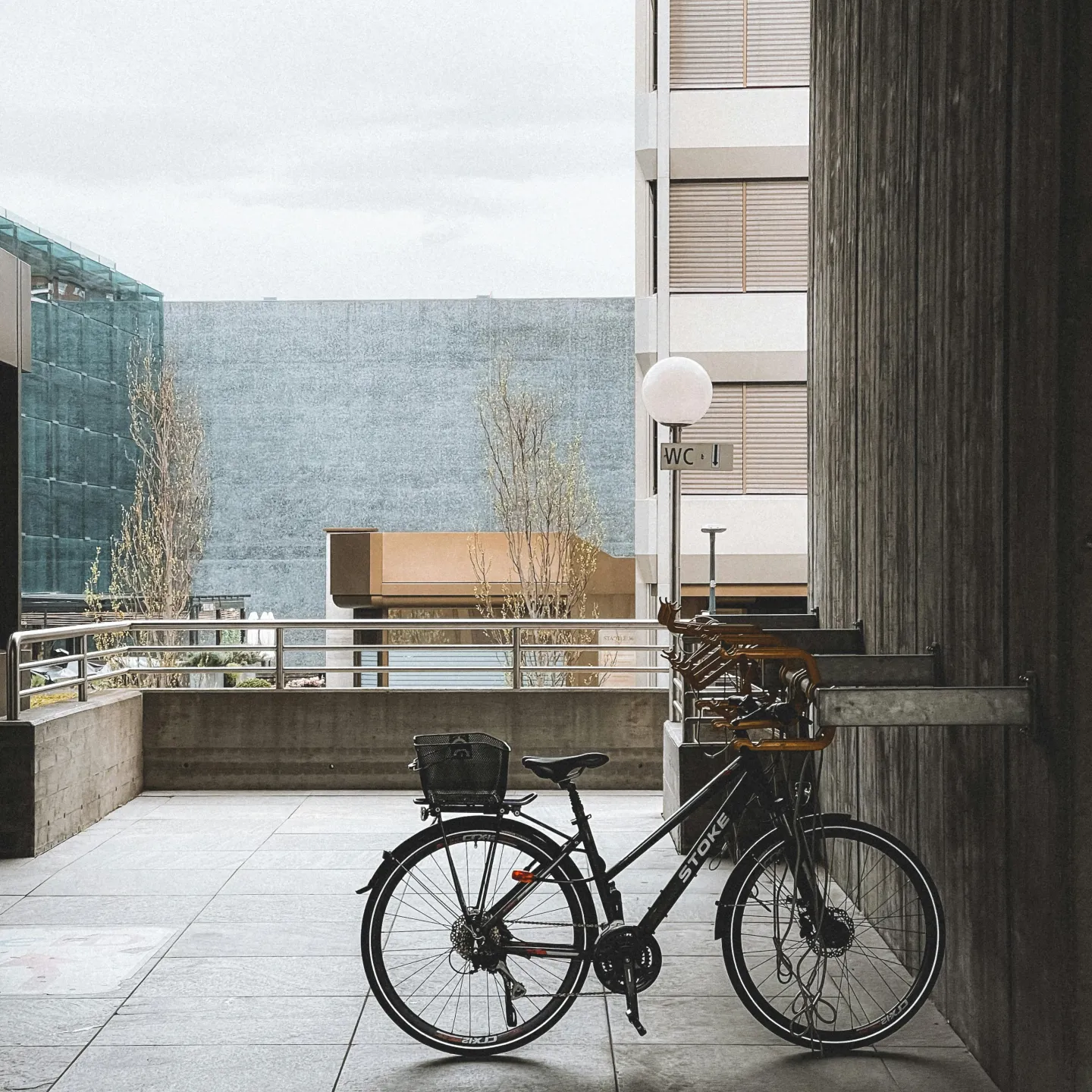
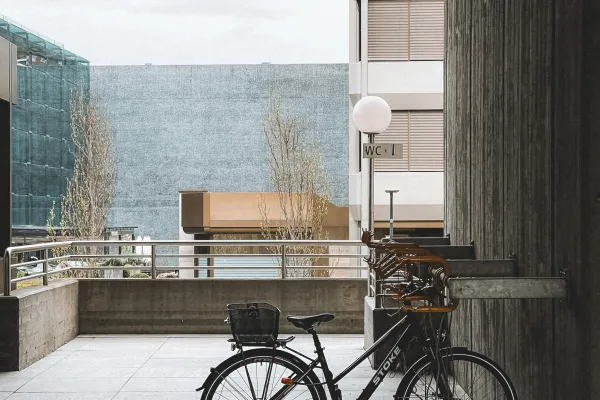
Fahhrad im Städtle von Vaduz

The Urban Design and Spatial Development unit explores and teaches sustainable strategies for the development of neighbourhoods, public spaces, settlements, and landscapes. The focus lies on climate-positive design, climate adaptation, biodiversity, and the inclusive and equitable distribution of space. Together with landscape architecture, transport planning, and social space planning, transdisciplinary and holistic concepts are developed for resilient urban and rural structures. We understand design as a key element in the spatial discourse.

Fahhrad im Städtle von Vaduz

News

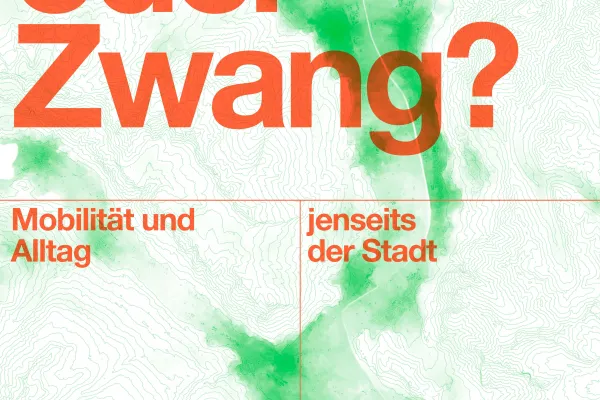
Plakat des Symposiums Freiheit oder Zwang in roter Schrift auf grün/weissem Hintergrund
Symposium retrospective

Symposium "Freedom or Obligation? Mobility and Everyday Life Beyond the City", October 24, 2025. With guests from TU Vienna, TU Munich and ETH Zurich. Organised by Michael Wagner and Luis Hilti. 

View Article
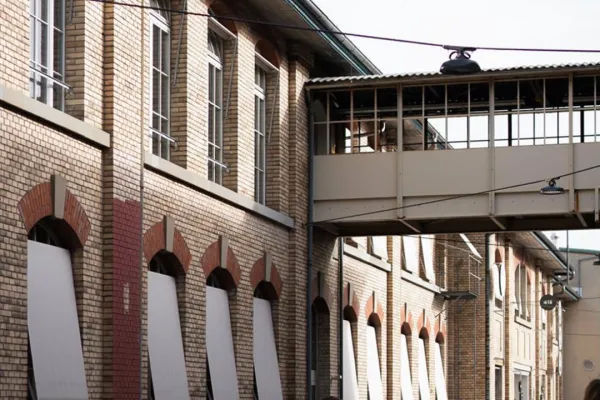
Mehrere Menschen laufen neben einem alten Fabriksgebäude
Excursion to Zurich as Part of the Core Elective Courses Built Heritage and Urban Design

On 14 November 2025, students from the Master’s degree programme in Architecture undertook a specialist excursion to Zurich. They were accompanied by the lecturers Dr Britta Hentschel and Dr Gyler Mydyti. The excursion formed part of the two elective courses Built Heritage and Urban Design.

View Article
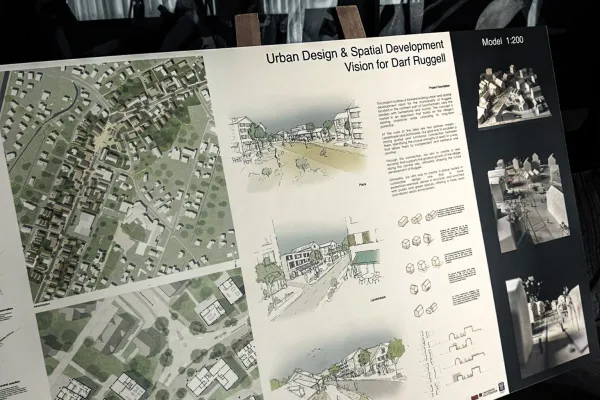
Architekturplan auf Staffelei mit schwarzem Hintergrund
Award for Students

The Georgian exchange students Vakhtang Shaishmelashvili and Mariami Mikeltadze developed an innovative concept for Ruggell’s Dorfstrasse in the «‹Darf› Ruggell» design studio at the University of Liechtenstein, which received an award in Georgia at the International Architectural Awards 2025.

View Article
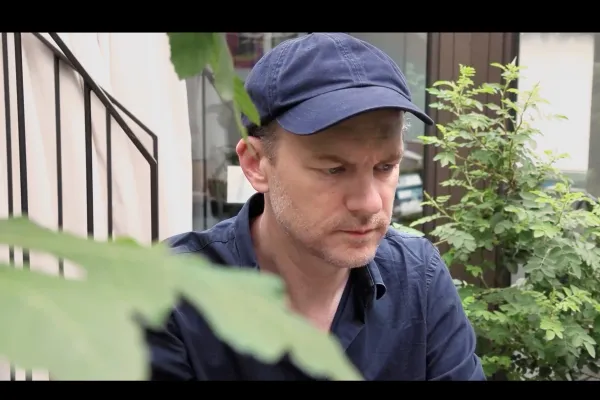
Frontaufnahme eines Mannes mit blauer Kleidung und blauer Mütze
How can cities stay cool in summer?

On 12 August 2025, Michael Wagner, Professor of Architecture and Urban Design at the University of Liechtenstein, shared insights on Tele Z aktuell about strategies to make urban spaces resilient and liveable despite rising summer heat.

View Interview
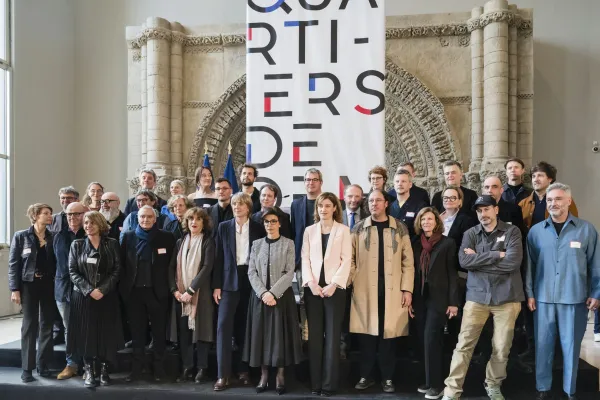
Gruppenfoto von Projektbeteiligten des Wettbewerbs "Quartiers de demain"
Lecturer Oscar Buson Selected for International Urban Development Project

Architect and lecturer at the University of Liechtenstein is part of the international future-oriented project ‘Quartiers de demain’ of the French government.

View Article
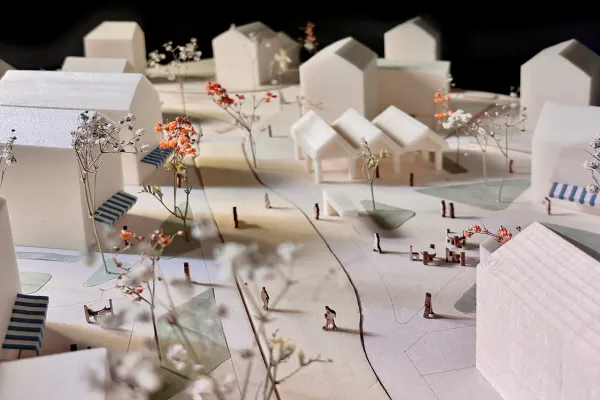
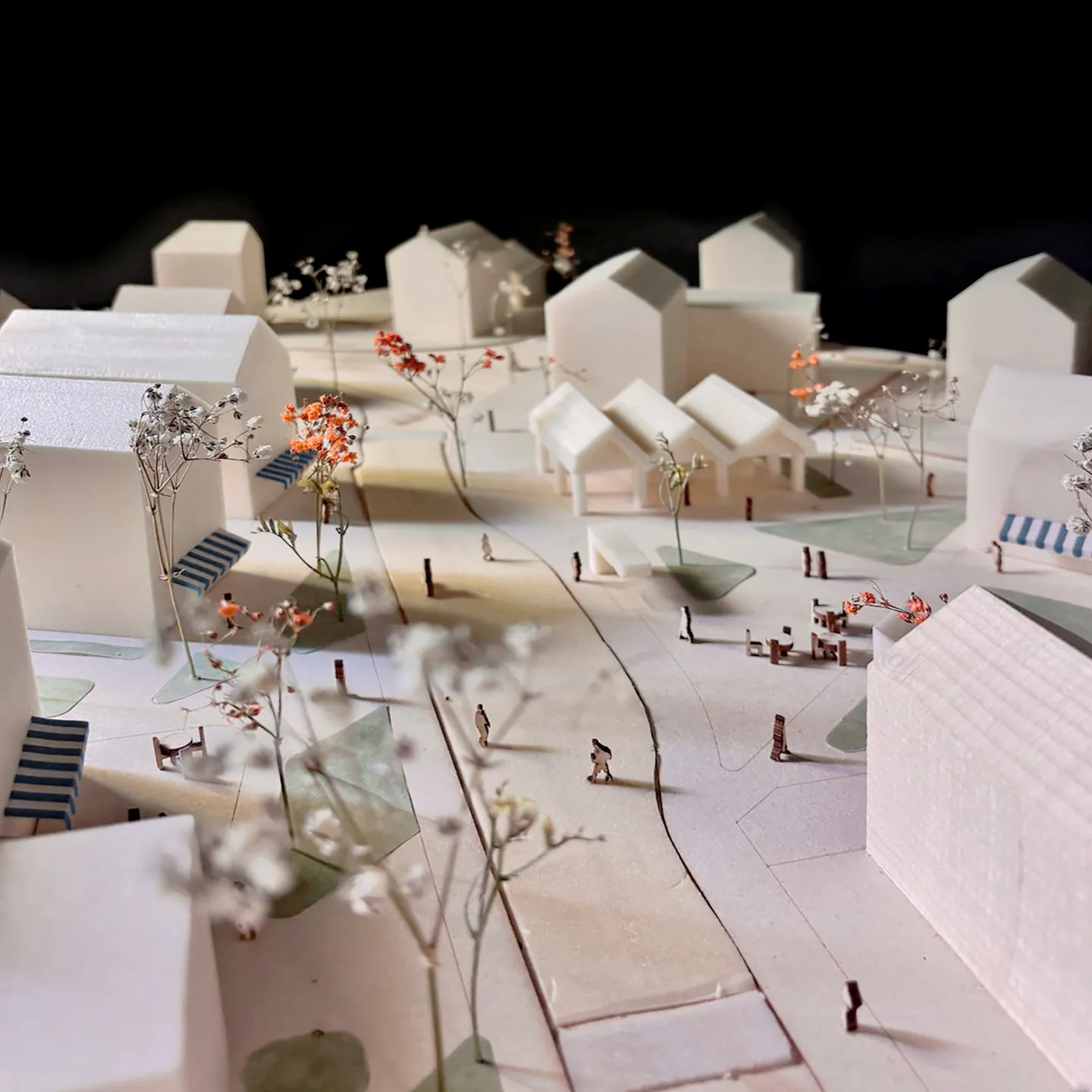
Modellfoto mit weissen Häusern
Project Presentation

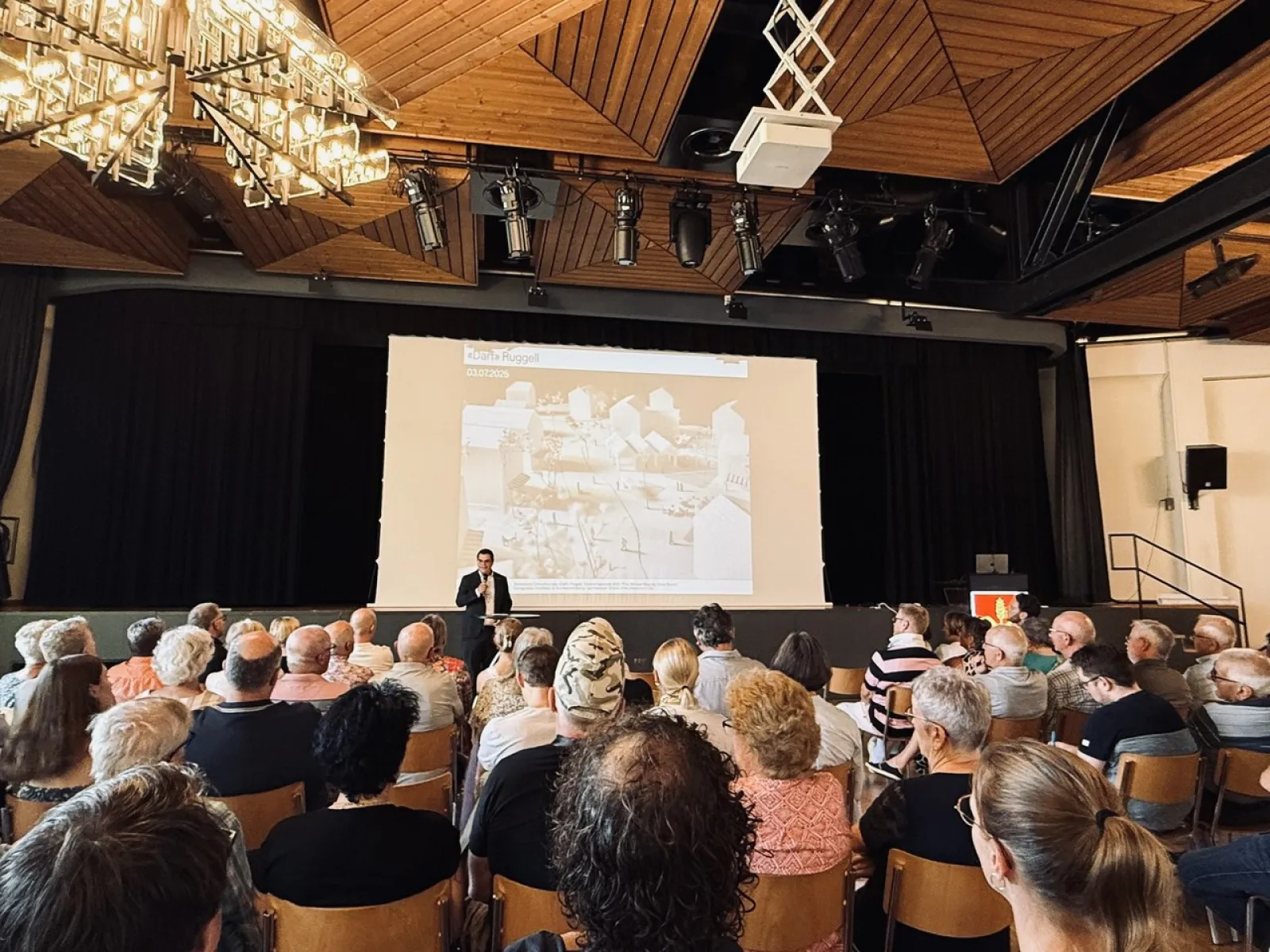
Presentation and Exhibition of the Transfer Project ‹Darf› Ruggell, Advanced Studio Urban Design and Spatial Development, 3 July 2025, Ruggell Community Hall, Lecturers: Michael Wagner, Oscar Buson

View Article
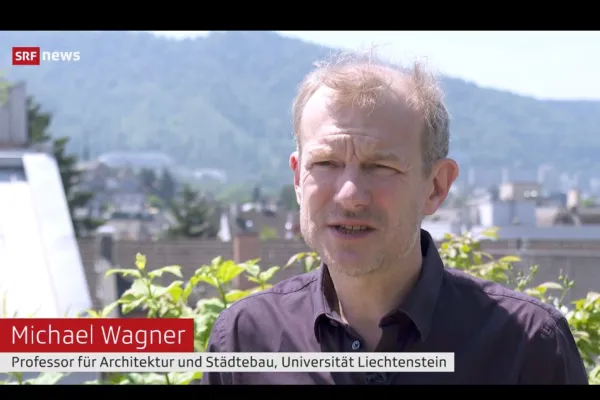
Screenshot eines Fernsehinterviews mit Michael Wagner
Interview on Heat Mitigation in Cities

Prof Michael Wagner appeared on the SRF programme 10vor10 on 24 June 2025. In the segment on heat mitigation in cities, he spoke about the importance of climate-resilient urban development.

View Interview
Text "Was macht ein Stadtplaner im Dorf"
Article in the Baumeister Magazine 07/24

The July issue of BAUMEISTER 07/24 includes an extensive interview with Michael Wagner about our work as urban designers and academics.

View Article
Exploring Living

Transfer Projects

Modellfoto mit weissen Häusern

We see ourselves as a regional platform for the exchange between research and practice concerning issues in urban planning and spatial development.

By transferring our academic research into practice, we aim to contribute to social, ecological, economic and spatial innovation in Liechtenstein and its surroundings.

Through personal contacts in academia and research, we have timely and efficient access to a network of relationships, which we also share for projects with partners from practice, politics and society.

Modellfoto mit weissen Häusern

Synergy of Research and Teaching

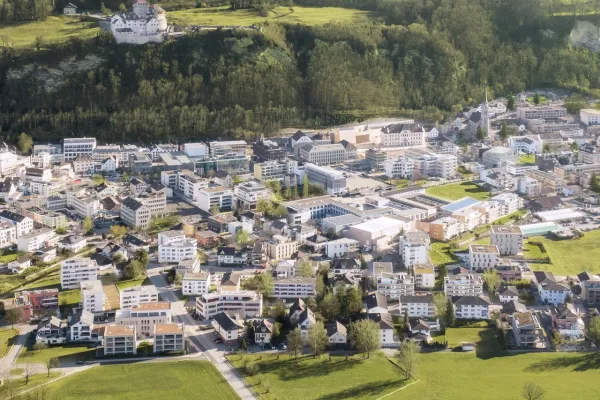
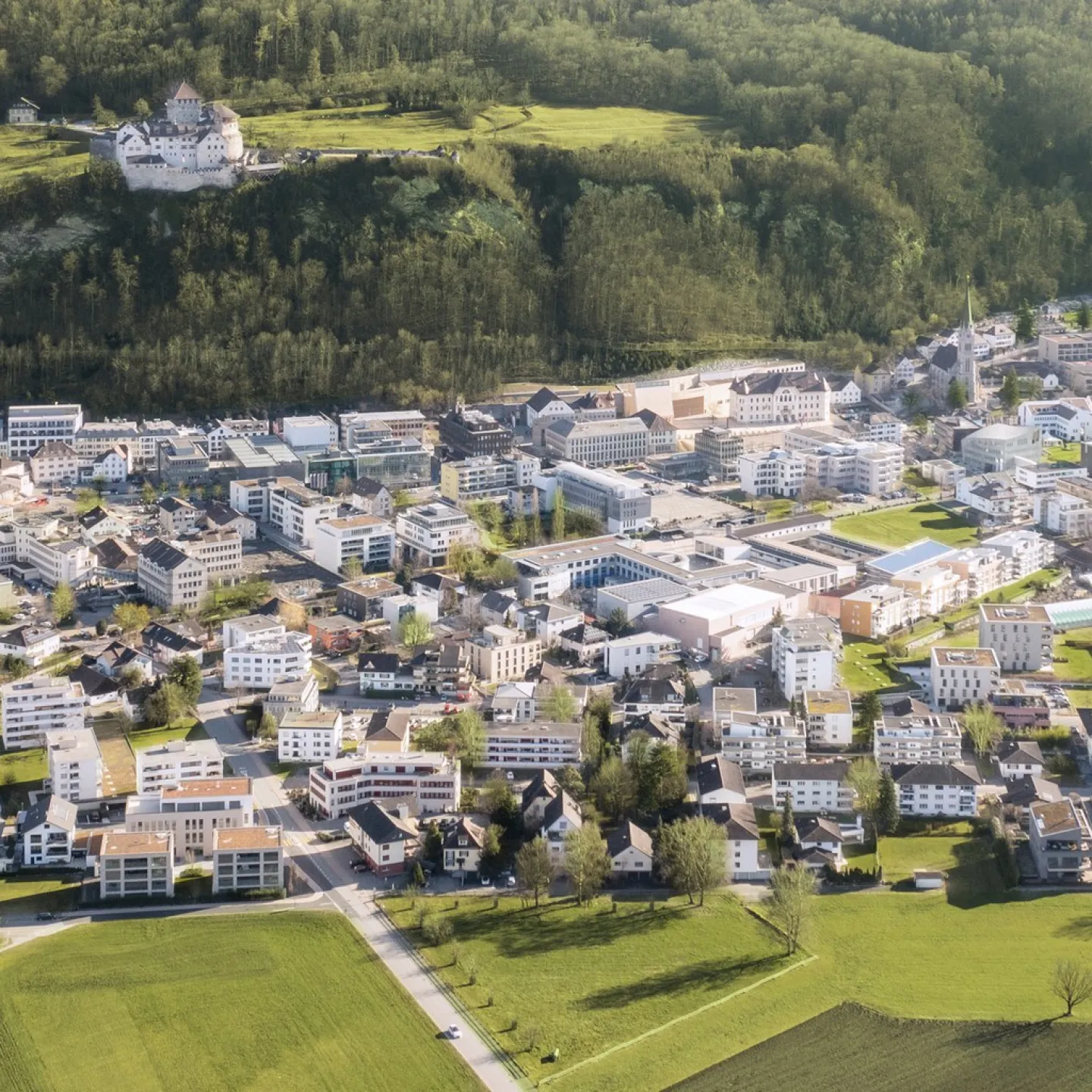
Luftaufnahme von Vaduz in Liechtenstein

We provide students with spatial knowledge and design skills that go beyond the scale of individual buildings. Alongside teaching sound fundamentals, we are committed to developing contemporary methods and tools that can be applied in design.

The content of our research projects as well as experiences from planning practice are actively integrated into teaching. Where possible, students’ work can also contribute to our research. Insights gained from the synergy of research and teaching are intended to help initiate and manage complex developments in urban spaces in a forward-looking manner in practice.

Luftaufnahme von Vaduz in Liechtenstein

Climate-Positive Design

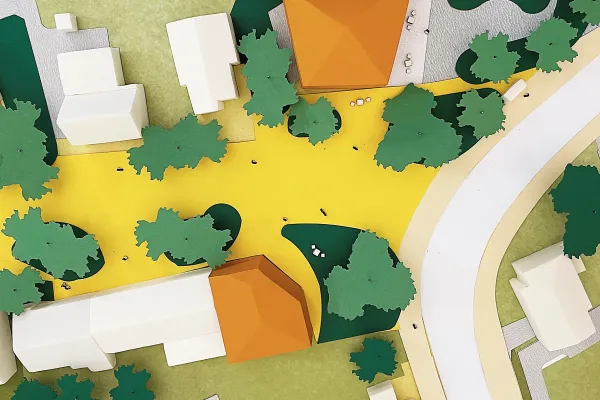
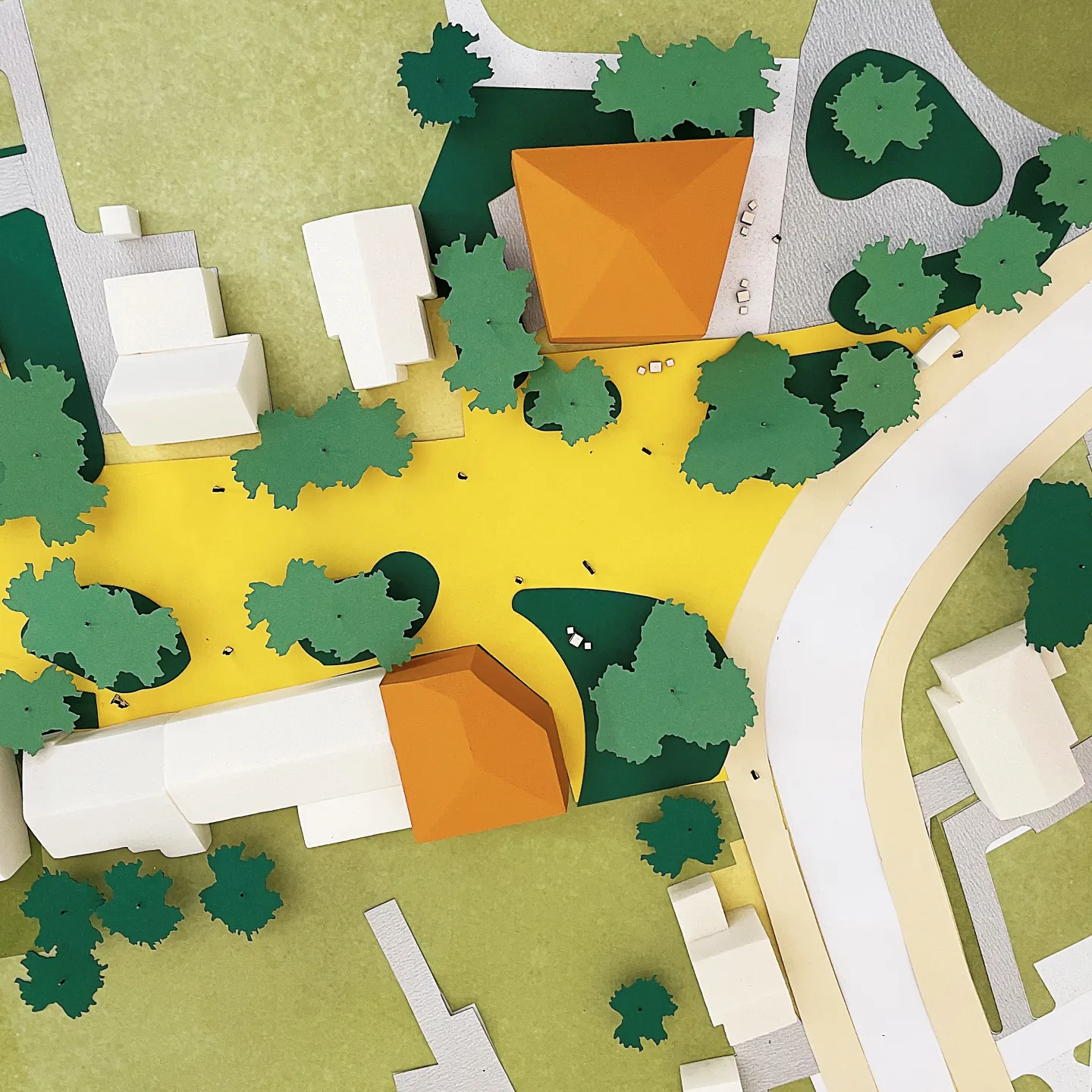
Buntes Städtebauliches Modell

We develop planning and design approaches at the urban and regional scale that go beyond climate neutrality. The aim is to bind or avoid more greenhouse gases over the entire life cycle than are emitted. To achieve this, we use regenerative, CO₂-binding materials and vegetation, energy-efficient structures, and measures that promote biodiversity and climate adaptation. In this way, we create built and designed spaces that actively contribute to a positive climate balance going beyond climate neutrality.

Buntes Städtebauliches Modell

Post-Fossil Neighbourhoods

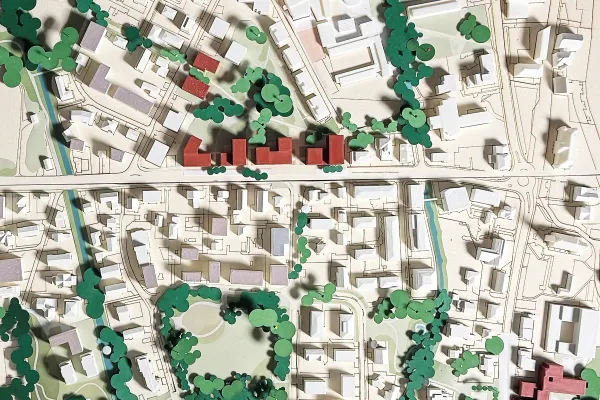
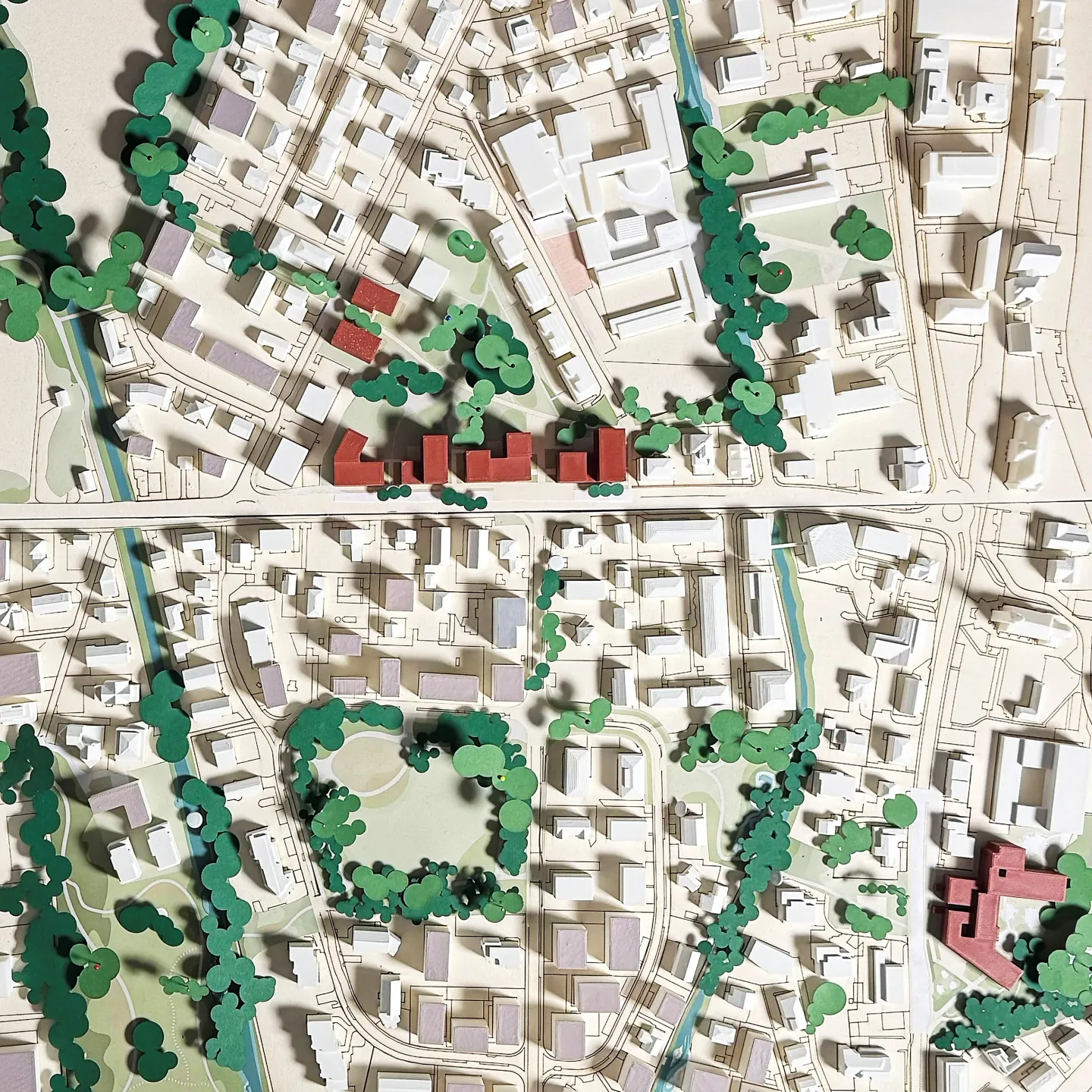
Städtebauliches Modell in Weiss, Grün und Rot

Building on existing neighbourhoods, this design studio series invites students to develop ideas for a climate-friendly and liveable future. We focus on inward densification, more environmentally friendly mobility, careful continuation of the built fabric, and the preservation of existing buildings. In this way, we create development strategies that keep housing affordable, enhance quality of life, and demonstrate how neighbourhoods can navigate the transition to a post-fossil society.

Städtebauliches Modell in Weiss, Grün und Rot

Visions of Deep Local Change

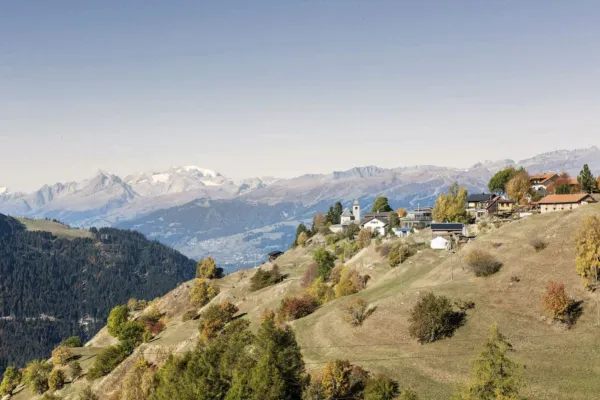
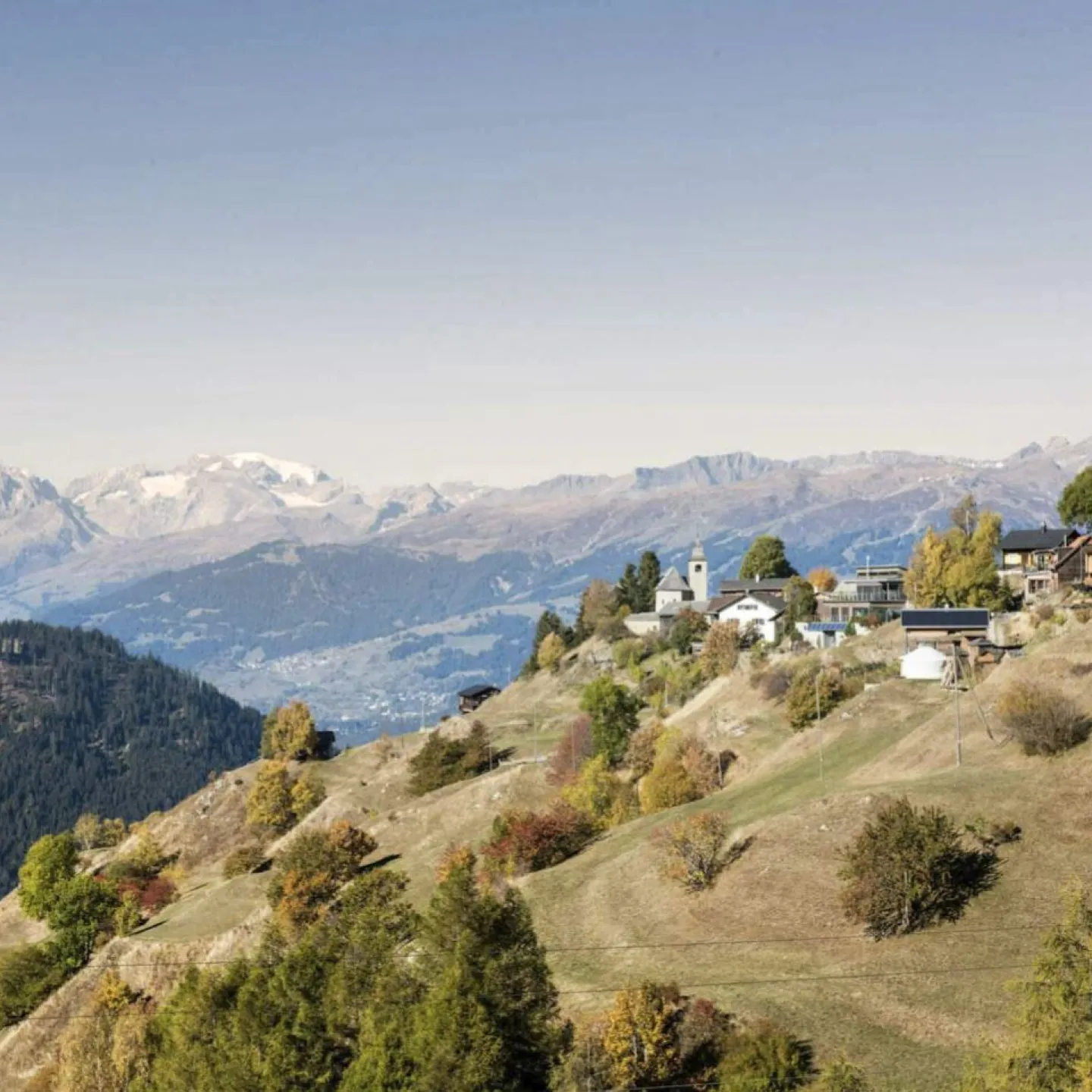
Blick auf Feldis (C) Viamala Tourismus

In this design studio series, we work with students to create visions for villages, towns, and regions shaped by their specific local potentials. We examine the social, cultural, ecological, and economic conditions on site and develop ideas for how these places can evolve sustainably and resiliently. The result is concepts that build on a place’s strengths, initiate change, and contribute in the long term to creating liveable environments.

Blick auf Feldis (C) Viamala Tourismus

Research Projects

Our research focuses on various thematic priorities: inner urban development with a focus on high architectural quality, city and mobility, adaptation of settlement structures to climate change, impacts of planning and construction activities on energy consumption and biodiversity, spatial dimensions of social justice and the continuous advancement of instruments and tools in urban and spatial development.

Zu diesem Thema gibt es keine Projekte.

Team Urban Design and Spatial Development

Liechtenstein School of Architecture_Fachgruppe Wohnen und Gesellschaft

Unit

Housing and Society (Urbanism, Architecture and Society)

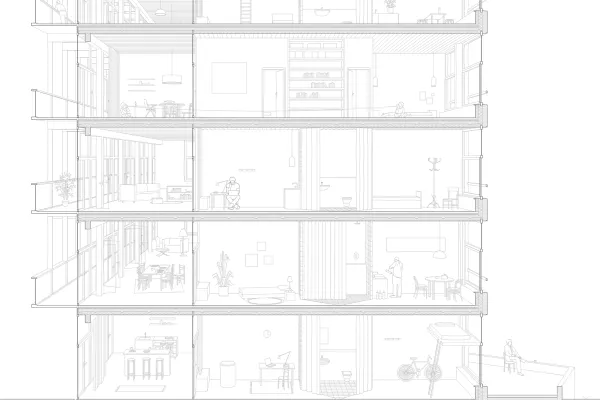
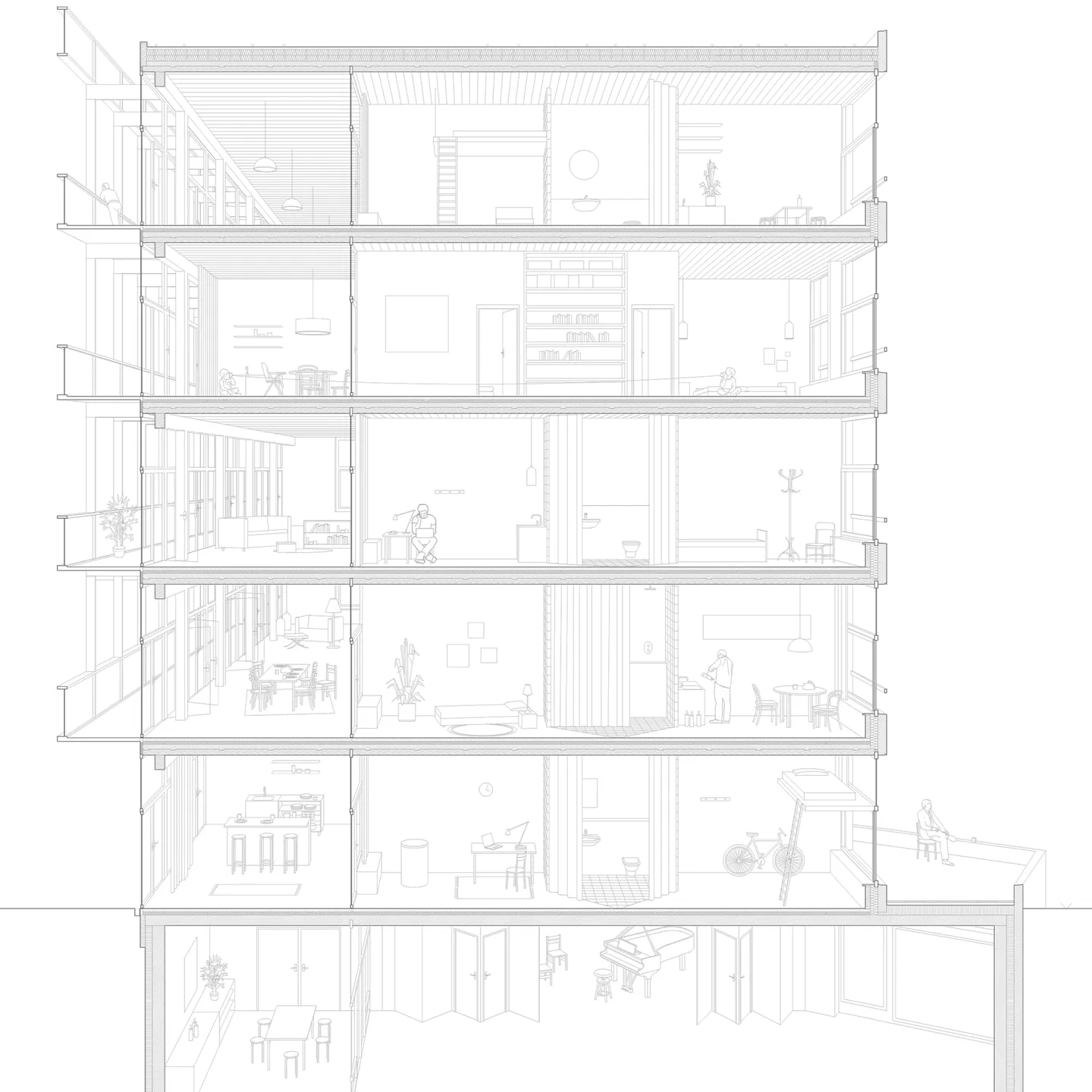
Gebäudeplan/Schnitt

The Housing and Society Unit is concerned with the complex interplay between architecture and the conditions of its production, use, management and maintenance. The making of architecture and space in its various forms is embedded in social structures and practices. We are an interdisciplinary team committed to a critical research paradigm. Through layered research approaches, design experiments and participatory methods, we seek to foster the societal acceptance of change and humane development, combining evidence with a sense of engagement and pleasure.

Gebäudeplan/Schnitt

NB: The “Urbanism, Architecture and Society” Unit will be headed by Reem Almannai starting in the summer semester 2026 and will be renamed “Housing and Society” as of September 2026.

News

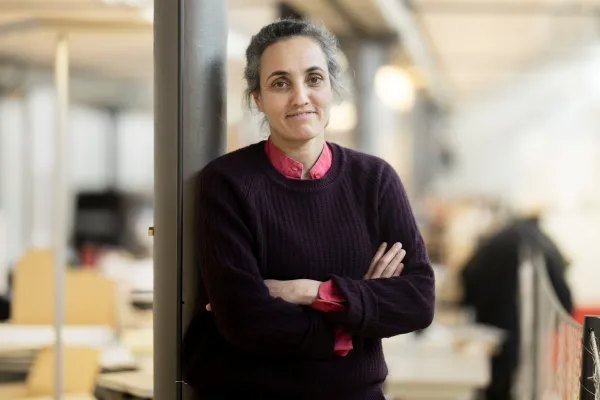
Porträt einer Frau mit schwarzem Pullover, die mit verschränkten Armen an einer Säule lehnt
Reem Almannai appointed Associate Professor at the Liechtenstein School of Architecture

Since 1 December 2025, Reem Almannai has been Associate Professor of Architecture and Society at the Liechtenstein School of Architecture. In her teaching and research, she places a particular emphasis on housing, society and the common good.

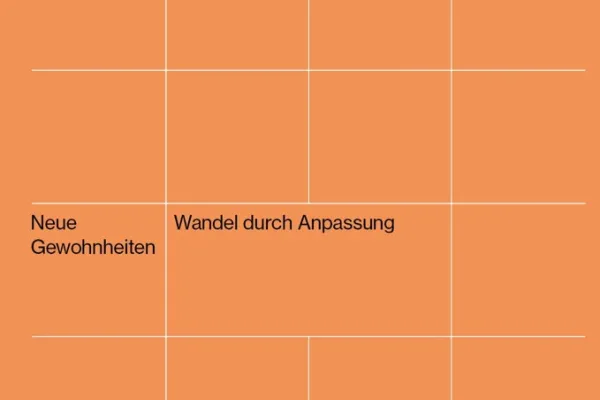
Oranges Magazincover mit Raster und schwarzer Schrift
Guest Editorship, "Die Architekt", No. 05/2025

Reem Almannai and Florian Fischer served as guest editors of the journal "Die Architekt", No. 05/2025, entitled "New Habits, Change through Adaptation".

To the issue
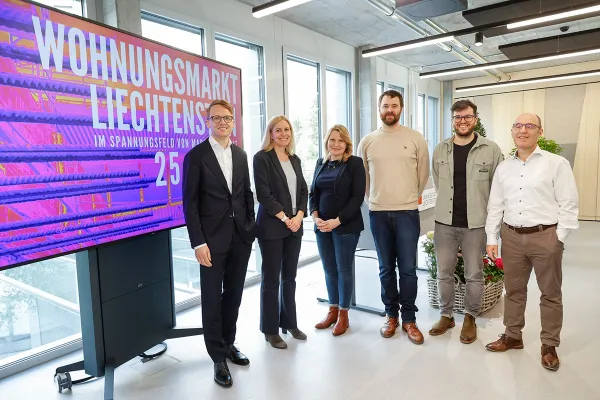
Gruppenfoto vor dem Plakat mit dem Titel "Wohnungsmarkt Liechtenstein"
The Housing Market in Liechtenstein in the Tension between Market and State

On 25 April 2024, a panel discussion on the housing market in Liechtenstein took place. The event was a cooperation between the University of Liechtenstein and the Stiftung Zukunft.li.

To the Article
Mehrere Menschen bei einer Baustellenbesprechung

The housing question, as well as questions concerning other forms of construction related to public services and essential infrastructure, raise fundamental issues of social distribution. In particular, and with regard to the existing building stock, they provide a point of departure for the search for appropriate architectural interventions, as well as for programmatic, typological and social innovations. Ultimately, they also address the transformation of Western societies that currently live and operate beyond planetary boundaries, with a specific focus on Liechtenstein and the Alpine Rhine Valley border region.
Conversely, the Global South, in its pursuit of the right to humane development, has not yet exhausted the resources to which it is entitled. These different contexts can be understood as interrelated fields of inquiry that function as analytical lenses for emerging sustainable modes of living and building. In this sense, they enable processes of mutual learning from both failures and solutions across different regions and societal conditions.

Mehrere Menschen bei einer Baustellenbesprechung

Research Projects

Zu diesem Thema gibt es keine Projekte.

Team Urbanism, Architecture and Society

Liechtenstein School of Architecture_Sustainable Design Unit

Unit

Sustainable Design

universitaet-liechtenstein_studium_Architektur_Ansicht-der-Erde-aus-Weltraum-Fachgruppe-Nachhaltiges-Bauen-der-Liechtenstein-School-of-Architecture

The Sustainable Design unit follows a holistic approach that integrates ecological, social and ethical aspects. Its focus lies on environmentally friendly designs, resource-efficient materials, energy efficiency and social responsibility throughout all phases of the construction process. Societal issues such as mobility, health, integration and values also play an important role. The aim is to reduce the ecological footprint and secure the quality of life for current and future generations through sustainable design of the built environment.

universitaet-liechtenstein_studium_Architektur_Ansicht-der-Erde-aus-Weltraum-Fachgruppe-Nachhaltiges-Bauen-der-Liechtenstein-School-of-Architecture

News

Gruppenfoto Preisverleihung
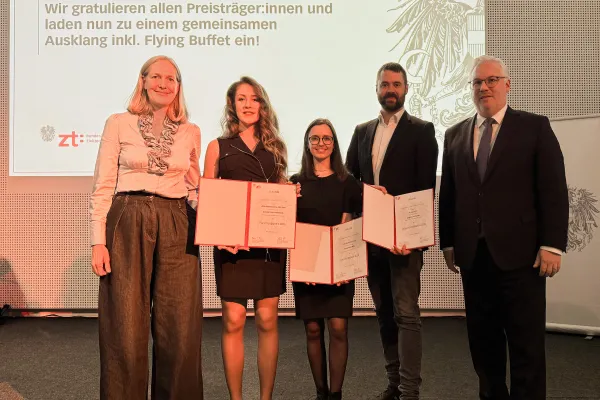
Award for Master's Thesis

Student Alina Dinu received the «Research Award for Architecture» from the Austrian Federal Chamber of Civil Engineers for her master’s thesis «Danube Delta Settlements. Conservation Potential and Revitalization Scenarios.» In her work, she explored the origins, culture, and authenticity of traditional communities in Romania, focusing particularly on the abandoned villages of the Danube Delta.

To the Article
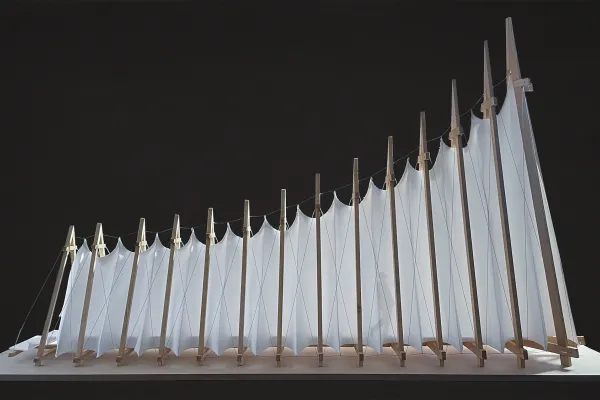
Weisses Architekturmodell mit schwarzem Hintergrund
Student Lion Maul on hochparterre.ch/campus

Master student Lion Maul reports on his project “Dignified Ruins” on hochparterre.ch/campus. The project was developed as part of the Advanced Studio Sustainable Design: Danube Delta Part 2. 

To the Article
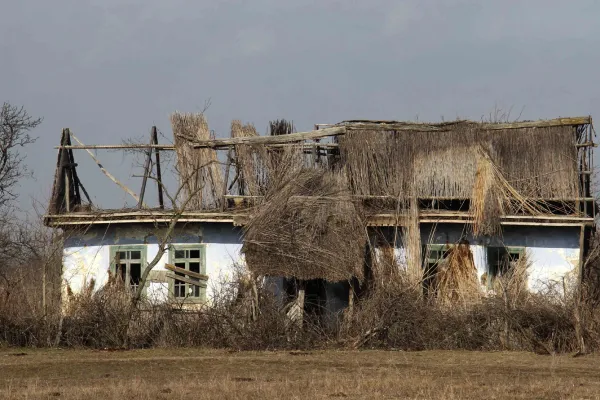
Zerfallenes Haus mit Strohdach
Summer School "Vernacular Architecture in the Danube Delta"

From 6 to 12 July 2025, an internationally oriented summer school on “Vernacular Architecture in the Danube Delta” took place in Tulcea, Bucharest and the Danube Delta. The event was organised by the Ion Mincu University of Architecture and Urbanism in Bucharest and carried out in close partnership with the University of Liechtenstein, TU Vienna and the University of Catania. Prof Dietrich Schwarz and doctoral candidate Alina Dinu were part of the summer school.

To the Summer School
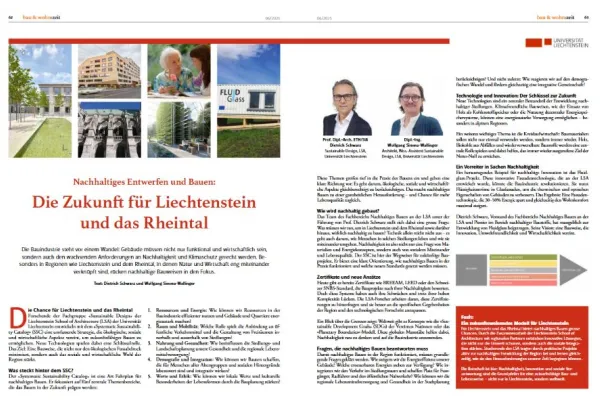
Artikel in einem Magazin über Nachhaltiges Bauen in Liechtenstein
Article in lie\:zeit “Sustainable Design and Construction: The Future for Liechtenstein and the Rhine Valley.”

In the June 2025 issue of lie:zeit, Prof Dietrich Schwarz and Wolfgang Simma-Wallinger explain how the University of Liechtenstein addresses key aspects of sustainable building. The focus lies on topics such as resource conservation, energy efficiency, certification systems and the architectural response to demographic and climatic changes.

To the Article
Logo Minergie
Prof Dietrich Schwarz on the Board of Minergie Switzerland

Minergie is the Swiss building standard for comfort, efficiency and climate protection, applicable to both new builds and renovations. Prof Dietrich Schwarz is a board member of the association.

More Information
Sustainable Design in the Context of Climate Change

Holistic Approach

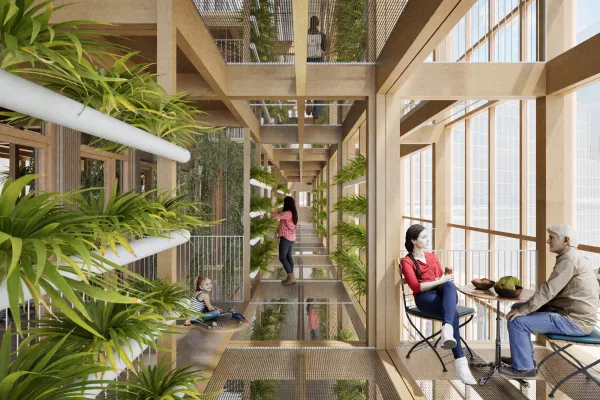
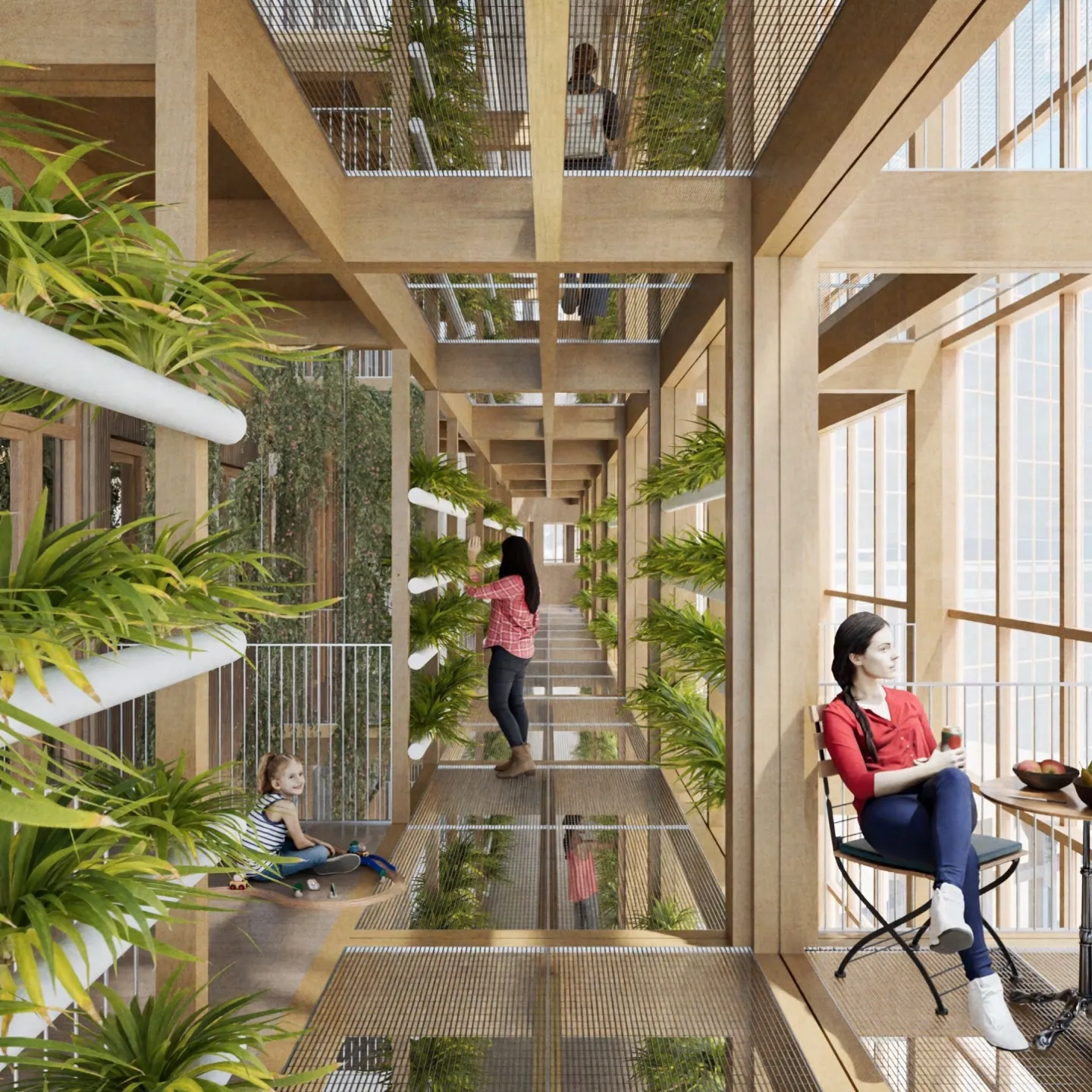
Visualisierung eines luftigen Holzgebäudes mit vielen Pflanzen und Menschen, die sich unterhalten

The Sustainable Design unit teaches and conducts research on climate-adapted architecture and low-tech strategies. The focus lies on simple, robust solutions that create high comfort with minimal resource use, strengthen regional identity and enhance the resilience of society and the environment to climate change.
 

Low Tech

Systematic Sustainability Catalogue

Fluidglass

Visualisierung eines luftigen Holzgebäudes mit vielen Pflanzen und Menschen, die sich unterhalten
Visions for the Future

One Planet Society

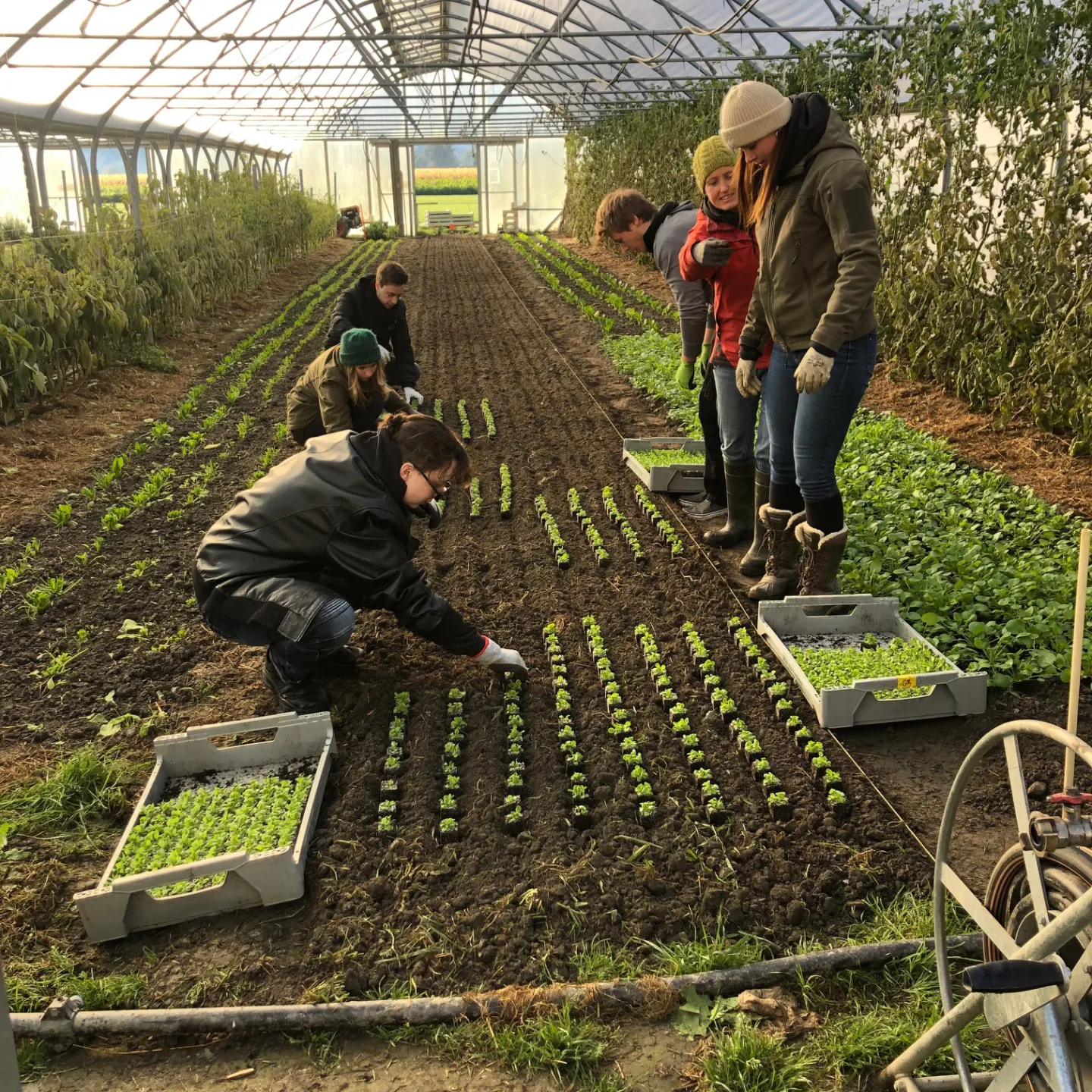
Vier junge Personen beim Anpflanzen von Salat in einem Glashaus

The Sustainable Design unit teaches, conducts research and works together with local initiatives such as IG Mobility Liechtenstein and Integrity.Earth to promote sustainable development in the region. In close collaboration, future-proof concepts are developed for climate-friendly mobility, resilient agriculture and the implementation of the vision of a “One Planet Society.” The aim is to strengthen local potentials and make concrete contributions to an ecologically and socially responsible transformation.

Vier junge Personen beim Anpflanzen von Salat in einem Glashaus

Research Projects

Zu diesem Thema gibt es keine Projekte.

Team Sustainable Design

Built Heritage and Upcycling Unit

Unit

Built Heritage and Upcycling

Detailaufnahme eines Architekturmodells

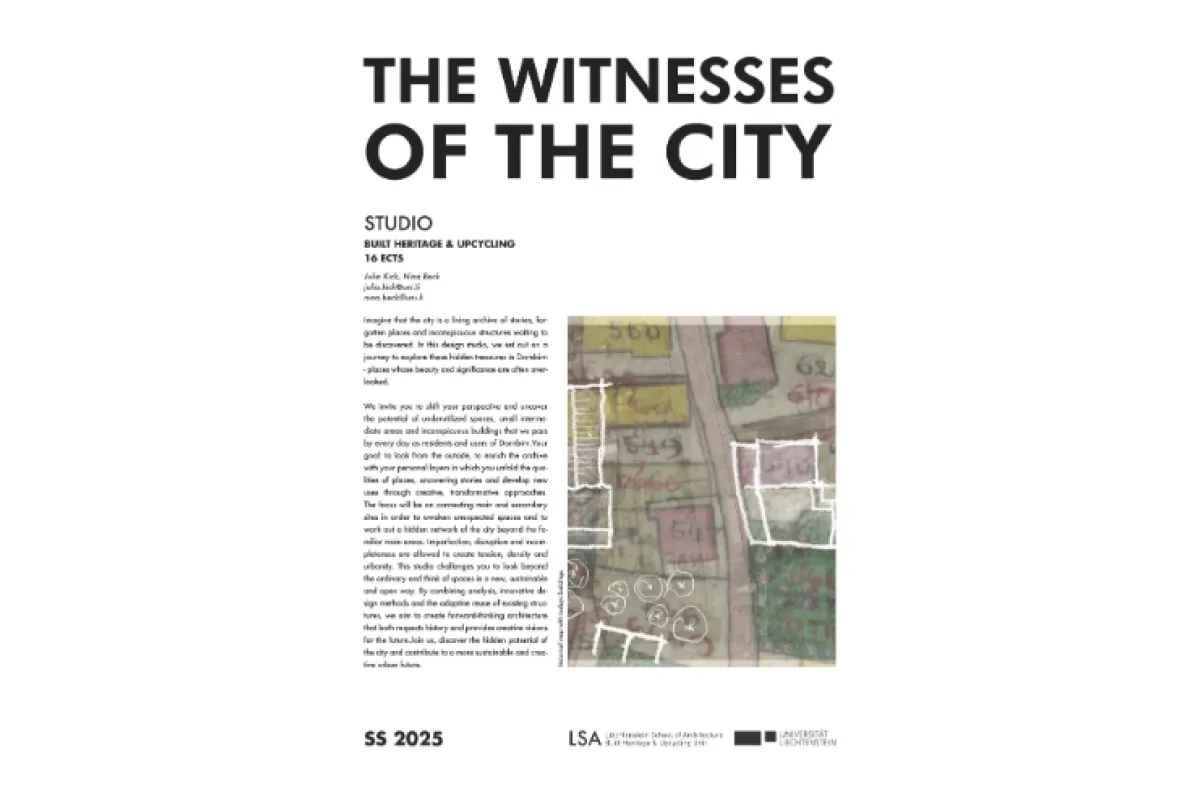
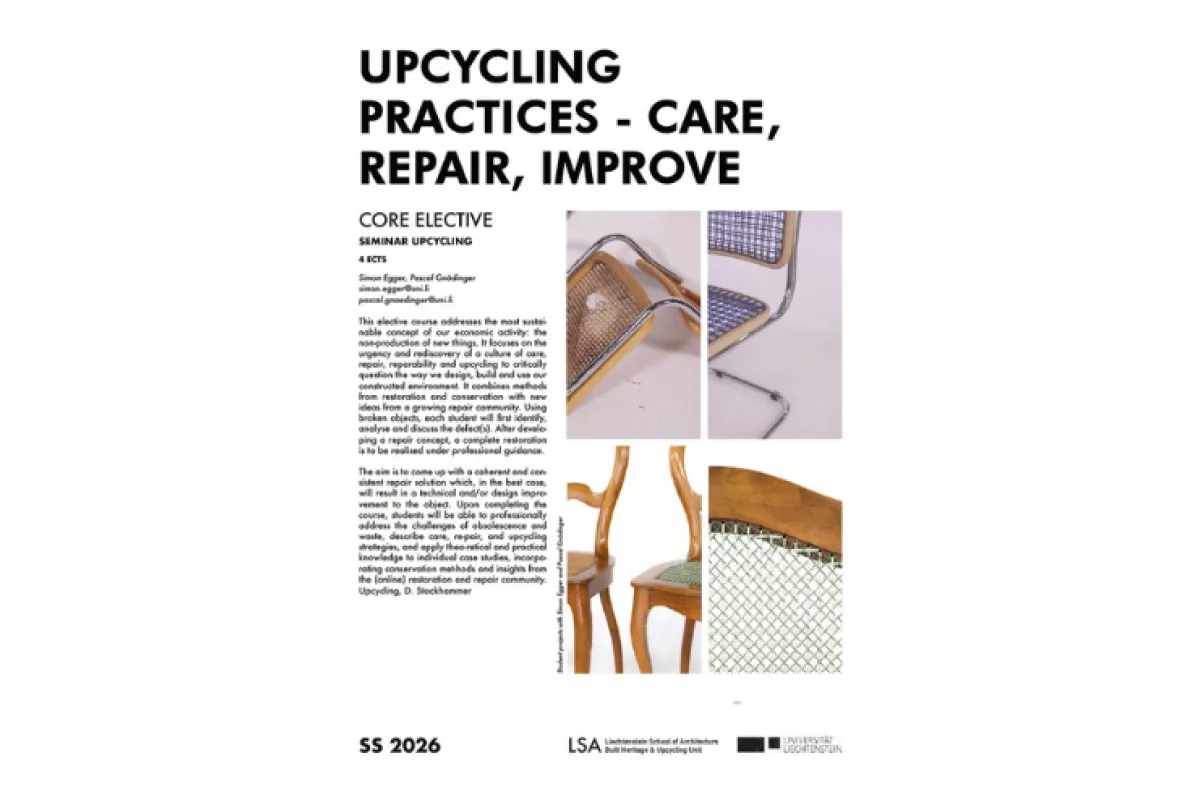
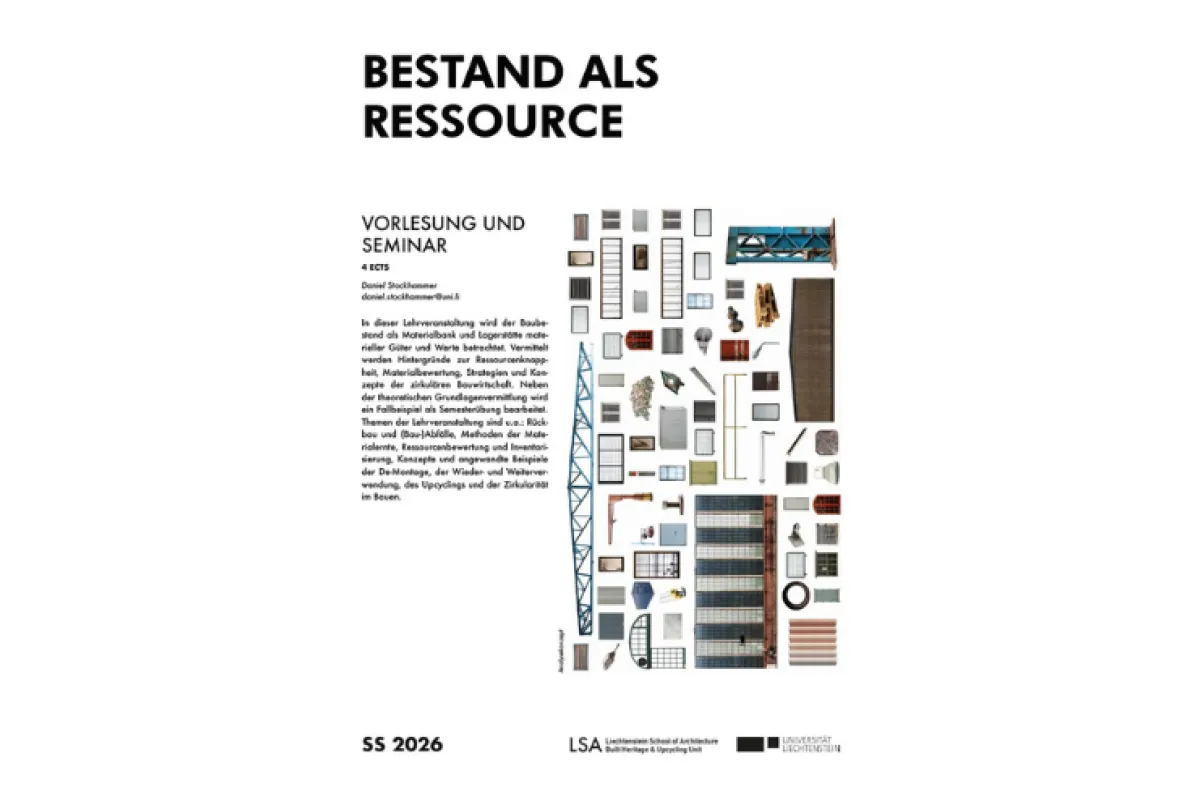
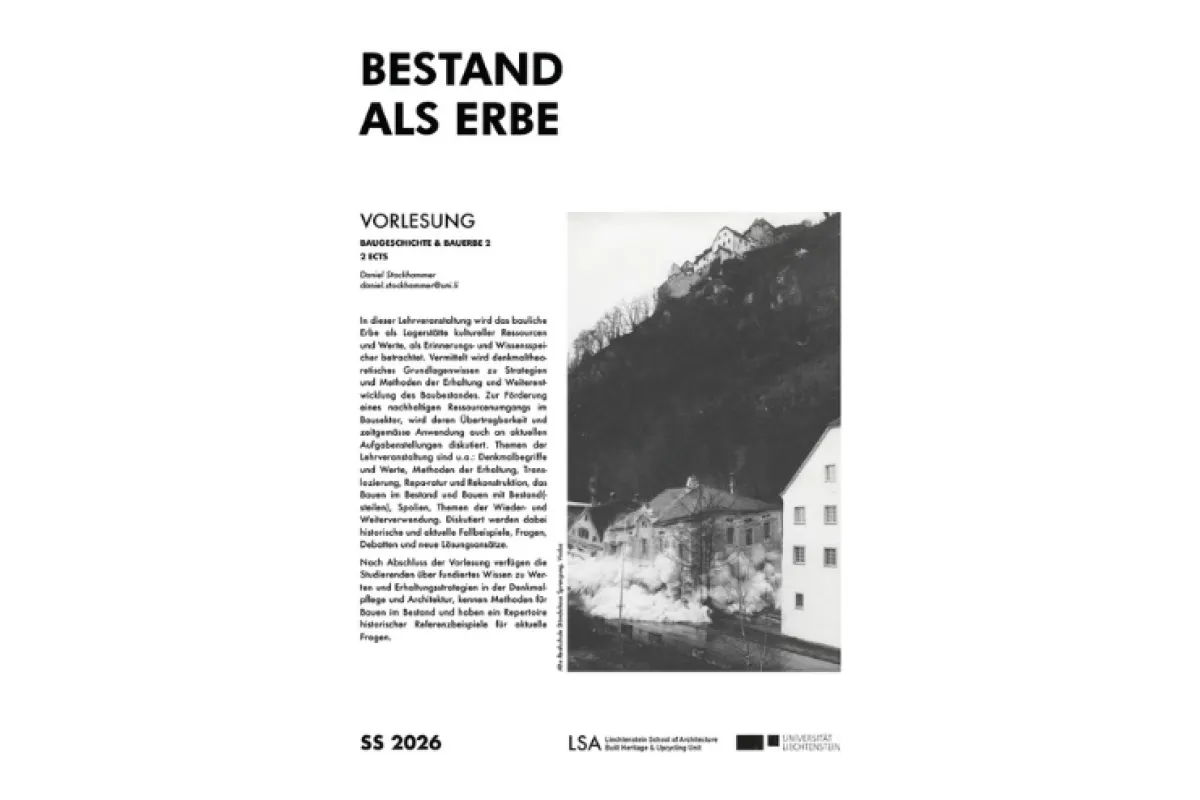
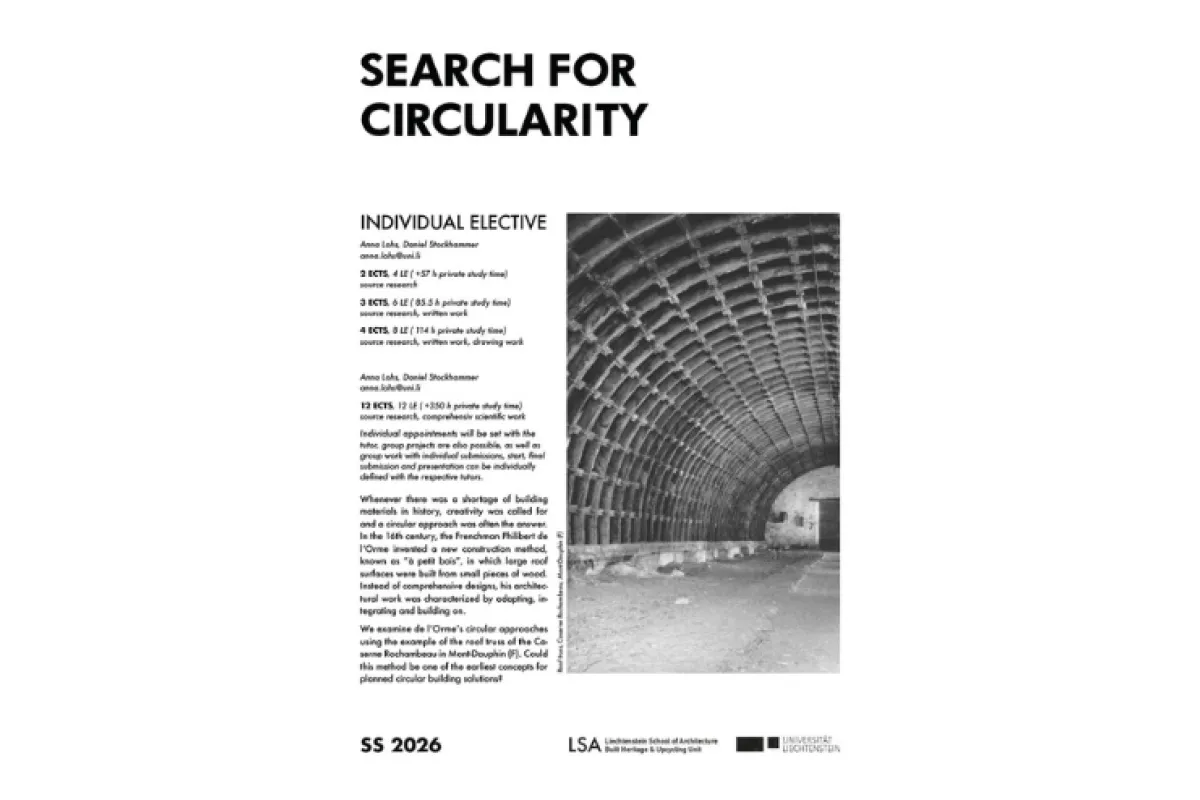
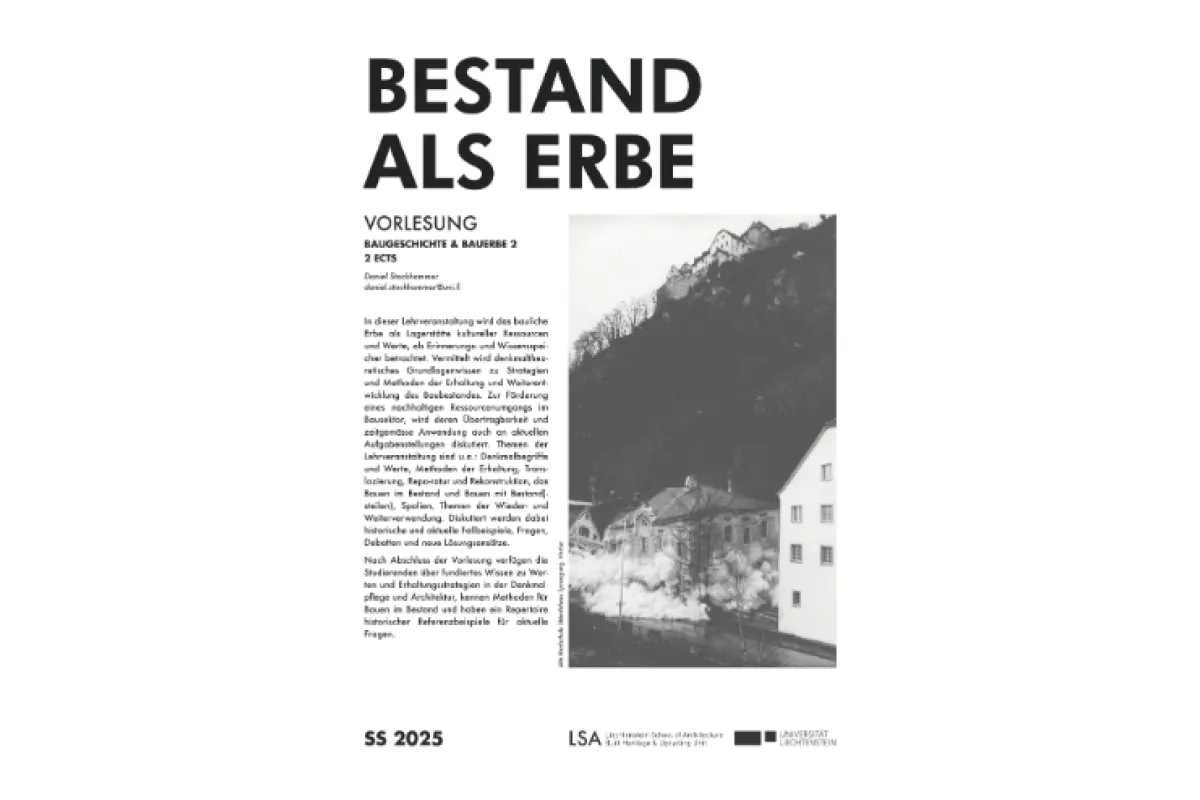
The unit Built Heritage and Upcycling explores the resources of the built environment and strategies for their preservation, transformation, and integration into a circular construction economy. At the core of its work lies the reframing of a moral question into an architectural and economic one, the architectural potential of preservation strategies, and the sustainability of circular construction principles. Not the primacy of free form, but design through care, repair, reuse, and adaptation strengthens cultural identity and, we argue, makes architecture formally binding and socially (again) relevant.
Architecture becomes a resource.

Detailaufnahme eines Architekturmodells

News

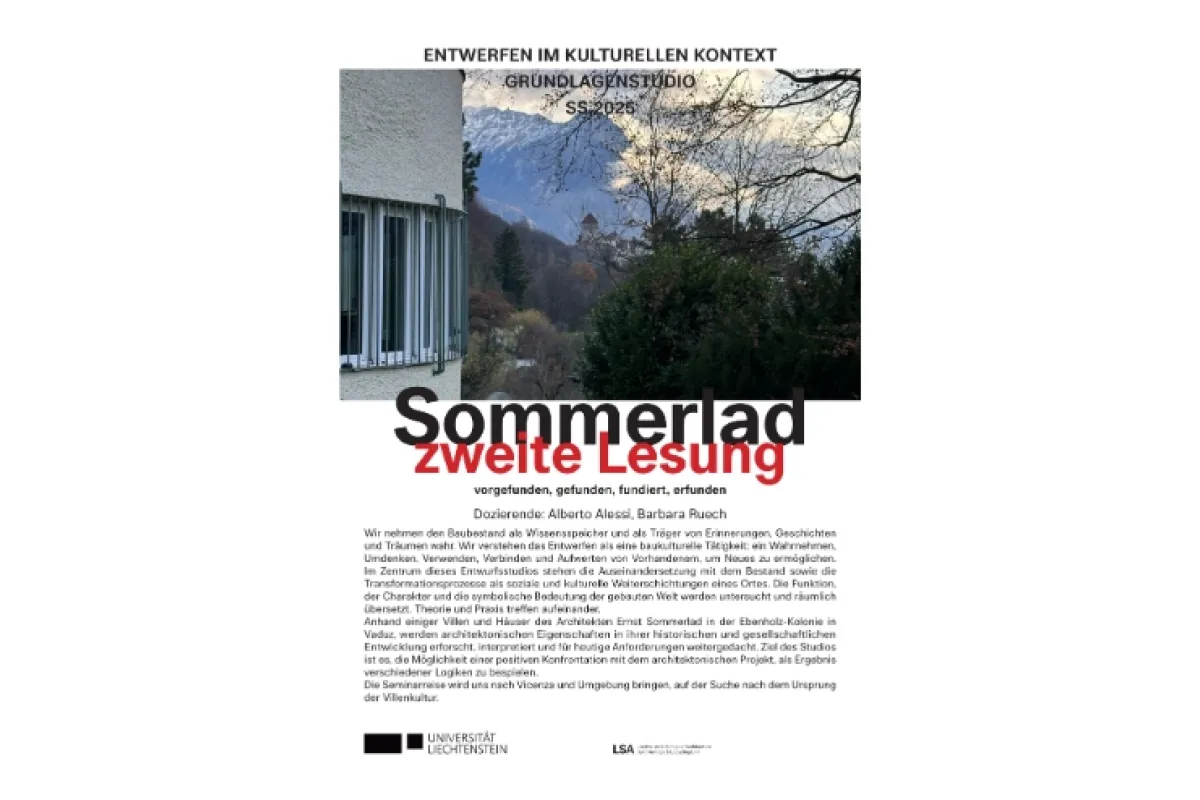
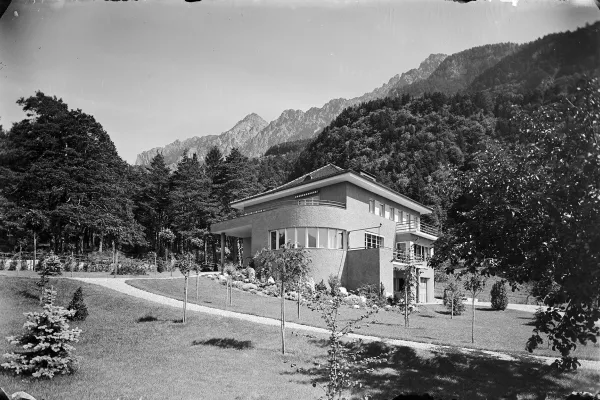
Schwarz-Weiss Aufnahme eines Einfamilienhauses des Architekten Ernst Sommerlad in Liechtenstein
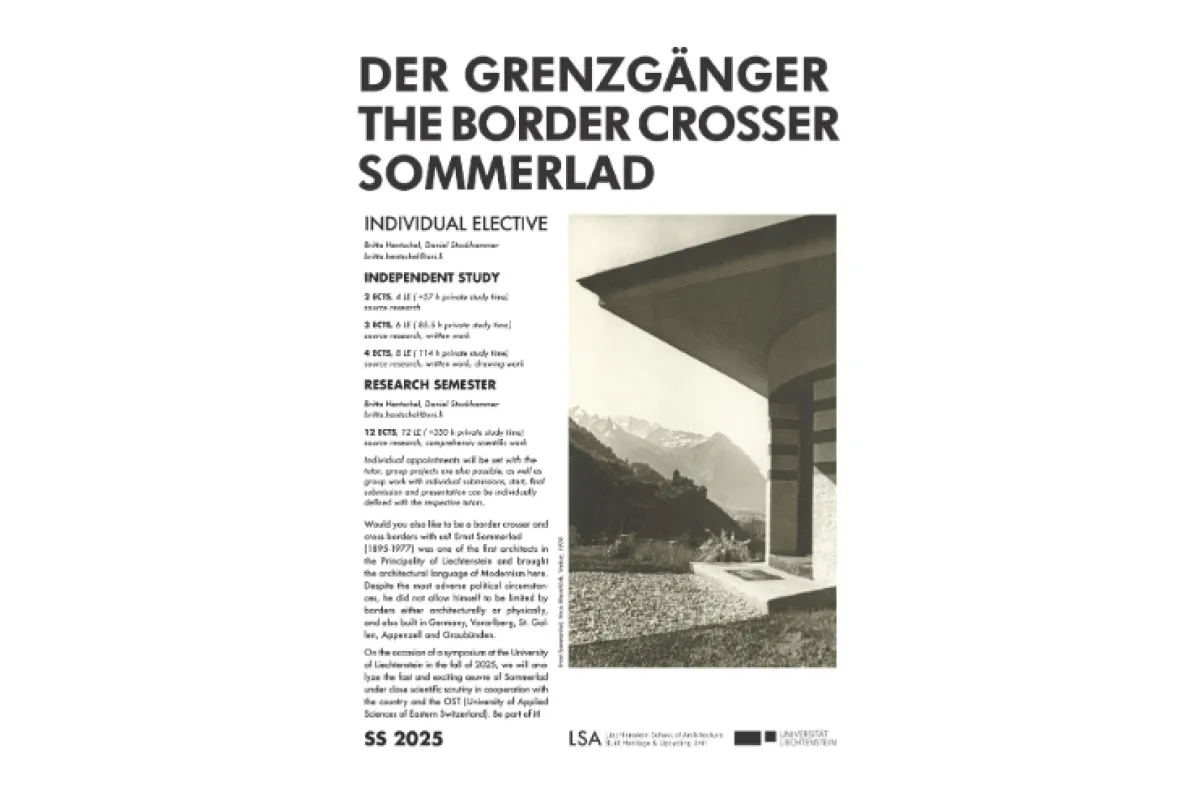
Ernst Sommerlad: Architect 1895–1977

The 130th birthday of Liechtenstein’s first academically trained architect was honoured with two exhibitions, a symposium, and a publication.

More information
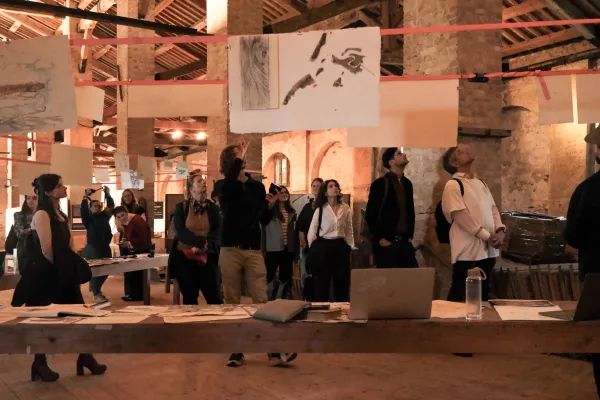
Mehrere Personen schauen auf Skizzen
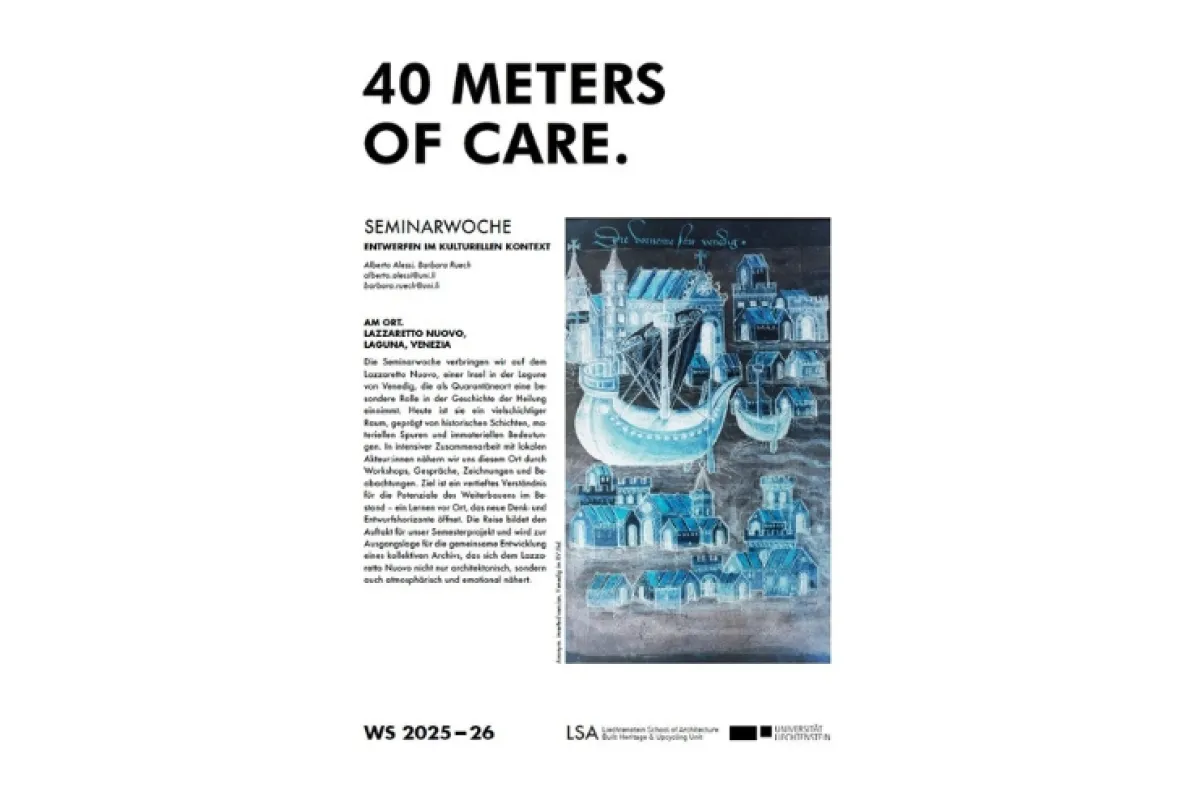
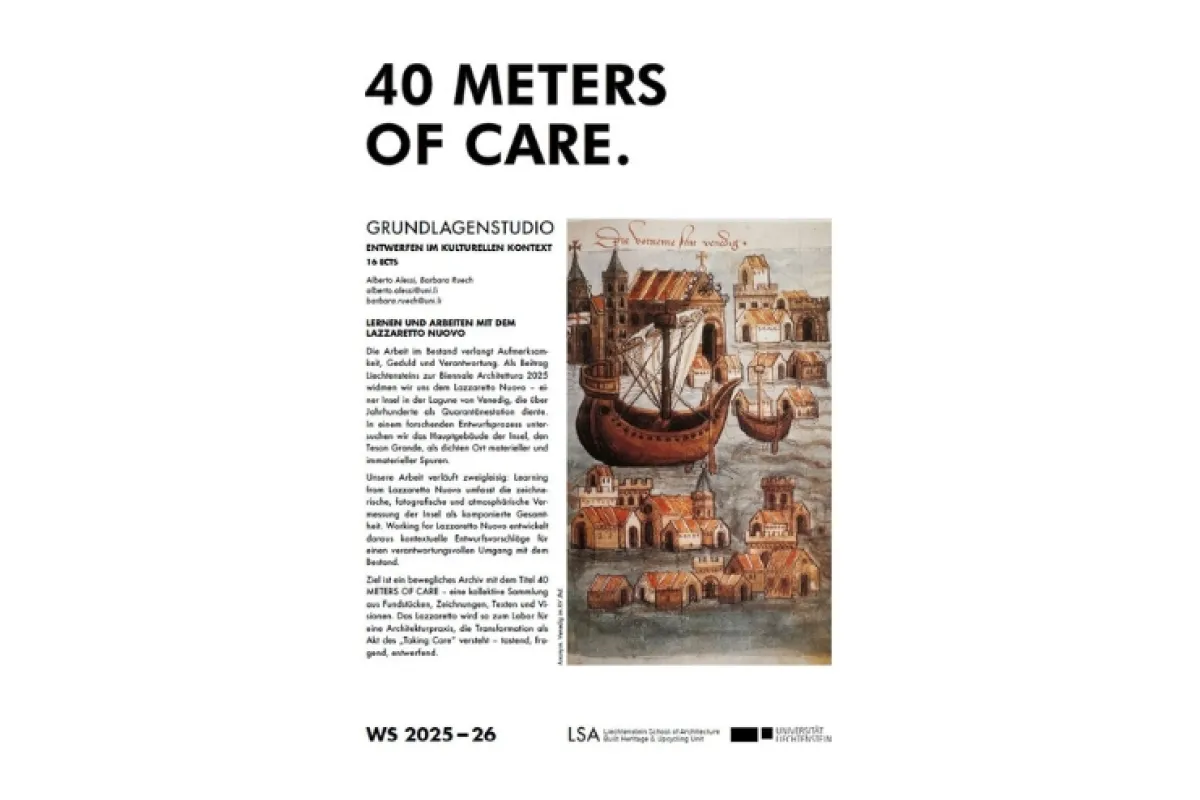
Liechtenstein Contribution to the 2025 Architecture Biennale

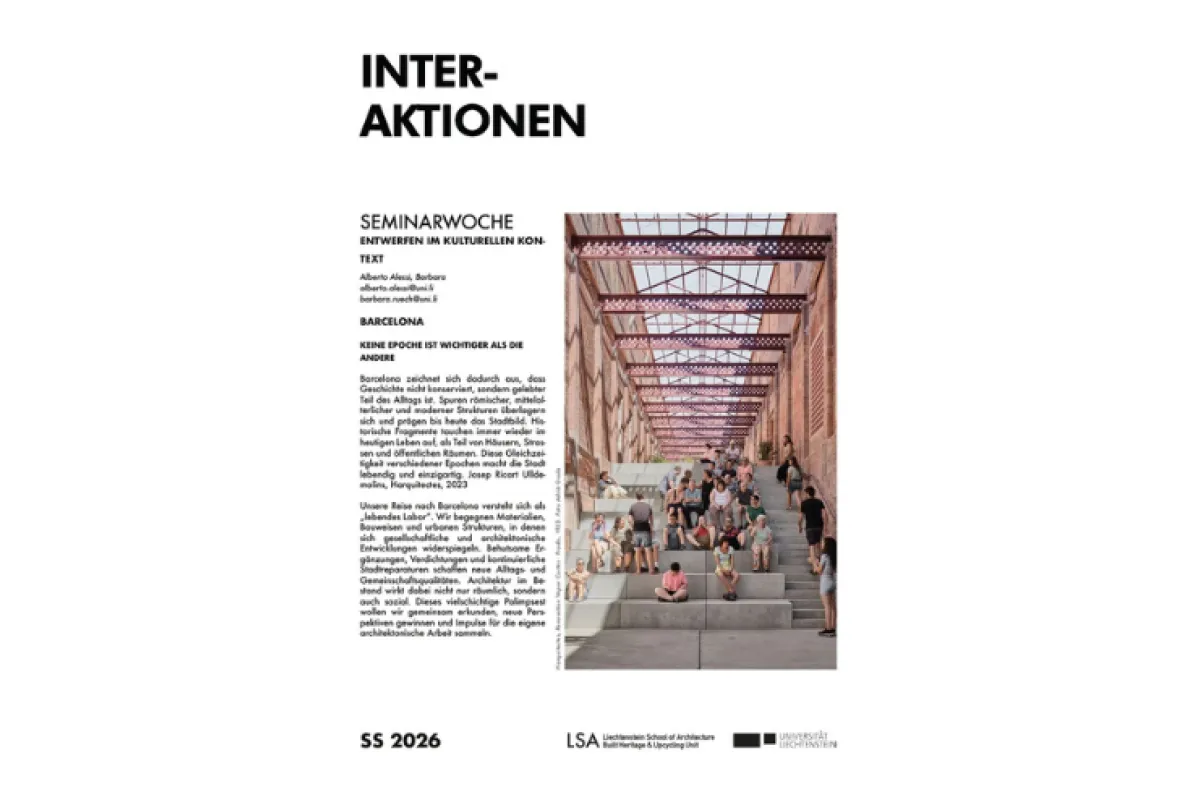
As part of the International Architecture Exhibition of the Biennale di Venezia 2025, the design studio of Alberto Alessi and Barbara Ruech at the University of Liechtenstein organised the Biennale Sessions under the title “Taking Care of Care”. 

View Article
Mehrere Menschen laufen neben einem alten Fabriksgebäude
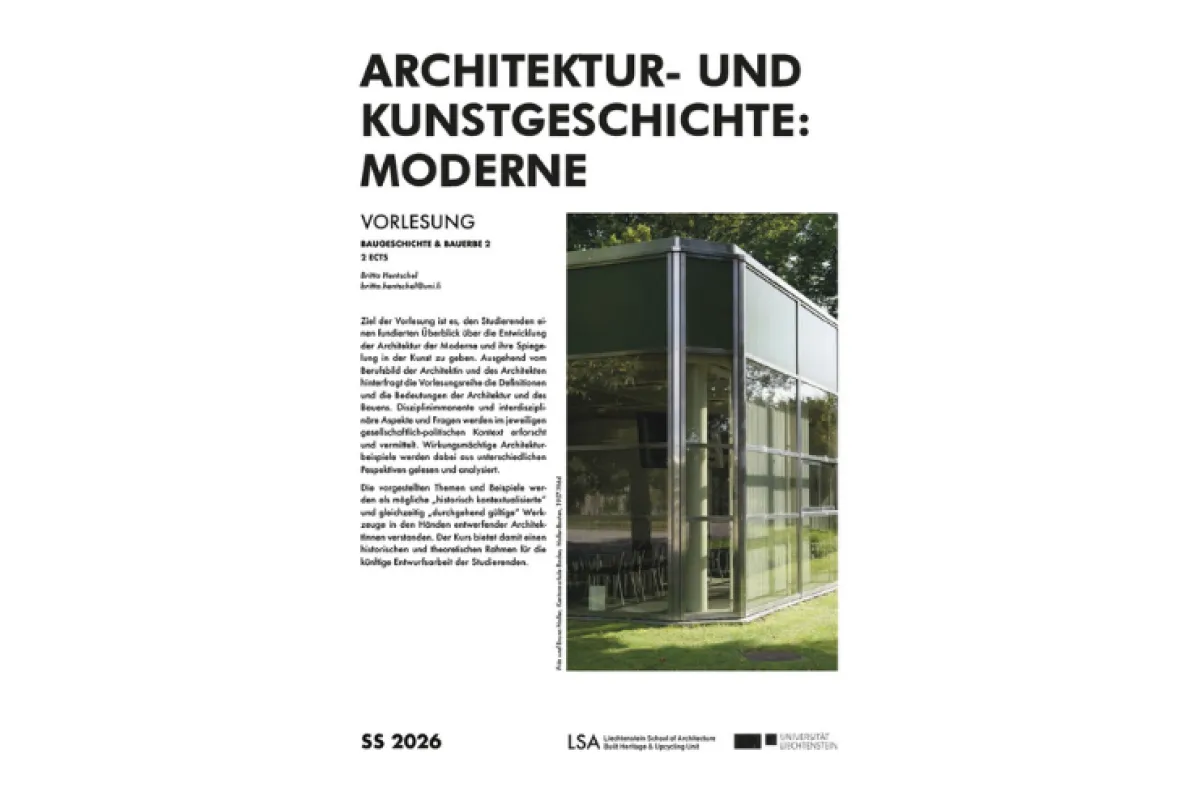
Excursion to Zurich as Part of the Core Elective Courses Built Heritage and Urban Design

On 14 November 2025, students from the Master’s degree programme in Architecture undertook a specialist excursion to Zurich. They were accompanied by the lecturers Dr Britta Hentschel and Dr Gyler Mydyti. The excursion formed part of the two elective courses Built Heritage and Urban Design.

View Article
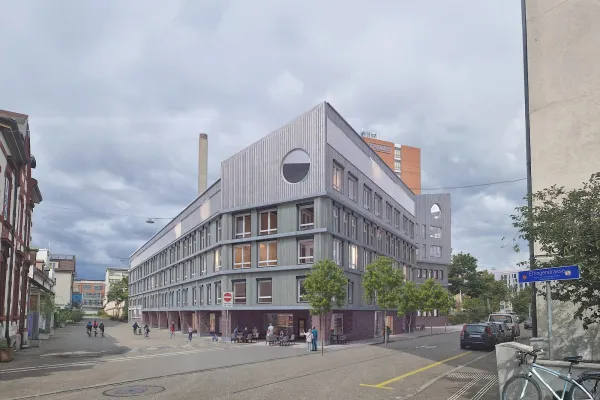
Visualisierung eines Mehrparteienhauses in Basel
Bachelor student Martin Dupont on hochparterre.ch

Bachelor student Martin Dupont reports on his project “Le Jardin” on hochparterre.ch/campus. The project was developed as part of “(Dis)Assembly: Reusing Modular Structures for Housing.”

Hochparterre Article
In Development

Construction Memory Liechtenstein

Plan/Ansicht eines landwirtschaftlichen Gebäudes in schwarz/weiss

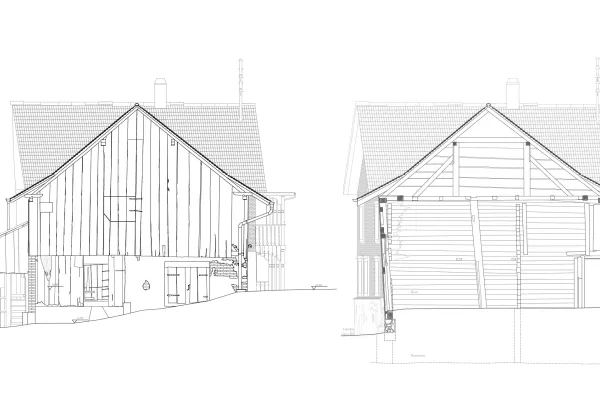
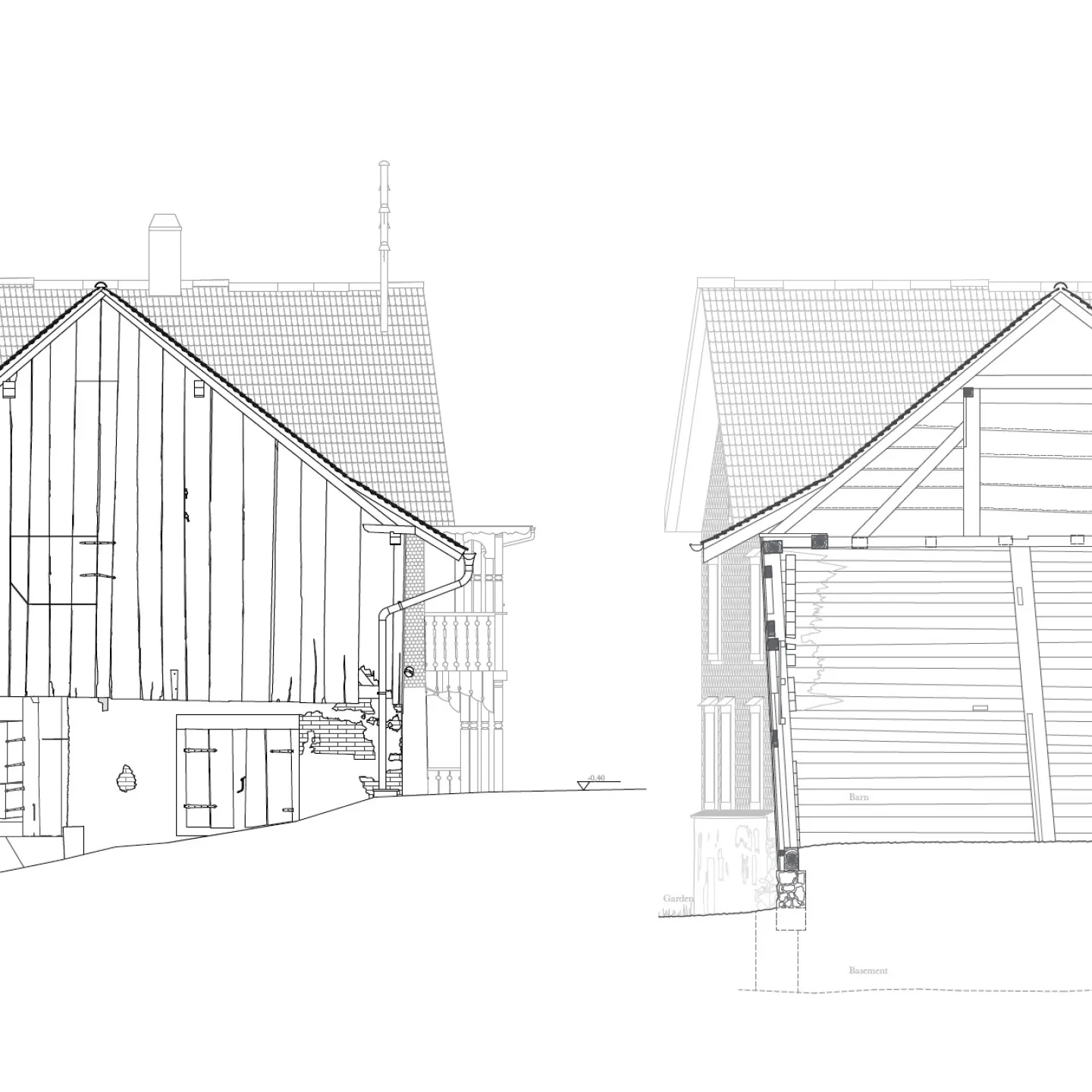
The Digital Construction Memory Liechtenstein is a publicly accessible archive of the University of Liechtenstein, providing a systematically curated collection of relevant documents, plans, photographs and projects related to significant buildings in Liechtenstein and the surrounding region. It thus preserves the regional architectural culture for the long term and makes it accessible for research. The Construction Memory Liechtenstein is currently under development. The first projects will be available from 2026 onwards.

Plan/Ansicht eines landwirtschaftlichen Gebäudes in schwarz/weiss
Digital Platform for Circular Construction

Library of Reuse

Logo des "Library of Reuse"

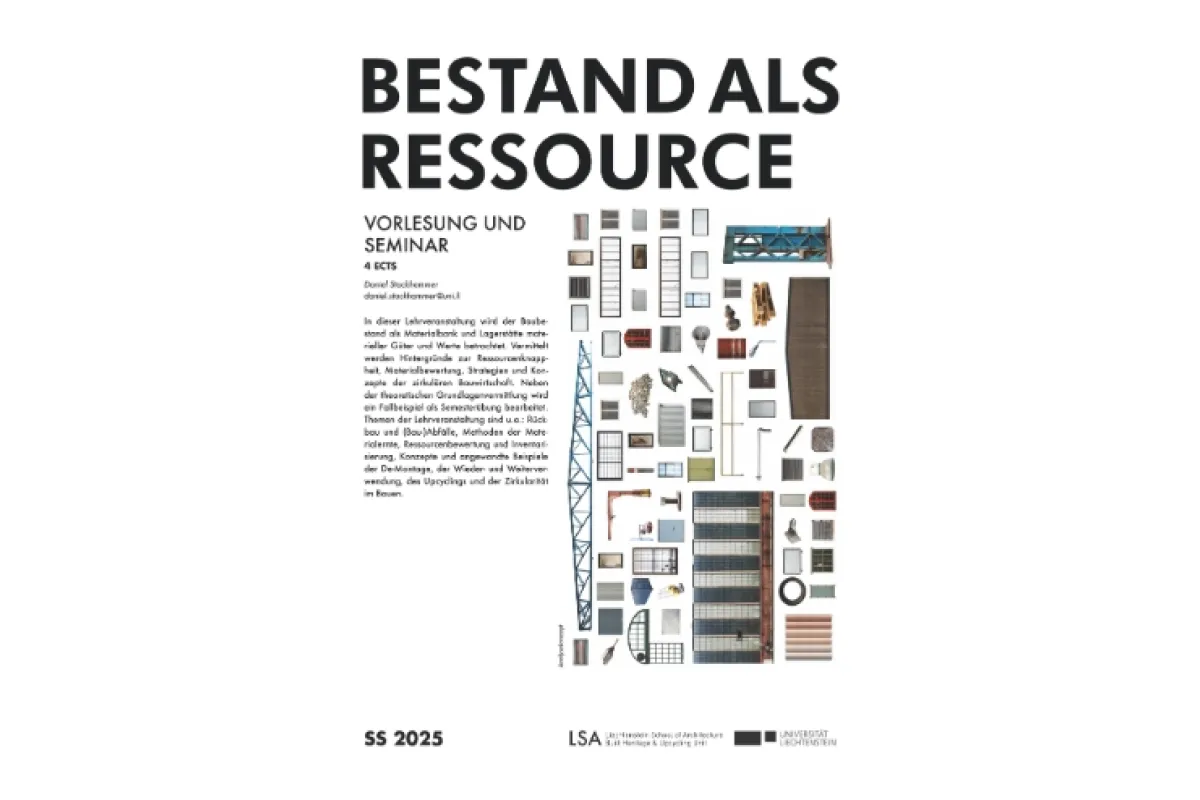
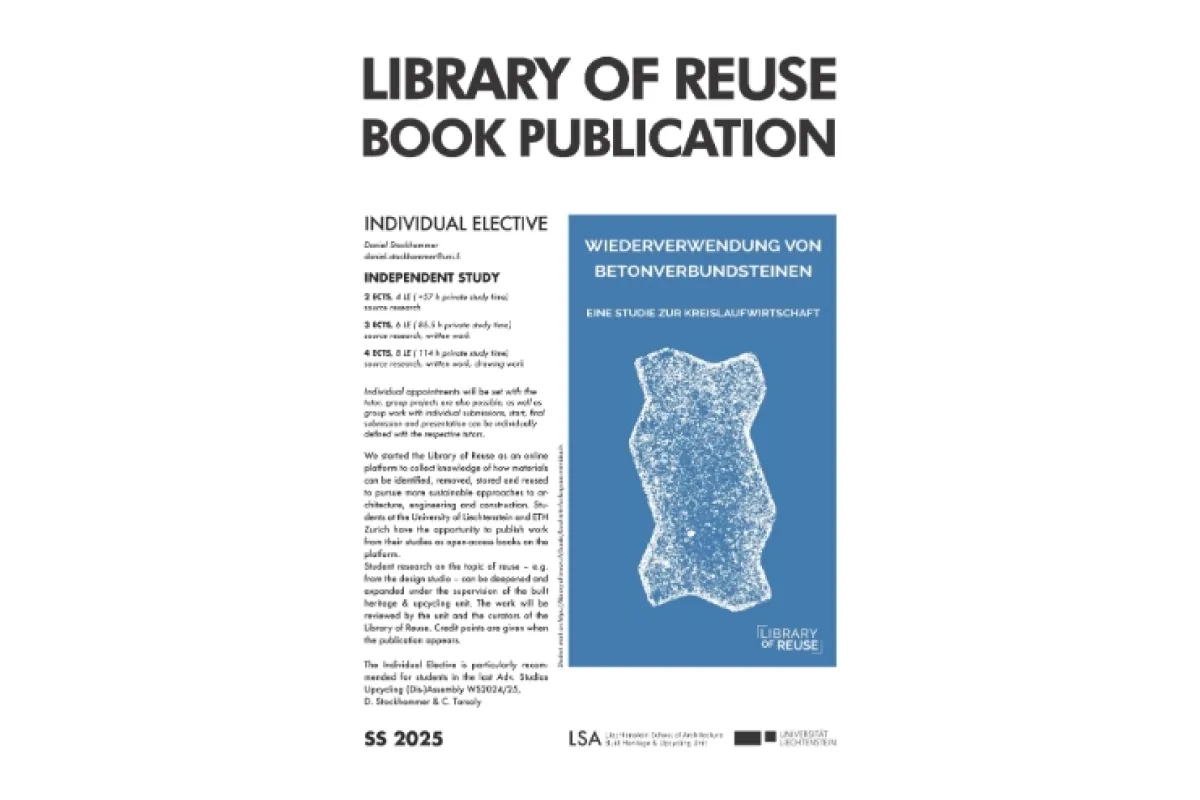
The Library of Reuse is a digital platform for circular construction. The Built Heritage and Upcycling unit at the LSA contributes to its development under the direction of Prof Dr Daniel Stockhammer — through research, practical examples and methodological contributions on the reuse of building components and materials. The existing building stock is thus reimagined as a resource.

To the Library of Reuse

Logo des "Library of Reuse"

Research Projects

Zu diesem Thema gibt es keine Projekte.

Selected Publications

Buch

WEITERBAUEN IN STAHL 

Architektur der Aufstockung

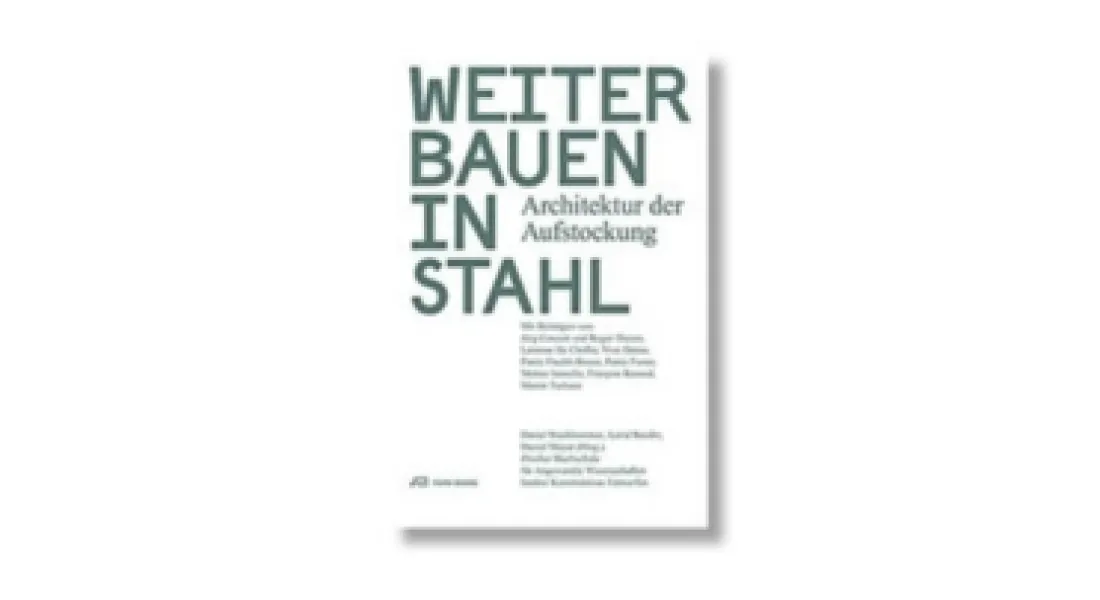
Daniel Stockhammer, Astrid Staufer, Daniel Meyer (Eds.) 2018, Zurich University of Applied Sciences


Park Books

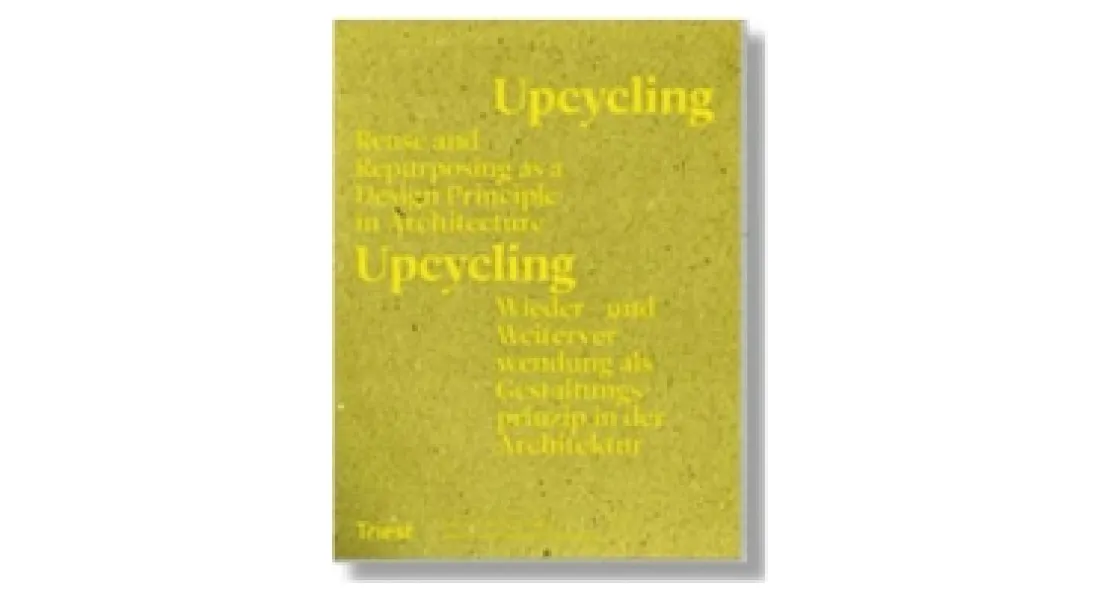
upcycling-wiederverwendung-in-der-architektur-liechtenstein-school-of-architectur

UPCYCLING

Reuse and Repurposing as a Design Principle in Architecture


Daniel Stockhammer, Universität Liechtenstein (Ed.), 2020


Triest Verlag

Team Built Heritage and Upcycling

Liechtenstein School of Architecture_Transfer

Knowledge and Technology Transfer (KTT)
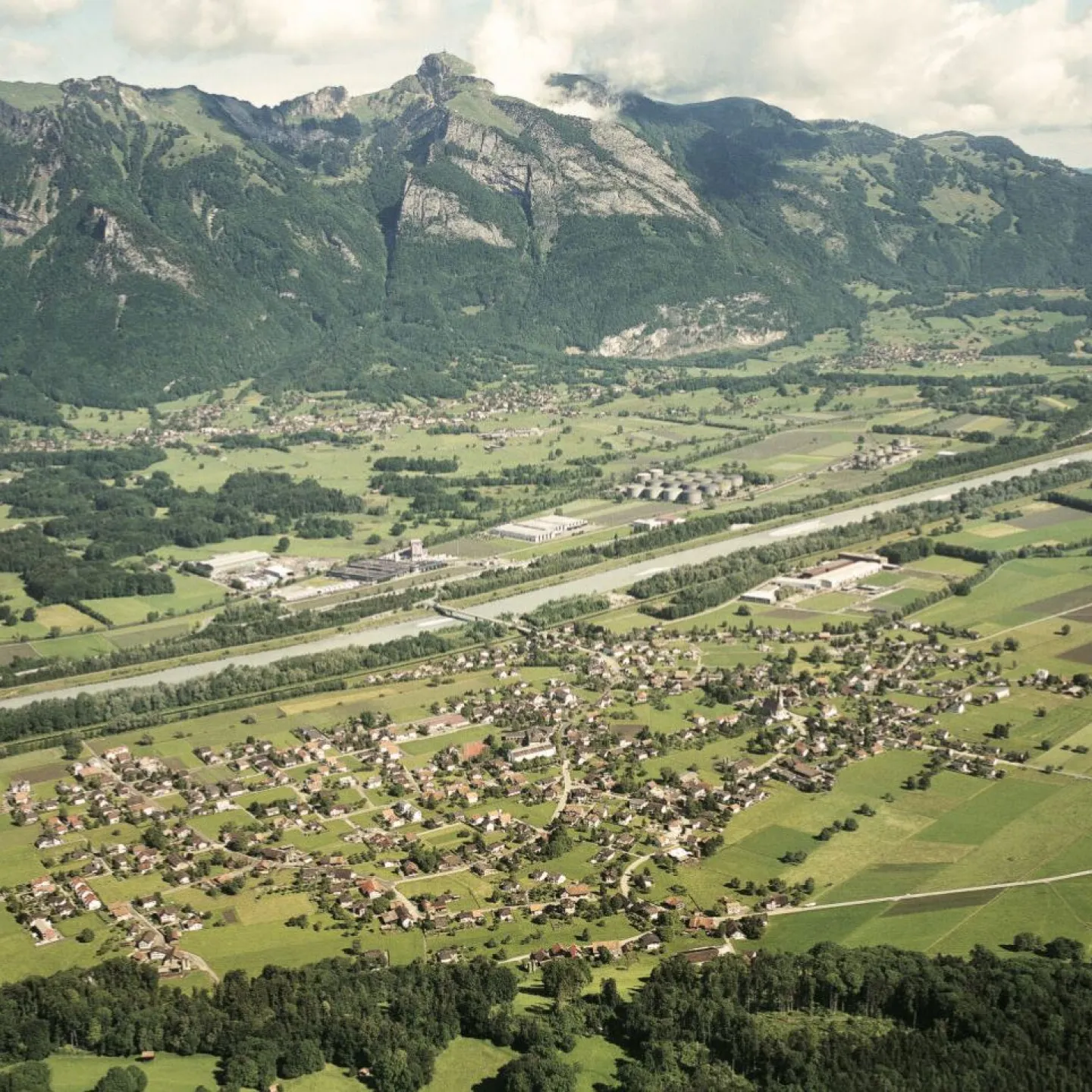
Luftbild des Rheintals

Innovative strength is a key quality of the Liechtenstein School of Architecture.


This is also reflected in our knowledge and technology transfer projects. We see ourselves as a regional platform for the exchange between research and practice. Our academic research and its transfer into practice support social and economic innovation for Liechtenstein. Through personal contacts and short communication channels, we have timely and efficient access to a network of relationships characterised by trust, appreciation and understanding.

Offer Overview
Luftbild des Rheintals
Zu diesem Thema gibt es keine Projekte.

Selected Publications

Cover in blau/weiss mit dem Titel "Lichtensteig. Mini Stadt im Toggenburg"

Lichtensteig - MiniStadt im Toggenburg

Urban Scenarios and Projects for the Spatial Development of Lichtensteig (Switzerland)

Download

Cover in blau/weiss mit dem Titel "Studio U"

Studio U - Unterbendern

Urban Design in Unterbendern 

Download

Blau/weisses Cover mit dem Titel "Alpine Towers"

Alpine Towers

Nine architectural design proposals for a 35-metre high observation tower in Liechtenstein

Download

Blau/Weisses Cover mit dem Title "Crafting Pestalozzi"

Crafting Pestalozzi

Ideas for the Children's Village Pestalozzi in Trogen, Switzerland

Download

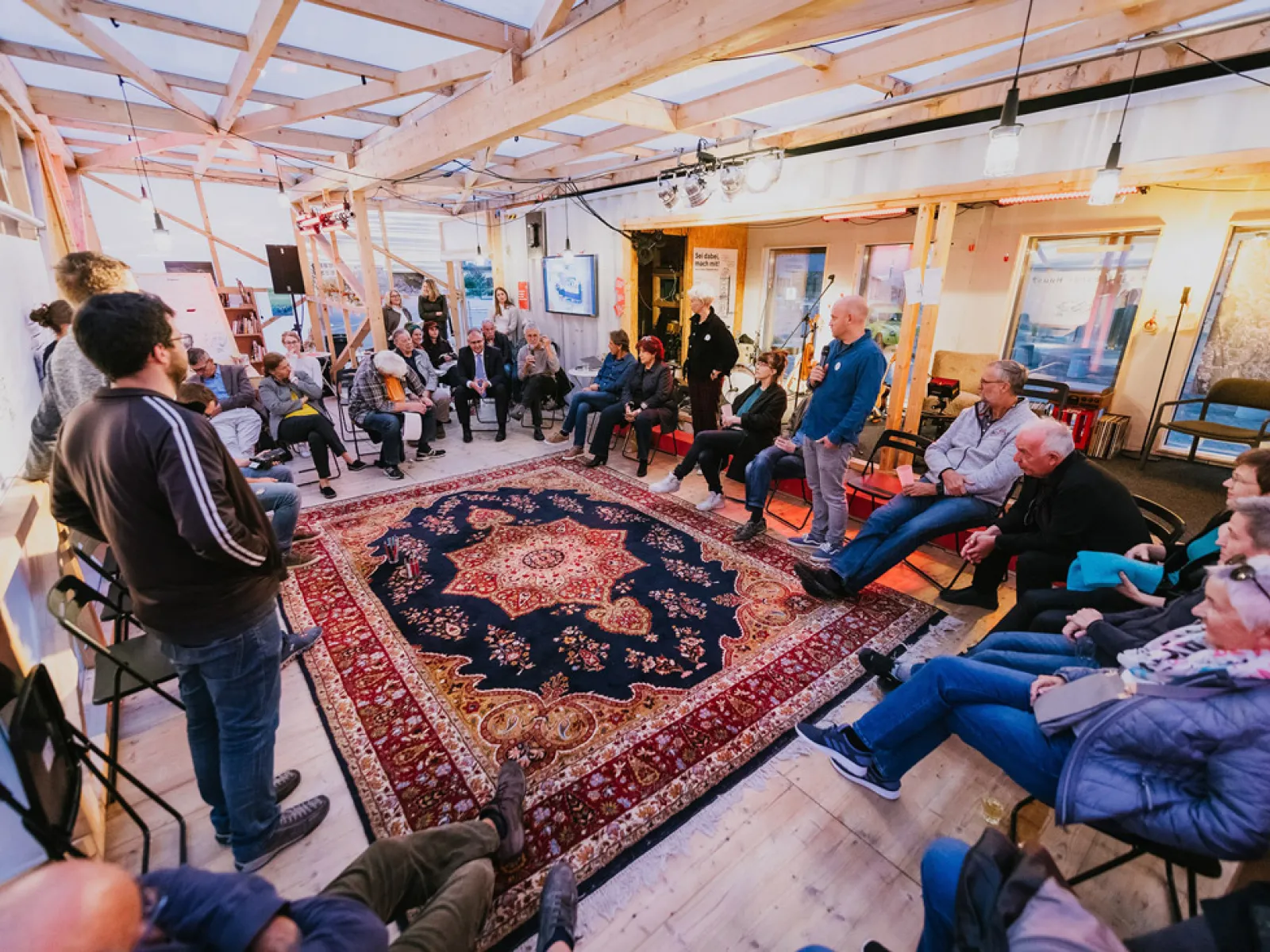
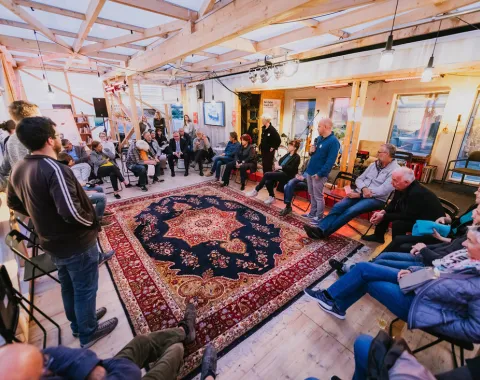
Gruppen von Menschen sitzt in einem Kreis und disktutiert
"Vadozner Huus", Liechtenstein
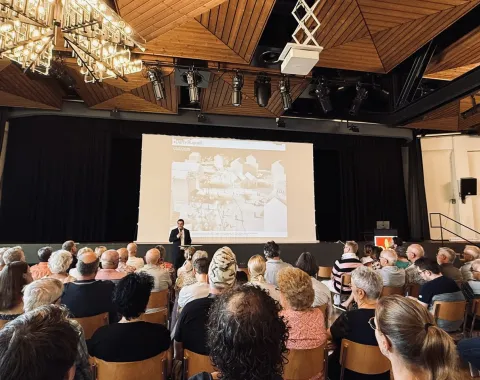
Eine Person hält einen Vortrag vor einem Publikum in einem Saal. Auf der Bühne ist eine große Leinwand mit einer Präsentation zu sehen. Der Raum hat eine moderne Holzdecke mit Beleuchtung.
Projektpräsentation in Ruggell, Liechtenstein
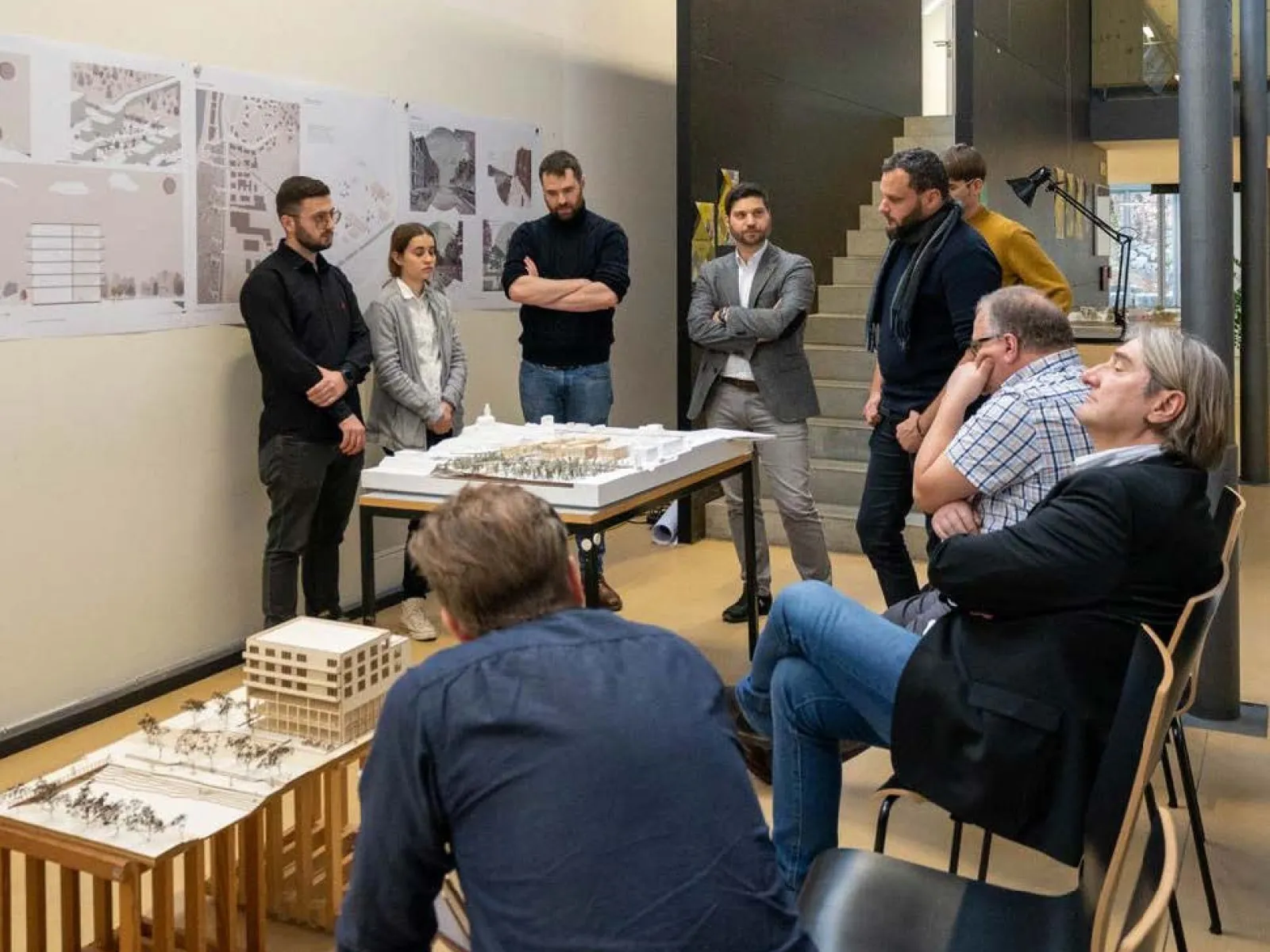
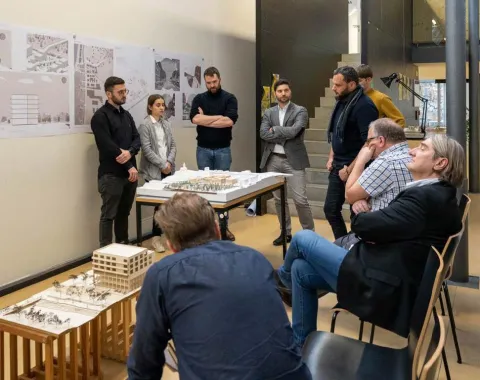
Mehrere Menschen bei einer Präsentation von Studierenden mit einem Architekturmodell
Projektpräsentation vor der Gemeinde Gamprin, Liechtenstein
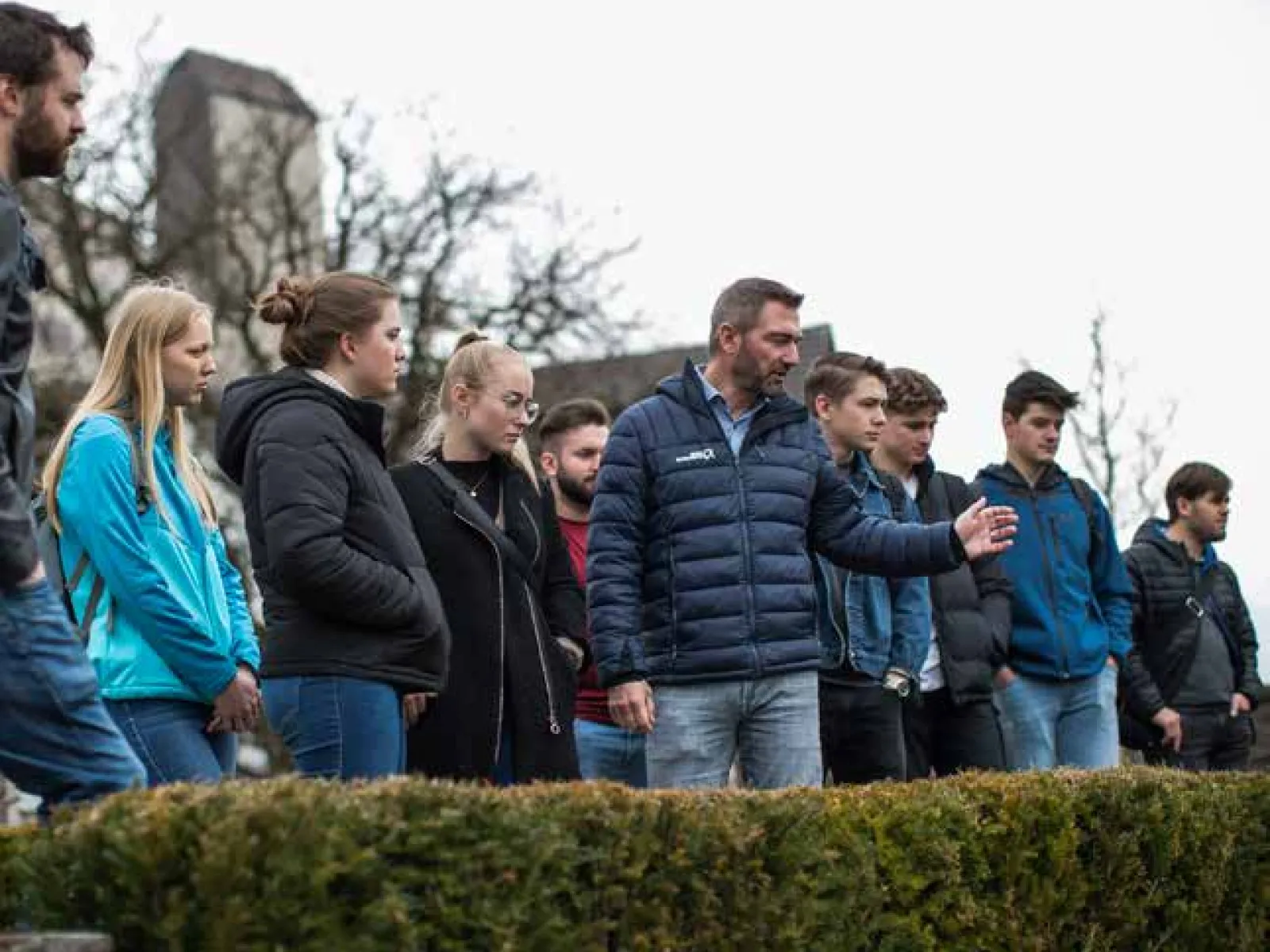
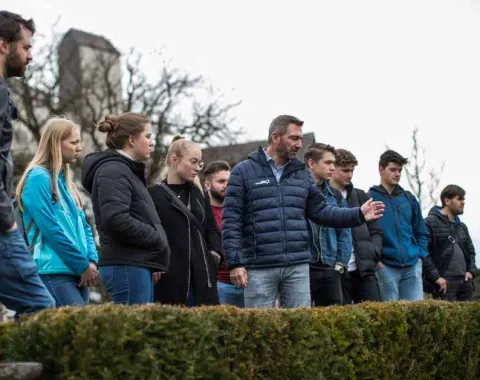
Studierende bei einer Standortbegehung
Naturnahe Freiraumgestaltung bei der Primarschule Ebenholz, Liechtenstein
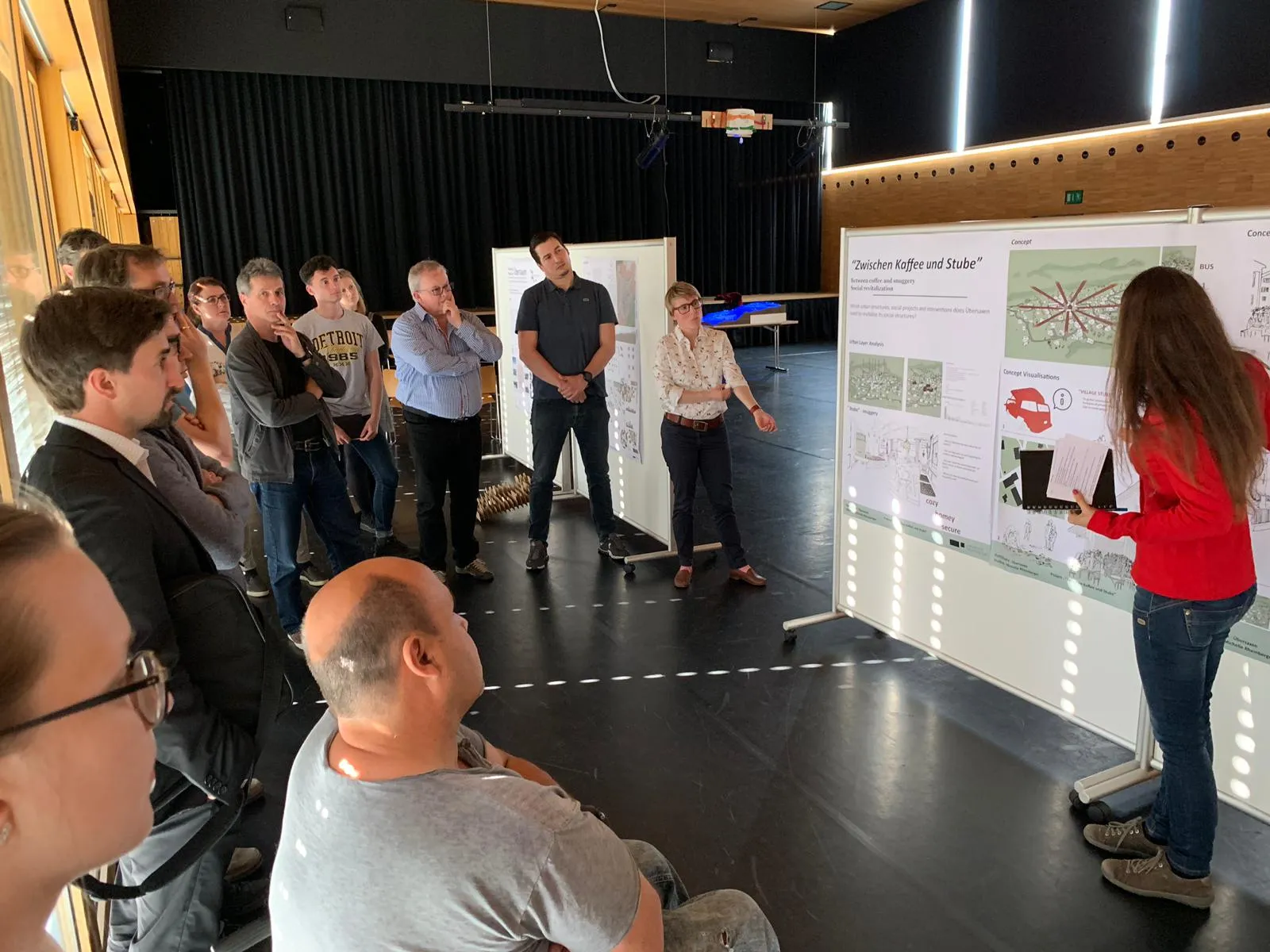
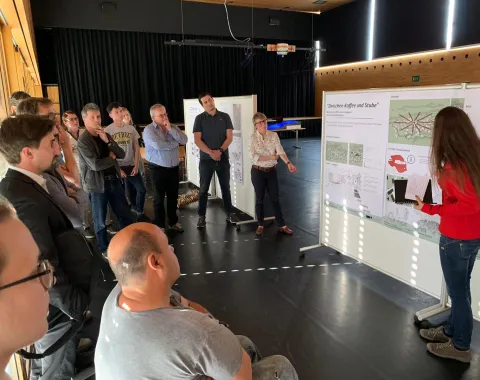
Mehrere Menschen bei einer Präsentation einer Studentin mit Architekturprojekten an einer Pinnwand
Projektpräsentation in der Gemeinde Übersaxen, Österreich
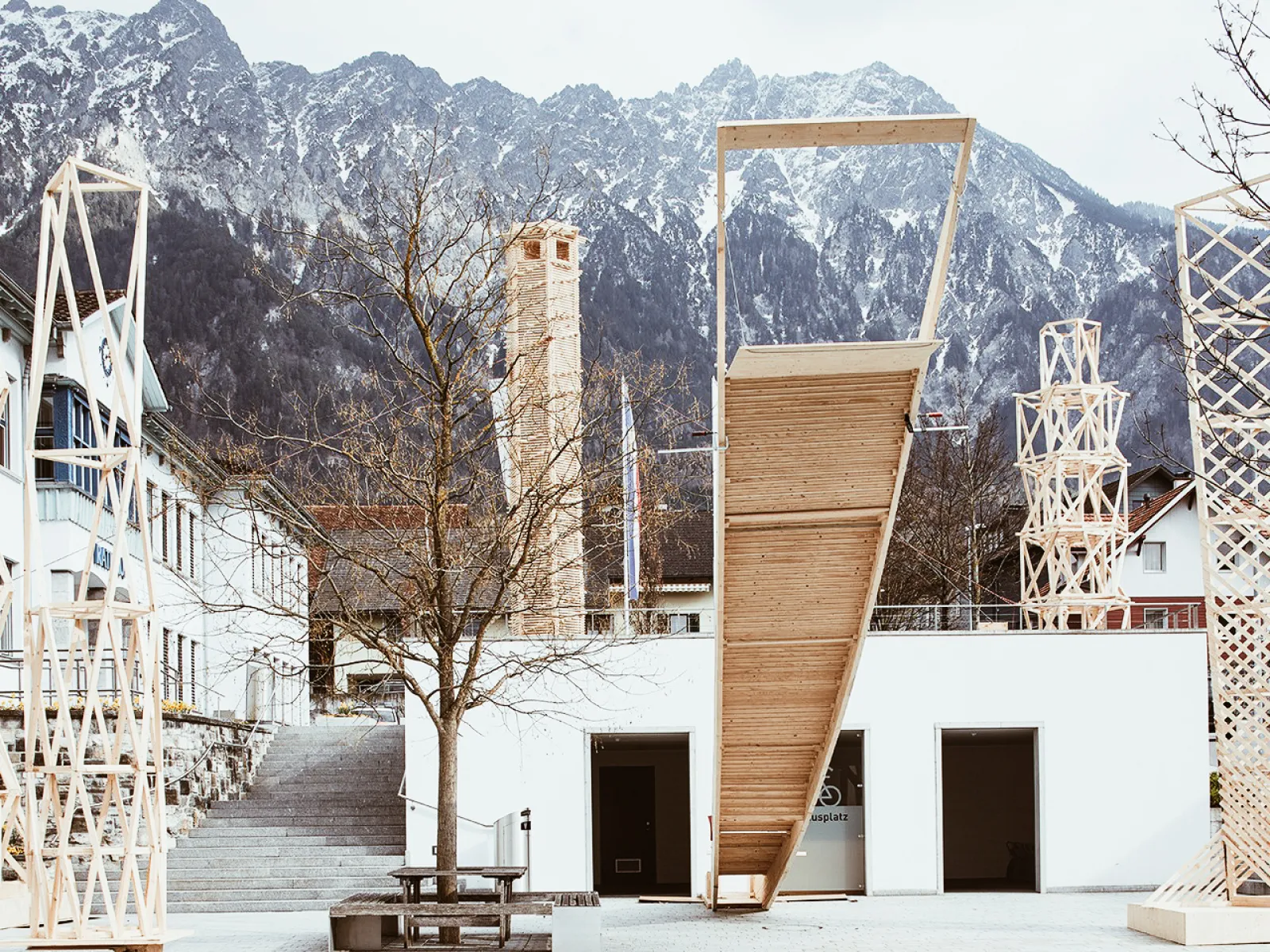
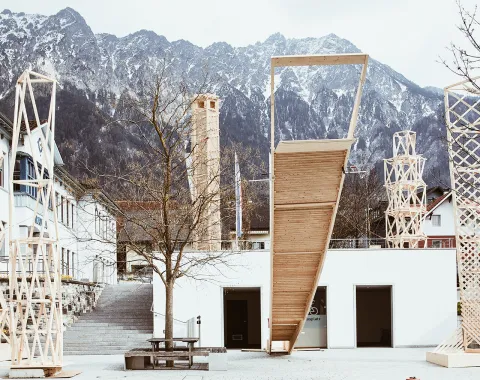
Holztuerme-auf-dem-Dorfplatz-von-Schaan-Liechtenstein-School-of-Architecture
Holztürme auf dem Dorfplatz Schaan, Liechtenstein
Gruppen von Menschen sitzt in einem Kreis und disktutiert
Eine Person hält einen Vortrag vor einem Publikum in einem Saal. Auf der Bühne ist eine große Leinwand mit einer Präsentation zu sehen. Der Raum hat eine moderne Holzdecke mit Beleuchtung.
Mehrere Menschen bei einer Präsentation von Studierenden mit einem Architekturmodell
Studierende bei einer Standortbegehung
Mehrere Menschen bei einer Präsentation einer Studentin mit Architekturprojekten an einer Pinnwand
Holztuerme-auf-dem-Dorfplatz-von-Schaan-Liechtenstein-School-of-Architecture
Contact Us

Still Have Questions about KTT Projects?

Prof. Dipl. Arch. ETH Michael Wagner
Dean - Liechtenstein School of Architecture Professor - Urban Design and Spatial Development Member of the Rectorate - Rectorate Academic Director MSc AR - Liechtenstein School of Architecture
Employee

LBS Wissenstransfer

Knowledge and Transfer Projects

Liechtenstein Business School

Strengths

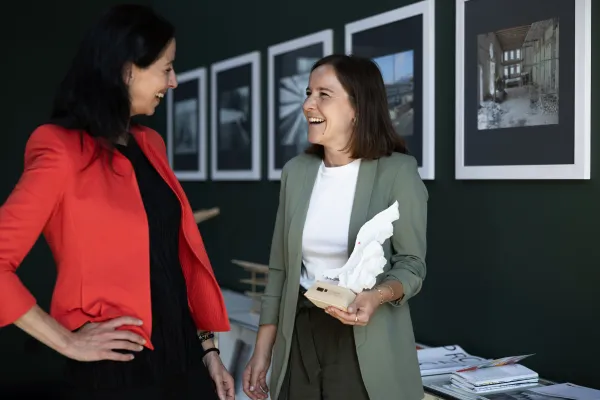
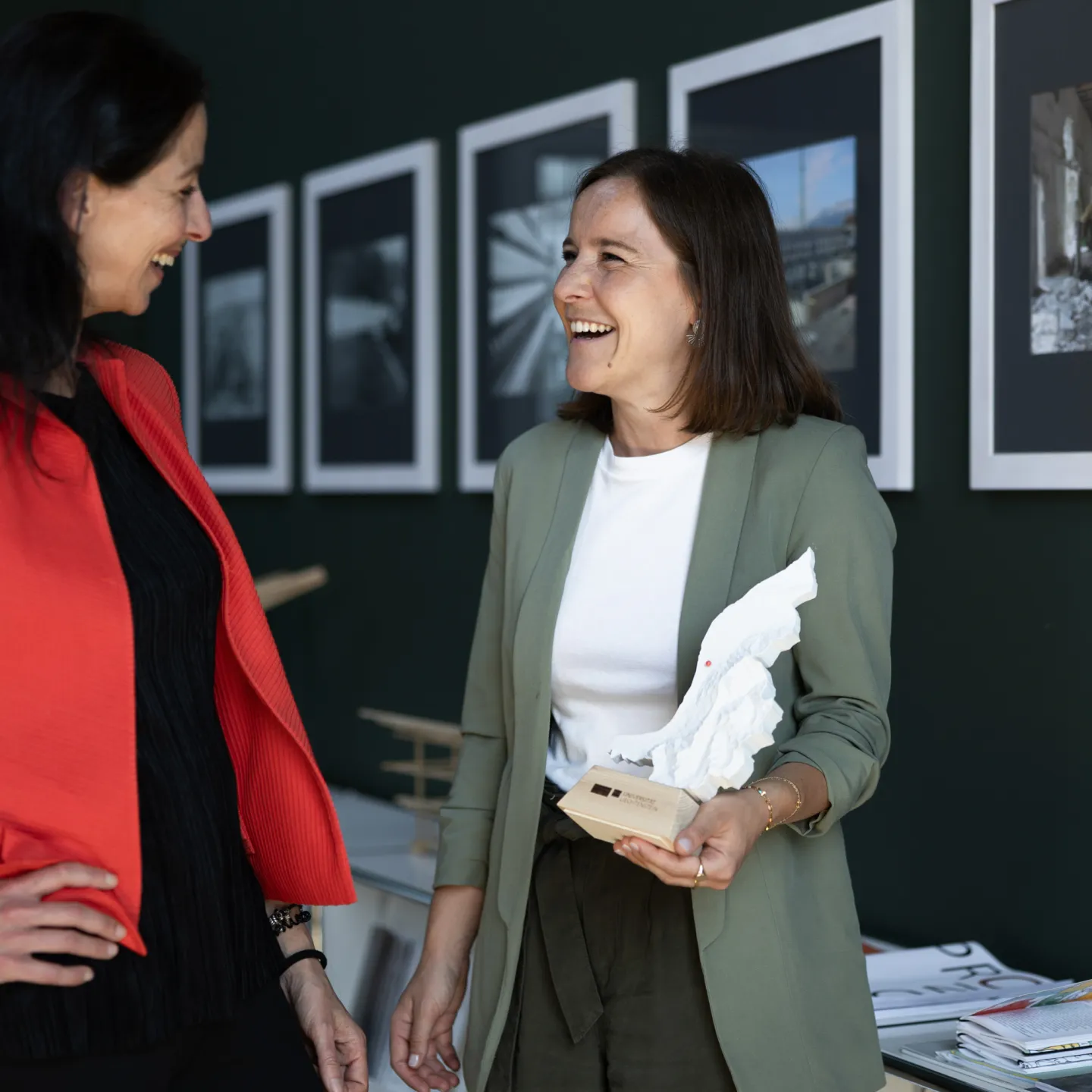
Zwei Frauen im Gespräch vor einer Bilderwand an der Universität Liechtenstein, eine hält ein Architekturmodell.

The LBS is distinguished by its strong network with regional and international companies. Its research is relevant and addresses current practical challenges, for example in fields such as digitalisation, sustainability and artificial intelligence. This creates the foundation for successful knowledge transfer and innovation.

Zwei Frauen im Gespräch vor einer Bilderwand an der Universität Liechtenstein, eine hält ein Architekturmodell.

Key Activities and Formats

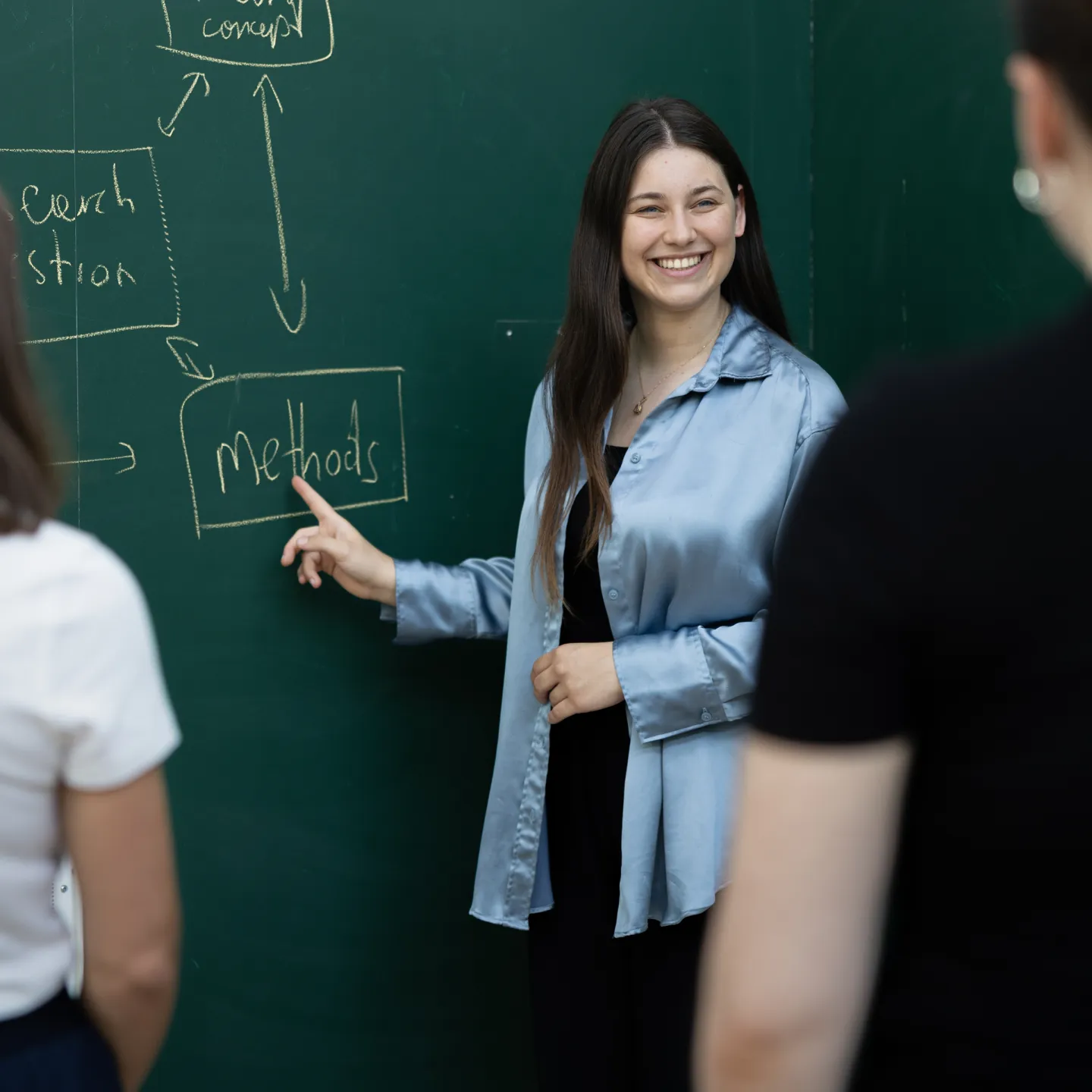
Studierende präsentieren ein Forschungskonzept an der Tafel und diskutieren Methoden an der Universität Liechtenstein.

Knowledge transfer at the LBS takes place through various formats. In so-called labs, companies collaborate with the LBS over an extended period and on multiple levels. In transfer projects, researchers from the university work together with companies on concrete challenges. Such projects may be externally funded under certain conditions (e.g. through Innosuisse). Students can also be involved in knowledge transfer by addressing practical problems, for example as part of theses or specialised courses (e.g. master’s labs).

Studierende präsentieren ein Forschungskonzept an der Tafel und diskutieren Methoden an der Universität Liechtenstein.
Knowledge Transfer That Creates Added Value

Dean Liechtenstein Business School

Prof. Dr. Michael Hanke
Dean - Liechtenstein Business School Professor - Finance
Employee
Knowledge Transfer That Creates Added Value

Contact Person for Transfer Projects

Prof. Dr. Leo Brecht
Professor - Technology and Innovation Academic Director MBA in Technology & Innovation - Technology and Innovation
Employee
Knowledge Transfer That Creates Added Value

Contact Person for Transfer Projects

Dr. Katrin Oettmeier
Research Coordinator for Business Cooperations and Transfer Projects - Dean's Office Liechtenstein Business School
Employee
Knowledge Transfer That Creates Added Value

Contact Person for Transfer Projects

MMag. Claudia Riedmann
Research Coordinator for Business Cooperations and Transfer Projects - Dean's Office Liechtenstein Business School
Employee
Subscribe to